Blink And You'll Miss Them, Basically Forever
Most animals get discovered, and then folded into the normal business of biology. These didn't get that treatment. Some exist as a single museum specimen collected a century ago and nothing since. Others turned up once on a camera trap after decades of researchers assuming they were gone for good. A few are so recent the footage is still making headlines. Here's 20 animals whose entire relationship with human observation comes down to one sighting, or close to it.
 NTNU Vitenskapsmuseet on Wikimedia
1. Attenborough's Long-Beaked Echidna
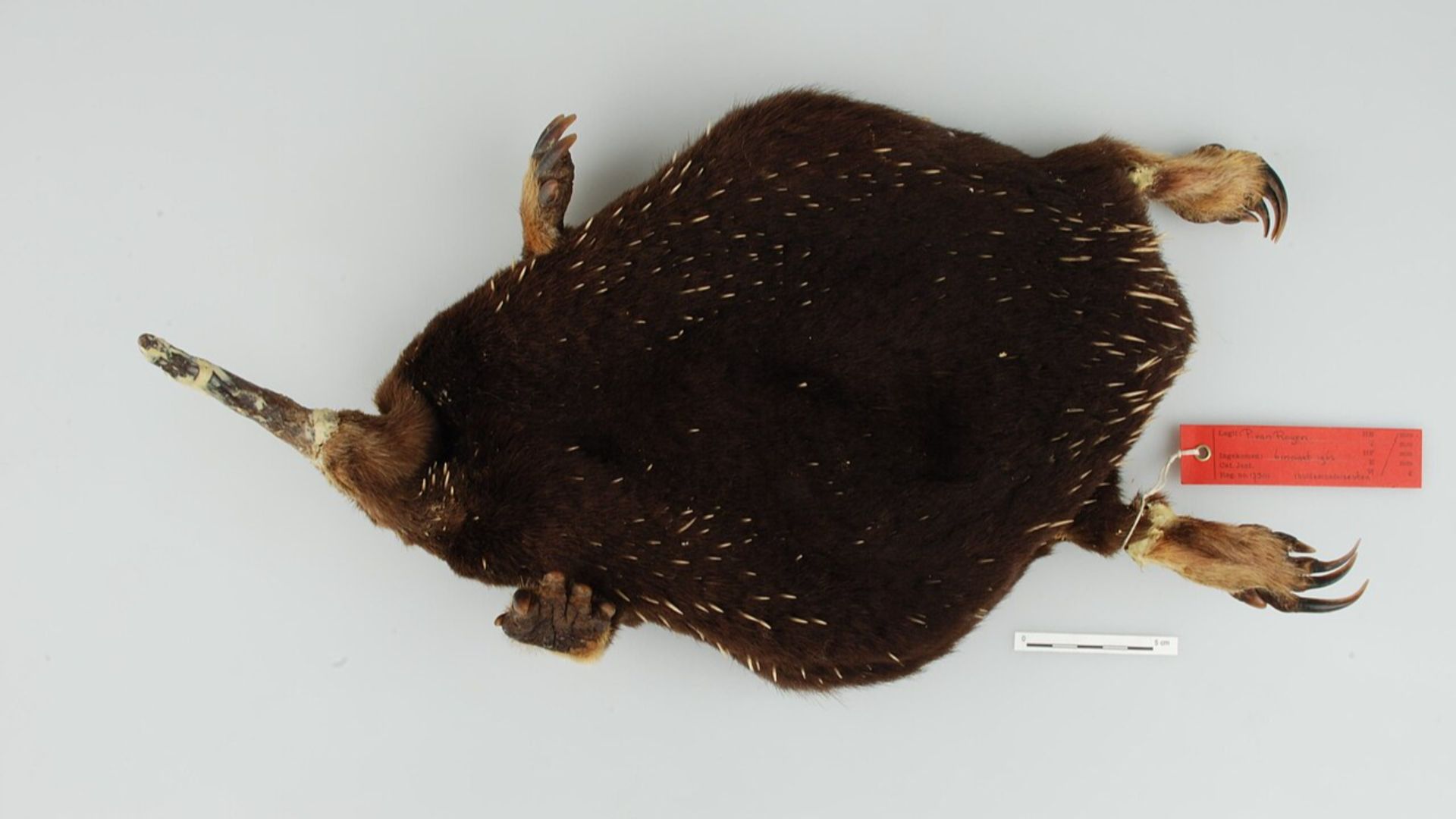
Known only from a single damaged specimen collected in Indonesia's Cyclops Mountains in 1961, this egg-laying mammal wasn't seen again by scientists for more than 60 years. In 2023, an Oxford-led expedition finally caught it on camera trap footage, on the last day of a month-long search. It remains the only confirmed video record of the species alive.
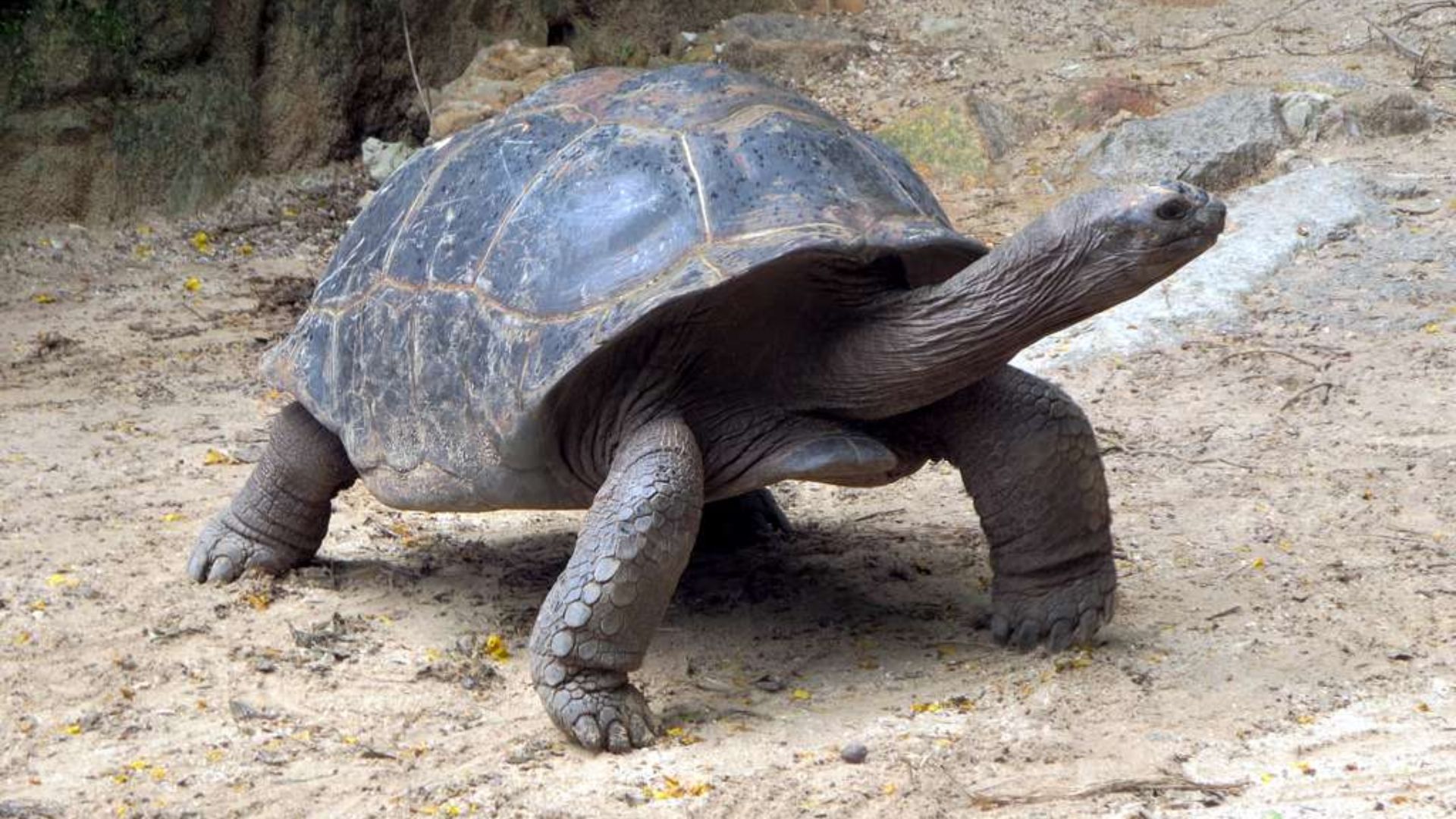
2. Fernandina Giant Tortoise
A single male specimen collected in the Galápagos in 1906 was, for over a century, the only evidence this species existed. In 2019, researchers found one lone female on Fernandina Island, and genetic testing confirmed she belonged to the same species. Two tortoises are the entire known population, separated by 113 years.
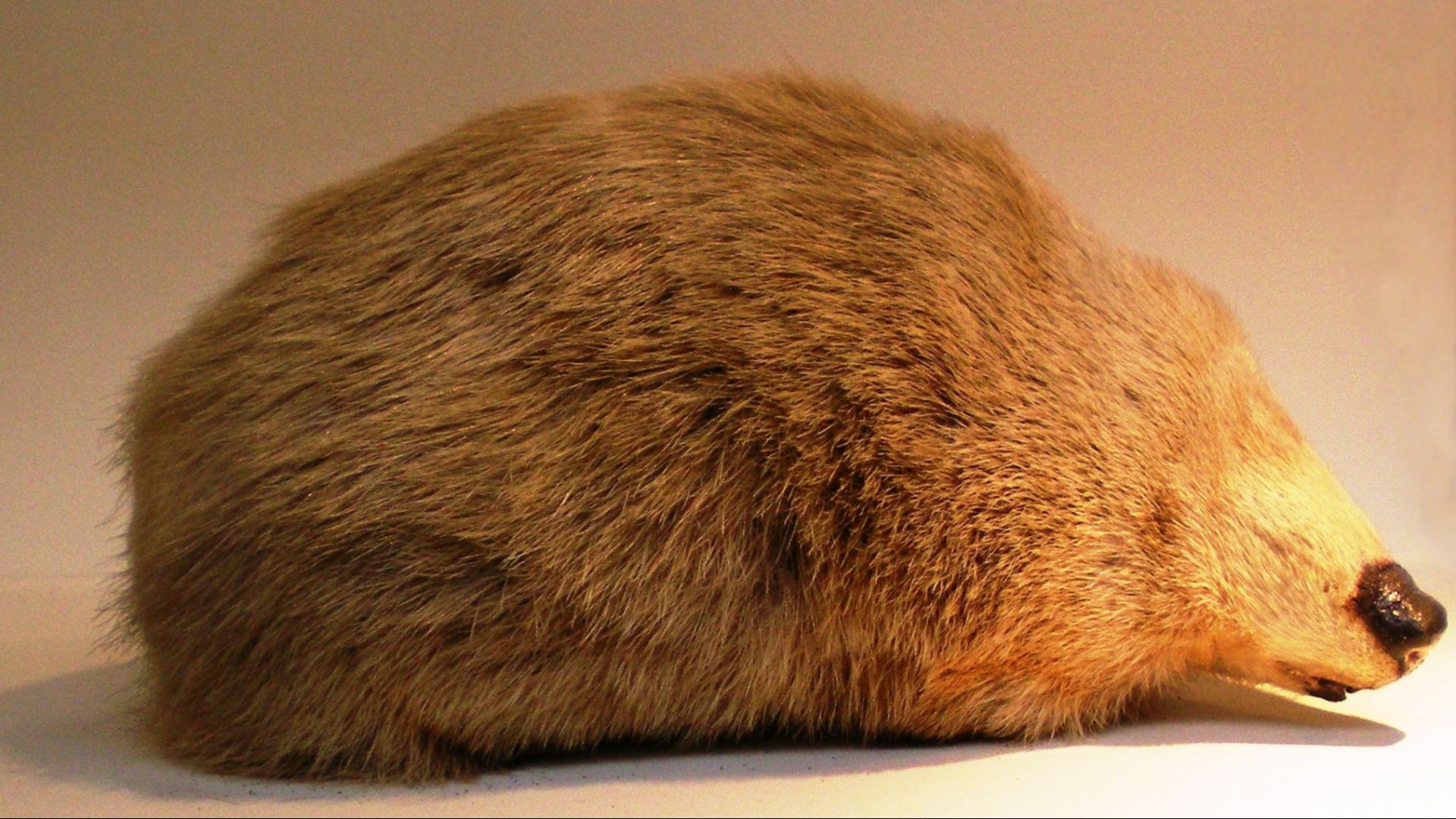
3. De Winton's Golden Mole
This blind, sand-swimming mole hadn't been recorded since 1937 on South Africa's northwest coast and was feared extinct. Researchers used environmental DNA pulled from sand samples, along with a trained sniffer dog, to relocate it in 2023. It was the first time the species had ever been filmed alive.
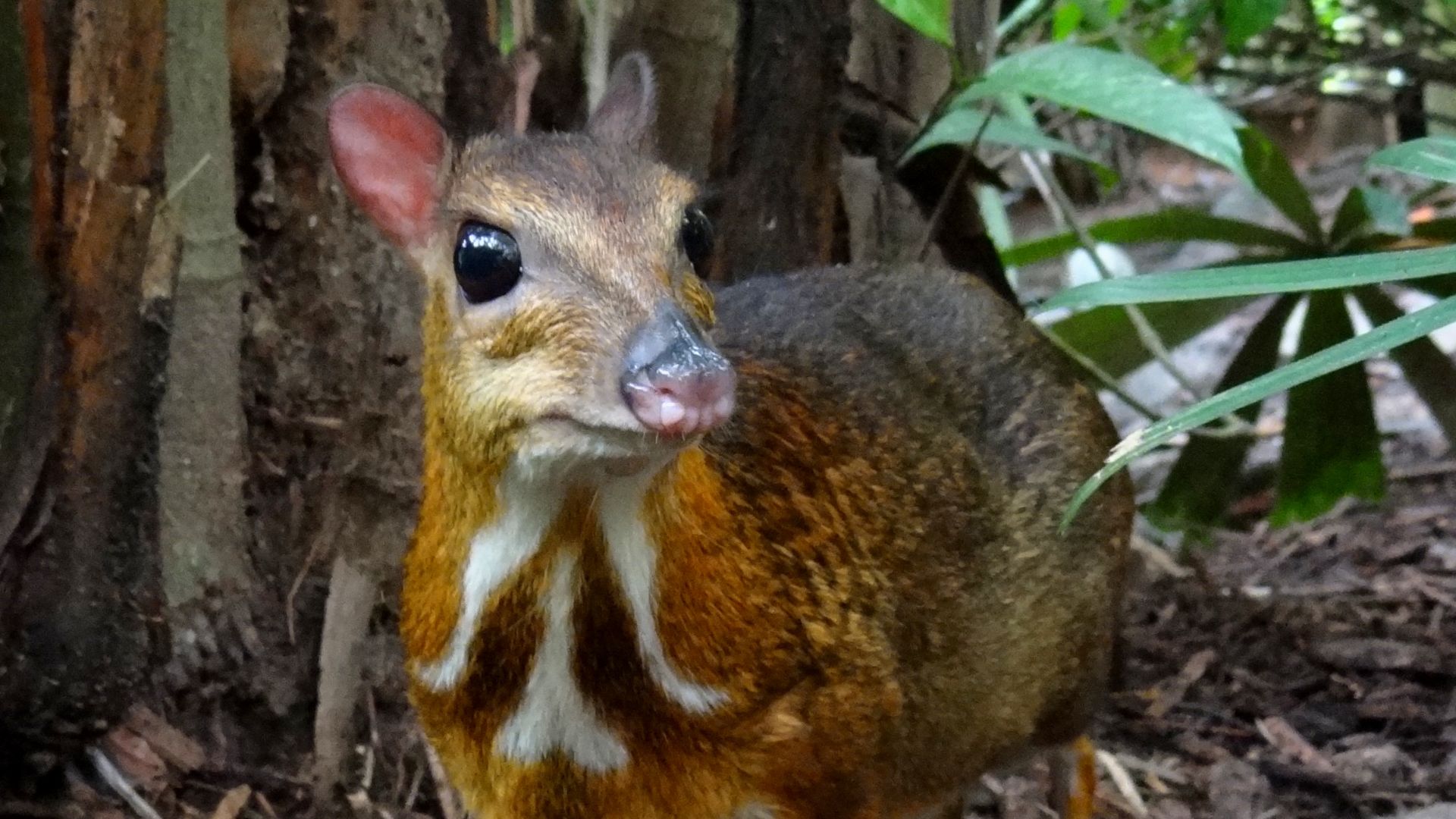
4. Silver-Backed Chevrotain
This tiny, fanged, deer-like animal from Vietnam had only ever been studied from dead specimens and hadn't been documented alive in almost 30 years. In 2019, camera traps set up on tips from local villagers finally caught it on film. Before that, its entire scientific record was built from carcasses.
 Uspn (Bjørn Christian Tørrissen). on Wikimedia
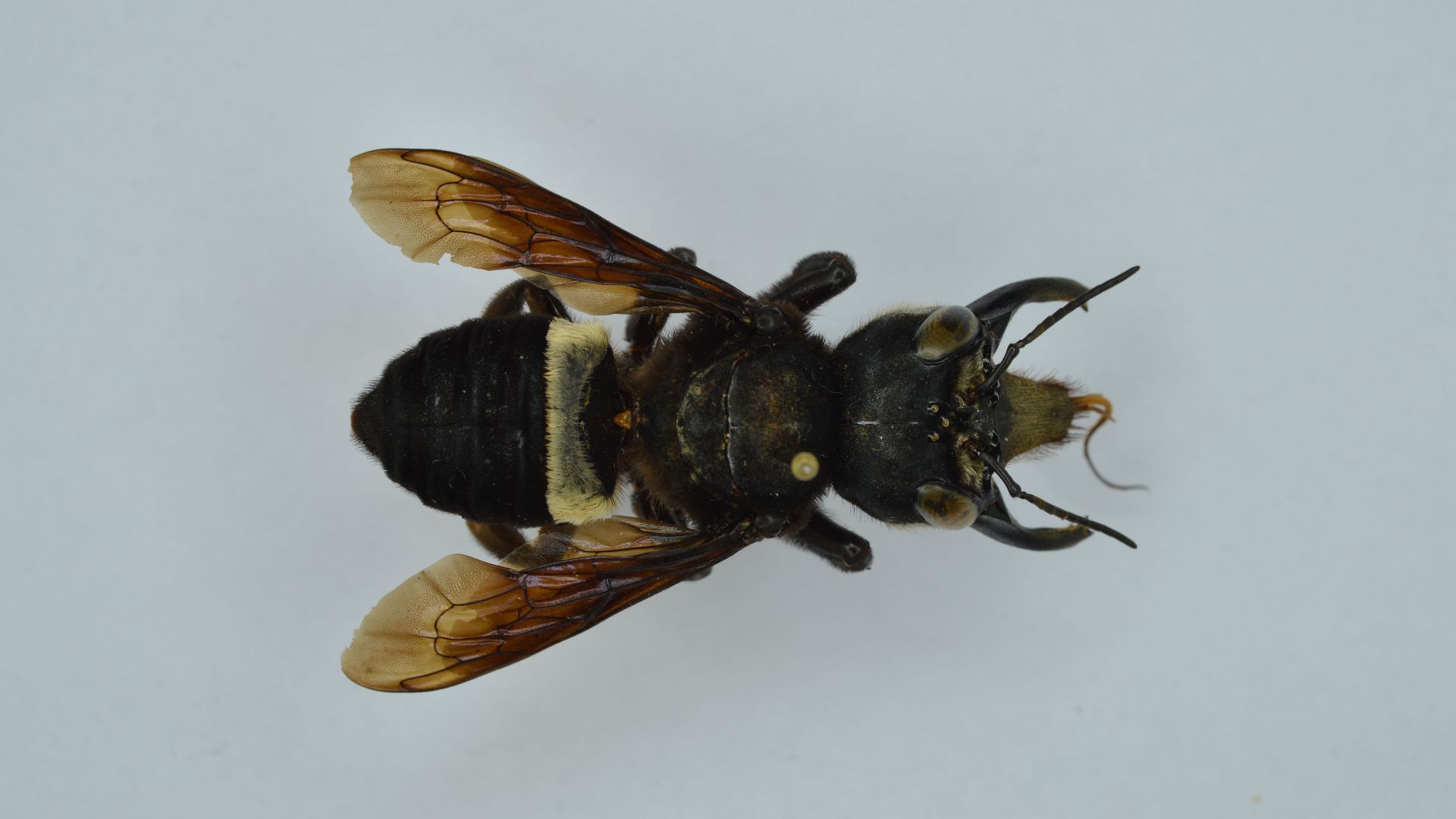
5. Wallace's Giant Bee
The world's largest bee was described in 1858, seen again in 1981, then lost for another 38 years. In 2019, a search team photographed and filmed a living individual for the first time ever, nesting inside an active termite mound. Two specimens had also quietly turned up for sale online in the years just before that.
 Naturalis Biodiversity Center on Wikimedia
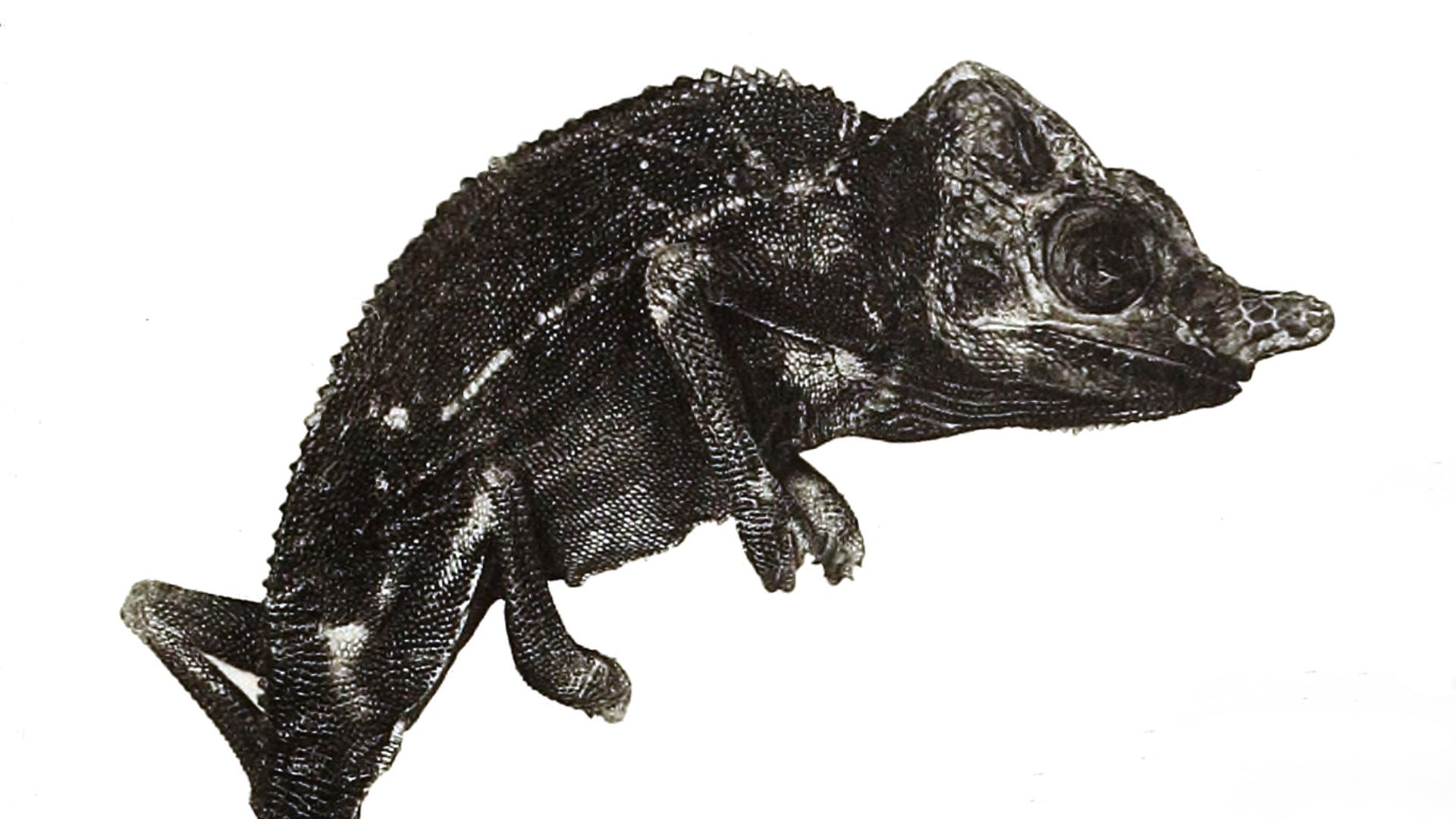
6. Voeltzkow's Chameleon
First described in 1893 and unseen since 1913, this Madagascar chameleon was presumed lost for more than a century. A 2018 expedition finally rediscovered it, and researchers got their first-ever look at living females, whose coloring turned out far more dramatic than the males'. Both sexes reportedly live only a few months at a time.
 File:Chameleon voeltzkowi 1913.png: Alfred Voeltzkow
derivative work: Zinnmann on Wikimedia
File:Chameleon voeltzkowi 1913.png: Alfred Voeltzkow
derivative work: Zinnmann on Wikimedia
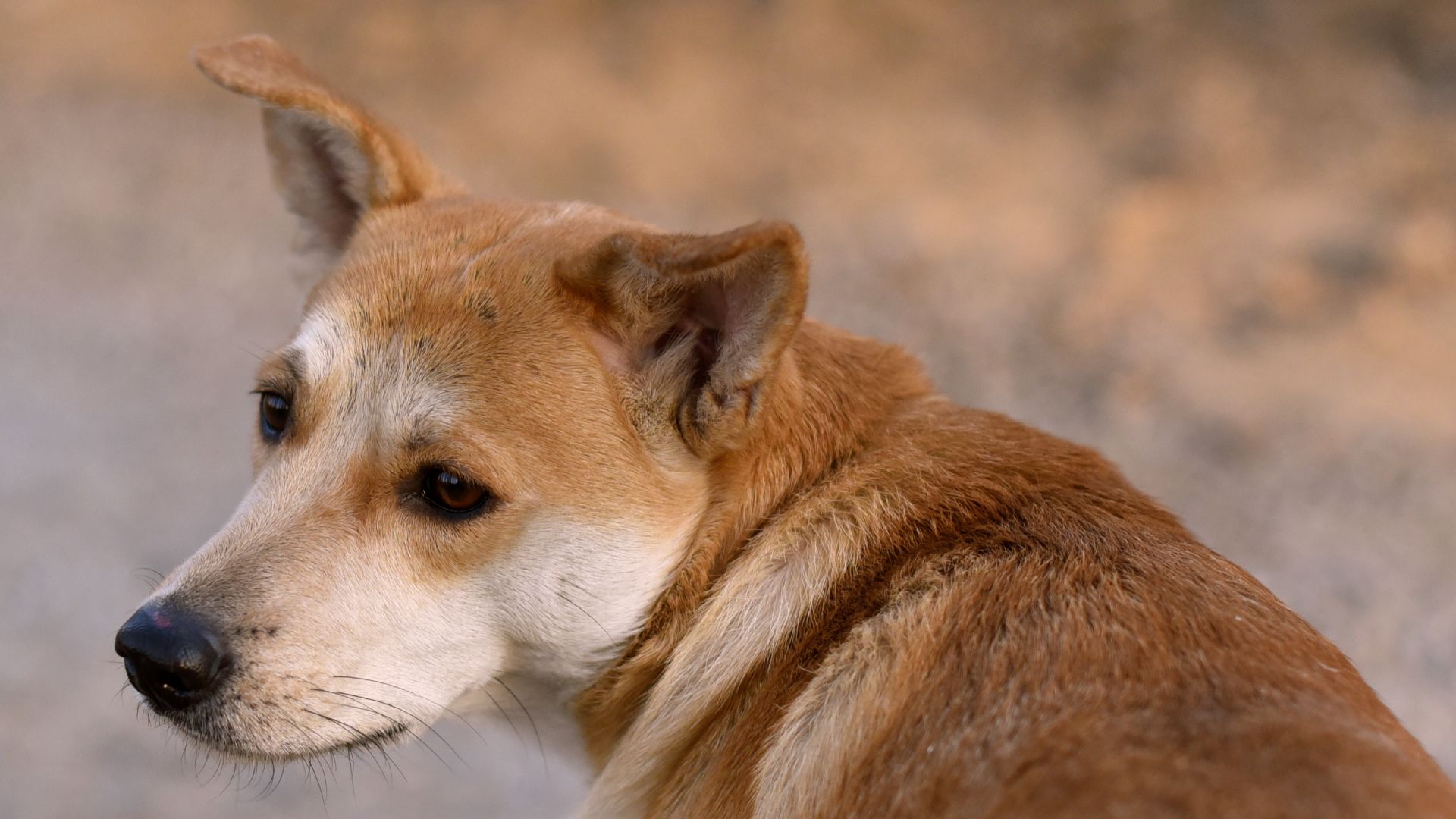
7. New Guinea Highland Wild Dog
Before 2016, this ancient wild canine had only ever been documented in two photographs, taken decades apart. A research expedition that year finally located a population in the remote highlands of Papua, Indonesia, capturing over a hundred camera-trap images. DNA testing confirmed a close relationship to the captive New Guinea singing dog.
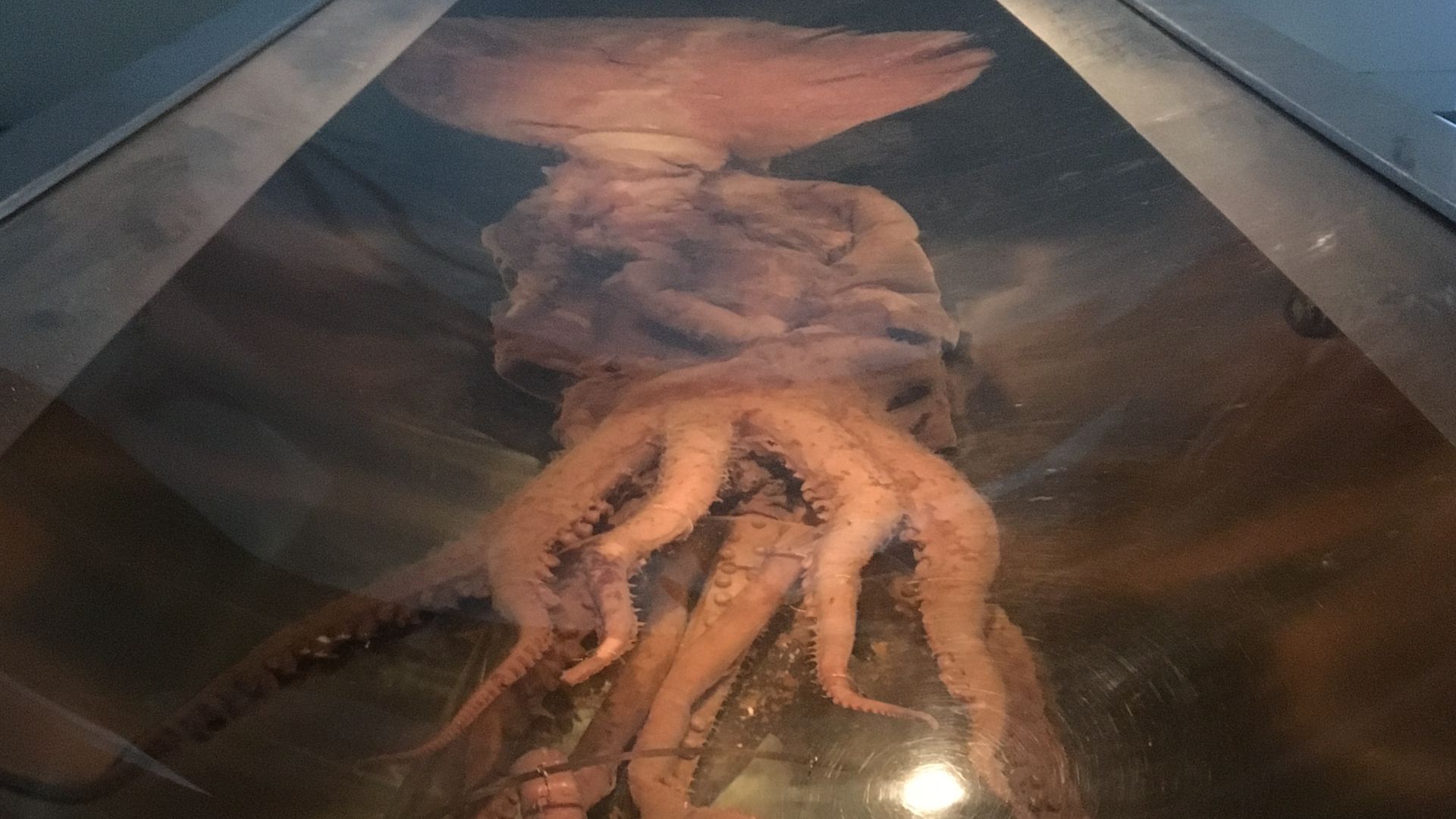
8. Colossal Squid
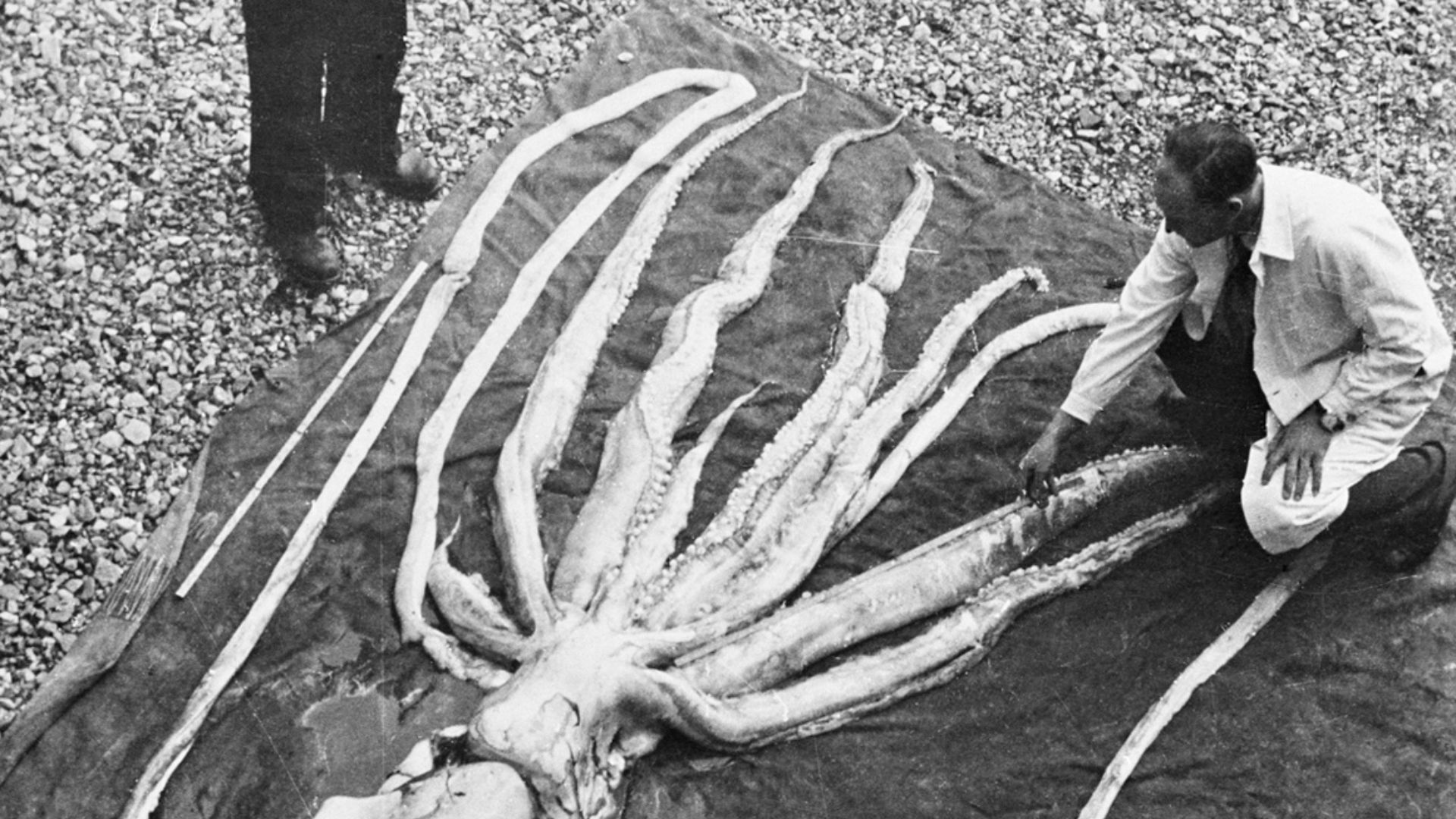
The heaviest invertebrate on the planet was first identified from remains in a whale's stomach in 1925, and for a full century every known specimen came from dead animals. In March 2025, a research vessel finally filmed a live juvenile in its natural habitat off the South Sandwich Islands. It's still the only confirmed footage of the species alive.
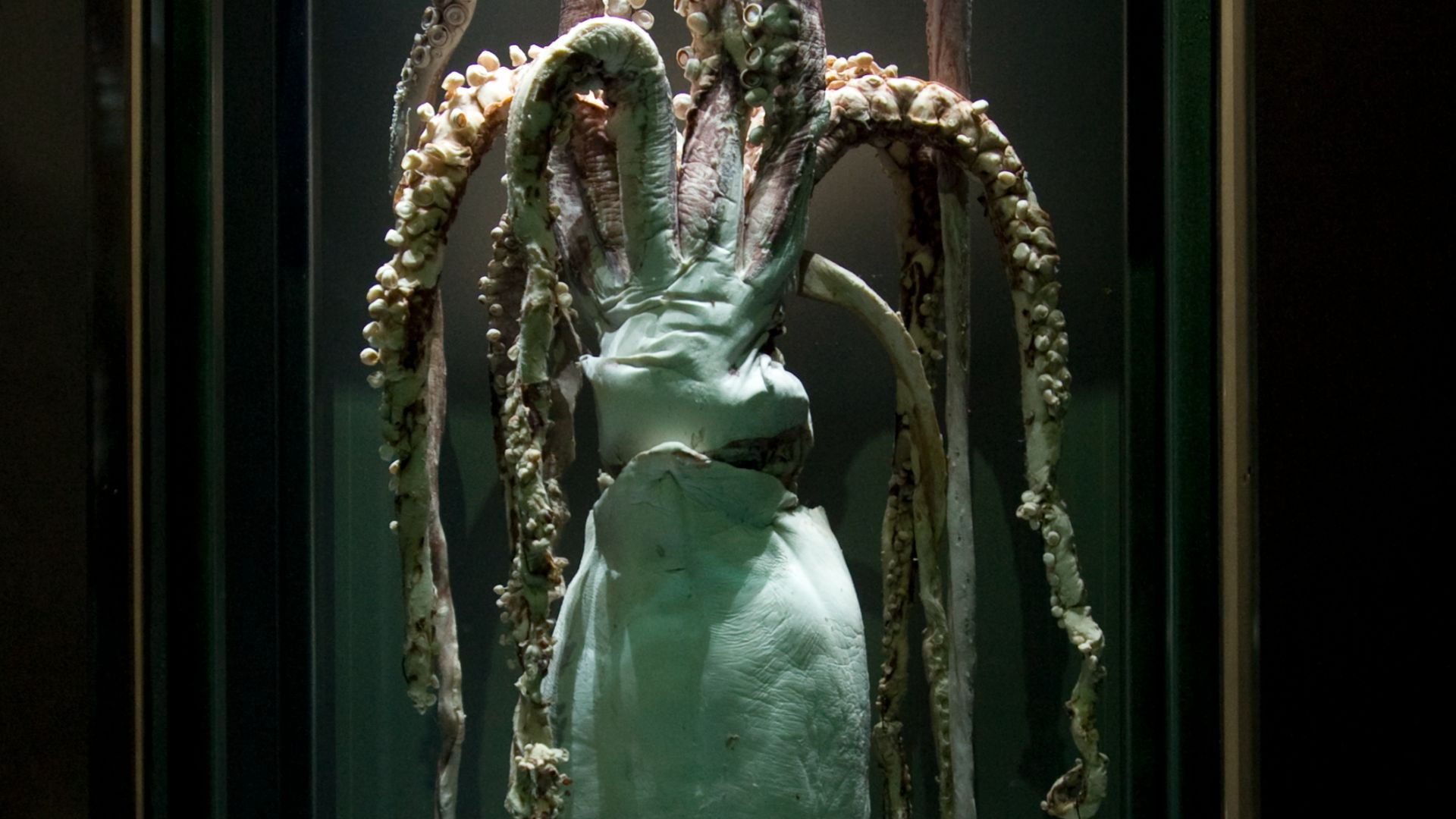
9. Giant Squid
Sailors told stories about this animal for centuries before anyone filmed one alive in open water. In 2012, a Japanese-led team used a submersible and infrared lighting to capture the first video of a giant squid swimming freely at depth, following it down nearly 900 meters. Every other giant squid record came from carcasses or animals hauled to the surface.
 EOL Learning and Education Group on Wikimedia
10. Jackson's Climbing Salamander
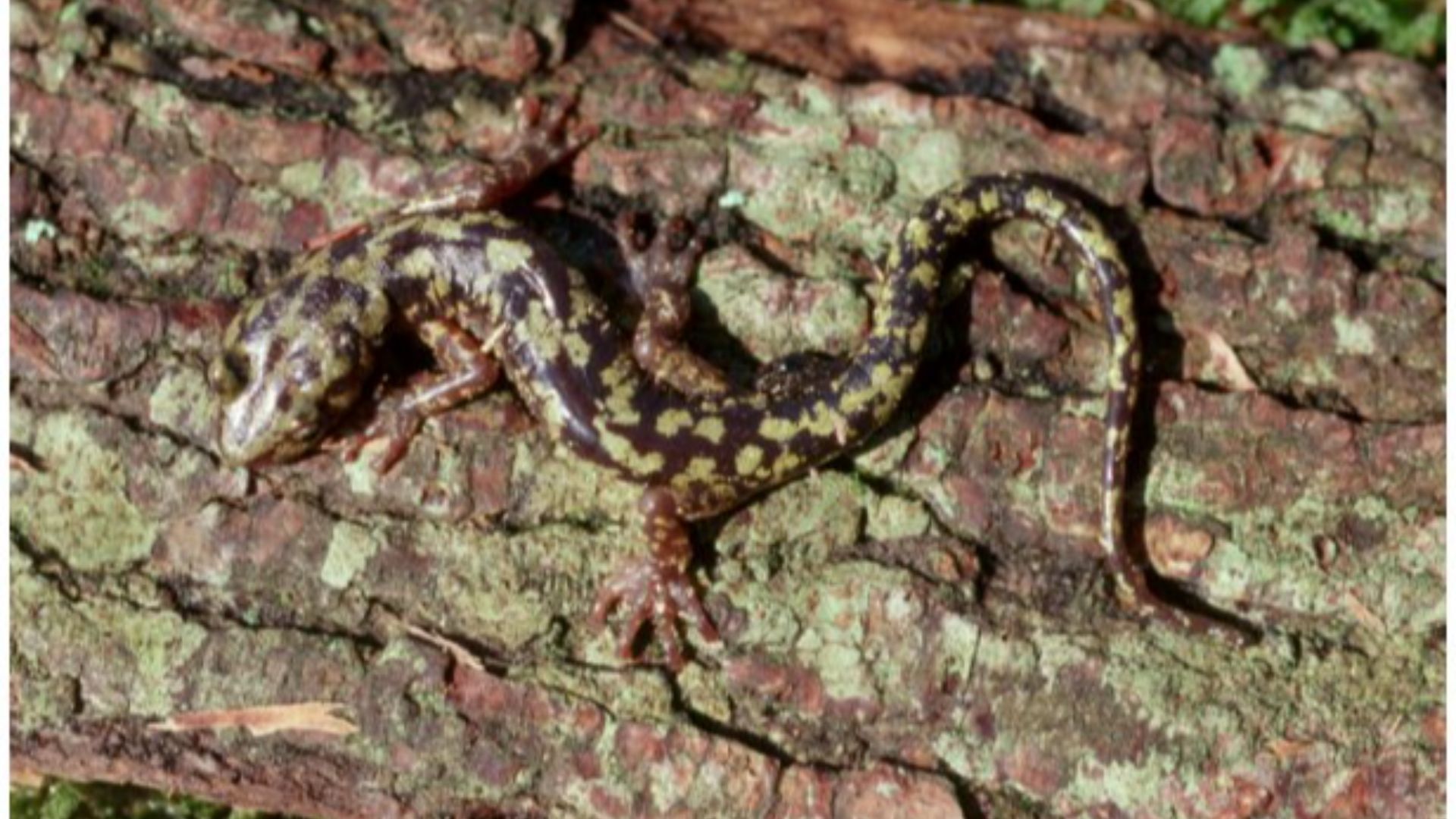
This tiny amphibian from Guatemala's cloud forests was seen alive in the wild exactly once, in 1975, and then not again for over four decades. A park ranger relocated it in 2017 during a targeted search, making it one of the first species confirmed alive as part of a global "most wanted" list of lost animals. Almost nothing is known about its behavior beyond that rediscovery.
11. Night Parrot
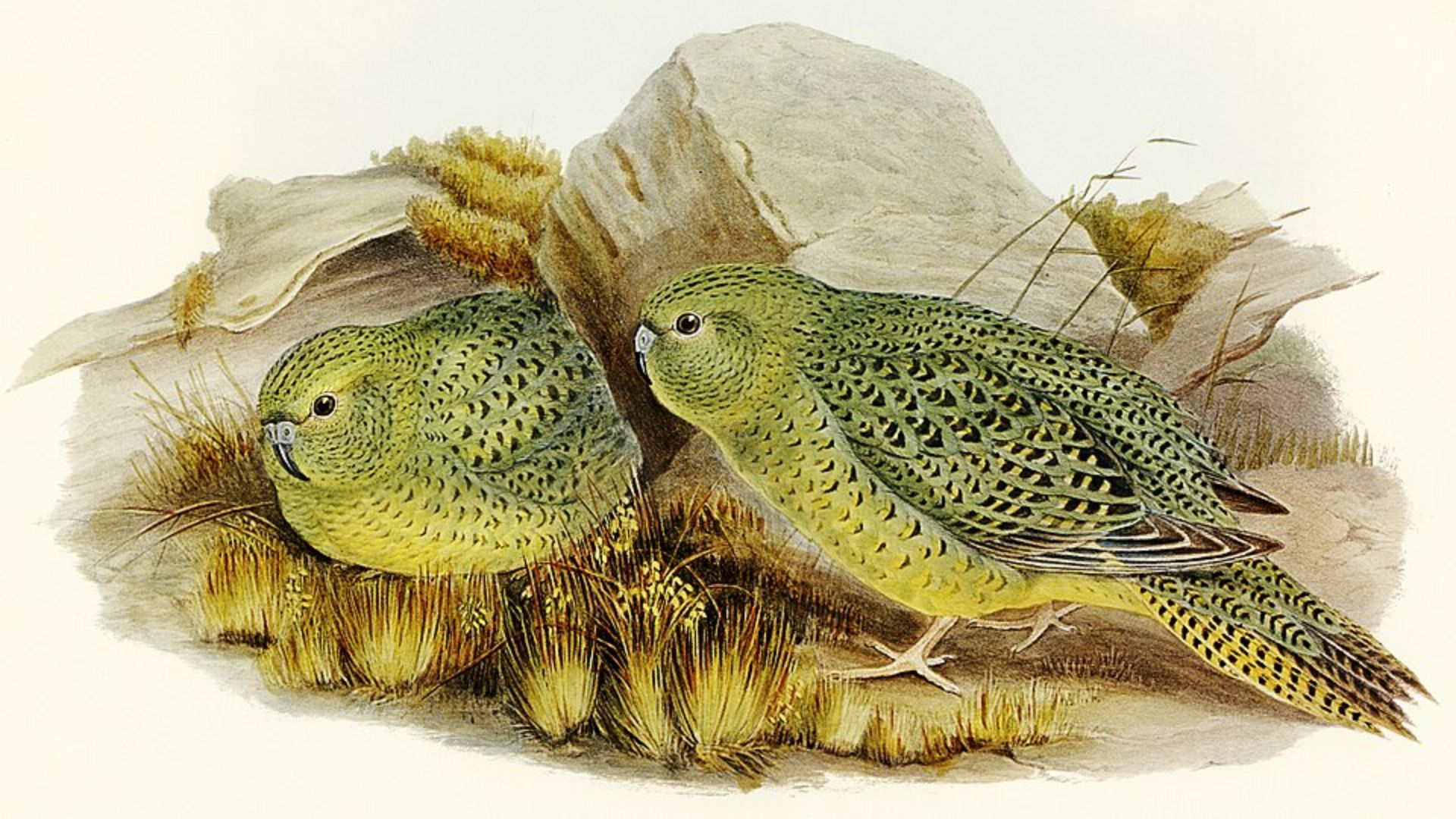
Australia's night parrot vanished from the record after 1912, with only two dead specimens turning up over the following century. In 2013, naturalist John Young finally photographed a living bird in remote Queensland after 15 years of searching, and the location was kept secret to protect it. It remains one of the rarest birds on Earth to be seen alive.
 commons.wikimedia.org on Google
12. Coelacanth
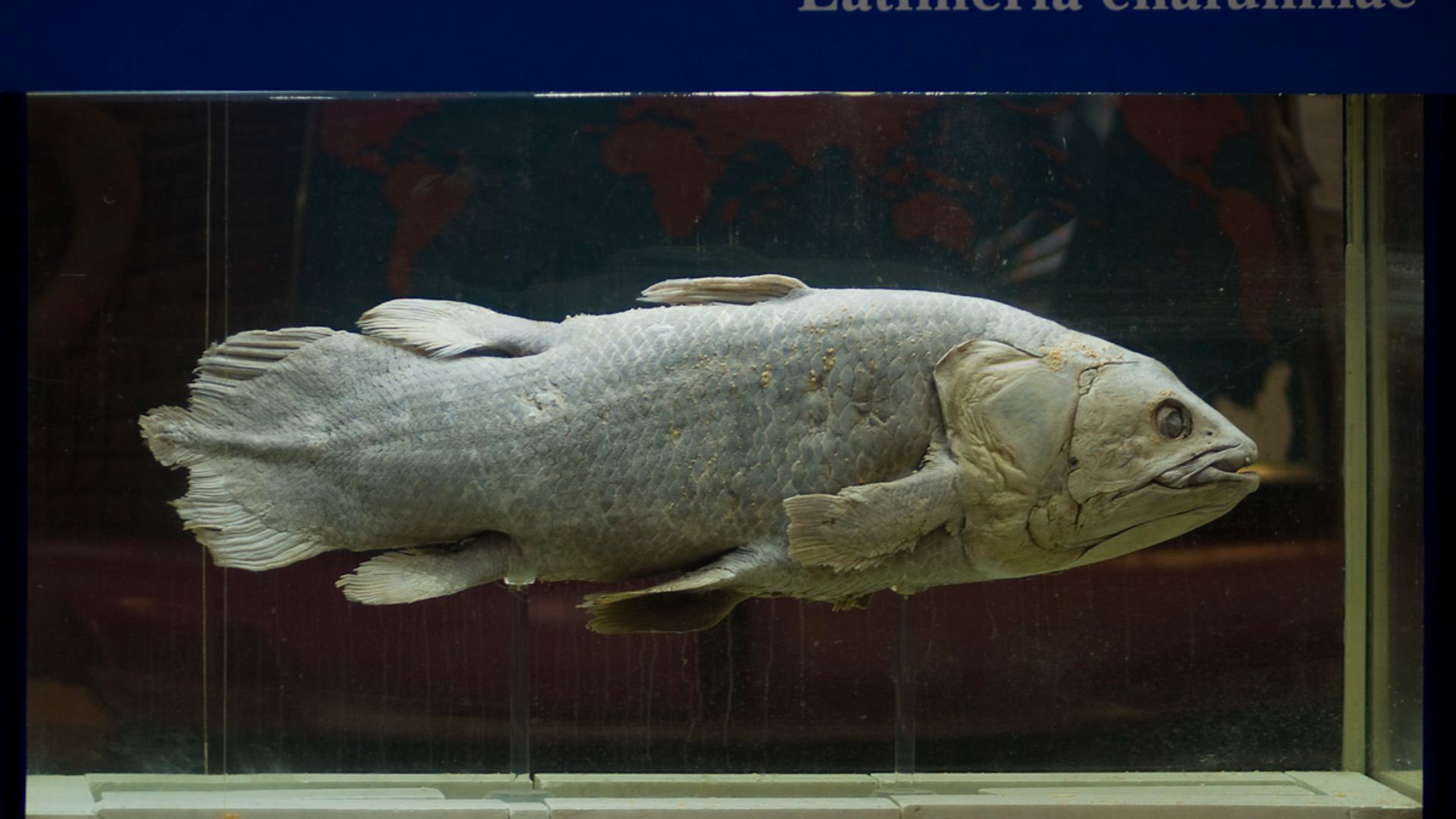
Known only from fossils and presumed extinct for around 66 million years, the coelacanth turned up alive when a South African museum curator identified one hauled up in a fishing net in 1938. The discovery is still considered one of the most significant zoological finds of the 20th century. A second, distinct population wasn't confirmed until decades later.
13. Takahē
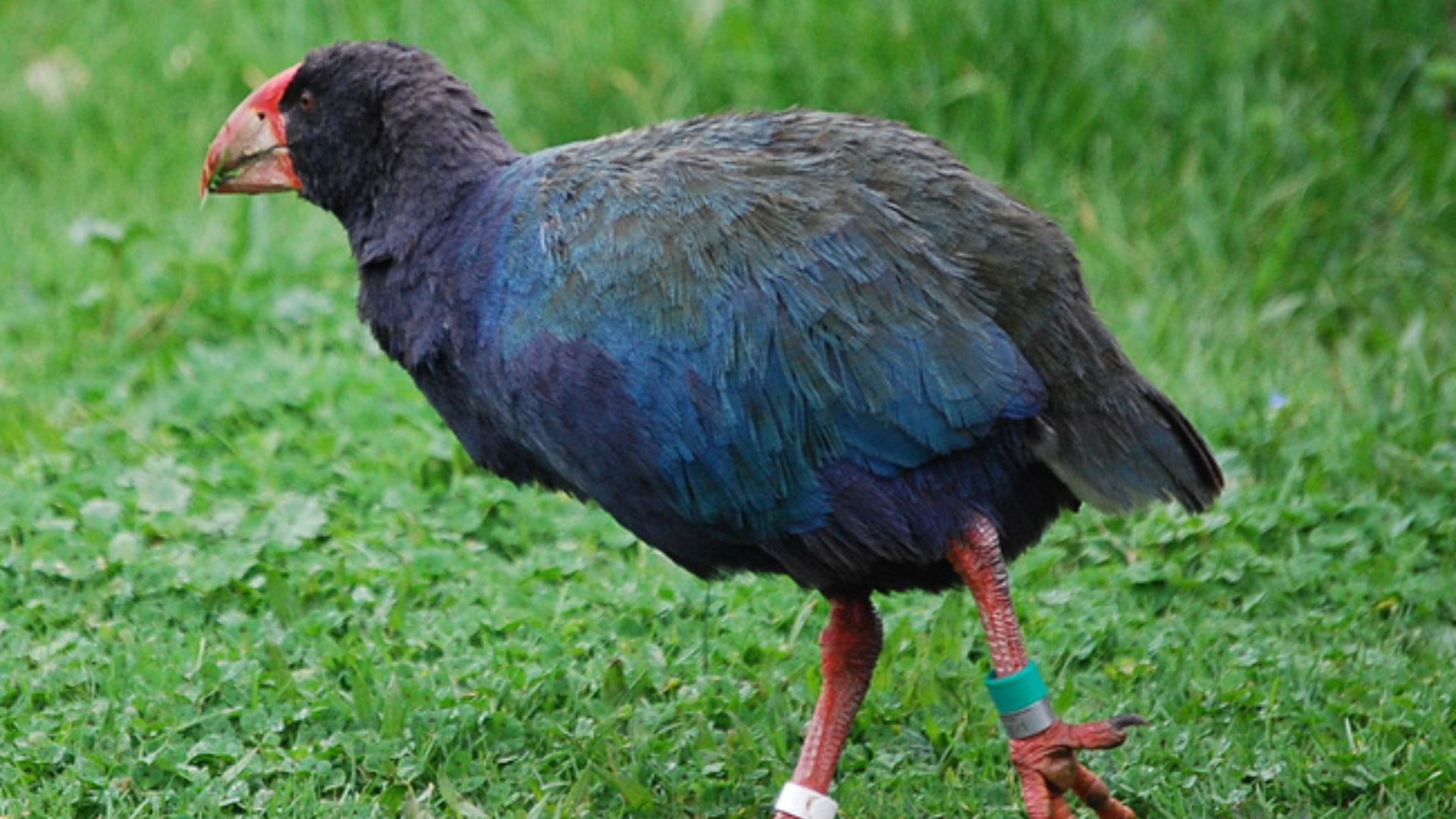
This flightless New Zealand bird was declared extinct after the last confirmed sighting in 1898. Fifty years later, in 1948, a small population turned up alive in a remote alpine valley in Fiordland, sparking one of conservation's more famous comeback stories.
14. Bermuda Petrel
Also known as the cahow, this seabird was thought to have vanished entirely around 300 years ago due to hunting and introduced predators. In 1951, a small surviving colony of about 18 breeding pairs was found nesting on a few tiny rocky islets off Bermuda. Every cahow alive today descends from that single rediscovered group.
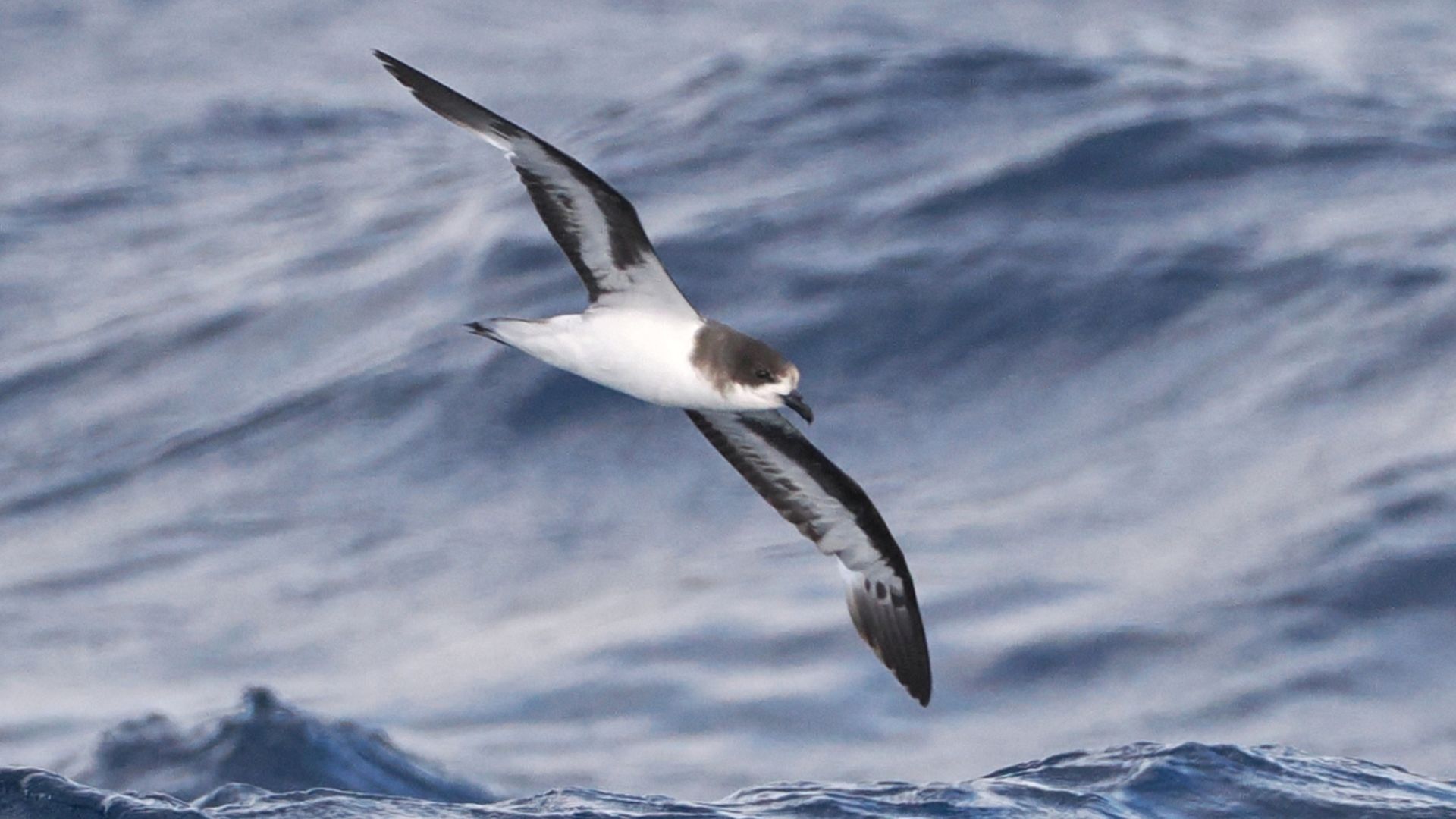
15. New Zealand Storm Petrel
Considered extinct for roughly 150 years, this small seabird had no confirmed living sighting until 2003, when birdwatchers spotted and photographed individuals off New Zealand's coast. Its breeding grounds weren't even located until years after that first rediscovery.
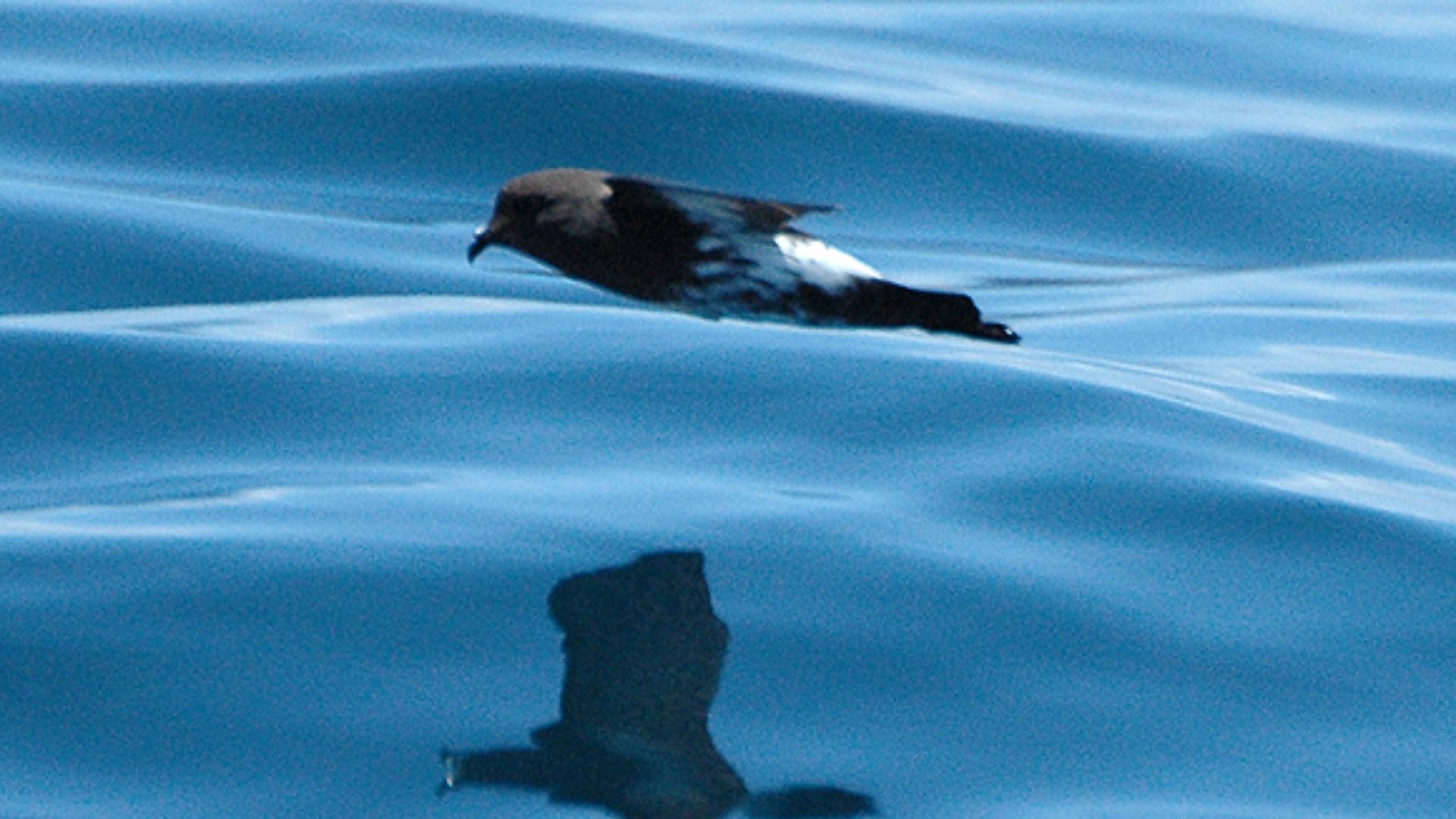 Aviceda at English Wikipedia (Original text: Aviceda) on Wikimedia
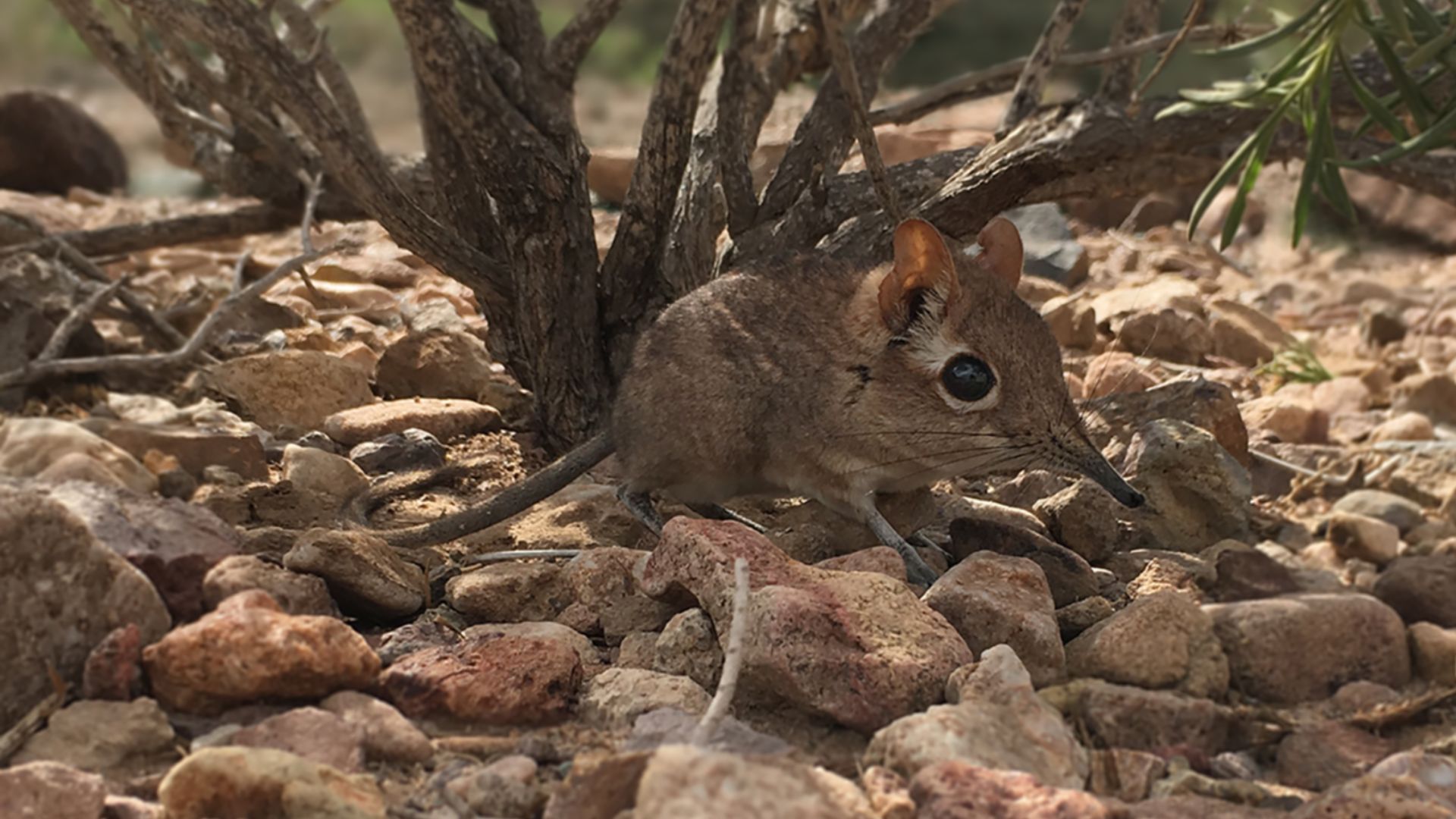
16. Somali Elephant Shrew
This tiny, long-nosed mammal hadn't been recorded by scientists in roughly 50 years and was considered one of the world's most wanted lost species. In 2020, researchers using simple baited traps rediscovered it in Djibouti, far from where it was originally described. It turned out less endangered than feared, but the sighting itself had been that rare.
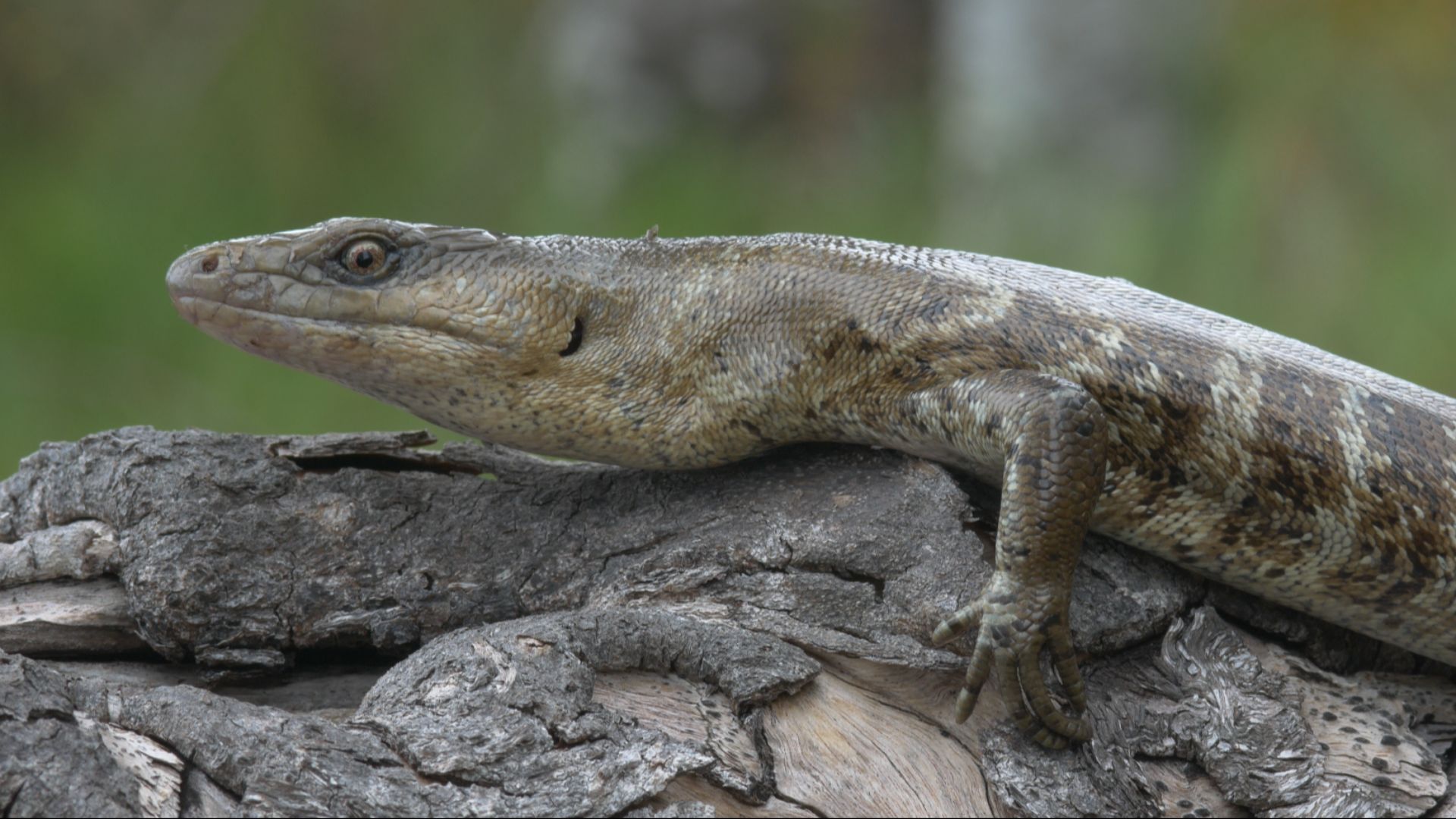
17. Terror Skink
For more than a century, this large New Caledonian lizard was known only from a single 19th-century specimen sitting in a museum. It was finally found alive again in the early 2000s, confined to a tiny offshore islet where introduced predators hadn't reached.
18. Wondiwoi Tree-Kangaroo
Described in 1928 from a handful of specimens, this tree-dwelling marsupial from Indonesia's remote Wondiwoi Mountains went undocumented for the better part of a century. In 2018, a hiker managed to photograph and film one from a distance, producing what's believed to be the only confirmed sighting of a living individual in recent memory.
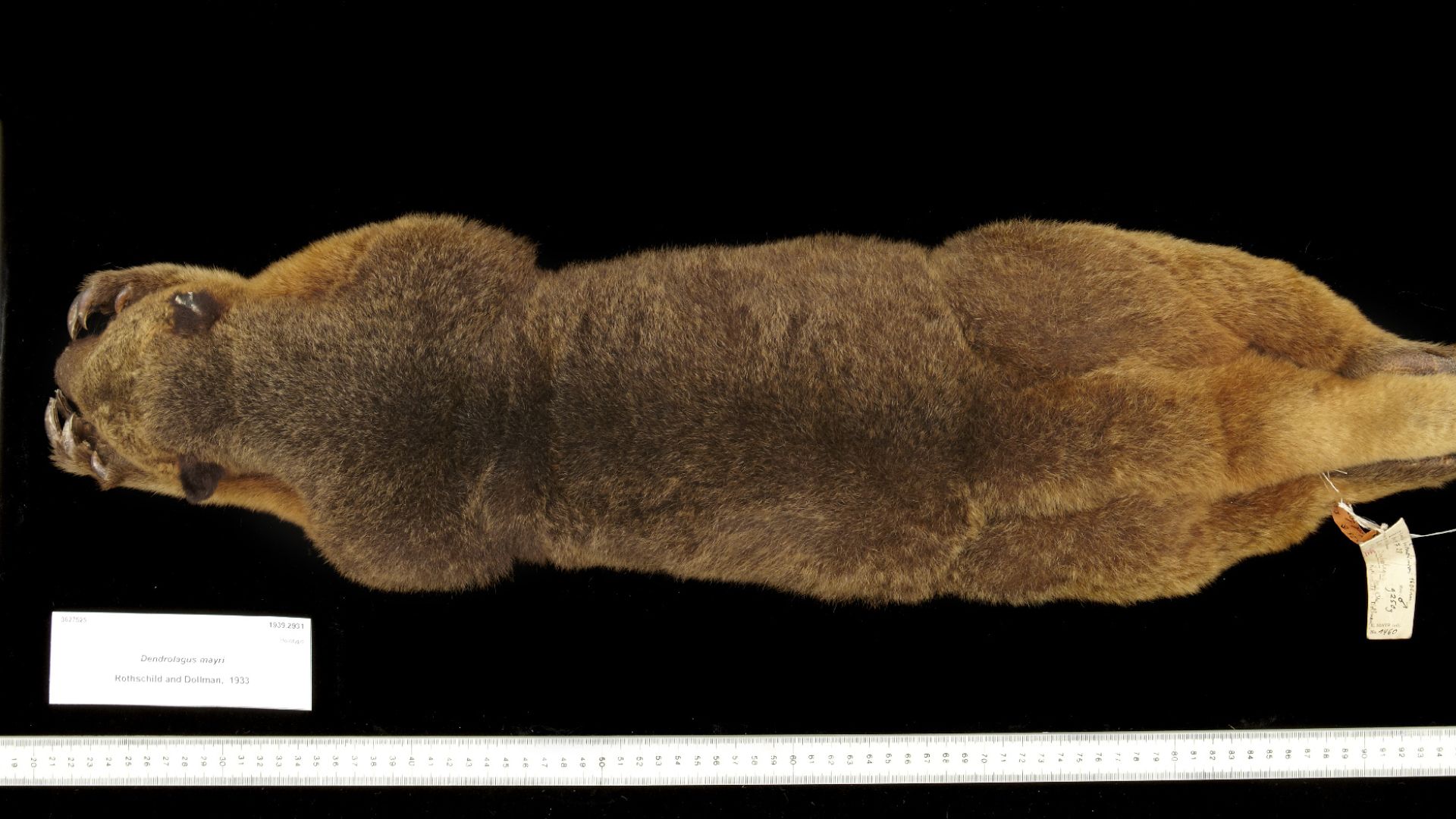 Rothschild and Dollman, 1933 on Wikimedia
19. Hula Painted Frog
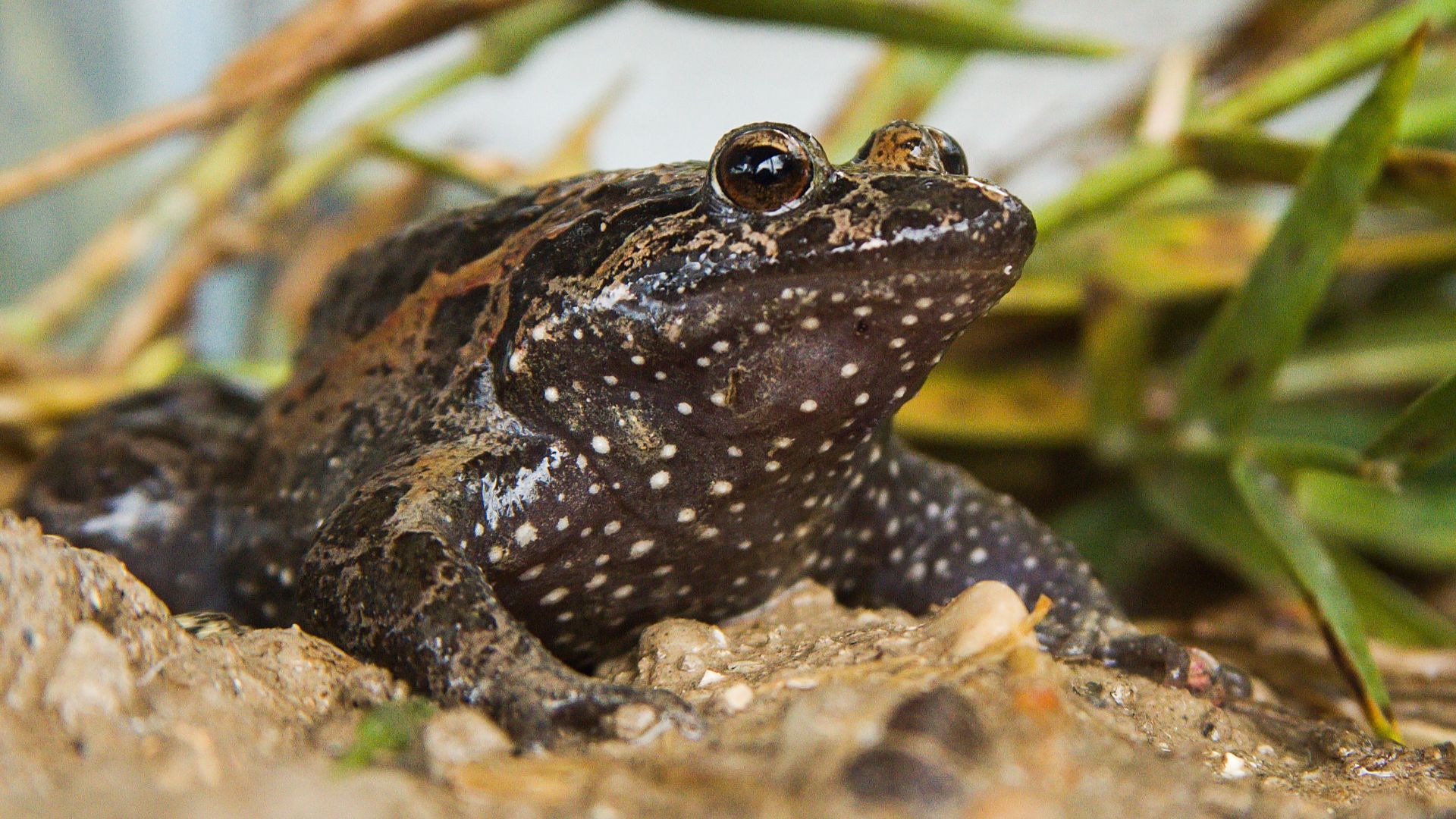
This small frog was thought to have gone extinct after its Israeli wetland habitat was drained decades earlier, and was formally declared extinct in the 1990s. In 2011, a single individual turned up in a nature reserve built on part of its old range, stunning researchers. It's now considered one of the rarest amphibians alive.
20. Pygmy Tarsier
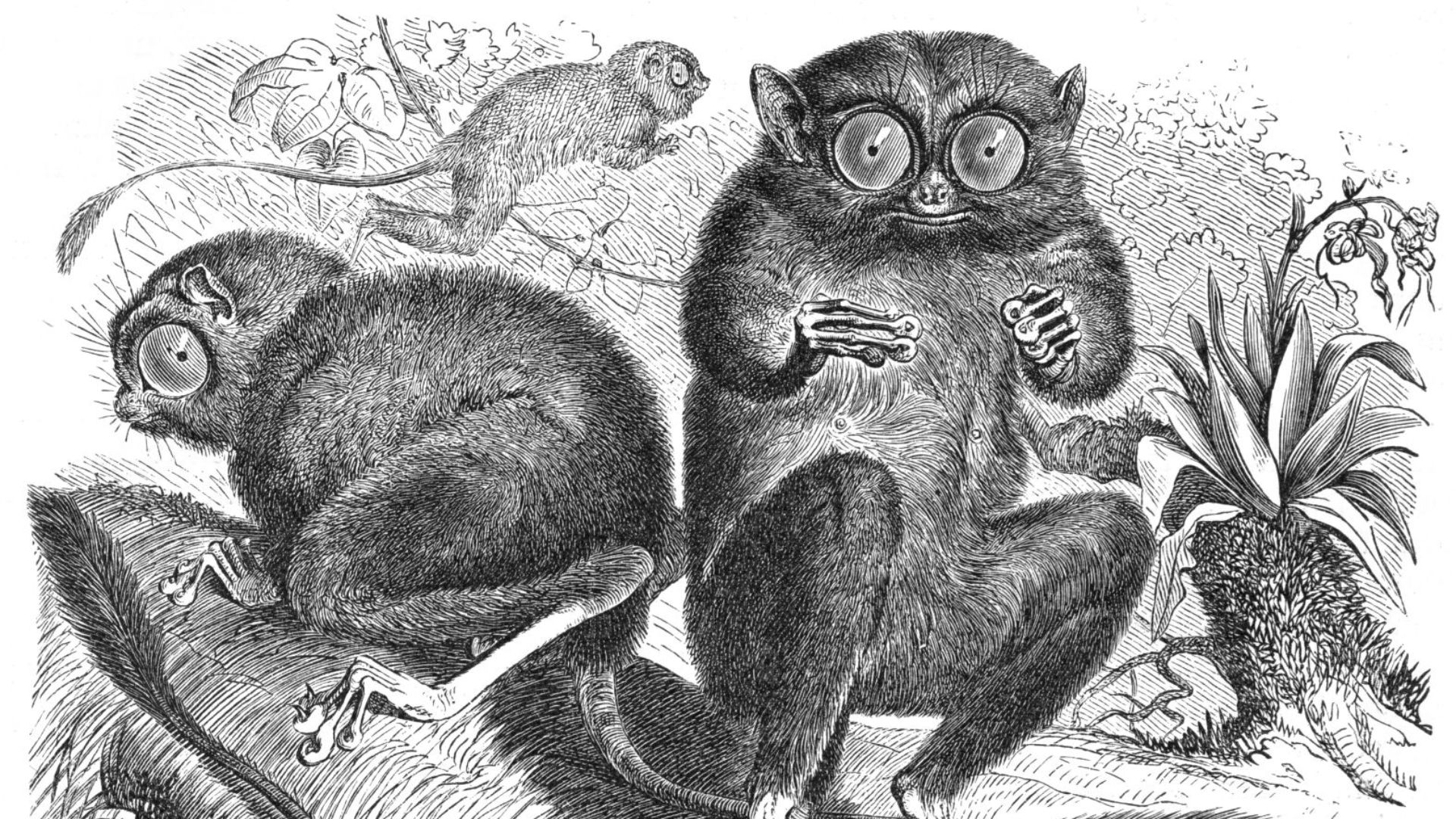
Presumed extinct for roughly 80 years after its last confirmed record, this tiny primate from the mountains of Sulawesi was rediscovered in 2008 when a research team trapped and photographed a living individual. It marked the first time the species had ever been observed alive by scientists rather than known purely from old specimens.
KEEP ON READING



.jpg)