20 Historical Figures Who Easily Eclipsed Their Highly Famous Parents
Nepotism or Well-Earned?
History is full of famous families, but sometimes the person who comes along in the next generation becomes so influential that their parents' achievements start getting mentioned mainly as part of the family background. These sons and daughters didn't necessarily set out to outshine their parents, and many benefited from the foundations their families had already established. Still, their accomplishments became so significant that their names eventually stood on their own.
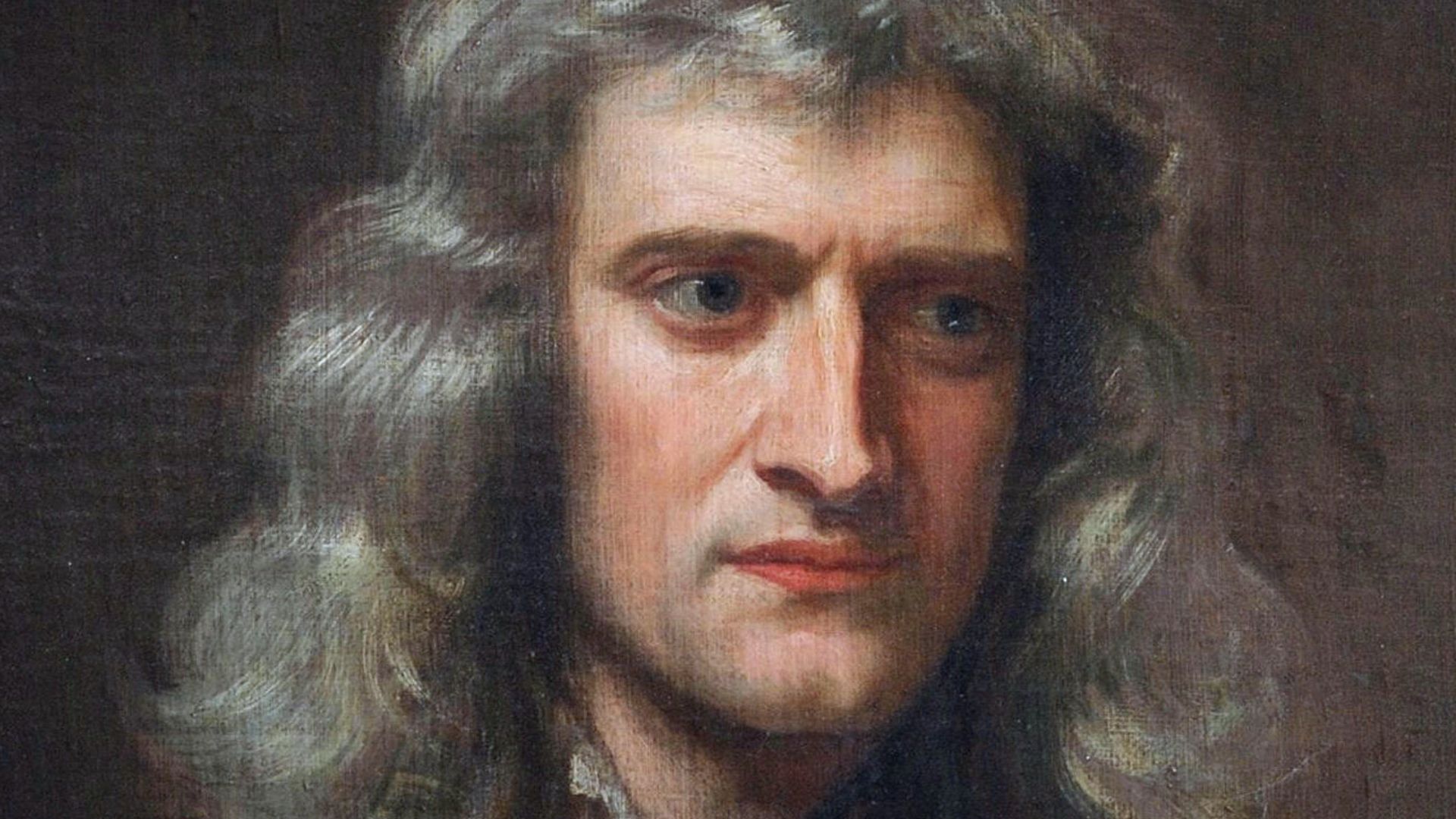 James Thronill after Sir Godfrey Kneller on Wikimedia
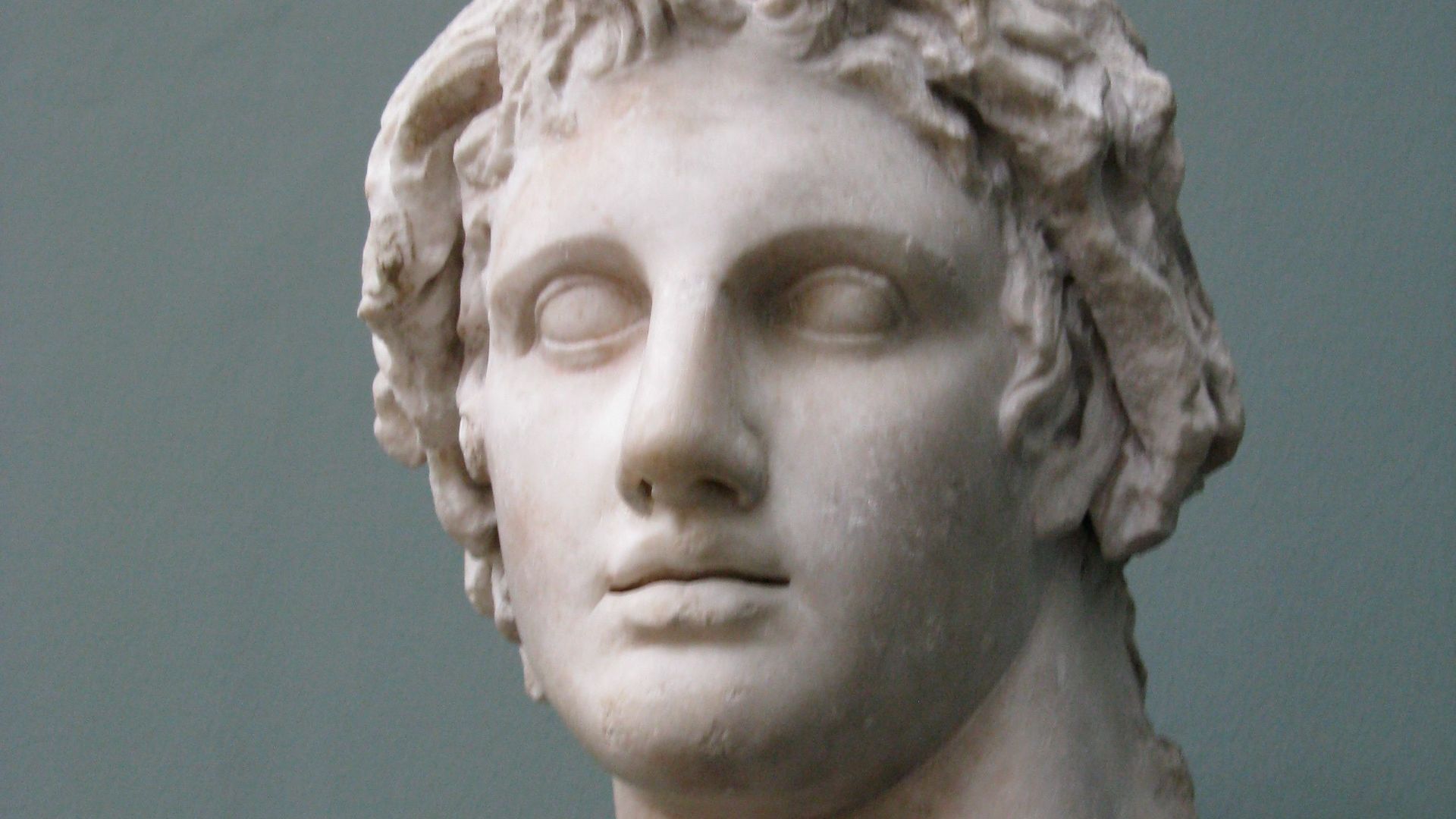
1. Alexander the Great
Philip II of Macedon was already one of the ancient world's most formidable rulers before his son Alexander came along. He transformed Macedonia into a powerful kingdom and created the military foundation that Alexander would later use. Alexander, however, conquered the Persian Empire and built an enormous empire stretching across much of the known world before his death at just 32.
2. Augustus
His father, Gaius Octavius, was a Roman senator from a wealthy family, but not historically notable by modern standards. His son, Augustus, rose to power after Julius Caesar’s death and became Rome’s first emperor, ushering in an era that would dominate politics for hundreds of years.
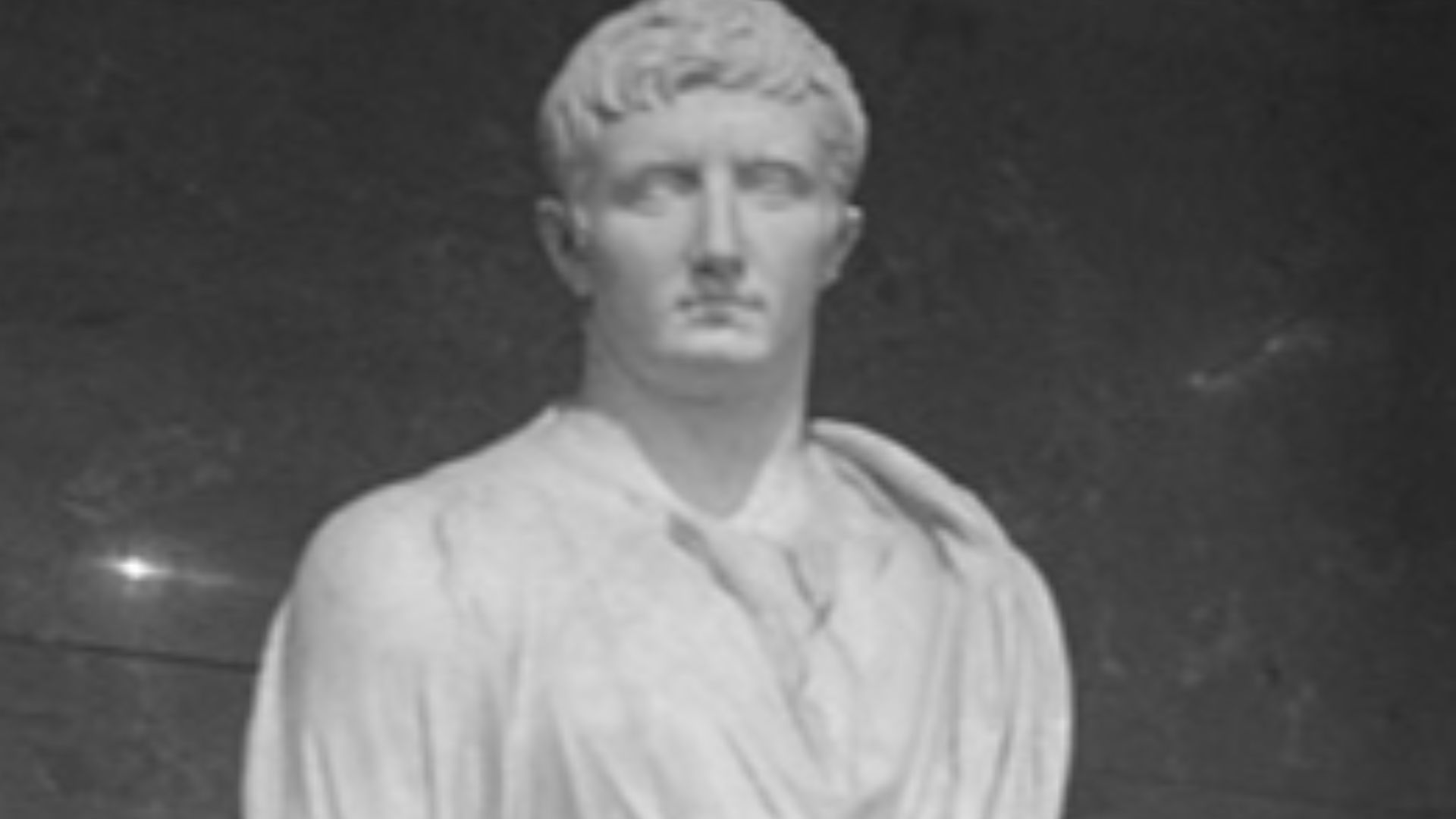 Unknown artistUnknown artist on Wikimedia
3. Queen Elizabeth I
Henry VIII was already one of England's most recognizable monarchs, famous for his marriages, religious policies, and dramatic reign. His daughter Elizabeth inherited a complicated kingdom and initially faced considerable uncertainty about her position. She eventually became one of England's most celebrated rulers, presiding over a period associated with military victories, exploration, and cultural achievements.
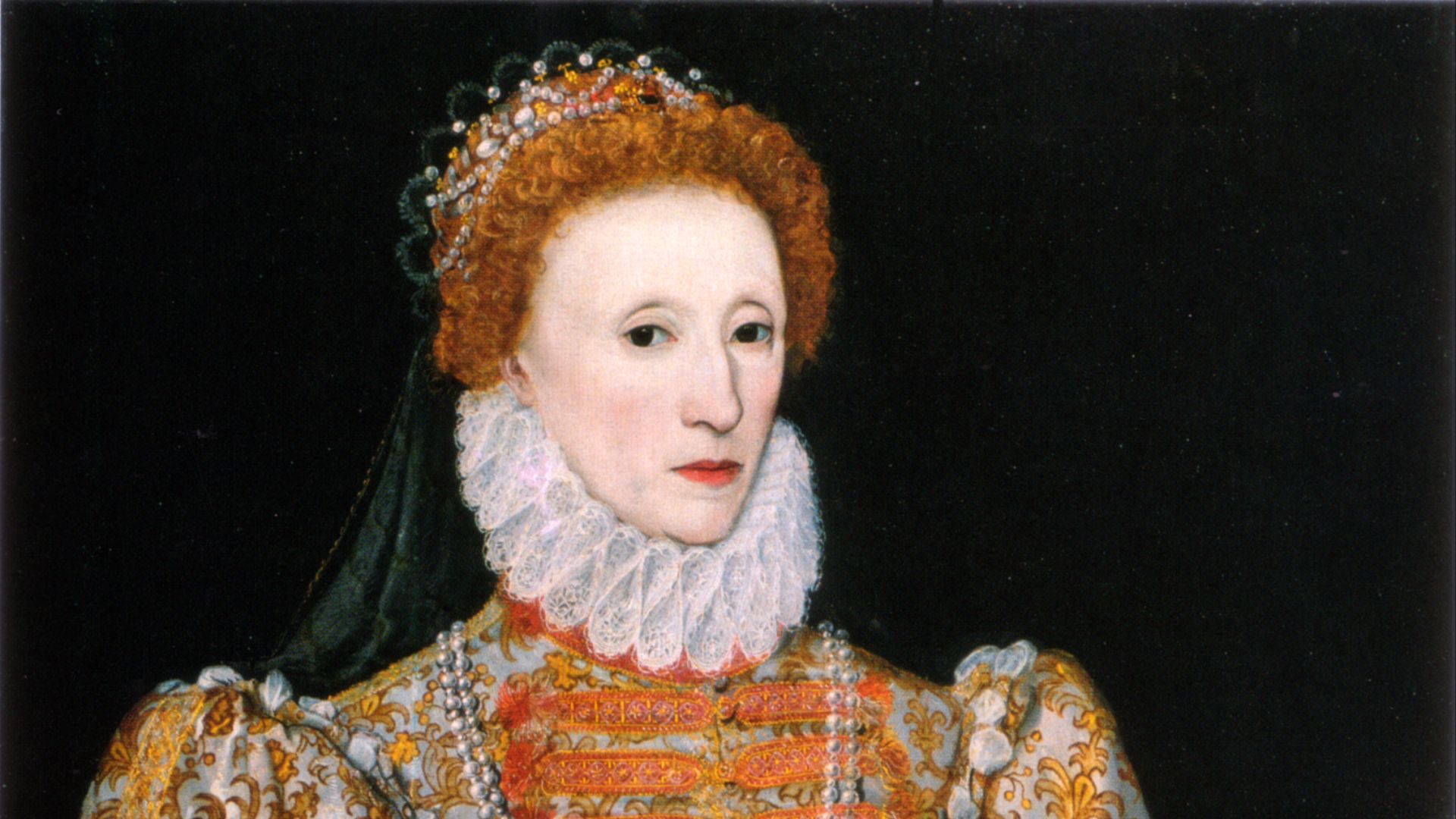 Unidentified painter on Wikimedia
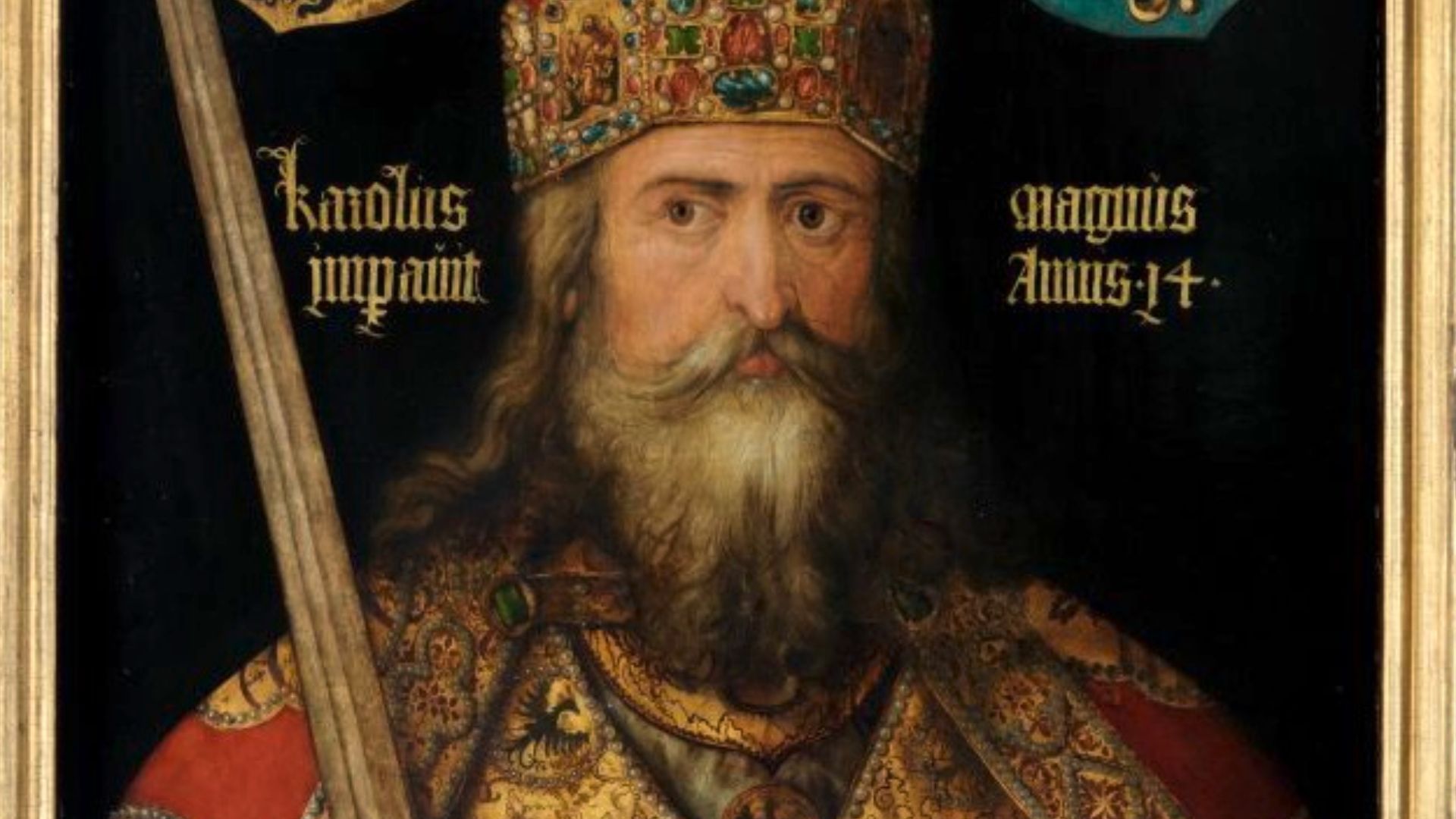
4. Charlemagne
Few rulers hold the historical fame that Charlemagne acquired, even many emperors. His son managed to maintain most of his territory and continue his policies, but had no Madonna-style poster paint image painted of him during his reign and is relatively obscure today.
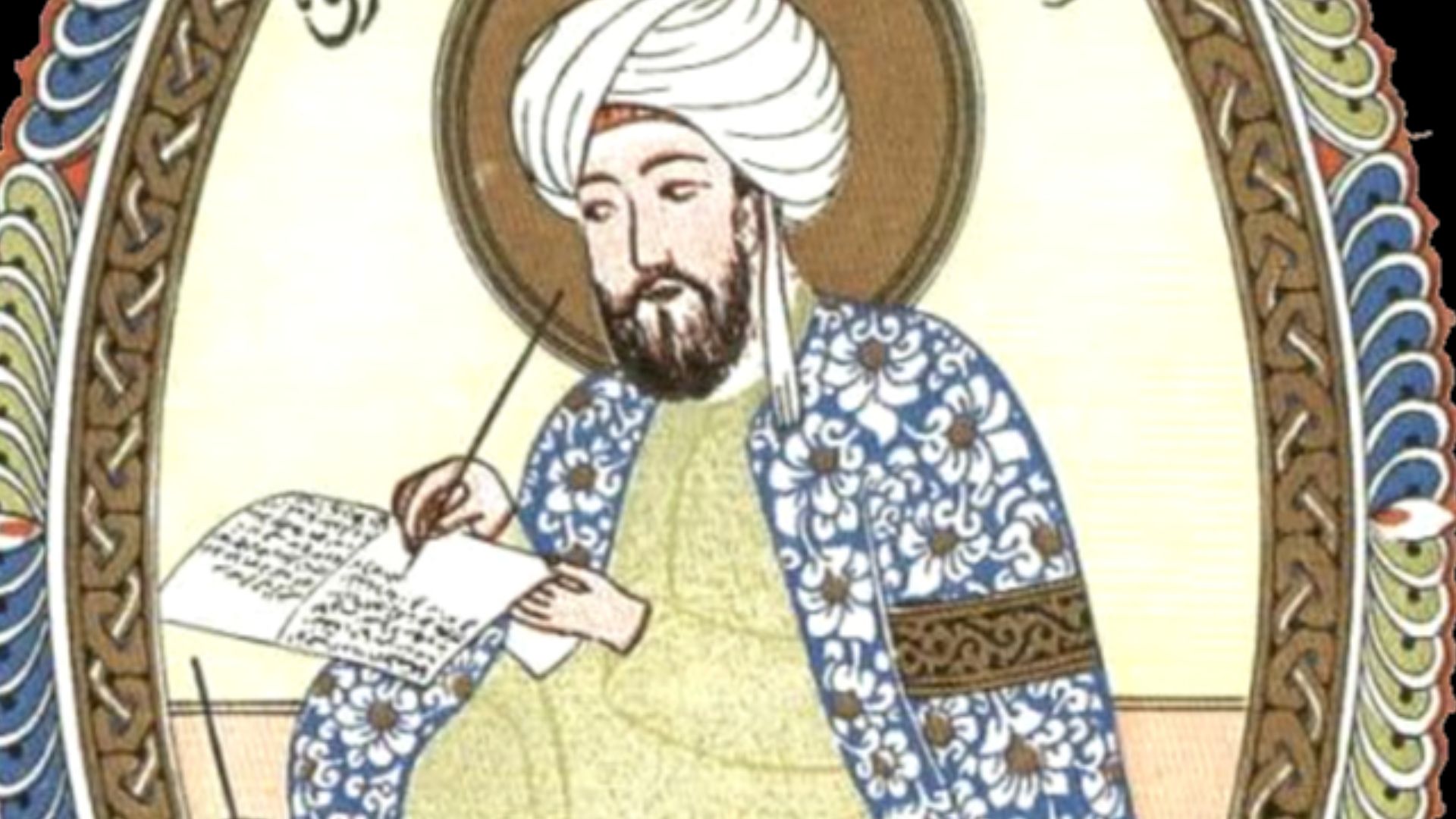
5. Ibn Sina
Ibn Sina, also known as Avicenna, grew into one of the most influential philosophers and physicians of the medieval world. His father held an important administrative position and provided an intellectually stimulating environment for his son. Ibn Sina went much further, producing works on medicine, philosophy, logic, and natural science that influenced scholars for centuries.
6. Dante Alighieri
Dante Alighieri became one of the defining literary figures of medieval Europe, largely because of his monumental poem The Divine Comedy. His father, Alighiero di Bellincione, belonged to Florence's established social class, but he left nothing comparable to Dante's cultural legacy. Dante's work became a cornerstone of Italian literature and had an enormous influence on Western culture.
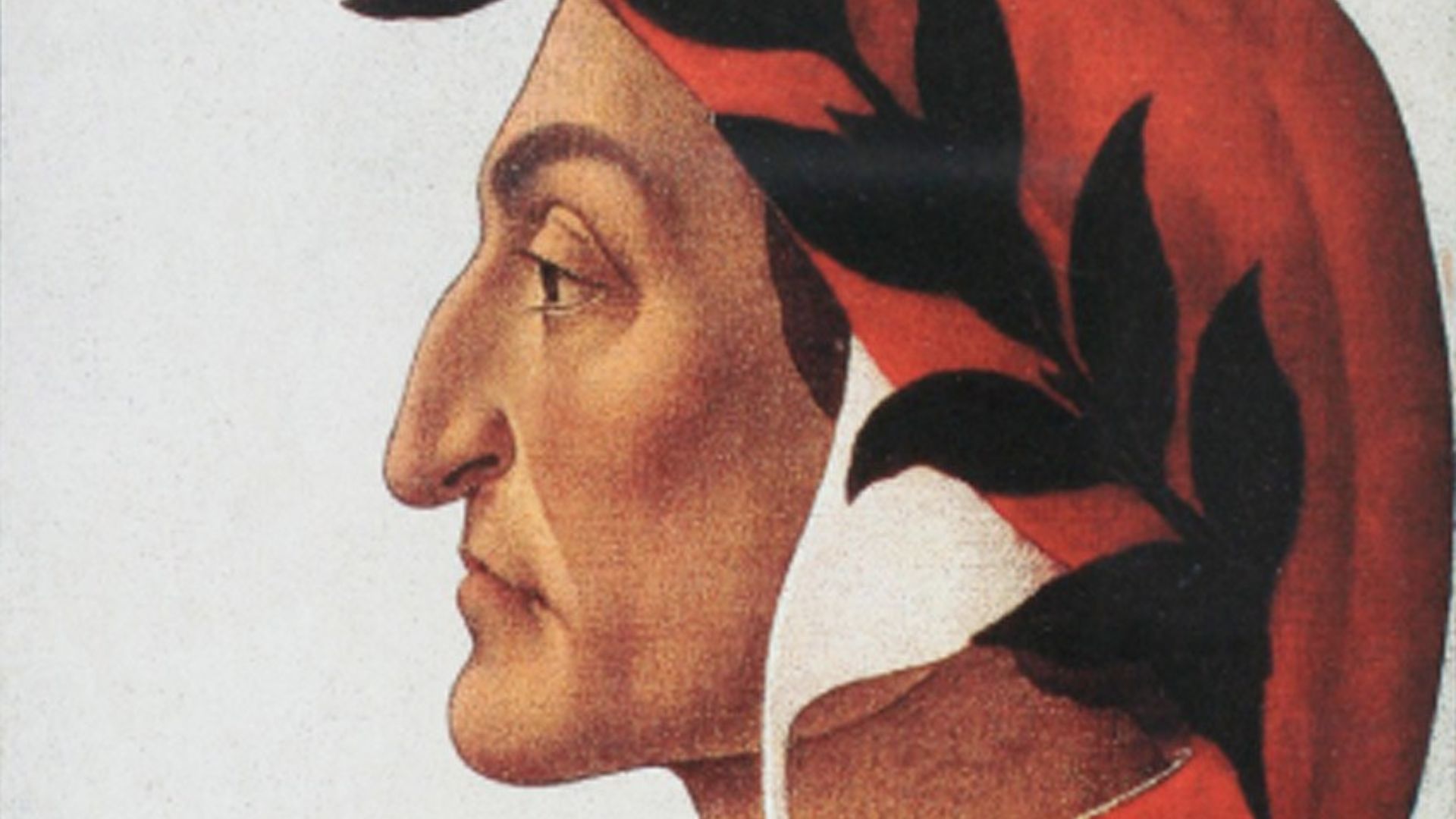 After Sandro Botticelli on Wikimedia
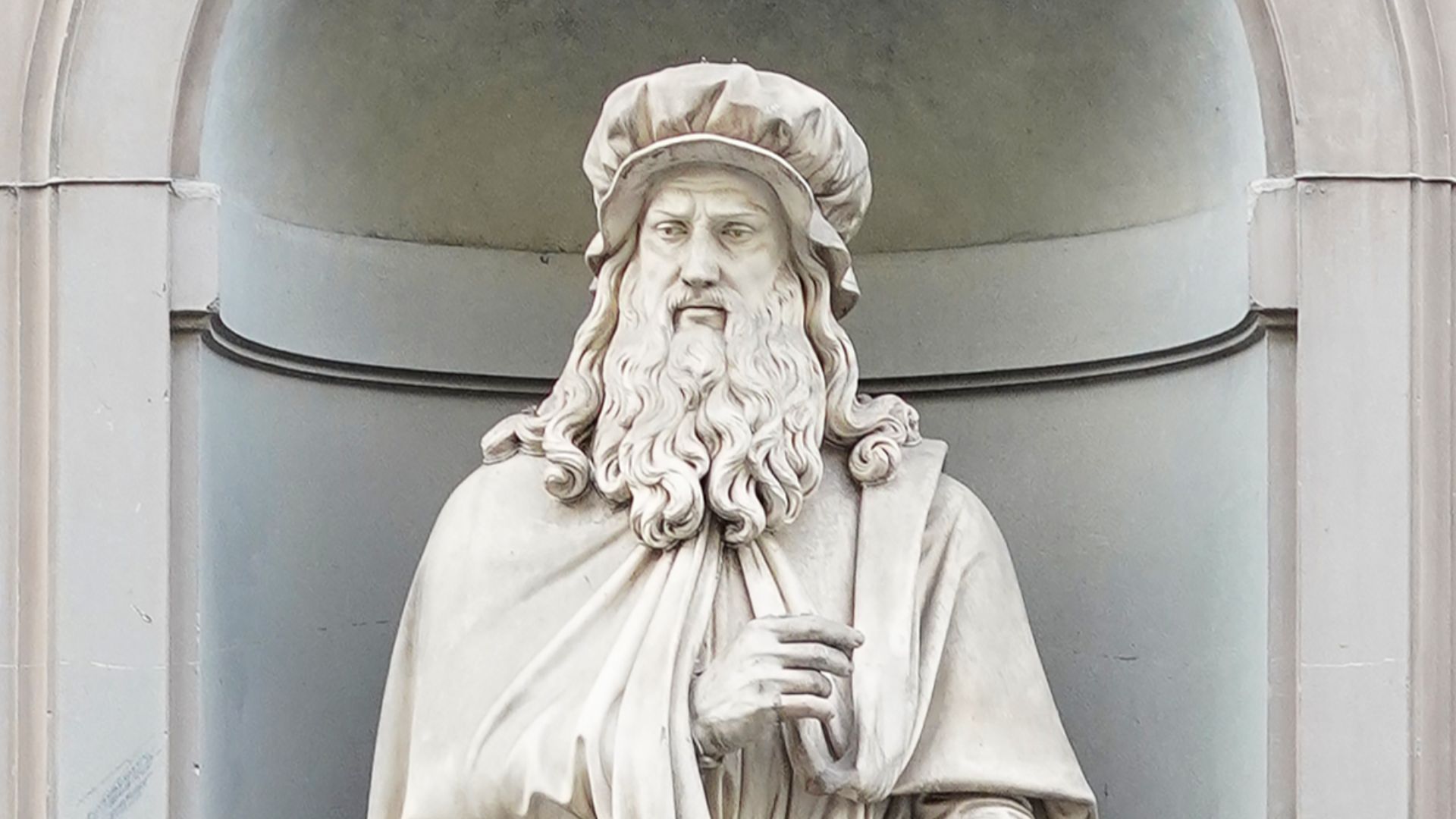
7. Leonardo da Vinci
Leonardo's father, Ser Piero da Vinci, was a successful Florentine notary who enjoyed a respectable professional career. His son, however, became one of the most celebrated figures of the Renaissance through his work as an artist, inventor, engineer, scientist, and observer of nature. Paintings such as the Mona Lisa helped make Leonardo's name globally recognizable.
8. Galileo Galilei
Vincenzo Galilei was an accomplished musician and music theorist who contributed to important developments in Renaissance music. His son Galileo took the family's intellectual curiosity in a very different direction and became one of the central figures of the Scientific Revolution. Galileo's astronomical observations and support for heliocentrism transformed humanity's understanding of the universe.
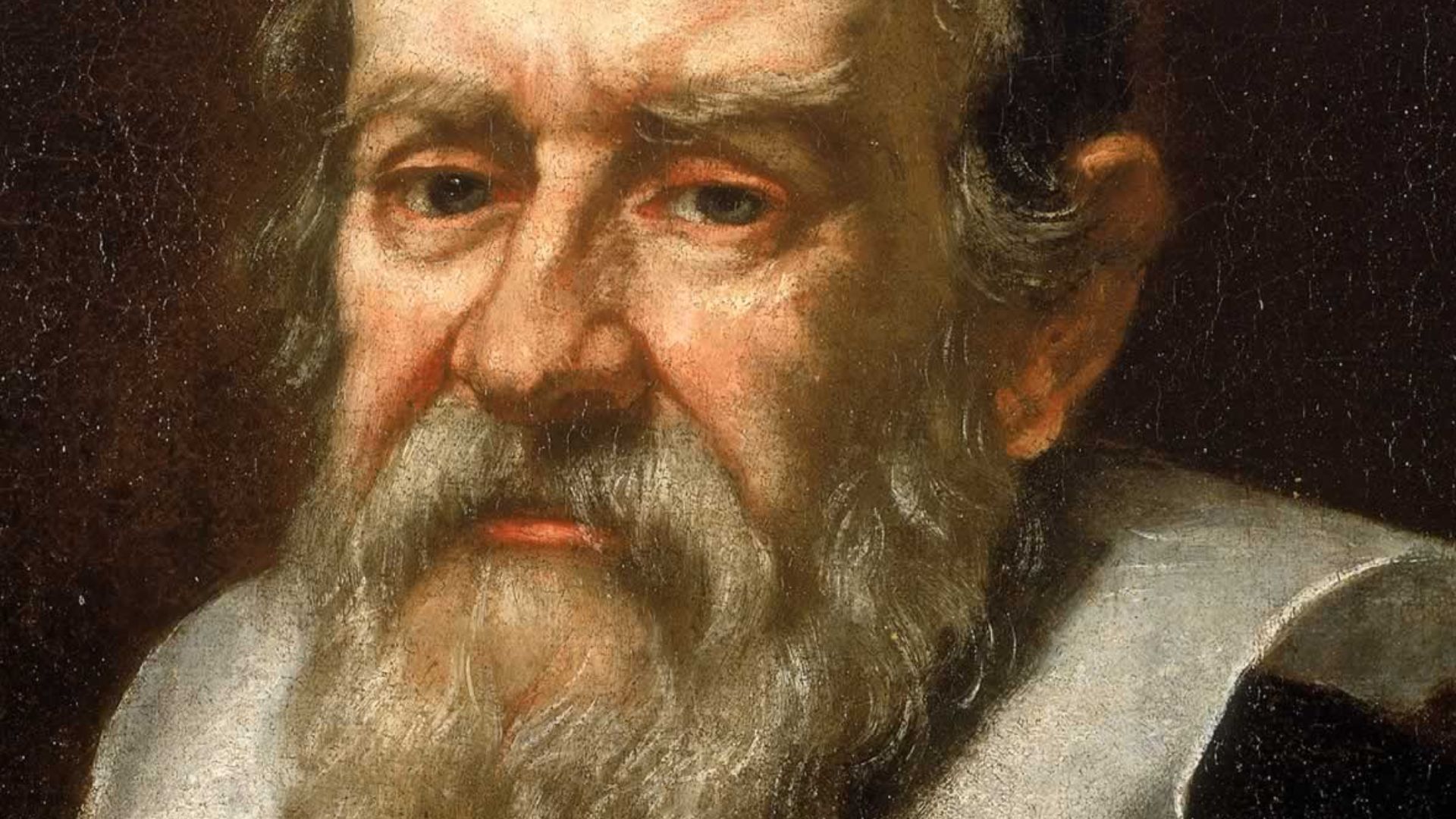 Justus Sustermans on Wikimedia
9. Isaac Newton
Isaac Newton's father, also named Isaac Newton, died before his son was born, leaving behind a modest agricultural estate rather than a major historical legacy. The younger Newton eventually transformed mathematics, physics, and astronomy through discoveries that changed the course of science. His work on motion and gravity became foundational to classical physics.
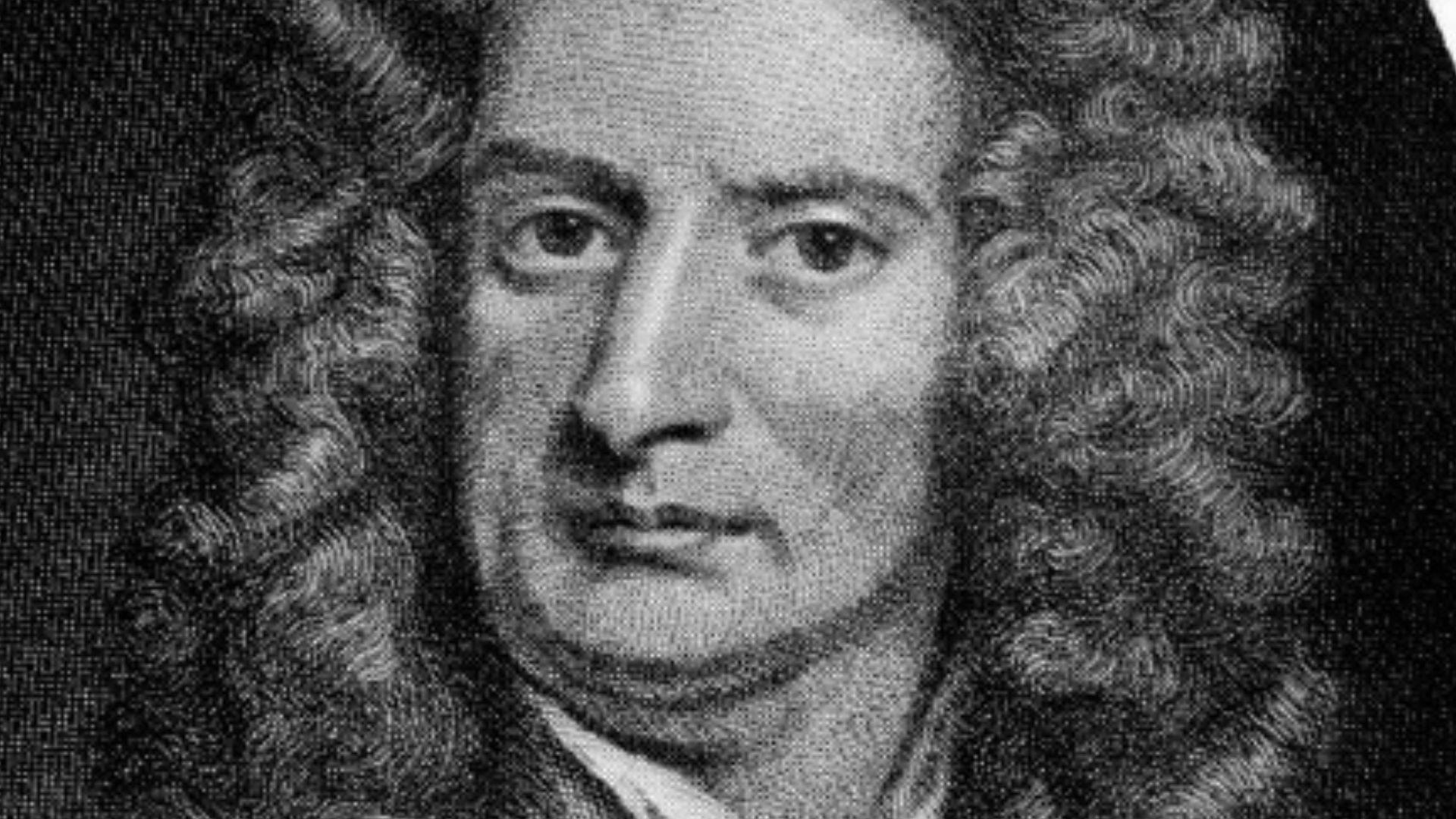 woodcut by an unknown artist after a portrait by Kneller, ca. 1689 on Wikimedia
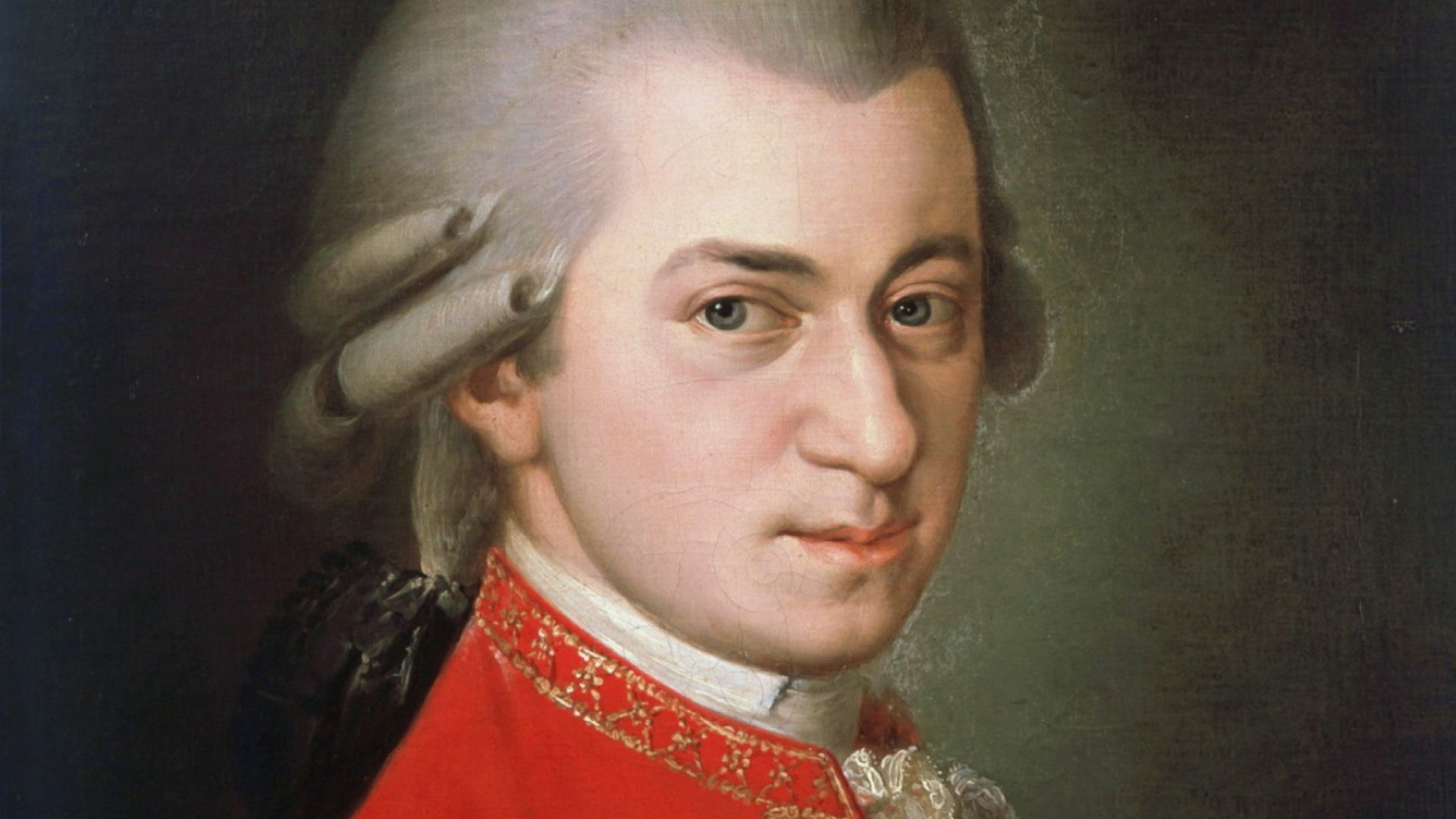
10. Wolfgang Amadeus Mozart
Leopold Mozart was a respected composer and musician who did fairly well in European music societies. Young Wolfgang was writing his own compositions from a very young age and would eventually become known as one of the greatest composers of all time. Their relationship remains one of the best-known examples of a talented parent raising an even more famous child.
11. Napoleon Bonaparte
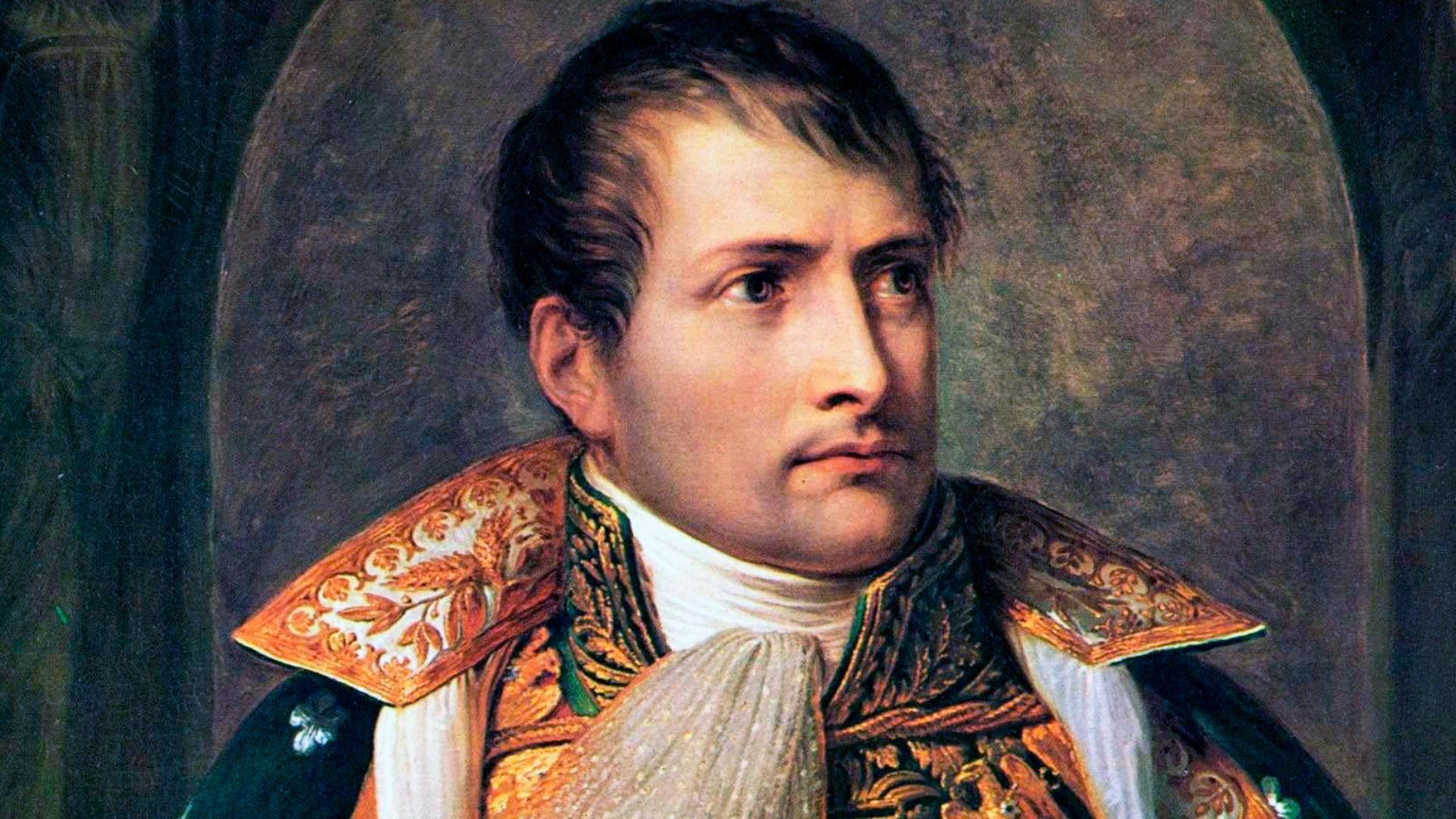
Napoleon's father, Carlo Buonaparte, was a Corsican lawyer and political figure who worked to improve his family's position. His son transformed that modest background into an extraordinary military and political career. Napoleon became emperor of France and reshaped European politics through his wars, reforms, and legal changes.
12. William Pitt
The elder William Pitt was the first Prime Minister to come out of the Whig party and had a reputation as an impressive political figure. His son would follow him into politics and develop a reputation that even now eclipses his father’s.
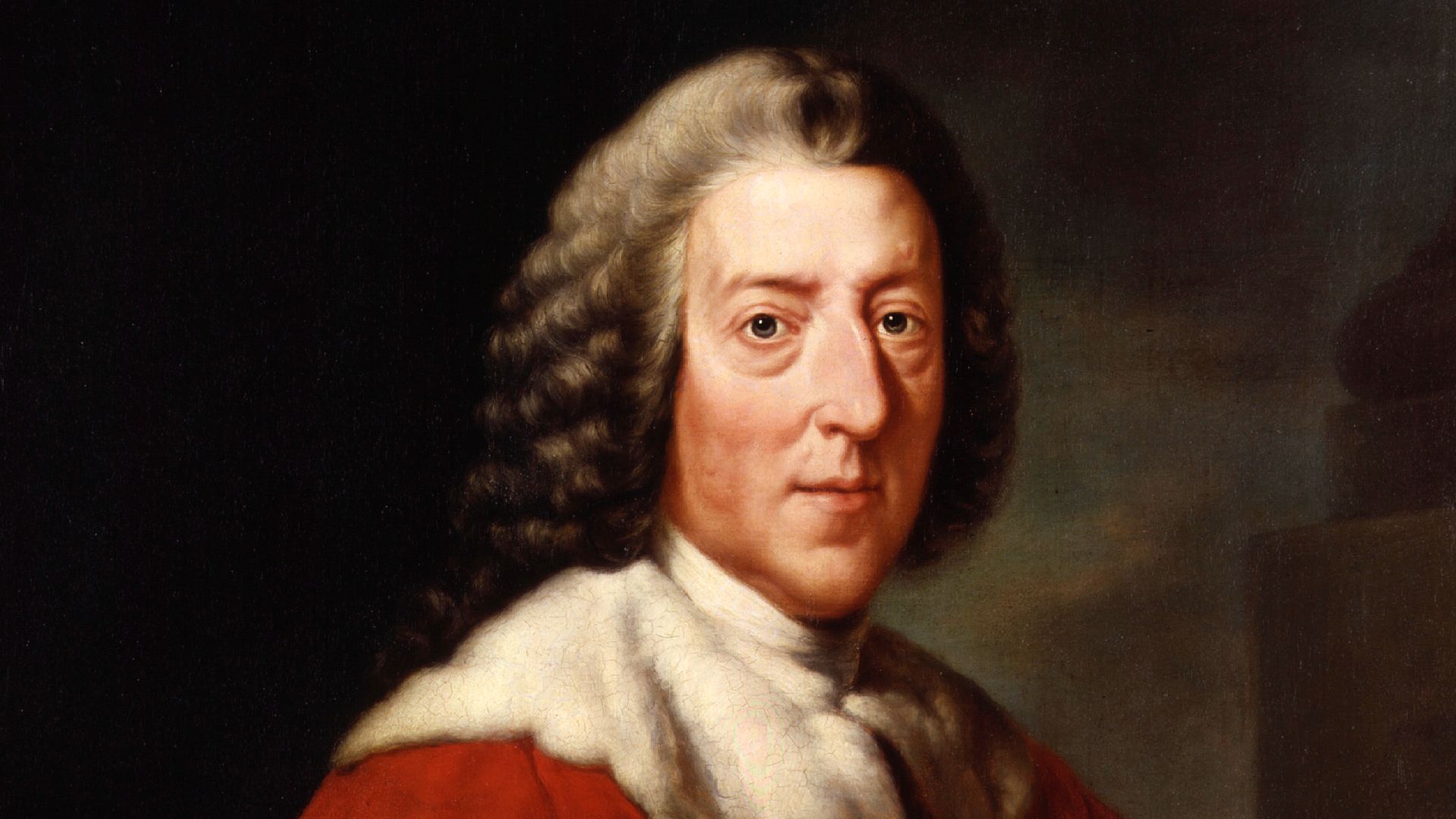 After Richard Brompton on Wikimedia
13. Mary Shelley
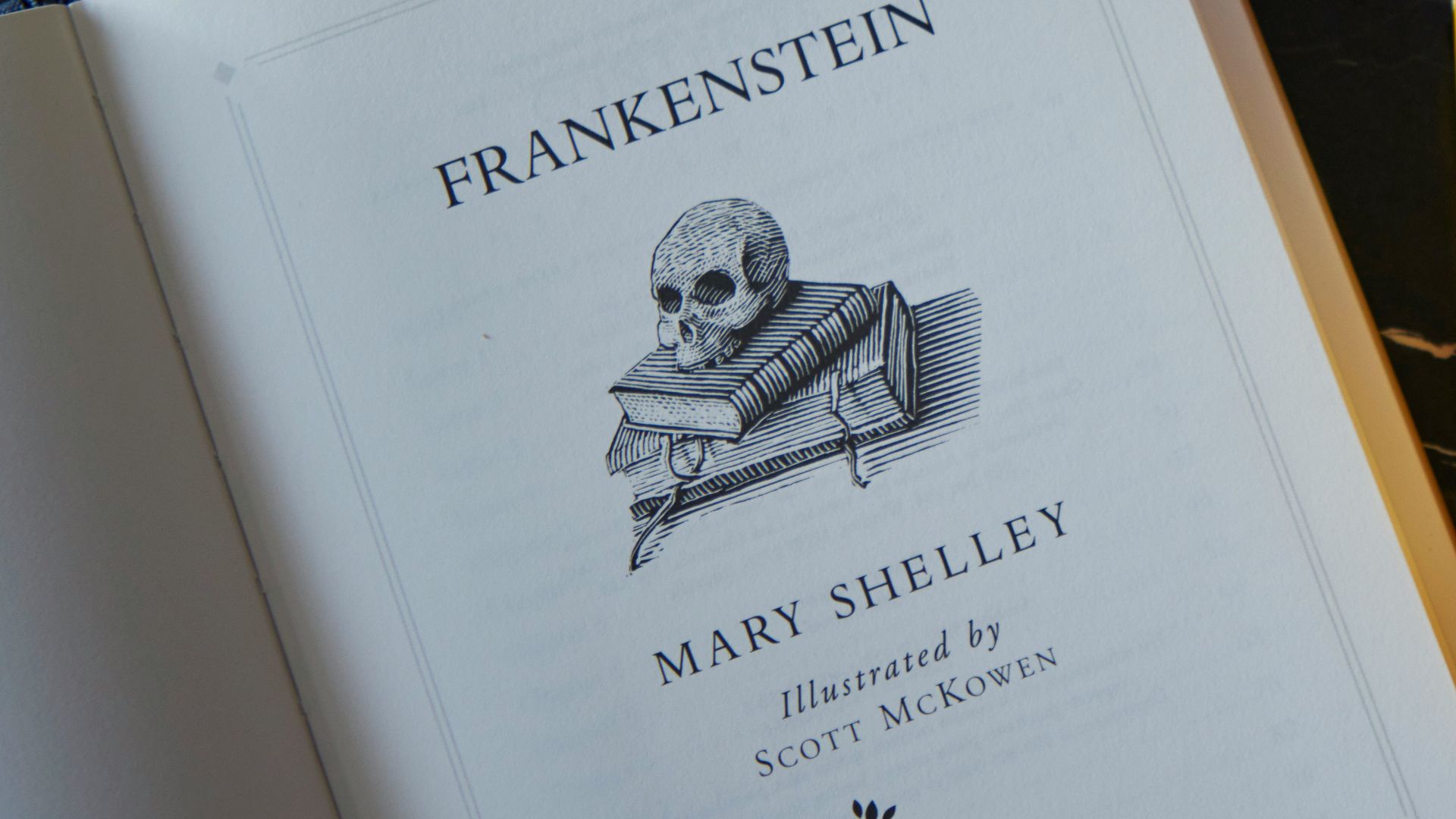
William Godwin was a prominent philosopher, novelist, and political thinker whose ideas influenced intellectual life in Britain. His daughter Mary Shelley eventually achieved a level of literary fame that eclipsed her father's, thanks primarily to Frankenstein. The novel became one of the most enduring works of English literature and helped establish the modern science-fiction tradition.
14. Alexander Graham Bell
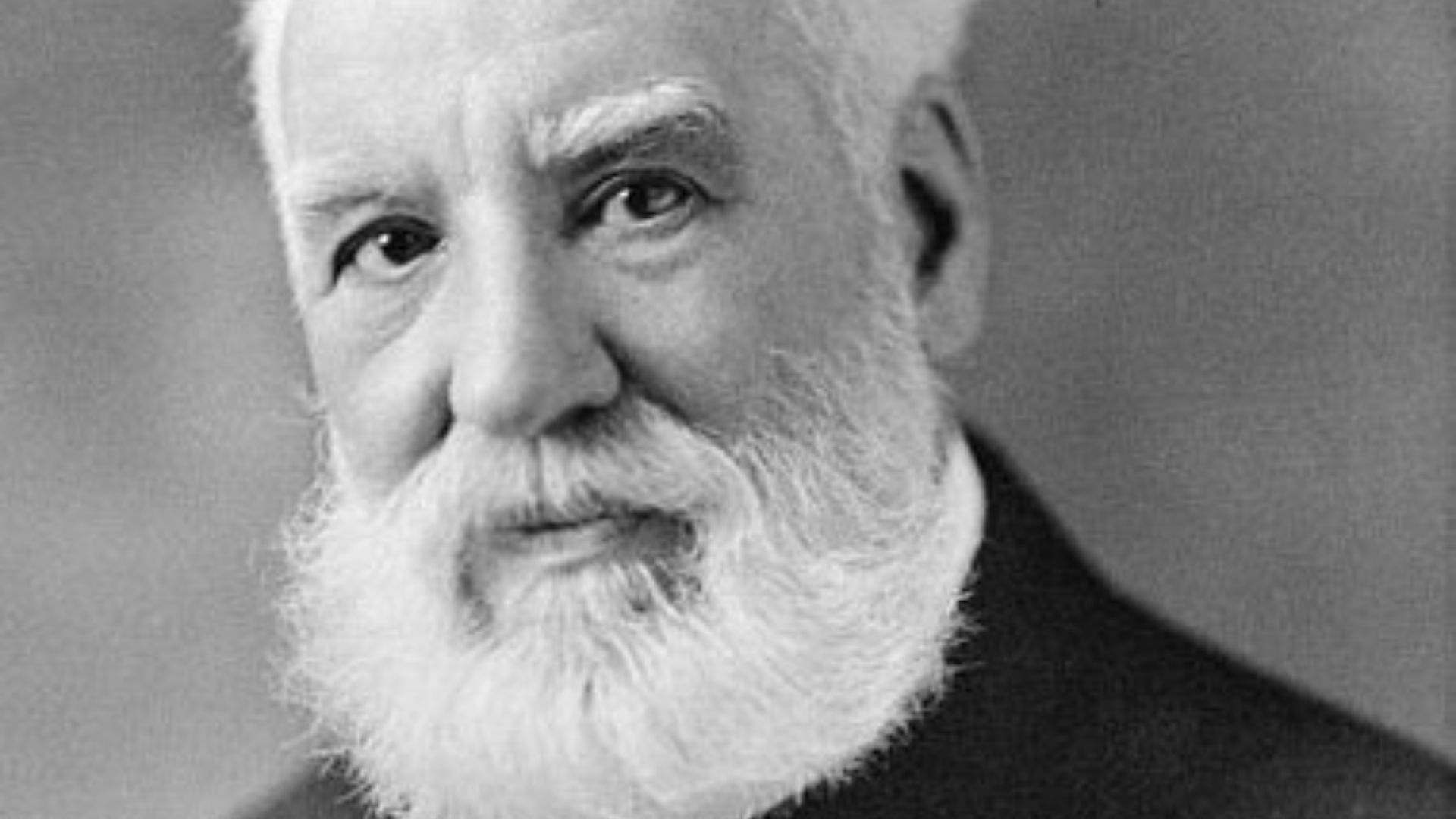
Alexander Melville Bell was an accomplished teacher and speech specialist who developed systems for teaching speech and worked extensively on communication. His son Alexander Graham Bell inherited that interest and pursued inventions that would make his name famous worldwide. His work on the telephone transformed communication and turned him into one of the most recognizable inventors of the industrial age.
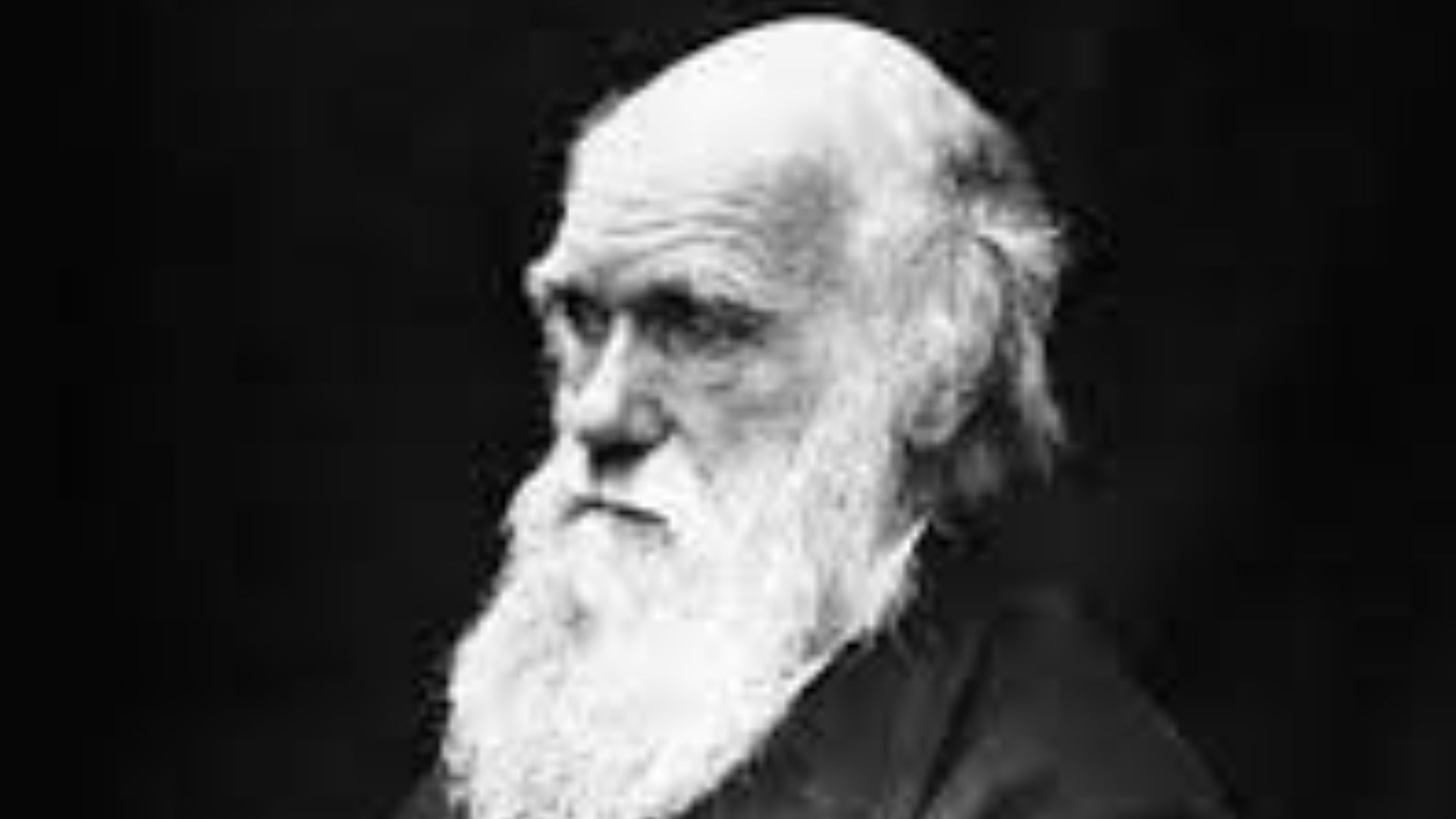
15. Charles Darwin
Darwin’s father was a physician and financier who belonged to one of the wealthiest families in England. His son Charles would defy his family’s expectations and study natural selection, changing the course of science forever. Robert was a respected physician, but Charles became a figure whose name is practically inseparable from the history of evolutionary science.
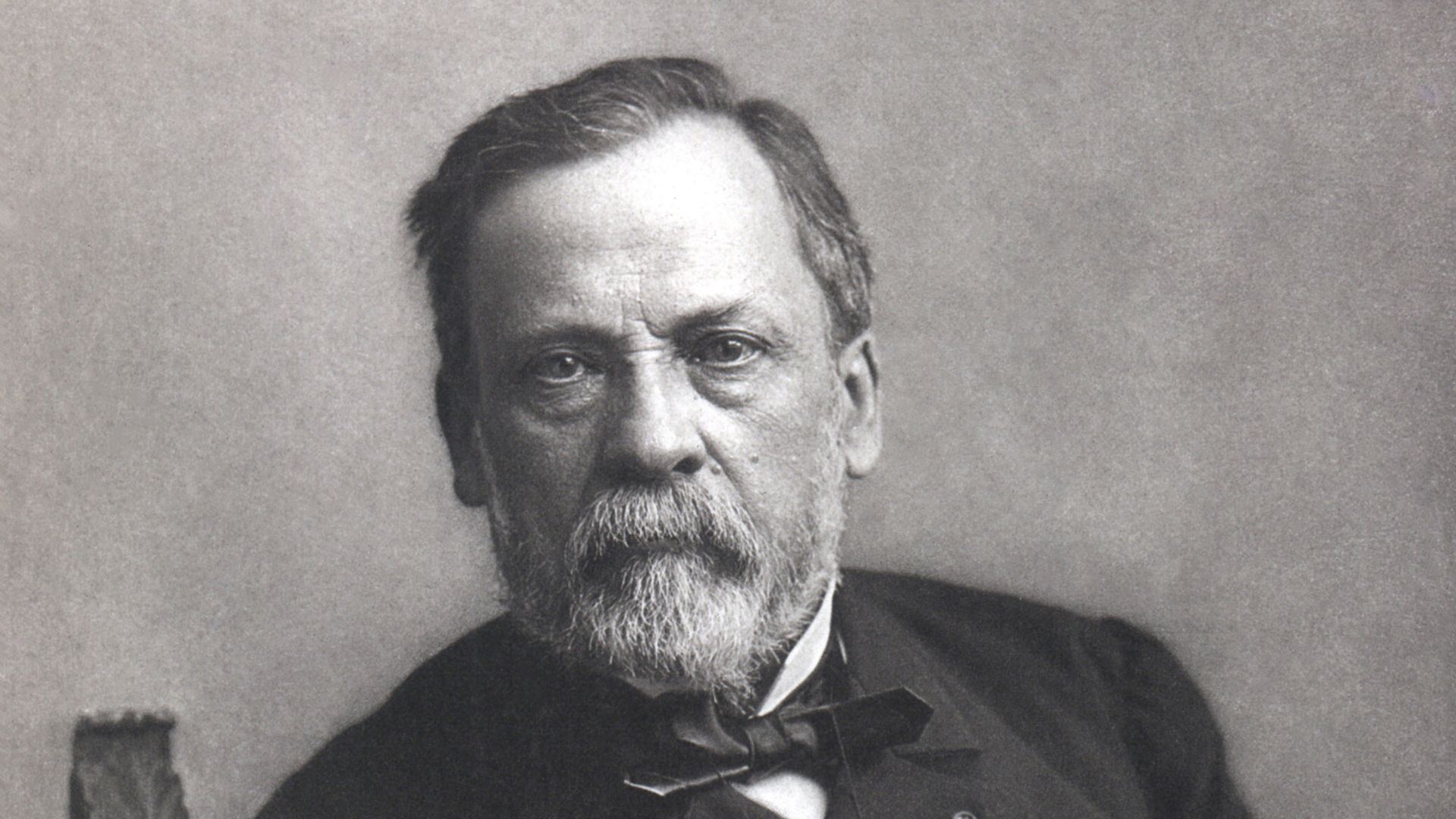
16. Louis Pasteur
Jean-Joseph Pasteur worked as a tanner and had served as a soldier under Napoleon, giving him an interesting personal history of his own. His son Louis pursued science and eventually transformed medicine, microbiology, and public health. Pasteur's work on microorganisms, vaccination, and food preservation had enormous practical consequences.
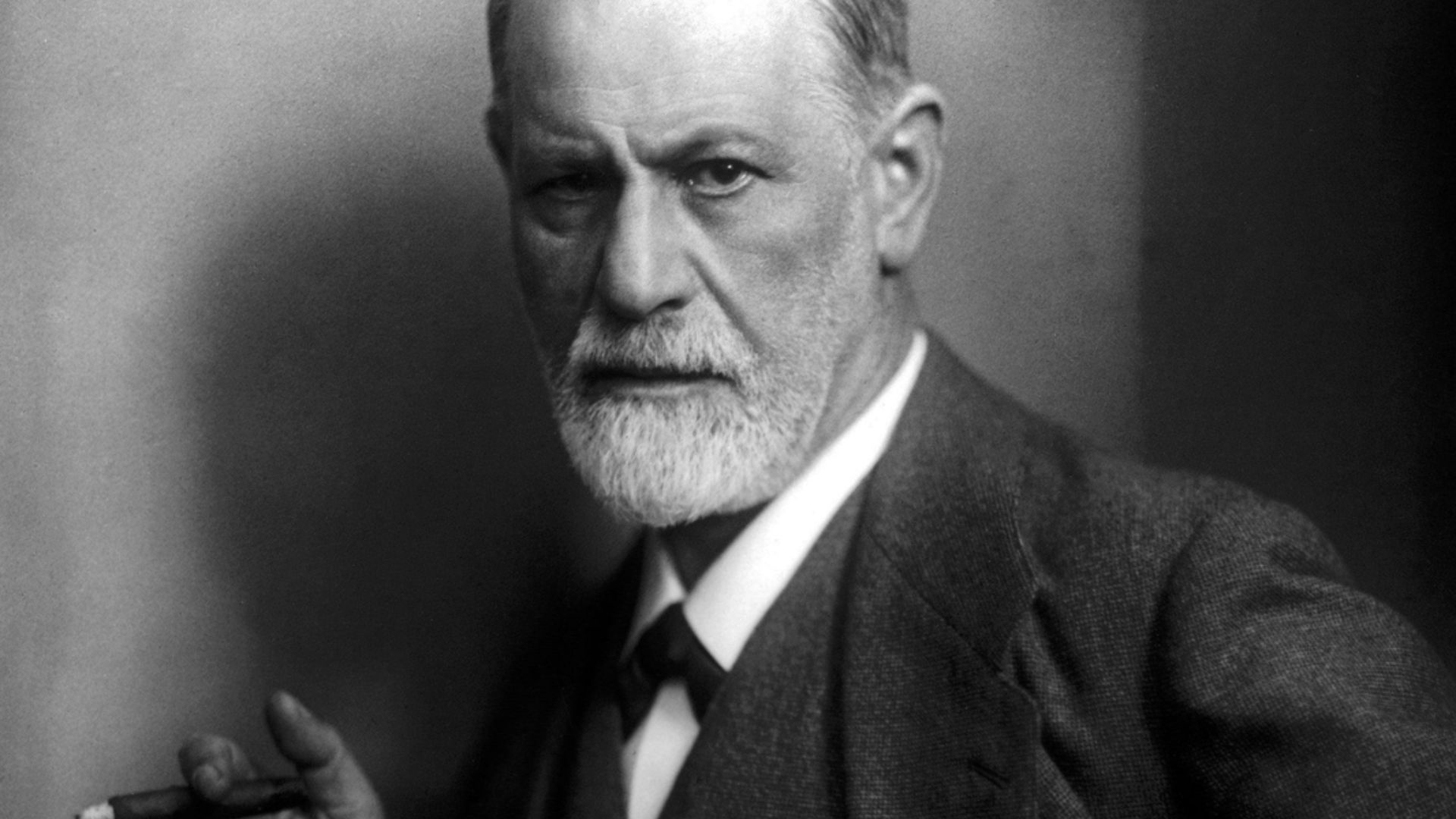
17. Sigmund Freud
Jacob Freud was a wool merchant whose life was relatively ordinary compared with the extraordinary public profile his son eventually developed. Sigmund Freud became one of the most influential and controversial thinkers of the modern era through his theories about the human mind and the development of psychoanalysis. His ideas profoundly affected psychology, literature, art, and popular culture.
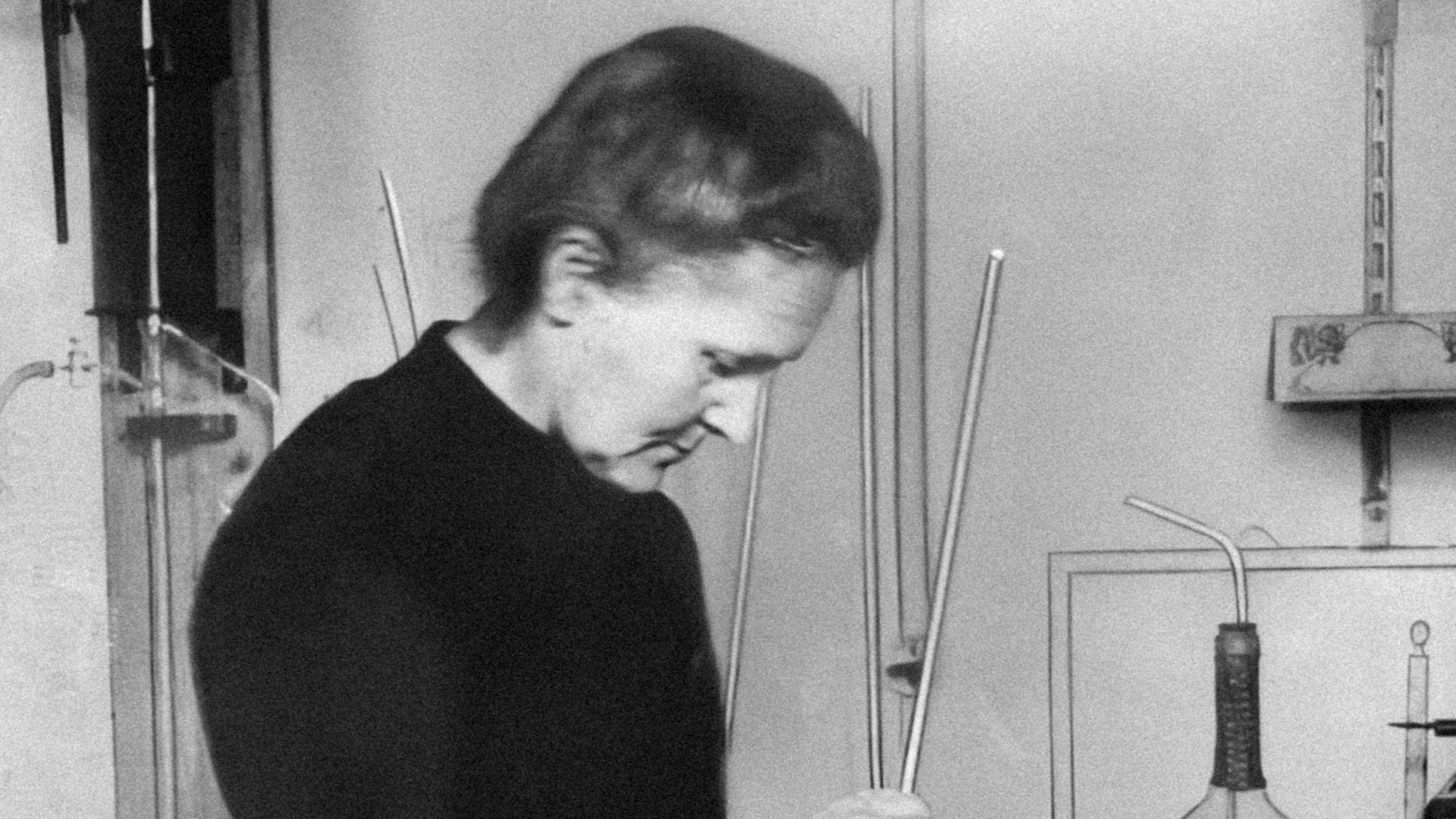
18. Marie Curie
Her father was a teacher that encouraged his children’s interest in science from a young age. Marie developed that passion and went on to study radioactivity, becoming the first woman to win a Nobel Prize. She later won another, becoming the first person to win multiple Nobel Prizes.
19. Winston Churchill
Lord Randolph Churchill was a prominent British politician who served as Chancellor of the Exchequer and was considered an important figure within the Conservative Party. His son Winston eventually became far more famous, particularly for his leadership of Britain during World War II. Churchill's speeches and political leadership turned him into an enduring symbol of resistance during one of the darkest periods in modern history.
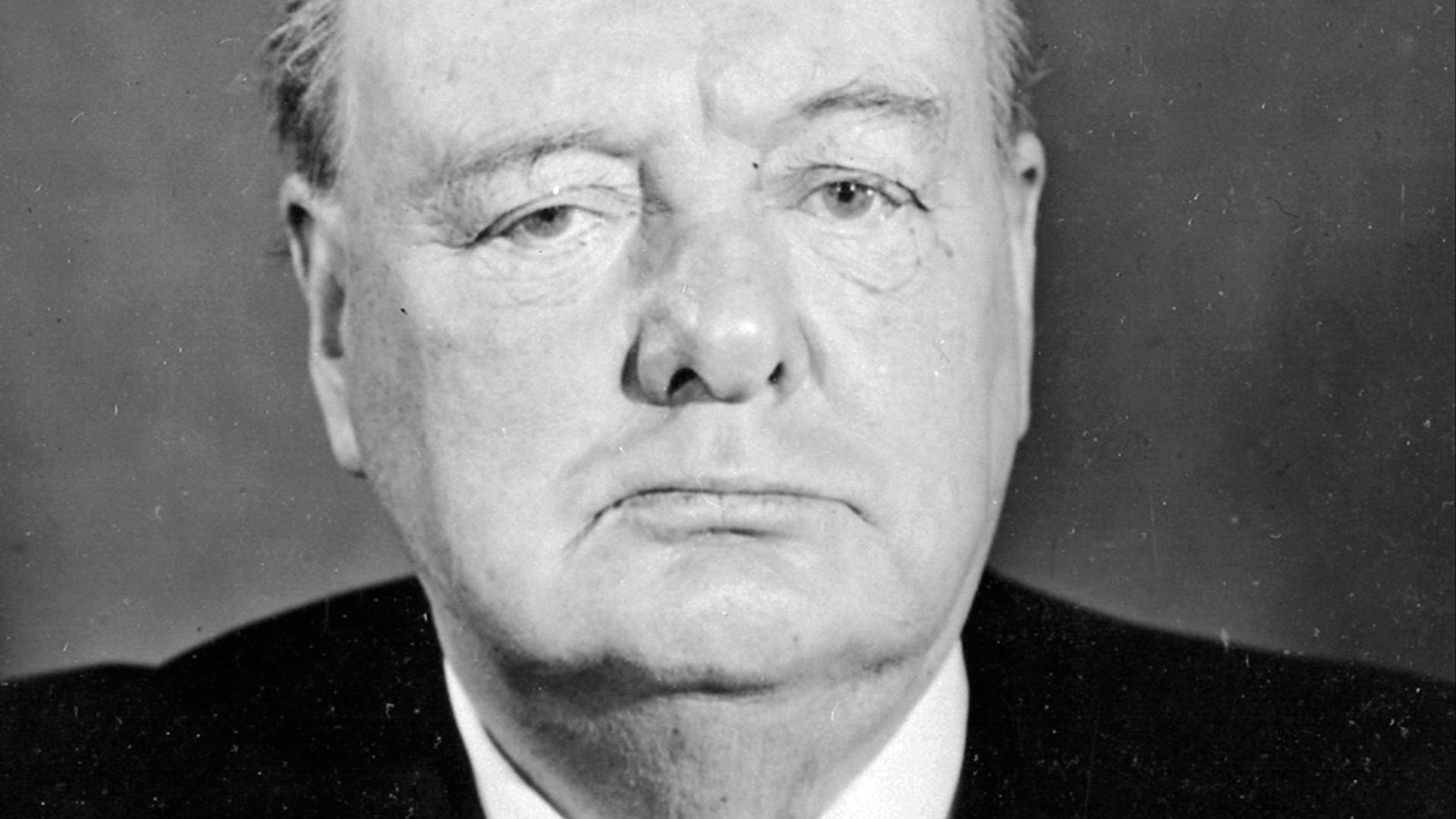 Central Office of Information on Wikimedia
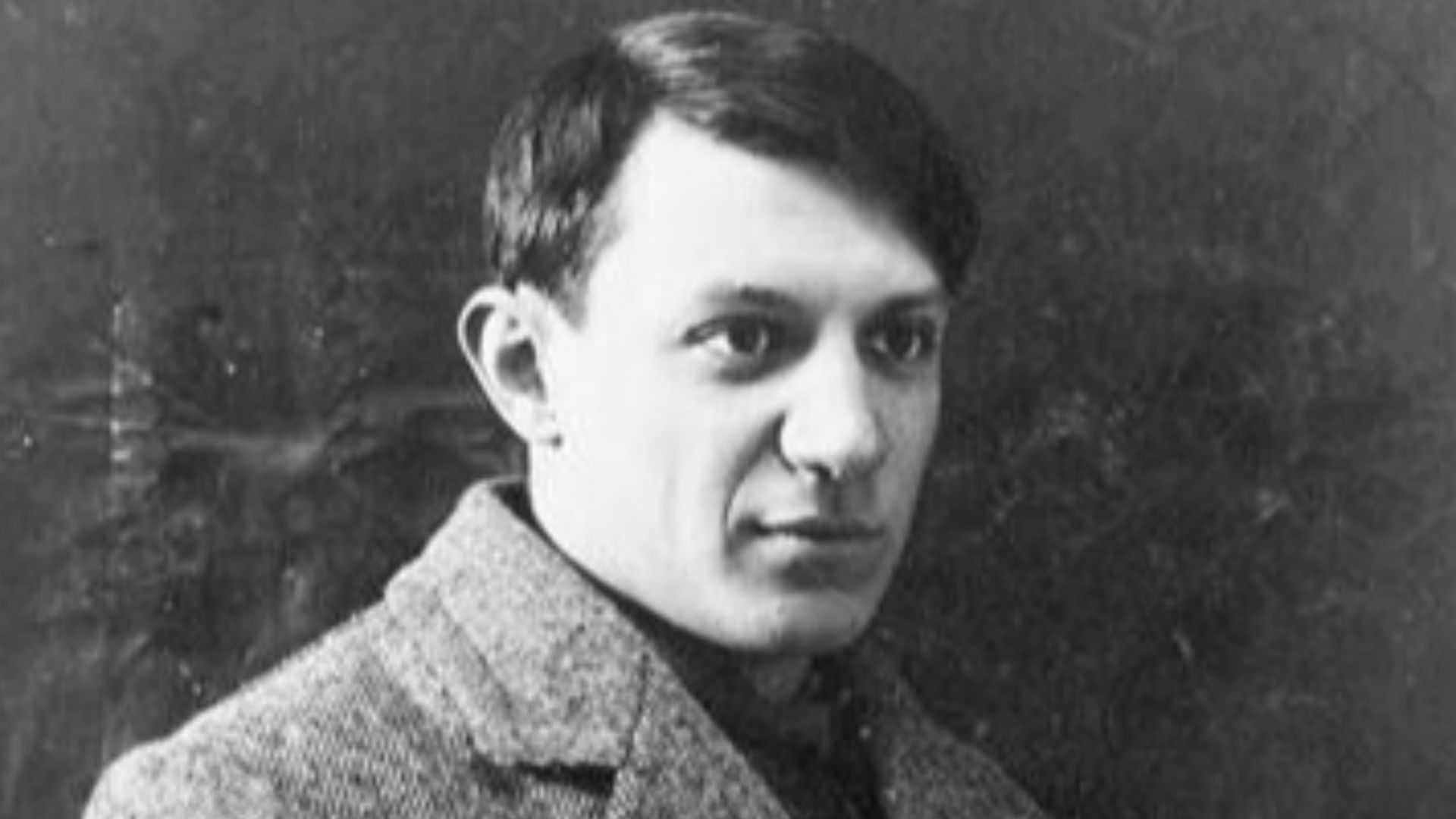
20. Pablo Picasso
José Ruiz y Blasco was a Spanish painter and art teacher who specialized in traditional academic subjects, particularly birds and other natural forms. His son Pablo rejected many of those conventions and became one of the most influential artists of the 20th century. Picasso helped develop Cubism and continually reinvented his artistic style throughout a remarkably long career.
KEEP ON READING