The Historical Influence For Modern Babes
Picture a hospital nursery in 1944. Somewhere down the hall, a nurse is filling out yet another birth certificate with the name Mary, or James, or Robert, names so common that entire classrooms would one day be filled with them. The 1940s didn't invent these names out of thin air. Most had already survived thousands of years of migration, translation, and reinvention, passing through ancient languages, royal courts, and religious traditions long before they landed on a mid-century birth announcement. Over the course of the decade, more than 15 million boys and nearly 15 million girls were given names in the United States, yet a surprisingly small cluster of favorites kept turning up again and again. Here's the story behind the 20 names that parents simply could not get enough of.
1. Mary
Mary topped the charts as the most popular girls' name of the decade, chosen 640,080 times. It's the English version of Maria, which traveled through Greek before that from the Hebrew name Miryam, borne by Moses' sister in the Old Testament. Mary's deep ties to the mother of Jesus kept it circulating as one of the most recognizable names in the Christian world for centuries.
2. Linda
Coming in second with 531,660 uses, Linda has a surprisingly practical origin story. It popped up in the Middle Ages as a shortened form of longer Germanic names built around the element lind, tied to ideas of softness or flexibility. The name also happens to line up neatly with the Spanish and Portuguese word linda, meaning beautiful, a coincidence that surely didn't hurt its appeal.

3. Barbara
Barbara claimed third place with 425,271 appearances. Its roots trace back to the Latin barbarus and the Greek barbaros, terms once used to describe outsiders or non-Greek speakers. The legend of Saint Barbara transformed the name's fortunes, helping it spread widely across the Christian world during the Middle Ages.
4. Patricia
With 411,412 uses, Patricia is the feminine counterpart to Patricius, the name behind Patrick. Though the spelling shows up in Latin records from medieval England, Patricia likely didn't become an everyday given name until 18th-century Scotland.
5. Carol
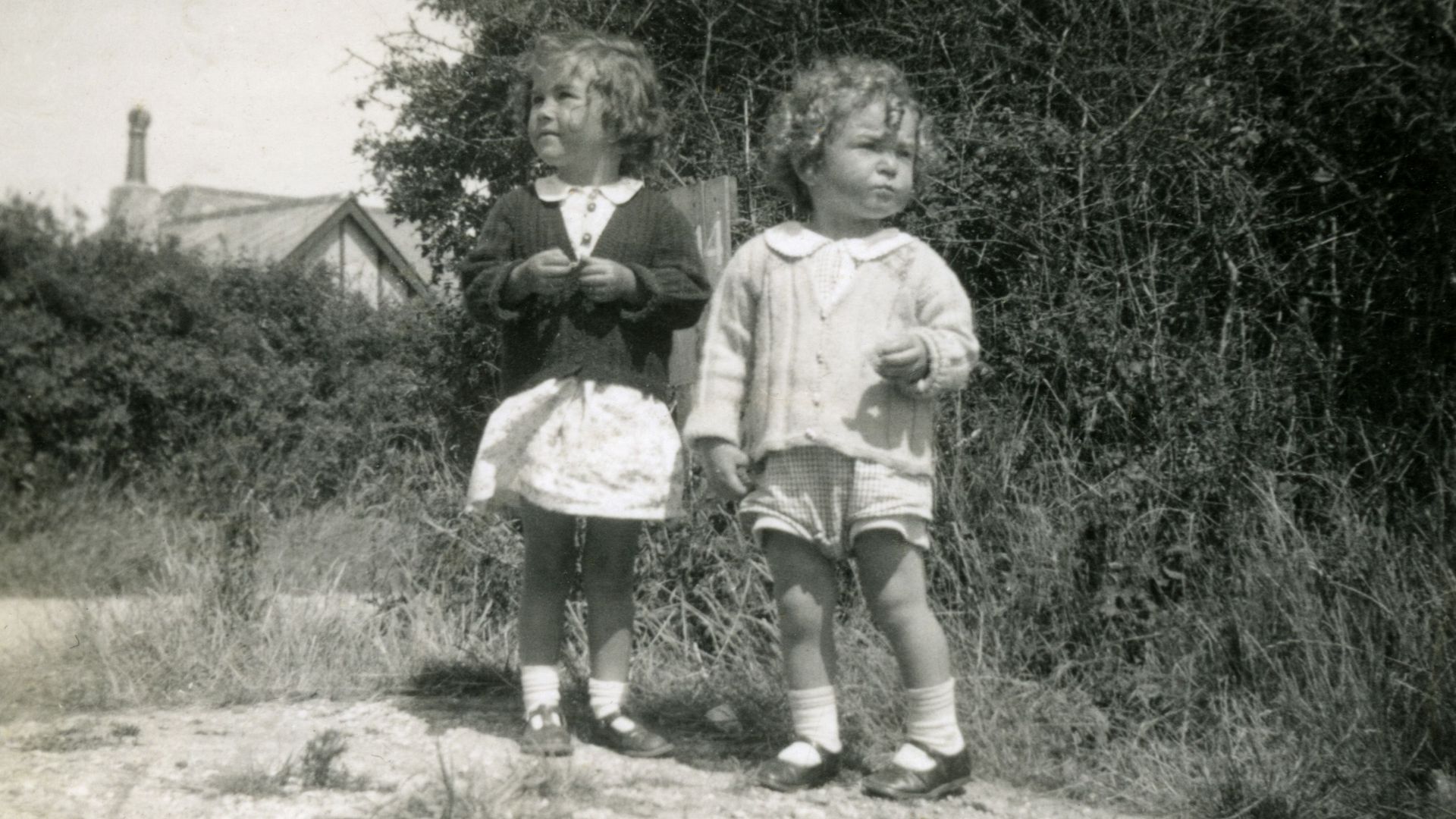
Carol rounded out the top five with 292,333 uses, and its journey is a fun one. What began as a casual short form of Caroline gradually earned status as a standalone name in the United States during the early 20th century. Carol actually hit its peak popularity in 1945, planting it firmly at the heart of this decade.
6. Sandra
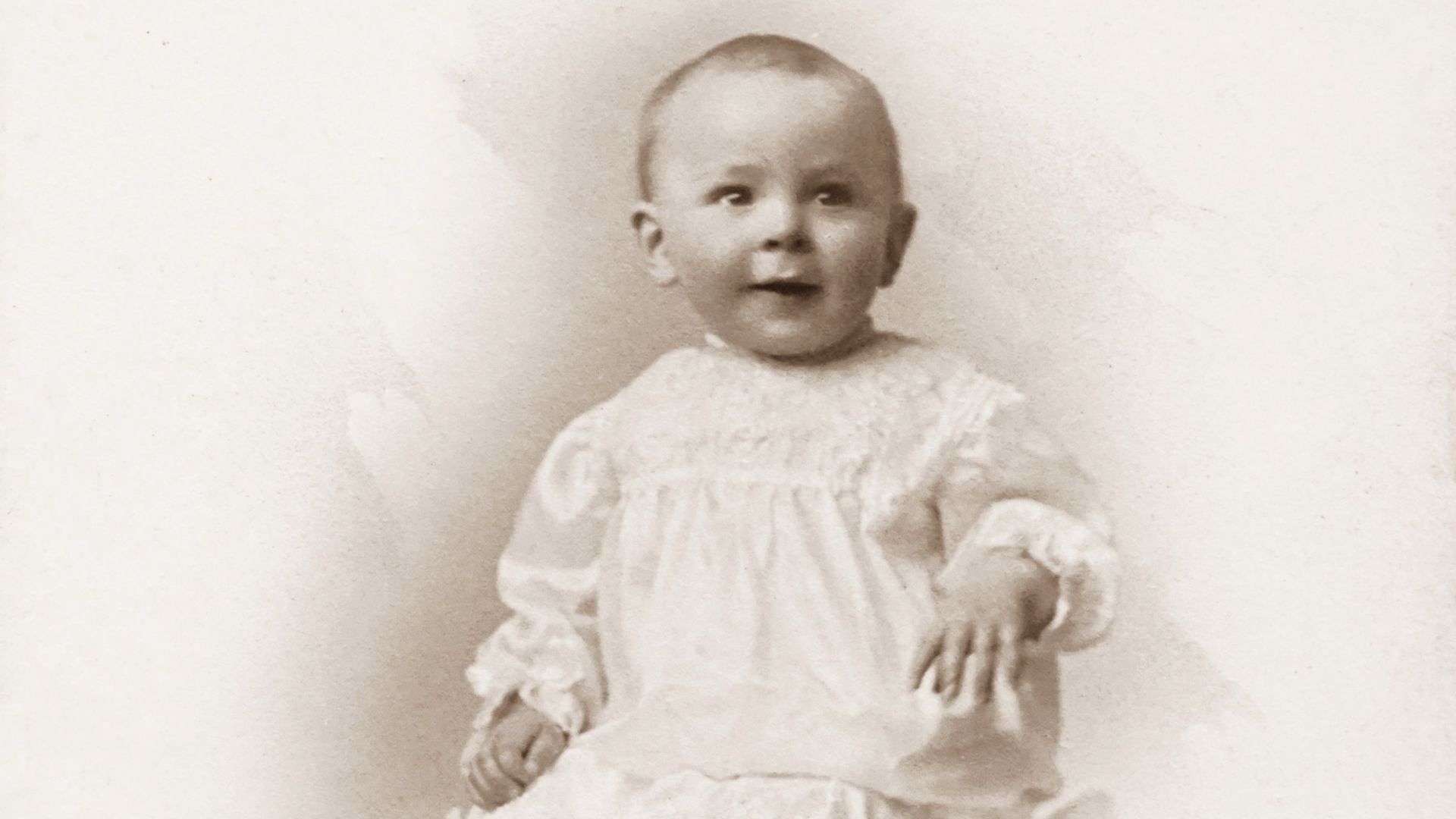
Sandra ranked sixth with 265,538 appearances, and this one has a literary pedigree. It started as an Italian short form of Alessandra, itself the Italian version of Alexandra. English readers were first introduced to the name through George Meredith's 1864 novel Emilia in England, later reissued under the title Sandra Belloni in 1887.
7. Nancy
Nancy took seventh place with 252,061 uses. It began as a medieval nickname for Annis, then shifted to become a nickname for Ann during the 18th century. By the time the 20th century rolled around, Nancy had shaken off its nickname status entirely and stood as a full name of its own.
8. Sharon
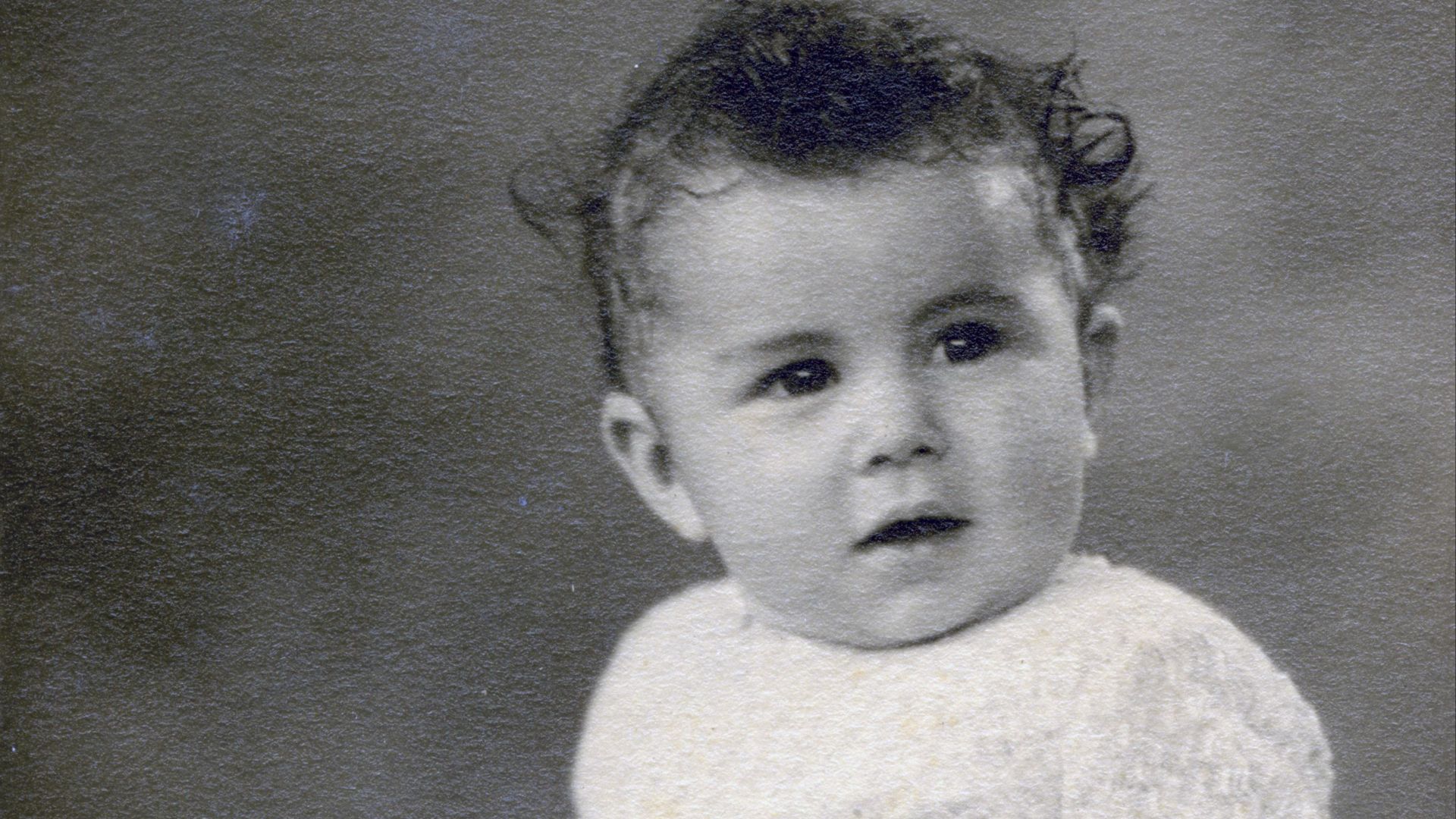
Sharon claimed eighth with 221,237 uses. Unlike most names on this list, it comes straight from an Old Testament place name meaning plain in Hebrew, referring to a fertile stretch of coastal land. Sharon had only been used as a feminine given name in English-speaking countries since the 1920s, making it something of a newcomer among the decade's top ten.
9. Judith
Judith secured ninth place with 218,037 appearances. The name comes from Hebrew and means Jewish woman, referring to someone from the tribe of Judah. It gained traction as an English name following the Protestant Reformation.
10. Susan
Susan closed out the girls' top ten with 212,016 uses. It's an English variation of Susanna, and by the 18th century Susan had become the go-to spelling. The name enjoyed especially strong popularity in both the United States and the United Kingdom from the 1940s all the way through the 1960s.
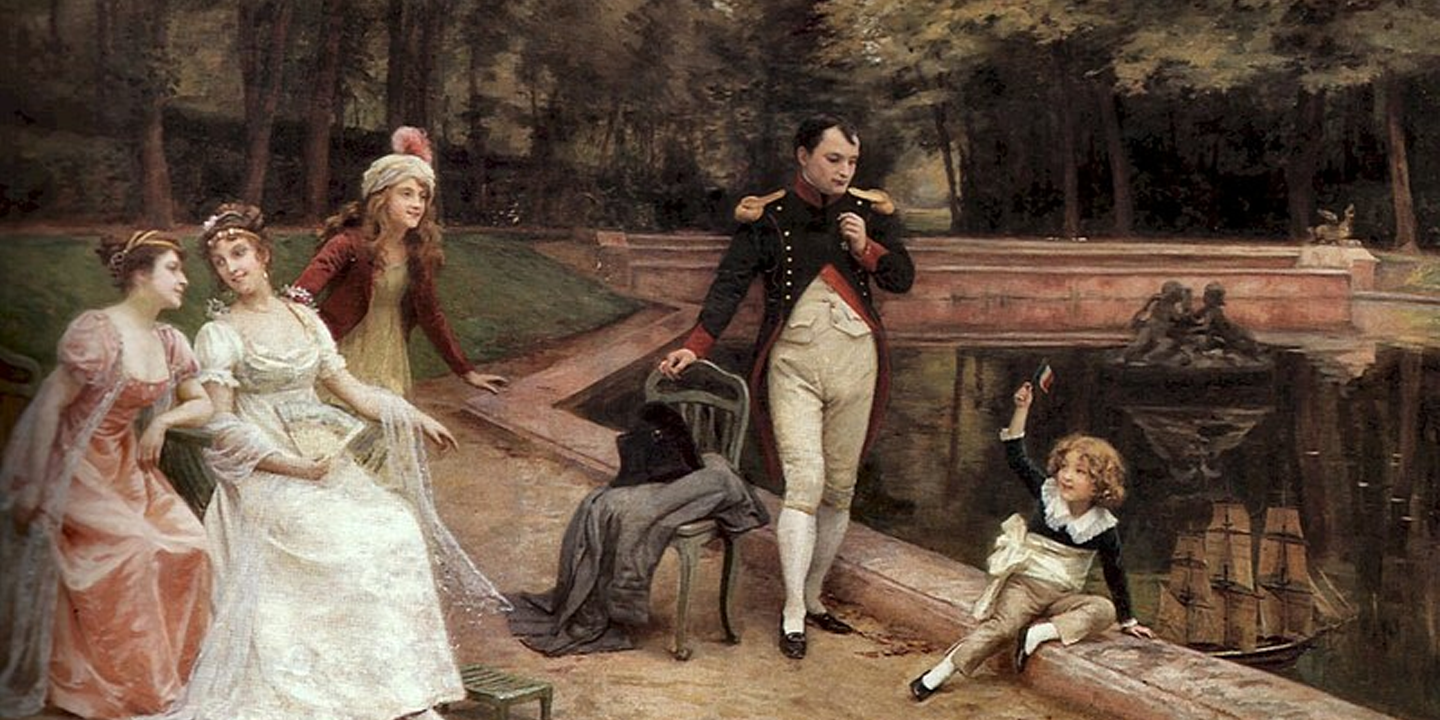
 Social History Archive on Unsplash
11. James
James reigned as the most popular boys' name of the decade, appearing an impressive 795,775 times. It's the English form of the late Latin Iacomus, tracing back to the Hebrew name Ya'aqov. Two apostles in the New Testament carried the name James, and it had already been in steady use throughout England since the 13th century.
12. Robert
Robert took second with 758,126 uses. Its roots lie in the Germanic name Hrodebert, meaning bright fame. The Normans carried Robert across to Britain, where it became a fixture of English naming from the 13th century onwards.
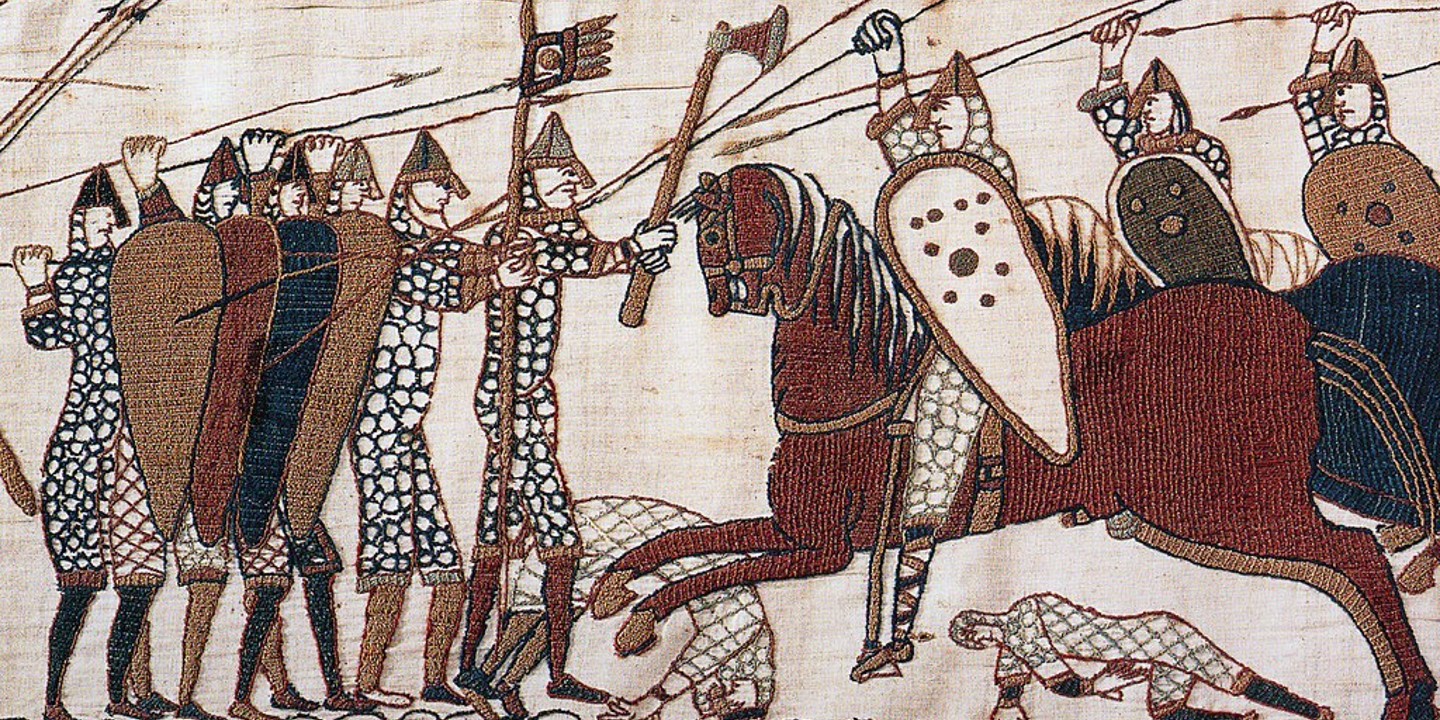
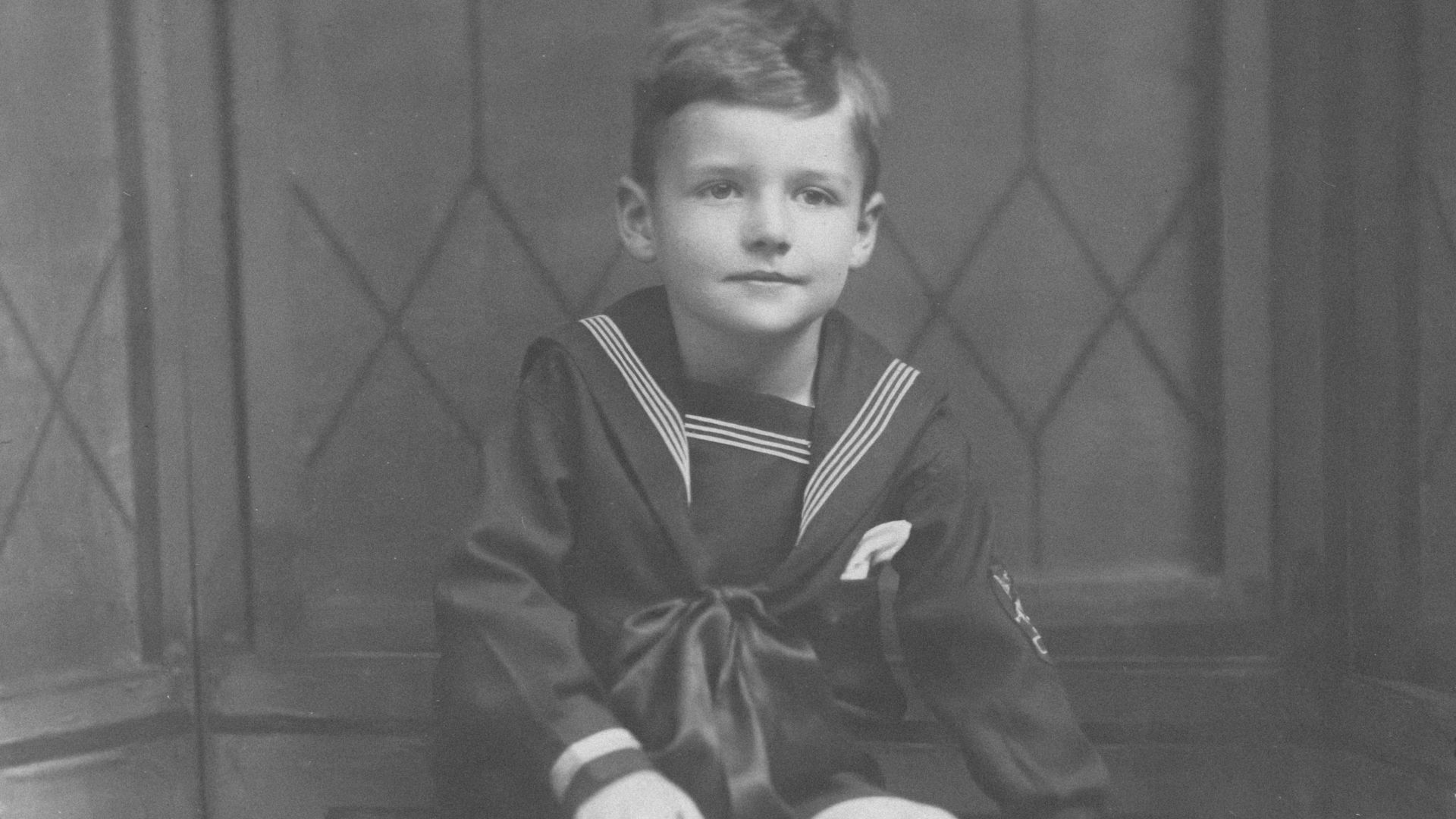 The Deseronto Archives on Unsplash
13. John
John landed in third with 711,614 appearances. It's the English form of Iohannes, which passed through Greek on its way from the Hebrew name Yohanan, meaning Yahweh is gracious. The name's longevity owes much to John the Baptist and John the Apostle, two towering figures of the New Testament.
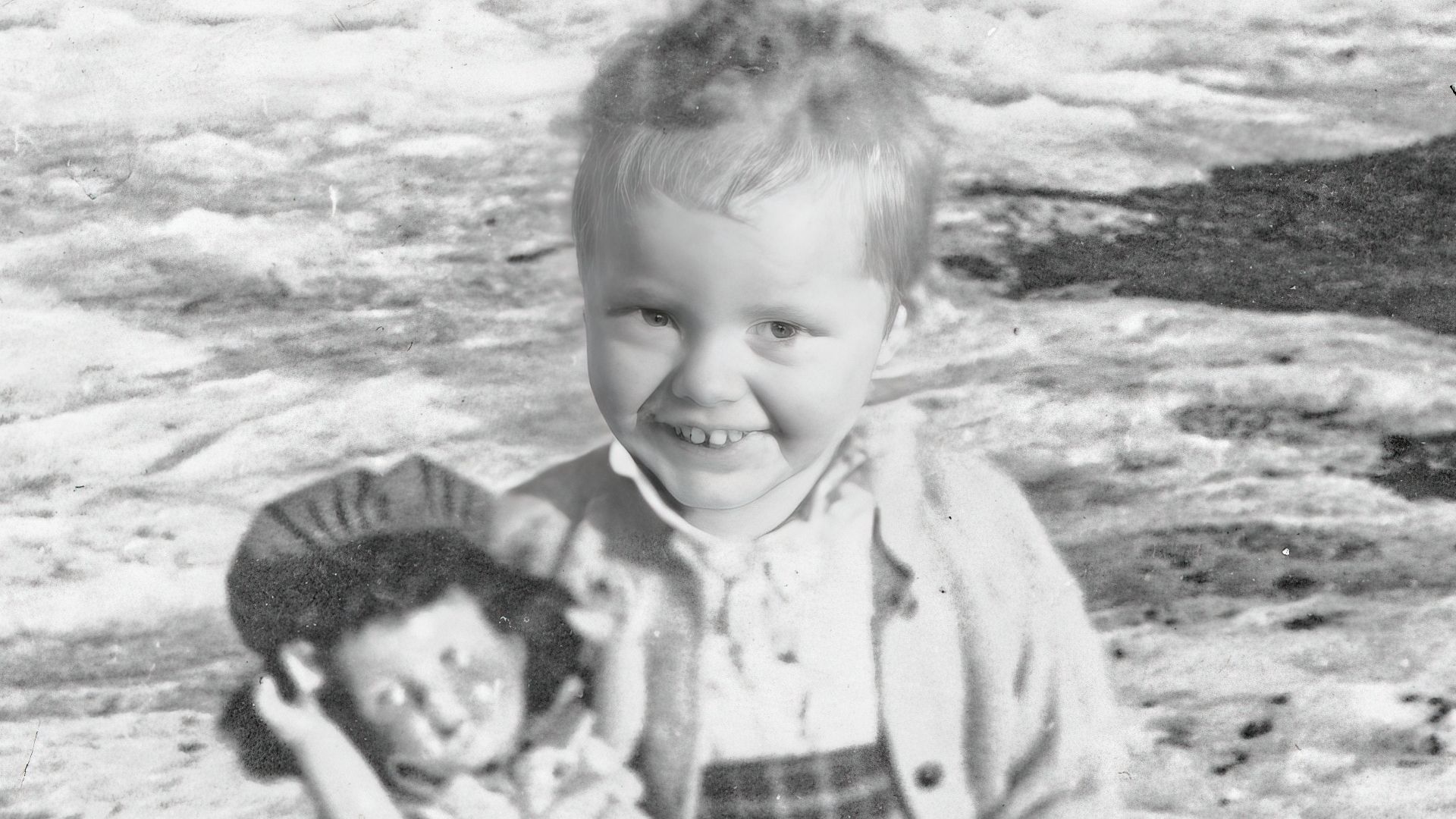
14. William
William ranked fourth with 556,478 uses. It comes from the Germanic name Willehelm, combining elements meaning will or desire with helmet or protection. The name exploded in popularity across England after William the Conqueror claimed the throne as the first Norman king in the 11th century.
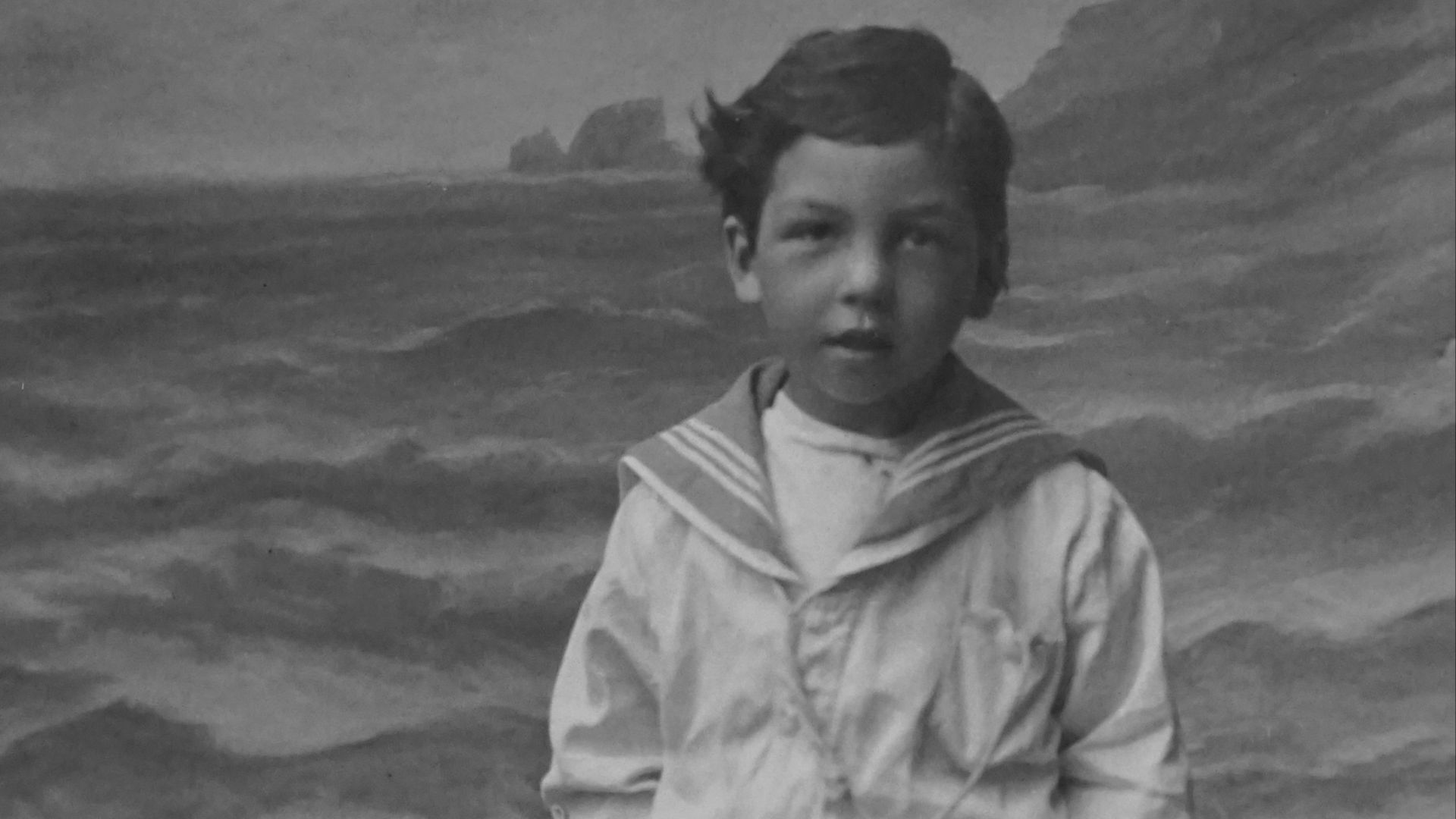
15. Richard
Richard placed fifth with 477,476 appearances. Its Germanic origins translate roughly to “brave ruler.” The Normans brought Richard to England in the 11th century, and three English kings would go on to carry the name, most famously Richard I, better known to history as Richard the Lionheart.
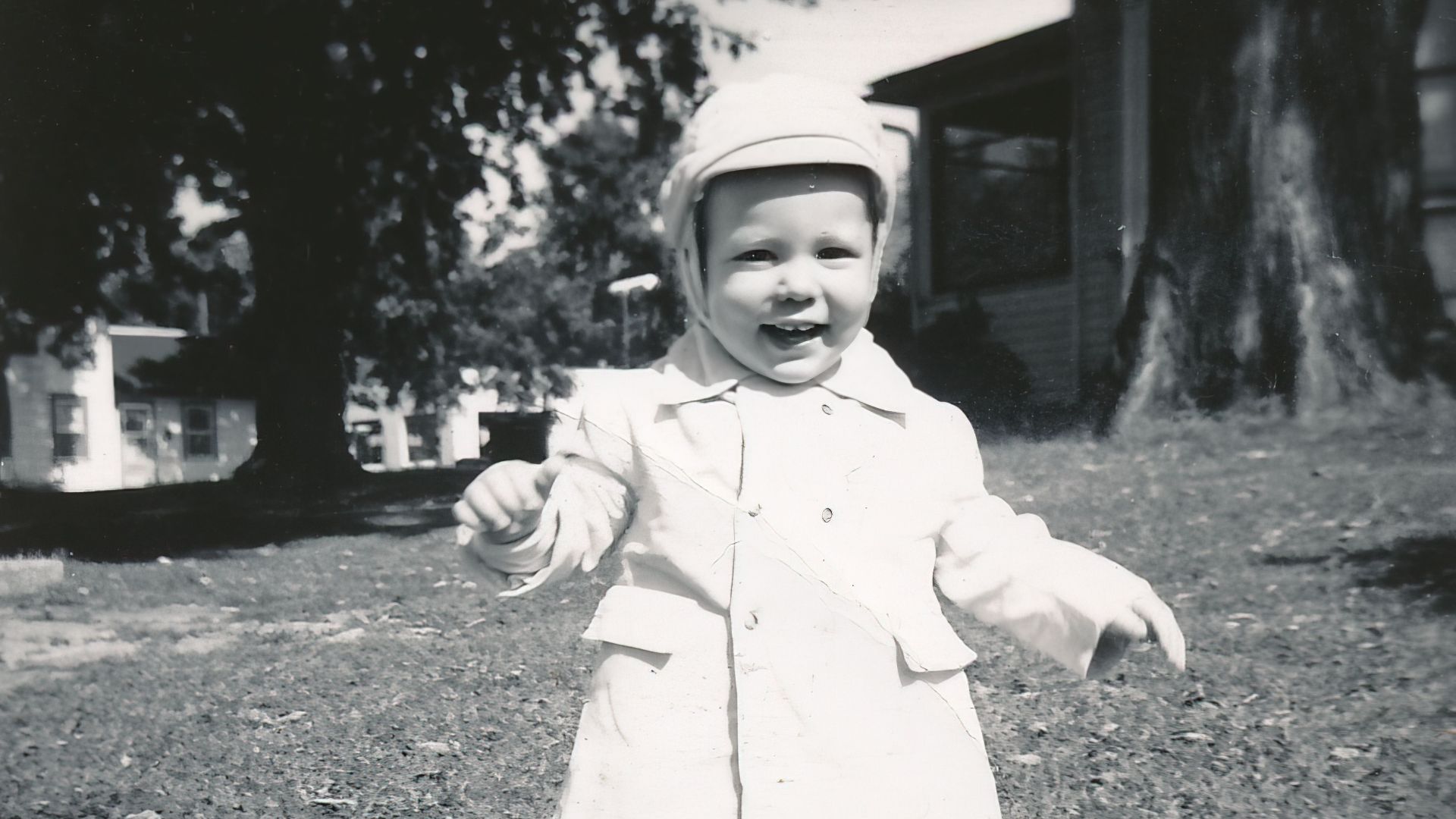
16. David
David came in sixth with 426,372 uses. The name derives from the Hebrew Dawid, connected to a word meaning beloved or uncle. In the Old Testament, David’s legendary defeat of Goliath remains one of the most retold stories in the Bible, keeping the name culturally relevant across generations.
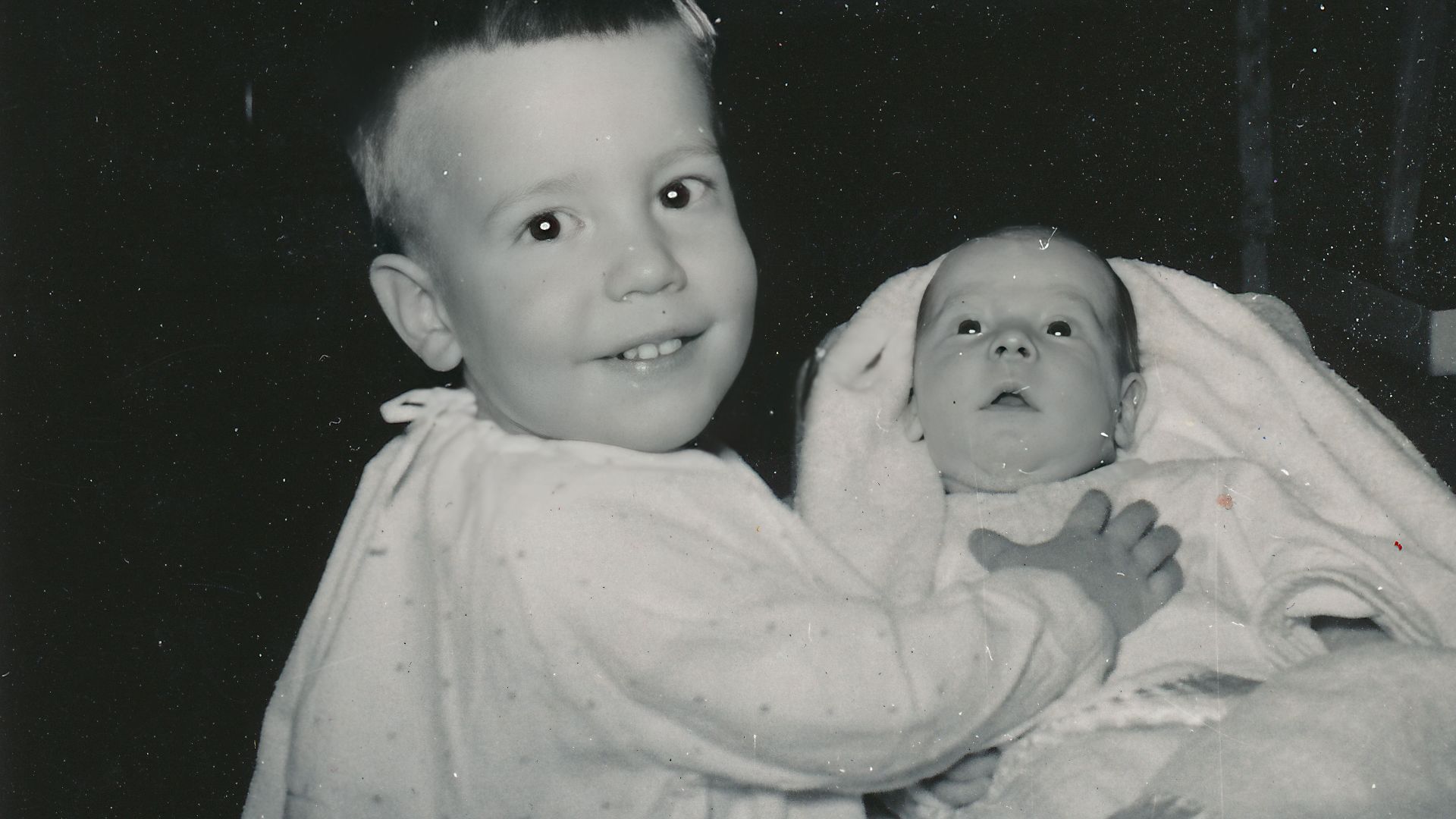
17. Charles
Charles secured seventh place with 361,772 appearances. It's the French and English form of Carolus, the Latin rendering of the Germanic name Karl, possibly meaning man. The name spread across continental Europe thanks to Charlemagne, then took firm root in Britain once Charles I ascended to the throne in the 17th century.
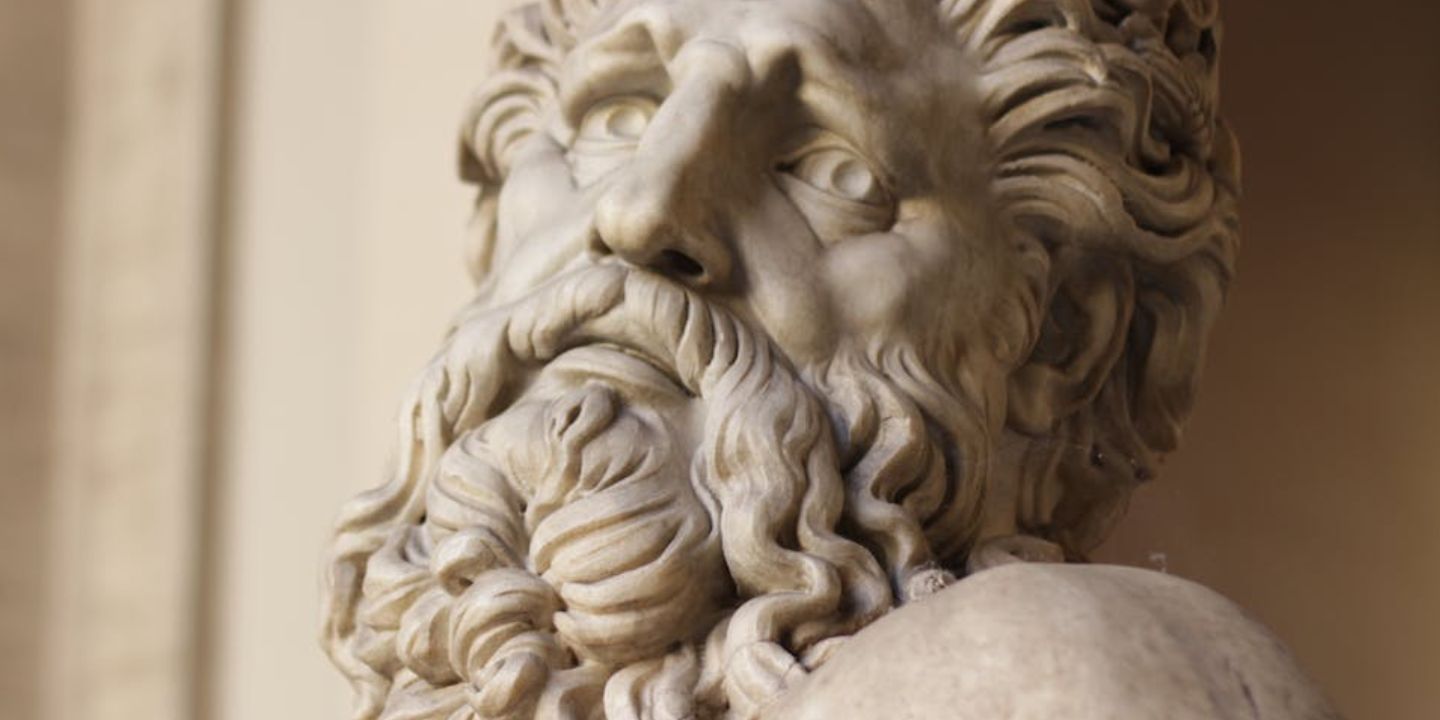
 Luis Becerra Fotógrafo on Pexels
18. Thomas
Thomas ranked eighth with 350,775 uses. It's the Greek form of the Aramaic name Te'oma, which simply means twin. The apostle Thomas earned lasting fame for doubting Jesus' resurrection until he saw the wounds himself, and centuries later, Saint Thomas Becket helped push the name into widespread popularity across England.

19. Michael
Michael took ninth with 336,568 appearances. The name comes from the Hebrew Mikha'el, meaning who is like God. Michael holds the distinction of being an archangel in Hebrew tradition and the only figure explicitly called an archangel in the Bible.
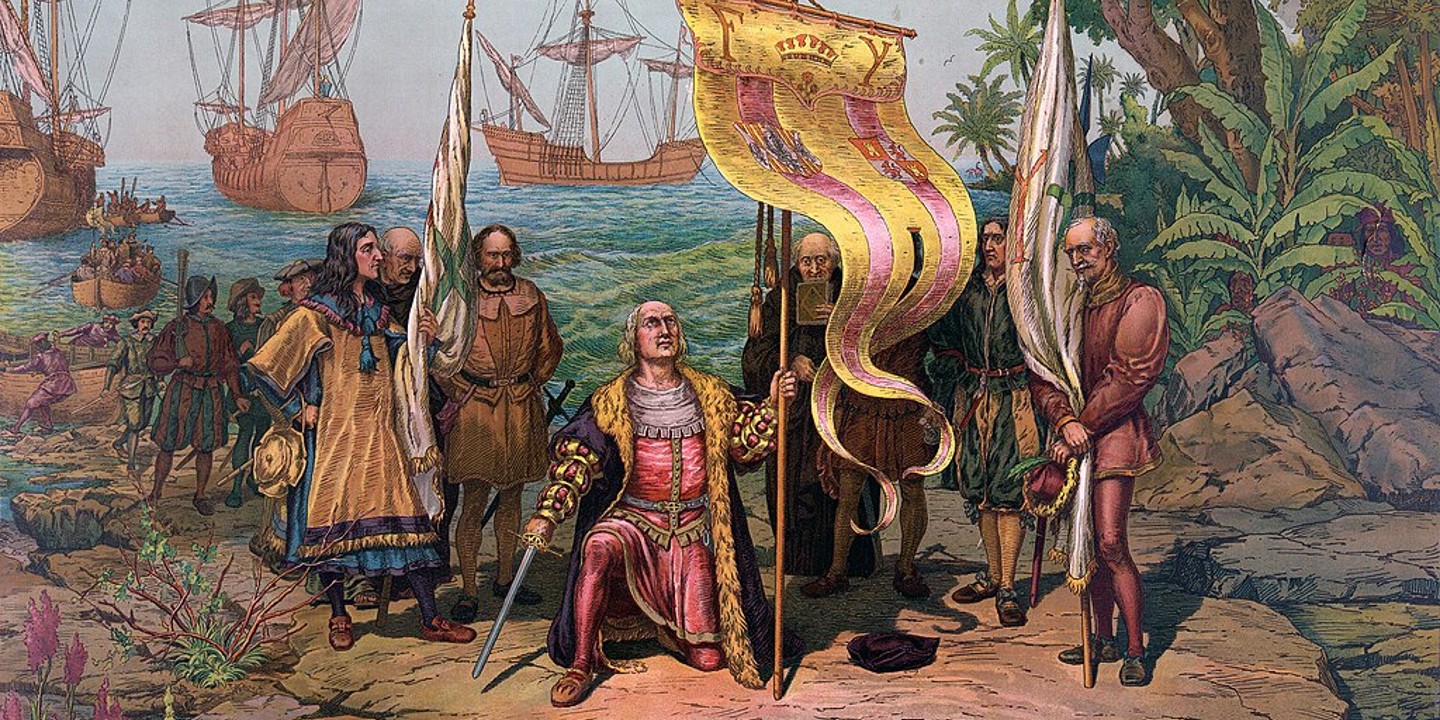
 The Royal Danish Library on Unsplash
20. Ronald
Ronald rounded out the boys' top ten with 282,489 uses. It's the Scottish form of Ragnvaldr, a name introduced to Britain by Scandinavian settlers and invaders long before the modern era. Ronald grew increasingly popular outside Scotland throughout the 20th century, well before actor-turned-president Ronald Reagan became one of its most recognizable namesakes.
 Galt Museum & Archives on Unsplash