Once a wedding reception has wound down, the honeymoon can feel like the one part of the celebration that finally belongs to the couple, after the speeches, photos, and last goodbyes. For some newlyweds, it’s a planned-for trip with hotel reservations and a packed suitcase; for others, it’s a few quiet days away after the flowers, guests, and to-do lists have disappeared from view. Either way, it gives a couple time together after all the preparation and stress of organizing a wedding. It’s such a familiar part of marriage now that it’s easy to assume it has always been there, right alongside the ceremony and reception.
It hasn’t. The word honeymoon has been in English since the 16th century, though the usual wedding trip came much later, after the word had already been around for generations. That gap between the old word and the newer travel tradition shows how a familiar word can have a history that isn’t as straightforward as it looks.
The Word Came Before the Trip
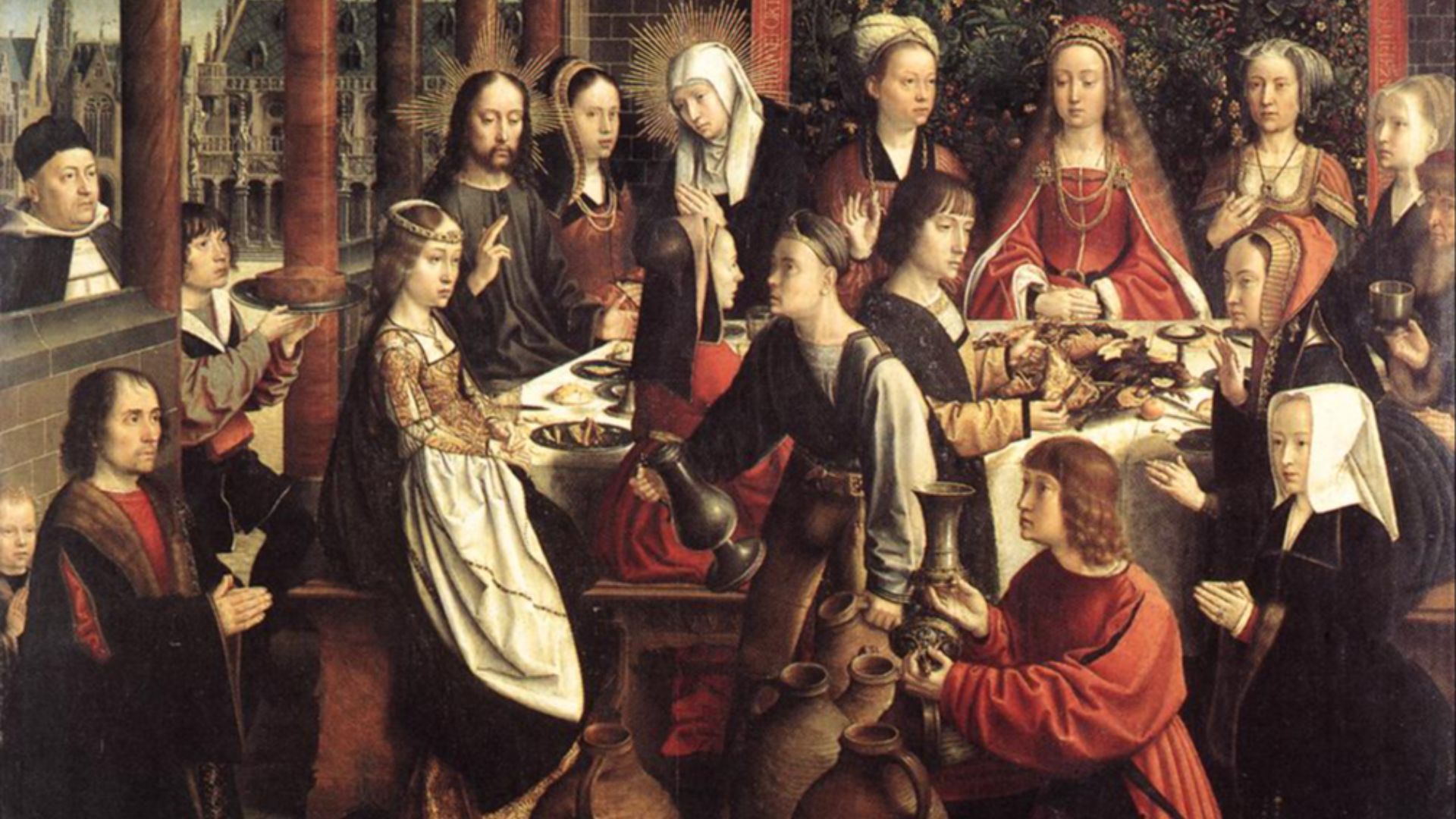
Writer John Heywood used the term “honeymoon” in 1546, almost 500 years ago. The Oxford English Dictionary says the word originally meant the period just after a marriage, rather than a vacation for two. It was a name for the first stretch of married life, marked by love and happiness.
The history of “the honeymoon trip” follows a separate path, and the shared name can blur that difference. Cambridge University Press calls the honeymoon, or wedding journey, a characteristically 19th-century phenomenon and says its popularity grew throughout the Victorian period. The old word and the later travel custom existed side by side for a long time; by the time the trip gained popularity, honeymoon had already been part of the language for centuries.
Historian Helena Michie’s research helps explain why the Victorian version of the custom mattered to newly married people. Her study looks at letters and diaries from 61 real-life honeymooning couples, as well as novels that feature wedding journeys. Michie places privacy and displacement at the center of the honeymoon’s meaning, which helps explain why the trip was more than a pleasant change of scenery. It wasn’t simply a chance to see somewhere new; it also helped present the newly married pair as a social unit of their own, away from family routines and familiar surroundings.
Victorian Britain
Victorian Britain is where the “honeymoon trip” became a part of the marriage ritual. By the end of the 19th century, the honeymoon was a familiar accompaniment to a wedding for all but the poorest classes. That’s the clearest point at which the custom became normal in this tradition and part of the expected wedding routine. The trip had moved beyond a narrow novelty and into the rhythm of many newlyweds.
The journey’s appeal wasn’t only about going somewhere else for a few days. Michie’s research centers on privacy and displacement, linking both ideas to emerging ideals of the couple as a primary social unit. A honeymoon gave a new pair a defined period to step away from the wedding crowd and begin married life together, with a little distance from the routines that had shaped their lives before.
The historical record instead shows a rise in popularity across the Victorian period, ending with the trip established as a familiar part of the wedding sequence. It didn’t happen overnight, and there isn’t a neat invention story behind it, which is often how customs become widely accepted. The wedding journey became familiar as its privacy, social meaning, and place in the wedding routine came together over time.
America
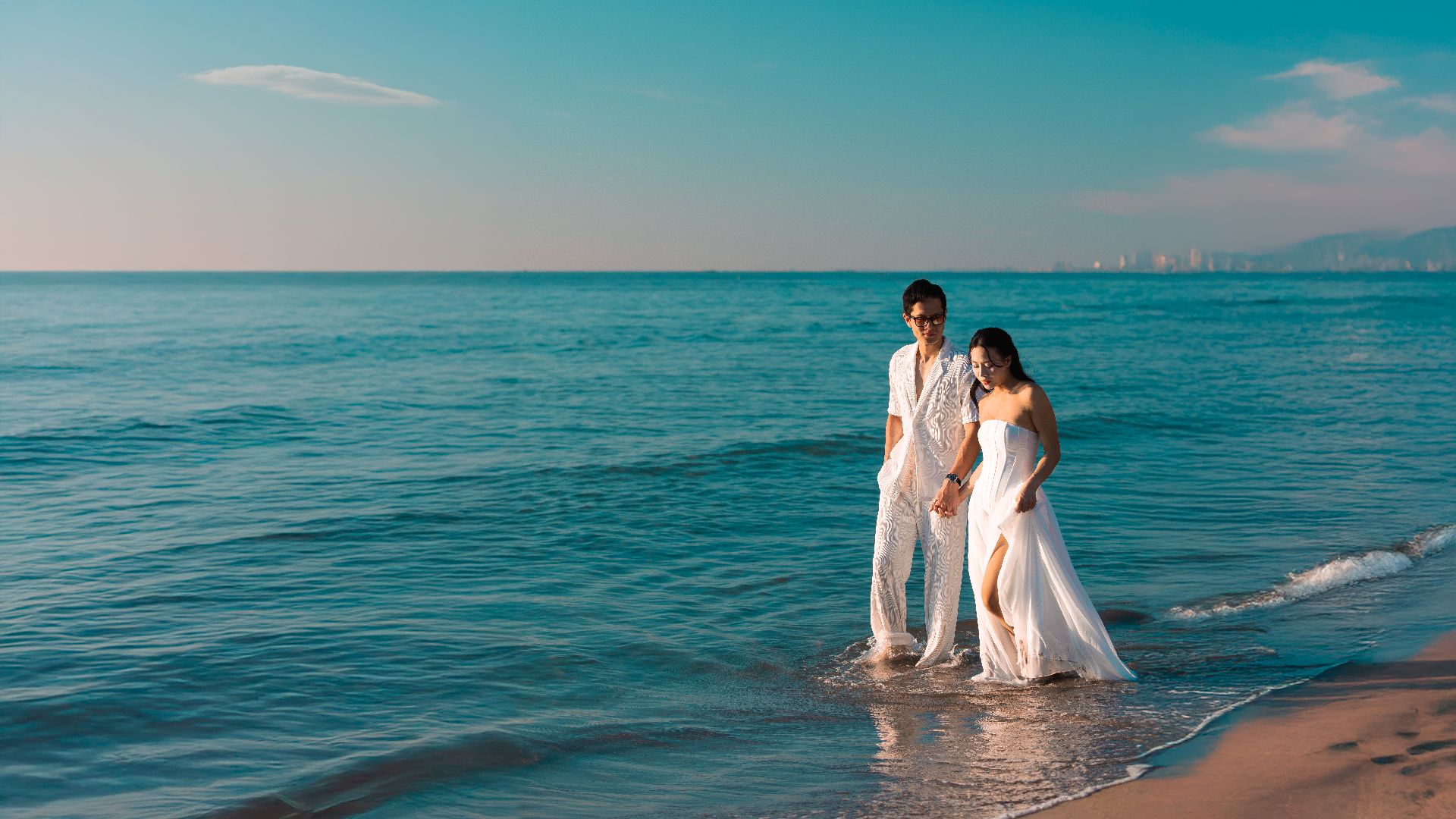
The American honeymoon grew during the same century, though it had its own settings and cultural pressures. Barbara Penner’s research traces its origins and growth in the United States from 1820 to 1900, drawing on diaries, letters, maps, engravings, novels, and hotel spaces. That mix of sources lets us see individual journeys alongside the hotels, images, and stories that shaped how people understood honeymooning. The trip wasn’t only time away from home; it was also tied to domesticity, sentiment, and commercial travel.
A review in the Journal of American History points to an important mid-century change. The American bridal journey increasingly isolated the new couple instead of simply bringing them into a wider community. It didn’t just keep newlyweds connected to family and community in the old way; it moved toward a couple-centered model that gave them a recognized time apart. Newlyweds could step away from others while also joining a broader culture of honeymooning.
The same Journal of American History review follows the American honeymoon through resort hotels, Niagara Falls, and the bridal chamber, and concludes that the honeymoon became popular in the 19th century. Taken together, the British and American research gives us a clear answer about when the custom became normal. The honeymoon trip became a normal part of getting married in the 19th century, with Victorian Britain reaching the clearest point of widespread familiarity by the century’s end. Today’s honeymoon may look different from those early wedding journeys, though it still carries the idea that a new couple deserves a little time set apart after the wedding.
KEEP ON READING