Beliefs That Followed Us to the Grave
Death has always carried an air of mystery, and for centuries, people developed rituals and superstitions to make sense of what they couldn't explain or control. Clocks were once stopped at the moment of death, mirrors were covered to prevent spirits from being trapped, and windows were opened to free a departing soul. Though many of these customs might seem strange to us now, they sprang from either a genuine fear of the unknown or an aim to protect the living from whatever might follow the dead. Here are 20 historical superstitions that reveal just how seriously our ancestors took the passage from life to death.
 Julio Romero de Torres on Wikimedia
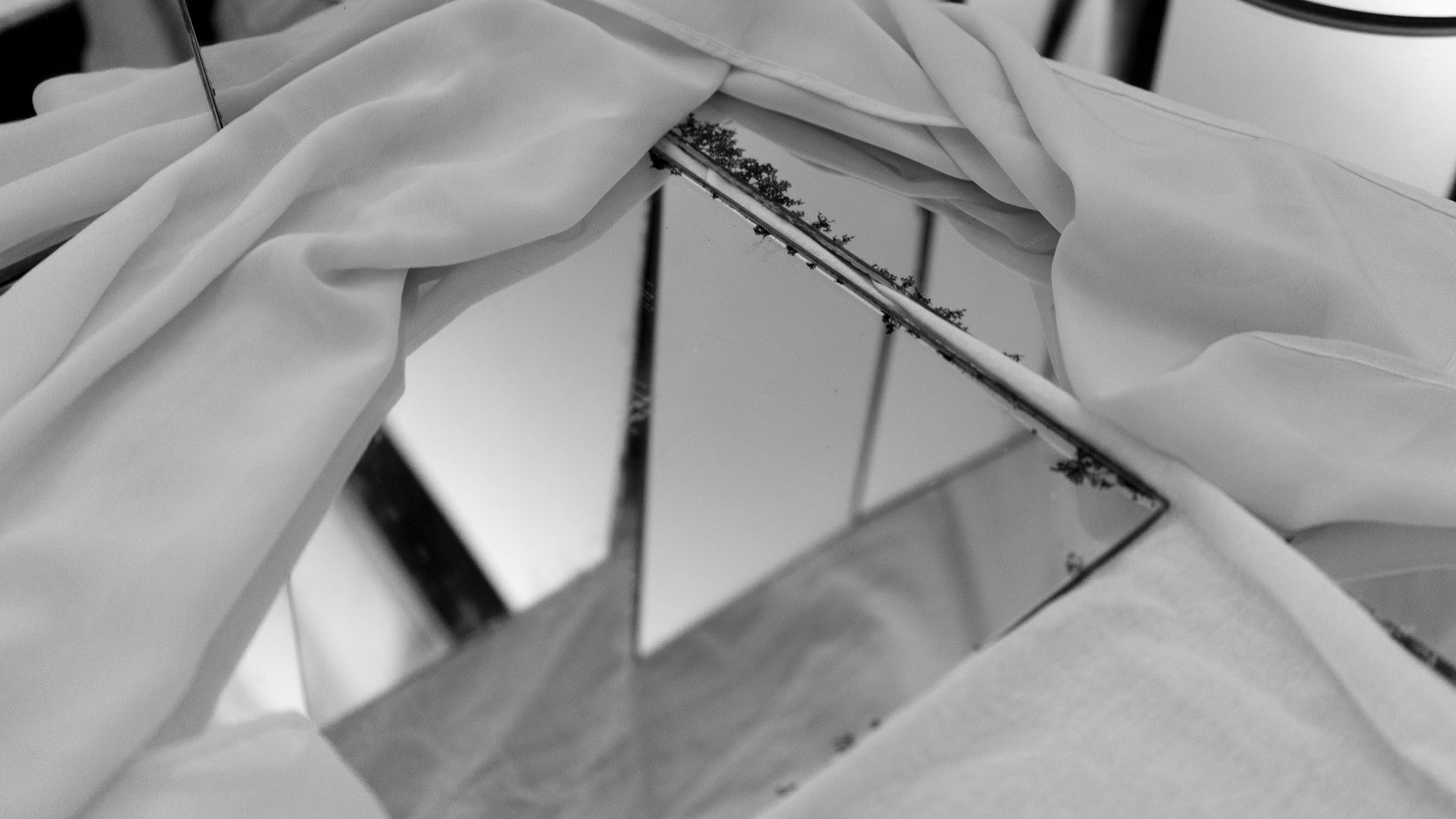
1. Mirrors Had to Be Covered
In parts of Europe and North America, families sometimes covered the mirrors in a house after someone died. One explanation held that the newly released soul could become trapped inside a reflection, while another warned that anyone who saw themselves in the mirror near the dead might be next to die. By the Victorian period, draping mirrors with cloth had become closely associated with mourning customs in some communities.
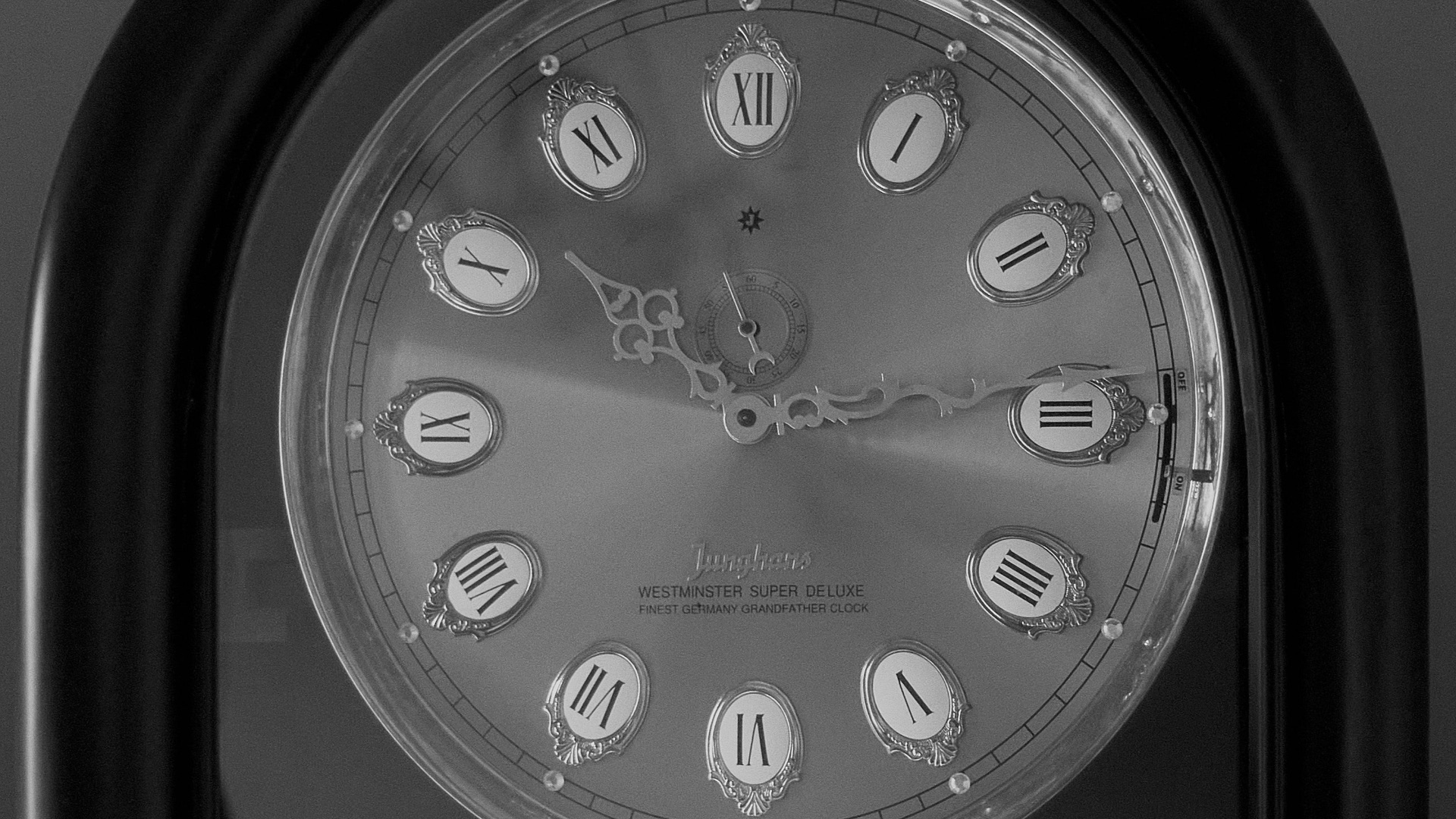
2. Clocks Were Stopped at the Moment of Death
A stopped clock could carry special significance in a household where someone had just died. During the 19th century, some families deliberately stopped clocks at the time of death, either to record the moment or because folklore connected moving timepieces with the dead person's unfinished departure. In certain traditions, restarting them too soon was considered unlucky, so the household remained symbolically suspended until funeral rites had taken place.
 Fiqih Hidayaturrahman on Unsplash
3. The Dead Were Carried Out Feet First
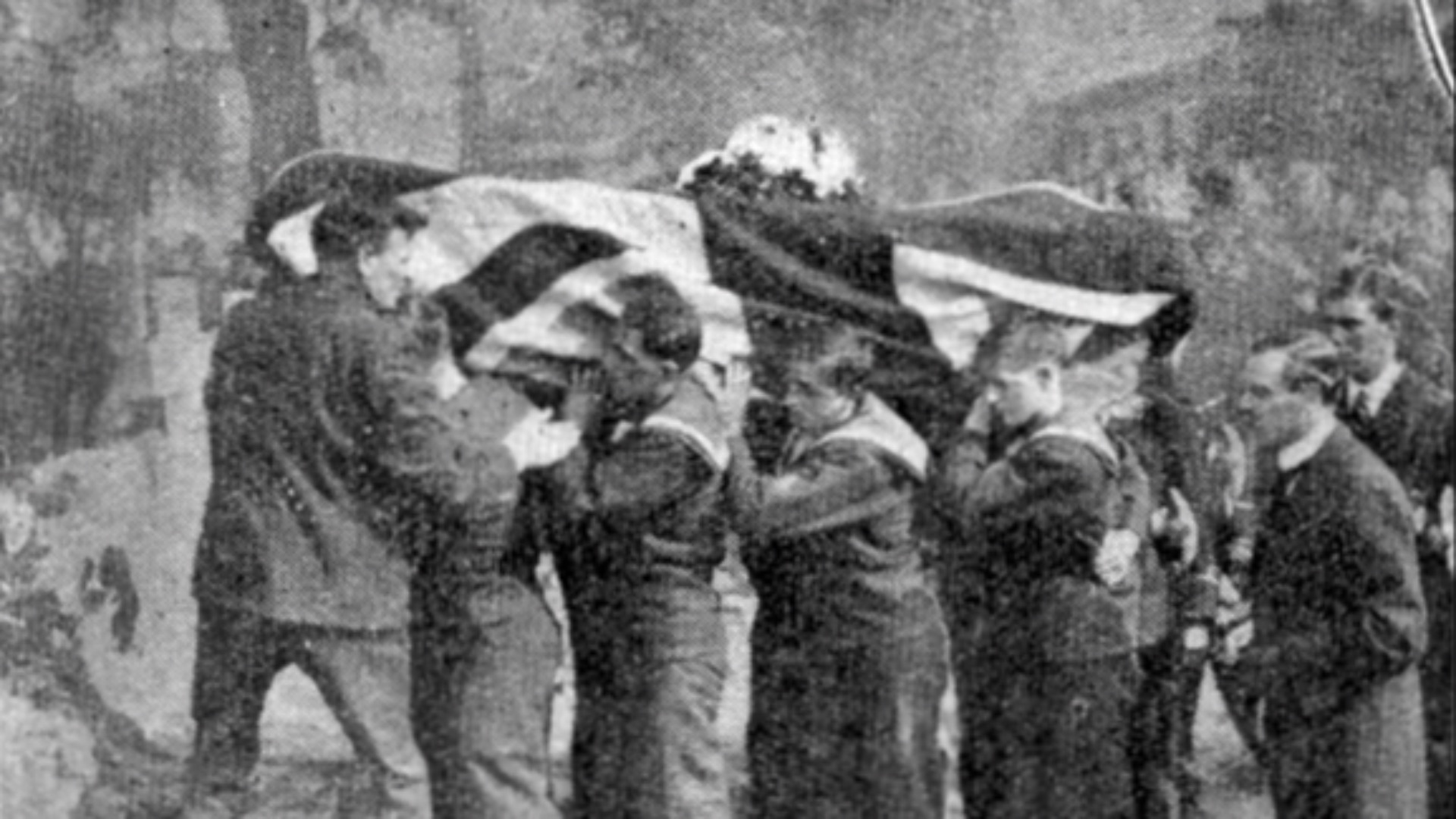
When a body was removed from a home, families in parts of Europe and America often made sure the feet went through the doorway first. Folklore claimed that carrying someone headfirst might allow the deceased to look back into the house and call another family member to follow. Taking the body out feet first was therefore treated as one last precaution against another death occurring soon afterward.
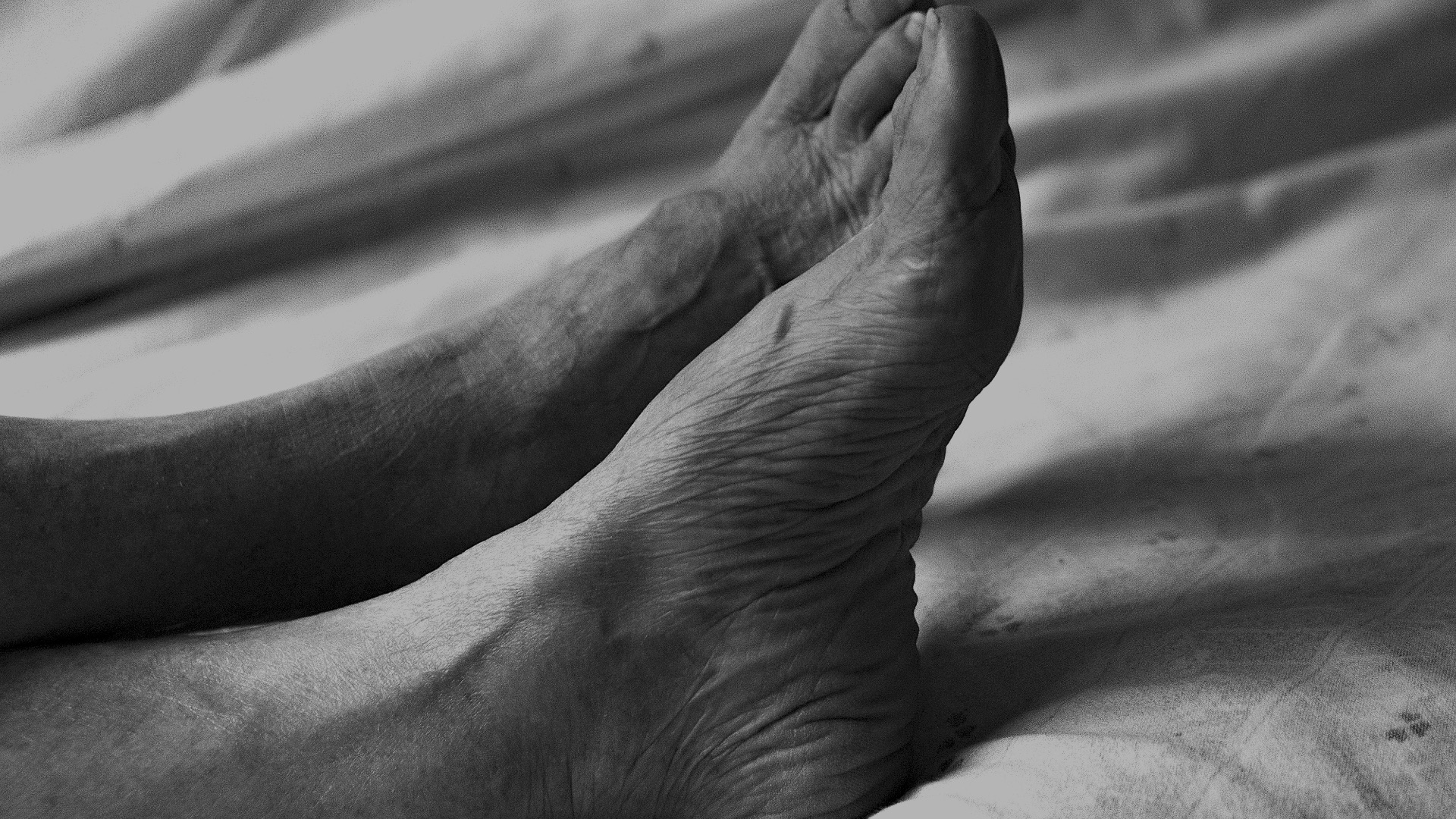
4. A Corpse's Eyes Had to Stay Closed
The sight of a dead person's open eyes could inspire considerable anxiety because some people believed the deceased was searching for someone to accompany them into death. Closing the eyelids wasn't simply a matter of appearance in communities where this superstition circulated. Coins were sometimes placed over the eyes to weigh them down, which helped keep them shut while also giving the practice an additional ritual significance.
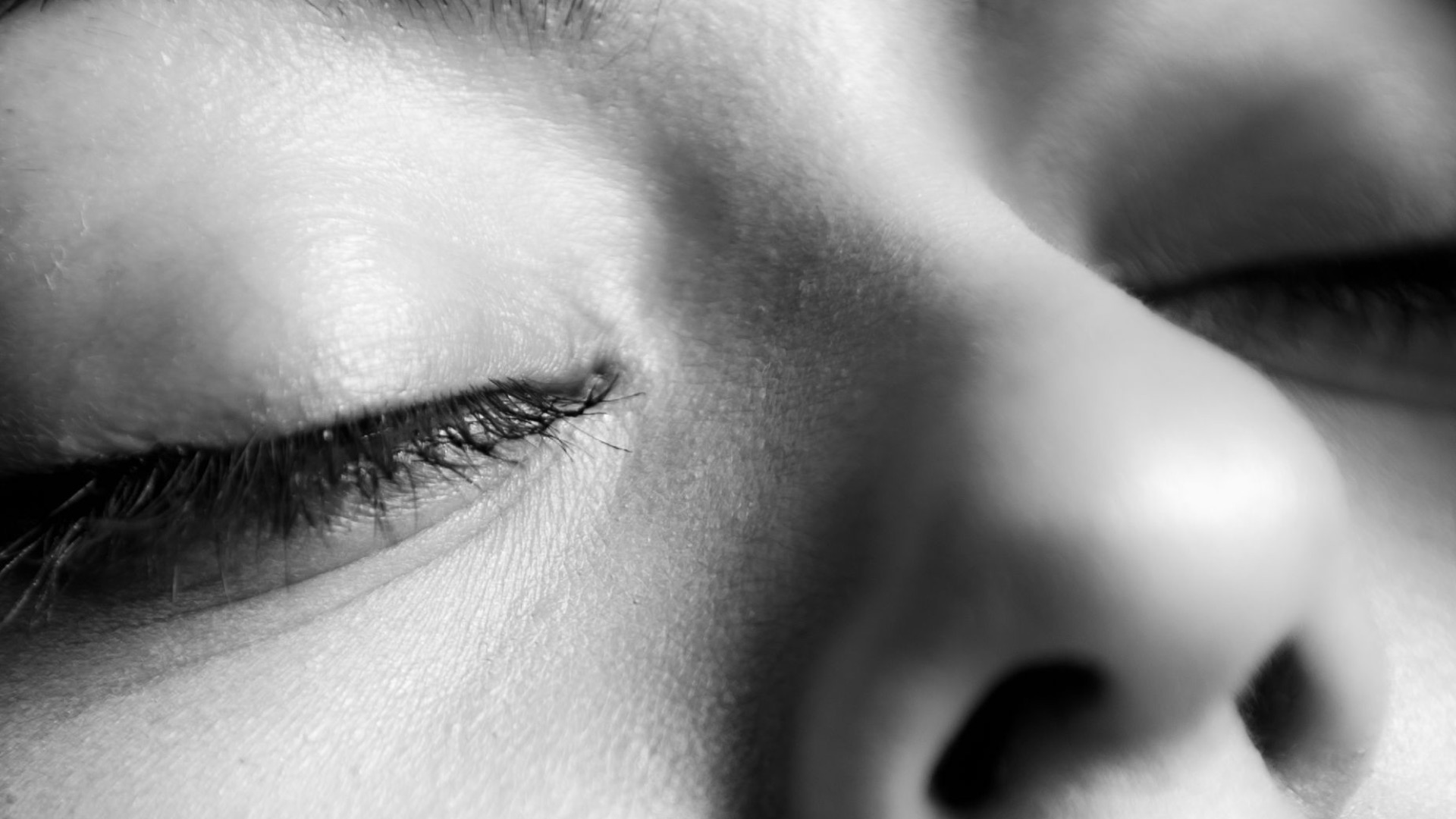
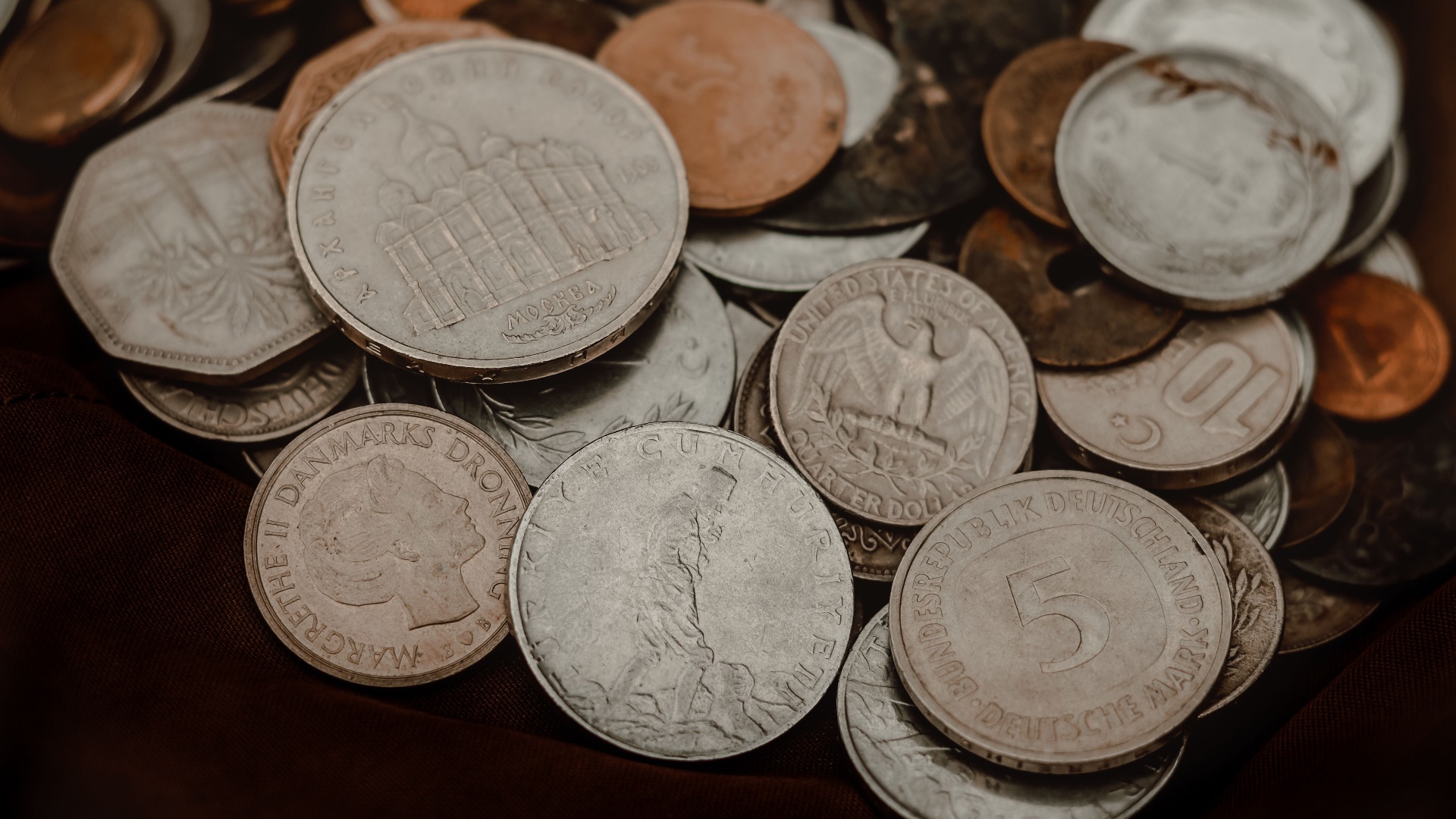
5. Coins Could Pay for the Journey After Death
Ancient Greek burial practices famously included placing a coin with the deceased, often in or near the mouth. The money was associated with Charon, the ferryman who was believed to transport the dead across the waters leading to the underworld. If you were buried without the required payment, tradition warned that your soul could be left wandering instead of reaching its proper destination.
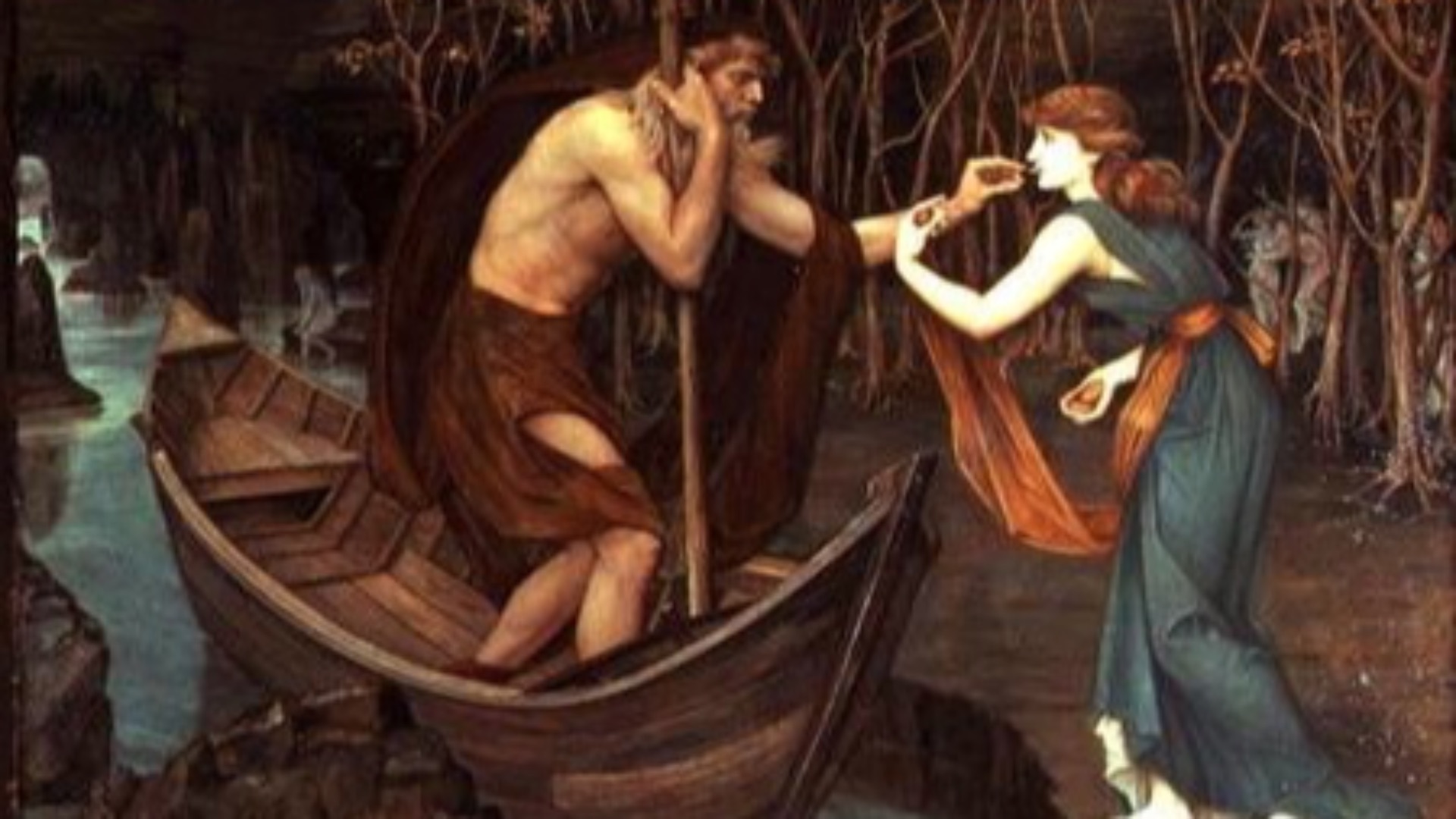 John Roddam Spencer Stanhope on Wikimedia
6. Birds Could Announce an Approaching Death
A bird behaving strangely around the home wasn't always treated as an innocent visitor. In British, European, and later North American folklore, a bird flying into a house or repeatedly appearing at a window could be interpreted as a warning that someone inside would soon die. Dark-colored birds acquired especially ominous reputations in some regions, although the exact species and meaning varied considerably from place to place.
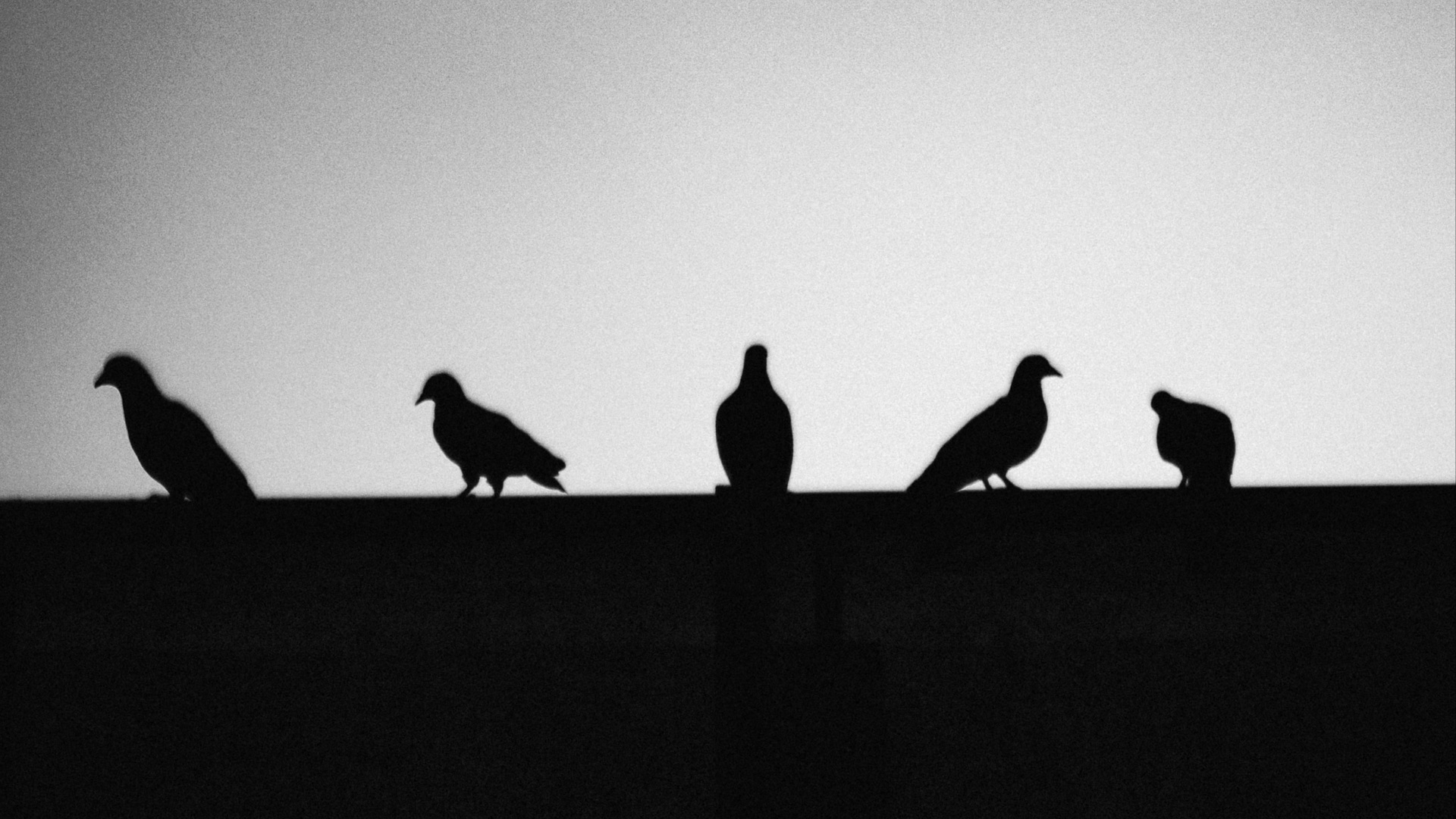
7. Meeting a Funeral Procession Could Bring Bad Luck
Funeral processions attracted their own collection of rules because encountering one unexpectedly could be interpreted as a dangerous sign. In Victorian-era folklore, meeting a procession head-on was sometimes considered unlucky, and people might change direction rather than continue toward it. The belief reflected a broader fear that death could somehow extend beyond the deceased and affect anyone who crossed too closely into its path.
8. Bells Were Believed to Drive Away Evil Spirits
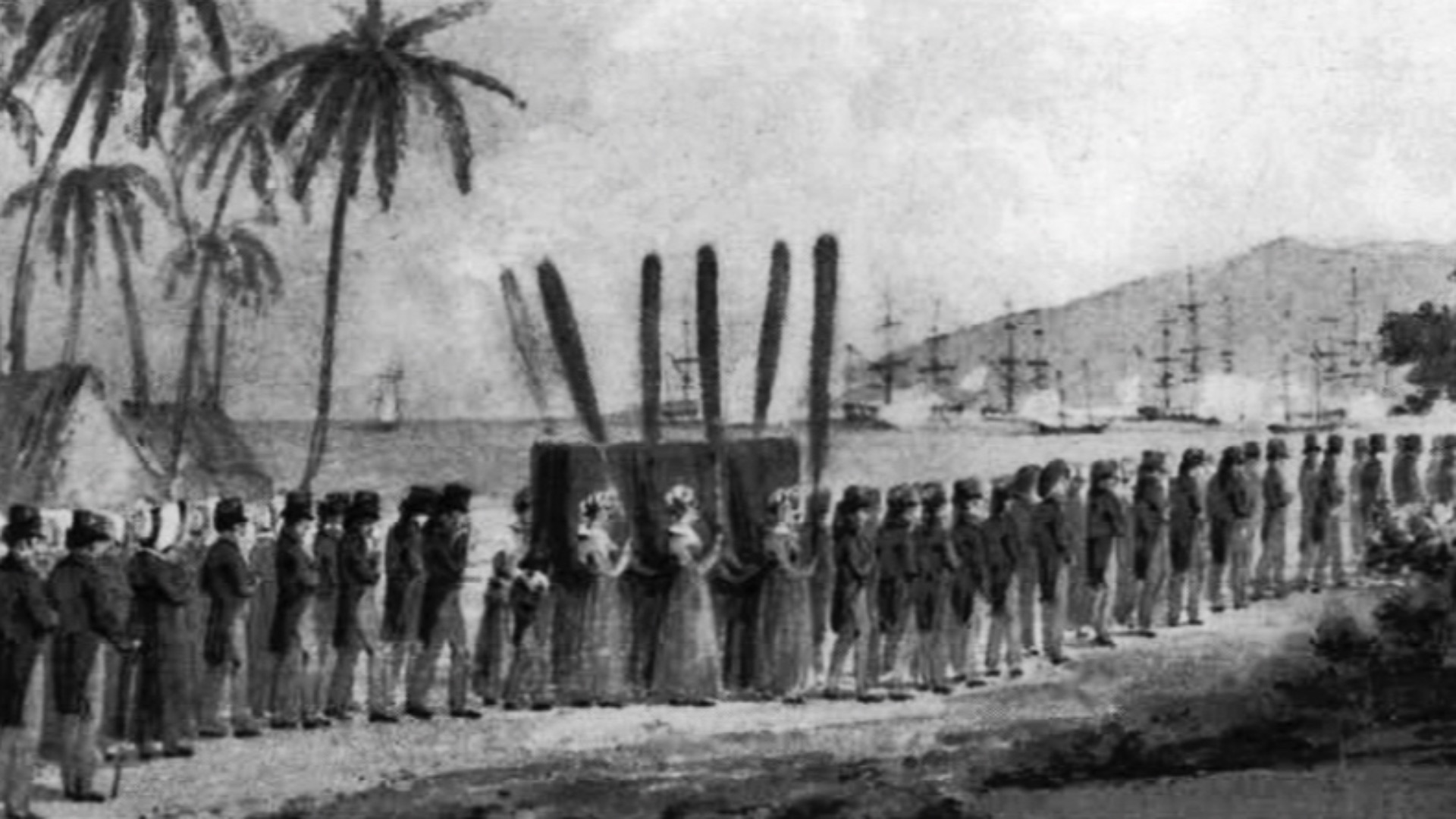
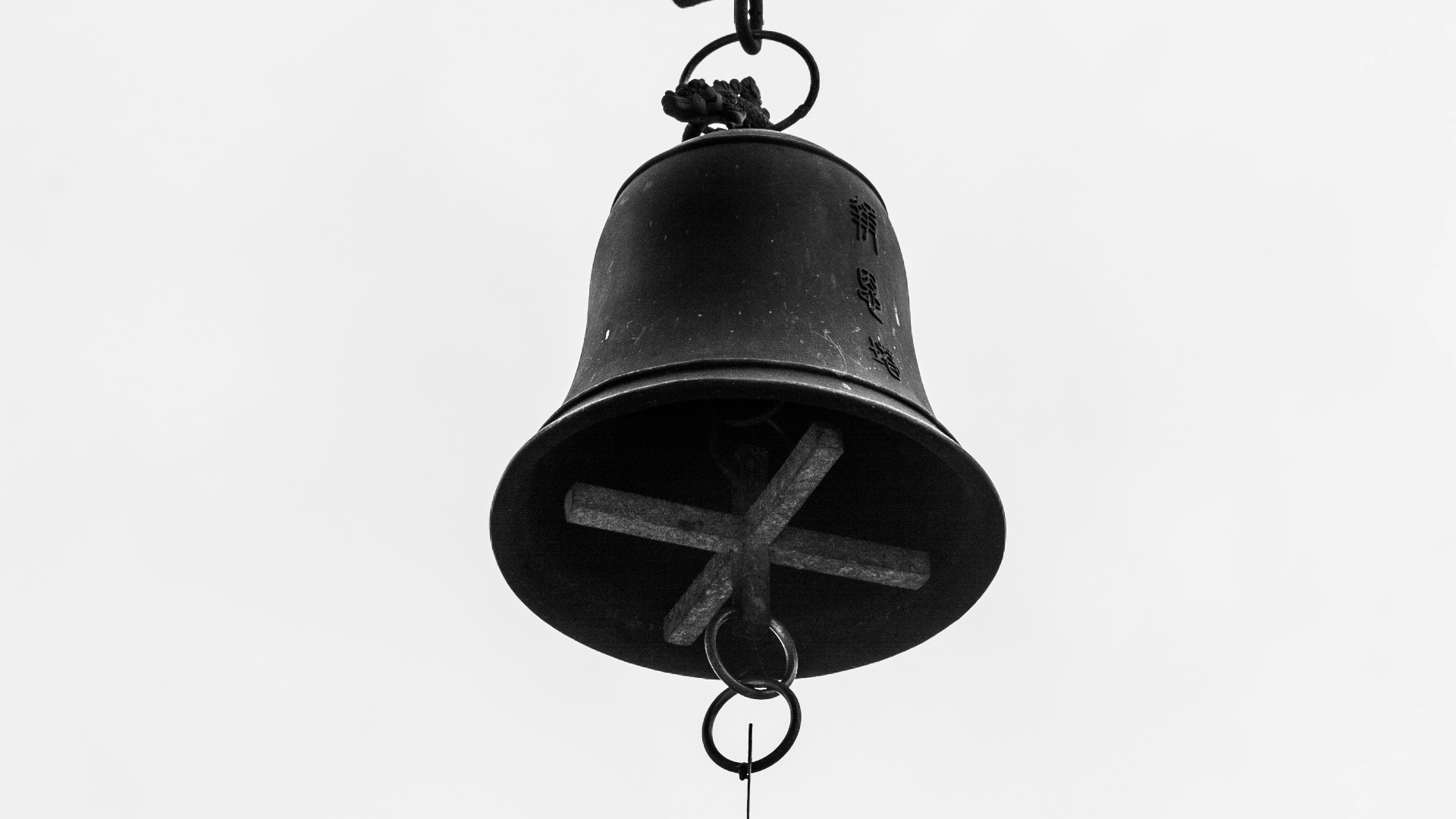
Church bells didn't always ring for the dead simply to notify the community that someone had passed away. Medieval and early modern Europeans sometimes believed the sound could repel malicious spirits that might interfere with a departing soul. Different patterns of ringing eventually developed around funerals and deaths, blending practical announcements with religious customs and older supernatural beliefs.
9. The Body Had to Be Watched
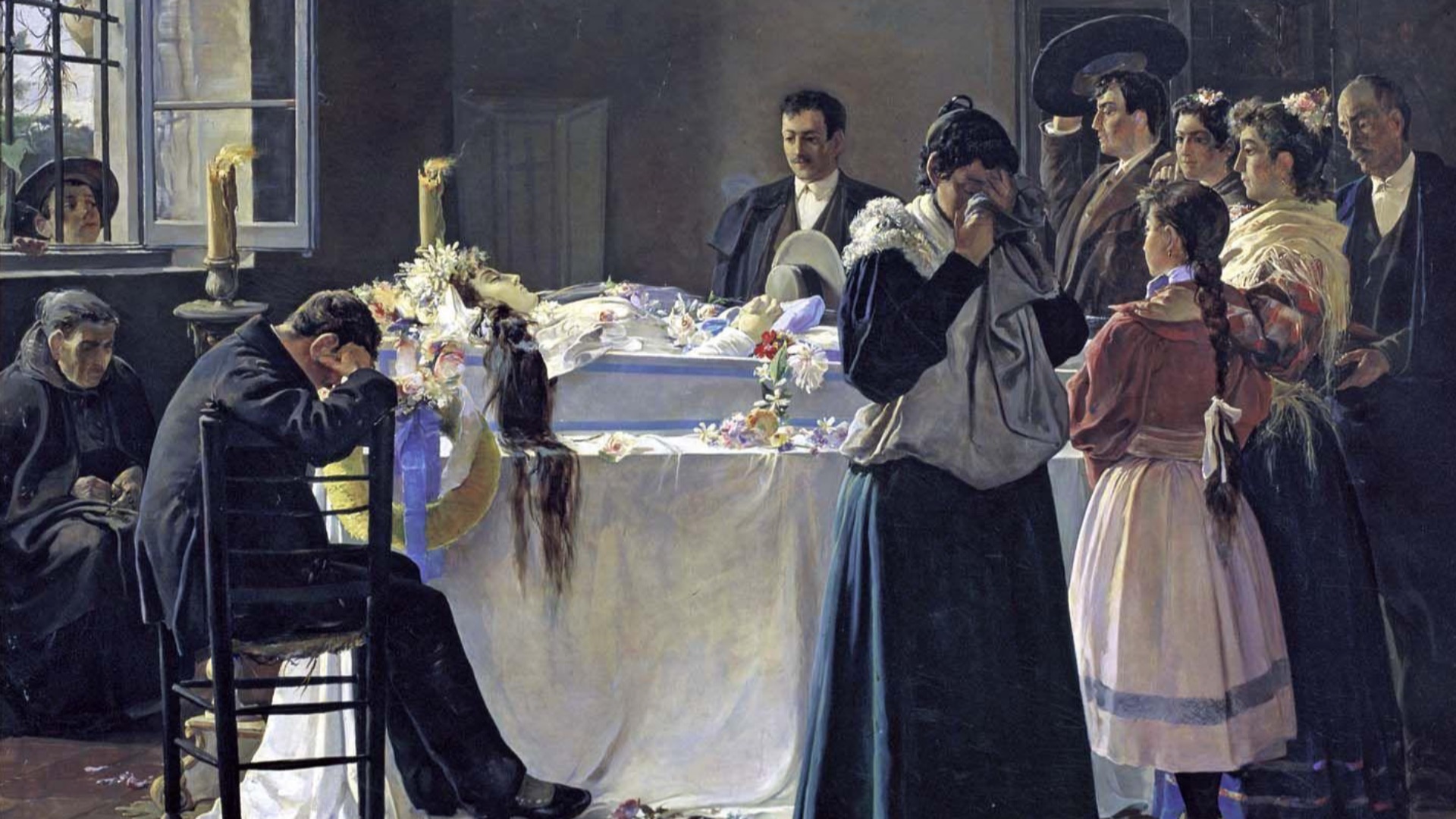
The tradition of holding a wake, where family and friends stayed awake through the night beside the deceased, served both practical and superstitious purposes. People wanted reassurance that the person was truly dead and not merely in a deep sleep, a legitimate concern before modern medicine could confirm death with certainty. Beyond that practical need, mourners also believed their presence protected the body from evil spirits that might try to claim it before burial.
 Julio Romero de Torres on Wikimedia
10. A Falling Picture Could Predict a Death
A framed picture suddenly falling from a wall could make a superstitious household uneasy, especially during the 19th century. Victorian collections of omens sometimes treated an unexplained falling portrait or photograph as a warning that someone connected with the household might soon die. Once photography became more common, new versions of older death-omen beliefs developed around pictures and the people shown in them.
11. Three People in a Photograph Could Be Risky
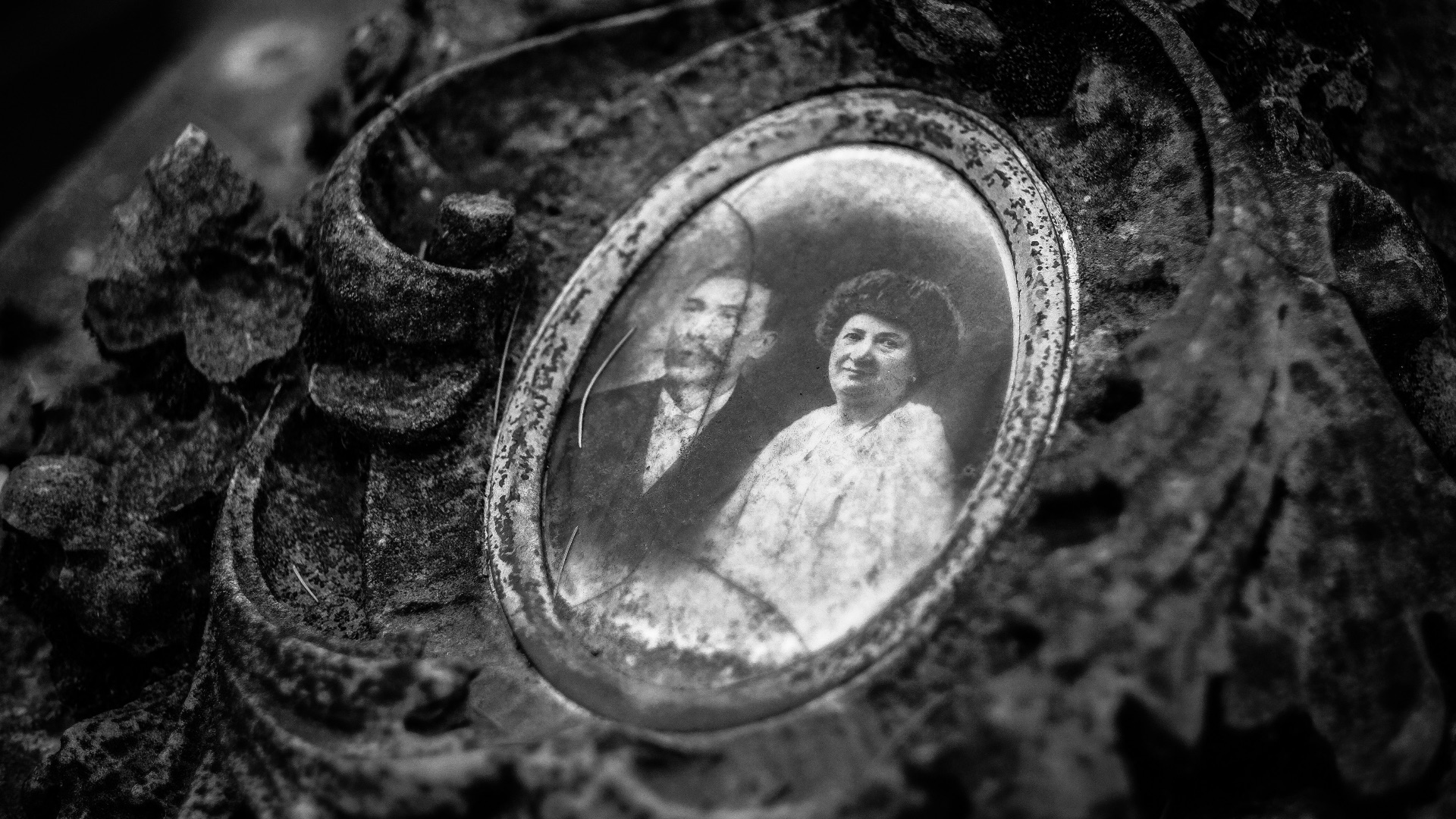
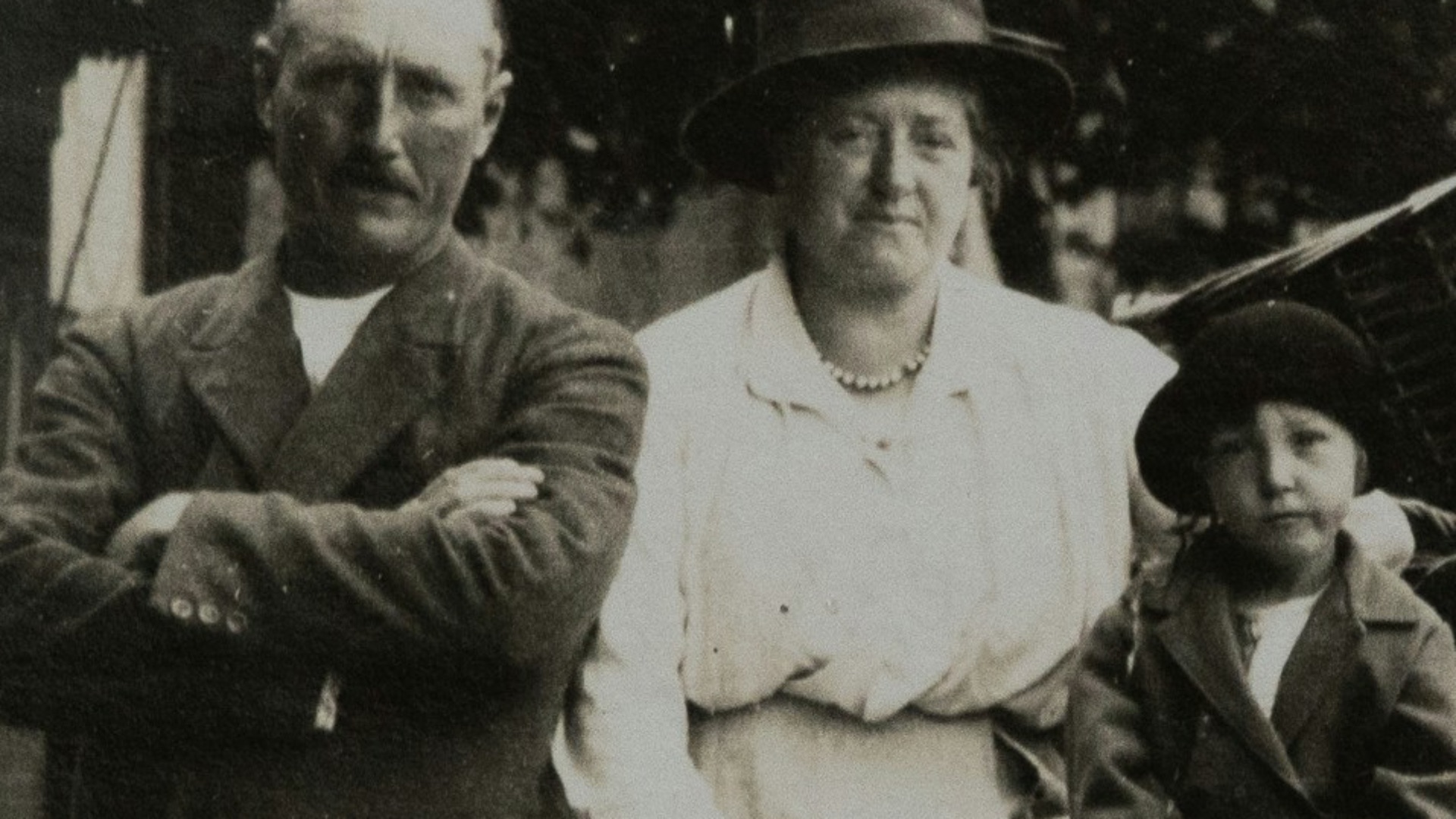
Photography created several new superstitions because the technology itself initially seemed unusual and unsettling to many people. One belief claimed that if three people posed together, the person positioned in the middle would be the first of the group to die. There was no consistent logic behind the prediction, but the superstition circulated widely enough to become part of popular photographic folklore.
12. Thunder After a Funeral Could Be a Good Sign
Not every superstition connected with death predicted additional disaster. In some British and American traditions, thunder heard after a burial was interpreted as evidence that the deceased had successfully reached heaven. Rather than frightening mourners, the storm could therefore provide reassurance that the person's journey after death had ended favorably.

13. New Shoes Weren't Always Welcome at Funerals
Victorian funeral etiquette and superstition occasionally overlapped in unexpected ways. Wearing brand-new clothing to a funeral, particularly new shoes, was considered unlucky in some communities because it supposedly invited another death or showed inappropriate attention to personal appearance. A mourner who took the warning seriously might choose older, familiar clothing rather than risk tempting fate.
14. Graves Were Sometimes Positioned Toward the East
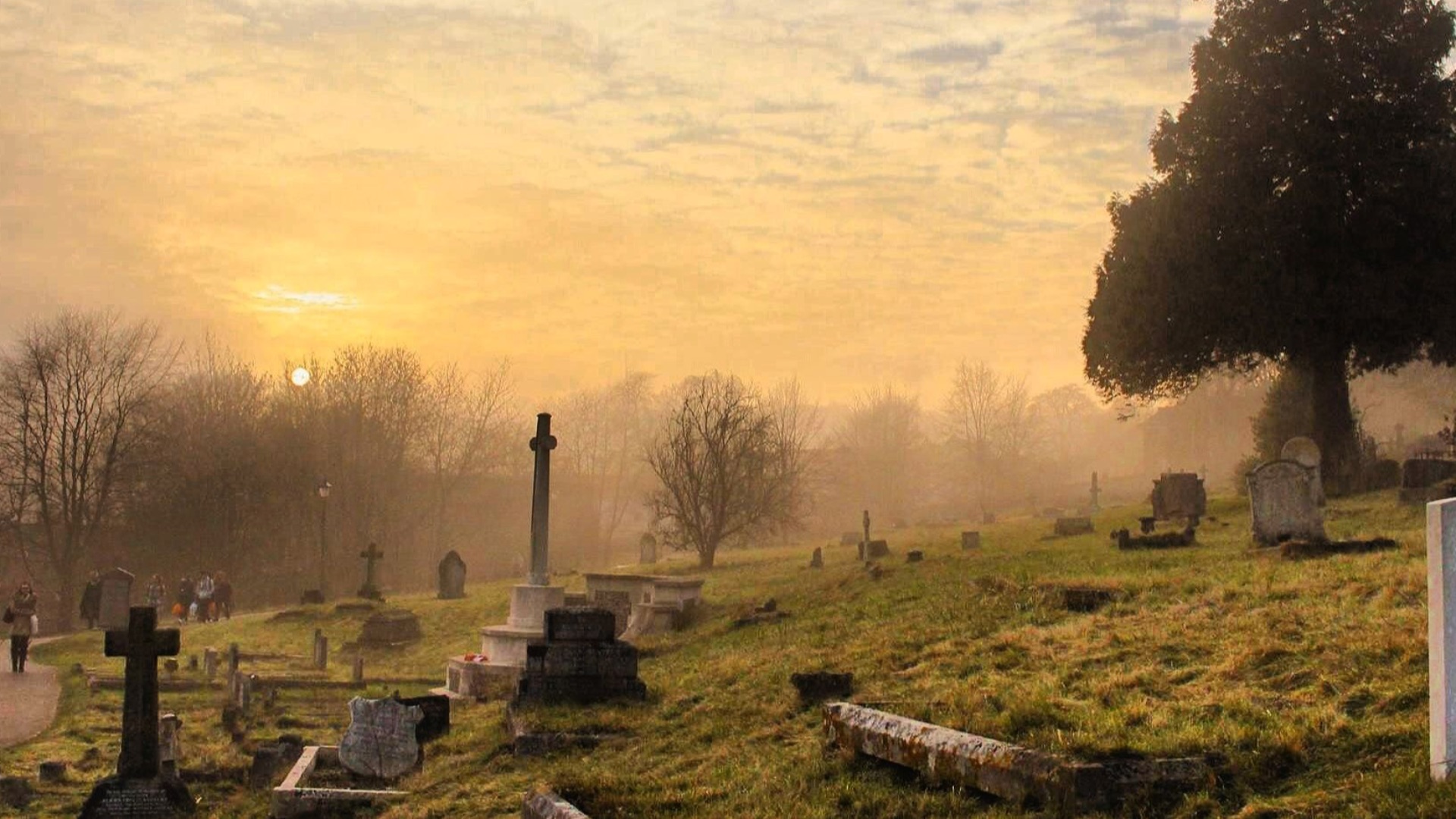
The direction of a burial could matter just as much as the objects placed inside the grave. Christian cemeteries frequently oriented graves eastward because of religious beliefs surrounding resurrection, and popular folklore sometimes added the idea that the deceased should face the rising sun. Over time, formal theology, local custom, and superstition could become so closely mixed that separating one explanation from another wasn't always easy.
15. Iron Could Keep the Dead in Their Graves
Archaeologists have uncovered medieval and later European burials in which bodies were restrained or pierced with iron objects. Some communities feared that particular dead people might return to harm the living, so iron rods, stakes, or other barriers could be used as preventative measures. These practices weren't universal, but surviving graves show that fear of a physically returning corpse was more than a literary invention.
16. Sickles Were Placed Across Corpses
Certain burials in Central and Eastern Europe included sickles positioned across the neck or torso of the deceased. Researchers have linked some of these unusual arrangements to beliefs that the dead might rise from their graves, with the blade serving as protection should the body begin moving. In communities worried about revenants, the grave itself could be designed to prevent the deceased from becoming a threat.
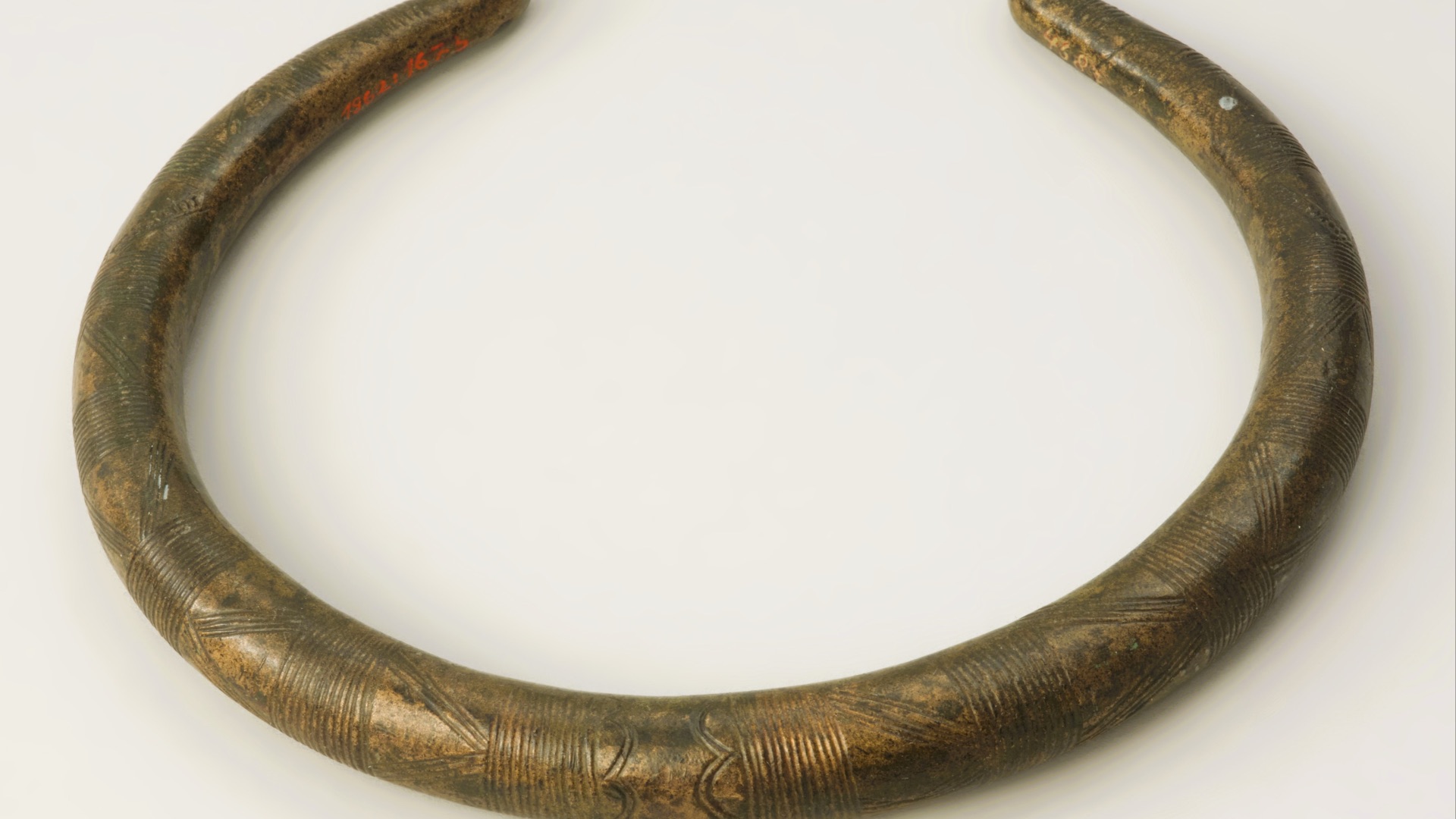
17. Stones or Coins Could Stop a Corpse from Chewing
Early modern European folklore included the disturbing idea that some corpses chewed their burial shrouds. The belief may have been encouraged by normal decomposition, which can alter the appearance of cloth around the mouth in unsettling ways. Historical accounts recommended placing stones, soil, or coins in a suspected corpse's mouth to prevent the supposed chewing and stop the danger associated with it.
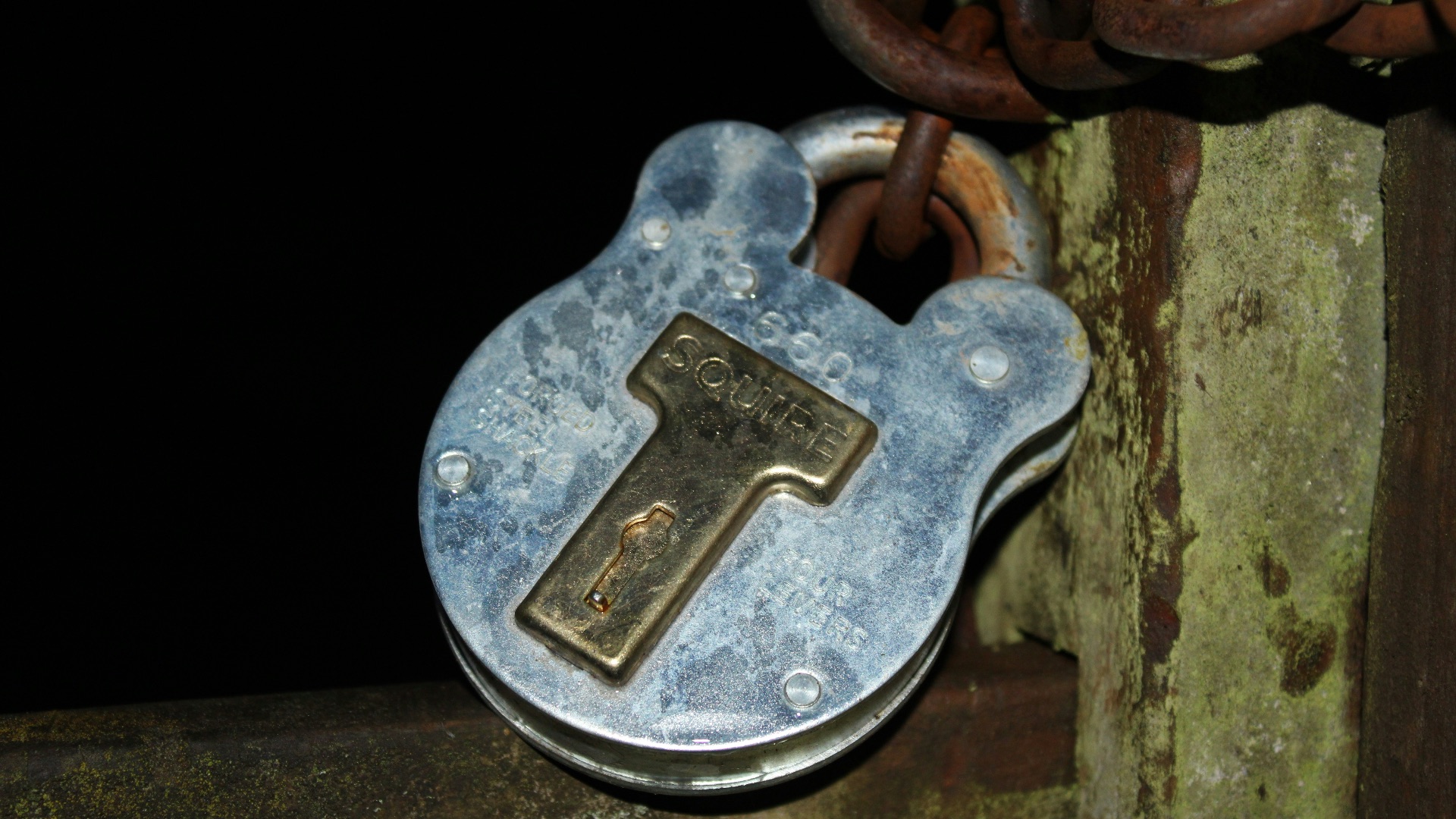
18. Padlocks Could Prevent the Dead from Returning
Some graves have contained padlocks placed on or near the body, another sign of anxieties surrounding the possibility of returning corpses. Depending on the region, locking the deceased symbolically restrained the body or sealed the grave against supernatural activity. You can see in these burials how seriously certain communities took the idea that death didn't necessarily guarantee someone would remain where they had been buried.
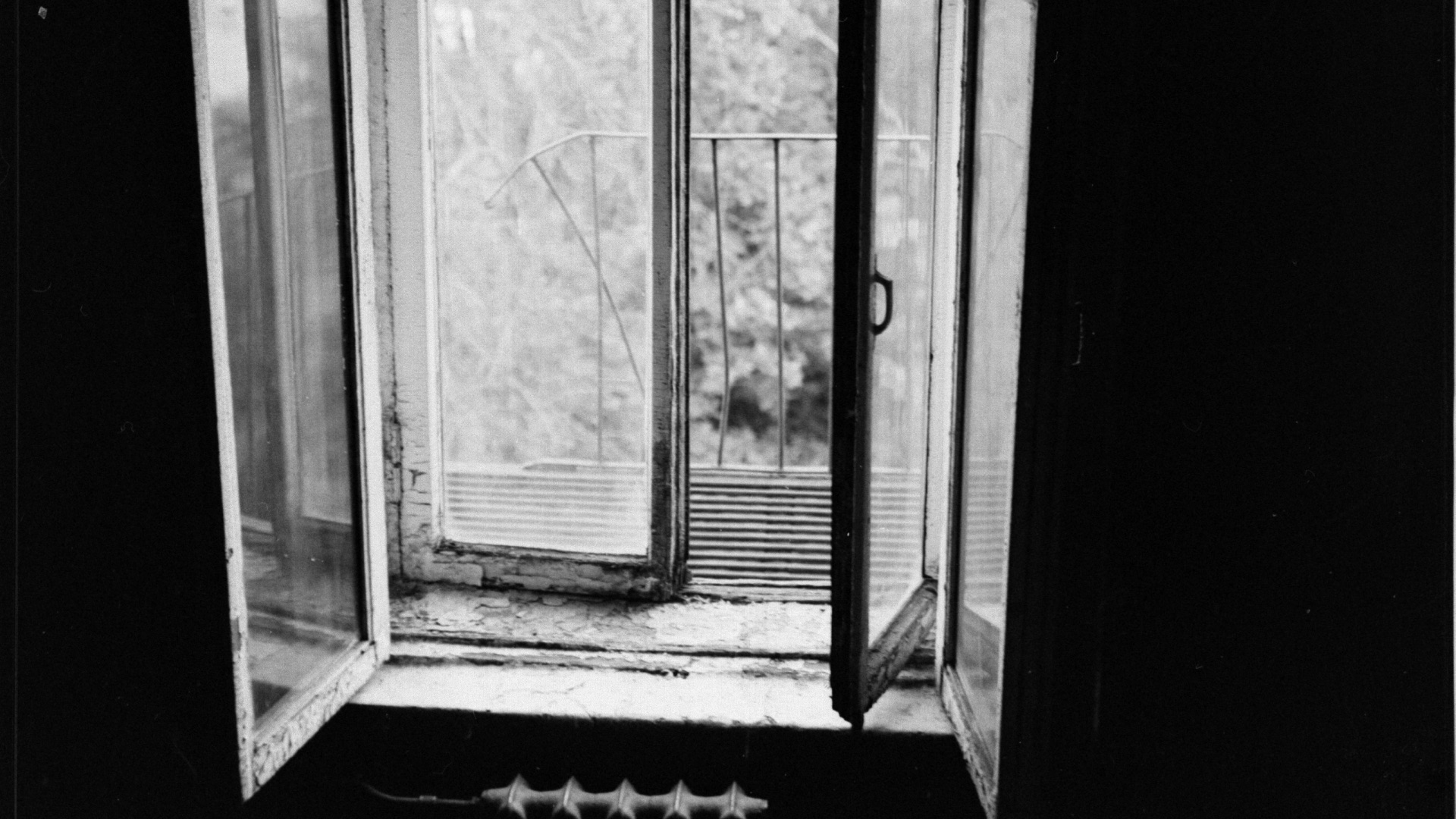
19. Windows and Doors Could Help a Soul Leave
After someone died, families in parts of Europe sometimes opened a nearby window or door. The gesture was connected with the belief that the departing soul needed an unobstructed route out of the house and could become trapped if every opening remained closed. Once the soul was believed to have left, the window might be shut again so nothing unwanted could enter in its place.
20. The Dead Could Be Prevented from Looking Homeward
Several funeral customs shared the same basic fear: the deceased shouldn't be allowed to see the household they had left behind. Turning the body, choosing a particular route to the cemetery, or carrying it feet first could all be justified by the idea that a spirit capable of recognizing the way home might return. For people who accepted these beliefs, burial wasn't complete until the dead had been separated safely from the world of the living.
KEEP ON READING