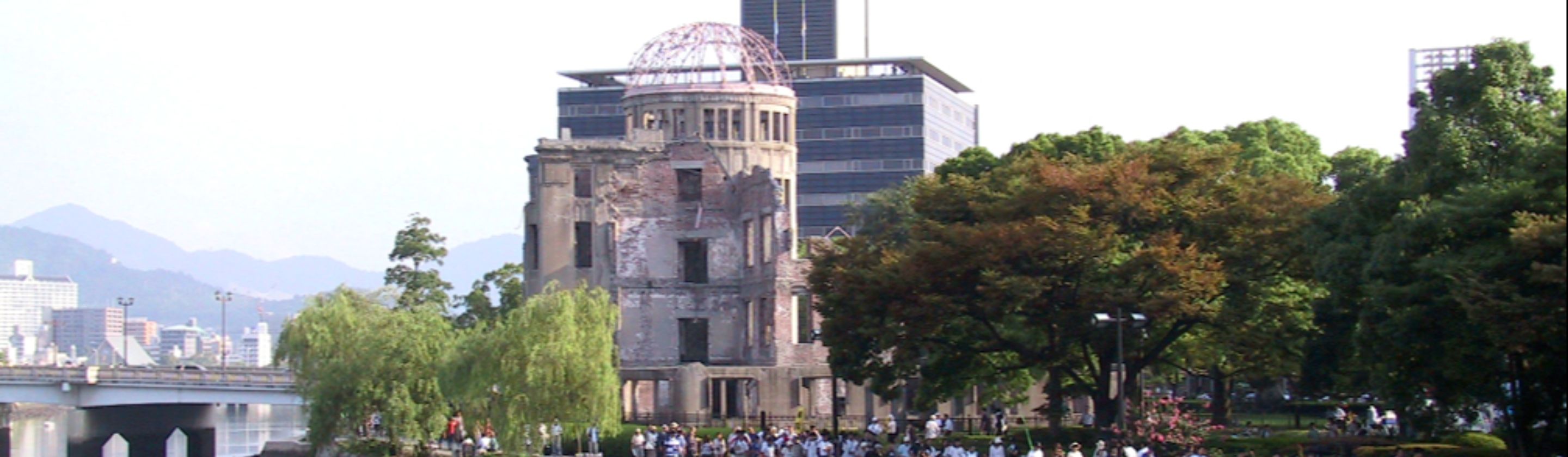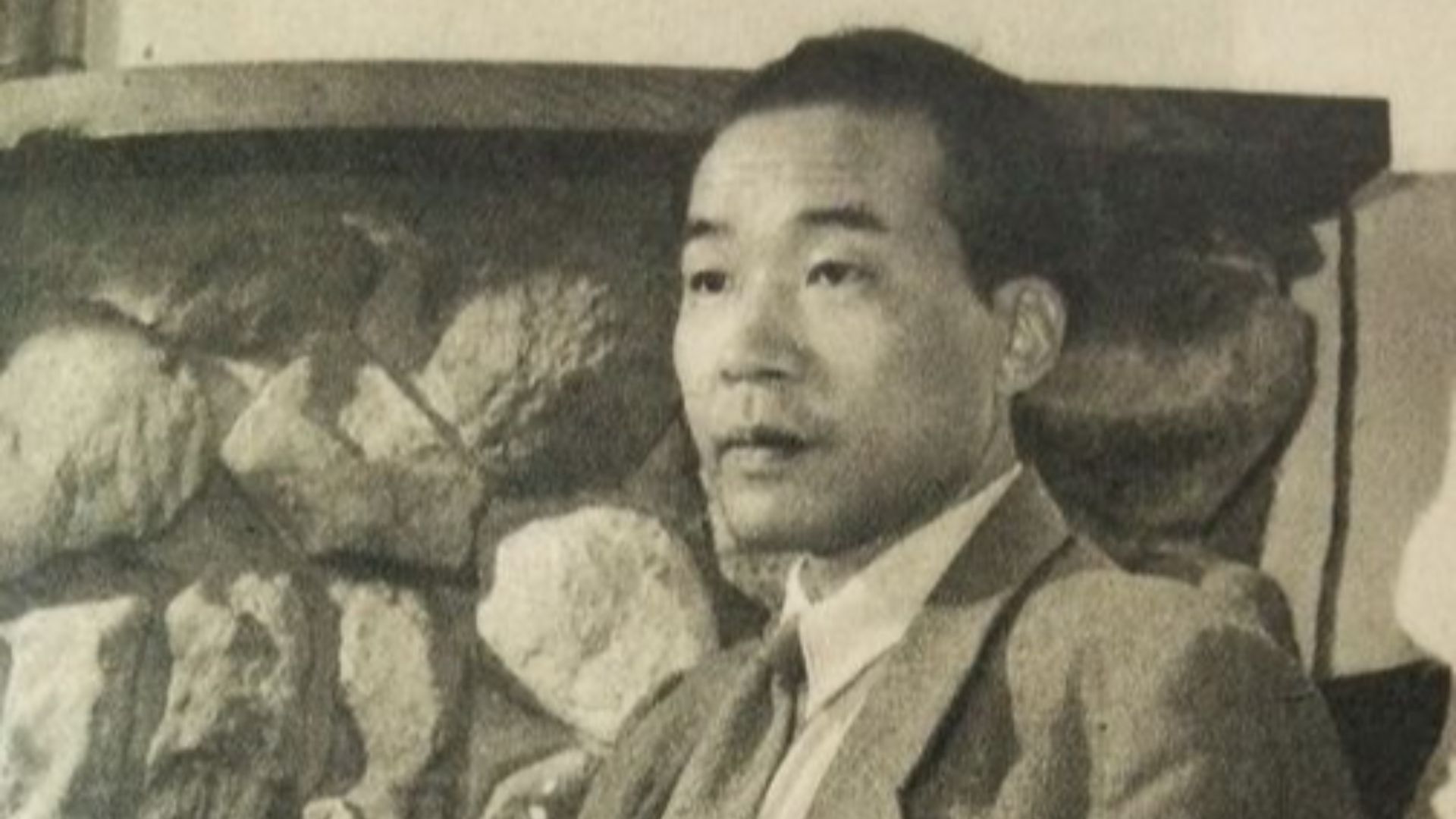
On the morning of August 6, 1945, Tsutomu Yamaguchi was walking to a train station in Hiroshima, ready to head home after a three-month business trip. He was a young engineer for Mitsubishi Heavy Industries, in the city to help design oil tankers, and this was supposed to be his last day there. Halfway to the station, he realized he had left his travel stamp back at the office and turned around to retrieve it. That small delay put him roughly two miles from where the atomic bomb detonated a short while later.
Three days after that, still bandaged from the first blast, Yamaguchi went into work in his hometown of Nagasaki and found himself describing what he had witnessed to a supervisor who did not believe him. He was mid-sentence when the second bomb went off. Decades later, the Japanese government would recognize him as the only person officially confirmed to have survived both bombings, a designation that took more than sixty years to arrive.
A Business Trip That Ended In Hiroshima
At around 8:15 that morning, Yamaguchi noticed a B-29 bomber overhead and watched something drop from it, attached to a parachute. That object was Little Boy, the roughly fifteen-kiloton bomb that detonated above the city moments later. The blast threw him to the ground, ruptured his eardrums, and left him temporarily blinded, along with severe burns across the left side of his upper body and face.
He made his way to an air raid shelter, found two colleagues who had also survived, and spent the night there before starting the long journey home. Getting back to Nagasaki meant crossing a river choked with bodies and boarding a train packed with other burned and shell-shocked survivors, most of whom had no real understanding yet of what had actually happened to their city.
When Yamaguchi finally reached his house, his burns were severe enough that his own mother did not recognize him at first. He went to the hospital that night for treatment, then, despite barely being able to stand, reported for work the following morning anyway, bandaged and exhausted.
A Second Bomb Falls While He Is Still Explaining The First
Around eleven that morning, a director at the Nagasaki office called Yamaguchi in to give a full account of what he had seen in Hiroshima. His supervisor found the story hard to believe, insisting that a single bomb could not possibly destroy an entire city. Yamaguchi was still trying to explain when the sky outside the window filled with the same white flash he had seen three days earlier.
Fat Man detonated over Nagasaki at roughly the same distance from Yamaguchi as the first bomb had, close to two miles away. The blast shattered the office windows and tore the bandages from his wounds, but this time left him without new physical injuries. Disoriented, he later described the moment as feeling like the mushroom cloud from Hiroshima had somehow followed him home.
He rushed out to find his wife, Hisako, and their infant son, Katsutoshi. Both had survived, in part because Hisako had been out of the house at the time searching for burn ointment for her husband. The family spent the following week sheltering near the ruins of their home until Japan's surrender on August 15 brought the war to a close.
Recognition That Took More Than Sixty Years
Yamaguchi was formally certified in 1957 as a hibakusha of the Nagasaki bombing, a designation eventually extended to roughly six hundred and fifty thousand survivors of the two attacks combined. What set him apart went unrecorded for decades, since the country had no formal category yet for someone who had lived through both.
In the years that followed, Yamaguchi worked briefly as a translator for American occupation forces, then as a schoolteacher, all while managing health problems his family attributed to radiation exposure, including cataracts and leukemia later in life. As he got older, he grew increasingly outspoken about his experience, writing about it, appearing in a documentary, and eventually addressing the United Nations to argue for the abolition of nuclear weapons.
In March 2009, the Japanese government officially confirmed what Yamaguchi had described for years, that he had also been present in Hiroshima on August 6. He became the only person ever granted nijuu hibakusha status, even though researchers believe at least 160 other people experienced both bombings and simply never had their accounts confirmed. Yamaguchi died the following January, at 93, following treatment for stomach cancer, having spent his final years making sure the story did not disappear along with him.
KEEP ON READING