20 People From History Who Died Because of Bad Advice
When Listening to the Experts Went Terribly Wrong
History gives plenty of examples of people ignoring good advice, but there’s another, more uncomfortable category: people who actually listened and still ended up in disaster. Doctors confidently prescribed harmful treatments, military advisers recommended fatal strategies, and trusted allies encouraged ventures that looked sensible right up until they weren’t. In several of these cases, the advice wasn’t the sole cause of death, but it clearly contributed to the chain of events that led there. Here are 20 people whose demise was caused by bad advice.
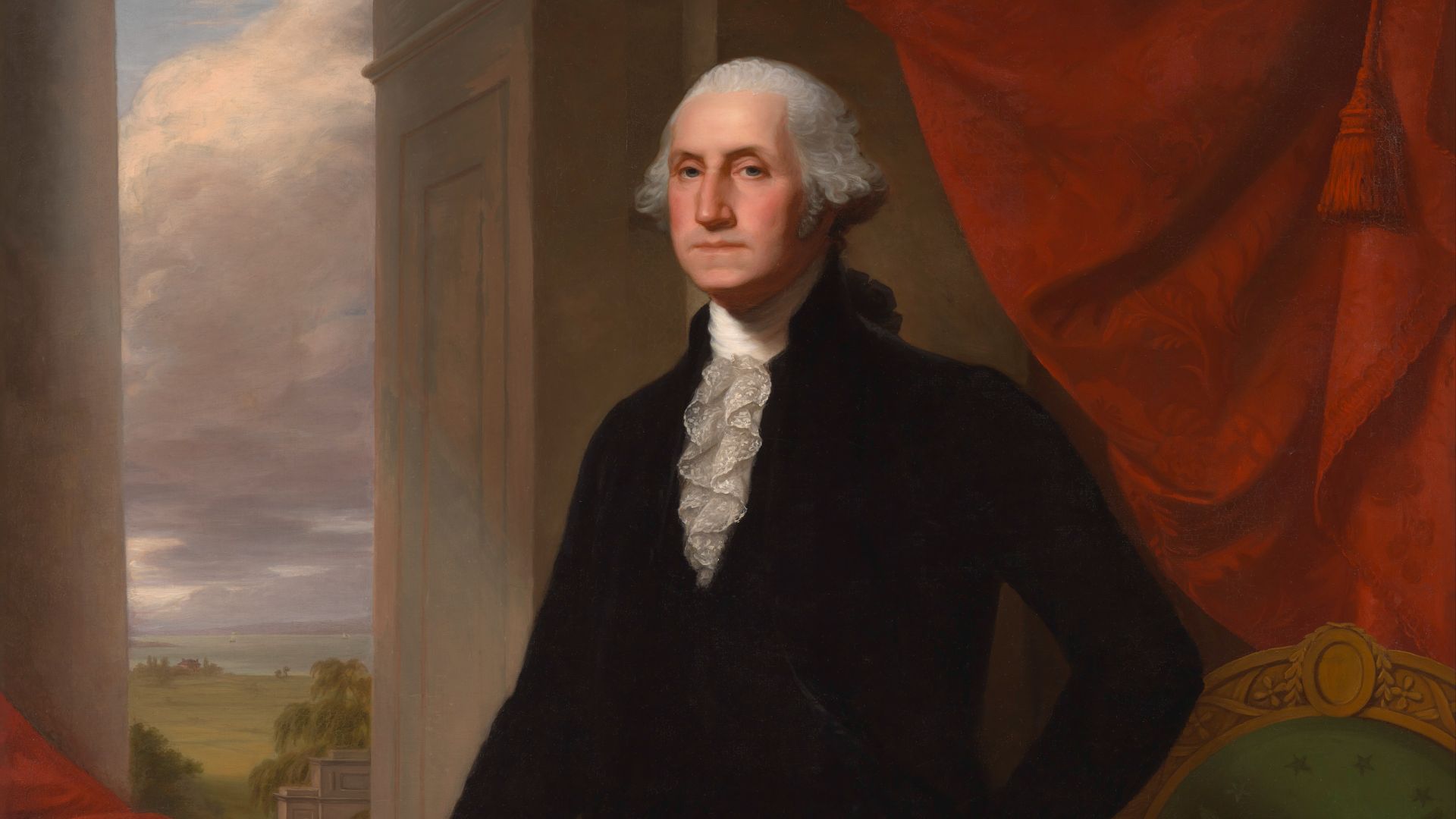
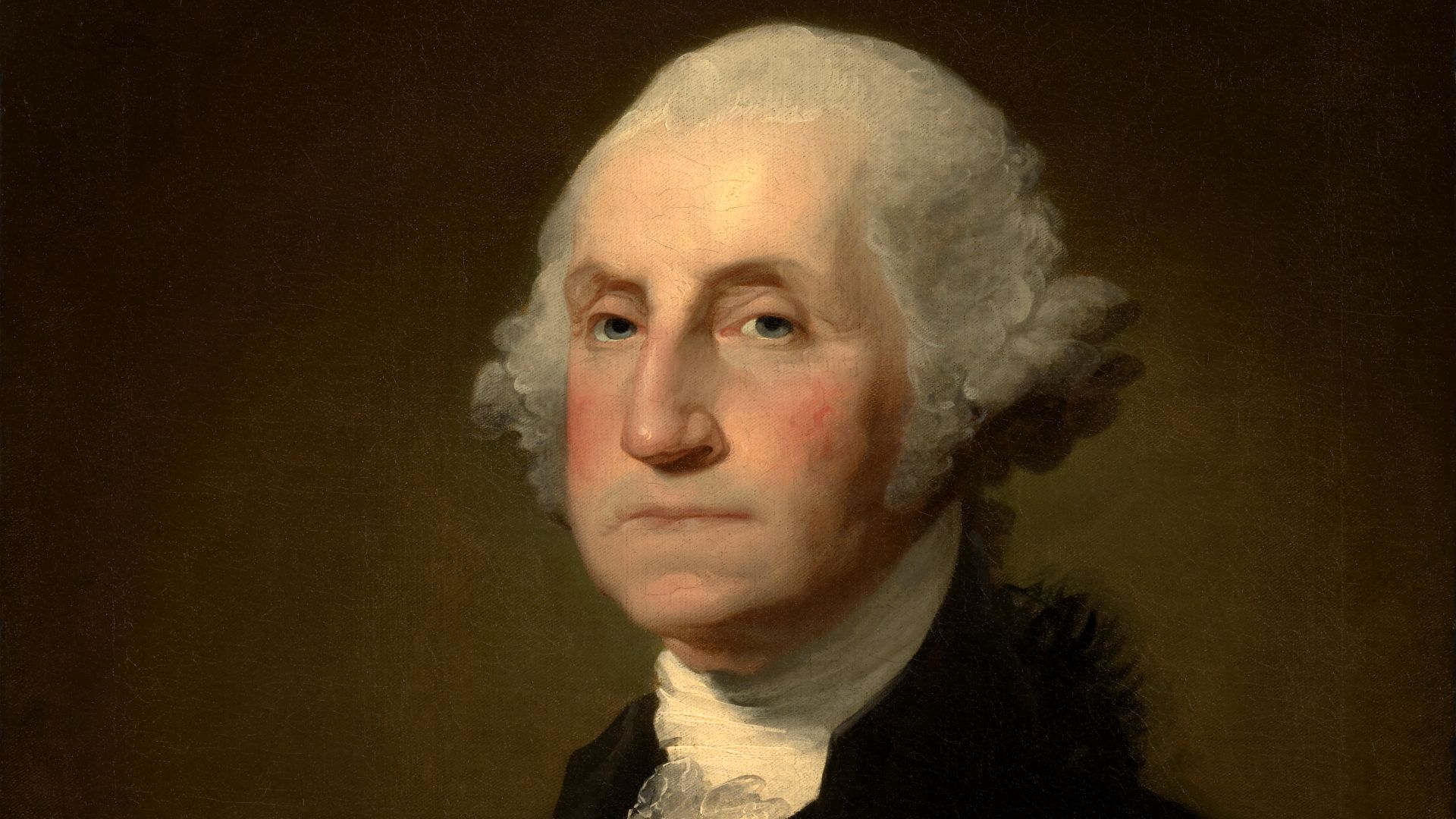
1. George Washington Was Told He Needed More Bloodletting
When George Washington developed a severe throat illness in December 1799, his physicians relied heavily on one of the era’s favorite treatments: removing blood. Washington lost an extraordinary amount over the course of several bleedings while his condition continued deteriorating. His underlying airway illness was extremely serious, but modern assessments have long debated whether aggressive bloodletting hastened his death.
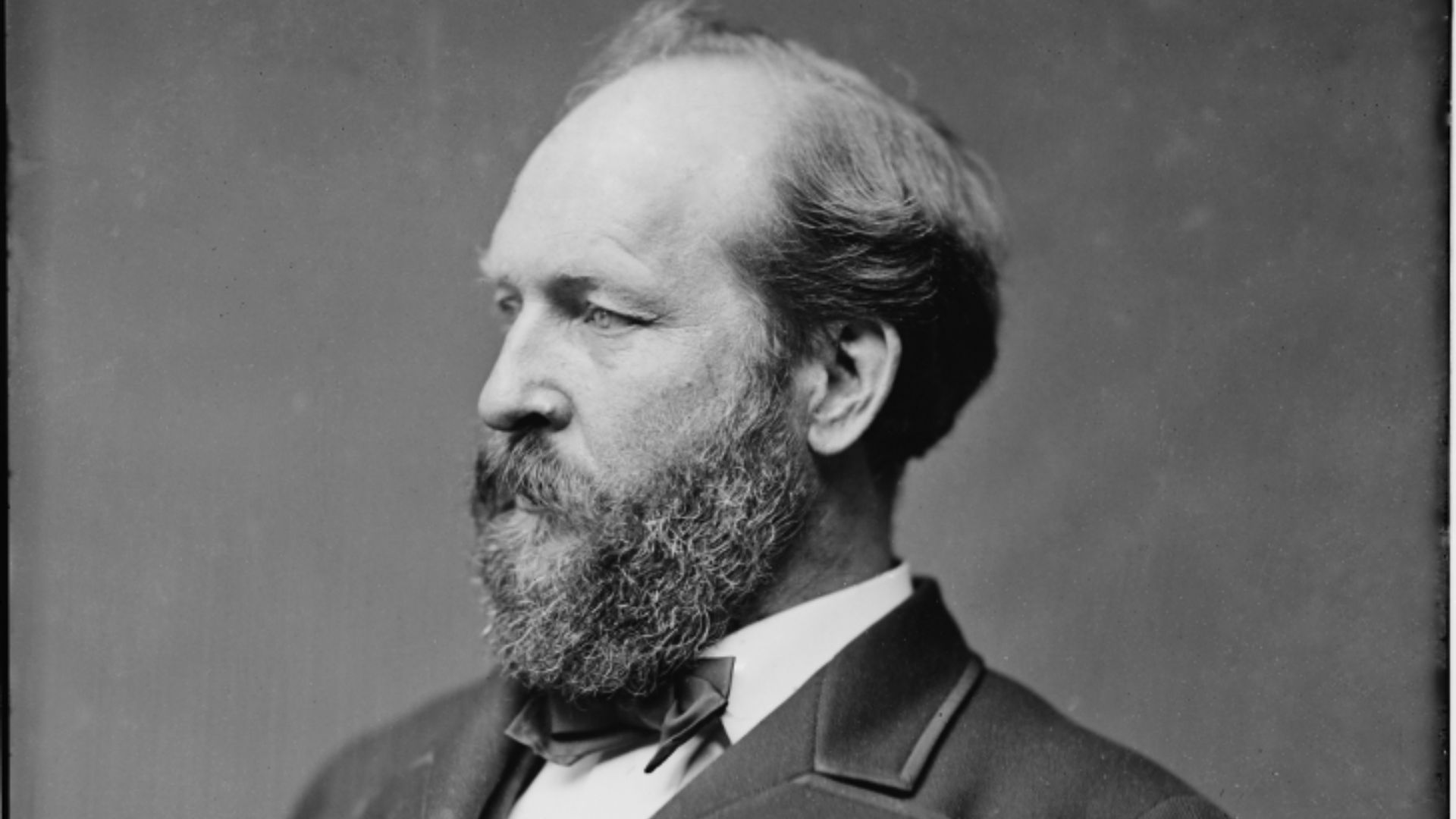
2. James Garfield Was Told His Wound Needed Constant Probing
President James Garfield survived the bullet that struck him in July 1881 and remained alive for another 79 days. His doctors repeatedly searched for the bullet with fingers and unsterilized instruments, helping introduce infection into the wound. Garfield ultimately died after severe infection and complications, leaving historians with the uncomfortable conclusion that his medical team probably did more damage than the assassin’s bullet initially had.
 Unknown. Restored by Drew R. Smith on Wikimedia
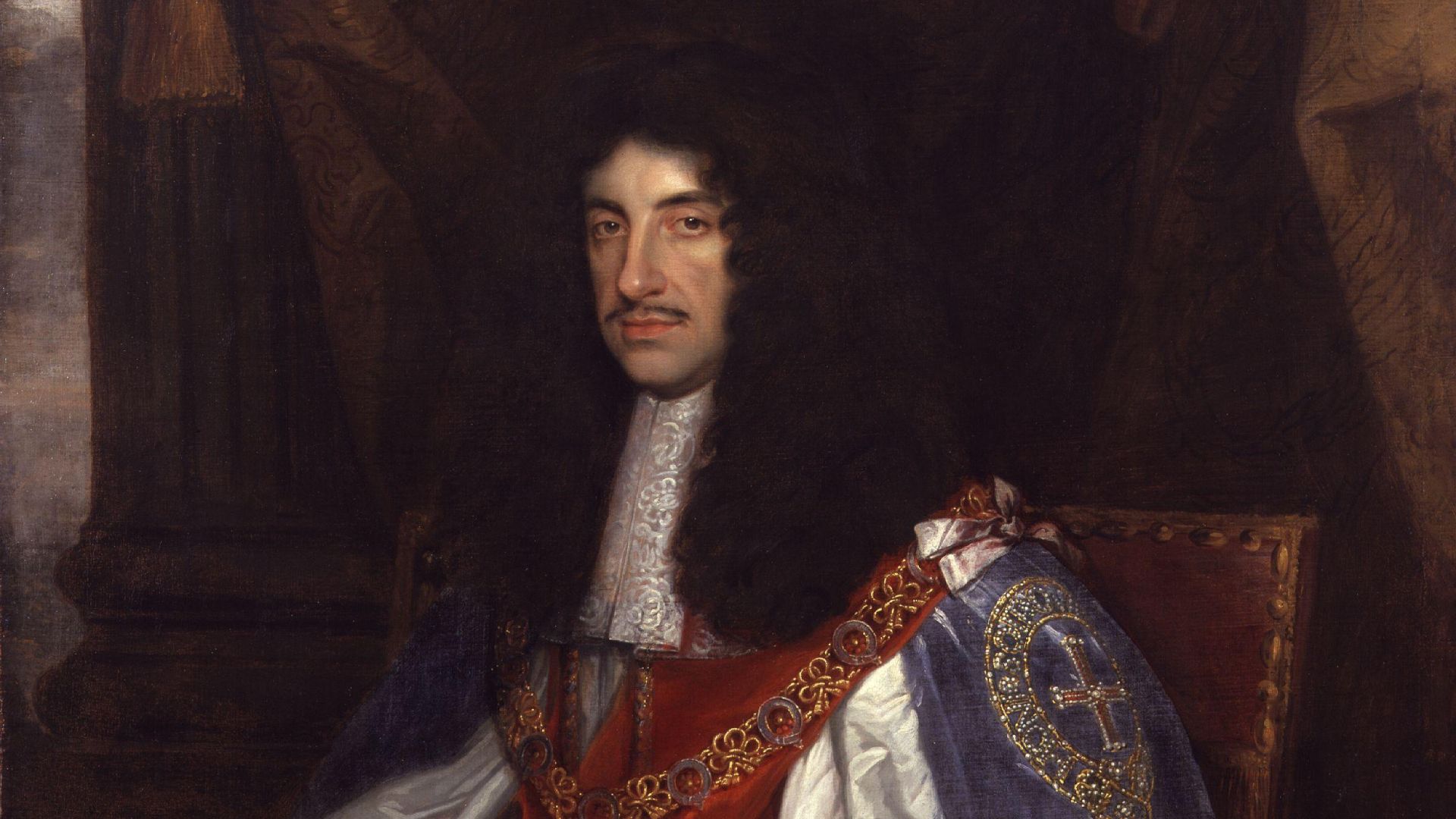
3. Charles II Was Given Almost Every Treatment Except Rest
After Charles II suffered convulsions in 1685, his physicians responded with bloodletting, purging, blistering, enemas, emetics, and an impressive collection of remedies that included ingredients nobody would request at a modern pharmacy. The doctors were following respected medical theories of their day and genuinely believed they were restoring balance to the king’s body, but modern medical analysis suggests their treatments probably worsened dehydration and accelerated his decline.
 John Michael Wright on Wikimedia
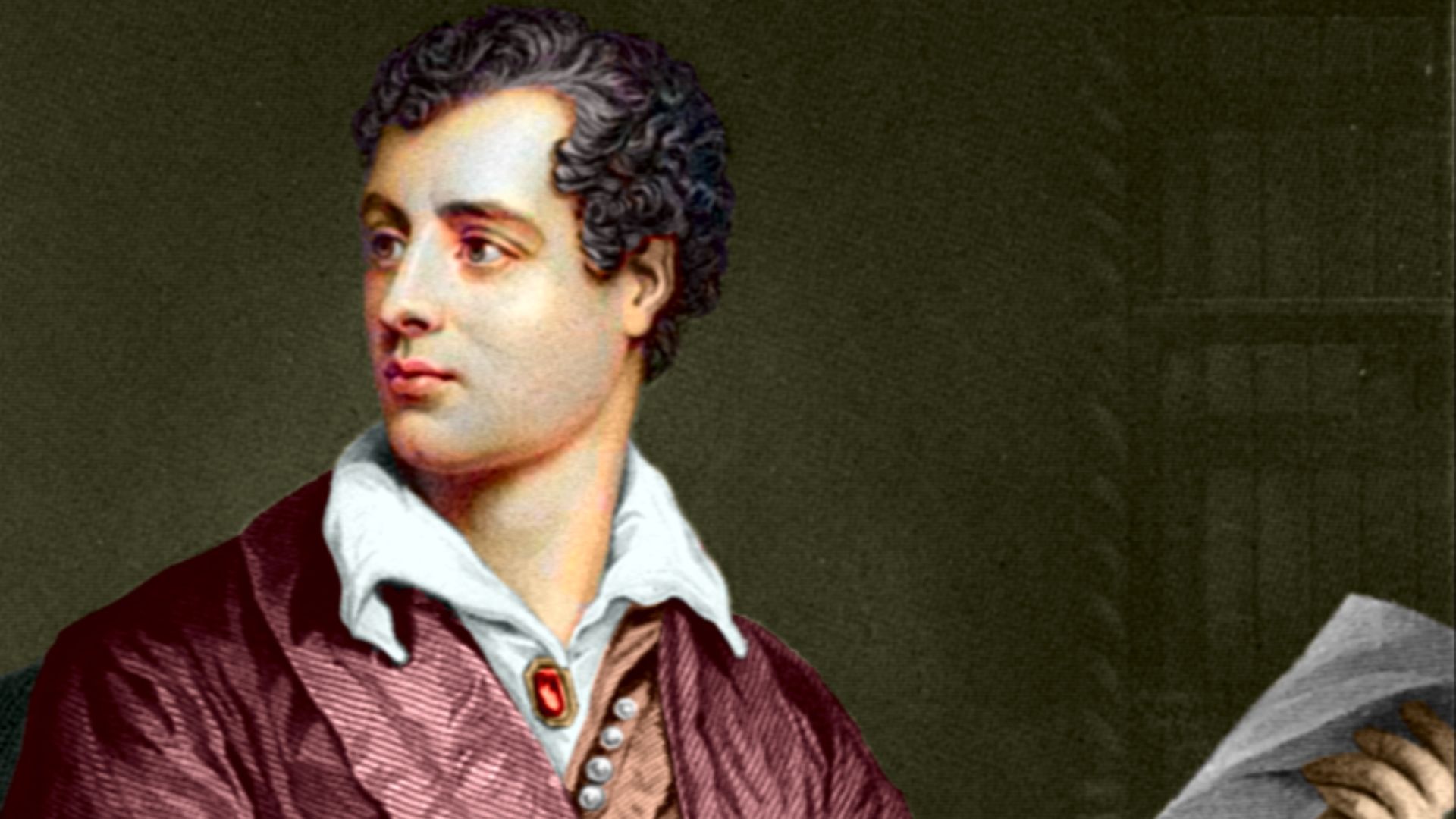
4. Lord Byron Finally Gave In to His Doctors' Advice
Lord Byron became seriously ill while in Greece in 1824, and his physicians repeatedly recommended bloodletting despite his initial objections. He eventually agreed, and further bleeding left him faint and increasingly weak while his fever continued. The exact illness that killed Byron remains debated, but historians and medical writers have argued that the aggressive treatment contributed to his rapid deterioration.
 Unknown author, coloured by uploader on Wikimedia
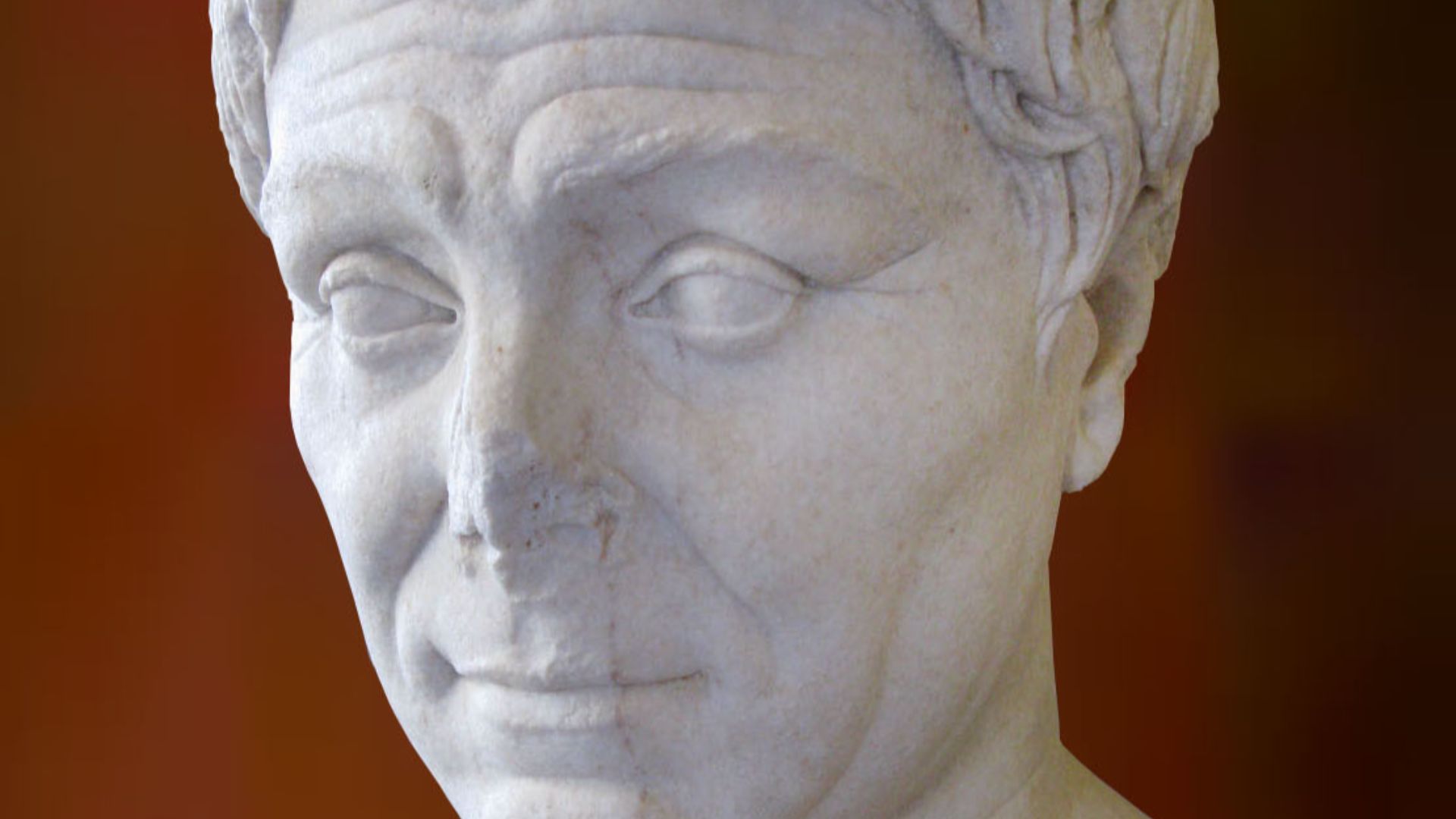
5. Pompey Let His Camp Talk Him Into a Decisive Battle
After Julius Caesar struggled at Dyrrhachium in 48 B.C., Pompey held a strong strategic position and could have continued wearing his rival down. Senators and commanders around him were eager for a decisive victory, however, and pressure inside his camp helped push matters toward the Battle of Pharsalus. Pompey's defeat forced him to flee to Egypt, where he was murdered soon after, giving the demands for a quick finish consequences his advisers hadn't anticipated.
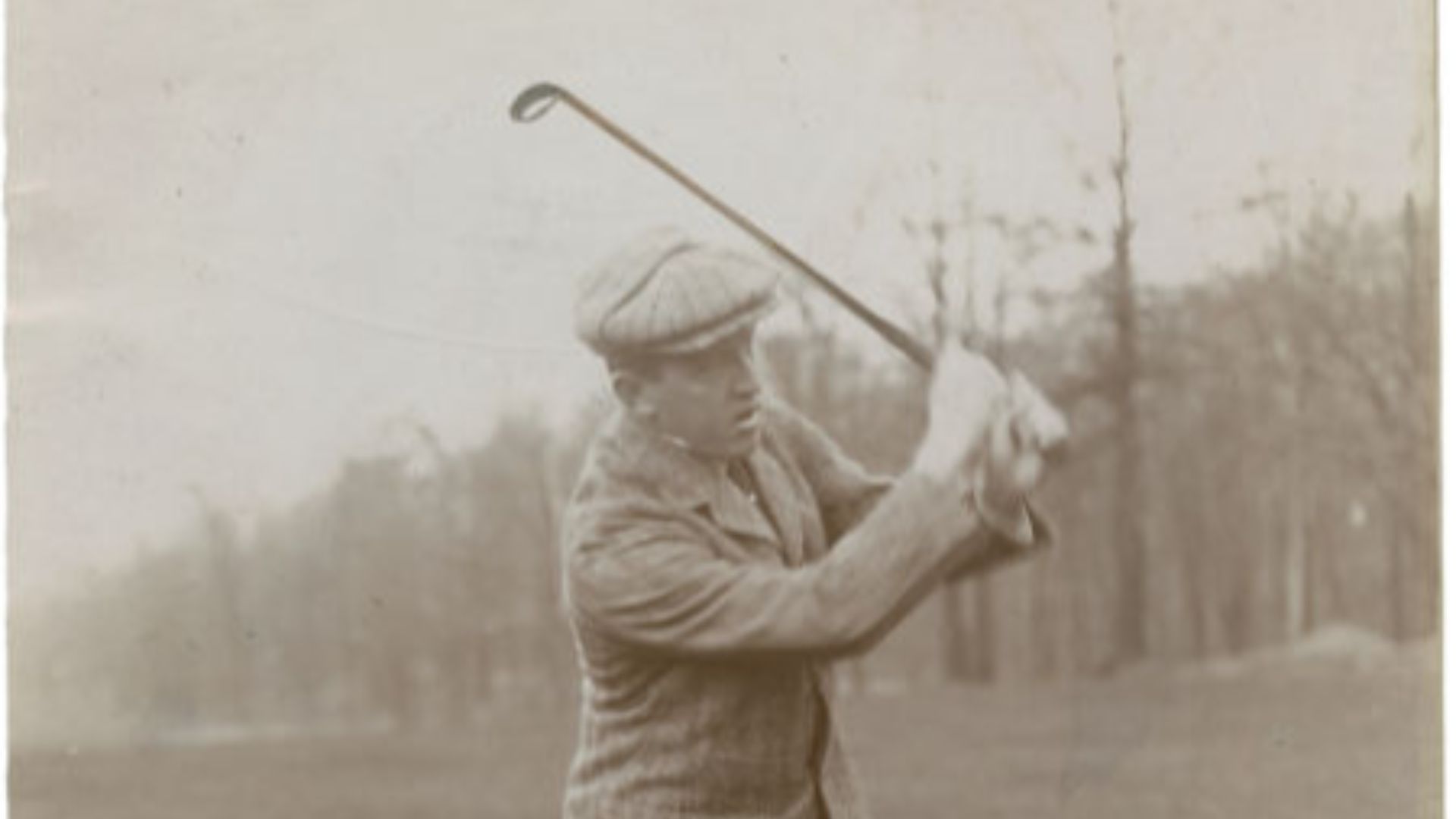
6. Eben Byers Was Told to Drink Radium
After injuring his arm, wealthy businessman and amateur golf champion Eben Byers was advised by a physician to try Radithor, a patent medicine containing radium dissolved in water. Byers liked the way it initially made him feel and reportedly consumed roughly 1,400 bottles before horrific radiation injuries began appearing. He died in 1932 from the effects of radium poisoning.
7. Zachary Taylor Accepted Treatments That Couldn't Fix the Problem
President Zachary Taylor developed a severe gastrointestinal illness after Fourth of July celebrations in Washington in 1850. His physicians treated him with remedies including calomel and opium before later resorting to bleeding and blistering as his condition worsened. The exact disease that killed Taylor remains disputed, so the treatments can't be blamed with certainty, but they were recommendations that added considerable stress to a profoundly dehydrated and sick patient.
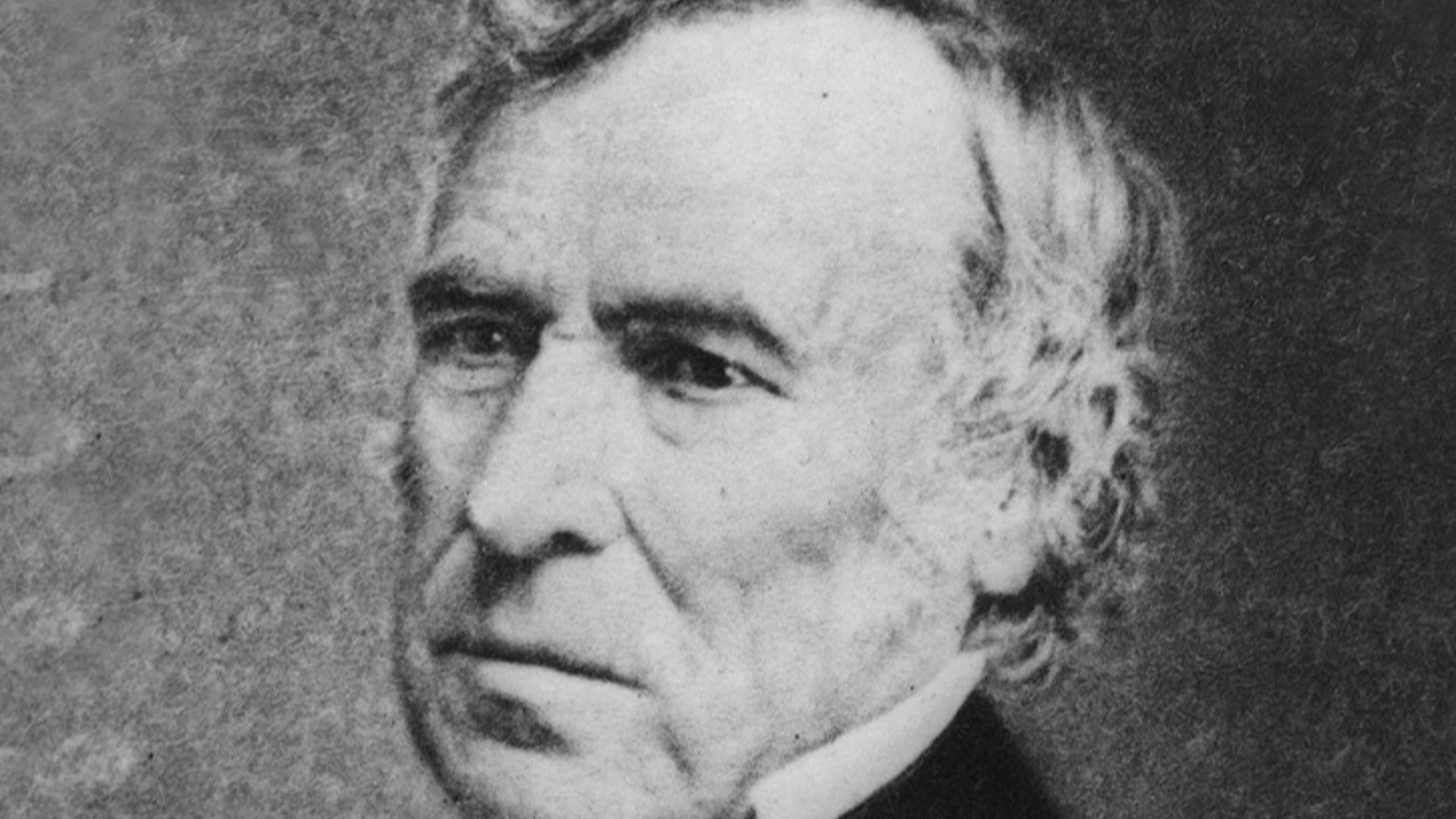 Connormah, Mathew Brady on Wikimedia
8. William Henry Harrison's Pharmacy’s Worth of Remedies
President William Henry Harrison became seriously ill only weeks after entering office in 1841. His doctor prescribed treatments including bloodletting, laxatives, enemas, mustard plasters, laudanum, and other remedies that were normal enough by 19th-century standards but offered little help against his actual illness. Modern researchers have questioned the traditional pneumonia diagnosis, while the treatment itself appears to have piled additional stress onto an already very sick president.
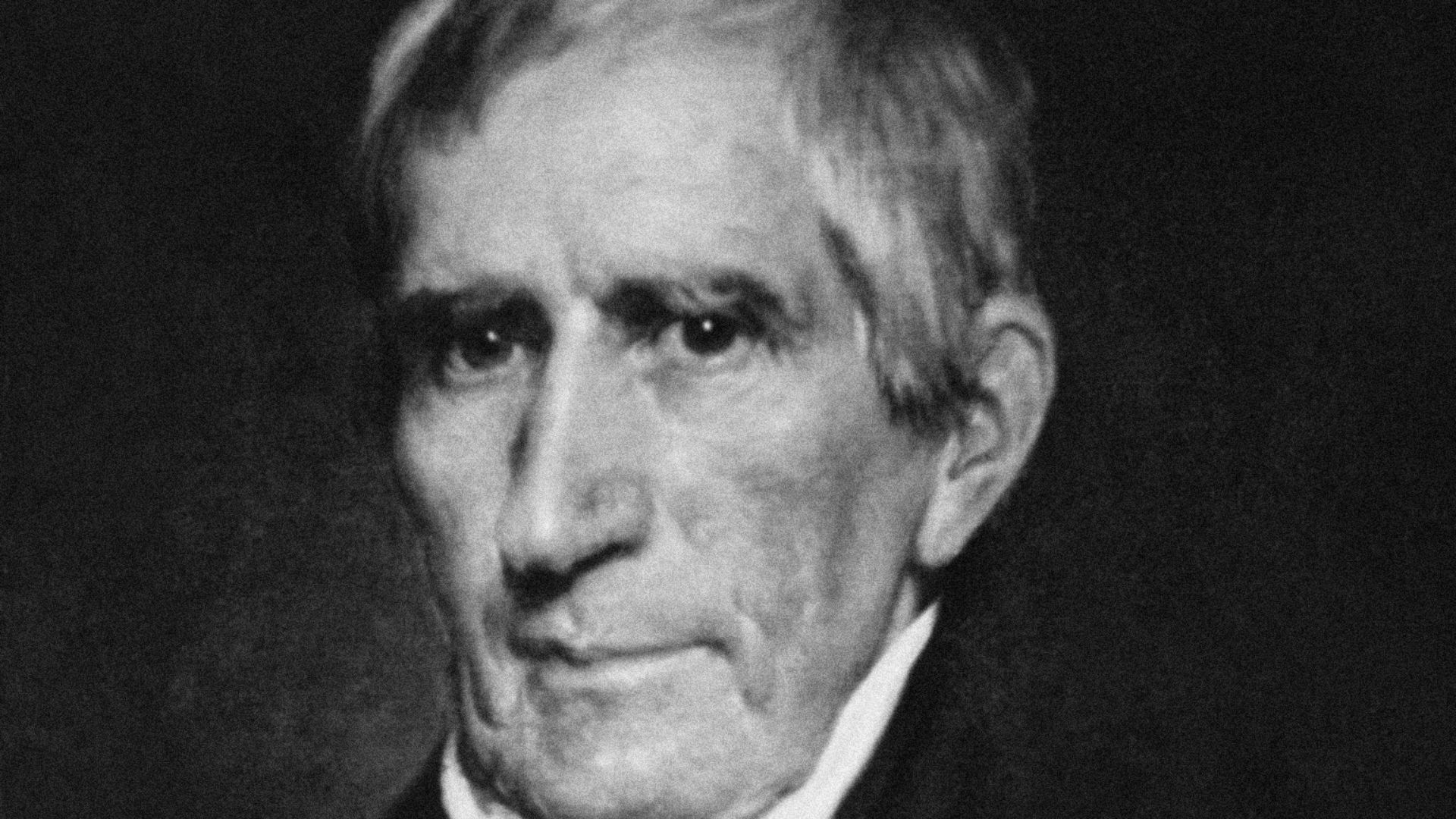 Albert Sands Southworth on Wikimedia
9. Frederick III Received Reassuring Advice About His Throat
Crown Prince Frederick of Germany developed persistent hoarseness and a suspicious growth in his throat in 1887. British specialist Morell Mackenzie favored a less alarming diagnosis after biopsies failed to confirm cancer, contributing to delays in radical treatment while the disease progressed. Frederick eventually became emperor but died from laryngeal cancer after reigning for just 99 days, and doctors have argued ever since over whether proper diagnosis and earlier treatment might have changed the outcome.
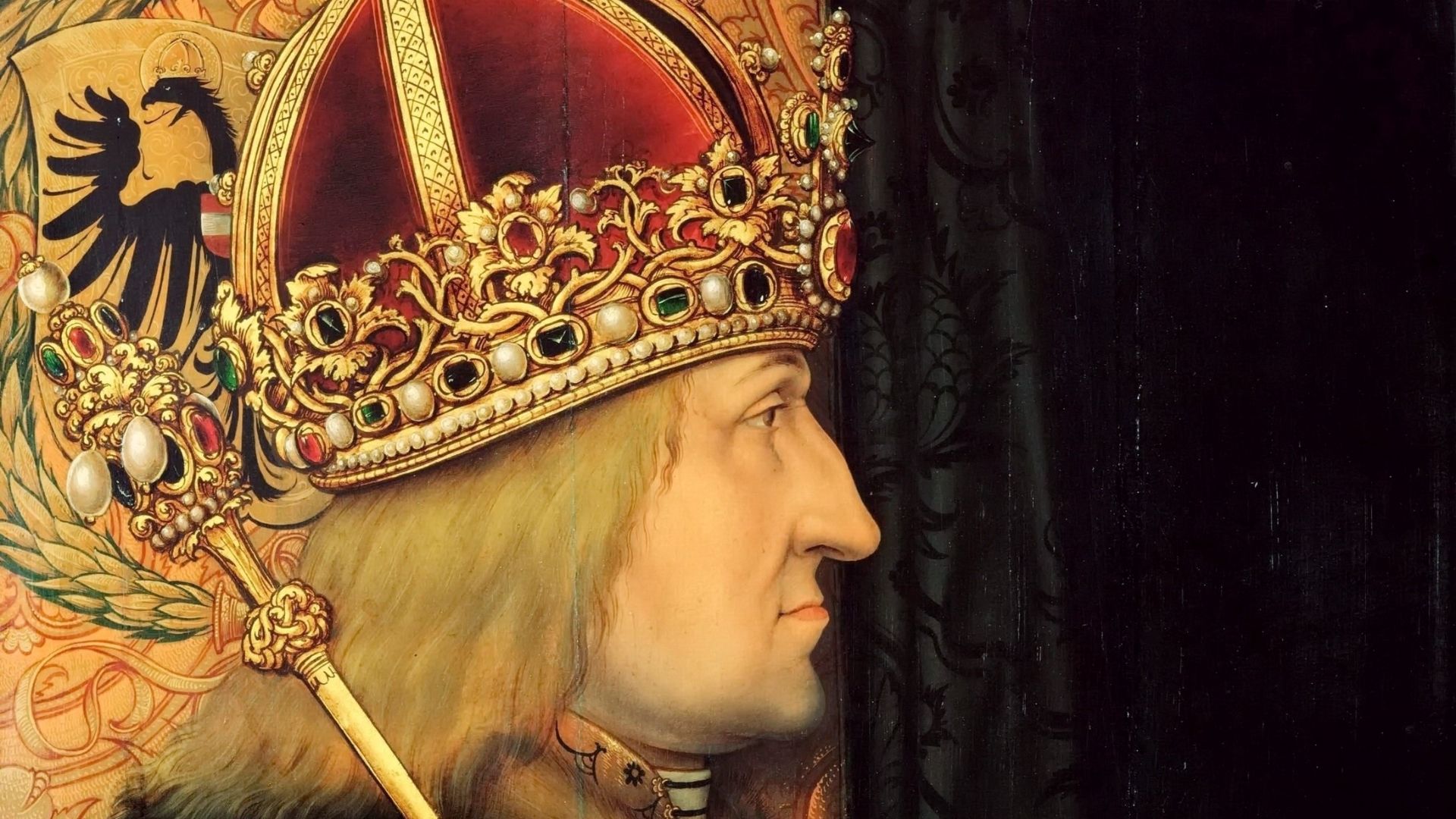 Hans Burgkmair the Elder on Wikimedia
10. Karen Wetterhahn Followed the Accepted Safety Rules
Dartmouth chemist Karen Wetterhahn was an expert on toxic metals. In her work, she wore latex gloves and followed the accepted laboratory precautions, but researchers later discovered that the compound could penetrate those gloves rapidly. Wetterhahn died from mercury poisoning months later, and her case led to an overhaul in safety recommendations.

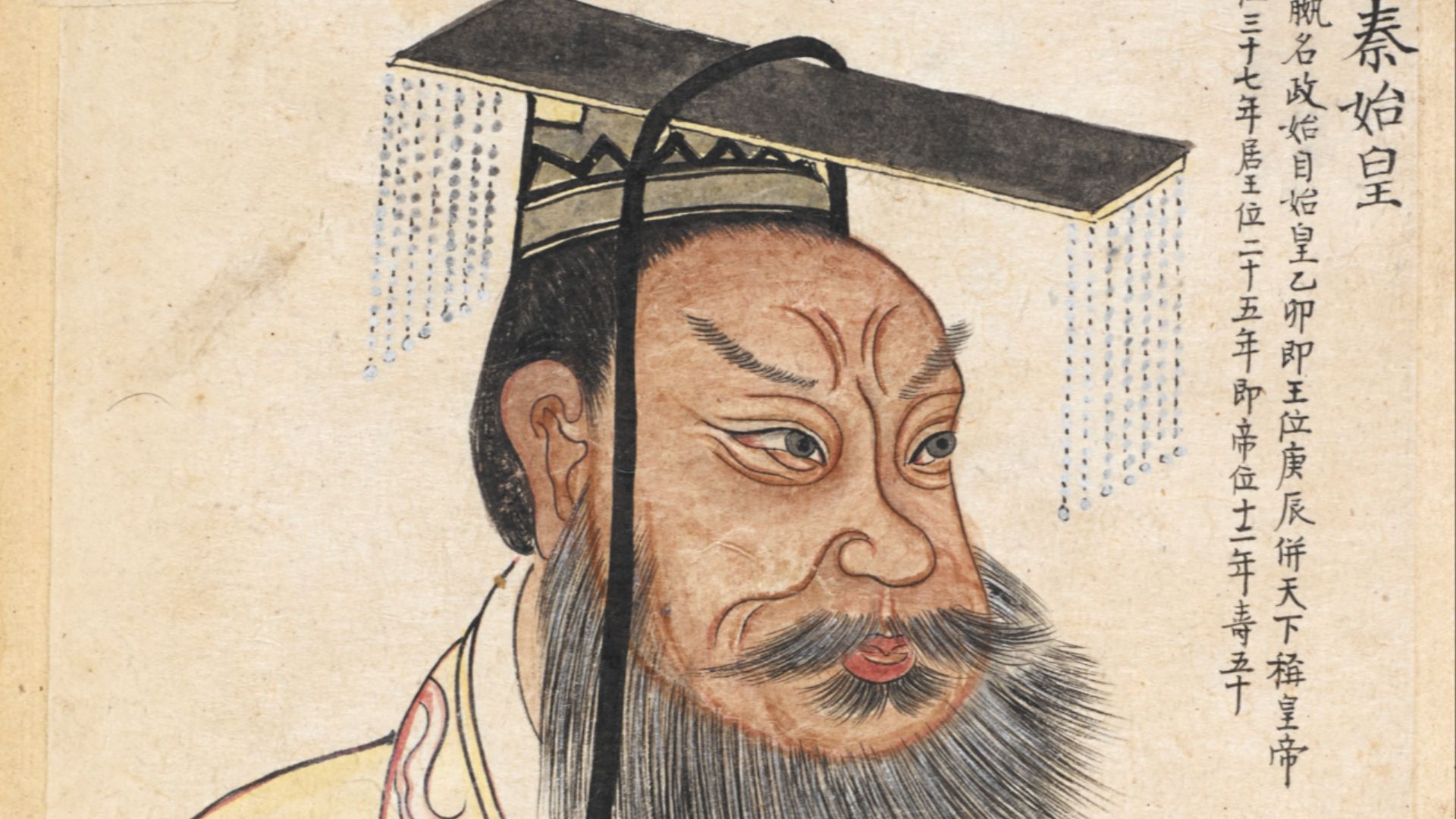
11. Qin Shi Huang Took Advice About Immortality
China's first emperor desperately wanted to escape death, which made the promises of alchemists and immortality seekers particularly appealing. Historical tradition holds that he consumed preparations containing mercury because such substances were believed to extend life. Instead of making him immortal, those elixirs are widely suspected of contributing to his death in 210 B.C., giving the sales pitch one fairly obvious flaw.
12. Nicias Listened to the Seers After an Eclipse
Athenian general Nicias was preparing to retreat from the disastrous Sicilian Expedition in 413 B.C. when a lunar eclipse appeared. Religious advisers interpreted it as an unfavorable omen and recommended delaying departure, advice Nicias took seriously in a culture where such signs mattered enormously. The delay gave Syracuse time to tighten the trap, and Nicias was eventually captured and executed after the Athenian expedition collapsed.
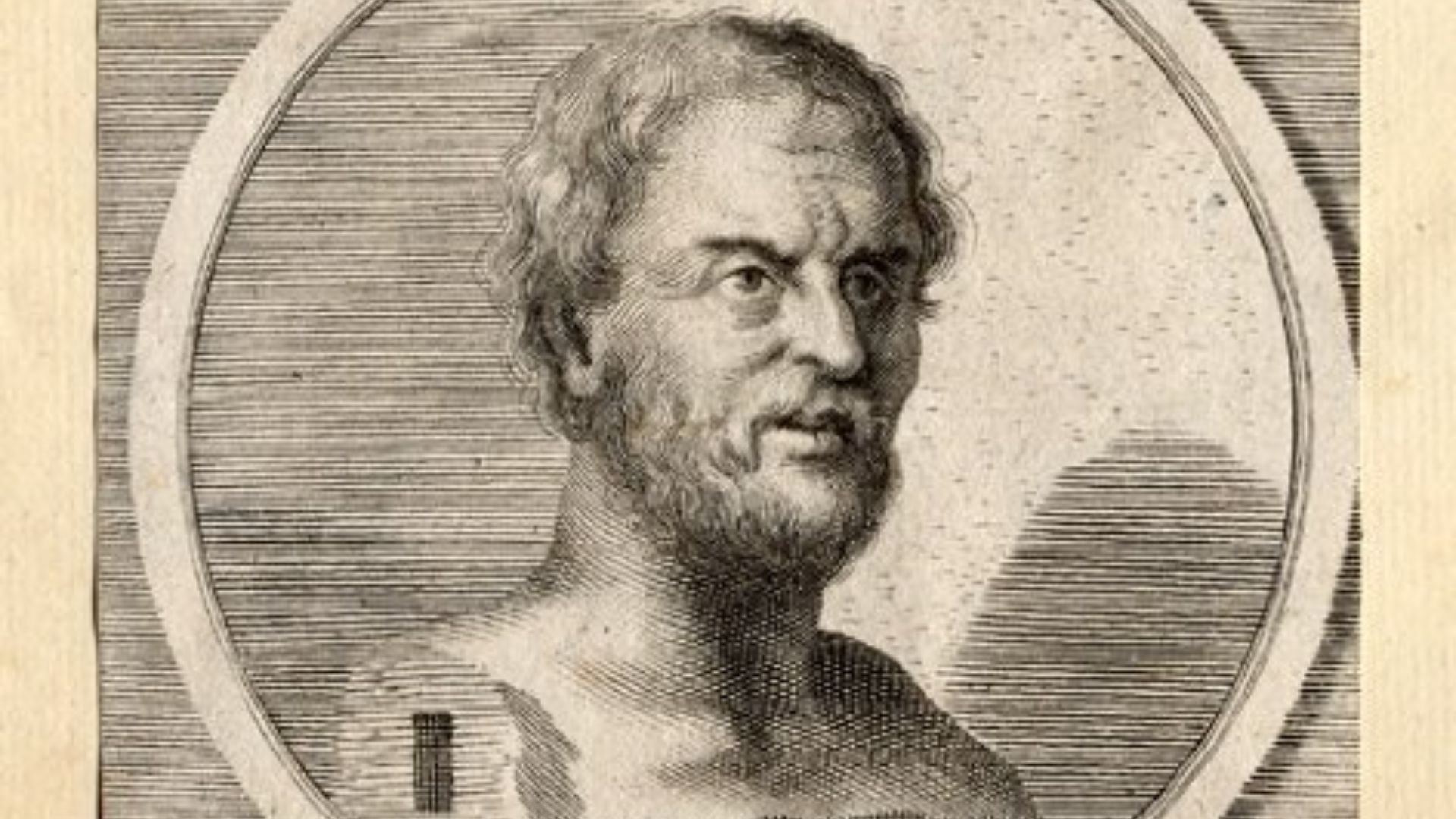 Joachim von Sandrart (12 May 1606 – 14 October 1688) on Wikimedia
13. Władysław III Was Encouraged to Break the Peace
King Władysław III of Poland and Hungary had negotiated peace with Ottoman Sultan Murad II during a dangerous period of warfare. Papal legate Cardinal Julian Cesarini strongly advocated continuing the crusade and helped justify resuming hostilities despite the agreement. Władysław followed the pro-war counsel and was killed at the Battle of Varna in 1444, where the crusading army suffered a devastating defeat.
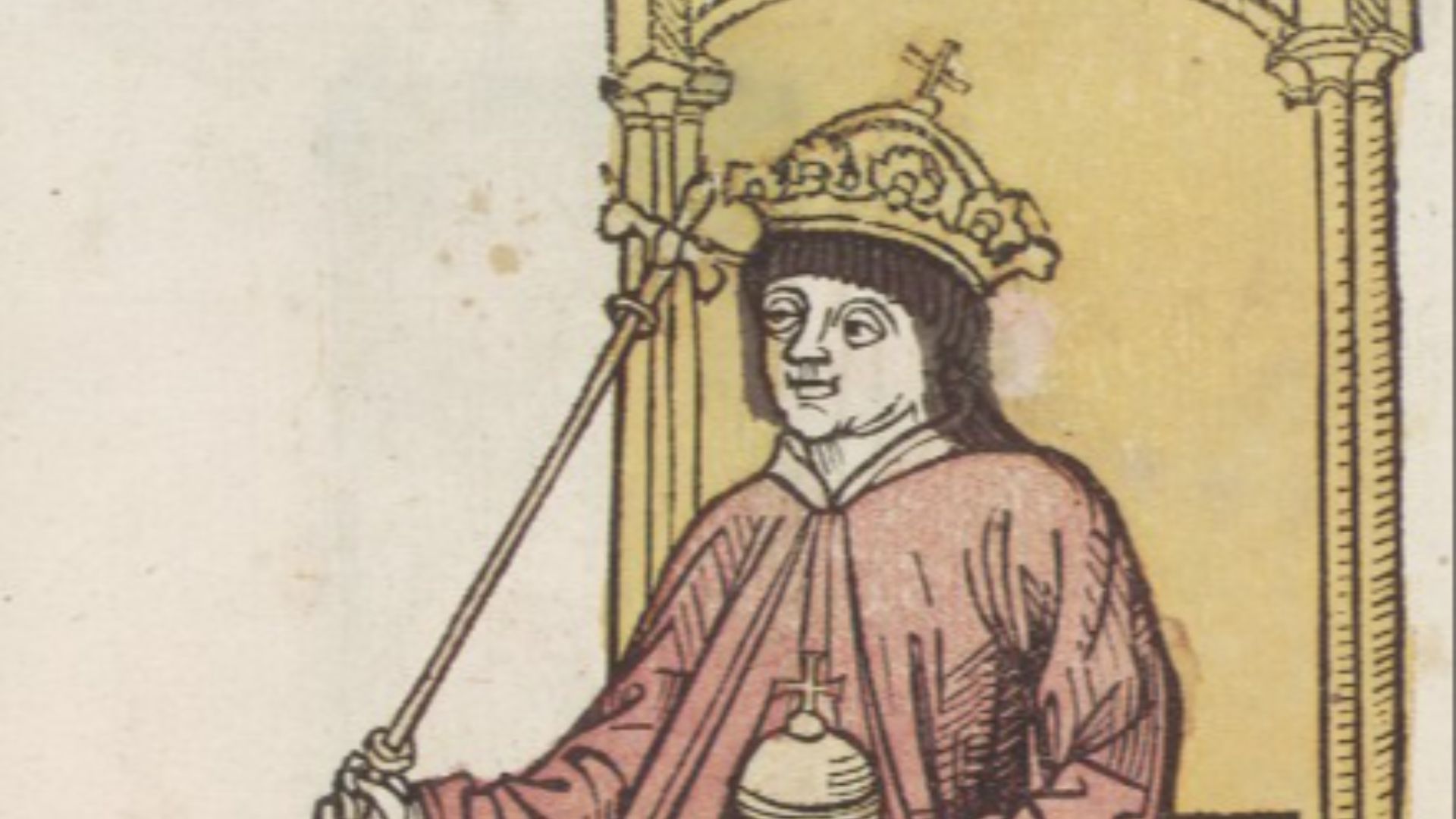
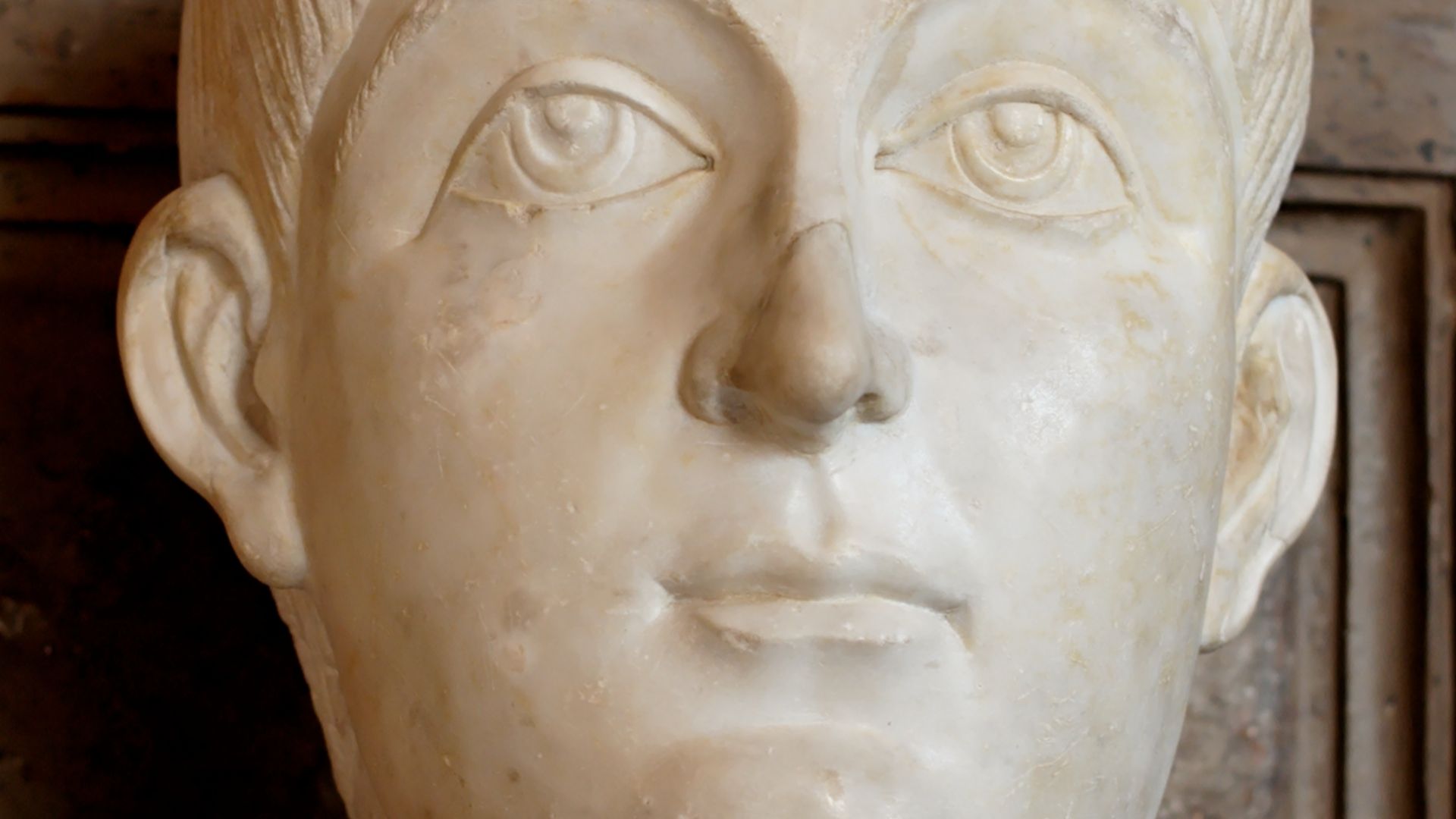
14. Emperor Valens Chose the Advisers Who Said “Attack”
Roman emperor Valens faced a Gothic army near Adrianople in A.D. 378 while reinforcements from Emperor Gratian were still on the way. Some senior advisers urged patience, but others encouraged him to fight immediately, reportedly appealing to his desire to claim the victory himself. Valens chose the aggressive advice, Rome suffered a catastrophic defeat, and the emperor was killed somewhere in the chaos.
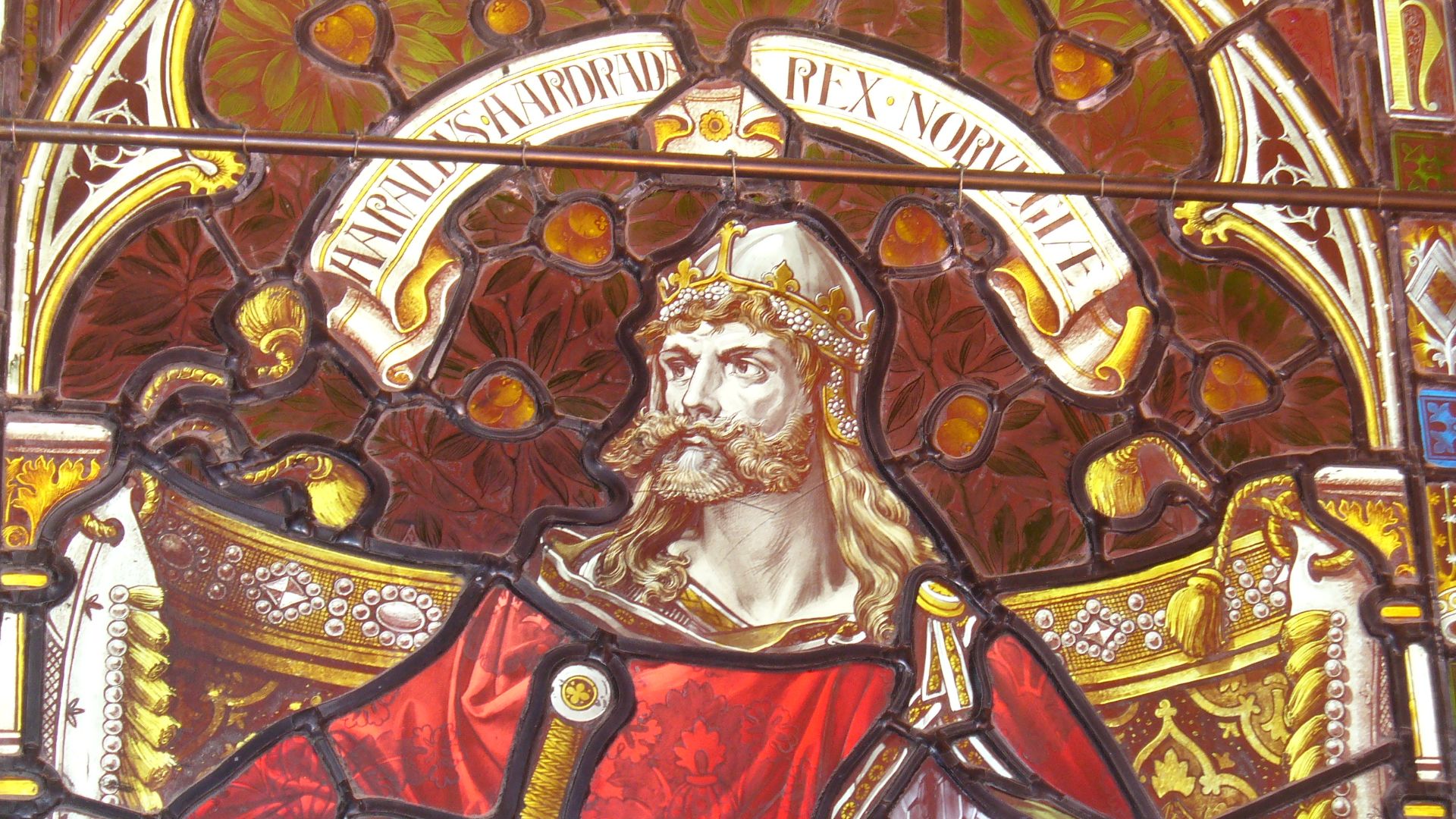
15. Harald Hardrada Listened to Tostig’s English Ambitions
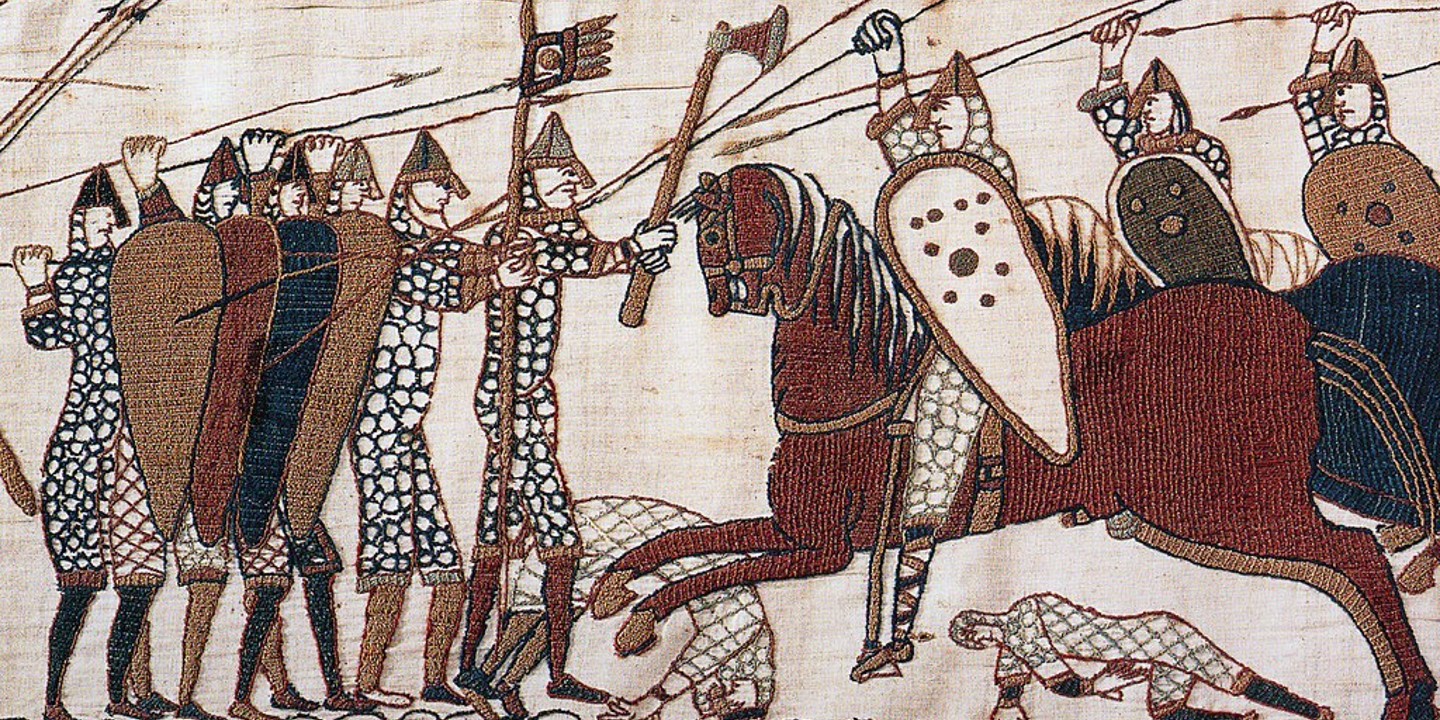
Exiled English earl Tostig Godwinson needed serious military support if he hoped to challenge his brother, King Harold II. He joined forces with Norwegian king Harald Hardrada and helped encourage an invasion of England, a plan that initially produced some impressive successes in the north. The adventure ended at Stamford Bridge in September 1066, where both Tostig and Hardrada were killed by Harold’s army.
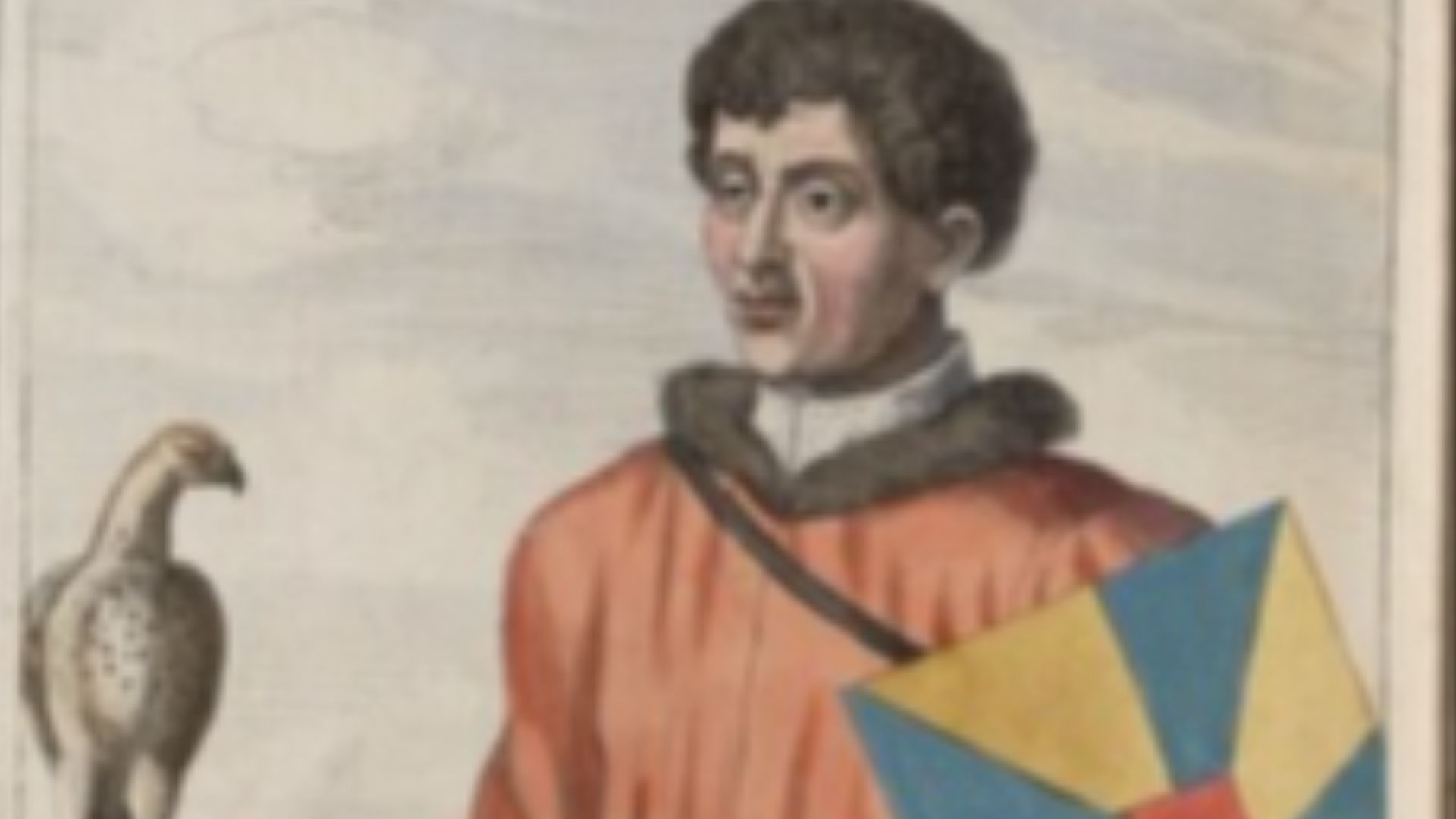
16. Odoacer Accepted a Peace Deal He Was Advised to Trust
After years of fighting Theoderic the Ostrogoth, Odoacer agreed to negotiations in 493 that were mediated by John, the bishop of Ravenna. The settlement called for the two rulers to share control of Italy, giving Odoacer reason to believe the war was finally over. He accepted the arrangement and attended a banquet meant to seal the peace, where Theoderic killed him, making the supposedly sensible advice to settle the conflict fatally misplaced.
 Antonius Sanderius on Wikimedia
17. George Donner Took the Shortcut
California promoter Lansford Hastings advertised a supposed shortcut west that became known as Hastings Cutoff, despite having written about the route before properly testing it. George Donner and his fellow emigrants followed the recommendation, losing crucial time while struggling through mountains and the Great Salt Lake Desert. The delay helped leave the Donner Party trapped by snow in the Sierra Nevada, where Donner and dozens of others died during the winter of 1846-47.
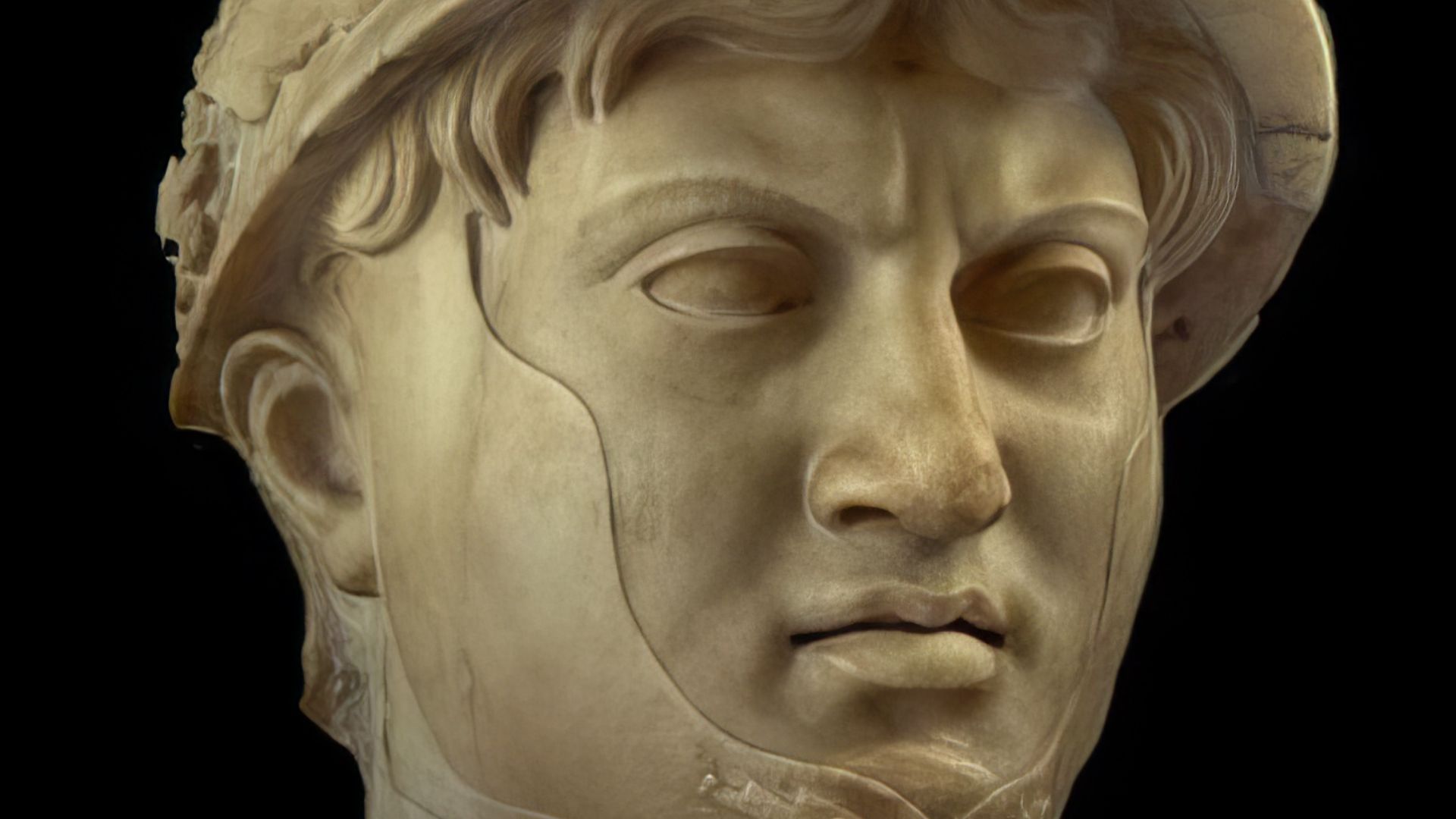
18. Pyrrhus Accepted an Invitation Into Argos
Pyrrhus of Epirus was campaigning in Greece when the Argive politician Aristeas invited him to intervene in a struggle for control of Argos. The opportunity sounded promising enough that Pyrrhus entered the city at night with his army. Fighting became chaotic in the narrow streets, and Pyrrhus was struck by a roof tile before being killed during the confusion.
 See sourced file for original author(s) on Wikimedia
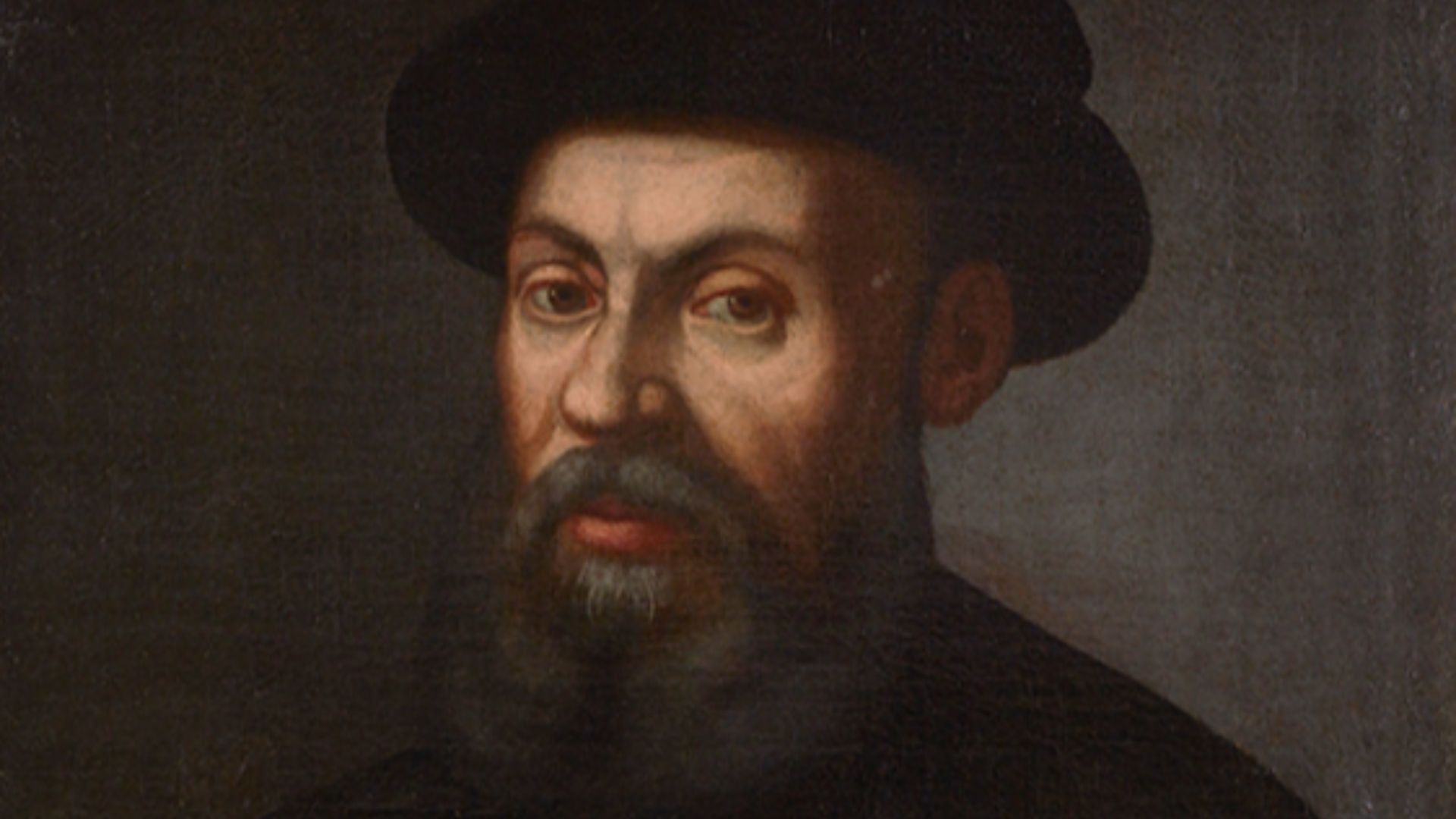
19. Ferdinand Magellan Agreed to Fight Someone Else's Battle
After reaching the Philippines, Ferdinand Magellan developed an alliance with Rajah Humabon of Cebu. Humabon wanted the neighboring ruler Lapulapu brought under control and persuaded Magellan to help. Magellan accepted, went ashore at Mactan with a relatively small force, and was killed in the resulting battle in 1521.
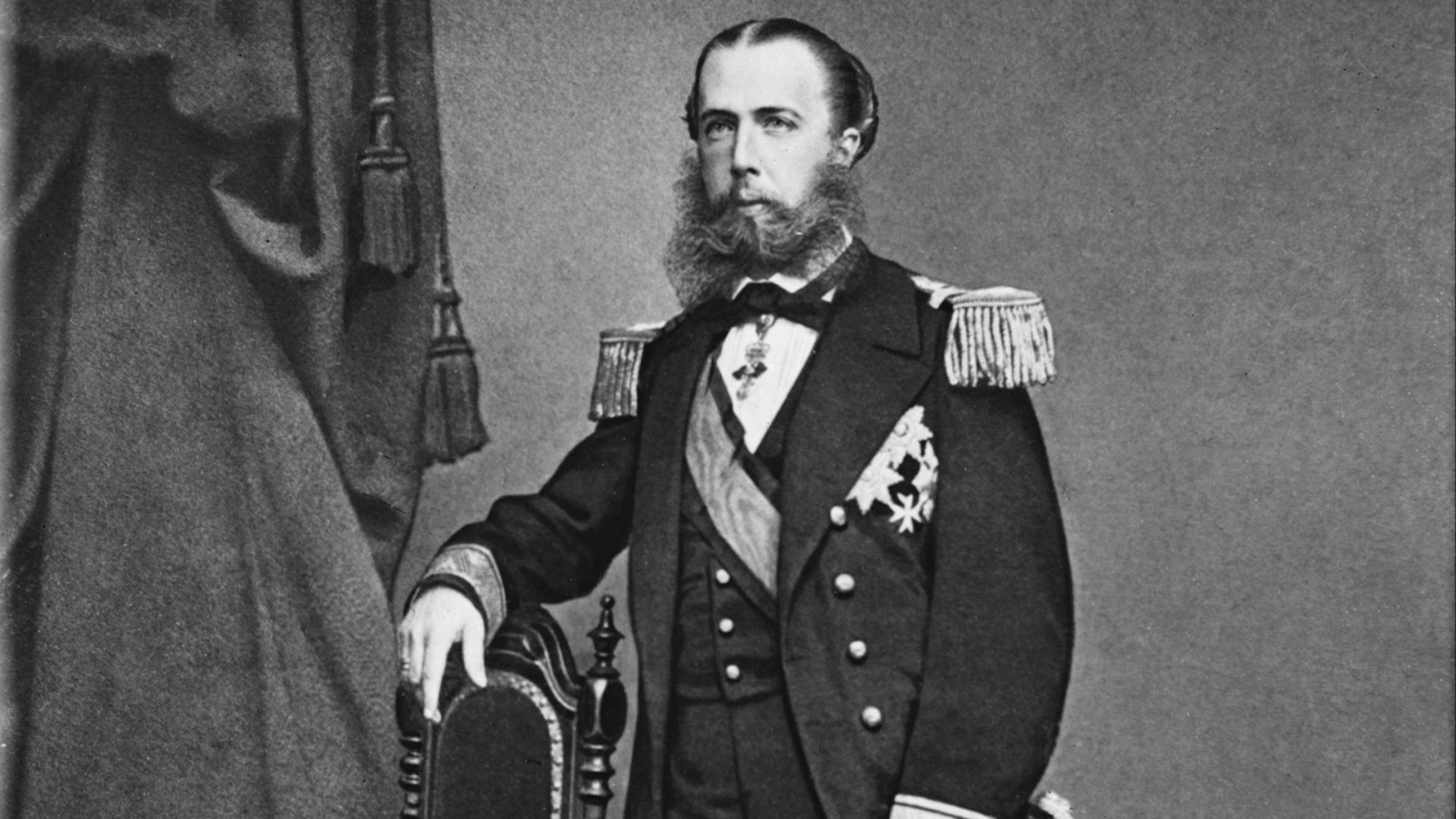
20. Maximilian Was Advised Not to Give Up Mexico
With French troops withdrawing from Mexico, Emperor Maximilian was seriously considering abdication and returning to Europe. Conservative ministers and supporters traveled to persuade him to remain, promising money, troops, and continued political backing that proved inadequate. Maximilian stayed, his empire collapsed, and republican forces captured and executed him in 1867.