

20 Historical Events That Proved One Person Can Change the World
Just Regular People Making History
History is full of moments when a single person's choices, courage, or determination helped change the direction of entire societies. Some challenged unfair laws, others made discoveries that transformed science, and a few simply refused to accept that things had to stay the way they were. Of course, major historical changes rarely happen because of one person alone, but individual actions can inspire movements, influence governments, and leave a lasting mark on the world.
 Unknown authorUnknown author on Wikimedia
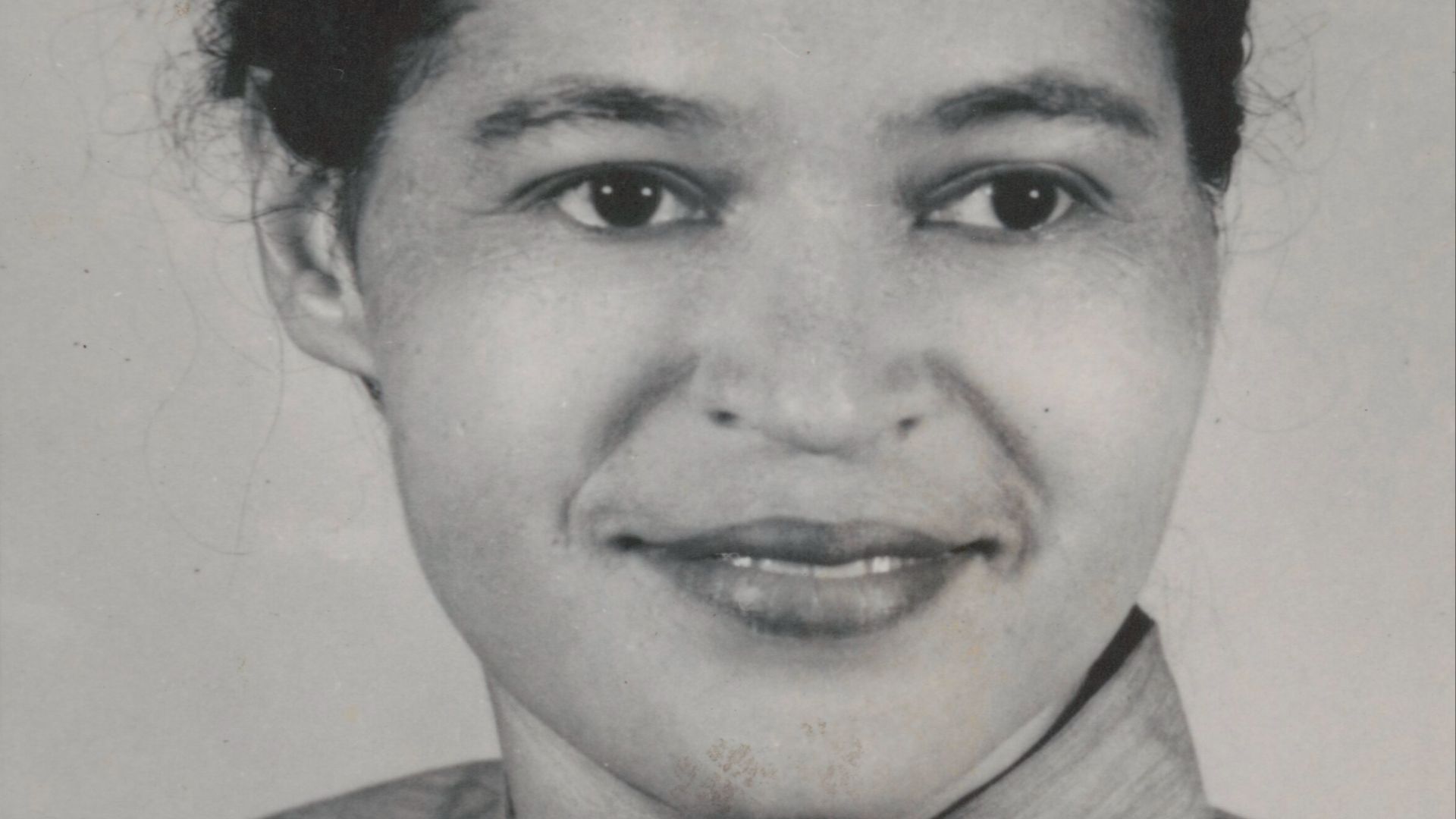
1. Rosa Parks and the Montgomery Bus Boycott (1955)
When Rosa Parks sat in the front row of a bus and refused to move her seat for a white man, she was taken into custody. By breaking the law that enforced racial segregation, she helped begin the Montgomery Bus Boycott, which went on for over a year. This allowed thousands of Black citizens to make their voices heard across the world.
 Unknown authorUnknown author on Wikimedia
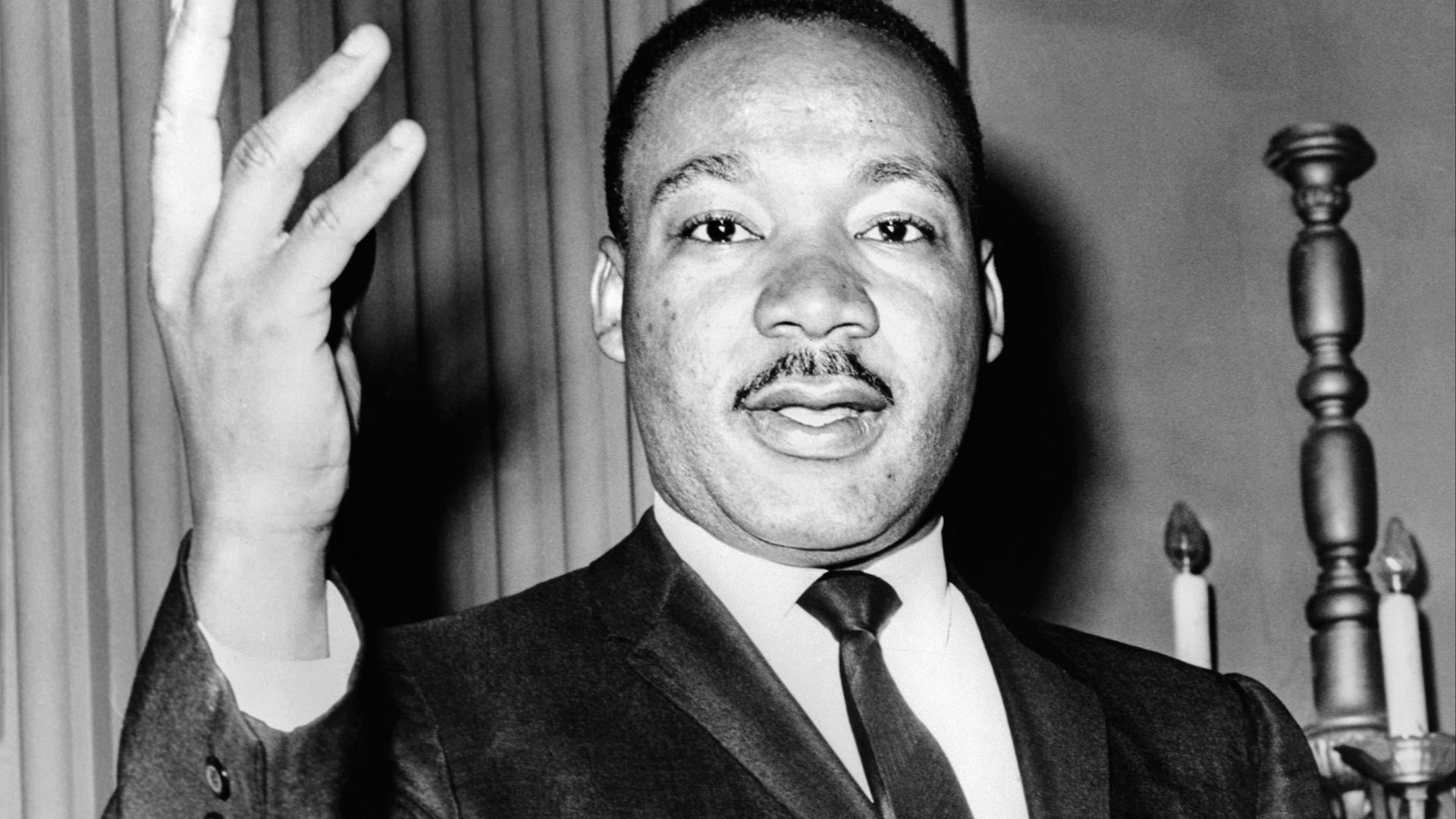
2. Martin Luther King Jr.'s "I Have a Dream" Speech (1963)
Martin Luther King Jr. gave this famous speech at the March on Washington for Jobs and Freedom on August 28, 1963. It allowed millions of Americans to better understand what the civil rights movement stood for and helped people continue to support it. The speech didn't end segregation on its own, but it became one of the most recognizable calls for justice in American history.
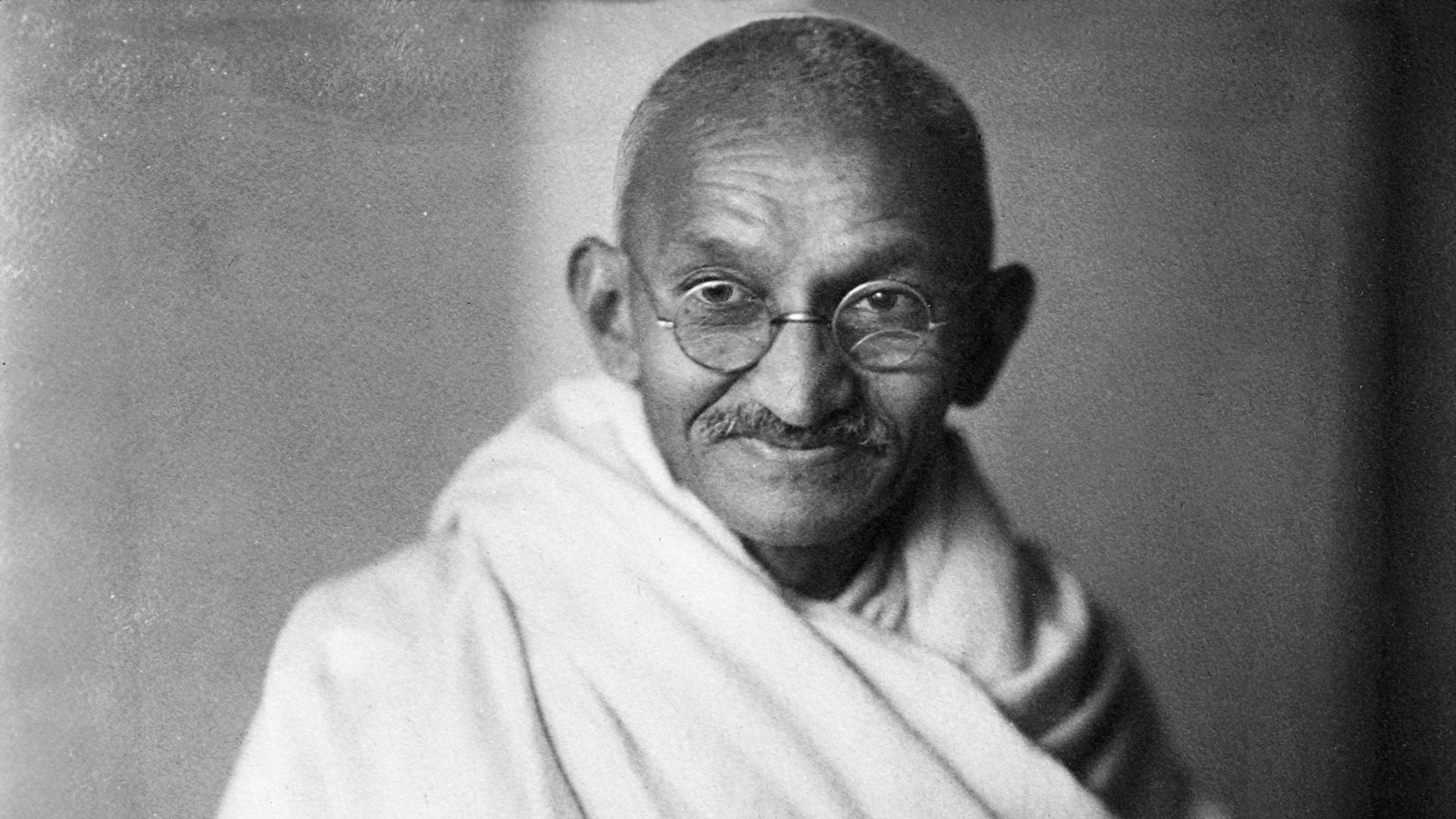
3. Mahatma Gandhi's Salt March (1930)
Mahatma Gandhi decided to walk to India's coastline to help oppose British rule. He marched 240 miles to a small village called Dandi. Thousands joined the wider protest movement, and the march helped draw international attention to India's struggle for independence.
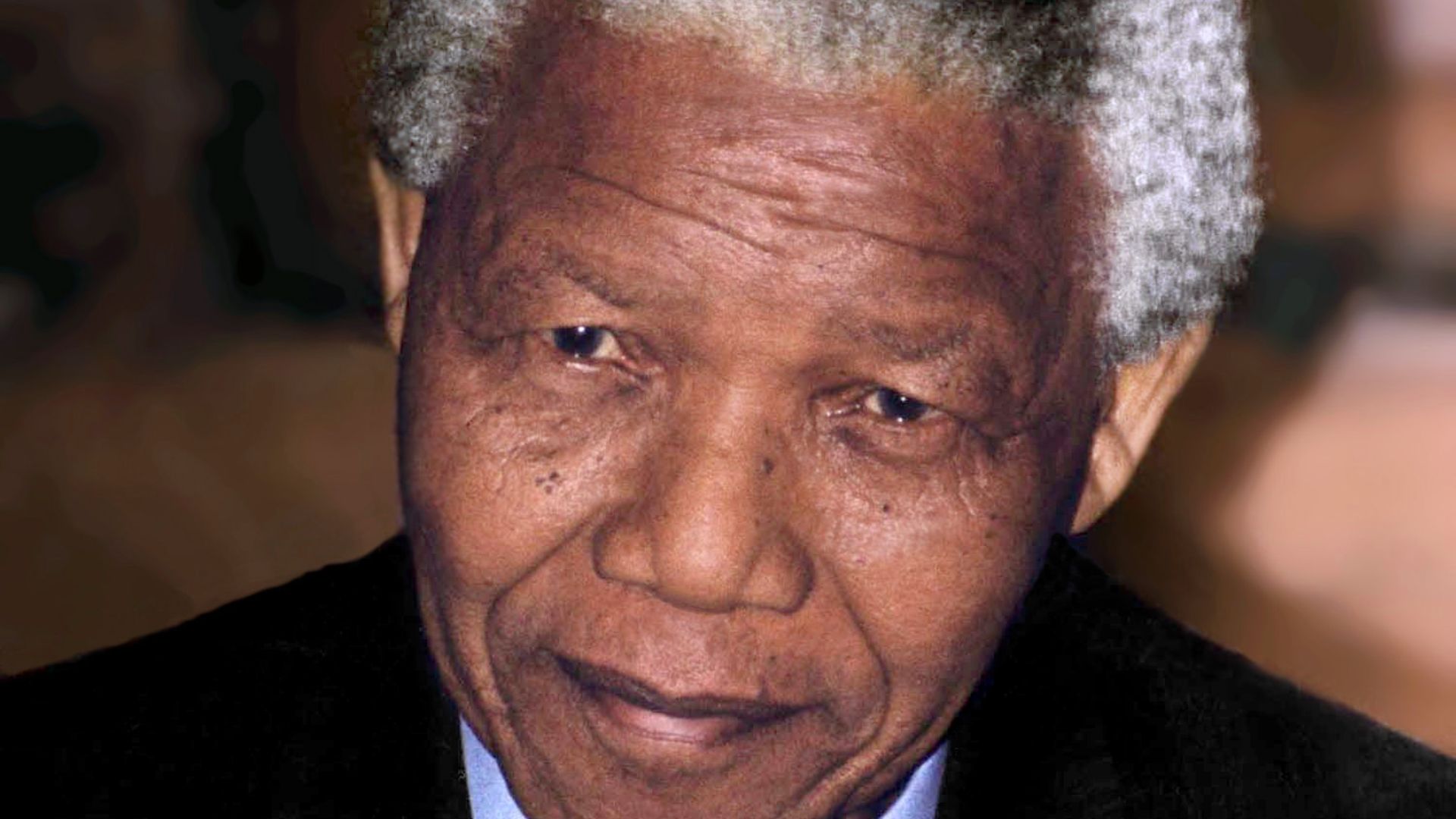
4. Nelson Mandela's Fight Against Apartheid
Nelson Mandela spent much of his life fighting against apartheid in South Africa. He was jailed for 27 years for this and, once released in 1990, began helping end racial discrimination and restore democracy in South Africa. His leadership and willingness to pursue reconciliation helped the country move away from apartheid, although the struggle involved many activists and communities.
 Kingkongphoto & www.celebrity-photos.com from Laurel on Wikimedia
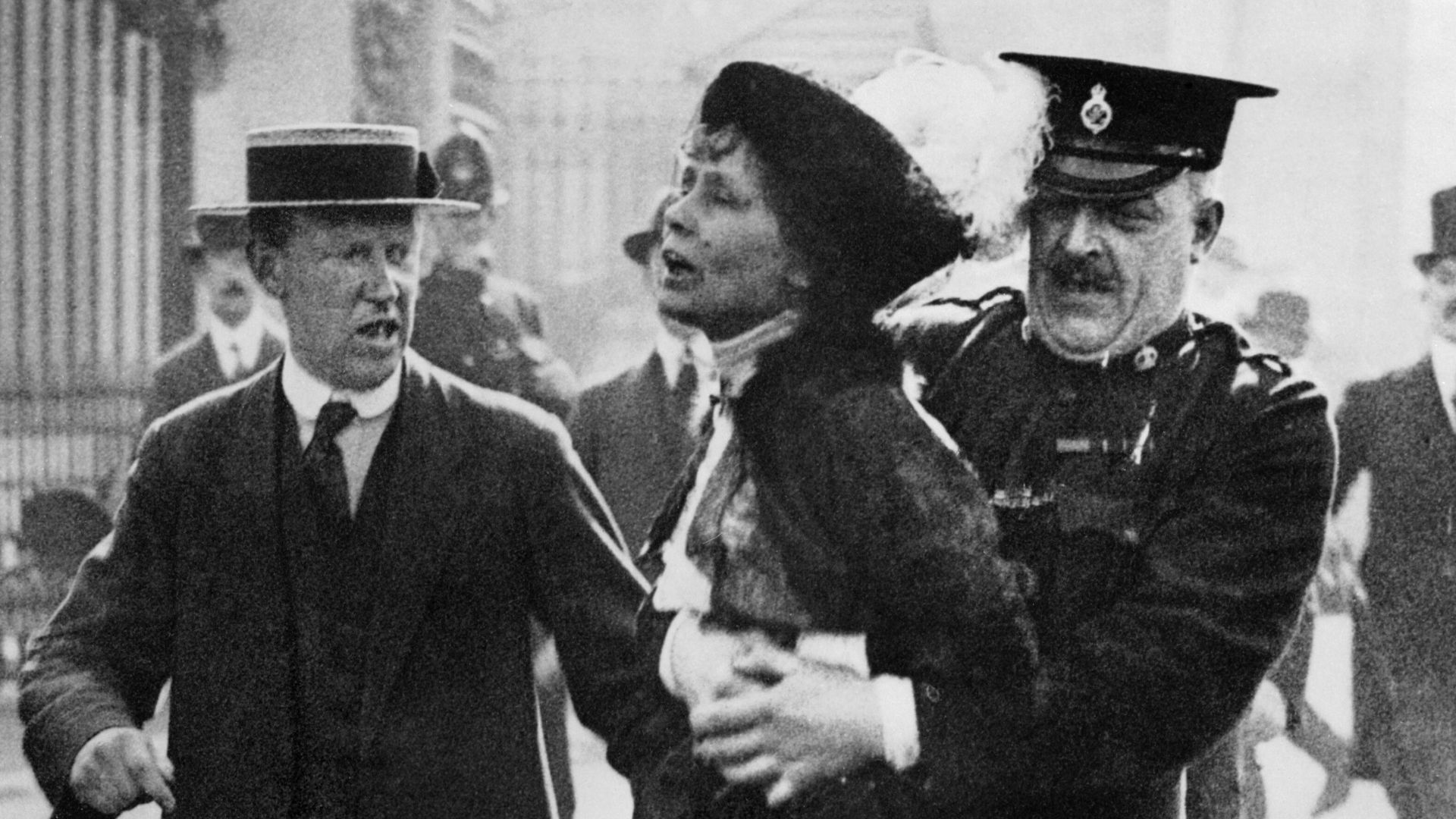
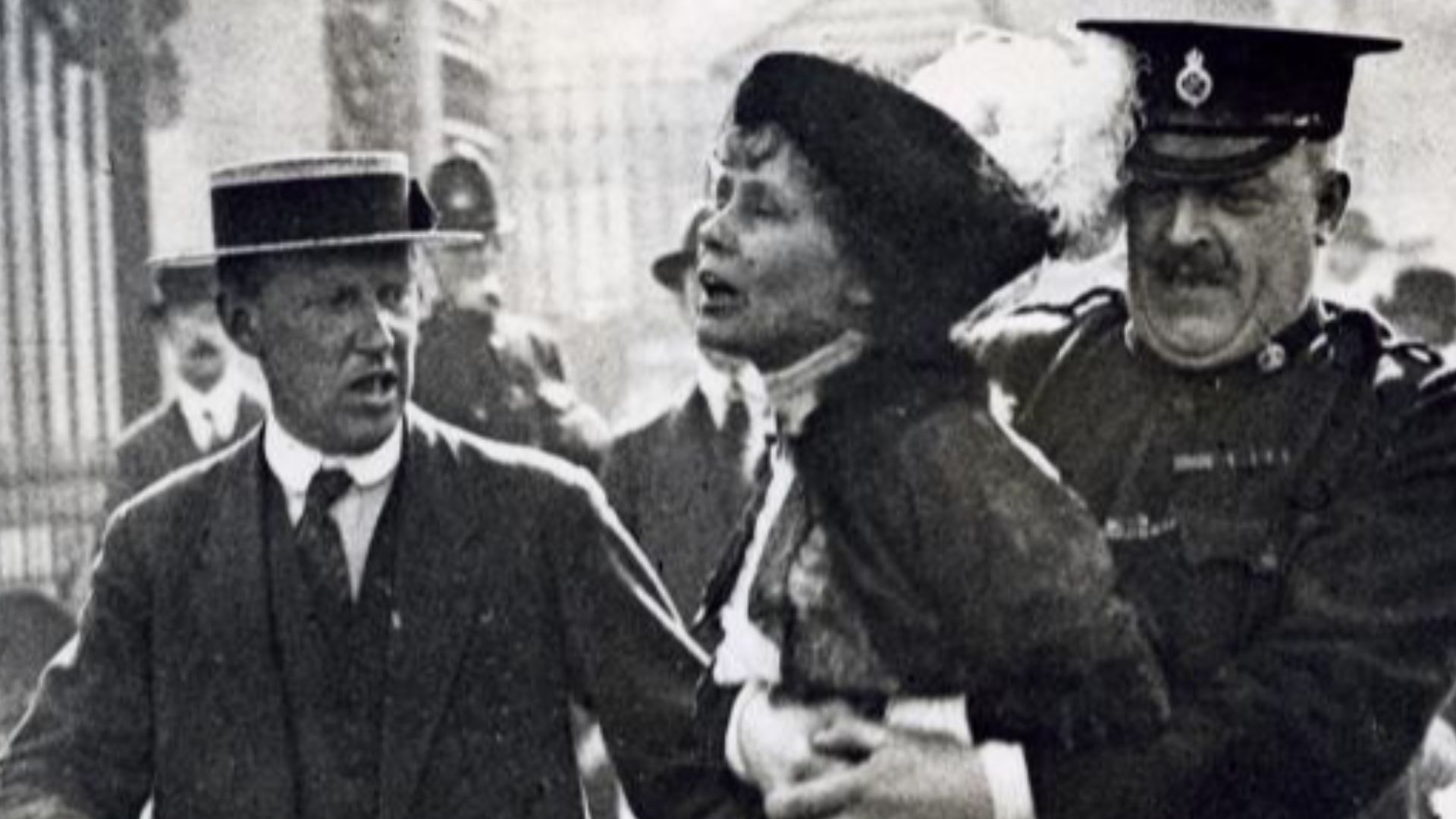
5. Emmeline Pankhurst and the British Women's Suffrage Movement
Emmeline Pankhurst made the movement for women's voting rights better known to the general public in Britain. In 1903, she created the Women's Social and Political Union, which protested to allow women to have rights that were justly denied to them. After many protests and riots, women who were 30 and up were able to vote in 1918 if they met certain requirements.
 Unknown authorUnknown author on Wikimedia
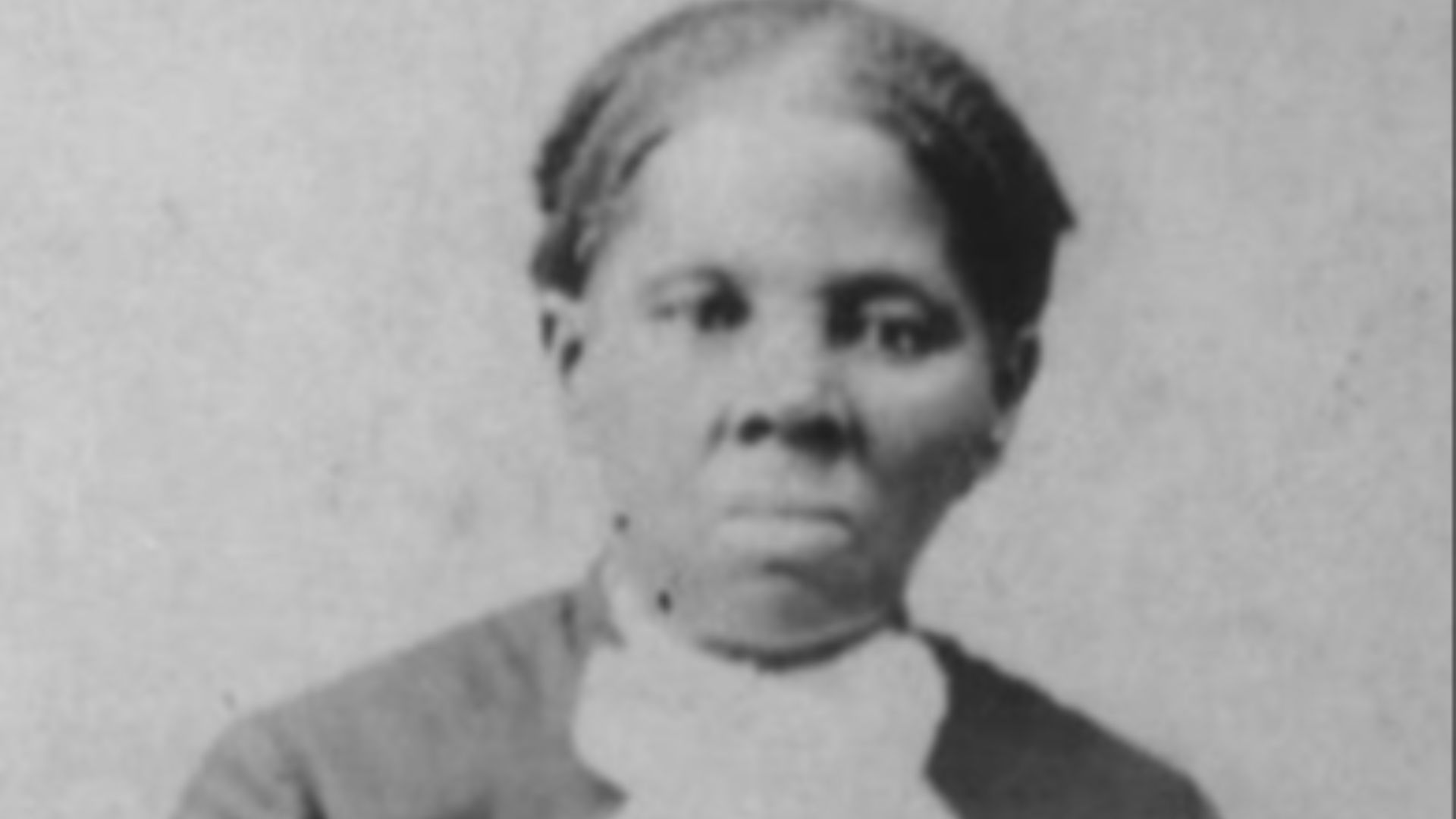
6. Harriet Tubman and the Underground Railroad
Harriet Tubman helped free enslaved people by leading them along the Underground Railroad. She became one of the most celebrated conductors on the Underground Railroad, a network of people and routes that assisted escapees despite the serious risks involved. Tubman later supported the Union during the Civil War, demonstrating how one person's courage could contribute to the broader struggle against slavery.
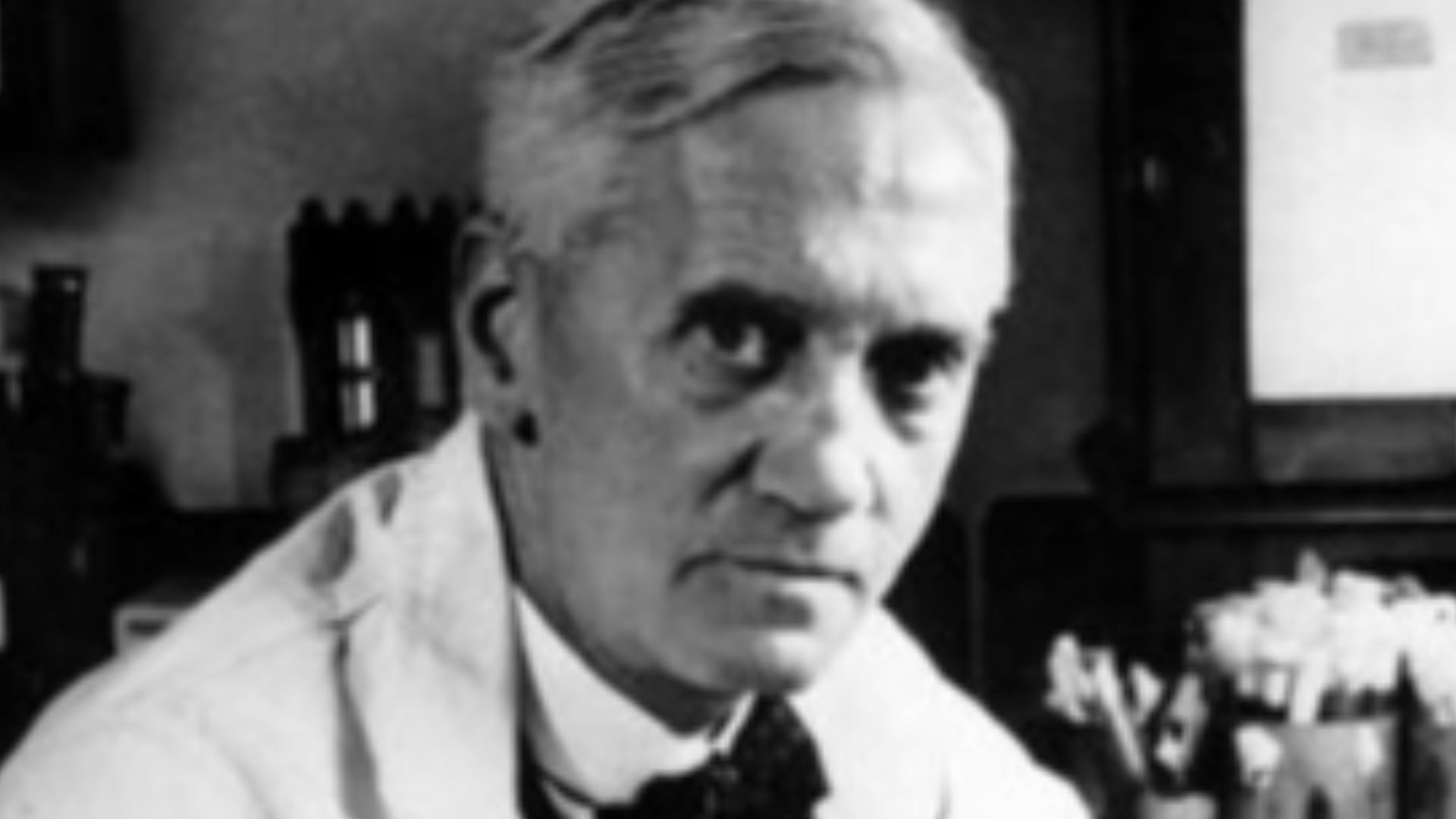
7. Alexander Fleming's Discovery of Penicillin (1928)
Alexander Fleming discovered that a substance produced by mold was killing bacteria growing in his petri dish. This allowed him to investigate penicillin's ability to kill bacteria. Once he knew that it could do this, doctors and scientists were able to further study penicillin and find that it was useful for combating disease.
 Calibuon at English Wikibooks, cropped by User:AlanM1 on Wikimedia
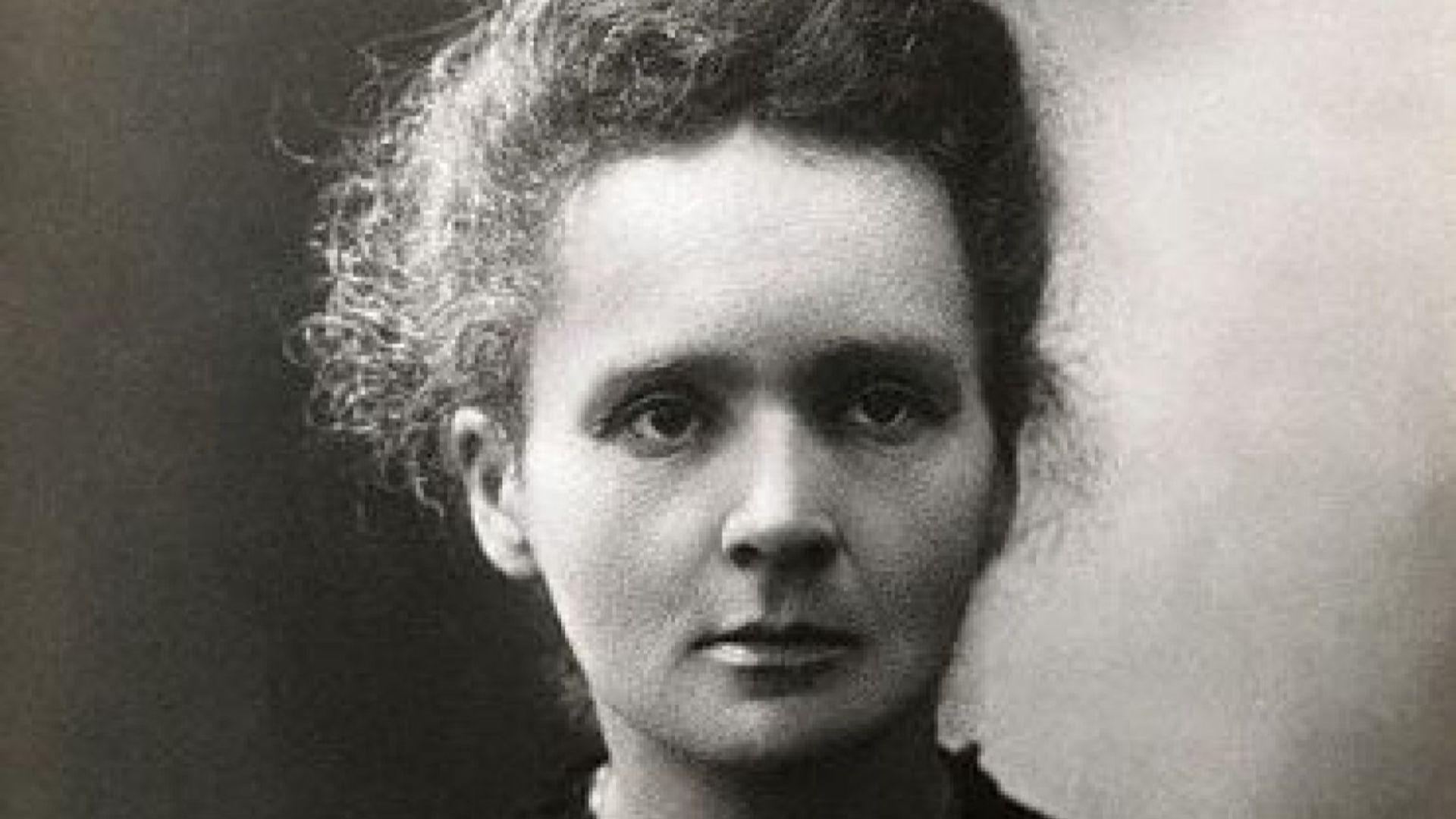
8. Marie Curie and the Advancement of Radioactivity Research
Marie Curie helped establish the science of radioactivity and was very successful in her studies of radioactive materials. She became the first woman to win a Nobel Prize and won another for her work in chemistry. Because of Marie, many women were able to break out and take positions that weren't usually given to them at the time.
 Unknown authorUnknown author on Wikimedia
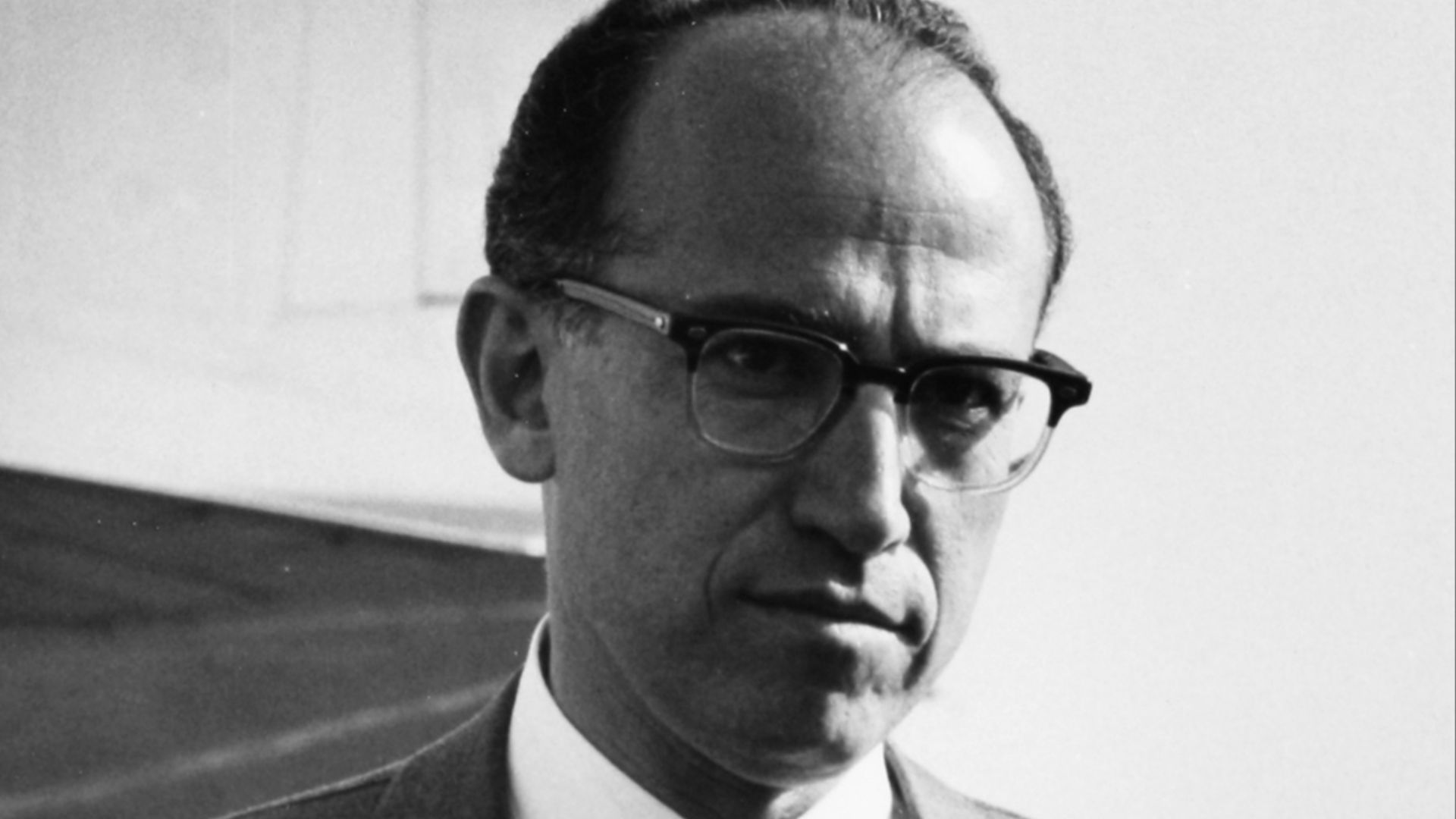
9. Jonas Salk's Polio Vaccine (1950s)
During the early 1950s, polio outbreaks terrified families because the disease could cause paralysis and sometimes death, particularly among children. American physician Jonas Salk developed an effective inactivated polio vaccine, which was announced as safe and effective in 1955 after extensive testing. The vaccine helped dramatically reduce polio cases in the United States and became a major milestone in the global fight against the disease.
 SAS Scandinavian Airlines on Wikimedia
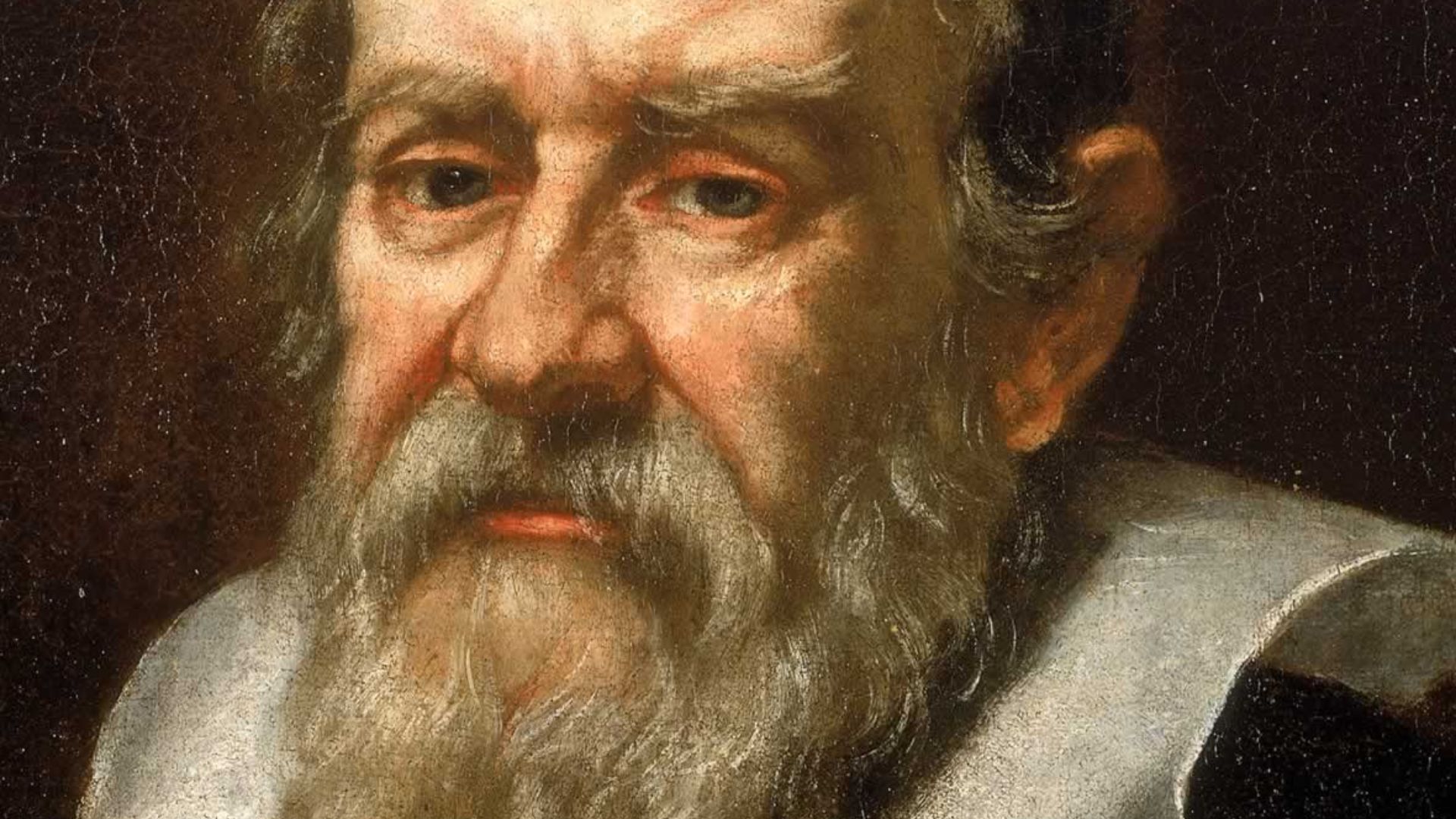
10. Galileo Galilei's Challenge to Traditional Astronomy
Galileo Galilei helped challenge the belief that Earth was at the center of everything by observing moons orbiting Jupiter and gathering evidence supporting the idea that Earth orbits the Sun. When his support for the heliocentric model brought him into conflict with the Catholic Church, he was sentenced to house arrest. Church authorities opposed his support for ideas that went against the accepted interpretation of astronomy at the time.
 Justus Sustermans on Wikimedia
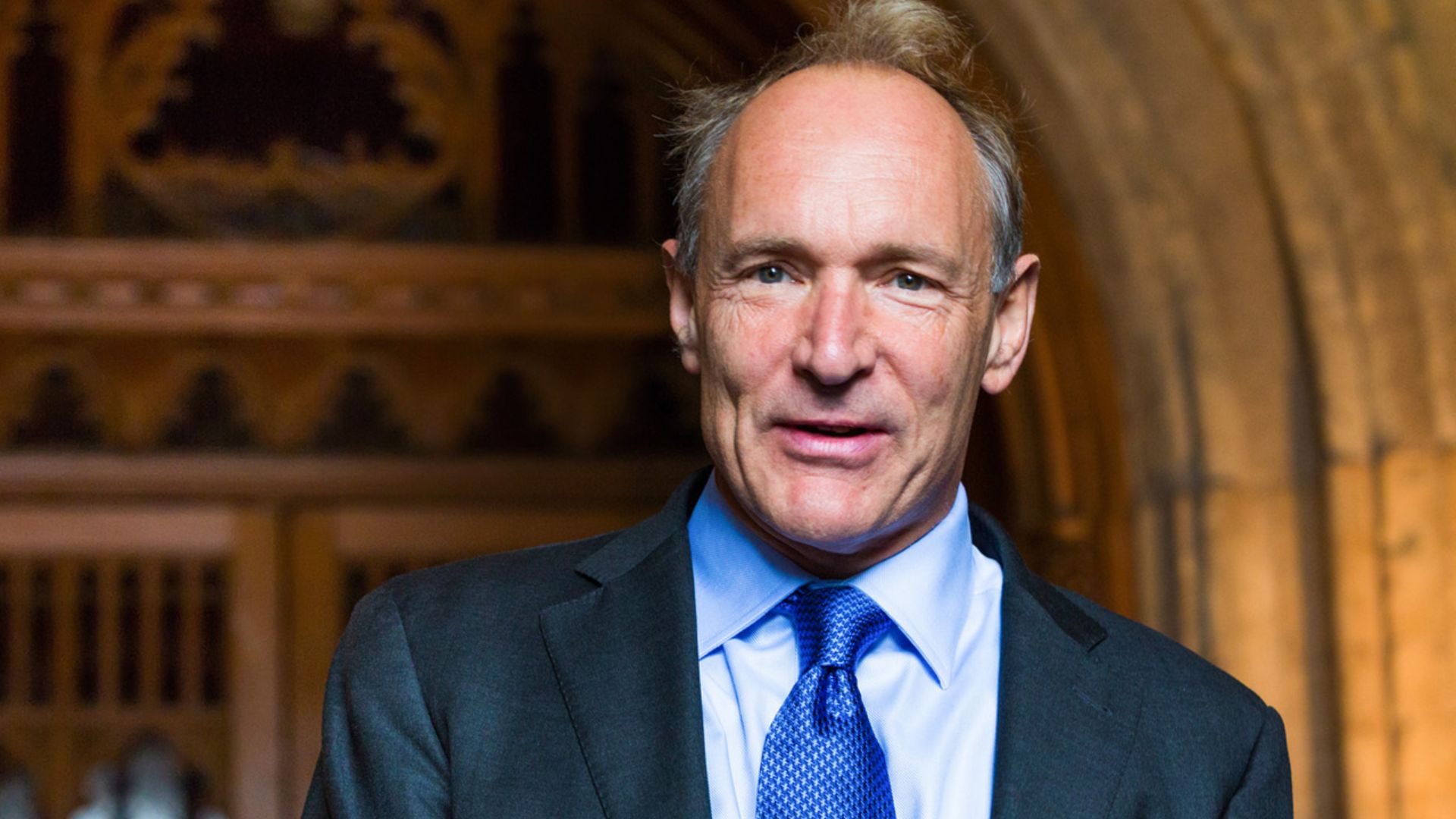
11. Tim Berners-Lee Invents the World Wide Web (1989–1991)
Tim Berners-Lee helped create the way we browse the internet today. When he developed the system beginning in 1989, it allowed people to share information through linked documents on computers connected to a network. By making the web's core technology available without royalties, Berners-Lee helped create the conditions for the internet-based communication, education, and commerce that billions of people now use.
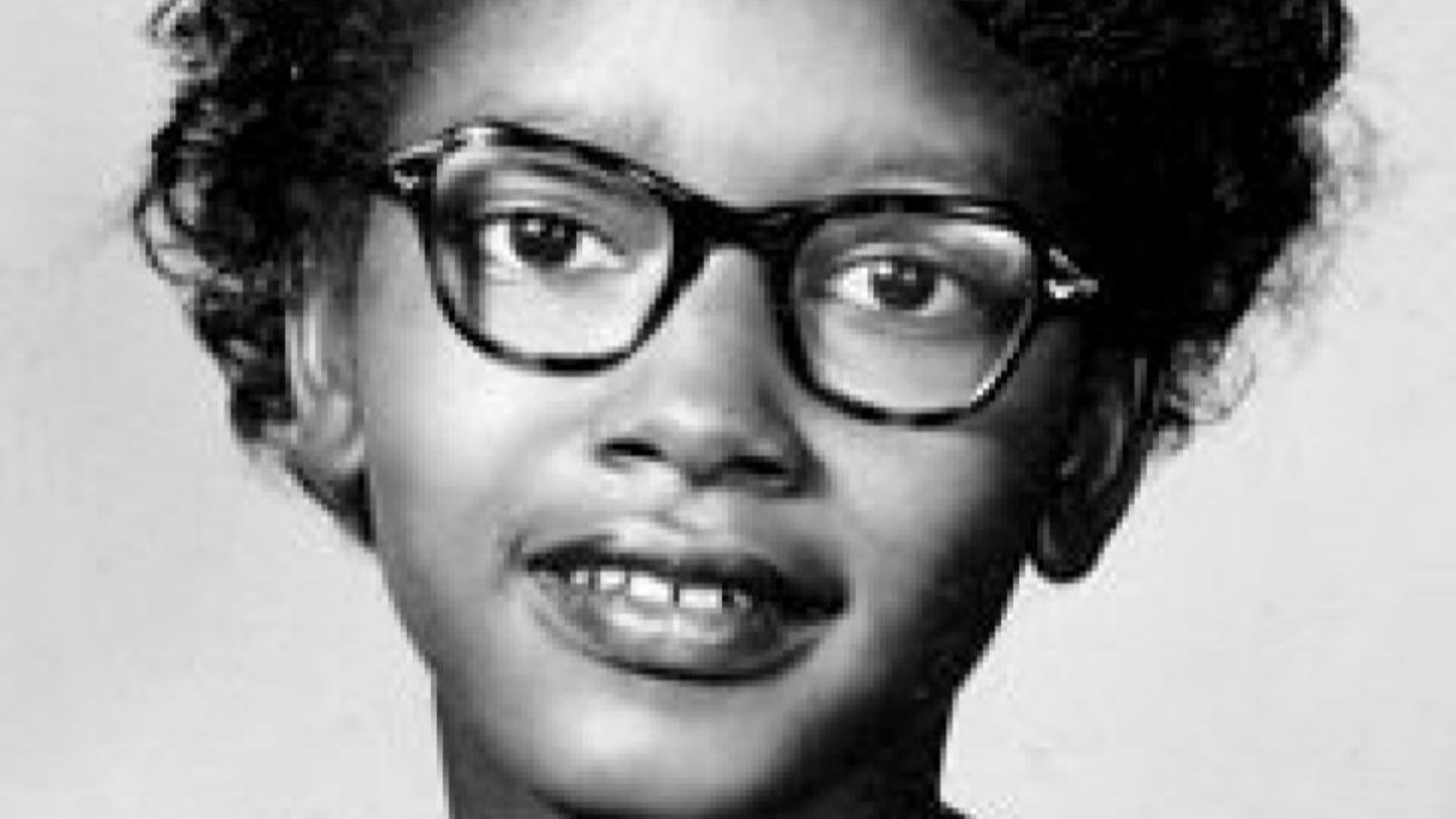
12. Claudette Colvin Refuses to Give Up Her Bus Seat (1955)
Nine months before Rosa Parks' famous arrest, 15-year-old Claudette Colvin refused to surrender her seat to a white passenger on a segregated bus in Montgomery, Alabama. She was arrested in March 1955, and her case became part of the legal campaign against bus segregation. Colvin later served as a plaintiff in Browder v. Gayle, the federal court case that helped establish the unconstitutionality of segregated buses in Montgomery.
 The Visibility Project, Claudette Colvin on Wikimedia
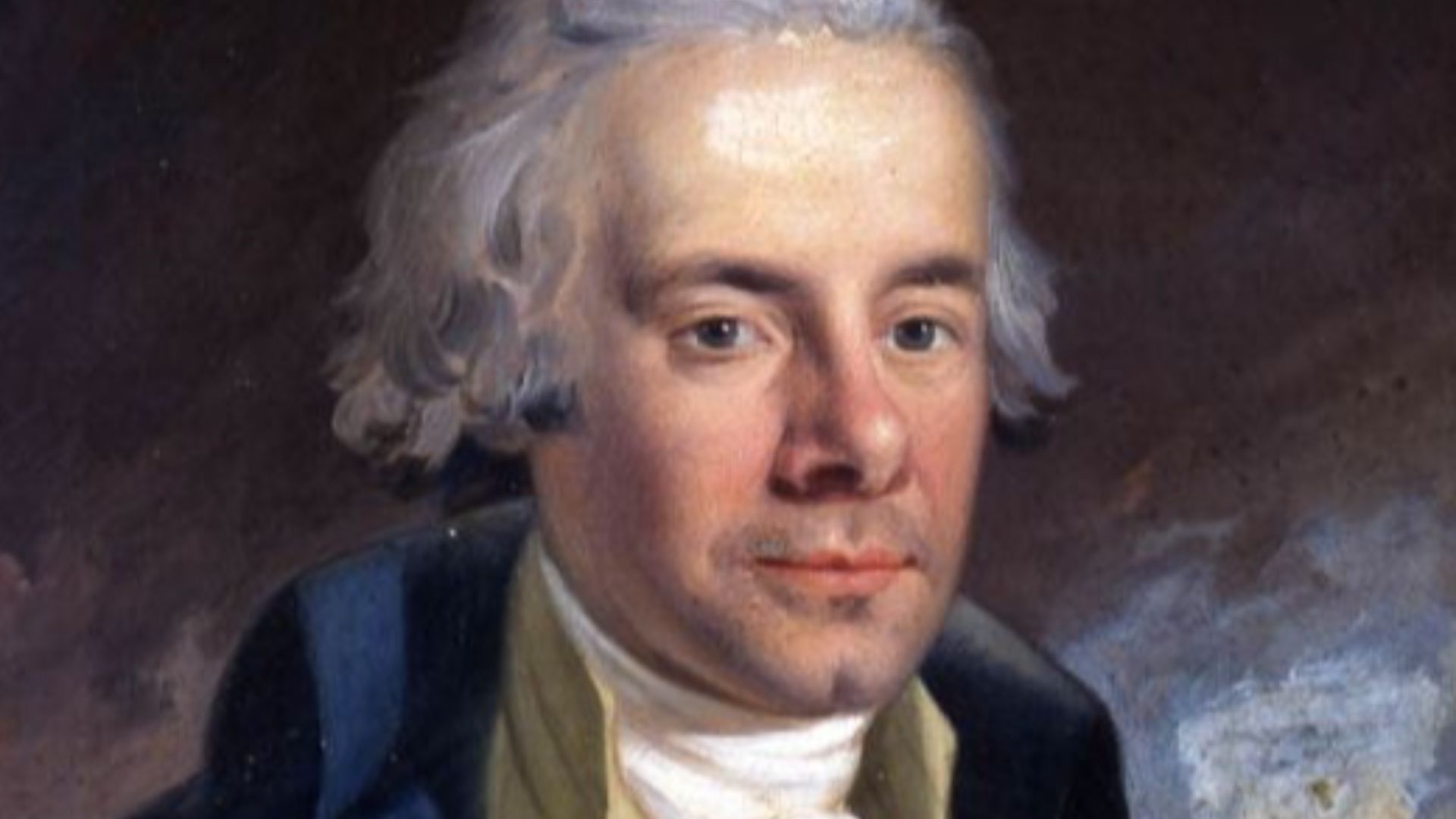
13. William Wilberforce and the British Slave Trade Abolition Act (1807)
For many years, Wilberforce tried to help end the slave trade but wasn't successful until 1807. Along with many others, he helped convince the British government to pass a bill that would end the British slave trade. The law prohibited the British slave trade, although it didn't abolish slavery itself, which continued in most British colonies until later legislation took effect in the 1830s.
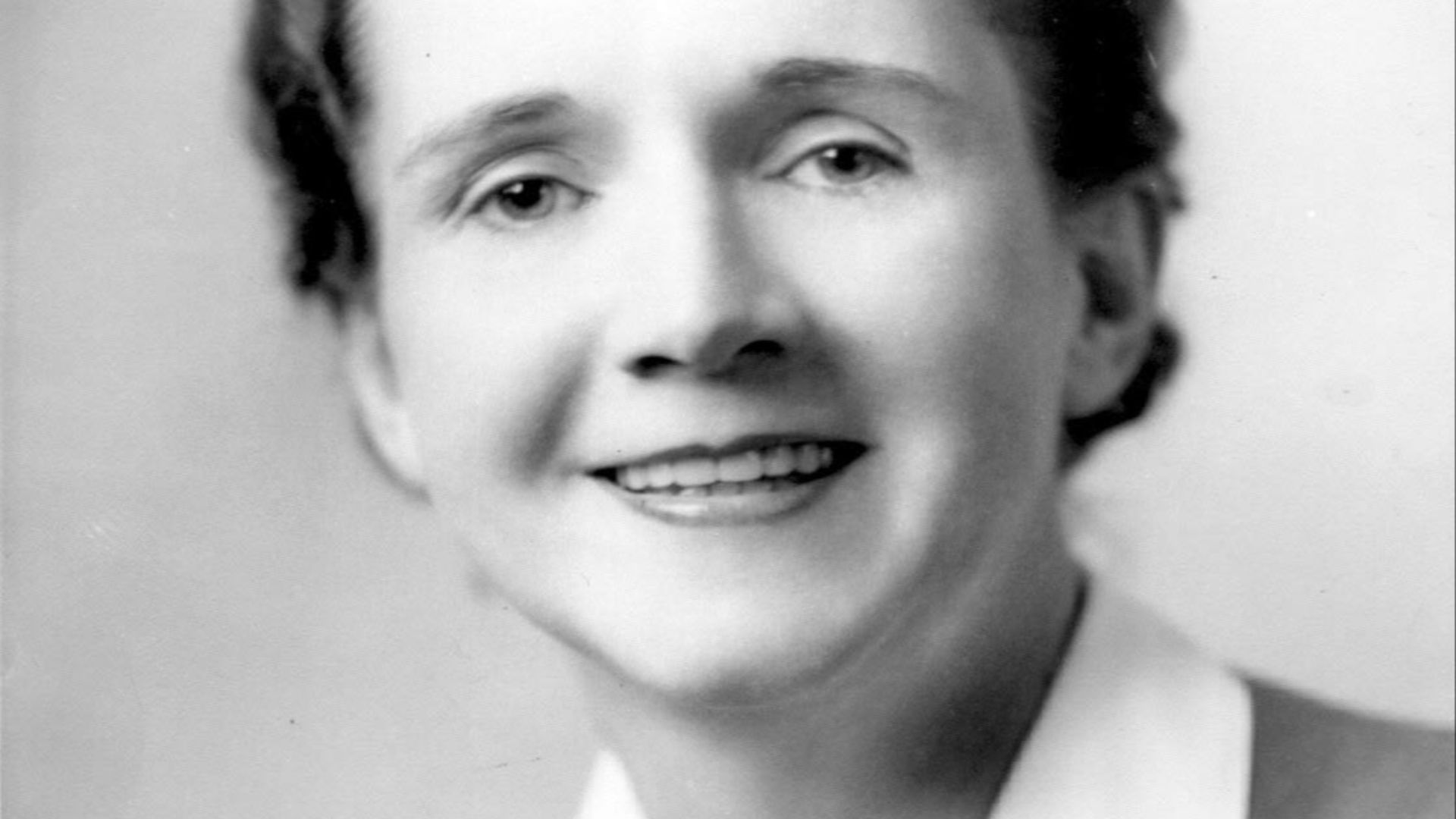
14. Rachel Carson's Silent Spring Raises Environmental Awareness (1962)
Rachel Carson wrote Silent Spring in 1962 and showed people how harmful pesticides could be to the environment. She helped raise awareness that could eventually lead to laws restricting the use of these chemicals. The book contributed to a growing environmental movement and helped shape later policy discussions, including those surrounding pesticide regulation and the creation of the U.S. Environmental Protection Agency in 1970.
 U.S. Fish and Wildlife Service on Wikimedia
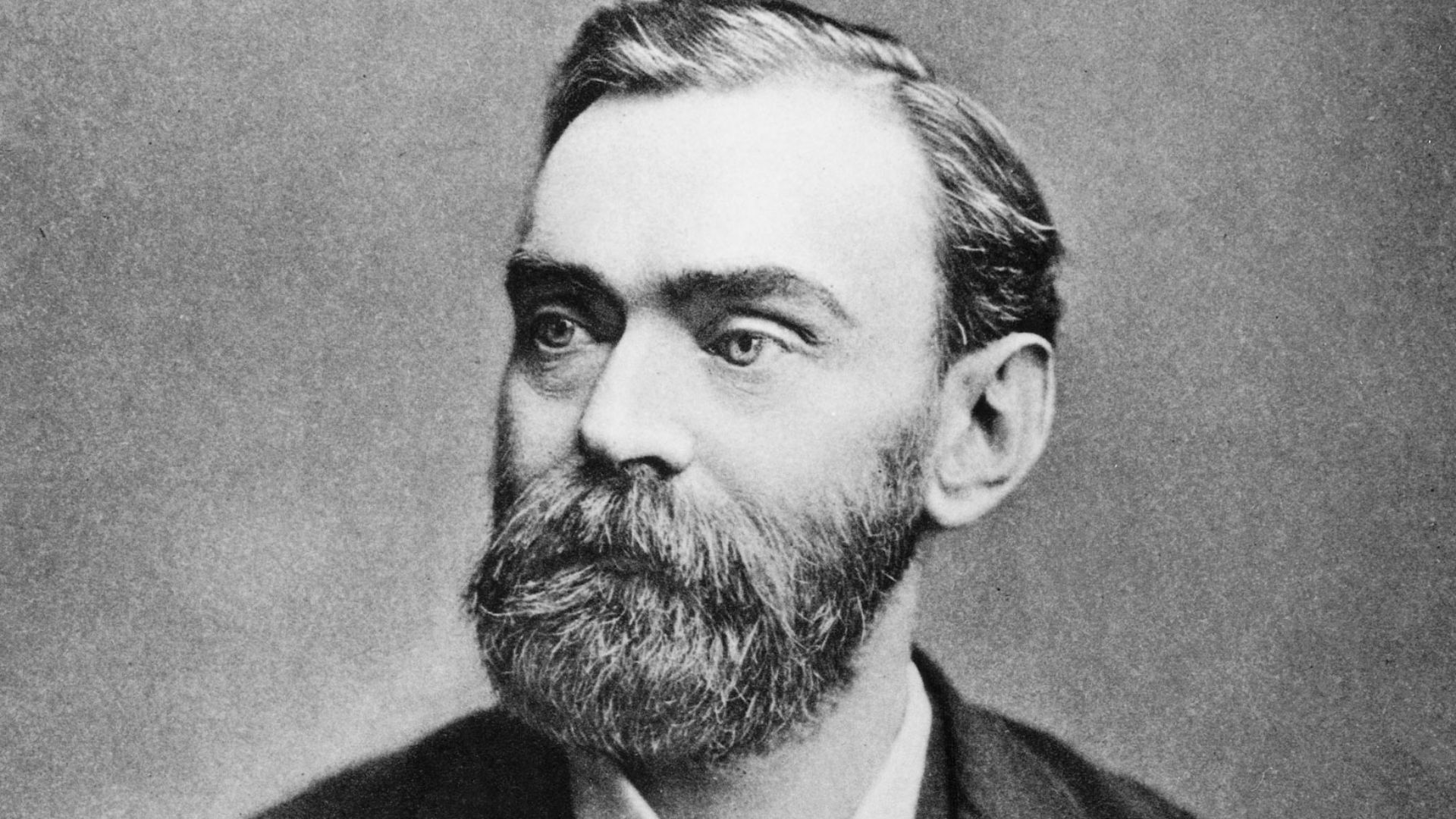
15. Alfred Nobel Establishes the Nobel Prizes
After making a great deal of money from his inventions, Alfred Nobel left his money to fund prizes for people whose work he believed deserved recognition. He wanted to reward others for the hard work they put into fields he loved, such as science, literature, and helping others. Nobel's decision created an international institution that continues to recognize influential work and encourages people to consider how scientific, cultural, and humanitarian achievements can benefit society.
 Unknown authorUnknown author on Wikimedia
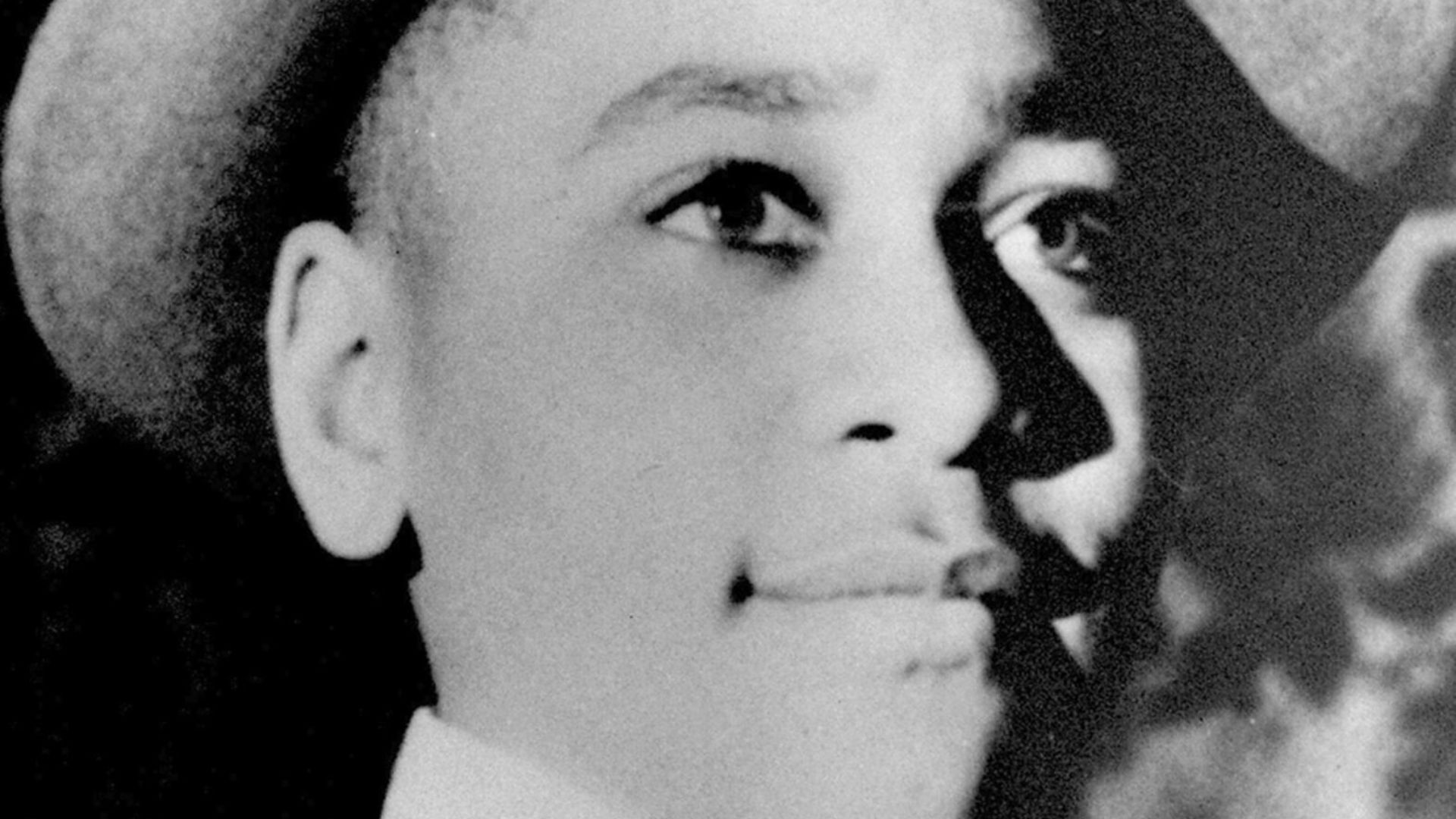
16. Emmett Till's Passing Helps Fuel the Civil Rights Movement (1955)
Fourteen-year-old Emmett Till was attacked in Mississippi in August 1955 after being accused of offending a white woman. His mother, Mamie Till-Mobley, insisted on an open-casket funeral so the public could see the brutality inflicted on her son, and photographs of the funeral spread widely. The event and the acquittal of the accused men shocked many Americans and helped strengthen the growing civil rights movement.
 Mamie Till Bradley on Wikimedia
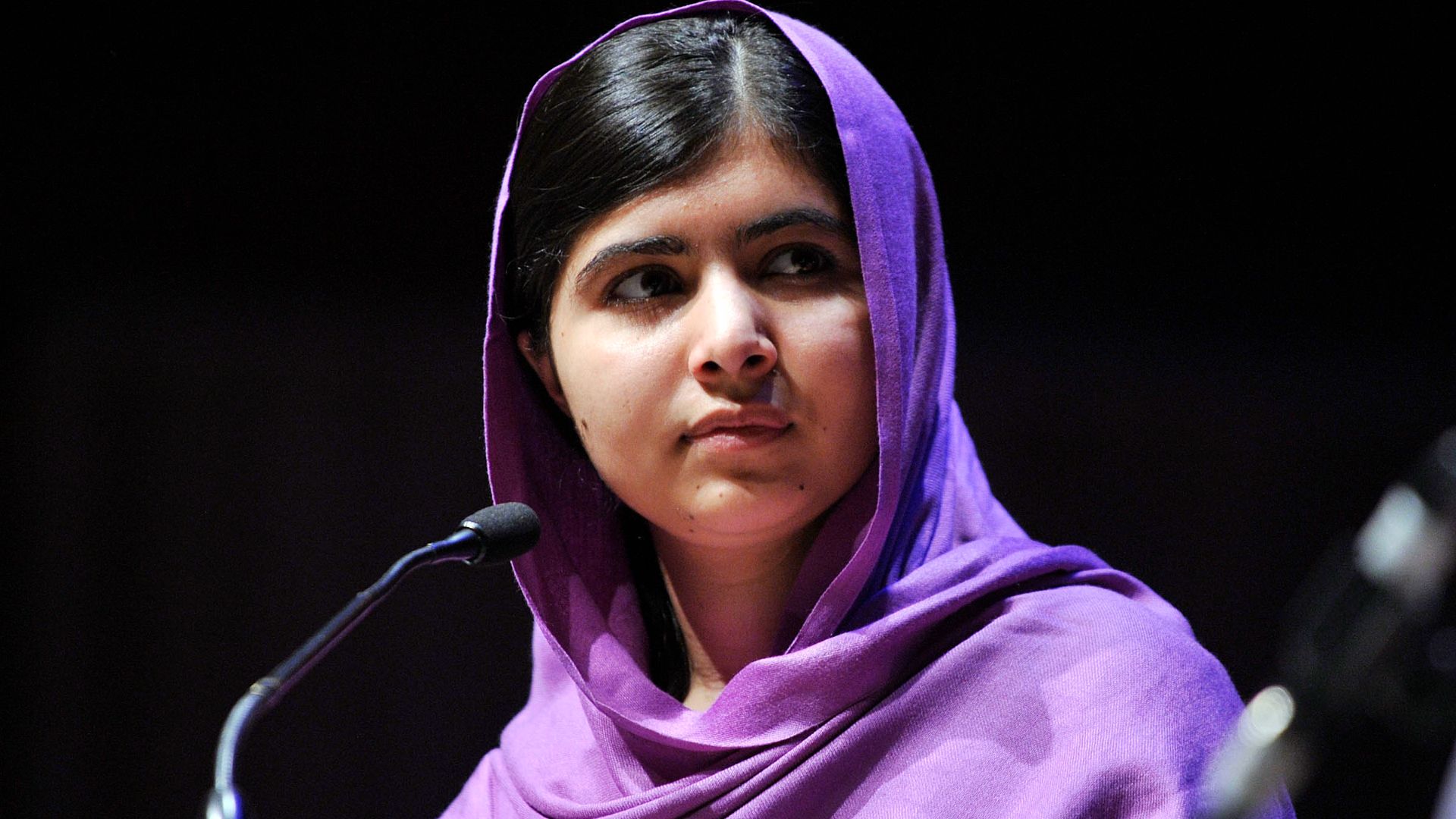
17. Malala Yousafzai's Campaign for Girls' Education
As a schoolgirl in Pakistan's Swat Valley, Malala Yousafzai spoke publicly about girls' right to education at a time when the Taliban was restricting schooling for girls in the region. In 2012, she survived an assassination attempt by a Taliban gunman, and her recovery brought international attention to her advocacy.
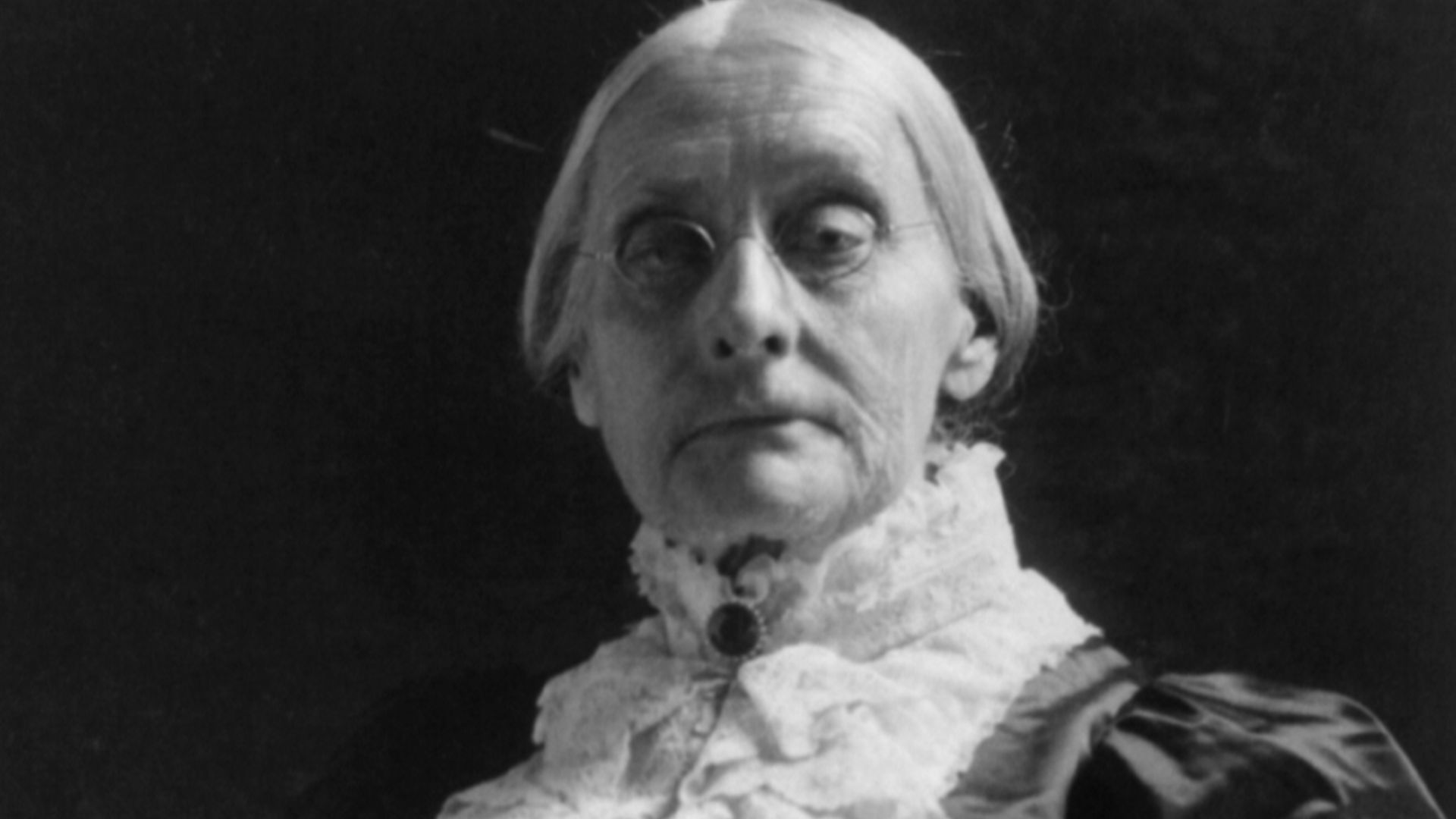
18. Susan B. Anthony Votes Illegally in the 1872 Election
In 1872, American women's suffrage activist Susan B. Anthony voted in a presidential election in Rochester, New York, despite laws that denied women the right to vote. She was arrested, tried, and fined, and her case attracted attention to the legal barriers that prevented women from participating in elections. Anthony's actions helped keep women's suffrage in the public conversation.
 Frances Benjamin Johnston on Wikimedia
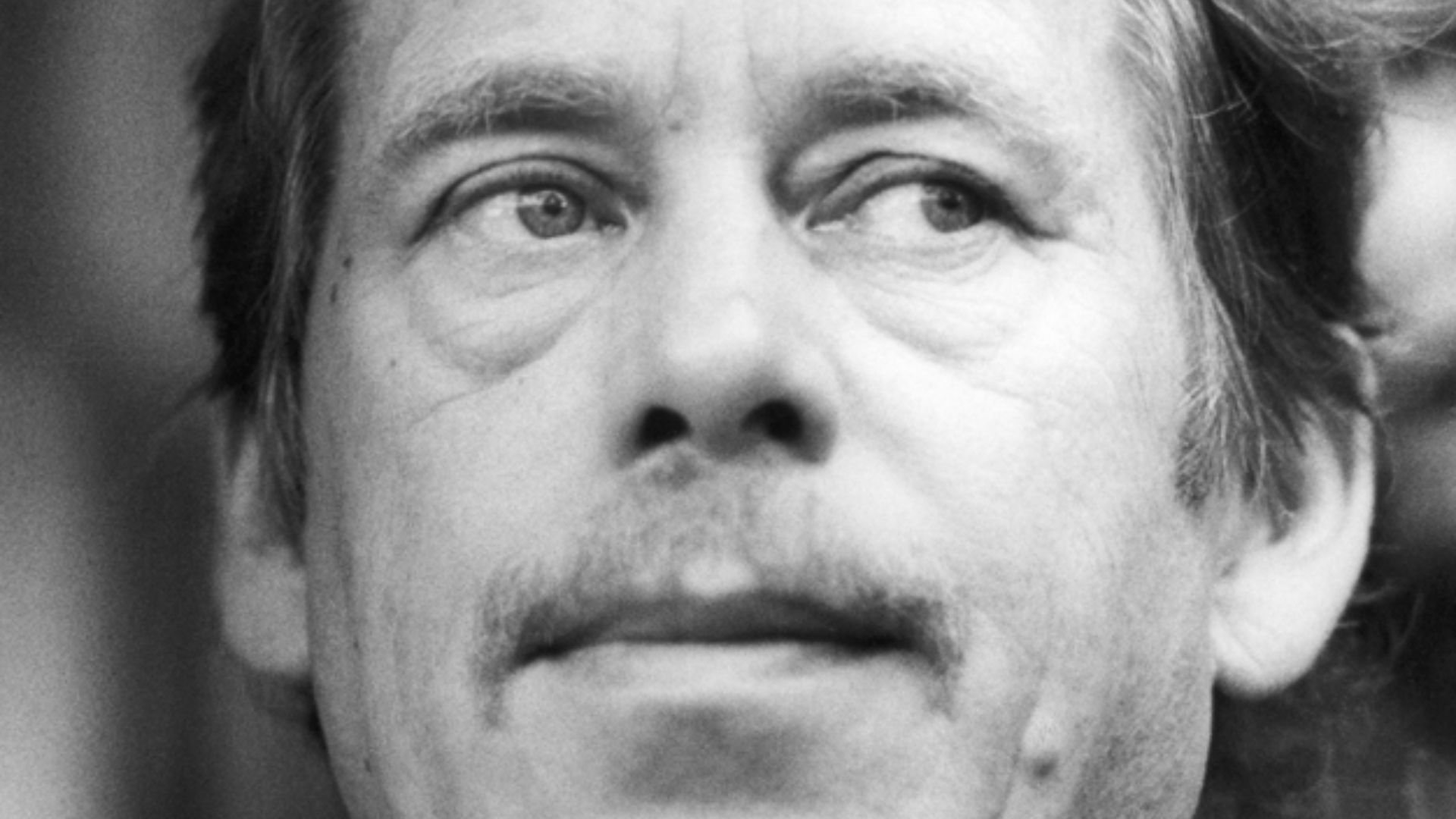
19. Václav Havel Helps Lead Czechoslovakia's Velvet Revolution (1989)
Václav Havel was a Czech playwright and dissident who repeatedly criticized the communist government of Czechoslovakia and faced imprisonment for his activism. During the Velvet Revolution in 1989, he became a prominent opposition leader. Havel became president of Czechoslovakia in December 1989, illustrating how a writer and longtime dissident could emerge as a national political leader during a historic transformation.
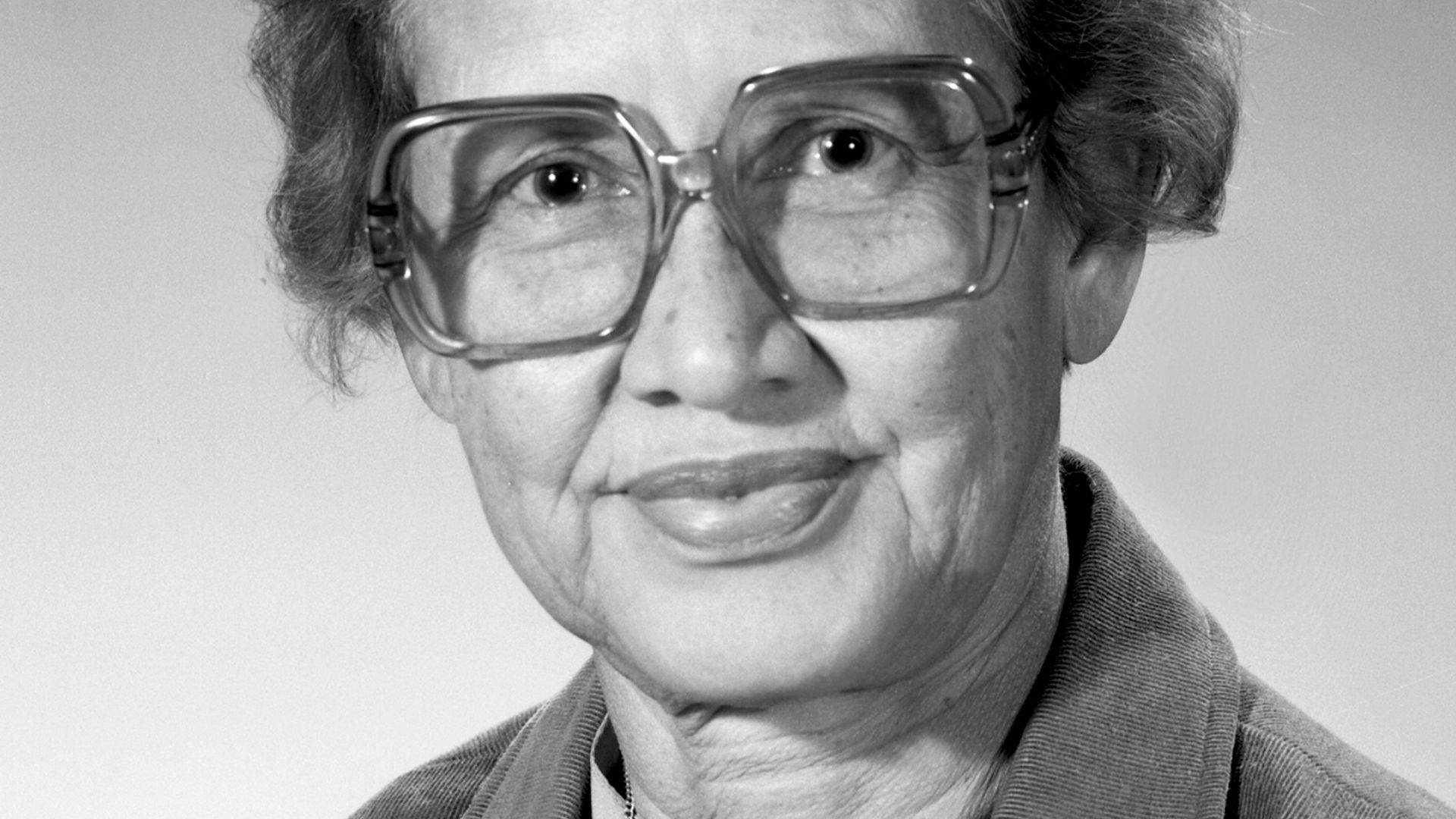
20. Katherine Johnson Helps Make Human Spaceflight Possible
Katherine Johnson was an African American mathematician whose calculations helped NASA plan and verify important early human spaceflights. Her work included calculating the trajectory for Alan Shepard's 1961 flight and checking the orbital calculations for John Glenn's 1962 mission, at a time when racial and gender discrimination limited opportunities for women like her.