The People Who Refused to Stay Silent
Some of history's biggest scandals only came to light because someone refused to stay quiet. Whistleblowers have exposed everything from government surveillance and corporate fraud to dangerous working conditions and serious abuses of power. While some were praised for their courage, others faced enormous personal consequences that all but ruined their lives. Here are 20 of history's most famous whistleblowers and the shocking secrets they helped reveal.
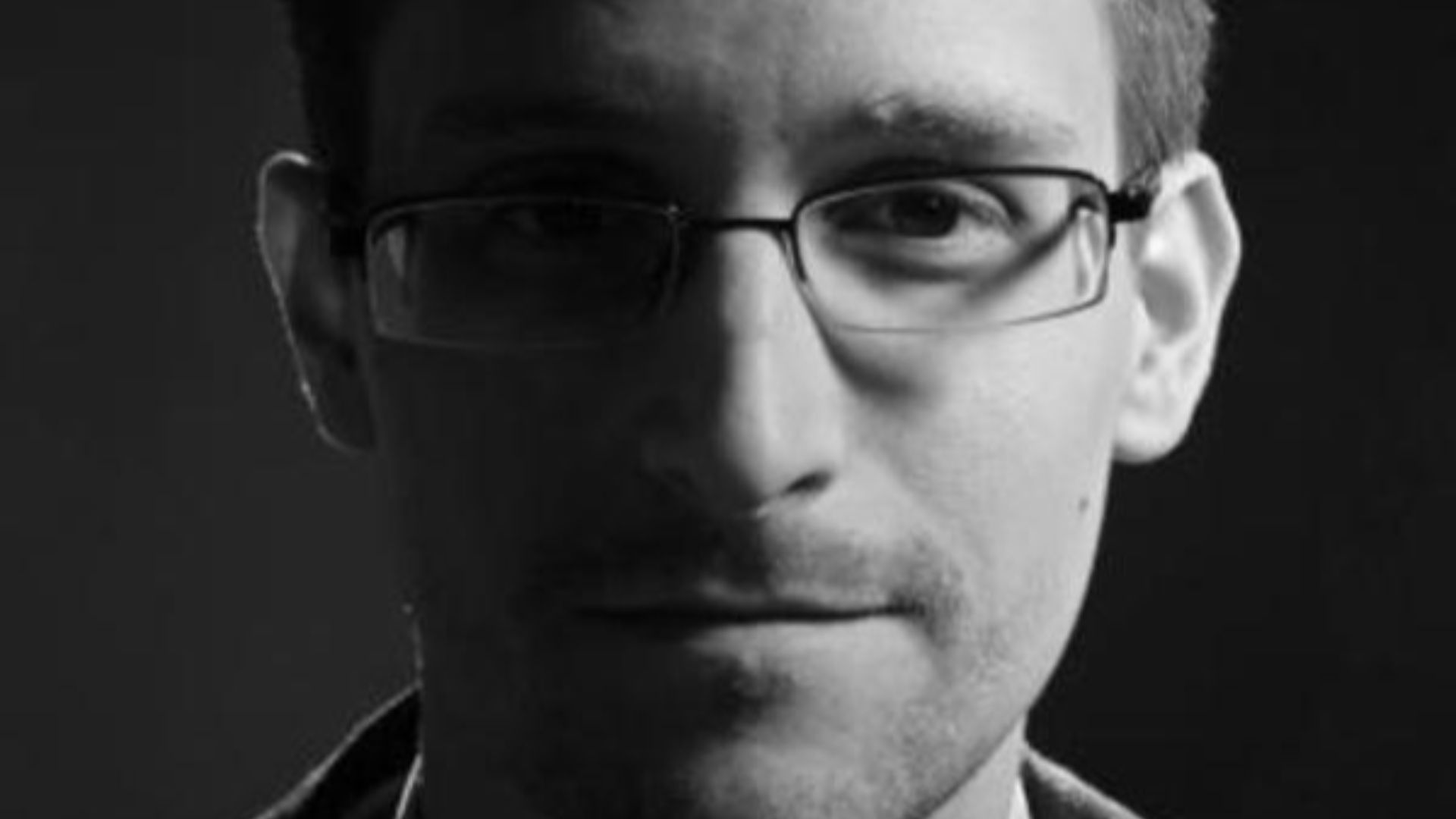 Freedom of the Press Foundation on Wikimedia
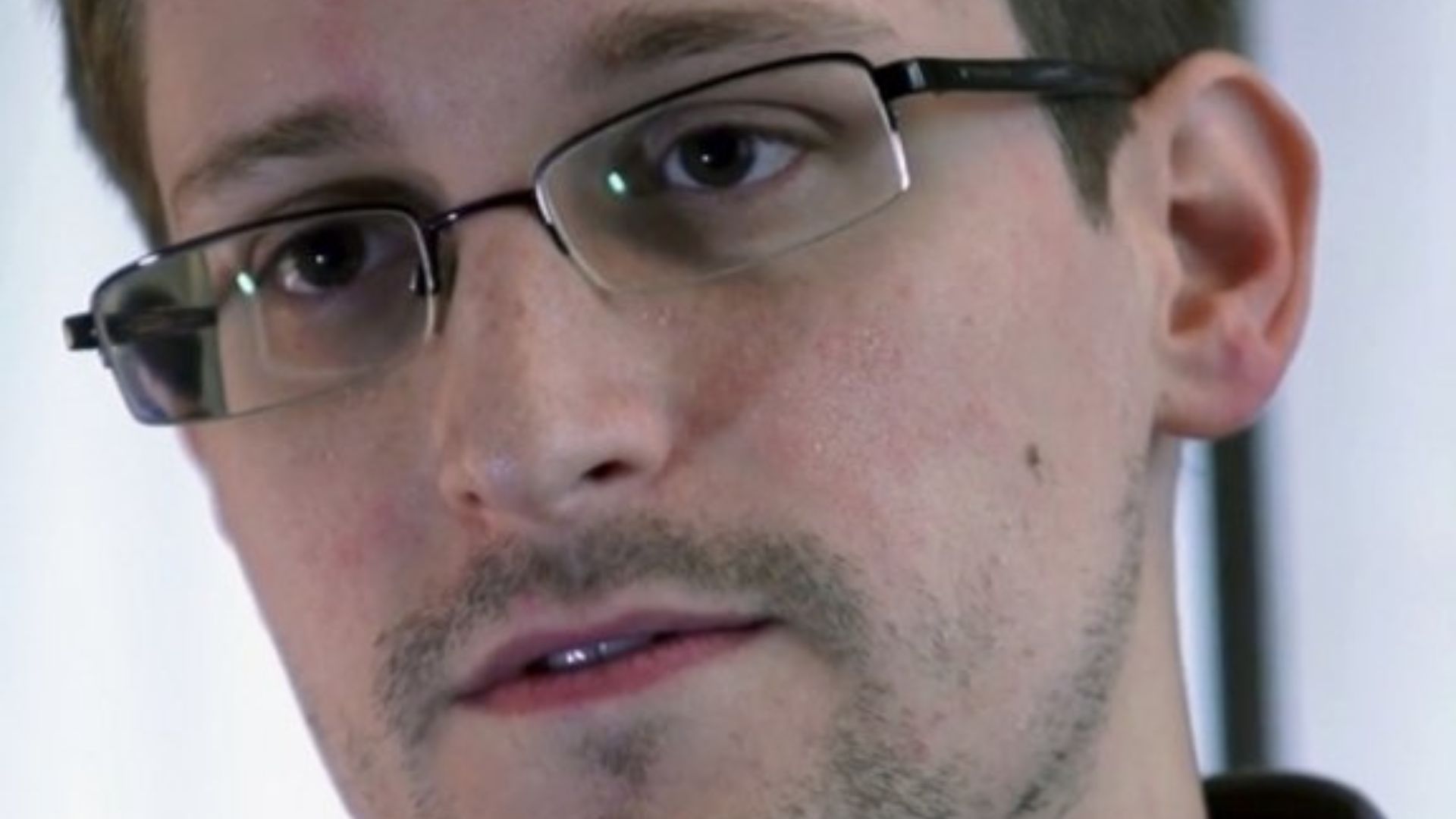
1. Edward Snowden
In 2013, former National Security Agency contractor Edward Snowden leaked classified documents exposing extensive U.S. government surveillance programs. The files revealed how intelligence agencies collected massive amounts of communications data, raising concerns about privacy and national security. Snowden fled the U.S. and eventually settled in Russia, where he received citizenship in 2022. His actions remain controversial, with supporters praising his defense of privacy while critics argue that he put national security at risk.
 Laura Poitras / Praxis Films on Wikimedia
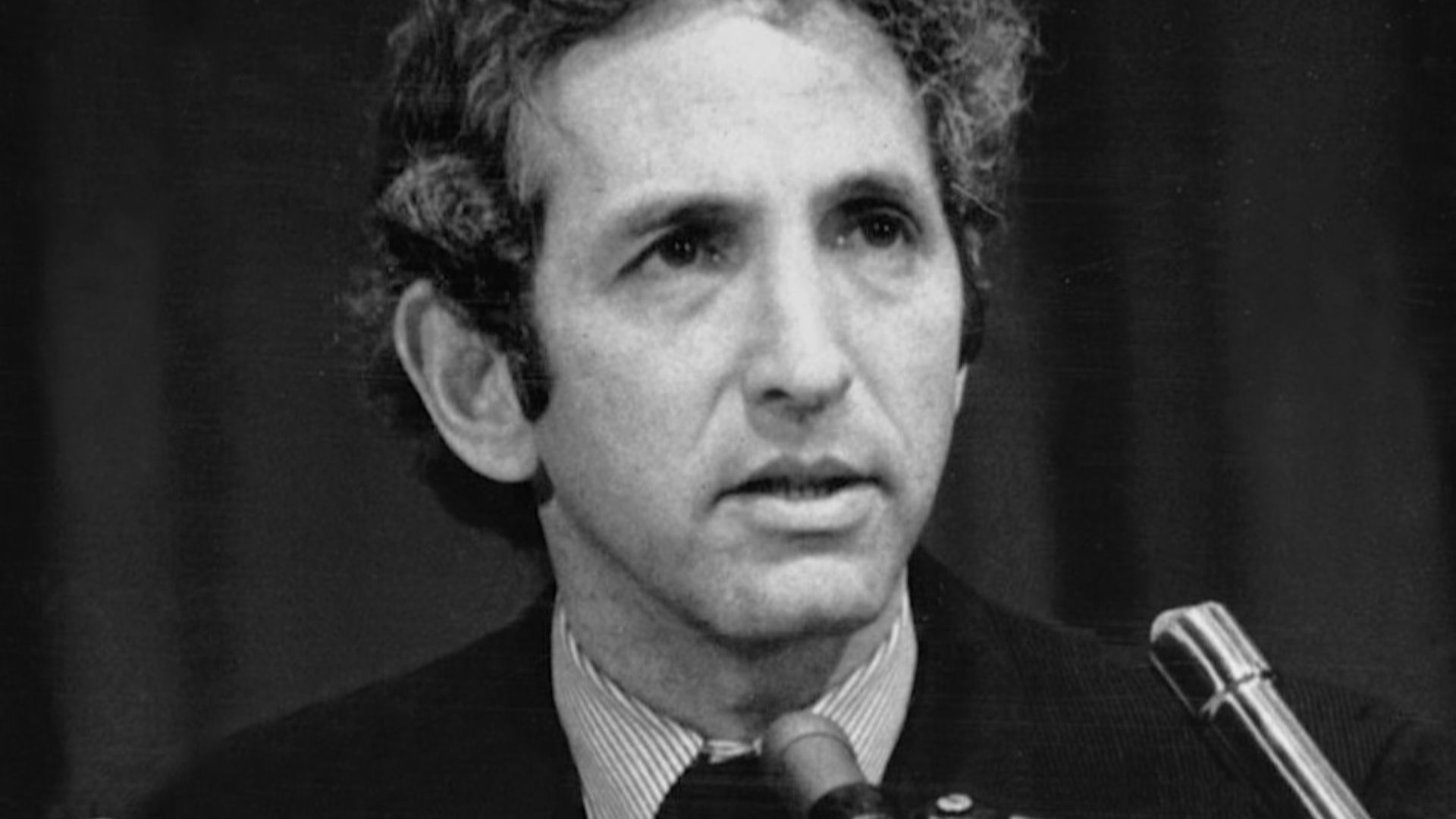
2. Daniel Ellsberg
Daniel Ellsberg became one of America's best-known whistleblowers after leaking the Pentagon Papers in 1971. The classified documents exposed how multiple U.S. administrations had misled Americans about the Vietnam War. These revelations deepened public distrust of the government and triggered a major legal battle over press freedom. Ellsberg faced criminal charges, but his case was ultimately dismissed due to government misconduct.
3. Chelsea Manning
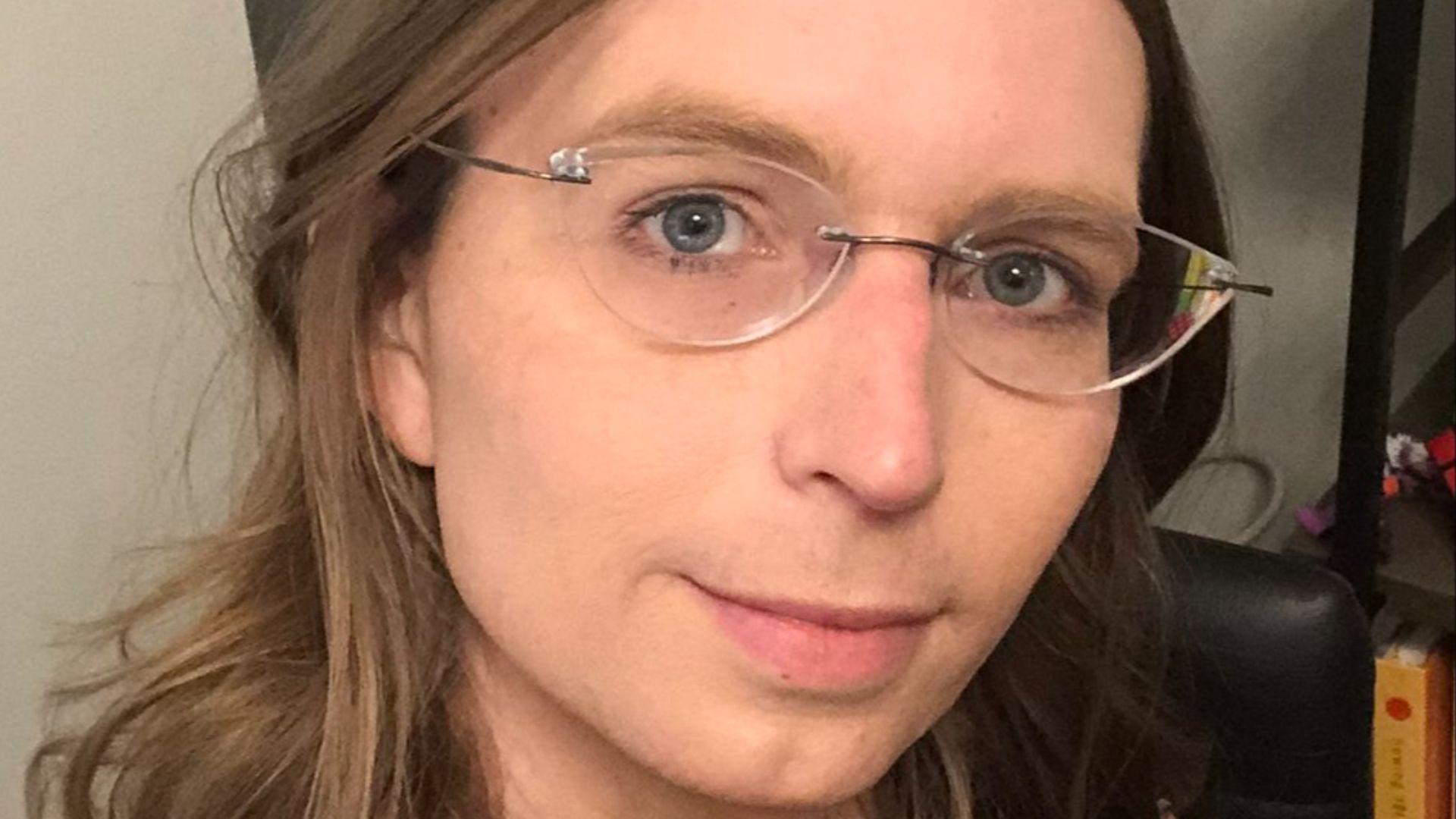
While working as a U.S. Army intelligence analyst, Chelsea Manning provided hundreds of thousands of classified military and diplomatic documents to WikiLeaks in 2010. The files contained information about the wars in Iraq and Afghanistan, along with diplomatic communications that embarrassed governments worldwide. Manning was convicted under the Espionage Act and sentenced to 35 years in prison. However, President Barack Obama commuted her sentence in 2017, allowing her release after roughly seven years in custody.
4. Mark Felt
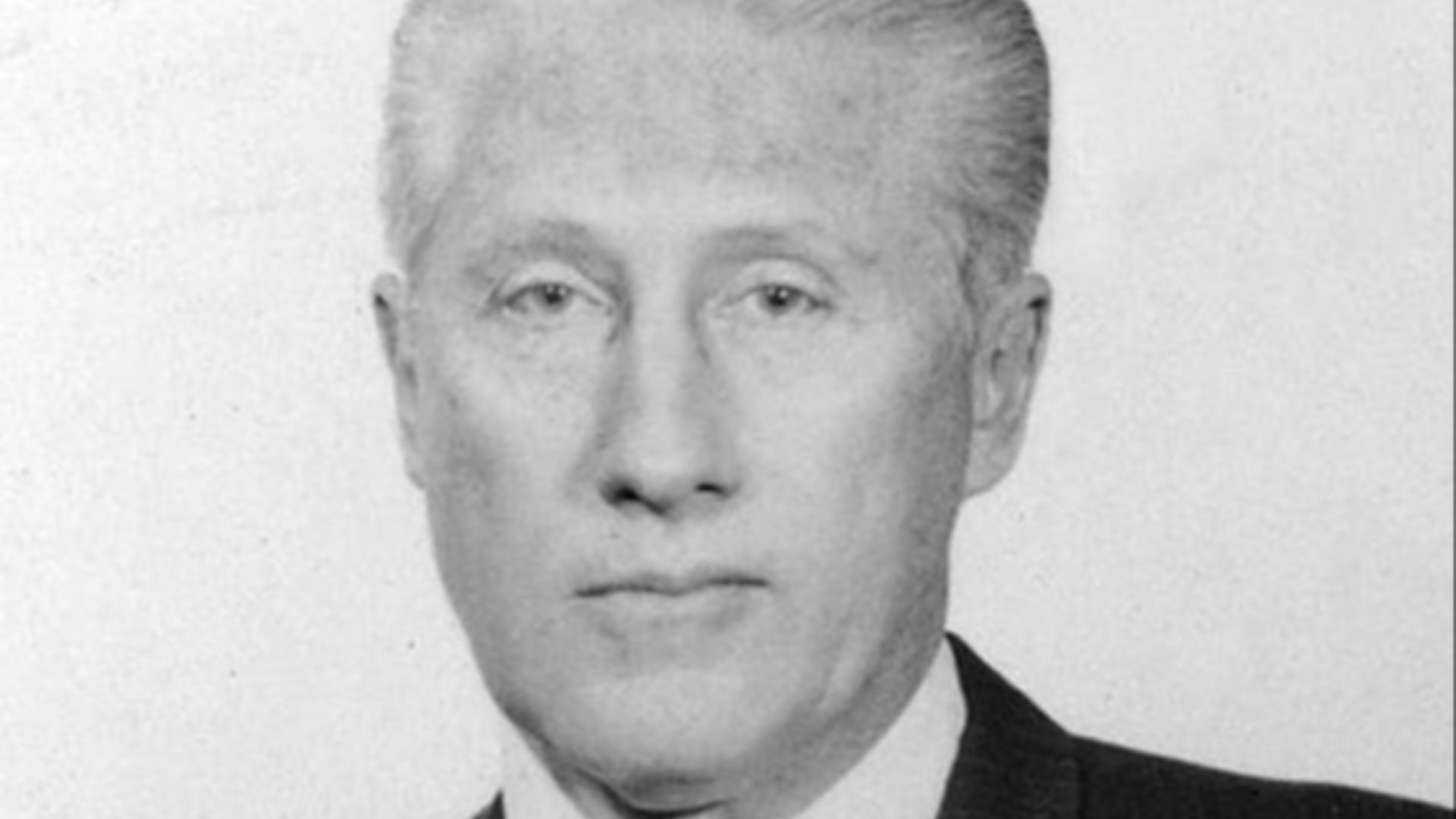
For decades, the mysterious informant known as "Deep Throat" remained one of the biggest unanswered questions surrounding Watergate. In 2005, former FBI associate director Mark Felt finally confirmed that he'd secretly shared information with journalists Bob Woodward and Carl Bernstein. His tips helped the reporters uncover connections between the Nixon administration and the Watergate break-in. The scandal eventually forced President Richard Nixon to resign in 1974.
 Federal Bureau of Investigation on Wikimedia
5. Frank Serpico
New York City police officer Frank Serpico spent years fighting to expose widespread bribery and corruption within the NYPD. When his complaints went largely ignored, he helped bring the allegations to the press in 1970. His revelations contributed to the creation of the Knapp Commission, which investigated corruption throughout the department. Serpico's experiences later inspired the 1973 film Serpico, starring Al Pacino.
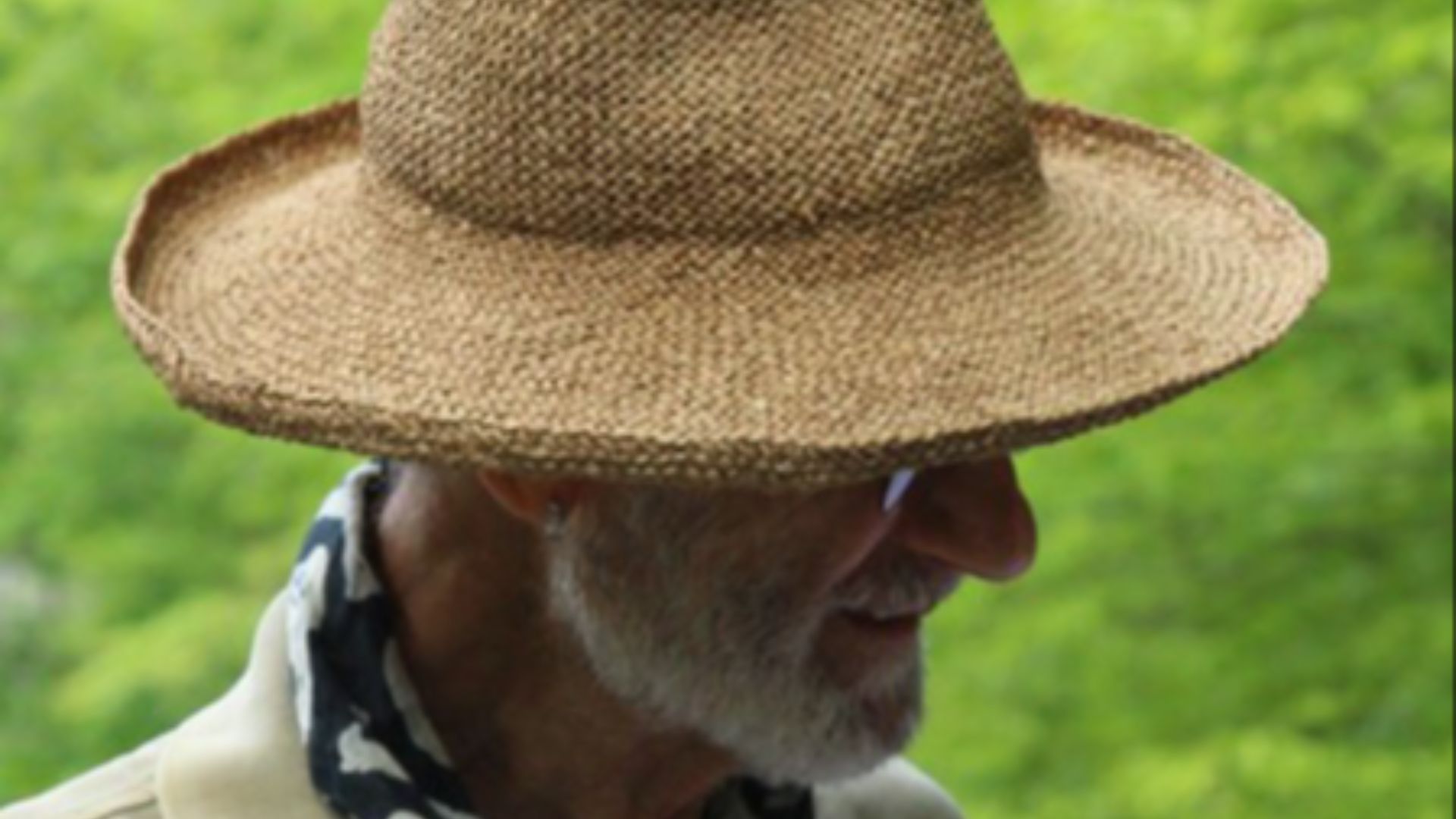
6. Jeffrey Wigand
Former tobacco executive Jeffrey Wigand made headlines after speaking out about questionable practices within the cigarette industry. During a widely publicized 60 Minutes interview in 1996, he discussed what tobacco companies knew about nicotine addiction and smoking-related health risks. His statements challenged the industry's public claims and brought even more attention to its business practices. Wigand's story eventually inspired the 1999 film The Insider, starring Russell Crowe.
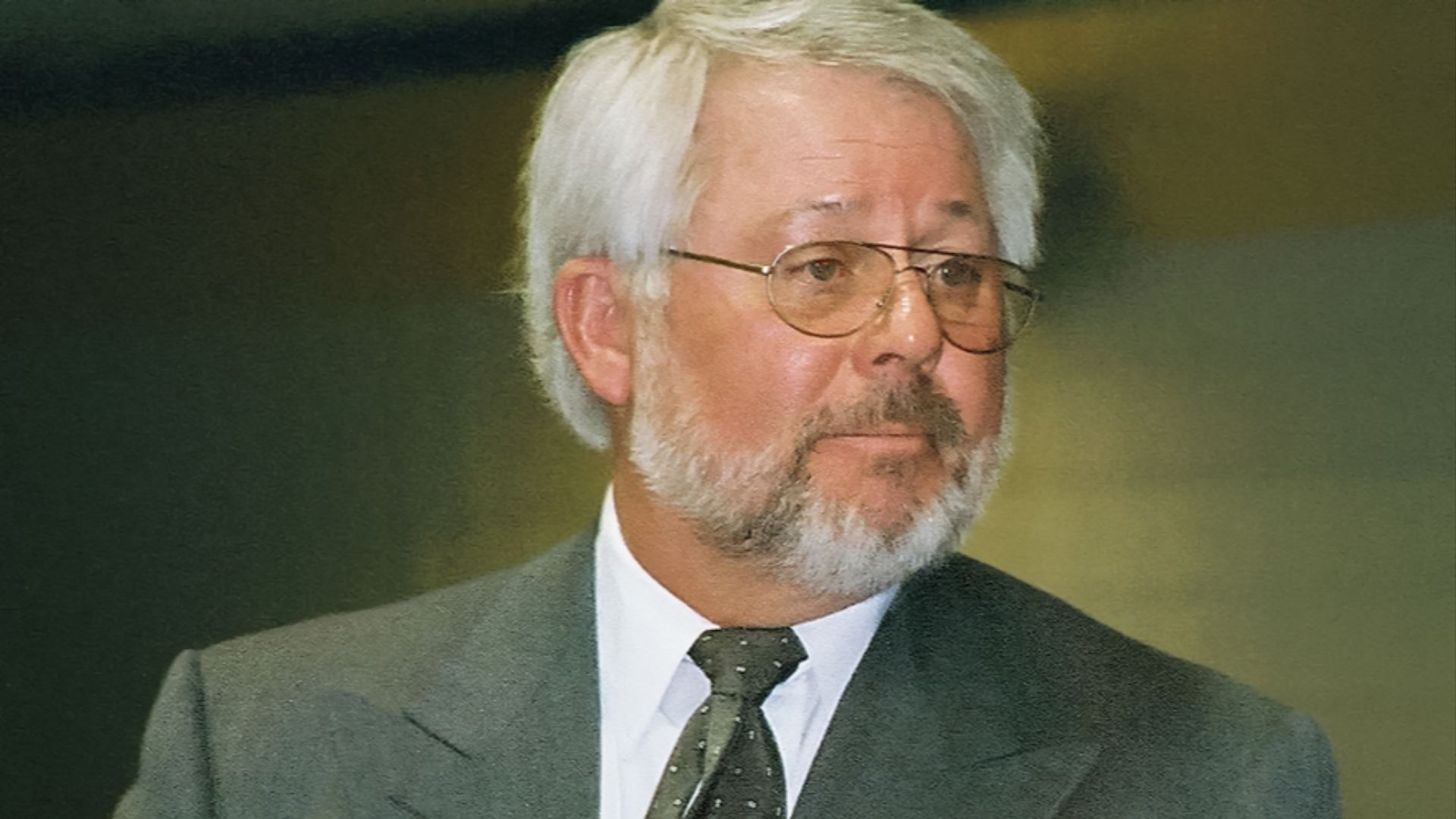
7. Sherron Watkins
Enron vice president Sherron Watkins warned company executives about serious accounting problems shortly before the energy giant collapsed in 2001. In a letter to CEO Kenneth Lay, she expressed fears that questionable financial arrangements could lead to a massive scandal. Her concerns became especially important once investigators uncovered widespread accounting fraud. Watkins was later named one of Time magazine's 2002 Persons of the Year for her role in bringing attention to corporate wrongdoing.
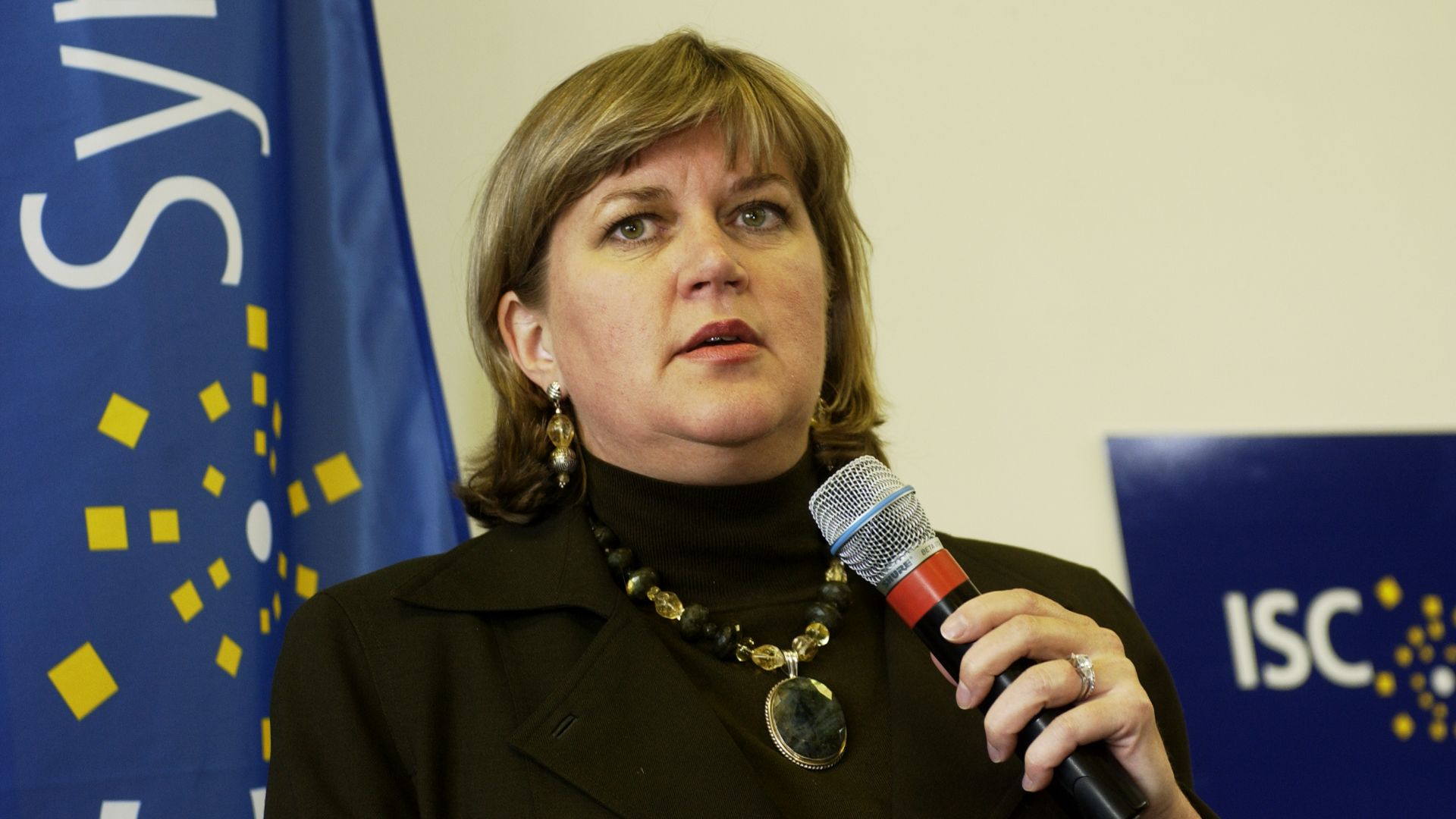
8. Cynthia Cooper
While working as an internal auditor at WorldCom, Cynthia Cooper uncovered suspicious accounting entries that pointed to massive financial fraud. Despite considerable pressure, she and her team continued investigating and eventually discovered billions of dollars in improperly recorded expenses. Their findings exposed one of the biggest accounting scandals in American corporate history. Cooper shared Time magazine's 2002 Person of the Year recognition with Sherron Watkins and FBI whistleblower Coleen Rowley.
9. Coleen Rowley
FBI agent Coleen Rowley attracted national attention after criticizing the agency's handling of intelligence before the September 11 attacks. In 2002, she wrote a detailed memo highlighting failures surrounding the investigation of suspected terrorist Zacarias Moussaoui. Her account raised troubling questions about poor communication and missed opportunities within federal law enforcement. Rowley's decision to challenge her own agency earned her widespread recognition, including a spot among Time magazine's Persons of the Year.
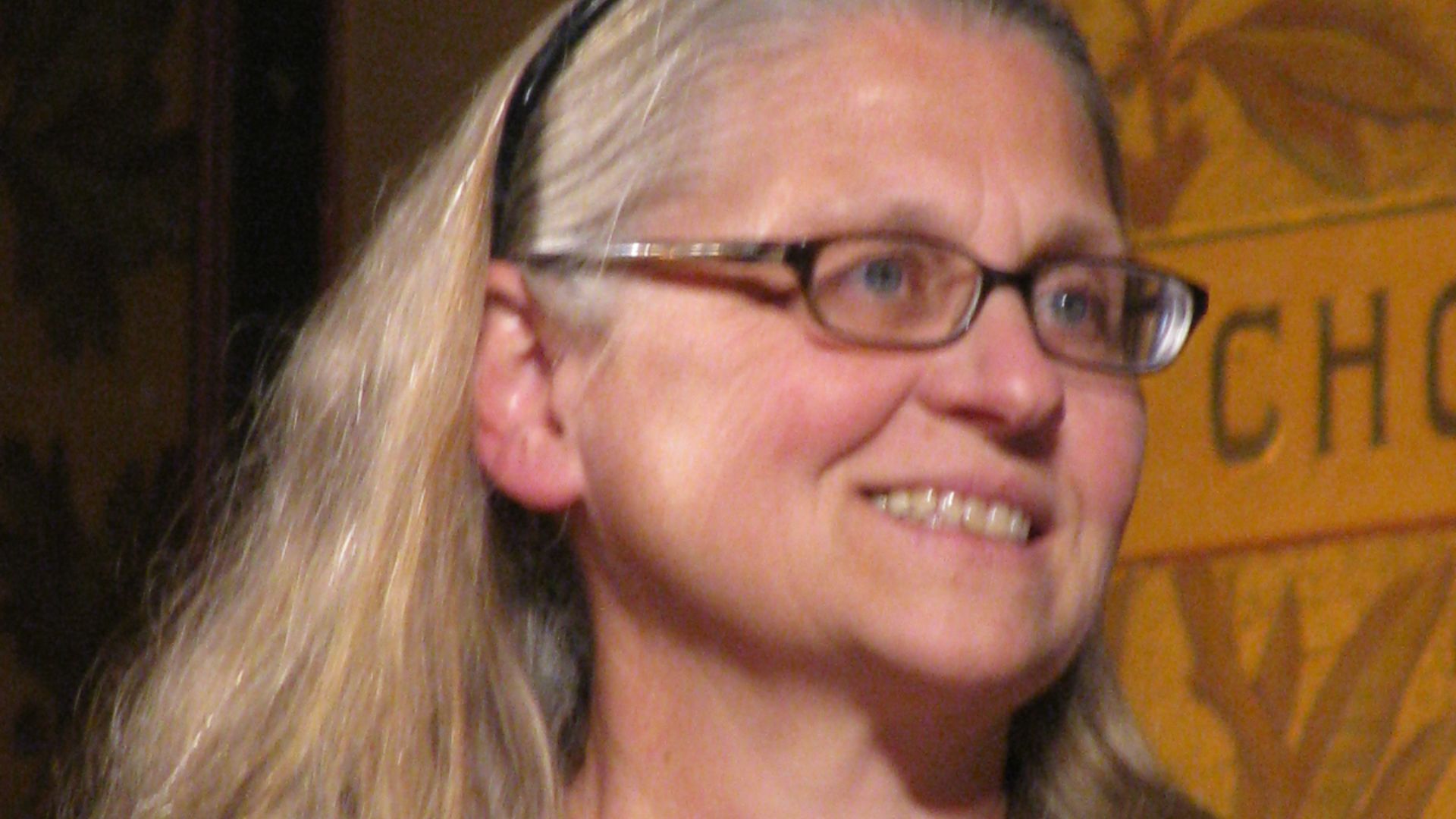
10. Karen Silkwood
Karen Silkwood worked at a plutonium processing plant in Oklahoma, where she grew concerned about employee safety and possible violations of nuclear regulations. During the 1970s, she helped document issues involving radioactive contamination and workplace practices. Silkwood died in a car accident in 1974 while traveling to meet a journalist, sparking years of speculation about the circumstances of her death. Her story later inspired the 1983 film Silkwood, starring Meryl Streep.
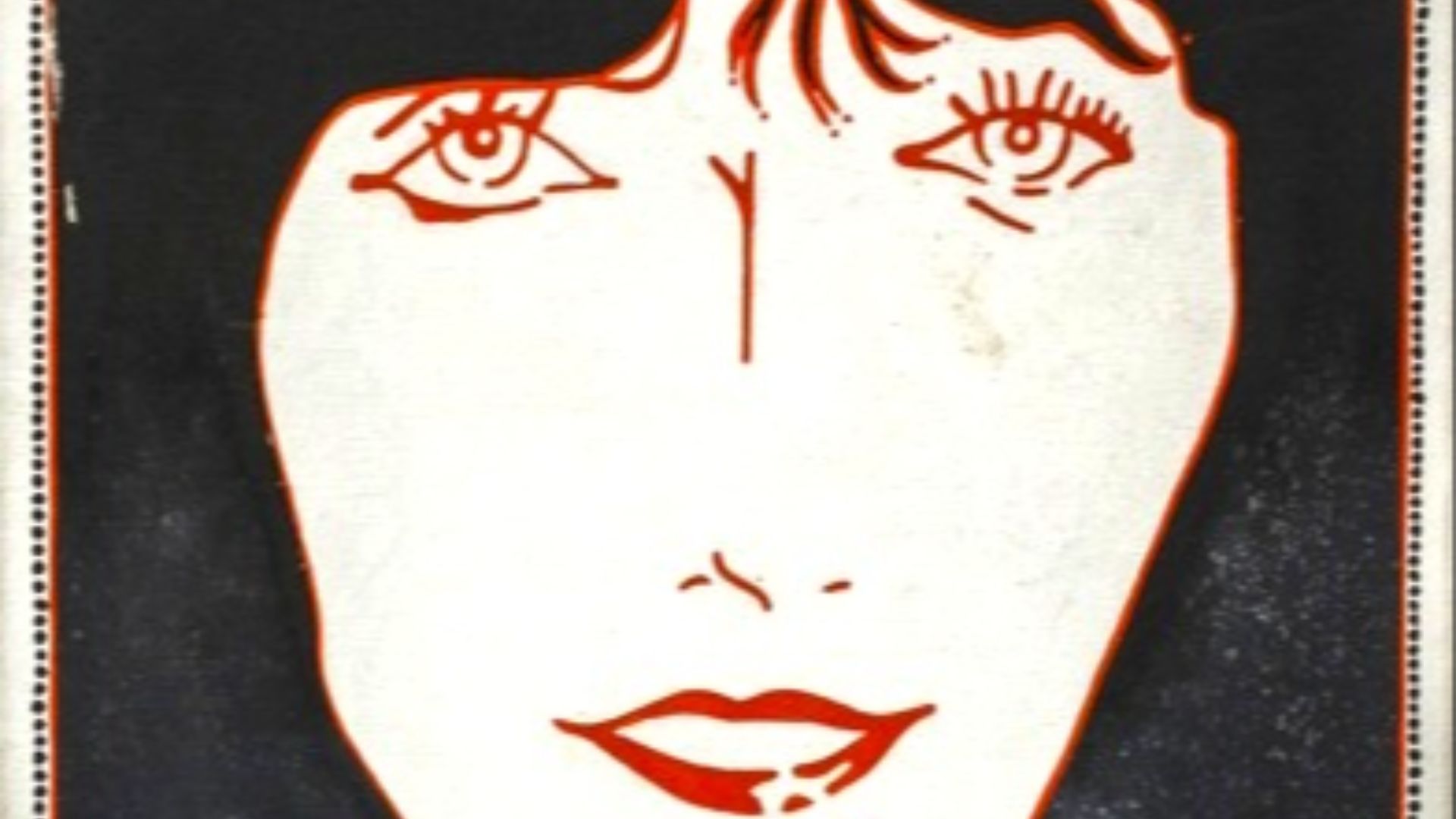 The Romero Institute on Wikimedia
11. Peter Buxtun
Public health worker Peter Buxtun helped expose one of the most disturbing medical scandals in American history. During the 1960s, he raised concerns about the Tuskegee syphilis study, in which Black men with the disease were denied proper treatment so researchers could observe its progression. When his internal complaints failed, Buxtun helped bring the story to journalists in 1972. The public outrage that followed ended the study and contributed to major reforms in medical research ethics.
 Mxpule~commonswiki on Wikimedia
12. Frances Haugen
Former Facebook employee Frances Haugen made headlines in 2021 after sharing thousands of internal company documents with journalists and regulators. The files raised concerns about Facebook's handling of misinformation, political division, and Instagram's potential impact on teenage mental health. Haugen later testified before Congress, arguing that the company put profits ahead of user safety. Her revelations fueled international debates about social media regulation and the responsibilities of major technology companies.
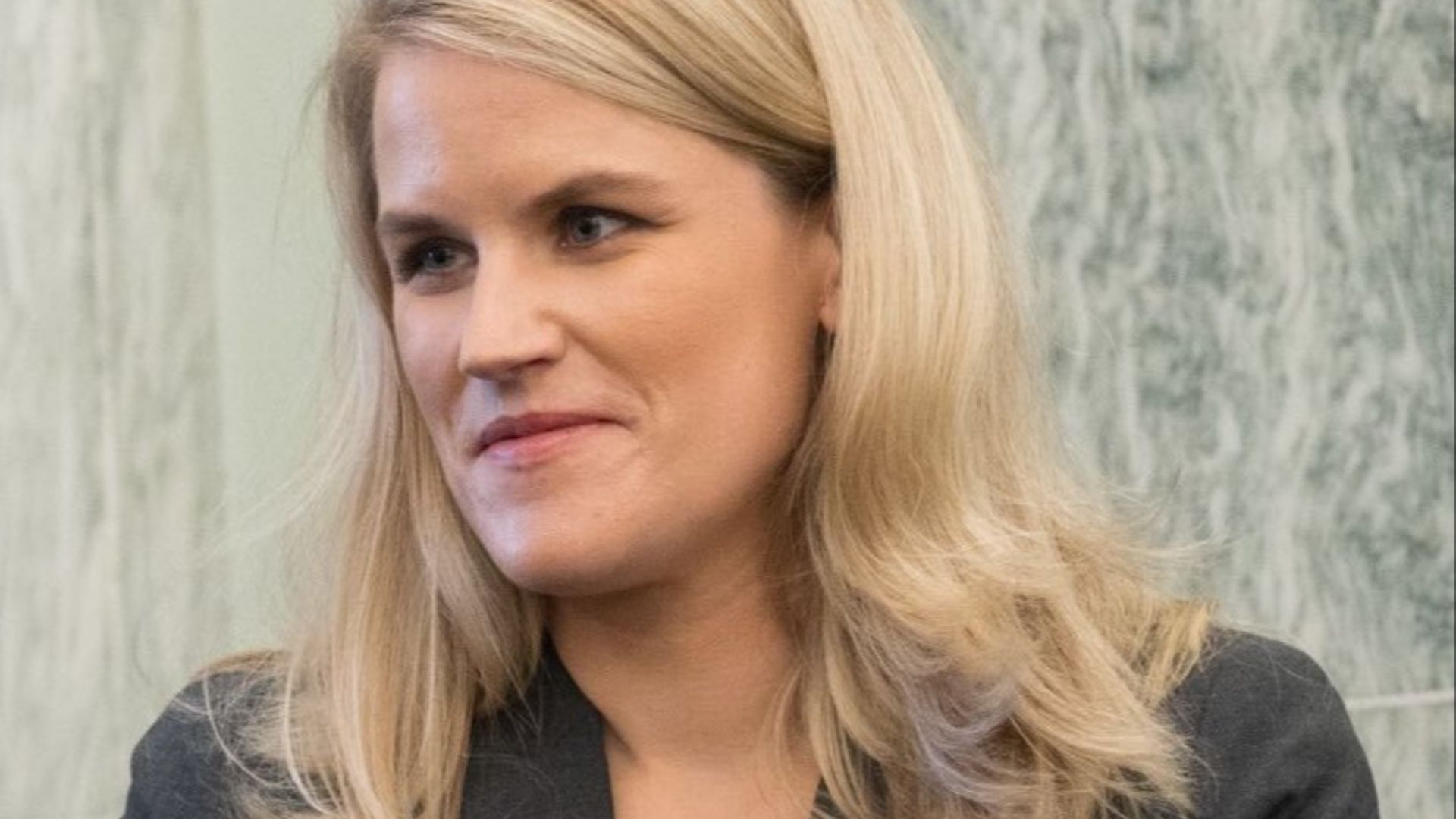 Office of Senator Richard Blumenthal on Wikimedia
13. Katharine Gun
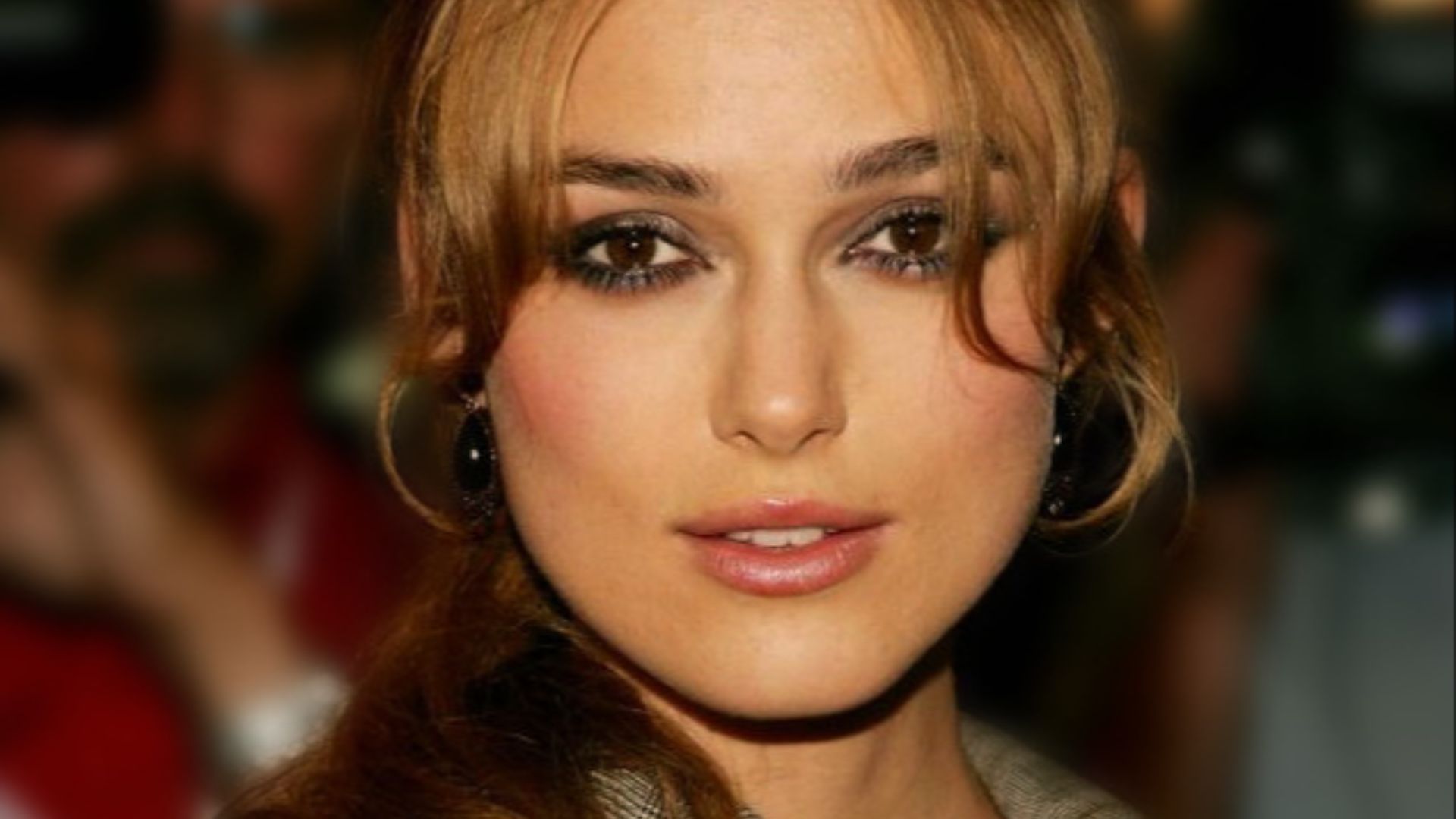
British intelligence translator Katharine Gun put her career on the line when she leaked a classified American intelligence memo in 2003. The document described plans to monitor United Nations diplomats ahead of the Iraq invasion, potentially helping the United States gain political support for military action. Gun was arrested and charged under Britain's Official Secrets Act, although prosecutors unexpectedly dropped the case in 2004. Her experience later inspired the 2019 political thriller Official Secrets, starring Keira Knightley.
14. Mordechai Vanunu
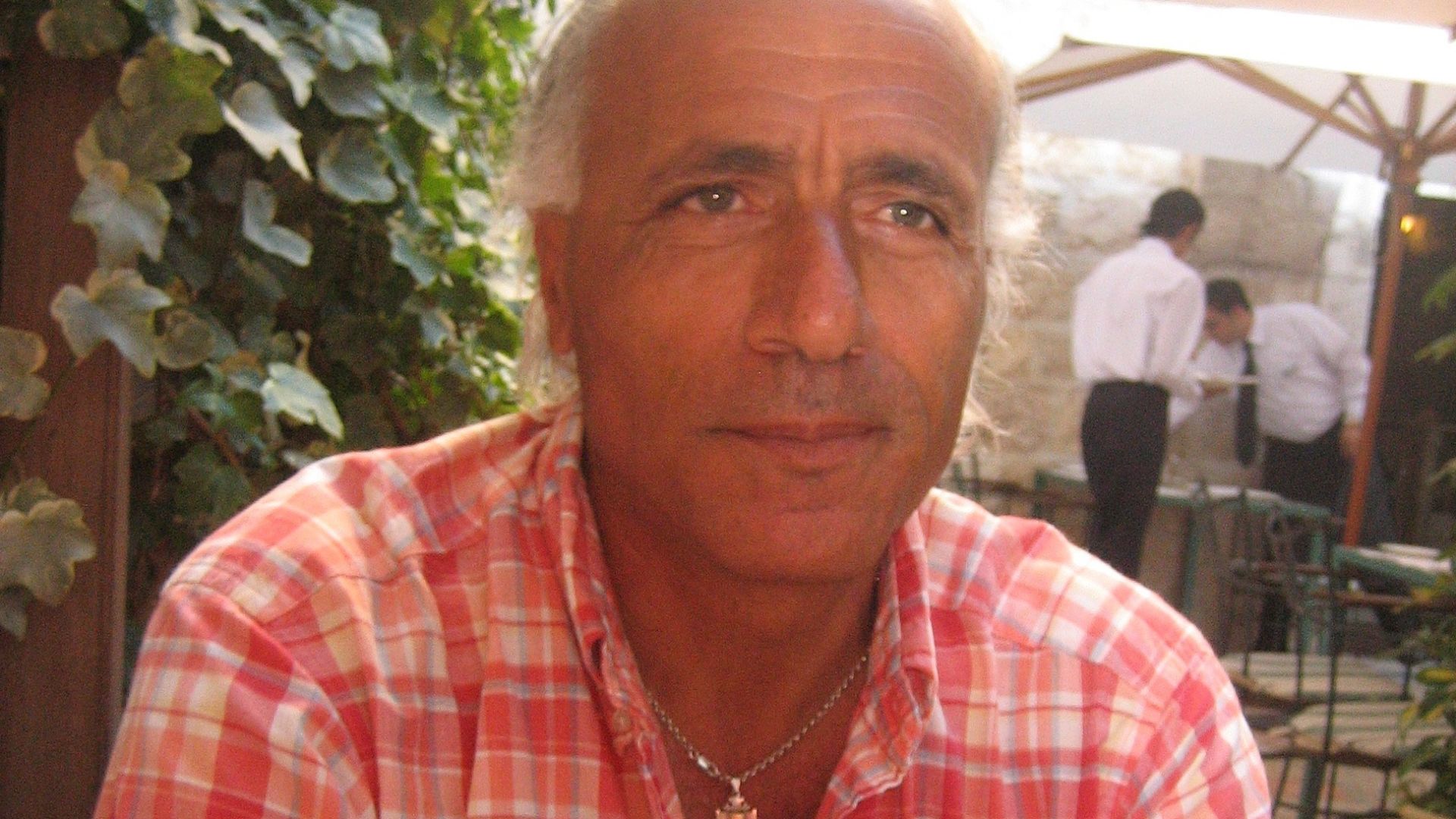
Israeli nuclear technician Mordechai Vanunu gained international attention in 1986 after exposing details about Israel's secret nuclear weapons program. He shared photographs and information about the Dimona nuclear facility with a British newspaper, challenging the country's longstanding policy of nuclear ambiguity. Israeli intelligence agents later captured him in Italy and brought him back to Israel, where he received an 18-year prison sentence. His story remains one of the most controversial whistleblowing cases involving national security.
15. Reality Winner
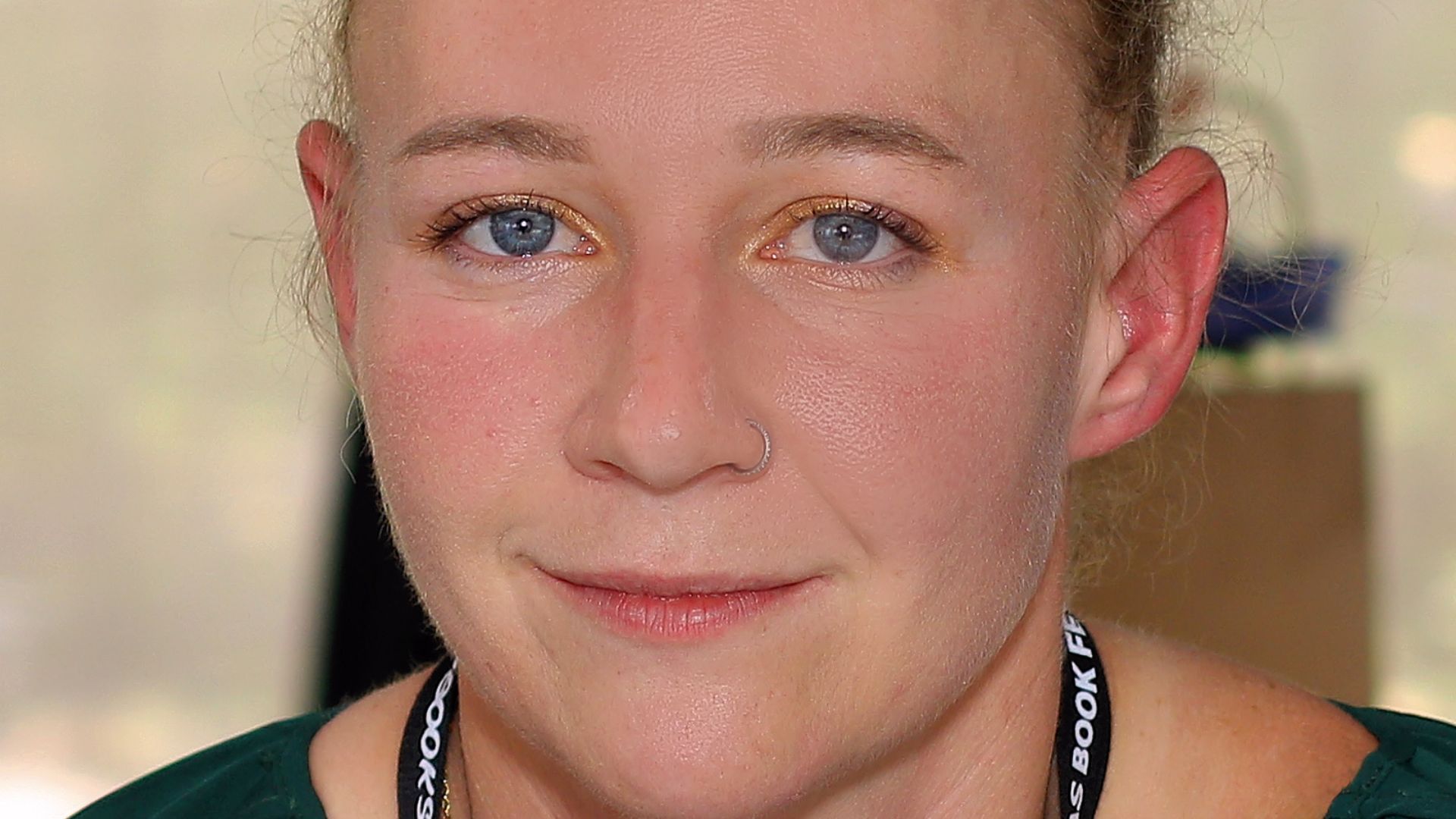
In 2017, former American intelligence contractor Reality Winner leaked a classified National Security Agency report about Russian interference in the 2016 U.S. presidential election. The document detailed Russian military intelligence efforts to target American election-related systems. Federal investigators soon identified Winner as the source, and she eventually received a prison sentence of more than five years. Her case sparked debate over government secrecy, election security, and the consequences of leaking classified information.
16. William Binney
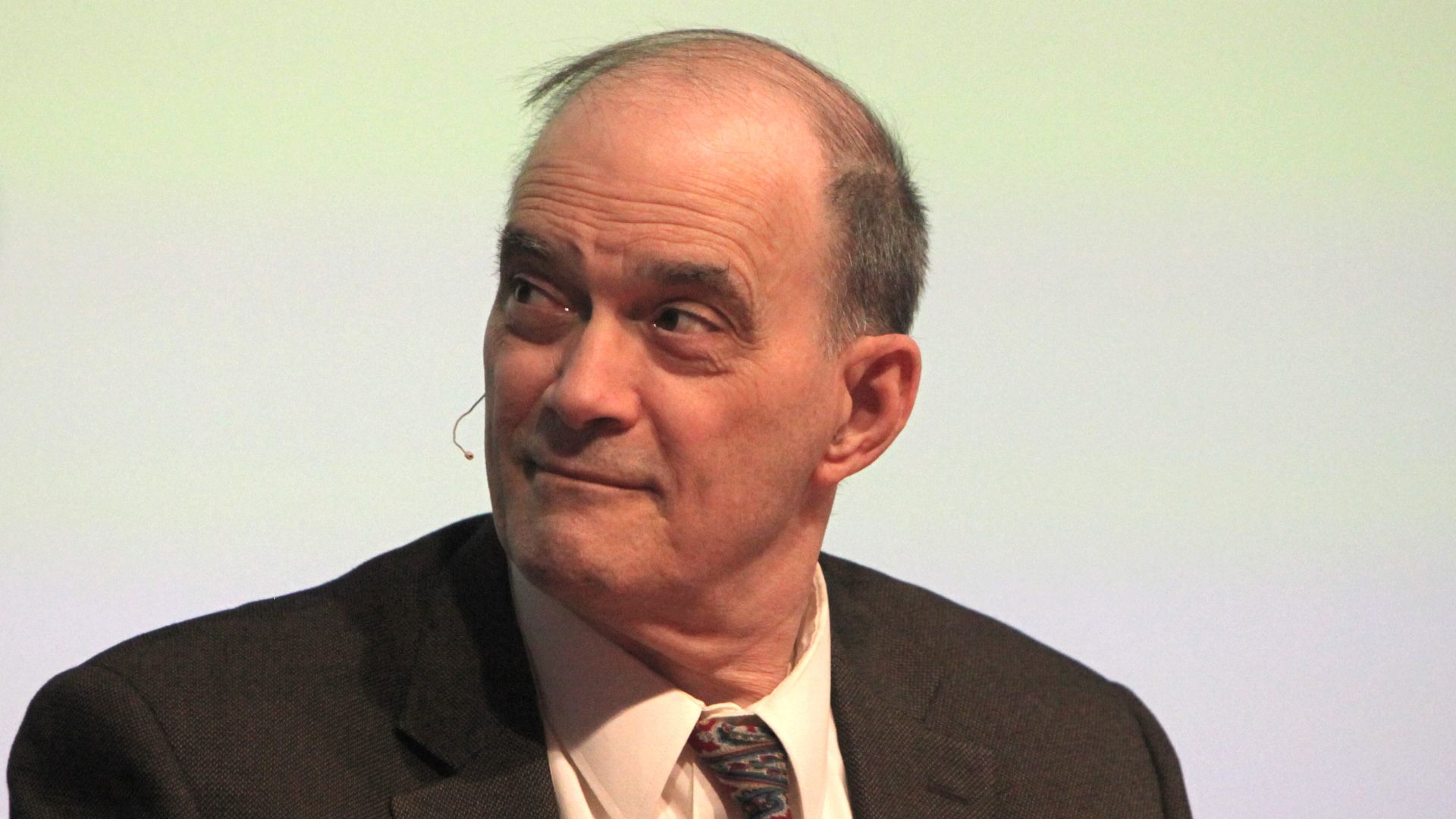
Years before Edward Snowden became famous, former NSA official William Binney was already raising concerns about American surveillance practices. After leaving the agency in 2001, he criticized its growing domestic intelligence collection and warned that certain programs threatened constitutional rights. Binney also participated in formal complaints about surveillance activities and government spending. His warnings received renewed attention when Snowden's leaks brought digital privacy into the international spotlight.
17. Thomas Drake
Former NSA executive Thomas Drake became a well-known whistleblower after questioning surveillance programs and management decisions within the intelligence agency. Throughout the 2000s, he raised concerns about privacy violations and what he believed was wasteful government spending. Drake eventually faced felony charges under the Espionage Act, but prosecutors dropped the most serious allegations in 2011. He pleaded guilty to a misdemeanor involving unauthorized computer use, and his prosecution raised important questions about whistleblower protections.
18. Li Wenliang
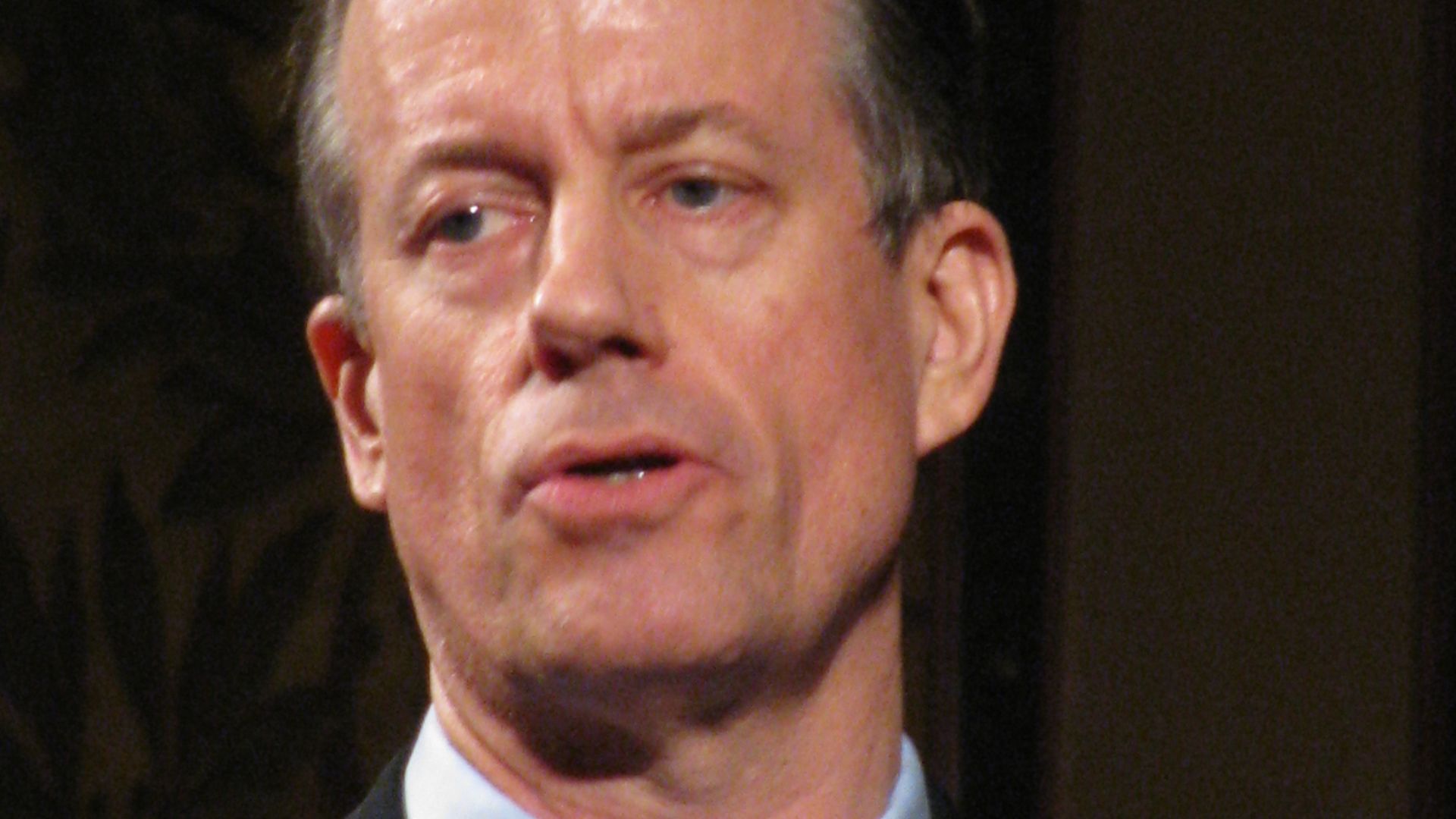
Chinese ophthalmologist Li Wenliang became internationally recognized during the earliest days of the COVID-19 pandemic. In December 2019, he warned fellow doctors about patients suffering from a potentially dangerous respiratory illness in Wuhan. Authorities reprimanded him for spreading what they called rumors, although his concerns proved significant as the outbreak spread. Li later contracted COVID-19 and died in February 2020, prompting widespread mourning and anger over the suppression of early warnings.
19. Harry Markopolos
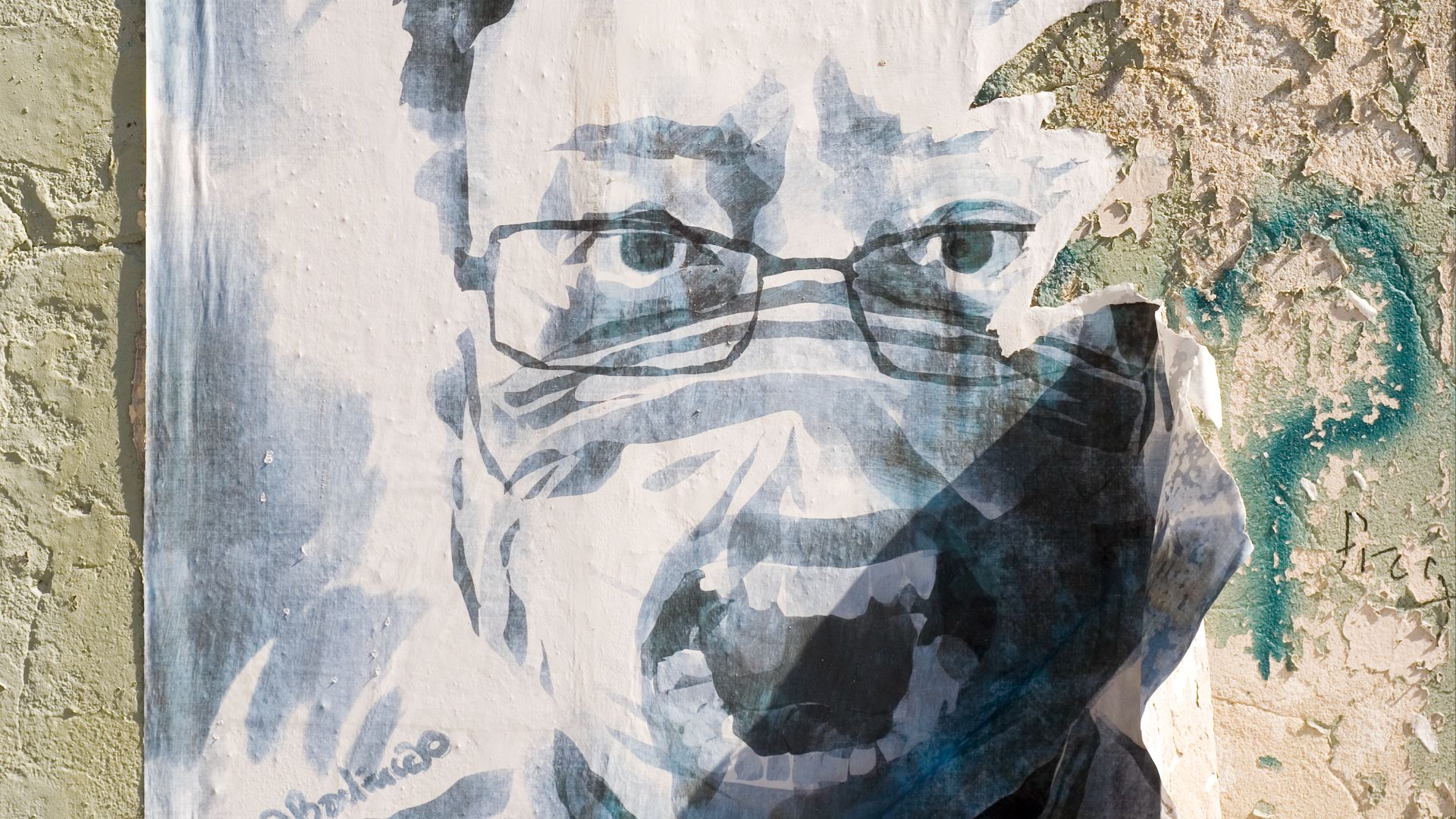
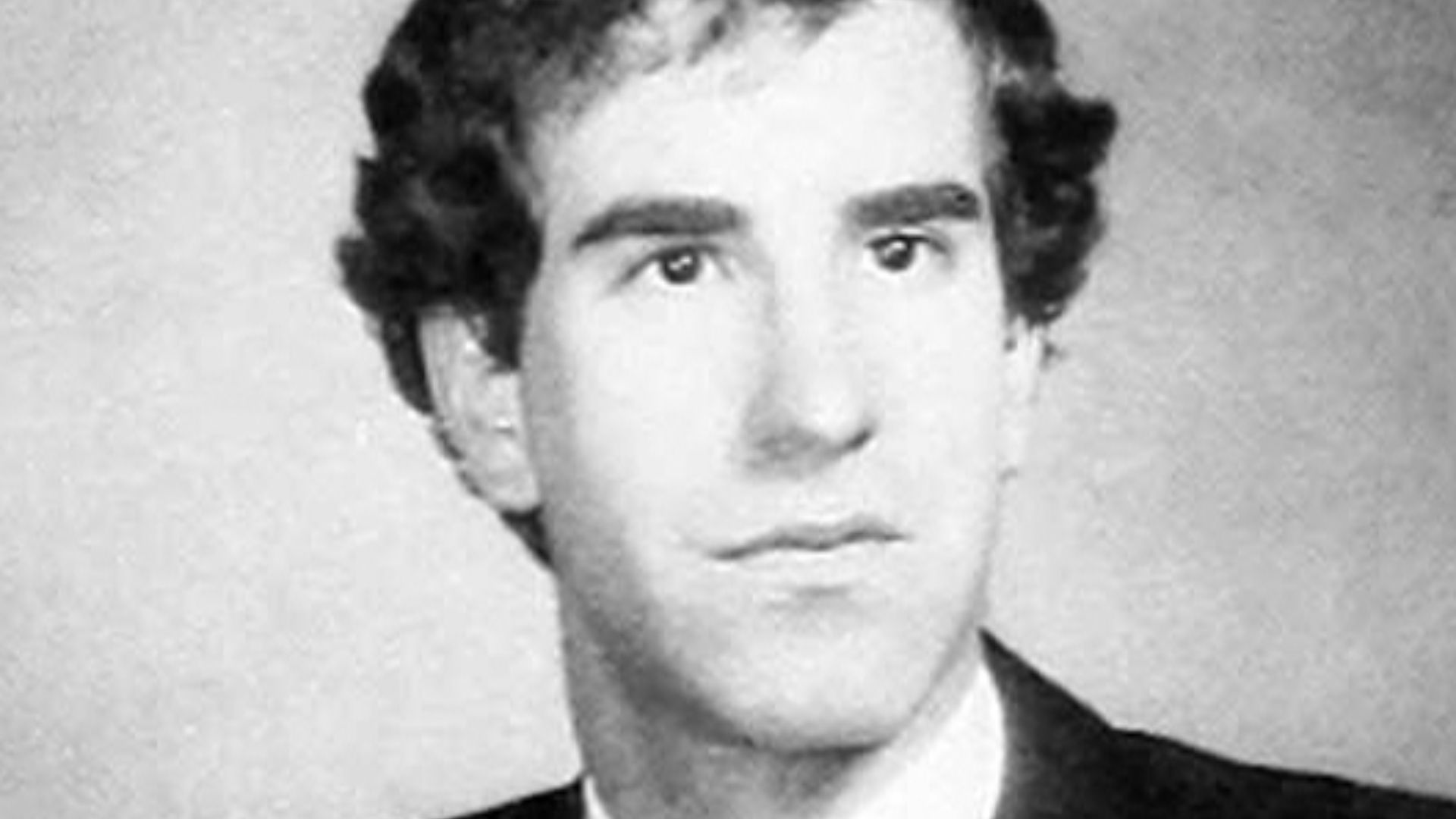
Financial investigator Harry Markopolos spent years warning regulators that investment manager Bernie Madoff was running a massive fraud. Beginning in 2000, he submitted reports to the Securities and Exchange Commission explaining why Madoff's reported investment returns seemed mathematically impossible. Despite repeated warnings, the scheme continued until Madoff's arrest in 2008 exposed one of history's largest Ponzi schemes. Markopolos later became a vocal advocate for stronger financial oversight and better whistleblower protections.
 Loyola College in Maryland on Wikimedia
20. Antoine Deltour
French accountant Antoine Deltour became an important figure in European financial transparency after leaking confidential documents from his former employer, PricewaterhouseCoopers. The records helped uncover favorable tax arrangements between Luxembourg and numerous multinational corporations during the 2014 LuxLeaks scandal. Deltour initially faced criminal convictions for his disclosures, drawing international criticism over how whistleblowers were treated. After years of legal proceedings, Luxembourg's courts overturned his convictions, and he was ultimately acquitted in 2018.
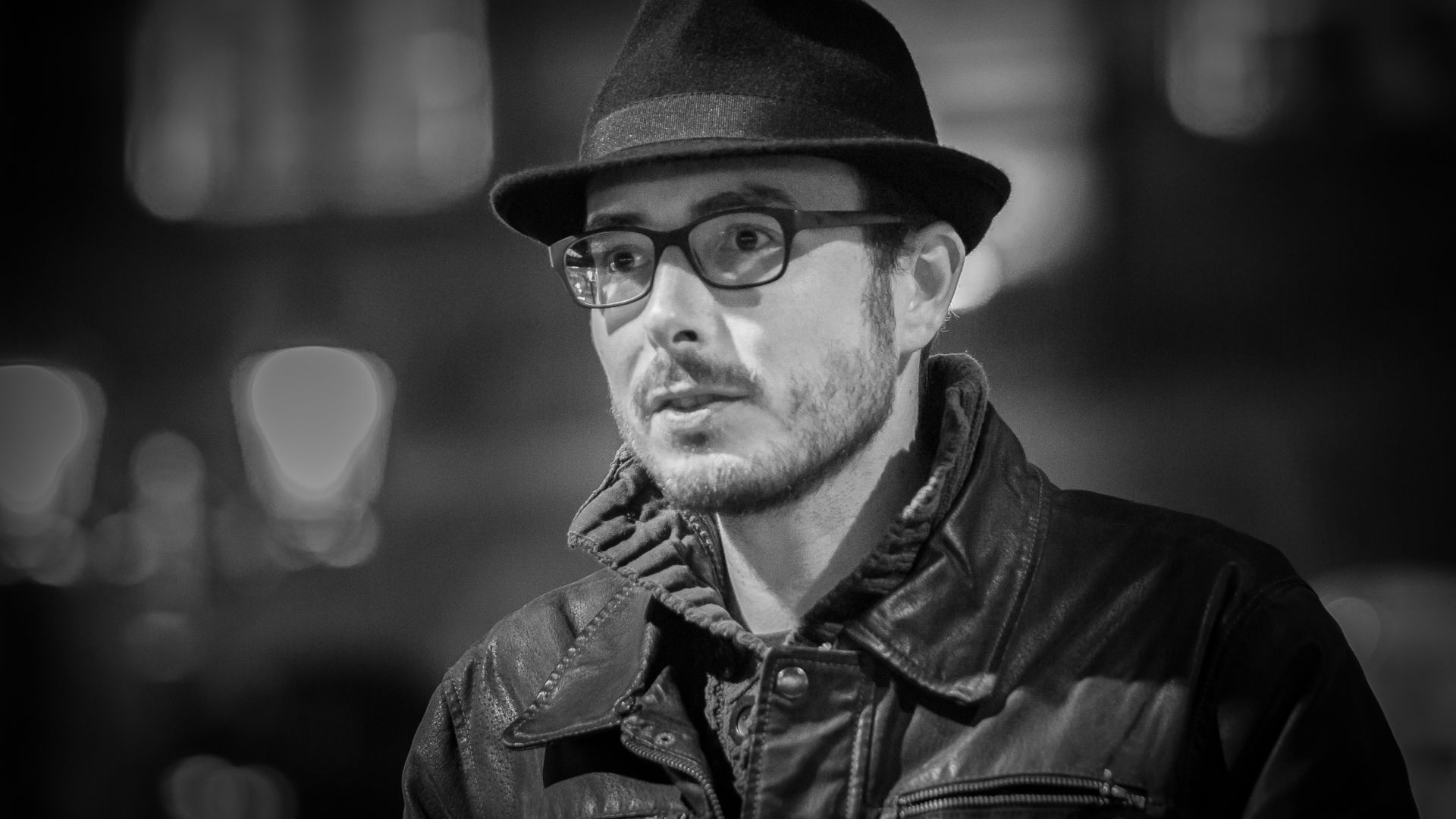 Photo Claude TRUONG-NGOC on Wikimedia
KEEP ON READING