The Audition They Didn't Get
A surprising number of the people who ended up running police states started out hoping to make art instead. Some were turned down by institutions they'd set their hearts on and never quite got over it. Others kept writing long after they'd taken power, publishing novels and verse that nobody in the country dared review honestly. It's tempting to draw a straight line from the rejection to the atrocity, though most rejected artists just go off and do something else. Here are 20 who became dictators.
 Unknown authorUnknown author on Wikimedia
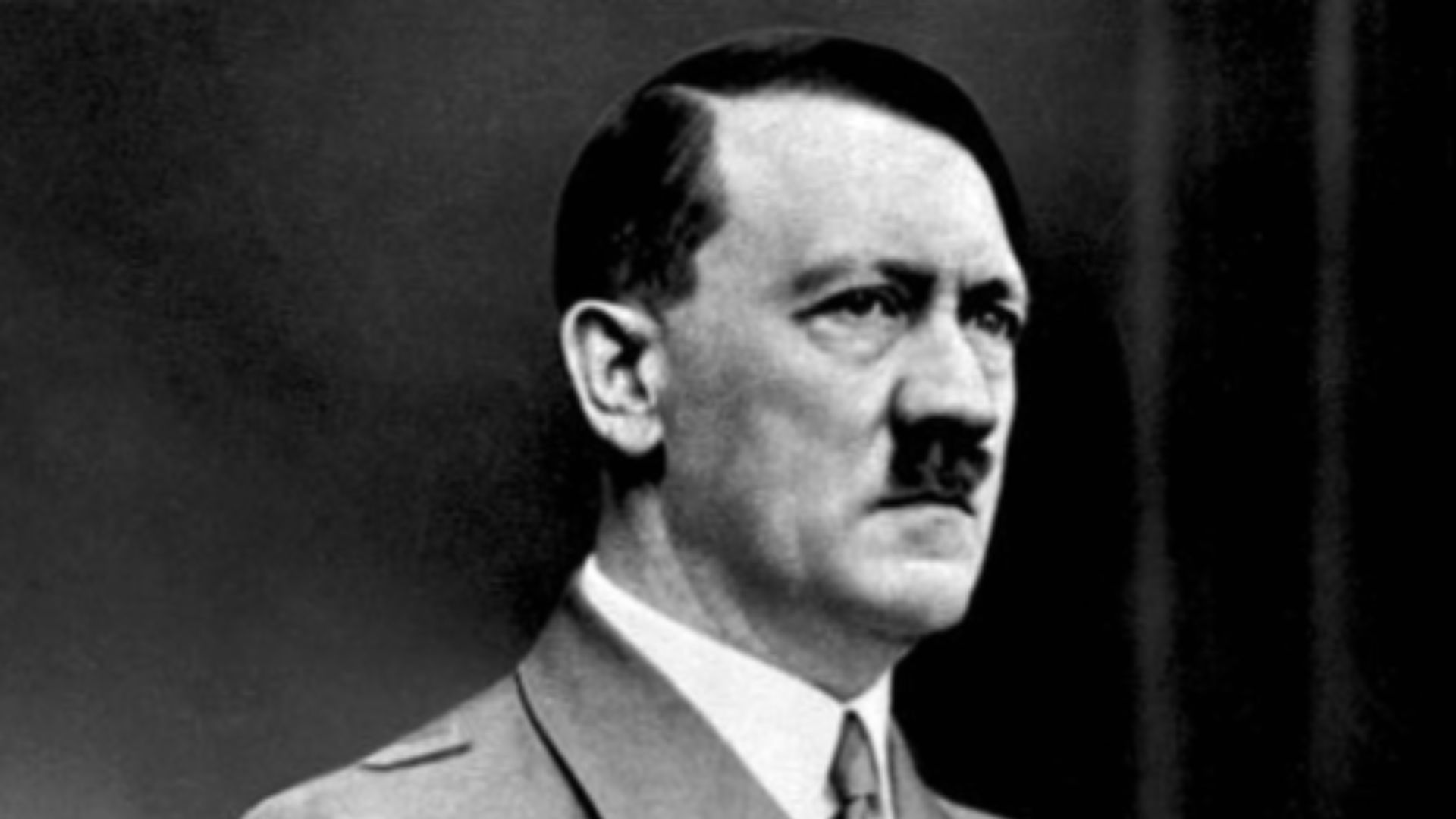
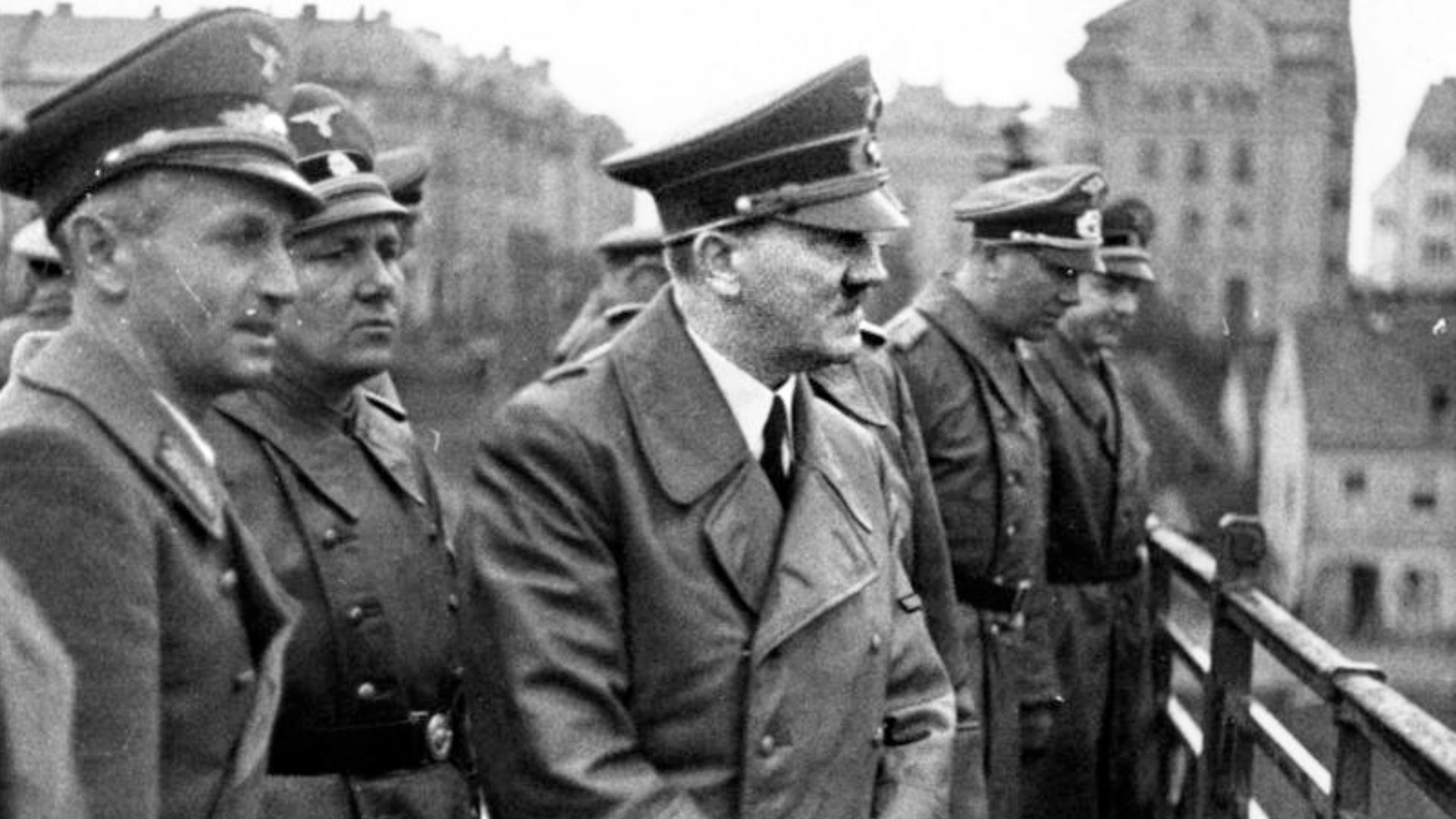
1. Adolf Hitler, Rejected Painter
The Vienna Academy of Fine Arts turned him down in 1907 and again the year after, when he wasn't allowed to sit the entrance exam. He stayed in the city regardless, selling small watercolors of local landmarks to tourists and dealers. The surviving pictures are tidy architectural studies with hardly a person in them.
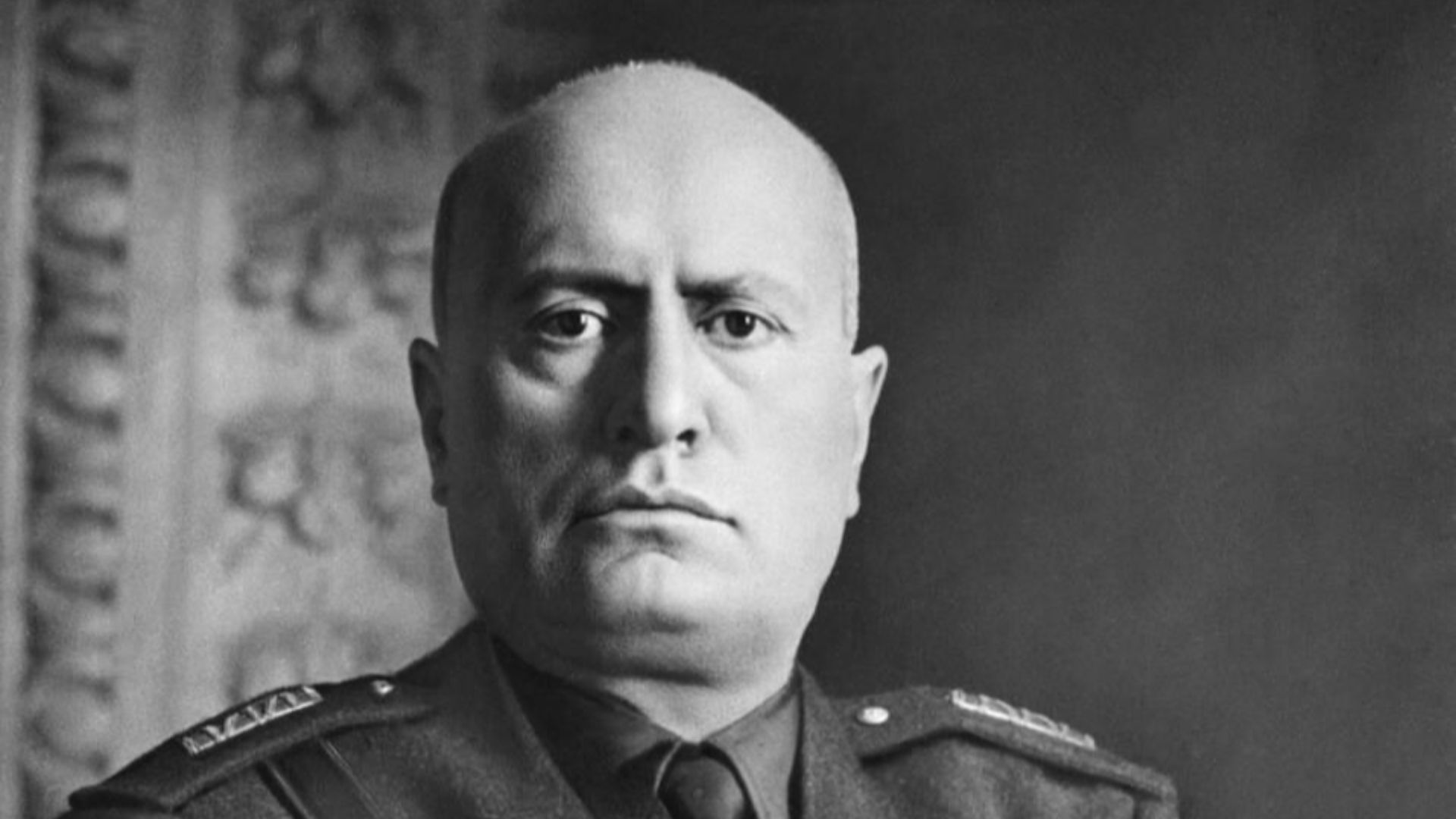
2. Benito Mussolini, Romance Novelist
Before the march on Rome he produced a serialized potboiler for a Trento newspaper in 1910, translated into English years later as The Cardinal's Mistress. It's an anti-clerical romance about a seventeenth-century cardinal and the woman he keeps. The prose is lurid even by the standards of the genre. He seems to have been faintly embarrassed about it afterward.
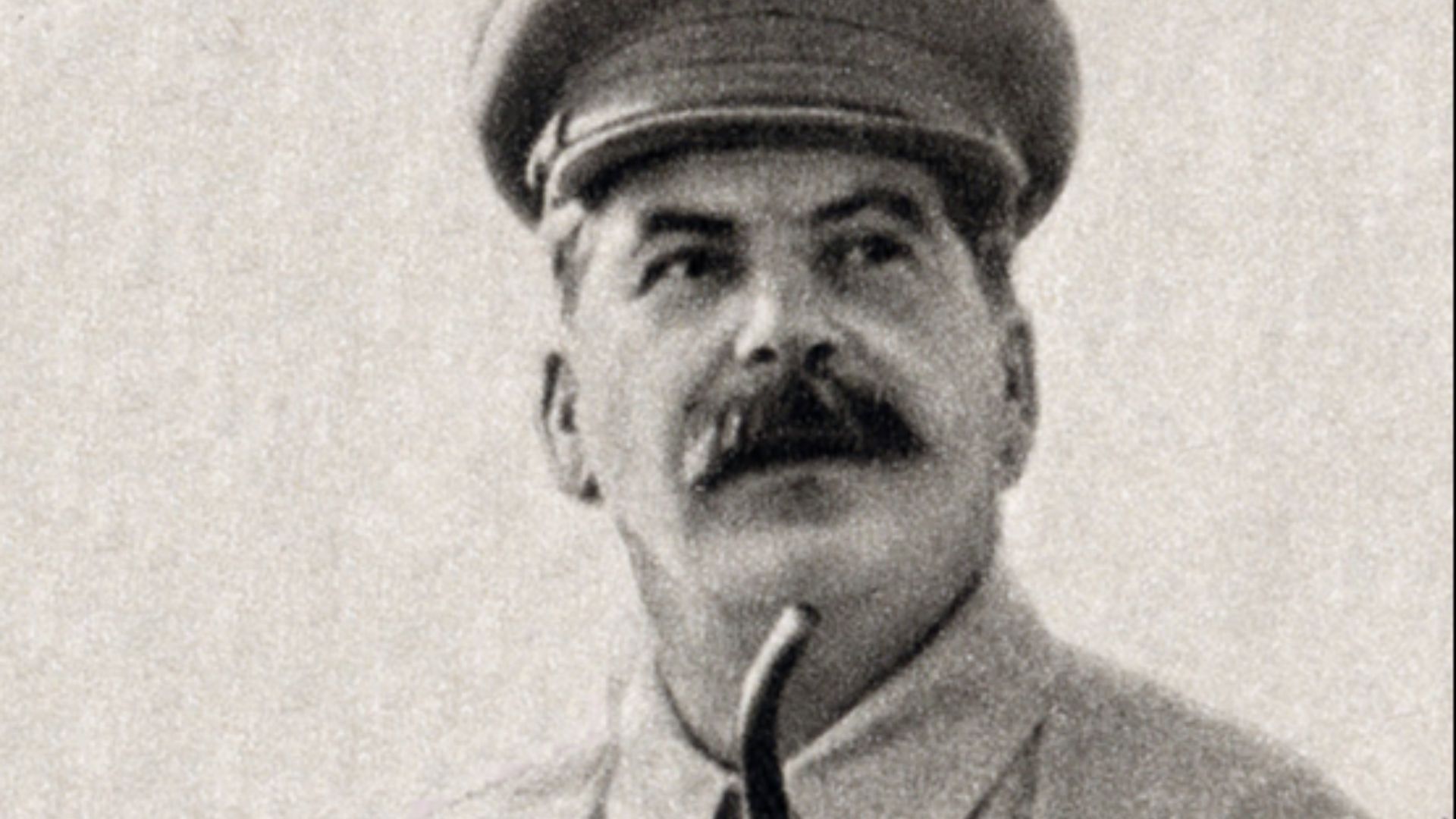
3. Joseph Stalin, Teenage Poet
As a teenager he published Georgian verse under the pen name Soselo. One poem ended up in Soviet school primers for children to learn by heart. PN Review notes that it appeared in a 1957 primer with no mention of who'd written it. He dropped poetry for revolutionary politics in his twenties and seldom brought it up again.
 Unknown authorUnknown author on Wikimedia
4. Napoleon Bonaparte, Unpublished Novelist
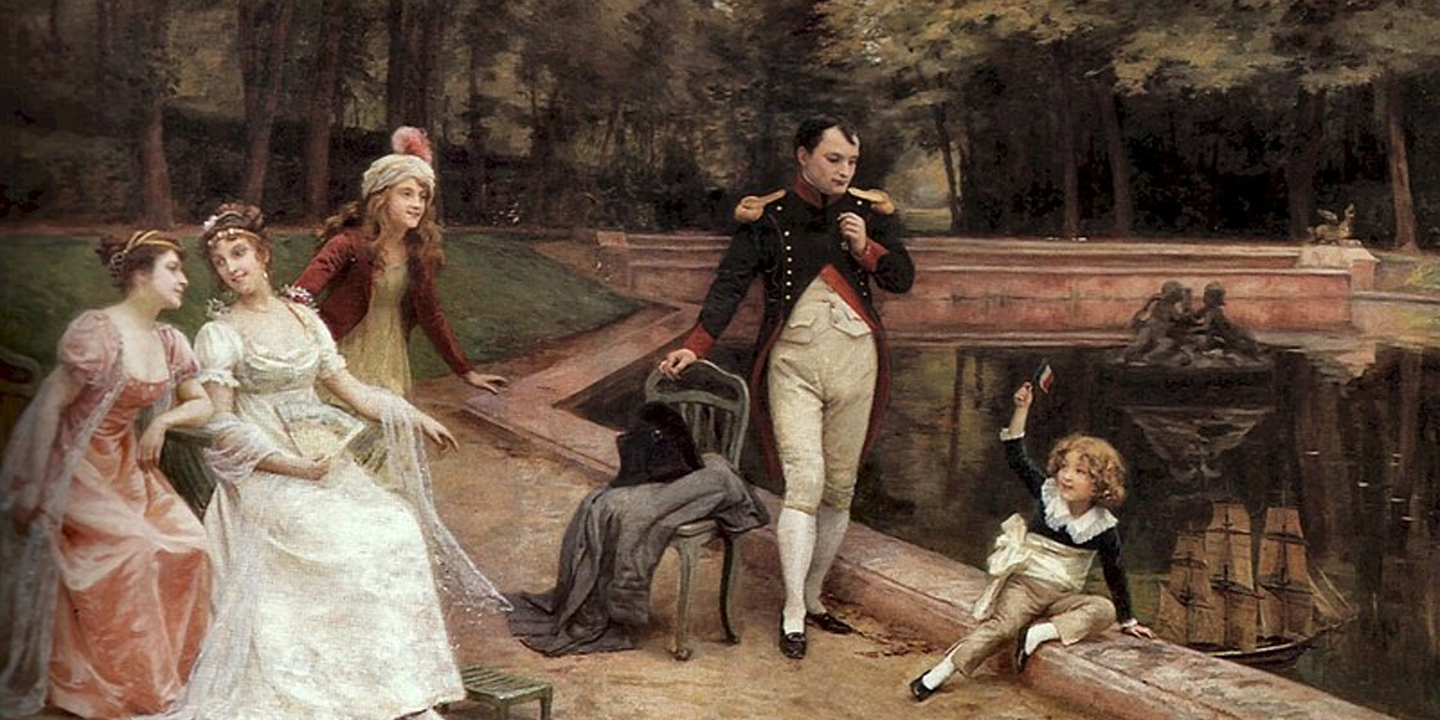
In 1795, a few years before he made himself the most powerful man in Europe, he wrote a short romantic novella called Clisson et Eugénie. It's a thinly veiled account of his own love life, in which the soldier hero goes looking for death in battle after being betrayed. He never published it, and the manuscript was only reassembled by scholars long afterward.
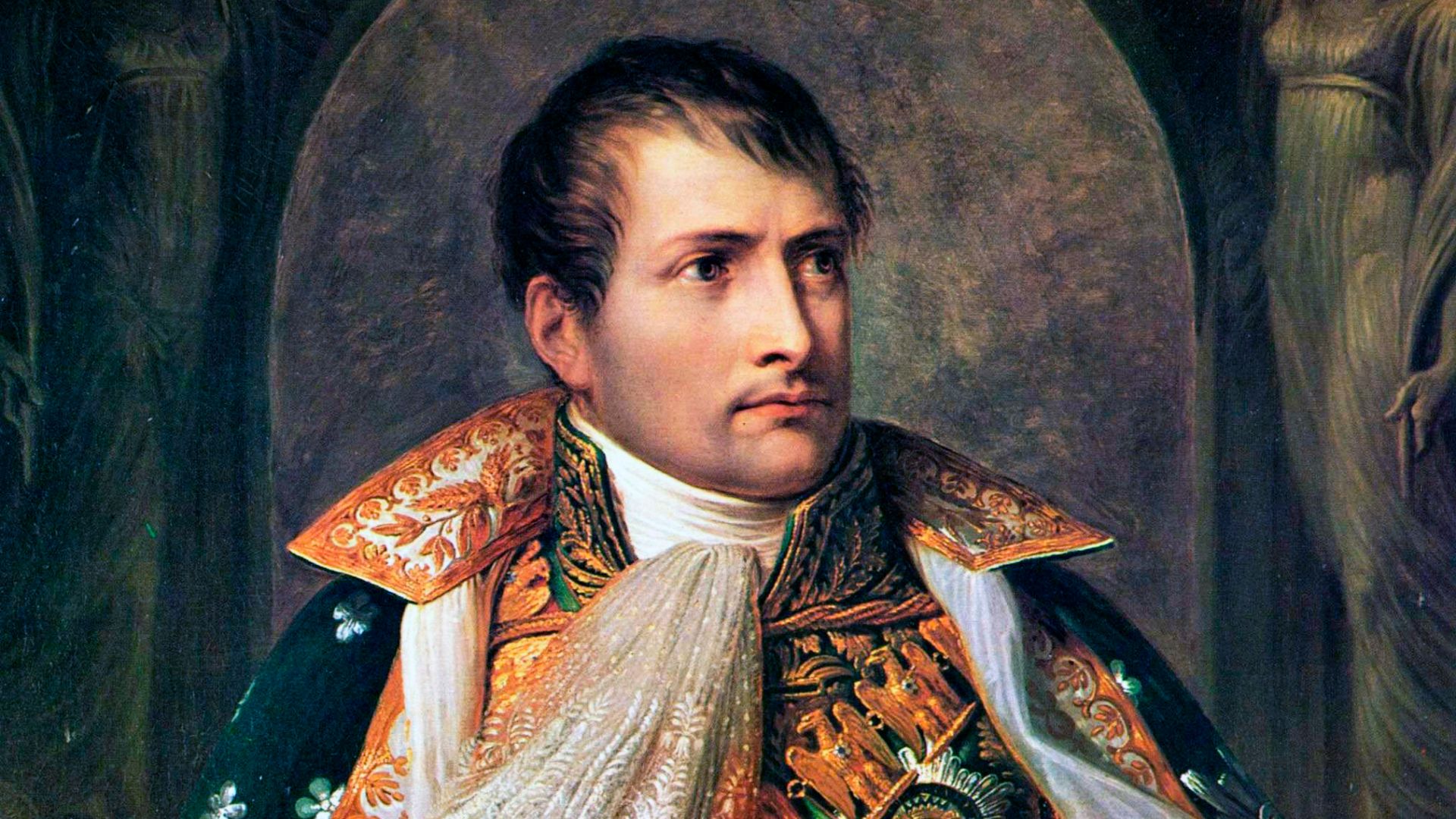
5. Nero, Frustrated Performer
He expected audiences to sit through his musical performances whether they enjoyed them or not. According to the Roman historian Suetonius, senators had to applaud on cue, and some women even gave birth in the theater rather than risk leaving early. Nero also entered competitions in Greece and won, although few judges would have dared disappoint an emperor.
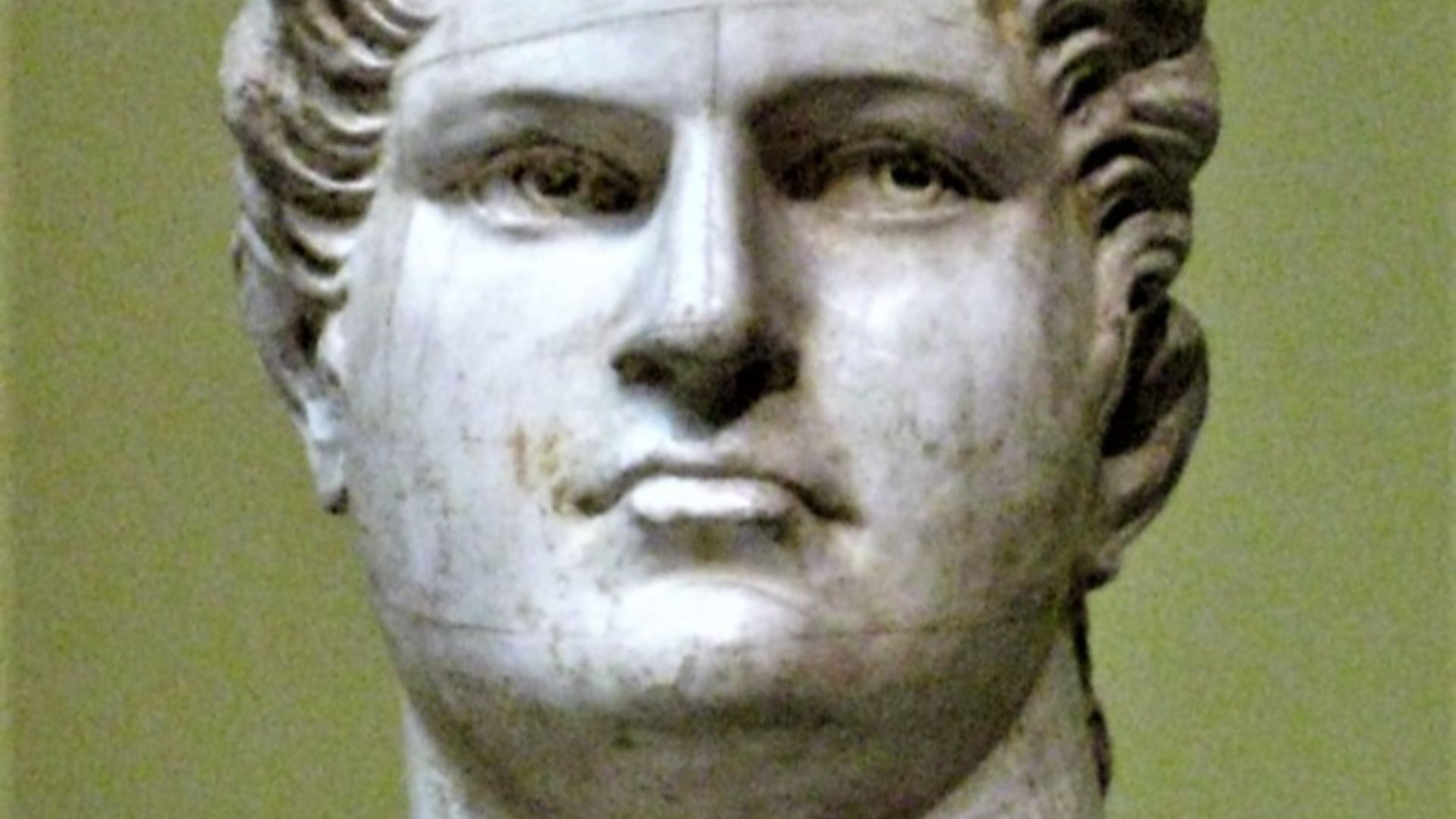
6. Saddam Hussein, Anonymous Novelist
Zabibah and the King appeared in Iraq in 2000 with no author's name on the cover, though the state pushed it hard and nobody in Iraq was in any doubt about the author. The story is an allegory in which a brutal husband stands in for the United States. Three more novels followed, and he's thought to have finished the last one around the time American troops crossed the border.
 Unknown authorUnknown author on Wikimedia
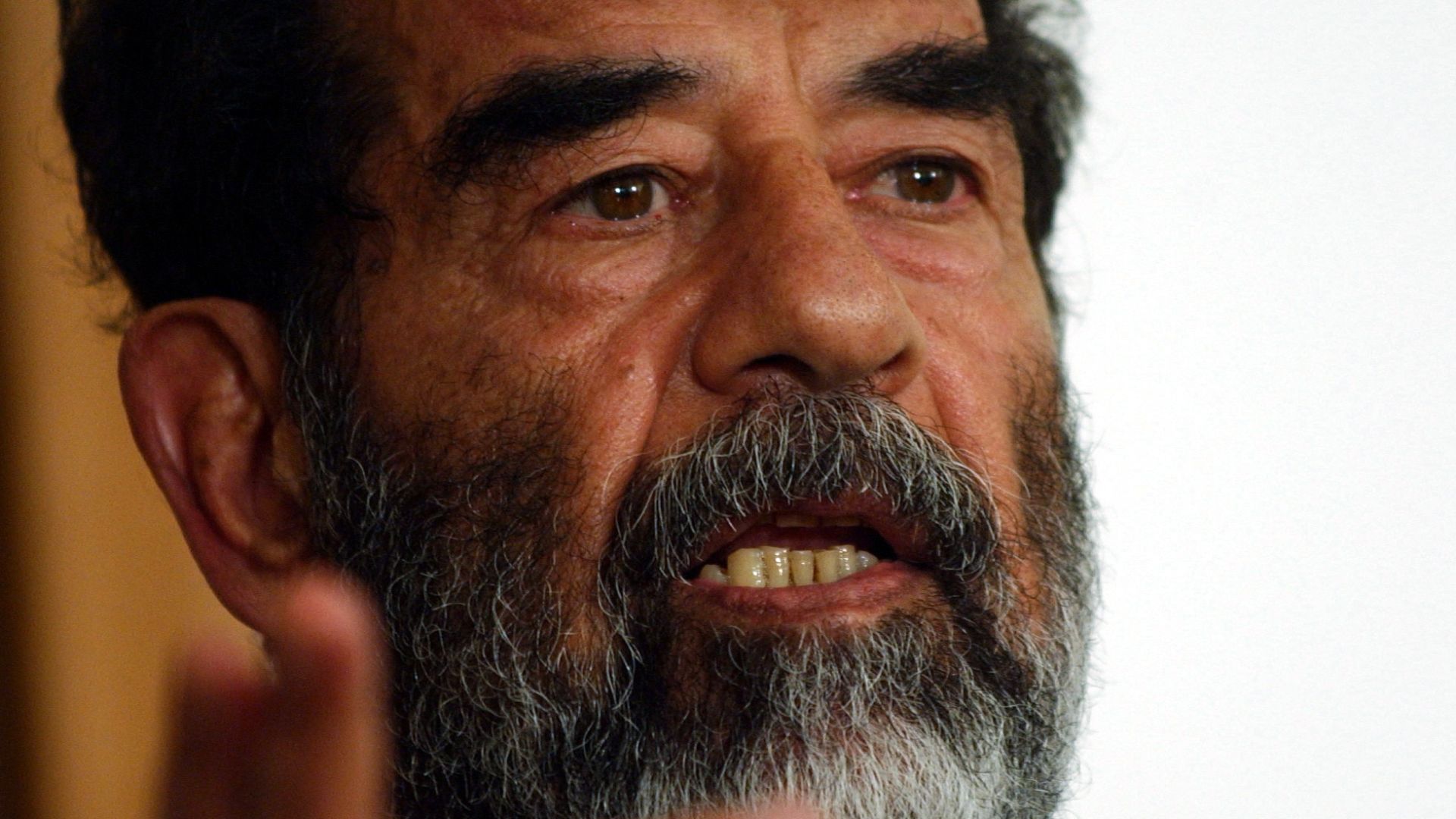
7. Muammar Gaddafi, Short Story Writer
Escape to Hell and Other Stories came out in 1993 and mixes short fiction with rambling essays on everything from city life to the fate of astronauts. The title piece has him addressing the crowd that once carried him to power and might one day come for him instead. Reviewers abroad mostly treated the book as a curiosity. Inside Libya there weren't any reviewers.
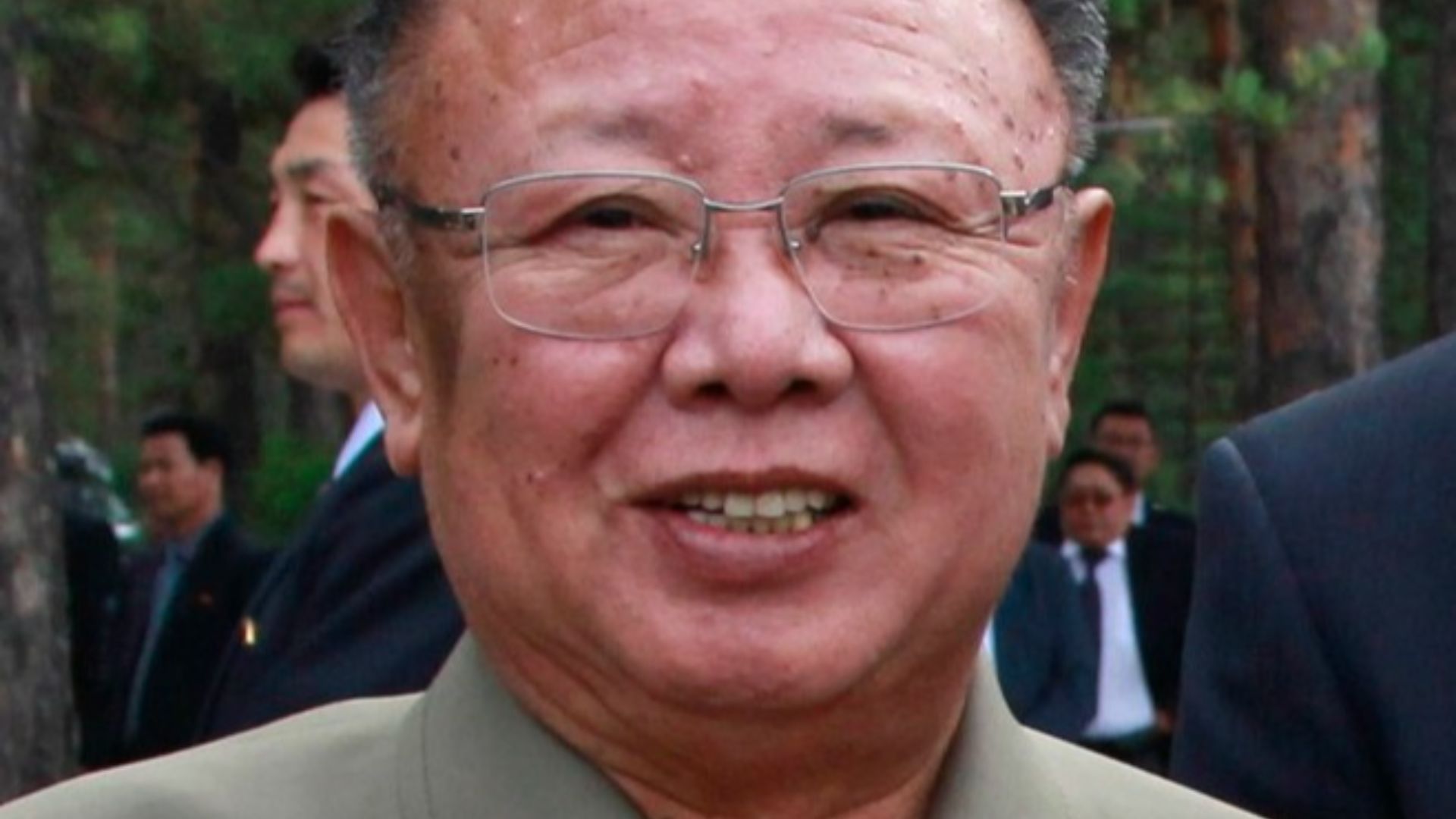
8. Kim Jong-il, Film Obsessive
On the Art of the Cinema appeared under his name in 1973, by which point he was already running North Korea's film industry. Dissatisfied with the results, he had the South Korean director Shin Sang-ok and the actress Choi Eun-hee kidnapped in 1978 to make pictures for him. The pair escaped in Vienna eight years later.
 Presidential Press and Information Office on Wikimedia
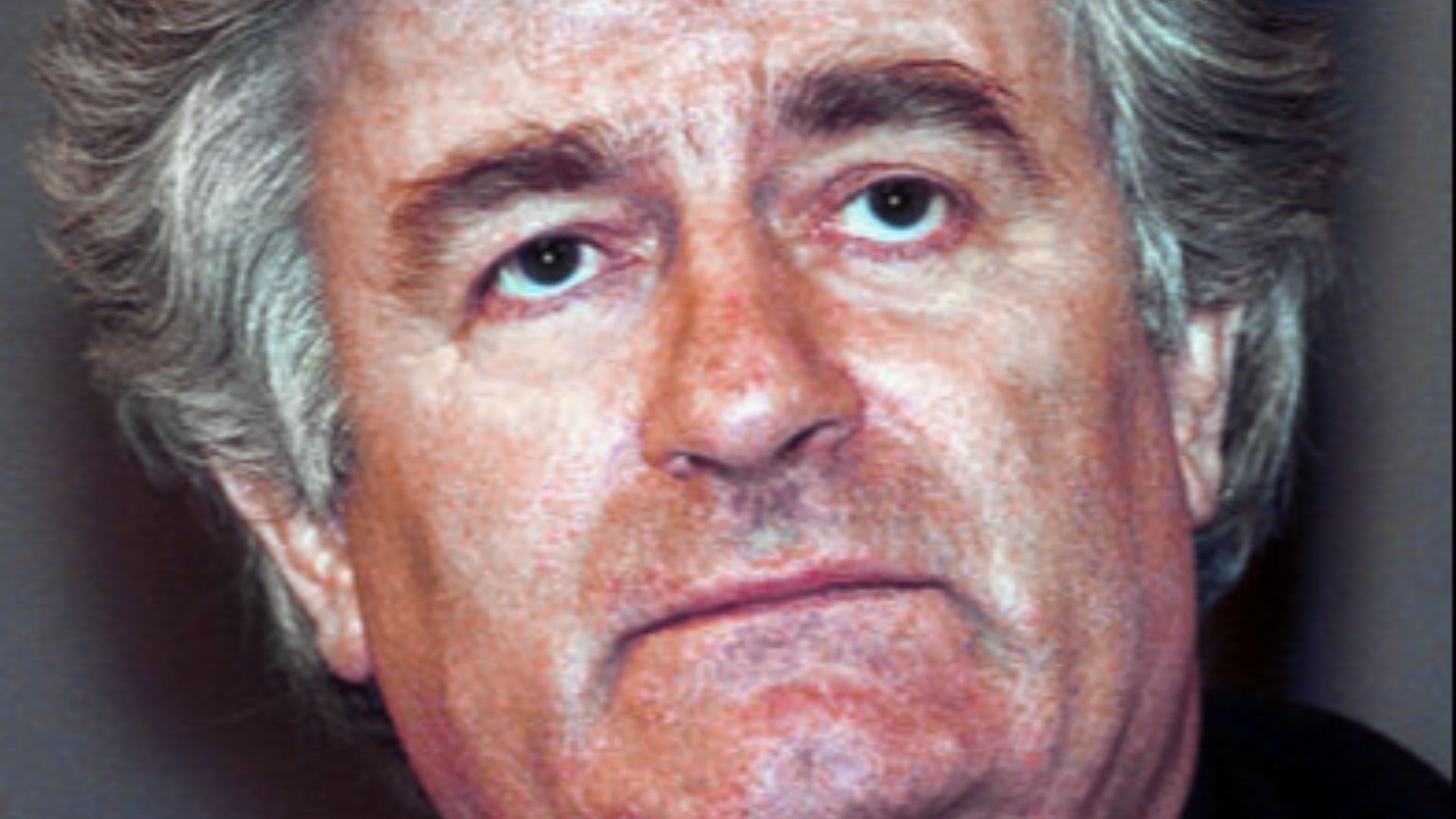
9. Radovan Karadžić, Published Poet
A practising psychiatrist in Sarajevo, he was also a published poet with several collections out and a modest literary reputation. One early poem of his describes the city in flames, which later readers have found hard to get past. He was convicted of genocide at the Hague tribunal in 2016, with his sentence raised to life on appeal.
 Mikhail Evstafiev on Wikimedia
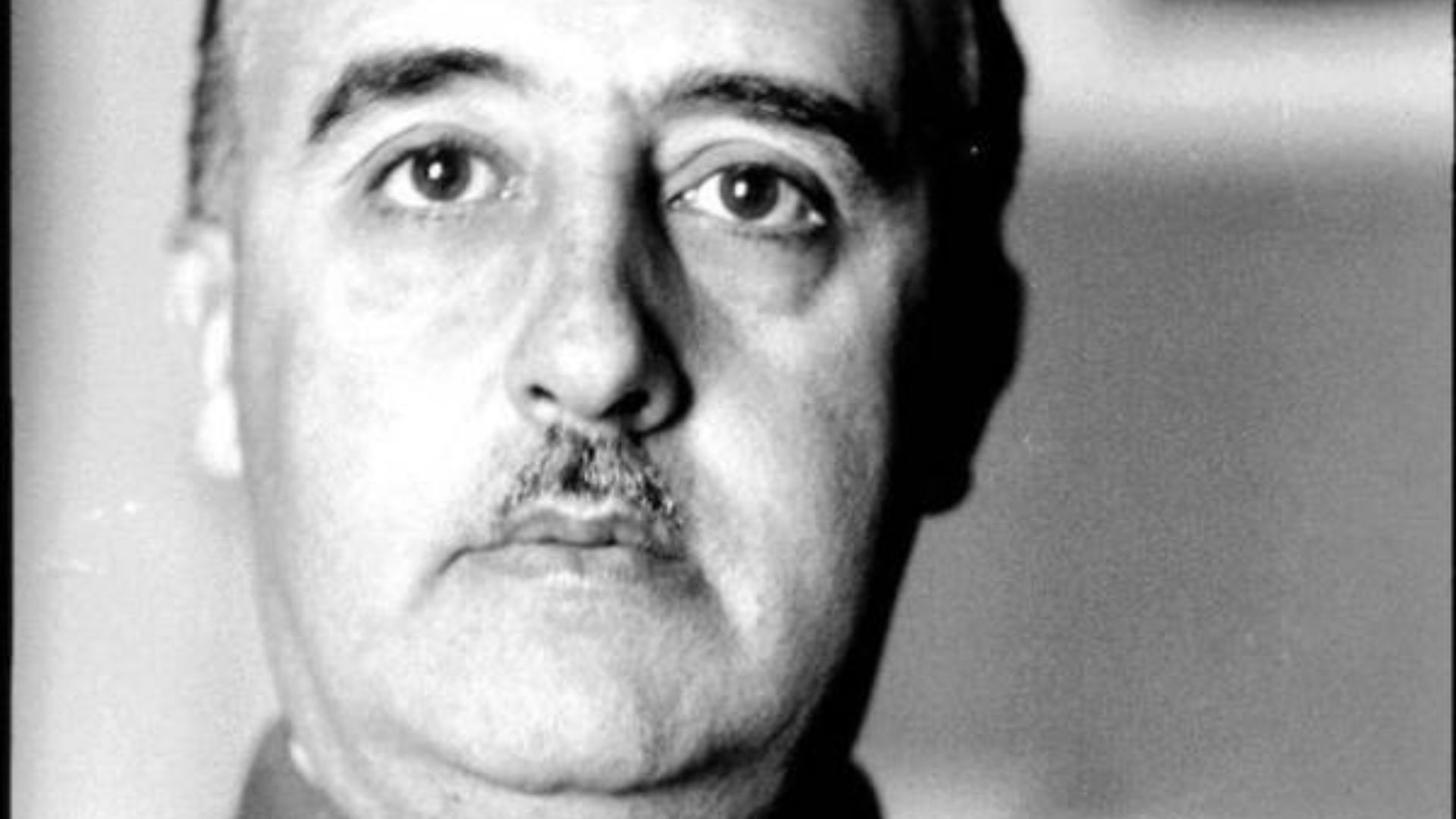
10. Francisco Franco, Secret Screenwriter
The 1942 Spanish film Raza credits its story to one Jaime de Andrade, who was Franco. It follows a Galician family through the civil war, with one brother cast as a heroic nationalist and another as a treacherous republican. Spanish film historians, never fooled by the pseudonym for long, treat the script as a window into how he preferred to see himself.
 Unknown authorUnknown author on Wikimedia
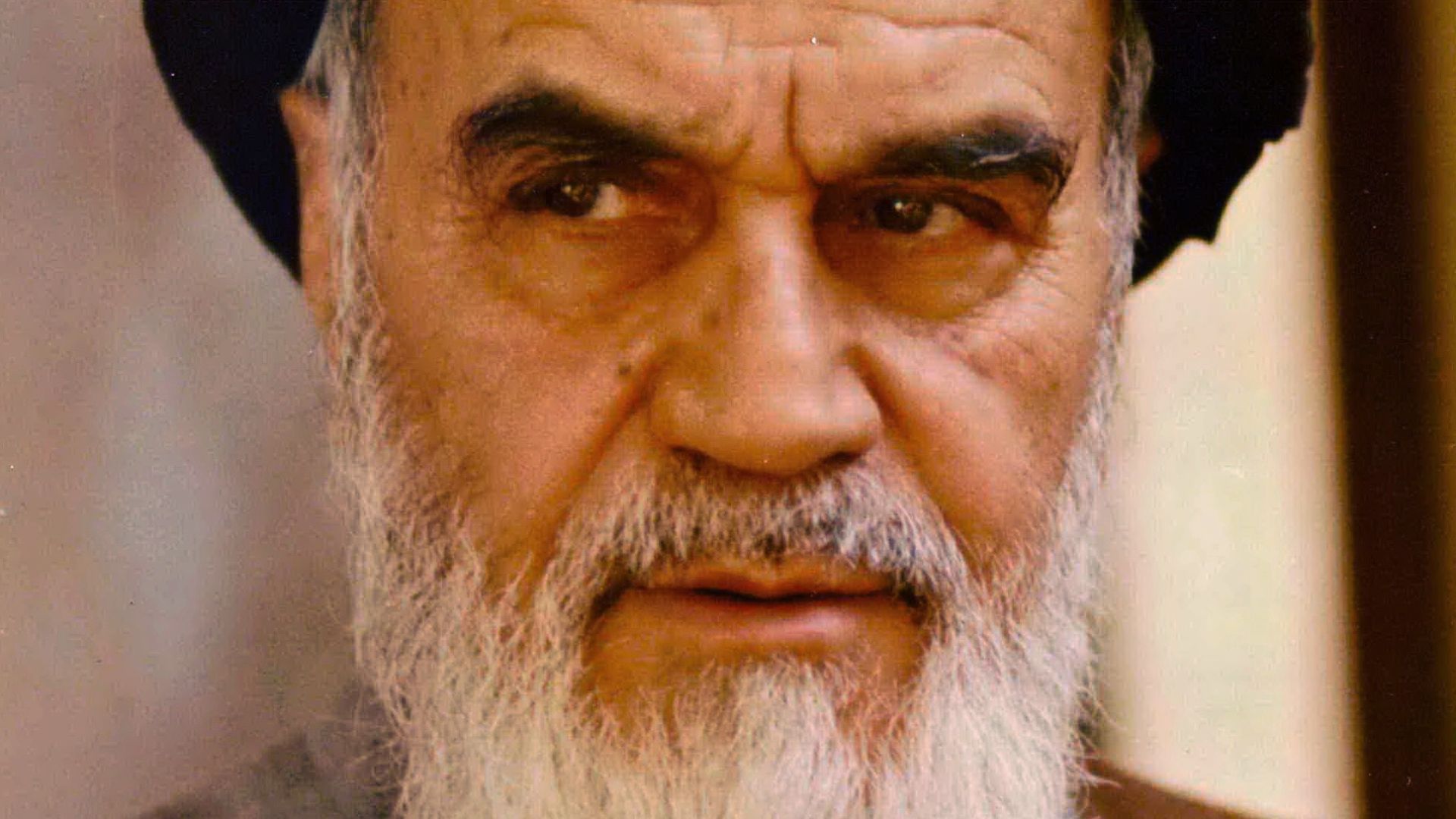
11. Ruhollah Khomeini, Mystical Poet
His poetry only reached print shortly after his death in 1989, and a good deal of it surprised people. The collections include ghazals in the tradition of Hafez, heavy with wine imagery and mystical love. A study from Amsterdam University Press describes the reception as sharply divided, with supporters and opponents still disagreeing about how to read them.
 Ali Kaveh[1][2][3] on Wikimedia
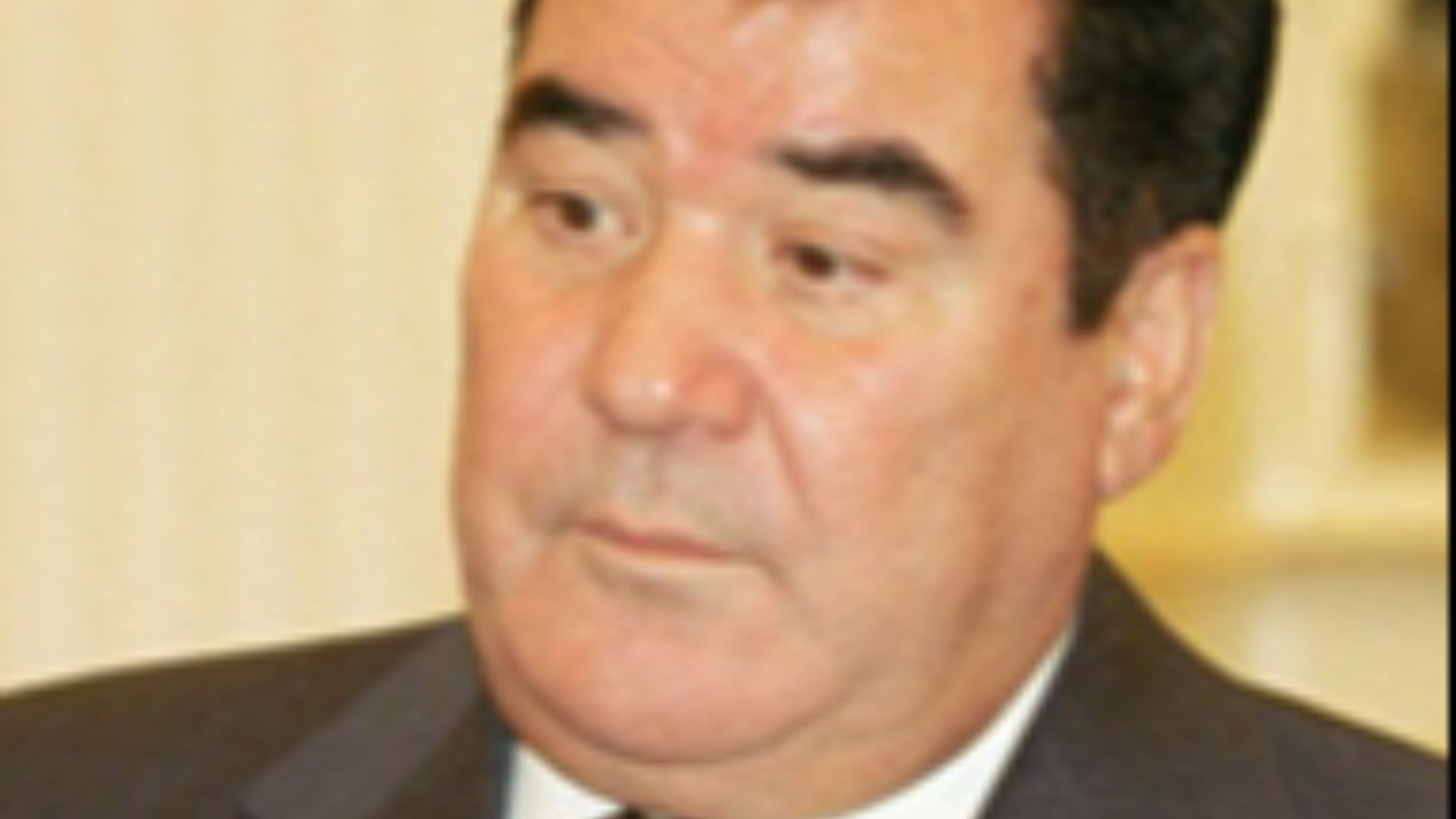
12. Saparmurat Niyazov, Author By Decree
The Ruhnama was published in 2001 as part memoir and part moral instruction, and he simply made it compulsory. Questions about the text turned up in driving tests and university entrance exams. A giant mechanical copy was put up in Ashgabat that creaked open every evening to recite a passage. He reportedly let it be known that three readings would secure a place in heaven.
 Presidential Press and Information Office on Wikimedia
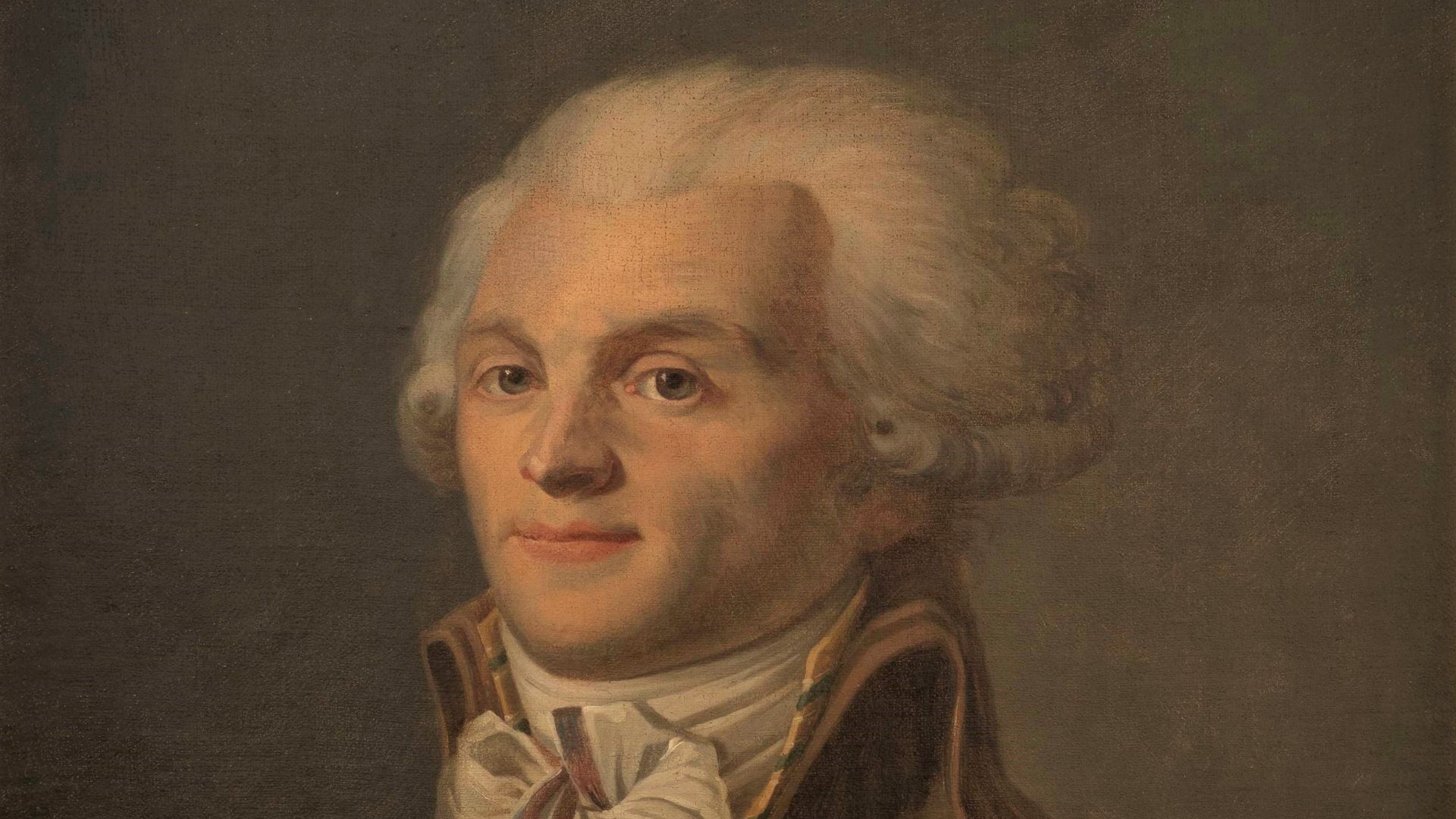
13. Maximilien Robespierre, Provincial Versifier
Back in Arras to practise law from 1781, he joined a local circle of aesthetes known as the Rosati. History Today describes the members meeting for summer picnics to improvise verses on life and love. He joined the town's literary academy too. None of it made him anybody's idea of a poet, and he left for Paris soon enough.
 Unidentified painter on Wikimedia
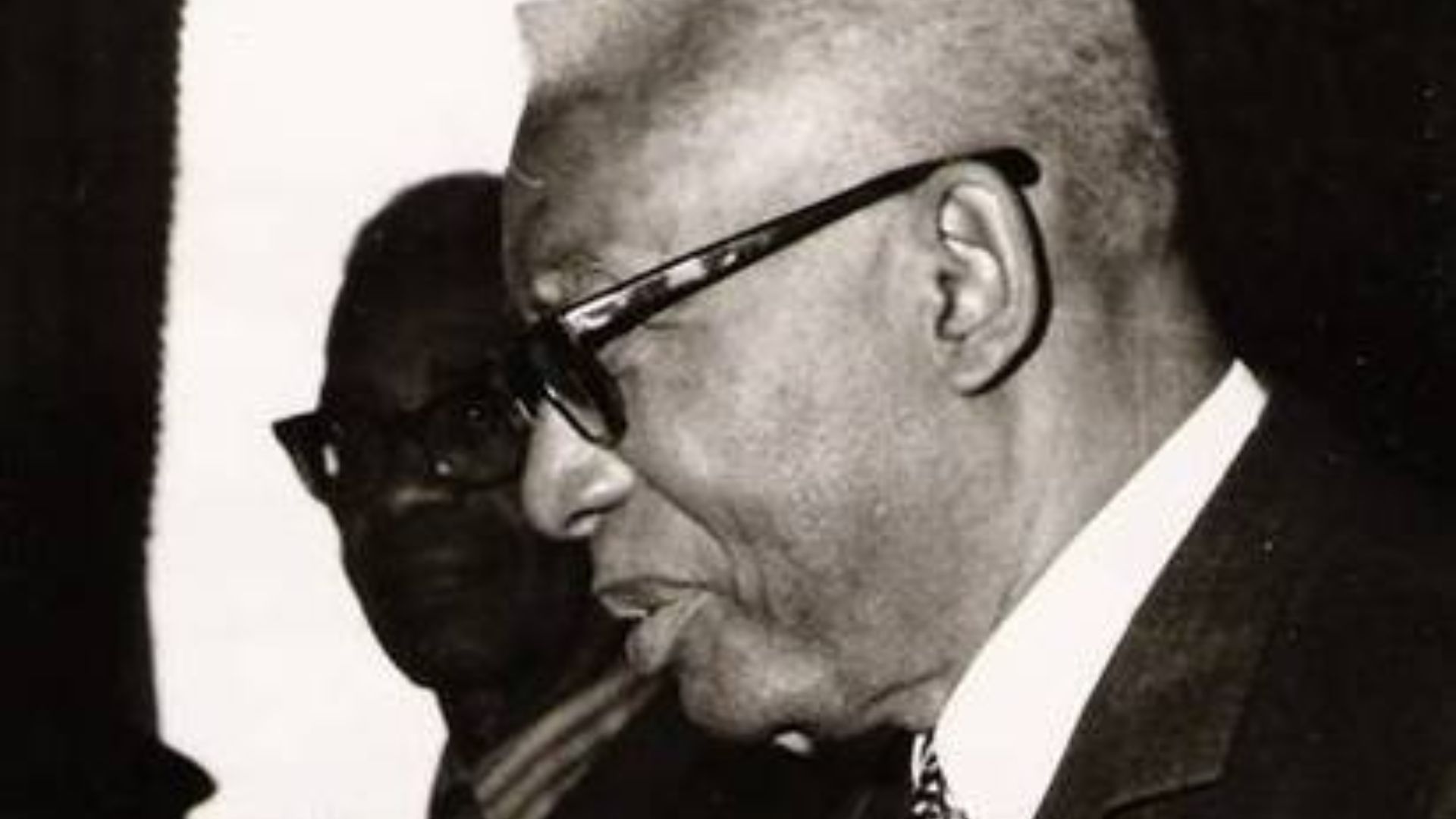
14. François Duvalier, Journal Founder
Well before he became Papa Doc, he wrote for the nationalist paper Action Nationale as Abderrahman and helped found Les Griots, a journal promoting Négritude. He also published a book arguing that Haiti's black middle class ought to take power from the mixed-race elite. He went on to do precisely that, which makes the writing look less like scholarship than a plan.
 Unknown artistUnknown artist on Wikimedia
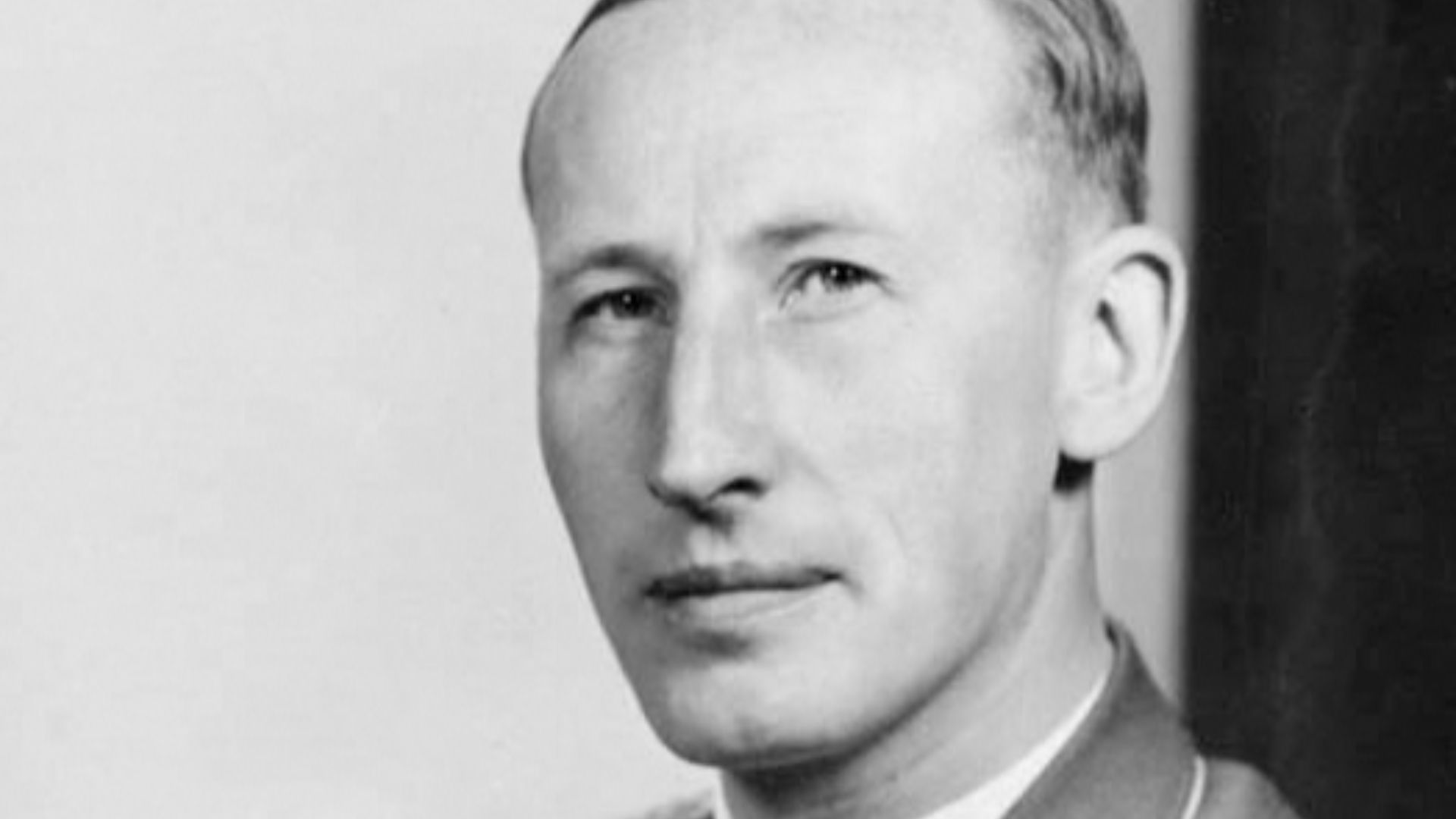
15. Reinhard Heydrich, Trained Violinist
His father founded the conservatory at Halle and sang Wagner for a living, while his mother was an accomplished pianist. He trained seriously on the violin and got very good. He never stopped playing either, which earned him some teasing from naval cadets. He later ran occupied Bohemia and Moravia and chaired the Wannsee Conference.
 Heinrich Hoffmann on Wikimedia
16. Ho Chi Minh, Prison Poet
Poetry occupied him for decades, most famously the classical Chinese verse of Prison Diary, composed while Chinese Nationalist forces held him in 1942 and 1943. The poems are short and often wry, dwelling on mosquitoes and handcuffs more than on politics. They're still taught in Vietnamese schools.
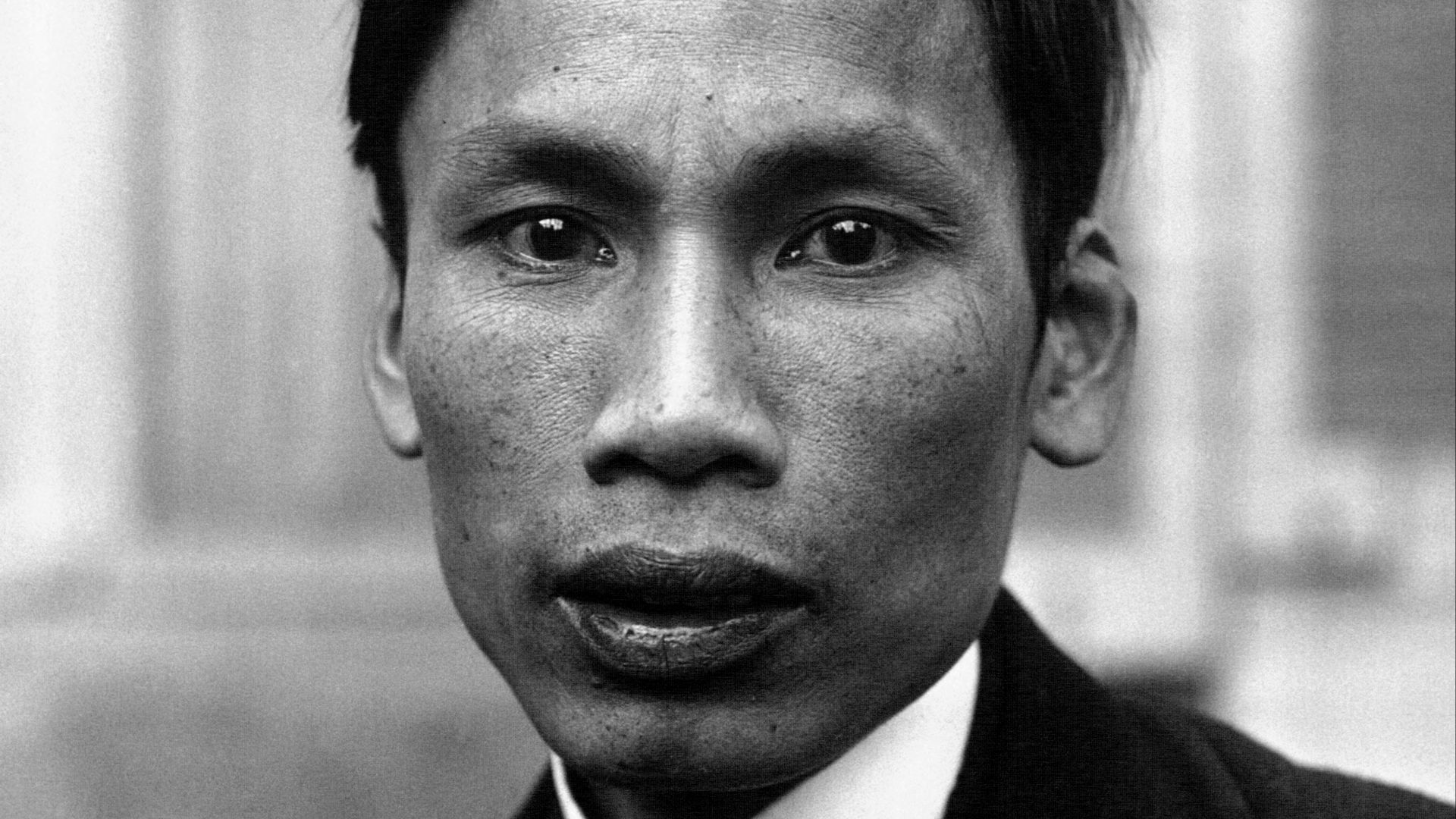 Agence de presse Meurisse on Wikimedia
17. Mao Zedong, Library Assistant
Chinese poetry in the classical forms stayed with him all his life, though he was only published widely once power let him insist. Earlier, working as an assistant in the Peking University library around 1918, he was ignored by the celebrated intellectuals whose lectures he sat in on. He was still bringing up the snub decades later.
 Unknown authorUnknown author on Wikimedia
18. Gurbanguly Berdimuhamedow, Pop Songwriter
Turkmenistan's leader performed a song he'd written himself at a televised birthday celebration in 2011. For most people that was their first encounter with his music. One of his poems became a patriotic song in 2015 and was performed by 4,166 people at once, setting a Guinness World Record. Global Voices reports that he has also DJ'd at New Year parties and recorded a rap about a foal.
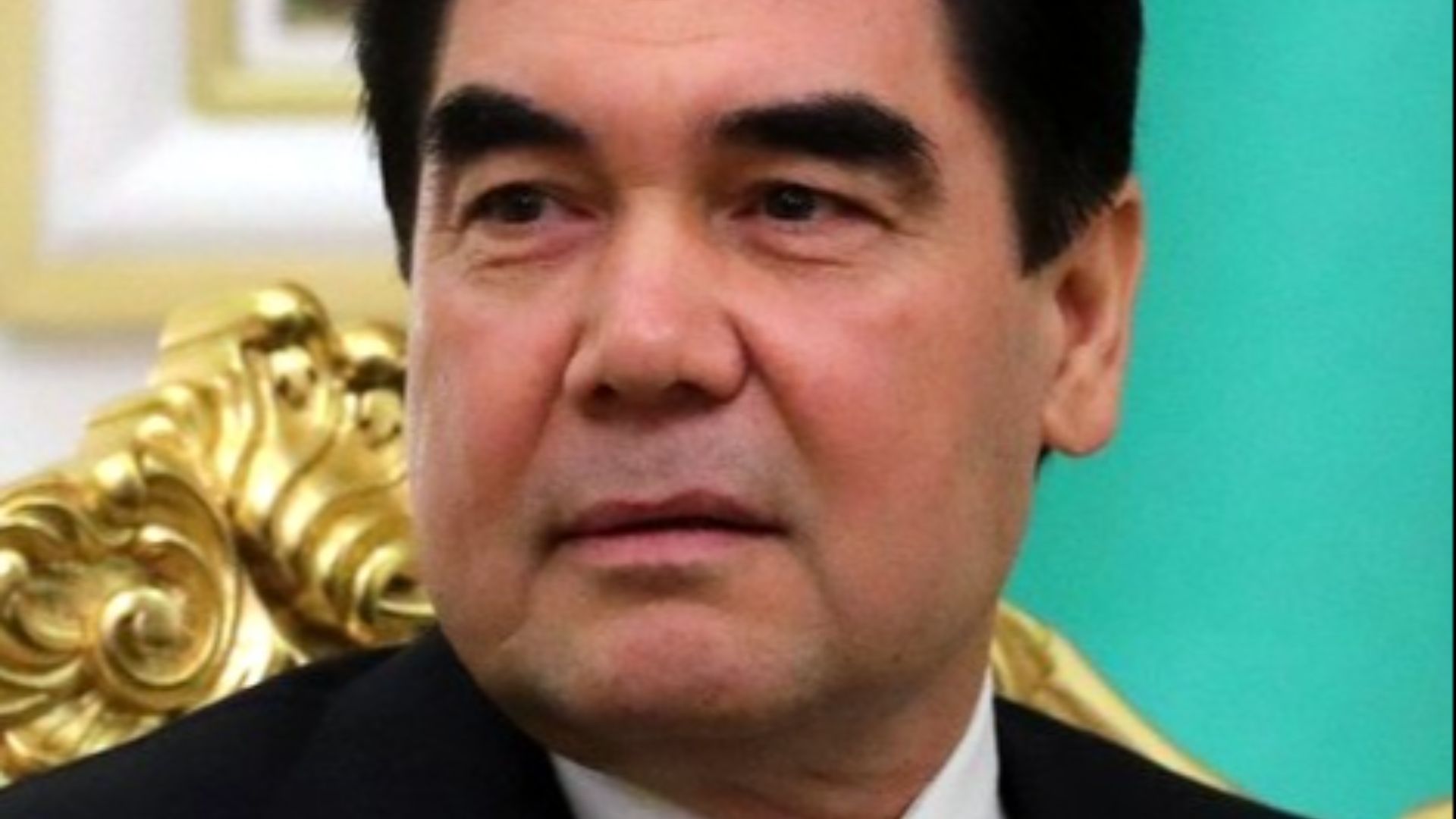 Фото пресс-службы Президента России on Wikimedia
19. Mobutu Sese Seko, Political Journalist
Politics first got him into print while he was serving in the colonial army, writing for the magazine Actualités Africaines. He took a job on L'Avenir in 1956, which introduced him to the young Congolese intellectuals around Patrice Lumumba, whose aide he became. He'd left journalism by 1960, when he seized power as army chief. Lumumba was murdered the following January.
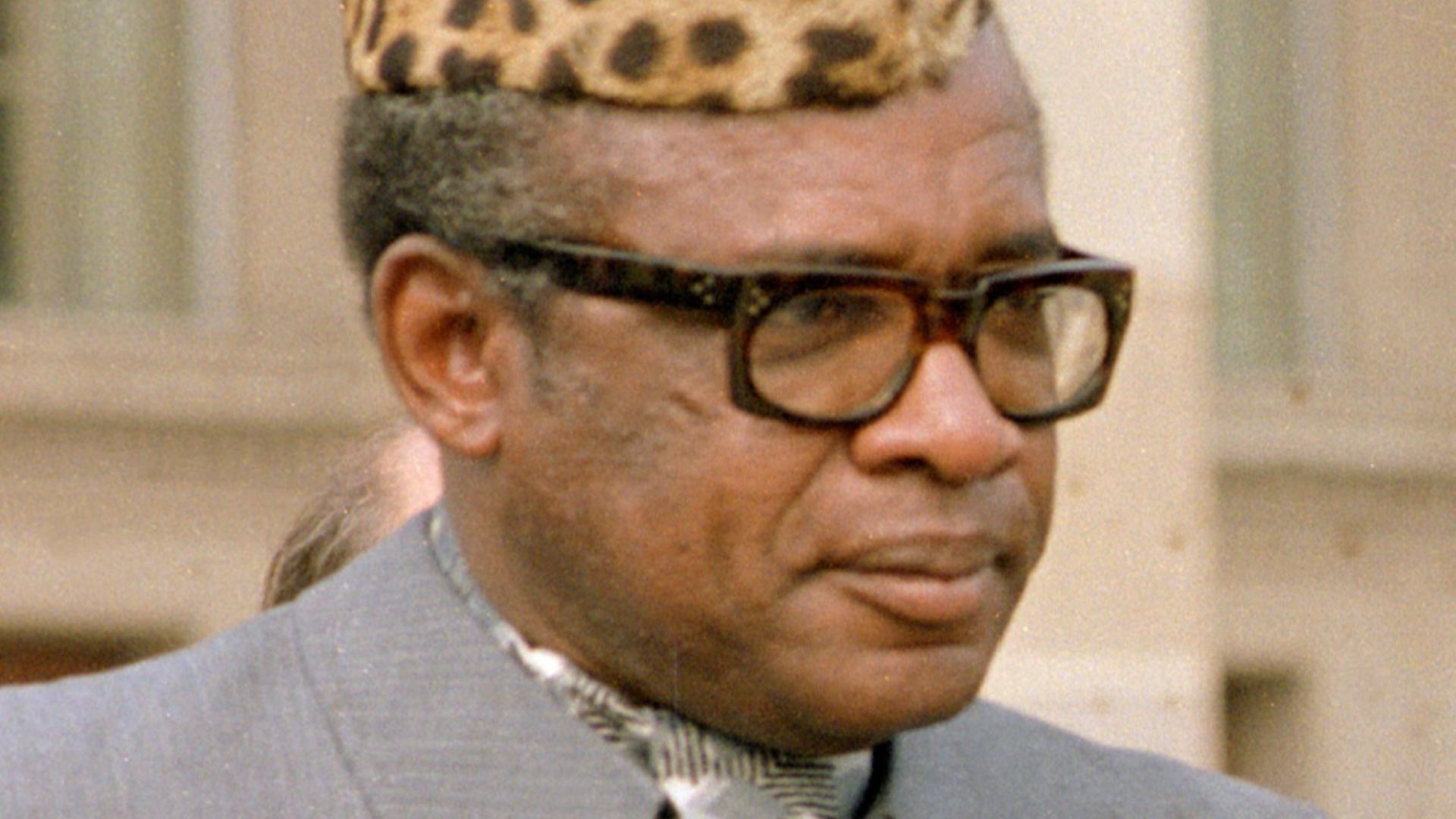
20. Ivan the Terrible, Hymn Composer
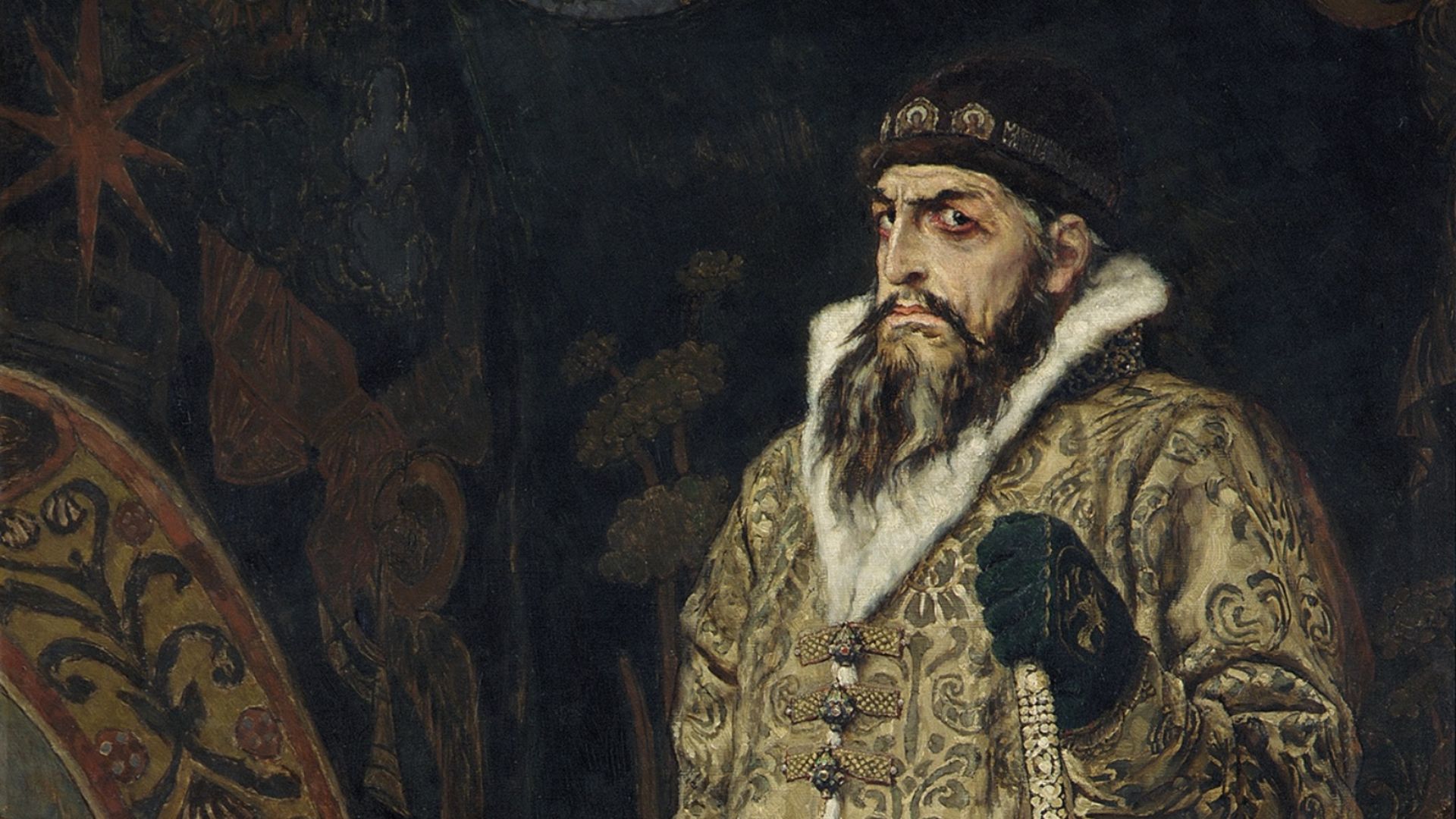
Two devotional hymns in a sixteenth-century collection called Oko Dyachye are signed as the work of Tsar Ivan, Despot of Russia. One honours the Vladimir icon of the Mother of God and the other Saint Peter of Moscow, with both the words and the music credited to him. The attribution rests on that signature rather than anything sturdier, so a little caution is sensible.