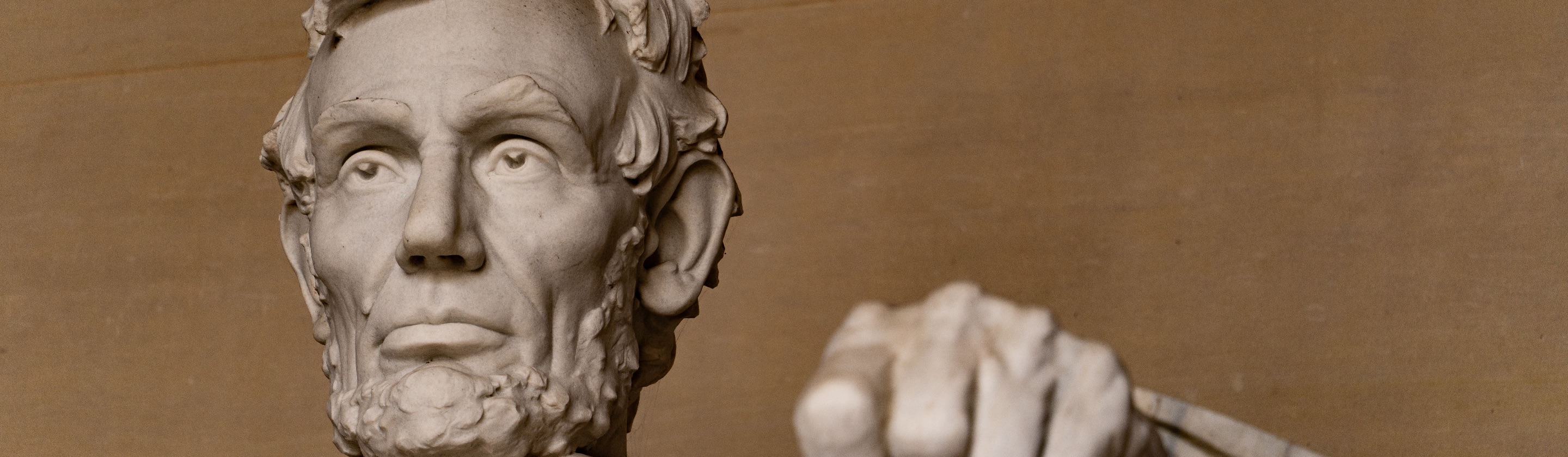
Lincoln’s Assassination Spawned A Whole New Tragedy, And No One Ever Talks About It
Lincoln’s Assassination Spawned A Whole New Tragedy, And No One Ever Talks About It
 Library of Congress on Unsplash
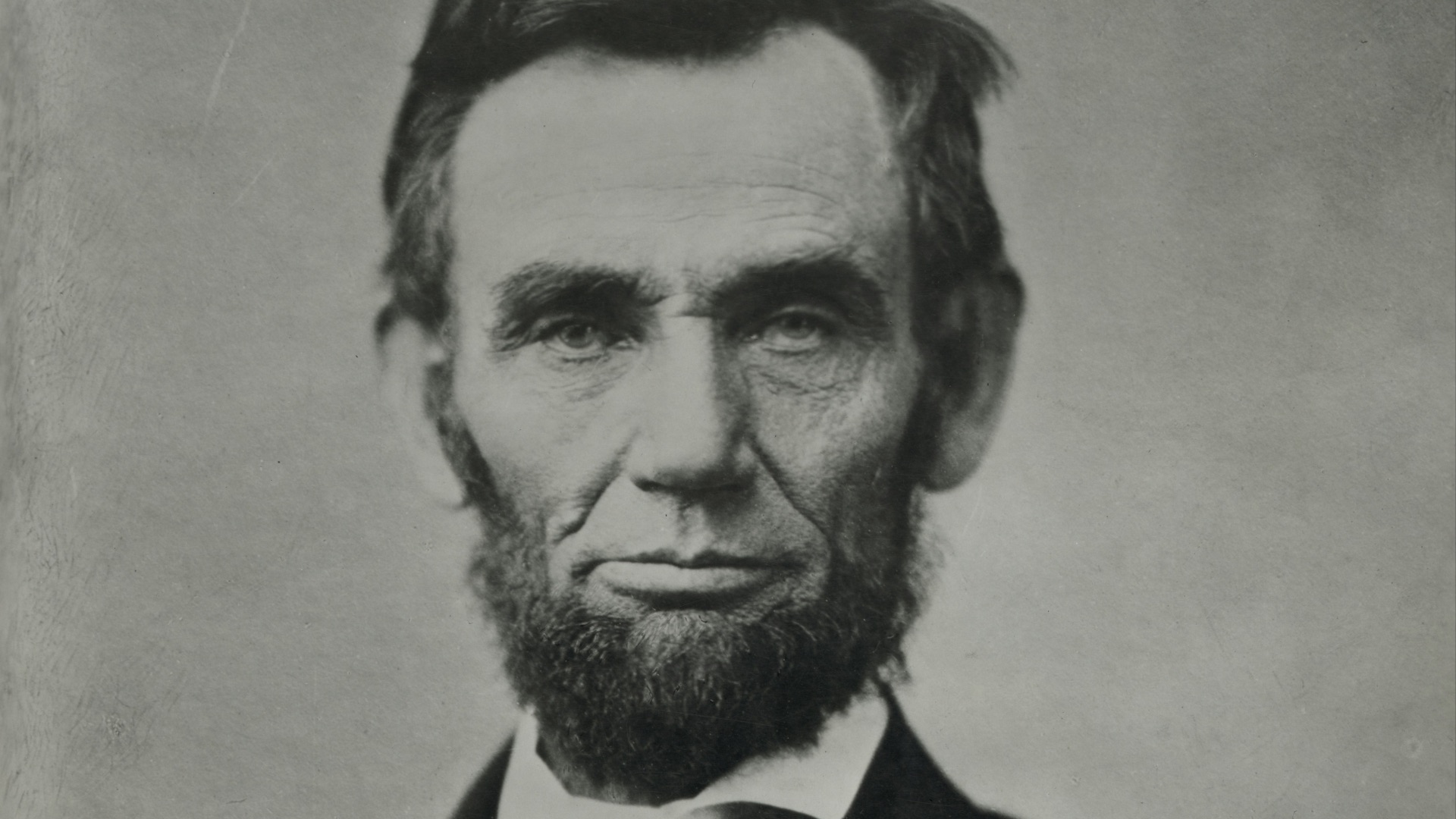
Abraham Lincoln's assassination is still one of the most infamous moments in American history. Even if you’re not a history buff, you undoubtedly know something about it, especially the infamous tidbit that John Wilkes Booth was the man behind it. But far fewer remember the man who tried to stop him. Major Henry Rathbone survived that terrible evening, too—and the consequences would follow him for the rest of his life.
For years, Rathbone struggled with the memory of what happened inside the box, particularly his failure to save Lincoln. As you can imagine, that plummeted his well-being; his declining mental health eventually became a serious concern for those closest to him, especially his wife, Clara Harris. And nearly two decades after that fateful day, their troubled marriage ended in a murder that left three children without their parents.
The Man Who Tried to Save Lincoln
 Mathew Benjamin Brady on Wikimedia
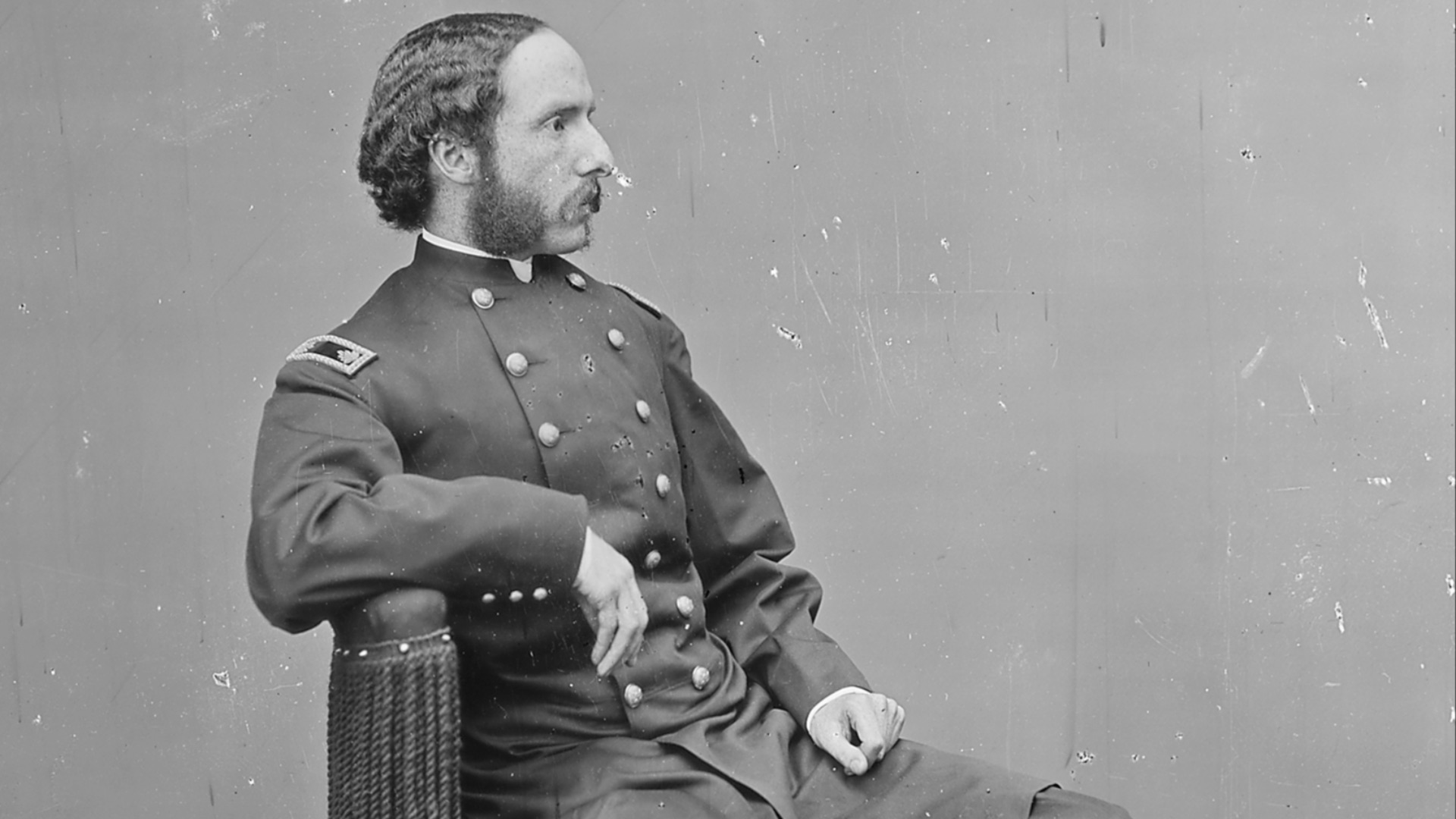
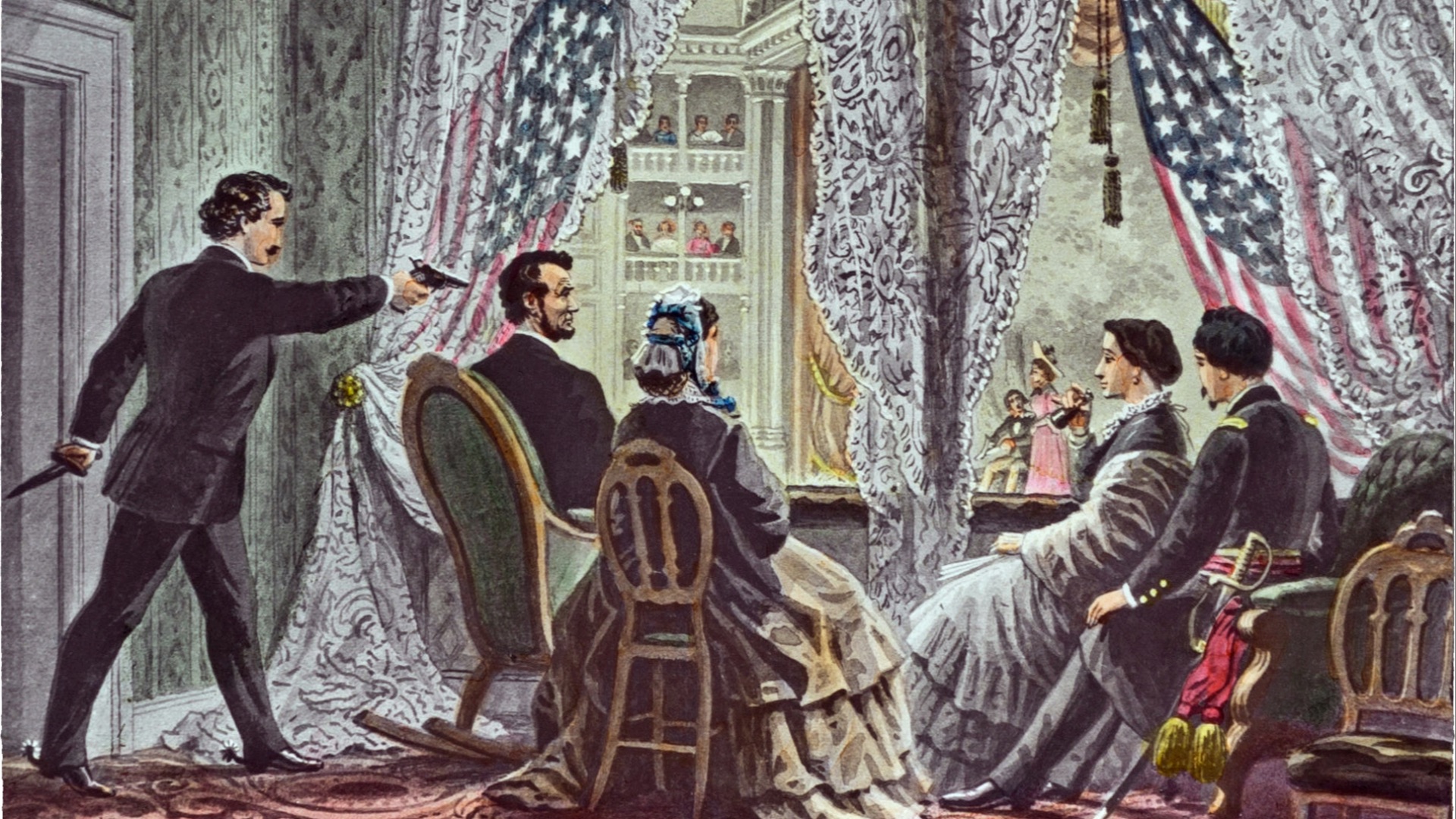
On the evening of April 14, 1865, Rathbone and his fiancée, Clara, accompanied President Lincoln and his wife, Mary, to a performance of Our American Cousin. The couple was really only there because General Ulysses S. Grant and his wife were unable to make it. Either way, the whole evening seemed pedestrian enough, and Rathbone, a 28-year-old Union Army officer, had no reason to suspect that his evening would become part of history.
Of course, everything changed after the shooting. Booth then ran into Rathbone, who immediately tried to stop him from getting away. According to the Library of Congress, the two men struggled before Booth slashed Rathbone's arm with a dagger and escaped onto the stage. It wasn’t some kind of flesh wound, either; the blade did serious damage, cutting an artery and causing decent blood loss. Despite his injury, Rathbone remained conscious long enough to help others reach the wounded president.
Following the shooting, Rathbone accompanied Mary Lincoln and Clara to the Petersen House, where the dying president had been whisked away. His condition only got worse as the night went on, and he eventually collapsed from blood loss. Lincoln died the following morning, leaving Rathbone with memories he couldn't escape.
A Marriage Haunted By the Past
Despite everything they witnessed, Rathbone and Harris attempted to slip back into a normal life together after the Civil War. They tied the knot in 1867 and even welcomed three children. On the surface, everything seemed to be moving beyond the terrible events that had brought them national attention—as much as they could, anyway. However, Rathbone's mental state worsened, and his behavior became increasingly unpredictable. What should've been a fresh beginning instead marked the start of years of personal turmoil.
Lincoln’s life hung over Rathbone like a cloud. It reportedly tormented him so much that he spent his days blaming himself for what happened, despite having confronted Booth and trying his best to stop him. But those realities didn’t soothe him, and his mental health deteriorated over the years, contributing to difficulties in both his professional and personal life. He became suspicious of Clara, reportedly accusing her of infidelity and fearing that she intended to leave him. His jealousy also extended to the attention she gave their children, which only made their home scarier to live in.
In 1882, Rathbone finally received a diplomatic appointment as American consul in Hanover, Germany, during President Chester A. Arthur's administration. The position offered his family an opportunity to relocate and potentially escape the attention surrounding their connection to Lincoln's death. But moving overseas did nothing to resolve the problems. Rathbone's condition only worsened, and Clara found herself living with a man whose behavior had become deeply disturbing.
The Horrifying Christmas of 1883
The tragedy reached its conclusion in December 1883. On Christmas Eve, Rathbone fatally shot Clara. He subsequently turned a knife against himself, inflicting multiple wounds in an apparent attempt to take his own life. He survived, however, leaving him to scramble for some sort of explanation to the authorities.
Following the attack, Rathbone reportedly attempted to blame it on an intruder, although investigators didn't buy it. Medical examinations put the final nail in the coffin, determining that he did indeed suffer from severe mental illness. He was ultimately confined to a psychiatric institution in Germany. His three surviving children were sent to live with relatives, and Rathbone remained institutionalized until August 14, 1911, when he died at the age of 74.
The family's story didn't disappear entirely, however. One of Rathbone's sons eventually entered American politics. Henry Riggs Rathbone served in Congress and worked to preserve historical materials connected to Lincoln, including collections associated with Ford's Theatre. As the National Park Service explains, his efforts helped advance discussions about preserving the theater as a historical memorial.
While the assassination's psychological effects on Henry Rathbone can’t fully explain his later violence, Clara's murder remains a devastating part of its aftermath, reminding us that the people who survived that night had stories far beyond Lincoln's death.