
The Real Animal Is Weirder
Dire wolves have a reputation problem. Most people know them from Game of Thrones and assume somebody made them up. The real animals roamed the Americas for hundreds of thousands of years, and more of them have been found at Los Angeles's La Brea Tar Pits than any other large mammal. They weren't simply oversized gray wolves, either. In 2025, a biotech company claimed to have brought them back from extinction, though scientists dispute whether its genetically modified animals qualify. Here are 20 things about the real dire wolf that make the fantasy look tame.
1. They Weren't Wolves
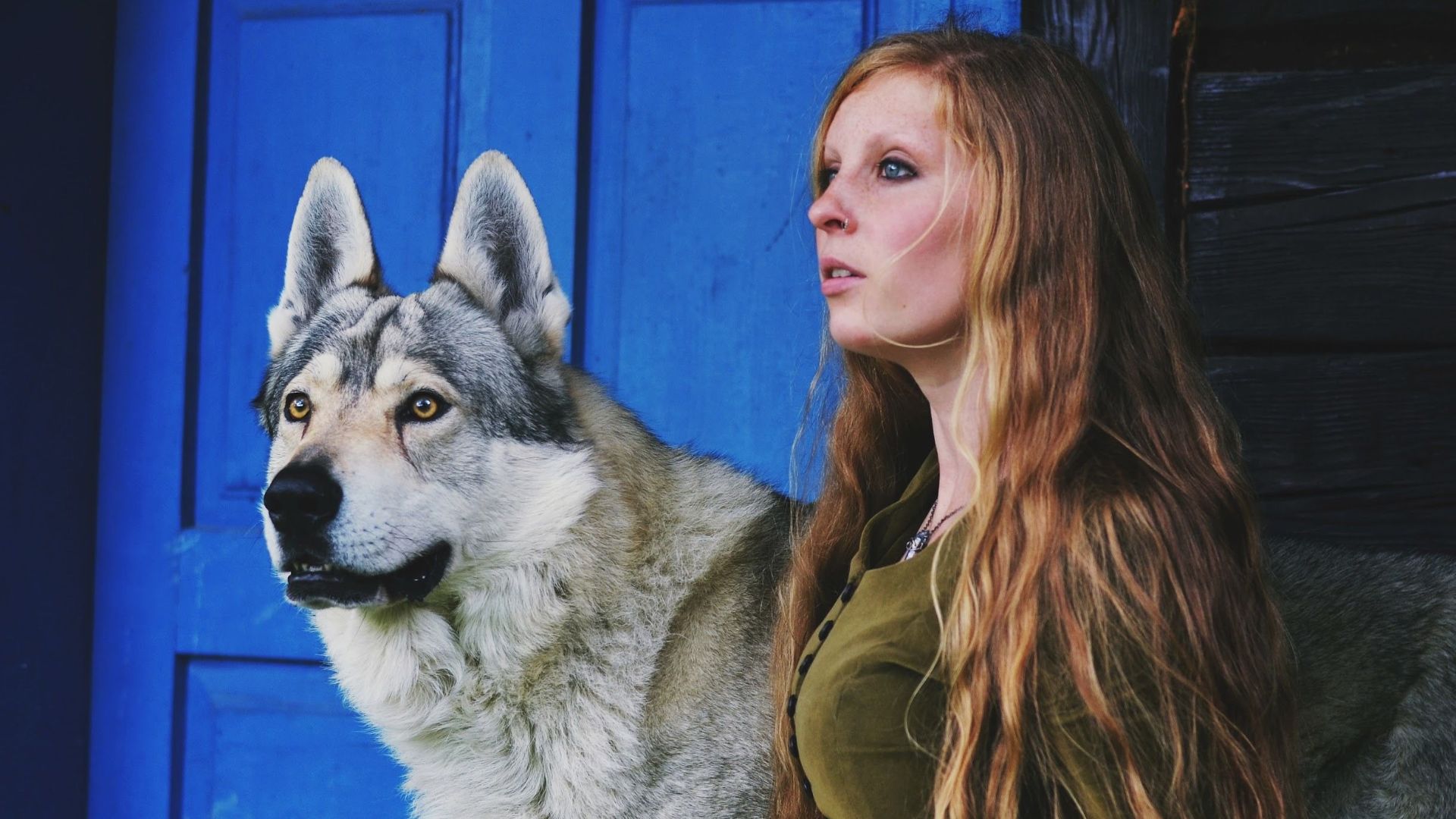
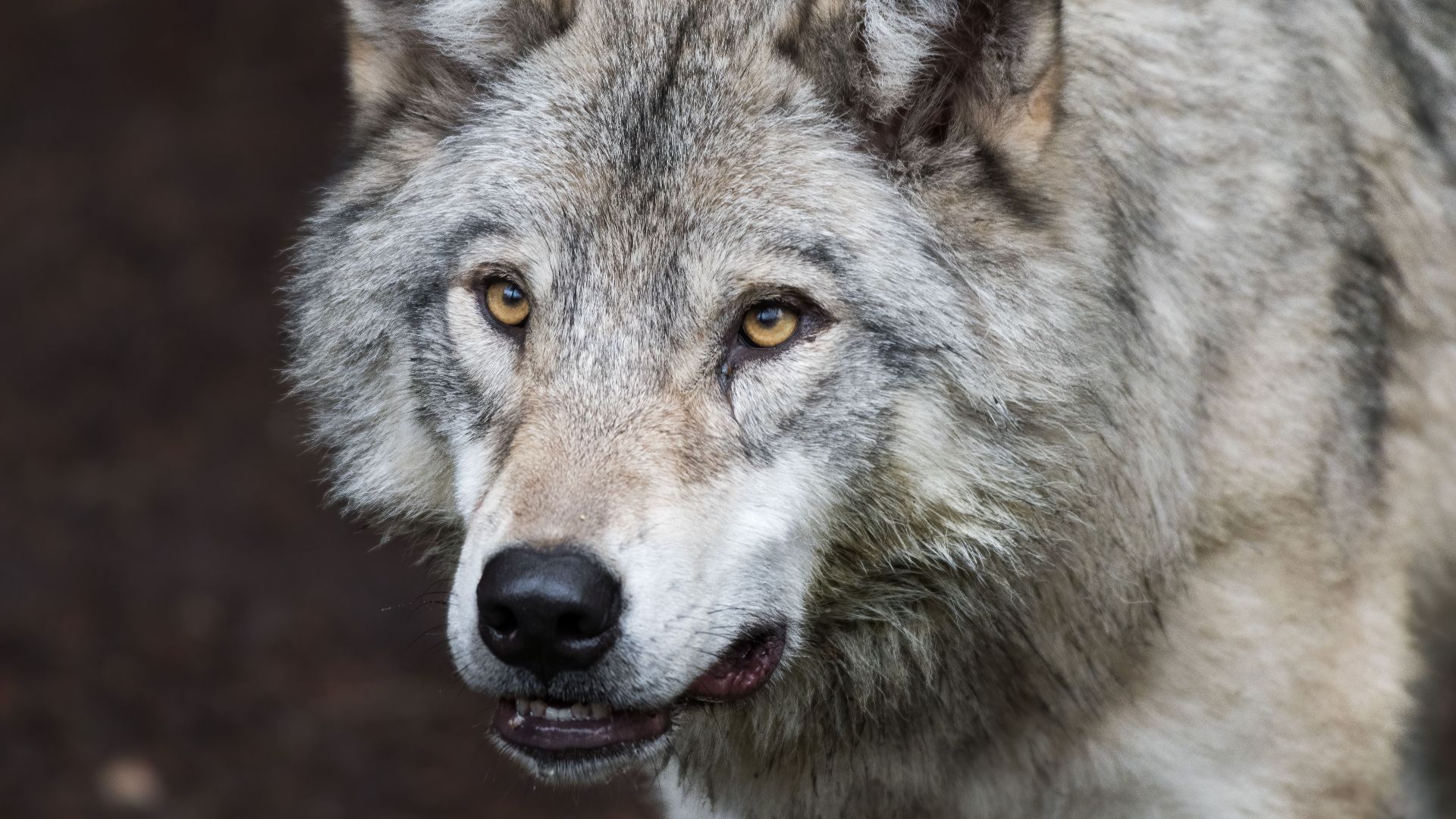
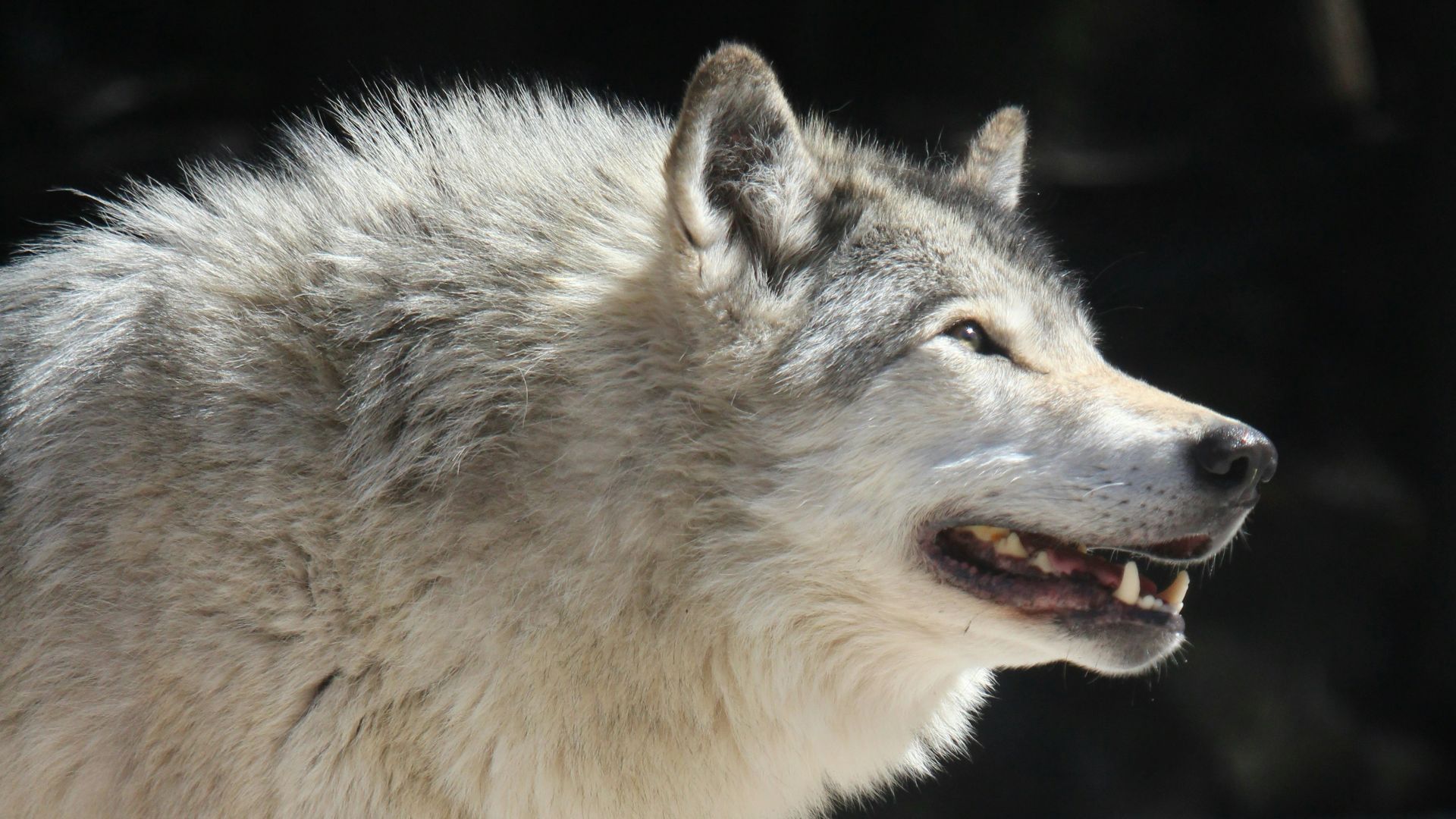
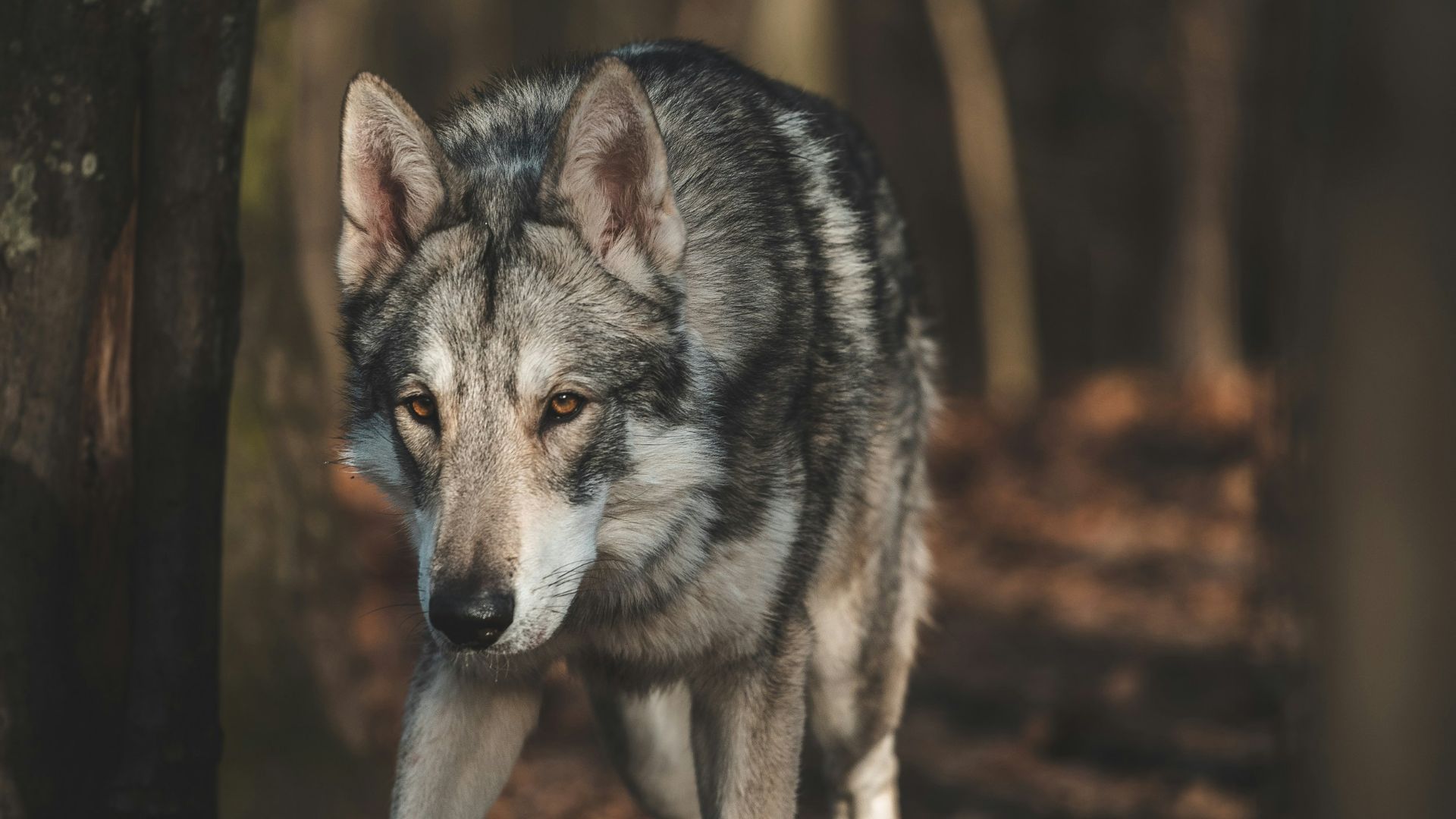
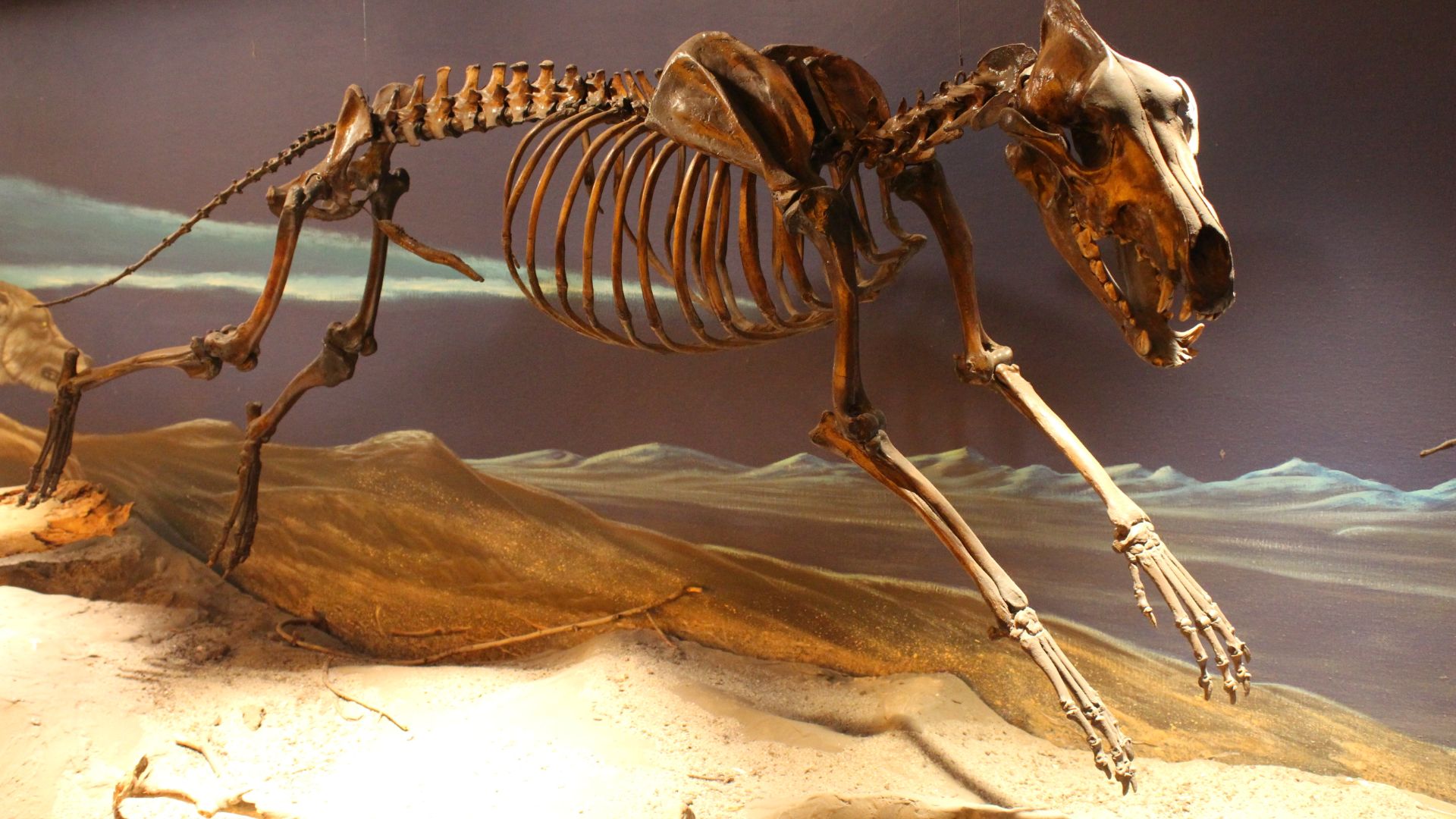
DNA research published in 2021 found that dire wolves had split from the ancestors of today's wolf-like canids around 5.7 million years ago. They weren't close relatives of gray wolves at all. They had evolved a similar build independently, and that resemblance fooled paleontologists for more than a century. It's a classic case of convergent evolution, where animals facing similar conditions develop similar features despite being only distantly related.
2. They Never Interbred With Anything
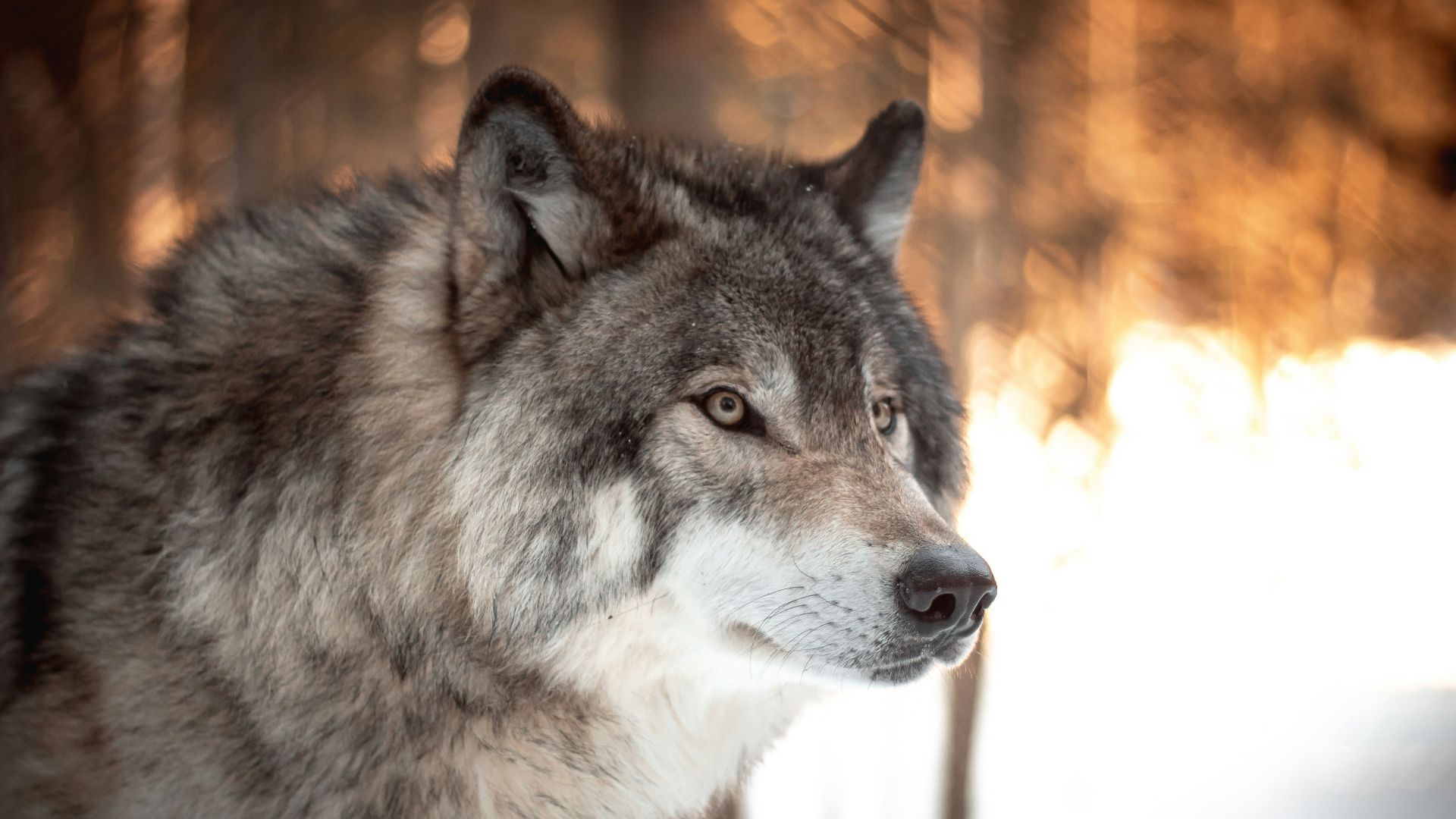
Wolves, coyotes and dogs swap genes constantly and the resulting mess keeps taxonomists busy. Dire wolf genomes showed no trace of gene flow with gray wolves or coyotes, which makes them the odd ones out in a family that hybridizes at the slightest provocation. Whatever they were doing for five million years, they were doing it alone.
3. The Gray Wolf Is The Immigrant Here
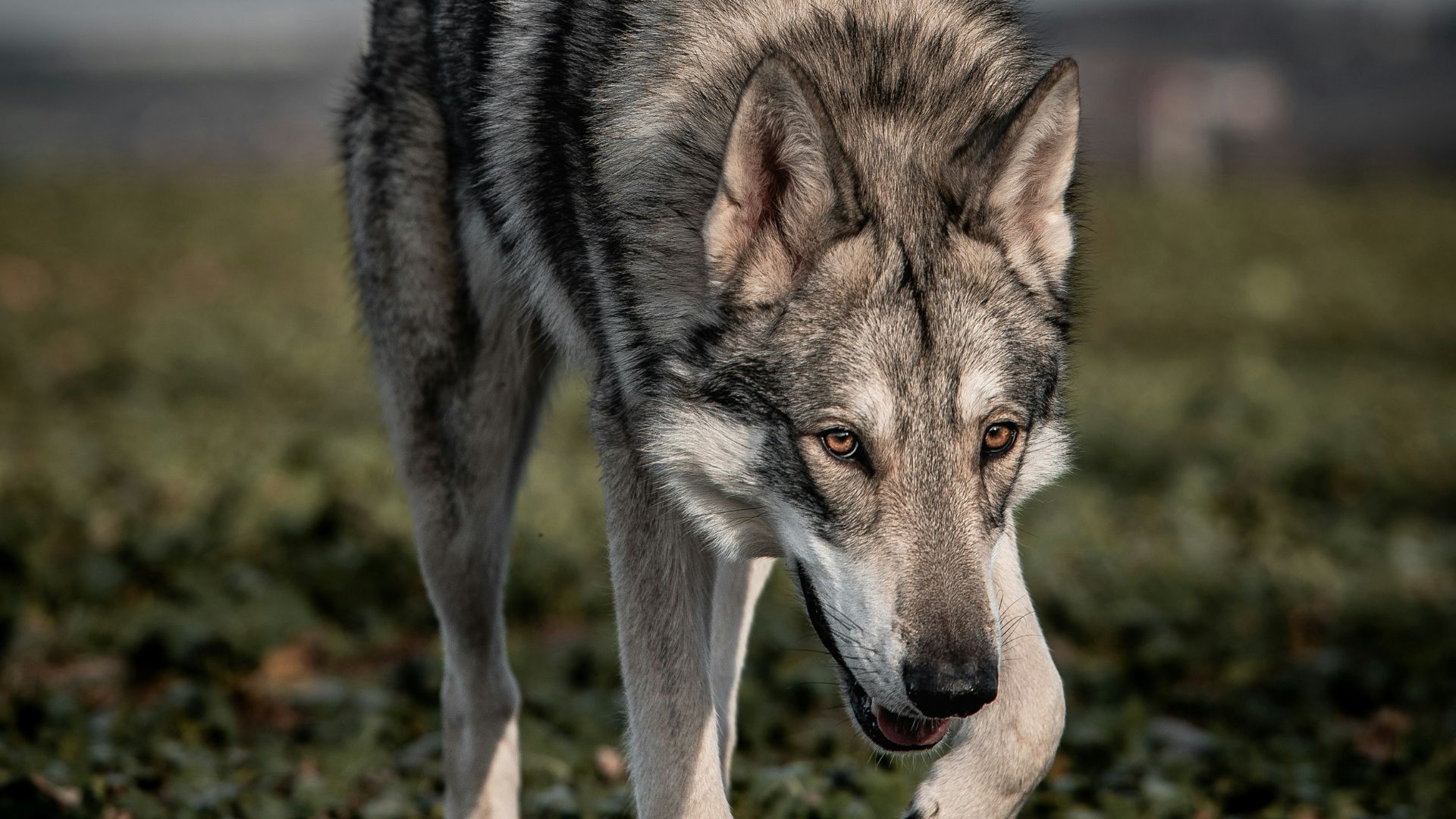
Gray wolves and coyotes arrived in North America from Eurasia less than 1.37 million years ago. Dire wolves were already in residence and had been for a very long time. The animal everyone pictures as the native North American predator is the newcomer, and the one with the fantasy-novel name was the local. For most of their existence they had the continent largely to themselves.
4. They Were Not Horse-Sized
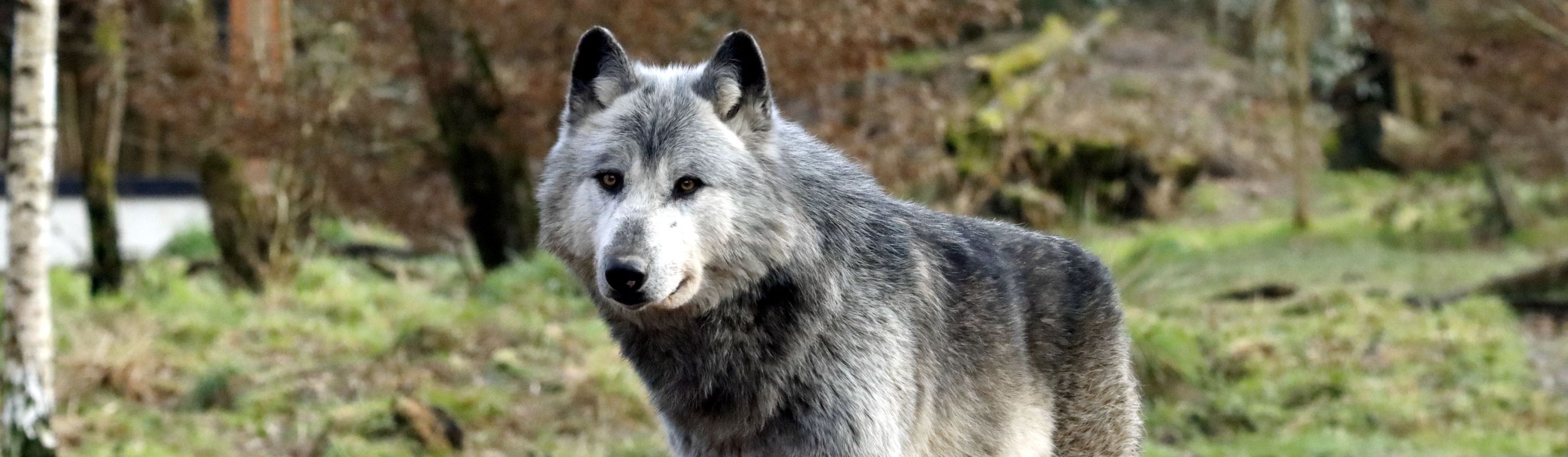
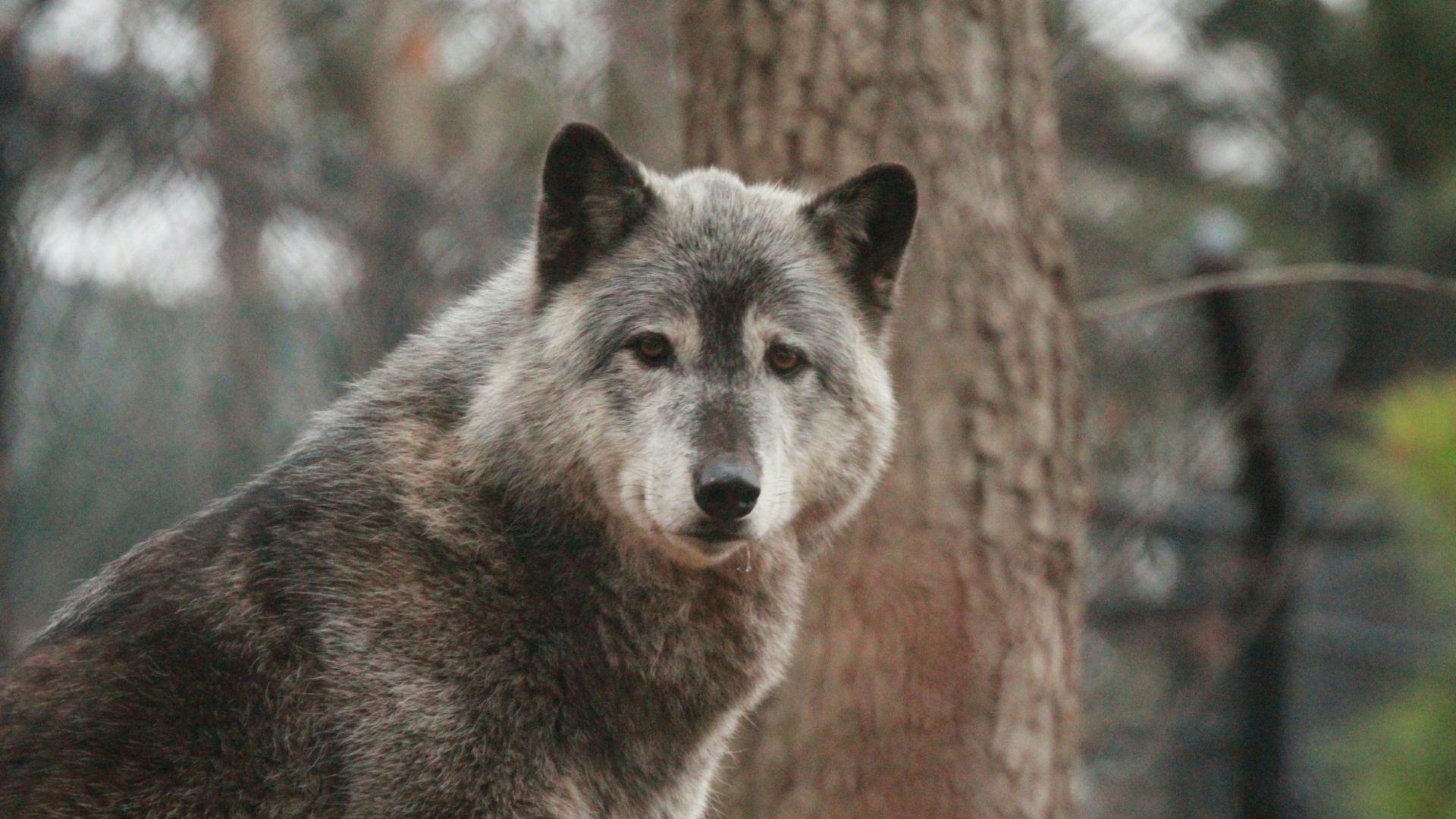
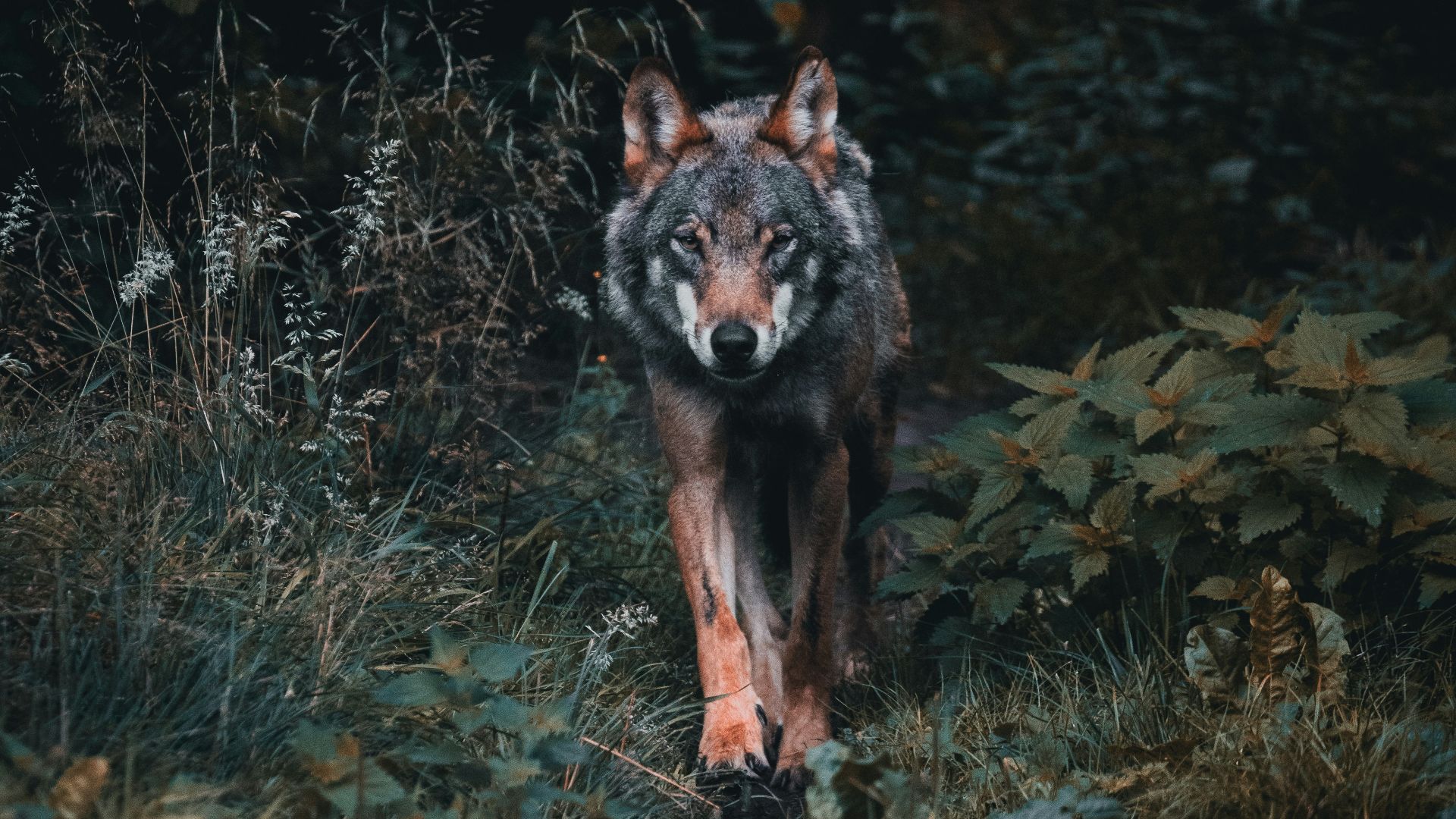
A large dire wolf weighed around 68 kilograms (150 pounds), roughly 25 percent more than a large gray wolf. That made it a formidable predator, but nowhere near the horse-sized creature television has led people to imagine. Think an exceptionally large, heavyset dog rather than a small bear. The Game of Thrones version is practically a pony with teeth.
5. Four Thousand Of Them Are In One Tar Pit
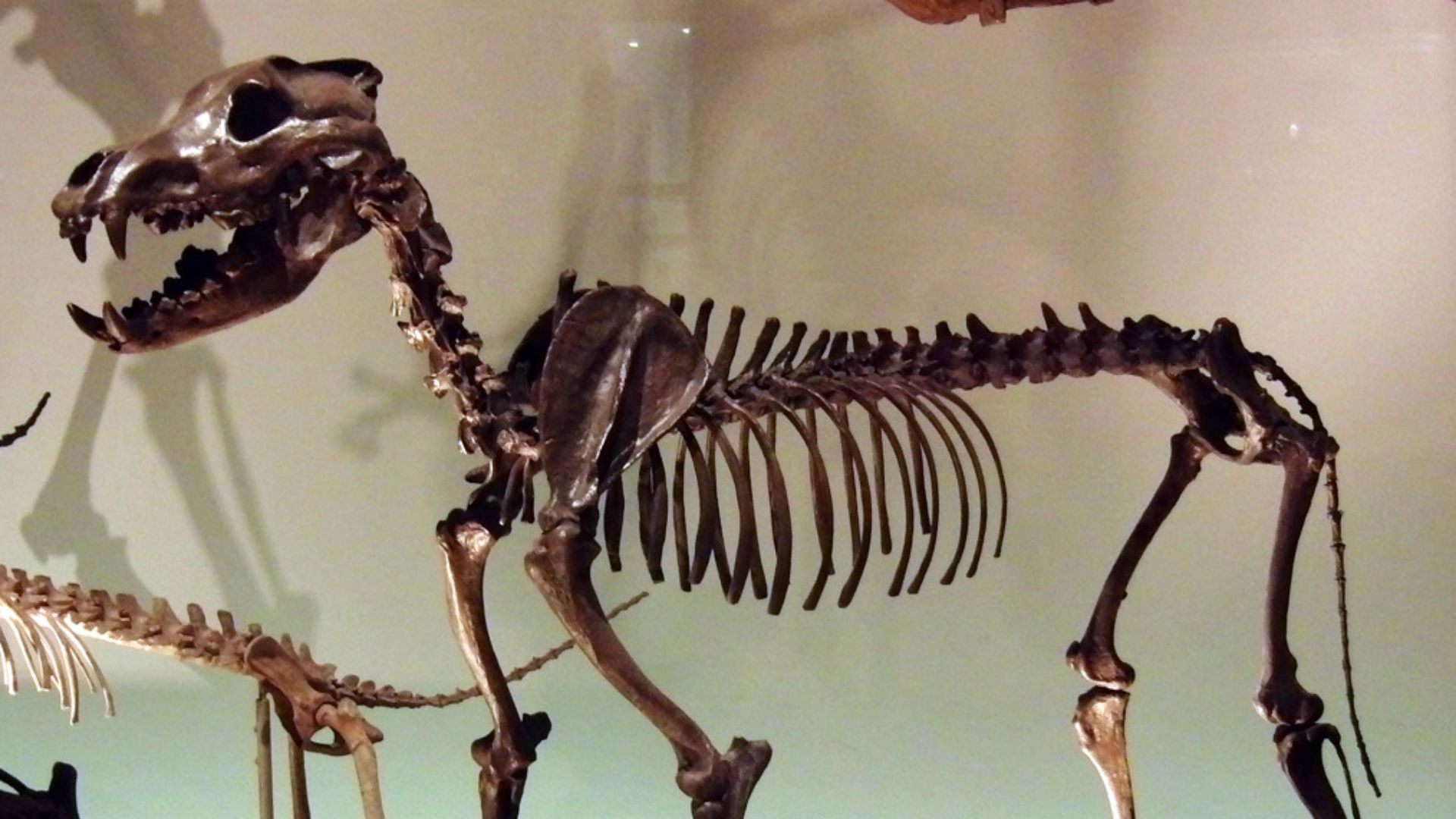
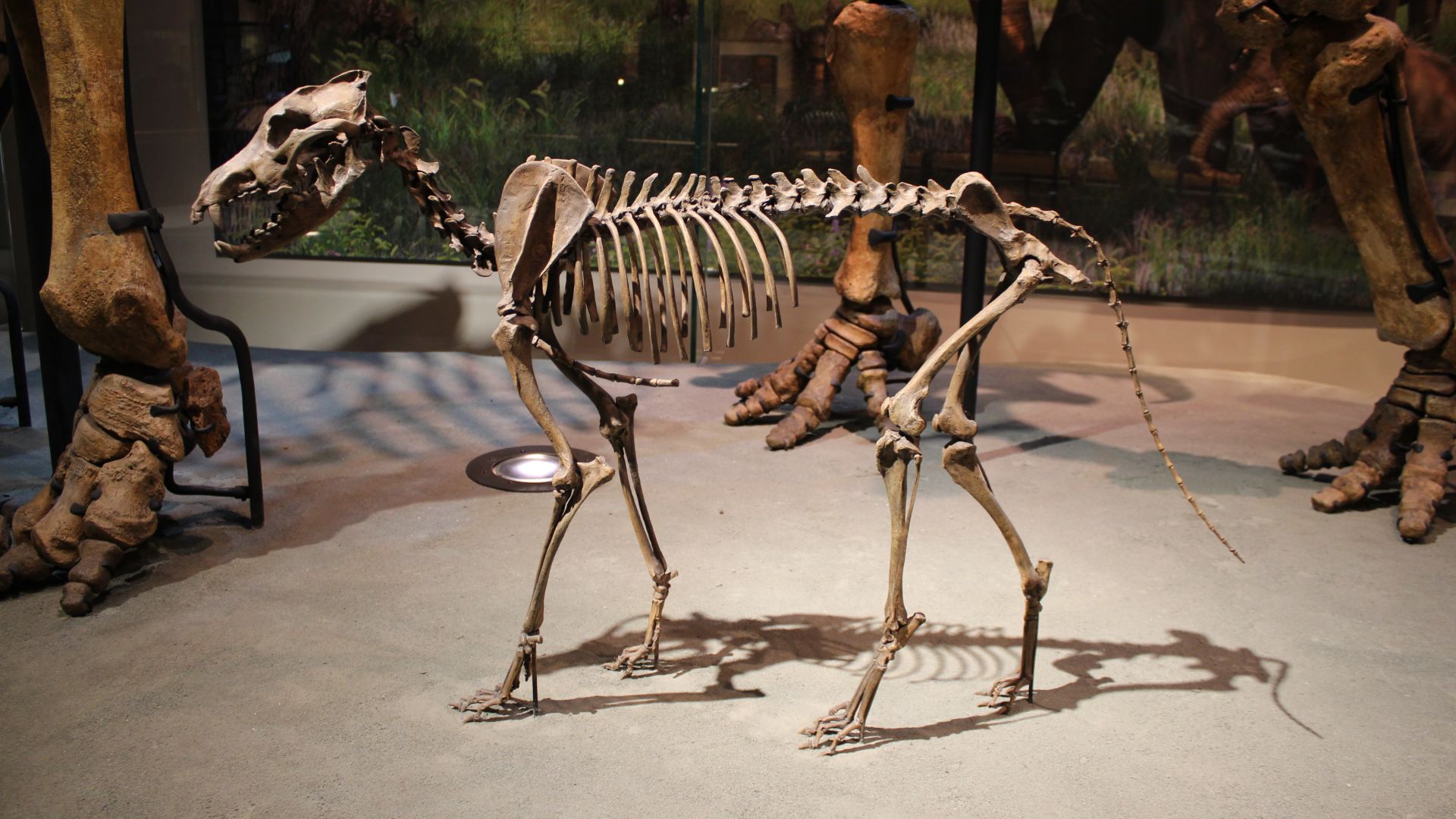
More than 4,000 individual dire wolves have been recovered from the La Brea Tar Pits, according to the Natural History Museum of Los Angeles County. No other large mammal at the site comes close. Even the famous saber-toothed cats account for only around 2,000 individuals. Coyotes number at least 500, while short-faced bears barely clear 30. Dire wolves were so common in the pits that their remains outnumber those of nearly every other large predator combined.

6. The Predators Outnumber The Prey There
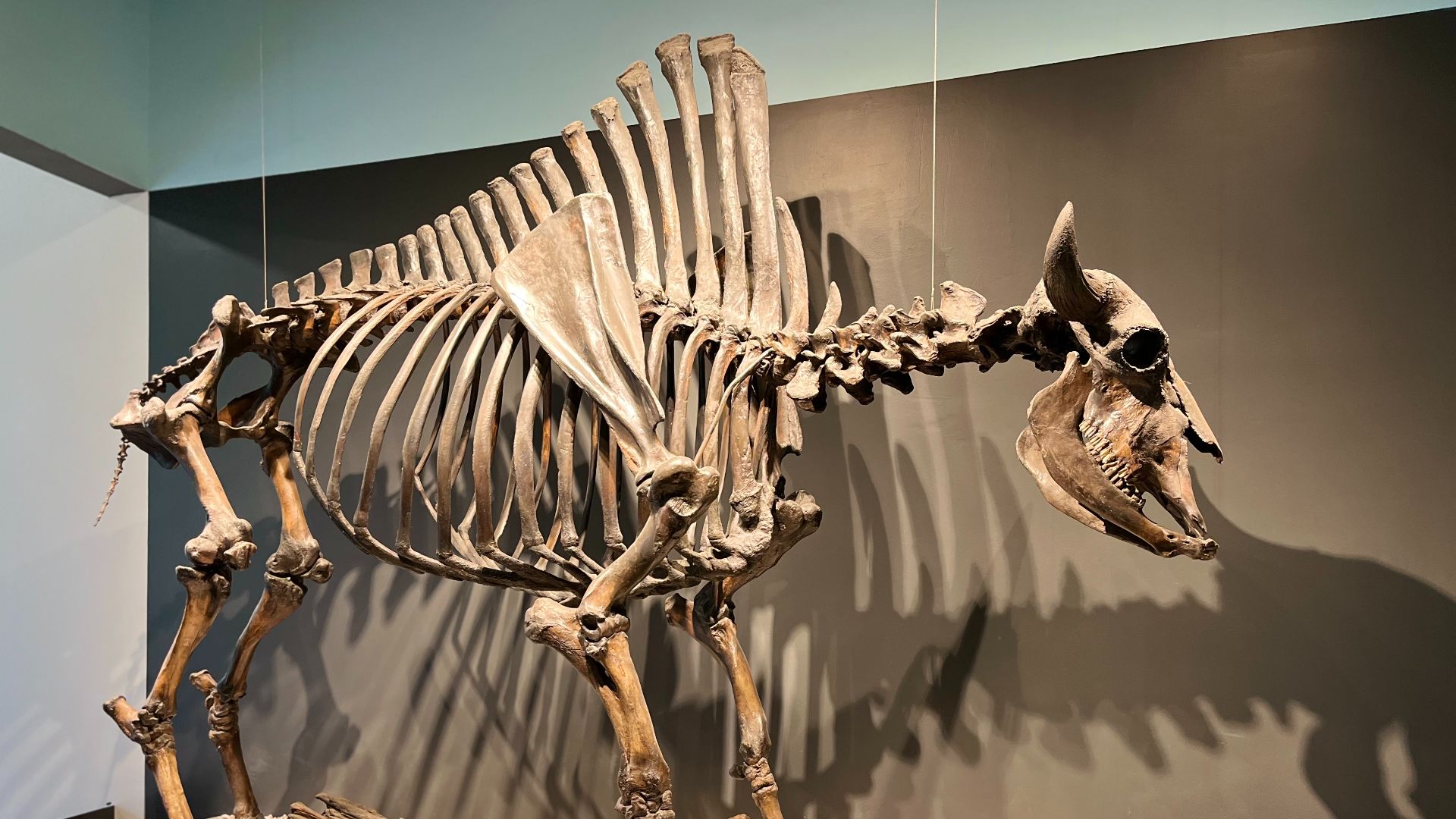
La Brea's commonest large herbivore is the antique bison, at just over 300 individuals. Dire wolves therefore outnumber the thing they were presumably eating by more than thirteen to one. The asphalt worked as a trap that caught one stuck animal and then collected everything that turned up to investigate. It is a snapshot of carnivores making a bad decision, over and over, for thousands of years.
7. Their Teeth Record A Bad Century
Dire wolves from around 15,000 years ago broke roughly three times as many teeth as the ones from 12,000 years ago. Both groups died at about the same ages, so this isn't a case of worn-out old animals skewing the sample. Something about the earlier diet was considerably harder on the enamel. The teeth effectively function as a record of how tough the competition was.
8. They Were Cracking Bones
Tooth damage on that scale points at bone, which carnivores generally get around to once the easier food has run out. Researchers read it as evidence of fierce competition at a time when predators were thick on the ground. As the great extinction approached and rivals thinned out, the wolves apparently stopped having to work quite so hard for dinner.
9. The First One Turned Up In A Riverbank In 1854
Francis Lincke dug the original remains from the Ohio River terraces near Evansville, Indiana. Joseph Leidy of the Philadelphia Academy of Sciences described the species from that material. Indiana has since turned up the species in at least two more counties, which makes it an unlikely cradle for the species' scientific career. Nothing about the state suggests ice age megafauna.
10. Their Proper Name Sat Unused For A Century
The paleontologist John Campbell Merriam suggested putting them in a genus of their own, Aenocyon, more than a hundred years ago. Nobody adopted it, because the bones looked so thoroughly wolfish that a separate genus seemed like overreach. The 2021 genetics vindicated him posthumously. His name is now the one in use.
11. Getting Their DNA Took Forty-Six Attempts
Forty-six subfossil specimens were screened in the hope of finding usable genetic material. Five of them delivered. Those five came from four different states and ranged from 12,900 to more than 50,000 years old. Everything else had degraded past the point of being readable.
12. The La Brea Fossils Are Useless For DNA
The richest dire wolf collection on earth is also one of the worst places to go looking for genetic material, because asphalt destroys DNA. Researchers had to hunt through Ohio and Idaho while sitting on four thousand animals in Los Angeles. The best-preserved bones in the world are the least informative ones.
13. They Lasted A Quarter Of A Million Years
North American fossils carry them from roughly 250,000 years ago to about 13,000. That is a long and successful run by almost any measure. They went down alongside the mammoths, the saber-tooths and most of the continent's other oversized mammals. Humans were already on the continent to watch it happen.
14. Being Good At One Thing Probably Finished Them
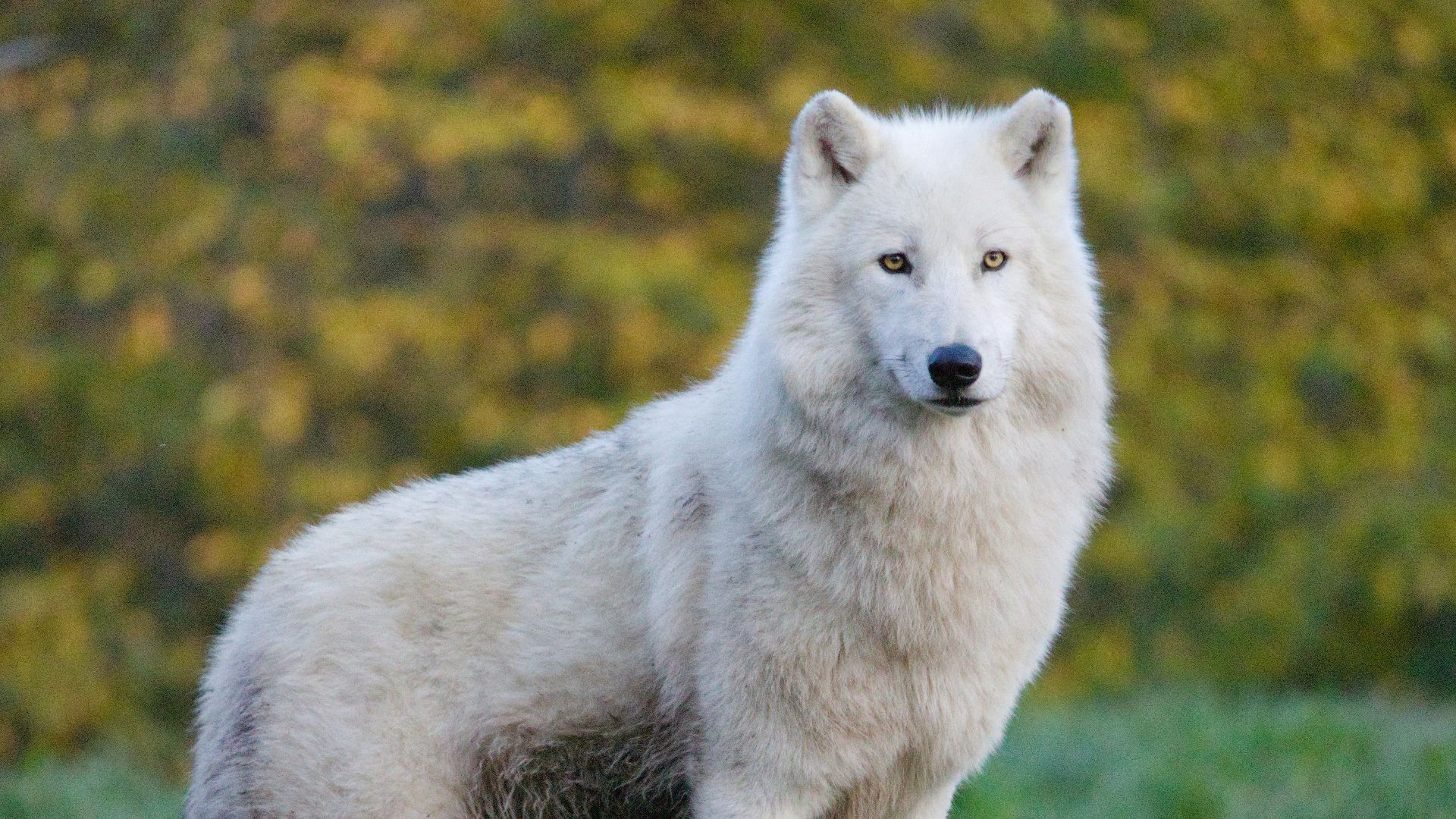
The leading explanation is that their size made them specialists in large prey. When the large prey disappeared, so did they. Gray wolves, smaller and considerably less fussy, walked out of the same extinction event and are still with us. Specialization pays extremely well right up until the moment it stops.
 Noureddine BOUABDALLAH on Unsplash
15. A Company Announced It Had Brought Them Back
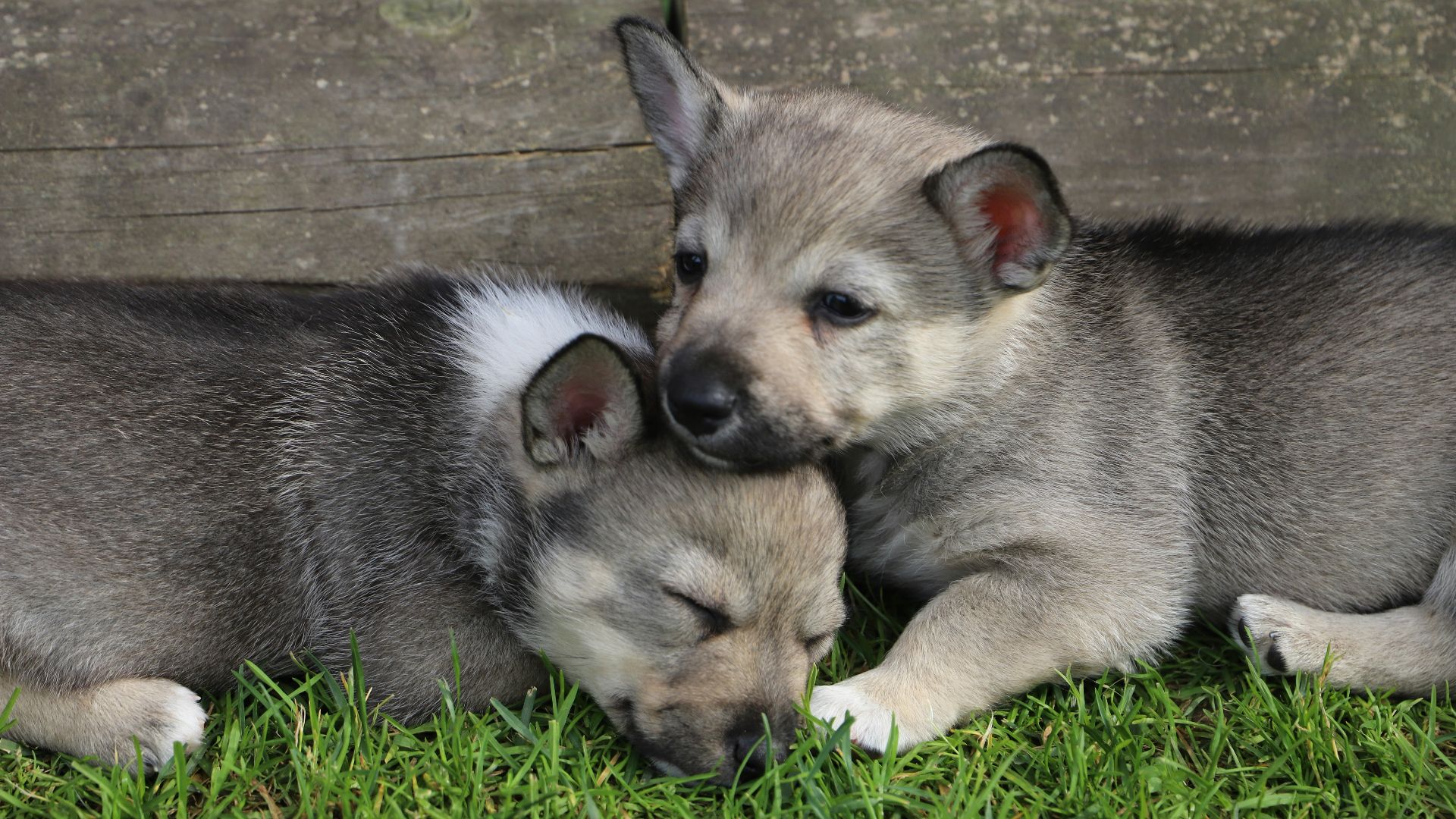
Colossal Biosciences said in April 2025 that it had produced the world's first successfully de-extinct animal, and presented three pups. Romulus and Remus were born in October 2024, with Khaleesi following in January 2025. Colossal had already built its reputation on a promise to bring back the mammoth.
16. The Reference DNA Came From A Tooth And An Ear Bone
Two specimens supplied the genetic template, one a tooth around 13,000 years old and the other an ear bone put at 72,000. That's the raw material for the entire project. Everything the pups are supposed to be was reverse-engineered from those two fragments. Neither one yielded a complete genome, so a good deal had to be inferred.
17. The Pups Are About 99.9 Percent Gray Wolf
That figure comes from Love Dalén of Stockholm University, who advises Colossal. He called the question of how many genes you'd need to change before something counts as a dire wolf a philosophical one. Other researchers were less relaxed and described the animals as genetically modified gray wolves.
18. Twenty Edits Did The Whole Job
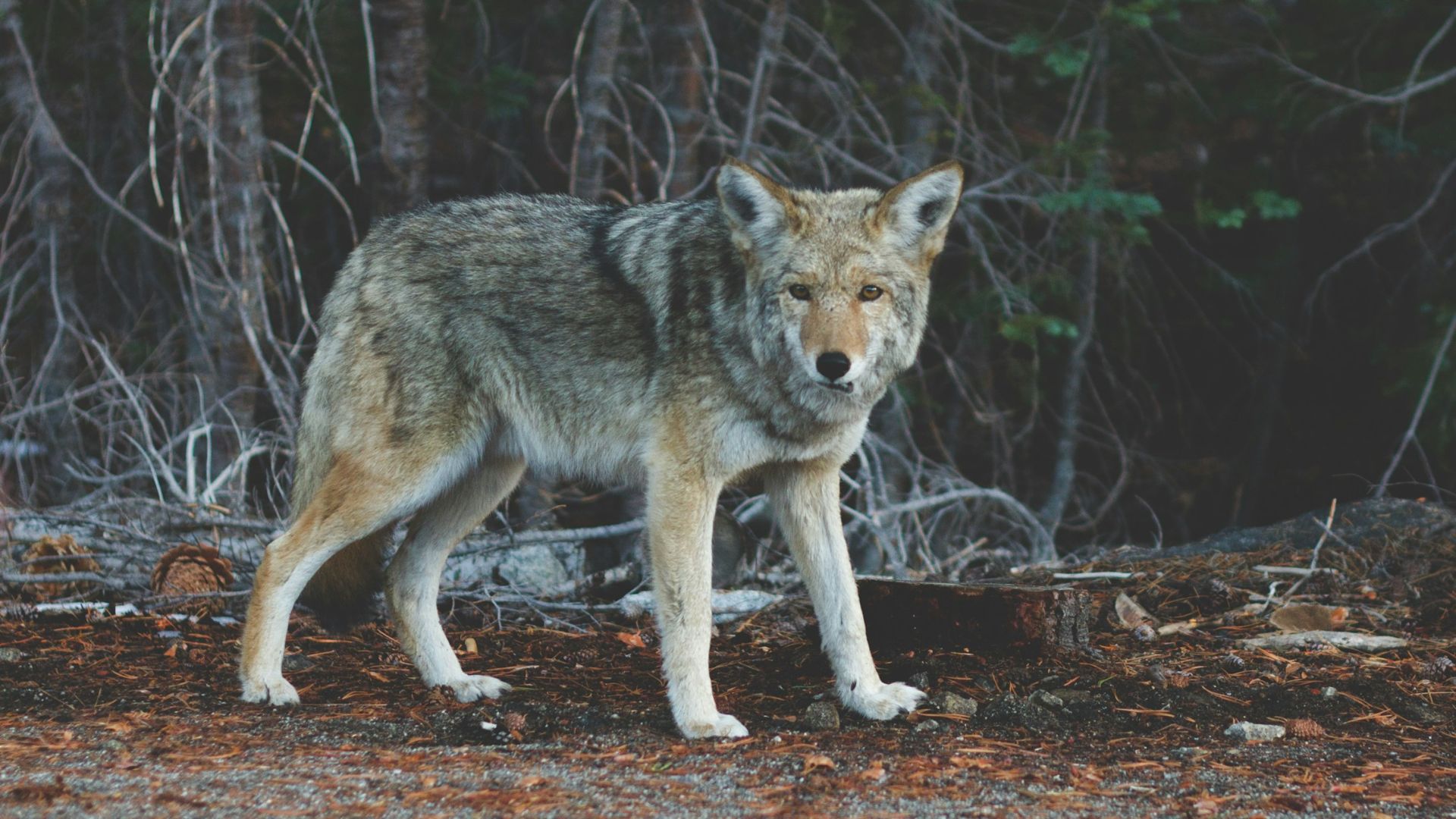
Twenty genetic variants were altered, covering traits like body size, a broad skull and thick fur. Everything else is gray wolf, untouched. Whether that gets you the animal or a gray wolf with a better haircut is the argument the field is still having, and nobody has agreed where the line sits.
19. Dogs Carried The Pregnancies
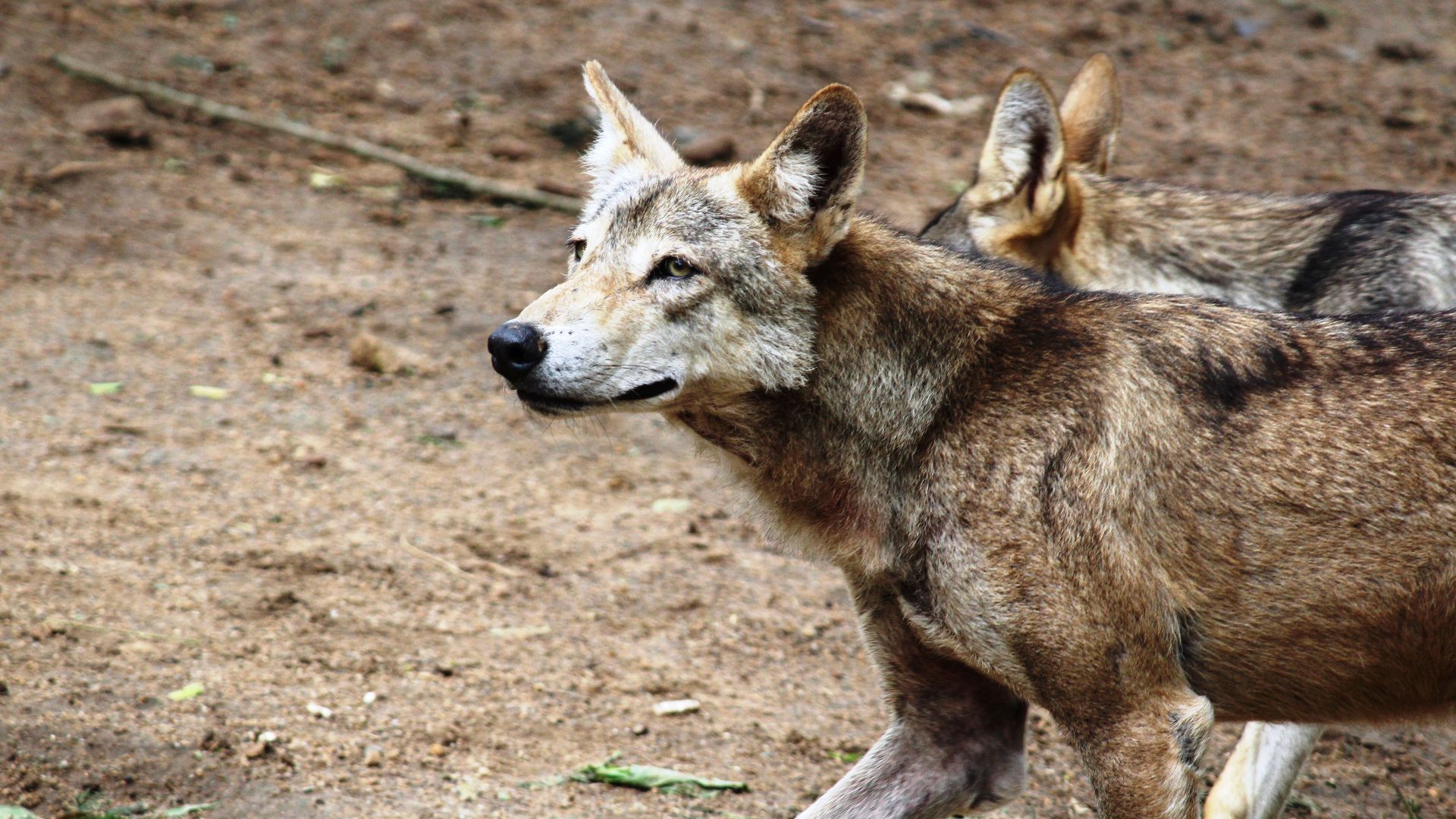
Scientists created the embryos using dog egg cells and genetically edited gray wolf cells, then transferred them into domestic dog surrogates. Dogs and wolves are closely related enough for the pregnancies to work, and 62 days later the pups were born. For all the headlines about bringing back an extinct predator, the mothers were ordinary domestic dogs in Texas.
20. The Show Caused A Husky Crisis
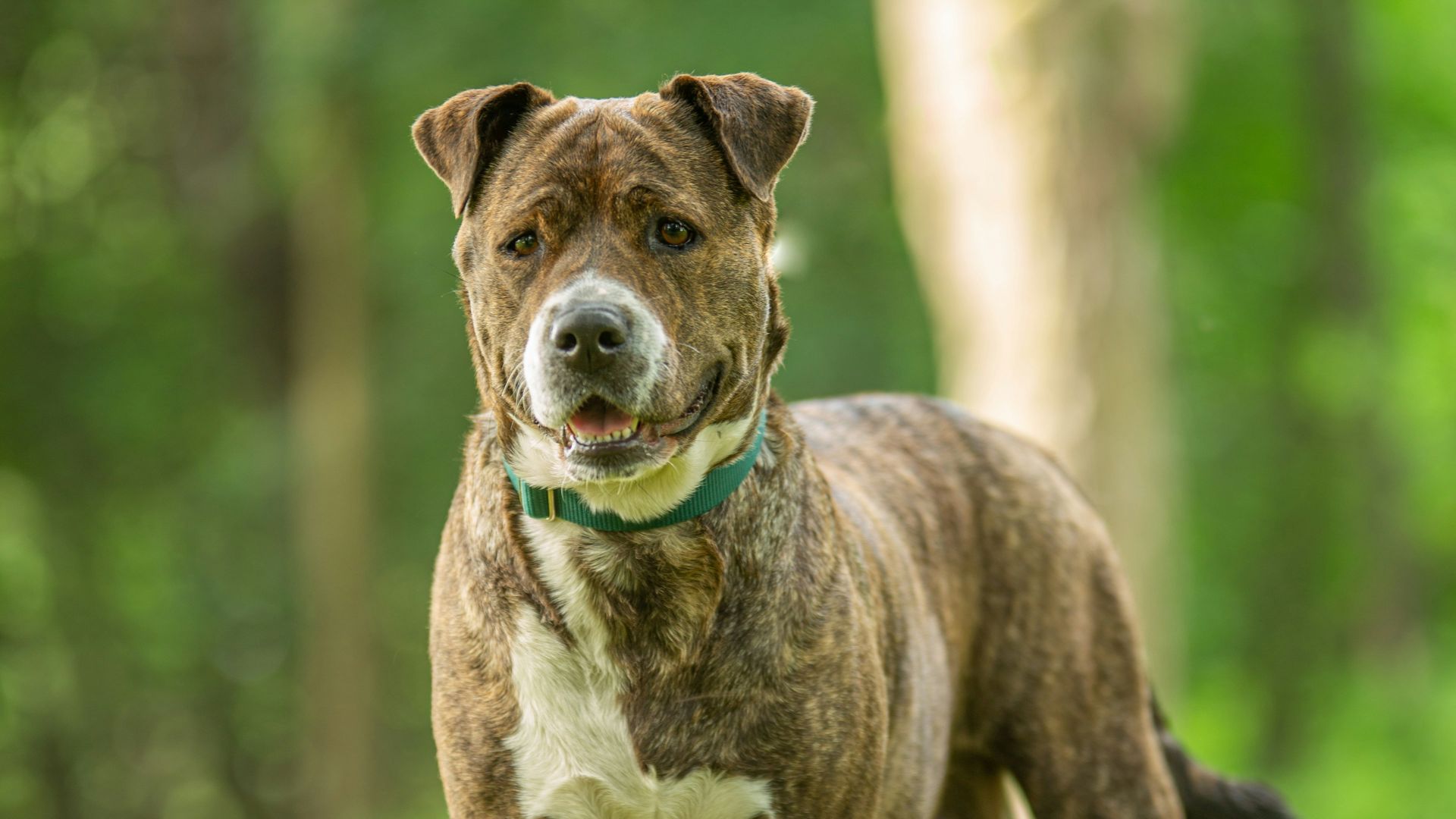
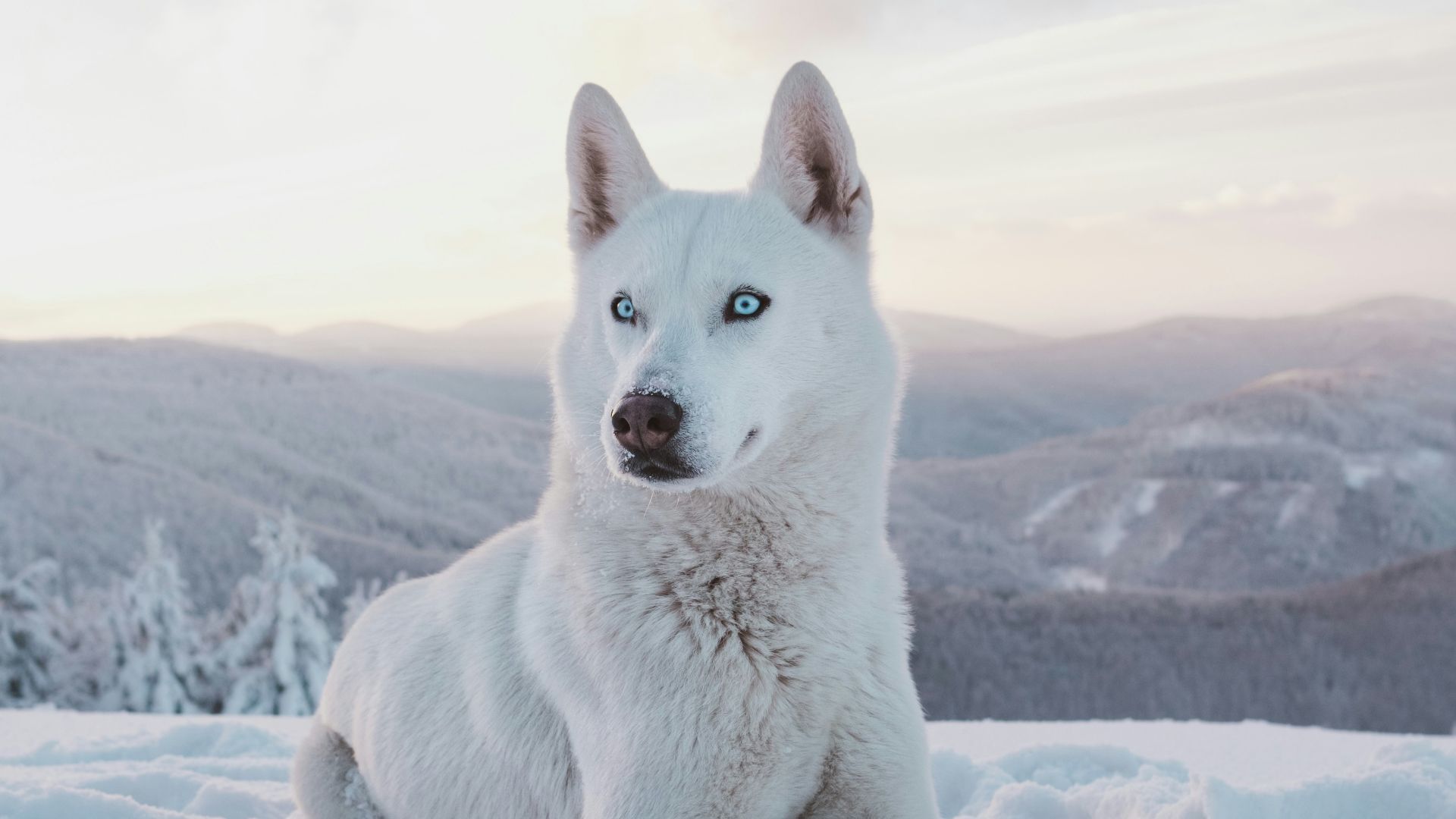
Northern Inuit dogs played the direwolves on Game of Thrones, with an Arctic wolf brought in when producers needed something bigger. Fans wanted the same look at home, and many bought huskies without understanding how demanding they could be. Dogs Trust, the UK's largest dog welfare charity, reported a 420 percent rise in huskies in its care between 2010 and 2018.
KEEP ON READING