
Life Before Toilet Paper: The Surprisingly Recent History of Bathroom Hygiene
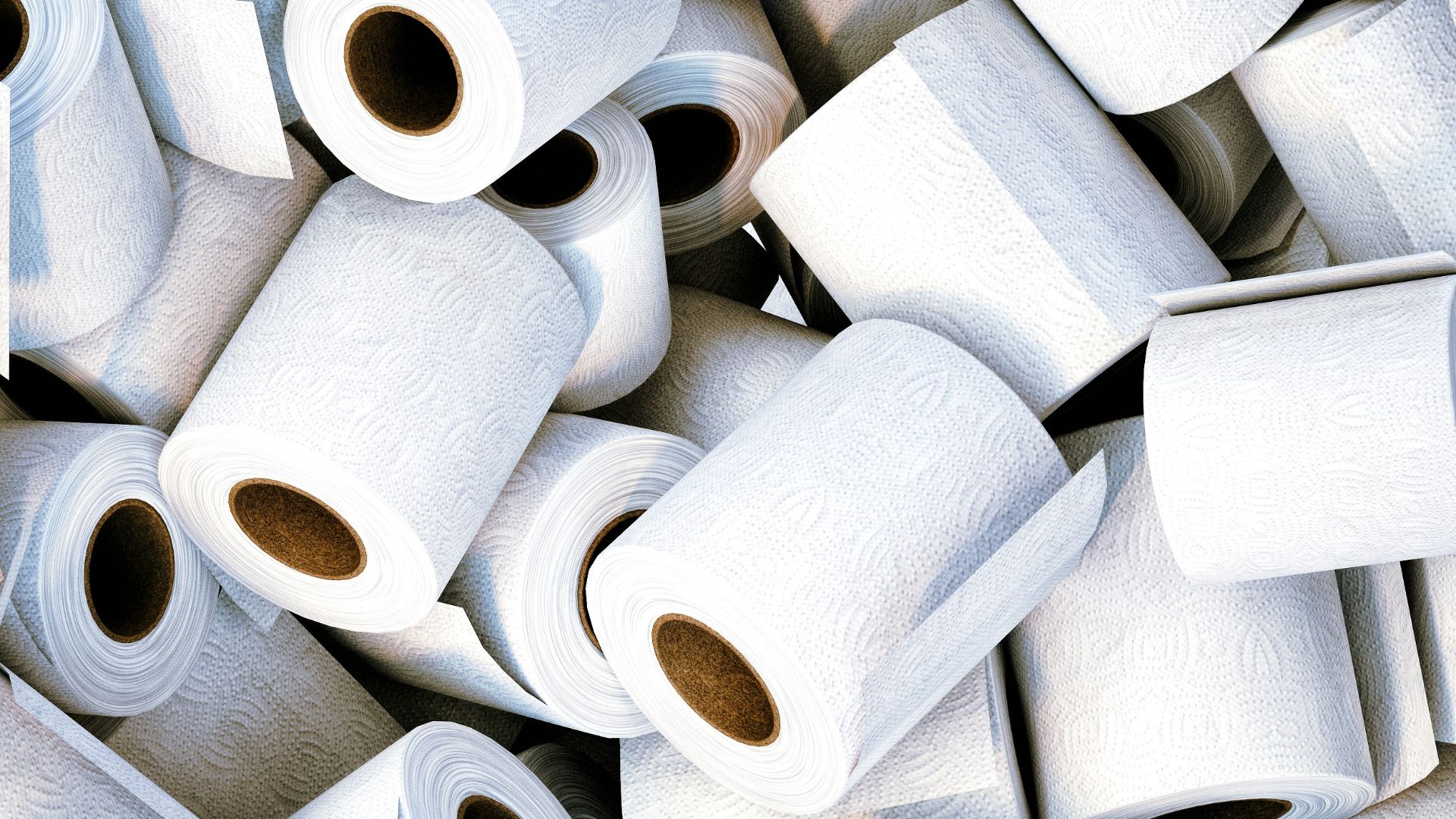 colourblindkevin.art on Unsplash
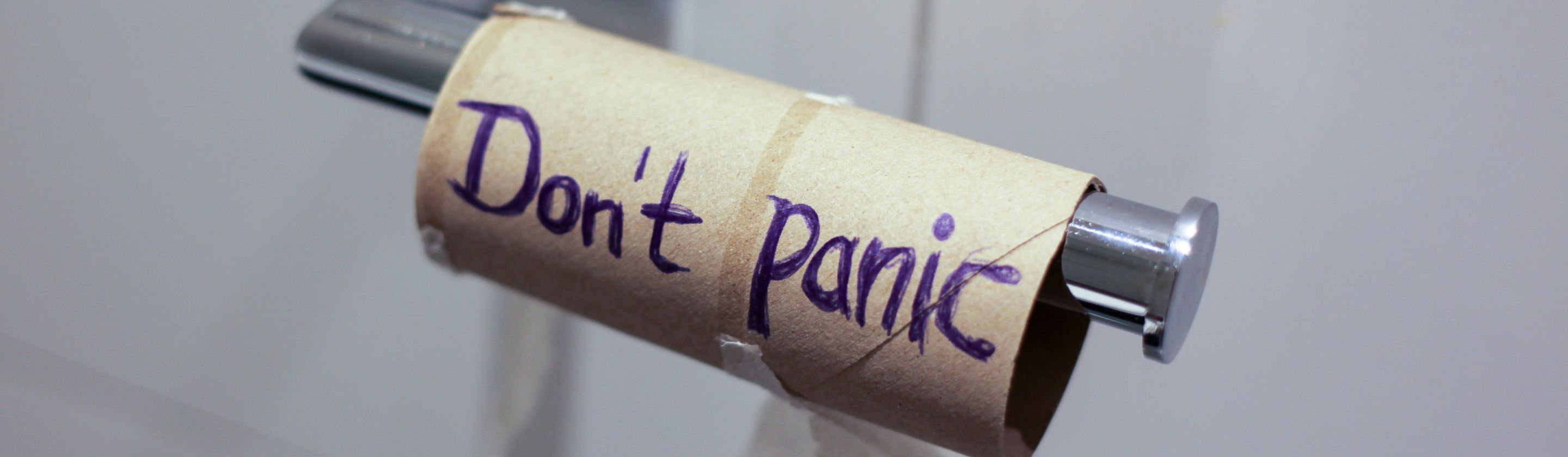
Most people think about toilet paper only when the roll runs out. Buying a pack feels as ordinary as buying soap, but bathroom tissue became common in American homes only after the nineteenth century. Before then, an outhouse might contain old newspaper, and many households saw little reason to pay for paper made for the job. Those alternatives could be rough, though they were usually close at hand.
Before toilet paper became a regular purchase, people had other ways to clean themselves. Water was available in many places, while others used materials nearby. Archaeologists have found purpose-made tools in ancient latrines. China used paper for the job centuries before Western manufacturers offered it. In the United States, flushing toilets gave people another reason to switch, since newspaper wasn't ideal for narrow drains.
The Materials People Had Nearby
In ancient Rome, some public latrines had stone benches with openings arranged side by side. There were no partitions between users. Water ran through channels under the seats and in front. Some public toilets were attached to bathhouses, where wastewater helped flush the drains. Romans also used a sponge attached to a stick, called a tersorium. Historians still debate whether it was used to clean the person or the latrine itself.
Greek and Roman sites have yielded stones and pieces of pottery known as pessoi. Some were rounded into discs, and an ancient cup shows a person using a stone while squatting. That doesn't mean everyone wiped this way. People with access to water may have preferred it, and customs probably differed between households. A piece of pottery found beside a latrine can't tell us what every visitor did.
At a former Silk Road stop in northwestern China, archaeologists found seven wooden or bamboo sticks wrapped with cloth. They were about 2,000 years old. Testing identified human intestinal parasites on the fabric, evidence that the sticks were used after toilet visits. Unlike a loose stone found near a latrine, the residue revealed what these particular tools had been used for.
China Was Using Paper Centuries Earlier
The earliest known written reference to toilet paper comes from China in 589. Yan Zhitui wrote that he wouldn't use paper containing the words of respected scholars to wipe himself. His comment suggests people were already reusing written pages for the purpose, although it's unclear how common the practice was. This was more than a thousand years before commercial toilet paper appeared in the West.
By the fourteenth century, China was producing paper for bathroom use. Records from 1393 describe perfumed sheets made for the imperial household. Ordinary people wouldn't necessarily have had the same luxury, but supplying the court required organized production. Elsewhere, people still relied on water or locally available materials. The existence of imperial toilet paper didn't mean every bathroom in China had a stack of fresh sheets waiting.
Water remained an important alternative. Rinsing has long been customary in parts of Asia and the Middle East, and remains common today. In eighteenth-century France, wealthy households acquired early bidets, which were basins fitted into wooden seats. They had to be filled and emptied by hand, often by servants. One made for Madame de Pompadour in 1751 had carved flowers and gilt bronze. These weren't plumbed-in fixtures, and most French families couldn't afford them.
Selling A Product People Got Free
In the United States, old newspapers worked well enough in outhouses because waste dropped into a pit. The arrival of flush toilets complicated that arrangement. Coarse paper could clog plumbing, creating a market for bathroom tissue. In 1857, Joseph Gayetty began selling medicated paper in flat packages rather than rolls. A package of 500 sheets sold for 50 cents. Advertisements warned that printed paper could harm the skin, promoting Gayetty's product as a healthier option.
Gayetty's paper wasn't an instant success. A pack cost money when yesterday's newspaper was free, and many shoppers were embarrassed to discuss bathroom supplies. He even watermarked his name onto the sheets. The packaging presented toilet paper as a medical purchase, giving customers a reason to ask for it. It took more than a new product to convince people that disposable paper was worth paying for.
The familiar roll arrived through late nineteenth-century improvements. An 1888 patent by Seth Wheeler described how to make individual sheets tear cleanly without leaving tiny paper scraps behind. Scott Paper Company successfully marketed rolls around 1890, initially focusing on hotels and drugstores. By the 1920s, Scott had built a major business. Charmin appeared in 1928, with advertising centered on softness, and four-roll packages followed a few years later.
KEEP ON READING