
20 People Who Died Without Knowing They Had Changed History
The News Arrived Late
Recognition runs on its own schedule, and it often turns up far too late to be any use to the person who earned it. Some of the people below were dismissed by the experts of their day and vindicated decades after the funeral. Others never knew they'd contributed at all, because what mattered was taken from them or happened out of sight. A few changed the world by accident and would probably have been appalled. Here are 20 who died before the news came through.
 National Gallery of Art on Unsplash
1. Henrietta Lacks, The Immortal Cell Line
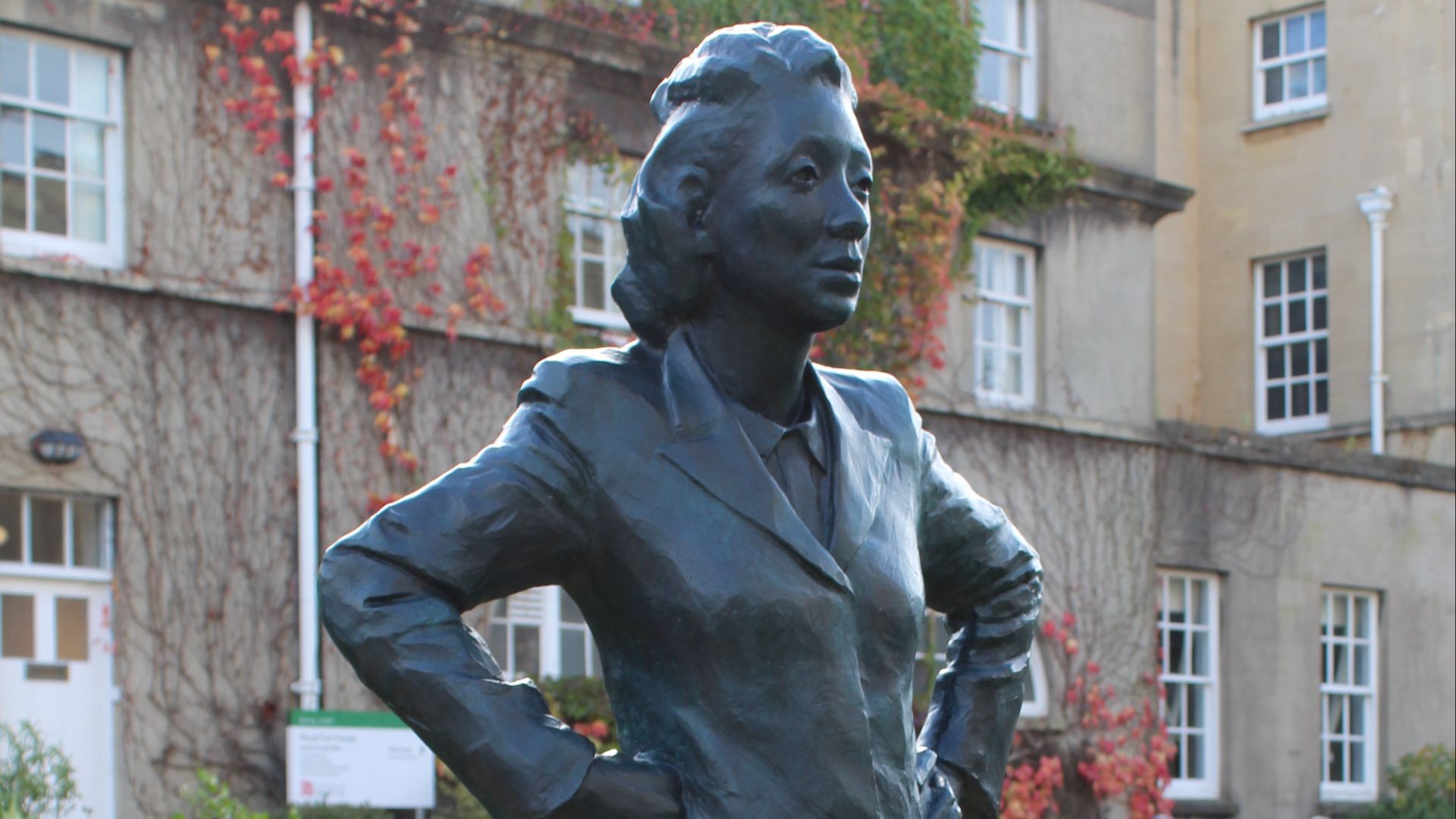
A sample of her tumour was taken at Johns Hopkins in 1951 with neither her knowledge nor her consent, during treatment for cervical cancer. The cells kept dividing in culture when every previous human sample had given up, going on to underpin the polio vaccine trials and decades of research after. She died that October at 31. Her family weren't told the cells existed until the 1970s.
2. Gregor Mendel, Ignored For Thirty-Four Years
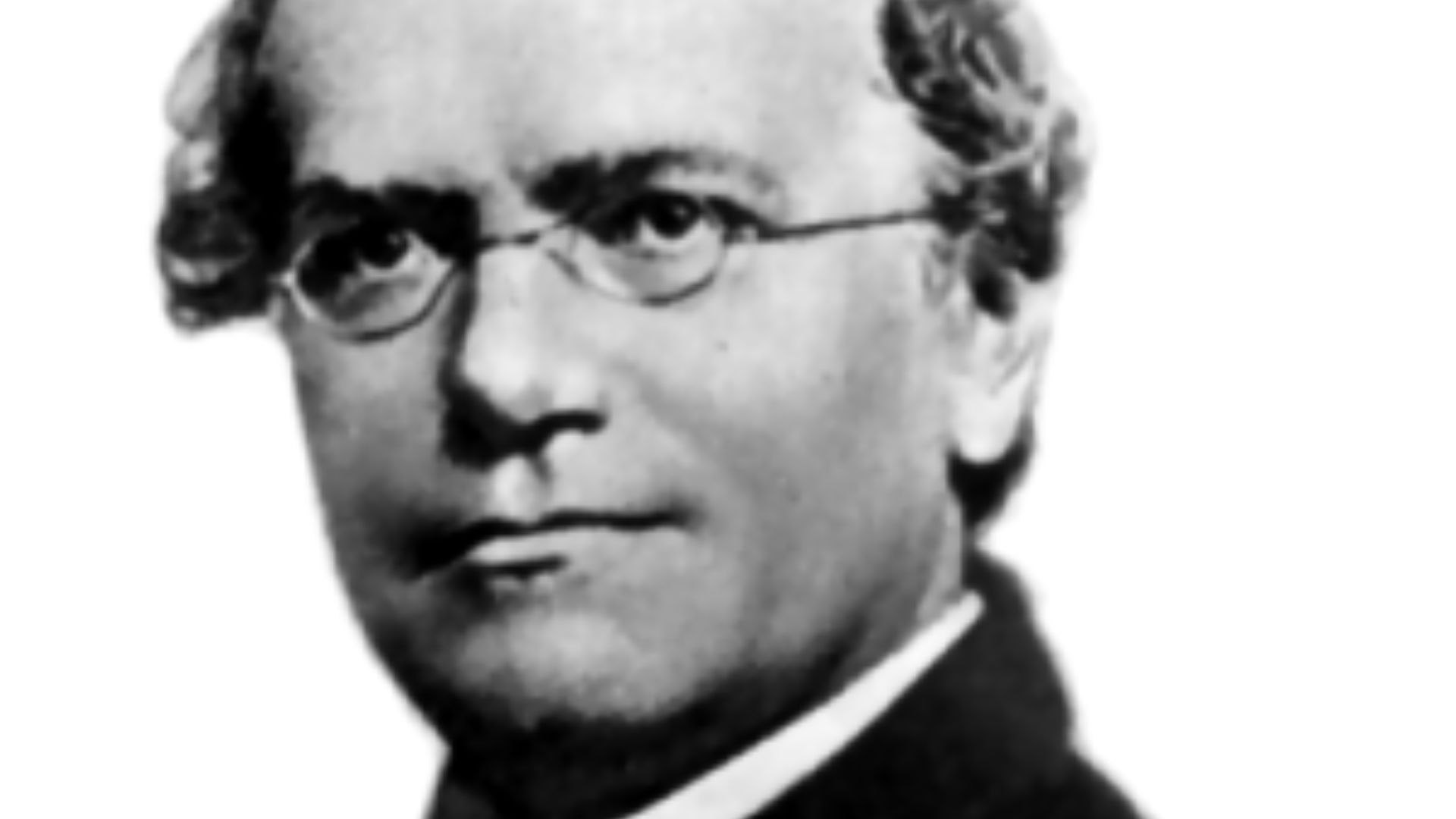
His paper on pea plants came out in 1866 and sank without trace, read by a handful of people who missed the point. By his death in 1884 he was a monastery abbot with the science well behind him. Three botanists rediscovered his results independently in 1900, and genetics started from there.
 Unknown authorUnknown author on Wikimedia
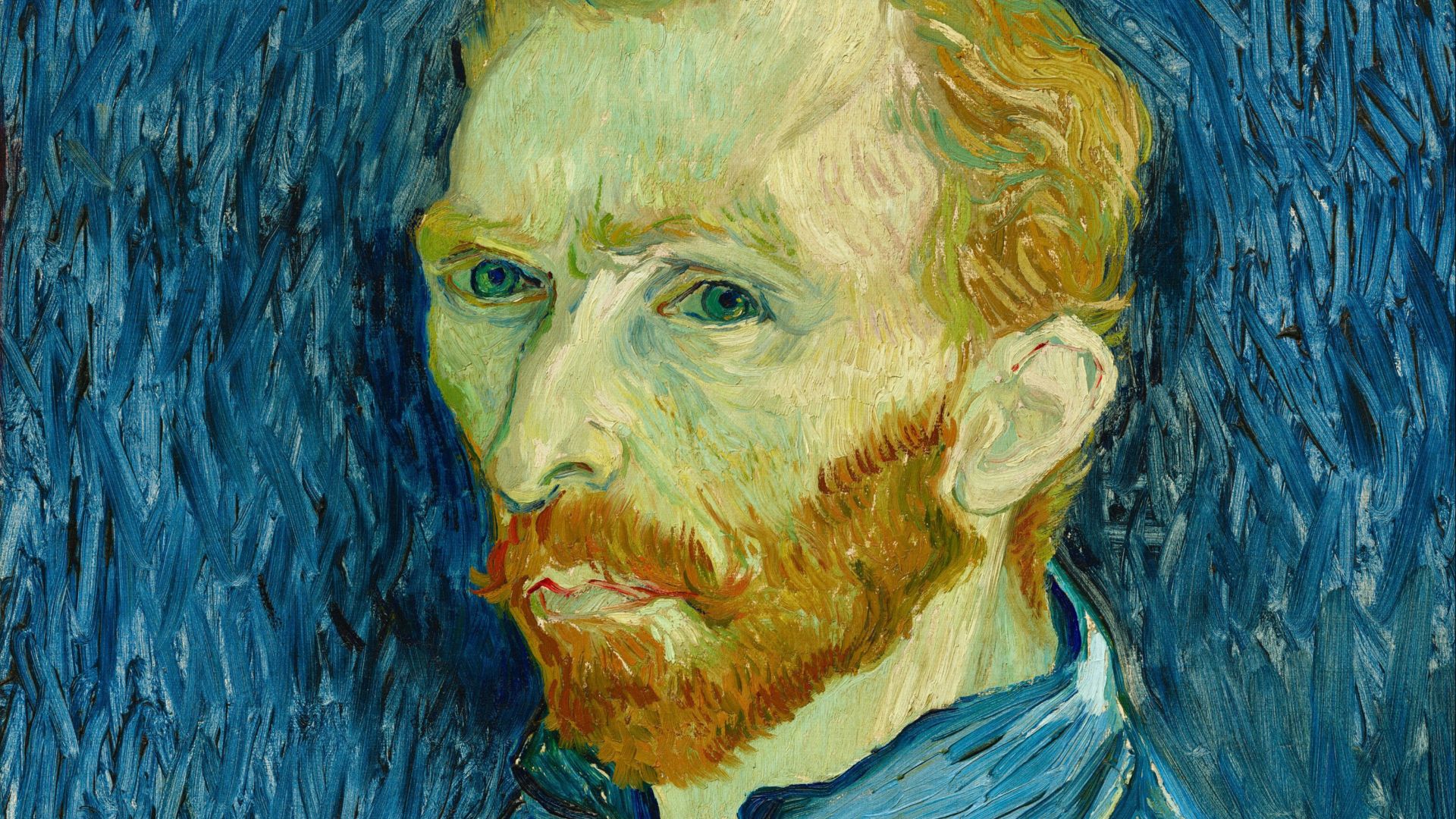
3. Vincent van Gogh, Dead Before The Market Arrived
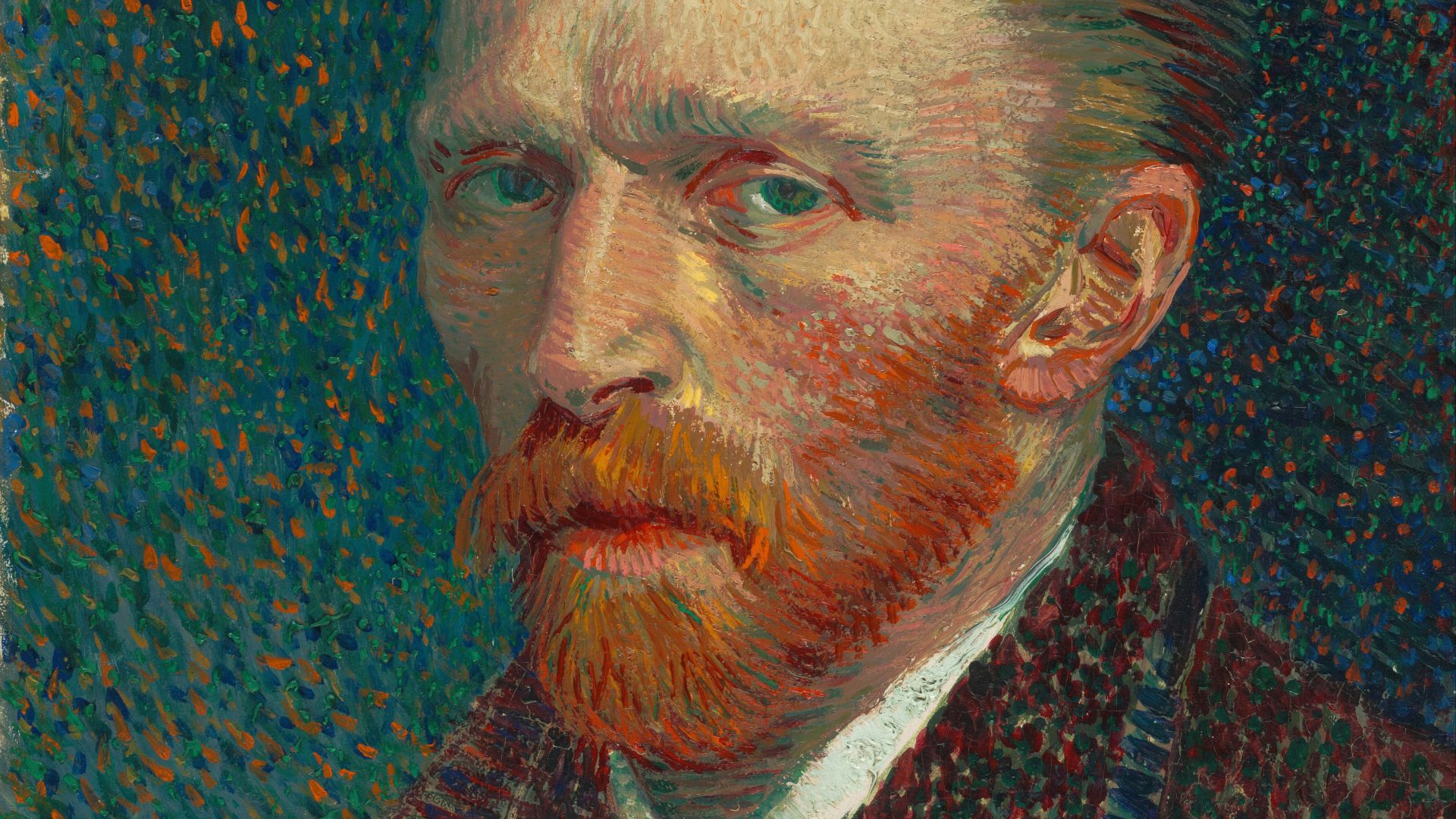
The familiar claim that he sold one painting isn't quite right, since he sold a handful and traded others for supplies and meals. Monet and Signac both spoke up for his work during his lifetime. None of it brought in money or much of an audience, though. He was dead by 1890, aged 37, just as critics were starting to pay attention. His canvases now set auction records.
4. Ignaz Semmelweis, Laughed Out Of Medicine
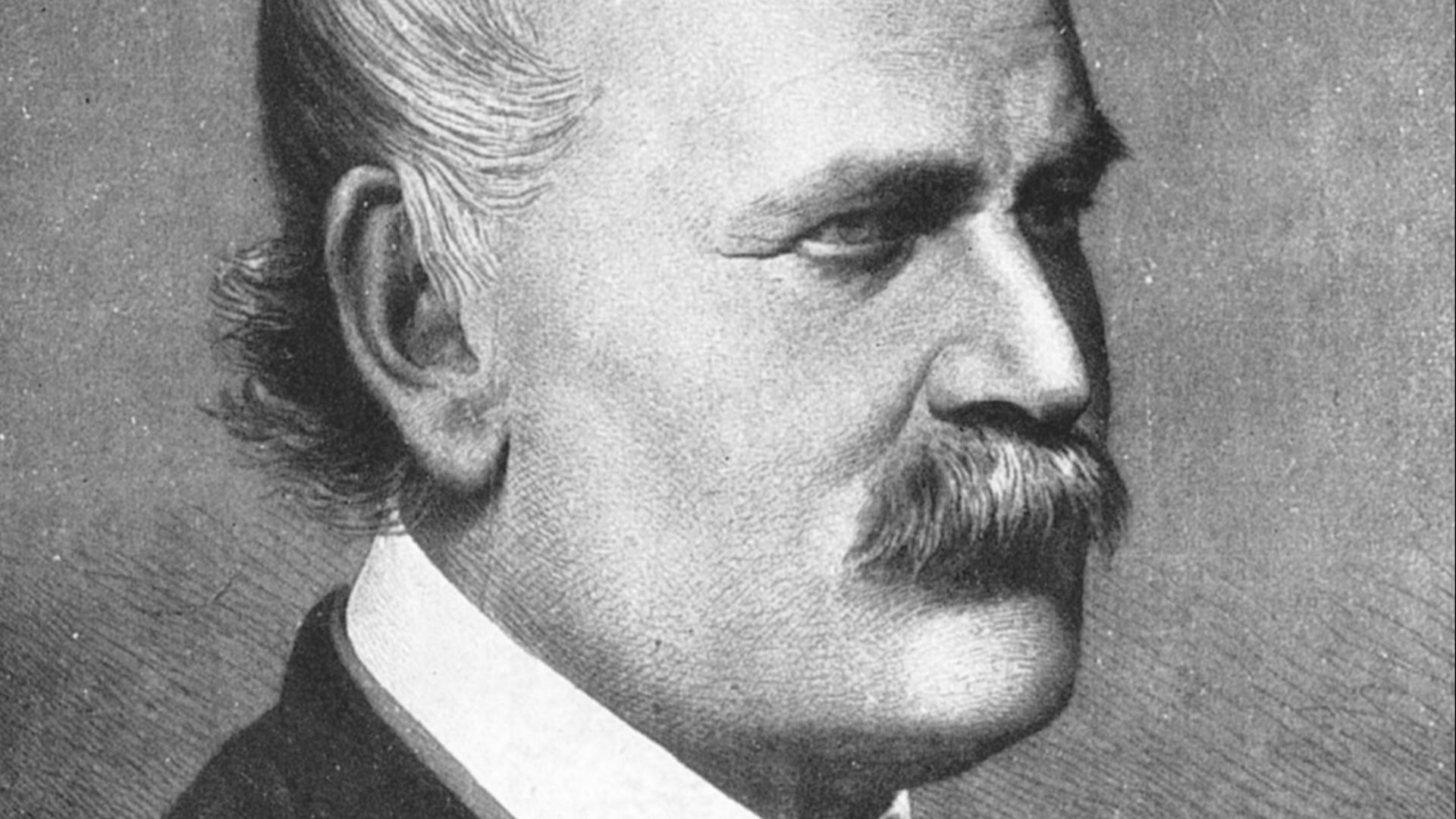
In a Vienna maternity ward in the 1840s he found that doctors who washed in chlorinated lime stopped killing their patients, and he had the mortality figures to back it up. The profession rejected it anyway, partly because he couldn't explain why it worked and partly because it implied that doctors were the problem. He was committed to an asylum and died there in 1865. Germ theory came along soon after and proved him right.
 After Jenő Doby's engravig on Wikimedia
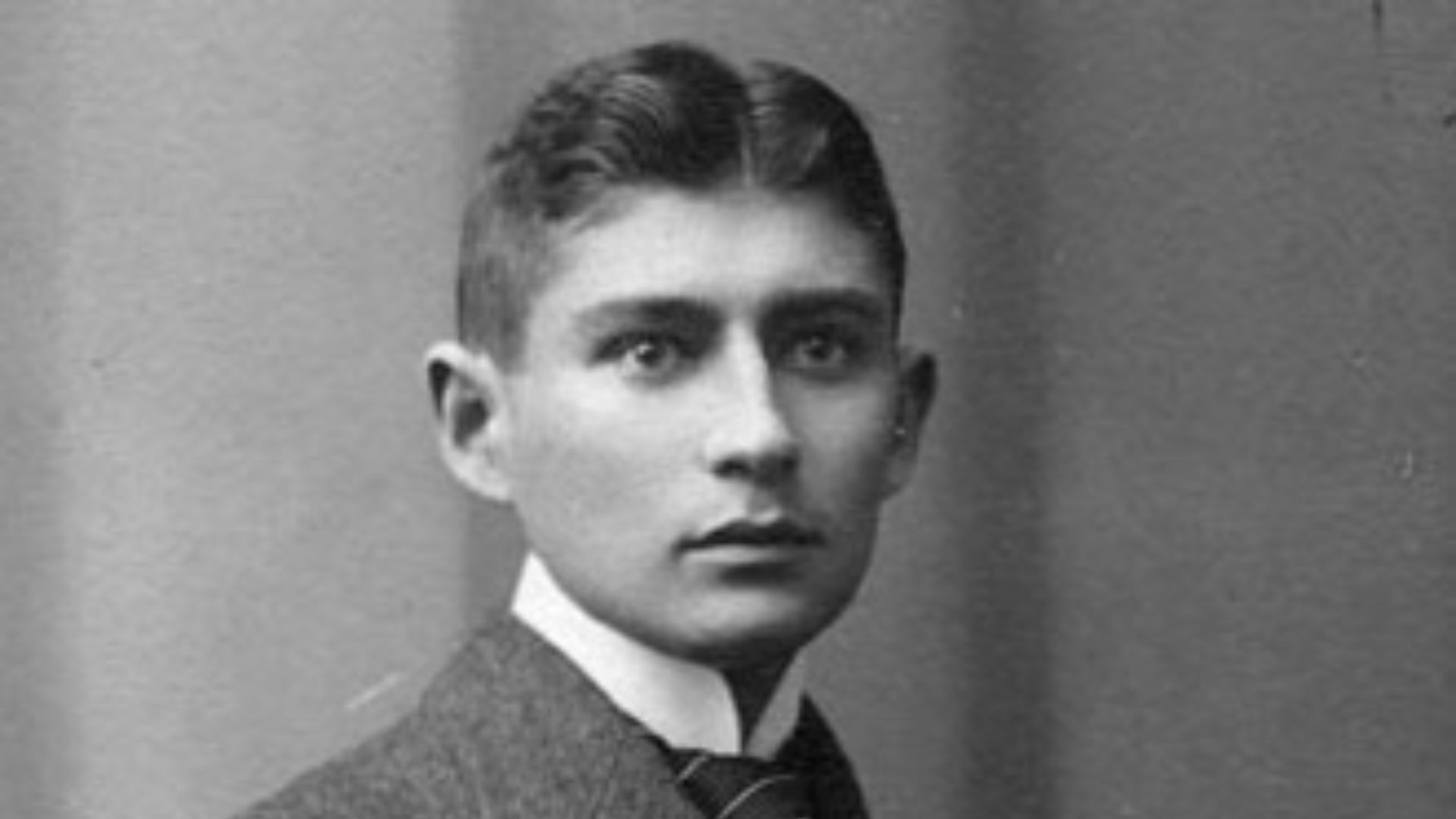
5. Franz Kafka, Who Wanted It All Burned
Very little of his writing reached print in his lifetime, and he asked his friend Max Brod to burn every unpublished manuscript. Brod ignored him entirely, bringing out The Trial in 1925 and The Castle the year after. Tuberculosis killed him in 1924, when he'd had no reason to think his name would outlast the decade. There's now an adjective made out of it.
 Atelier Jacobi: Sigismund Jacobi (1860–1935) on Wikimedia
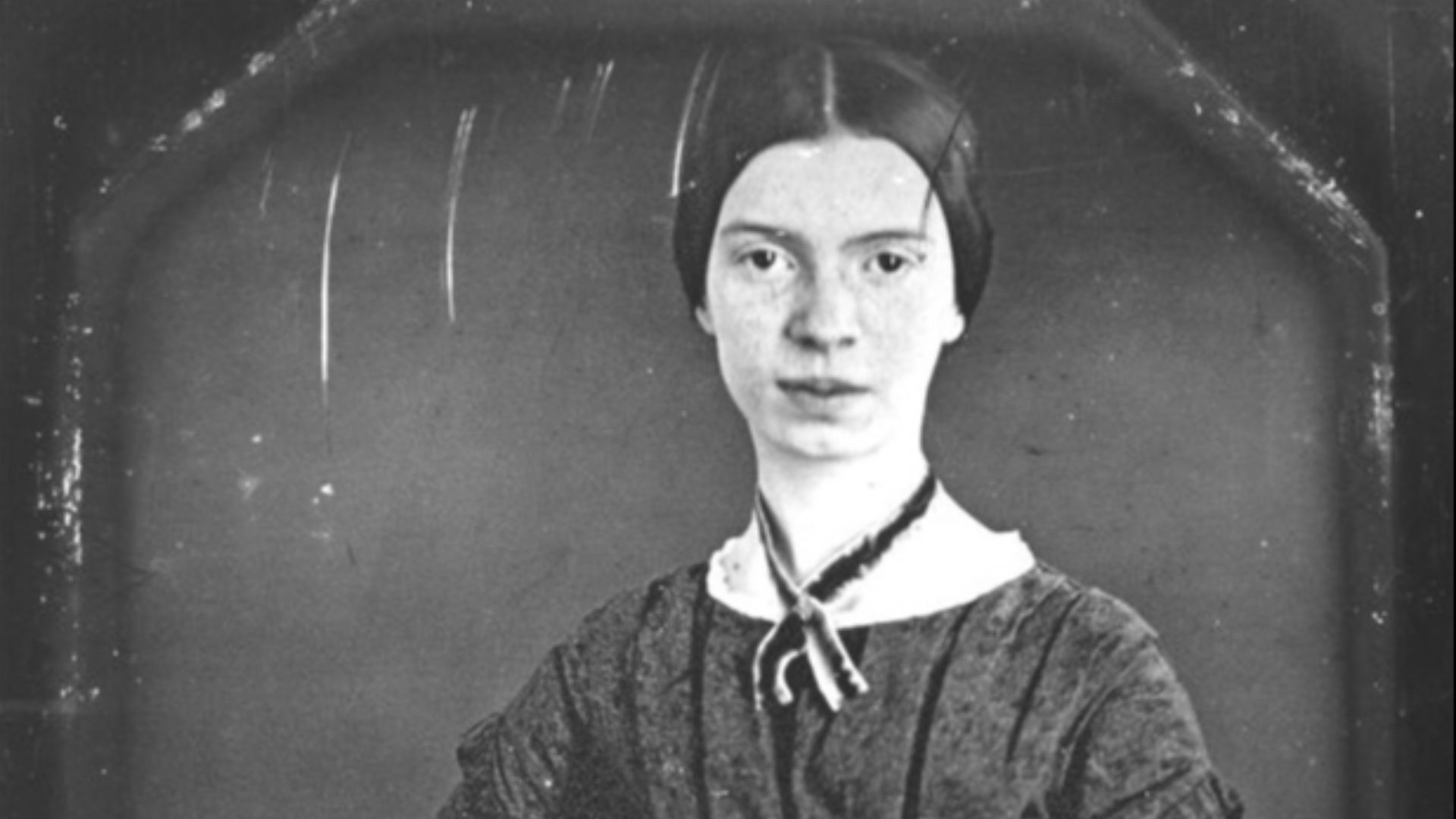
6. Emily Dickinson, Eighteen Hundred Poems In A Drawer
Fewer than a dozen of her poems made it into print in her lifetime, all of them anonymous and rather heavily edited. Her sister Lavinia found around 1,800 more in her room after her death in 1886, sewn into little hand-made booklets. The first collection appeared in 1890 and sold well enough to need reprinting within months.
 Unknown authorUnknown author on Wikimedia
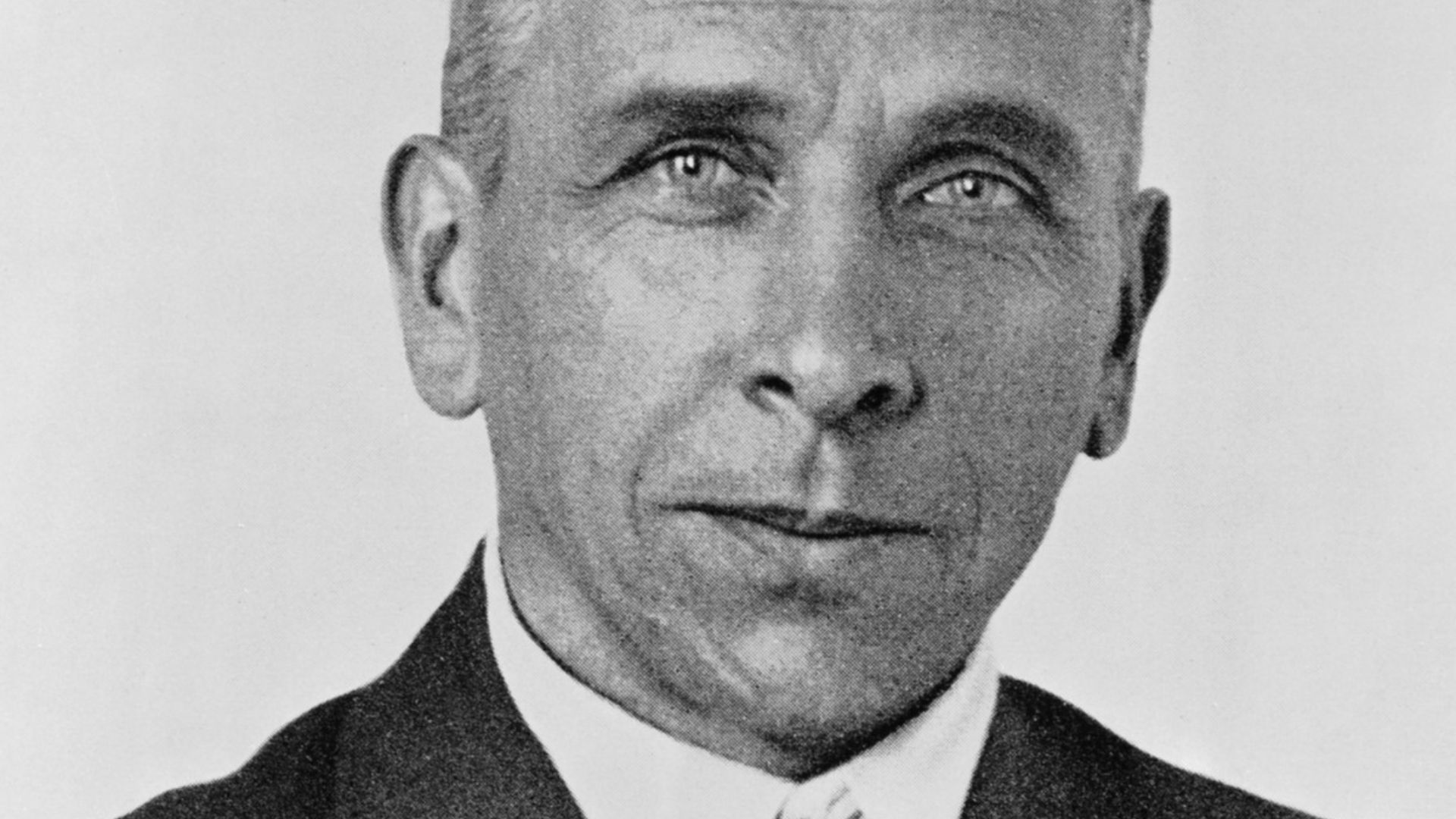
7. Alfred Wegener, Right About The Continents
From 1912 he argued that the continents had once been joined and had drifted apart, which most geologists treated as an embarrassment, since no force they knew of was strong enough to shift them. He was lost on the Greenland ice sheet in 1930 during an expedition, still out of favour. Seafloor mapping in the 1960s supplied his missing mechanism, and plate tectonics is now the foundation of the subject.
 Unknown authorUnknown author on Wikimedia
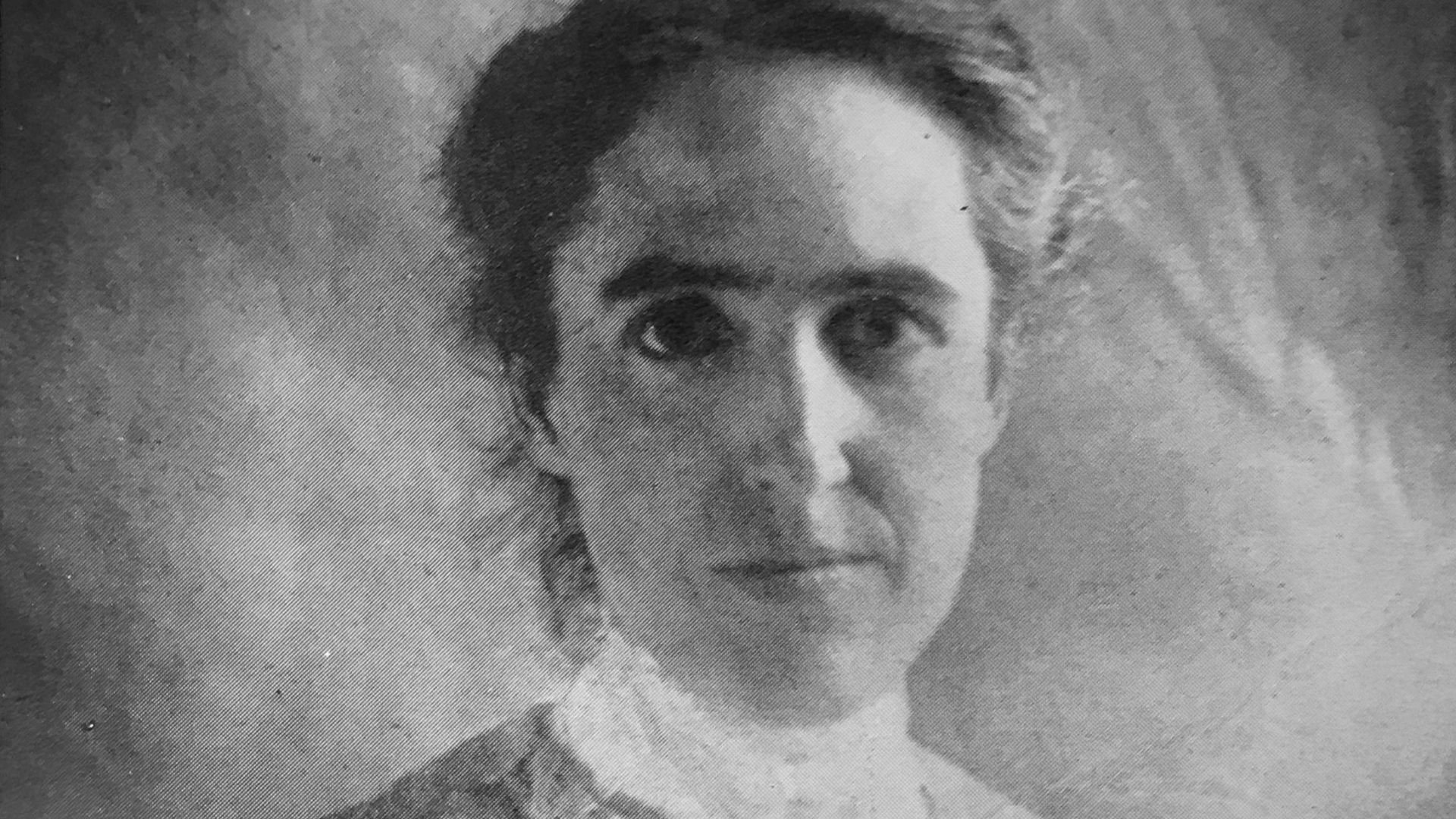
8. Henrietta Swan Leavitt, The Yardstick For The Universe
Studying photographic plates at Harvard, she established in 1912 that a certain kind of variable star pulses at a rate tied to its real brightness. That handed astronomers their first dependable measure of cosmic distance. Hubble used her relation to demonstrate that the universe is expanding. Cancer had taken her in 1921, eight years before he published it.
 Unknown authorUnknown author on Wikimedia
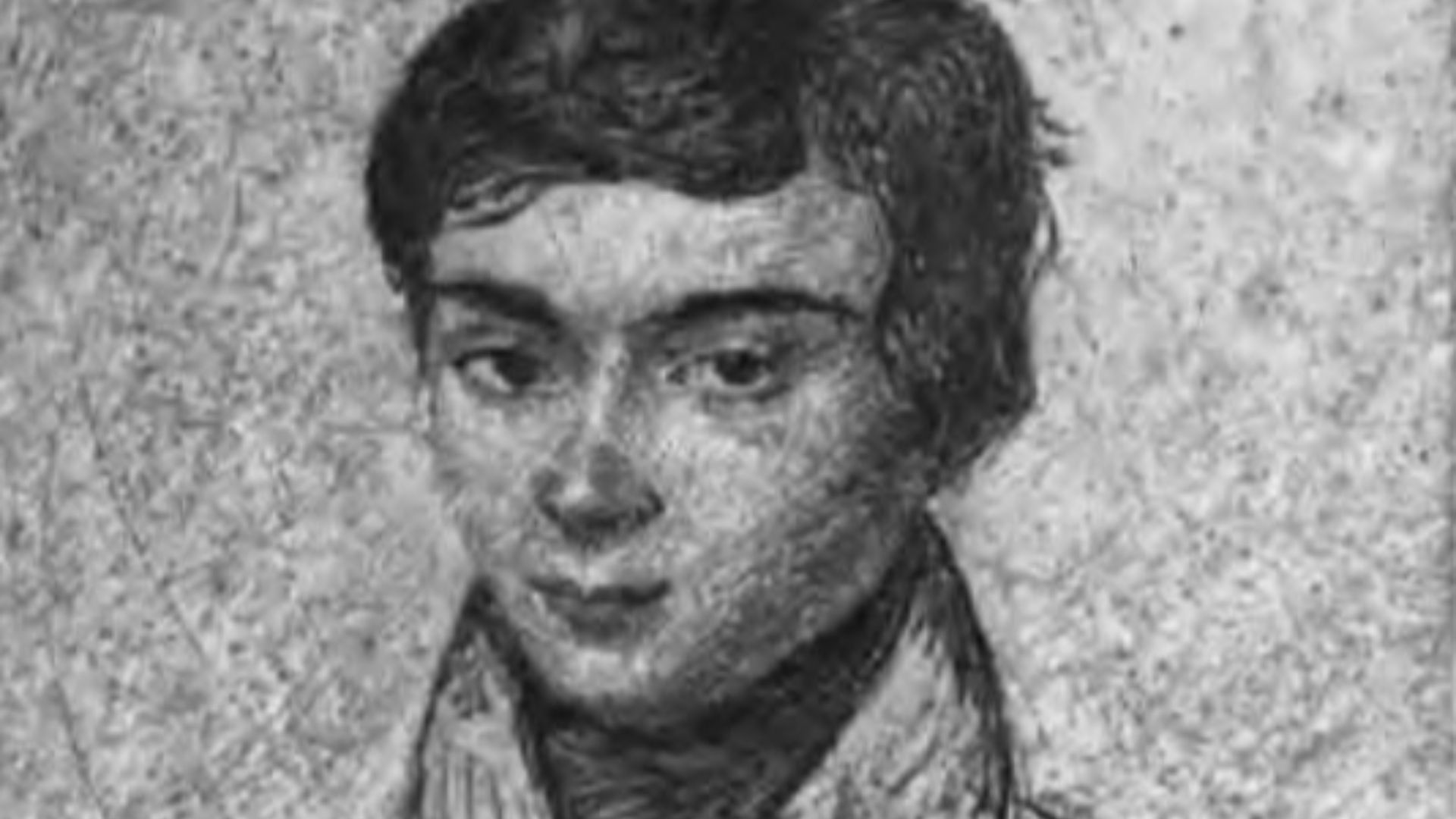
9. Évariste Galois, Twenty Years Old
He was killed in a duel in 1832 at the age of 20, having spent part of the previous night writing up his mathematics with margin notes asking for more time. The papers sat around for fourteen years before Liouville published them in 1846. The ideas in them amounted to group theory, which now sits underneath most of modern algebra and a good deal of physics.
 Unknown authorUnknown author on Wikimedia
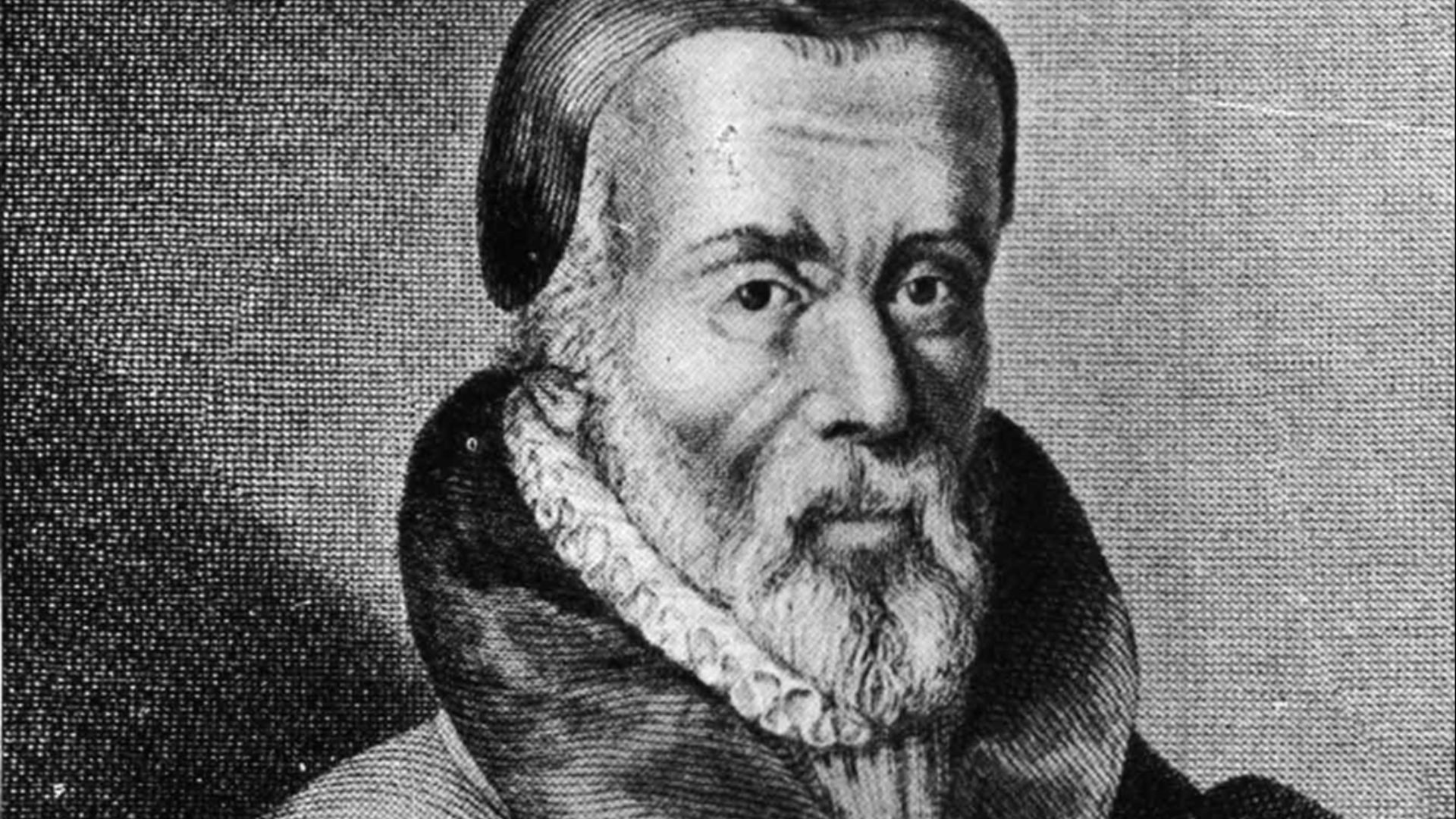
10. William Tyndale, Burned For A Translation
Translating the Bible into English without authorisation got him executed at Vilvorde in 1536, following a betrayal in Antwerp. The King James Version, published 75 years later, leaned on his work very heavily. One word-by-word comparison puts roughly 84 percent of its New Testament in Tyndale's own phrasing.
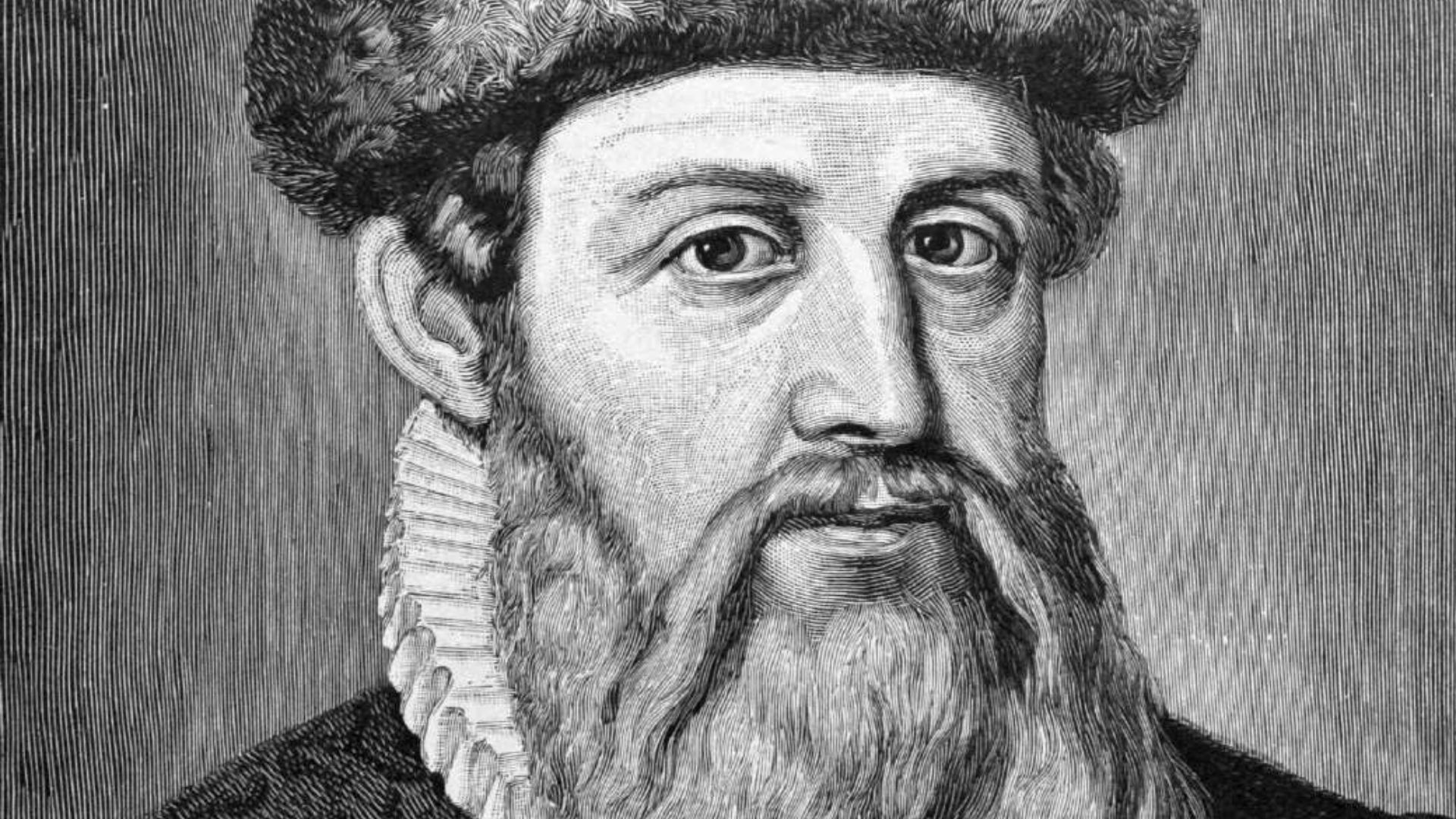
11. Johannes Gutenberg, Dispossessed Of His Press
A lawsuit from his financier Johann Fust in 1455 cost him the workshop along with the type for the Bible he'd just finished printing. He was buried in 1468 obscure and broke. The press he'd built spread across Europe within a generation, and the Reformation travelled along the same routes.
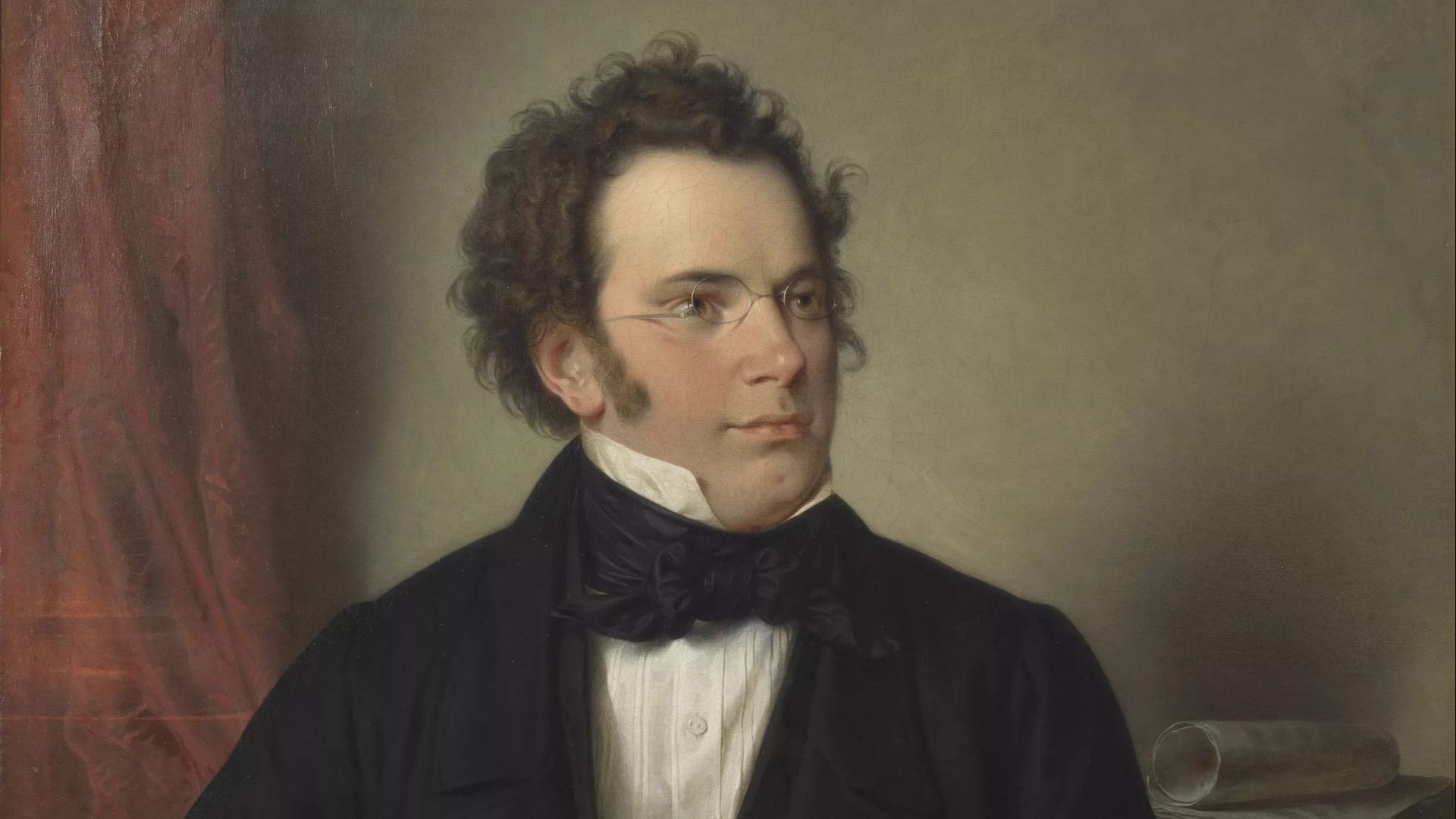
12. Franz Schubert, Unpublished And Unperformed
Dead at 31 in 1828, he left a great deal of his music unpublished and a lot of it never played in public. Schumann came across the manuscript of the Great C major symphony in Vienna ten years on and talked Mendelssohn into conducting it. The Unfinished Symphony waited until 1865 for a first performance, thirty-seven years after he set it aside.
 Wilhelm August Rieder on Wikimedia
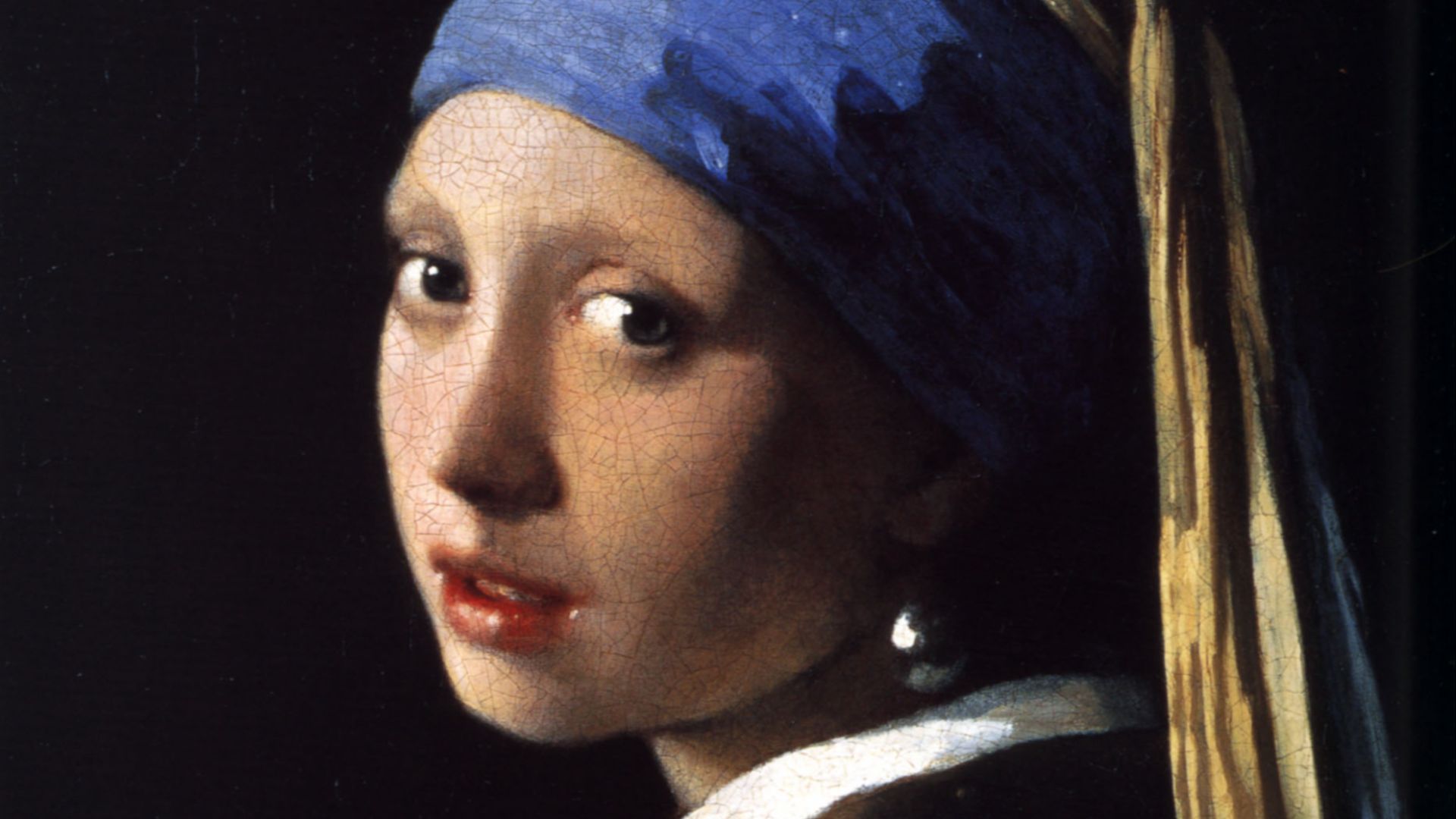
13. Johannes Vermeer, Forgotten For Two Centuries
He died in 1675 leaving debts and eleven children, and his widow had to hand paintings over to settle up with the baker. For the next two hundred years his pictures were reattributed to other artists or simply lost track of. A French critic's essays in the 1860s rebuilt his reputation. He's now among the most admired painters who ever worked.
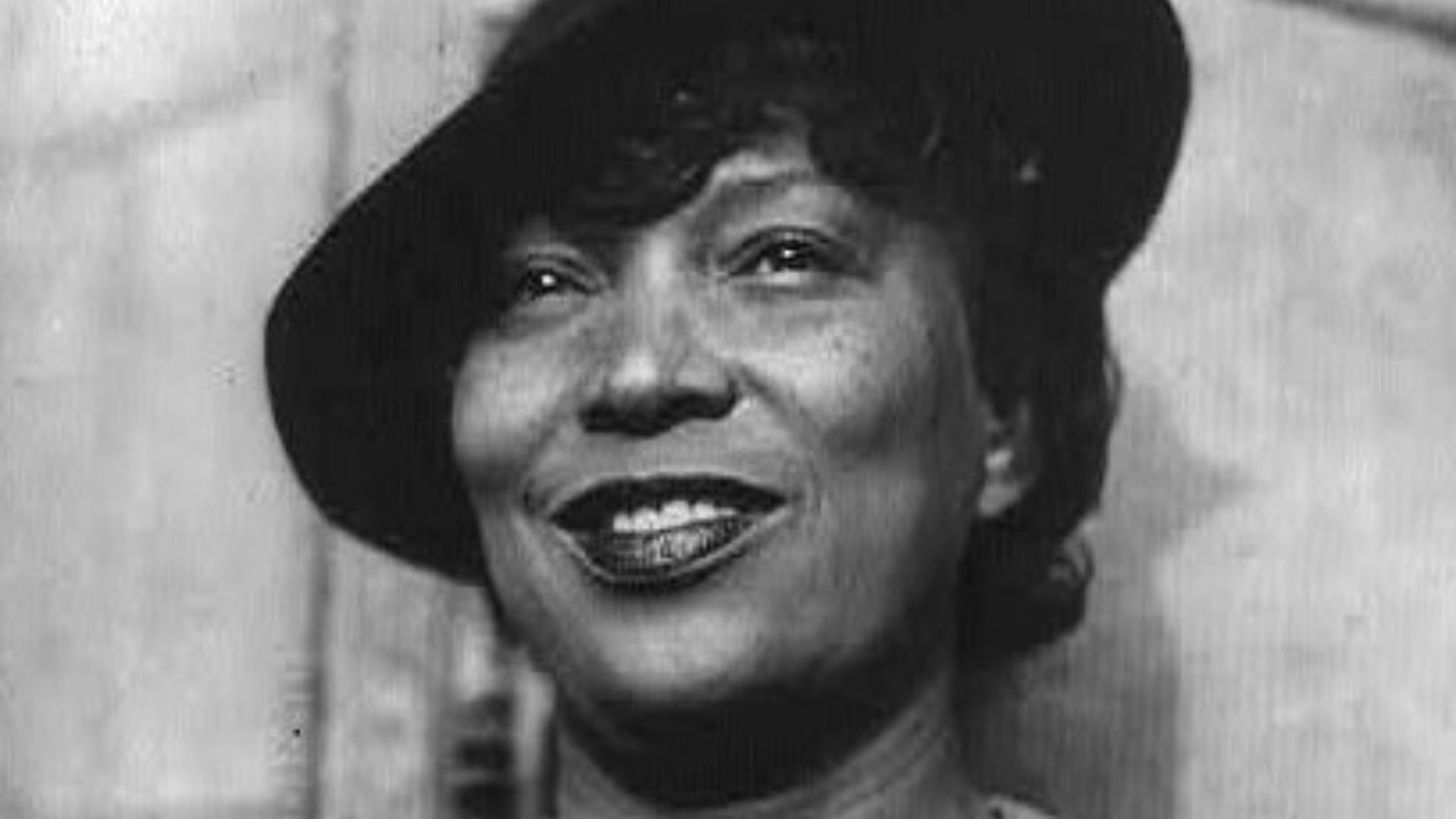
14. Zora Neale Hurston, Buried In An Unmarked Grave
Zora Neale Hurston published Their Eyes Were Watching God in 1937, but her work eventually fell out of favor. She died in poverty in 1960 and was buried in an unmarked grave. Alice Walker helped revive interest in her writing after searching for her grave in 1973.
 Unknown authorUnknown author on Wikimedia
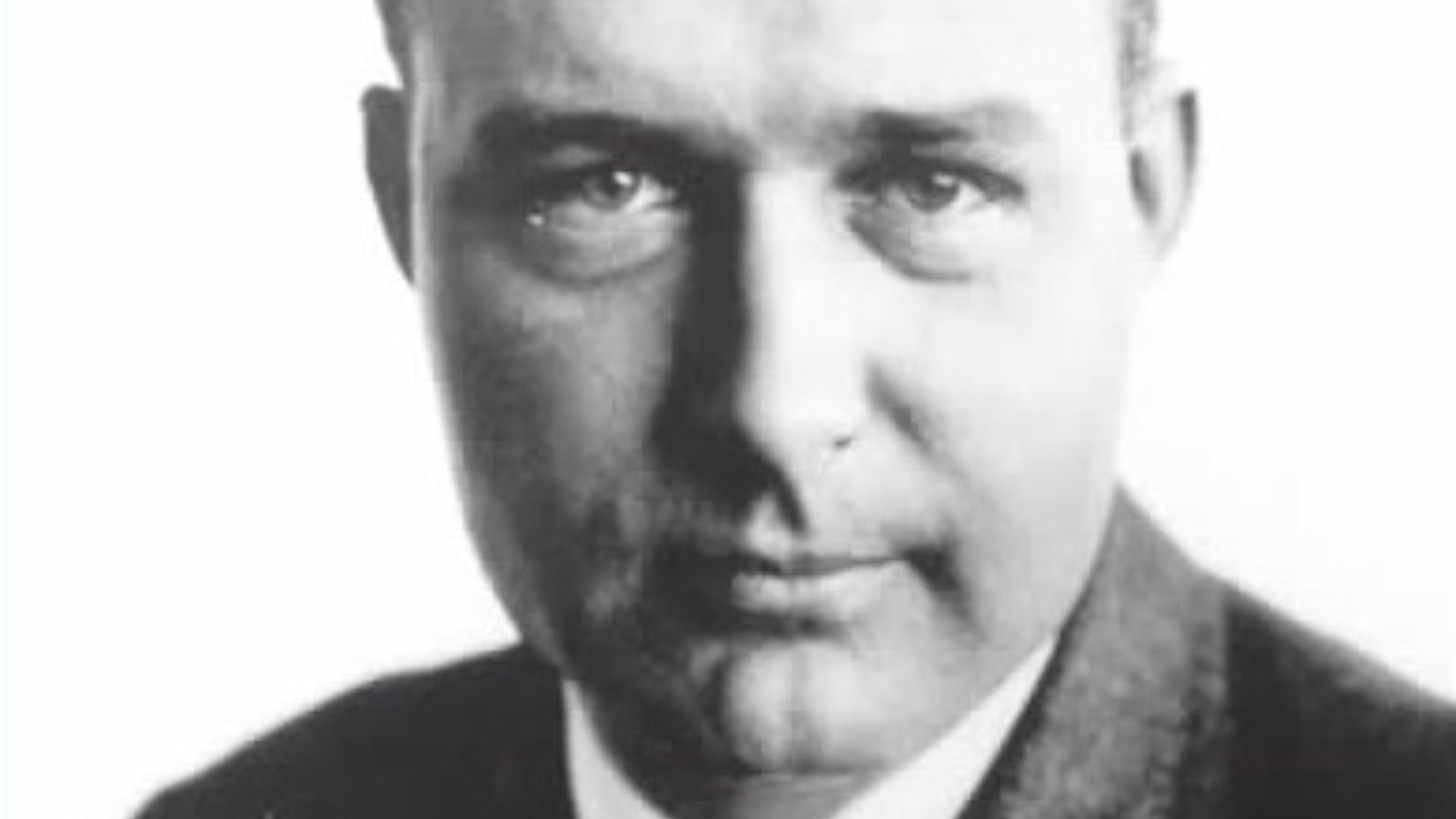
15. Thomas Midgley, Who Changed The Atmosphere
He helped develop leaded gasoline in the 1920s and Freon refrigerants a decade later. Both were celebrated as breakthroughs, but their damage became clear after his death in 1944. Leaded fuel poisoned millions of people, while Freon contributed to the destruction of the ozone layer.
16. Vasili Arkhipov, Who Stopped A Nuclear War
In October 1962 his submarine was being depth-charged by American ships, out of contact with Moscow, and the captain wanted to fire a nuclear torpedo. Arkhipov wouldn't agree to it, which under the rules on board meant it couldn't be launched. He lived until 1998. The story only reached the public at a conference in 2002, four years after his funeral.
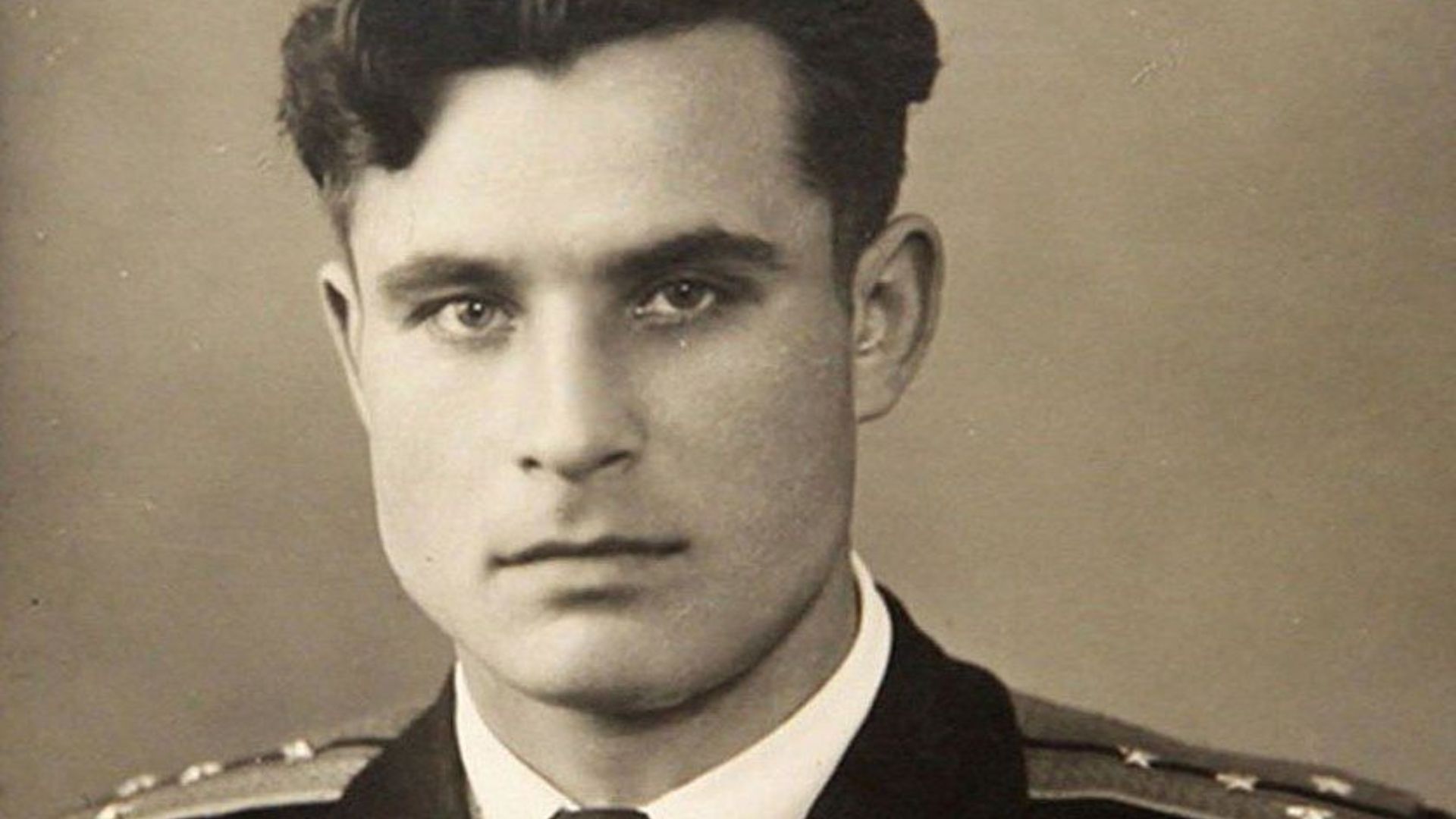 Image courtesy by Olga Arkhipova on Wikimedia
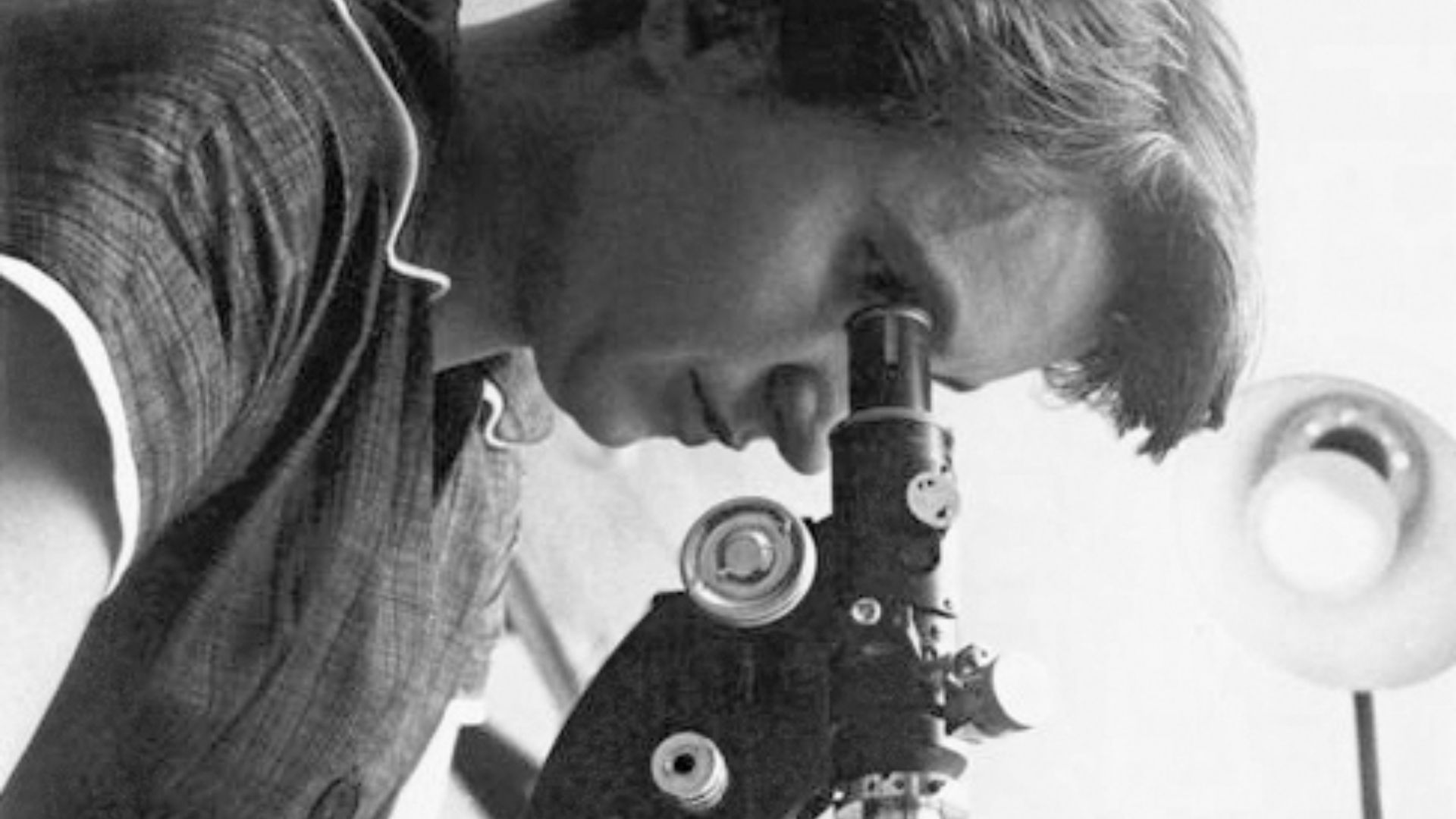
17. Rosalind Franklin, Photograph 51
Her X-ray images helped reveal DNA's double-helix structure, but her findings were shared with James Watson without her knowledge. She died of ovarian cancer in 1958, aged 37, four years before Watson, Crick, and Maurice Wilkins received the Nobel Prize for the discovery.
 MRC Laboratory of Molecular Biology on Wikimedia
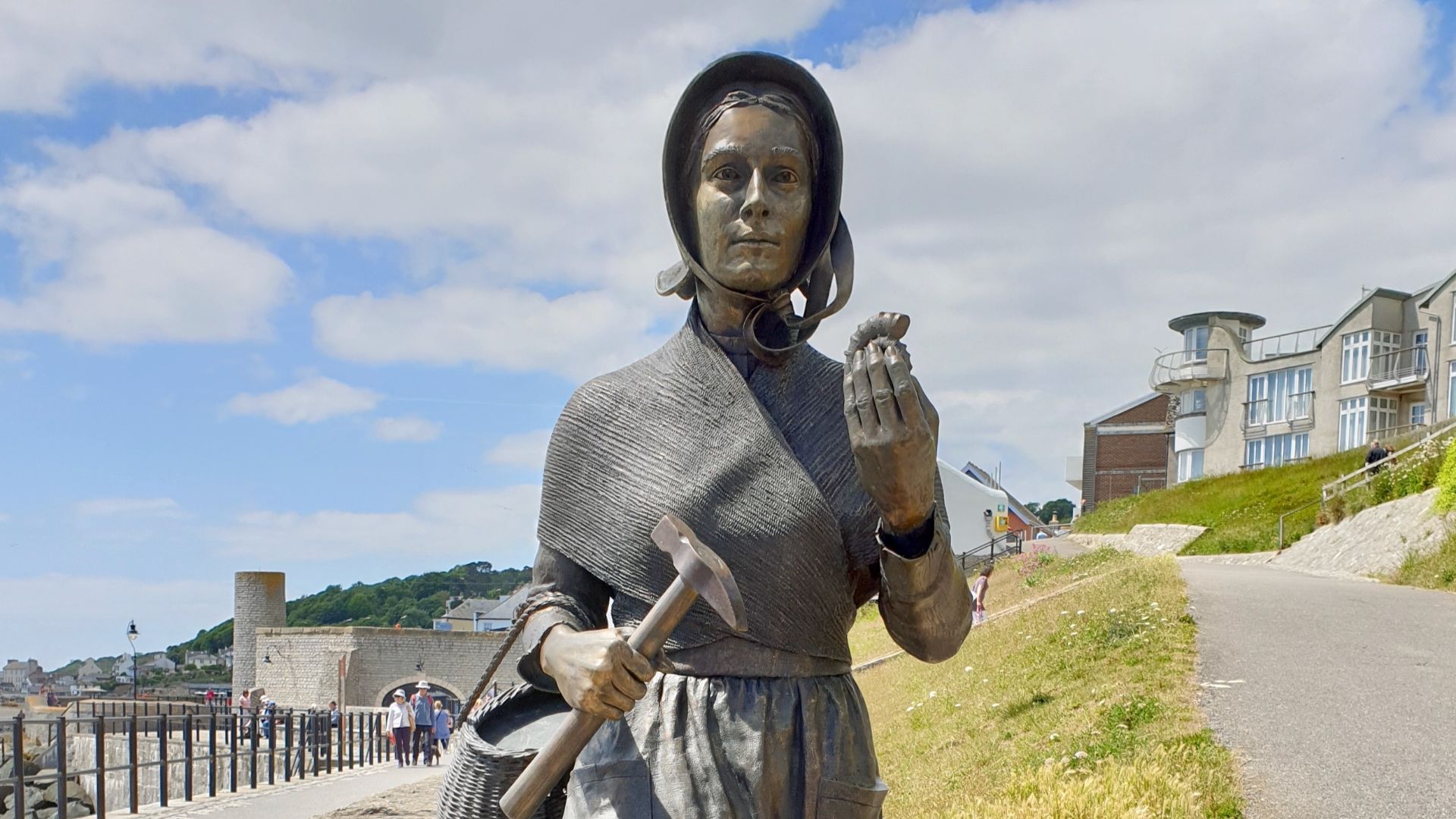
18. Mary Anning, Whose Discoveries Made Others Famous
Along the Dorset coast she found and prepared some of the most important fossils of the early nineteenth century, including the first plesiosaur anyone recognised. Gentleman geologists bought them and published them without crediting her, and the Geological Society wouldn't have admitted her anyway. Her own death came in 1847. The specimens she dug out are still central to how extinction is understood.
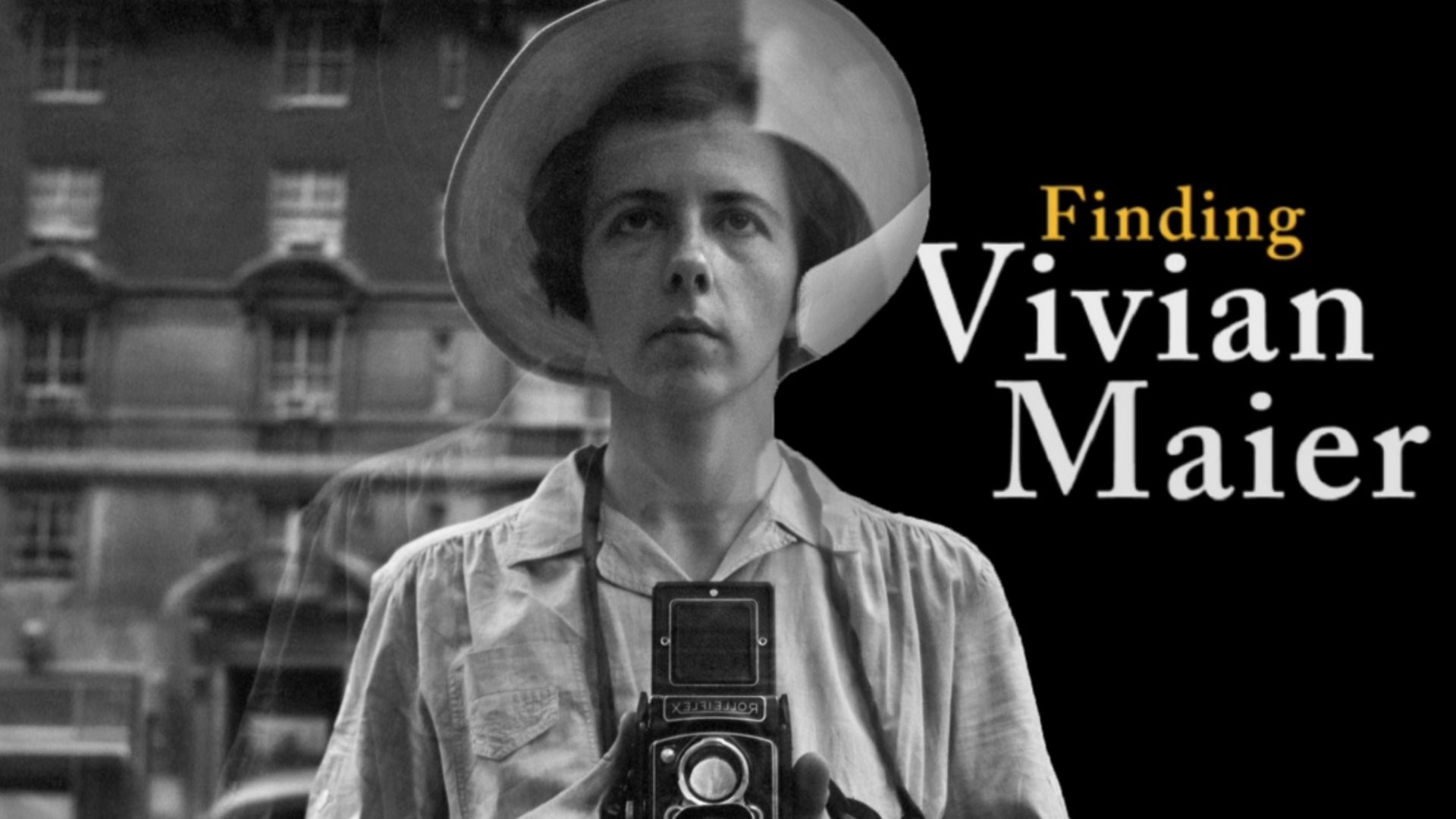
19. Vivian Maier, A Box Of Negatives At Auction
She worked as a nanny in Chicago for about forty years and photographed the streets constantly, developing hardly any of it and showing it to nobody. A local man bought a box of her negatives at a storage auction in 2007 and began putting the pictures online. She died in 2009, around the time the first exhibitions were being arranged.
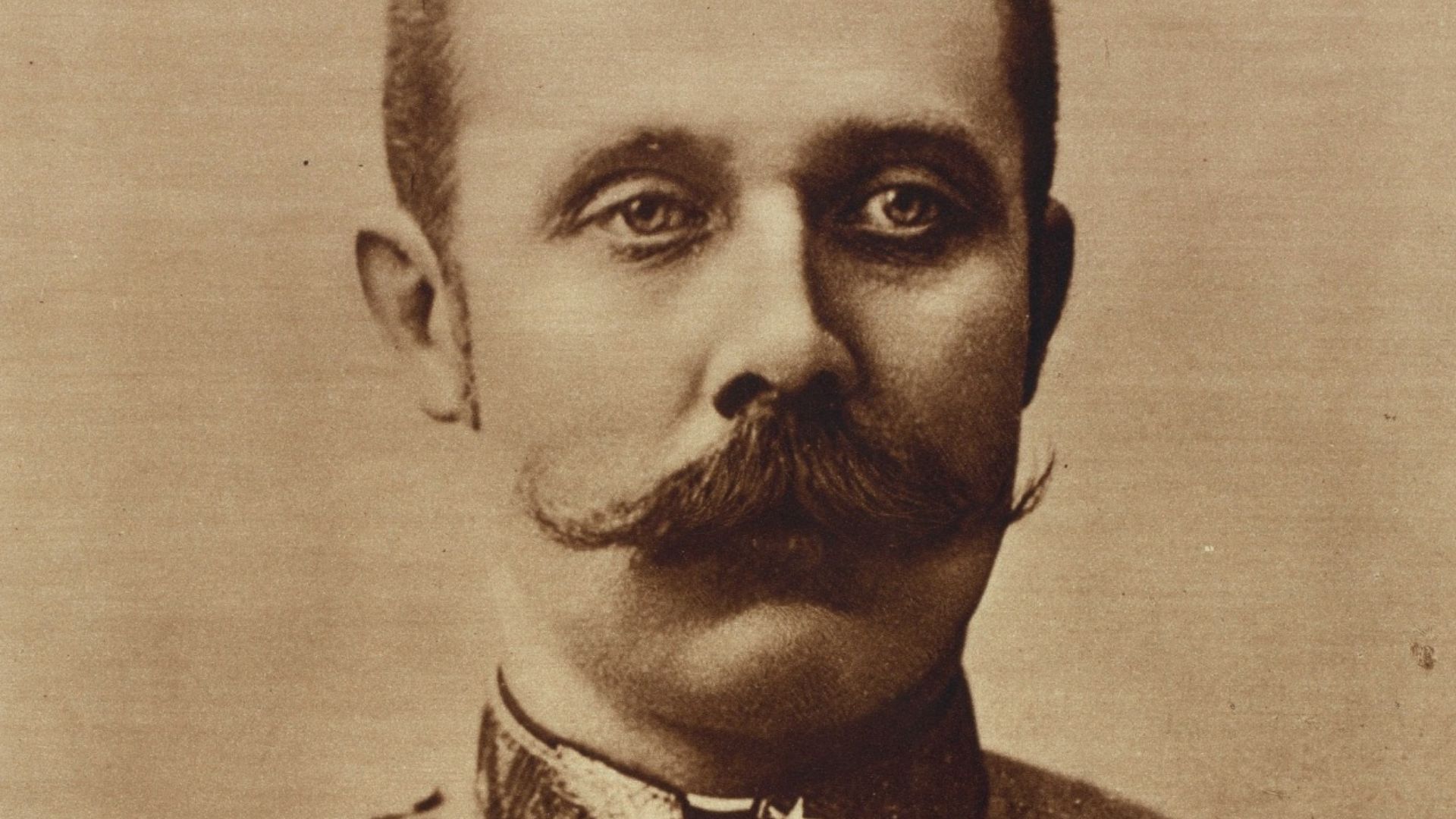
20. Franz Ferdinand, Dead Before The War He Started
He was shot in Sarajevo on 28 June 1914 and died within minutes, so he had no idea what was coming. The assassination set off the chain of ultimatums that turned into the First World War. Four empires didn't survive it. He had, as it happens, been one of the voices in Vienna arguing against a war with Serbia.