


The Great Cinematic History Rewrite
Movies love a good spectacle, and nothing provides a bigger canvas than a massive historical battle. However, directors often prioritize "the rule of cool" over actual historical documentation, leading to some pretty wild inaccuracies on the big screen. Whether it’s swapping out bronze armor for leather or making up entire tactical maneuvers that never happened, Hollywood has a habit of treating history textbooks like rough drafts. You might be surprised to learn how much of your favorite war epic is pure fiction, so let’s dive into some of the most egregious errors ever caught on film.
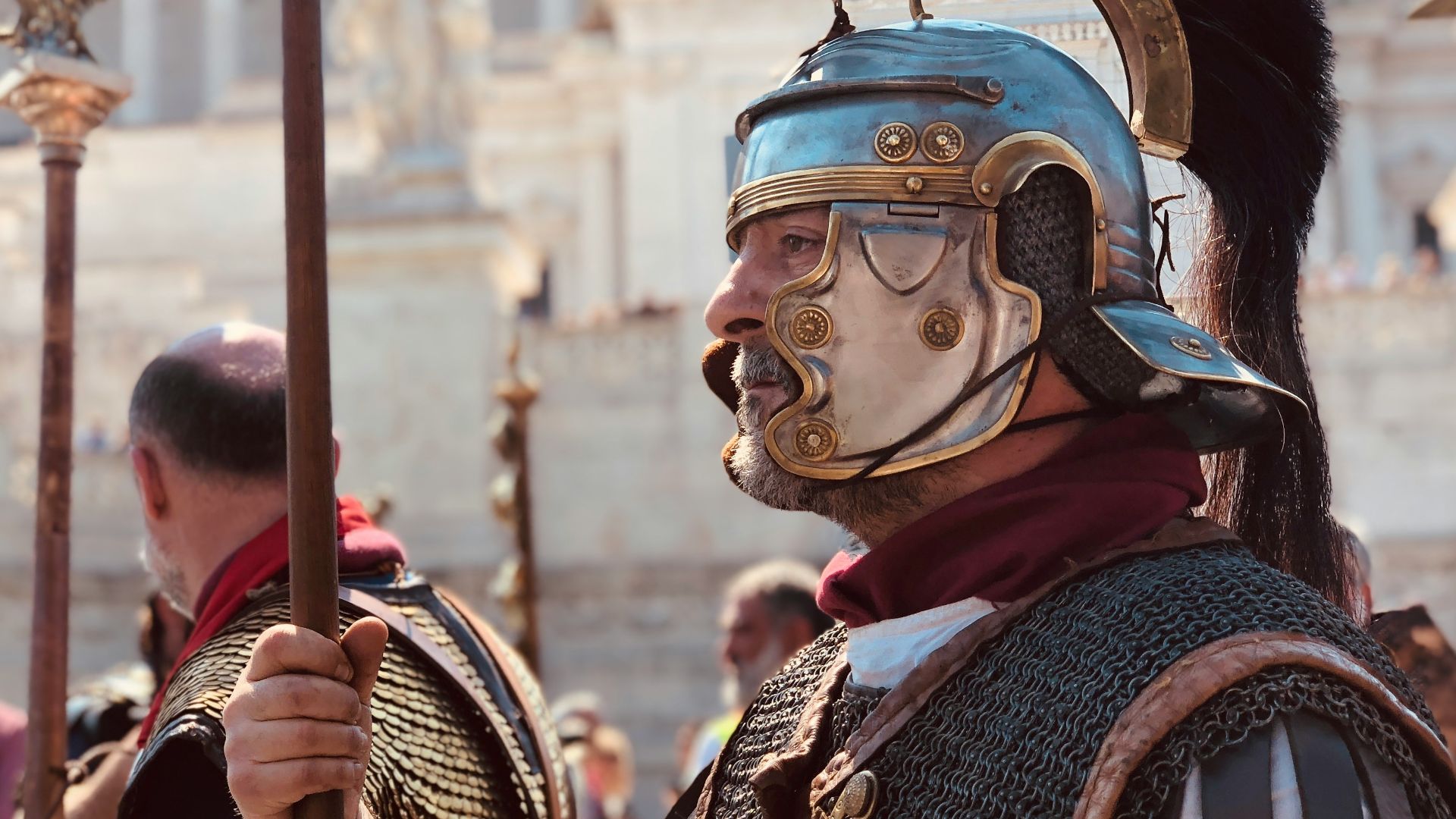 Maria Dolores Vazquez on Unsplash
1. The Battle of Stirling Bridge (Braveheart)
The most glaring issue with this depiction is the complete lack of an actual bridge. In reality, the Scots won by trapping the English on a narrow wooden structure, but the movie opts for an open field charge instead. You won’t find any blue face paint or kilts in the historical record either, as those fashions didn't show up until centuries later.
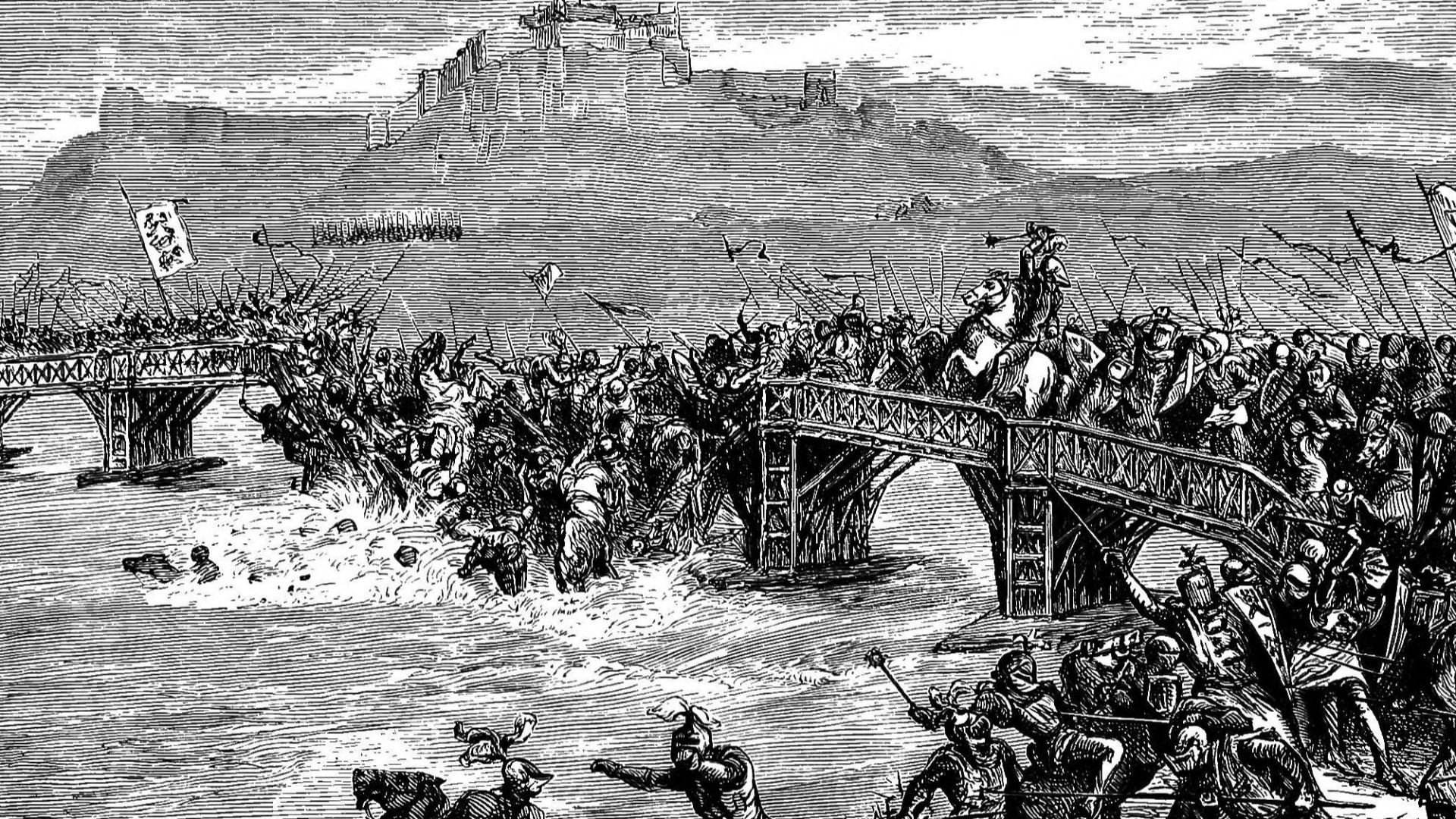 Matthew White Ridley on Wikimedia
2. The Battle of Thermopylae (300)
While the movie captures the spirit of the Spartan stand, the outfits are basically superhero costumes rather than functional gear. The real Spartans wore heavy bronze cuirasses and didn't fight alongside giant monsters or magical creatures. It's a visually stunning comic book adaptation, but you shouldn't look to it for an accurate representation of Greek phalanx tactics.
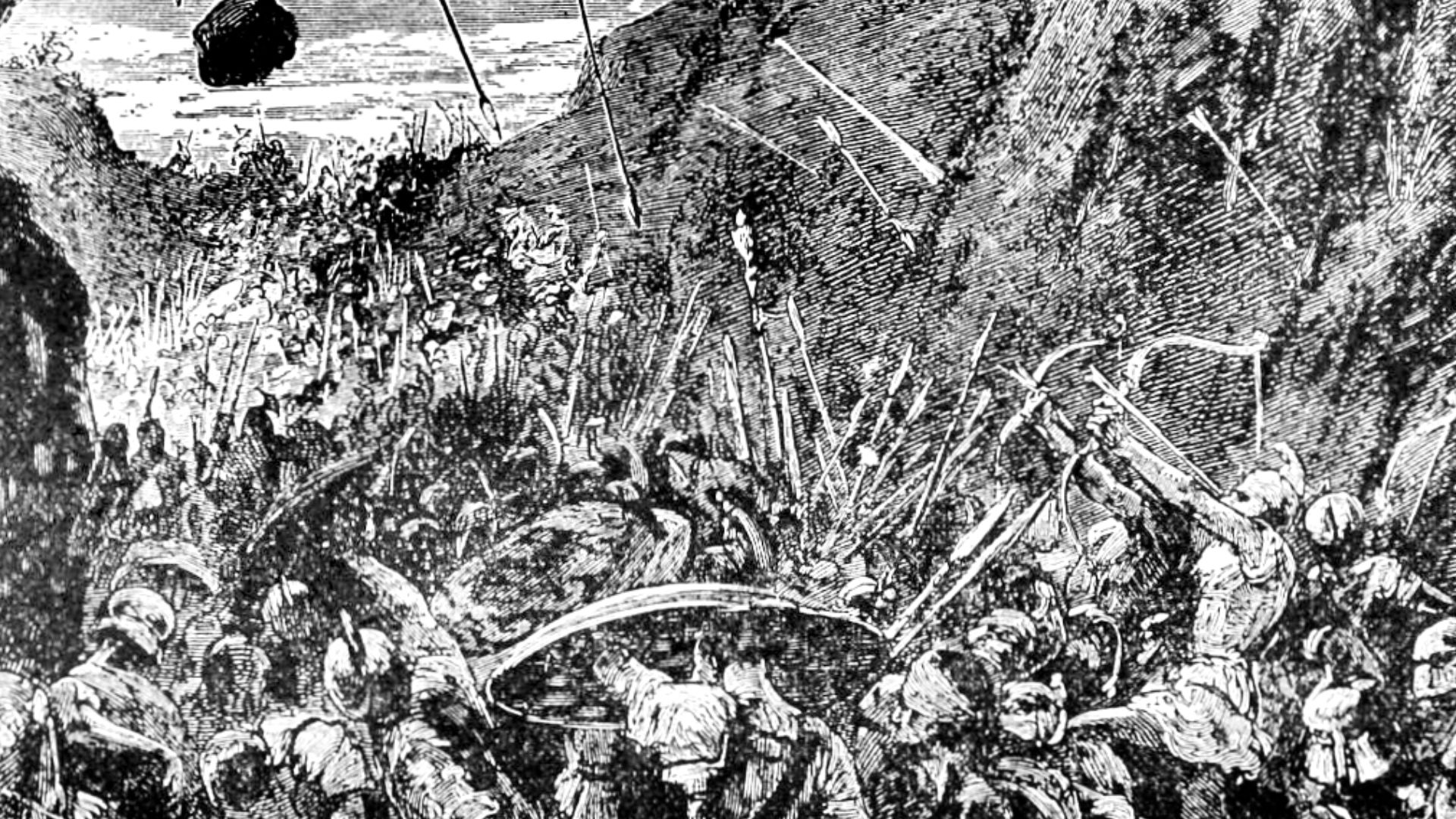 Abbott, Jacob, 1803-1879 on Wikimedia
3. The Battle of Agincourt (The King)
Rain certainly turned the ground to mud, but the film ignores the primary reason for the English victory. Longbowmen did the heavy lifting by devastating the French cavalry before they could even reach the line. Instead of showing the tactical brilliance of the archers, the movie focuses on a messy, disorganized brawl that feels more like a modern mosh pit.
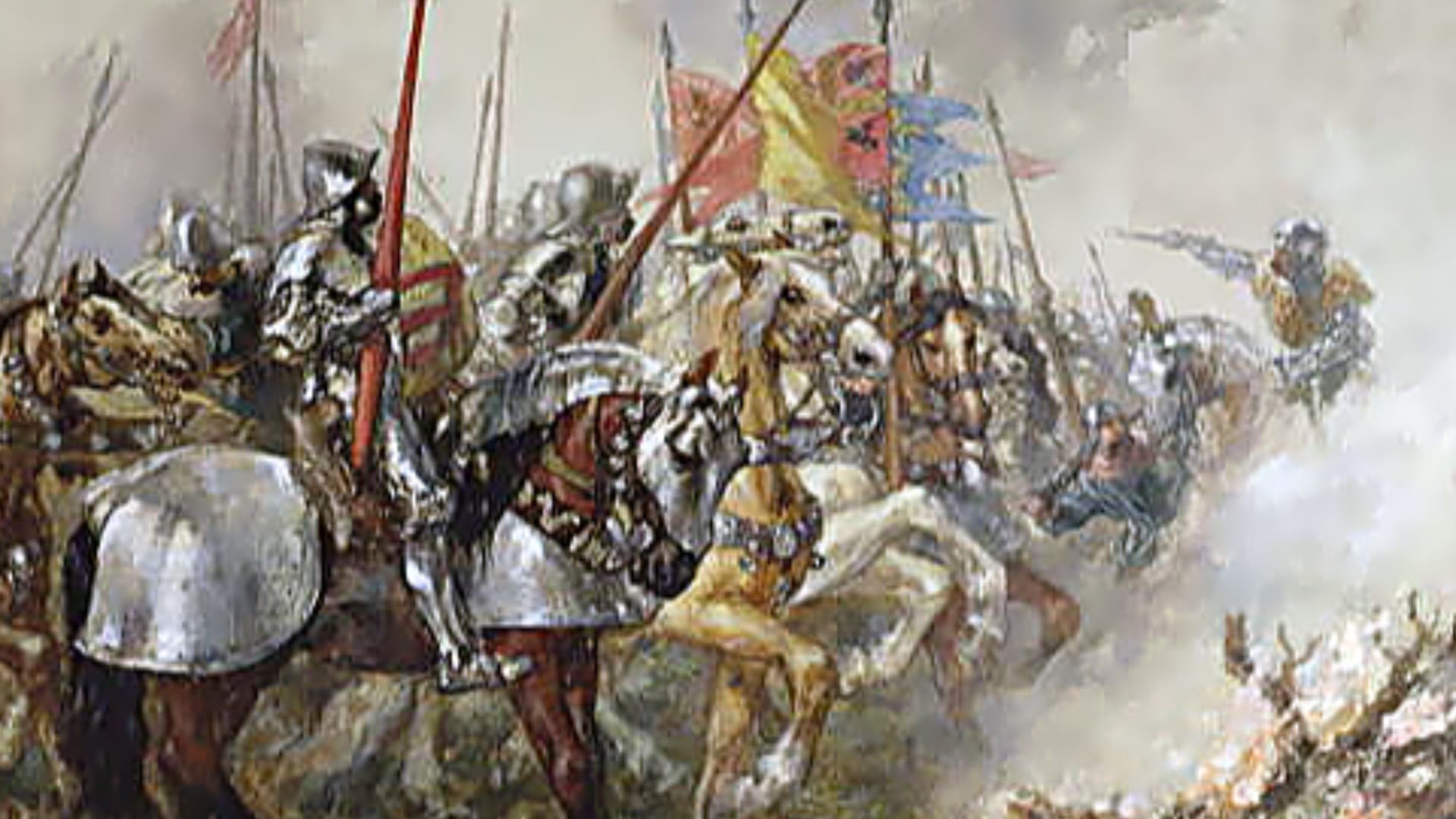 John Gilbert (1817–97) on Wikimedia
4. The Battle of the Bulge (Battle of the Bulge)
Veterans of this snowy conflict were famously annoyed by the film's sunny, flat terrain that looked nothing like the Ardennes Forest. The production used M47 Patton tanks to represent German Tigers, which is a bit like using a modern sedan to play a vintage muscle car. It ignores the freezing weather and dense woods that actually defined the struggle for the soldiers on the ground.
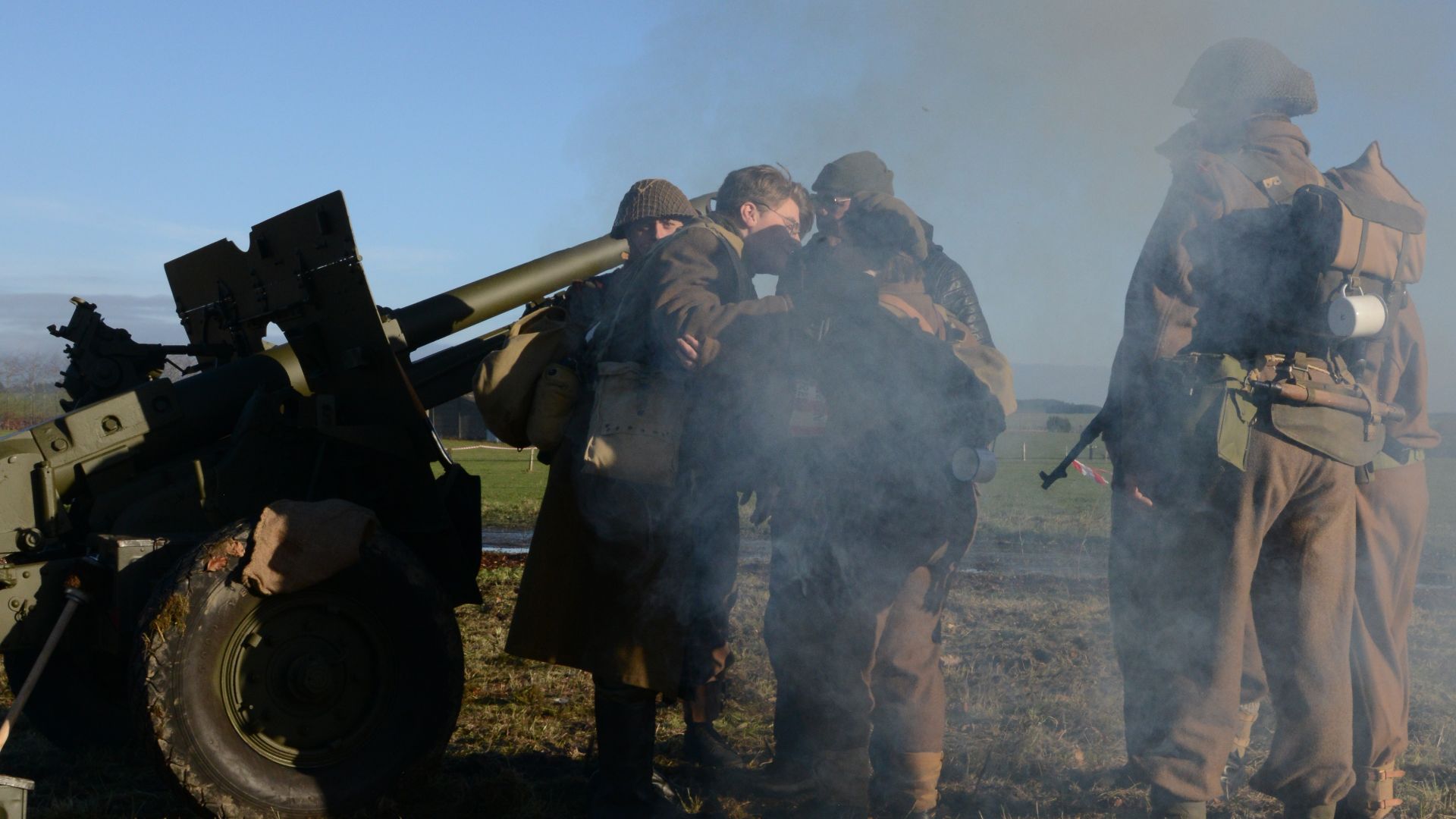 U.S. Army photo by Pascal Demeuldre on Wikimedia
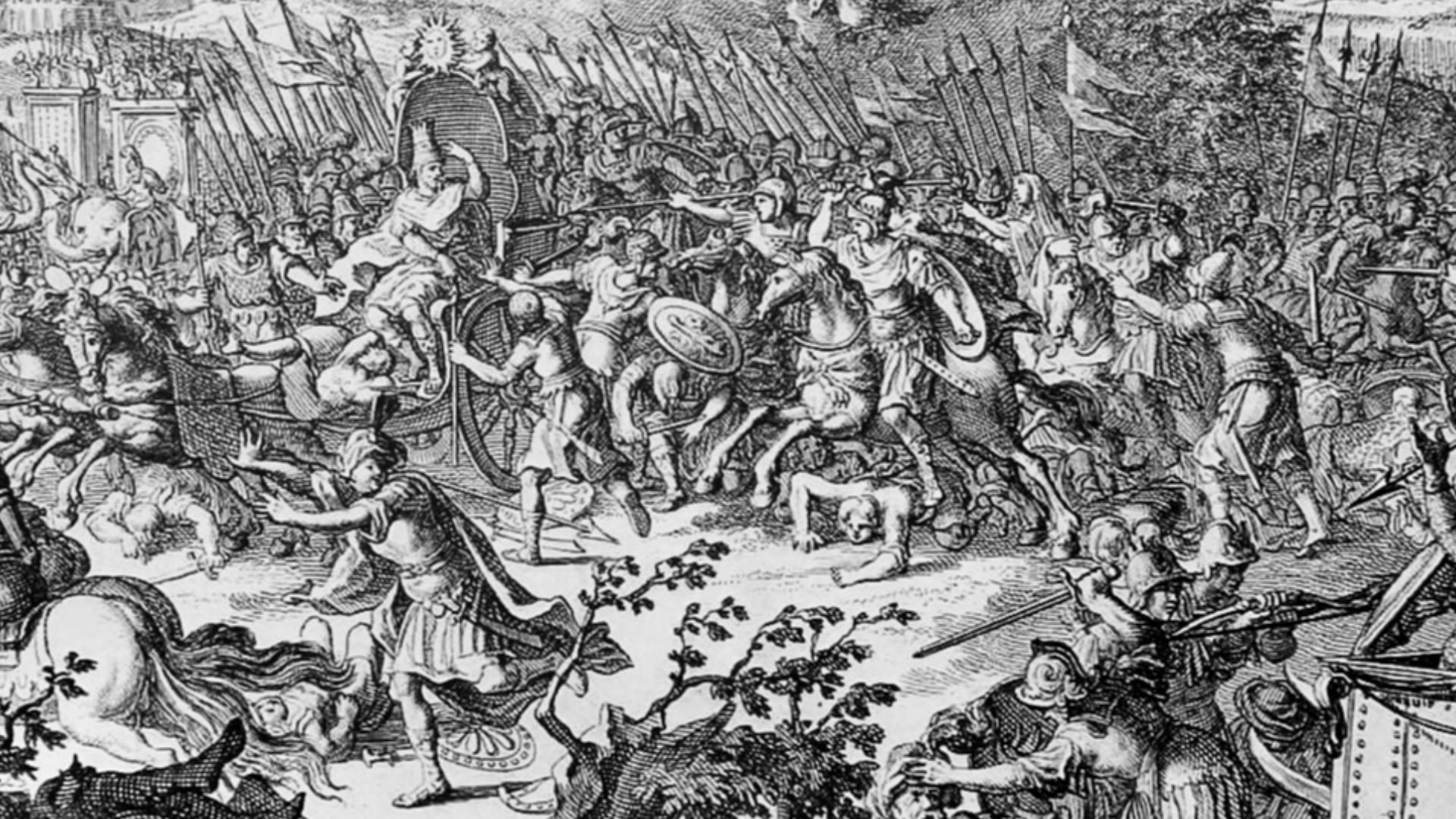
5. The Battle of Gaugamela (Alexander)
This movie tries hard with the troop movements, yet it fails to capture the sheer scale and dust of the Persian desert. Alexander's "wedge" maneuver is shown, but the geography of the battlefield feels cramped compared to the vast plains where the real fight occurred. You also won't find the real Alexander wearing a bleach-blonde wig that looks like it came from a modern salon.
6. The Battle of San Jacinto (The Alamo)
The 1960 version of this story makes the final struggle look like a massive, drawn-out epic. In truth, the engagement lasted less than twenty minutes because the Texan forces caught the Mexican army completely by surprise during a siesta. It wasn't a grand cinematic showdown so much as a lightning-fast ambush that changed the map of North America in an afternoon.
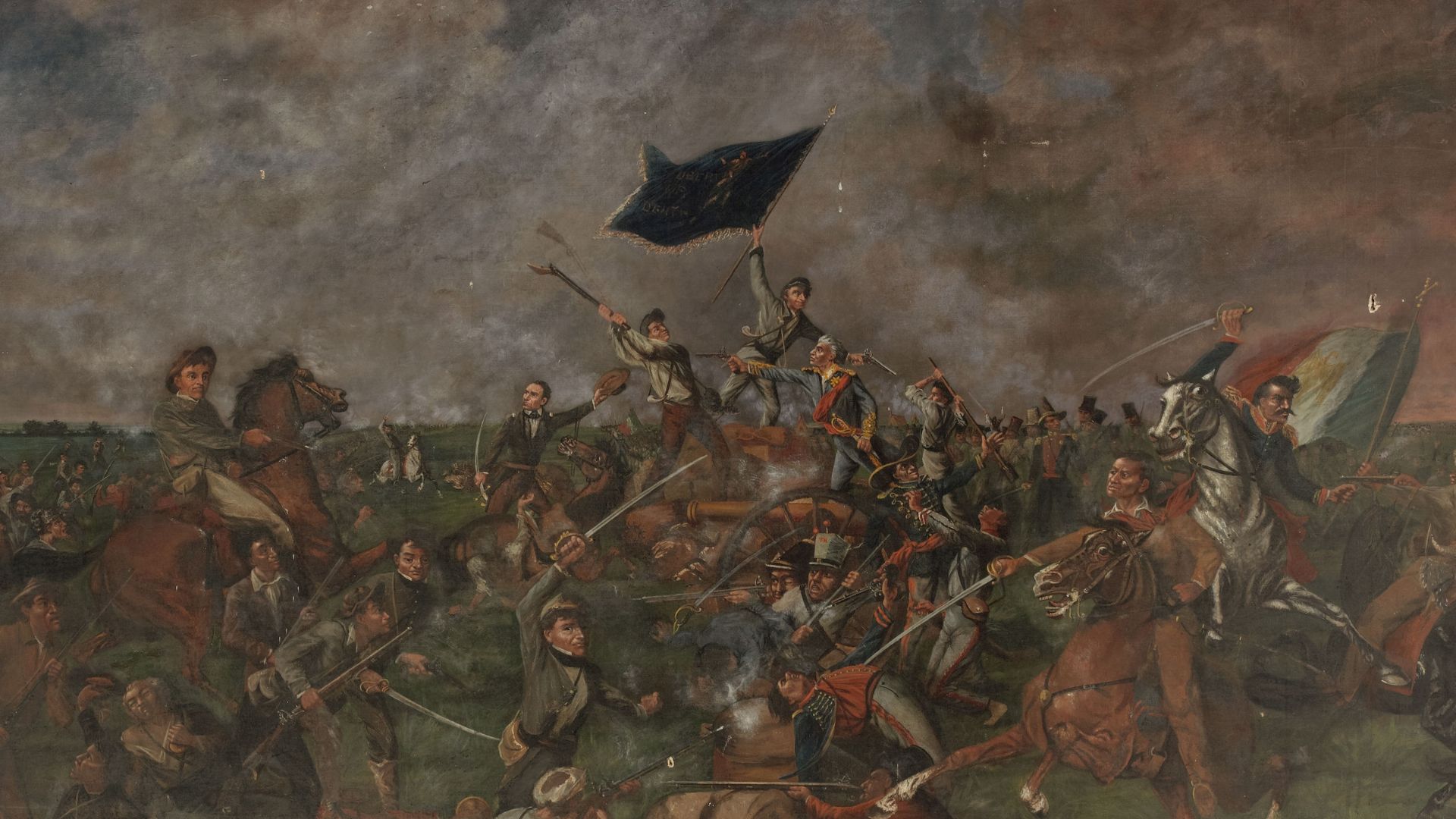 Henry Arthur McArdle on Wikimedia
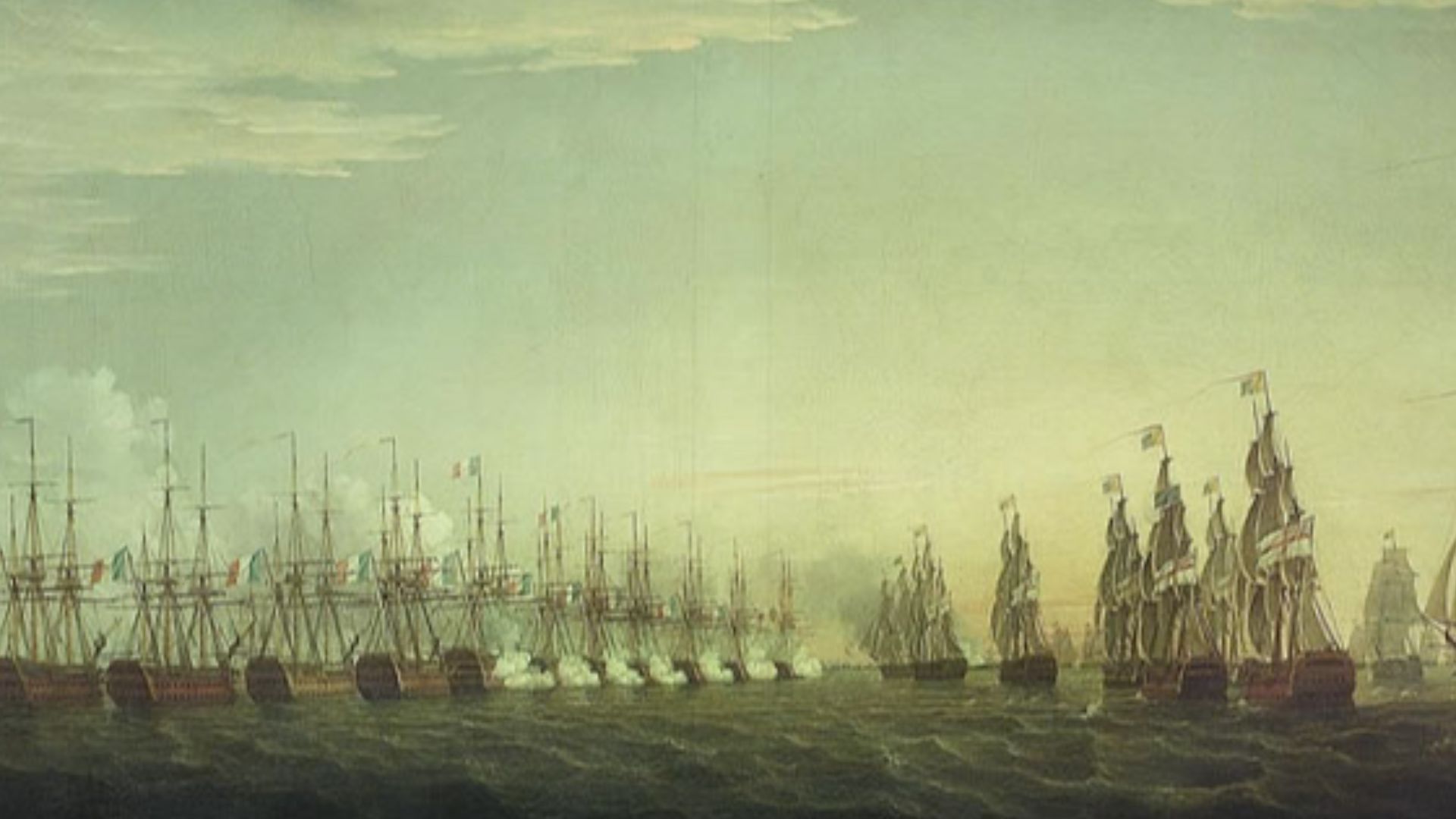
7. The Battle of the Nile (Napoleon)
Ridley Scott's recent epic shows Napoleon’s cannons firing at the Great Pyramids, which simply never happened. The battle actually took place several miles away from the pyramids, and Napoleon had far too much respect for Egyptian history to use the monuments as target practice. It’s a cool visual, but it’s a total fabrication designed to make the scene look more "Egyptian" for the audience.
8. The Battle of Rorke’s Drift (Zulu)
This film portrays the British defenders as a bunch of rowdy, undisciplined outcasts. The real soldiers were highly trained professionals who maintained incredible composure under pressure. While the movie is a classic, it plays up the drama by making the Zulu warriors look like they were defeated by a ragtag group instead of a disciplined military unit.
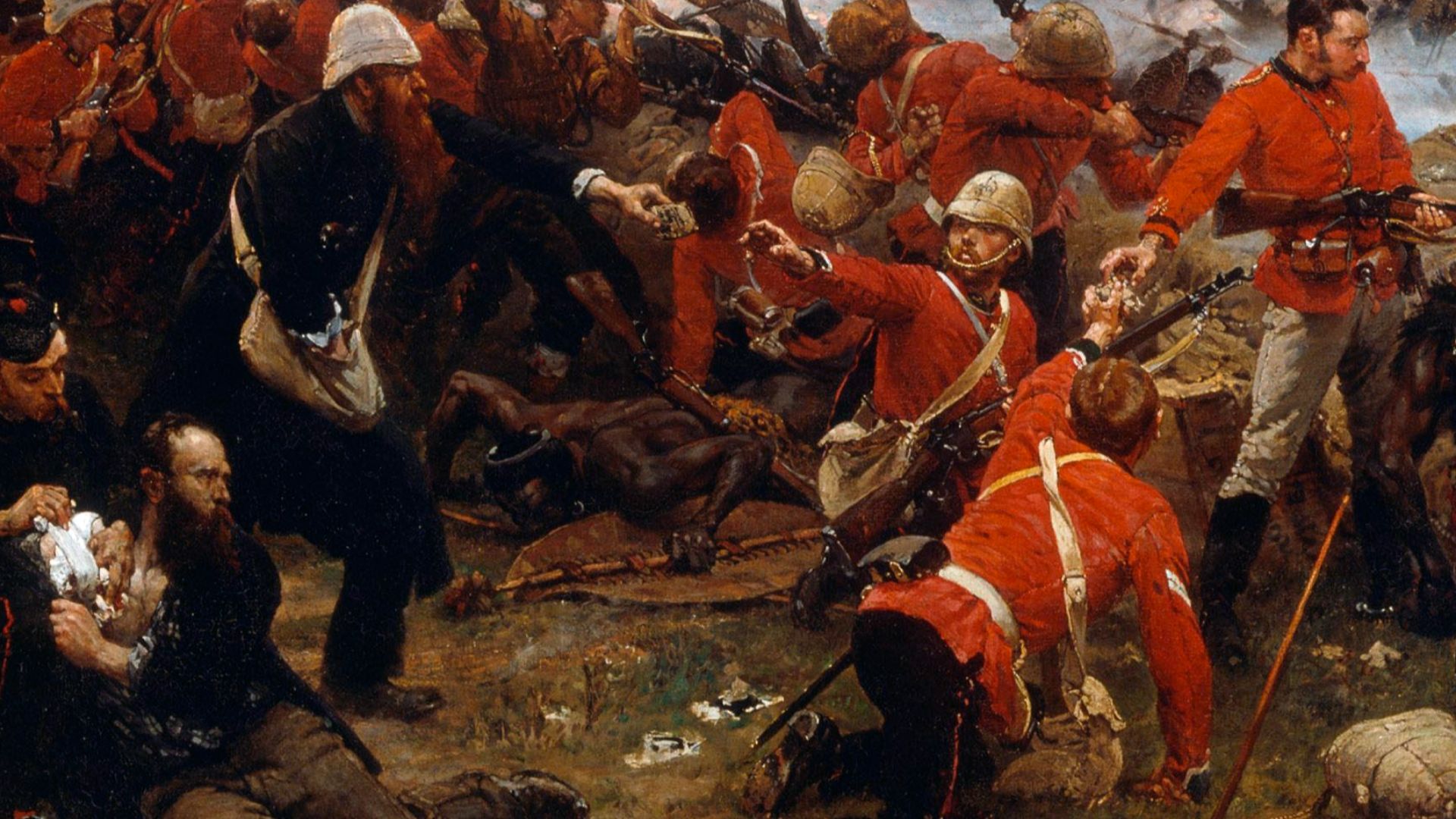 Alphonse de Neuville on Wikimedia
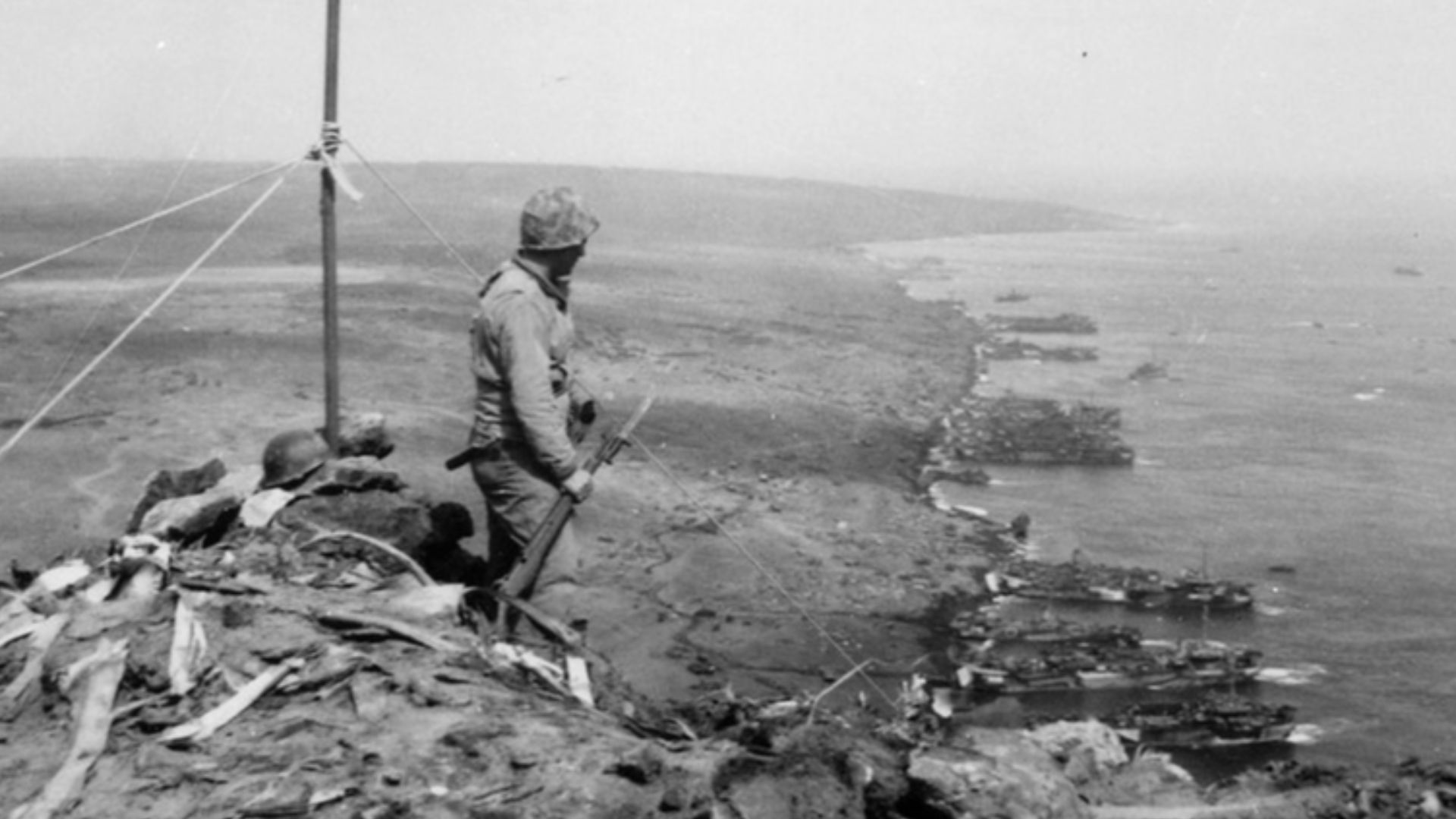
9. The Battle of Iwo Jima (Sands of Iwo Jima)
John Wayne's classic film makes the island's terrain look like a standard beach with some small hills. The real Iwo Jima was a volcanic nightmare of black ash and honeycombed tunnels where the enemy stayed hidden for most of the fight. You get a sense of heroism from the movie, but you lose the claustrophobic and grinding reality of the actual cave-to-cave combat.
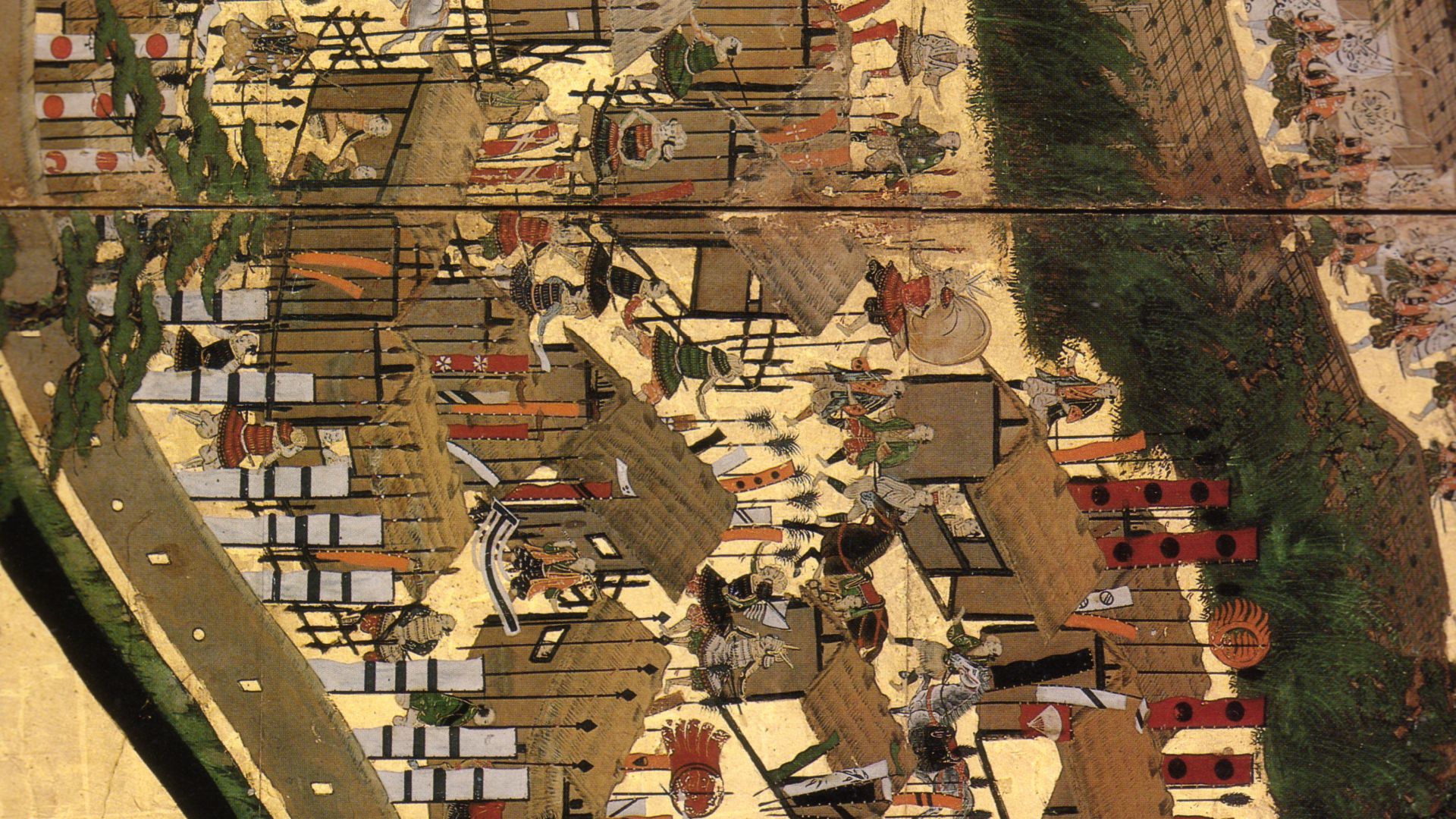
10. The Battle of Sekigahara (47 Ronin)
While this movie is more fantasy than history, it attaches its name to a real period of Japanese unrest. The historical battle was a complex political and tactical turning point involving thousands of samurai and shifting loyalties. Adding dragons and magic into the mix turns a pivotal moment of Japanese history into something that’s barely recognizable to anyone who knows the facts.
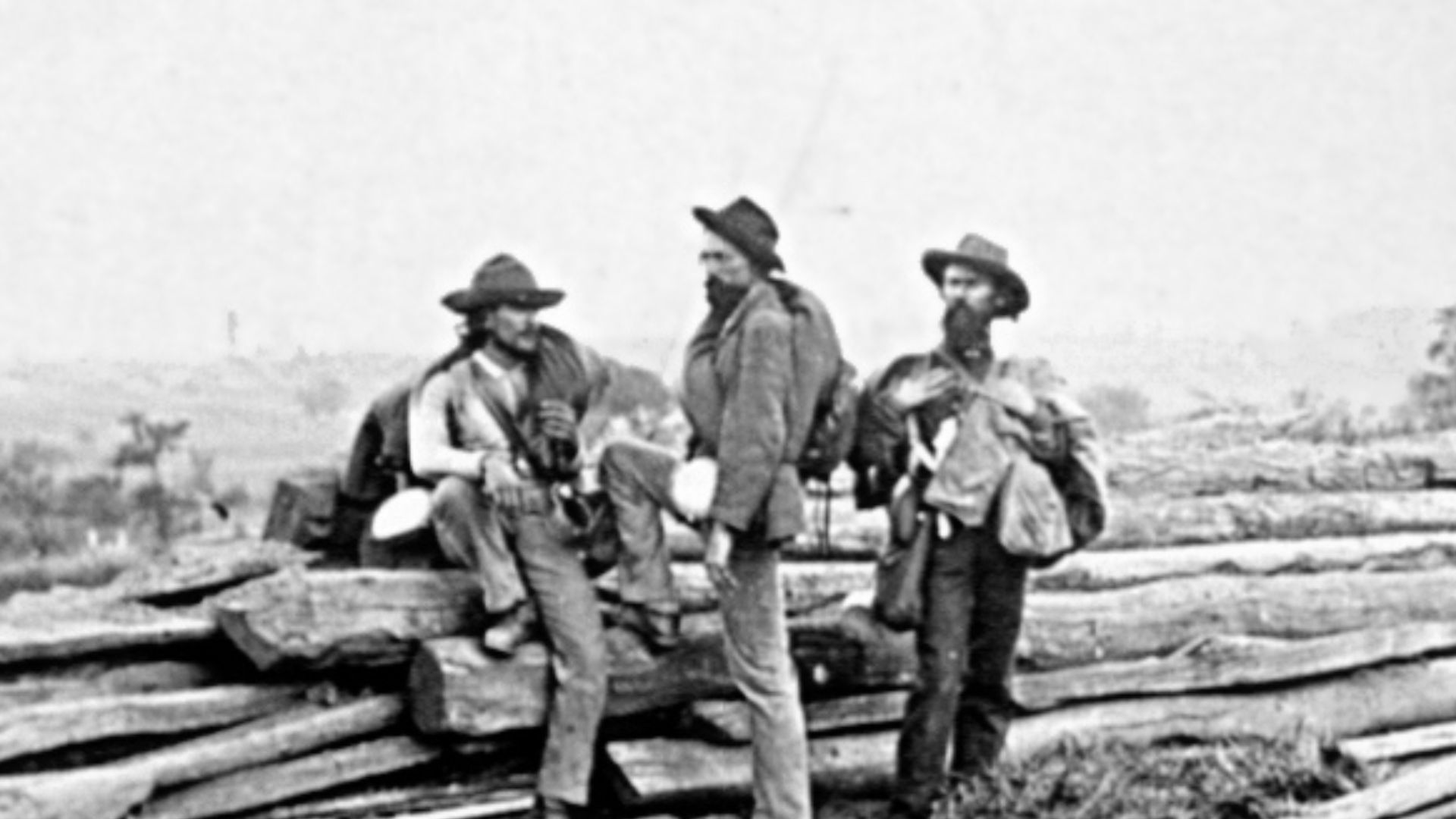
11. The Battle of Gettysburg (Gettysburg)
Most of the inaccuracies here come down to the beards, which look incredibly fake even to an untrained eye. Aside from the facial hair, the film portrays Pickett’s Charge as a glorious, heroic run across the field. In reality, it was a slaughter that involved much more chaos and retreating than the somewhat sanitized version shown on screen.
 Unknown authorUnknown author on Wikimedia
12. The Battle of Mogadishu (Black Hawk Down)
This film does a great job with the intensity, but it simplifies the multinational effort involved in the rescue. The Malaysian and Pakistani forces played a huge role in the armored convoy that eventually extracted the Rangers. By focusing almost exclusively on the Americans, the movie misses the collaborative nature of the actual mission that took place in the streets.
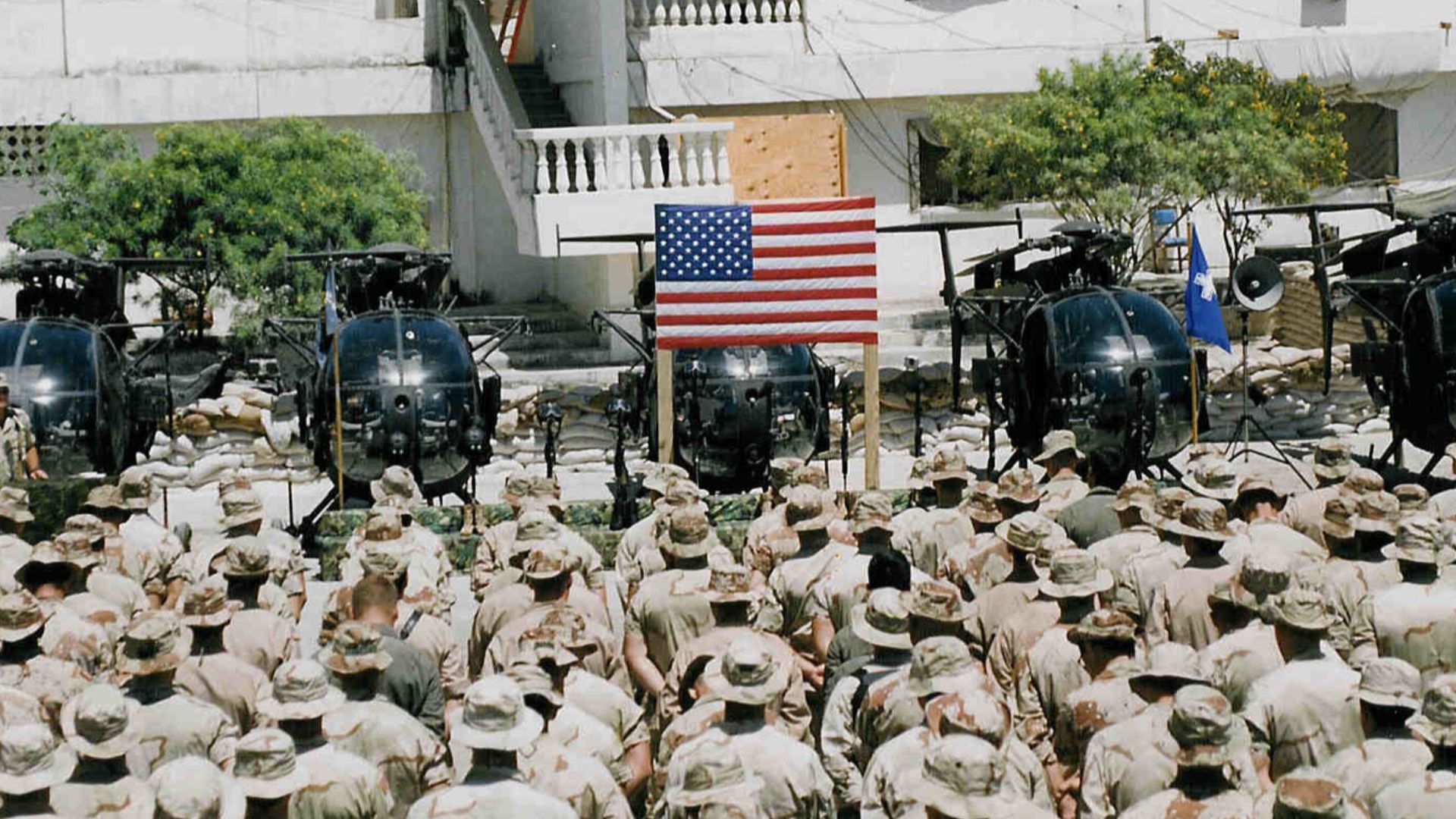
13. The Battle of Pearl Harbor (Pearl Harbor)
Michael Bay’s take on this tragedy includes dogfights that look like they belong in a modern jet movie. The Japanese planes fly much lower and faster than they were capable of at the time. You also see characters doing things that would’ve been physically impossible given the technology of 1941, sacrificing realism for the sake of explosions.
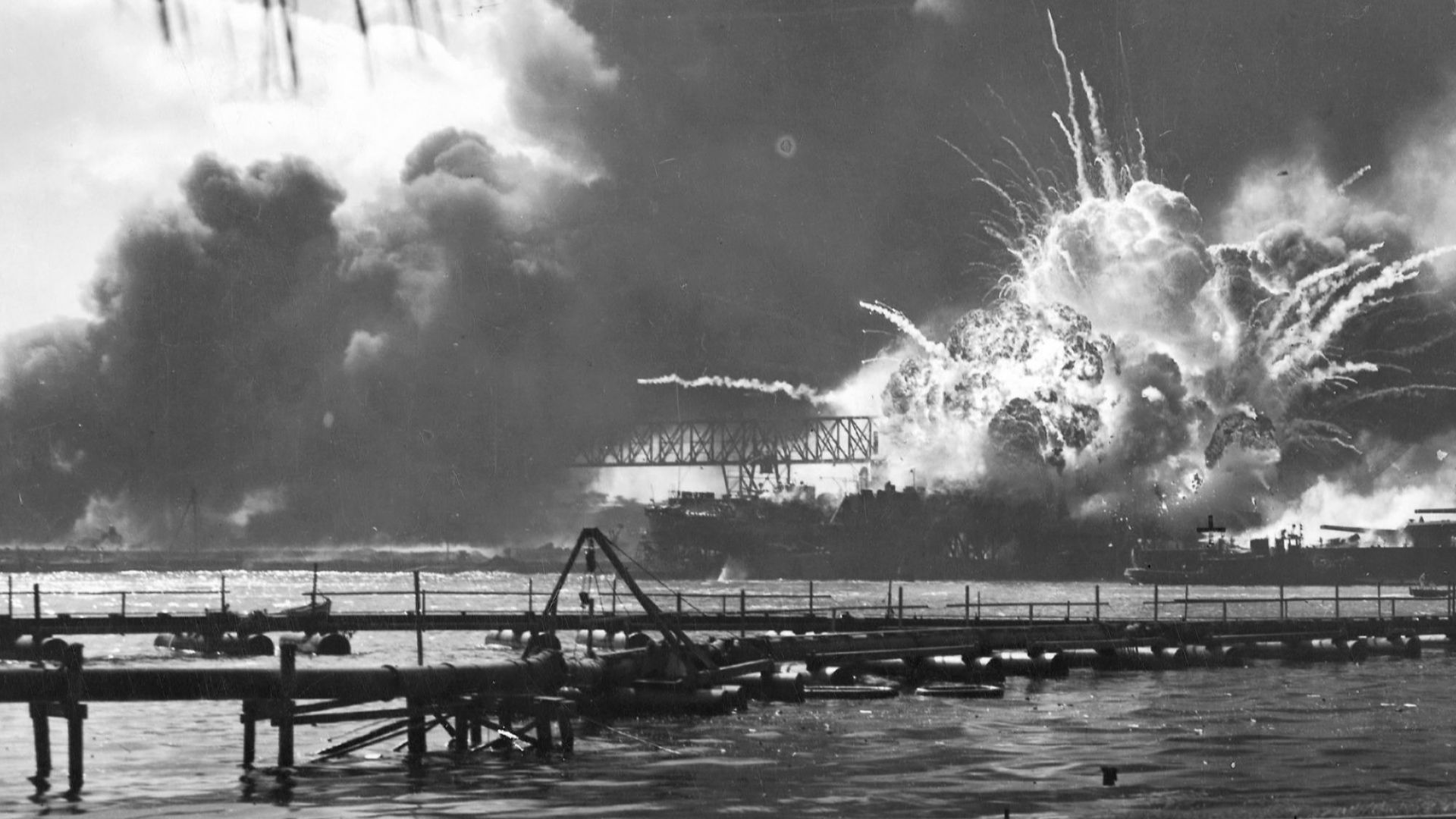 Unknown navy photographer on Wikimedia
14. The Battle of the Teutoburg Forest (Barbarians)
While this is a TV series, it represents the common Hollywood trope of "barbarians" living in filth. The Germanic tribes were actually quite sophisticated and utilized very specific ambush tactics to wipe out three Roman legions. The show often makes the Romans look somewhat incompetent to boost the drama, whereas the real victory was a result of brilliant Germanic planning.
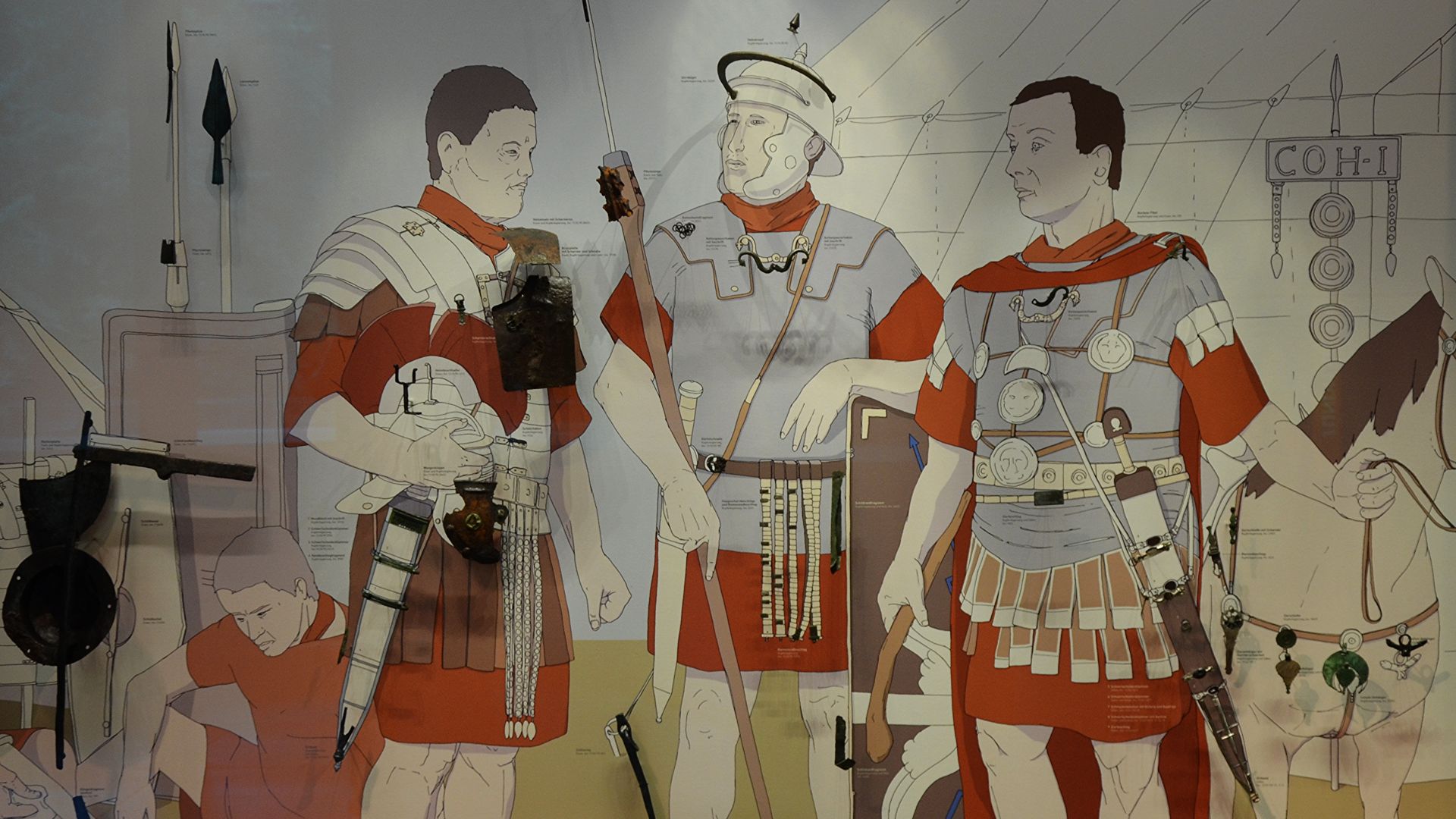 Carole Raddato from FRANKFURT, Germany on Wikimedia
15. The Battle of Midway (Midway 1976)
This older version of the story reused a ton of footage from other movies and actual newsreels that didn't even match the planes from the battle. You’ll see jets on carrier decks and different types of bombers appearing in the same scene. It creates a confusing mess for anyone who knows what a Dauntless dive-bomber actually looks like.
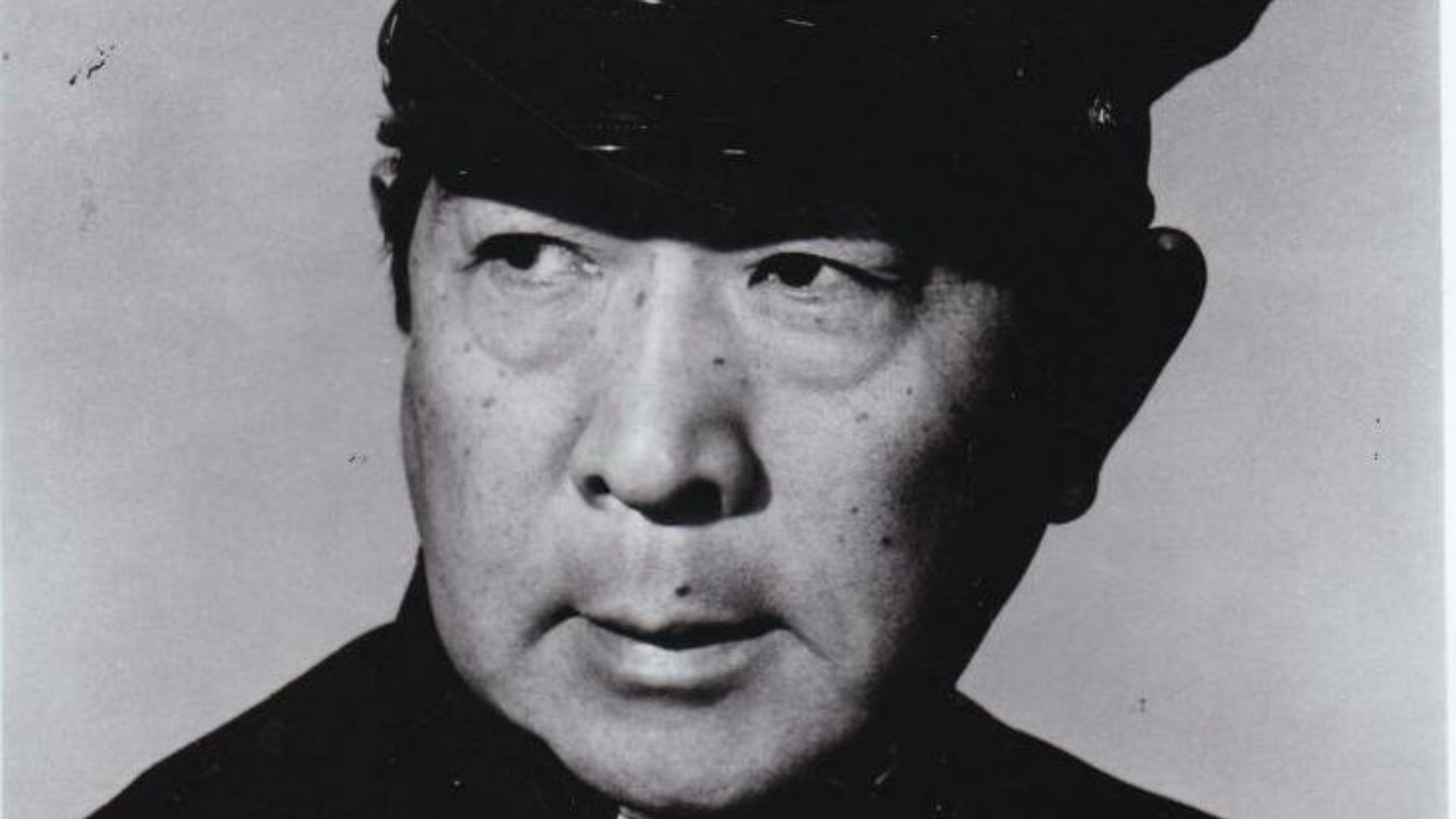 Universal Pictures on Wikimedia
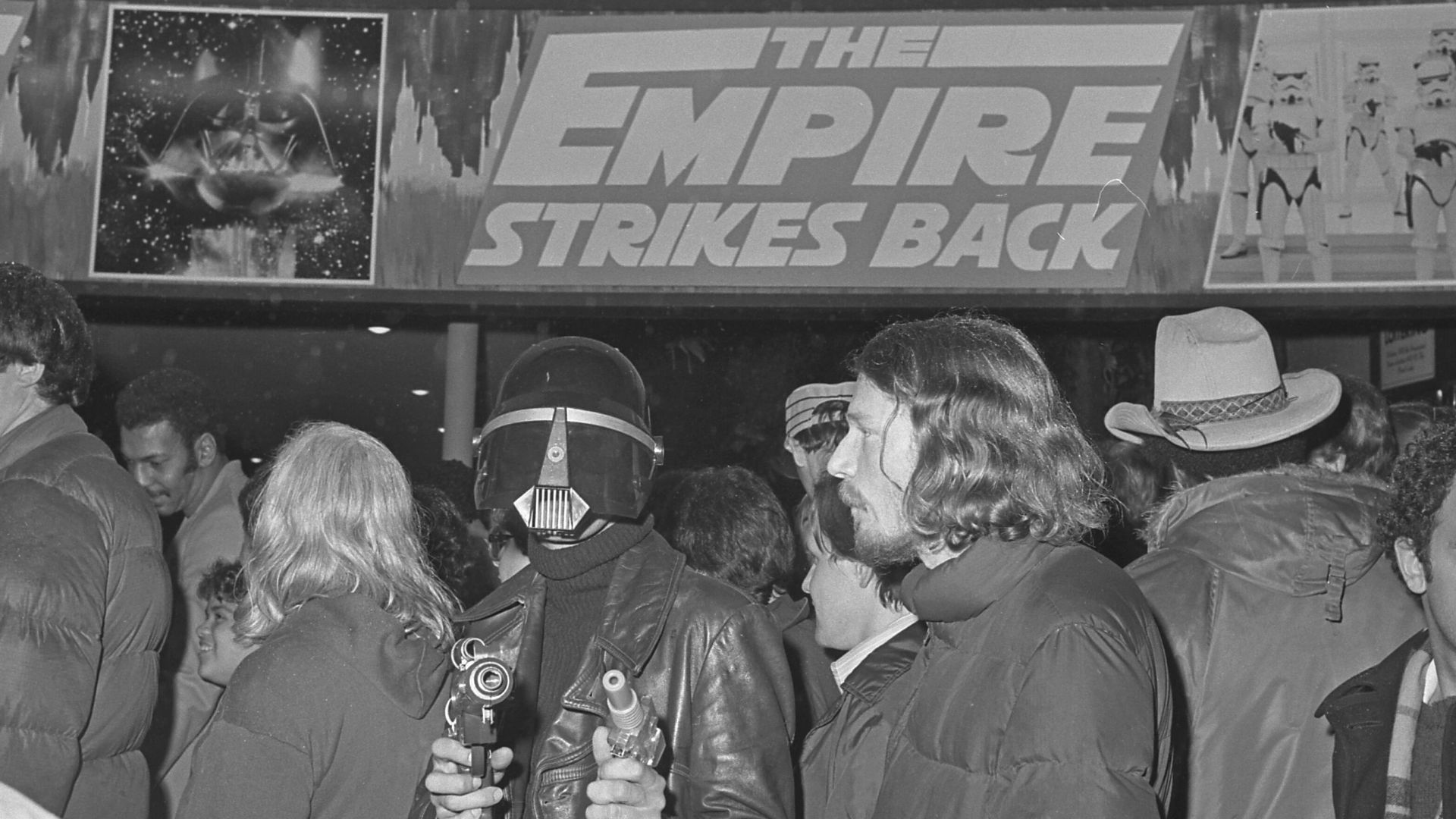
16. The Battle of Hoth (The Empire Strikes Back)
Okay, this one is a joke, but it highlights how movies set the standard for "battles" in our minds. Even in sci-fi, the tactics of walking giant slow tanks toward a base don't make much sense. If you apply real-world military logic to it, the Empire's ground assault was incredibly inefficient and mostly designed to look intimidating on camera.
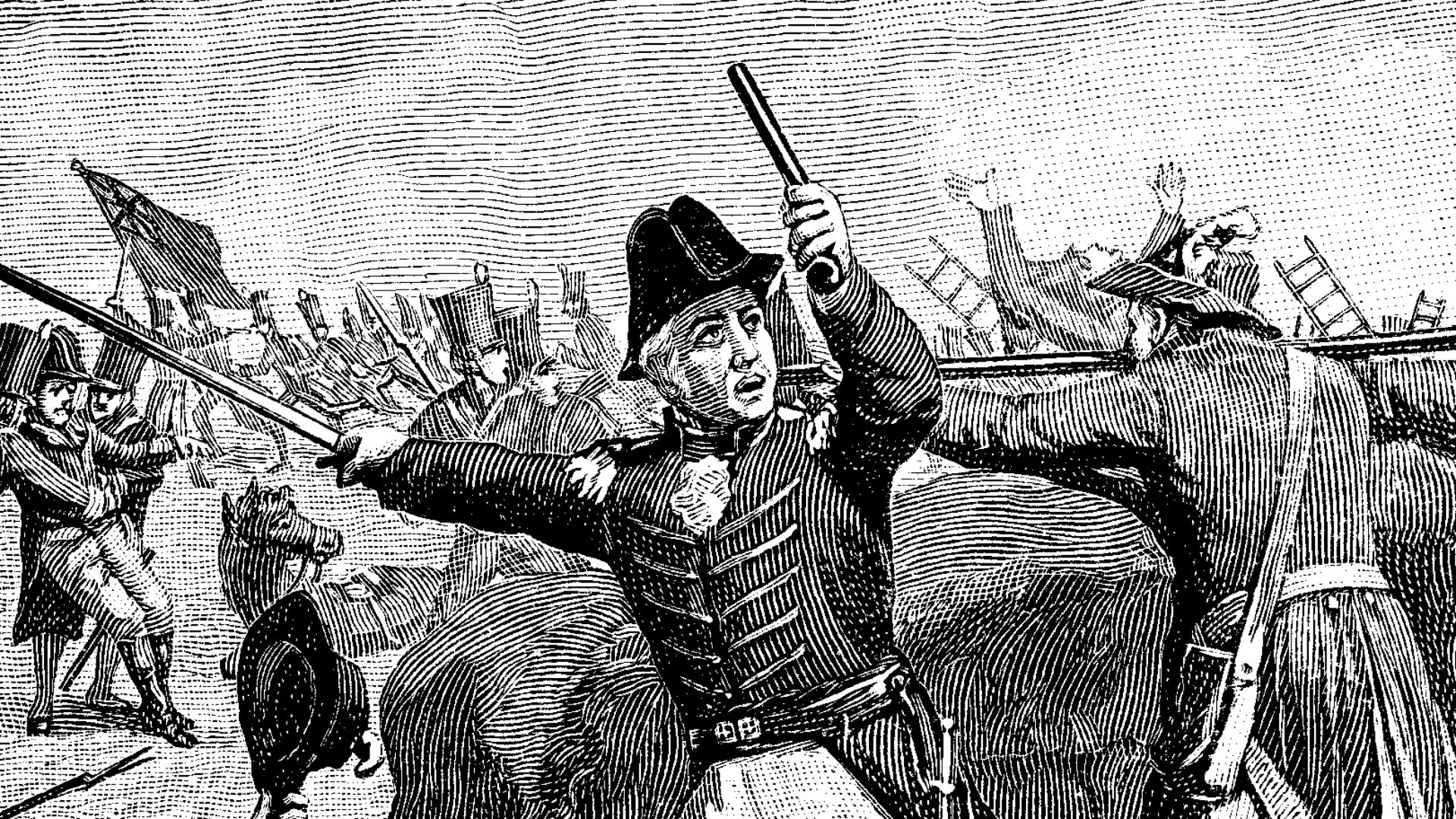
17. The Battle of New Orleans (The Buccaneer)
This film suggests that pirates were the primary reason the Americans won against the British. Jean Lafitte certainly helped, but the victory was mostly due to Andrew Jackson’s strong defensive lines and the British army’s tactical errors. You'd think the pirates did all the work if you only watched the Hollywood version.
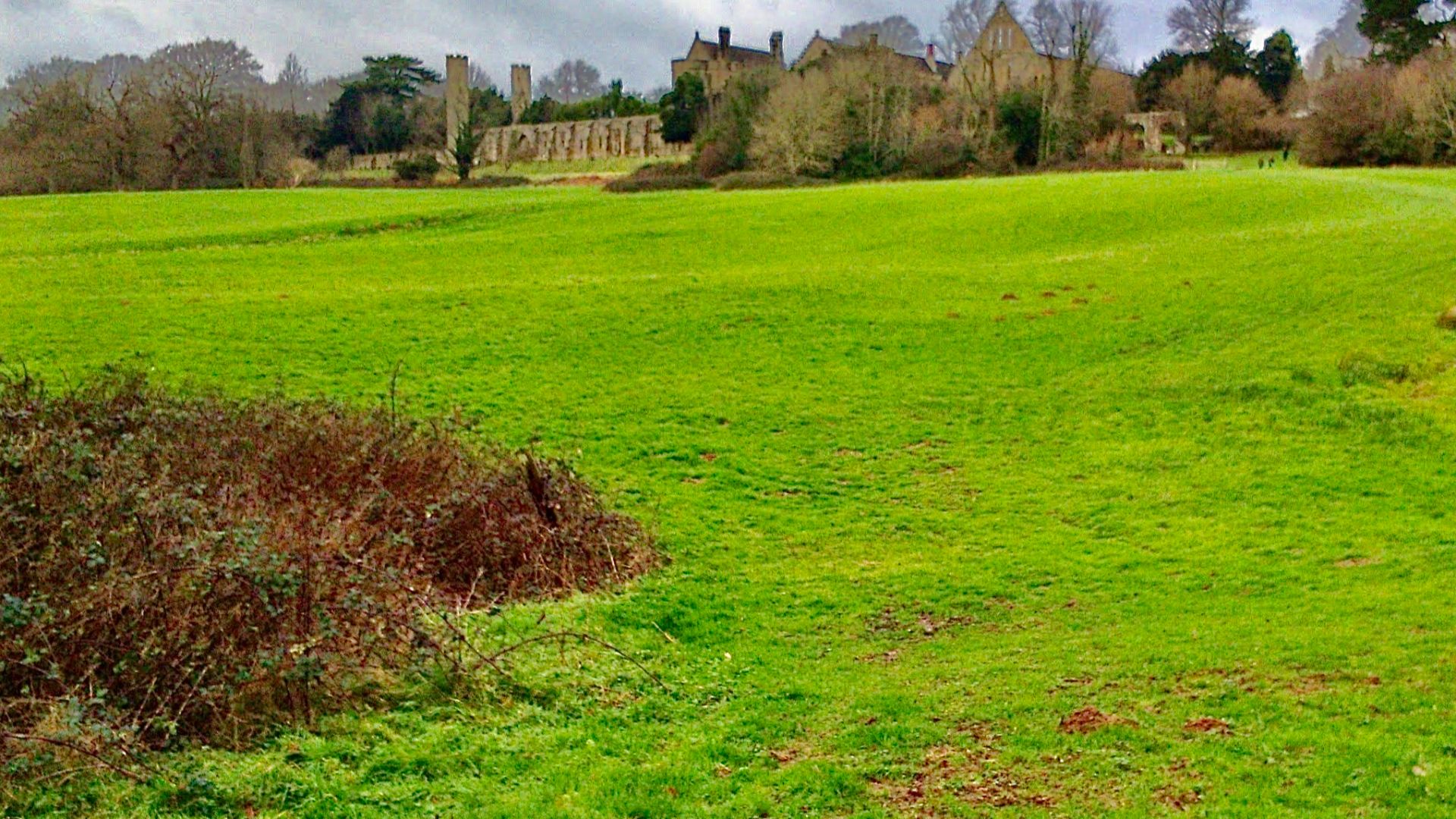
18. The Battle of Hastings (1066: The Battle for Middle England)
Cinematic depictions of 1066 usually involve everyone wearing heavy plate armor. At that time, most soldiers wore chainmail hauberks and carried kite shields, which offered a very different aesthetic. The movies often skip over the fact that the shield wall held for hours and was only broken by a feigned retreat.
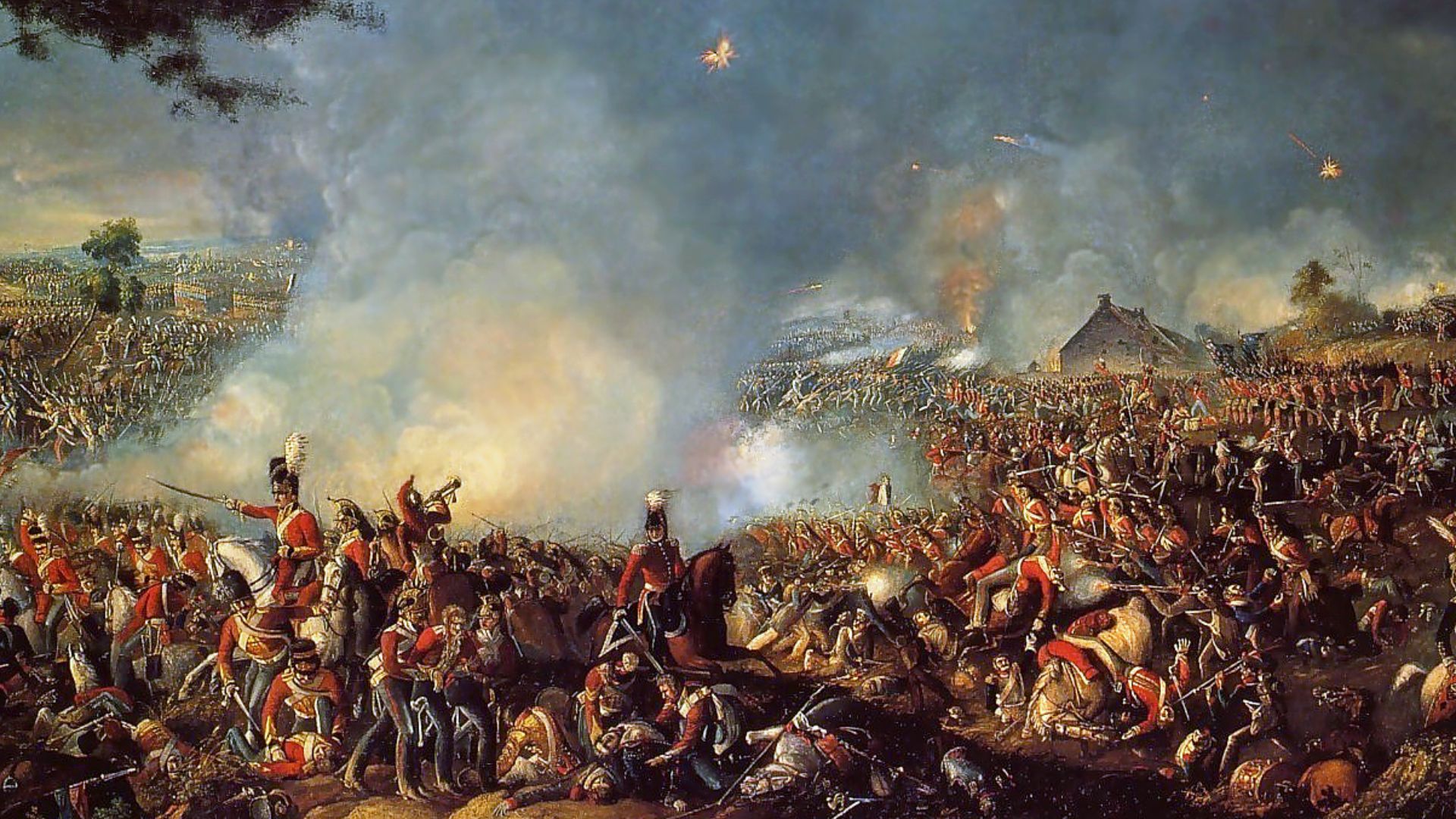
19. The Battle of Waterloo (Waterloo)
This 1970 film is actually quite accurate in scale, but it misses the mark on the timing of the Prussian arrival. Blücher’s forces arrived at a critical moment, yet the film makes it seem like they were just a footnote to the British defense. You don't get the full sense of how close Napoleon actually came to winning that day.
20. The Battle of Red Cliffs (Red Cliff)
While John Woo's epic is visually stunning, it leans heavily into "wire-fu" and superhuman feats of strength. The real Chinese naval battle was won through clever fire ship tactics and weather predictions, not by individual generals taking on hundreds of men at once. It’s a great action flick, but the historical strategy is buried under layers of Hollywood flair.
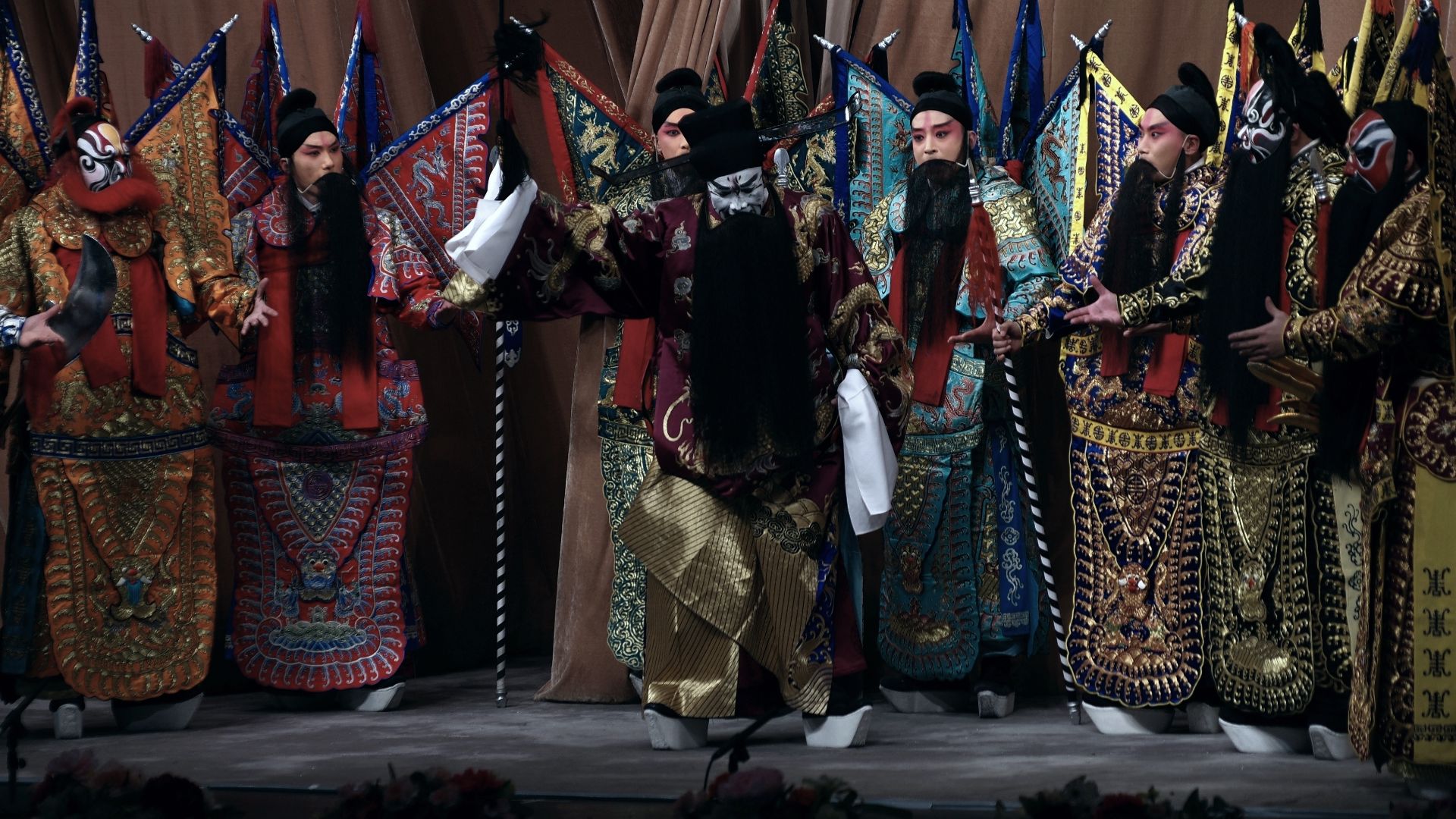 陈文 https://www.flickr.com/people/univers-finder/ on Wikimedia
KEEP ON READING
20 Greek Gods We Don't Often Talk About
Step Aside, Zeus. Greek mythology isn’t only about Zeus and…
By Elizabeth Graham Jan 16, 2026
10 Historic Courtship Practices That Should Be Brought Back &…
Old-School Dating Was a Mix of Charming & Unhinged. Historic…
By Emilie Richardson-Dupuis Jan 20, 2026
Legendary Tales: 20 Most Fascinating Mythical Creatures from Folklore
Mythological Beasts. Stories about mythical creatures endure for a simple…
By Christy Chan Jan 16, 2026
Pooches Of The Past: Extinct Dog Breeds
Unknown authorUnknown author on WikimediaDogs have been showing up in…
By Elizabeth Graham Jan 27, 2026
The 20 Craziest Silent Films Ever Made
When Silence Let the Madness Speak. Silent cinema didn’t just…
By Chase Wexler Jan 5, 2026
The three most expensive historical artifacts ever sold at auction
Attributed to Leonardo da Vinci on WikimediaAuctions are where history…
By Emilie Richardson-Dupuis Jan 9, 2026