Famous words, wrong mouths
How annoying would it be if you said something clever and someone else got the credit for centuries? Unfortunately, this happens all the time in history. A line gets repeated, a famous name gets attached, and suddenly everyone “remembers” something that didn’t actually happen. Let's set the record straight. Here are 20 famous quotes that were incorrectly attributed.
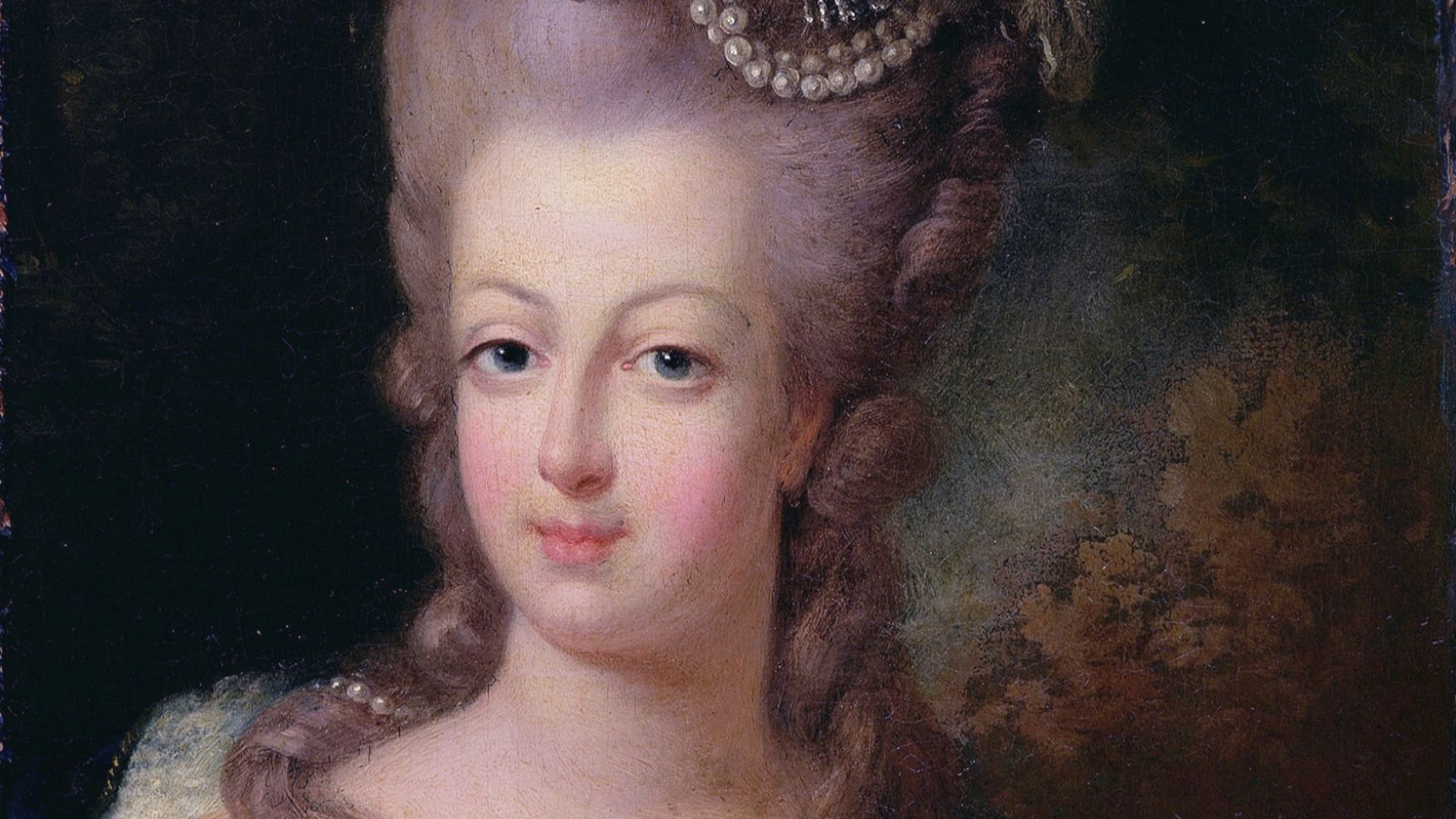 After Jean-Baptiste André Gautier-Dagoty on Wikimedia
1. “Let them eat cake.”
This line gets pinned on Marie Antoinette as proof she was out of touch, but there’s no solid evidence she ever said it. Versions of the phrase show up earlier, and the attribution looks more like propaganda than a real transcript.
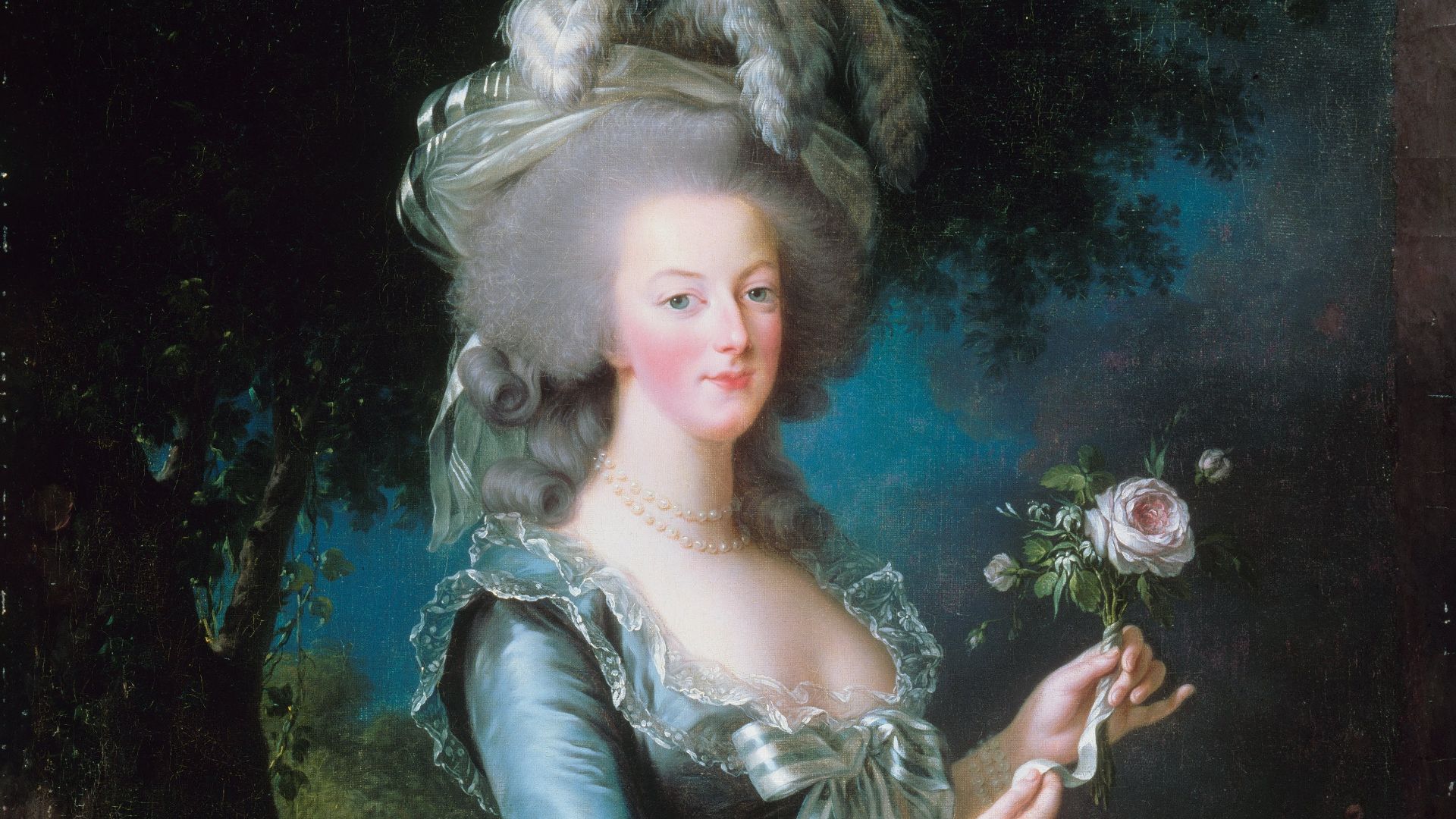 Élisabeth Louise Vigée Le Brun on Wikimedia
2. “Elementary, my dear Watson.”
People swear Sherlock Holmes said this, yet the exact phrase doesn’t appear in Arthur Conan Doyle’s Holmes stories. It’s a catchphrase that grew in later adaptations and parodies until it felt “canon.” So yes, it sounds right, but it’s not actually Doyle’s line.
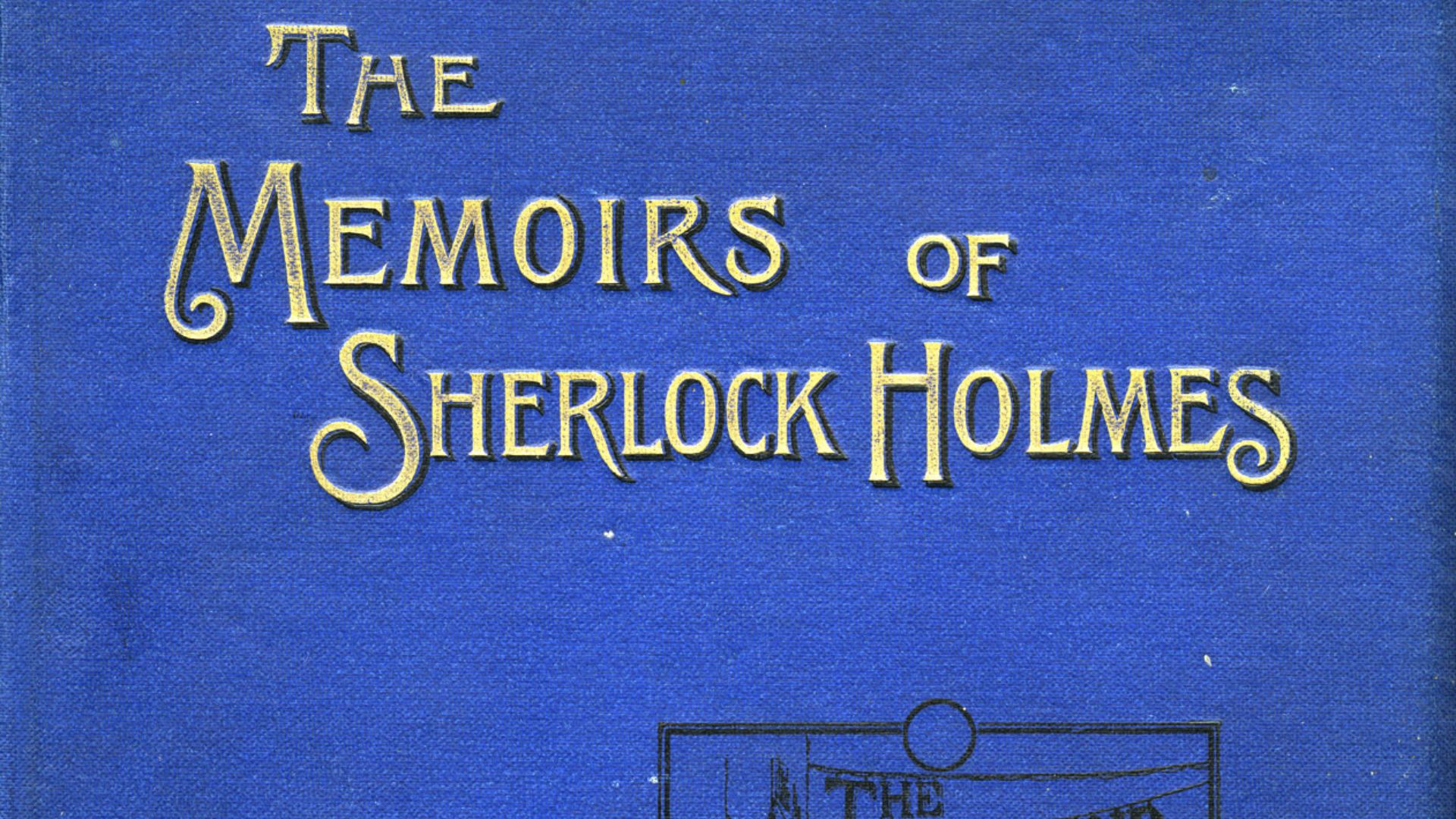 Special Collections Toronto Public Library on Wikimedia
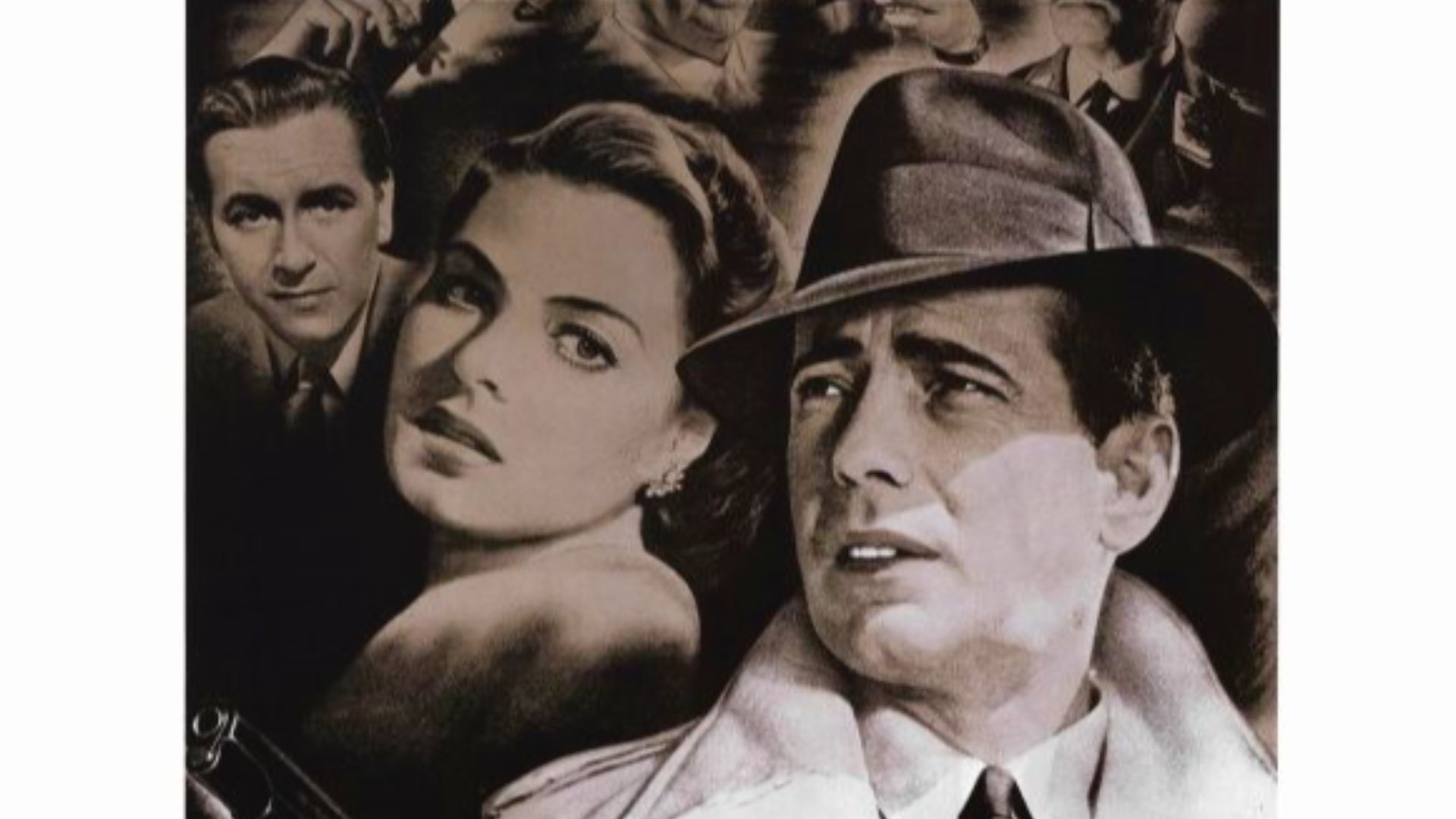
3. “Play it again, Sam.”
Casablanca is packed with memorable dialogue, but this famous command isn’t one of its real lines. It’s been glued to Humphrey Bogart’s character over time because it’s catchy and feels like it fits the scene. Hollywood gave you the vibe, not the verbatim quote.
4. “If you’re going through hell, keep going.”
This one is routinely credited to Winston Churchill, which makes it sound instantly authoritative. Researchers have found the saying in circulation without a solid Churchill source attached, so the attribution doesn’t hold up. It’s still good advice, but it’s not reliably his.
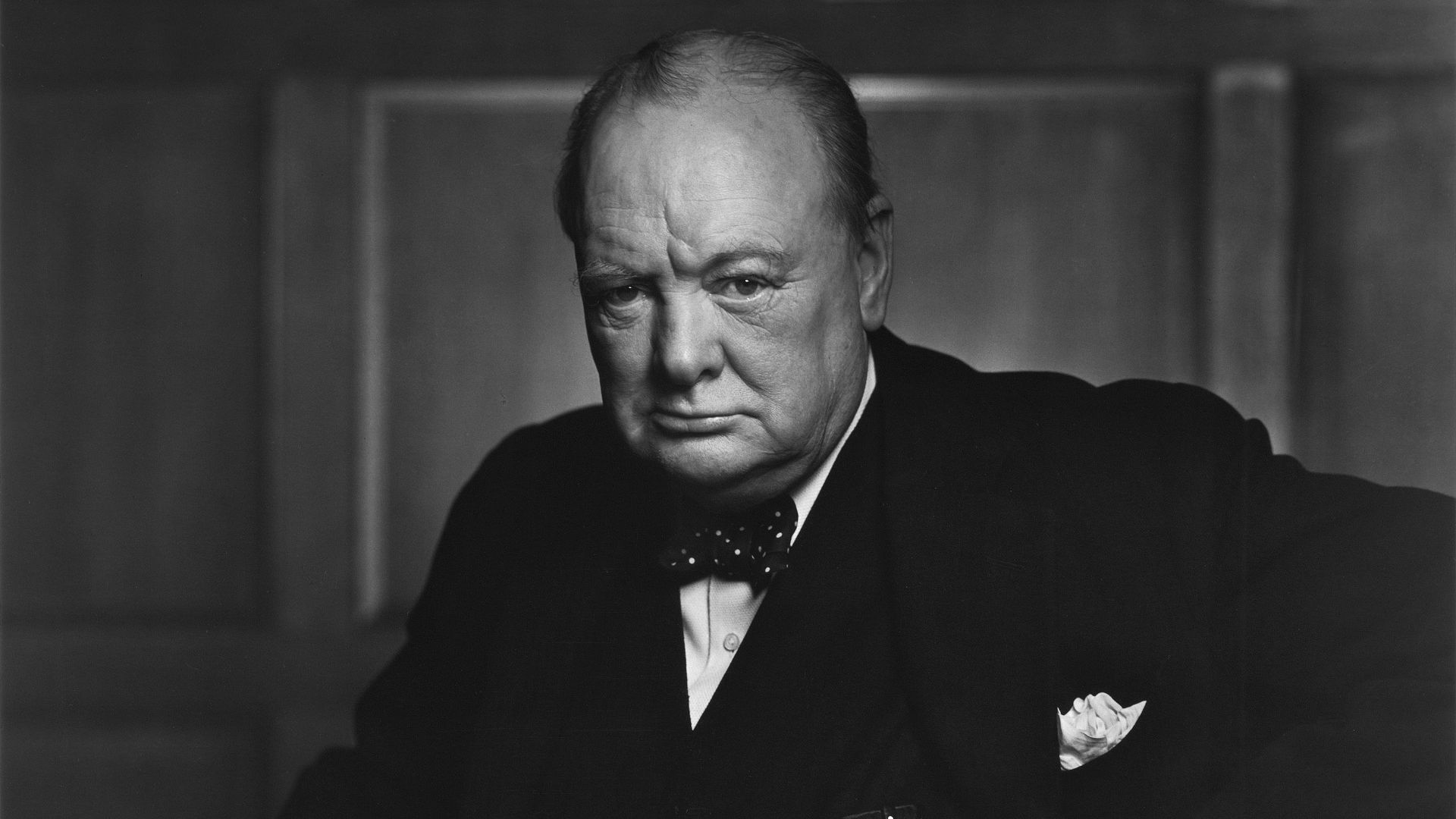
5. “Insanity is doing the same thing over and over and expecting different results.”
Albert Einstein gets blamed for this everywhere, even though there’s no substantive evidence that he wrote or said it. The wording shows up much later in print and seems to have traveled through self-help and popular commentary until Einstein’s name got stapled on. If you’ve used it to sound scientific in an argument, you’re not alone.
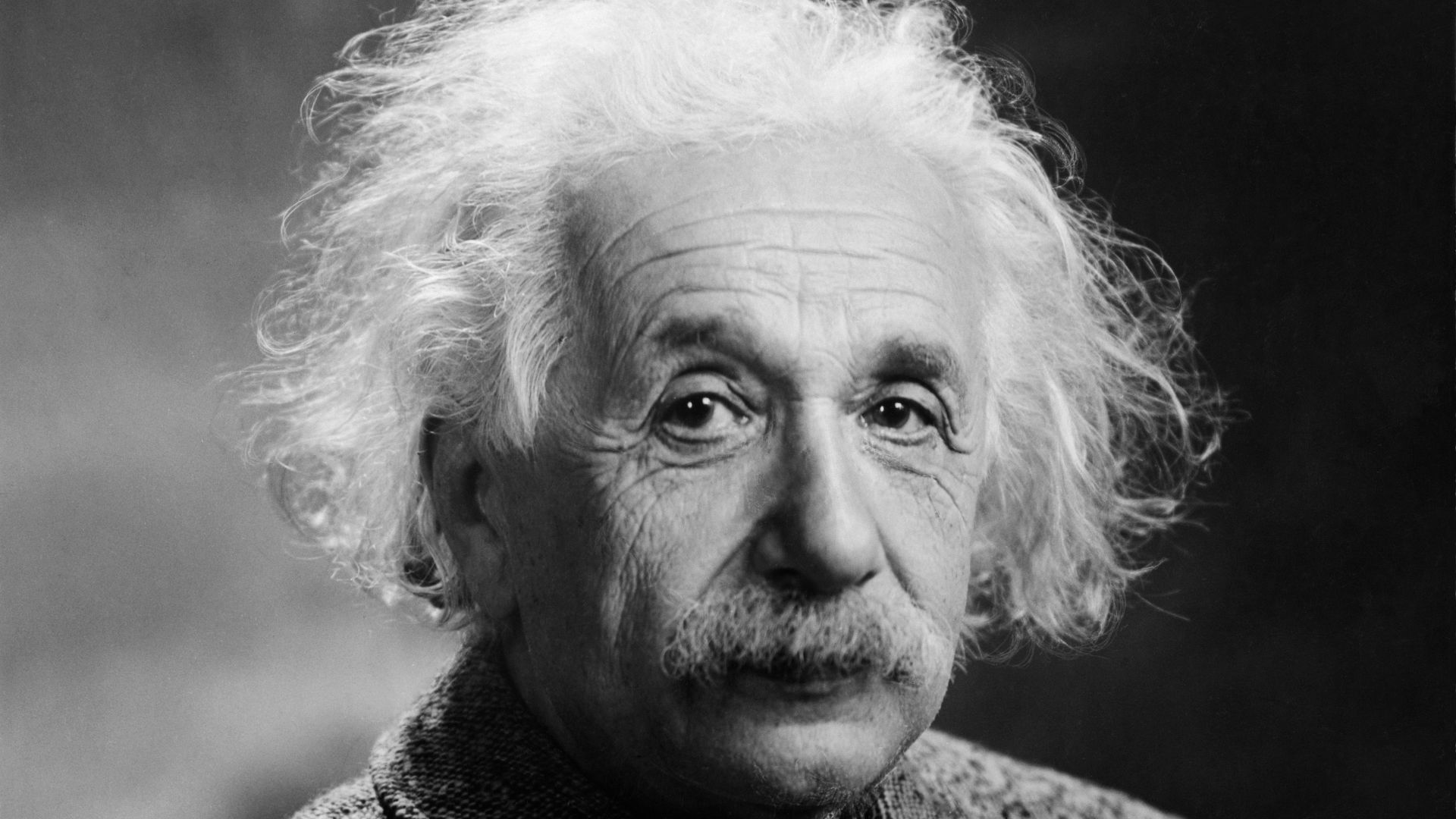
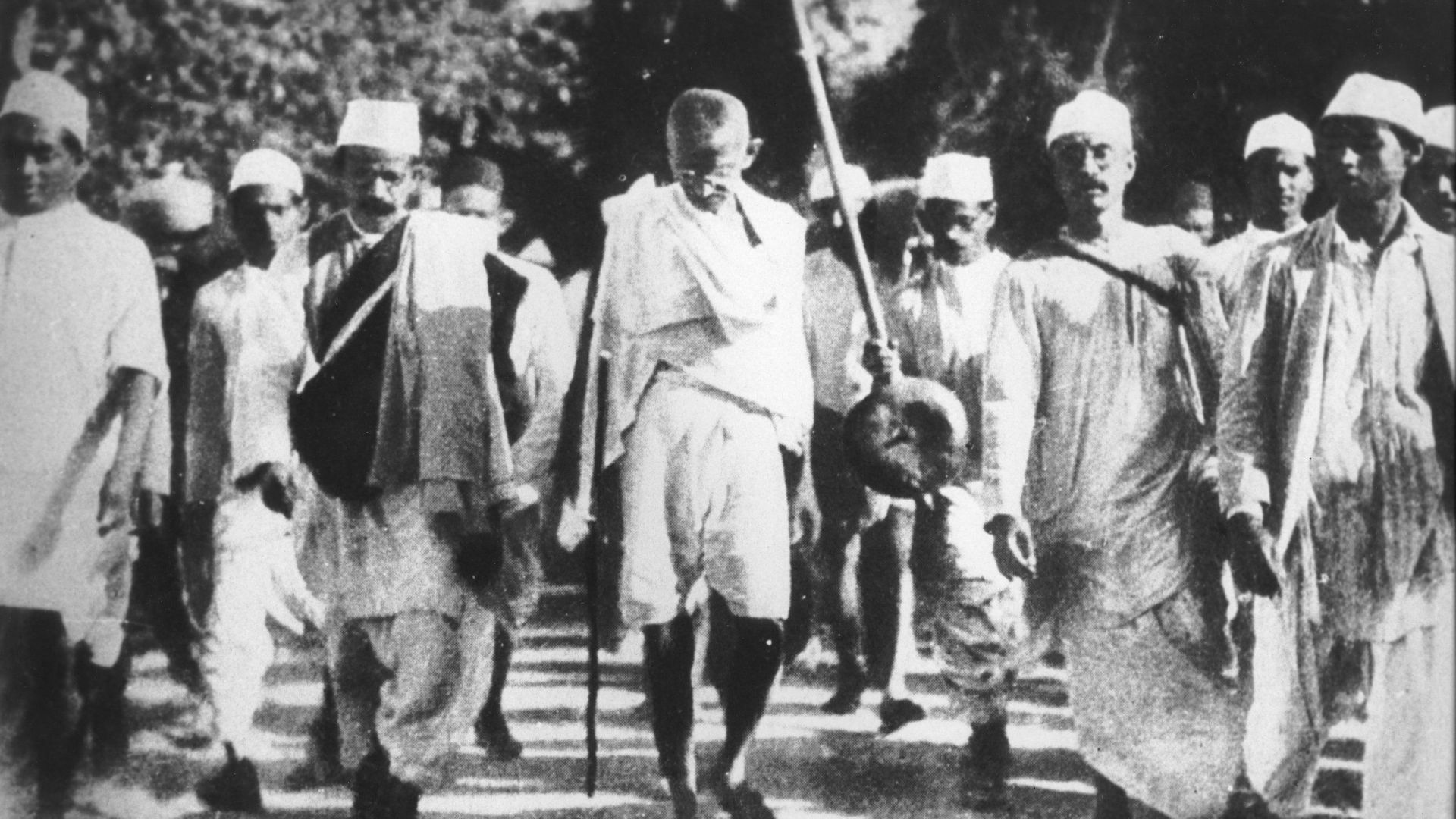
6. “Be the change you wish to see in the world.”
This is widely attributed to Gandhi, but the exact phrasing doesn’t appear in his known writings and speeches. It reads like a distilled paraphrase of ideas associated with him, then polished into a slogan people could chant.
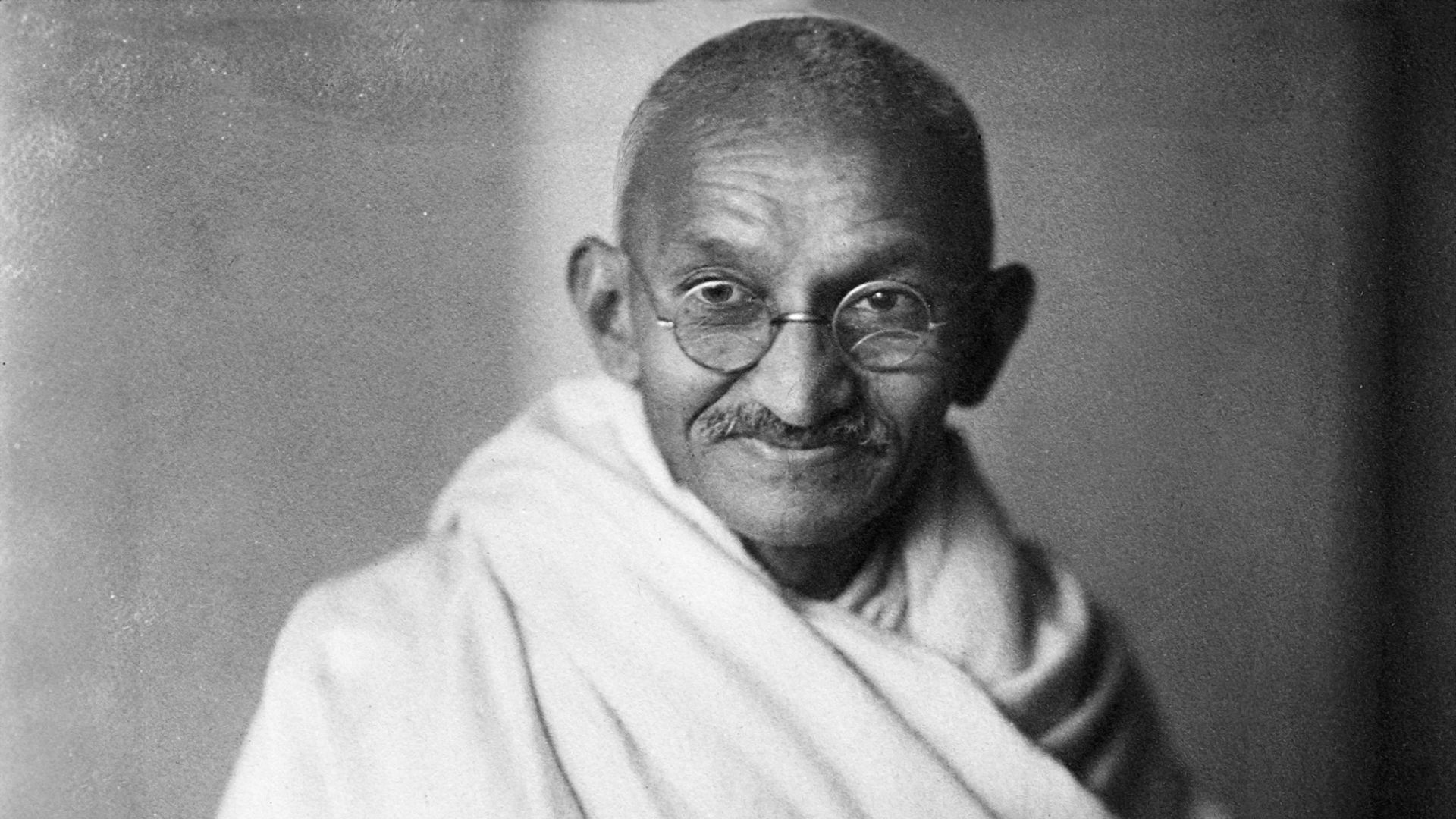
7. “I disapprove of what you say, but I will defend to the death your right to say it.”
People cite this as Voltaire, but it was written by Evelyn Beatrice Hall (under a pen name) as a summary of Voltaire’s attitude. Over time, the summary started getting treated like a direct quote. It’s a classic case of an interpretation being mistaken for a transcript.
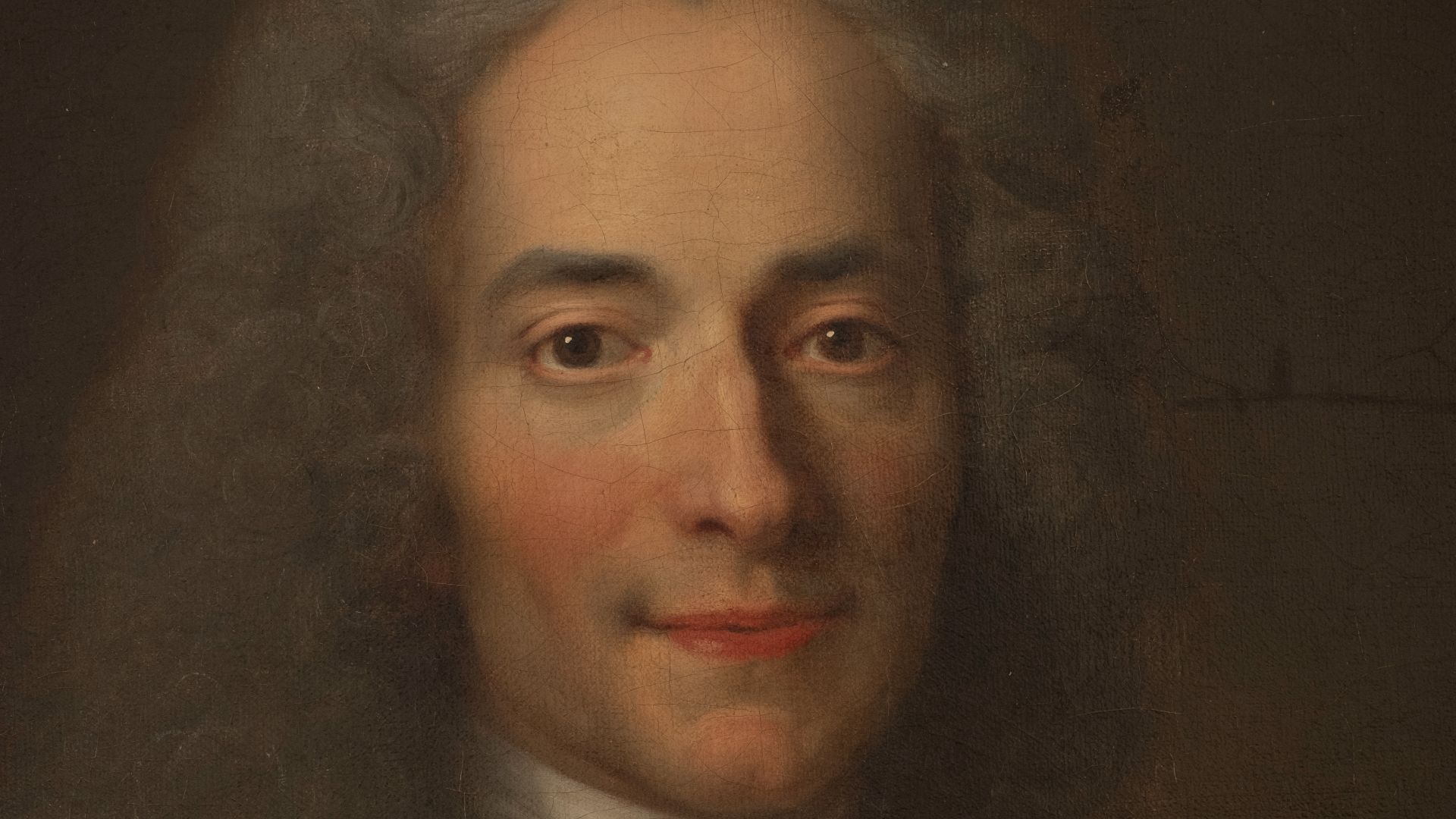 Nicolas de Largillière on Wikimedia
8. “The only thing necessary for the triumph of evil is for good men to do nothing.”
This gets credited to Edmund Burke so often that it feels official, but it doesn’t appear in his writings. The attribution shows up later and has been widely flagged as spurious. It’s powerful rhetoric, just not reliably Burke’s.
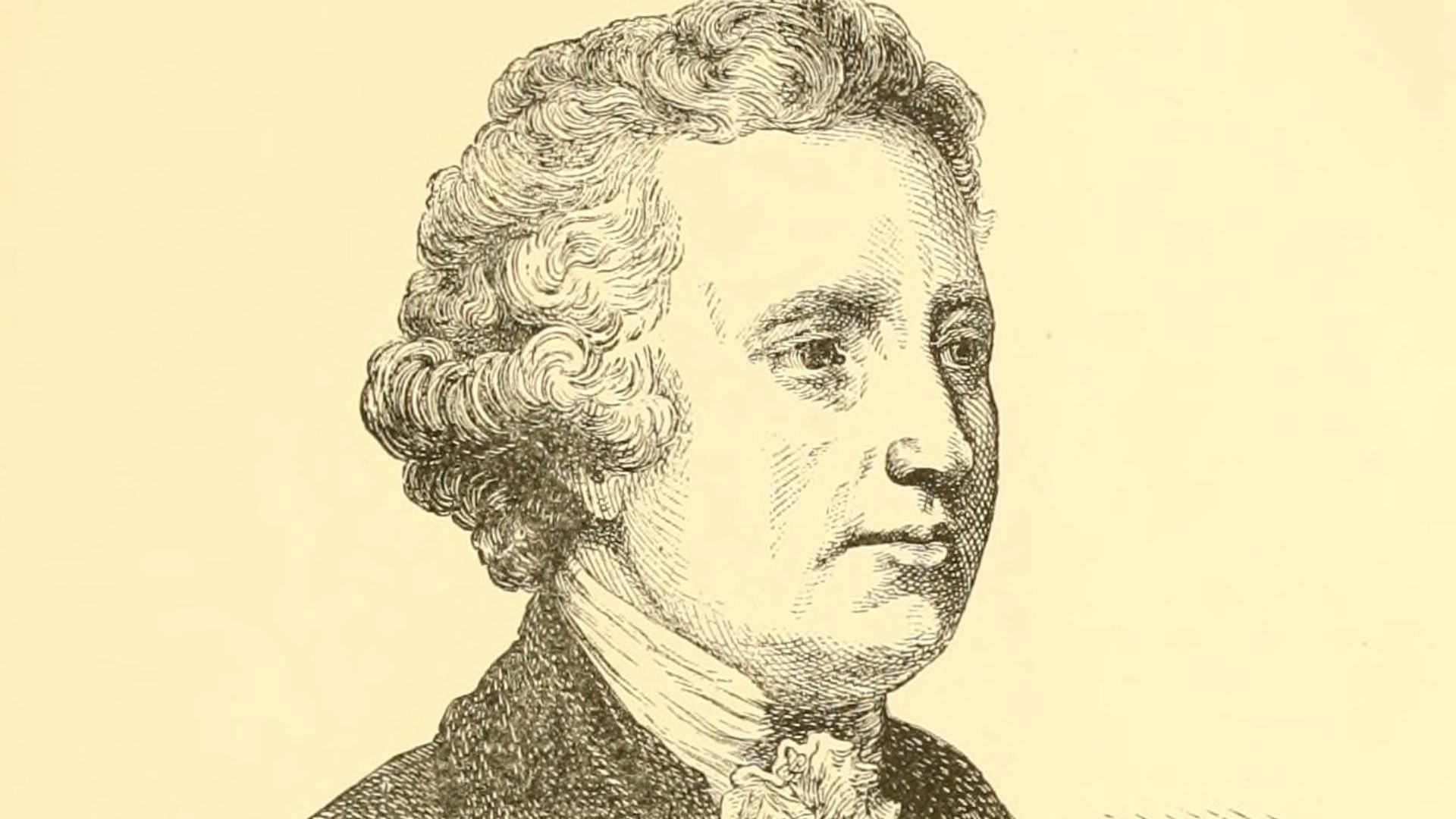 Internet Archive Book Images on Wikimedia
9. “A lie can travel halfway around the world while the truth is putting on its shoes.”
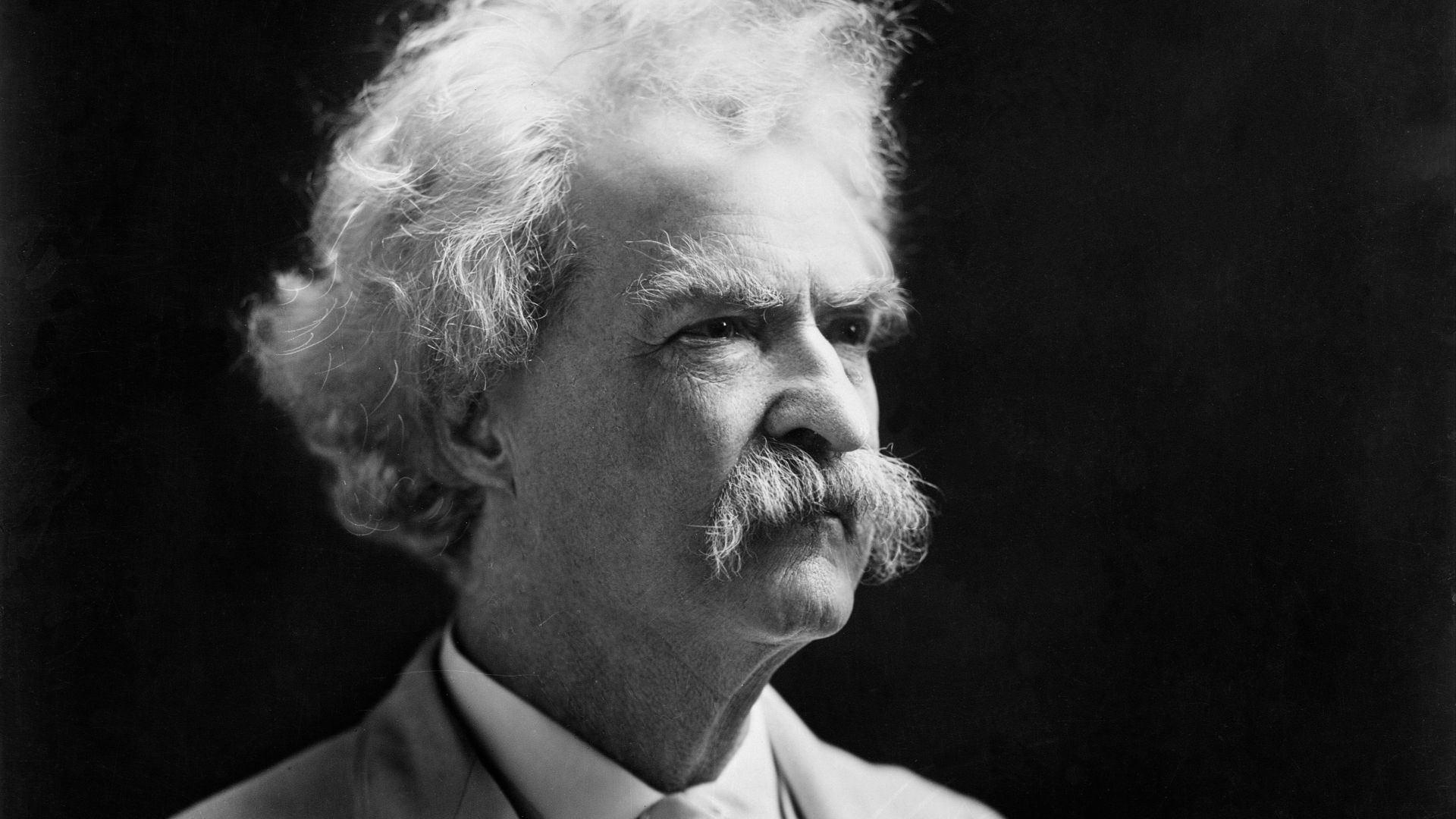
Mark Twain and Churchill both get tagged for this, but researchers haven’t found solid evidence tying the quote to either man. Variants existed earlier, and the famous names seem to have been added for extra punch. It’s a perfect example of a quote about lies spreading that spreads like a lie.
10. “Sometimes a cigar is just a cigar.”
This witty line is commonly credited to Freud, which is convenient given his reputation for symbolism. The phrase highlights the irony of over-analyzing everything, which is exactly what Freud is famous for doing. The joke fits him so well that it basically adopted itself into his biography, but he didn't actually say it.
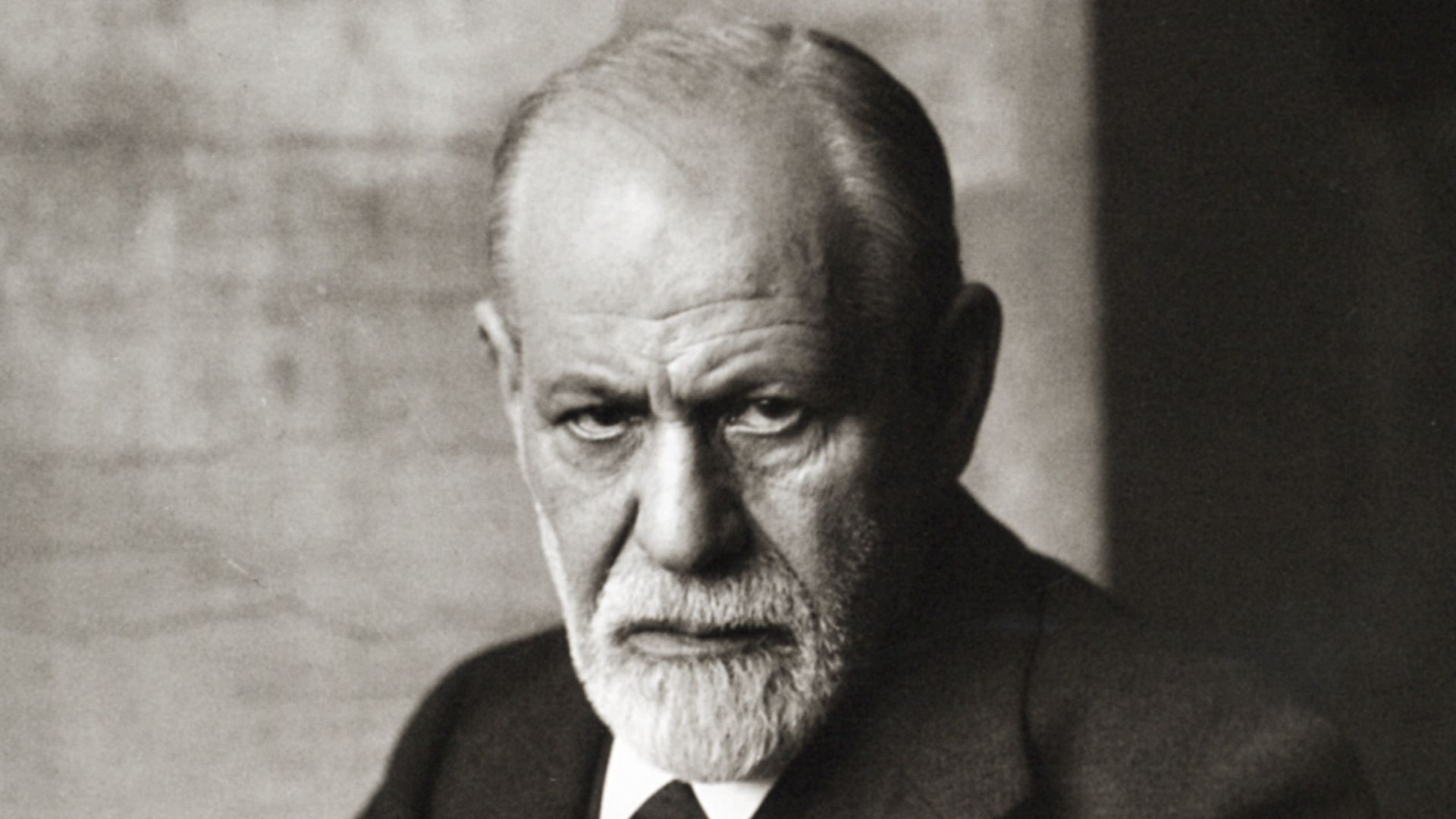 Ferdinand Schmutzer on Wikimedia
11. “Well-behaved women seldom make history.”
This quote gets misattributed to various famous women, including Marilyn Monroe, but it was coined by historian Laurel Thatcher Ulrich. It started in a scholarly context and then made its way into popular culture. If you’ve seen it on a mug, you’ve seen academia go viral.
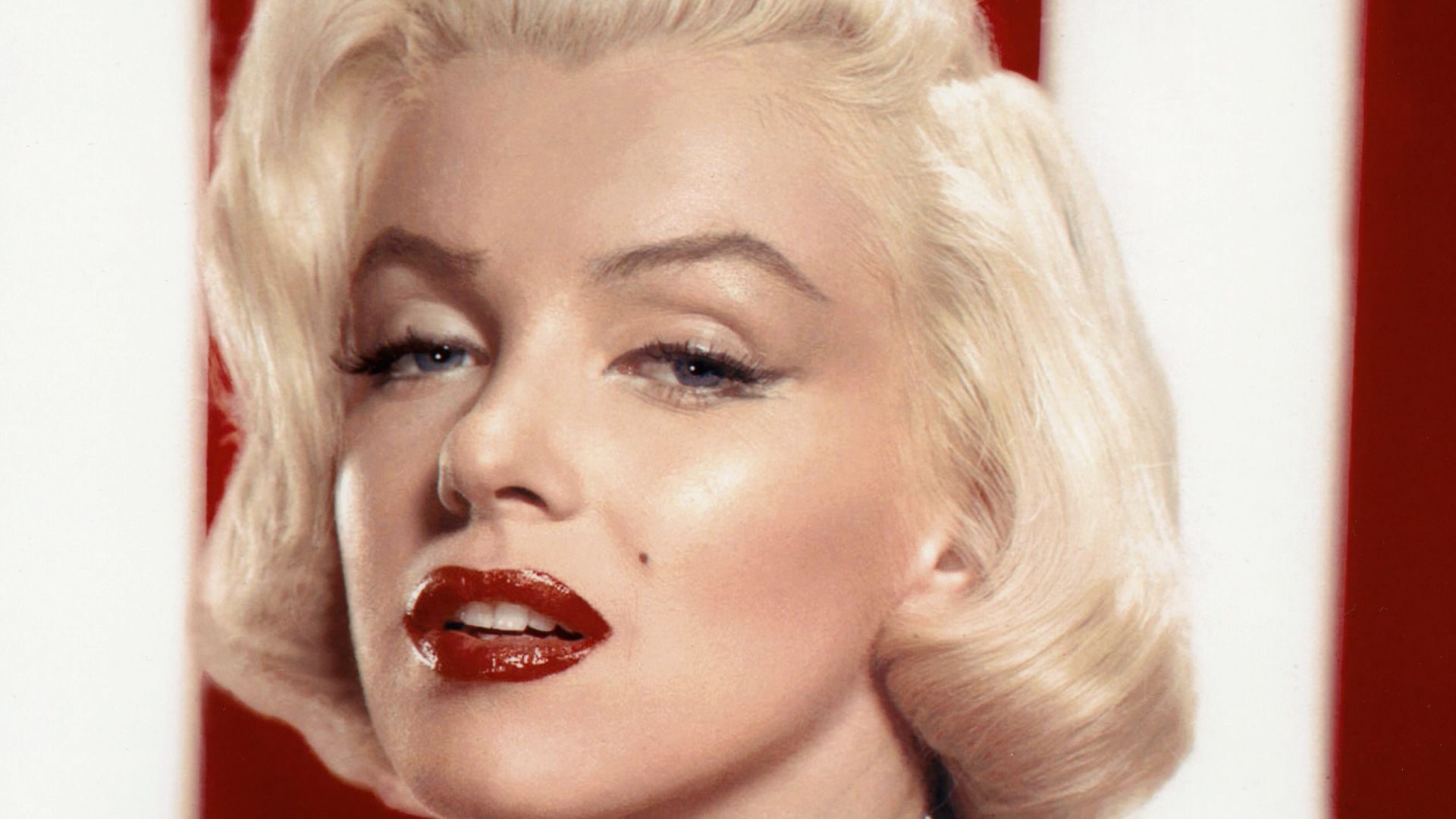 Studio publicity still on Wikimedia
12. “An eye for an eye makes the whole world blind.”
Gandhi is the usual source people cite, but no definitive example of him using this exact line has been found. A close version appears in writing about Gandhi, which may be how the attribution caught on. You can still share the message, just don’t treat the wording as a verified Gandhi quote.
13. “Let food be thy medicine and medicine be thy food.”
Hippocrates gets credited constantly, yet researchers and scholars have noted there’s no evidence he literally wrote this sentence. The phrase seems to be a modern fabrication that borrows Hippocrates’ authority to sound timeless. It’s more wellness slogan than an ancient manuscript.
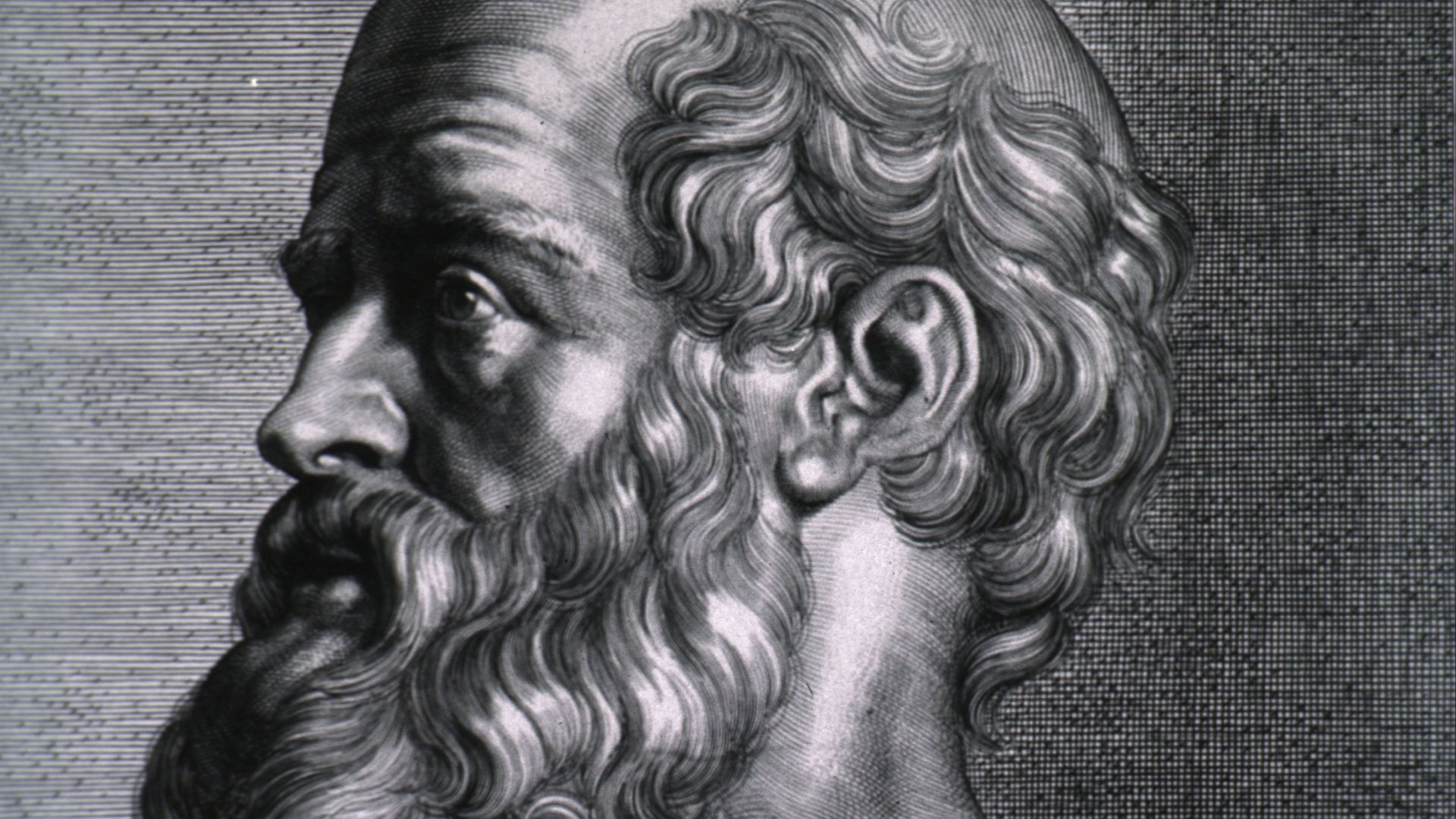 Paulus Pontius / After Peter Paul Rubens on Wikimedia
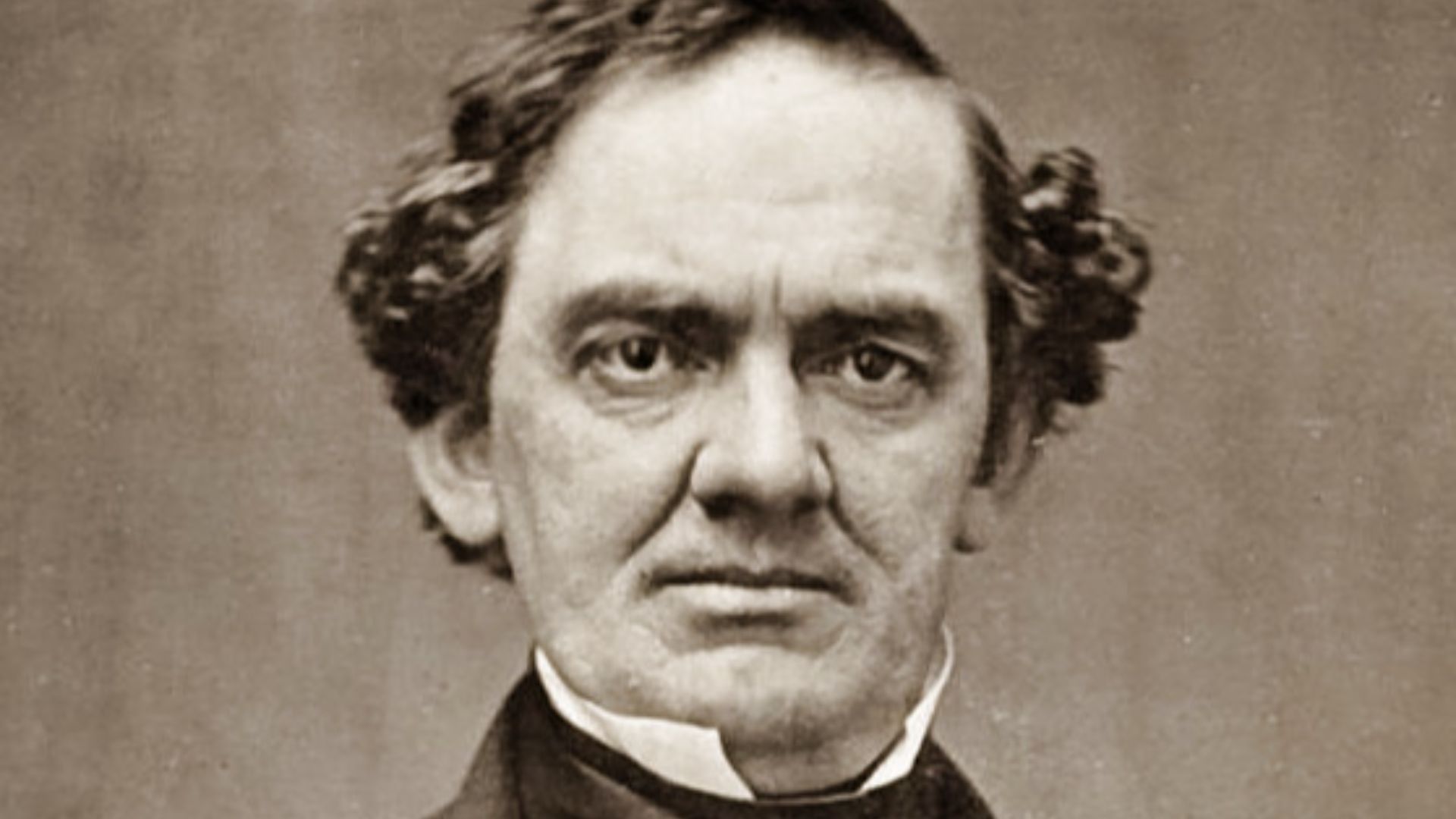
14. “There’s a sucker born every minute.”
Everyone loves pinning this on P. T. Barnum, a showman famous for hoaxes, but there’s no proof he said it. The saying circulated among con men and gamblers, and later writers connected it to Barnum because it feels like it belongs to him.
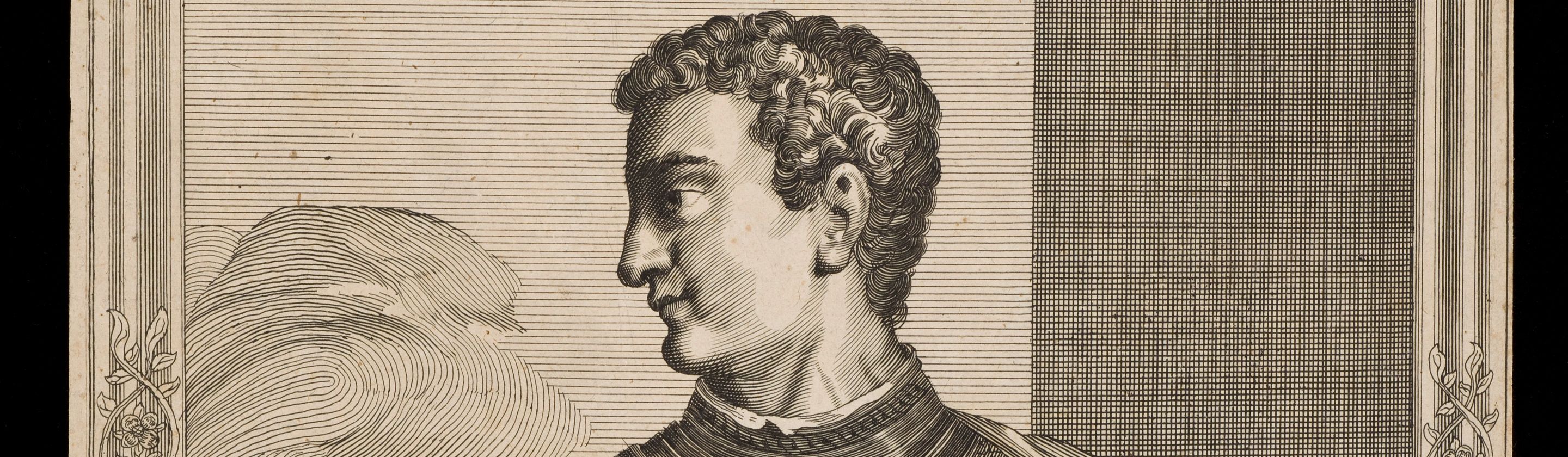
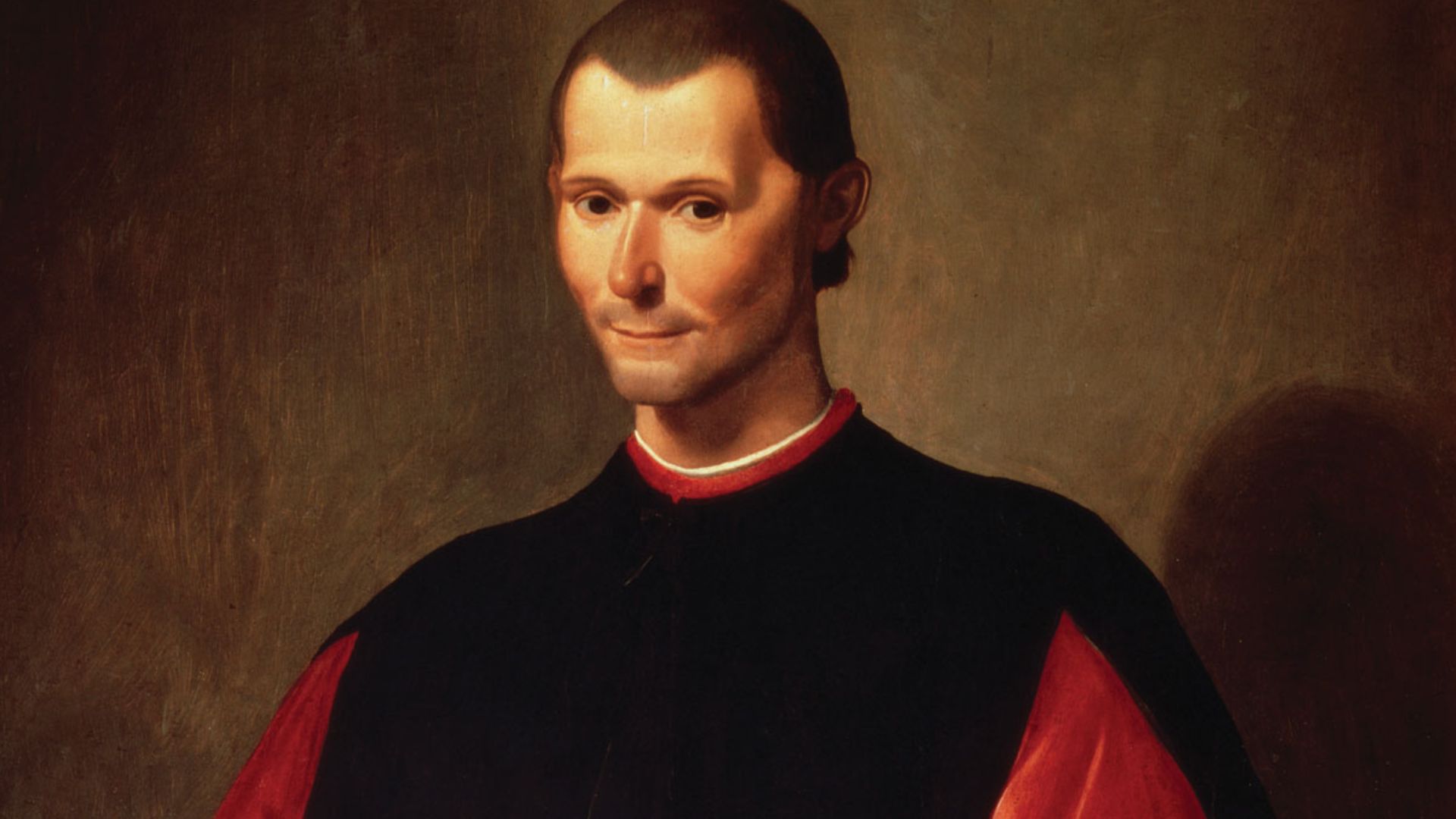
15. “The end justifies the means.”
This one gets tossed at Machiavelli like it’s a direct quote from The Prince, but the exact phrase isn’t there. The idea has older roots, and the crisp wording is more of a later moral summary than his literal sentence. If you want to sound historically precise, call it “Machiavellian,” not “Machiavelli said.”
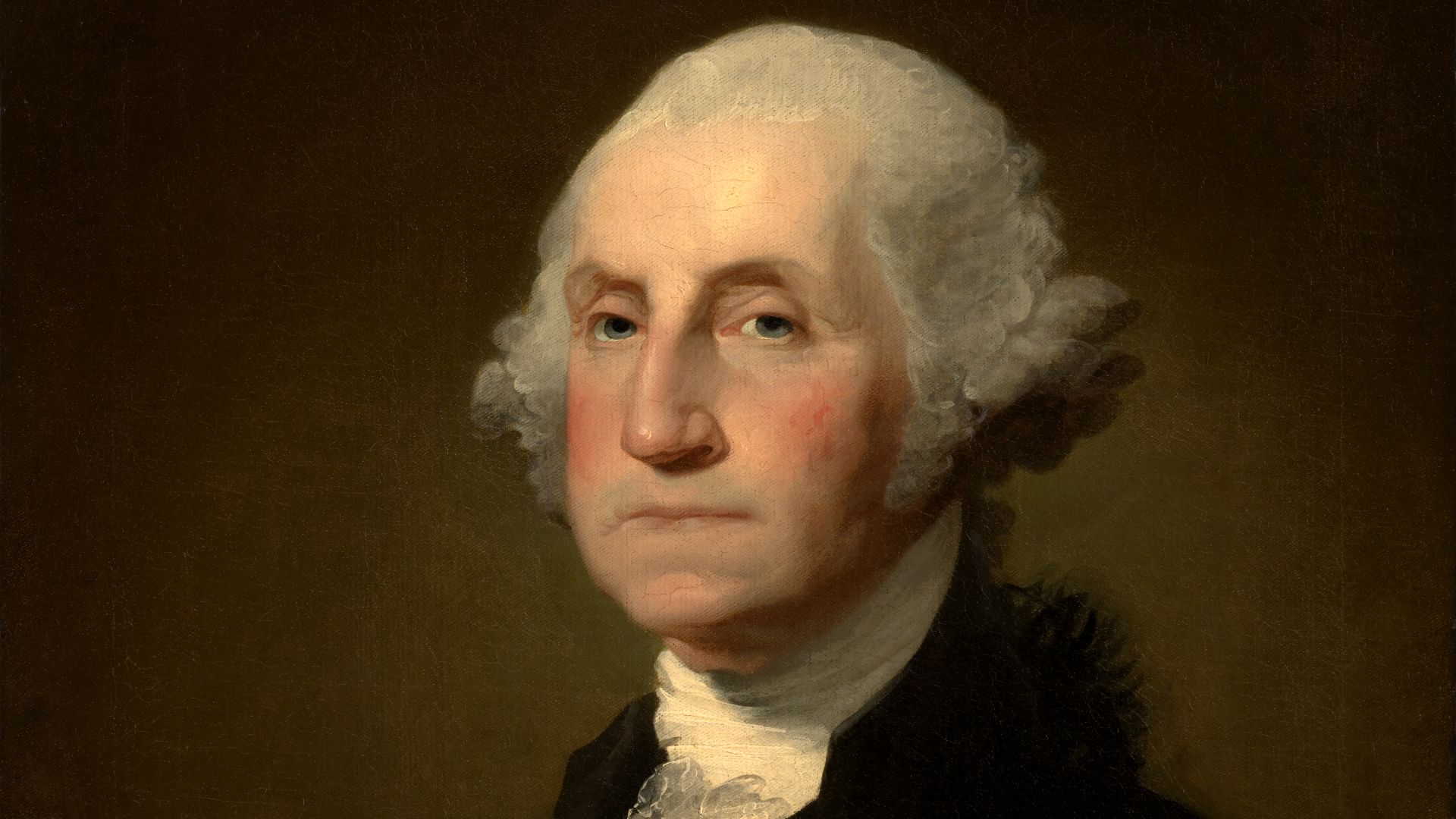
16. “I can’t tell a lie.”
This is often treated as young George Washington’s wholesome confession, but it comes from a later biographer’s famous cherry-tree story. Historians note there’s no evidence the episode actually happened as described. It’s less “quotation” and more “national bedtime story.”
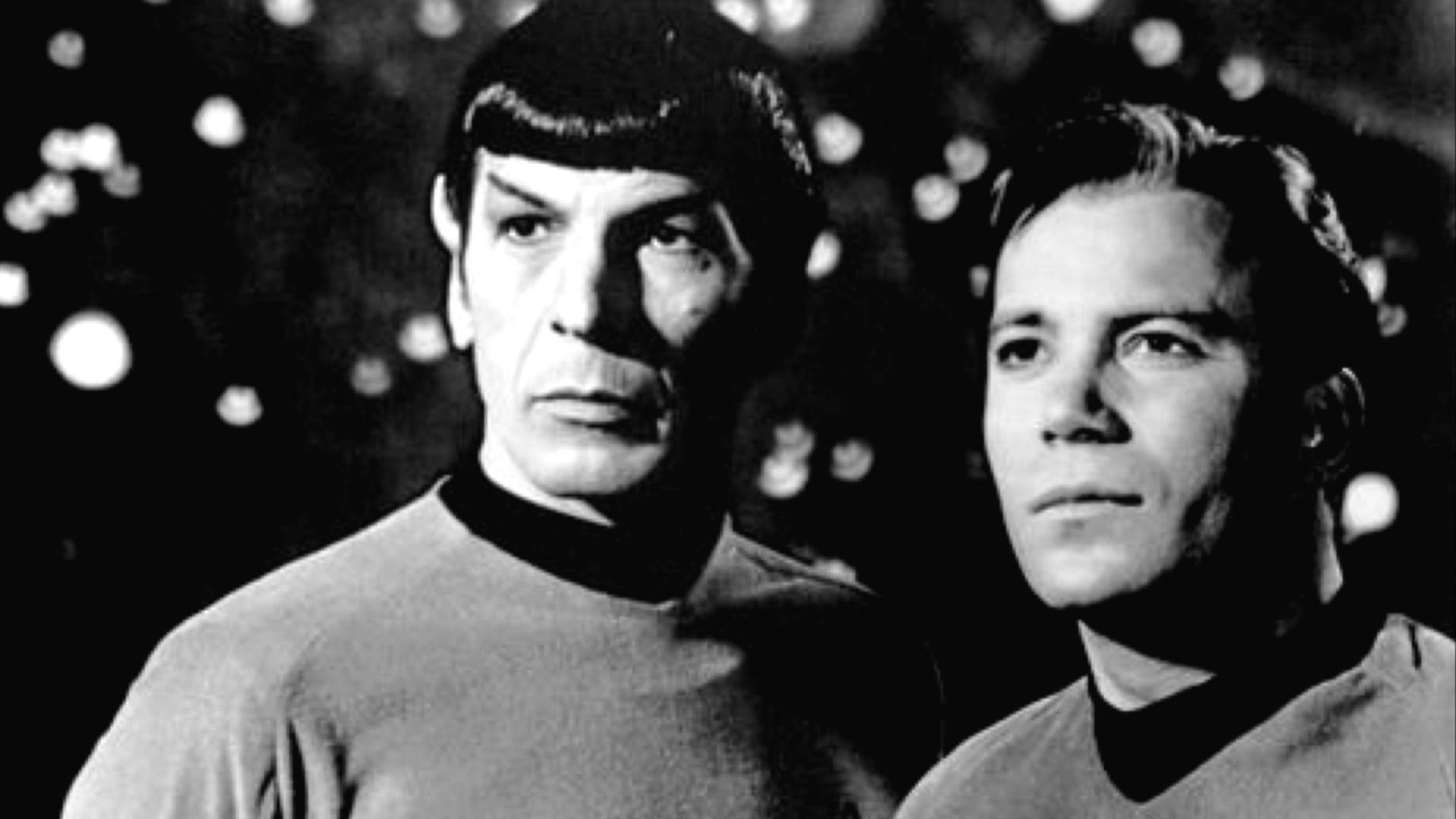
17. “Beam me up, Scotty.”
Pop culture swears Captain Kirk said it, yet the exact phrase never appears in the original Star Trek episodes or films. Some near-misses sound similar, which is how the clean, memorable version took over. If you’ve quoted it dramatically, you’re taking it from collective memory, not a script.
18. “Winning isn’t everything; it’s the only thing.”
This motto is often credited to football coach Vince Lombardi, but it traces back to UCLA coach Henry “Red” Sanders. Lombardi helped popularize it, which is how his name became the default label. Sports quotes love a famous coach, and this one found two.
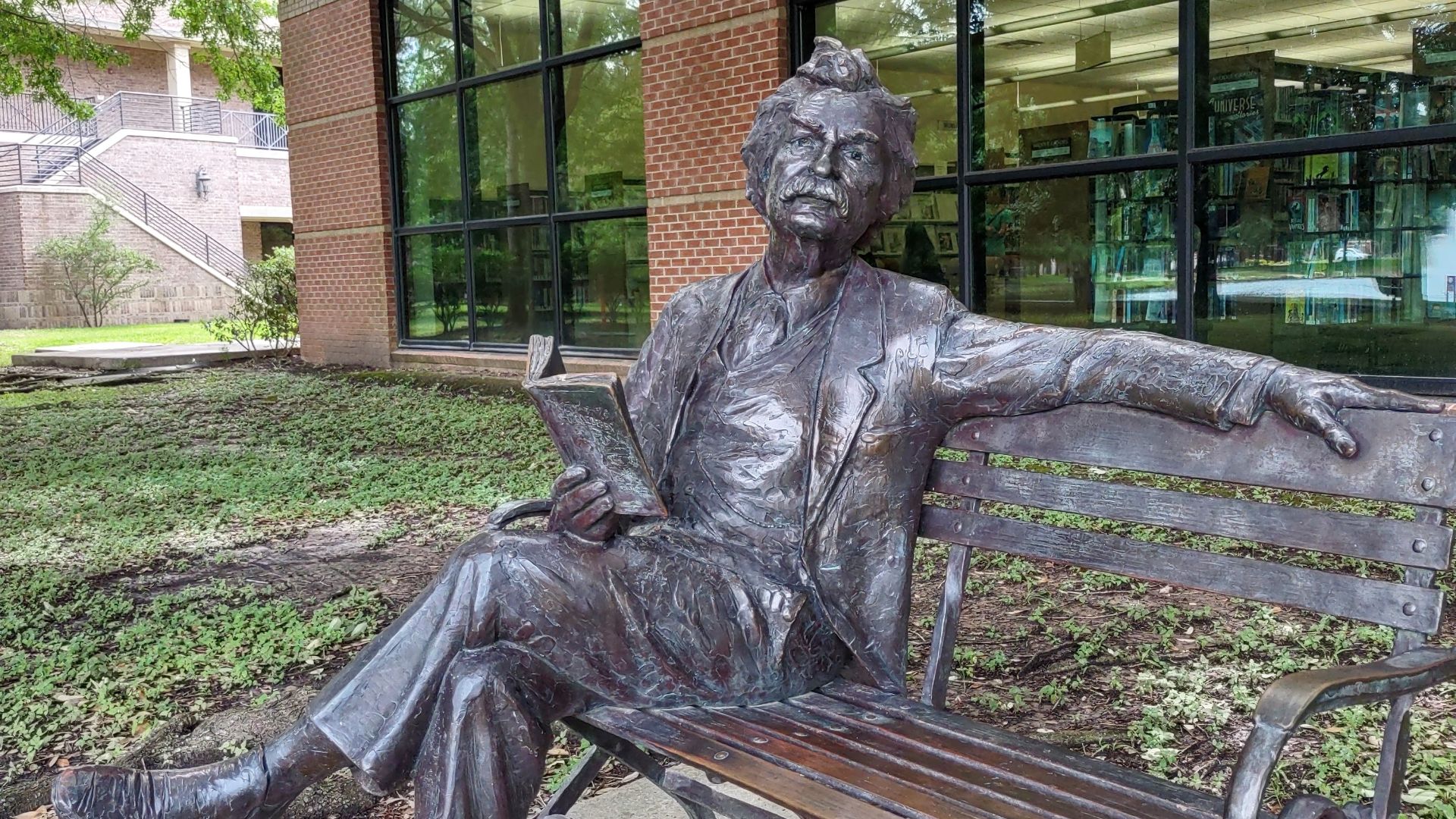
19. “Golf is a good walk spoiled.”
Mark Twain gets blamed for this one a lot, even though the earliest appearances weren’t tied to him. Researchers have found the quip circulating earlier with shifting attributions before Twain’s name became the favorite. It was attributed to him because it's just so easy to picture Twain saying it with a twinkle in his eye.
 Wikipedian-in-Waiting on Wikimedia
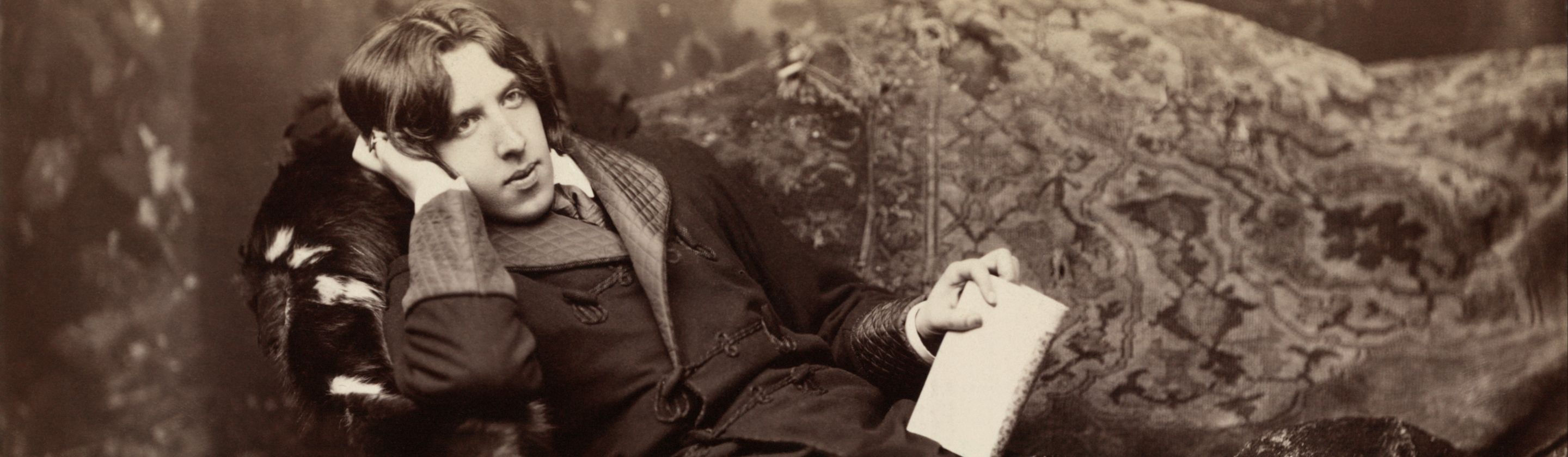
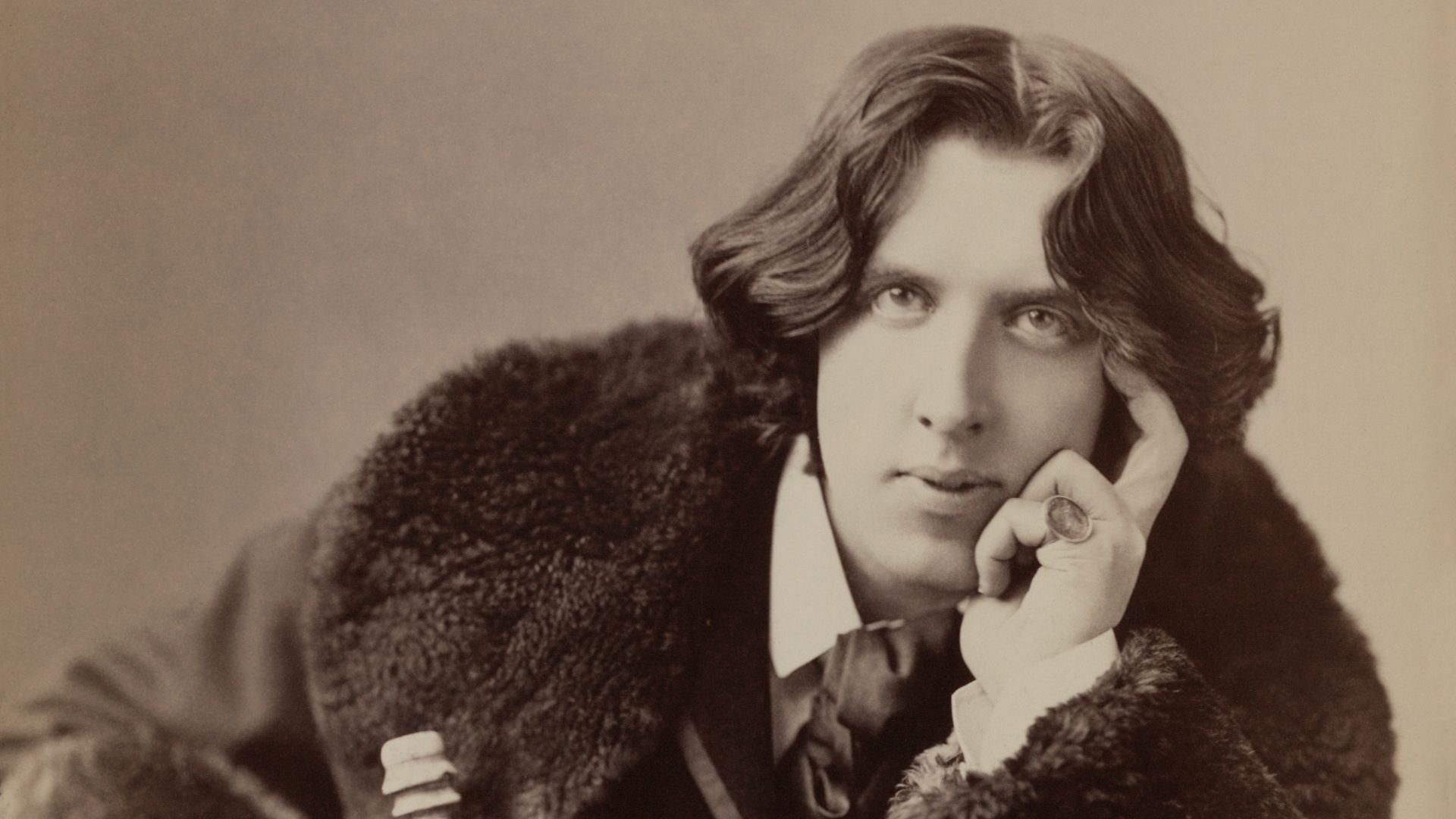
20. “Be yourself; everyone else is already taken.”
Oscar Wilde is the usual credited genius here, but there’s no substantive evidence that he said it. The line shows up much later, and Wilde’s name seems to have been added because it's a good summation of how he lived his life. If it helps, you can still live by it, just don’t cite it like a primary source.
KEEP ON READING