
3. Ferdinand Marcos
Ferdinand Marcos’ rule had it all, except a thriving nation. From 1972 to 1981, the Philippines endured repression dressed as order. Discontent simmered until the peaceful People Power Revolution erupted. With nowhere left to turn, Marcos fled into exile.
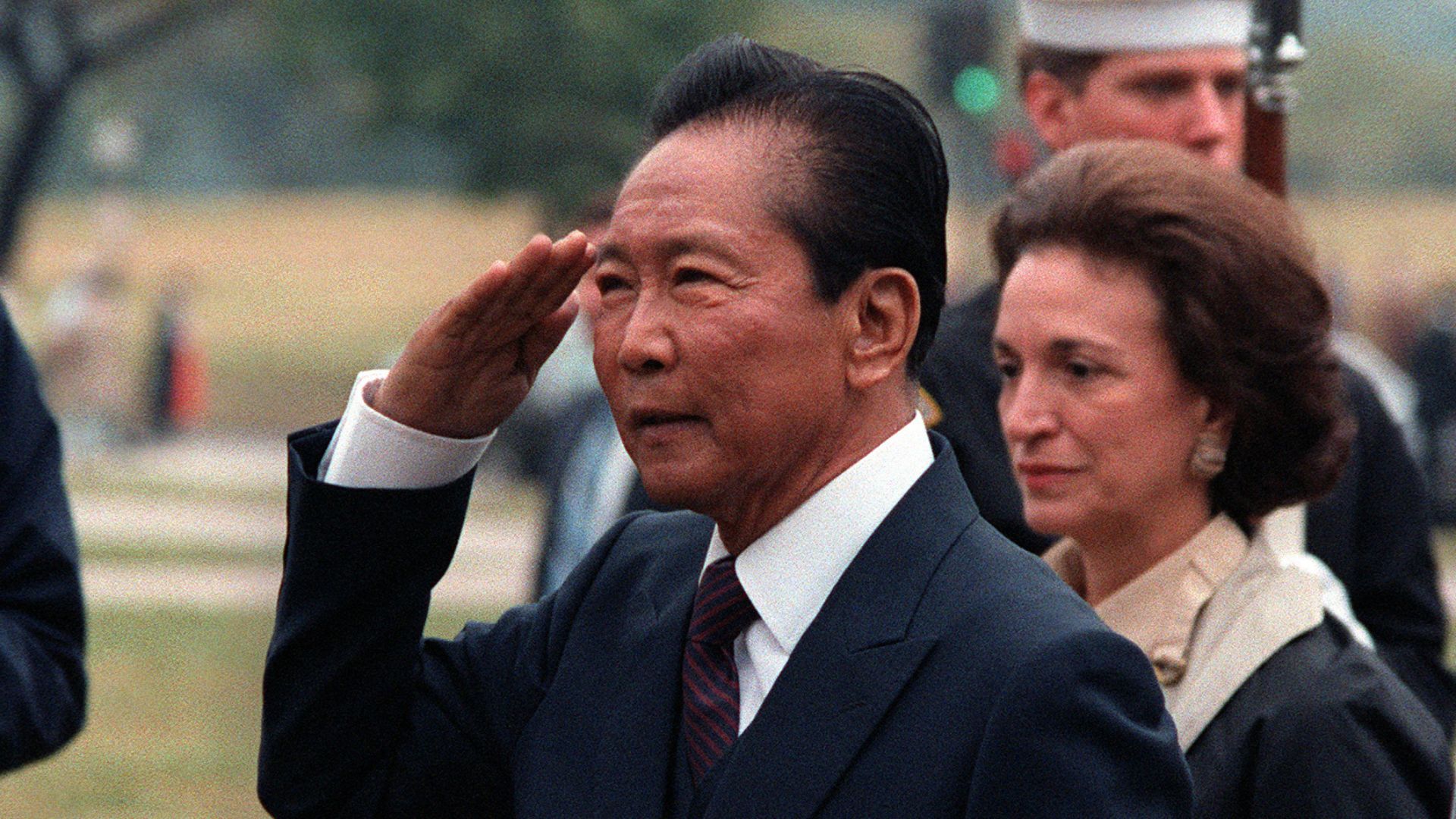 Spec. 4 Dino Bartomucci on Wikimedia
4. Muammar Gaddafi
Coup-born and tent-dwelling, Muammar Gaddafi stormed onto Libya’s stage in 1969. For over four decades, his rule blended theatrical populism with unshakable fear. However, in 2011, Libya’s patience snapped, and a civil uprising, backed by NATO firepower, brought Gaddafi’s long grip to an end.
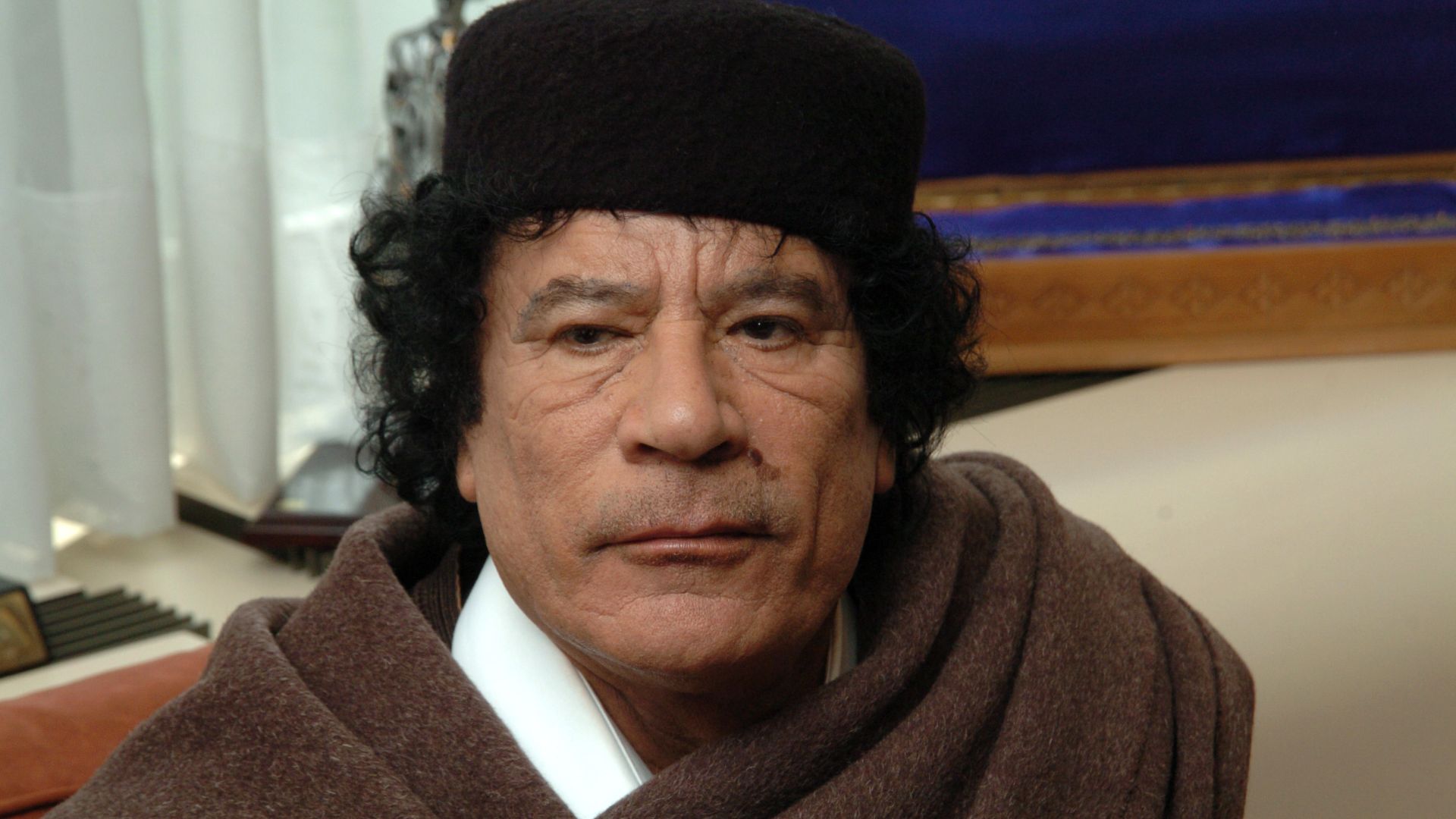 © European Communities, 2004 on Wikimedia
5. Manuel Noriega
While intimidating rivals and muzzling the press at home, Manuel Noriega quietly passed intel to U.S. agencies. By 1989, the United States launched a full-blown military invasion to remove him. Noriega ducked into the Vatican embassy, hoping for shelter, but finally surrendered.
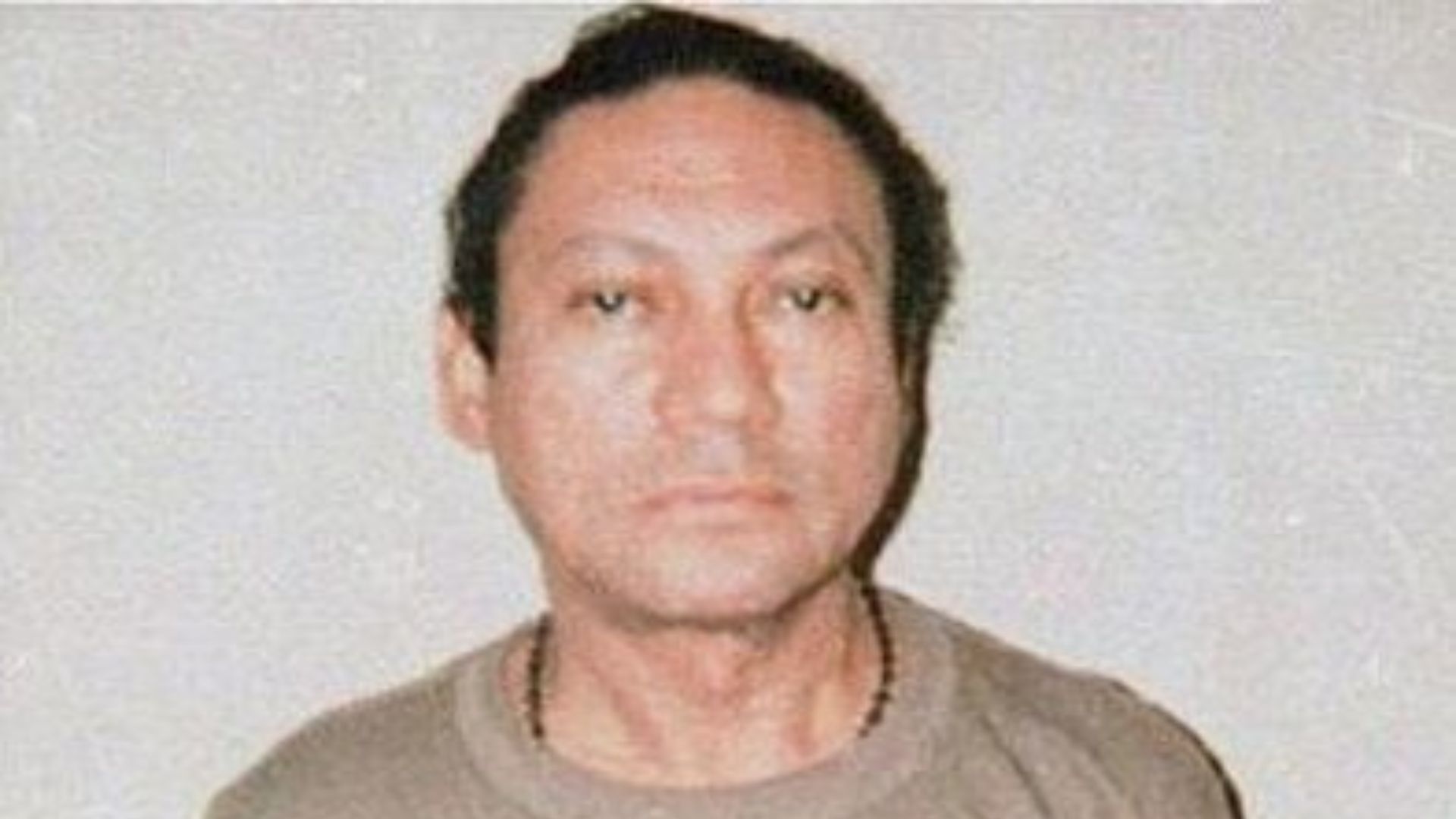 U.S. Marshals Service in Miami, Florida on Wikimedia
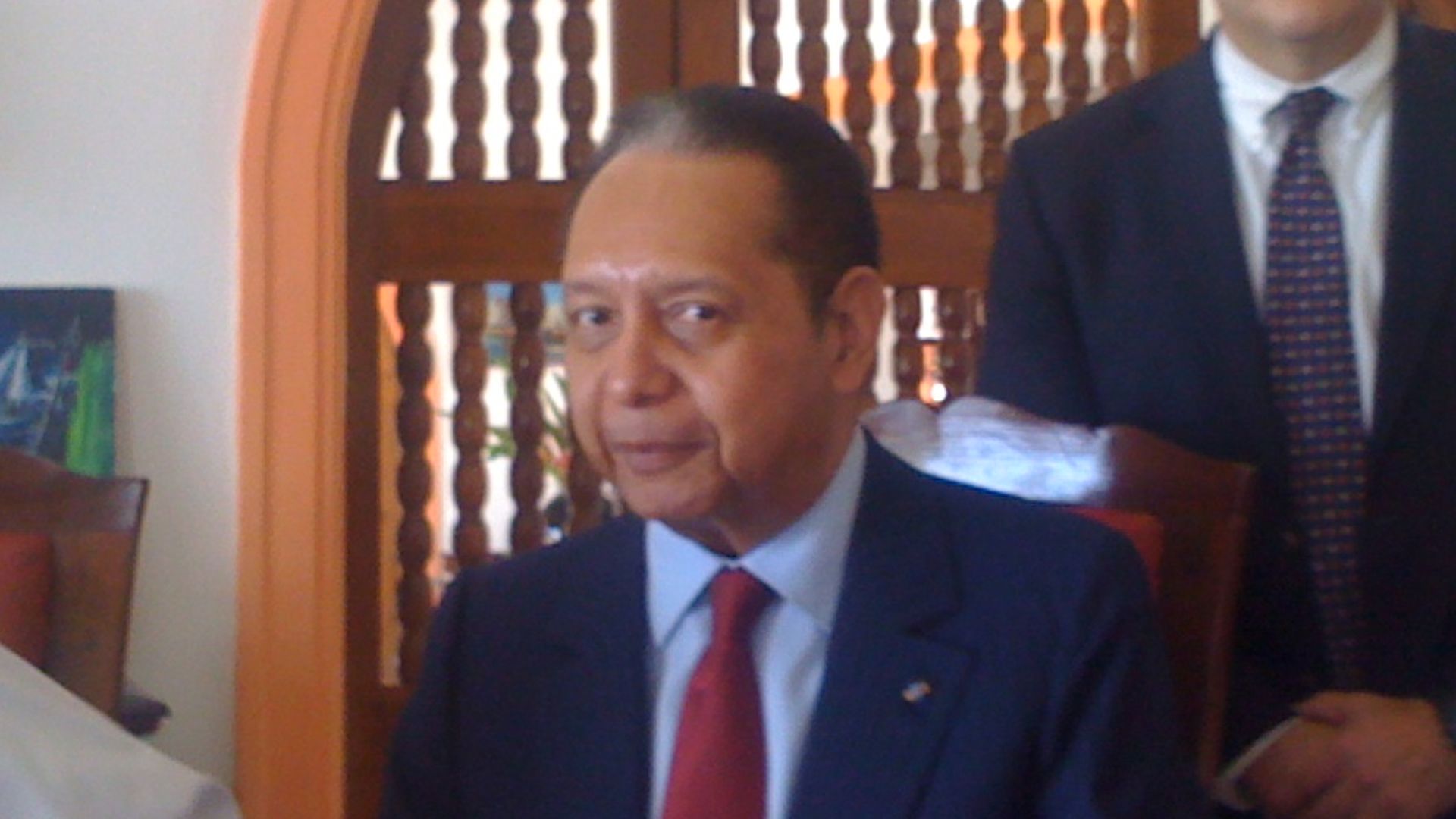
6. Jean-Claude Duvalier
At just 19, Jean-Claude Duvalier stepped into his father’s shoes and Haiti’s presidency. Soon, protests pushed him out, sending the young dictator into a quiet exile in France. Years later, he made an unexpected return to Haiti, only to face investigations tied to years of corruption.
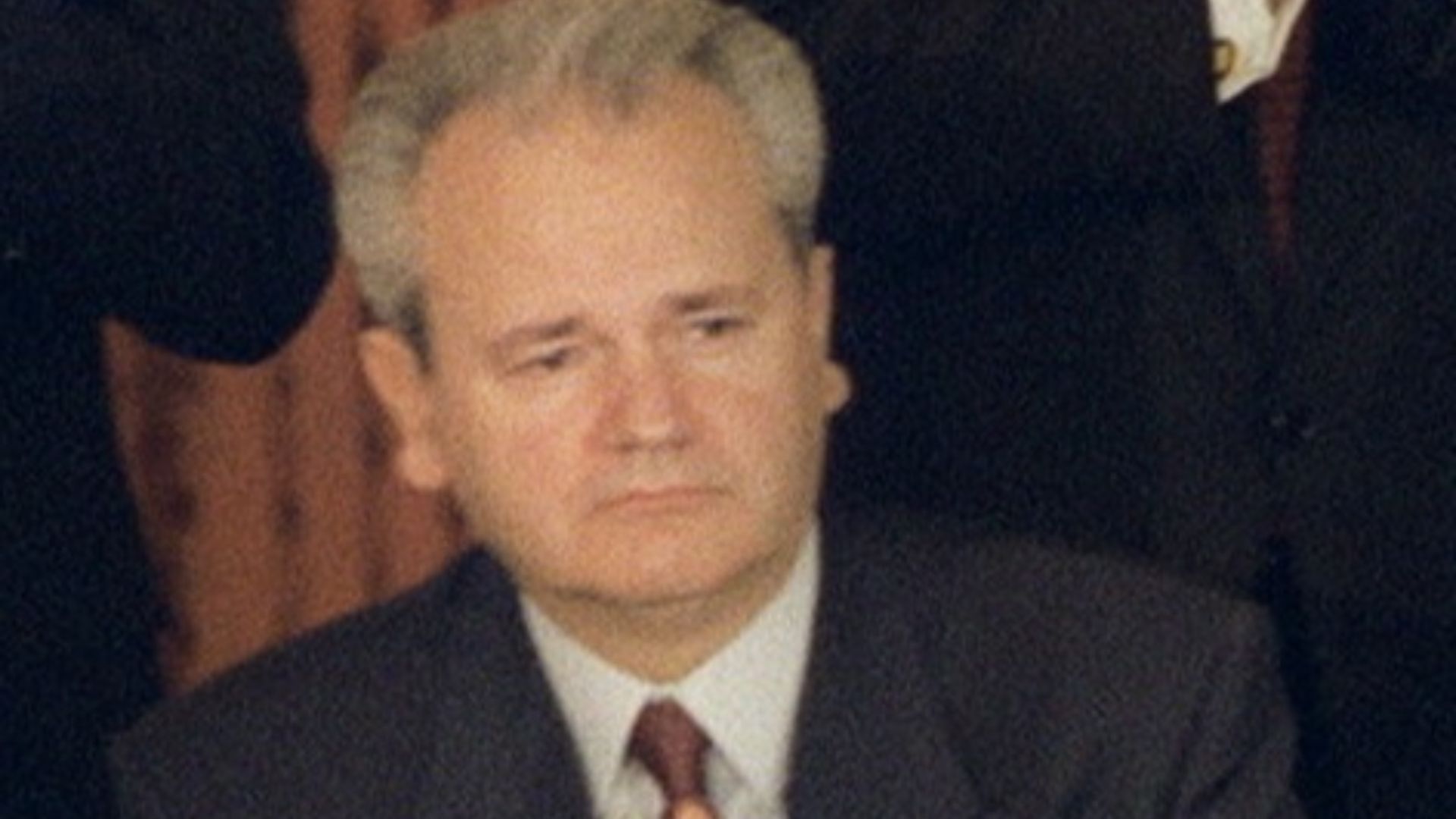
7. Slobodan Milošević
Television screens became Slobodan Milošević’s favorite stage in the late 1980s, where fiery speeches stoked Serbian nationalism and fueled his rise. While Milošević clung to power through propaganda and control, a disputed election in 2000 triggered massive protests that finally forced him out.
8. Hosni Mubarak
Hosni Mubarak stepped into power after President Sadat’s assassination and stayed for nearly 30 years. He enjoyed strong support from Western governments and surrounded himself with wealth. In 2011, protests erupted in Tahrir Square and forced Mubarak to resign.
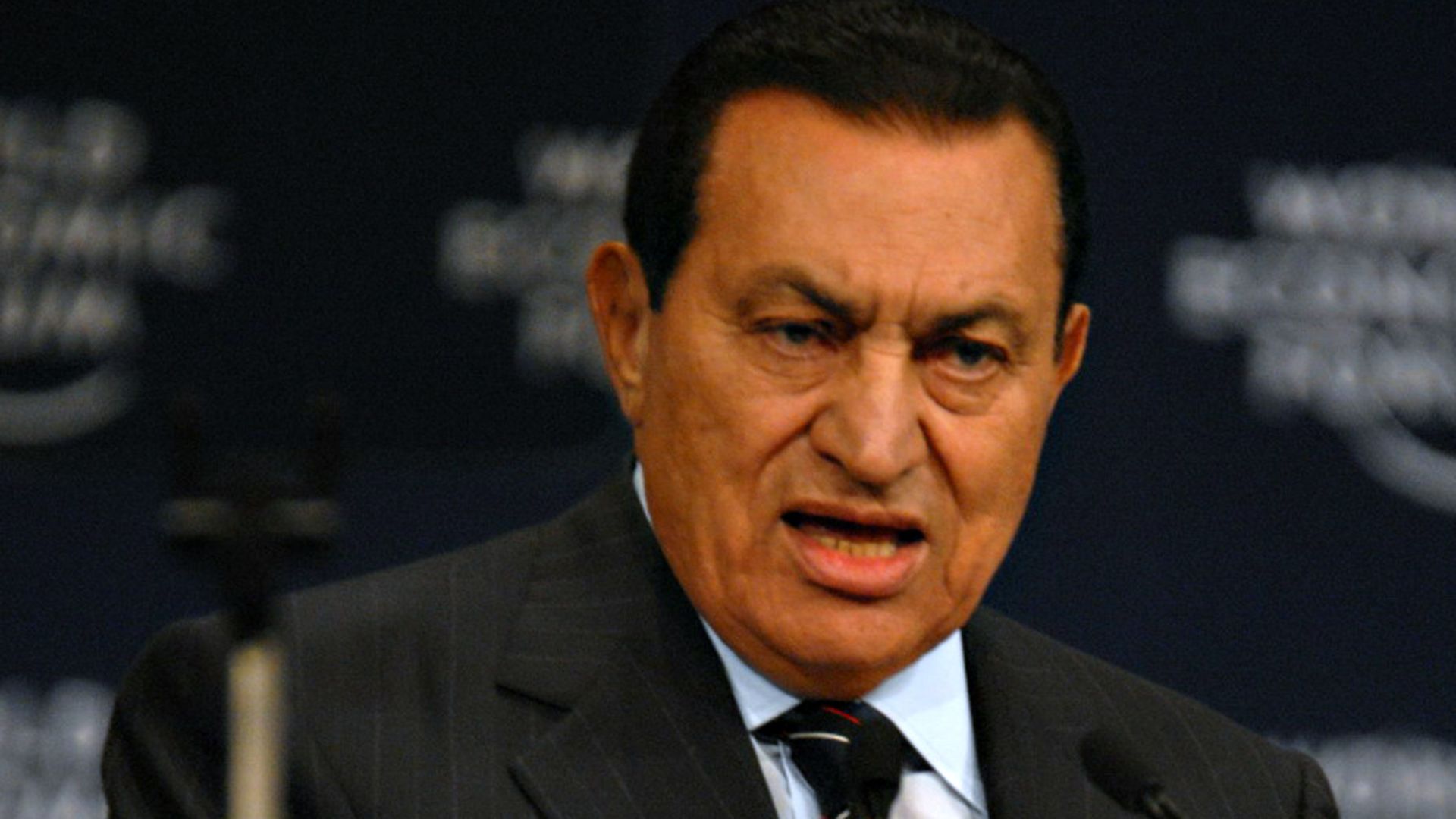 Copyright World Economic Forum (www.weforum.org) on Wikimedia
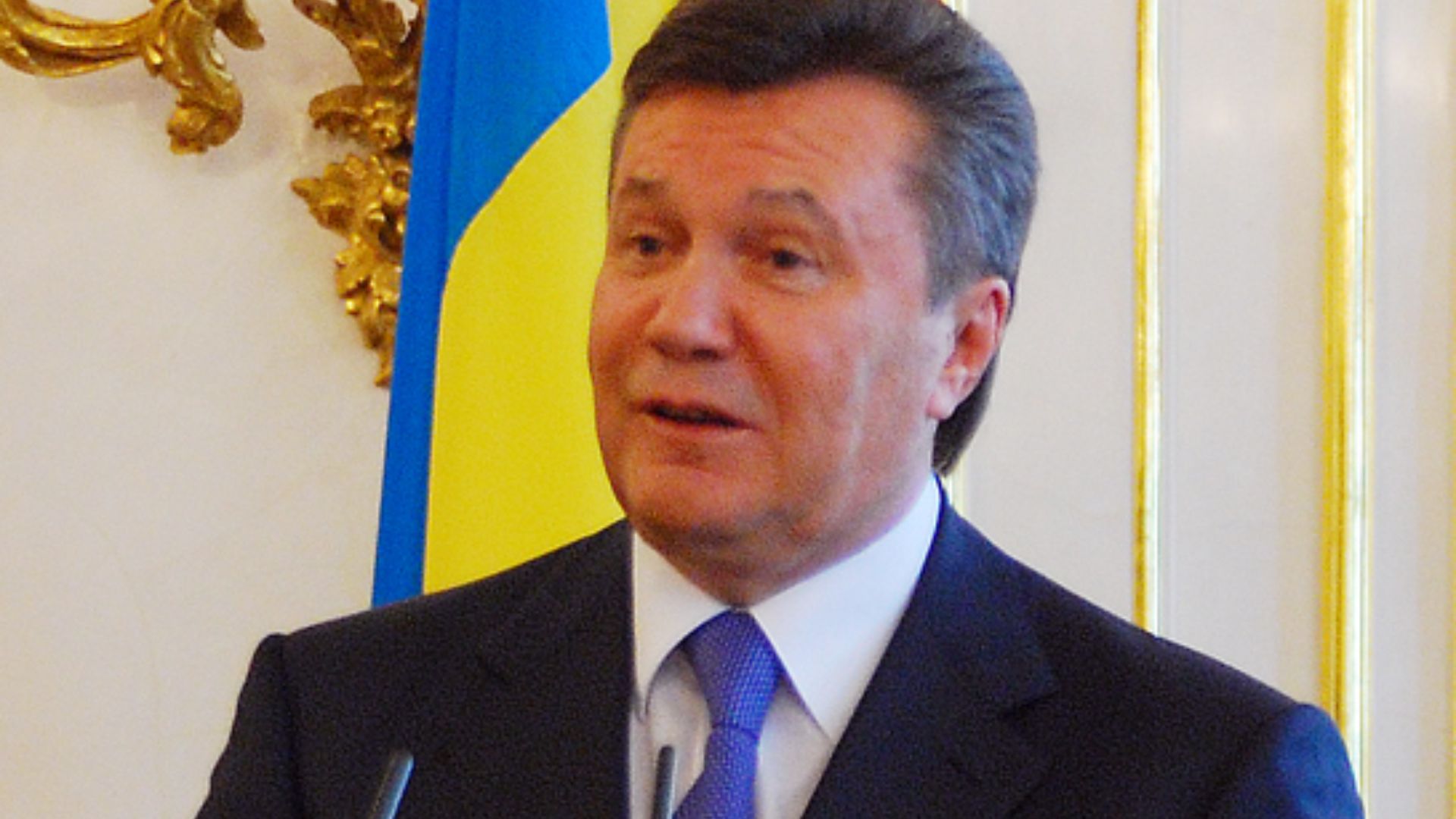
9. Viktor Yanukovych
Viktor Yanukovych became president through an election, then triggered outrage by choosing Russia over the European Union. The Euromaidan protests took over the streets and wouldn’t back down. As government buildings fell into the protesters' hands, Yanukovych escaped to Russia.
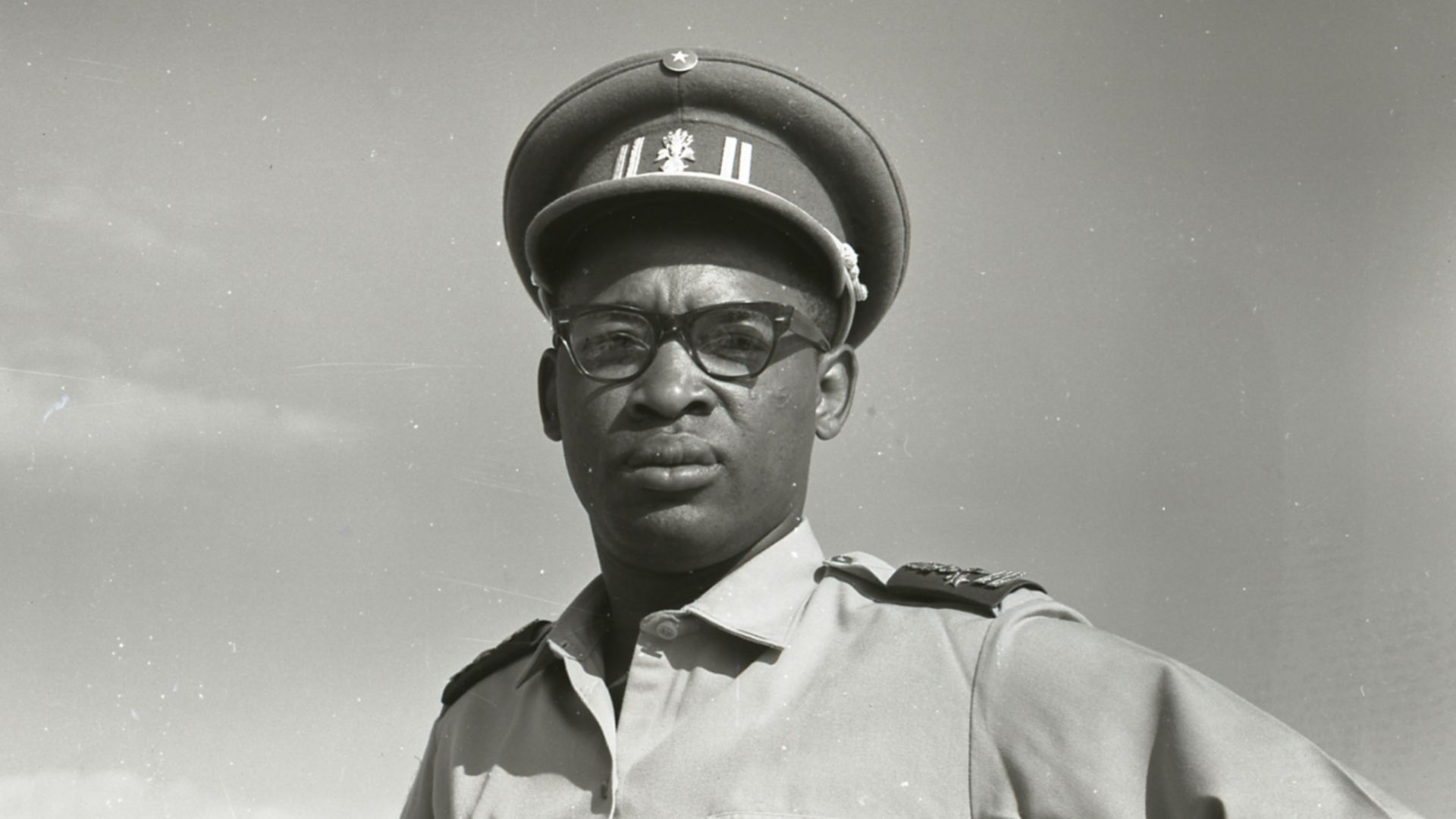
10. Mobutu Sese Seko
Leopard print became a uniform of dominance when Mobutu Sese Seko claimed Congo in 1965 and renamed it Zaire. His rule grew infamous for towering personal wealth in a nation sinking into poverty. Over time, the rebel resistance gathered strength, and then Mobutu escaped by air.
11. Charles Taylor
Emerging from Liberia’s civil war, Charles Taylor took control with a carefully crafted image of populism. He sustained his power through resource exploitation and cultivated a strongman persona. In 2003, rising pressure forced his resignation.
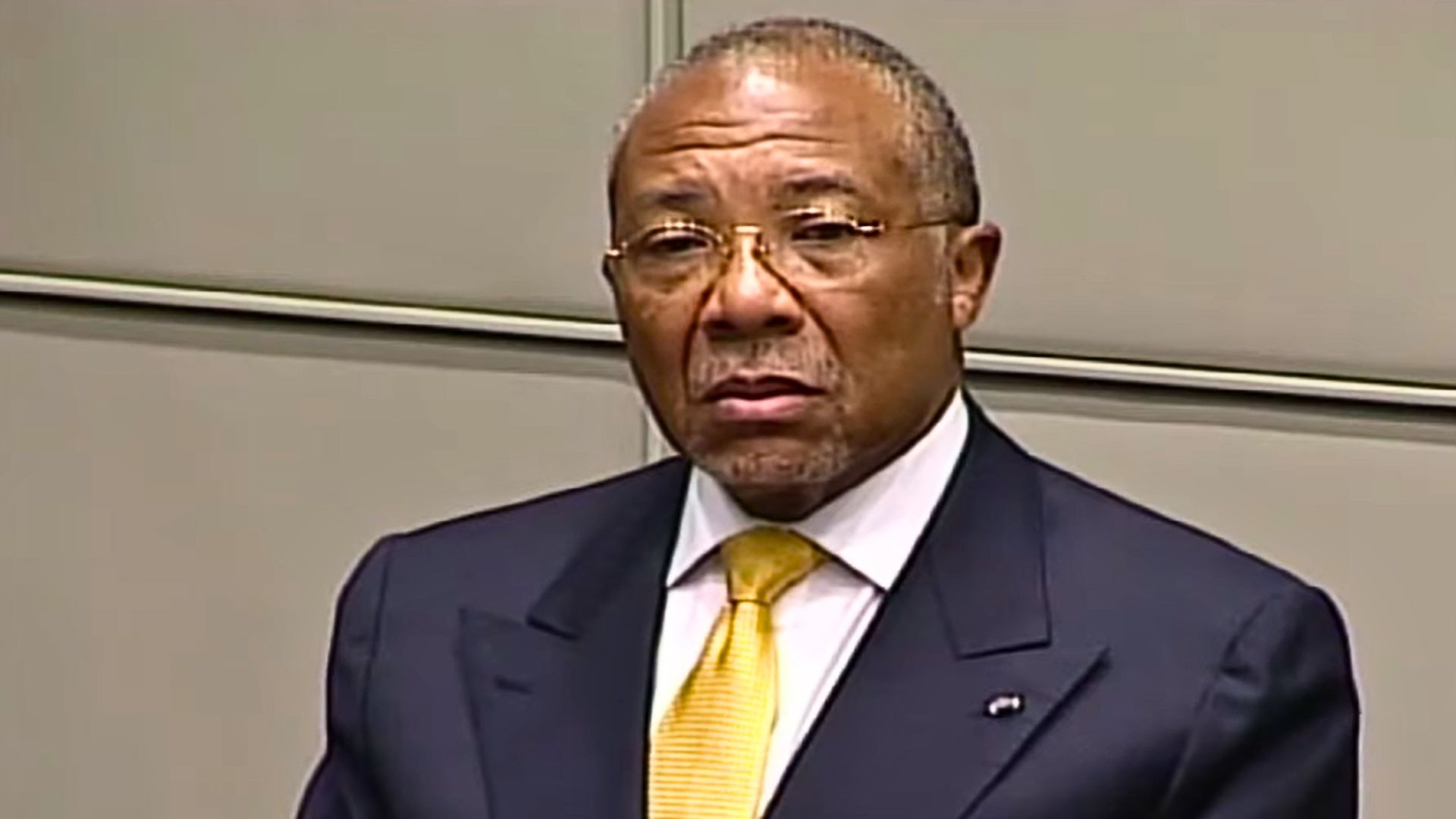 Liberia's Charles Taylor sentenced to 50 years by AFP News Agency
12. Hissène Habré
Hissène Habré seized power in Chad in 1982 with military support and quickly tightened his grip through strict control of information. Behind the scenes, secret detention centers silenced opposition, and his rule collapsed in 1990. Escaping to Senegal, he remained in exile until accountability finally arrived.
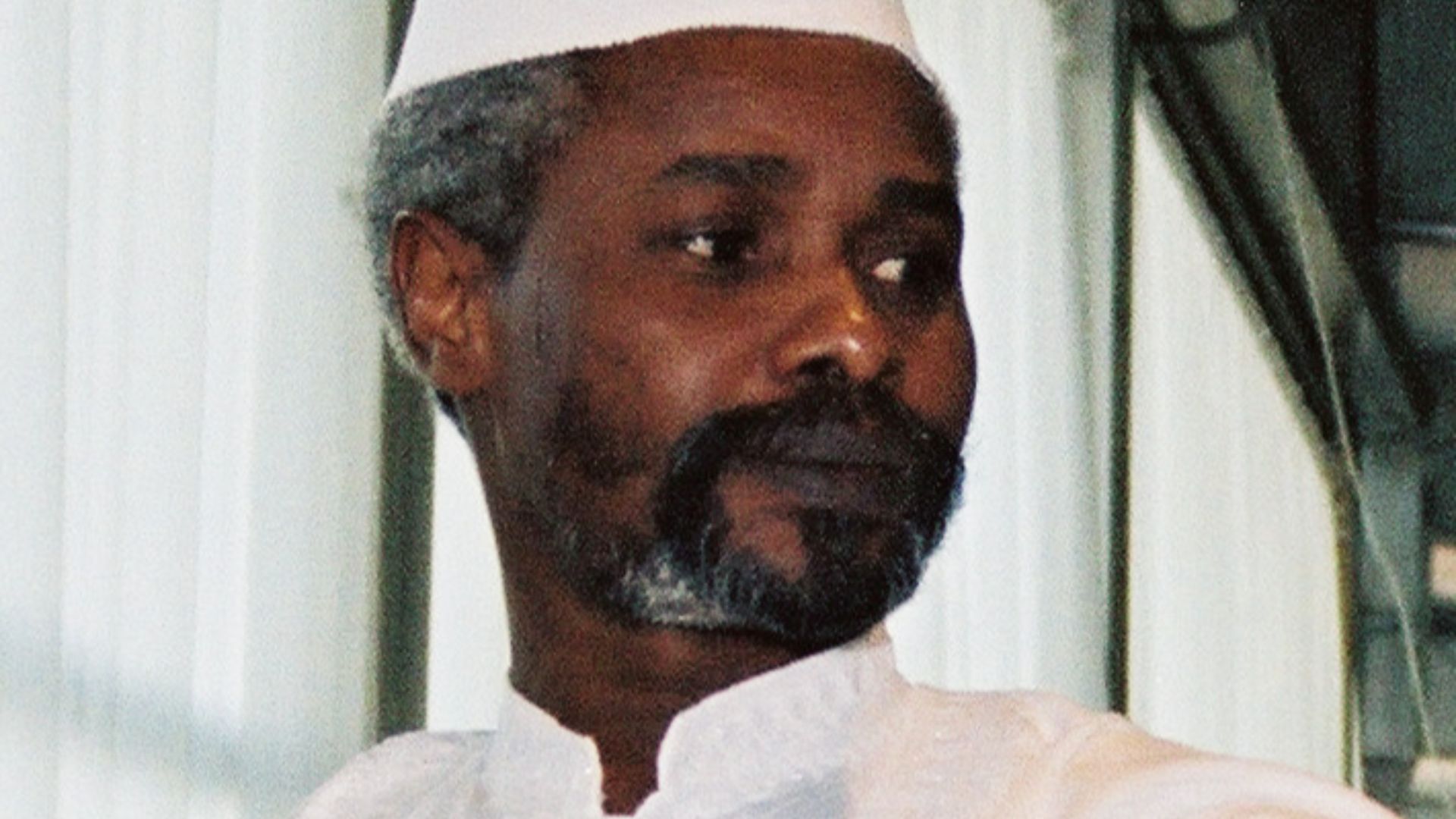 EC - Audiovisual Service on Wikimedia
13. Mengistu Haile Mariam
Rising after Emperor Haile Selassie’s fall, Mengistu launched radical land reforms that tore through traditional farming. Famine and conflict surged under his watch. When rebels neared the capital in 1991, Mengistu vanished into exile, leaving devastation behind.
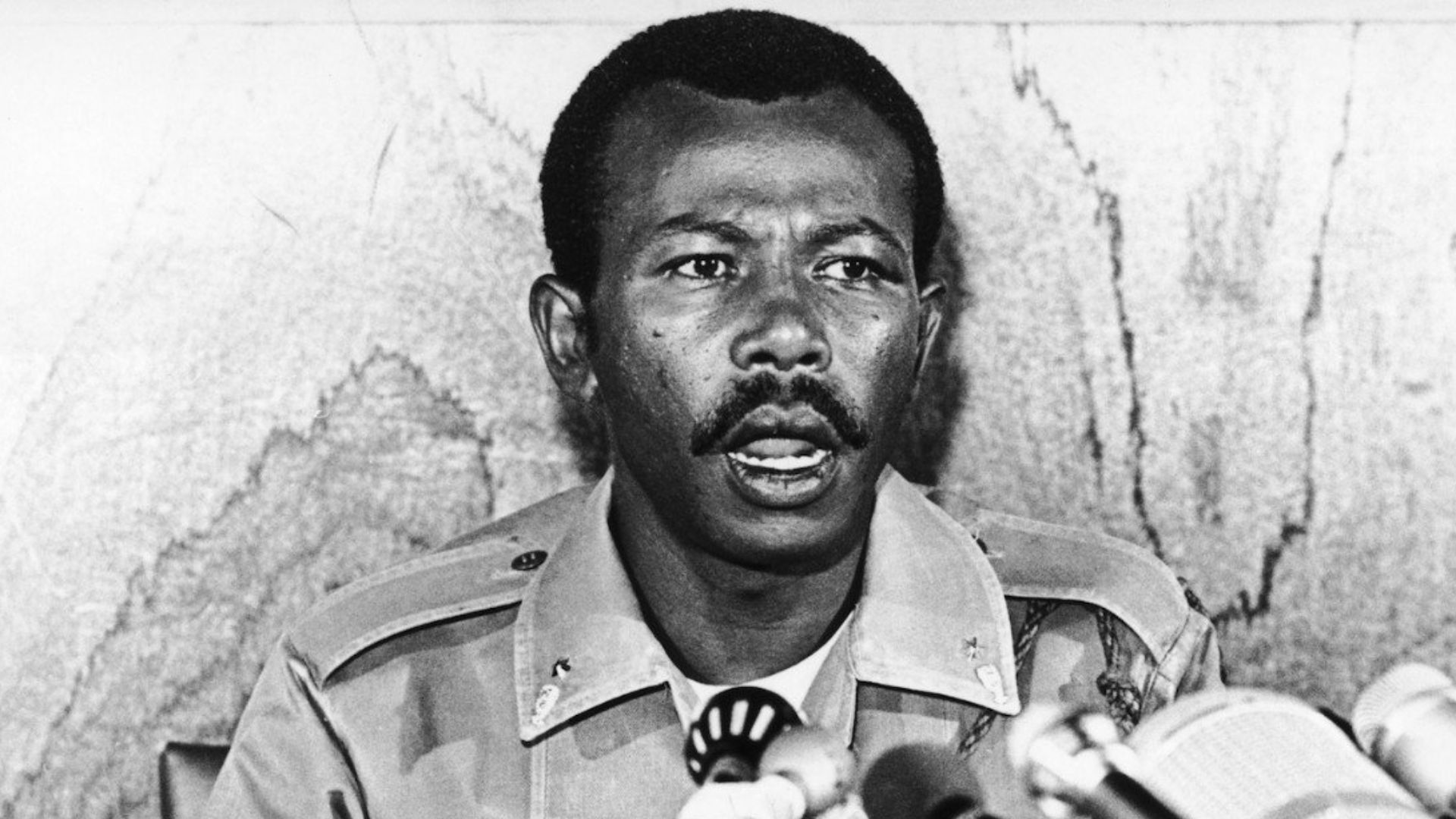 Unknown authorUnknown author on Wikimedia
14. Saddam Hussein
For over twenty years, Saddam Hussein sat firmly at Iraq’s helm, projecting dominance through frequent TV broadcasts and opulent palaces. His grip extended beyond politics—even into literature, with a romance novel tied to his name. In 2003, an international military campaign finally ended his rule.
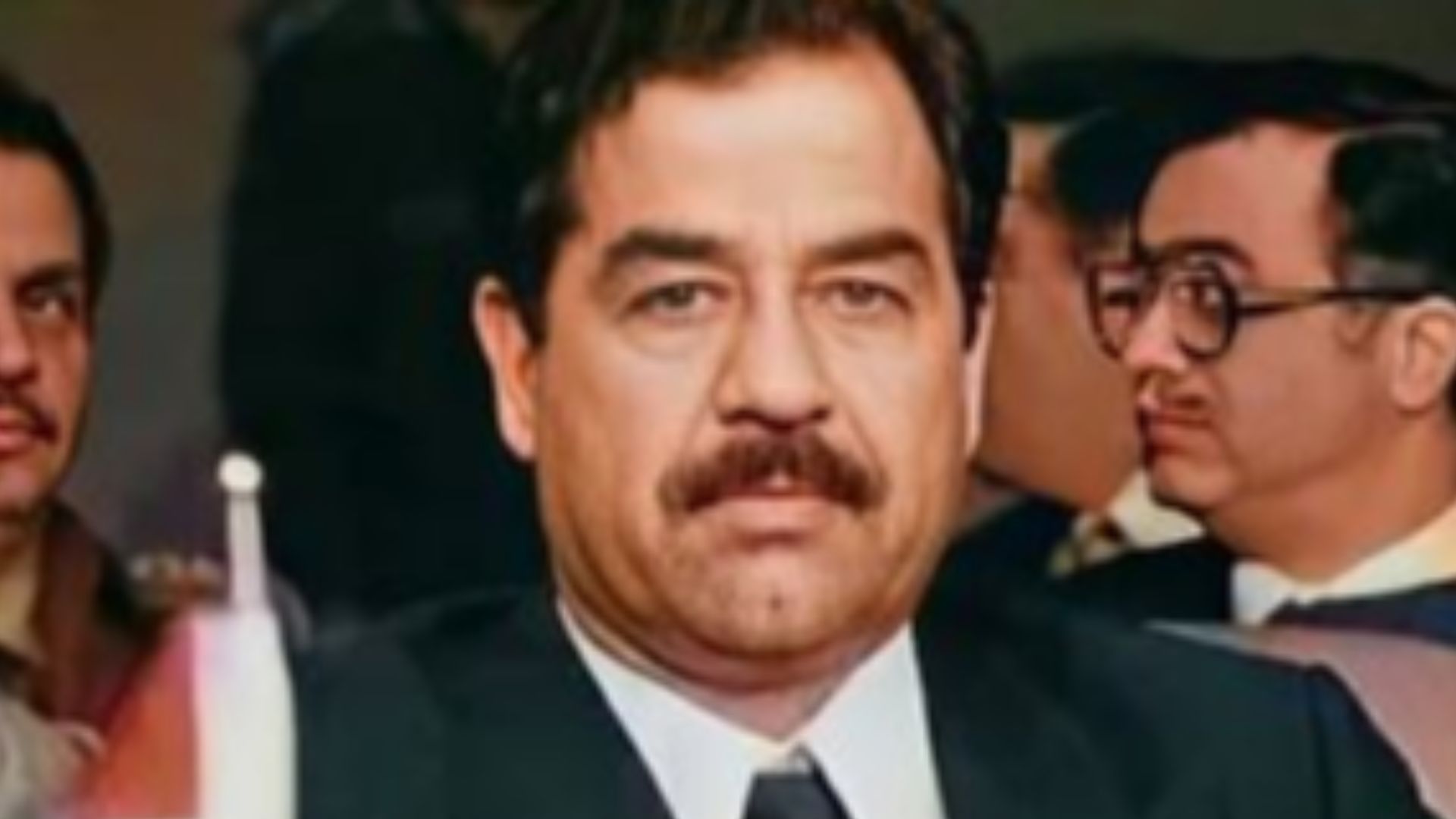 Unknown authorUnknown author on Wikimedia
15. Zine El Abidine Ben Ali
It all started with a promise of reform, but that promise didn’t stick around for long. Zine El Abidine Ben Ali held power in 1987 after easing out Tunisia’s aging leader, only to eventually rule with a grip just as tight. Later, a fiery uprising sent shockwaves through the region, and Ben Ali fled to Saudi Arabia.
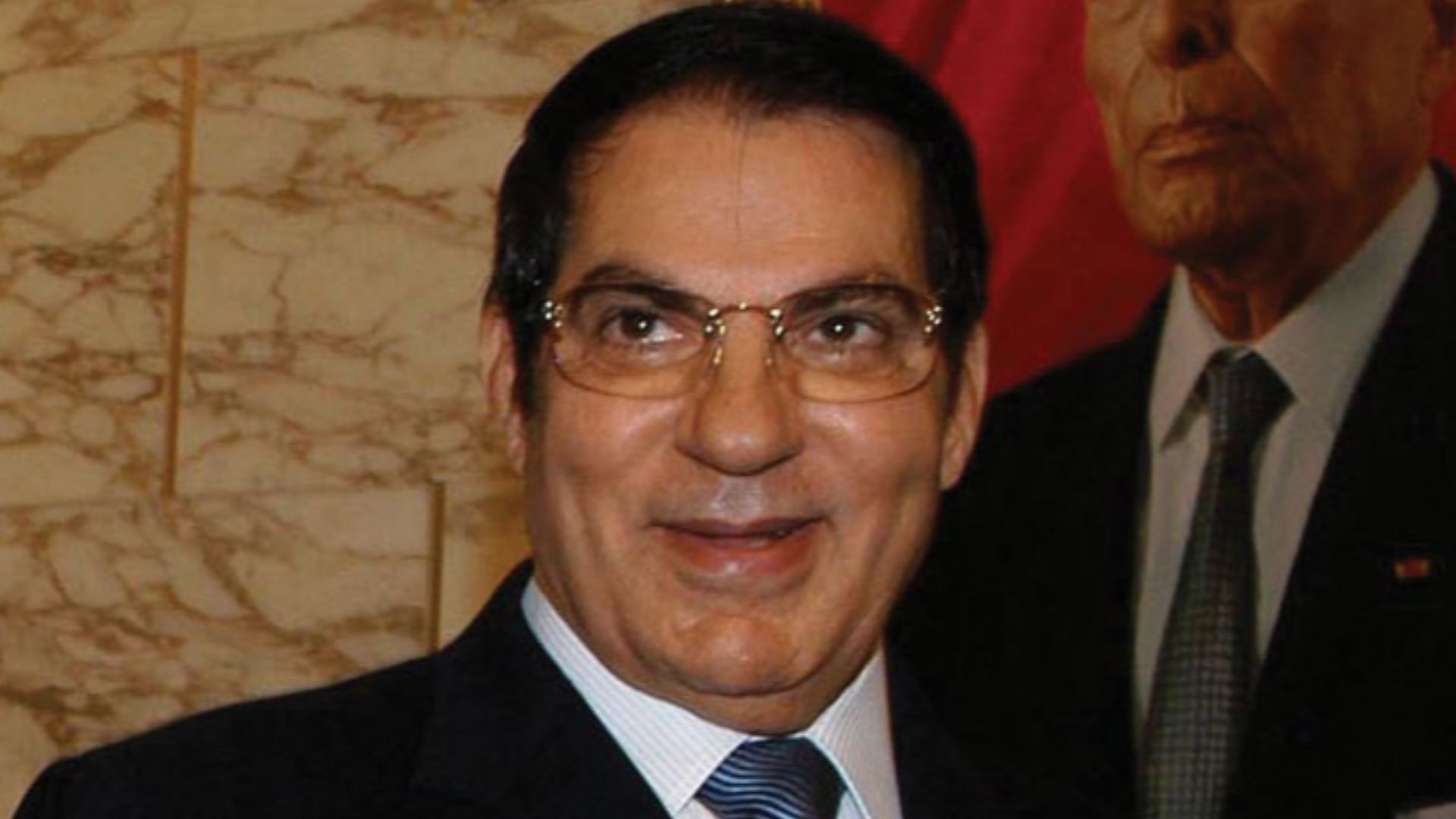
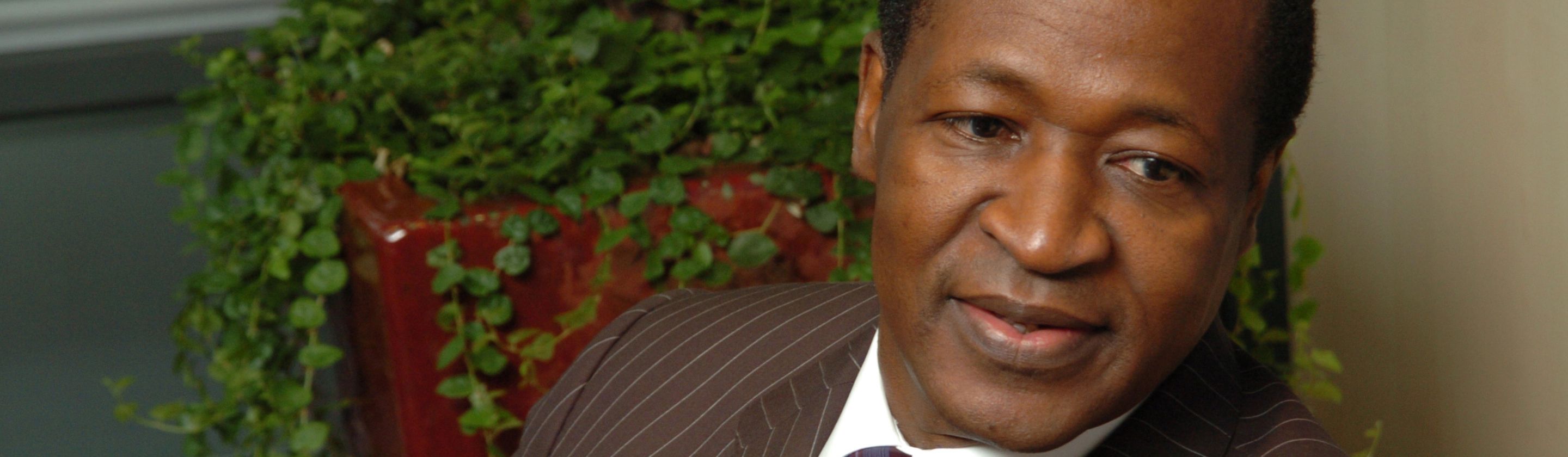
16. Blaise Compaoré
Blaise Compaoré held Burkina Faso’s reins for nearly three decades. Though seen as an autocrat at home, he managed to play the role of peacemaker abroad. When he tried to tweak the constitution to extend his rule, the people pushed back. To escape, Compaoré fled to the Ivory Coast under protection.
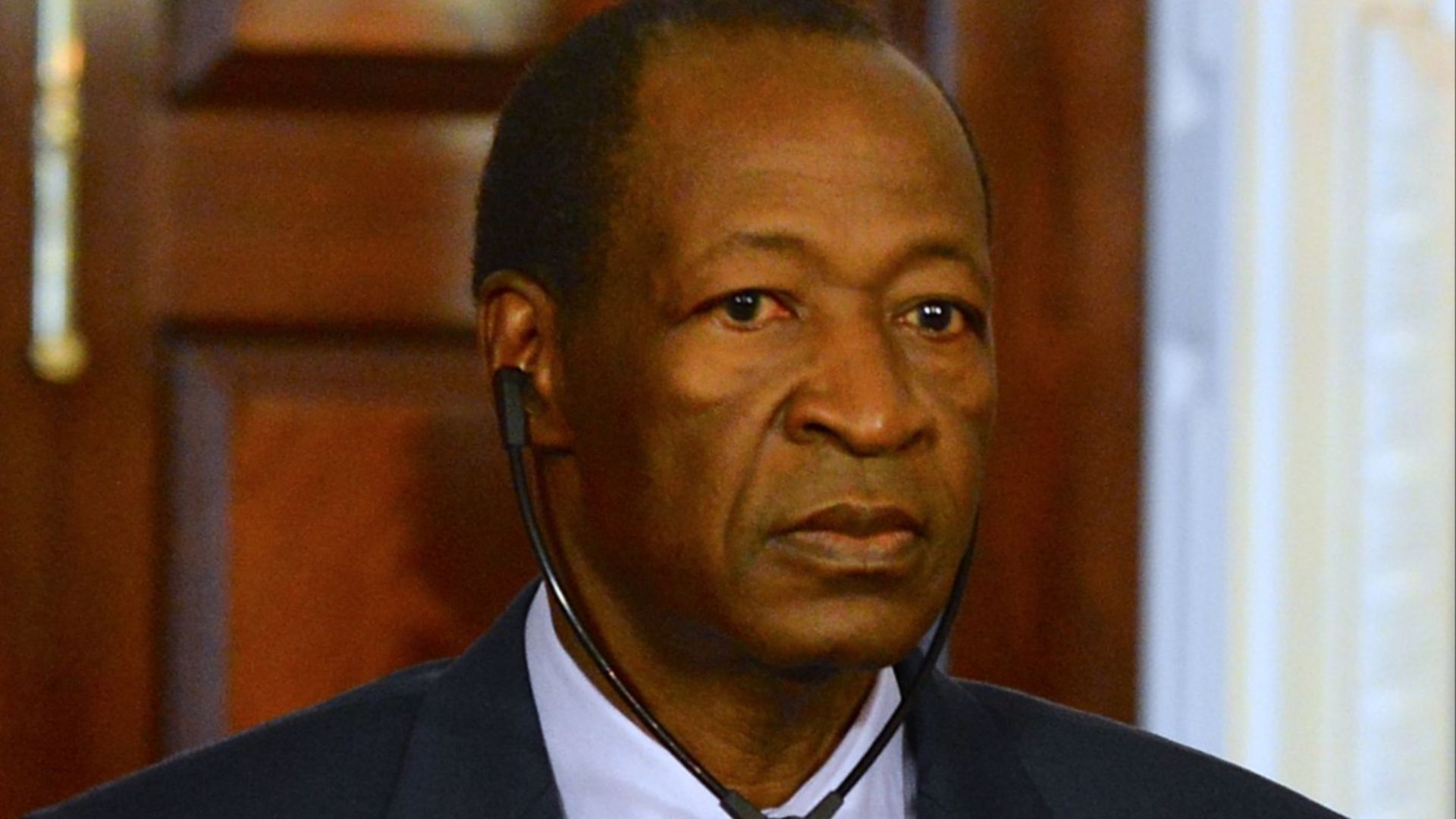 U.S. Department of State on Wikimedia
17. Francisco Macías Nguema
As Equatorial Guinea’s first president in 1968, Francisco quickly veered into disturbing extremes. He banned private schools and shuttered libraries, as if knowledge itself were a threat. In a twist of fate, it was his own nephew who led the coup that ended his reign.
 SYND 1 10 79 THE TRIAL OF OVERTHROWN PRESIDENT FRANCISCO MACIAS NGUEMA by AP Archive
18. Yahya Jammeh
In 1994, Yahya calmly seized control of The Gambia and made the presidency his personal stage. Dressed in flowing white, he claimed to cure diseases with herbs and ruled with sudden, baffling decisions. His refusal to concede defeat in 2016 triggered international alarm, which forced him into exile.
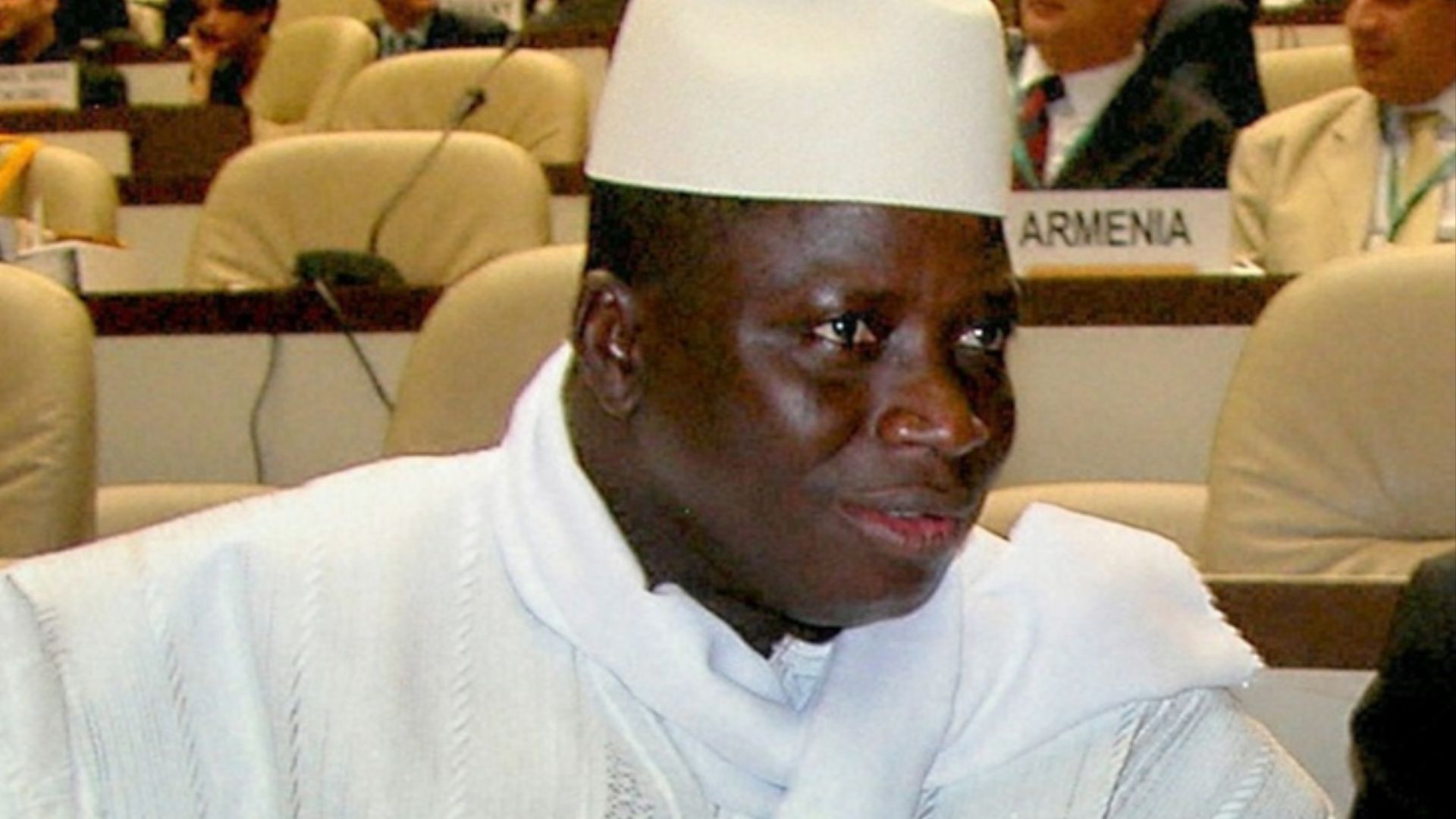 Photo courtesy IISD/Earth Negotiations Bulletin on Wikimedia
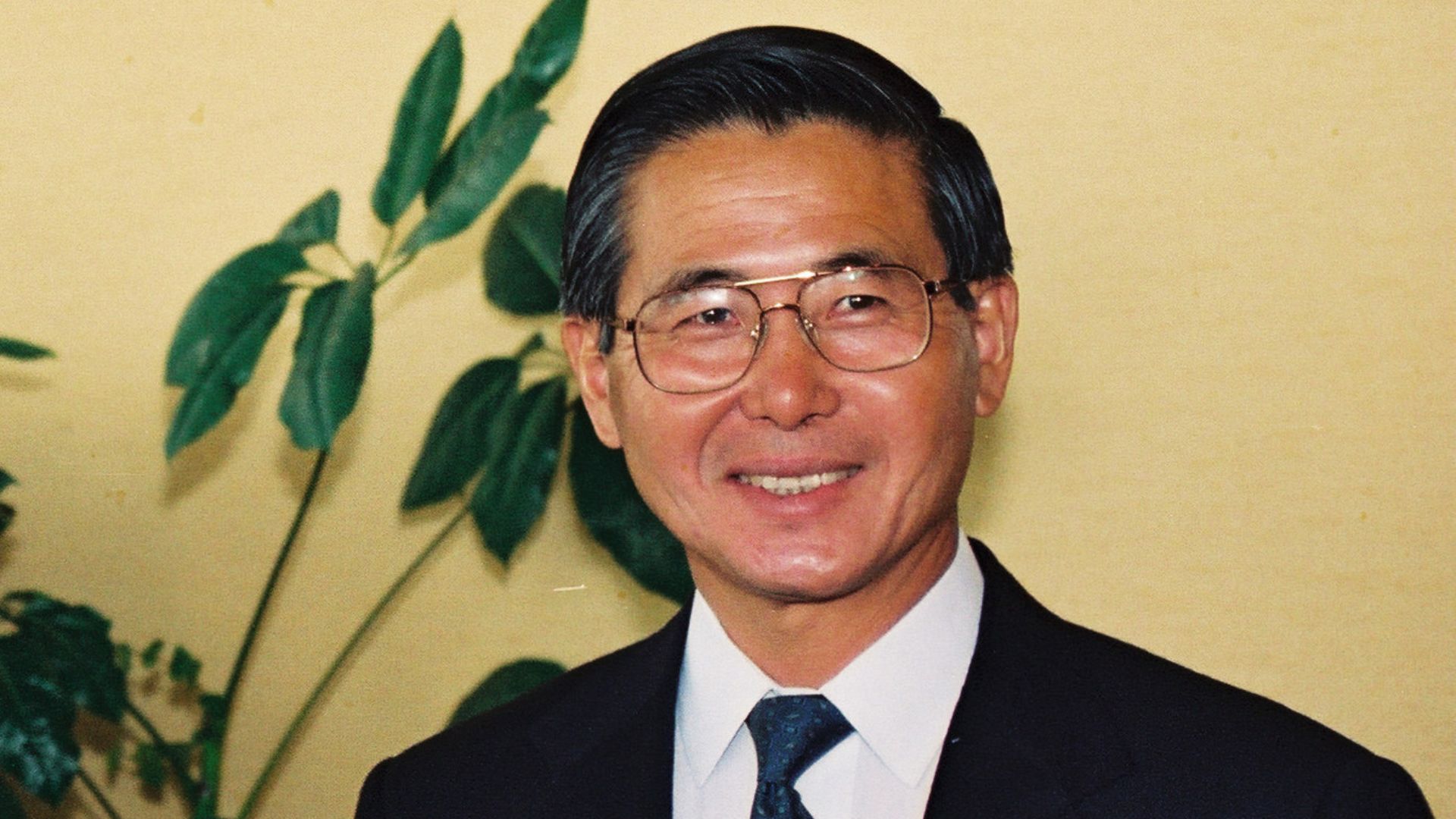
19. Alberto Fujimori
Who knew a math professor could shake up an entire nation? Alberto Fujimori rose from academia to Peru’s presidency, only to rewrite the rules mid-game. In a bold self-coup, he dissolved Congress and took full control. But behind the screens, when scandal caught up to him, Fujimori faxed in his resignation.
 Christian Lambiotte / European Communities, 1991 / EC - Audiovisual Service on Wikimedia
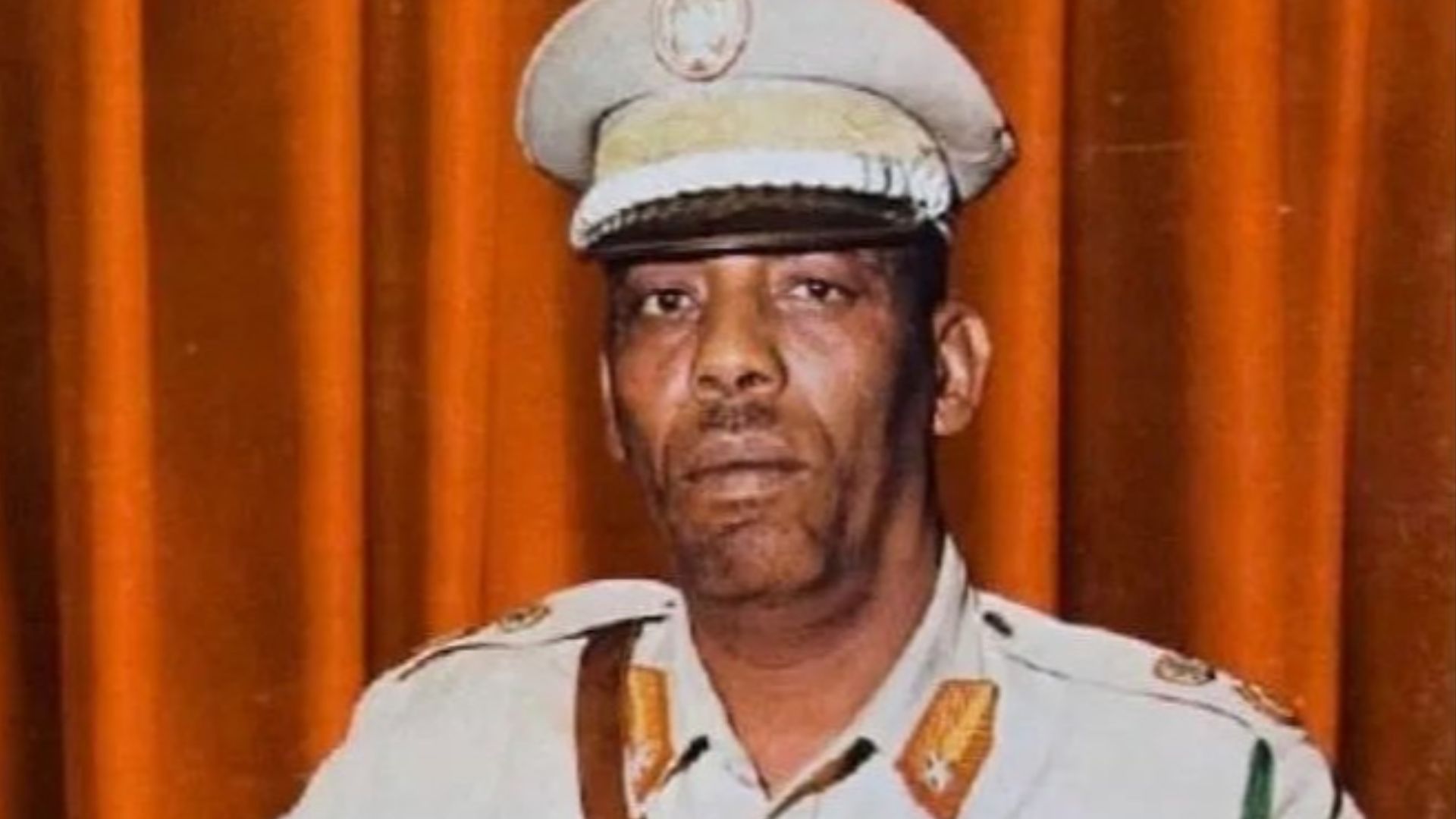
20. Mohamed Siad Barre
Mohamed Siad Barre championed literacy drives and even introduced a Latin script for Somali, which blended reform with heavy propaganda. But as clan tensions grew, rival factions stormed Mogadishu, and Barre fled, trading palaces for temporary stays across borders.
 Government of Somalia on Wikimedia
KEEP ON READING