

20 People From History Who Fell in Love With Their Captors
When Captivity Led to Unexpected Attachments
Throughout history, some people have formed surprisingly strong emotional bonds with the very people who held them captive. Some eventually married members of the communities that had taken them, while others developed attachments that people on the outside found difficult to understand. While it's worth remembering that affection, survival, and coercion can become deeply intertwined when someone has been deprived of their freedom, these 20 accounts reveal just how complicated human relationships can become under extraordinary circumstances.
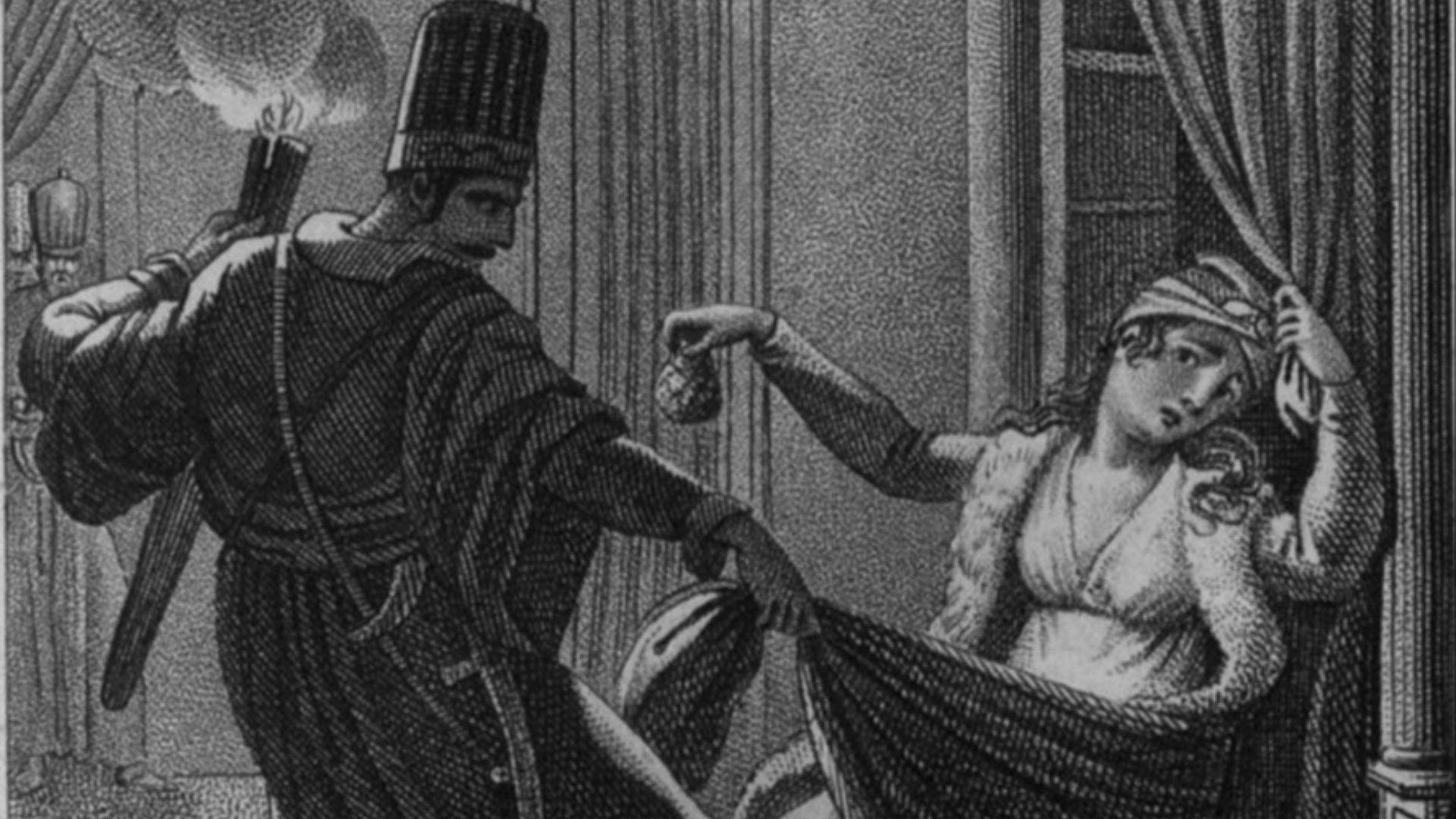 Antoine-Laurent Castellan on Wikimedia
1. Cynthia Ann Parker
Cynthia Ann Parker was abducted during a Comanche raid on a Texas settlement in 1836, but she eventually became part of the community and married a warrior named Peta Nocona. Together, they had three children, including Quanah Parker, who later became an influential Comanche leader. When Texas Rangers forcibly returned her to her surviving relatives in 1860, Cynthia desperately wanted to go back to her Comanche family.
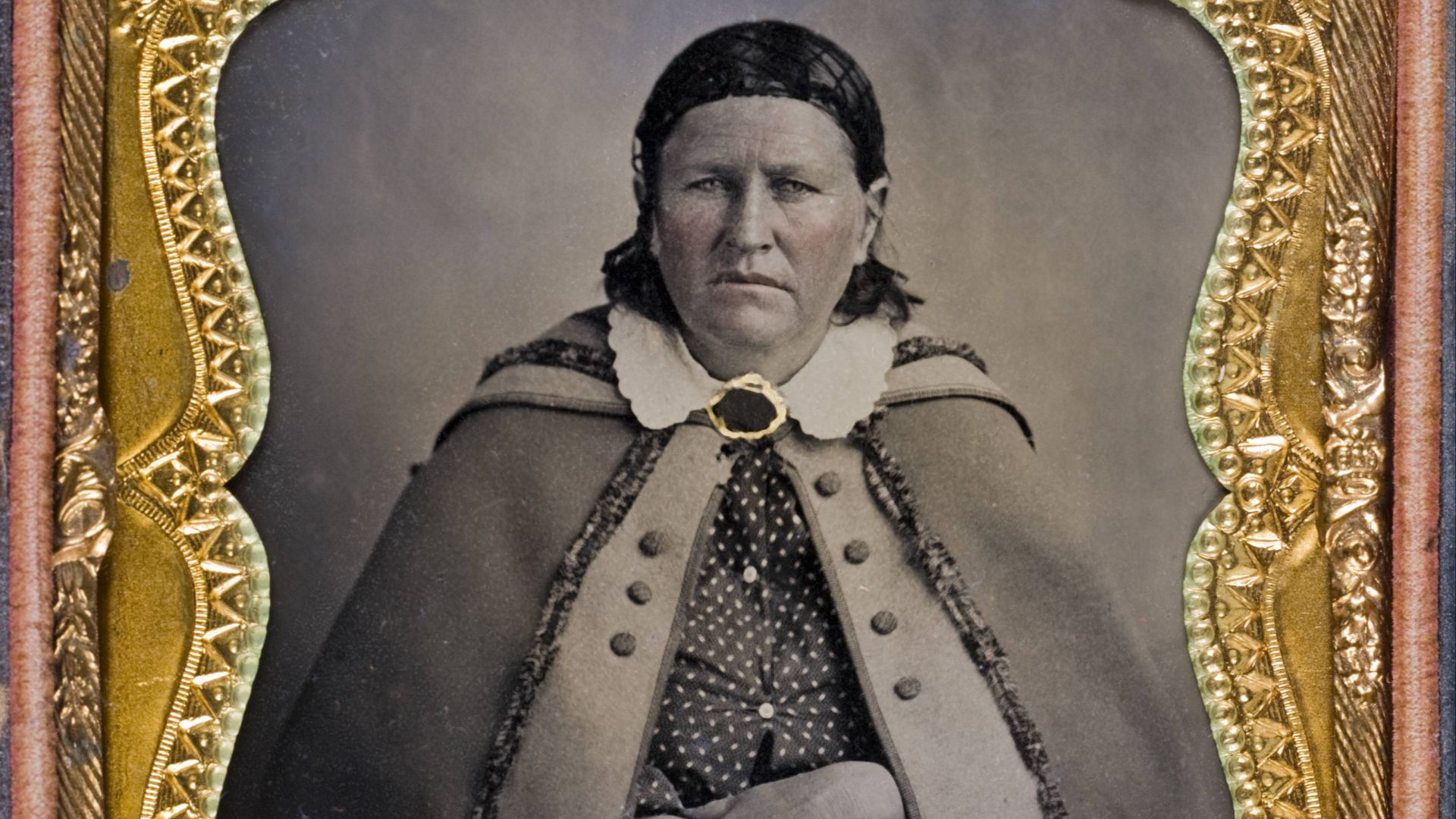 SMU Central University Libraries on Wikimedia
2. Mary Jemison
Mary Jemison was only about 12 years old when she was captured during the French and Indian War in 1755. After being adopted into a Seneca family, she grew up within the community and eventually married a Lenape man, followed by a Seneca man later in life. Despite the trauma of her early experiences, Mary developed meaningful connections with her husbands, children, and adopted community, and chose to spend the remainder of her long life among the Seneca people.
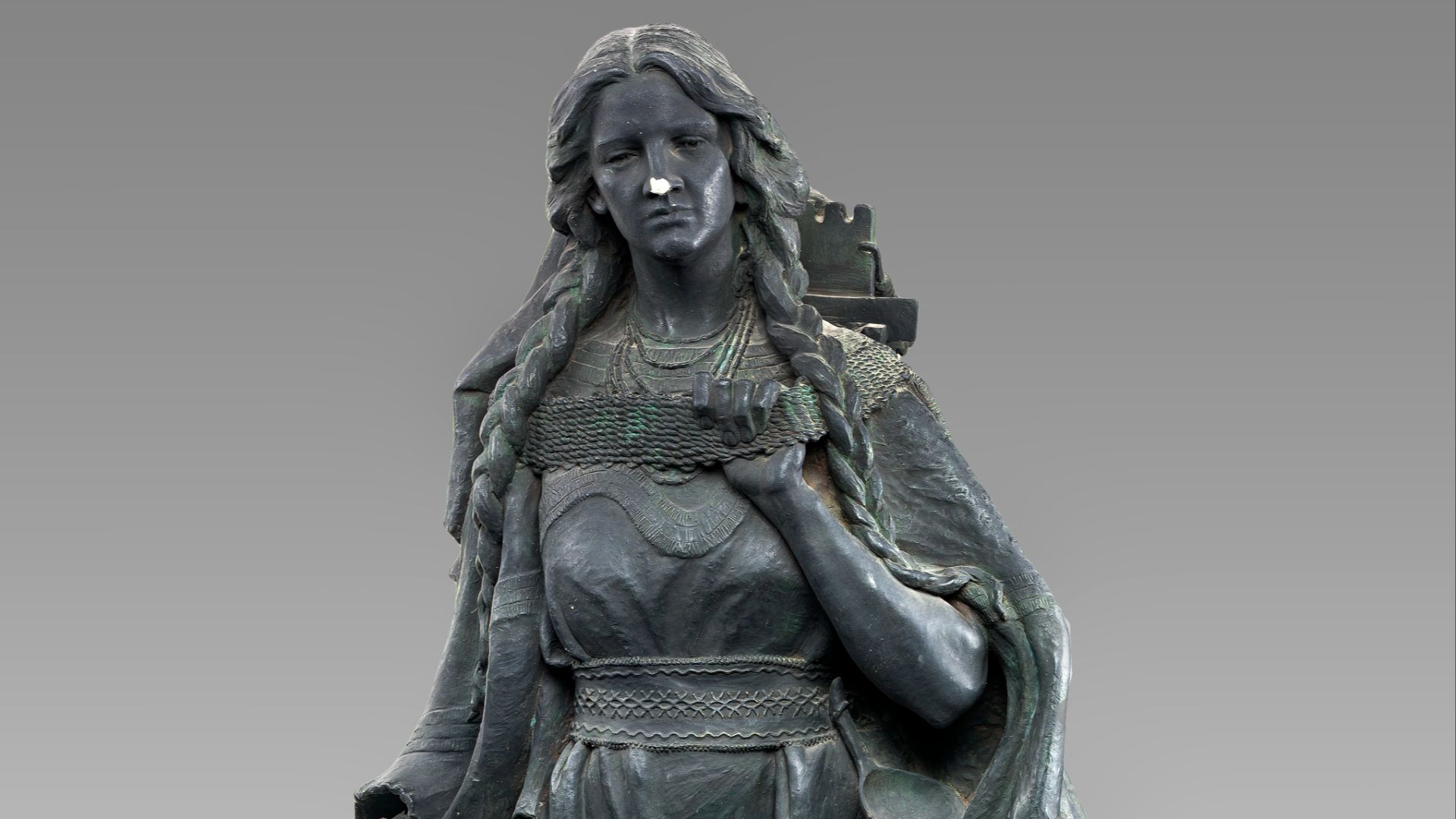 Henry Kirke Bush-Brown on Wikimedia
3. Eunice Williams
At just seven years old, Eunice Williams was captured during the 1704 raid on Deerfield, Massachusetts, and taken to Canada, where a Mohawk family adopted her. She grew up in Kahnawake, embraced the customs of her new community, and eventually married a Mohawk man named François-Xavier Arosen. Although her father made repeated attempts to bring her home, Eunice preferred to remain with her husband and children.
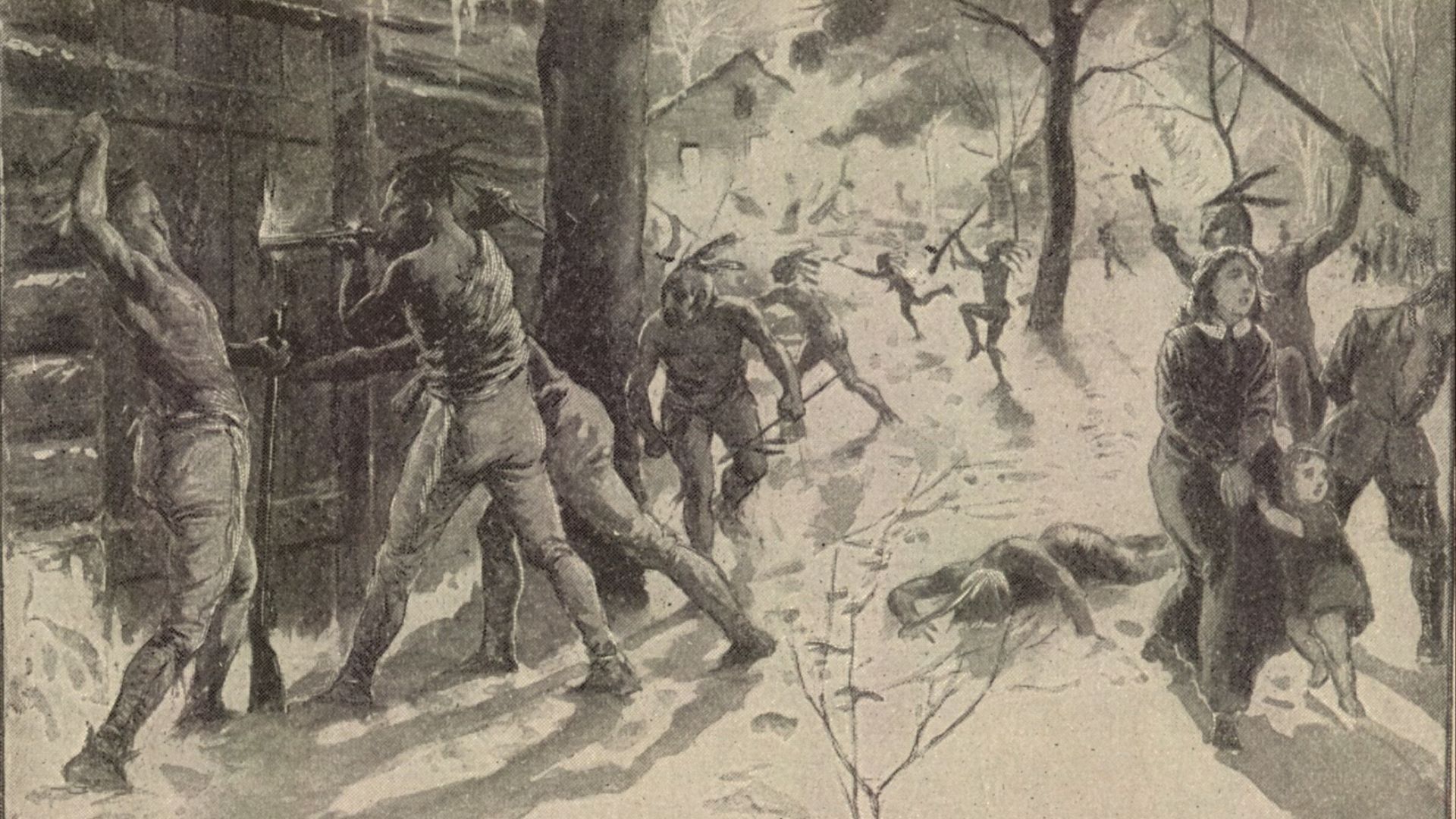 Walter Henry Lippincott (1849-1920) on Wikimedia
4. Frances Slocum
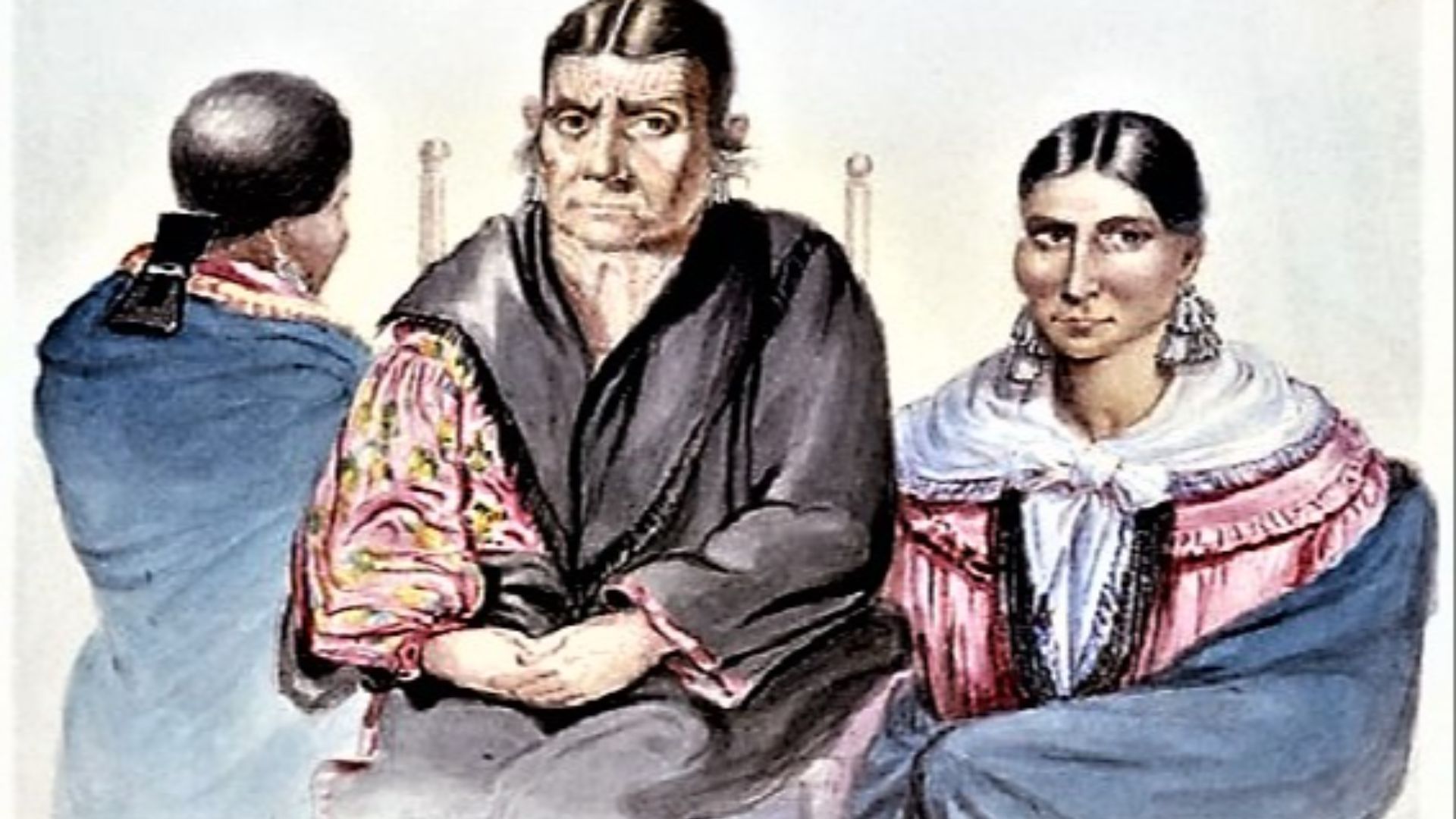
Frances Slocum was just five years old when Delaware warriors took her from her family's Pennsylvania home in 1778. Growing up among Native American communities, she eventually married a Delaware man before later marrying a Miami chief named Shepancanah. Her biological relatives managed to find her decades later, but Frances had no desire to leave behind the family and life she'd built. Known within her community as Maconaquah, she remained among her adopted people until her death in 1847.
 George Winter 1810-1876 on Wikimedia
5. Hürrem Sultan
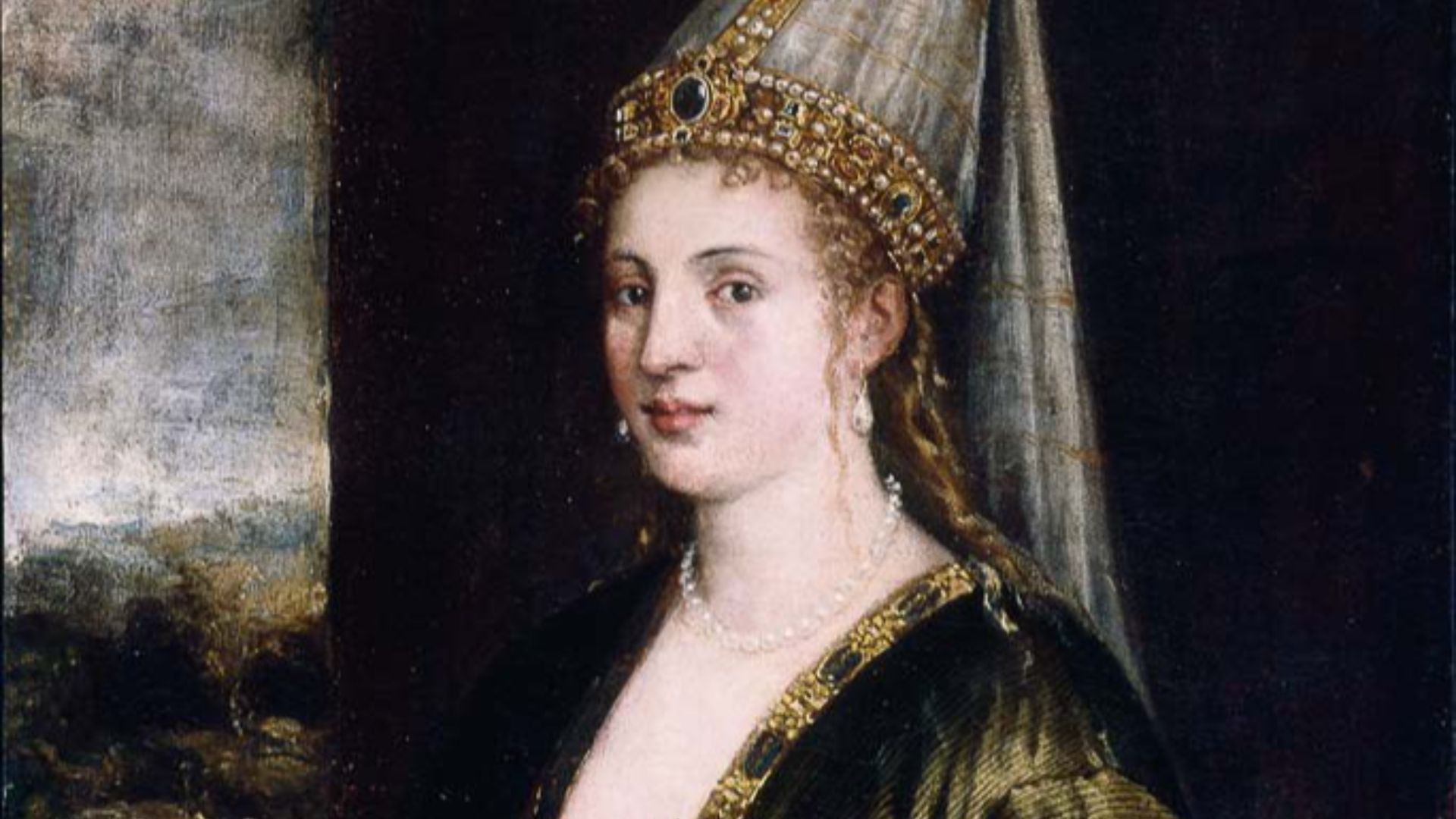
Born in Eastern Europe, Hürrem Sultan was captured and enslaved before entering the Ottoman imperial household during the 16th century. She soon became the favorite of Sultan Suleiman the Magnificent, who went against longstanding royal tradition by officially marrying her. Their surviving letters suggest that genuine affection developed between them, making their relationship unusually personal for an Ottoman ruler and an enslaved concubine. Hürrem eventually became an incredibly influential political figure.
 Workshop of Titian on Wikimedia
6. Kösem Sultan
Kösem Sultan arrived at the Ottoman imperial harem as an enslaved young woman and eventually became the favorite consort of Sultan Ahmed I. Historical accounts suggest that Ahmed was deeply attached to her, and her influence within the royal household steadily increased. Whether Kösem felt the same romantic affection toward him is harder to determine, although their relationship produced children who would eventually rule the empire. After Ahmed's death, she continued gaining political influence and ultimately became one of the most powerful women in Ottoman history.
Antoine-Laurent Castellan on Wikimedia
7. Nurbanu Sultan
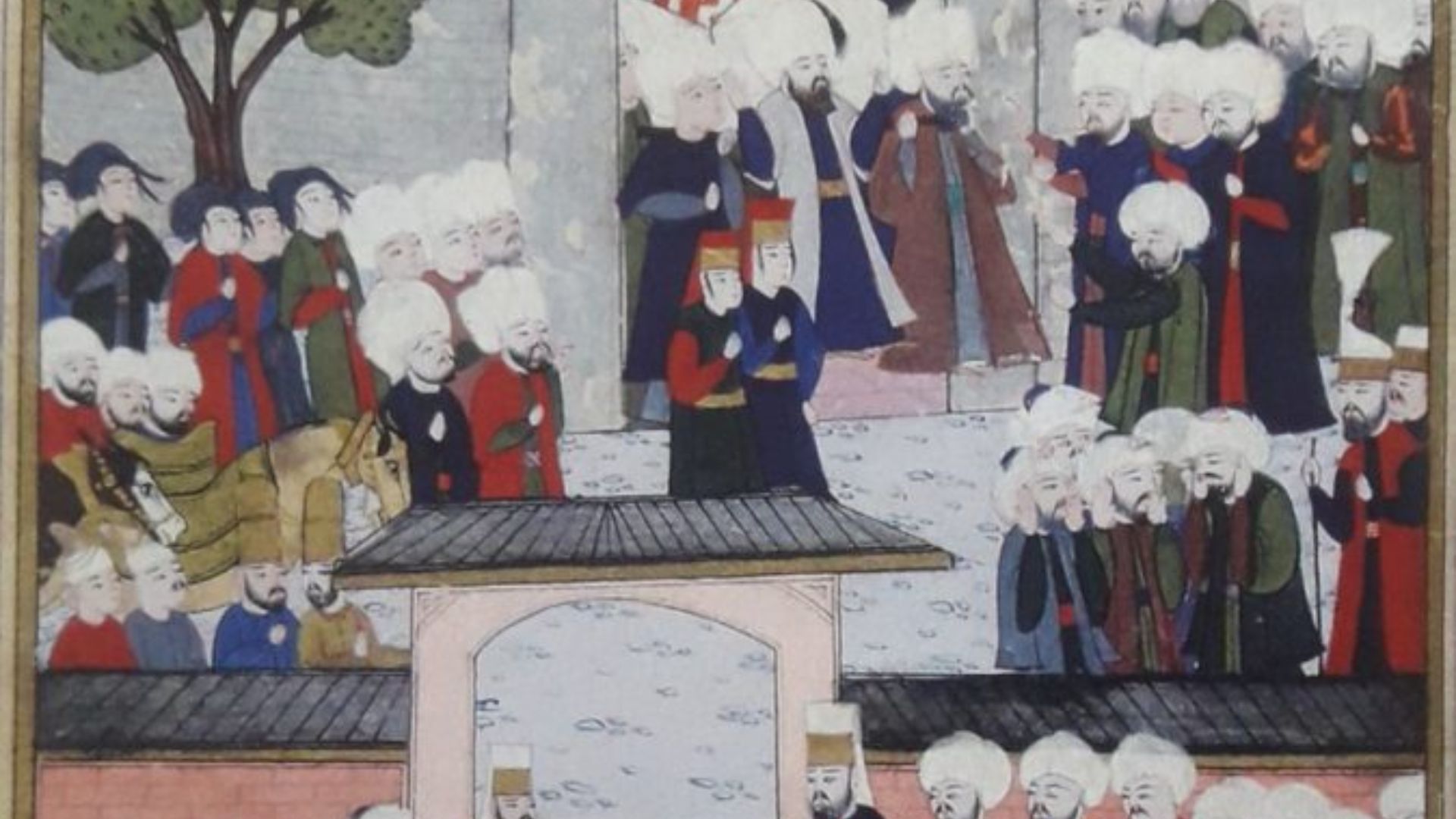
During the 16th century, Nurbanu Sultan entered the Ottoman imperial household as an enslaved girl, although historians still debate exactly where she came from. She became the favored consort of Selim II and gave birth to Murad III, who would later inherit the throne. Her unusually privileged position suggests that Selim held her in high regard, but there's little evidence to establish whether her own feelings were genuinely romantic. Nurbanu eventually became a powerful queen mother who played a significant role in shaping imperial politics.
 Nakkaş Osman and his team on Wikimedia
8. Shajar al-Durr
Shajar al-Durr began her life in the Egyptian royal household as an enslaved woman before becoming the favored companion of the future sultan, al-Salih Ayyub, during the 13th century. She remained devoted to him through periods of political instability and even accompanied him during his imprisonment. Their relationship reportedly grew into genuine affection, and al-Salih eventually granted her freedom and married her. Following his death, Shajar briefly became Egypt's ruler herself, securing an extraordinary place in medieval Middle Eastern history.
9. Rebecca Kellogg
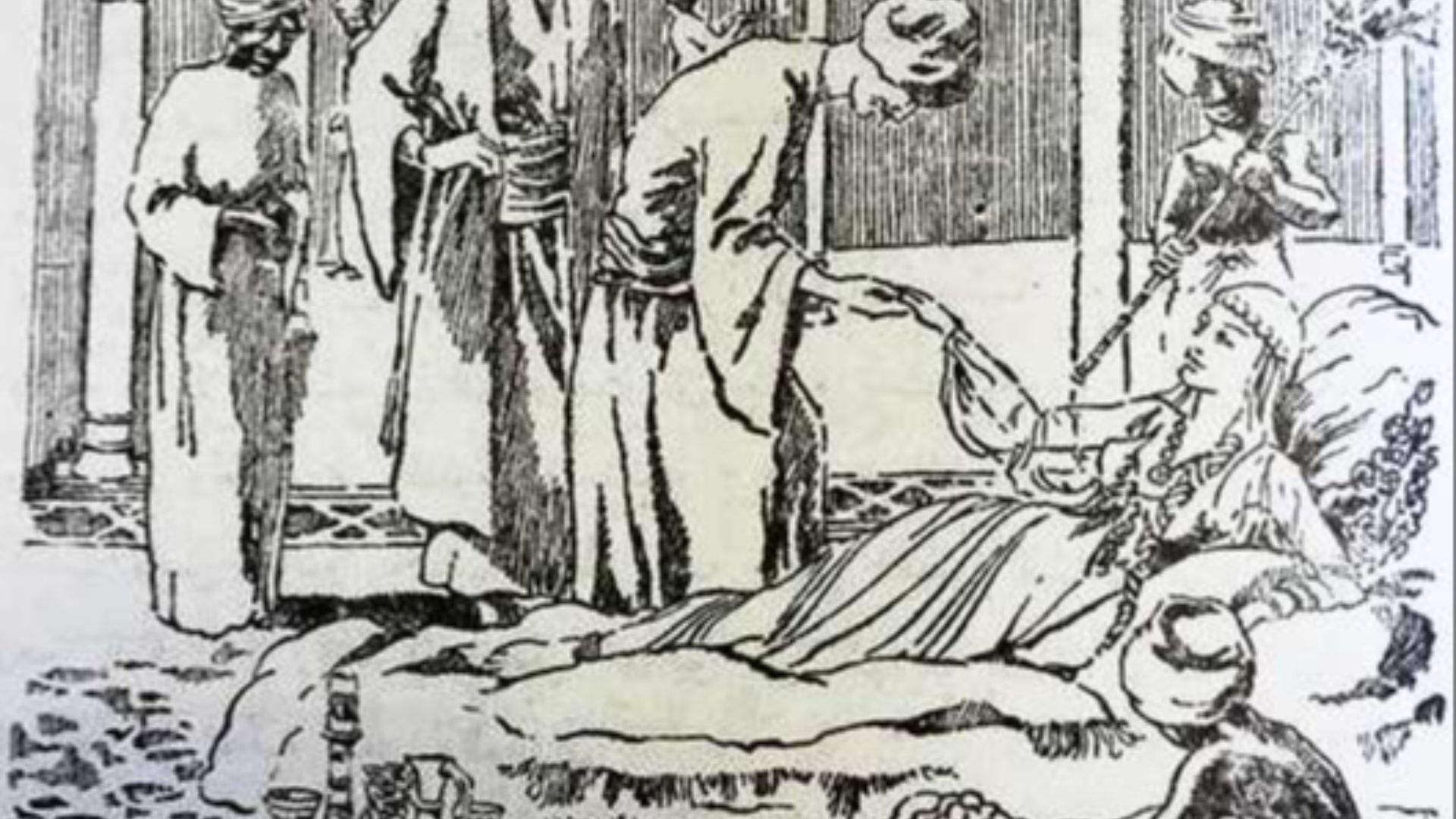
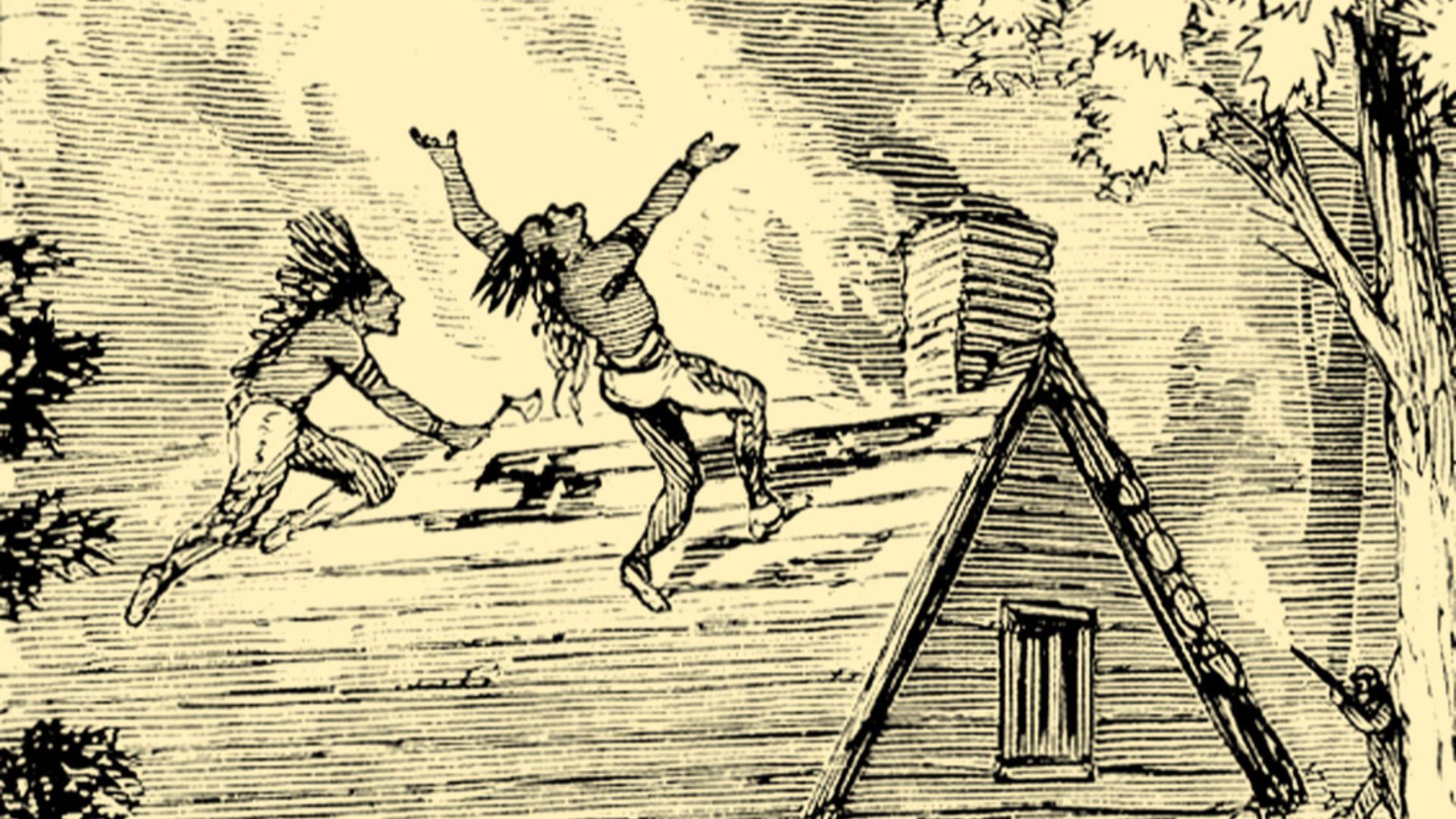
Rebecca Kellogg was only eight when she was captured during the 1704 Deerfield raid, the same attack in which Eunice Williams was taken. After arriving in Kahnawake, she was adopted into the Mohawk community, where she eventually married and had children. Although her personal feelings weren't extensively documented, her marriage suggests that she developed meaningful relationships within the society that had originally held her captive. Rebecca later returned to colonial society, however, where she remarried and established a different life.
10. Safiye Sultan
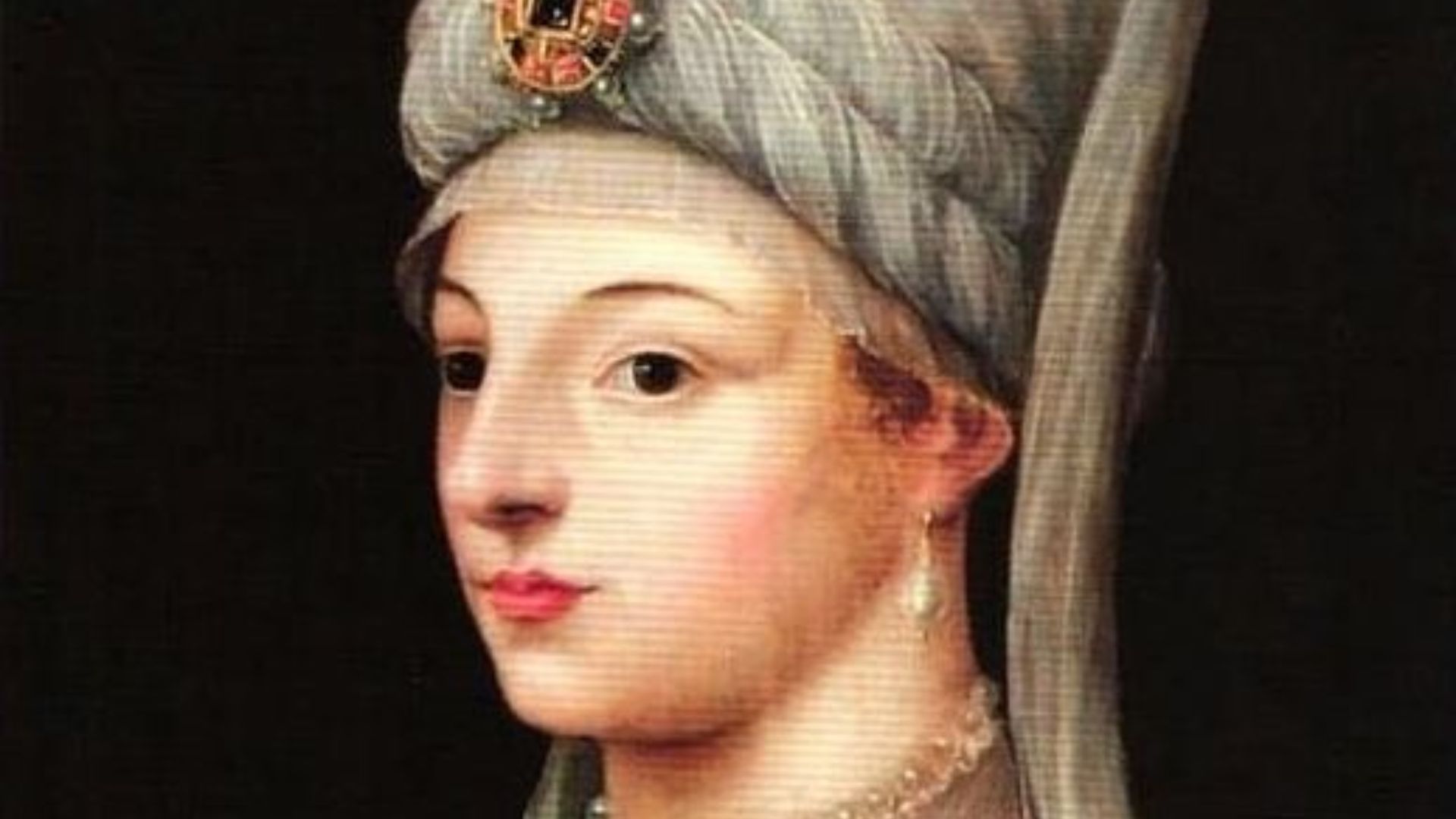
Safiye Sultan was presented to the future Ottoman ruler Murad III as an enslaved young woman during the 16th century. She eventually became his principal consort, and Murad reportedly remained devoted exclusively to her for years, despite considerable pressure to take additional partners. Palace politics later complicated their relationship, but Safiye continued to hold significant influence over the sultan. Historians know less about her personal feelings, although the unusually enduring nature of their attachment caught the attention of contemporary observers.
11. Millie Durgan
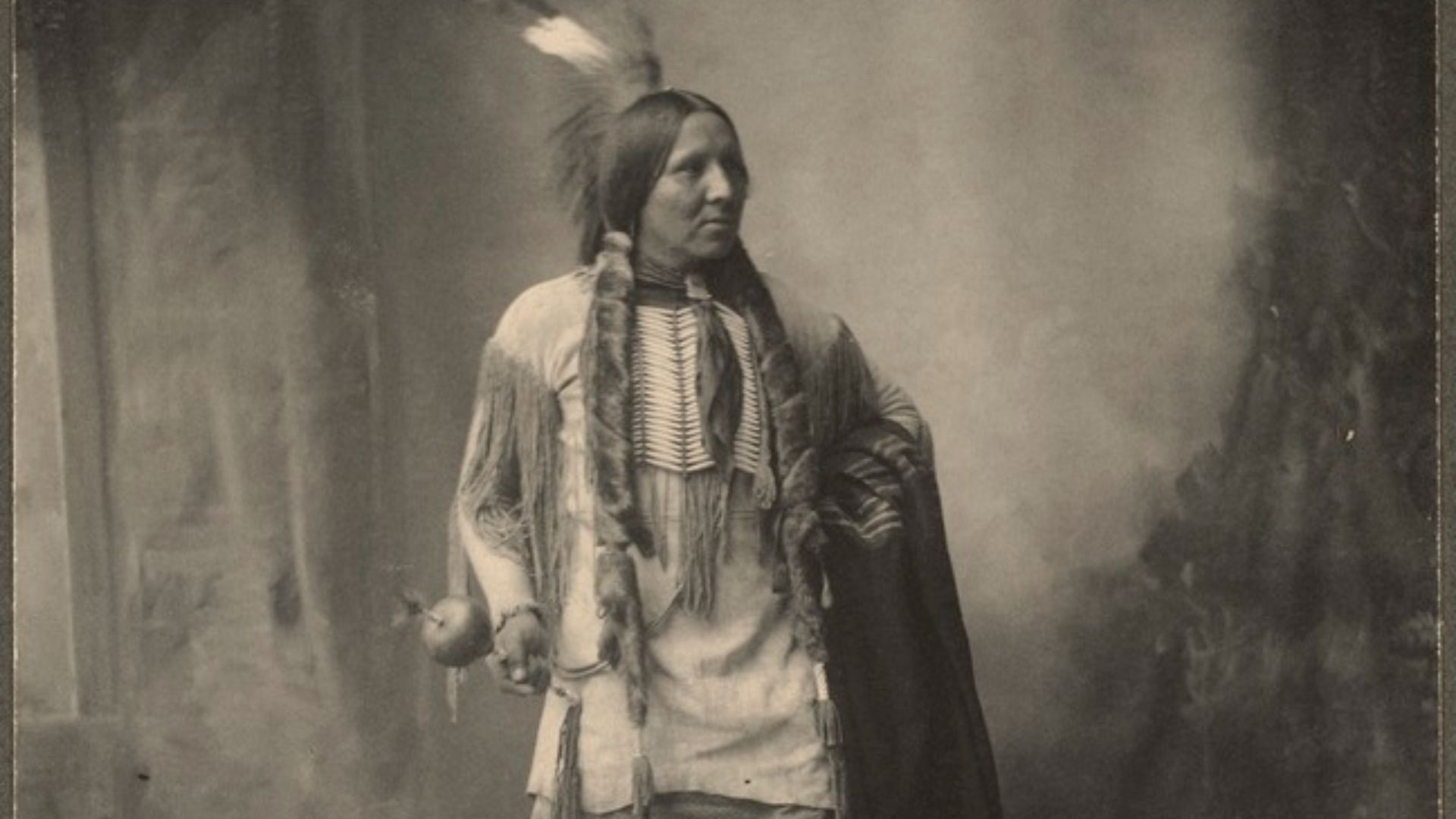
Millie Durgan was one of the young girls taken captive during conflicts between settlers and Native American communities along the American frontier. Raised within Kiowa society, she eventually married a Kiowa warrior and built a family among the people who had become her community. Historical accounts suggest that Millie enjoyed a happy marriage that lasted well into her later years.
 Rinehart, F. A. (Frank A.) on Wikimedia
12. Gülnuş Sultan
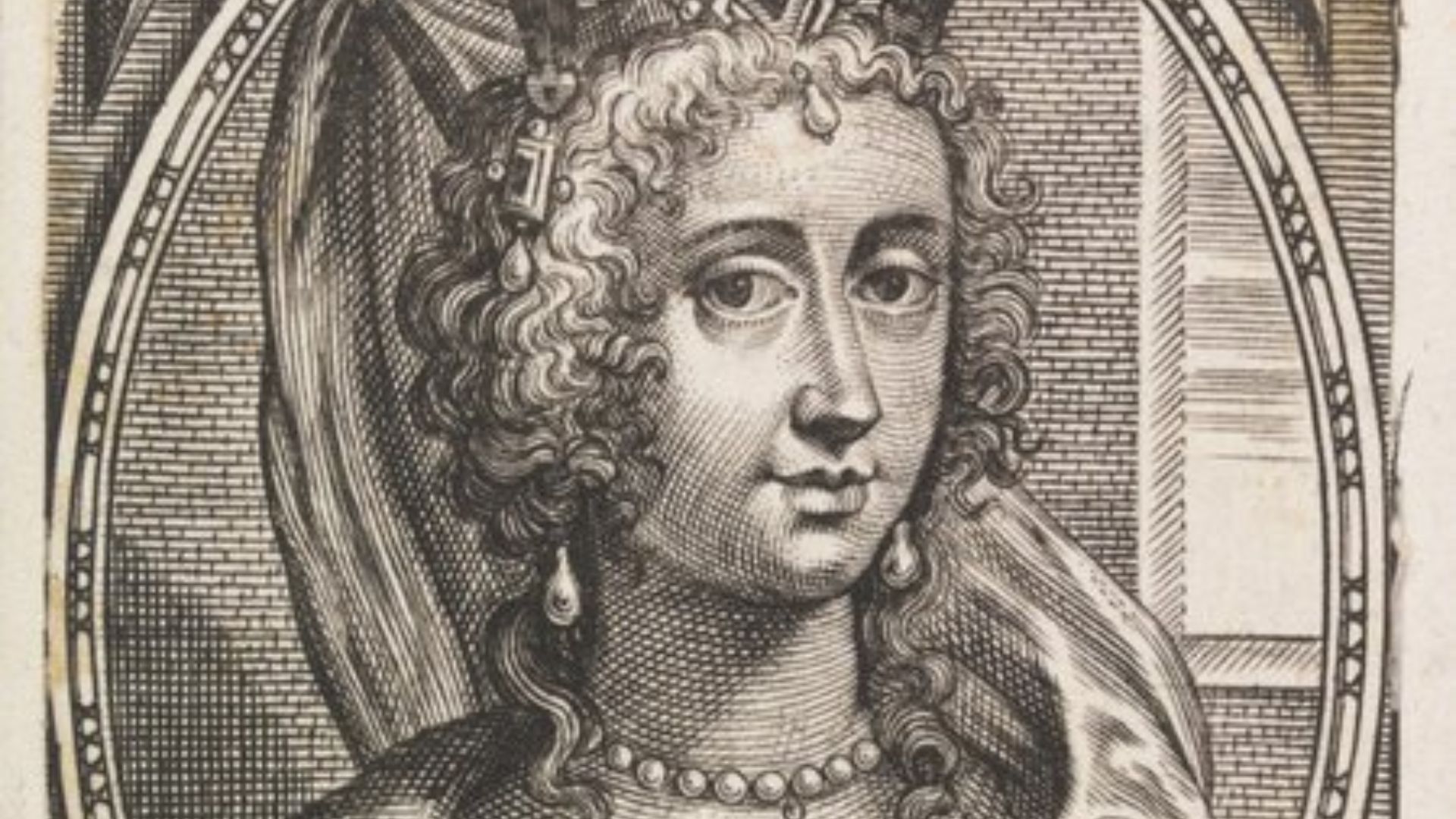
Originally an enslaved woman of Greek descent, Gülnuş Sultan became the favorite consort of Ottoman Sultan Mehmed IV during the 17th century. She held an unusually prominent place in his household and frequently accompanied him on his travels, something many imperial concubines never experienced. Their relationship continued for years, and she eventually became the mother of two future sultans and secured her position as one of the most influential royal women of her era.
13. Pocahontas
Pocahontas was captured by English colonists in Virginia in 1613 and held hostage as part of negotiations with her father, Chief Powhatan. During her captivity, she met English tobacco planter John Rolfe, whom she eventually married in 1614. Their marriage helped establish a period of peace between the English settlers and the Powhatan people. While their relationship is sometimes remembered as a love story, Pocahontas's limited freedom makes it difficult to know whether her feelings were truly romantic.
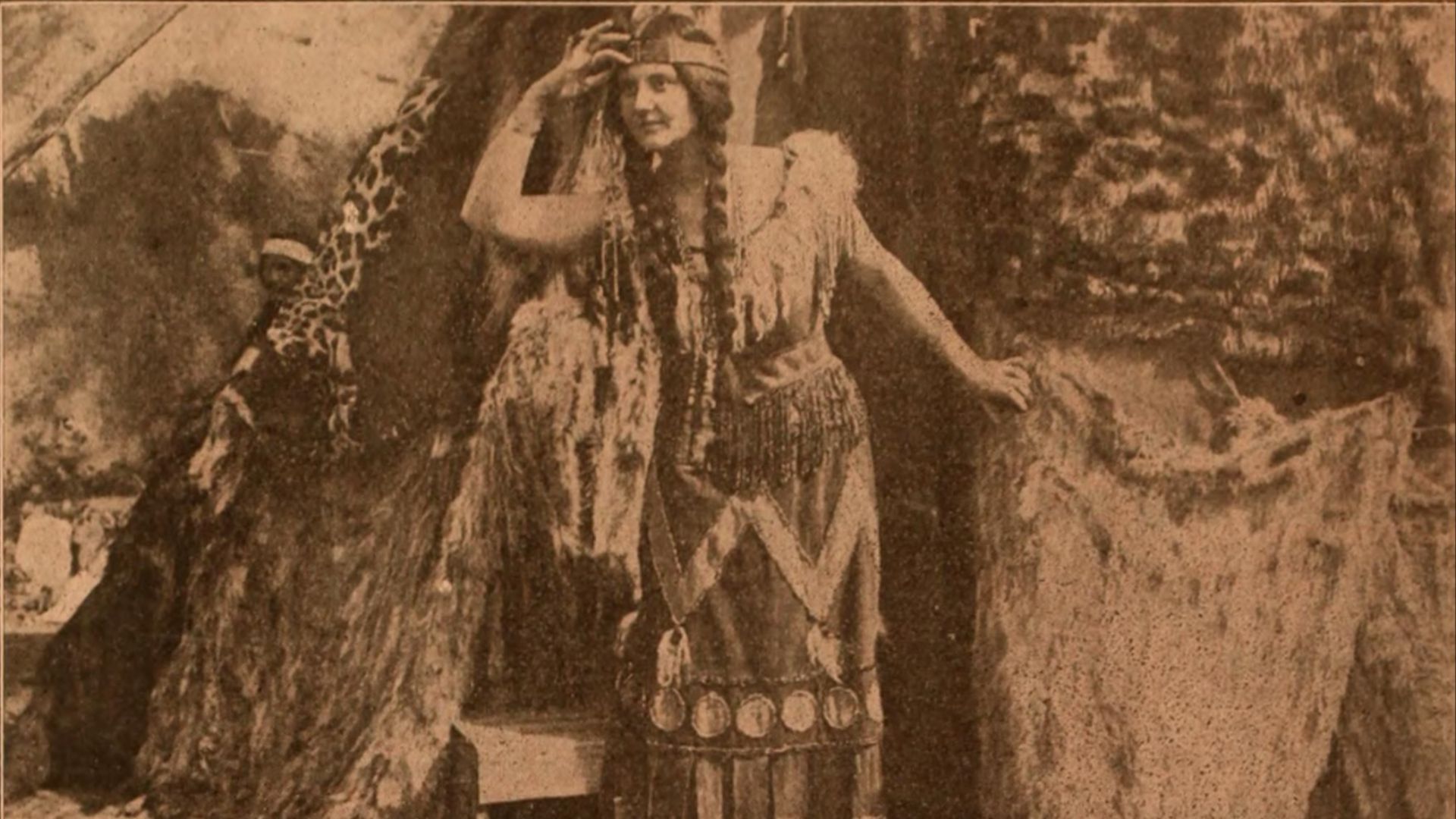 Thanhouser Company (Life time: N/A) on Wikimedia
14. Kristin Enmark
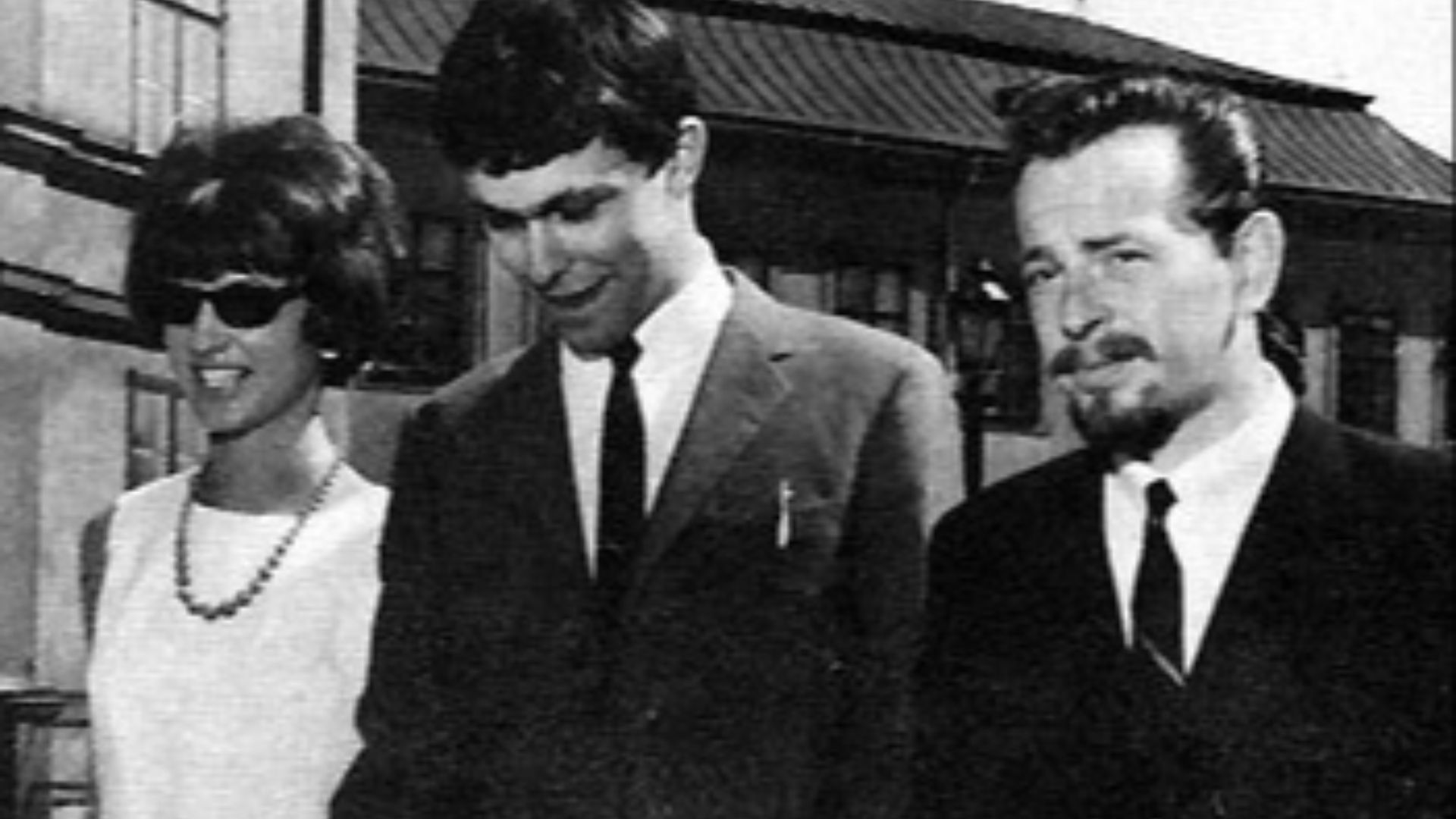
In 1973, Kristin Enmark was among four people taken hostage during a bank robbery in Stockholm, Sweden. During the six-day ordeal, she developed a close bond with Clark Olofsson, a convicted criminal who had been brought to the bank at the robber's request, and came to see him as someone who could protect her. After their release, the two exchanged letters and eventually became romantically involved, with Enmark later openly admitting that she'd fallen in love with him. Their unusual relationship became closely associated with the term Stockholm syndrome.
15. Mary McElroy
Mary McElroy was kidnapped for ransom in Kansas City in 1933 by a group of men hoping to extract money from her wealthy family. Following her release, she surprised the public by expressing sympathy for her kidnappers and becoming deeply troubled by the possibility that they could receive harsh punishment. Her reaction led to speculation that she had developed an emotional or even romantic attachment to her captors, whom many people expected her to feel nothing but anger toward.
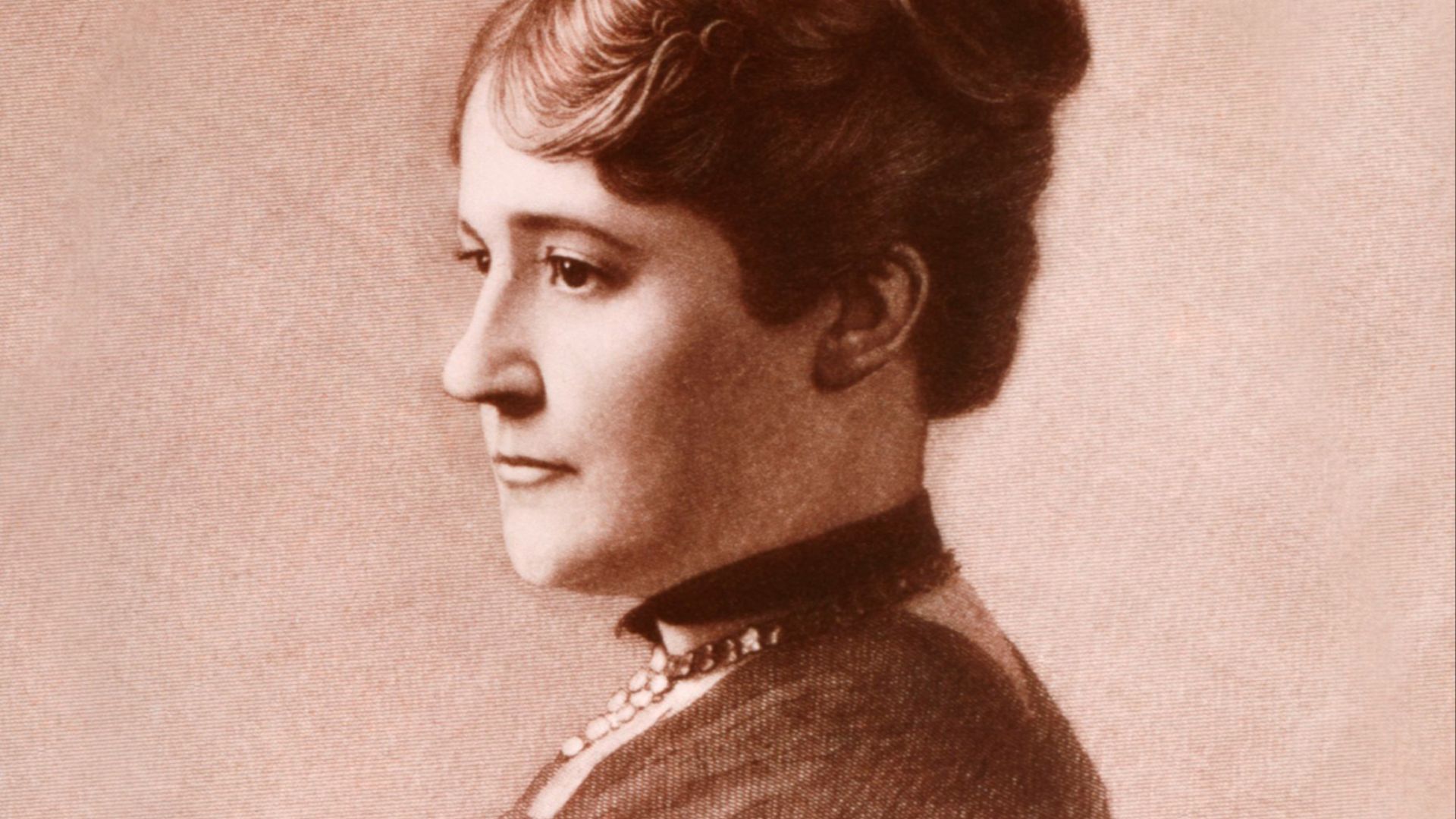 The Man in Question on Wikimedia
16. Olive Oatman
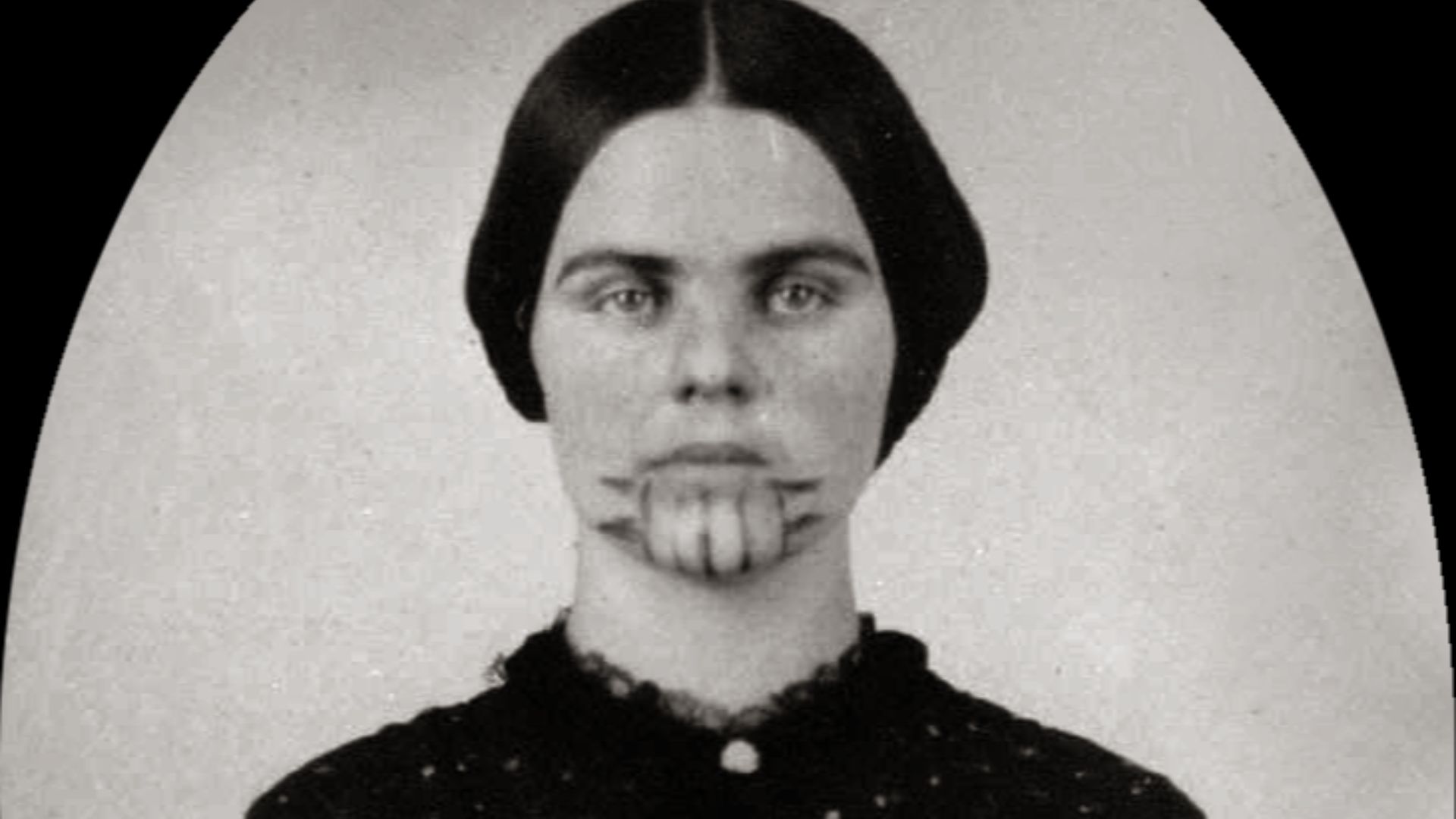
Olive Oatman was just 14 years old when she was captured in 1851 following an attack that killed several members of her family. After initially experiencing enslavement, she was transferred to the Mojave, where she was taken into a family and developed close emotional ties with members of the community. Her experiences reveal how complicated personal attachments could become when someone was forced to adapt to an entirely different life.
17. Patty Hearst
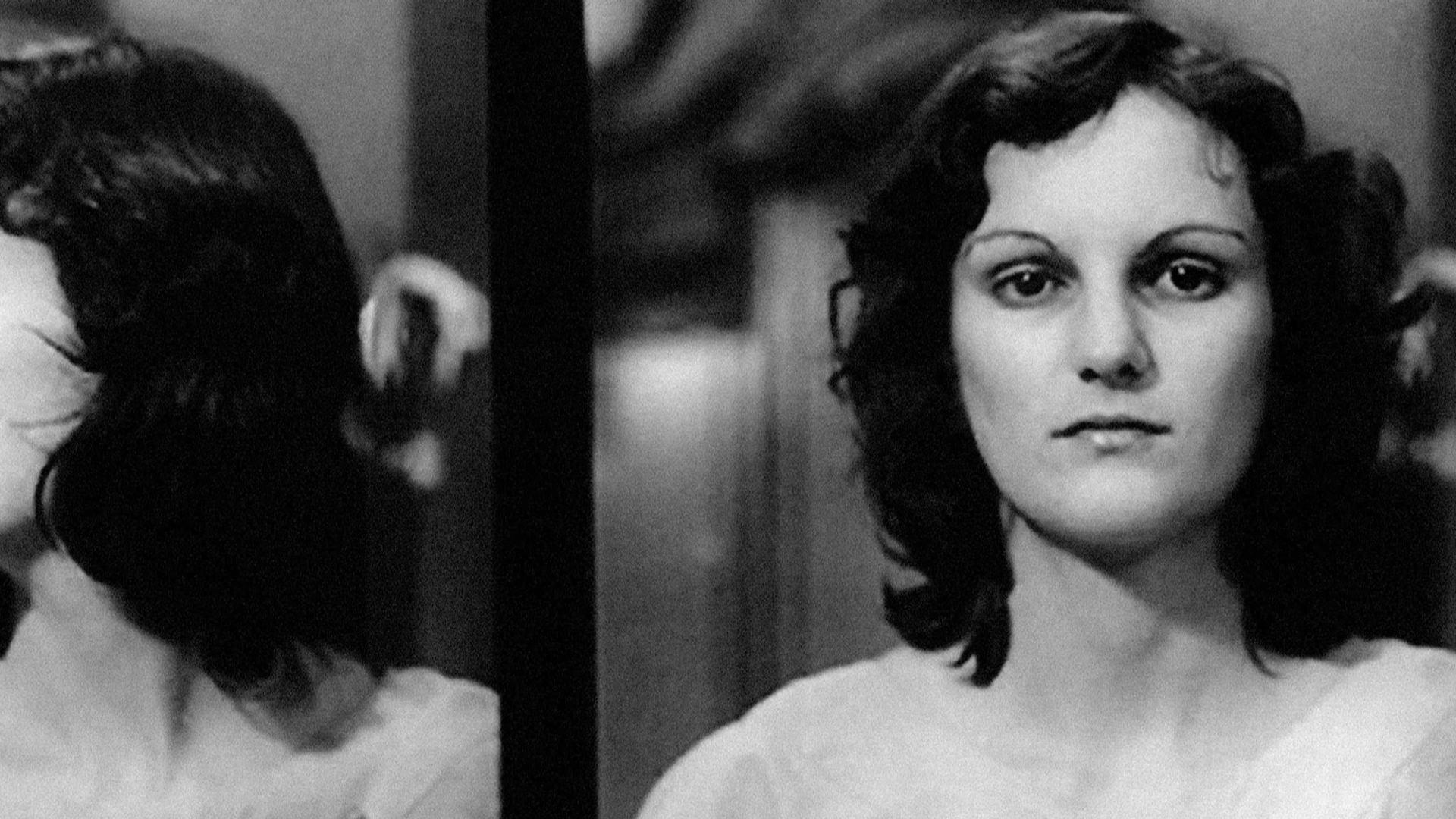
Newspaper heiress Patty Hearst was kidnapped by the radical Symbionese Liberation Army in 1974, sparking a case that fascinated Americans. After enduring serious abuse and coercion, she began participating in the organization's activities and later became romantically involved with Steven Soliah, a member of the group's wider circle, while living underground. Her dramatic change in behavior shocked the public, although the circumstances surrounding her involvement have remained controversial for decades.
18. Natascha Kampusch
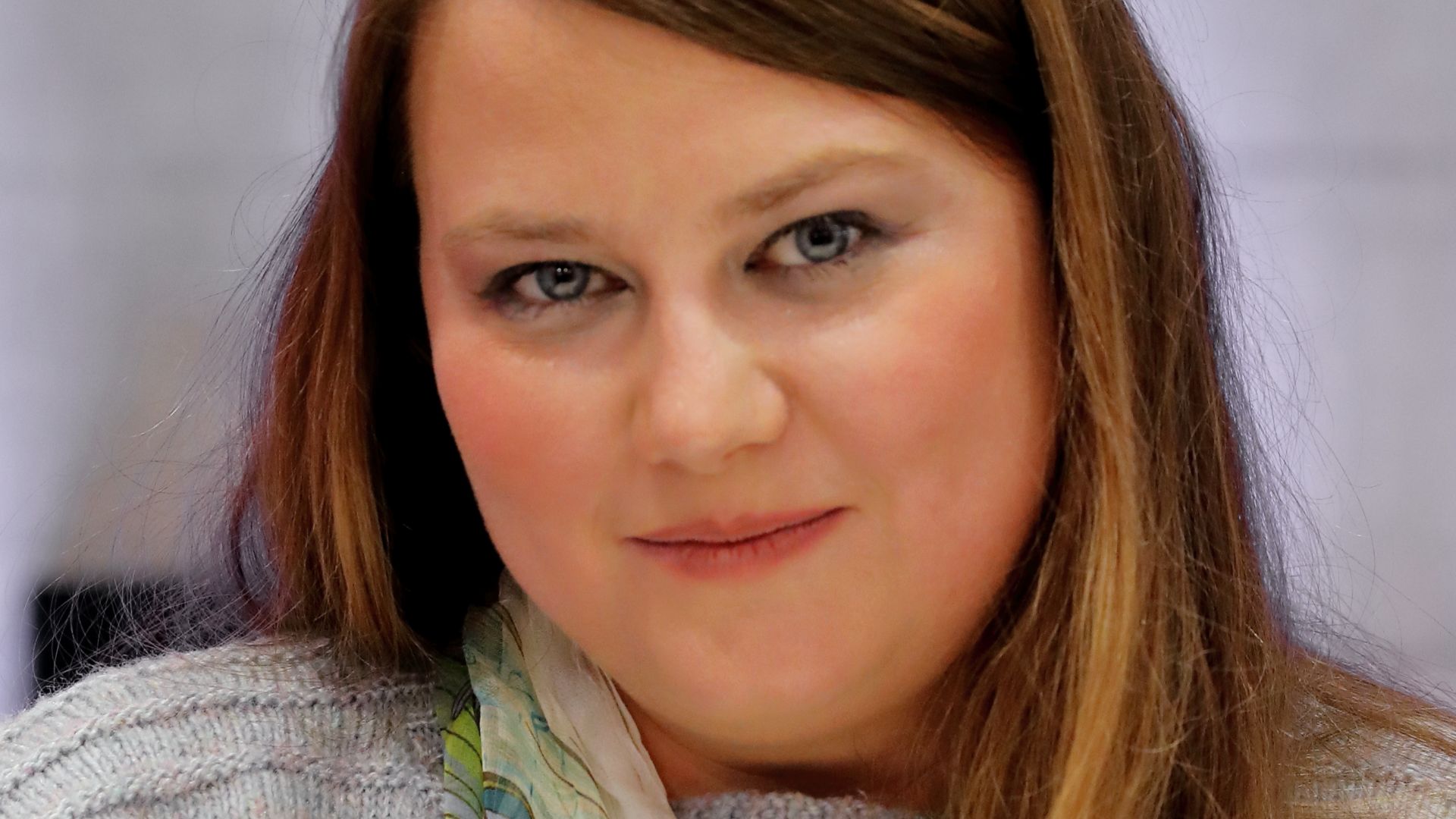
Natascha Kampusch was only 10 years old when Wolfgang Přiklopil abducted her in Austria in 1998. She spent more than eight years in captivity, experiencing isolation, threats, and abuse before finally managing to escape in 2006. When reports emerged that she had grieved after learning of Přiklopil's death, observers assumed she'd developed romantic feelings toward him, even if the truth is much more complicated.
19. John Tanner
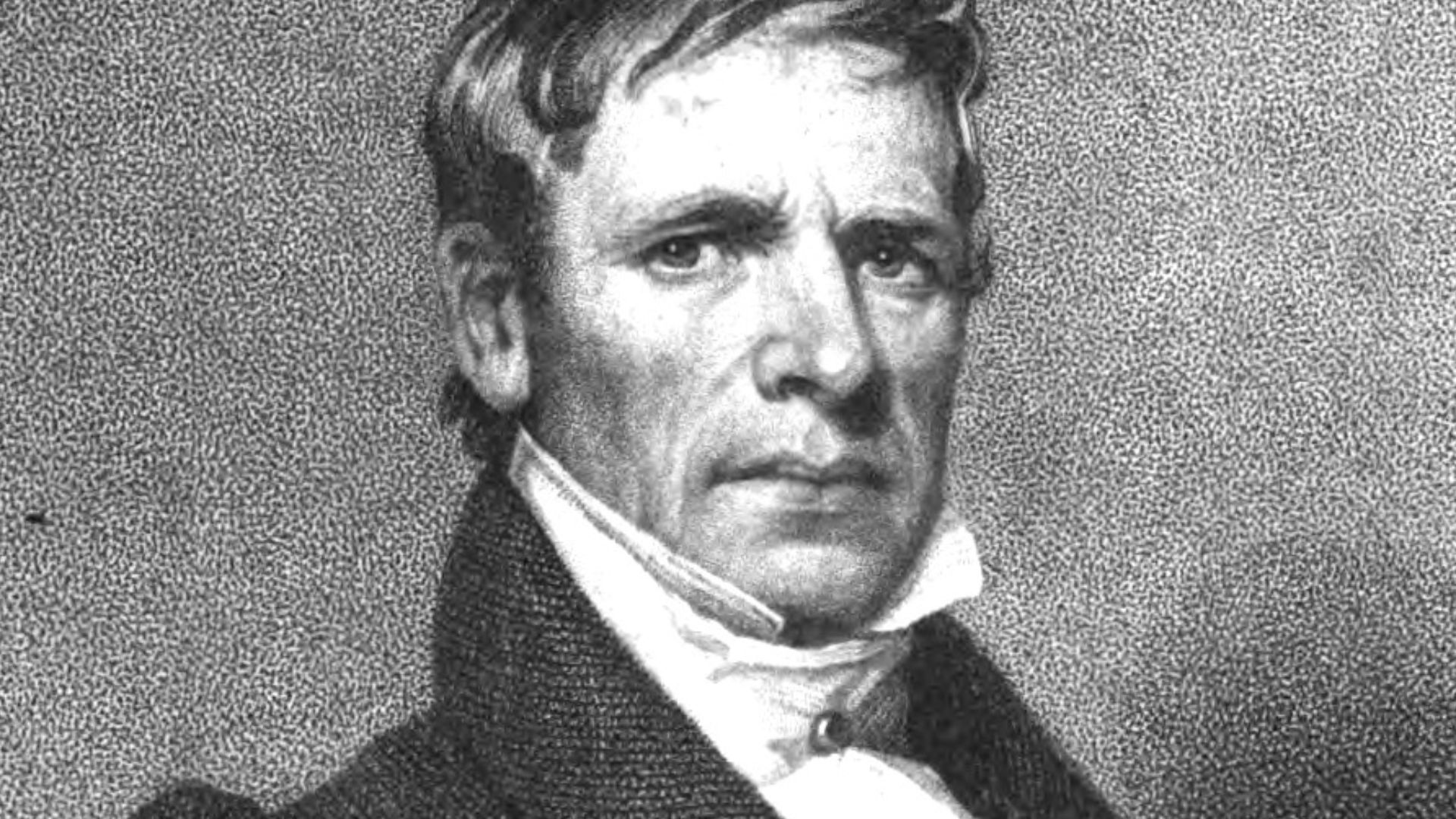
John Tanner was still a young boy when he was captured by Native Americans in the late 18th century and subsequently raised among Indigenous communities. Over the years, he adopted their customs, developed impressive hunting skills, and eventually married Native American women. His romantic relationships formed within the society that had raised him, rather than directly with the individuals who had originally taken him captive. Tanner's later writings offer a particularly revealing account of the complicated loyalties and emotional connections he developed during his many years away from the community of his birth.
 Edwin James (portrait exécuté à la demande de) on Wikimedia
20. Galla Placidia
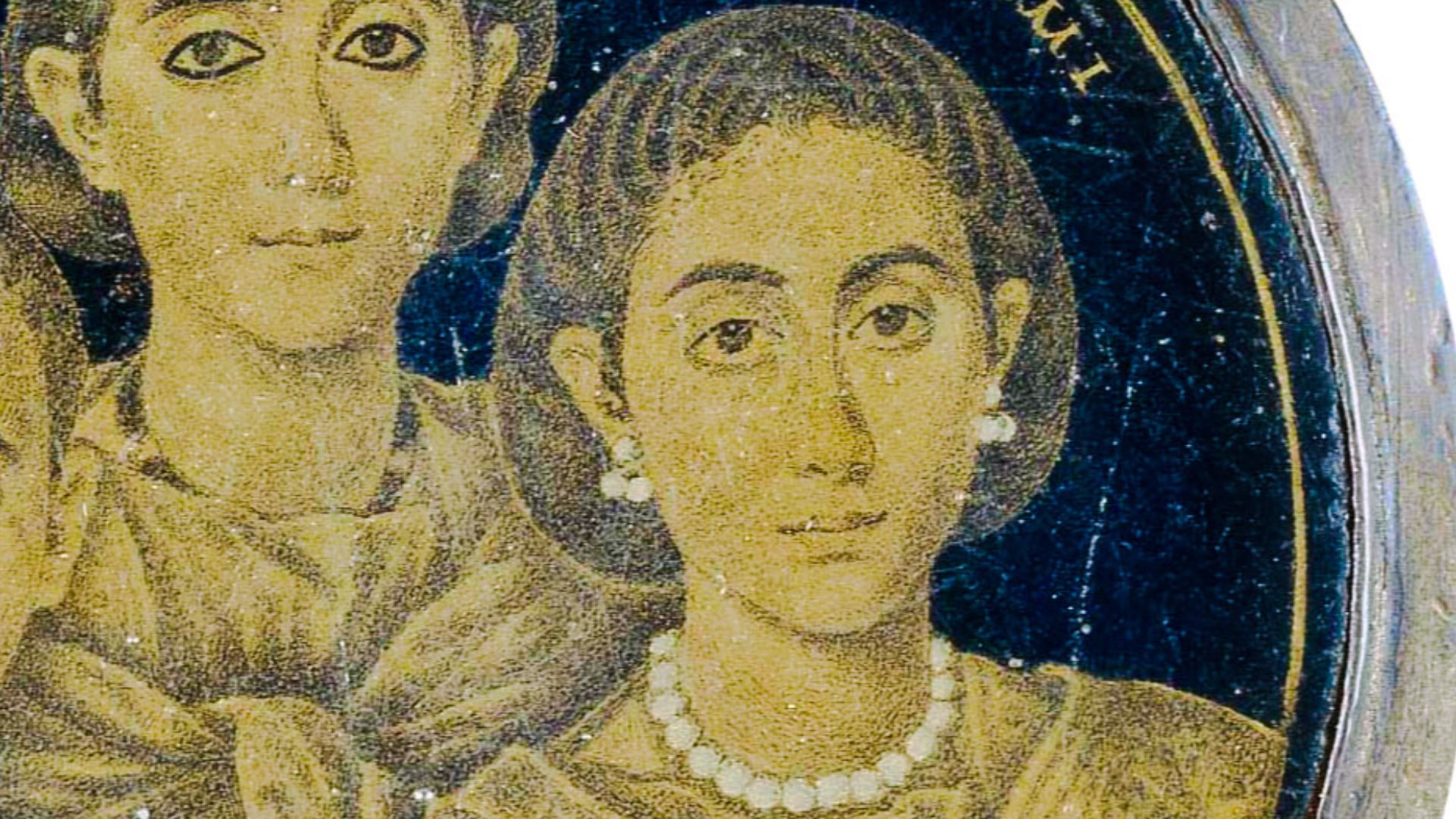
Galla Placidia, the daughter of Roman Emperor Theodosius I, was taken captive by the Visigoths when they sacked Rome in 410 AD. During her years in captivity, she developed a relationship with Athaulf, who became king of the Visigoths and eventually married her in 414. Their marriage was politically significant, but historical accounts have also inspired speculation that genuine affection existed between them. Unfortunately, their time together was cut short when Athaulf was assassinated in 415, leaving Placidia to eventually return to Roman society.
 Unknown authorUnknown author on Wikimedia
KEEP ON READING