
The Price Of The Cheaper Option
Cutting costs is a normal part of business, and most decisions to spend less never cause a problem. But cheaper materials, skipped safety measures, and postponed repairs can create risks that take years to become apparent. When something eventually goes wrong, investigators may trace the damage back to a decision that seemed reasonable at the time. Here are 20 cases where saving money ended up costing far more.
1. A Hunting Club Patched A Dam With Mud And Manure
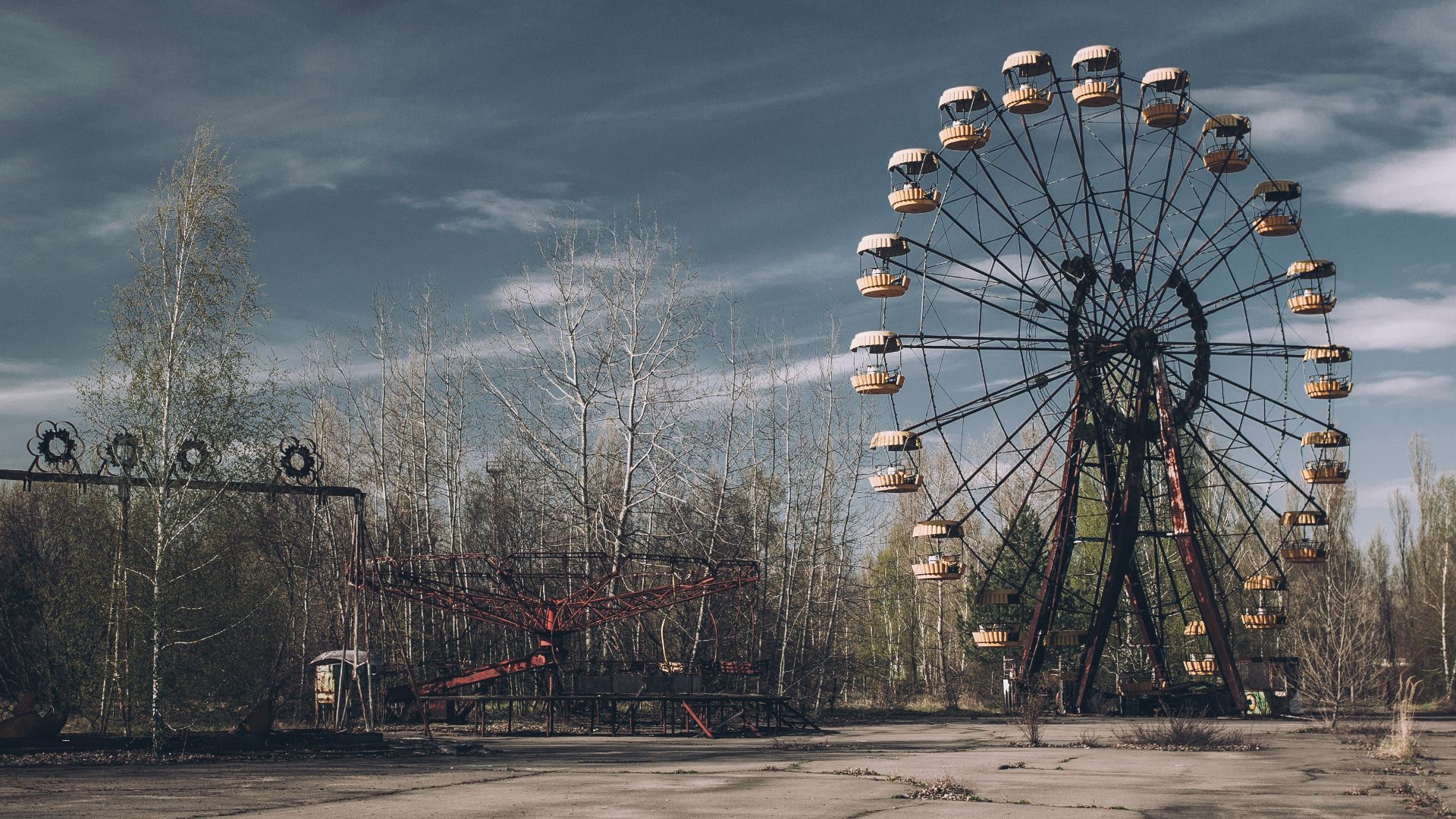
More than 2,200 people died below the South Fork dam in 1889. The fishing club that owned it had filled an old breach with rock, mud, and horse manure rather than pay for a rebuild, then cut the crest to widen the carriage road. Screens across the spillway, there to keep the stocked bass in, clogged as the water rose.
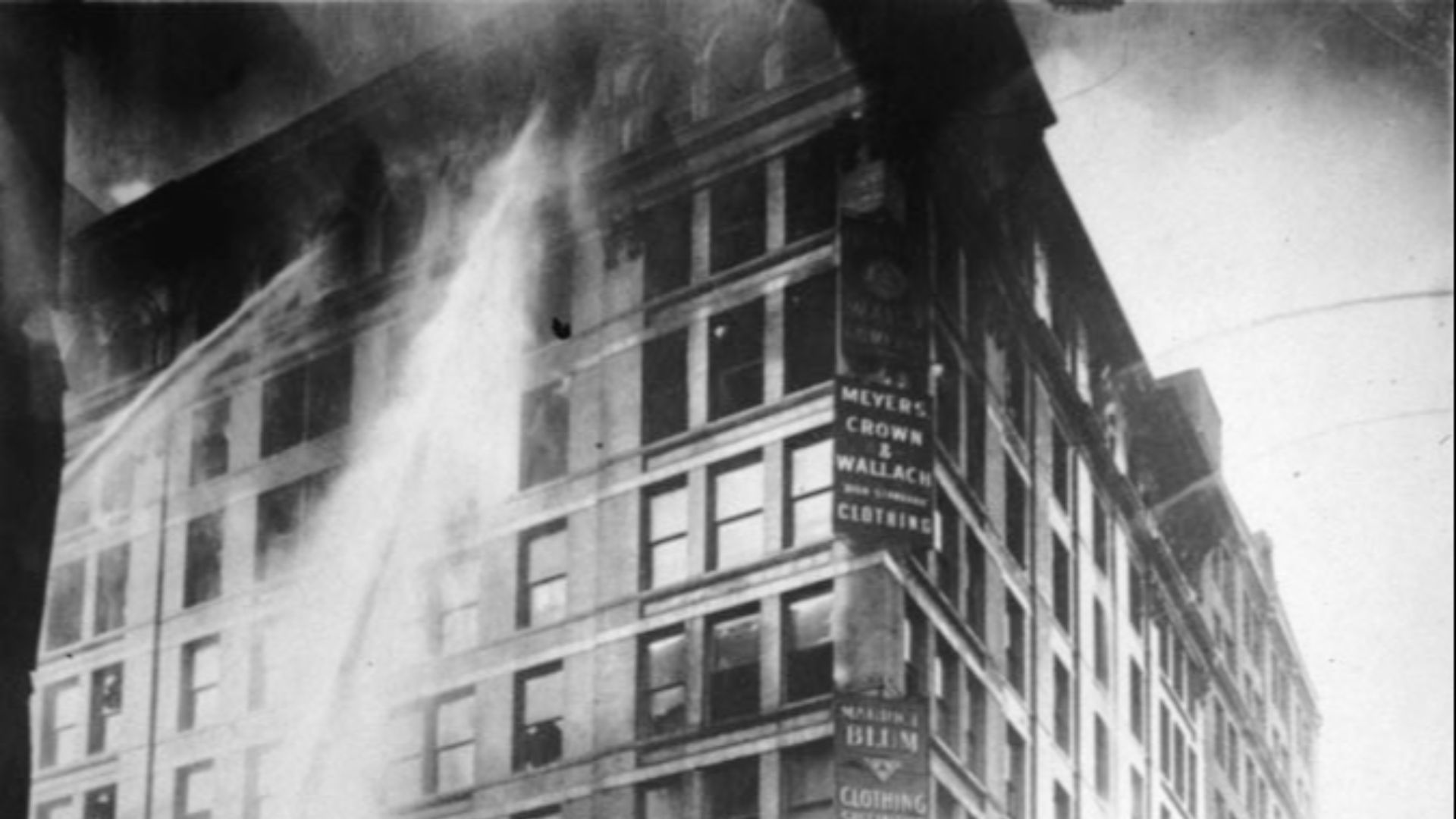
2. Locked Doors At The Triangle Shirtwaist Factory
Managers at the Triangle Waist Company kept a stairwell door locked during shifts, a normal anti-theft step in the garment trade. Fire reached the upper floors in March 1911, and the women inside met a door that would not open while the fire escape buckled under those already on it. The toll was 146.
 Unknown authorUnknown author on Wikimedia
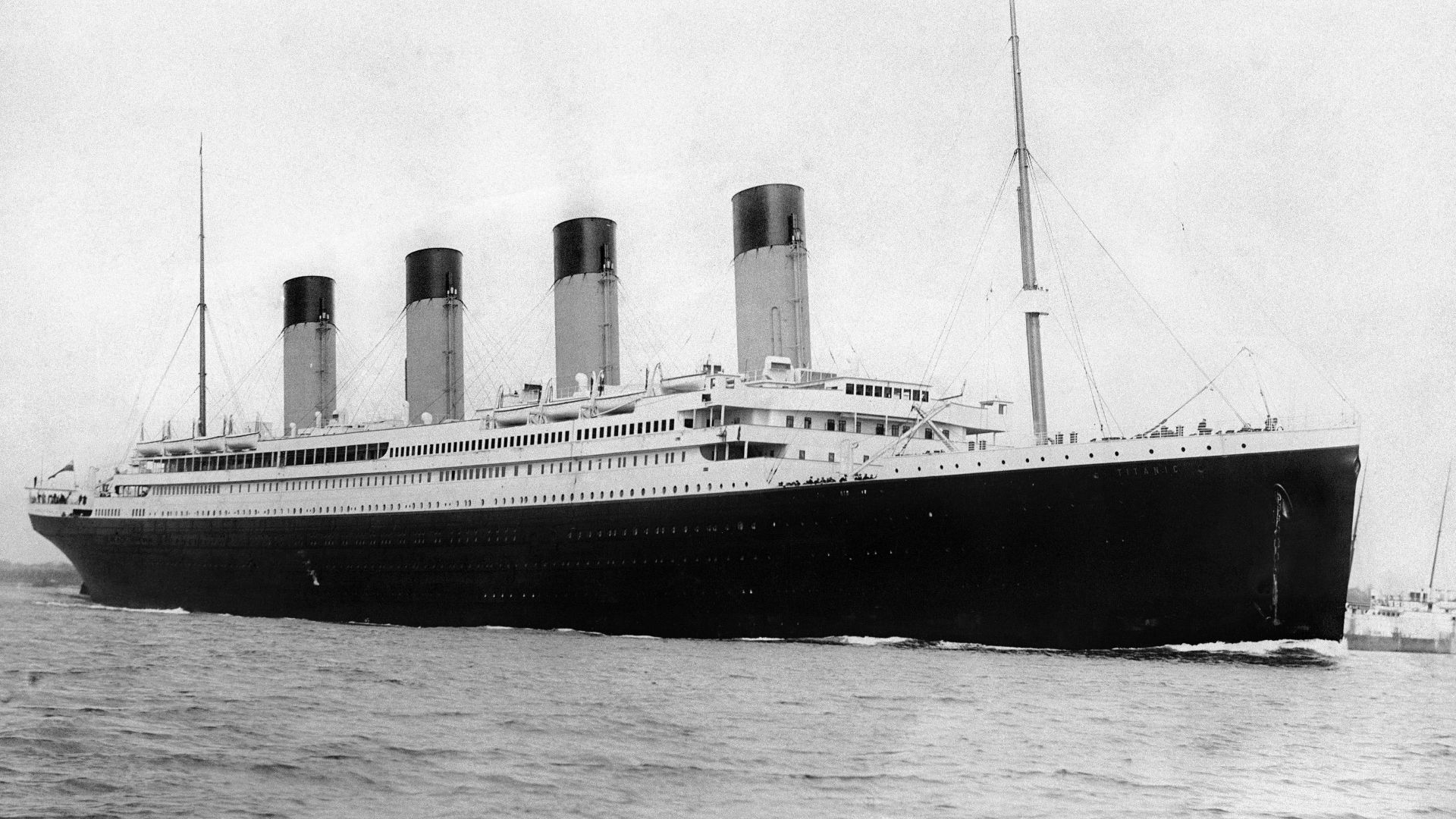
3. Twenty Lifeboats On The Titanic
The Titanic carried lifeboat seats for roughly half the people aboard, which comfortably cleared the British rules of the day. Davits capable of holding a far larger number were considered and dropped, since open deck space had commercial value. Around 1,500 died in 1912, some within sight of boats that launched half empty.
 Francis Godolphin Osbourne Stuart on Wikimedia
4. A Molasses Tank Nobody Tested
United States Industrial Alcohol skipped the usual practice of filling its new Boston molasses tank with water to test for leaks. It groaned and dripped from the day it went into service, so the company painted it brown to hide the seepage. The tank burst in January 1919 and sent a wave of molasses through the North End, killing 21.

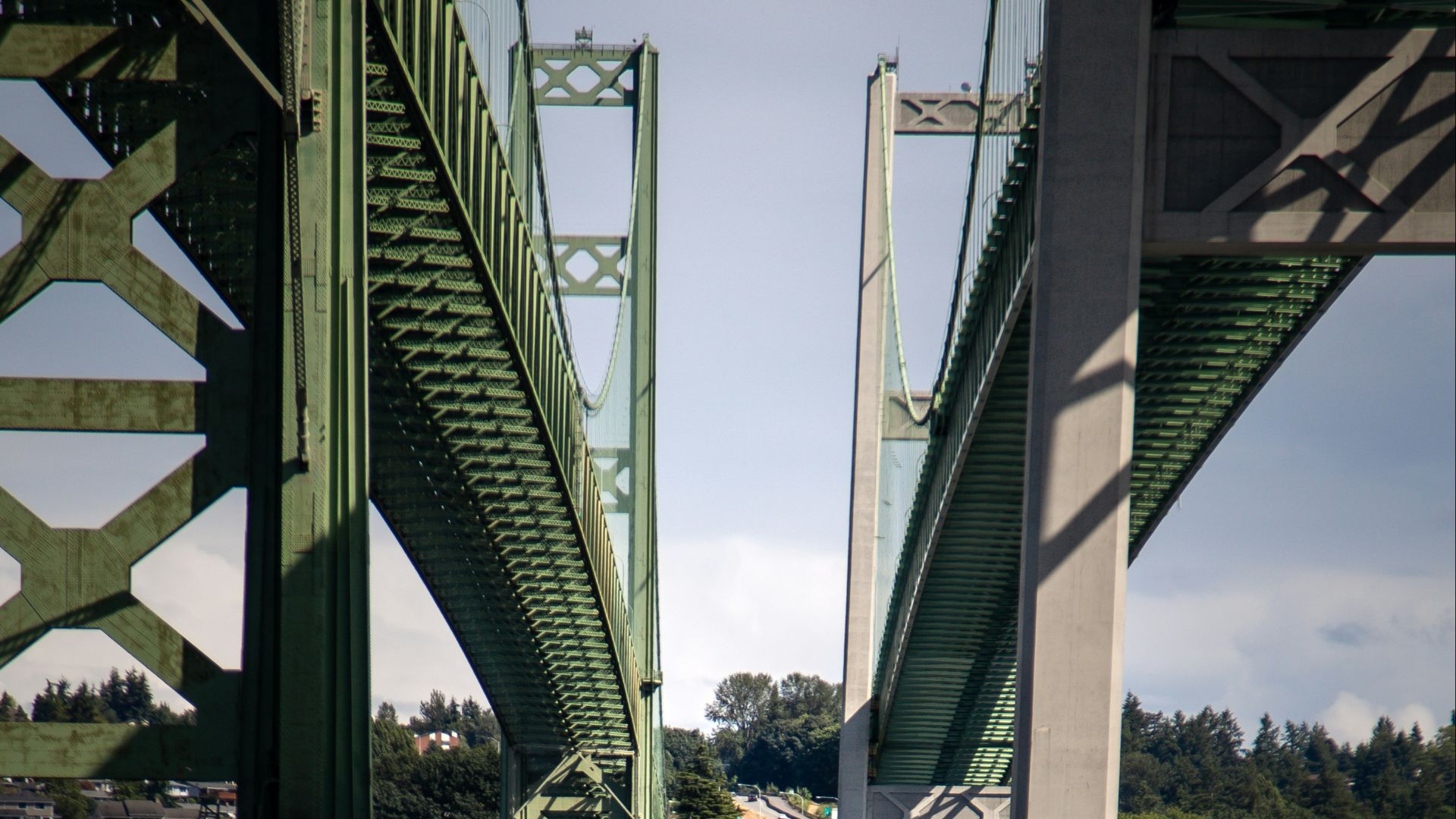
5. Shallow Girders On The Tacoma Narrows Bridge
Deep stiffening trusses were in the original plan for the Tacoma Narrows crossing. A cheaper proposal swapped them for shallow plate girders, saving a great deal of steel and leaving the deck almost no resistance to twisting. The bridge opened in July 1940 and tore itself apart in a moderate wind four months later.
6. Coal Waste Tipped Above A School
Carting spoil away from Aberfan cost money, so the National Coal Board tipped it on the mountain above the village, one tip sitting over a known spring. The slide in October 1966 killed 144 people, 116 of them children at the Pantglas school. The tribunal afterward found the Board had ignored its own warnings about tipping onto water.
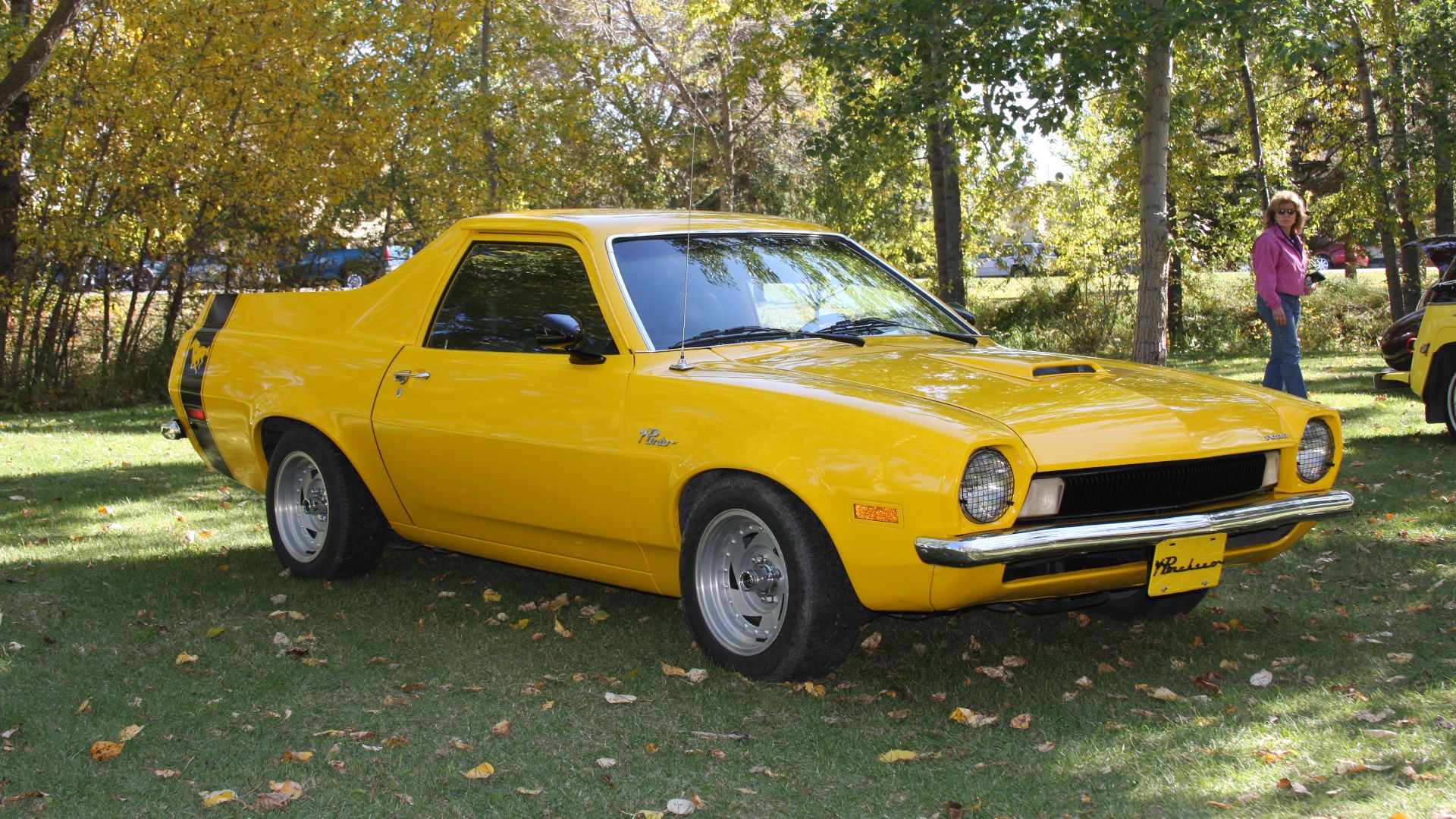
7. An Eleven-Dollar Part On The Ford Pinto
Ford understood that the Pinto's fuel tank could rupture in a rear-end collision, and internal documents weighed modification costs against projected payouts. Reporting by Mother Jones in 1977 put the per-car fix at around eleven dollars. A California jury in Grimshaw v. Ford returned a record punitive award the following year.
 dave_7 from Lethbridge, Canada on Wikimedia
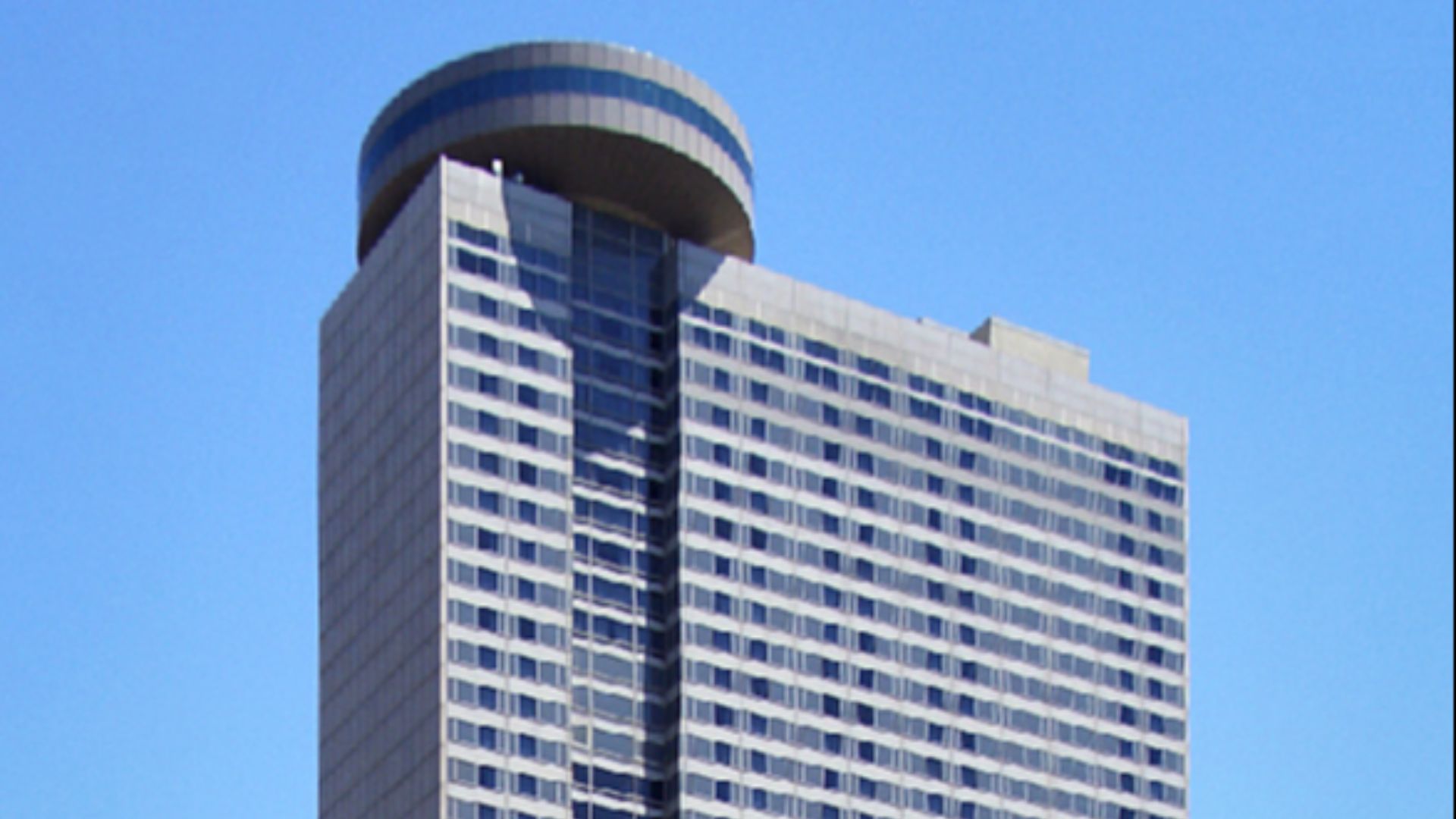
8. A Changed Hanger Rod At The Hyatt Regency
Two walkways came down into the Hyatt Regency lobby in Kansas City during a tea dance in July 1981, killing 114. The original design hung them from continuous steel rods running the full height of the atrium. A fabricator asked for a simpler two-rod version, which doubled the load on a single connection.
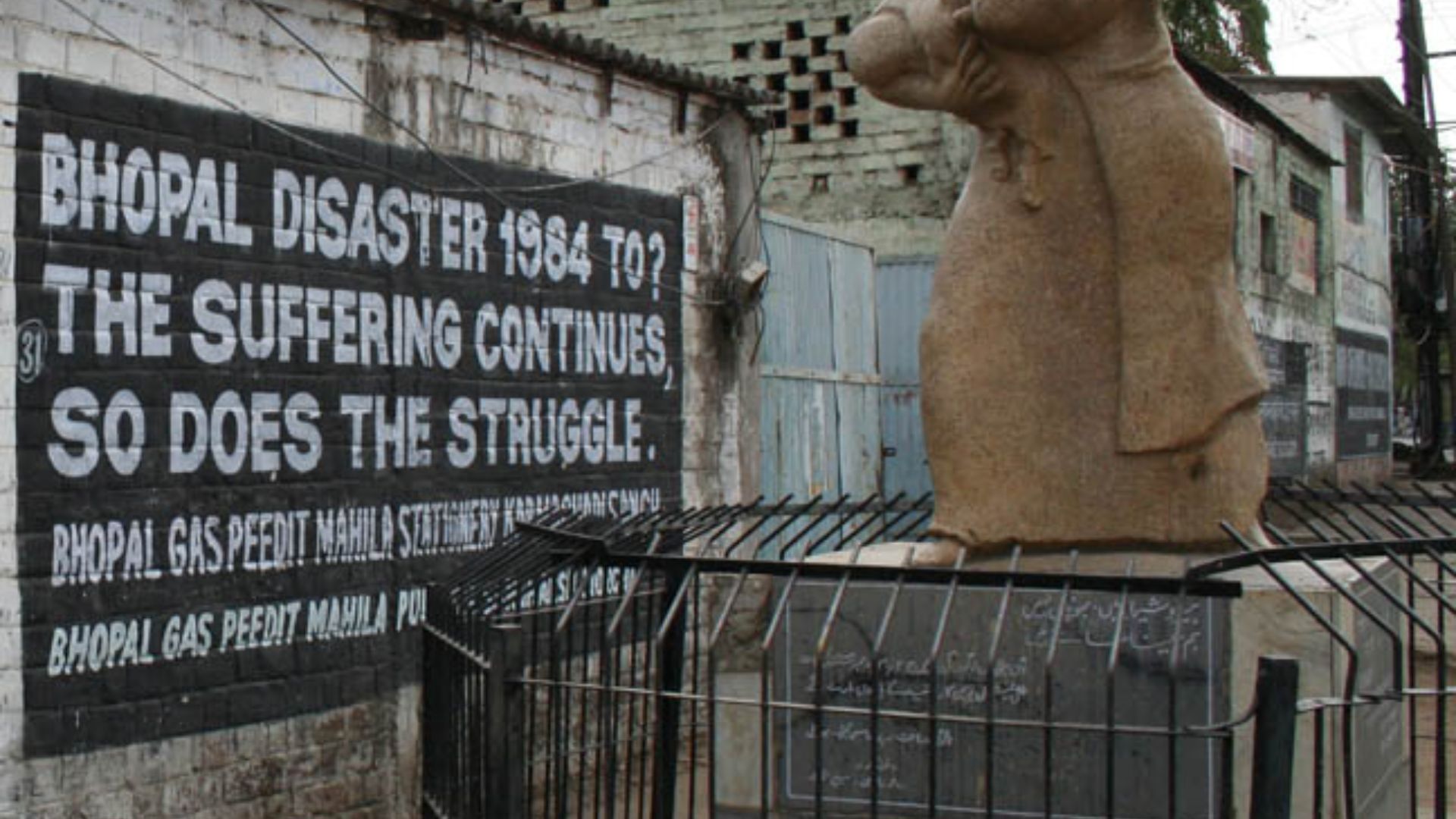
9. Bhopal's Refrigeration Unit Switched Off
Union Carbide's Bhopal plant was losing money, and cost cuts had reached its safety systems. The refrigeration system used to keep methyl isocyanate cool had been shut down, while the gas scrubber and flare tower were unable to contain a major leak. In December 1984, water entered a storage tank, triggering a chemical reaction that released toxic gas into surrounding neighborhoods. Thousands of people died within days.
 The original uploader was Simone.lippi at Italian Wikipedia. on Wikimedia
10. A Reactor Built Without A Containment Shell
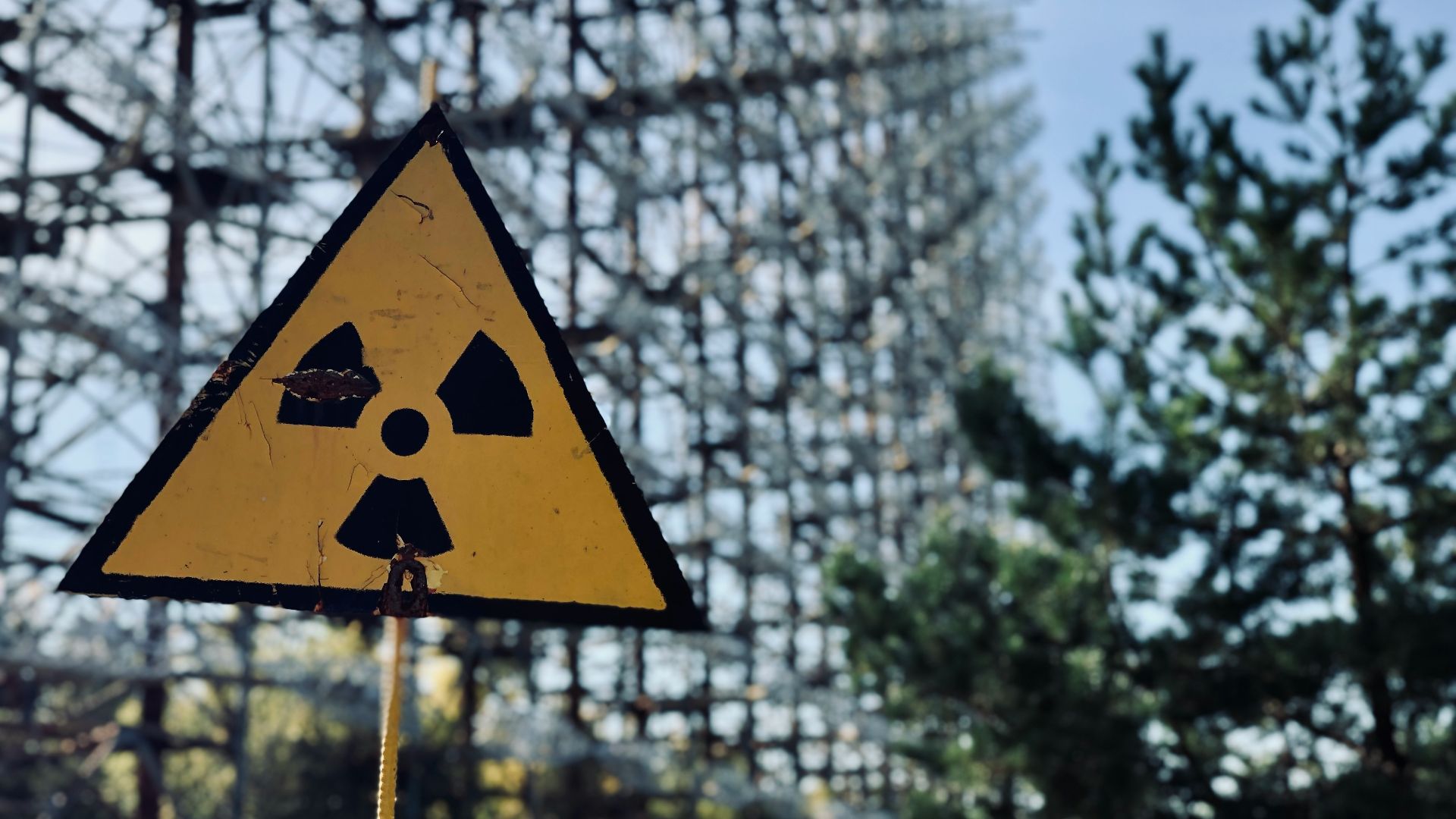
The RBMK design at Chernobyl appealed to Soviet planners partly because it was cheap to build and used equipment the country already made. Among the savings was the heavy containment structure standard on Western reactors. When the core destroyed itself in April 1986, nothing stood between the burning graphite and the open sky.
 Vladyslav Cherkasenko on Unsplash
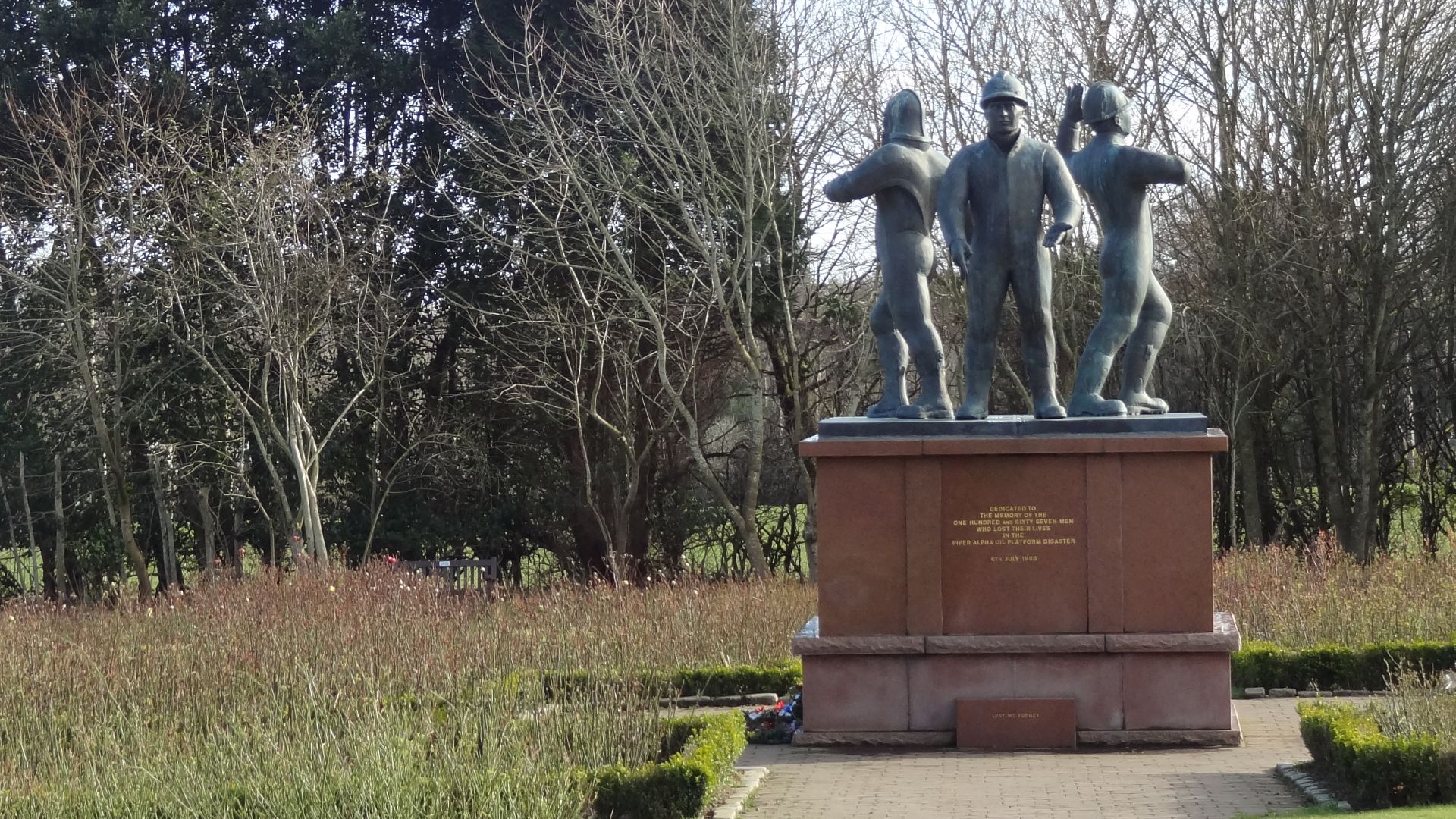
11. Production Kept Running On Piper Alpha
Occidental kept its Piper Alpha platform producing oil while maintenance crews worked on its equipment. On July 6, 1988, one condensate pump failed, and the night shift tried to restart another that had been stripped of its pressure safety valve. Lord Cullen's inquiry found that poor shift handovers and a faulty permit-to-work system had left operators unaware of the danger. The resulting explosions and fire killed 167 of the 226 men aboard.
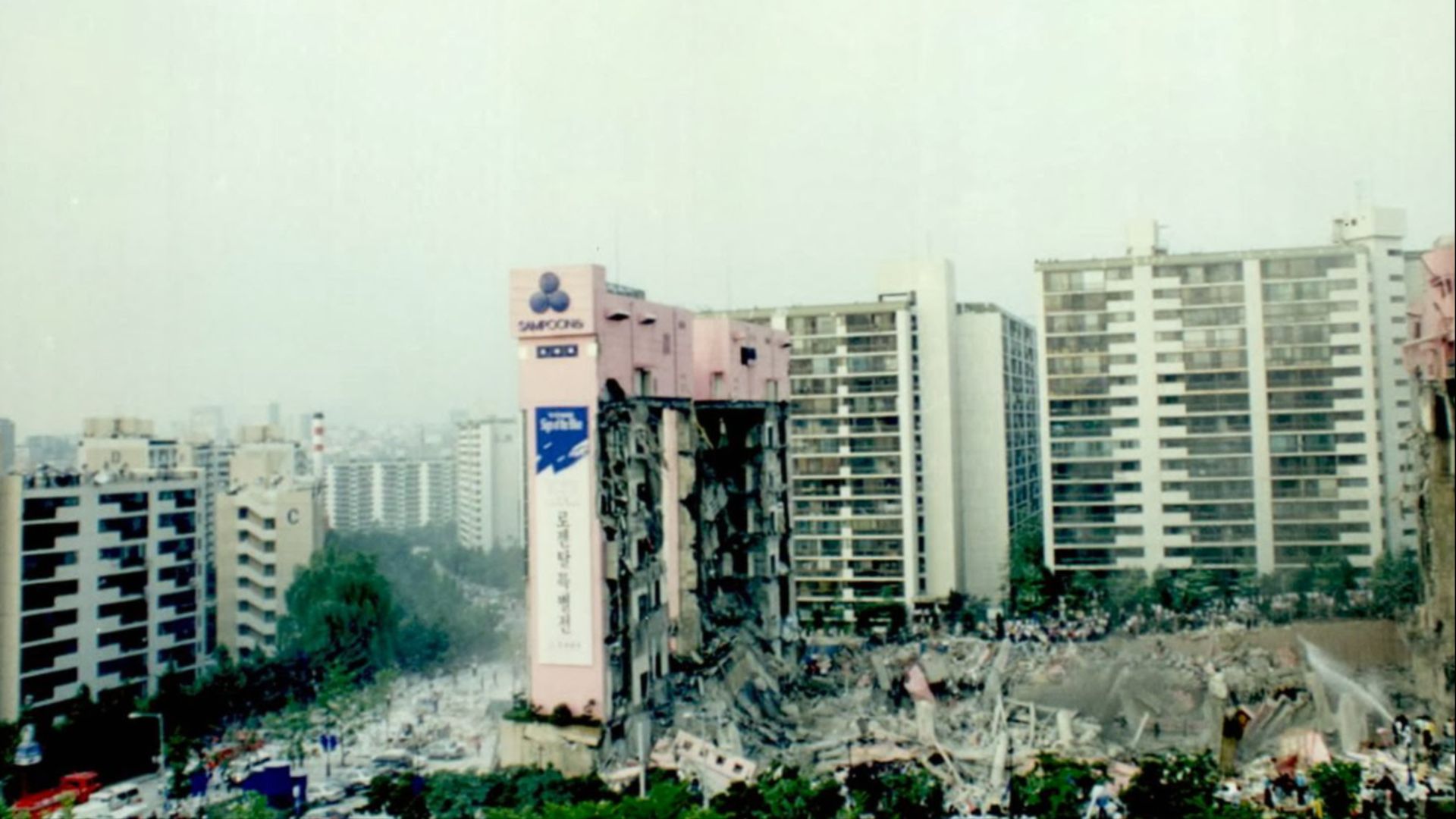
12. Air Conditioners Dragged Across A Roof
Over 500 people were killed when the Sampoong Department Store in Seoul collapsed in June 1995. Support columns had been removed to make room for escalators, and a floor of restaurants added over contractors' objections. The rooftop air conditioning units, heavier than the structure allowed, were dragged across the slab instead of craned off.
13. Water Testing Sent To The Lowest Bidder
Walkerton's drinking water was contaminated with E. coli in May 2000 after manure washed into a shallow well. Justice Dennis O'Connor's inquiry found that provincial budget cuts had pulled government labs out of routine testing, and that the private labs taking the work had no duty to report bad results. Seven died in a town of under 5,000.

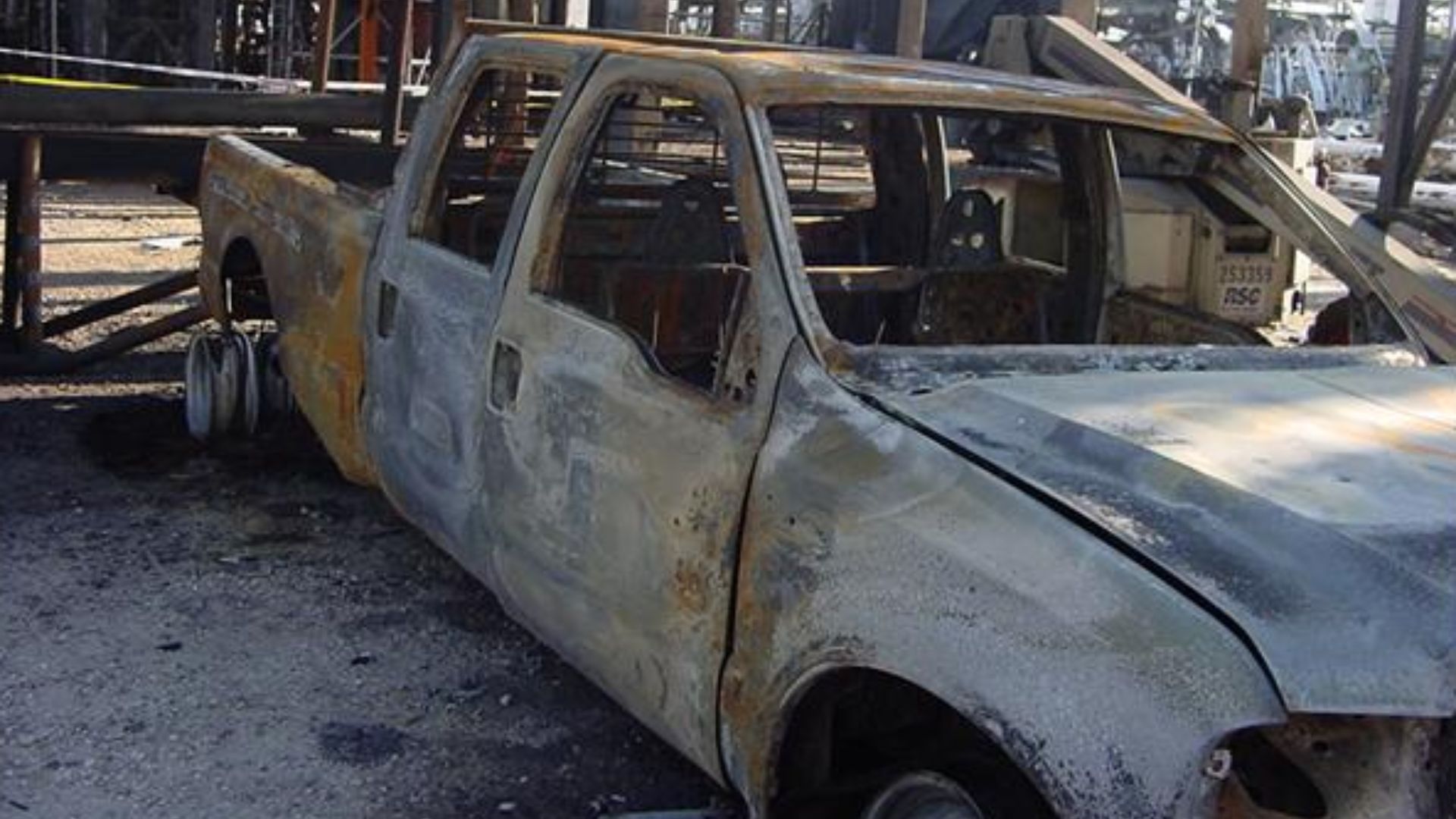
14. BP's Fixed-Cost Cuts At Texas City
Fifteen workers were killed at BP's Texas City refinery in March 2005. BP had cut fixed costs across its refineries by a quarter at the end of the 1990s, leaving the plant on aging equipment. The Chemical Safety Board found it still venting flammable liquid from an open blowdown stack, a design the industry had spent years replacing with flares.
 Chemical Safety Board on Wikimedia
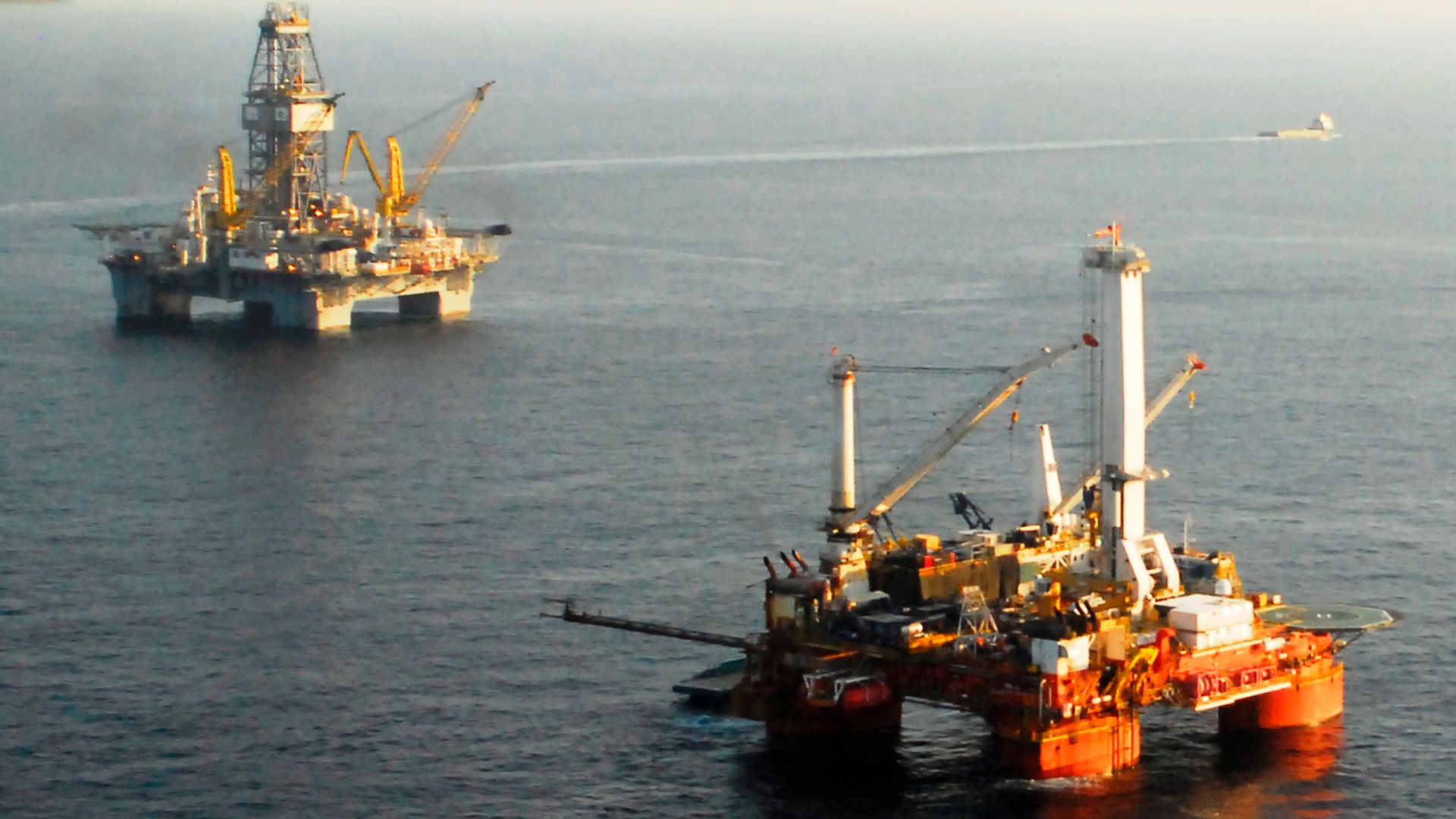
15. Six Centralizers Instead Of Twenty-One
BP's Macondo well was behind schedule and over budget when the company made several decisions that saved time or money. It installed just six centralizers instead of the 21 Halliburton recommended and skipped a cement bond test that would have cost approximately $128,000. The casing design was also estimated to save between $7 million and $10 million. On April 20, 2010, the well blew out, killing 11 workers aboard the Deepwater Horizon.
 Sara Francis, U.S. Coast Guard on Wikimedia
16. A Tsunami Estimate TEPCO Left On The Shelf
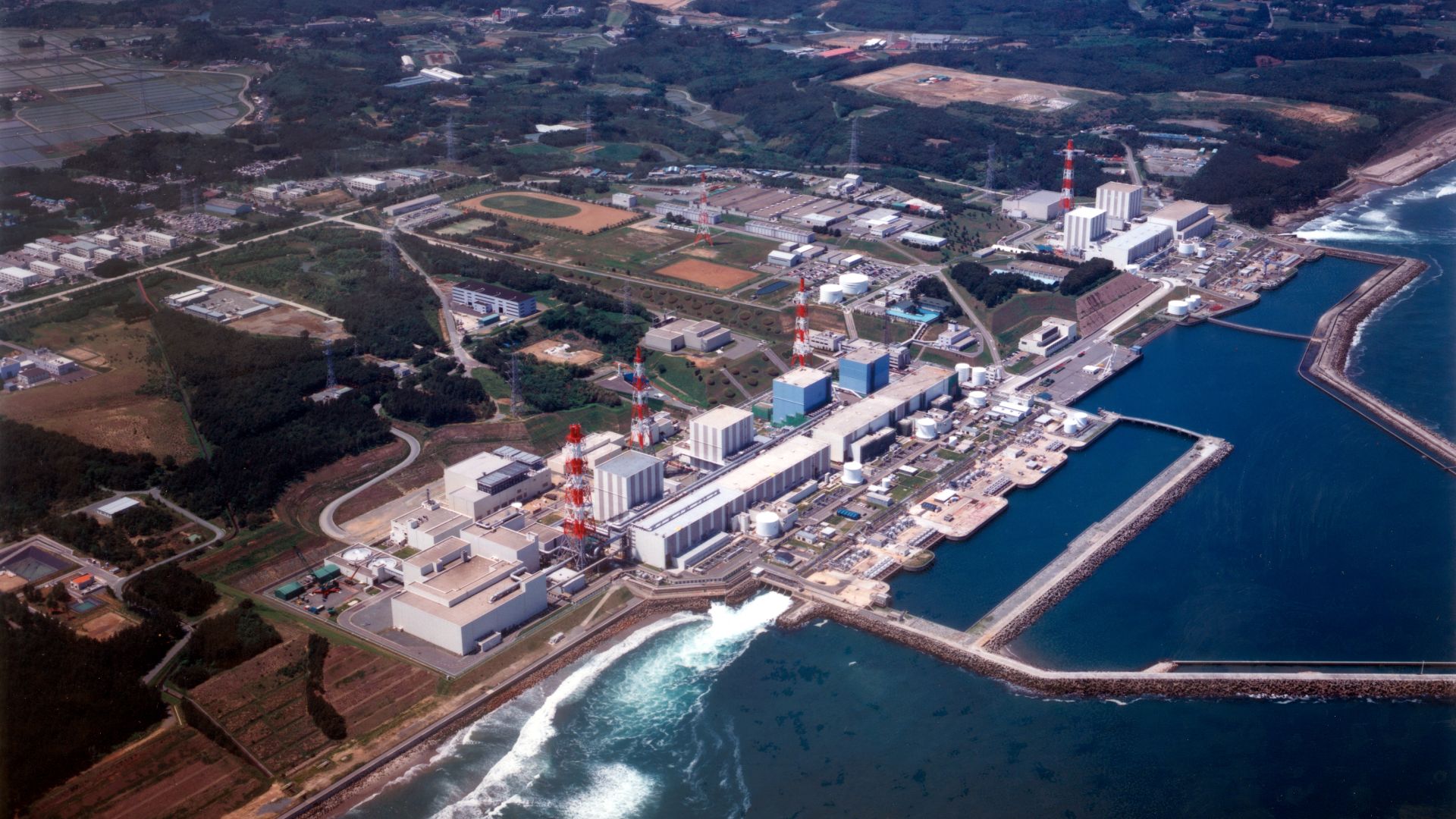
In 2008, TEPCO engineers calculated that a tsunami reaching 15.7 meters could strike Fukushima Daiichi, far beyond what the plant's defenses could withstand. The company considered additional flood protections but delayed action, arguing that the estimate was too uncertain. When a tsunami struck in March 2011, seawater flooded the backup generators and disabled critical cooling systems. Three reactors suffered meltdowns.
17. Flint's Switch To The River
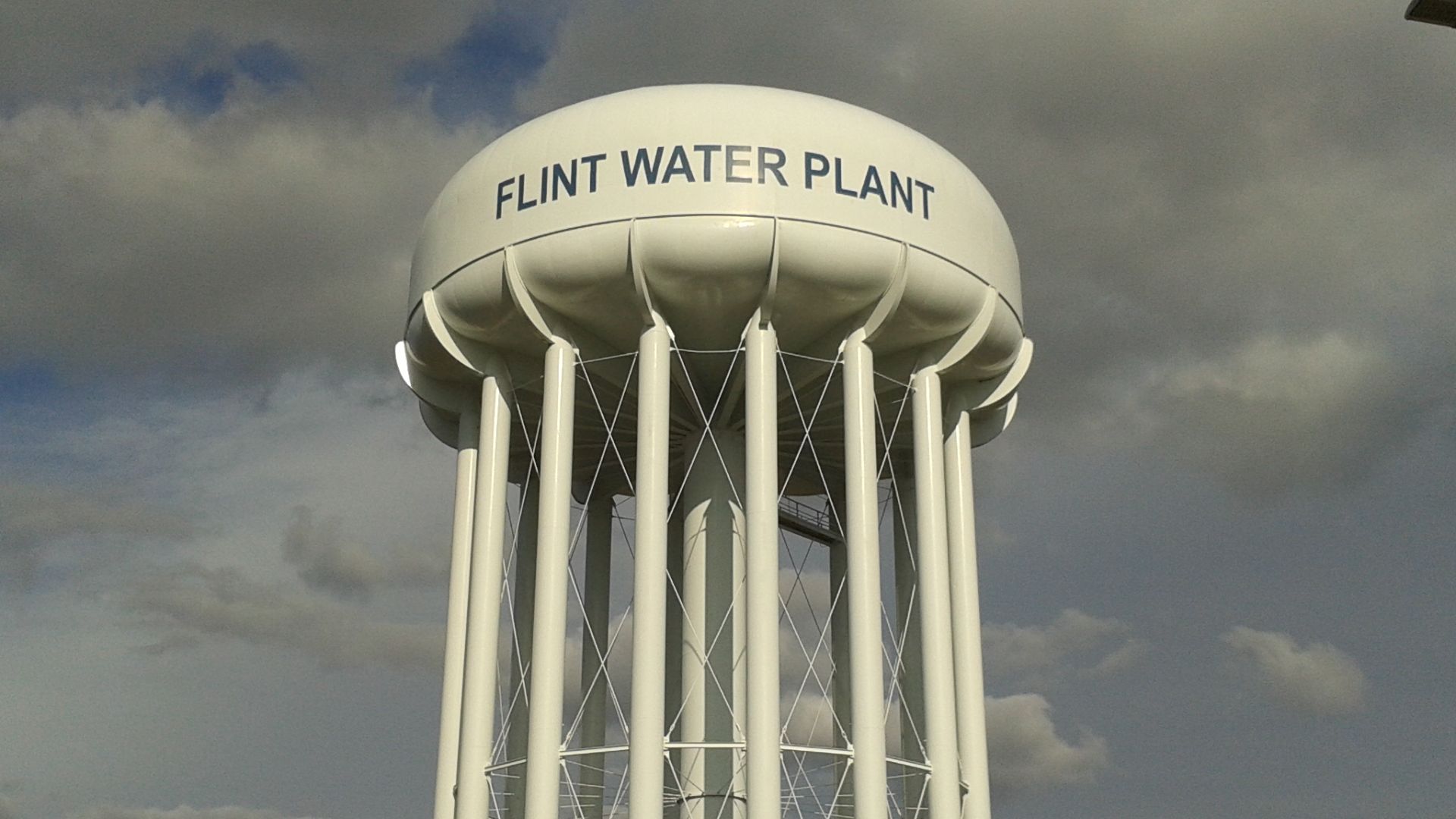
Flint moved its water supply to the Flint River in 2014 under state-appointed emergency management, with a cheaper pipeline on the way and the city's finances setting the timetable. Corrosion control treatment was never added, so the water stripped lead out of the old service lines. Michigan's own task force put the blame for what followed on state government.
 unknown, United States Environmental Protection Agency on Wikimedia
18. Oroville's Unarmored Emergency Spillway
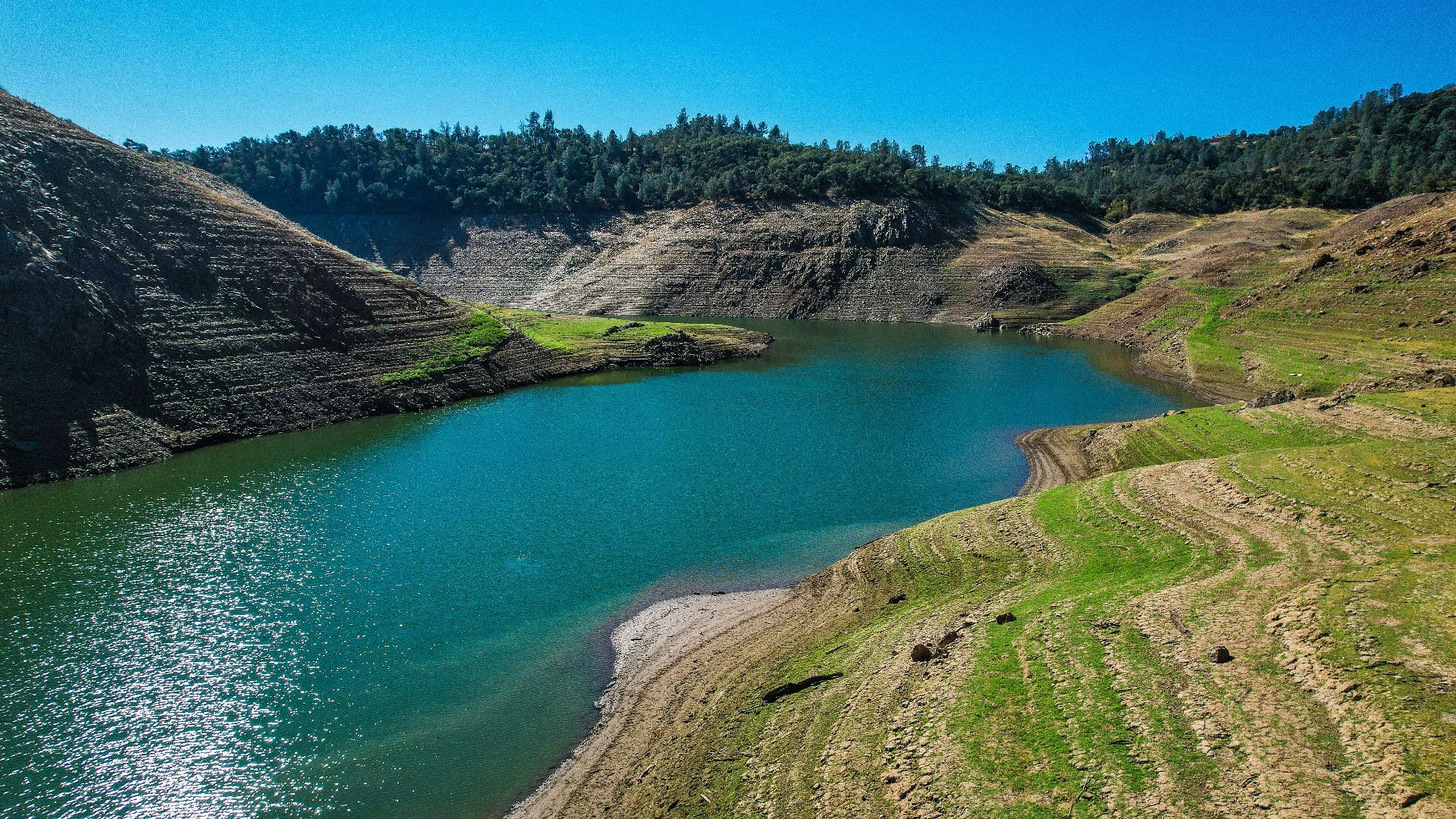
Armoring the emergency spillway at Oroville Dam came up during relicensing in the 2000s and was judged unnecessary, which made it the cheaper call. The main spillway broke apart in February 2017, leaving the bare hillside as the backup. Erosion climbed toward the structure fast enough that close to 200,000 people downstream were told to leave.
19. Grenfell's Cheaper Cladding Panels
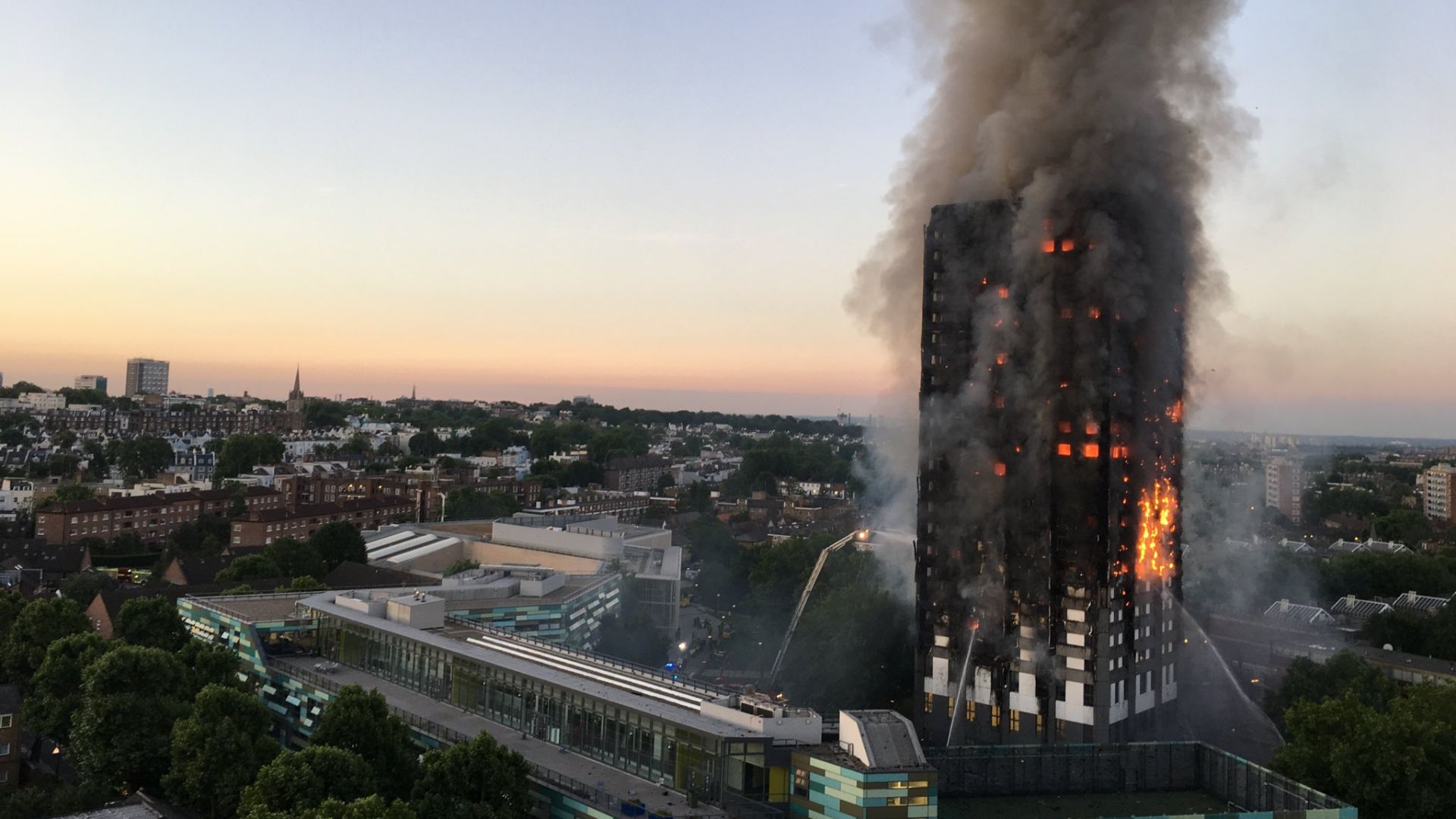
The Grenfell Tower refurbishment changed the cladding from a zinc product to aluminium composite panels with a polyethylene core. Leaked documents reported by the BBC and The Times put the saving at about £293,000 on a contract already under pressure. The fire in June 2017 climbed the outside of the building and killed 72.
20. Avoiding Simulator Training On The 737 MAX
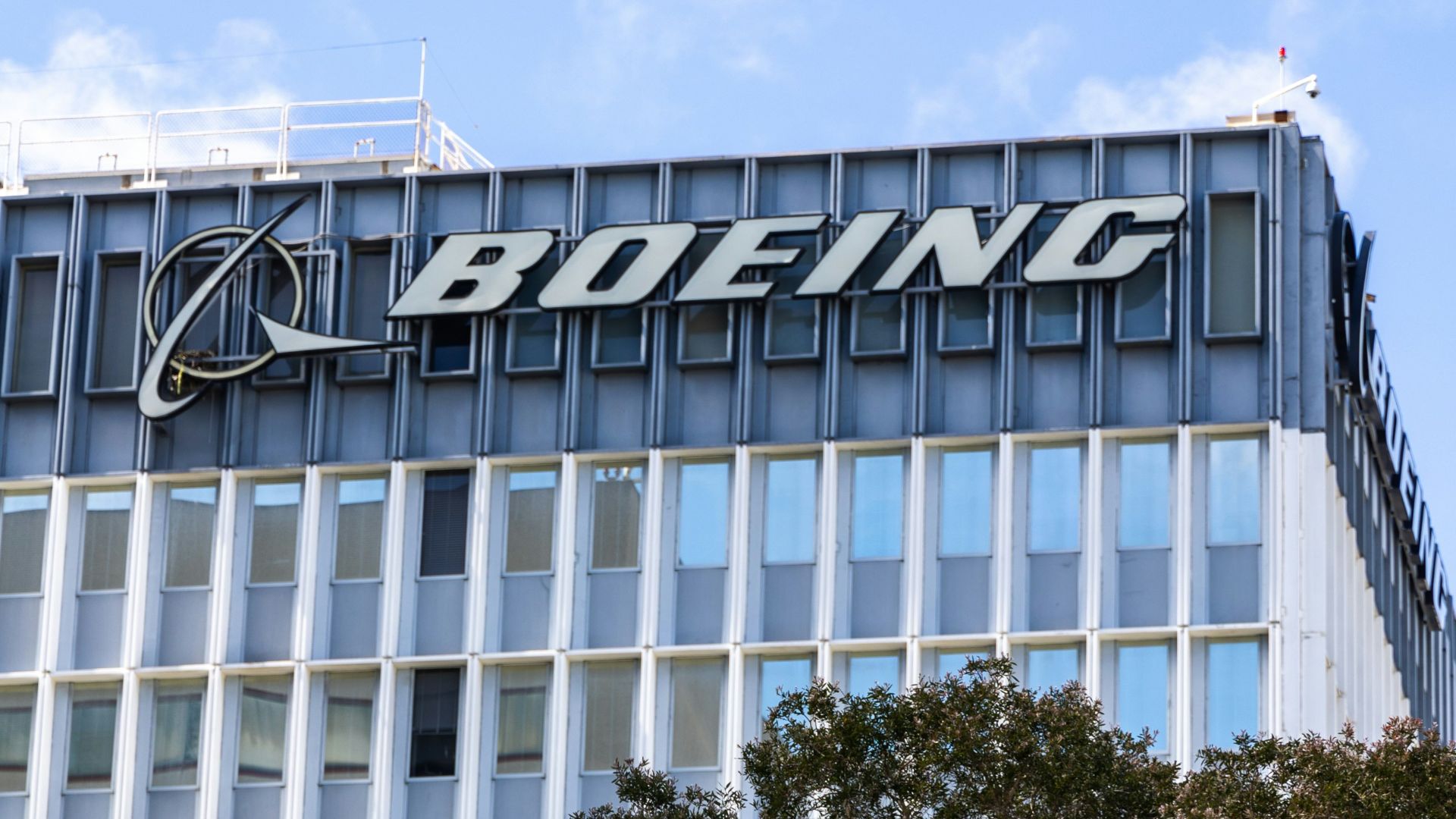
Boeing wanted a MAX that needed no simulator time for pilots already flying the 737, since training hours cost airlines money. The Wall Street Journal reported a promise to Southwest of a million dollars per aircraft if simulator training proved necessary. MCAS ran on a single angle-of-attack sensor, and 346 people died in two crashes before the grounding.
KEEP ON READING