

The Animals Were Supposed to Be Gone by Now
Eradication sounds like a policy with a clear ending. A pest gets named and a budget follows, usually with a date attached by which the animal is supposed to be gone from the country. What tends to happen instead is a program that becomes permanent, carrying annual funding and no finish line. Some of the campaigns below ran for decades and one of them collapsed inside a week. Here's 20 attempts by governments to wipe out an animal that the animal survived.
1. Australia Sent Soldiers With Machine Guns After Emus
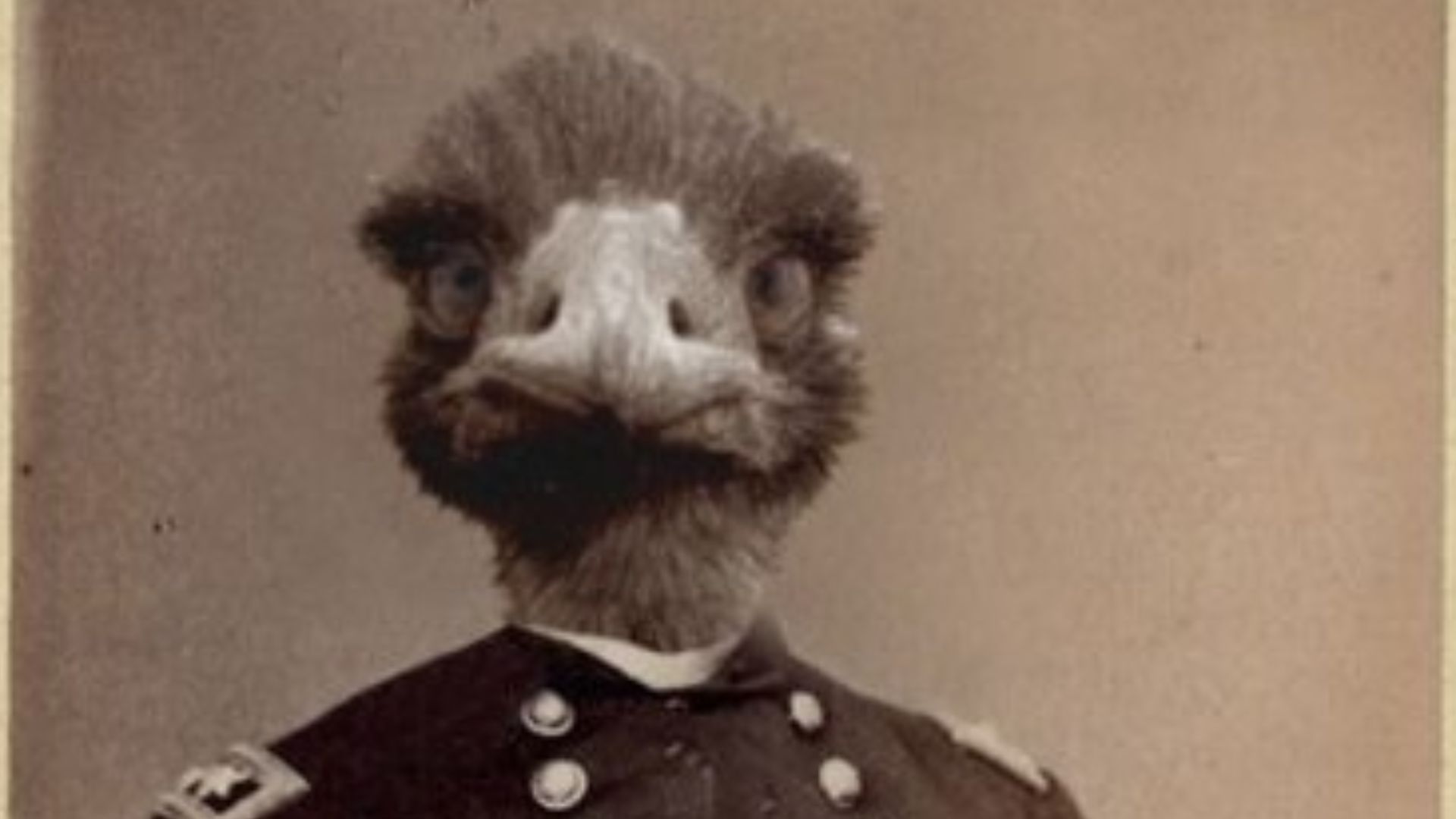
Western Australian farmers asked for military help in 1932, and the defence minister sent artillerymen with two Lewis guns and 10,000 rounds. The district held at least 20,000 emus. Troops fired roughly 2,500 rounds and killed somewhere between 50 and 200 birds before being recalled within a week. A bounty scheme took about 284,700 emus in the state between 1945 and 1960.
 Unknown authorUnknown author on Wikimedia
2. Hanoi Paid Per Rat Tail And Got Rat Farms
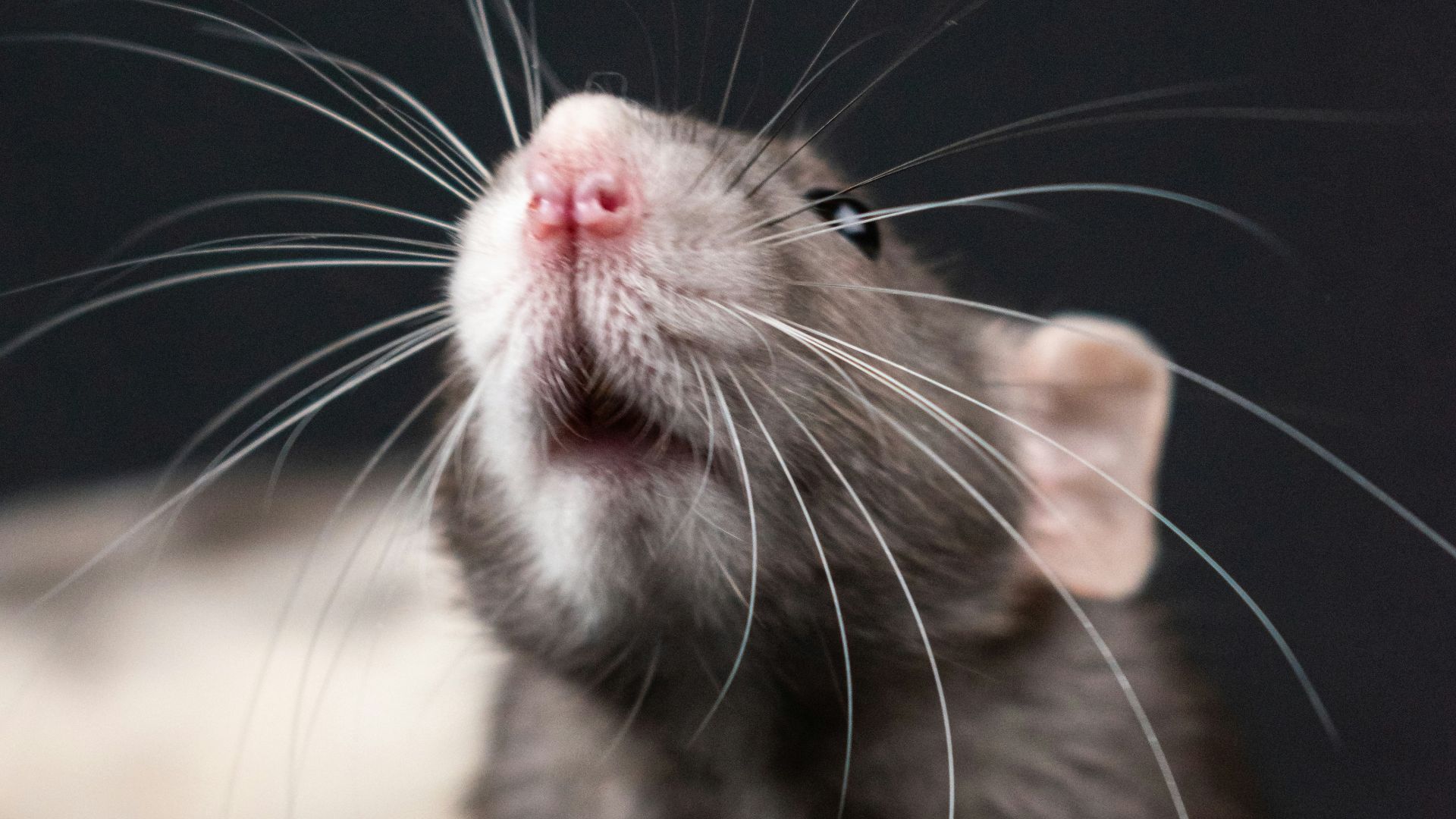
Colonial officials offered a cent for every rat tail handed in to municipal offices in 1902, and collections peaked at 20,112 in one day. Inspectors then began noticing live tailless rats in the streets and found breeding operations on the edge of the city. Plague arrived anyway in 1906 and killed at least 263 people.
3. The US Sprayed 140 Million Acres At Fire Ants
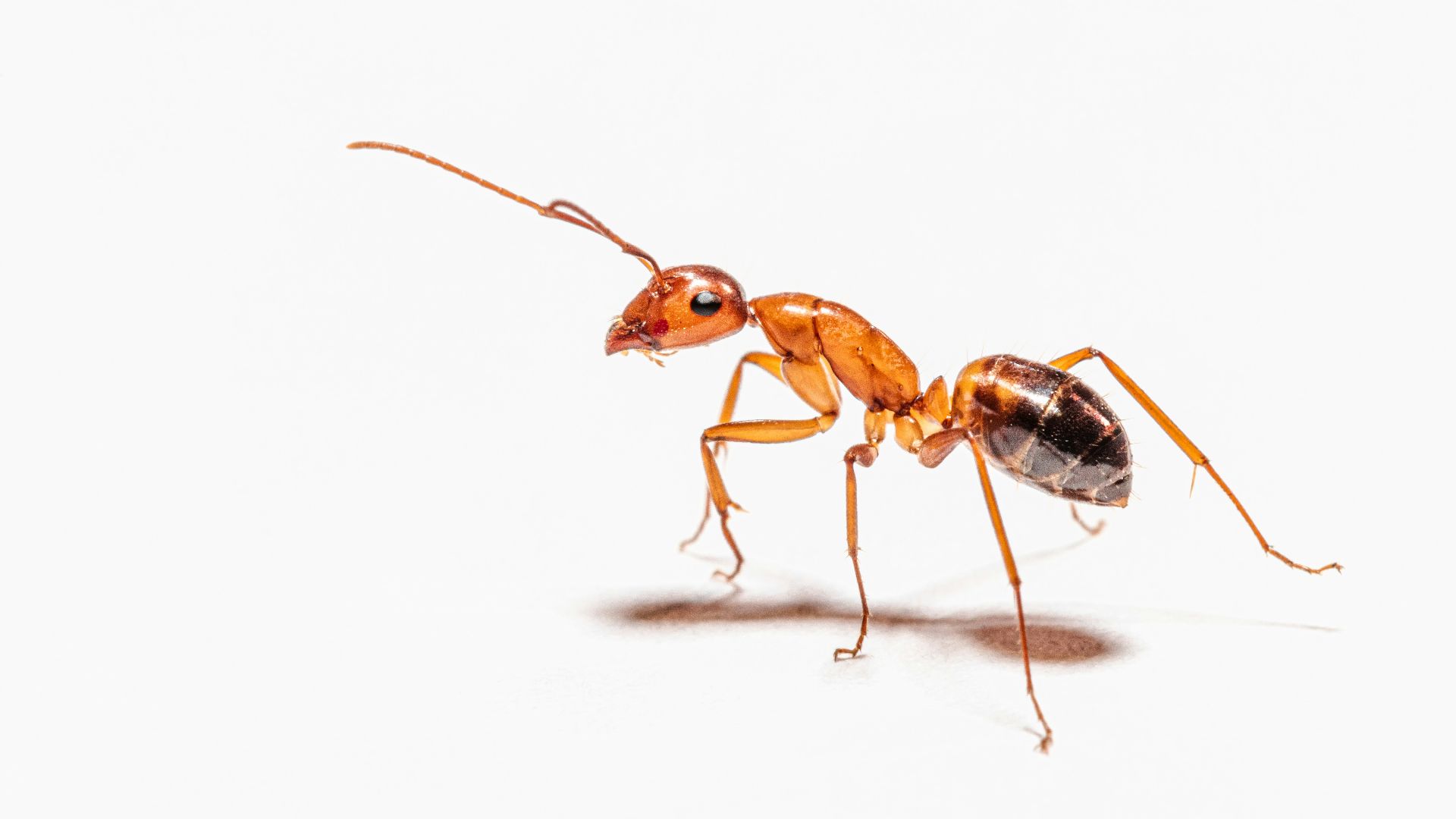
Congress funded a federal and state program against the imported fire ant in 1957 and moved to the pesticide mirex in 1962. More than 140 million acres were treated with it before the EPA cancelled every mirex registration in 1978 over cancer risk and damage to estuaries. Fire ants hold more American ground today than they did when the spraying began.
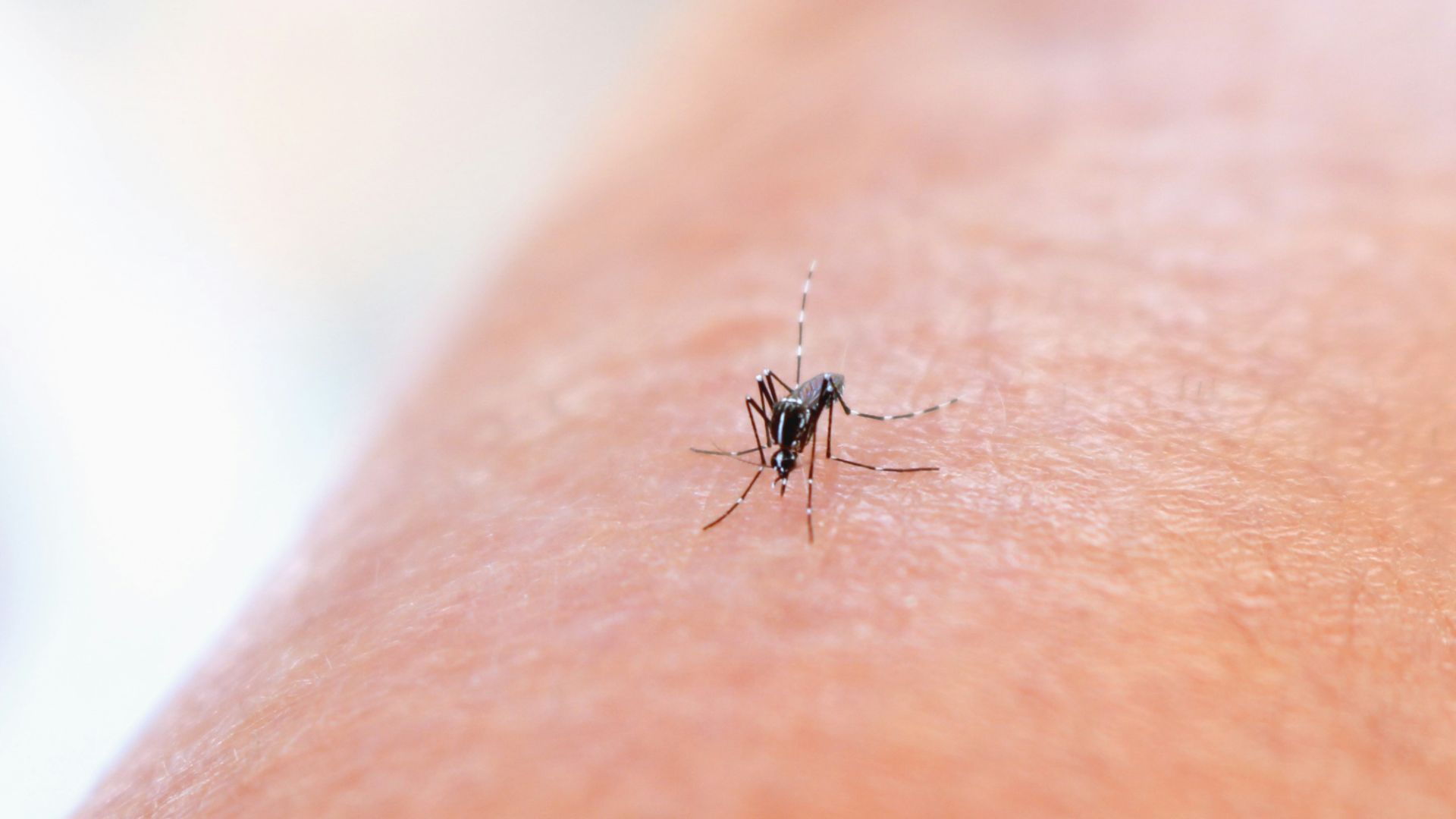
4. The Americas Declared Premature Victory Over Aedes Aegypti
Wiping out the yellow fever mosquito became official hemispheric policy in 1947, and eighteen continental countries had cleared it by 1962. Reinfestation began almost immediately from the countries that never joined the effort, the United States and Cuba among them. Regional policy had shifted from eradication to control by 1985, and the mosquito that carries dengue is back across the Americas.
 National Institute of Allergy and Infectious Diseases on Unsplash
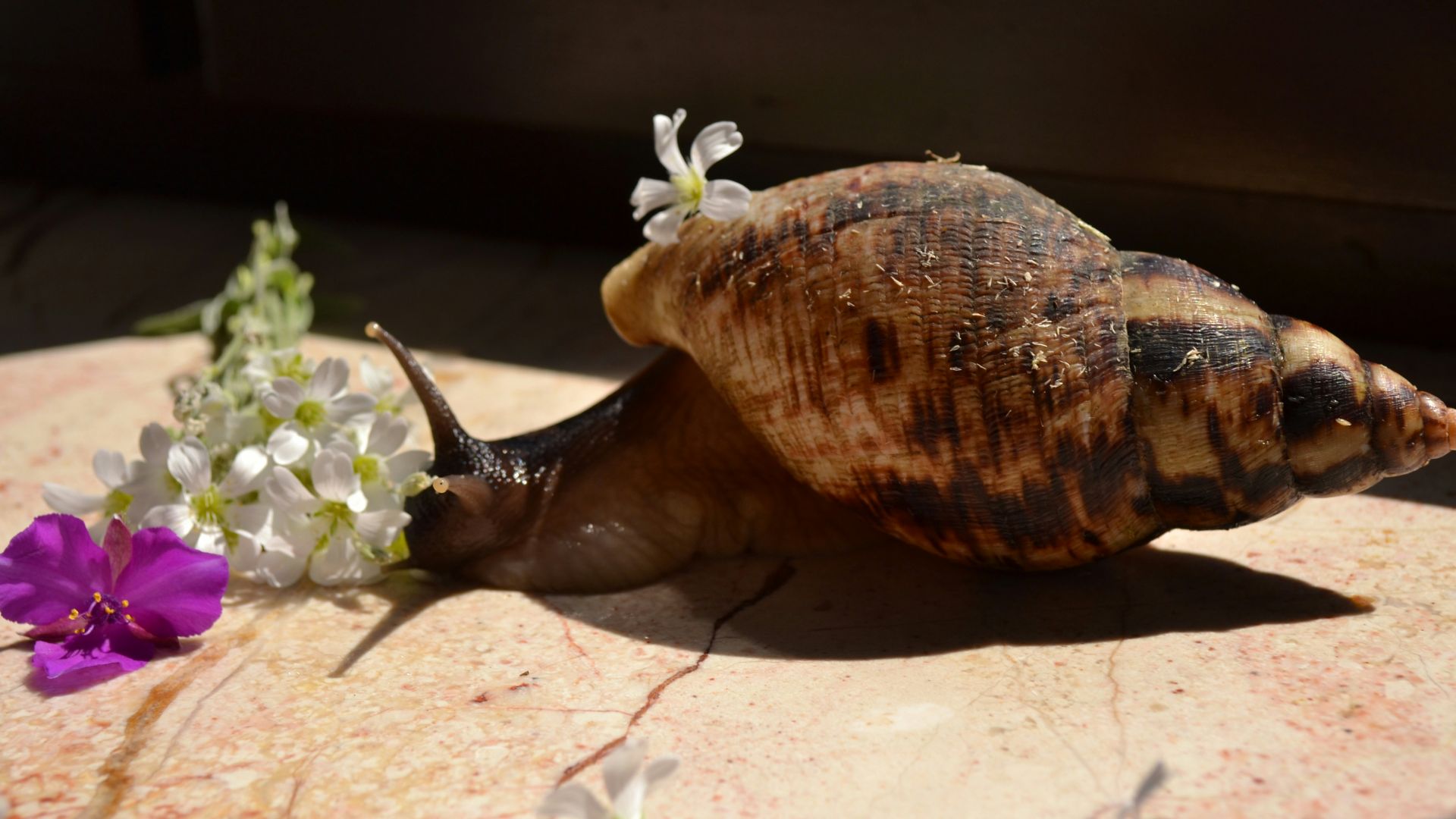
5. Florida Has Eradicated The Giant African Land Snail Twice
Miami's first infestation ran from 1966 to 1975 and ended with over 18,000 snails destroyed, at a cost that would top three million dollars today. A second campaign took a decade, 168,000 snails and some 23 million dollars, and finished in 2021. A gardener in Pasco County found another snail the following summer.
 Ангелина Арутюнова on Unsplash
6. Tasmania Spent 50 Million Dollars Hunting Foxes Nobody Could Find
State and federal governments set up a taskforce in 2001 after reports that foxes had been smuggled onto the island, and the hunt ran for thirteen years. An independent review in 2014 found serious problems with the data and the analysis behind it. The program closed without ever confirming the population it existed to remove.

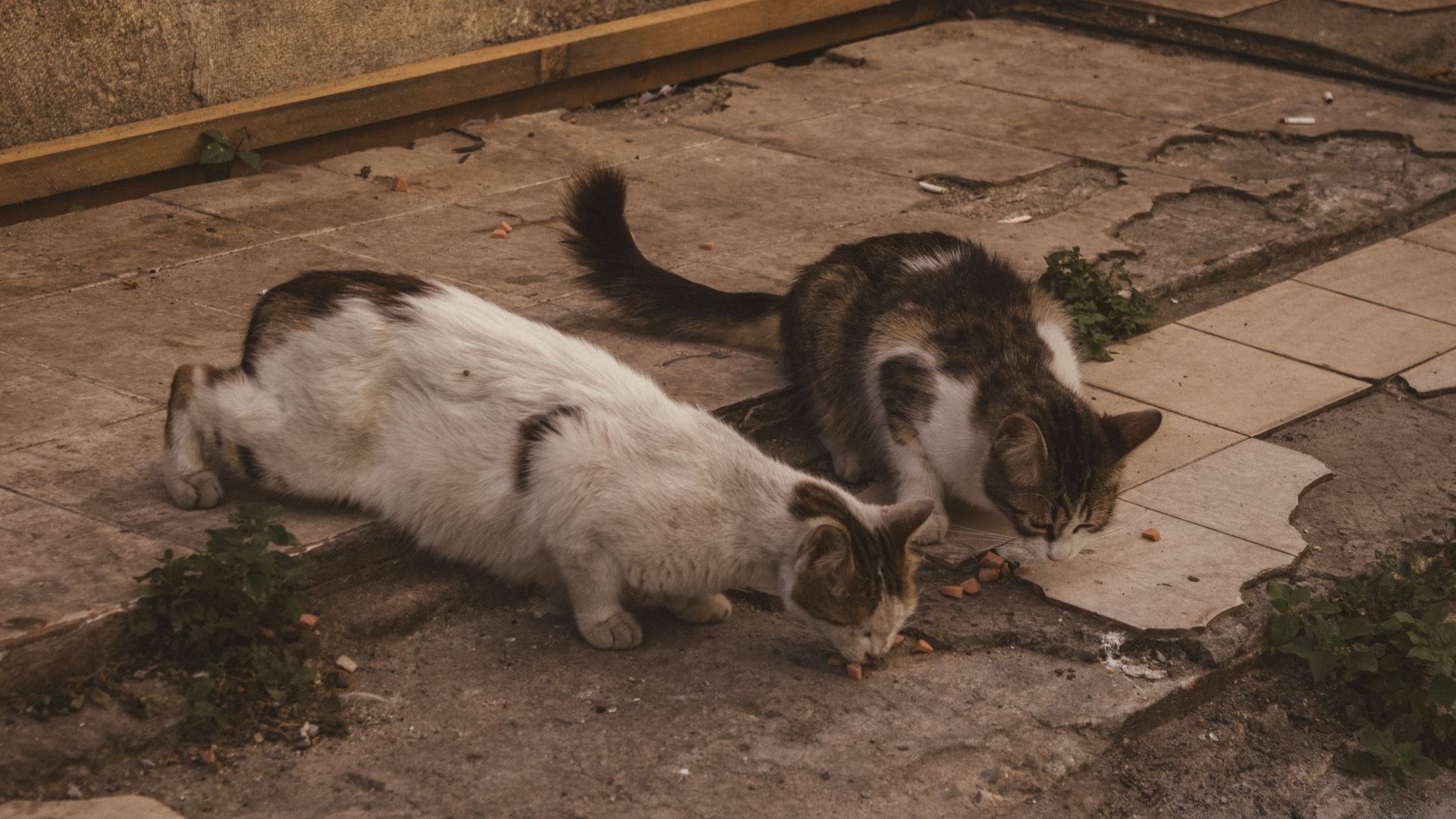
7. Australia Promised To Kill Two Million Feral Cats By 2020
That number went into the 2015 threatened species strategy before anyone had a reliable count of the cats. Government-commissioned research put the toll for 2015 and 2016 at roughly 211,500, three quarters of it shot by farmers and hunters. Cats breed quickly and move straight back into cleared country, which makes a national body count a poor measure of progress.
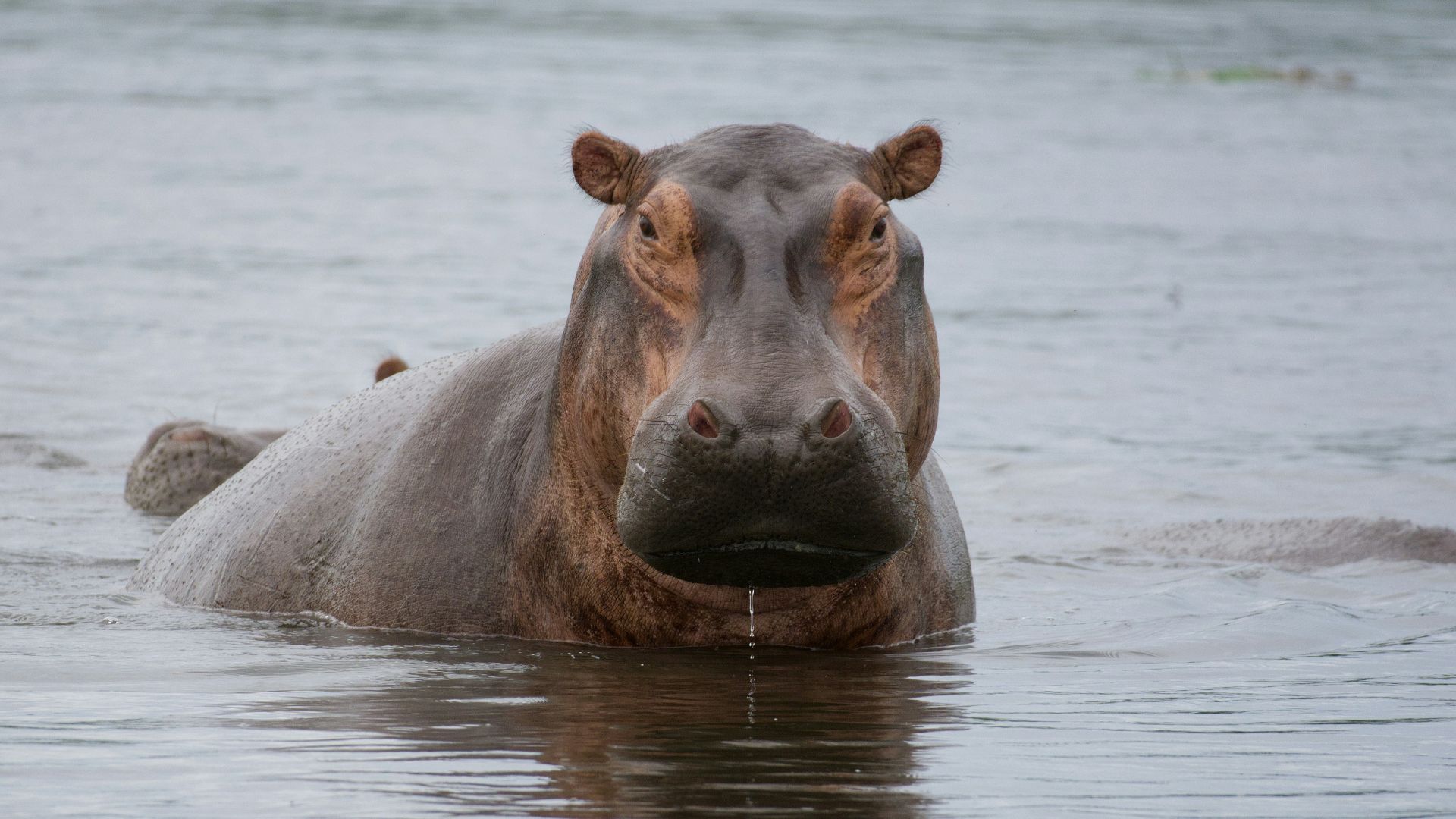
8. Colombia Cannot Get Rid Of Escobar's Hippos
Four hippos arrived at a drug lord's estate in 1981 and the Magdalena River population now runs to at least 169, with projections of 500 by 2030. Sterilizing one animal takes cranes and genuine risk to the vets, and seven countries plus two zoo associations declined to take any. The environment ministry announced a cull of 80 in 2023.
9. Guam Has Been Fighting Brown Tree Snakes Since The 1980s
Brown tree snakes arrived in cargo and emptied Guam's forests of most native birds. Federal agencies have spent decades on detector dogs at the ports and acetaminophen-laced mice dropped by helicopter, which keeps the snake off outbound planes without ever clearing the island.
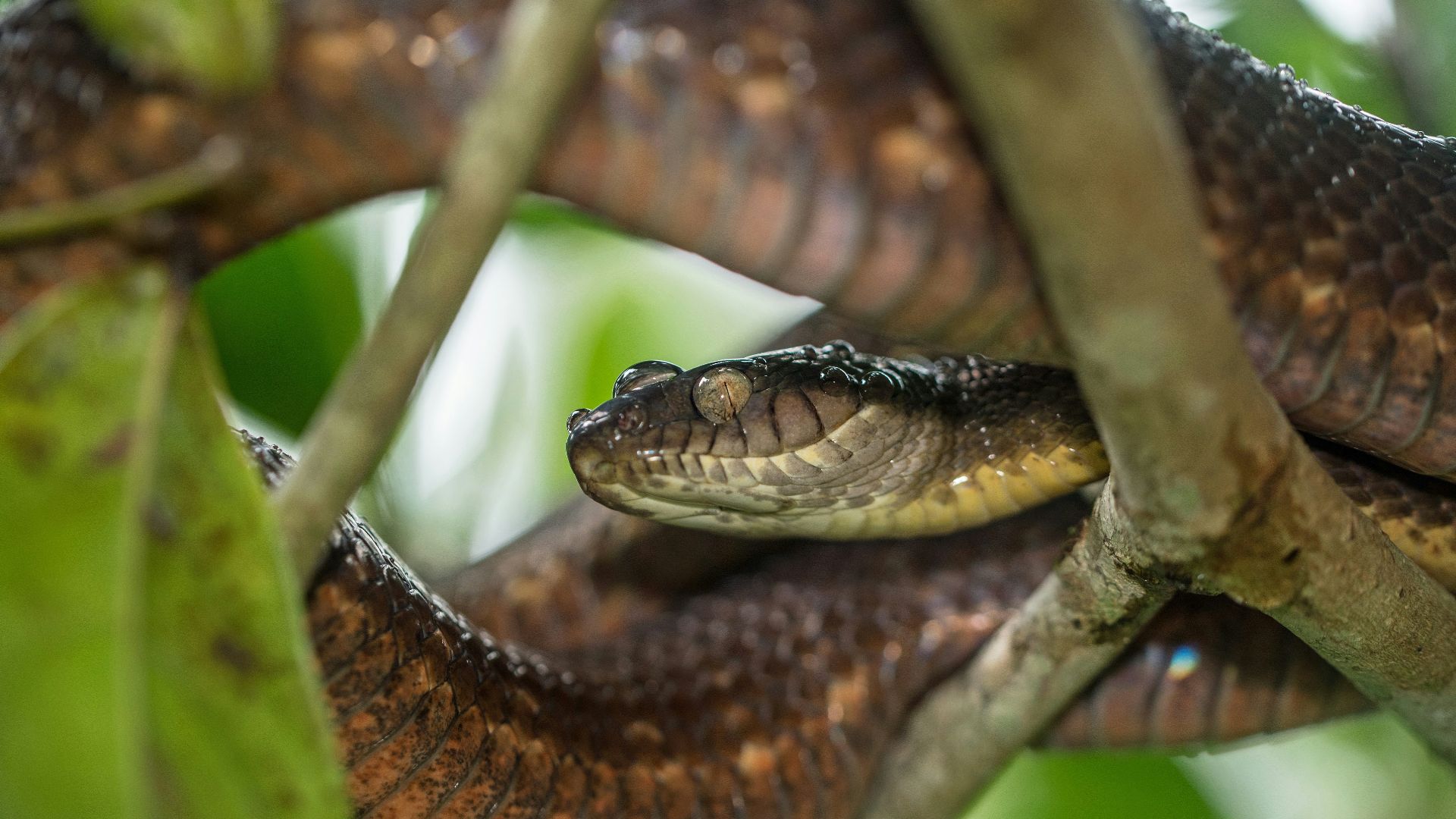
10. Florida's Python Bounties Have Not Dented The Population
Contractors get paid by the hour and by the foot, and an annual public hunt draws thousands of registrants to the Everglades. Removals run into the thousands of snakes with no measurable effect on a population nobody can count. Mammal surveys in the park have not recovered.
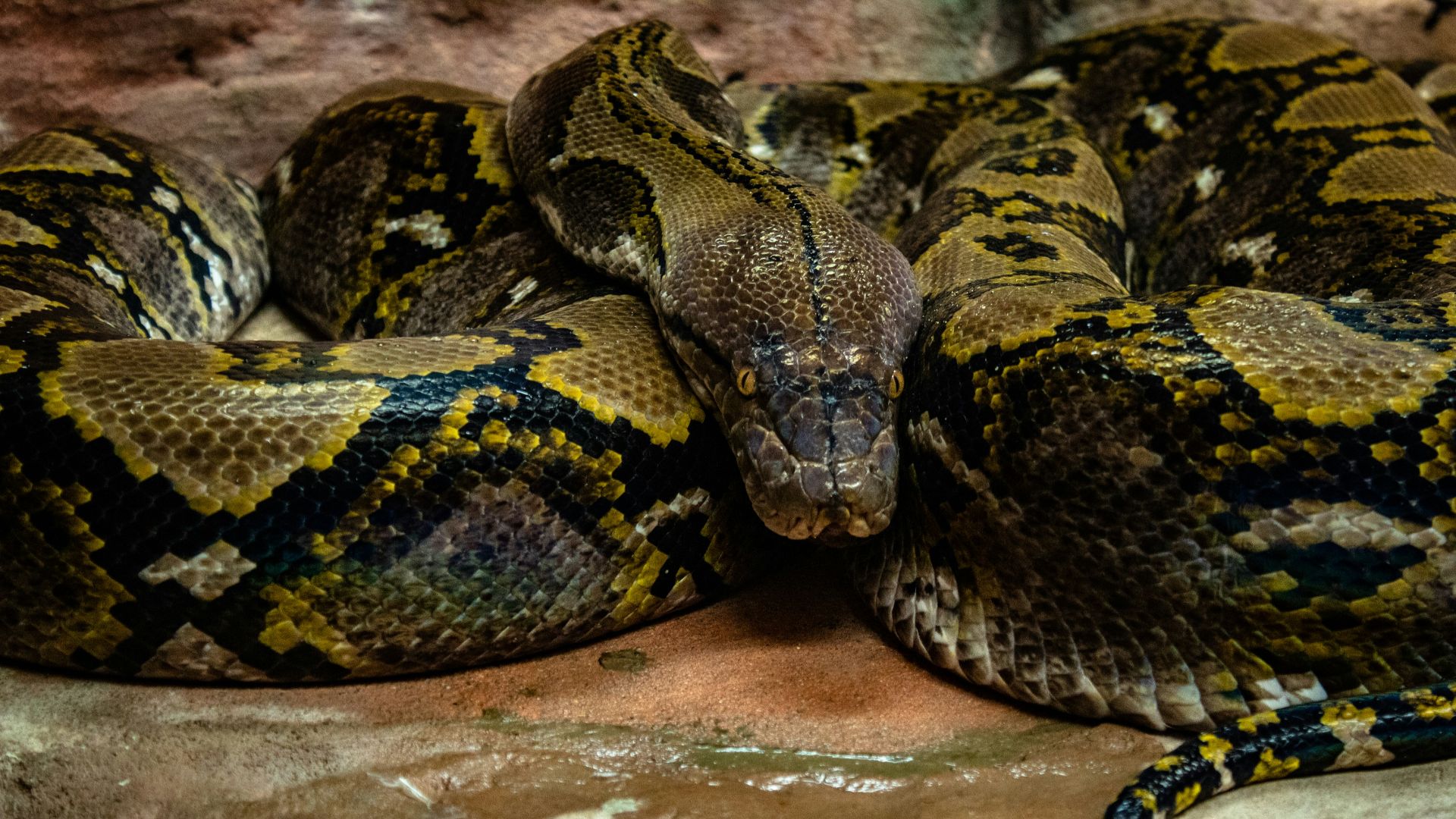
11. The Spongy Moth Escaped A Massachusetts Backyard In 1869
An amateur naturalist importing moths for silk experiments lost a few, and Massachusetts was spending public money on the problem within twenty years. Campaigns since have run through arsenic, DDT, quarantines and a bacterial spray. The moth defoliates forests from New England to the Midwest, and the federal goal long ago became slowing the spread.
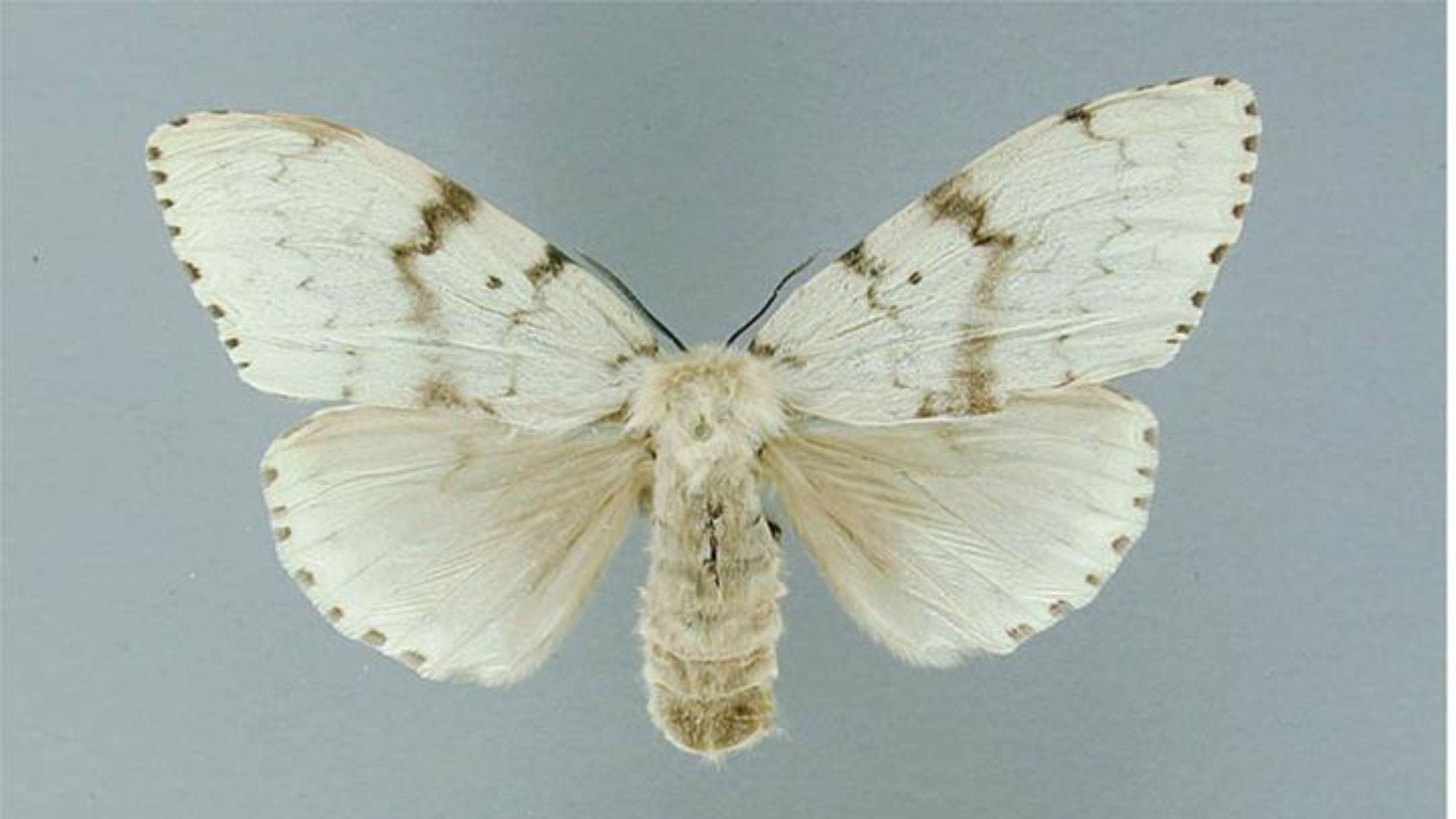 Alexander Schintlmeister on Wikimedia
12. The Japanese Beetle Beat Every Quarantine
Beetles turned up in a New Jersey nursery in 1916, and federal quarantines followed fast. They crossed state lines regardless, and the eastern half of the country has lived with them ever since. California still intercepts arrivals and treats every infestation it finds.
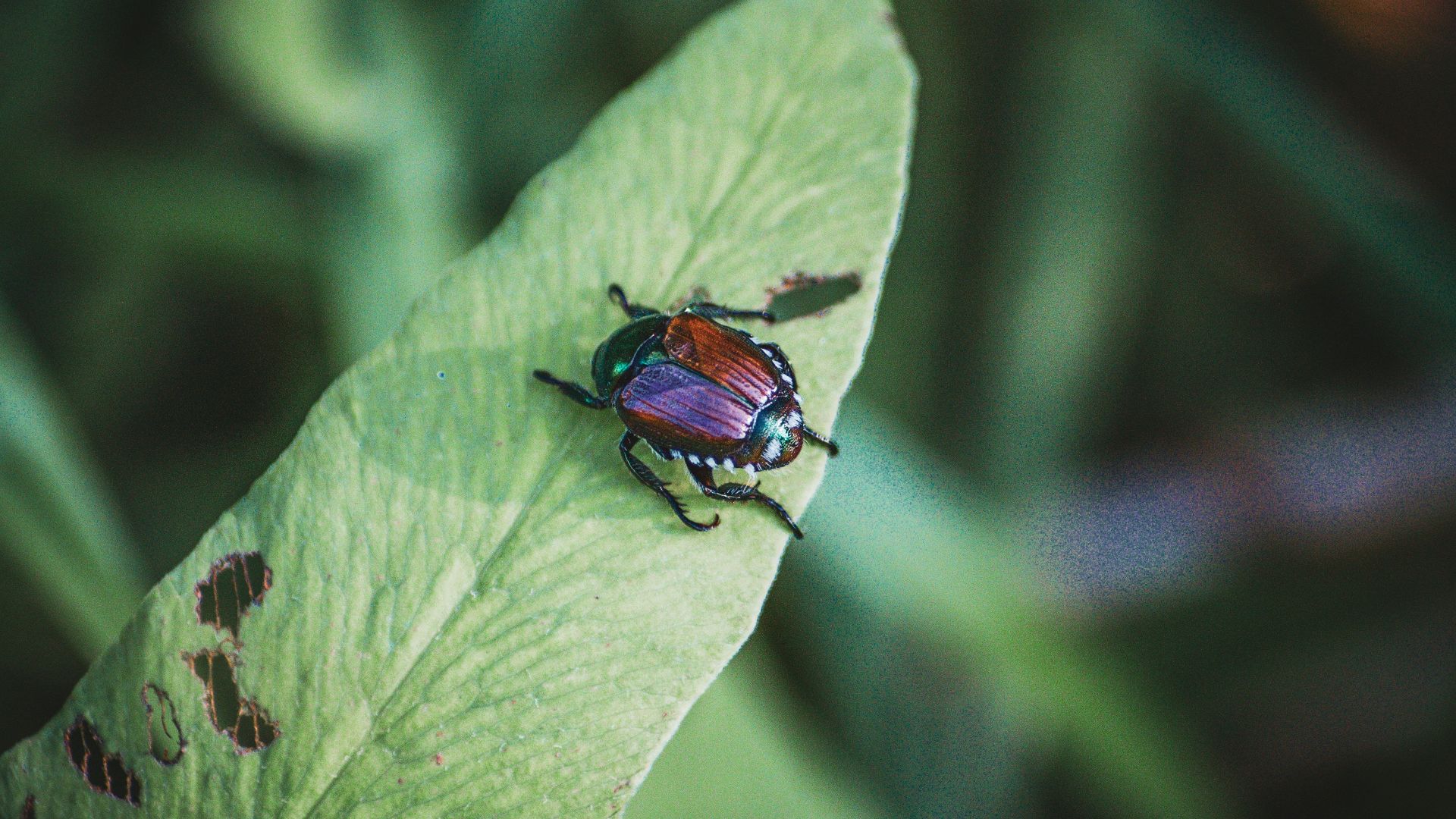 Richie Bettencourt on Unsplash
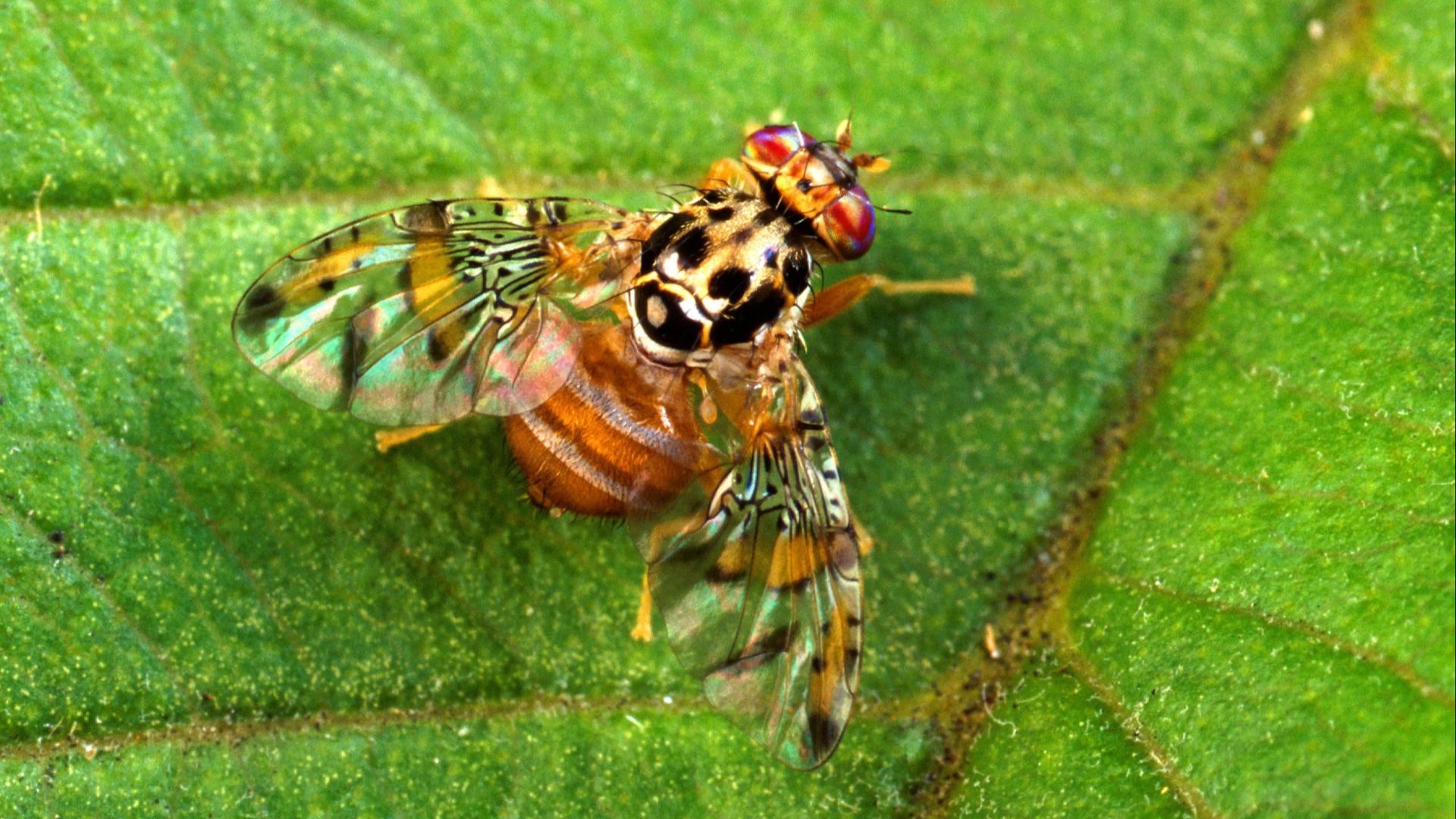
13. California Keeps Declaring The Medfly Eradicated
Infestations have been found and announced as destroyed over and over since the 1970s, including the aerial malathion spraying of Los Angeles suburbs that caused a political uproar. Sterile flies are now released over the basin continuously, and those releases carry no end date.
 Scott Bauer, U.S. Department of Agriculture on Wikimedia
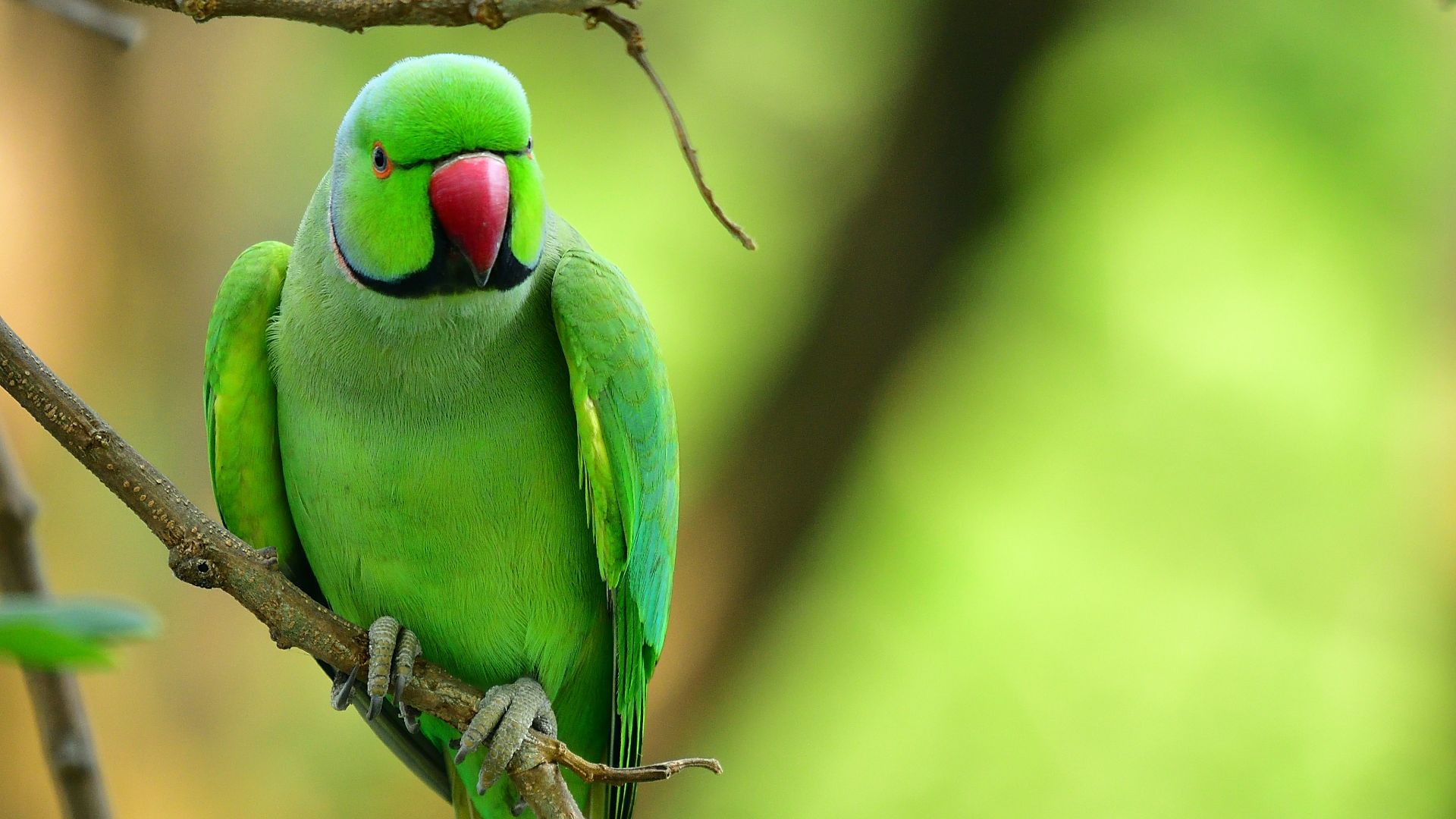
14. Monk Parakeets Survived A Federal Removal Campaign
Birds escaped from import shipments in the 1960s and built bulky stick nests on utility poles, and wildlife agencies spent the 1970s pulling those nests down across several states. Colonies held on in Brooklyn and Chicago, where power companies now treat nest removal as routine maintenance.
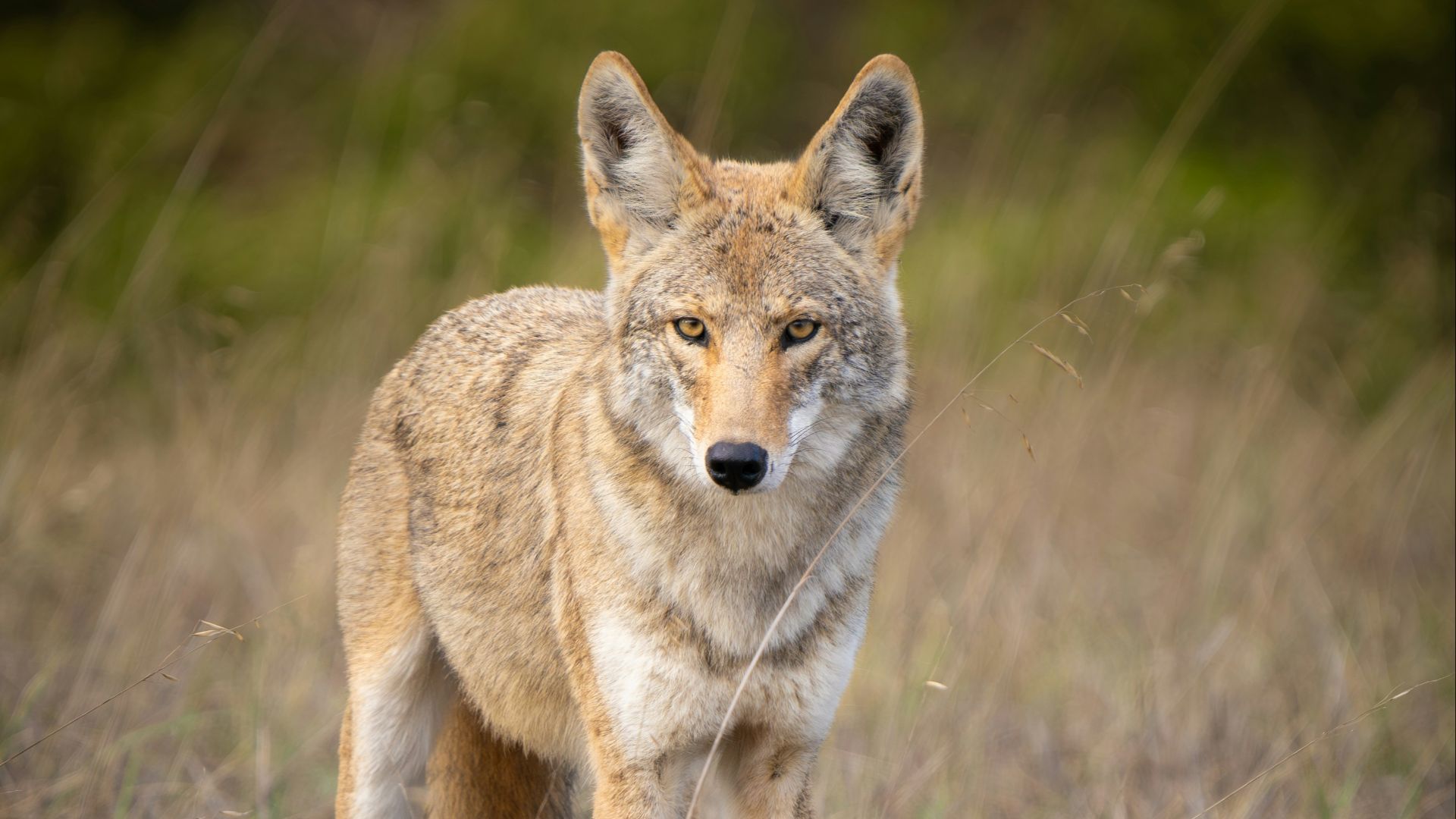
15. A Century Of Coyote Killing Expanded Their Range
Federal predator control started in 1915 and has killed coyotes by the million with traps and aerial gunning. Coyotes respond to pressure by breeding earlier and raising bigger litters, and they walked into the territory left empty by exterminated wolves. Every mainland state has them now, along with most major cities.
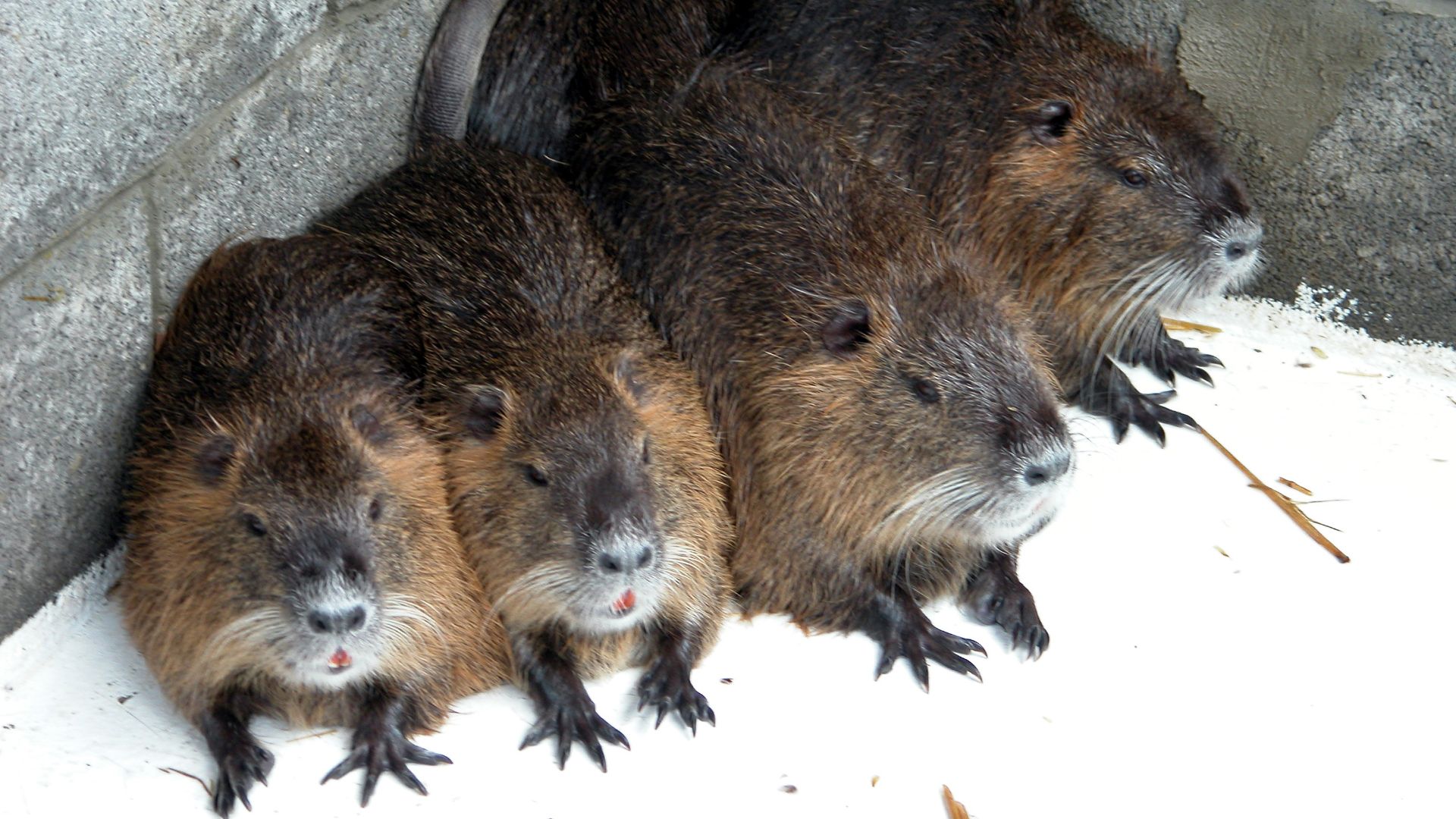
16. Louisiana Pays Six Dollars A Tail For Nutria Forever
Louisiana started its Coastwide Nutria Control Program in the 2002 season to protect marsh from a rodent that eats the roots out of it. Trappers handed in 357,015 tails in the 2024 to 2025 season alone. Maryland did clear nutria from the Chesapeake, which took two decades of work across a much smaller area.
 U.S. Fish and Wildlife Service Headquarters on Wikimedia
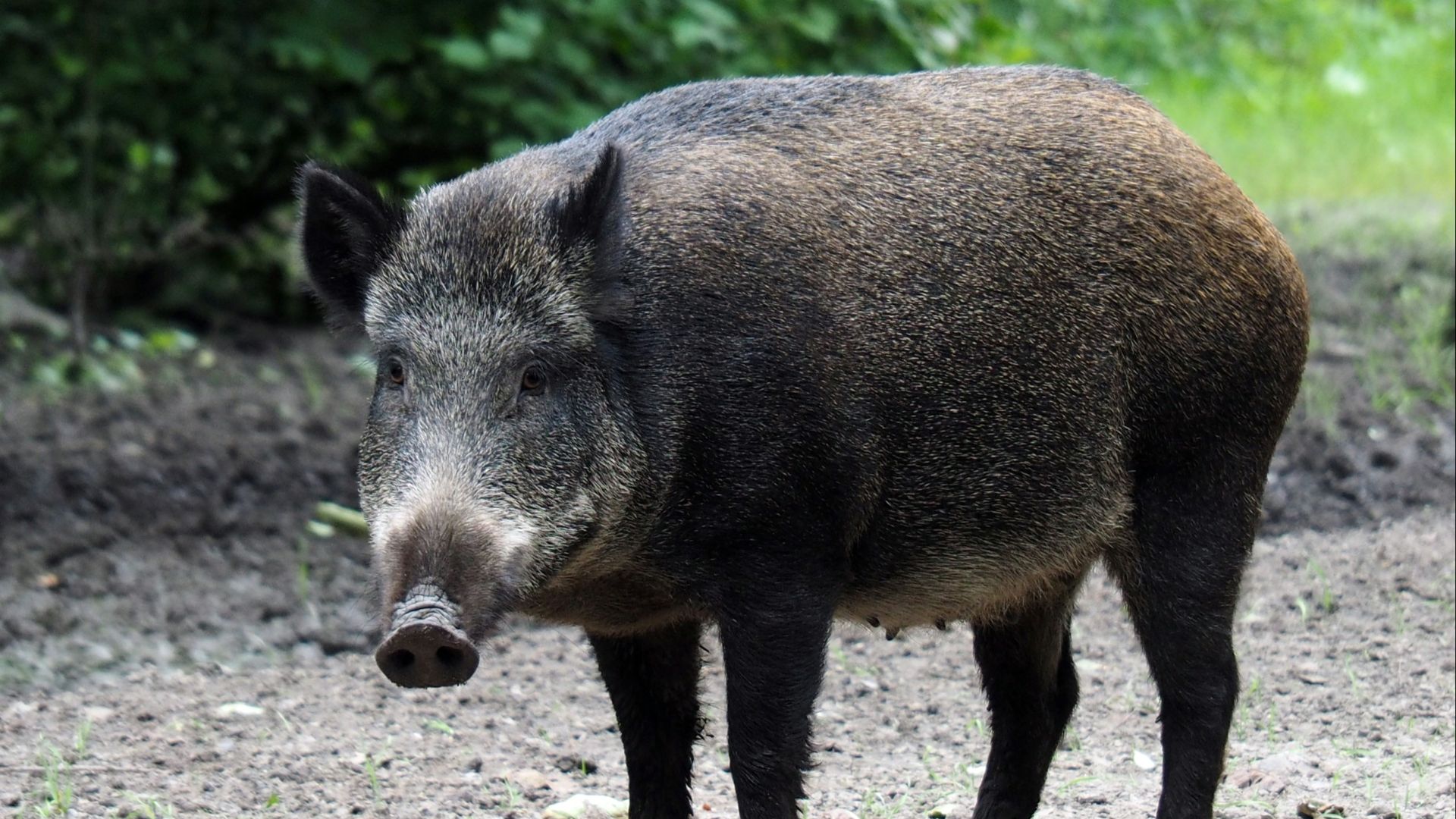
17. Feral Hogs Outbreed Everything Aimed At Them
National feral swine numbers sit around six million by USDA estimates, with crop and property damage the agency prices in the billions annually. Sows breed young and often, so taking out most of a local population still leaves it replaced within a couple of seasons. Texas approved a warfarin bait in 2017 and withdrew it within weeks under lawsuits and hunter objections.
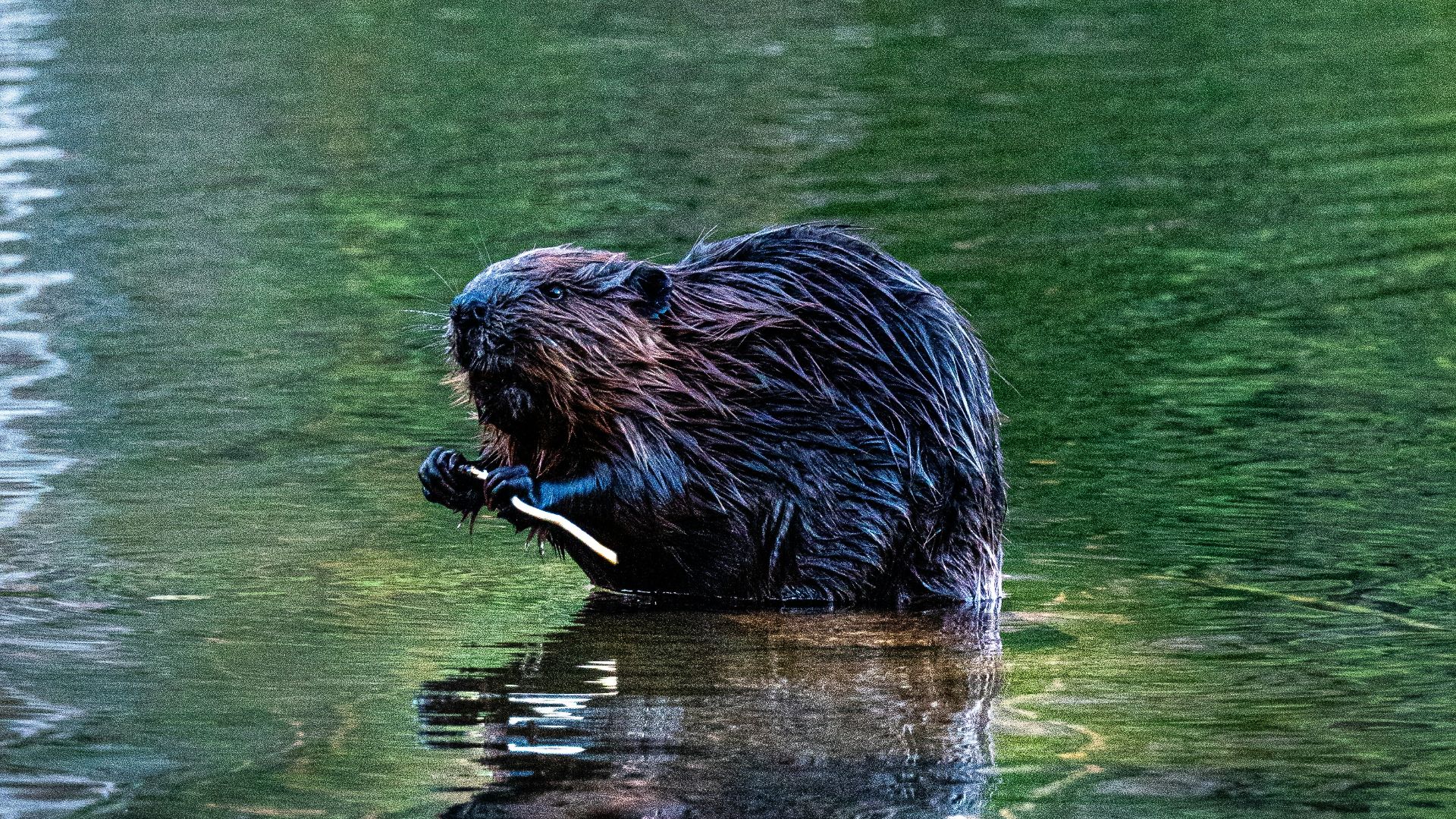
18. Argentina And Chile Have Been Chasing Beavers Since 2008
Twenty breeding pairs went into Tierra del Fuego in 1946 to start a fur trade, and they found forests with no predators and trees that do not regrow after flooding. Both governments signed a binational eradication agreement in 2008, with estimates now near 100,000 animals and new dams still appearing.
19. Australia Fenced, Poisoned And Infected Its Rabbits
A rabbit-proof fence running more than eleven hundred miles was finished in 1907, by which point rabbits were already breeding on the wrong side of it. Myxomatosis in 1950 and calicivirus in 1995 each killed enormous numbers before resistance built in the survivors. Rabbit populations now cycle instead of falling.

20. Crown-Of-Thorns Culling Cannot Keep Pace On The Reef
Australia funds vessels whose divers inject the starfish one animal at a time on priority reefs. That protects the sites where crews are working and nothing beyond them. Outbreaks have swept the Great Barrier Reef repeatedly since the 1960s regardless of the cull numbers.