
The Consequences Come Later
Fixing an environmental problem can look straightforward on paper. Import something that eats the pest, or dig a canal to move water somewhere more useful. The trouble is that the money and attention tend to go into the initial project, while the consequences can take decades to become clear. Some of these ideas had even worked elsewhere, which made them easier to approve despite the risks. Here are 20 attempts to fix nature that ended up creating problems far worse than the originals.
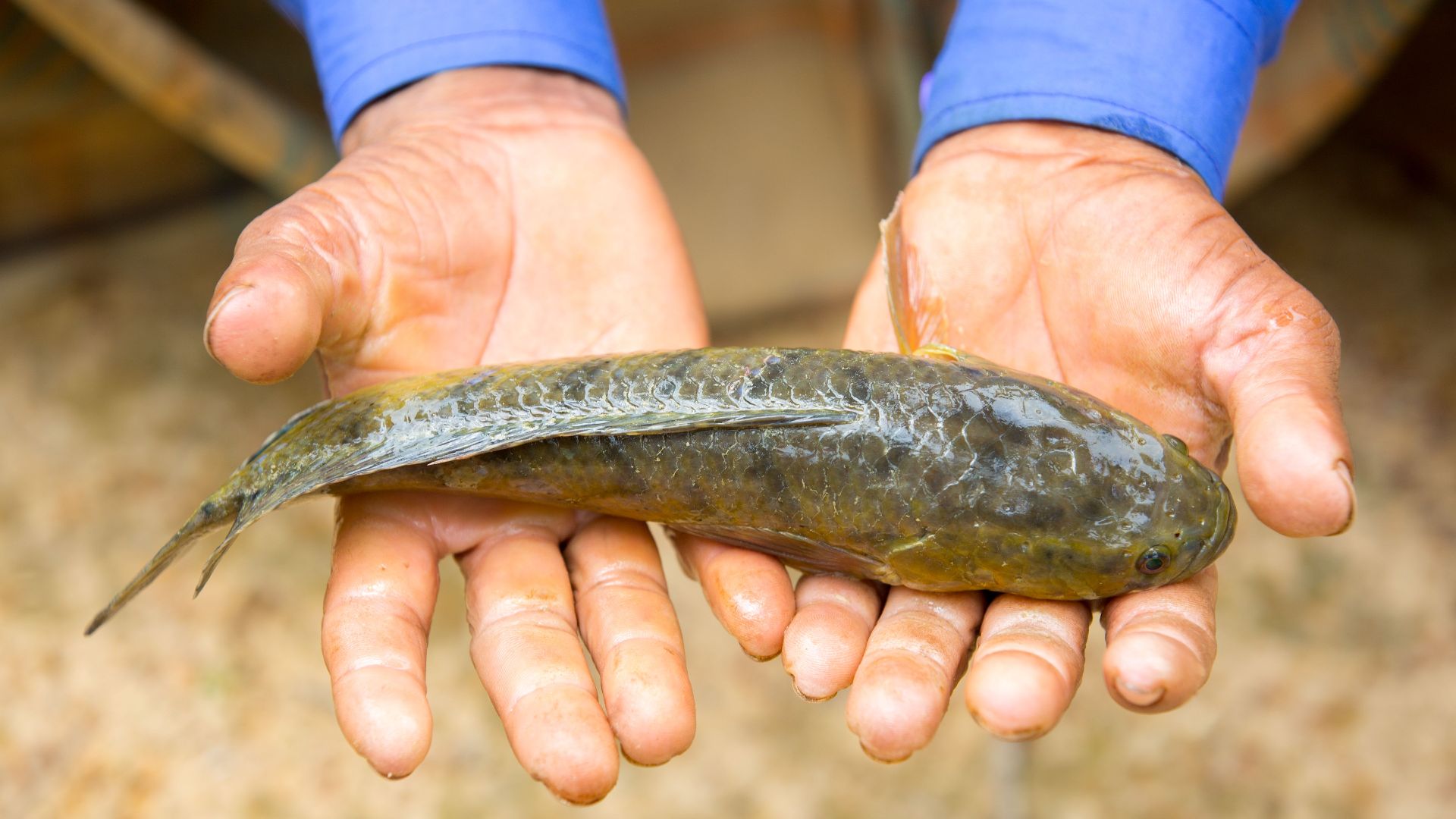
1. Cane Toads Could Not Reach The Beetle They Were Imported For
Queensland growers released 102 cane toads in 1935 to deal with the cane beetle. Cane beetles feed near the top of the stalk and fly, and the toad does neither. Toads have since colonized most of tropical Australia, and quolls and goannas die from trying to eat one.
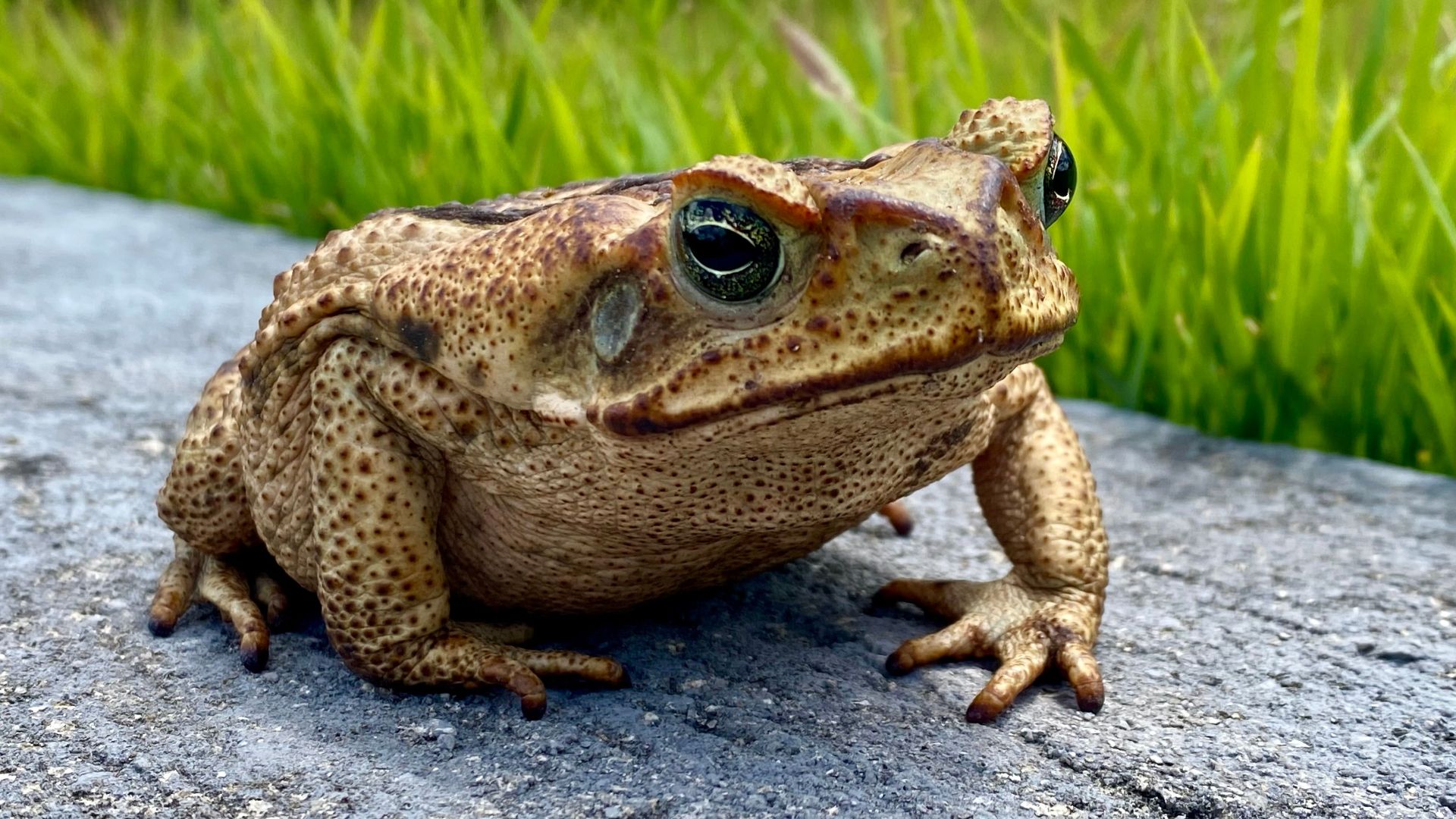
2. Hawaii's Mongooses Hunt By Day And The Rats Work At Night
Sugar planters brought the small Indian mongoose to Hawaii in the 1880s to clear rats out of the cane fields. Rats forage after dark and the mongoose is active in daylight, so the two barely cross paths. What it found instead was ground-nesting seabirds and turtle eggs.
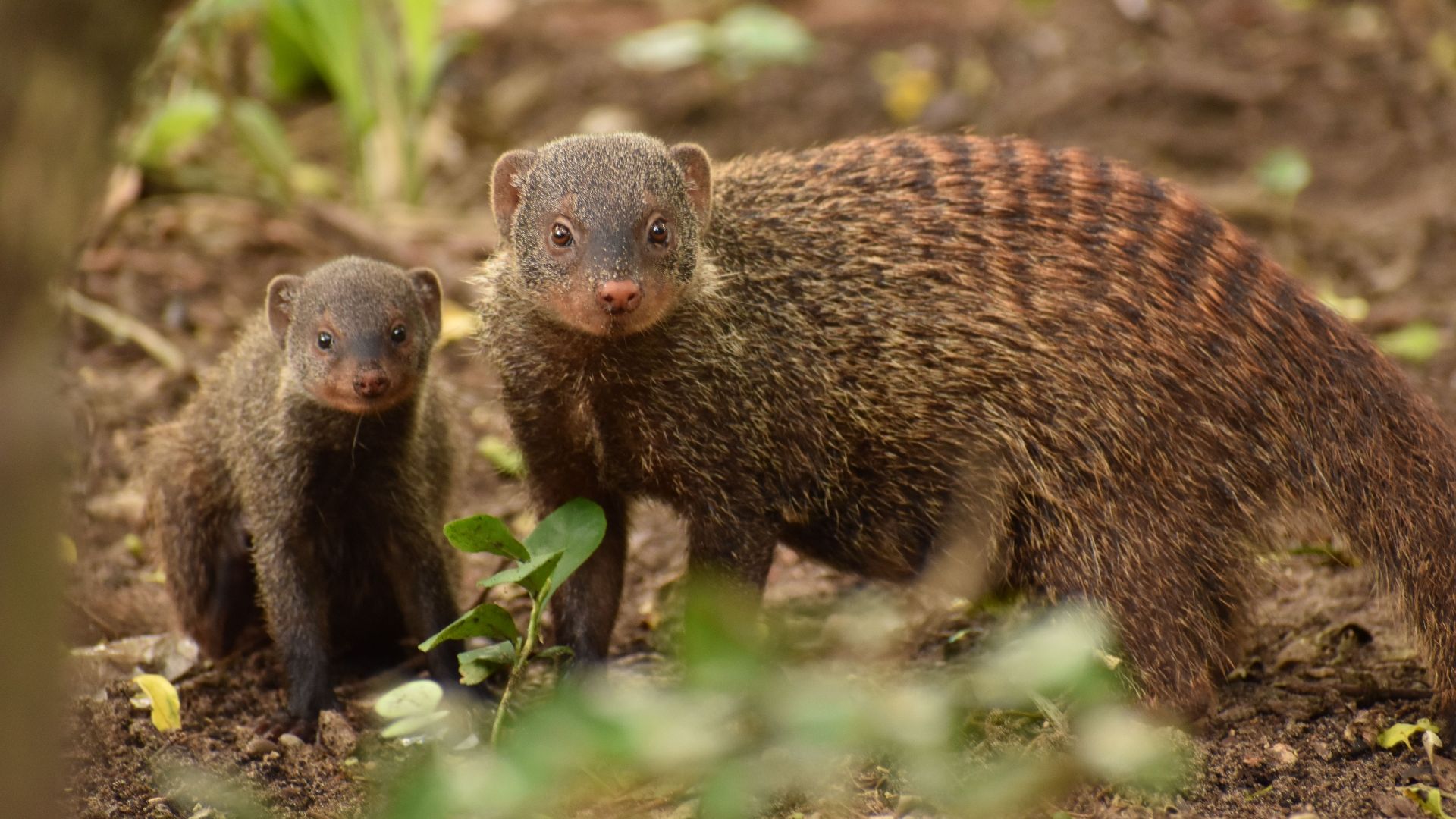
3. A Carnivorous Snail Was Released To Eat Another Snail
From the 1950s onward, the rosy wolfsnail was shipped to Pacific and Indian Ocean islands to hunt the giant African snail. The IUCN's invasive species database notes there is no rigorous evidence it ever controlled that target. It did eat through the native tree snails, and all seven Partula species on Moorea went with them.
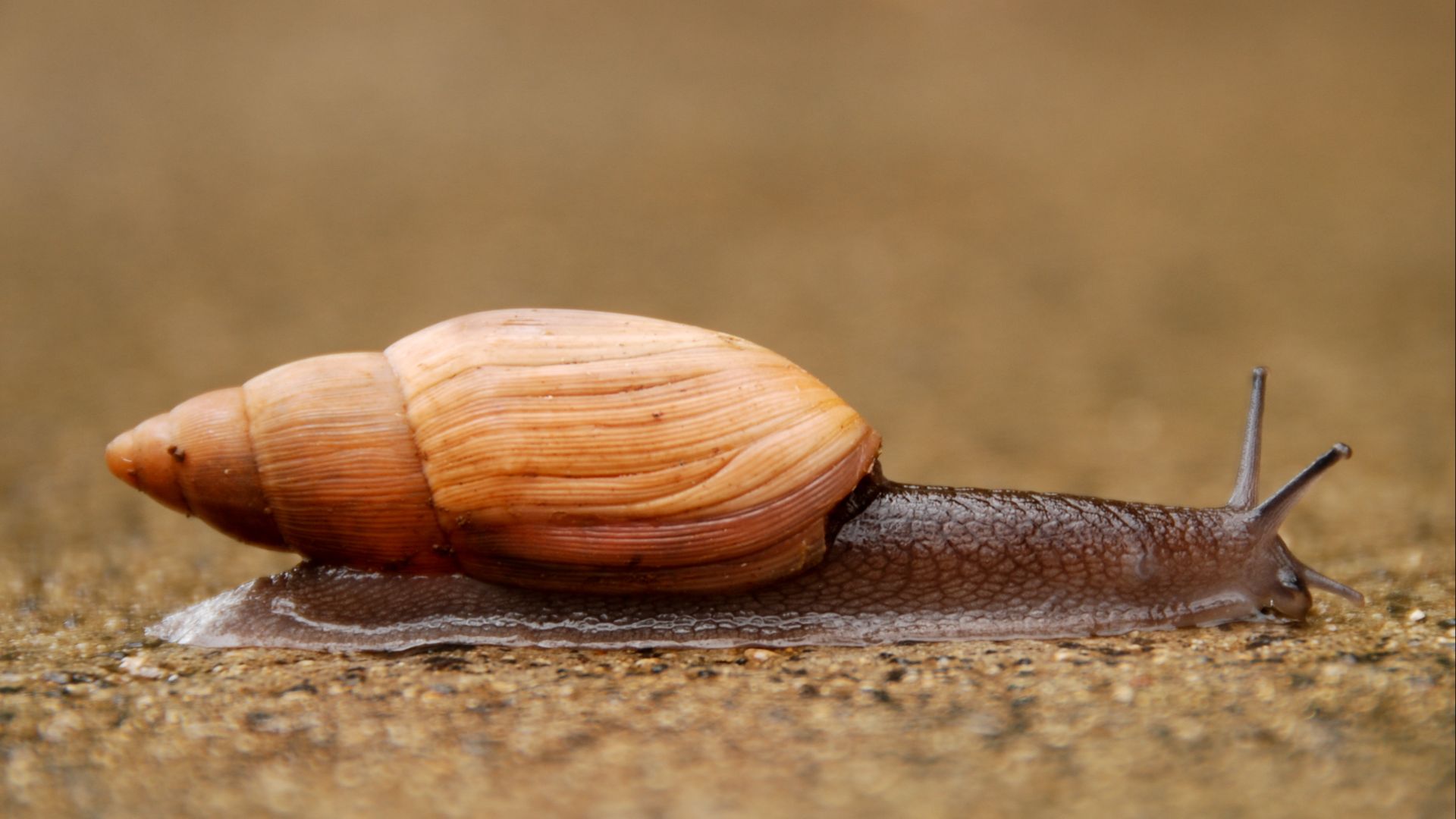
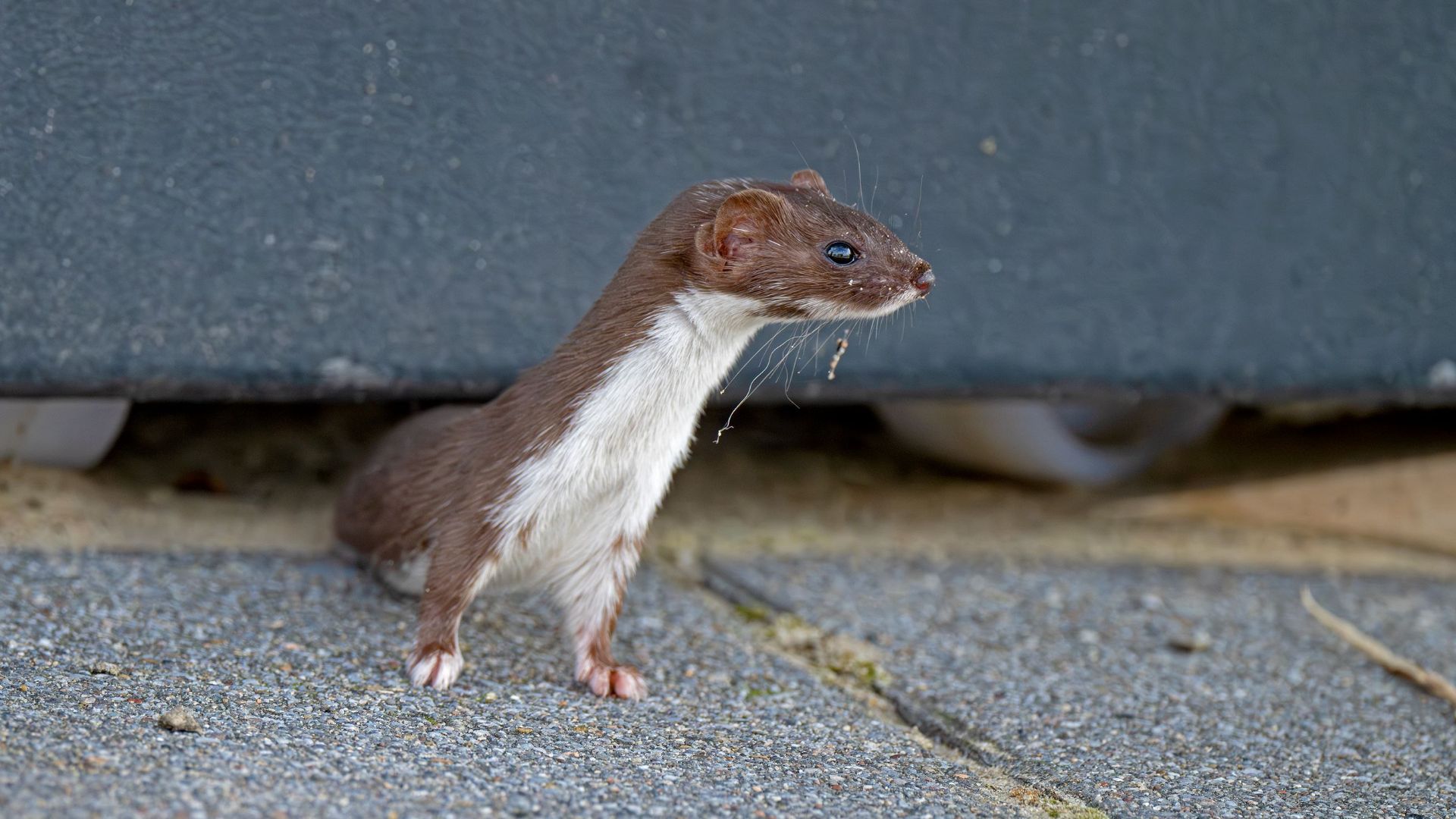
4. Stoats Were Shipped To New Zealand To Thin The Rabbits
Farmers facing a rabbit explosion in the 1880s brought in stoats and ferrets, over objections from naturalists at the time. Birds that had evolved on an island with no land mammals proved much easier to catch than rabbits. Stoats are now the leading killer of kiwi chicks, and the rabbits never went away.
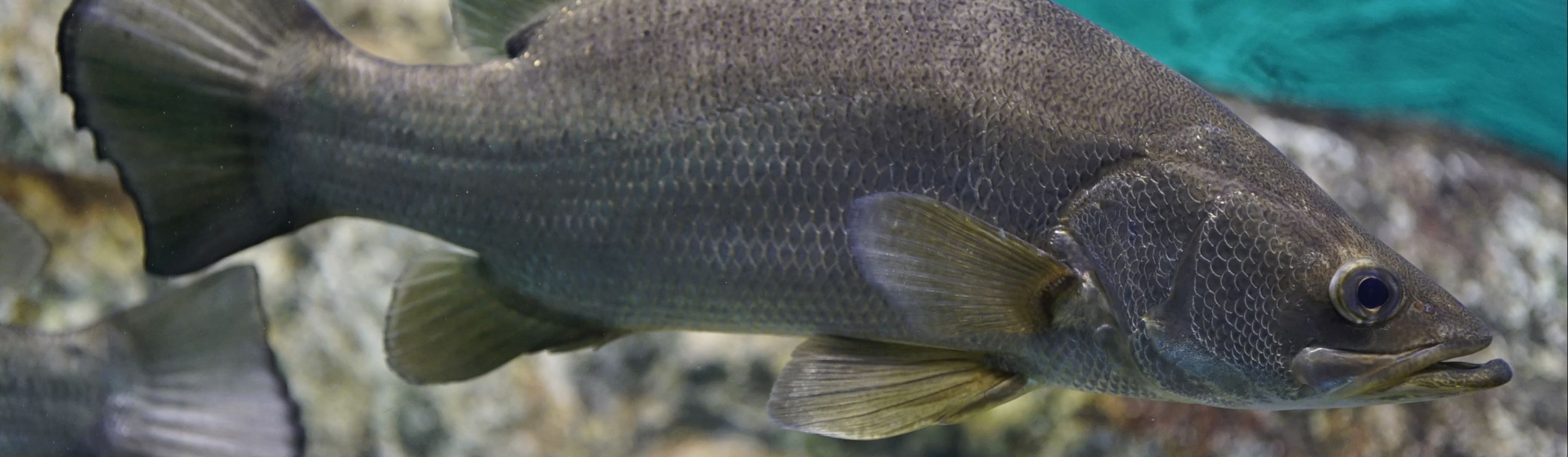
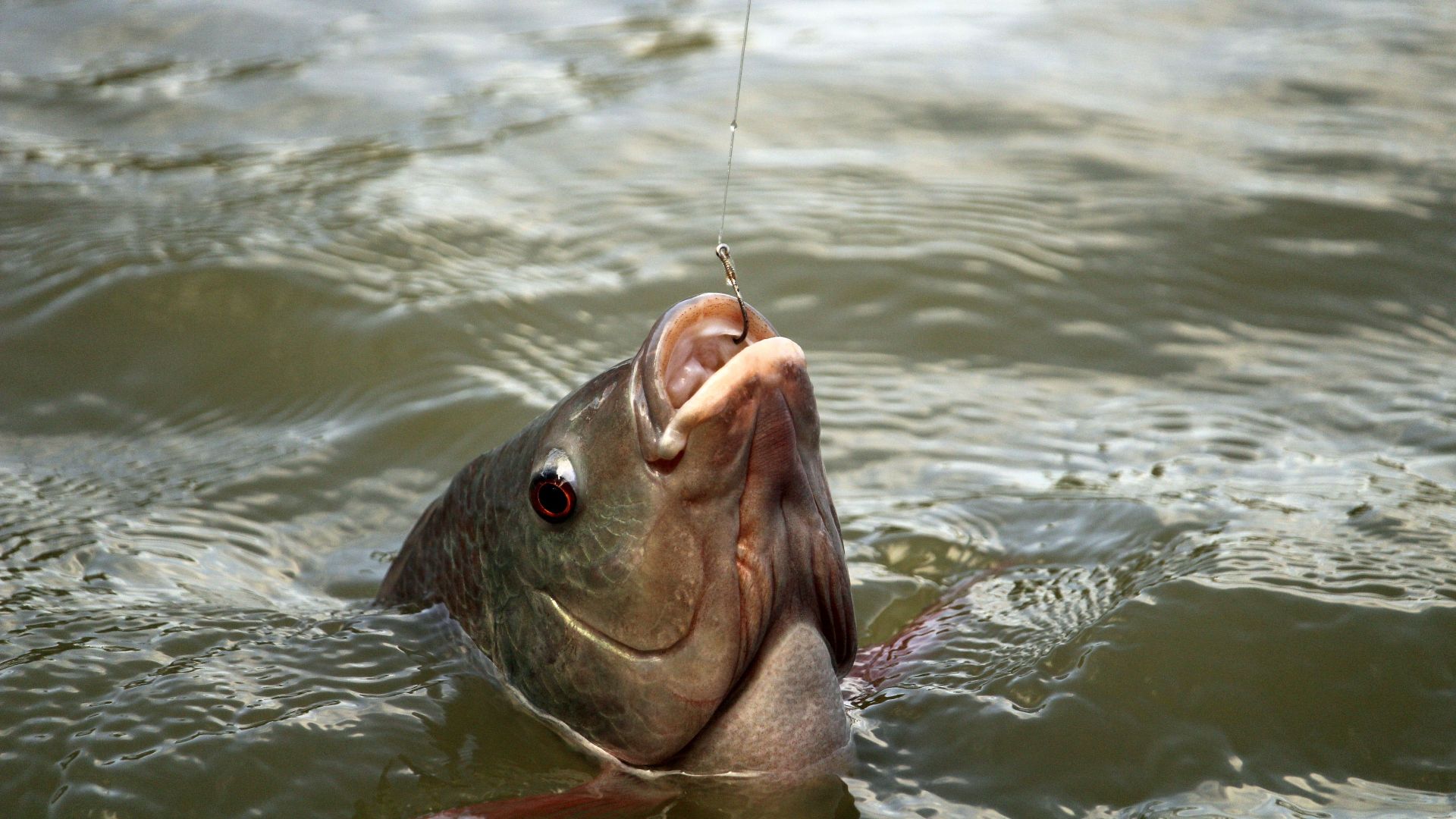
5. The Nile Perch Was Added To Lake Victoria As A Bigger Catch
The Nile perch went into the lake in 1954 to give fishers something larger to sell. Lake Victoria held over 350 cichlid species found nowhere else on earth, and the American Museum of Natural History estimates more than half are now extinct or near it.
6. Mosquitofish Were Spread Worldwide For Malaria Control
Gambusia went out across the tropics as a cheap way to eat mosquito larvae, though local fish frequently did that job without help. Today they are established on every continent except Antarctica, with an appetite for native fish eggs and tadpoles.
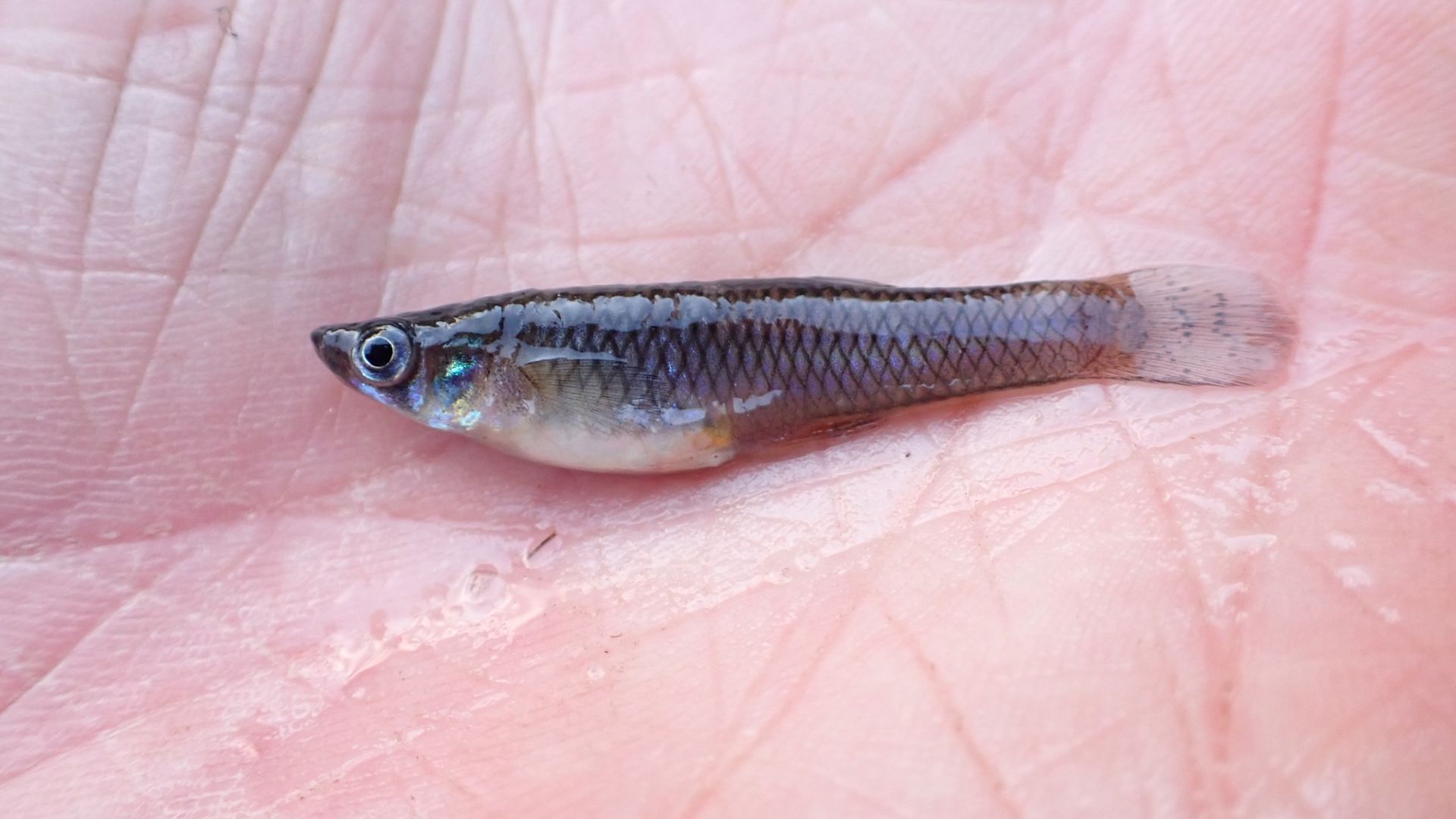 Fishes of Texas team on Wikimedia
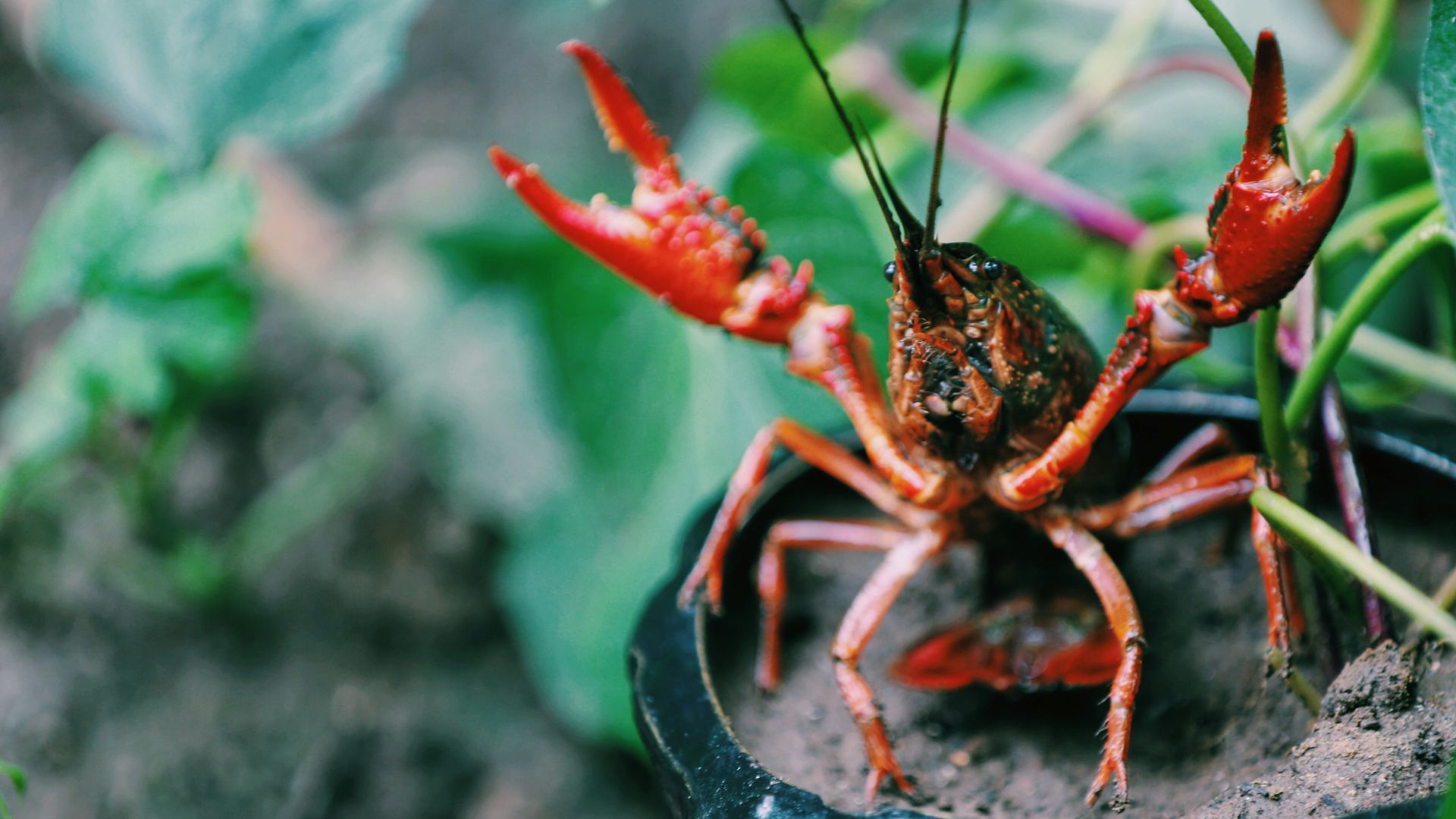
7. Europe Restocked Its Rivers With Crayfish Carrying The Plague
Crayfish plague reached Europe in the 1800s and gutted populations of the native white-clawed crayfish. Managers from the 1960s restocked with North American signal crayfish, bigger animals that grow faster. Signals carry the plague without dying of it, so the restocking spread the disease that caused the shortage.
8. Australia’s Pasture-Saving Moth Reached Florida
Cactoblastis is the textbook biological control success, clearing prickly pear off enormous stretches of Queensland and New South Wales in the 1920s. Decades on it turned up in the Caribbean and then Florida, where it feeds on native prickly pear that nobody wanted removed.
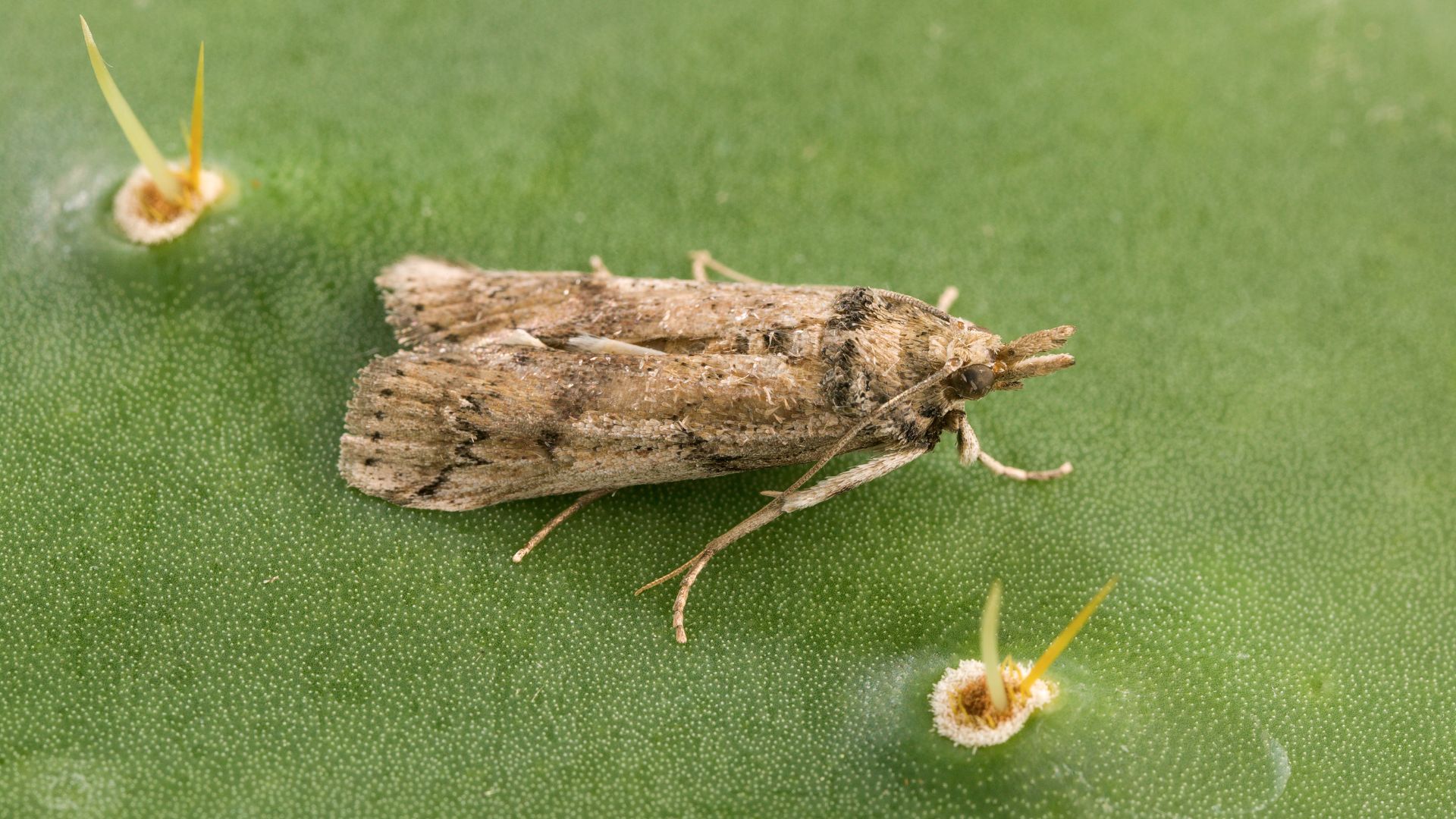 Peggy Greb, USDA ARS on Wikimedia
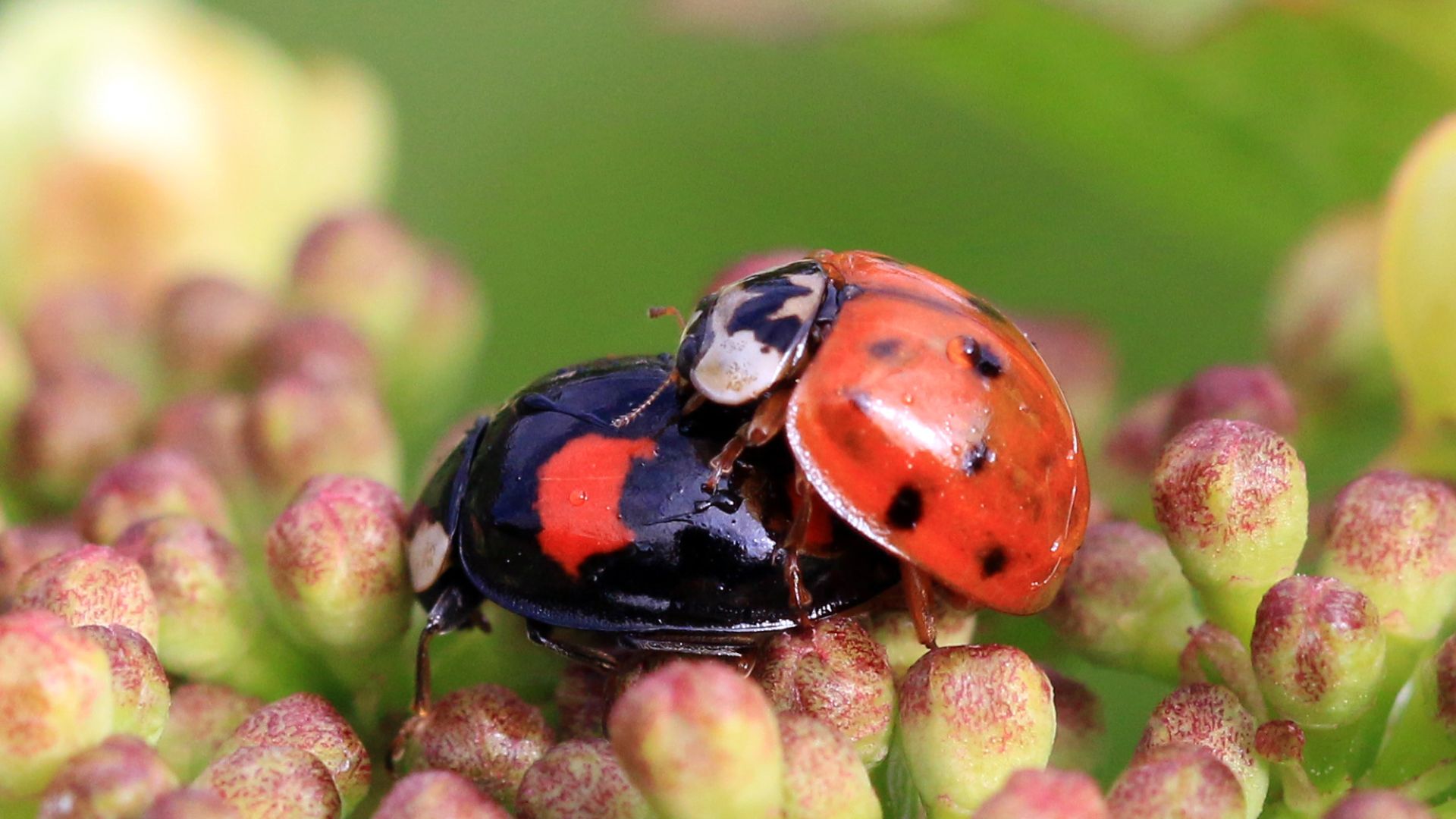
9. Harlequin Ladybirds Were Released To Eat Aphids
Greenhouses and crop fields in Europe and North America got harlequins as an aphid control. They do eat aphids, plus the eggs and larvae of native ladybirds, which have declined wherever harlequins settle. Most of us meet them as the beetles massing in window frames each autumn.
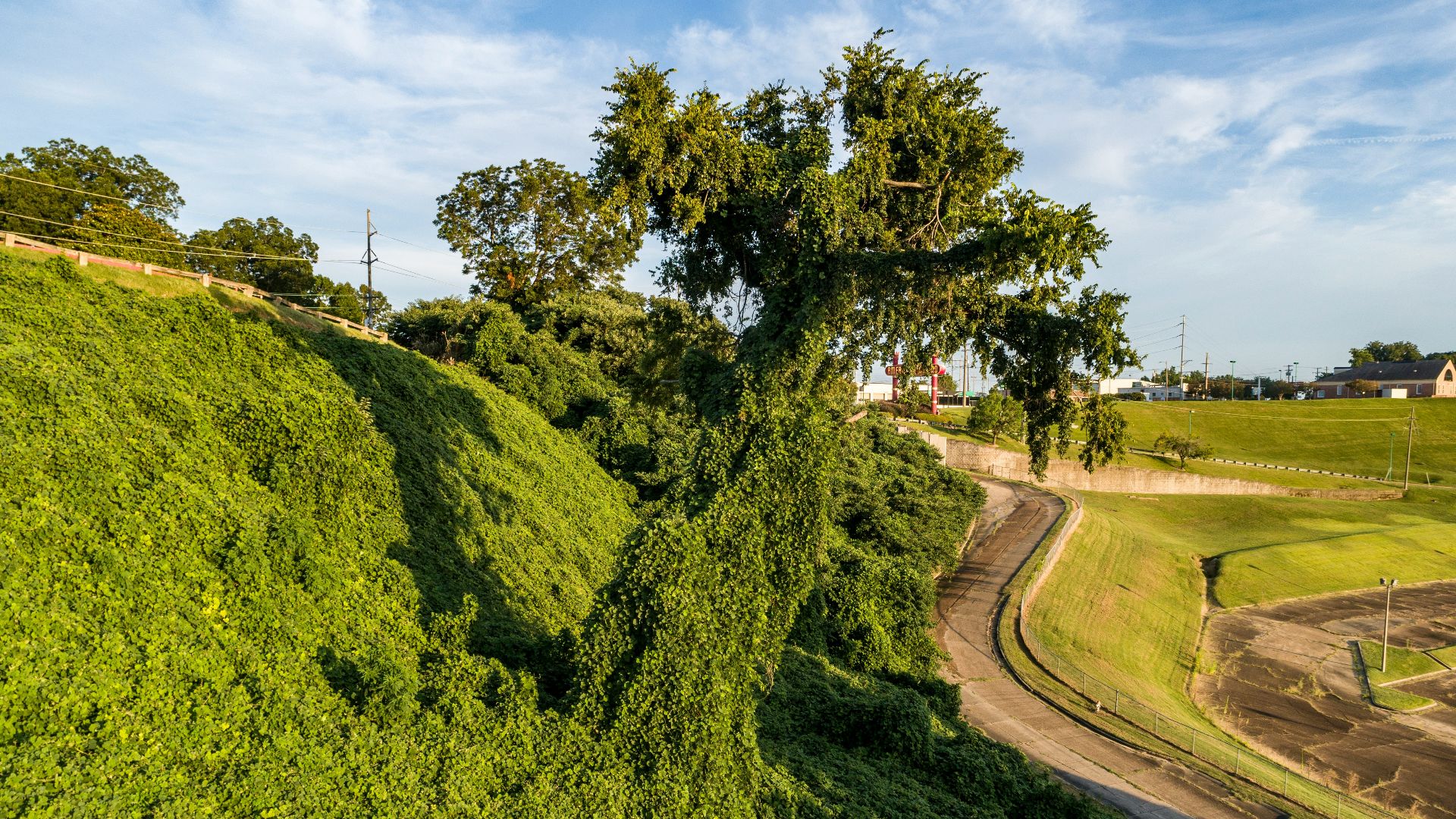
10. The US Government Paid Farmers To Plant Kudzu
The Soil Conservation Service raised more than 70 million kudzu seedlings in the 1930s and offered up to eight dollars an acre to anyone who would plant it against erosion. Kudzu does hold soil, and it does not stop there. That familiar figure of seven to nine million acres is overblown, with the Forest Service finding kudzu on roughly 227,000 acres of forestland.
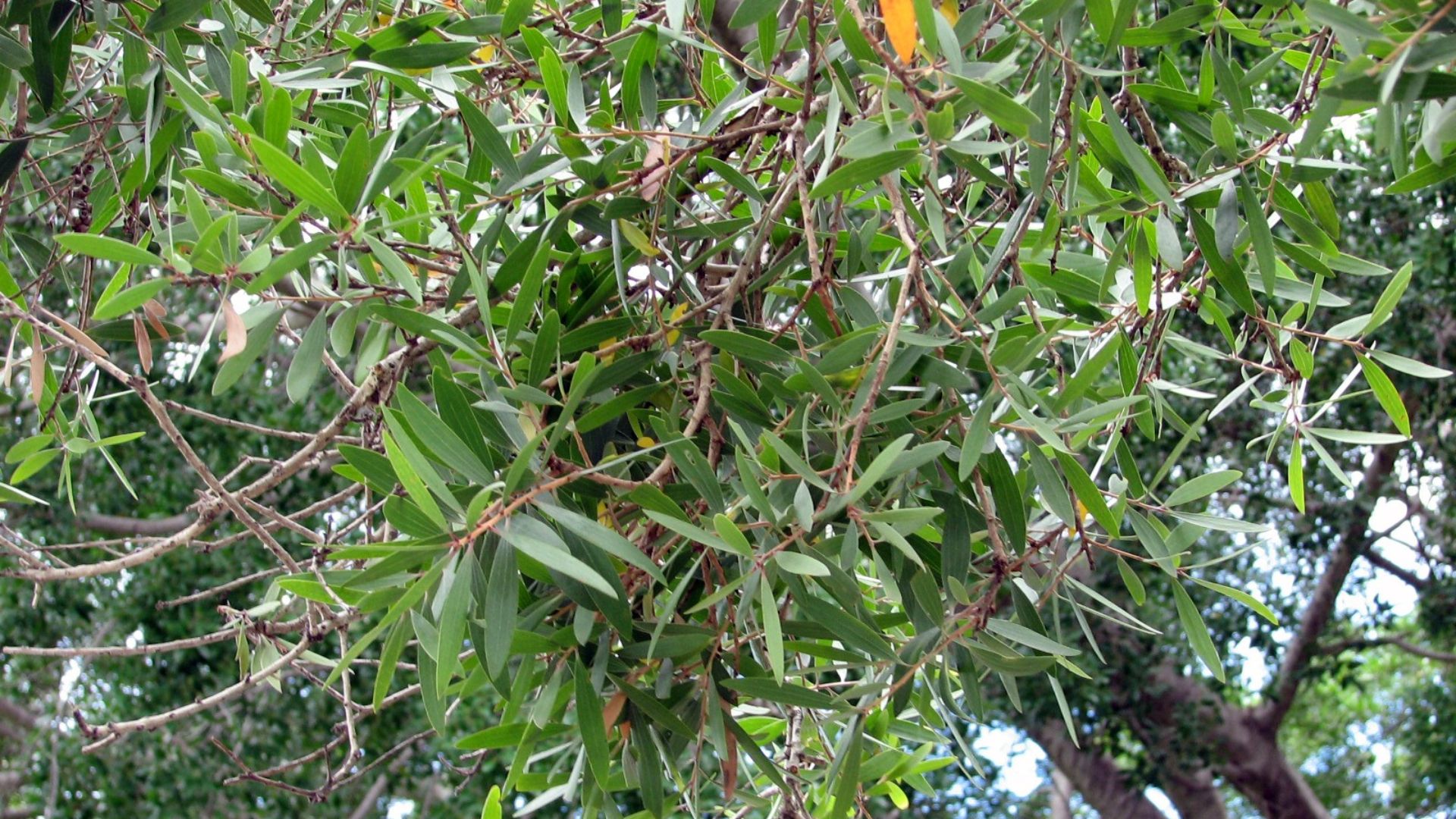
11. Melaleuca Was Planted To Dry Out The Everglades
Seed went out over south Florida in the early twentieth century, some of it scattered from aircraft, to dry wet ground into something developers could use. Melaleuca drinks hard and burns easily, and fire triggers a release of millions of seeds at once. Florida has been paying for control work ever since.
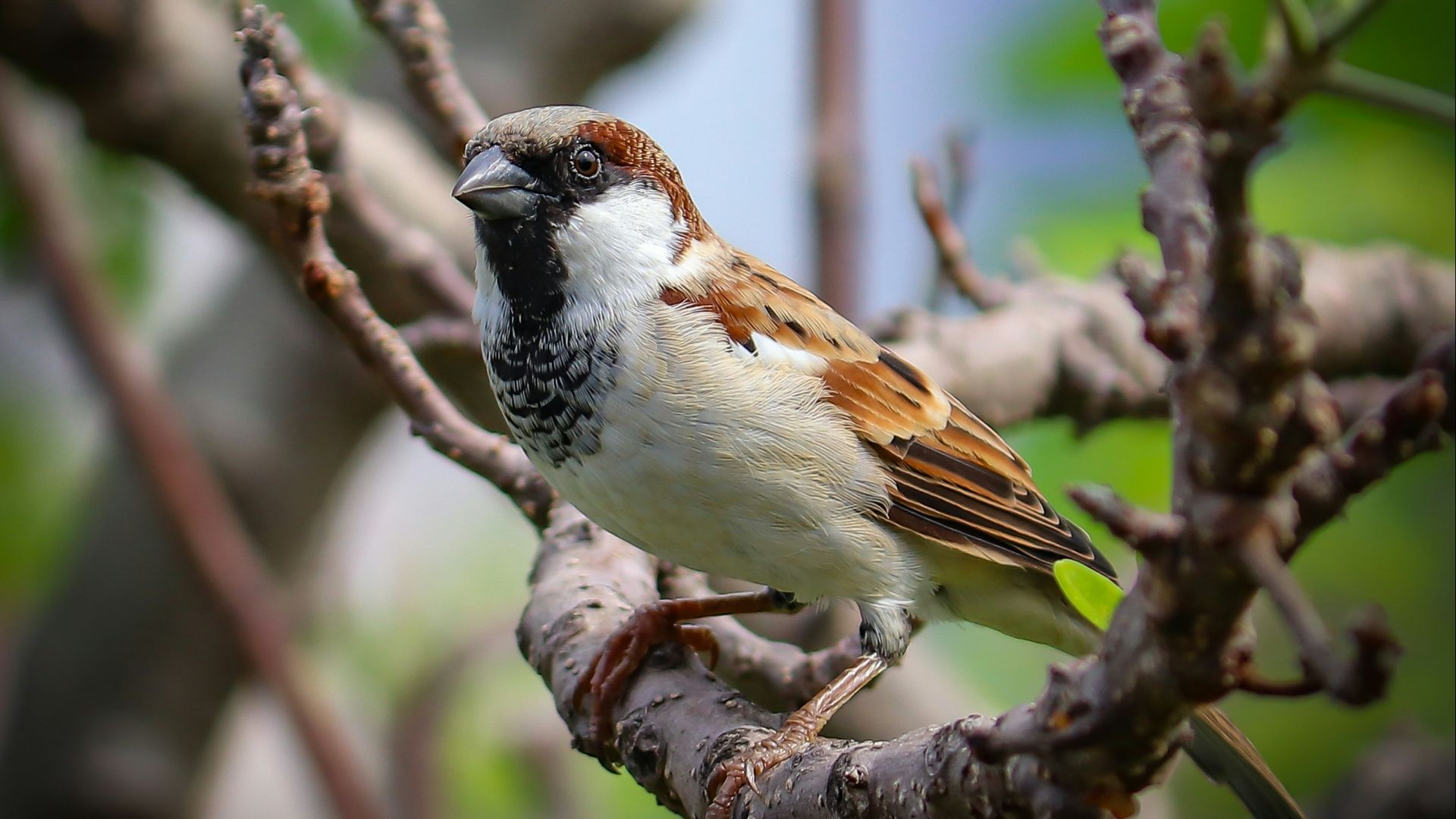
12. China Declared War On Grain-Eating Sparrows
The Four Pests campaign of 1958 listed sparrows alongside rats and flies, and the whole country was mobilized to kill them. Insect numbers rose through the crops instead. Moscow eventually shipped sparrows back to China, long after the famine had taken hold.
13. Cats Were Parachuted Into Borneo After DDT Spraying
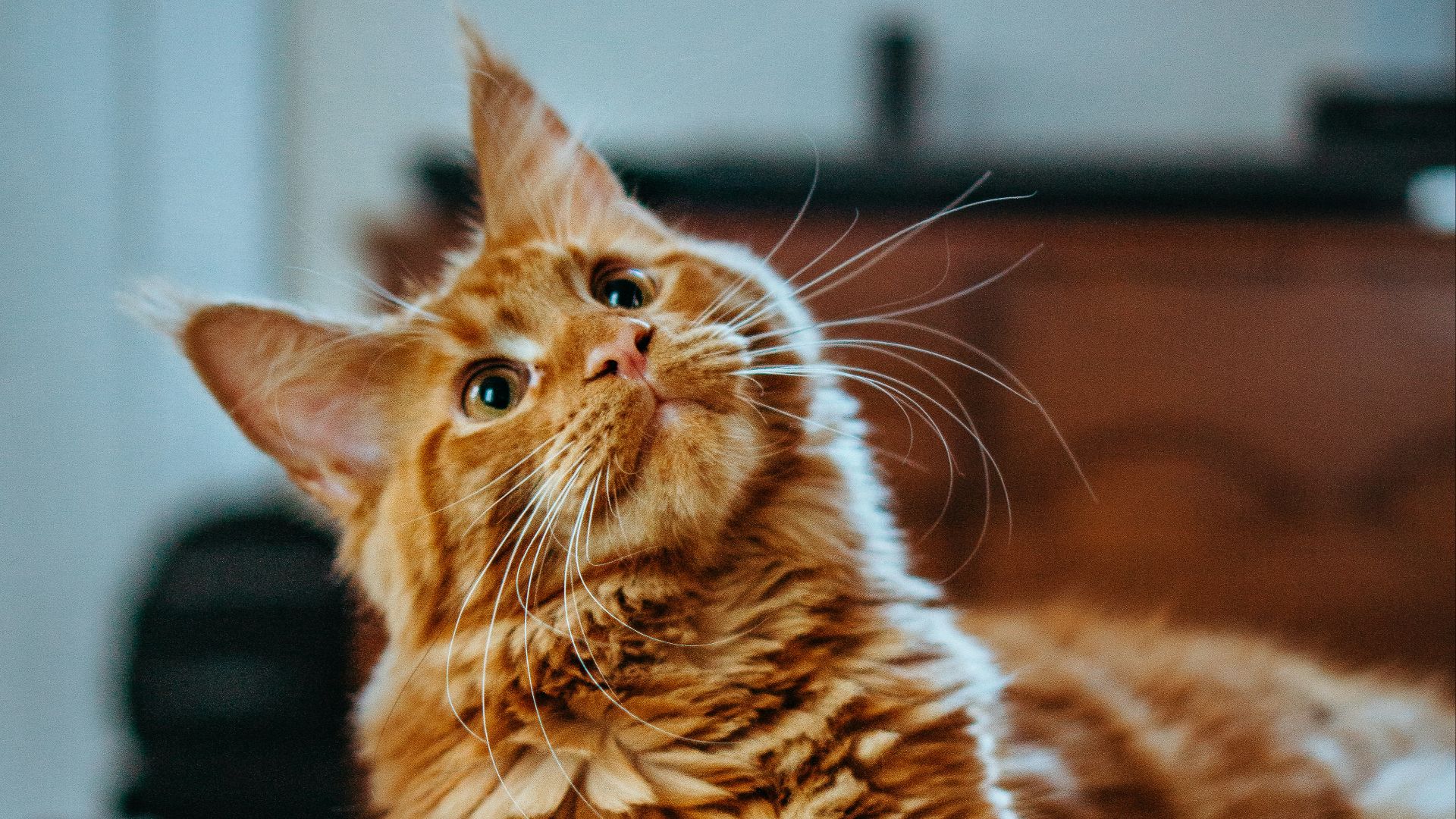
Malaria spraying in Sarawak in the 1950s killed mosquitoes along with the wasps that held thatch-eating caterpillars down, and village cats died from the poisoned prey. The Royal Air Force dropped replacement cats into upland villages in 1960. Contemporary reports describe about two dozen animals, and the figure of 14,000 that circulates online was invented much later.
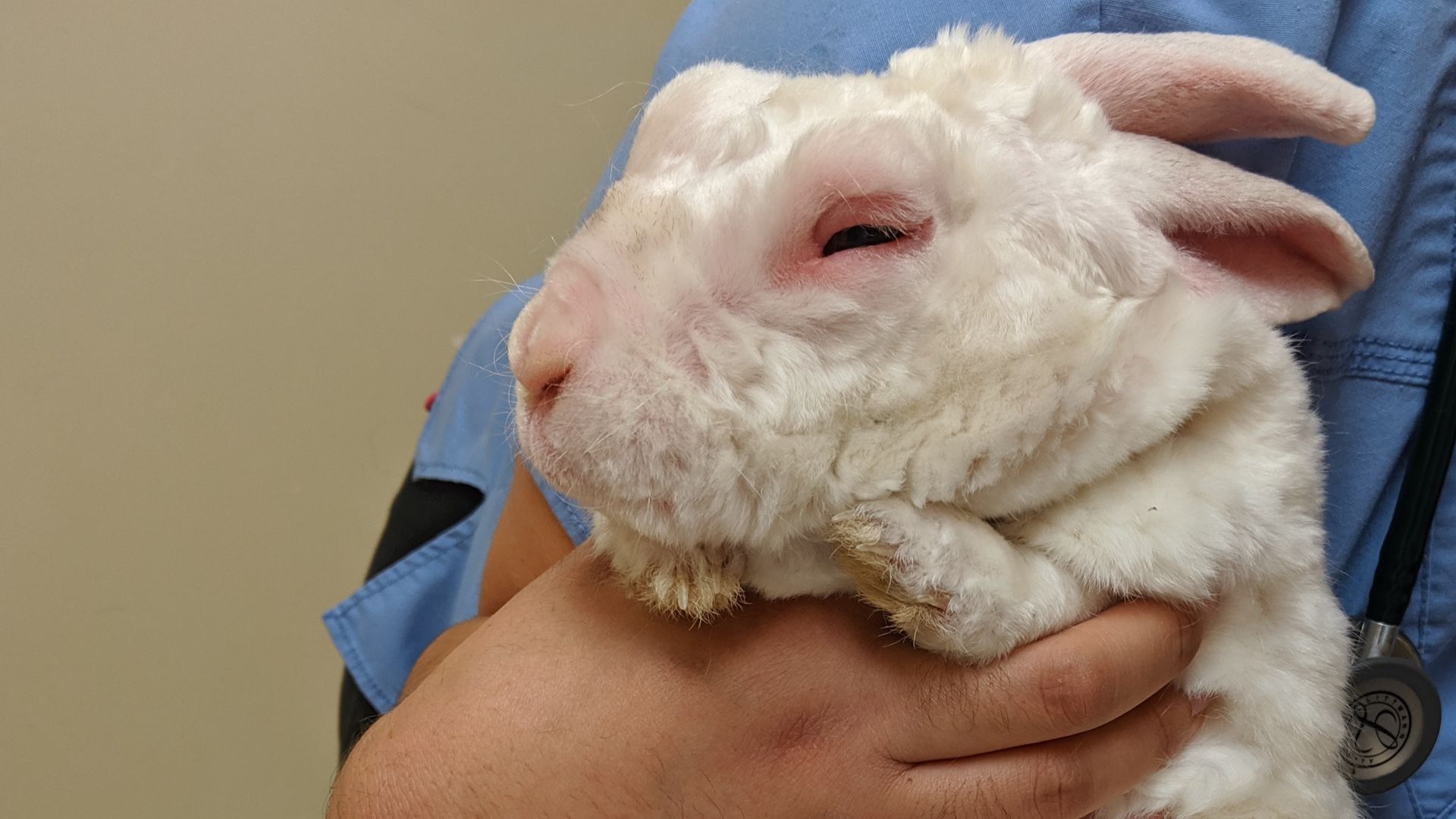
14. Myxomatosis Was Released On One French Estate
A landowner put the virus into his rabbit population in 1952 to protect his own crops. It crossed France and reached Britain the next year, killing rabbits on a scale nobody had authorized or planned for. Predators that depended on rabbits went hungry, and chalk grassland lost the grazing that kept it open.
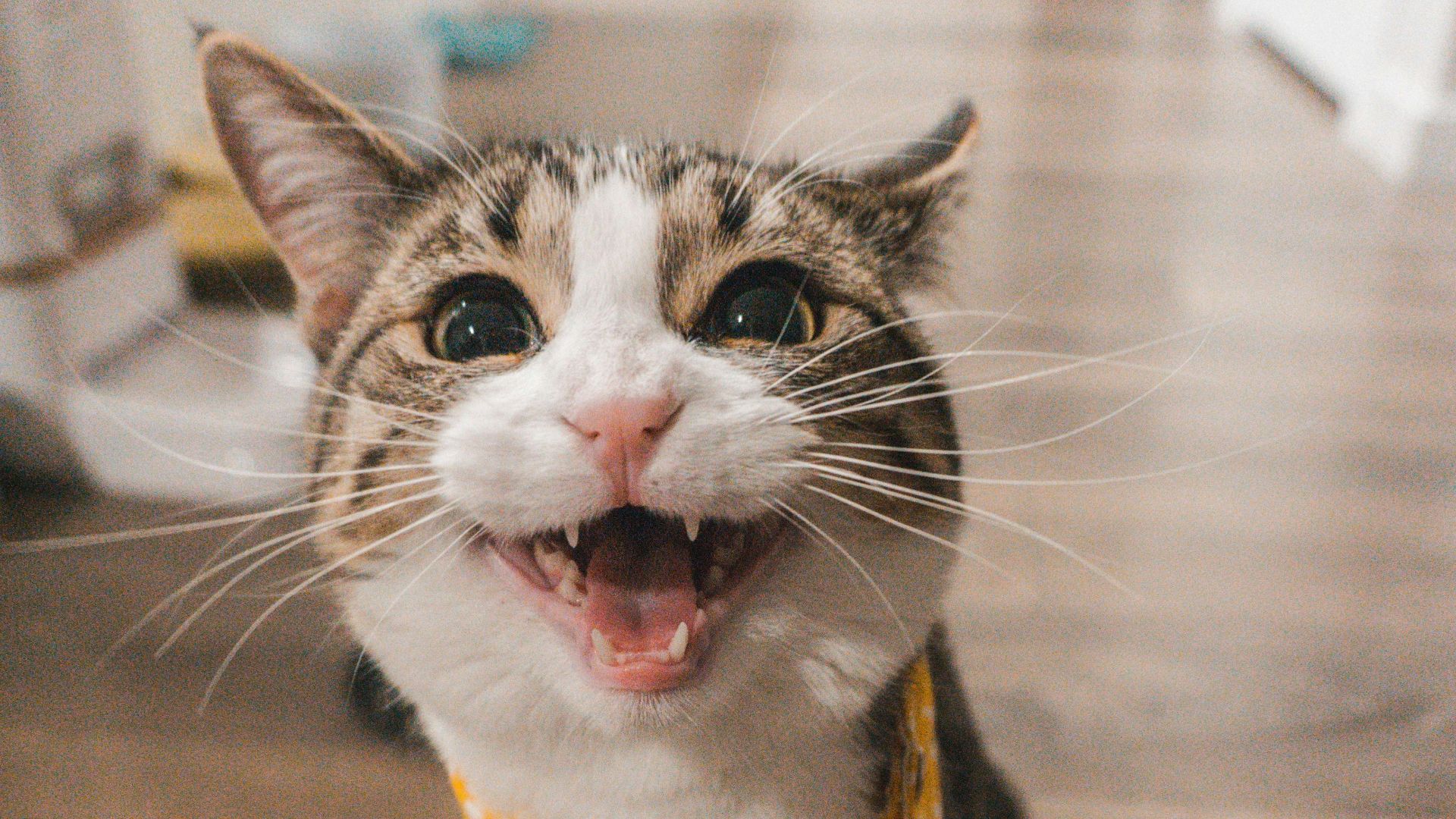
15. Removing Macquarie Island’s Cats Unleashed the Rabbits
Cats were hunted off the island to protect seabirds, with the last one shot in 2000. Rabbit numbers climbed fast with the predator gone, and grazing stripped slopes bare enough to trigger landslides. A 2009 paper in the Journal of Applied Ecology drew the link, and the follow-up eradication of the remaining pests cost about 24 million Australian dollars.
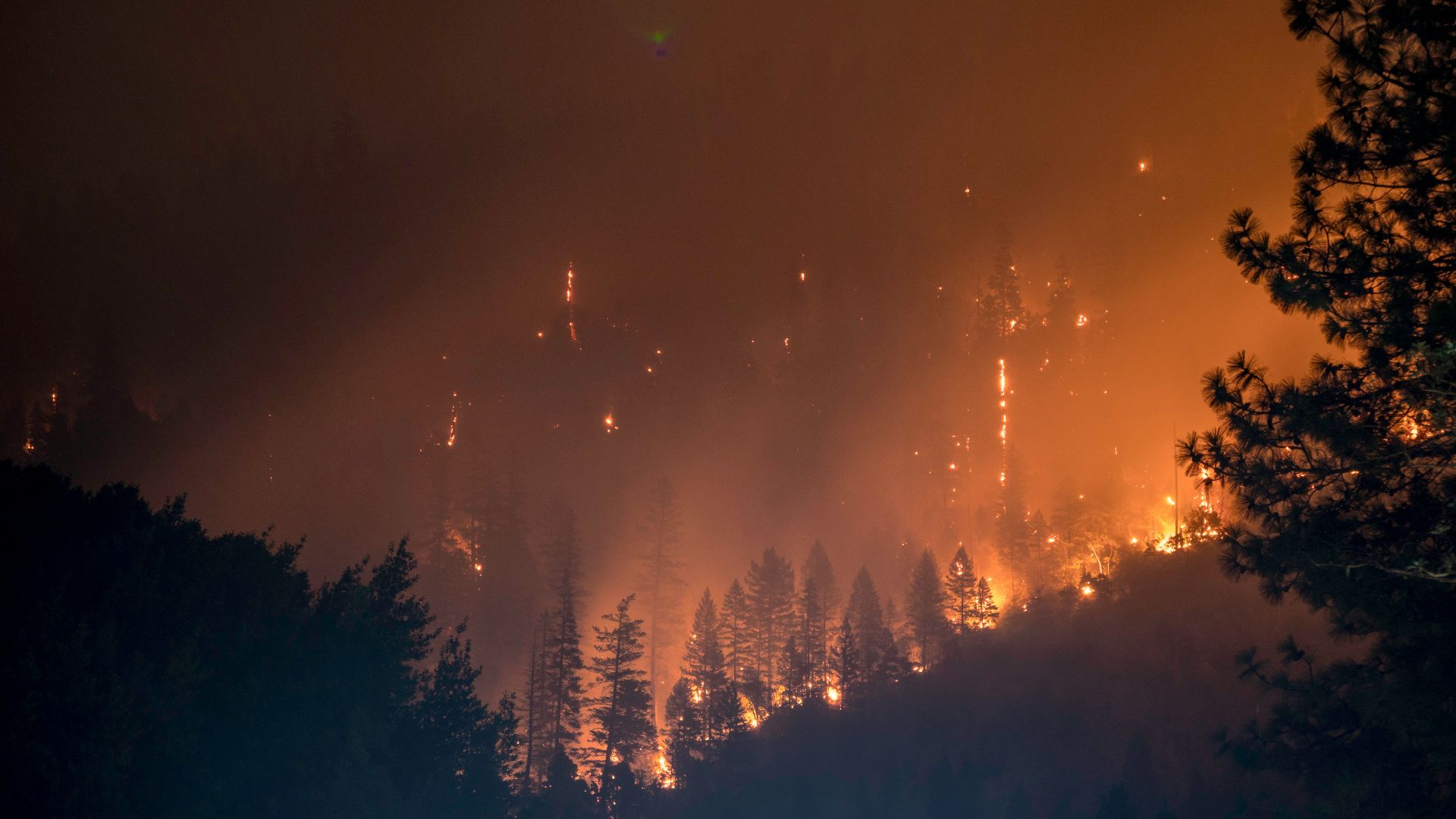
16. A Century Of Fire Suppression Built The Fuel For Megafires
American policy for most of the twentieth century was to put every fire out as quickly as possible. Forests that once burned lightly and often filled with small trees and dead wood instead, so fires arriving today carry enough fuel to kill mature trees that would have survived the old ones.
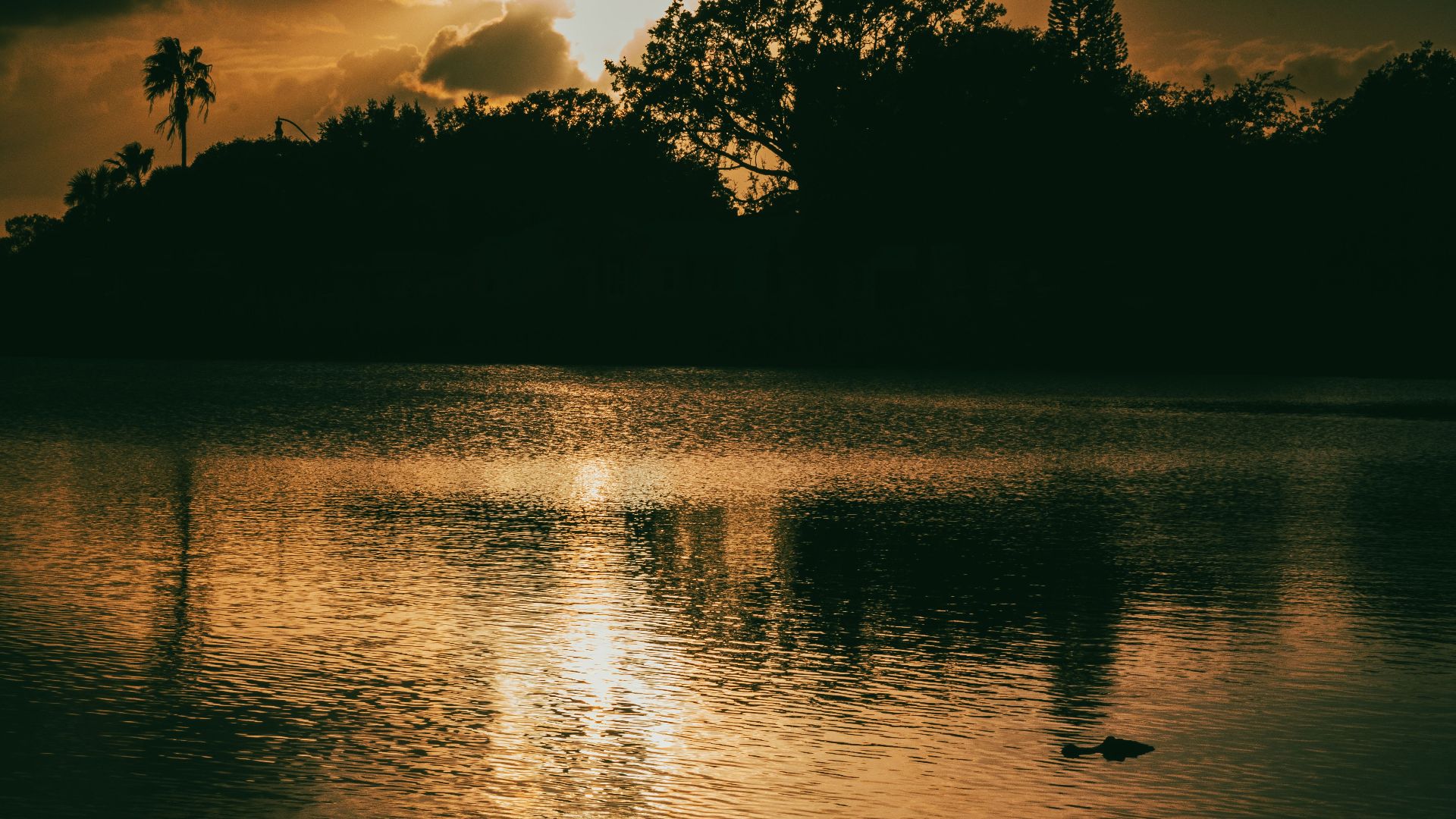
17. Florida Straightened The Kissimmee River Into A Ditch
The Army Corps of Engineers converted 103 miles of meandering river into the C-38 canal during the 1960s for flood control. More than ninety percent of the waterfowl disappeared and bald eagle nesting territories fell by seventy percent. Restoration work ran from 1999 to 2021 and put the curves back.
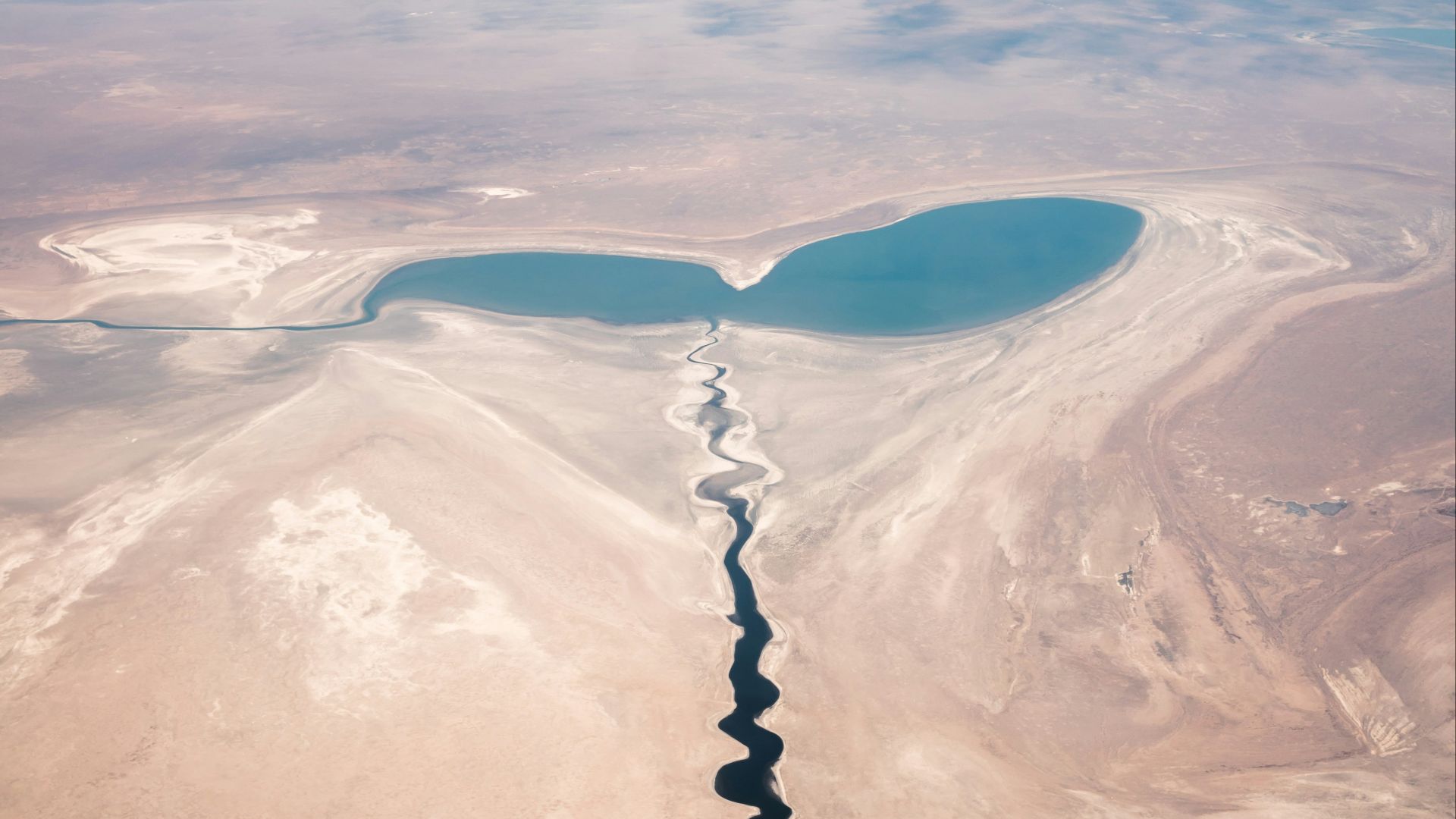
18. Soviet Canals Drained The Aral Sea For Cotton
Planners diverted the Amu Darya and Syr Darya in the 1960s to irrigate cotton across desert plains. The sea shrank to a fraction of its old extent and the fishing fleets were left sitting on dry ground, with the exposed bed throwing up dust laced with pesticide. NASA imagery recorded the southern sea's eastern lobe vanishing entirely in 2014.
 Patrick Rosenberger (Schneider) on Unsplash
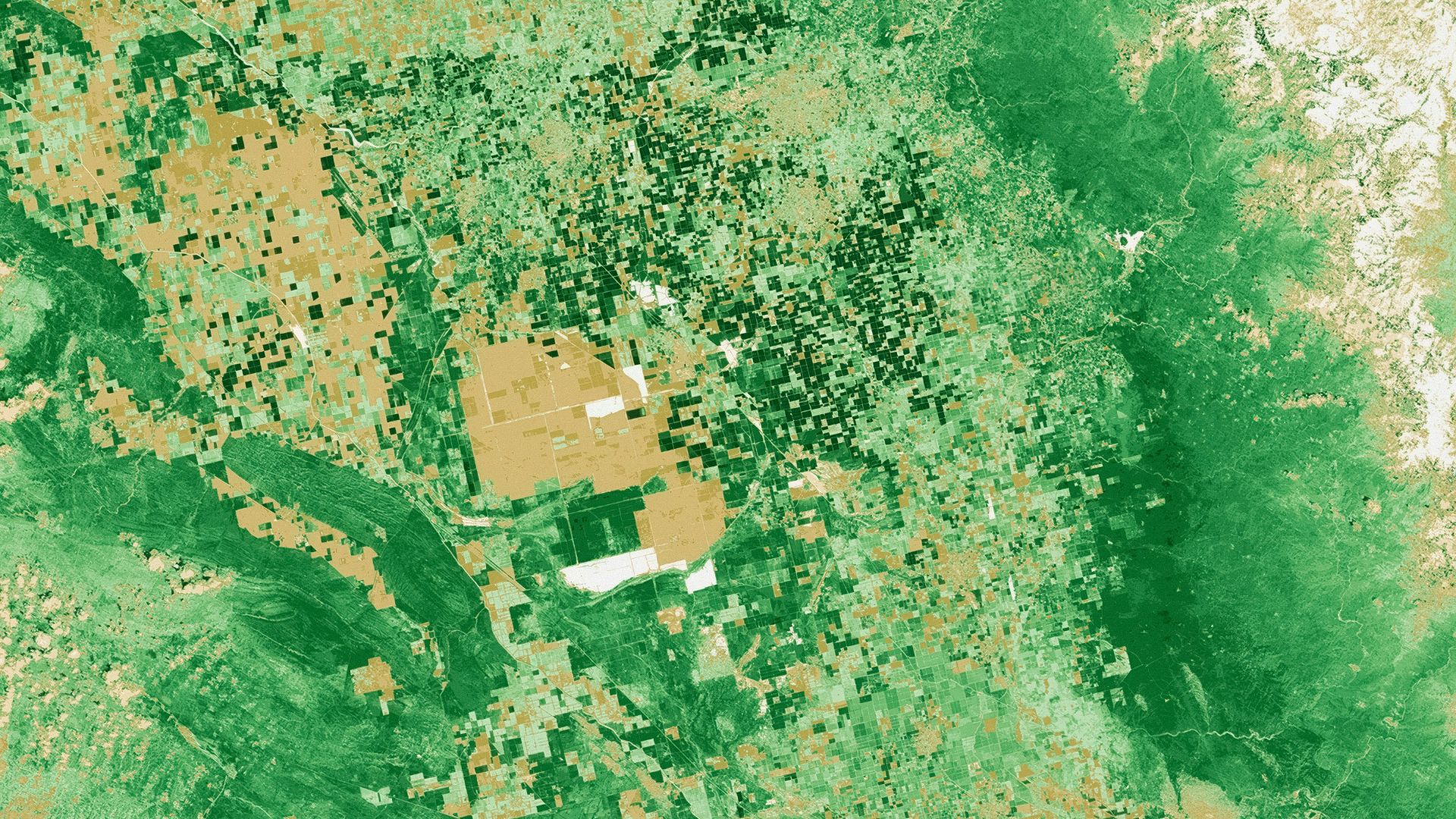
19. Pumping Groundwater Sank The San Joaquin Valley
California farms answered dry years by drilling, and the valley floor has been dropping since the 1920s. The USGS records ground near the Delta-Mendota Canal sinking as much as ten feet, which bends canals and wrecks well casings. An aquifer compacted this way loses its storage permanently.
20. Carp Were Imported To Clean American Fish Ponds
Silver and bighead carp arrived in the 1970s to scrub algae out of catfish ponds and sewage lagoons in the South. Flooding washed them into the Mississippi, and they have been moving upriver ever since. Federal agencies now run electric barriers to keep them out of the Great Lakes.