

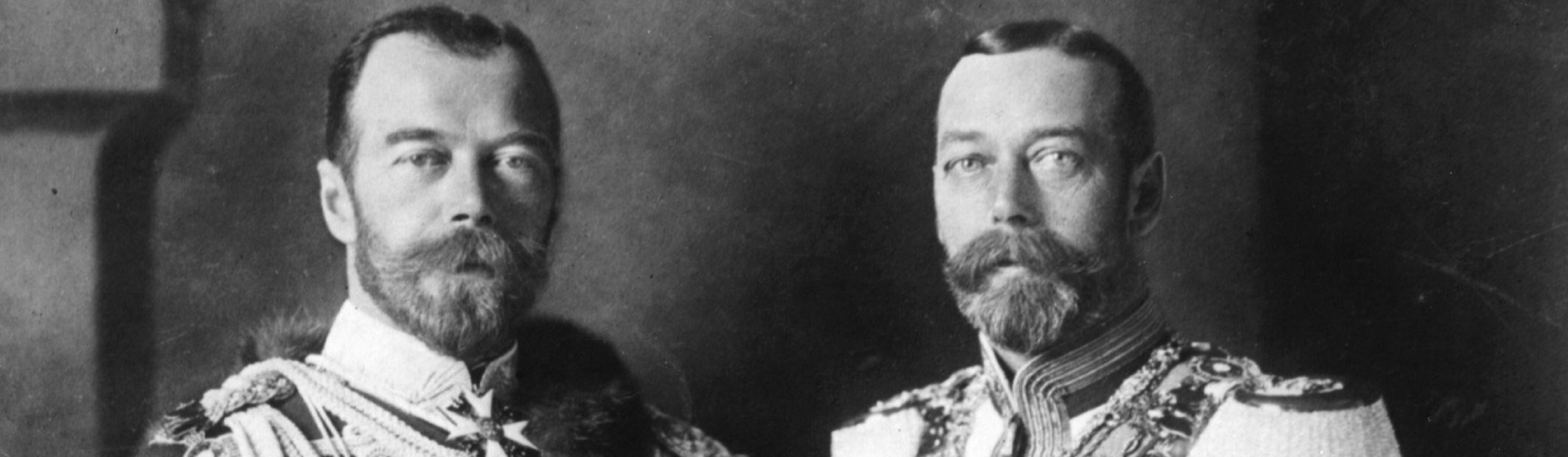
When One Ending Starts a New Chapter
Some deaths are private tragedies, while others send shock waves through politics, culture, religion, science, or entire nations. A single assassination, execution, illness, or battlefield loss can change laws, spark wars, reshape movements, or turn a person into a symbol far bigger than they were in life. History doesn’t always turn on one moment, but certain deaths clearly pushed events in a new direction. These 20 deaths remind us that the end of one life can sometimes alter the path of millions.
1. Julius Caesar
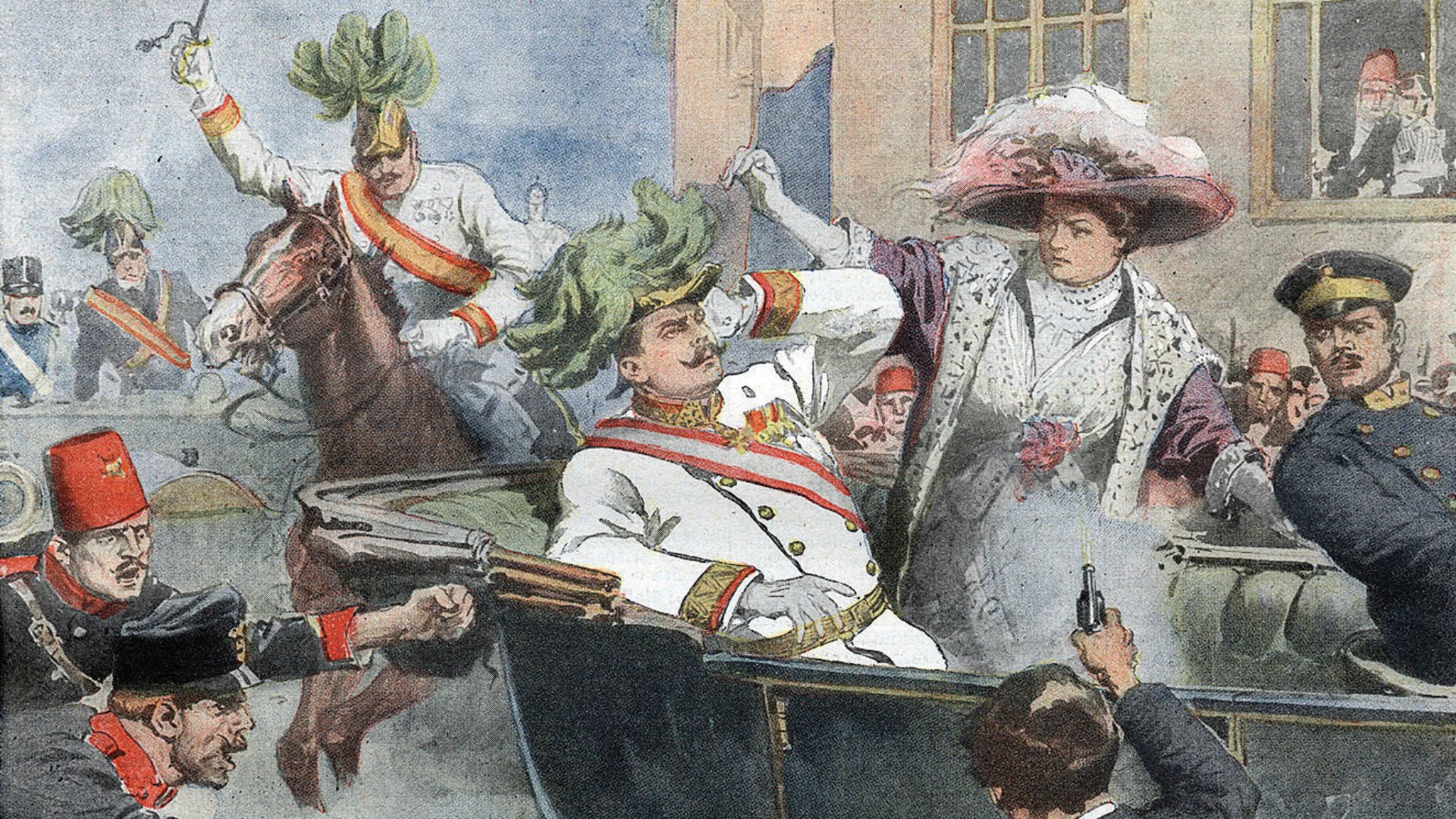
Julius Caesar’s assassination in 44 BCE shattered the Roman Republic’s already fragile political order. His killers hoped they were saving Rome from dictatorship, but instead, they helped trigger more civil war. The chaos eventually cleared the path for Augustus and the rise of the Roman Empire.
2. Jesus of Nazareth
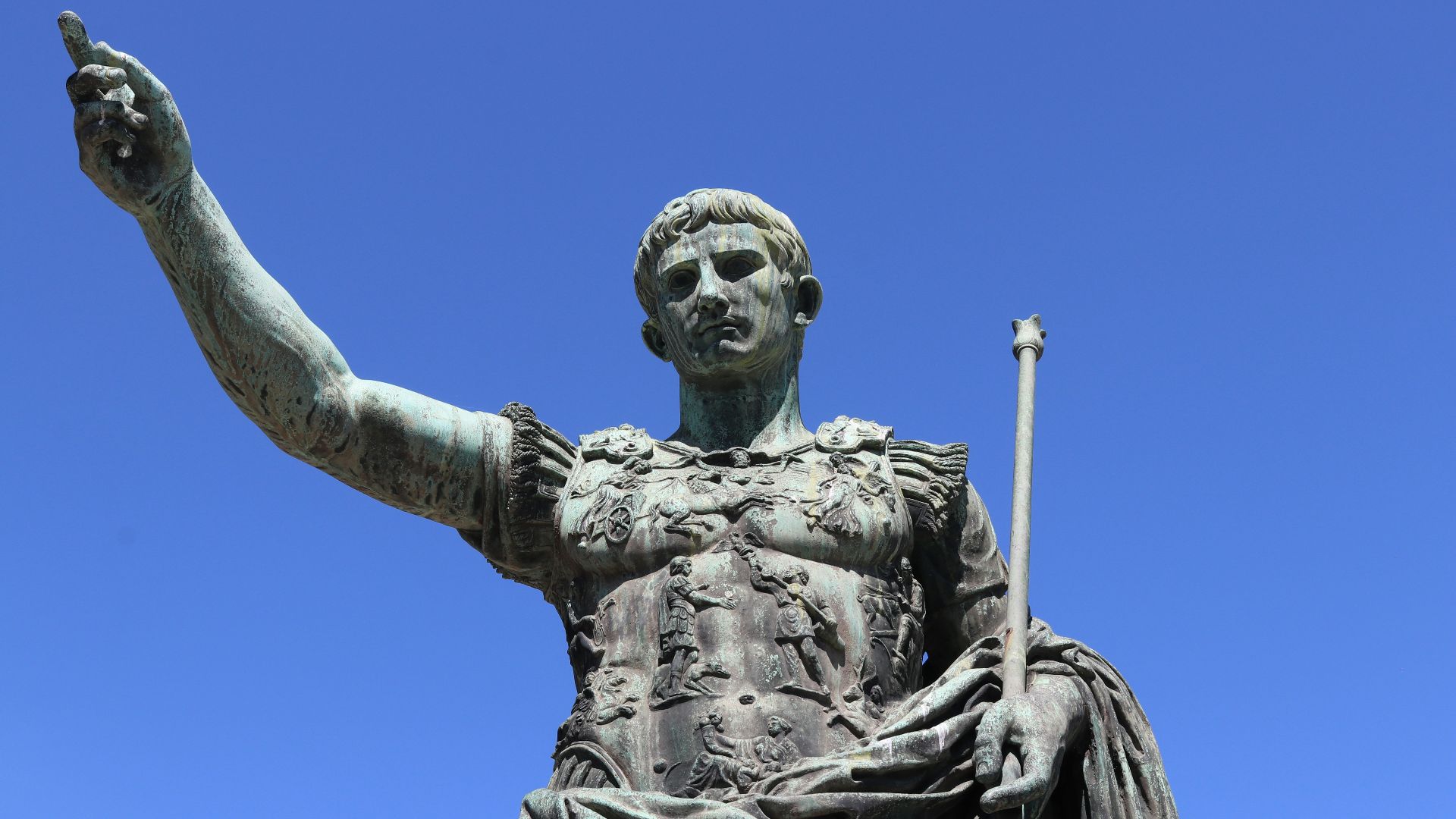
The crucifixion of Jesus became the central event of Christianity. His followers believed his death and resurrection carried spiritual meaning that transformed their understanding of God, salvation, and human history. Over time, Christianity spread across the Roman Empire and eventually became one of the world’s largest religions.
3. Joan of Arc
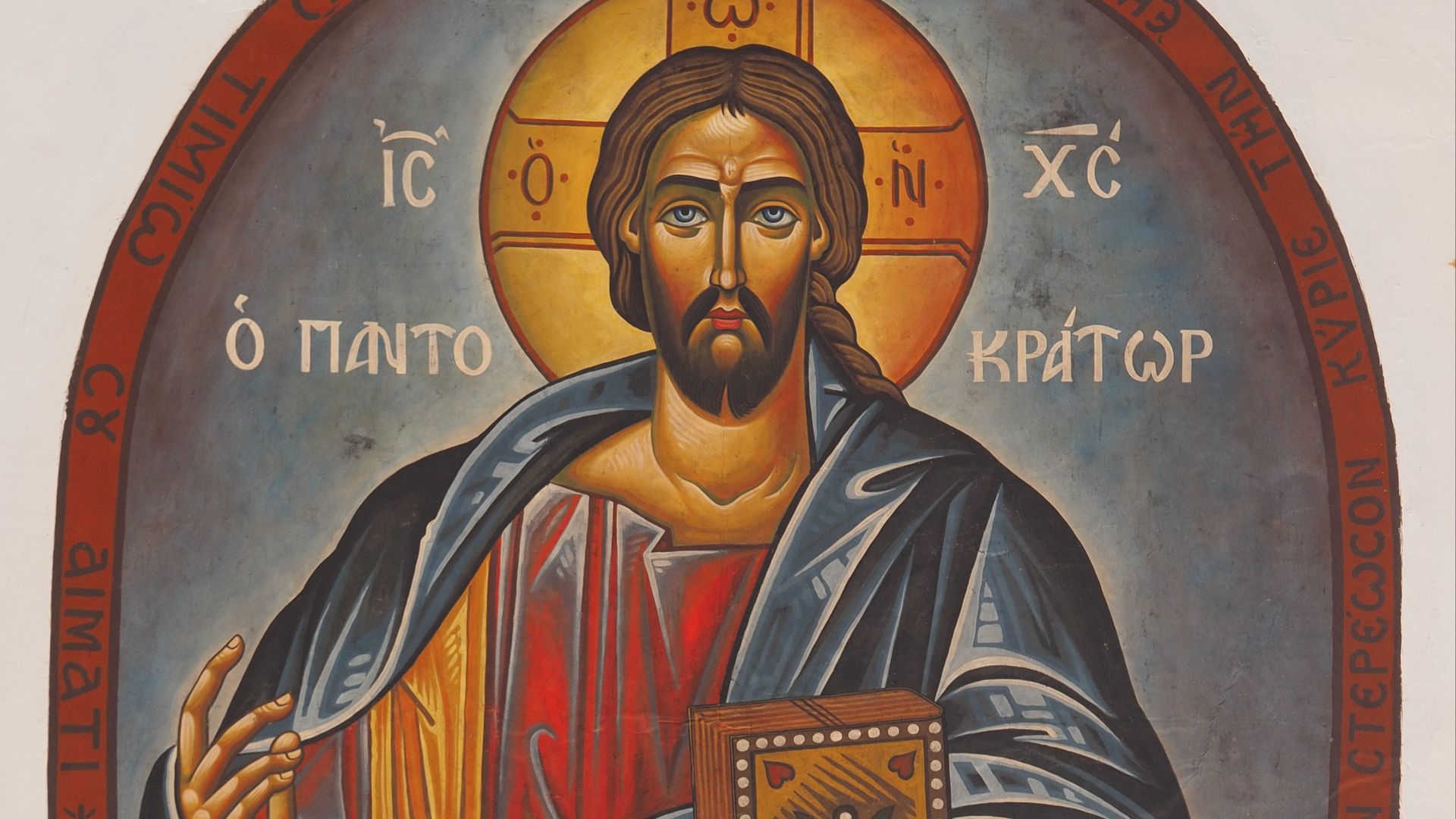
Joan of Arc was executed by burning in 1431 after helping rally French forces during the Hundred Years’ War. Her death turned her from a controversial young military figure into a martyr and national symbol. Decades later, her conviction was overturned, and her reputation continued to grow.
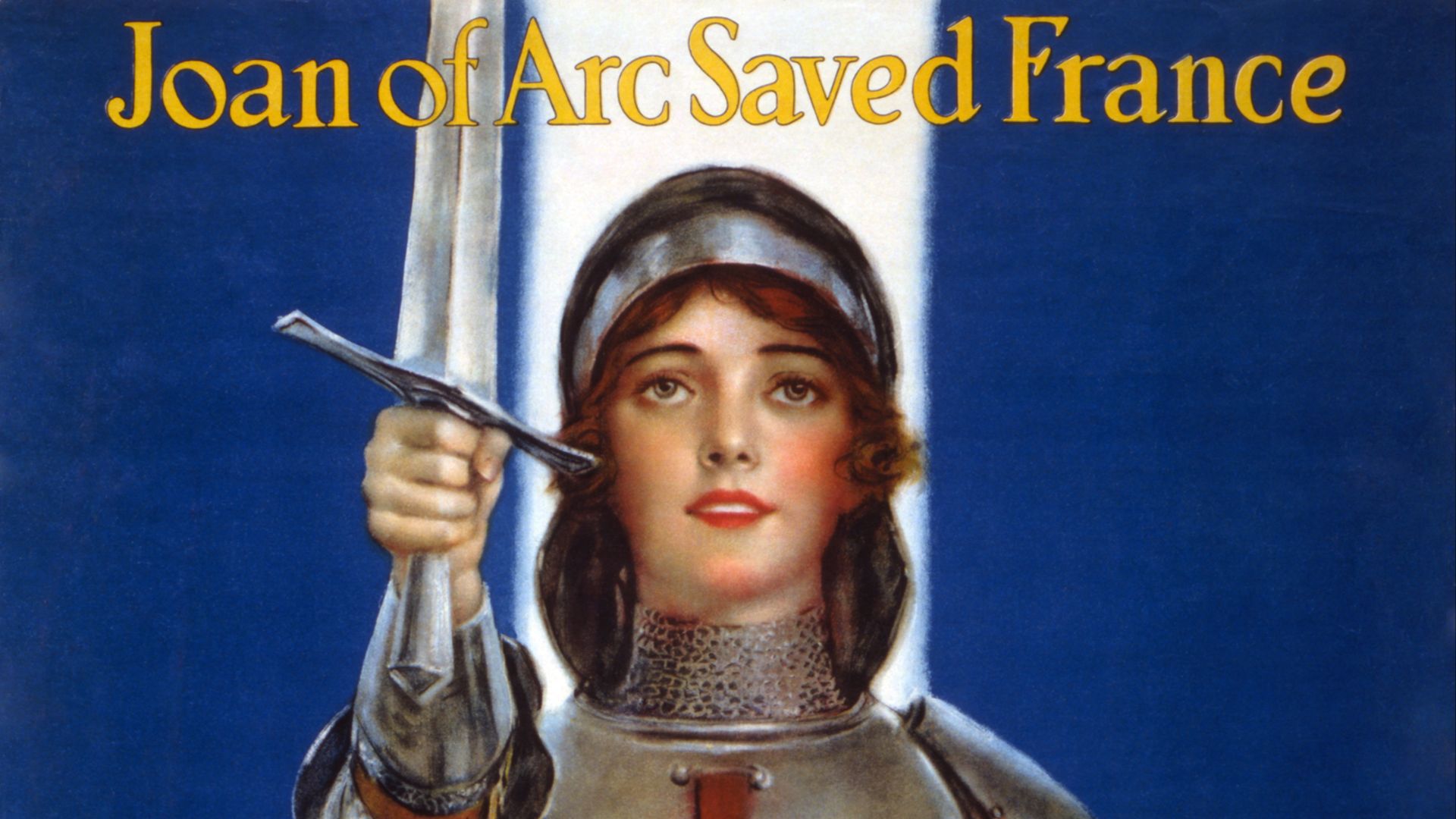 William Haskell Coffin on Wikimedia
4. Martin Luther King Jr.
Martin Luther King Jr. was assassinated in 1968 while supporting striking sanitation workers in Memphis. His death sparked grief, anger, and unrest across the United States. It also helped build momentum for the passage of the Fair Housing Act days later.
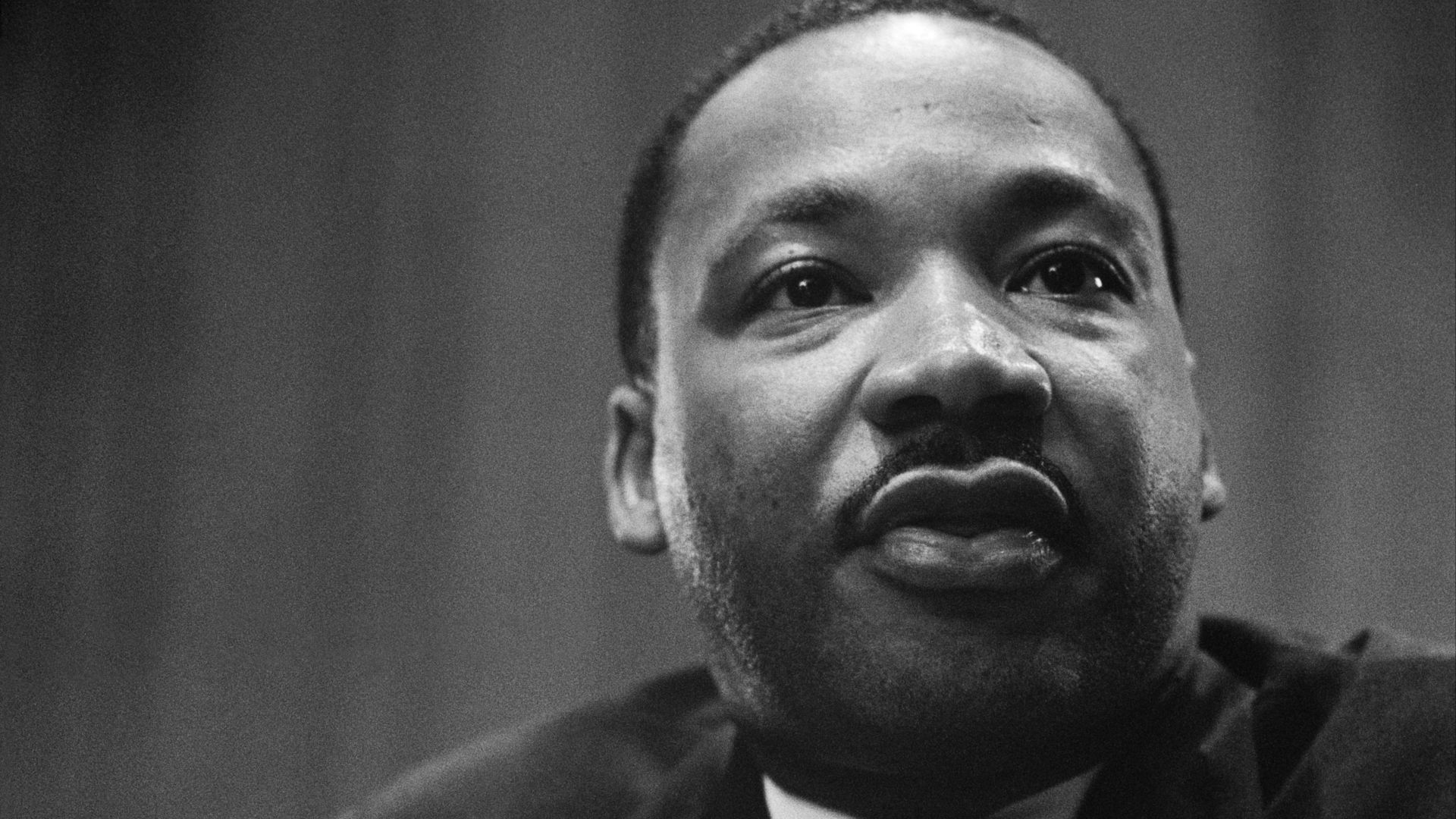 Marion S. Trikosko on Wikimedia
5. Archduke Franz Ferdinand
The assassination of Archduke Franz Ferdinand in Sarajevo in 1914 helped set off World War I. His death didn't cause the war by itself, but it lit the match in a Europe already packed with alliances, rivalries, and military tension. Within weeks, much of the continent was pulled into a conflict that would become one of the deadliest in history.
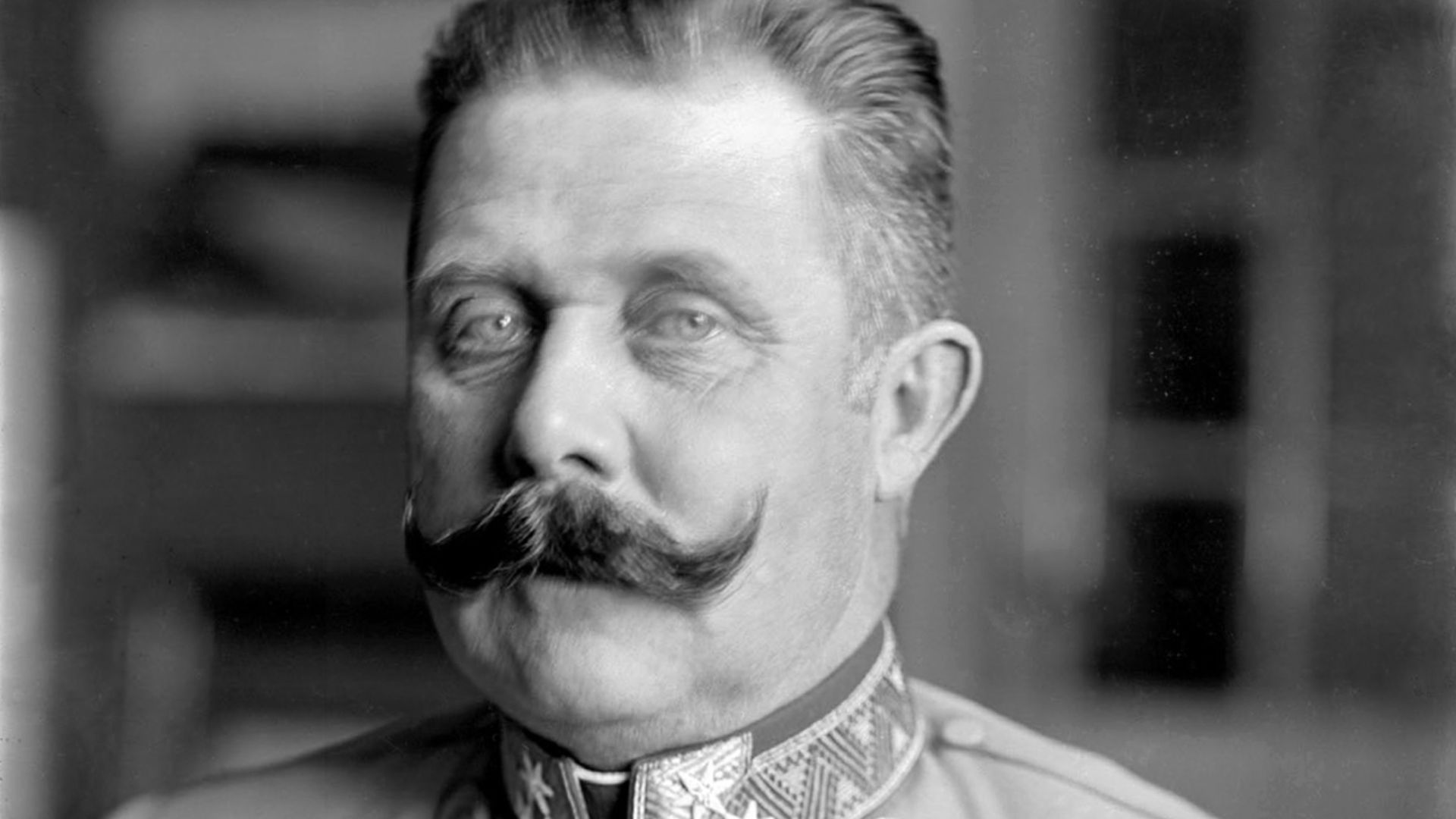 Ferdinand Schmutzer on Wikimedia
6. Abraham Lincoln
Abraham Lincoln was assassinated in 1865, just days after the Civil War effectively ended. His death left the United States without the president who had led it through secession and emancipation. Reconstruction then unfolded under weaker and more divisive leadership, with enormous consequences for formerly enslaved people and the future of civil rights.
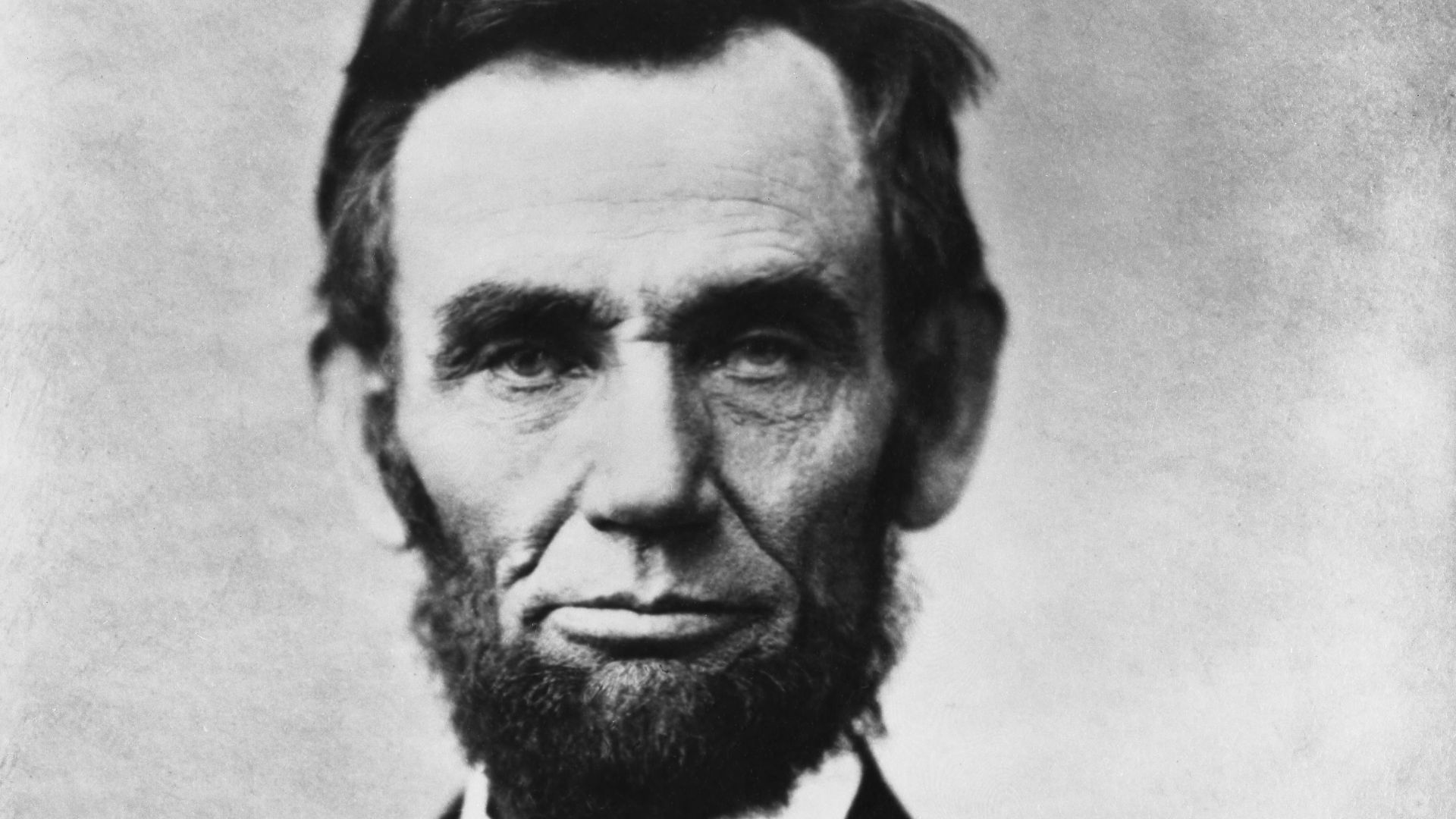 Alexander Gardner on Wikimedia
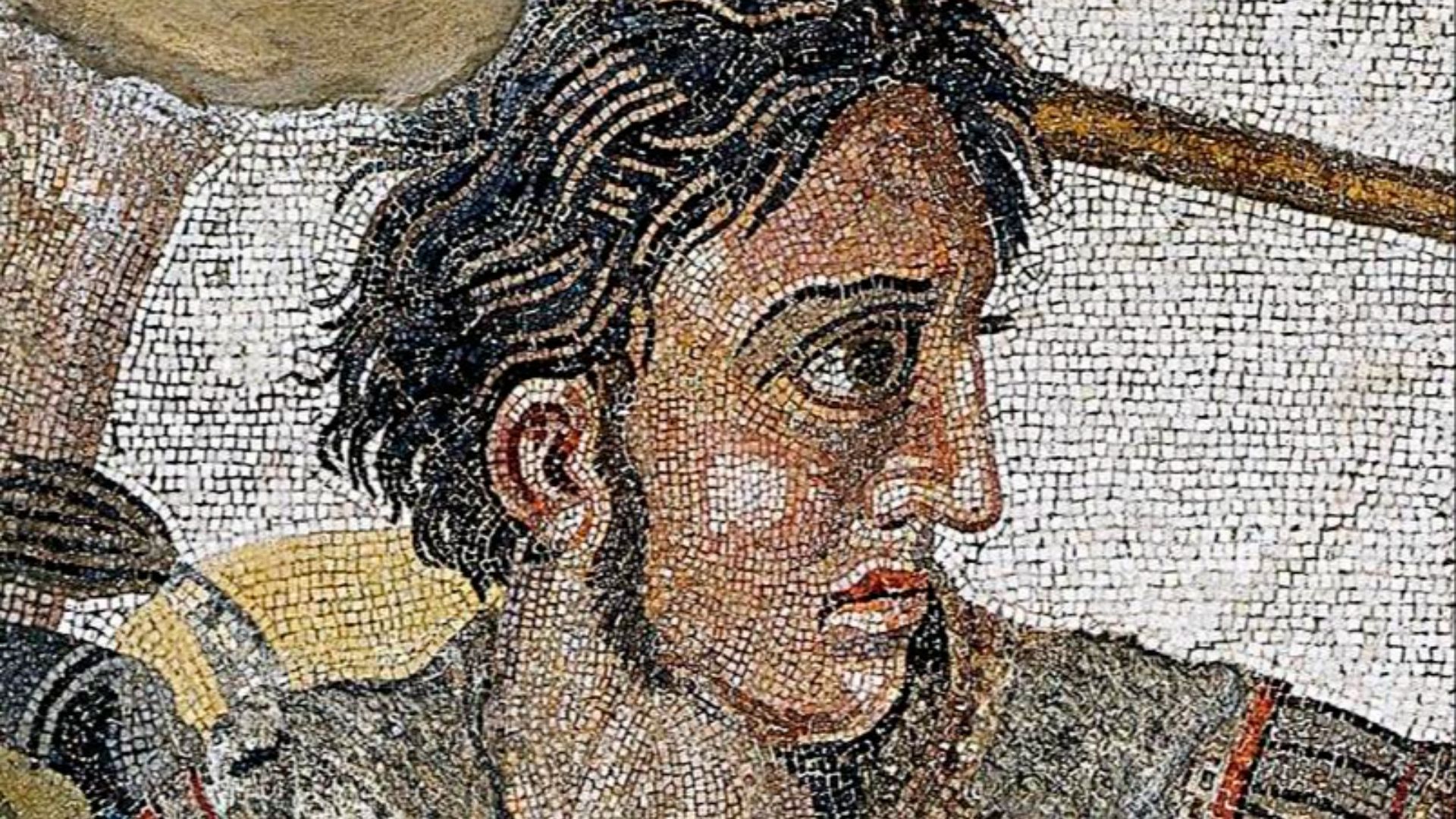
7. Alexander the Great
Alexander the Great died in 323 BCE at only 32, leaving behind an enormous empire with no clear adult heir ready to rule. His death triggered the Wars of the Diadochi, as his generals fought over the territory he had conquered. That struggle broke his empire into Hellenistic kingdoms, spreading Greek language, art, science, and culture across Egypt, Persia, and parts of Asia.
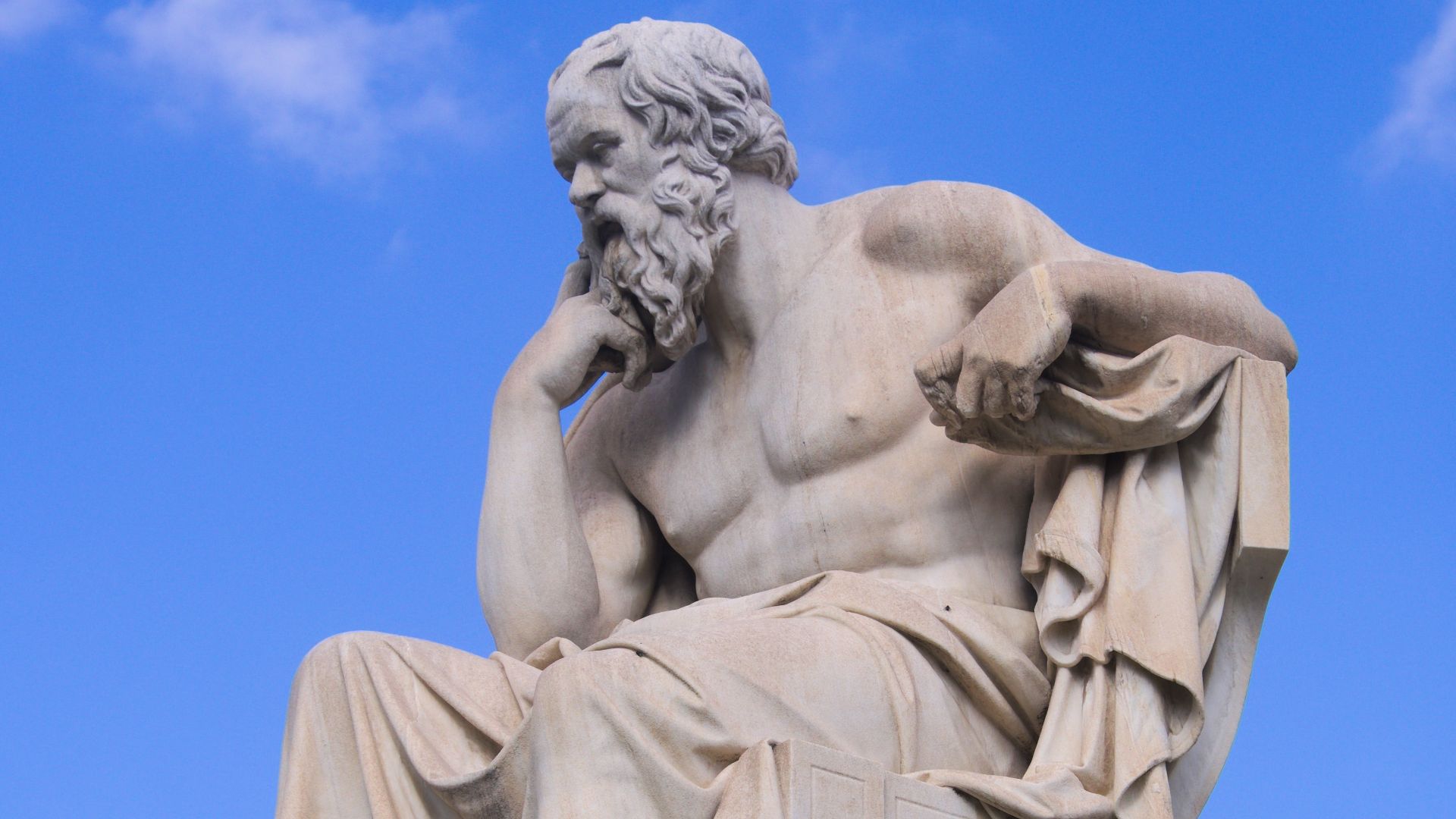
8. Socrates
Socrates was sentenced to death in Athens in 399 BCE and drank hemlock rather than abandon his principles. His death became one of philosophy’s most famous examples of intellectual courage. Through Plato’s writings, it shaped ideas about ethics, justice, citizenship, and the examined life.
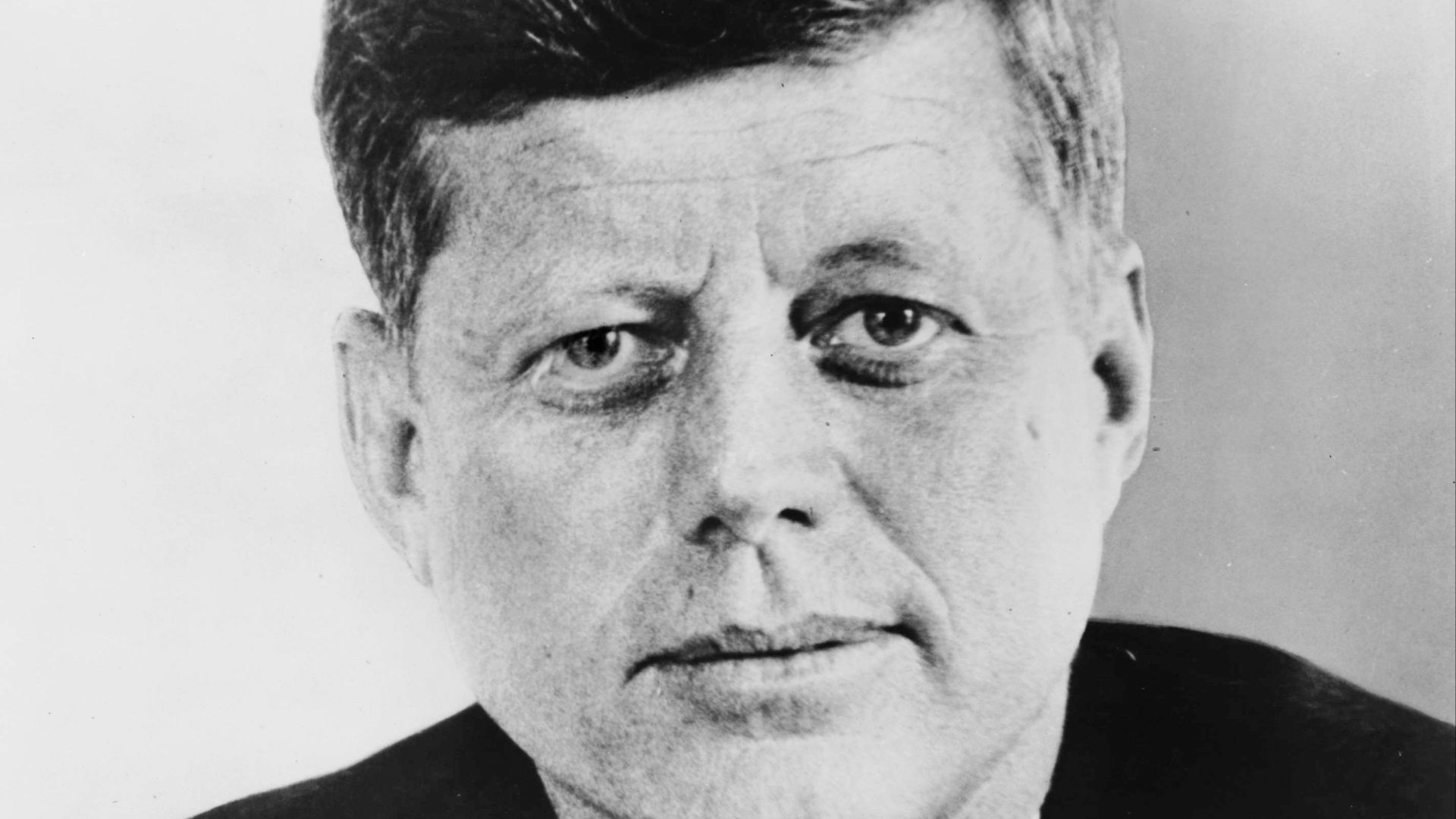
9. John F. Kennedy
John F. Kennedy’s assassination in 1963 stunned the world and ended a presidency associated with youth, Cold War tension, civil rights battles, and space-age ambition. Lyndon B. Johnson used the national moment to push forward major reform, including landmark civil rights legislation and Great Society programs. It also deeply fractured the postwar optimism of the Baby Boomer generation and led to a shift toward questioning authority.
10. Emmett Till
Emmett Till was a 14-year-old Black boy murdered in Mississippi in 1955 after being falsely accused of offending a white woman. His mother, Mamie Till-Mobley, insisted on an open-casket funeral so the world could see what had been done to him. Images of his brutalized body helped galvanize the civil rights movement.
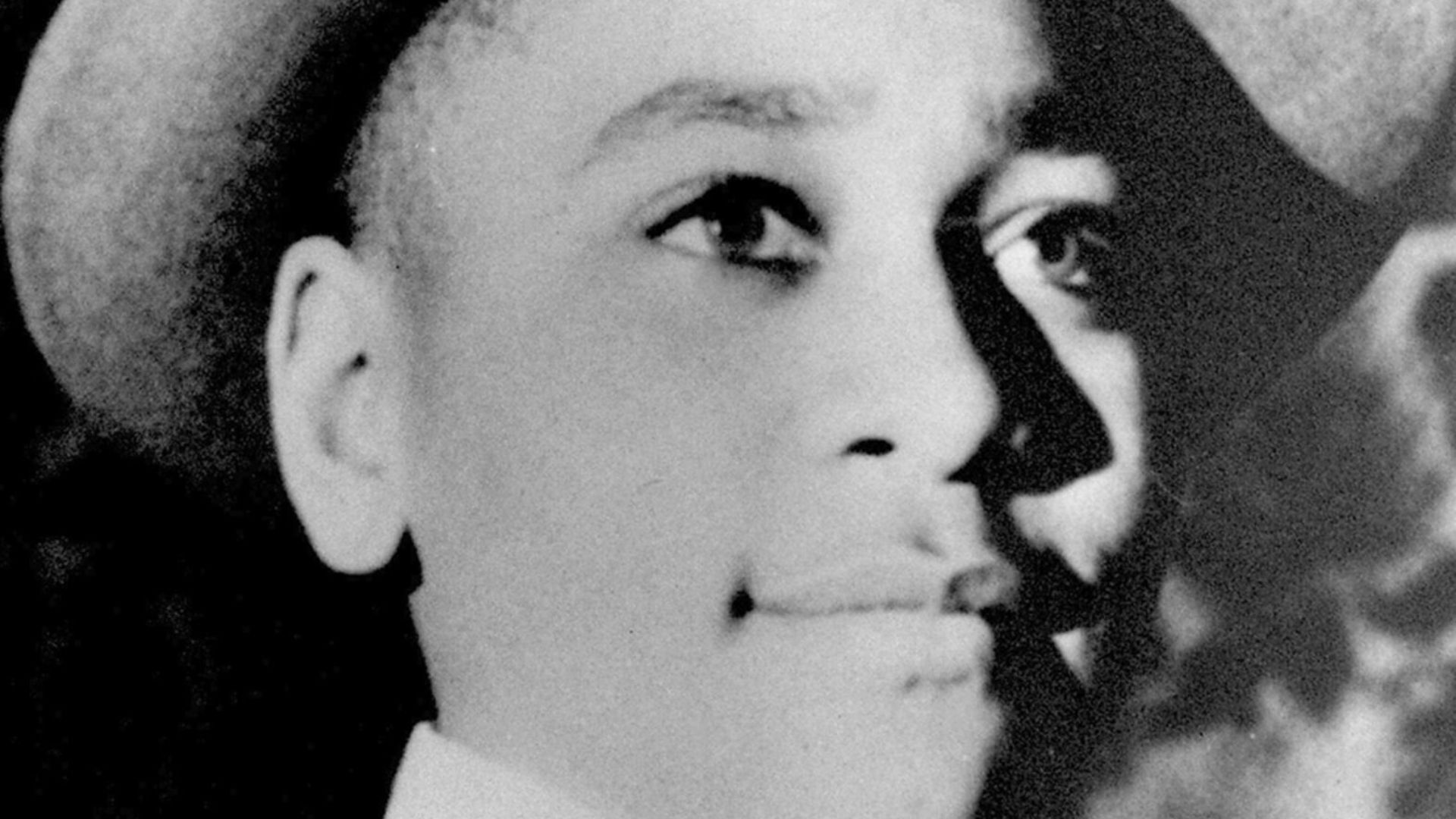 Mamie Till Bradley on Wikimedia
11. Malcolm X
Malcolm X was assassinated in 1965 after years as one of the most powerful voices in Black political thought. His ideas had evolved significantly before his death, moving beyond his earlier separatist positions toward a broader international human rights vision. His murder cut short that transformation. In death, he became an even more influential figure for movements focused on racial justice, self-determination, and resistance.
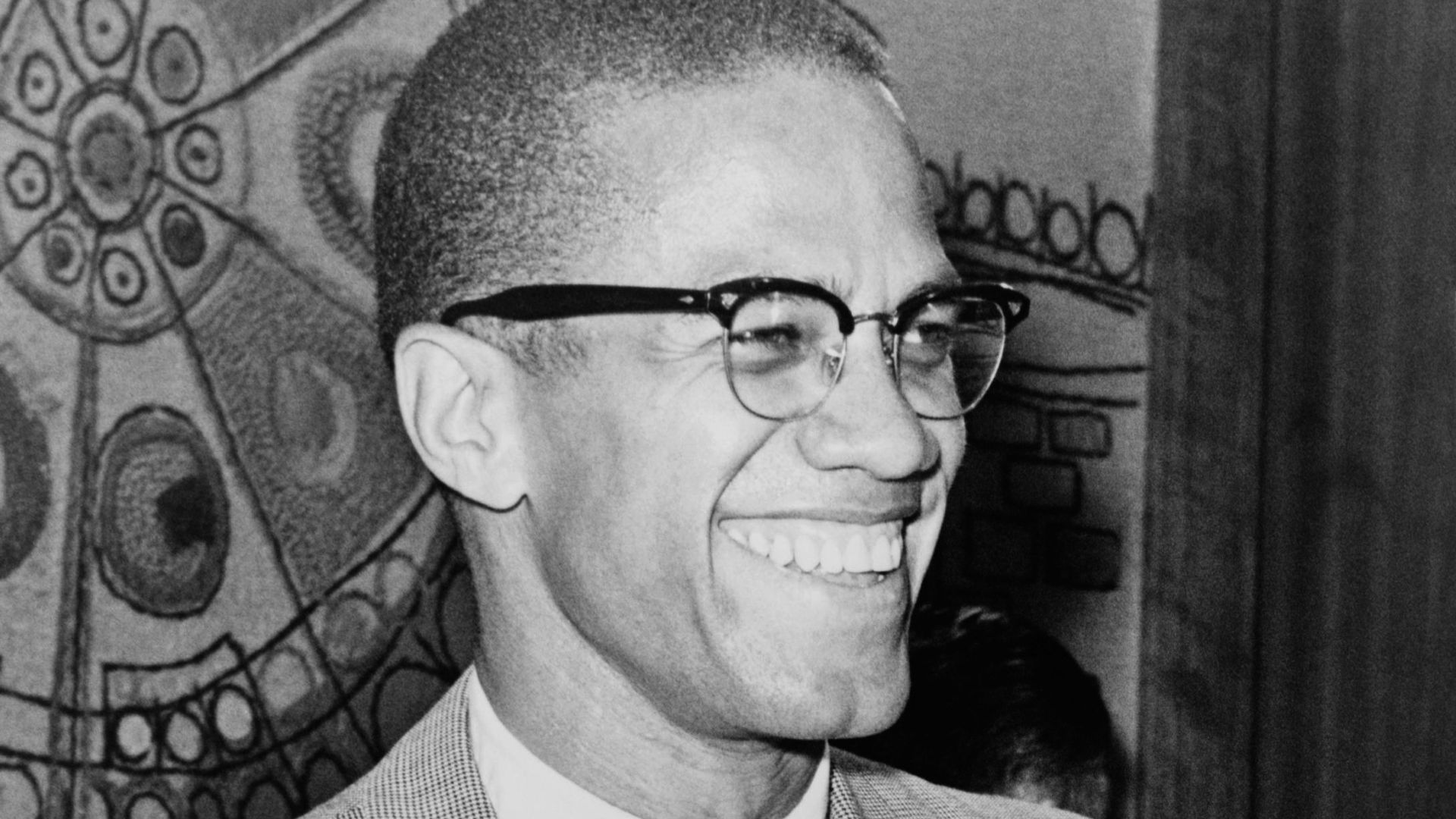 Ed Ford, World Telegram staff photographer on Wikimedia
12. Cleopatra
Cleopatra’s death in 30 BCE marked the end of Ptolemaic Egypt. After her defeat alongside Mark Antony, Egypt became a province of the Roman Empire. Her death also helped cement Augustus’s power and shape the political order of the Mediterranean world.
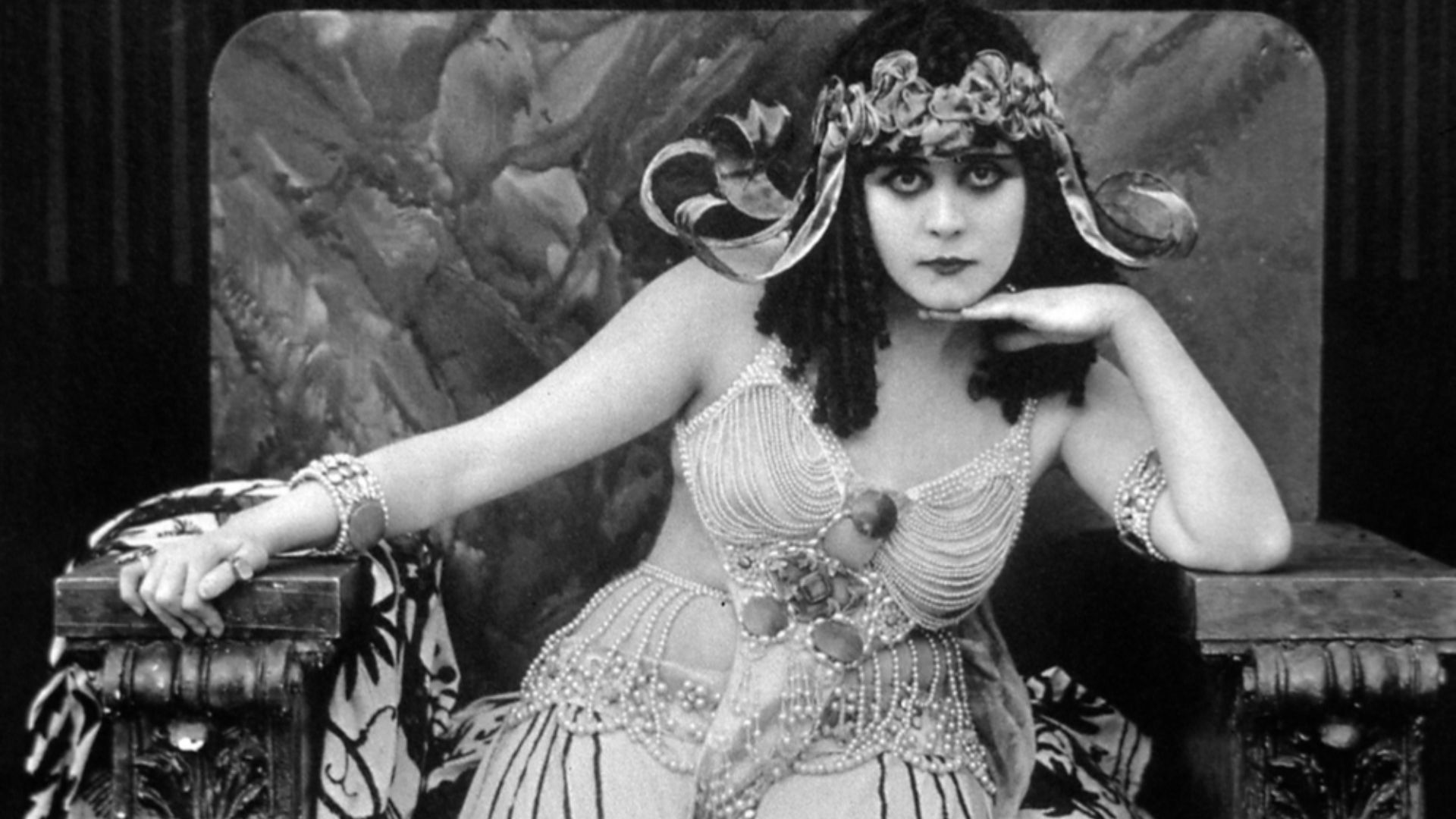 Fox Film Corporation on Wikimedia
13. Marie Antoinette
Marie Antoinette was executed during the French Revolution in 1793. Her death symbolized the fall of the old monarchy and the rage directed at aristocratic privilege. She wasn't the sole cause of France’s crisis, but she became one of its most famous targets.
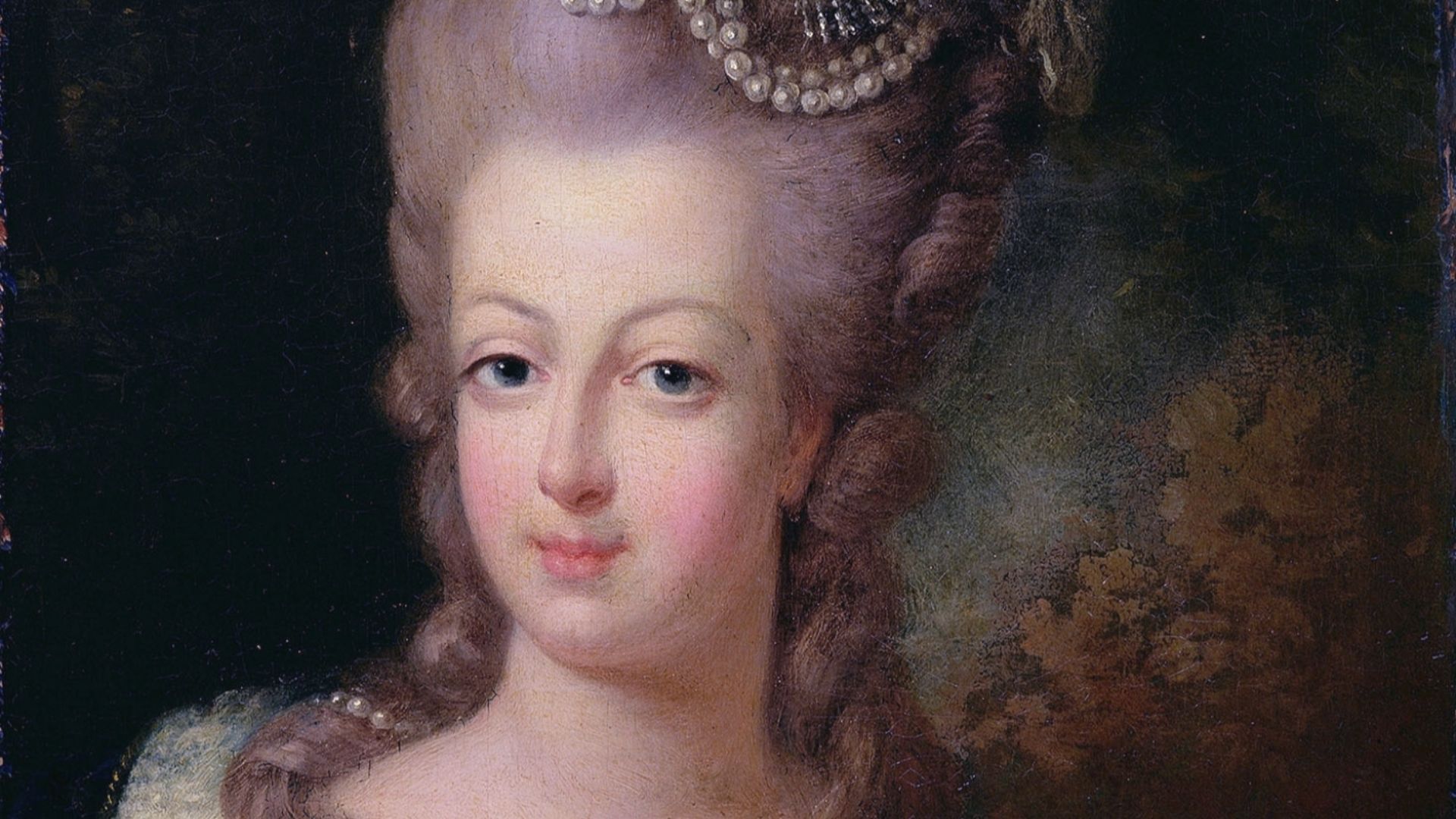 After Jean-Baptiste André Gautier-Dagoty on Wikimedia
14. Tsar Nicholas II & His Family
Tsar Nicholas II and his family were executed by the Bolsheviks in 1918. Their deaths ended the Romanov dynasty and made any simple restoration of the Russian monarchy far less likely. The killings also became a powerful symbol for both revolutionary brutality and anti-communist memory.
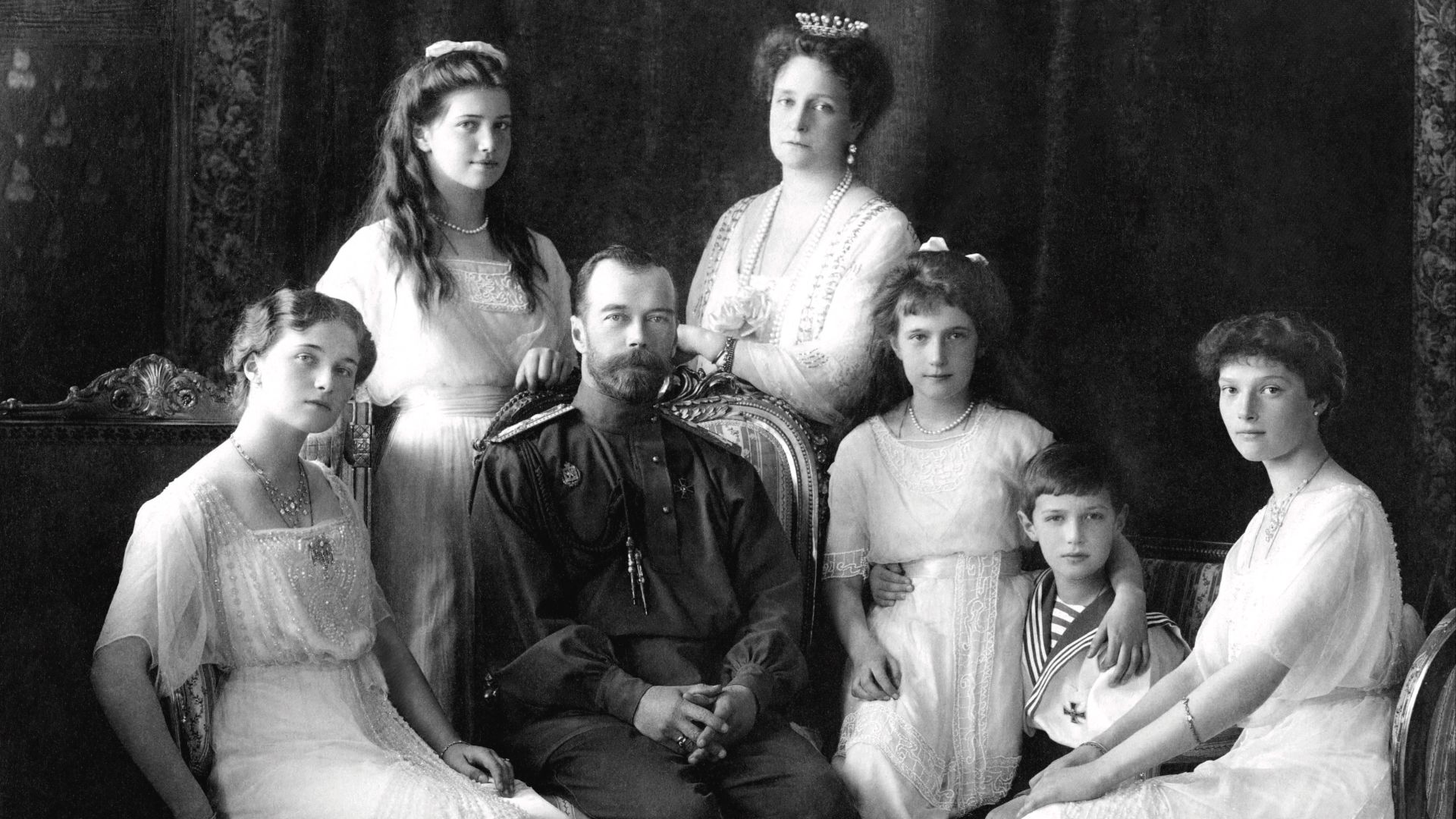 Boasson and Eggler St. Petersburg Nevsky 24. on Wikimedia
15. George Floyd
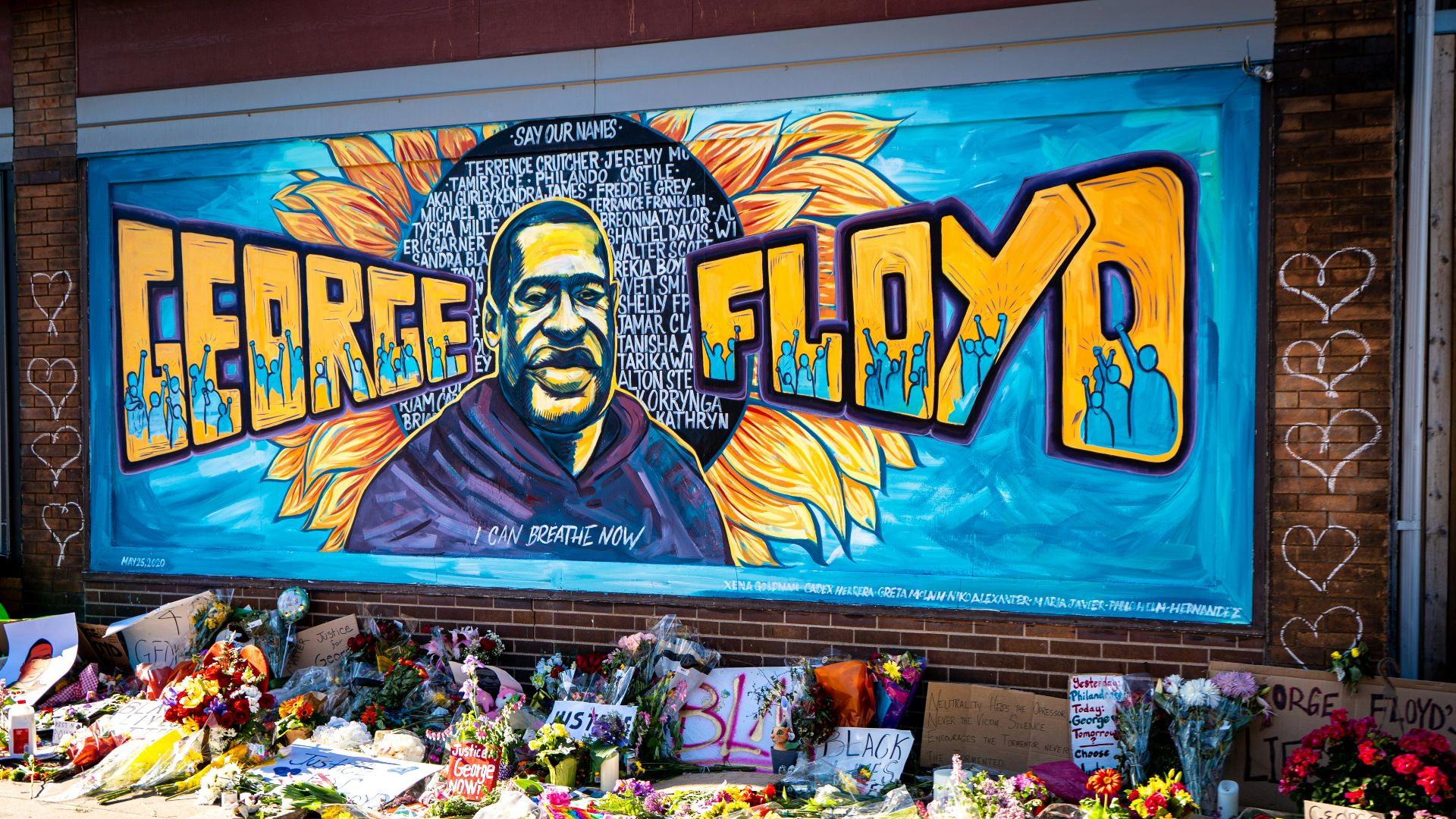
George Floyd was murdered by a Minneapolis police officer in 2020. Videos of his death spread globally and sparked one of the largest protest movements in modern history. Demonstrations called attention to police brutality, systemic racism, and the need for accountability.
16. Princess Diana
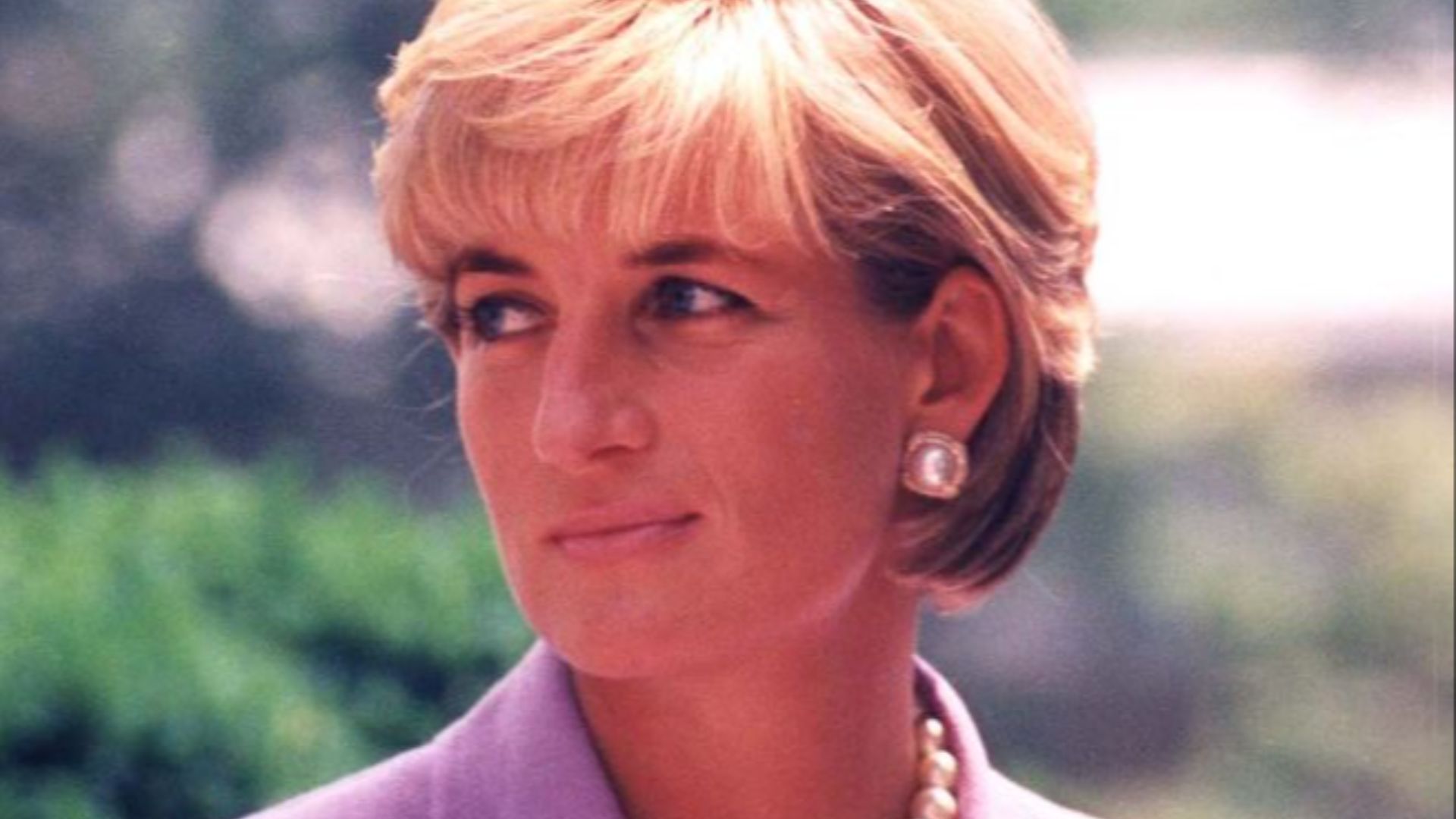
Princess Diana died in a car crash in Paris in 1997. Her death triggered an enormous public outpouring of grief and forced the British royal family to rethink its relationship with the public. Diana had already changed expectations around royal celebrity, vulnerability, charity, and media attention, and her death helped reshape the monarchy's modern image.
 John Mathew Smith on Wikimedia
17. King Edward VII
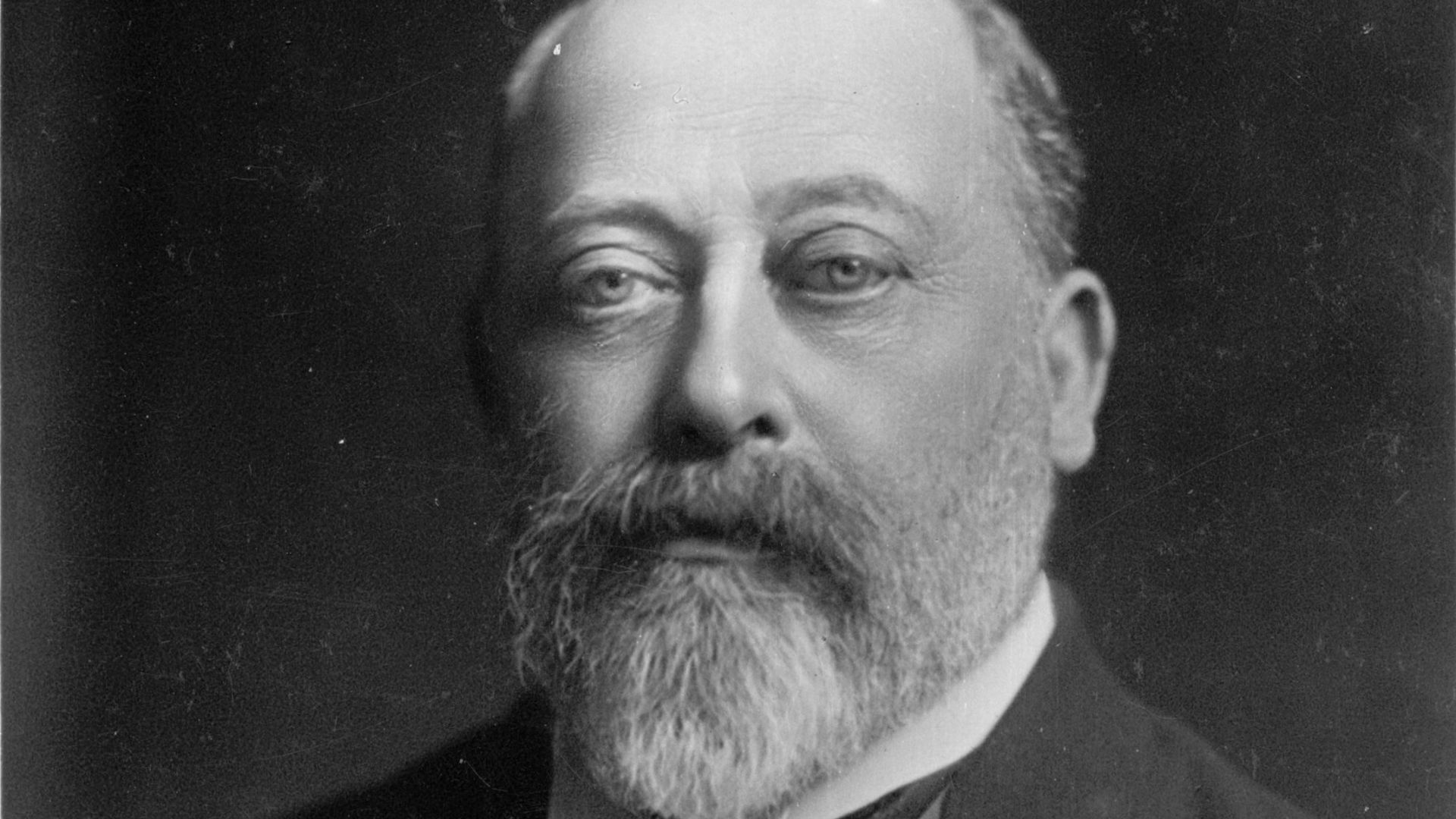
King Edward VII died in 1910, ending a short but influential reign during which he helped strengthen Britain’s ties with France and other European powers. His death removed a monarch who had been closely associated with diplomacy, personal relationships, and the fragile balance of power in Europe. Just a few years later, the continent slid toward World War I, and Britain entered the conflict under a very different king.
18. Patrice Lumumba
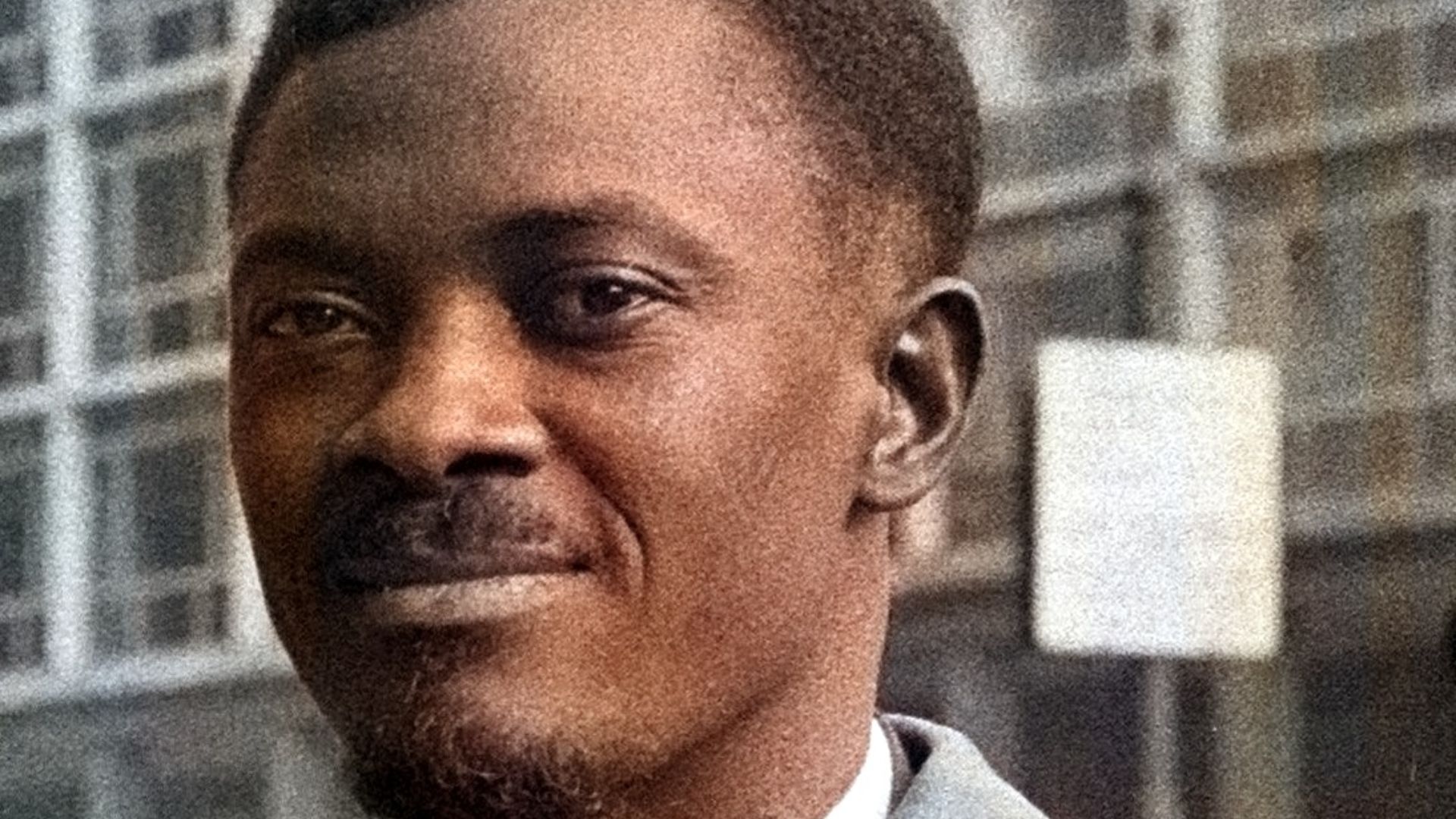
Patrice Lumumba, the first prime minister of independent Congo, was assassinated in 1961. His death became a defining moment in postcolonial African history and Cold War politics. Lumumba had represented hopes for genuine independence, national unity, and freedom from foreign interference, and his killing remains a lasting symbol of the violence surrounding decolonization.
19. Steve Jobs
Steve Jobs died in 2011 after helping transform personal computing, music, animation, smartphones, and consumer technology. His death didn't stop Apple, but it fundamentally changed the trajectory of the technology industry. It marked a transition from his visionary, singular leadership to a new era of corporate standardization, global patent battles, and competition.
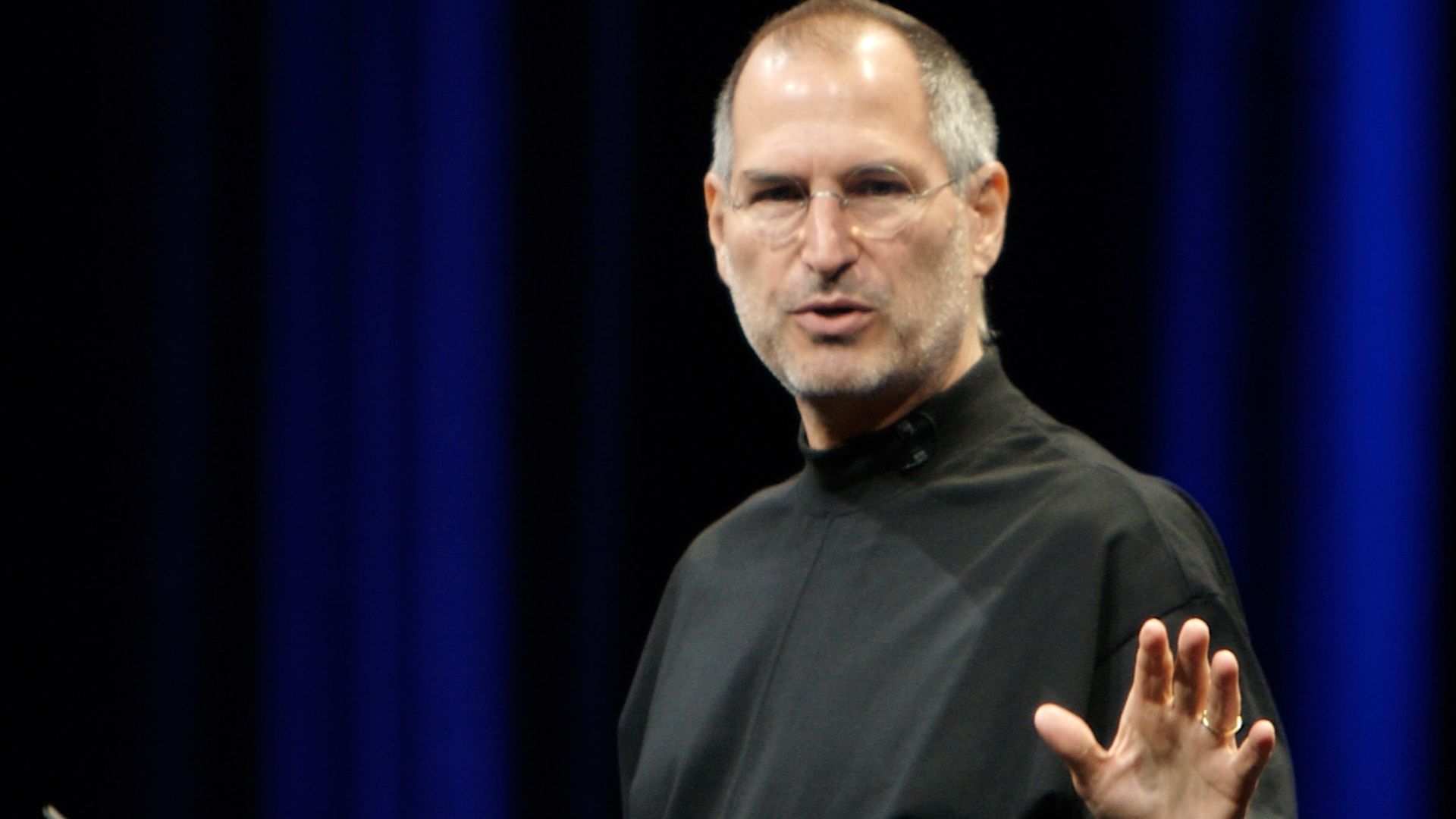 Acaben, cropped by Kyro on Wikimedia
20. George Washington
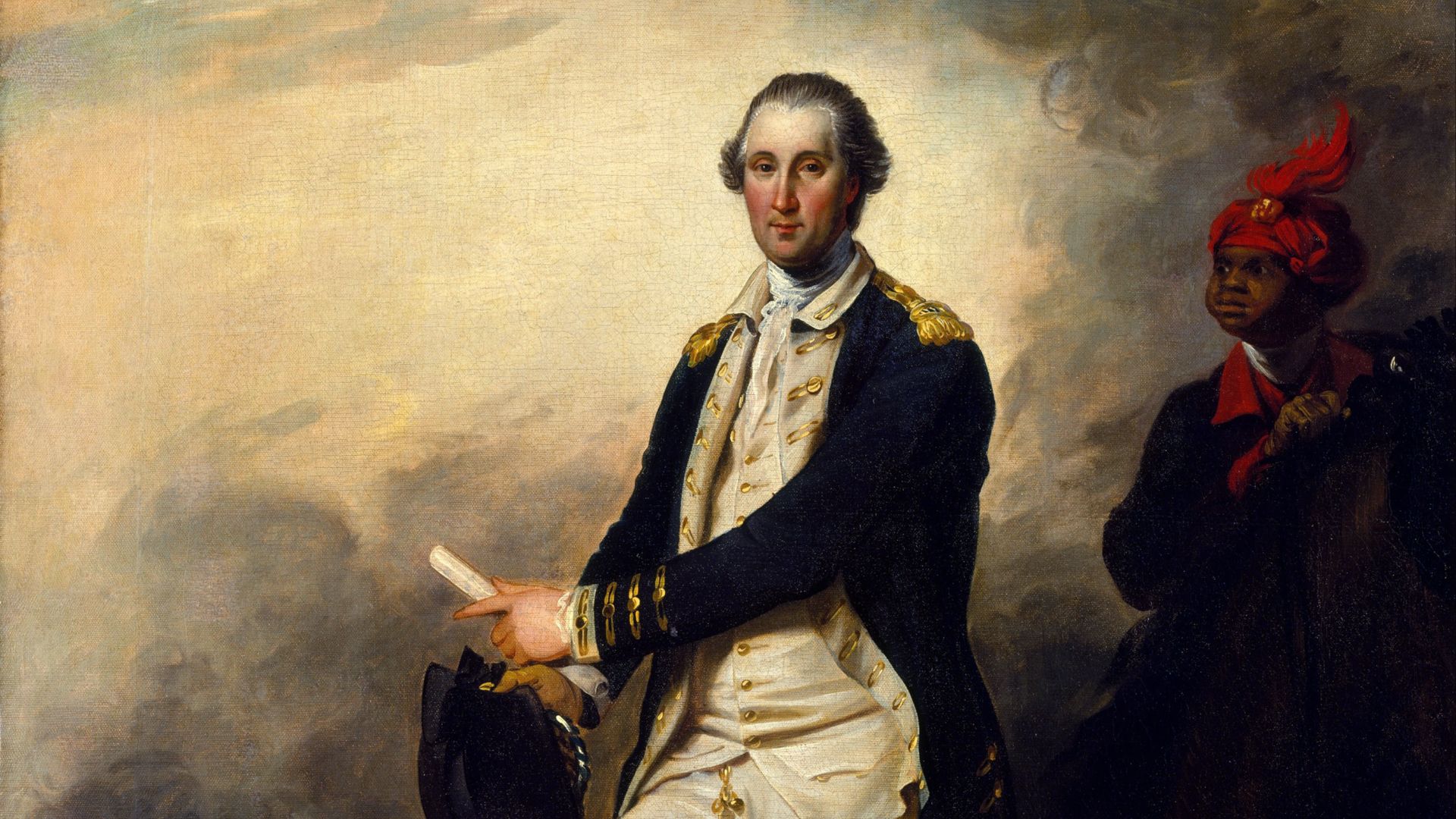
George Washington’s death in 1799 came after he had already done something revolutionary: given up power voluntarily, setting a precedent for the peaceful transfer of leadership. His passing turned him into a unifying national symbol of republican restraint, civic duty, and American identity. It also unified a fractured U.S. in grief.
KEEP ON READING
The story of Ching Shih, the Woman Who Became the…
Unknown author on WikimediaFew figures in history are as feared…
By Emilie Richardson-Dupuis Dec 29, 2025
Einstein's Violin Just Sold At An Auction—And It Earned More…
A Visionary's Violin. Wanda von Debschitz-Kunowski on WikimediaWhen you hear…
By Ashley Bast Nov 3, 2025
This Infamous Ancient Greek Burned Down An Ancient Wonder Just…
History remembers kings and conquerors, but sometimes, it also remembers…
By David Davidovic Nov 12, 2025
The Mysterious "Sea People" Who Collapsed Civilization
3,200 years ago, Bronze Age civilization in the Mediterranean suddenly…
By Robbie Woods Mar 18, 2025
20 Greatest Ancient Athletes In History
Ancient Olympics. Long before modern stadiums and multimillion-dollar endorsements, athletes…
By Sara Springsteen May 1, 2026
20 Soldiers Who Defied Expectations
Changing the Rules of the Battlefield. You’ve probably heard plenty…
By Annie Byrd Feb 10, 2026