

10 Discoveries Made by Nobodies & 10 Stolen by Famous Names
Who Gets Remembered
Science history likes a clean story. A genius appears, sees what nobody else saw, and the world changes. The real version is usually messier than that, full of amateurs, graduate students, assistants, monks, outsiders, and women whose work was treated as background material until somebody with more status walked into the frame. Even the word “stolen” can be a little too neat for what happened, because credit often drifted upward through prestige, institutions, and prize committees rather than through one obvious act of theft. Still, the pattern is hard to miss. Here are 10 major discoveries made by people who looked like nobodies at the time, and 10 cases where the spotlight stuck to more famous names instead.

1. Mary Anning
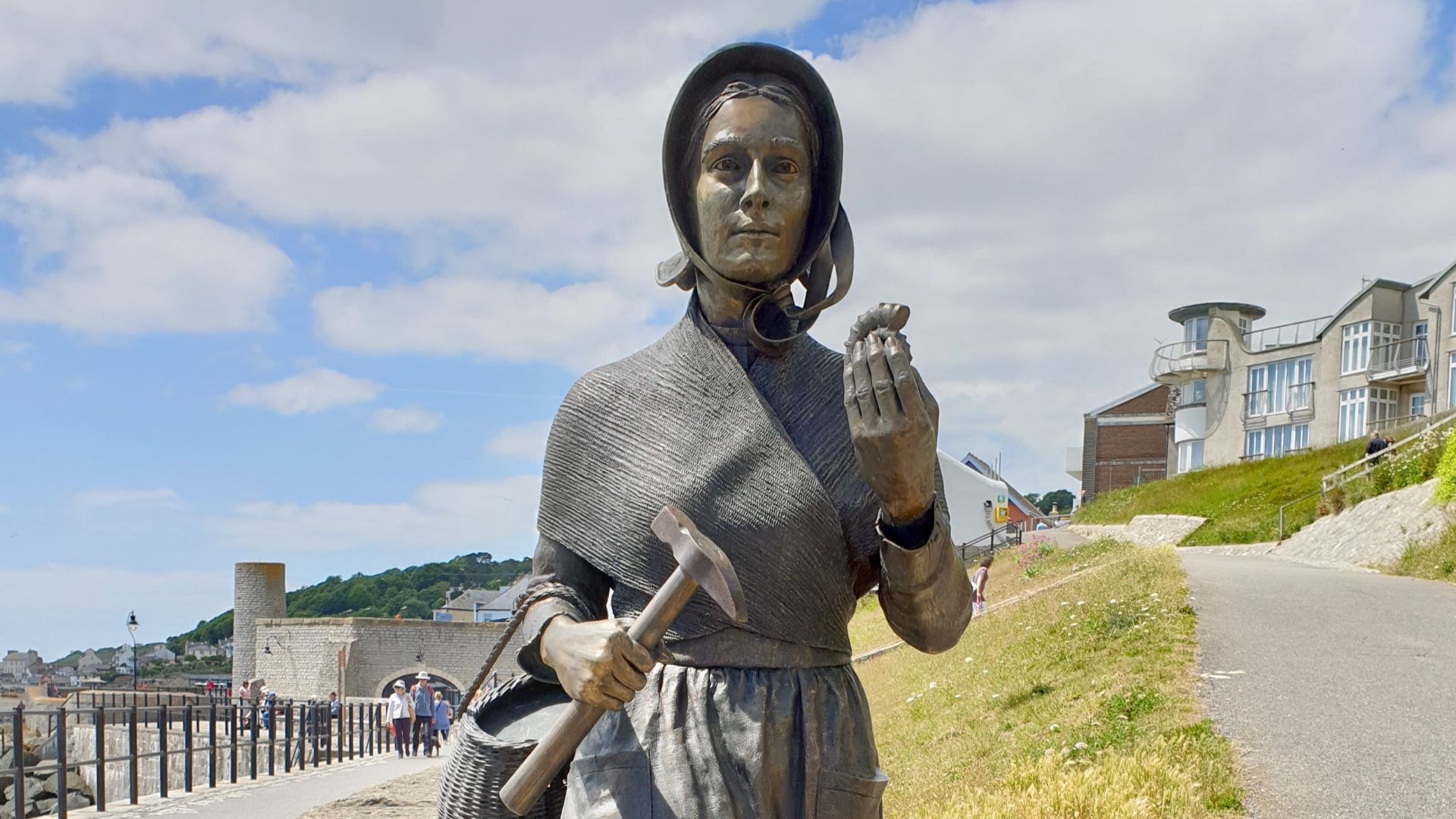
Mary Anning was not a university scientist. She was a fossil hunter from Lyme Regis who found some of the most important early ichthyosaur and plesiosaur specimens, helping build the young science of paleontology before the scientific establishment was ready to treat her as an equal.
2. Antonie Van Leeuwenhoek
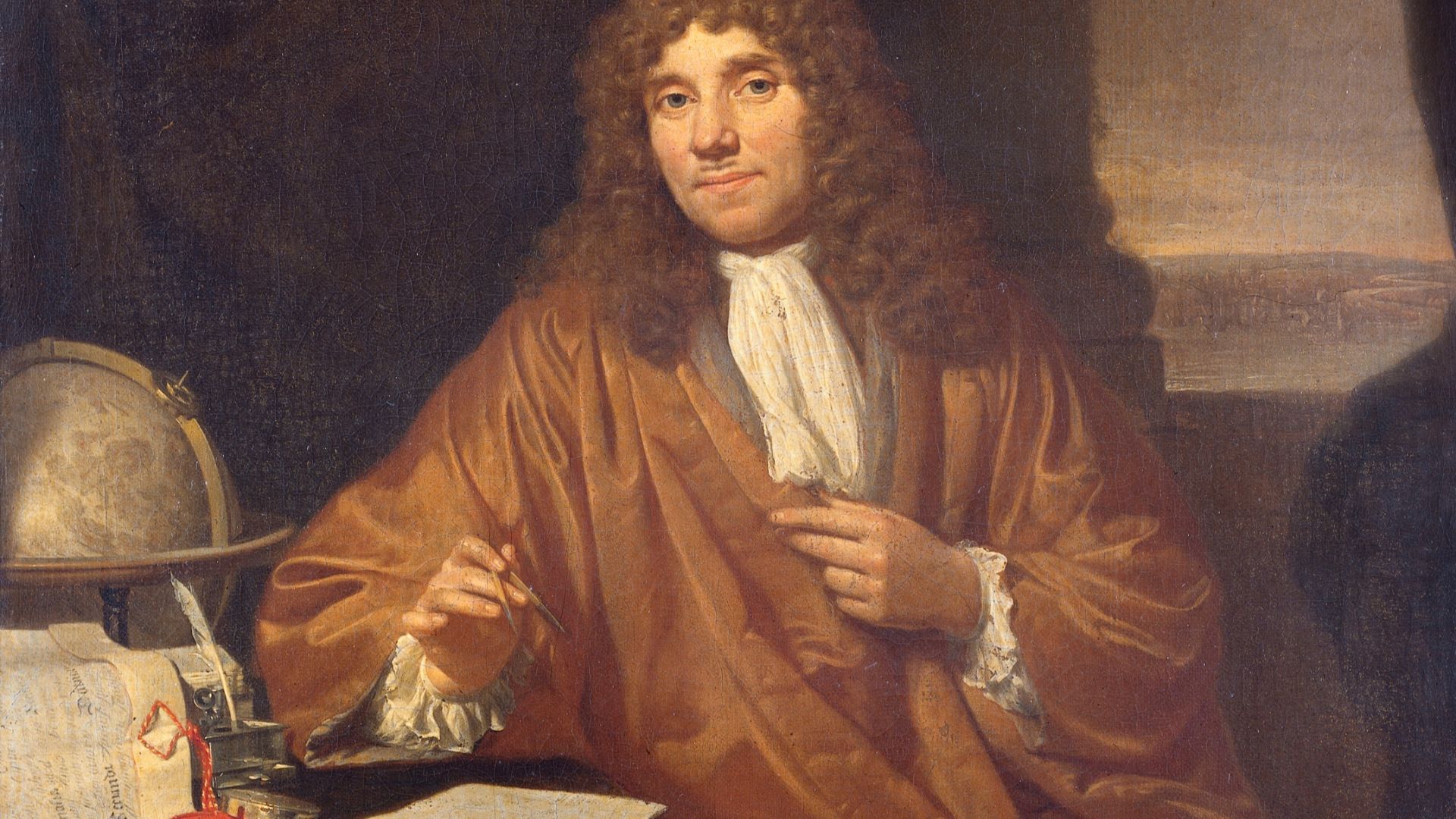
Leeuwenhoek was a Dutch draper, not a professor, when he started grinding lenses and looking at the microscopic world. He became the first person to observe bacteria and protozoa, which is a very large contribution for someone whose day job had nothing to do with elite science.
3. Gregor Mendel
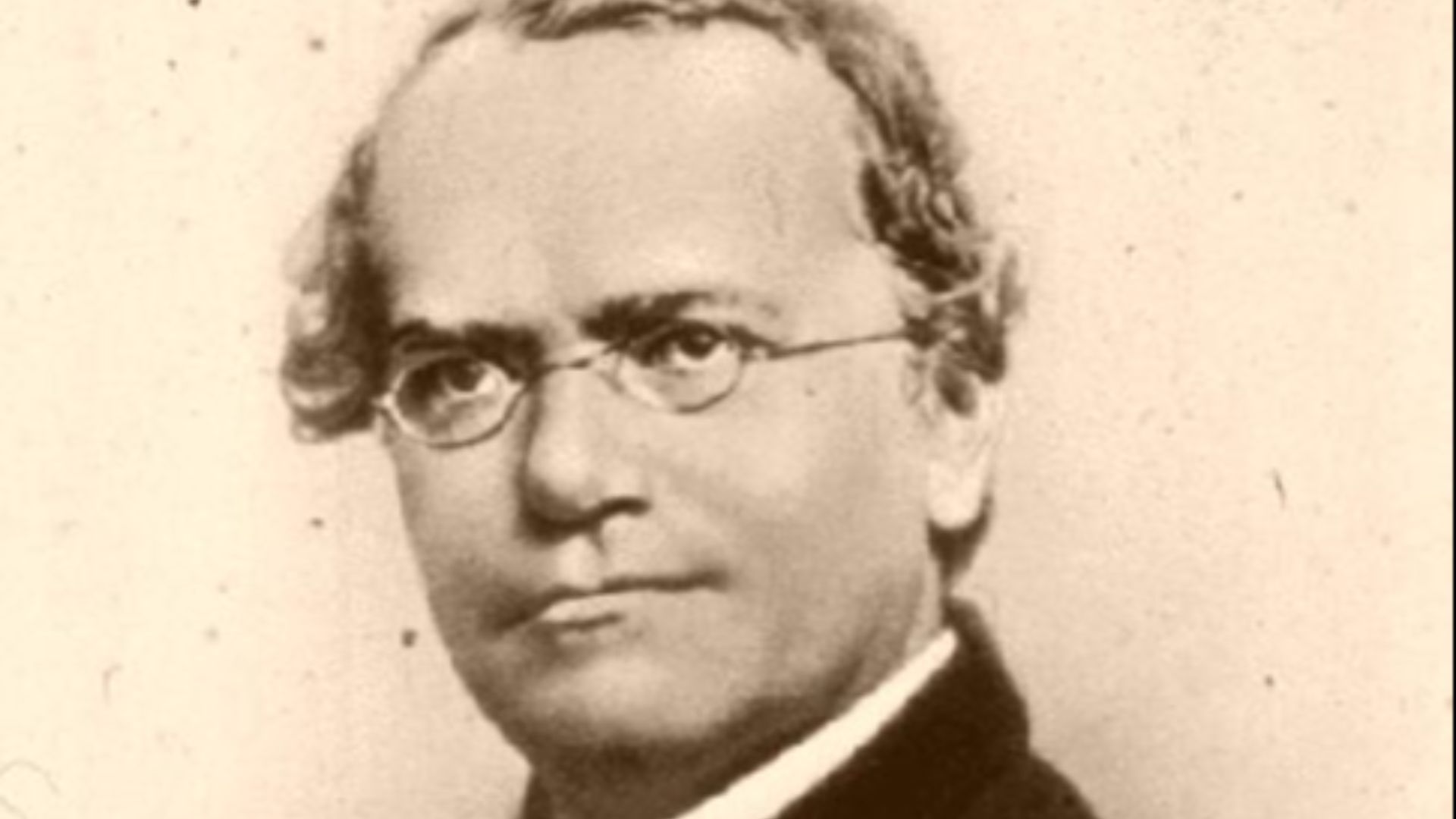
Mendel was an Augustinian monk working with pea plants, not a celebrity naturalist with a London following. His experiments laid the mathematical foundation of genetics, and his work was so undernoticed in his lifetime that it only became famous decades after his death.
4. Henrietta Swan Leavitt
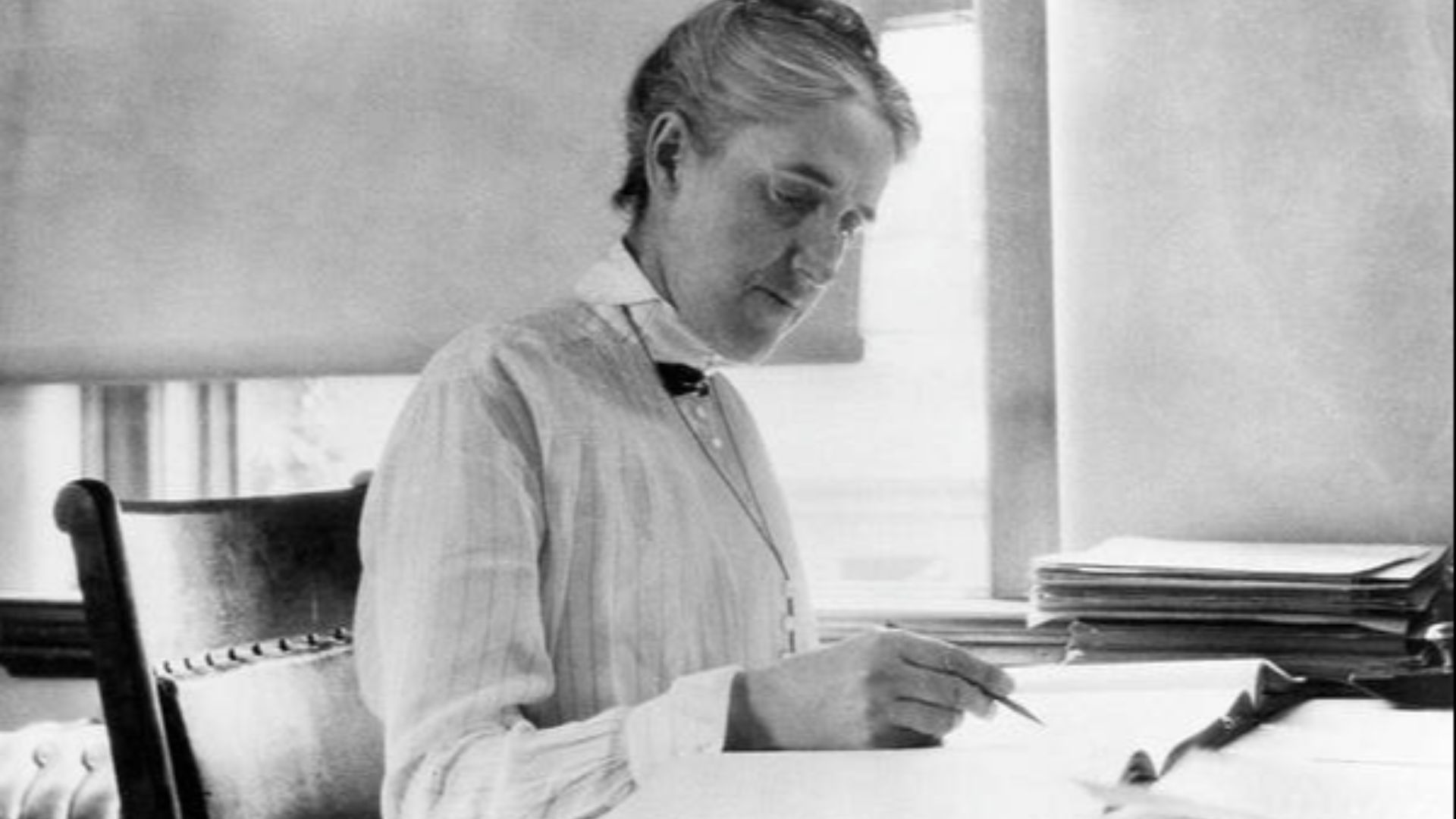
Henrietta Leavitt worked at Harvard as one of the women “computers” who were expected to process data rather than become stars of the field. Her discovery of the period-luminosity relation in Cepheid variables became one of astronomy’s essential tools for measuring cosmic distances.
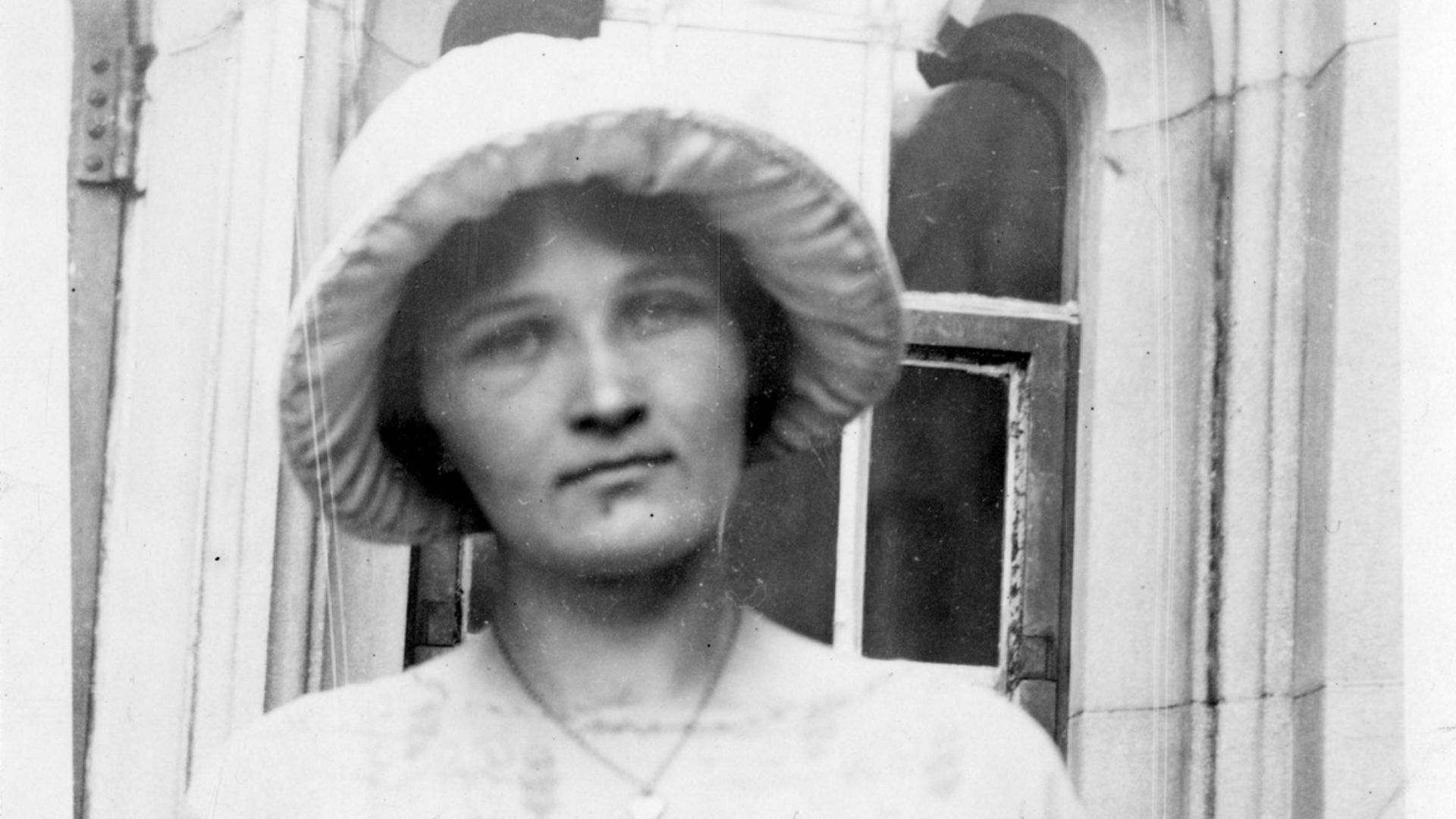
5. Cecilia Payne-Gaposchkin
As a young researcher, Cecilia Payne argued that stars are made mainly of hydrogen and helium, which overturned the prevailing view. That sounds basic now, but at the time it was a major shift in how people understood the universe.
 Smithsonian Institution from United States on Wikimedia
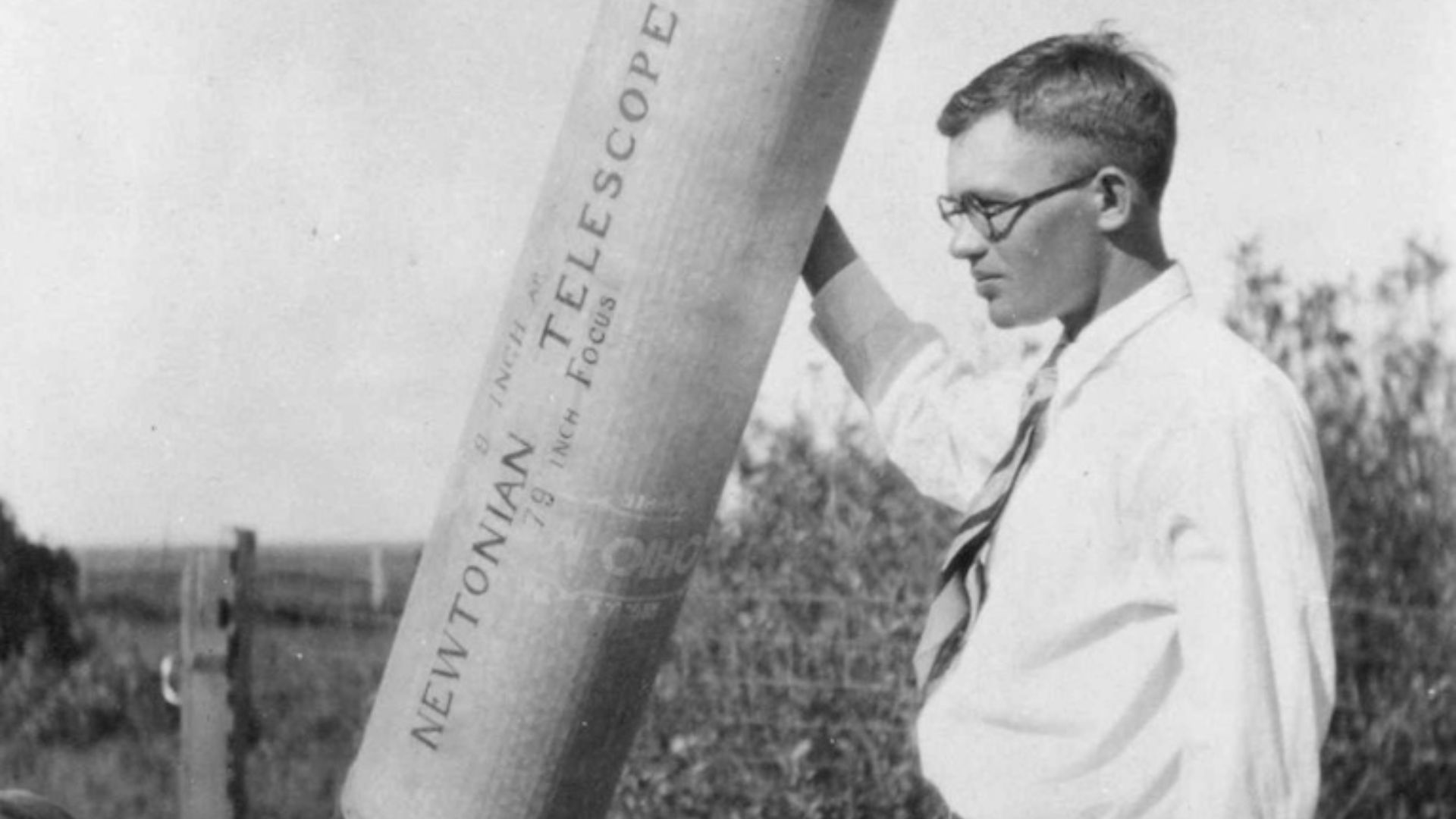
6. Clyde Tombaugh
Clyde Tombaugh was a farm kid who built his own telescopes and sent his sketches to Lowell Observatory. He was then hired to do painstaking search work and ended up discovering Pluto in 1930, which remains one of the great outsider-entry stories in astronomy.
 Unknown authorUnknown author on Wikimedia
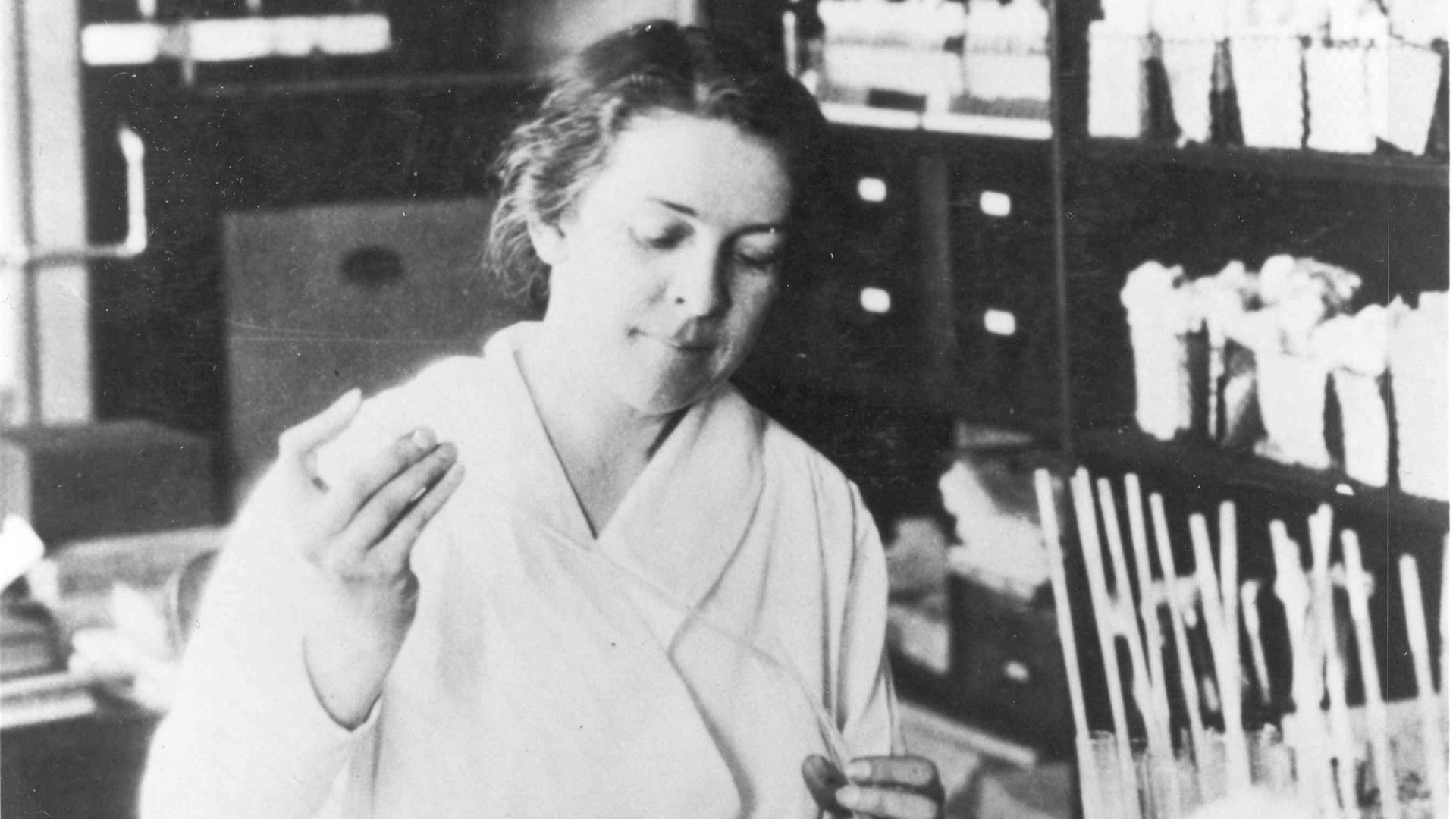
7. Alice Evans
Alice Evans was not working from a glamorous perch when she showed that the bacteria causing disease in cattle could also infect humans through milk. Her work pushed public health toward pasteurization, even though many experts initially dismissed her findings.
 NIH History Office from Bethesda on Wikimedia
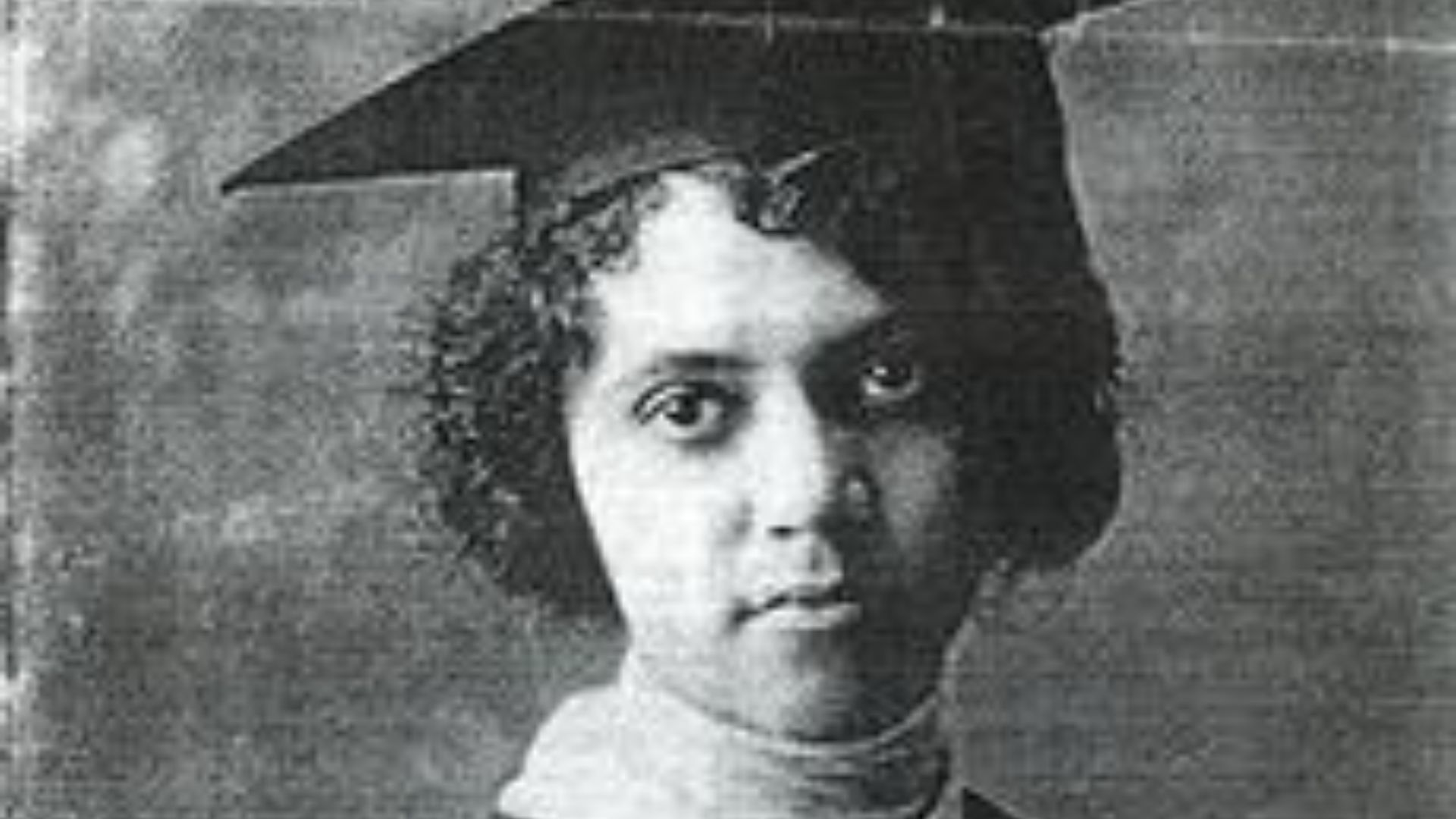
8. Alice Ball
Alice Ball was only in her early twenties when she developed a way to make chaulmoogra oil into a more effective injectable treatment for leprosy. She died before she could publish the work fully under her own name, which helps explain why her discovery slipped so easily out of public memory.
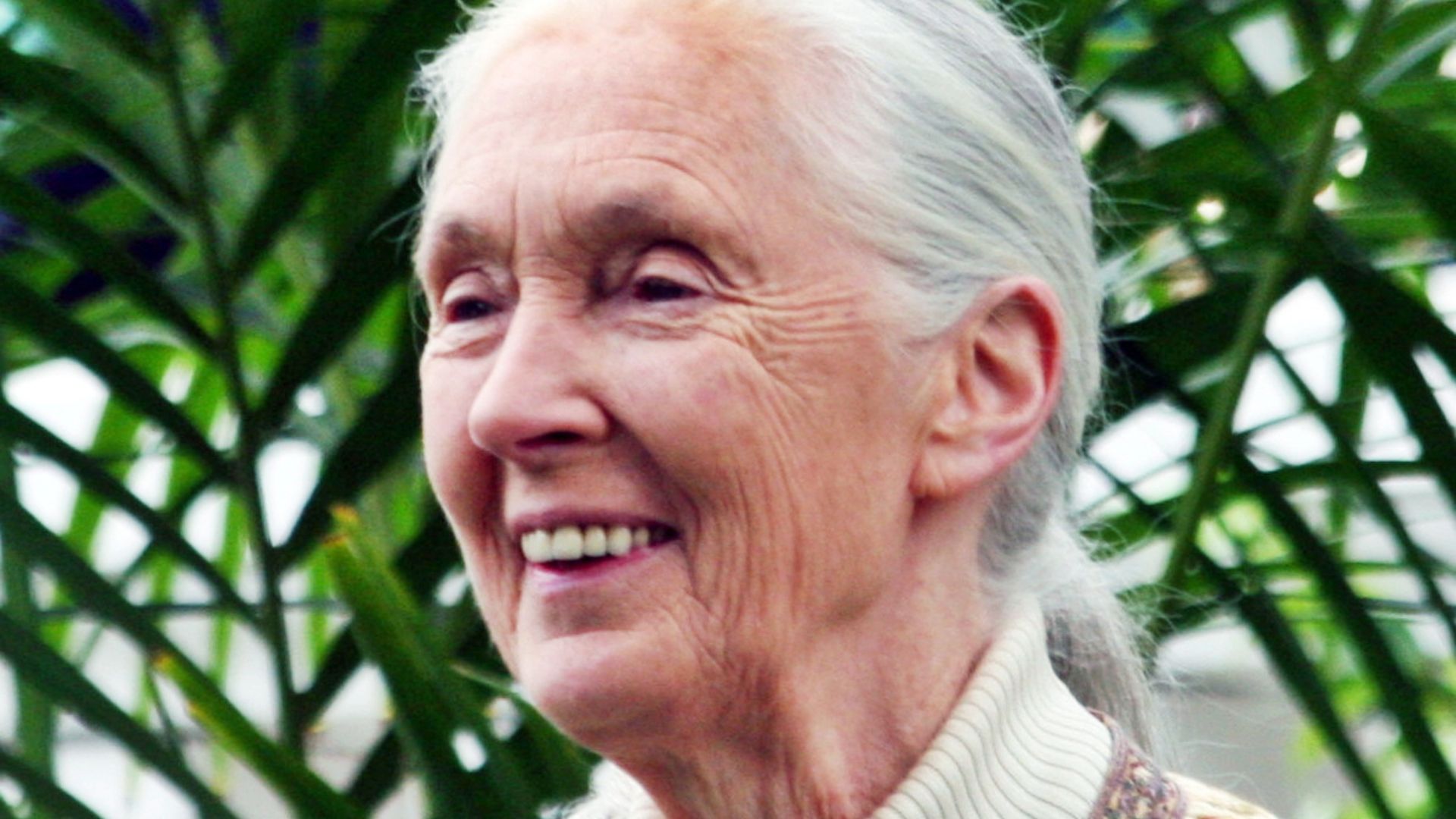
9. Jane Goodall
Jane Goodall arrived in Gombe without the usual academic credentials and then made observations that changed primatology. Her early work showed chimpanzees using tools and eating meat, both of which cut straight across comfortable ideas about what only humans did.
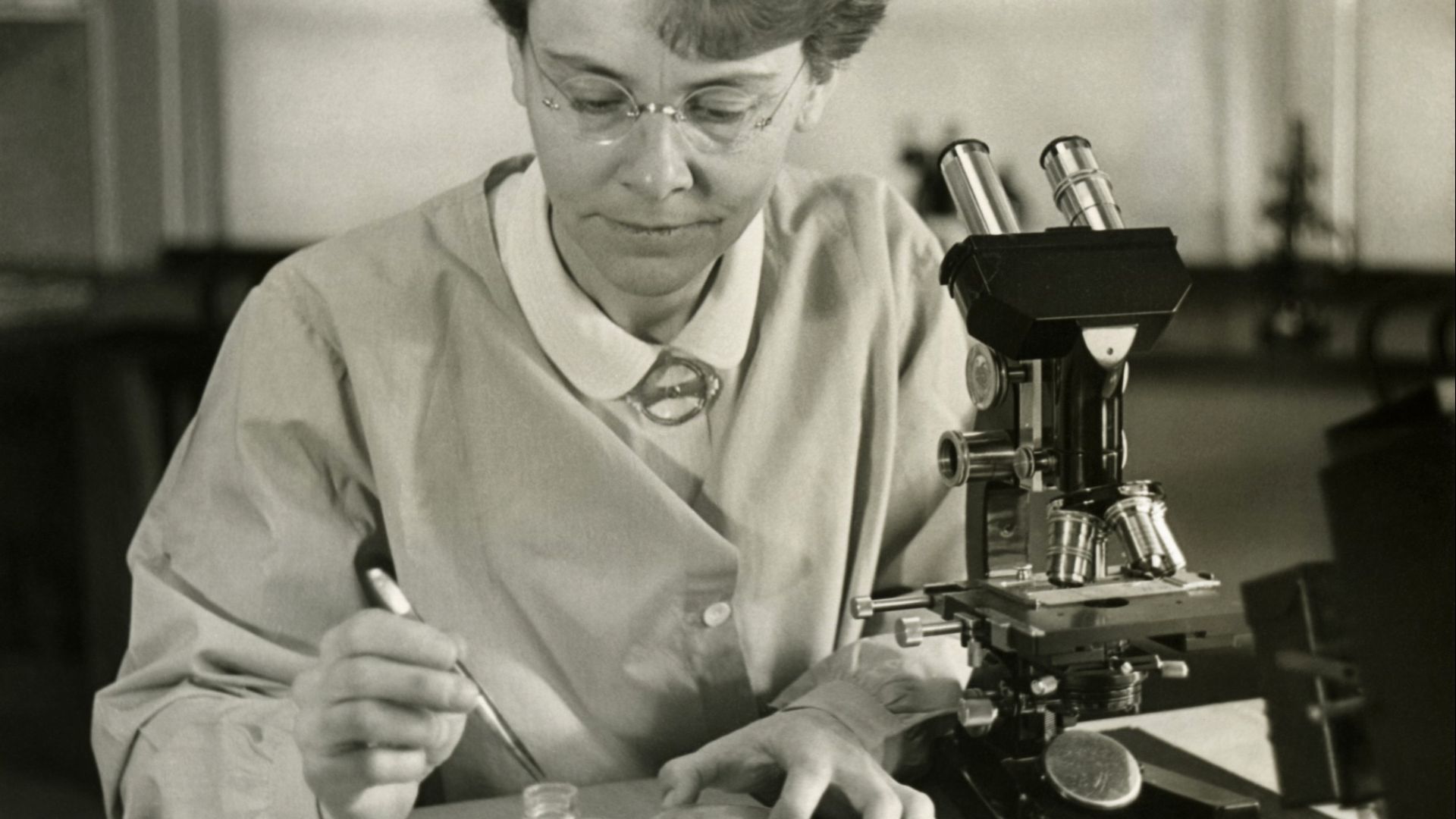
10. Barbara McClintock
Barbara McClintock’s work on maize led her to discover mobile genetic elements, or “jumping genes,” long before most of biology was ready to absorb the idea. She eventually won the Nobel Prize, but only after years in which her insight looked too strange to fit the accepted picture.
The next ten is where the story gets less inspiring. These are cases where the discovery did not vanish, but the fame attached itself to someone else.
 Smithsonian Institution/Science Service; Restored by Adam Cuerden on Wikimedia
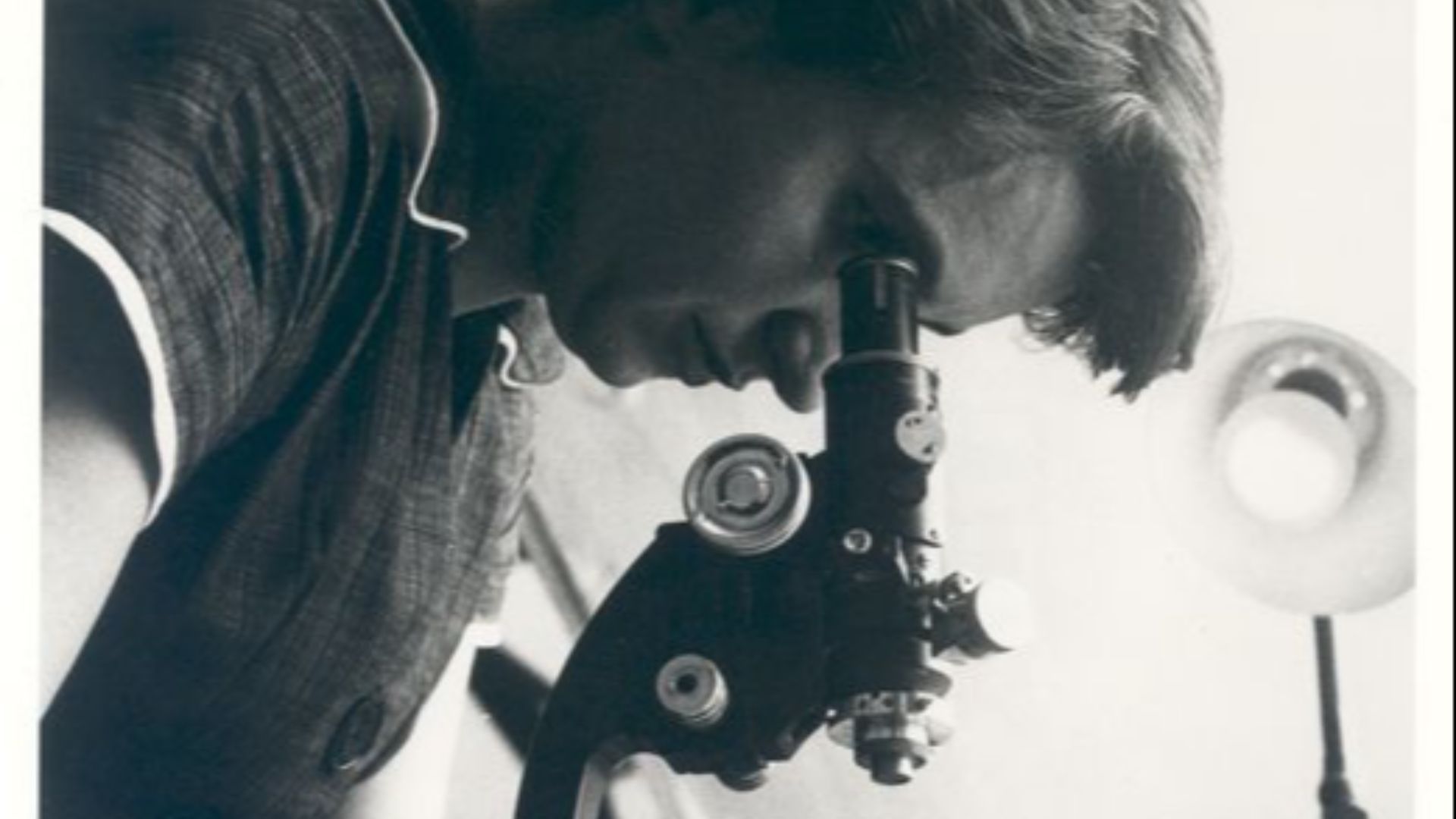
1. Rosalind Franklin And DNA
Watson and Crick became the household names attached to the double helix, but Rosalind Franklin’s X-ray diffraction work was crucial to getting the structure right. Historians still argue over the exact balance of credit, but there is no serious version of the story now that leaves her out.
 MRC Laboratory of Molecular Biology on Wikimedia
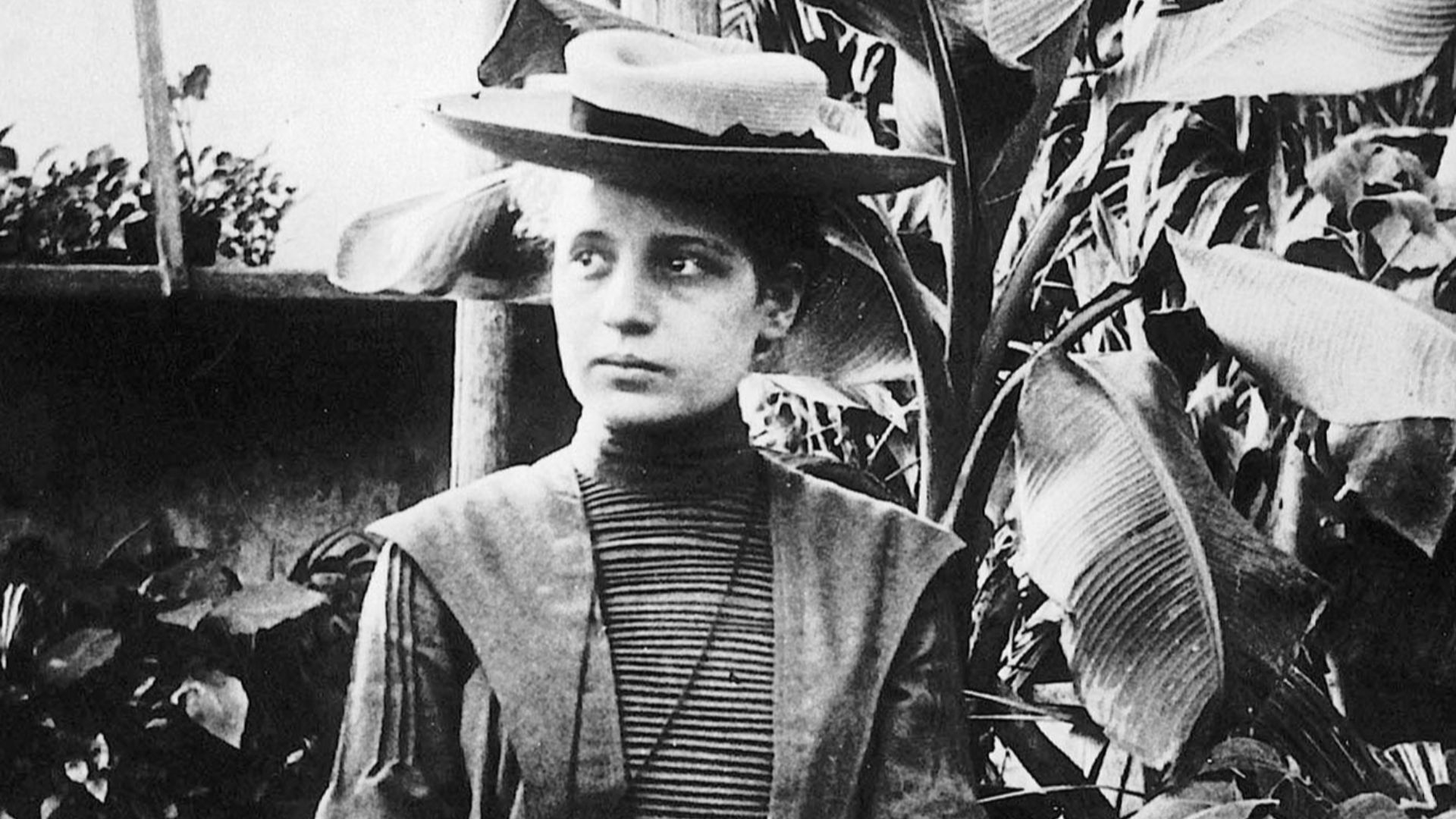
2. Lise Meitner And Nuclear Fission
Otto Hahn received the 1944 Nobel Prize in Chemistry for work tied to nuclear fission, but Lise Meitner, working with Otto Frisch, explained what the results actually meant. Even Nobel’s own background material now notes that Meitner and Frisch proved the uranium nucleus had split.
 Unknown authorUnknown author on Wikimedia
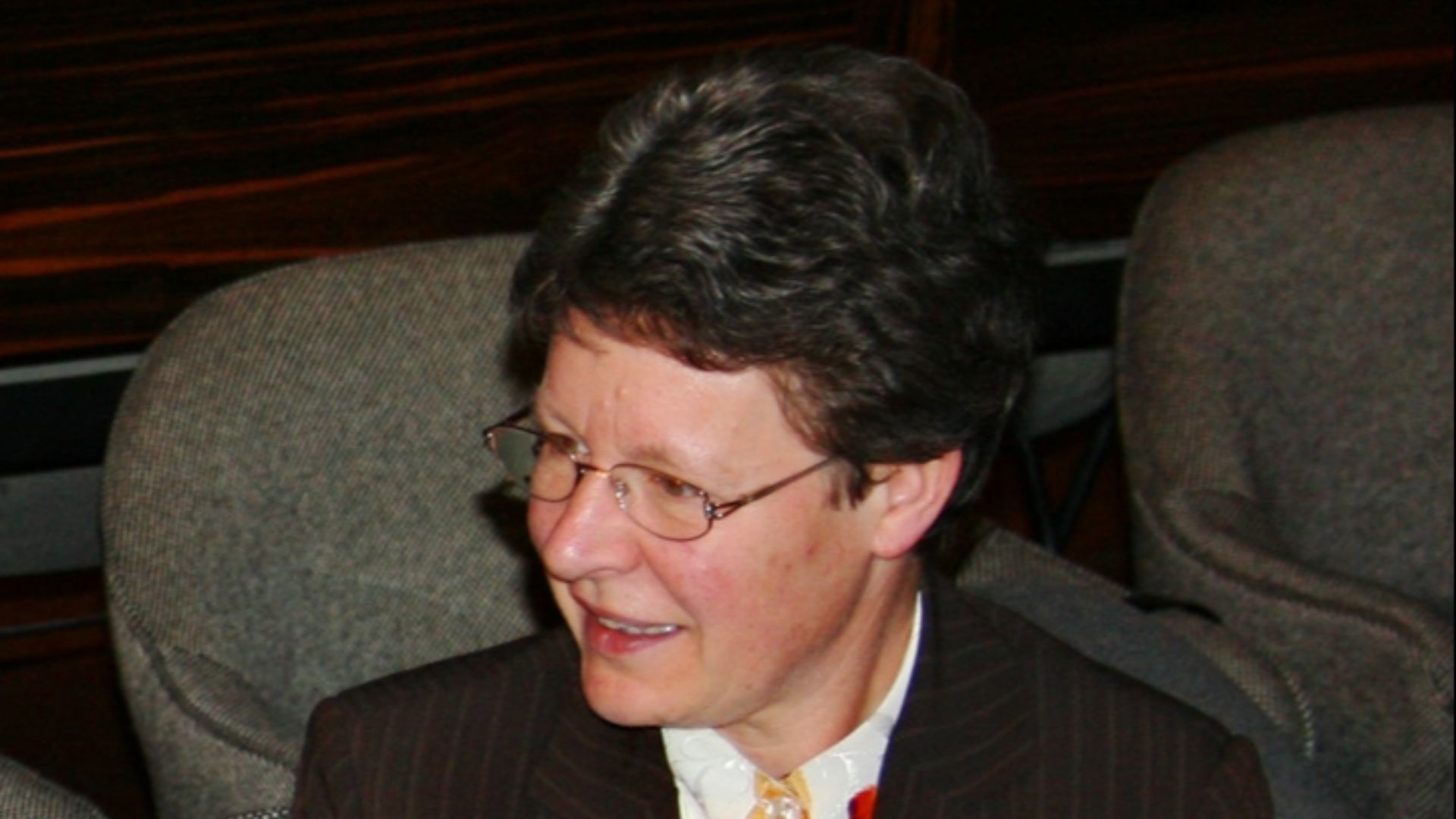
3. Jocelyn Bell Burnell And Pulsars
As a graduate student, Jocelyn Bell Burnell spotted the strange signals that turned out to be pulsars. The 1974 Nobel Prize went to Antony Hewish and Martin Ryle, and Bell Burnell’s omission became one of the most famous arguments about who gets recognized in modern science.
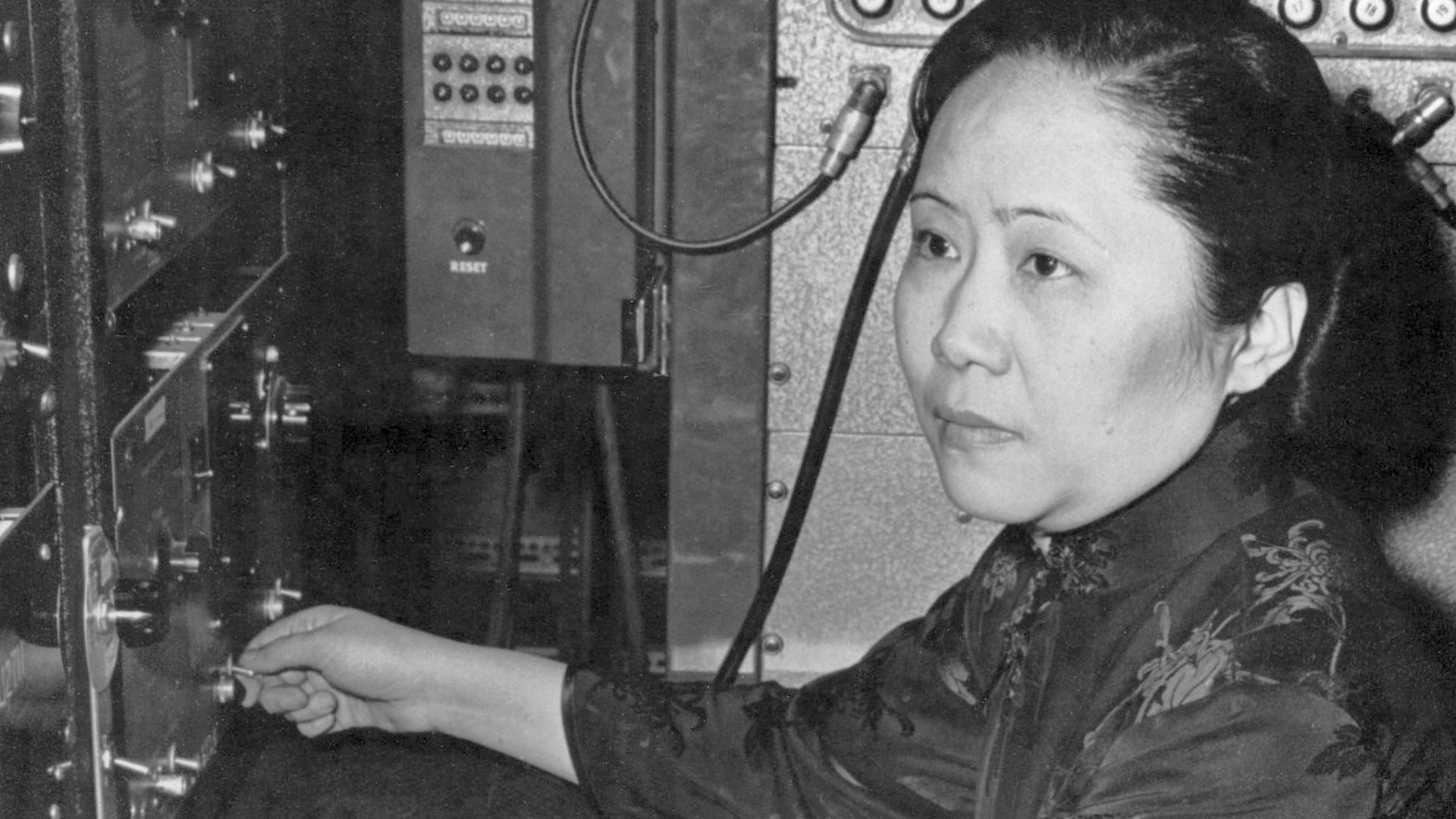
4. Chien-Shiung Wu And Parity Violation
Chien-Shiung Wu designed and carried out the experiment that showed parity is not conserved in weak interactions. Lee and Yang won the 1957 Nobel Prize for the underlying idea, but Wu’s experimental proof is the reason the result moved from theory into fact.
 Smithsonian Institution on Wikimedia
5. Alice Ball And The “Dean Method”
After Ball’s death, Arthur Dean continued the work and the treatment was for a time promoted under his name rather than hers. The American Chemical Society now states plainly that Ball’s contributions went largely unrecognized during her lifetime, which is a polite way of describing a very familiar pattern.
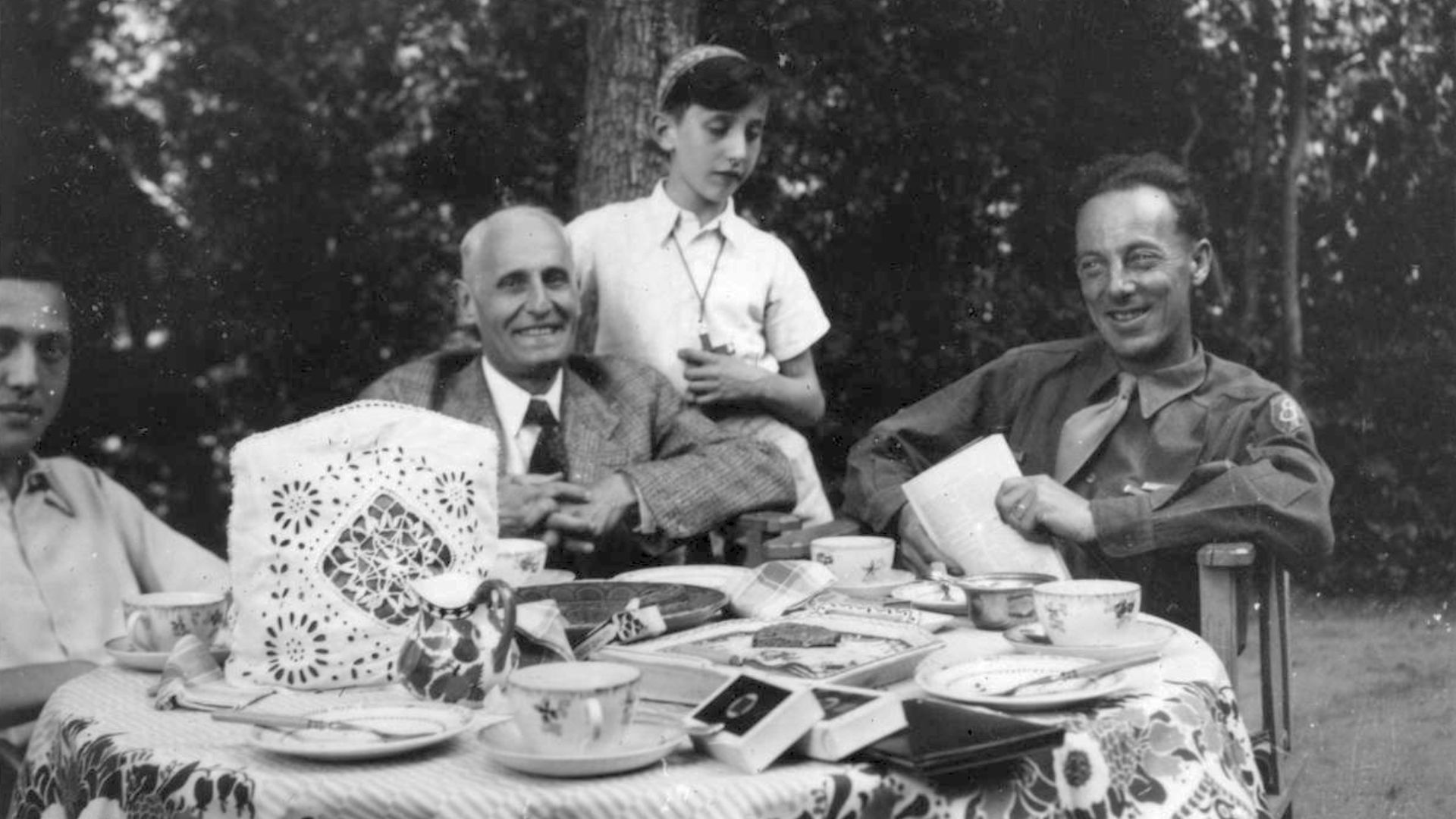
6. Marthe Gautier And Trisomy 21
Marthe Gautier established the cell-culture work that identified the extra chromosome behind Down syndrome, but Jérôme Lejeune became the name most closely associated with the discovery. The dispute has never been entirely free of politics, but the modern historical record gives Gautier a central role that was minimized for years.
 WallyFromColumbia at English Wikipedia on Wikimedia
7. Esther Lederberg And Bacterial Genetics
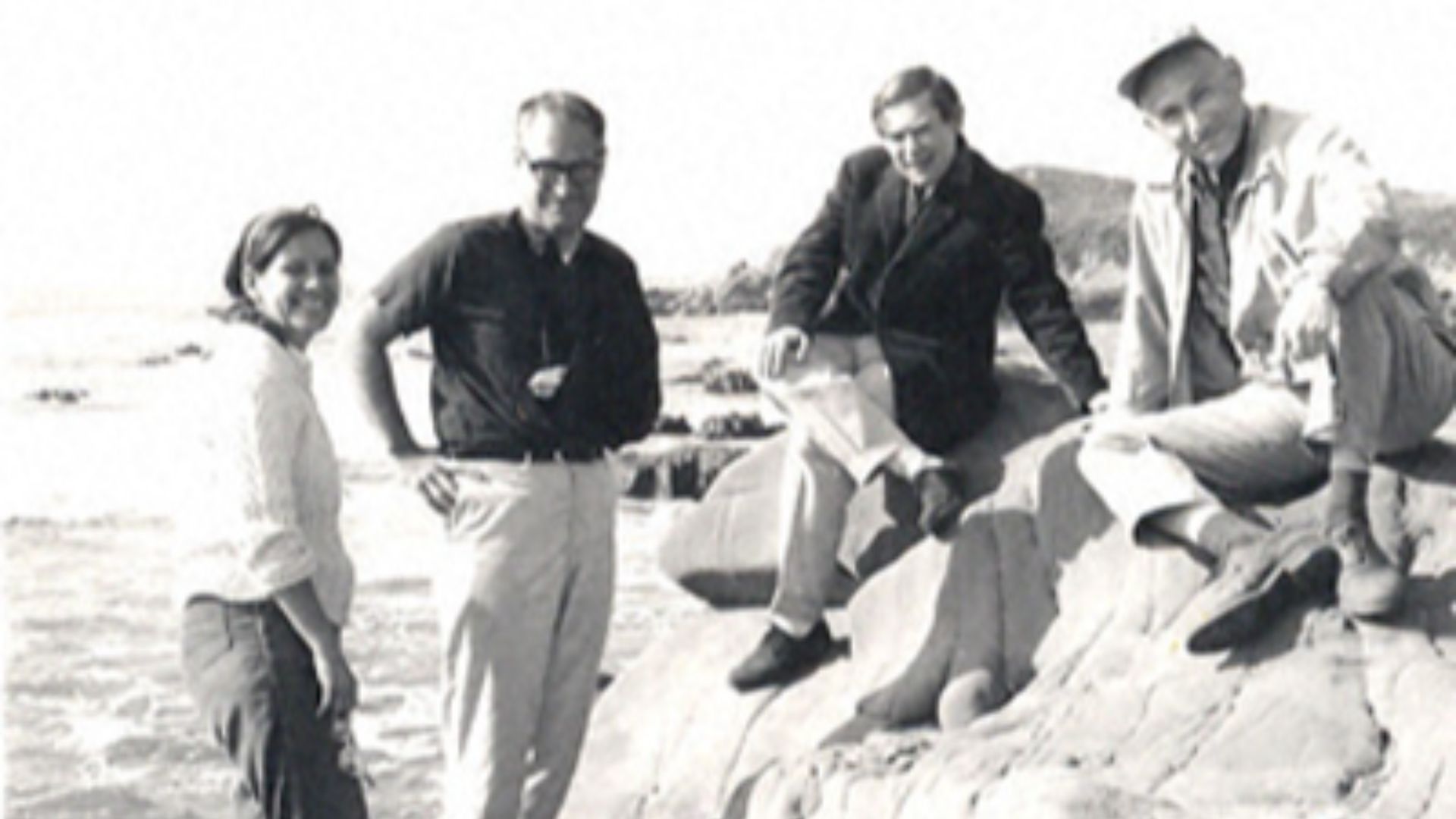
Esther Lederberg made foundational contributions to bacterial genetics, including lambda phage, the F factor, and replica plating. Joshua Lederberg became the Nobel laureate and the better-known public figure, while her work sat in the background for far too long.
 The original uploader was Shadow600 at English Wikipedia. on Wikimedia
8. Nettie Stevens And Sex Chromosomes
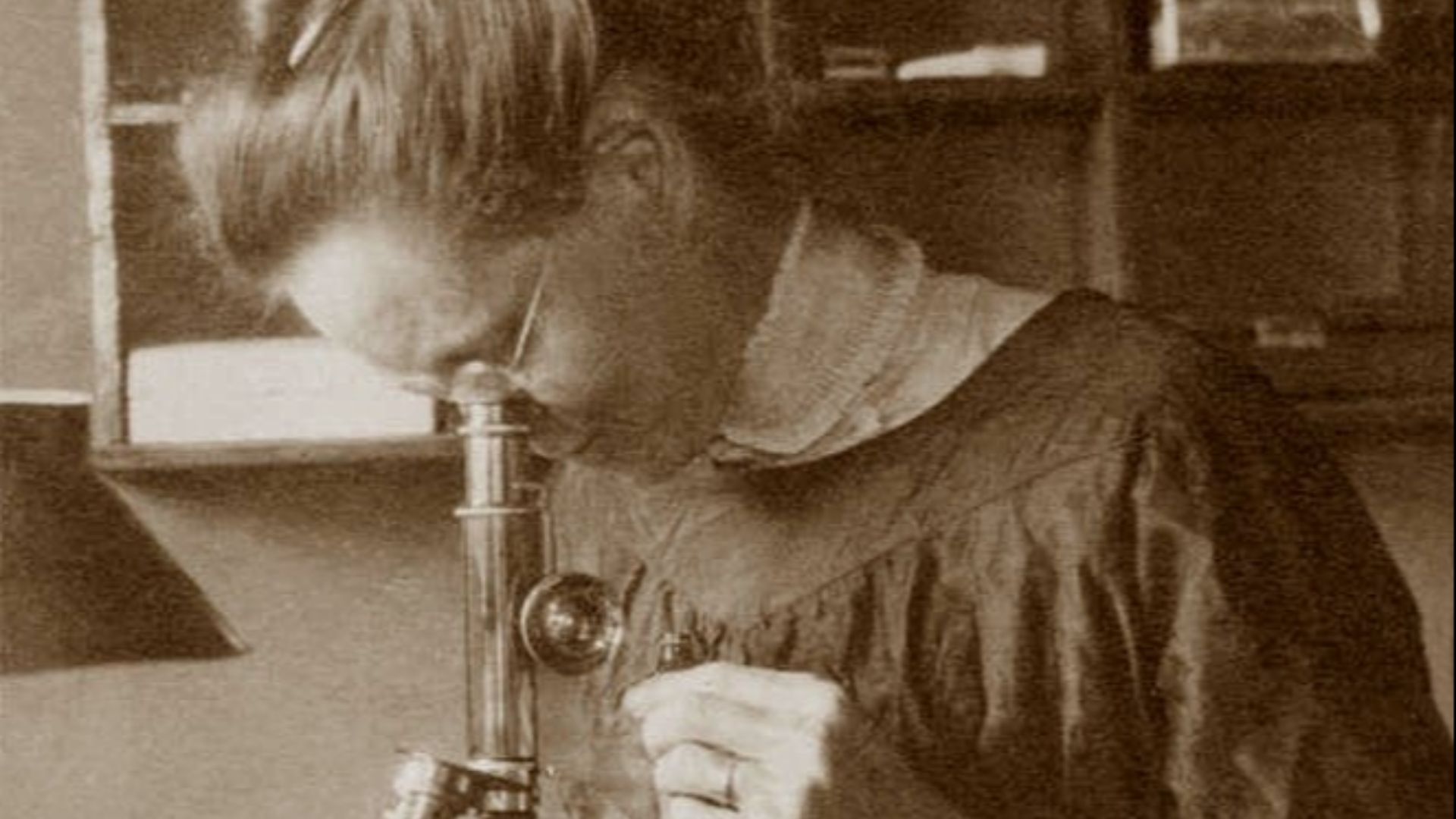
Nettie Stevens discovered the chromosomal basis of sex determination, yet later histories often handed the story to Edmund Wilson or folded it into Thomas Hunt Morgan’s reputation. Britannica and the National Women’s History Museum both note the problem directly, which tells you this is not just a modern social-media correction.
 Bryn Mawr College Special Collections on Wikimedia
9. Georges Lemaître And The Expanding Universe
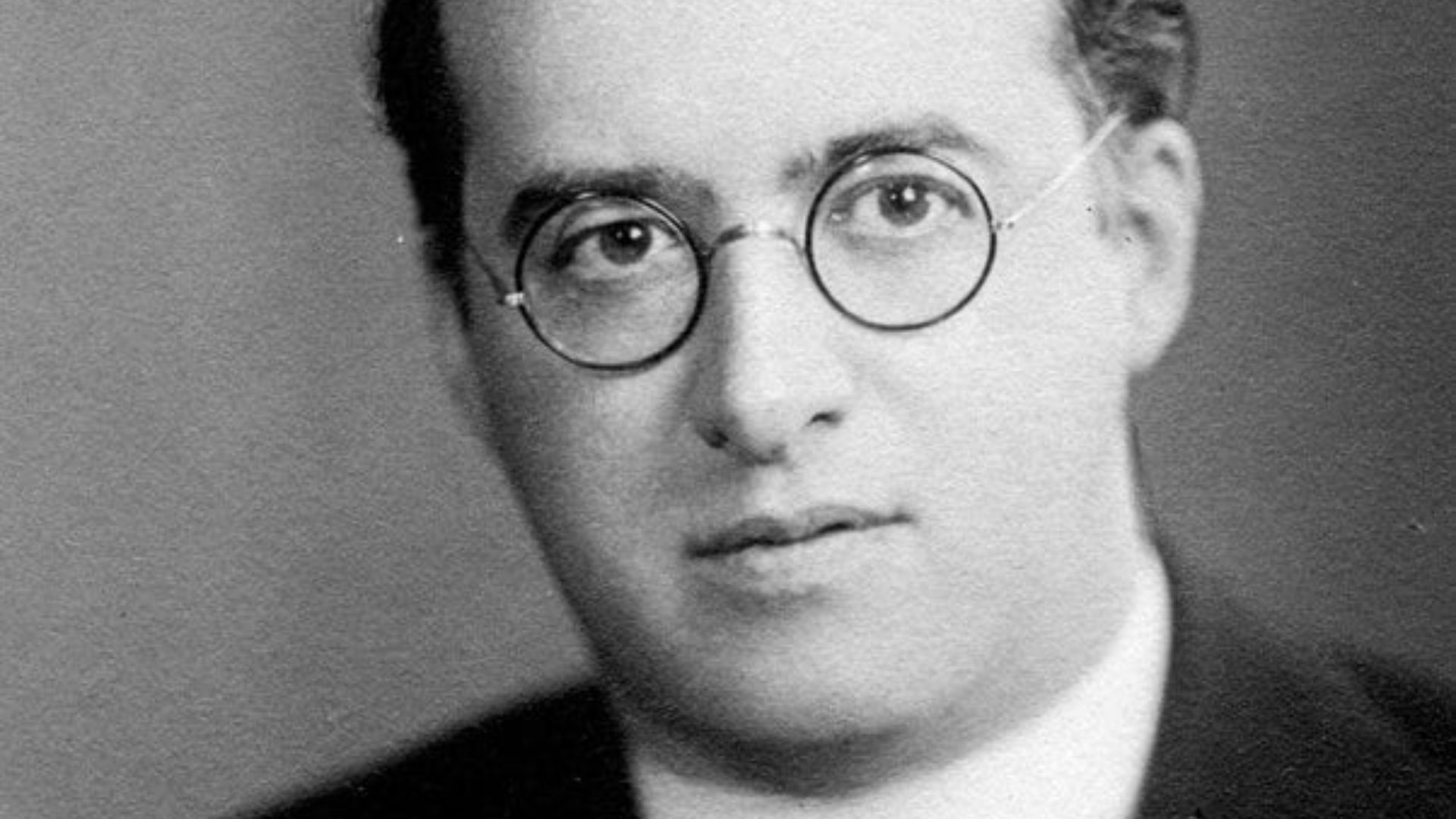
Georges Lemaître worked out that the universe is expanding before “Hubble’s law” hardened into a textbook phrase. The International Astronomical Union eventually recommended the name Hubble-Lemaître law, which is about as official an admission as you get that the older credit story was incomplete.
 Unknown authorUnknown author on Wikimedia
10. Alfred Russel Wallace And Natural Selection
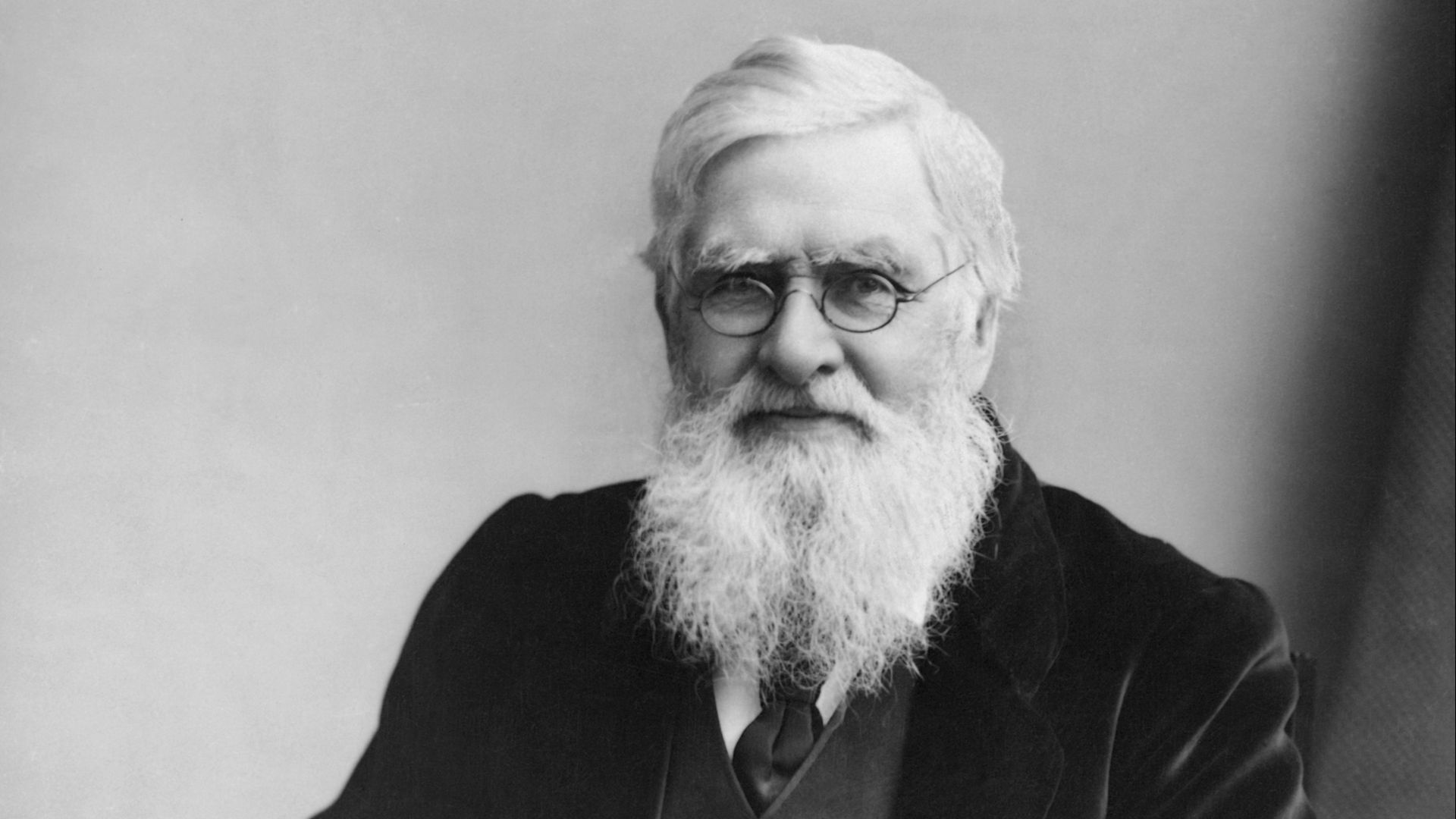
Wallace independently formulated natural selection, and Britannica notes that his version actually predated Darwin’s published contribution. Darwin remains the towering name, partly because of the scale of his later book and influence, but Wallace is the clearest reminder that history usually crowns one face even when the insight had more than one author.
 London Stereoscopic and Photographic Company (active 1855-1922) on Wikimedia
KEEP ON READING
10 Discoveries Made by Nobodies & 10 Stolen by Famous…
Who Gets Remembered. Science history likes a clean story. A…
By Cameron Dick Mar 31, 2026
The Ghost Blimp of 1942 Invaded San Francisco Without a…
The National Library of Norway on UnsplashIn the summer of…
By Sara Springsteen Mar 31, 2026
20 Priceless Historical Art Pieces Rescued By The Monuments Men
Protecting Human History. While the soldiers on the front lines…
By Sara Springsteen Mar 31, 2026
Almost Every Ancient Statue Has a Missing Nose, And It's…
Gary Todd from Xinzheng, China on WikimediaWalk through the classical…
By Elizabeth Graham Mar 31, 2026
The Brutal Realities Of Gladiator Life Beyond the Arena
David Cruz asenjo on PexelsWhen most people think of gladiators,…
By Rob Shapiro Mar 31, 2026
The Volcano Winter That Nearly Toppled Europe
Collin Ross on UnsplashMost people, if asked to name a…
By Cameron Dick Mar 31, 2026