20 Priceless Historical Art Pieces Rescued By The Monuments Men
Protecting Human History
While the soldiers on the front lines were fighting for freedom, a small group of art experts and historians known as the Monuments Men were on a different kind of mission. You might be surprised to learn that these "art soldiers" saved over five million objects, ranging from massive altarpieces to tiny, delicate sketches. It was a massive scavenger hunt across salt mines and castles that ensured the world's most famous works didn't end up as ashes or forgotten trophies.
1. The Ghent Altarpiece by Jan van Eyck
This massive, multi-paneled masterpiece is often called the most stolen artwork in history, and it was the ultimate prize for the Monuments Men. They found it hidden deep inside the Altaussee salt mine in Austria, where it had been stored alongside thousands of other looted treasures. It's a miracle the piece survived the damp conditions, but thanks to their quick work, its incredible detail can still be seen in Belgium today.
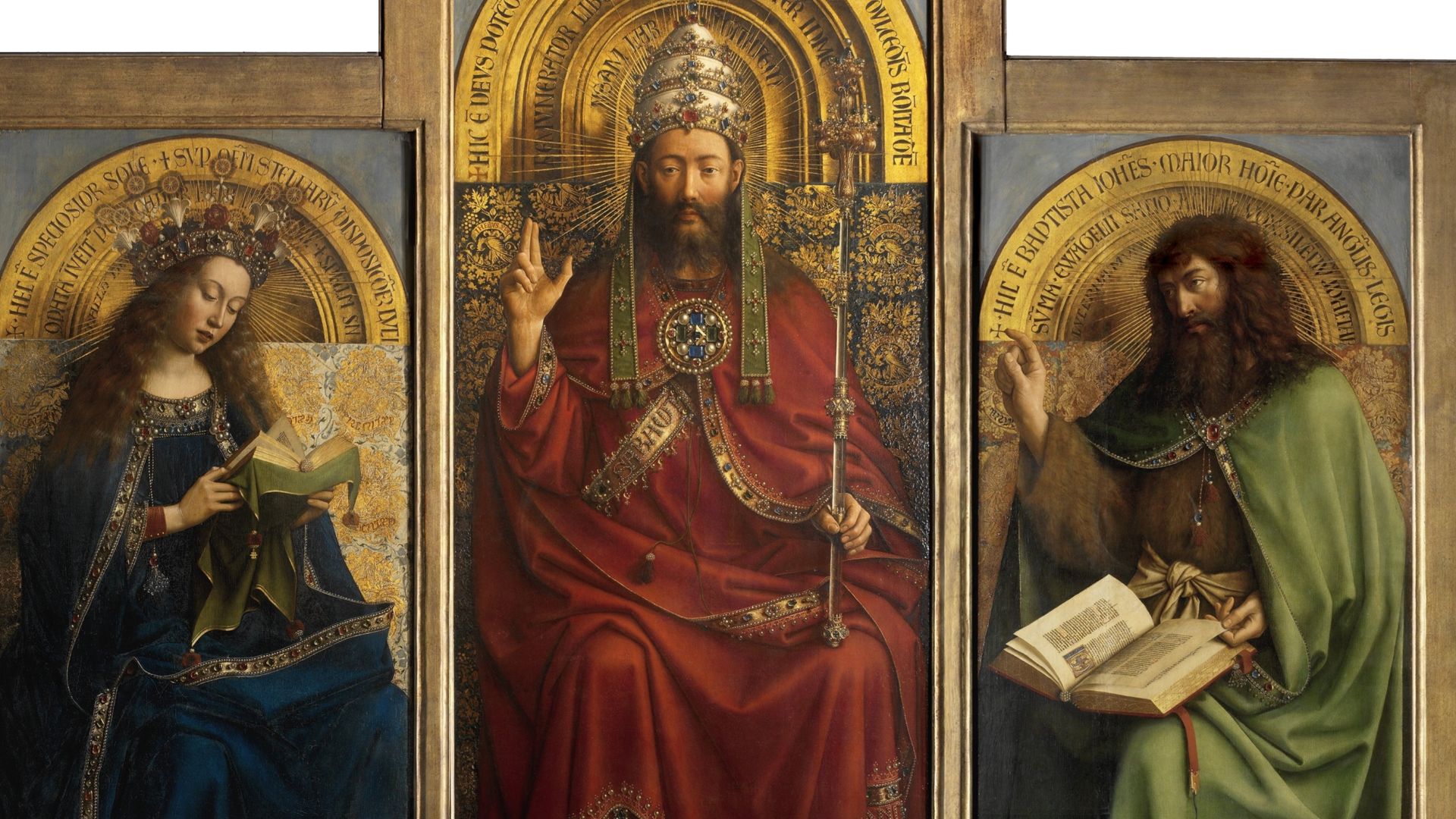 Jan van Eyck / Presumably Hubert van Eyck on Wikimedia
2. Madonna of Bruges by Michelangelo
Michelangelo’s only sculpture to leave Italy during his lifetime was snatched by the Nazis from a church in Belgium and whisked away in a Red Cross truck. It was stolen from a Belgian church and smuggled out in a Red Cross vehicle. The Monuments Men eventually discovered the sculpture lying against a wall of crates in a pitch-black mine.
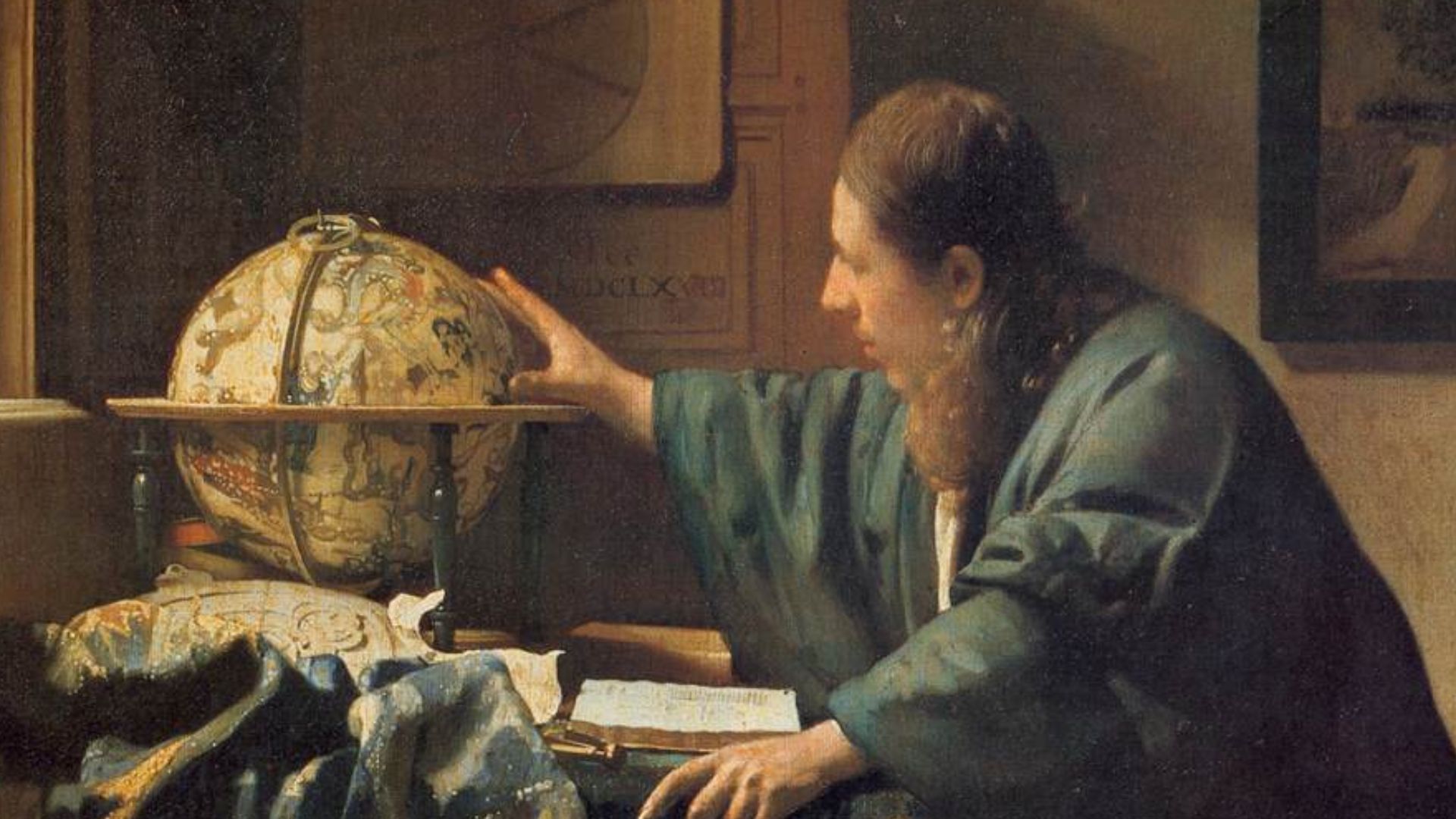
3. The Astronomer by Johannes Vermeer
This painting was a personal favorite of Adolf Hitler and was destined to be the centerpiece of his planned "Führermuseum" in Linz. When the Monuments Men discovered it, they found a small "R" stamped on the back, which stood for the Rothschild family it had been stolen from. It's one of only about thirty-six known works by Vermeer, making its rescue a huge win for the world of art history.
4. The Veit Stoss Altarpiece
At nearly 100 feet wide when opened, this altarpiece was dismantled and taken from Poland to Germany in pieces during the early stages of the war. Fortunately, members of the Monuments Men found the massive wooden carvings stuffed into the basement of a castle in Nuremberg. The hundreds of incredibly detailed figures were protected from Allied bombings due to their unlikely hiding spot.
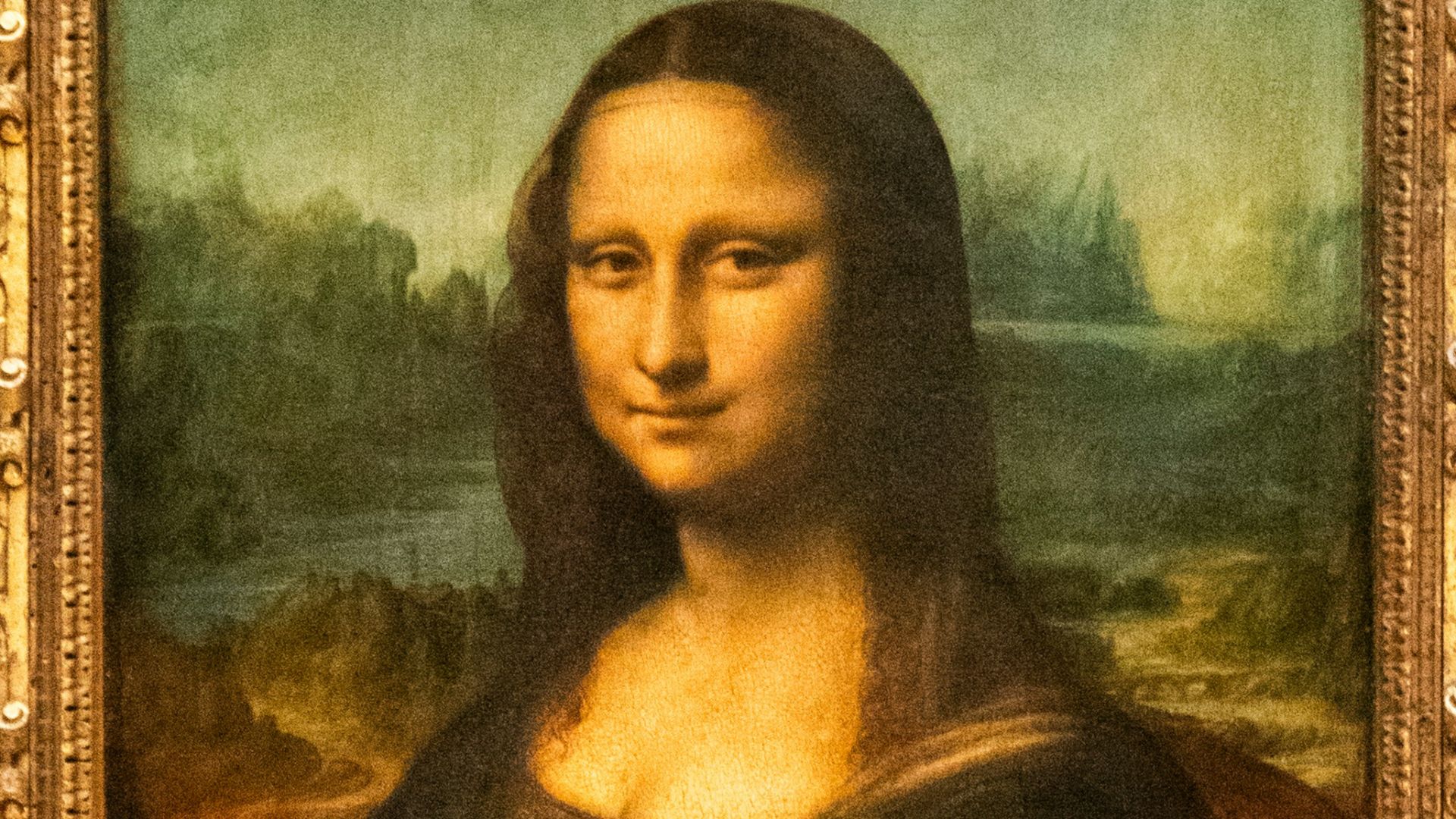
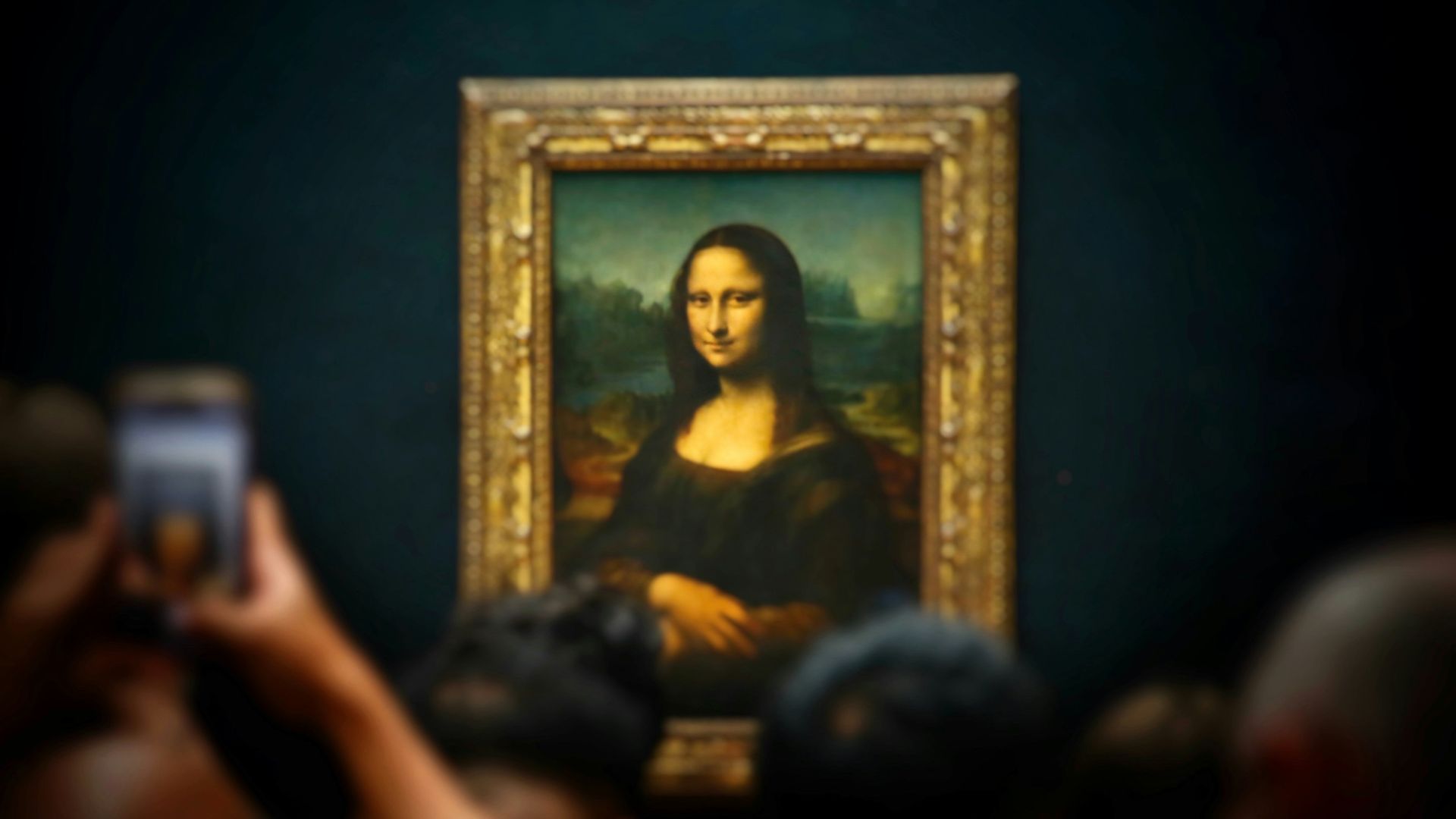
5. Mona Lisa by Leonardo da Vinci
While she wasn't found in a salt mine, the most famous face in the world was part of a high-stakes game of hide-and-seek orchestrated by the Monuments Men and French curators. She was moved six times during the war, often traveling in an ambulance or a simple truck to stay one step ahead of the occupation. These brave individuals are the reason she’s still hanging safely behind her glass shield in the Louvre.
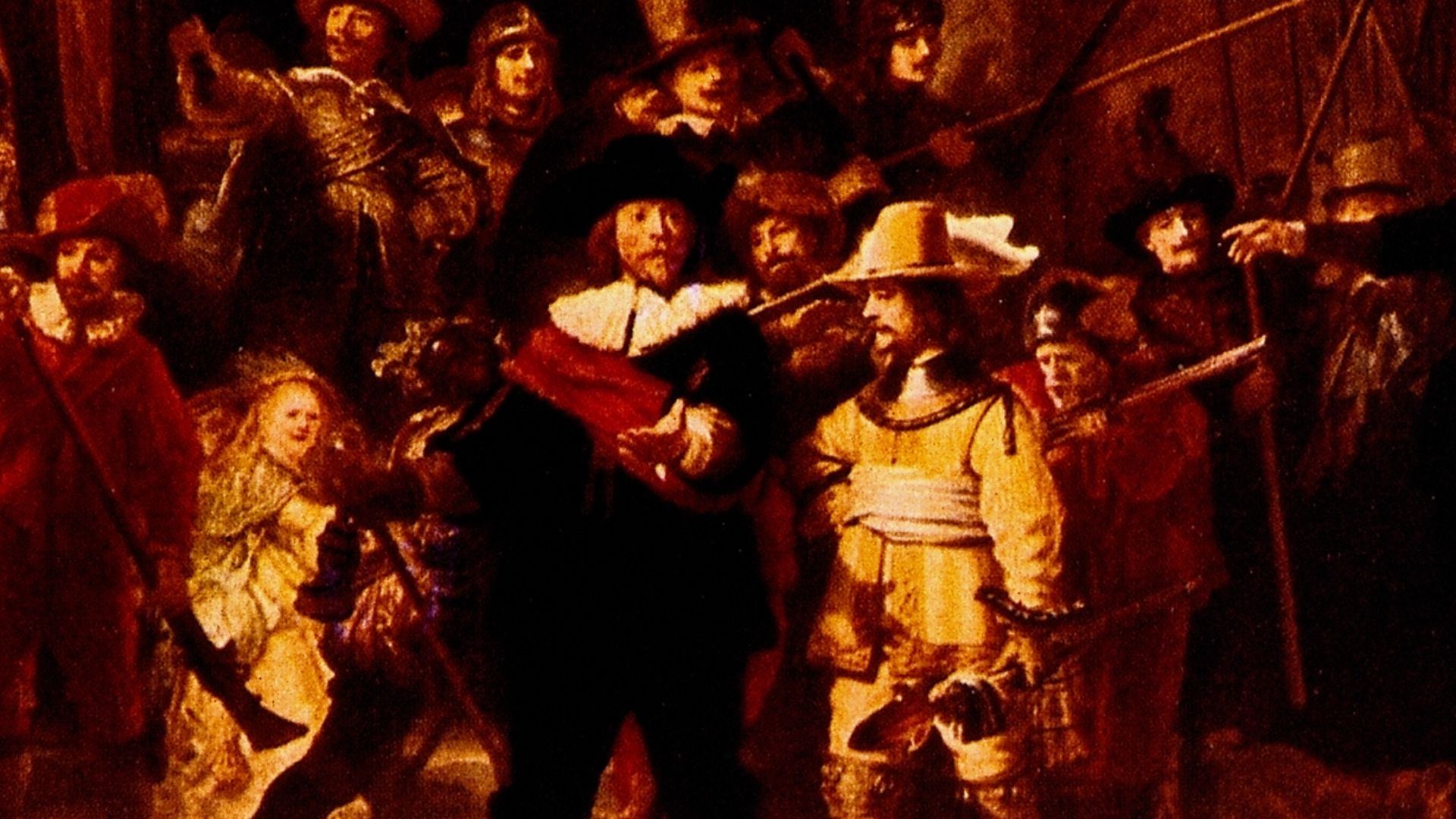
6. The Night Watch by Rembrandt
So big it needed to be rolled up like a scroll, this painting by Rembrandt was whisked away into the night by Monuments Men and Dutch art experts. They moved the artwork to a bunker hidden in the sand dunes of the Netherlands coast, just in time. This iconic painting almost didn’t survive, considering just how large and fragile it is.
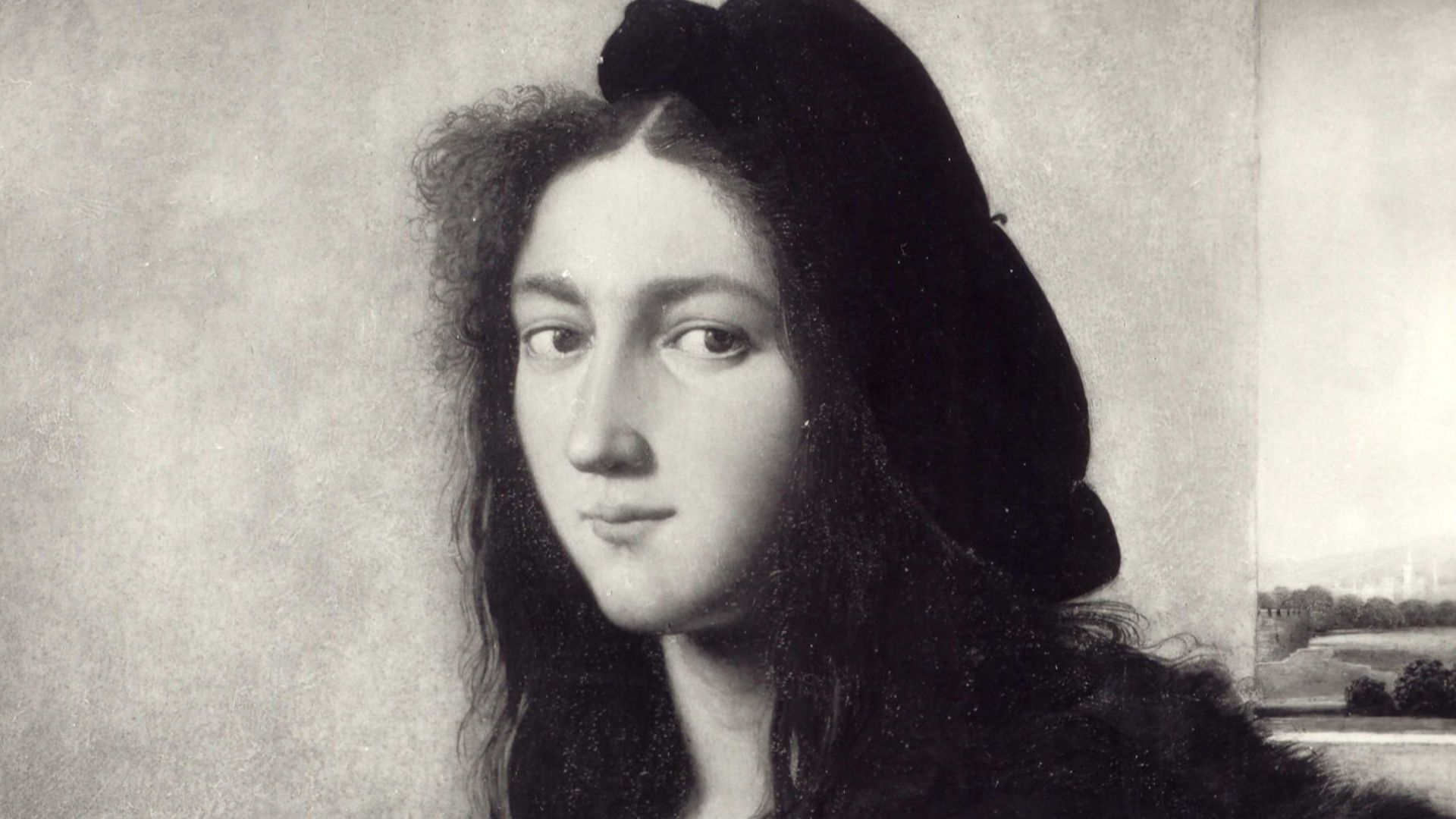
7. Portrait of a Young Man by Raphael
This is one of the most tragic stories from the Monuments Men's files because, unlike many others on this list, it was never found. It was taken from a Polish museum and last seen in the hands of a high-ranking official, but then it simply vanished into the fog of war. Even though this specific piece couldn't be saved, the documentation of its theft remains the primary evidence used by those still searching for it today.
8. The Holy Crown of Hungary
Also known as the Crown of Saint Stephen, this isn't a painting but a priceless royal relic that was handed over to the Americans for safekeeping. The Monuments Men realized that if the Soviet army got their hands on it, it might never be seen again by the Hungarian people. It was kept safe in the United States at Fort Knox for decades before it was finally returned to Budapest.
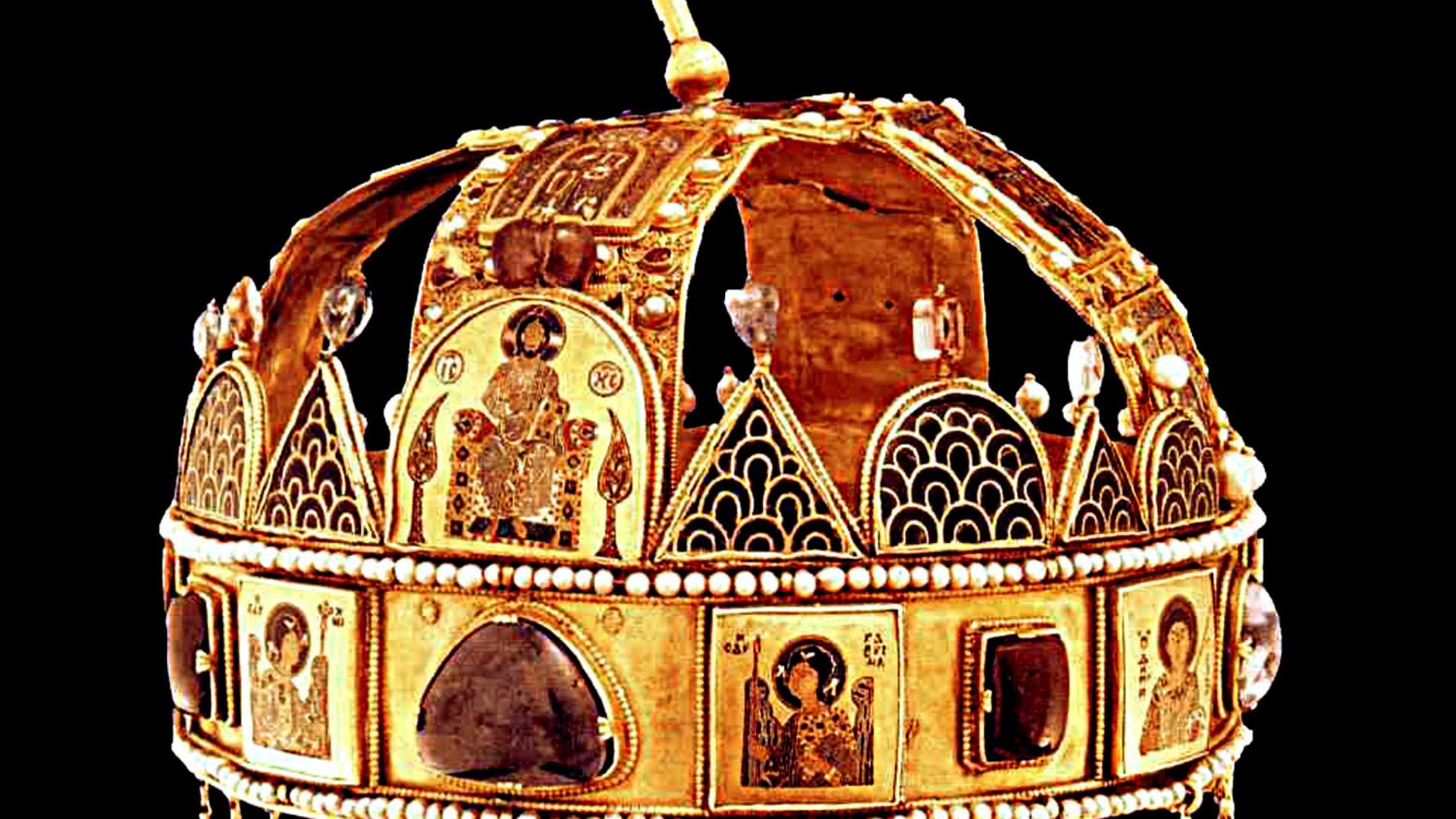 hu:Szerkesztő:Tolfavi (a kép szerzője; feltöltő a magyar nyelvű Wikipédiában) on Wikimedia
9. The Burlington House Cartoon by Leonardo da Vinci
This delicate charcoal drawing of the Virgin and Child was hidden in the basement of the National Gallery in London to protect it from the Blitz. The Monuments Men helped coordinate the protection of such fragile paper-based works that would have been destroyed by a single spark or a drop of water. The ghostly, beautiful lines can still be seen today.
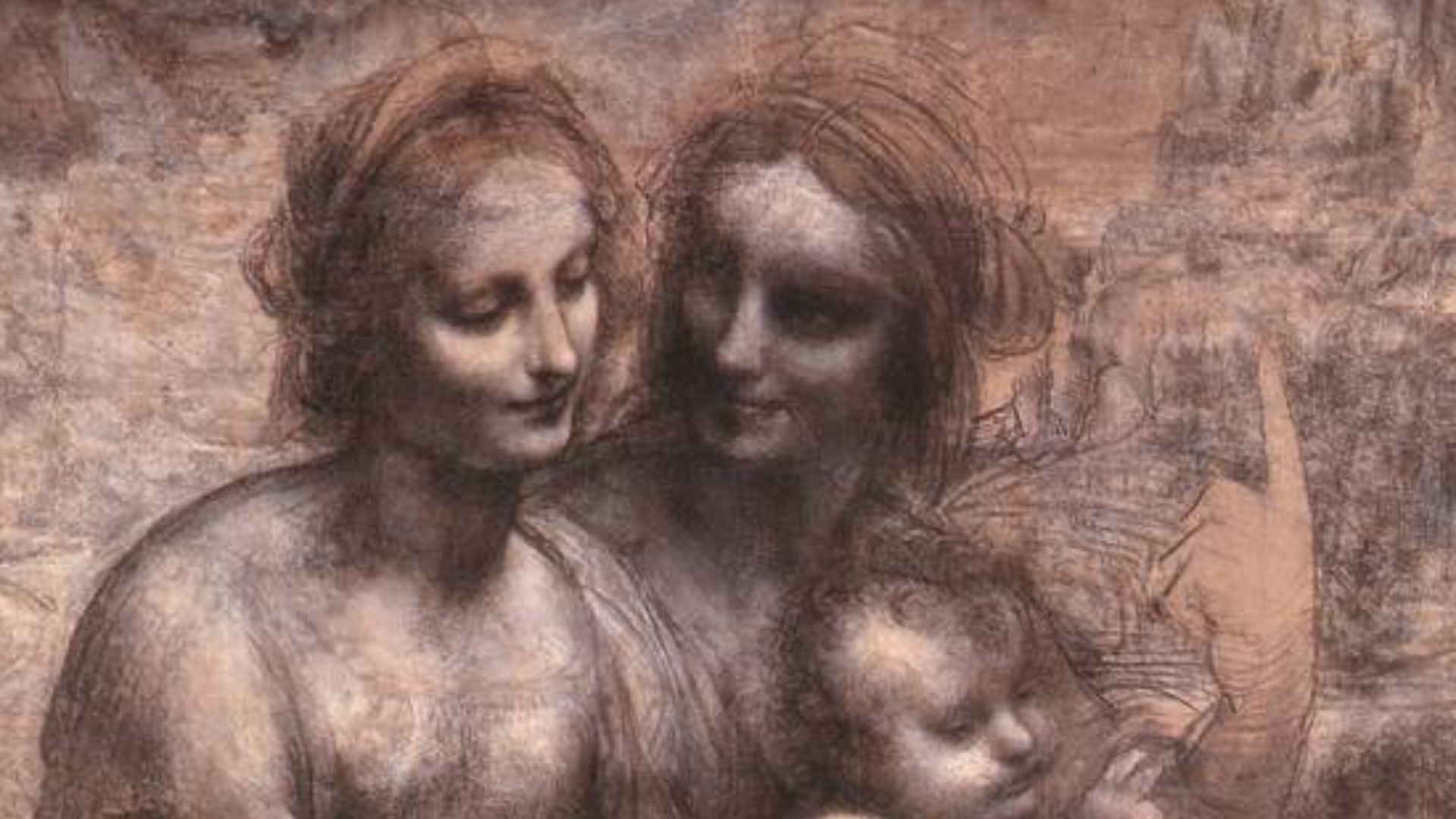 Leonardo da Vinci on Wikimedia
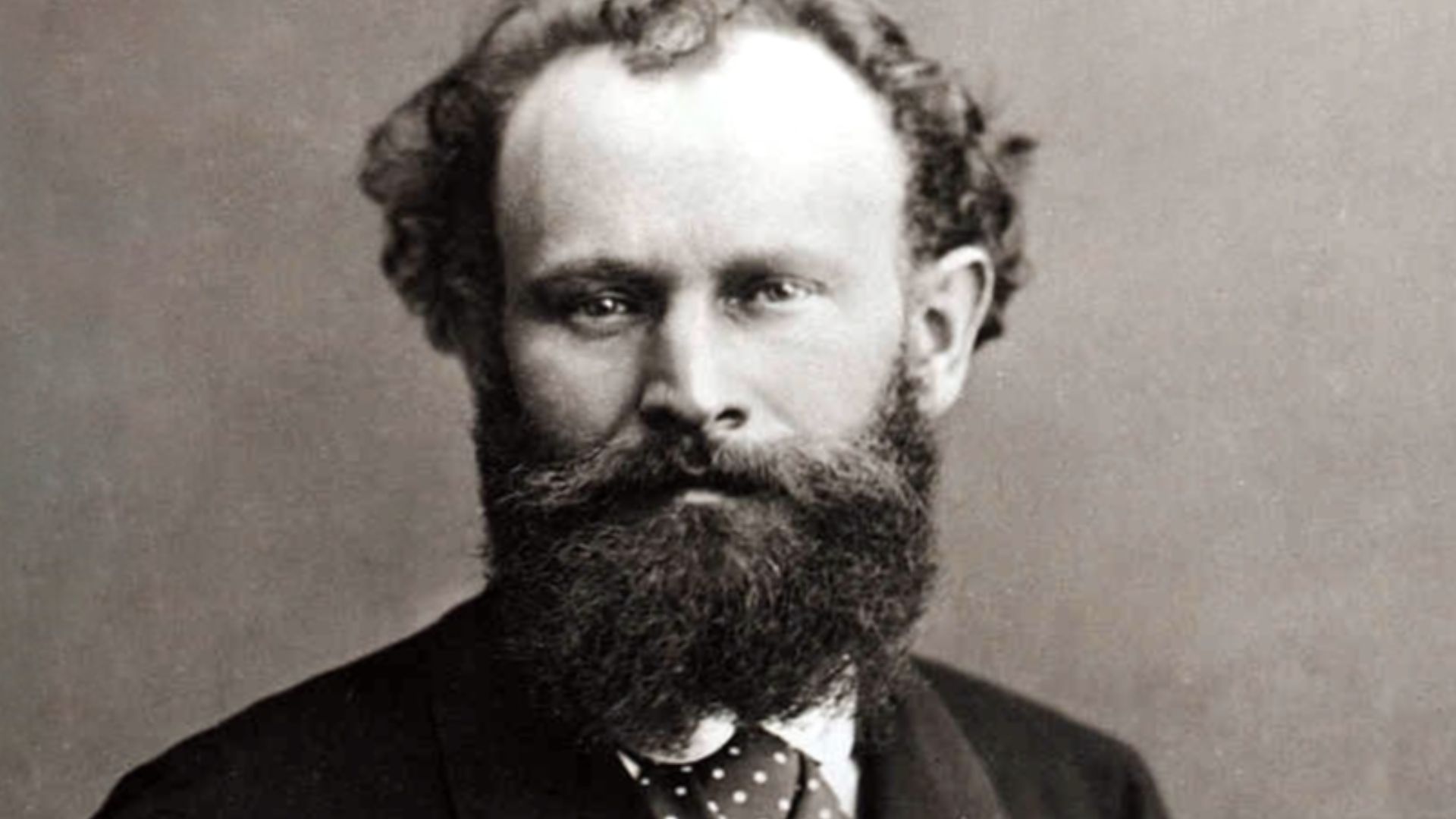
10. Wintergarden by Édouard Manet
When the U.S. Army discovered the Merkers salt mine, they were stunned to find hundreds of paintings from the Berlin museums tucked away alongside stacks of gold bars. This specific Impressionist work was among the loot, and General Eisenhower even took a moment to inspect the found treasures. It’s a surreal image.
11. The Birth of Venus by Sandro Botticelli
Members of the Monuments Men raced through Italy as tanks and soldiers rolled through the countryside. In one of their first recoveries of the war, officials secured the Uffizi Gallery and its most famous paintings. After being found tucked away in a villa somewhere in the Tuscan countryside, The Birth of Venus was returned to its permanent home.
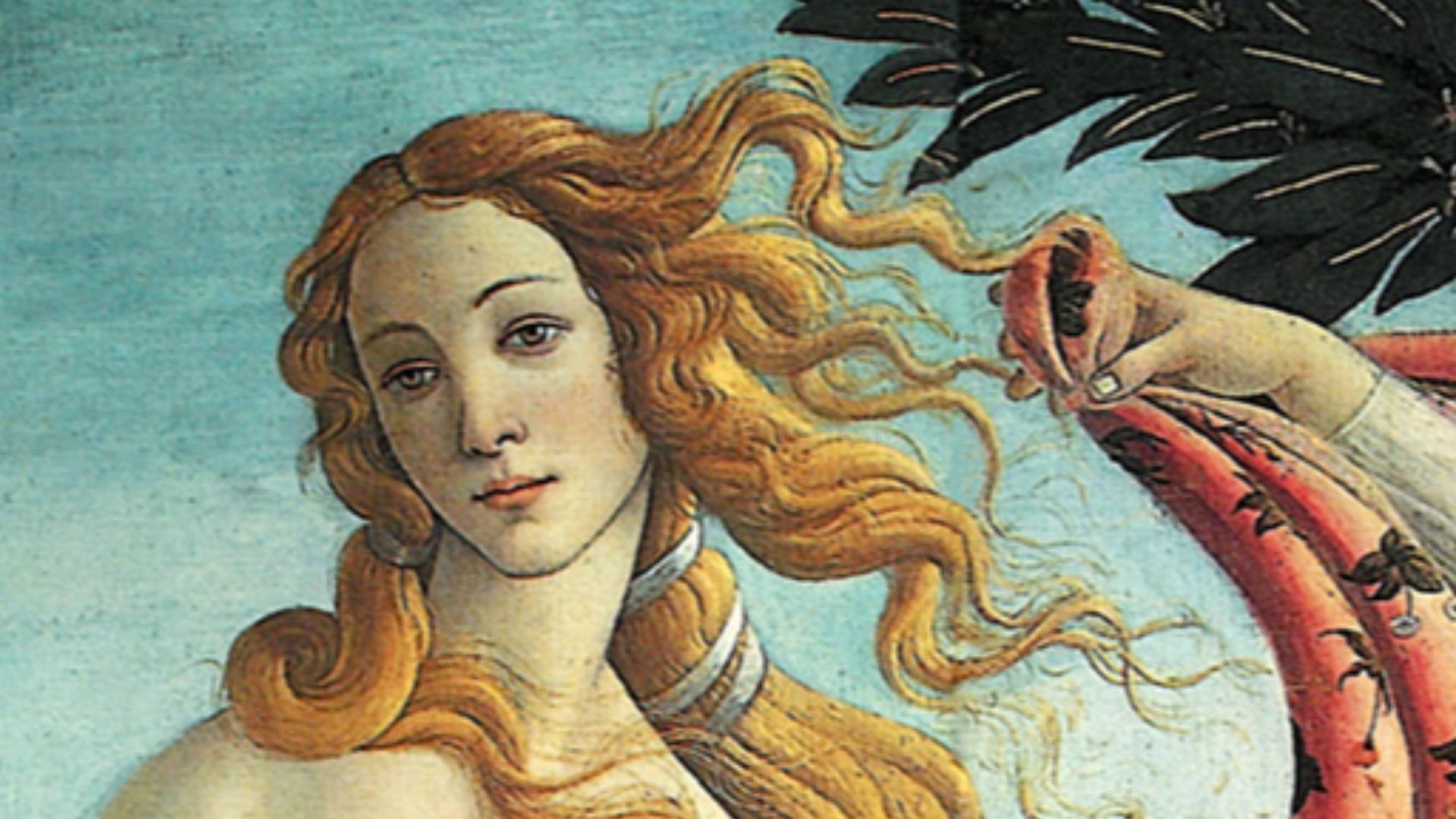 Unknown authorUnknown author on Wikimedia
12. Self-Portrait by Rembrandt
This specific self-portrait was one of the many pieces recovered from the salt mines at Altaussee just before the tunnels were supposed to be blown up. The Nazis had planned to destroy the mine and everything in it, but the Monuments Men worked with local miners to prevent the explosion. It’s a good thing they did, because seeing the aging face of the master in person is a hauntingly beautiful experience.
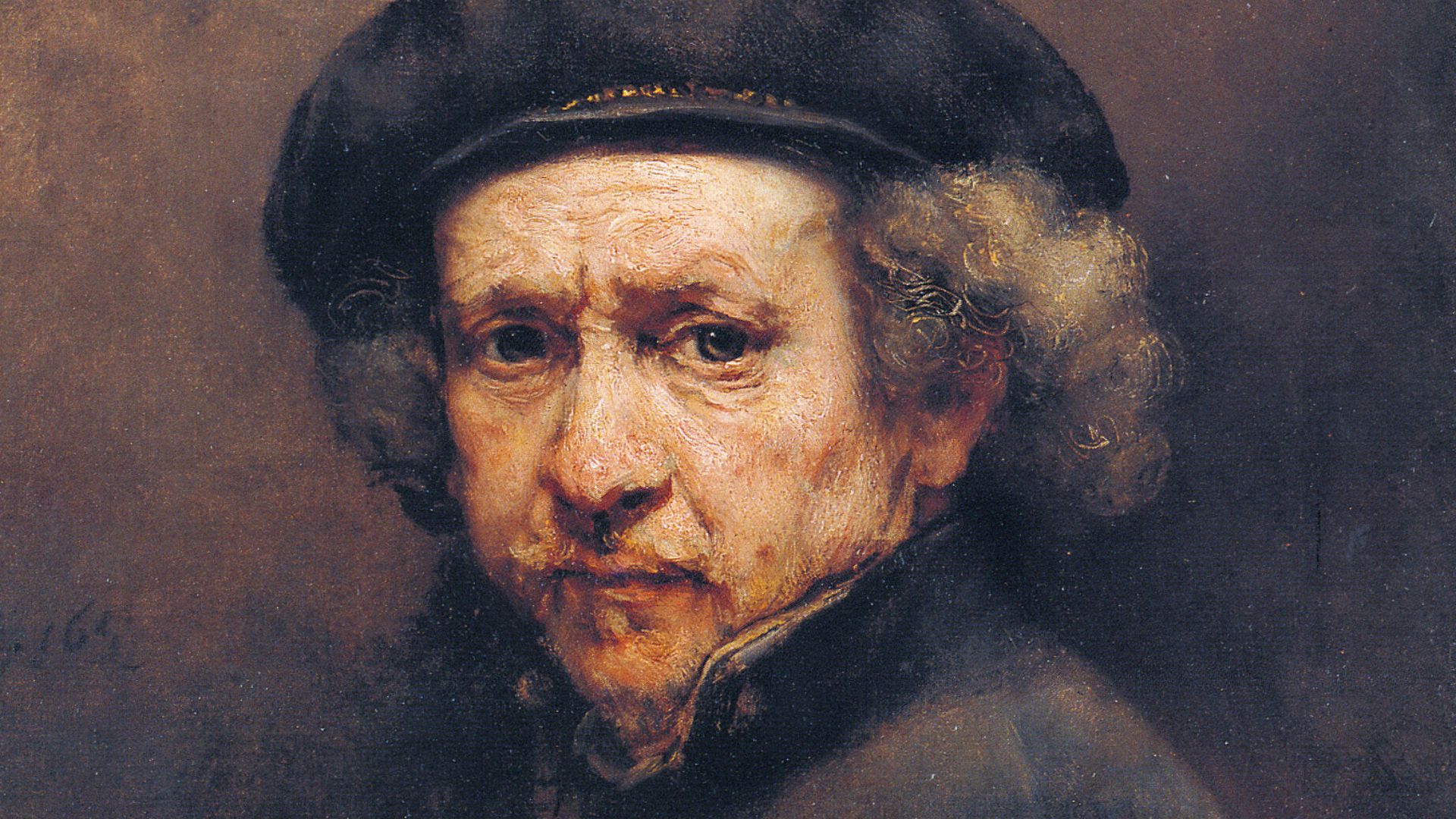
13. The Art of Painting by Johannes Vermeer
Like Michelangelo’s masterpiece stolen at the same time, this painting was saved from obscurity at the Altaussee salt mine. This Vermeer work is regarded as one of his most intricate and fascinating paintings. It depicts an artist sitting in a studio, lost in the work.
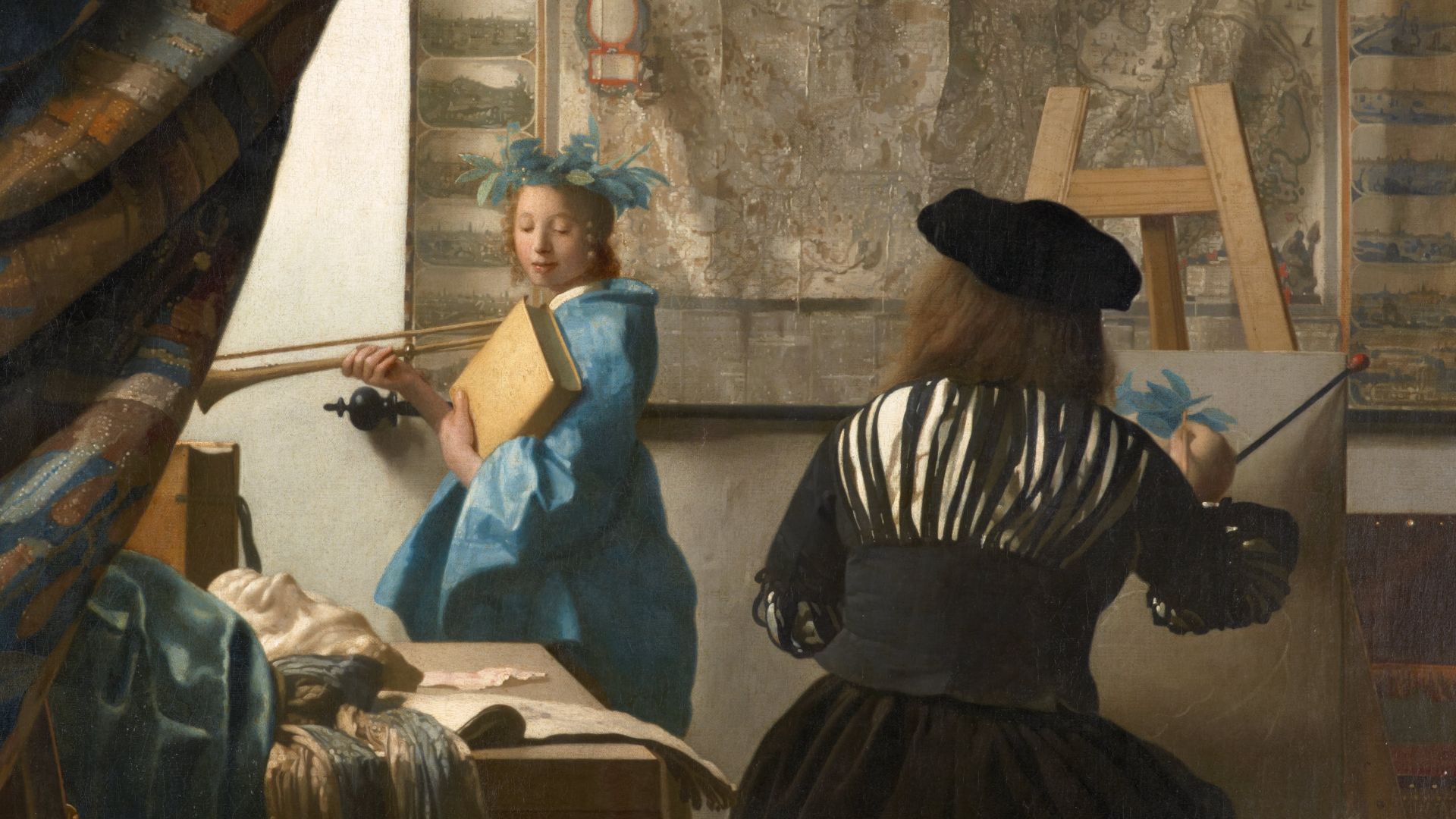
14. The Adoration of the Magi by Giovanni di Paolo
This vibrant Renaissance panel was rescued from a collection of looted items that were being processed at the Munich Central Collecting Point. The Monuments Men set up these centers to organize the millions of items they found so they could eventually be sent back to their original owners.
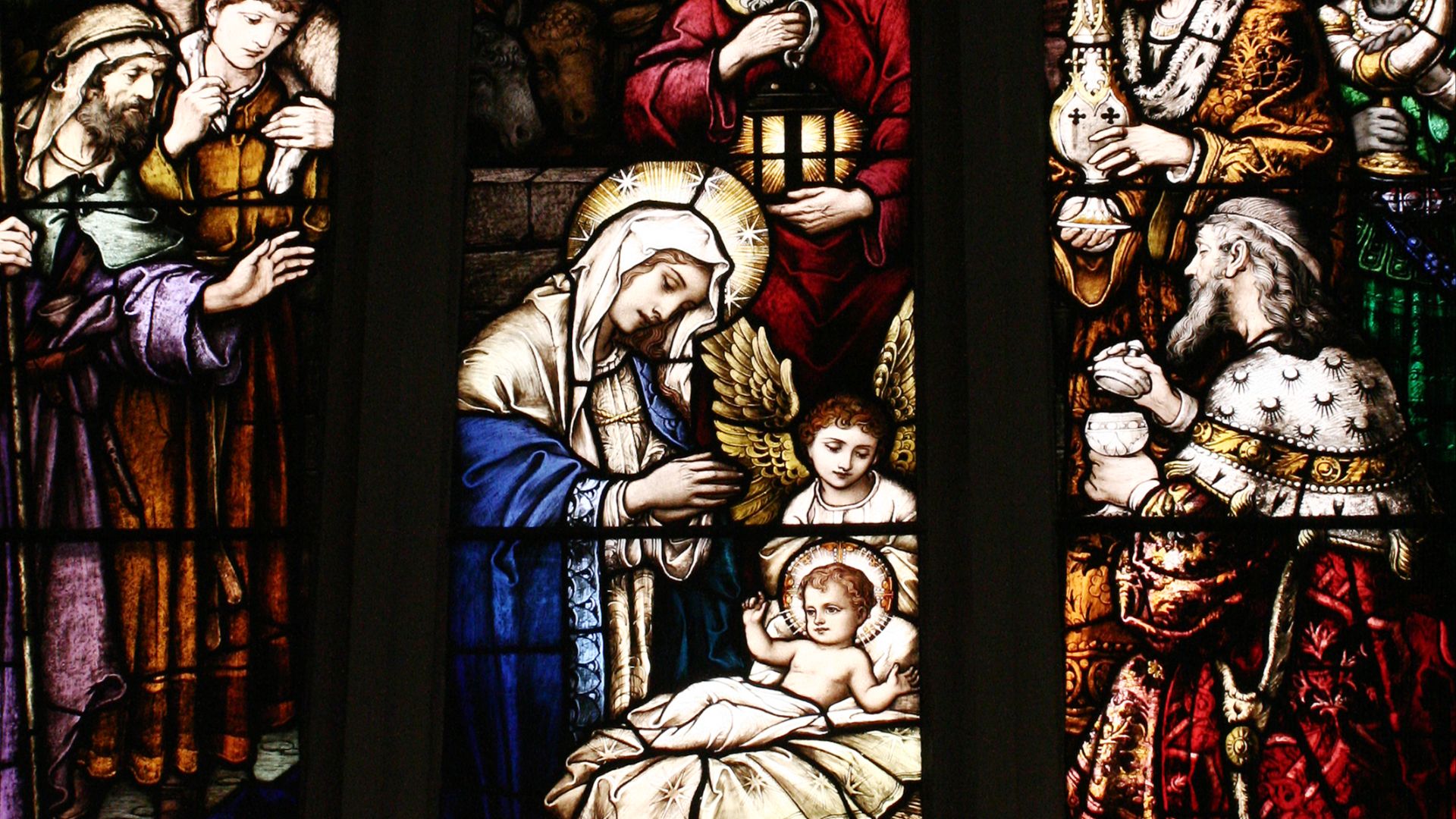 Window: workshop of Franz Borgias Mayer (1848–1926); Photo: Wojciech Dittwald on Wikimedia
15. Bust of Isabella d’Este by Leonardo da Vinci
This drawing is often associated with the efforts to save the private collections of noble families that were targeted by the ERR, a specific Nazi looting task force. The Monuments Men worked tirelessly to track down these personal treasures that had been scattered across various castles in Germany. Thanks to their meticulous record-keeping, many of these intimate portraits were eventually reunited.
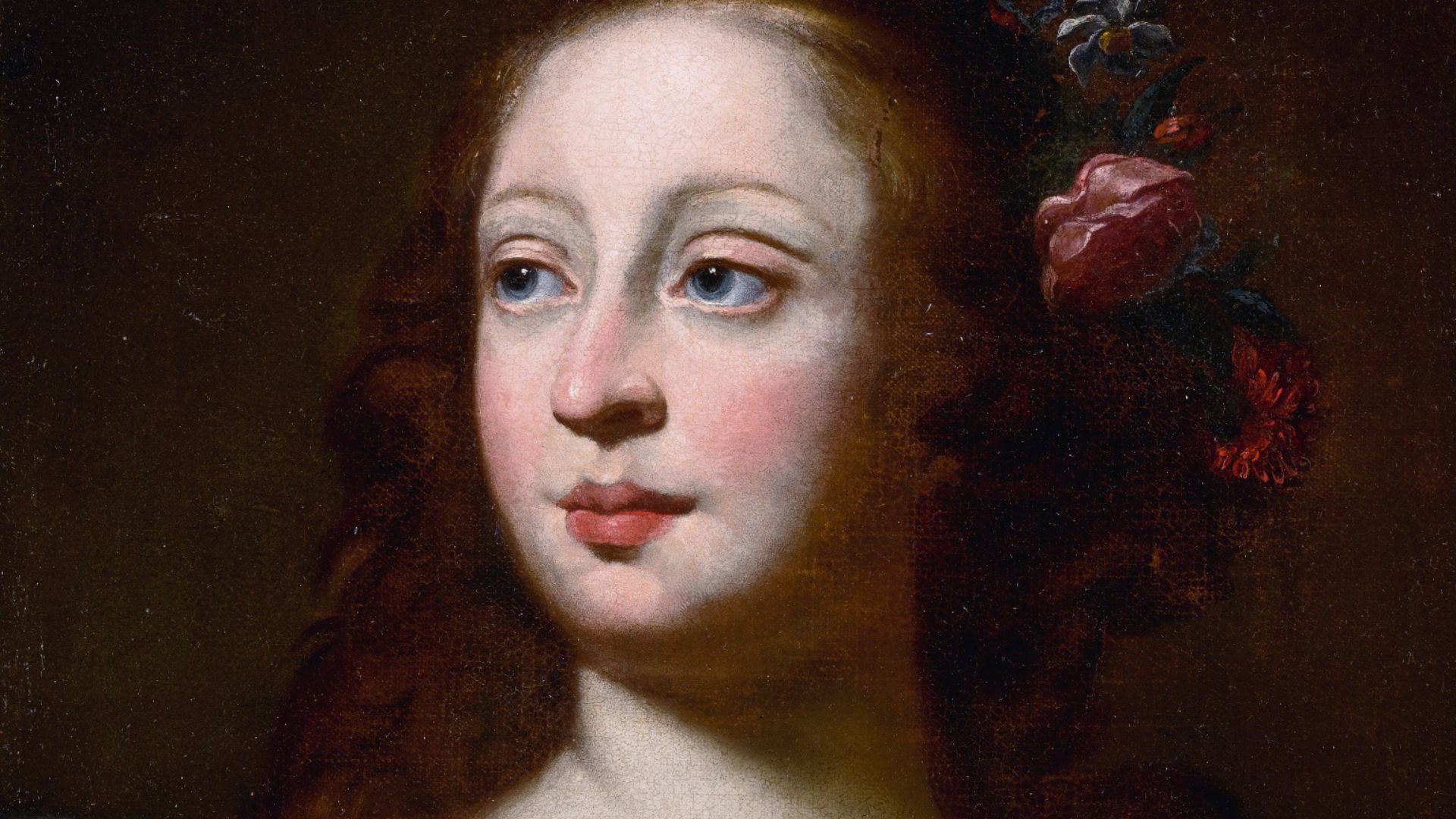 Follower of Justus Sustermans on Wikimedia
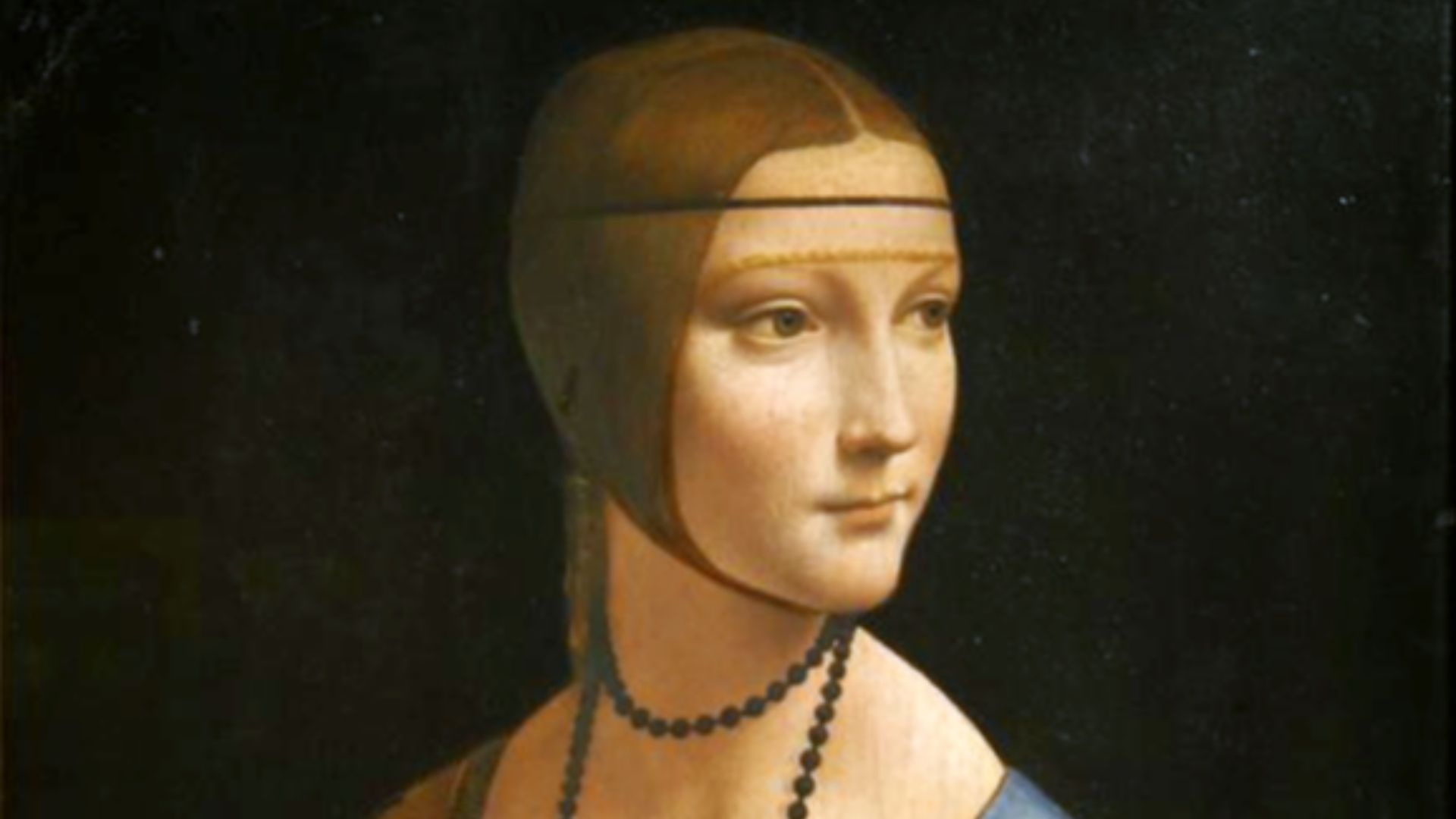
16. The Lady with an Ermine by Leonardo da Vinci
This stunning portrait was taken from Poland and kept in the private office of a high-ranking Nazi official who apparently wanted to enjoy it alone. The Monuments Men recovered it from a villa in Bavaria and made sure it was one of the first pieces to be returned to the Polish people after the war. It remains a symbol of national pride.
 Leonardo da Vinci on Wikimedia
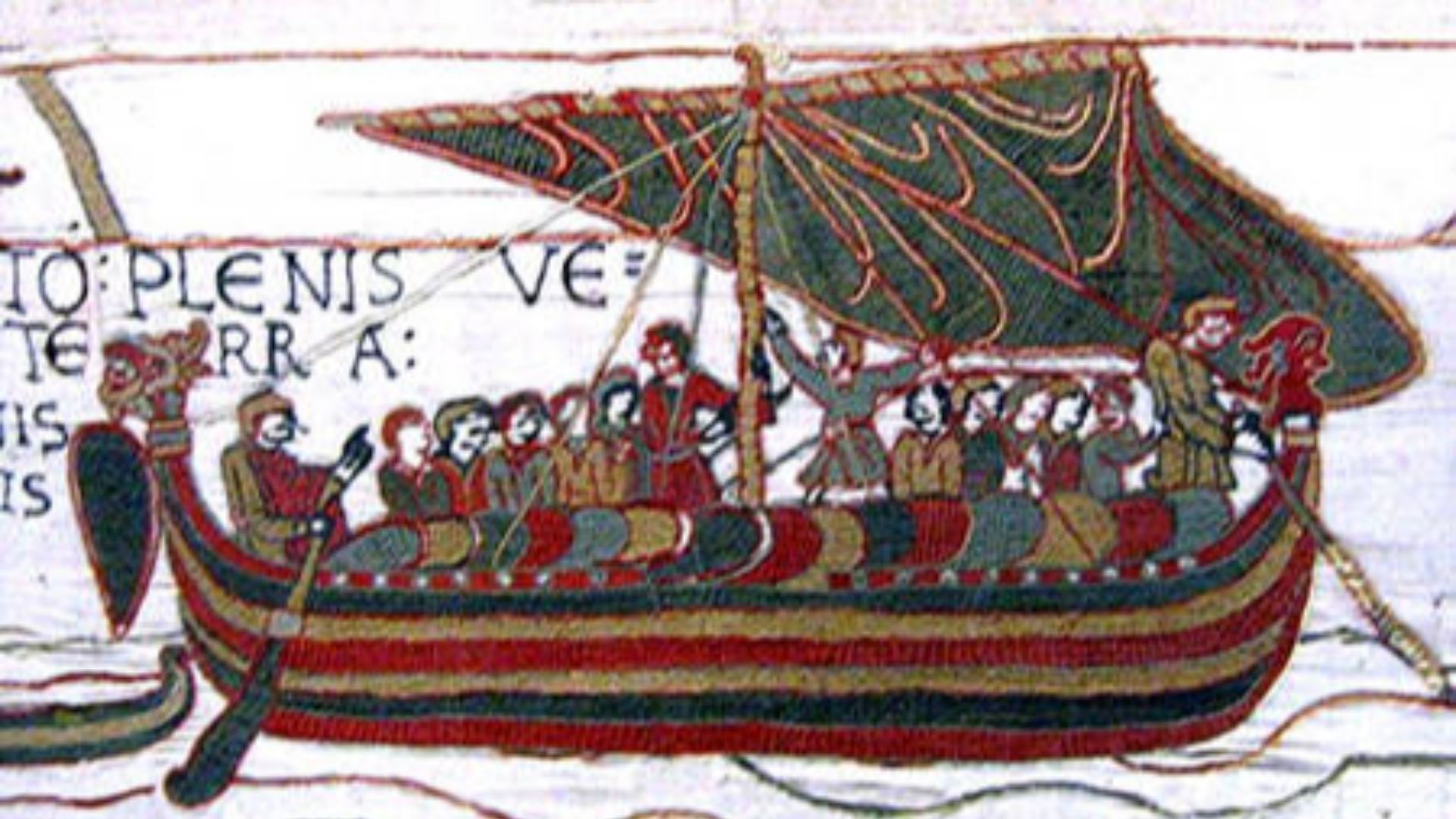
17. The Bayeux Tapestry
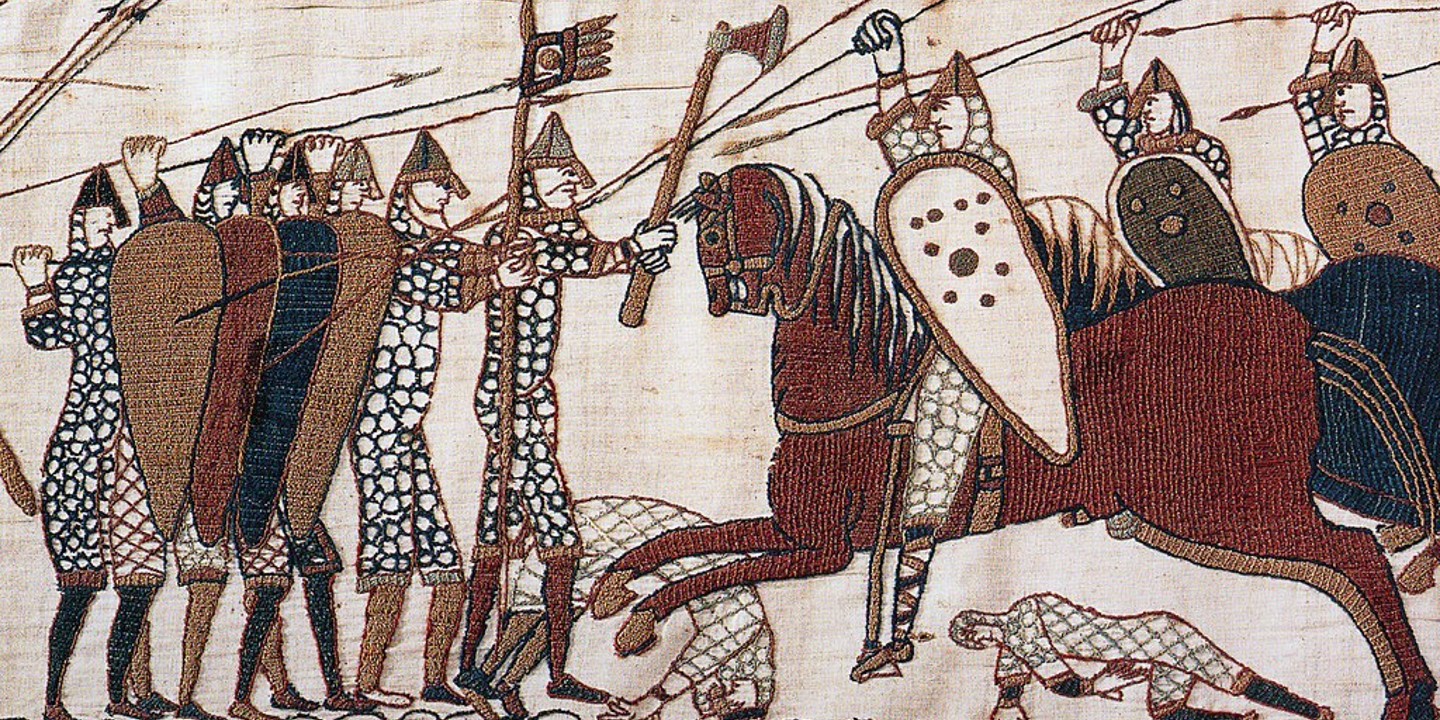
At nearly 230 feet long, the iconic embroidered cloth was luckily kept in France during the war. Monuments Men officers kept it under close surveillance as they watched trucks full of art leave museums in droves. Working with the French underground, they monitored moving artwork and rushed to save it at the last minute.
 Unknown authorUnknown author on Wikimedia
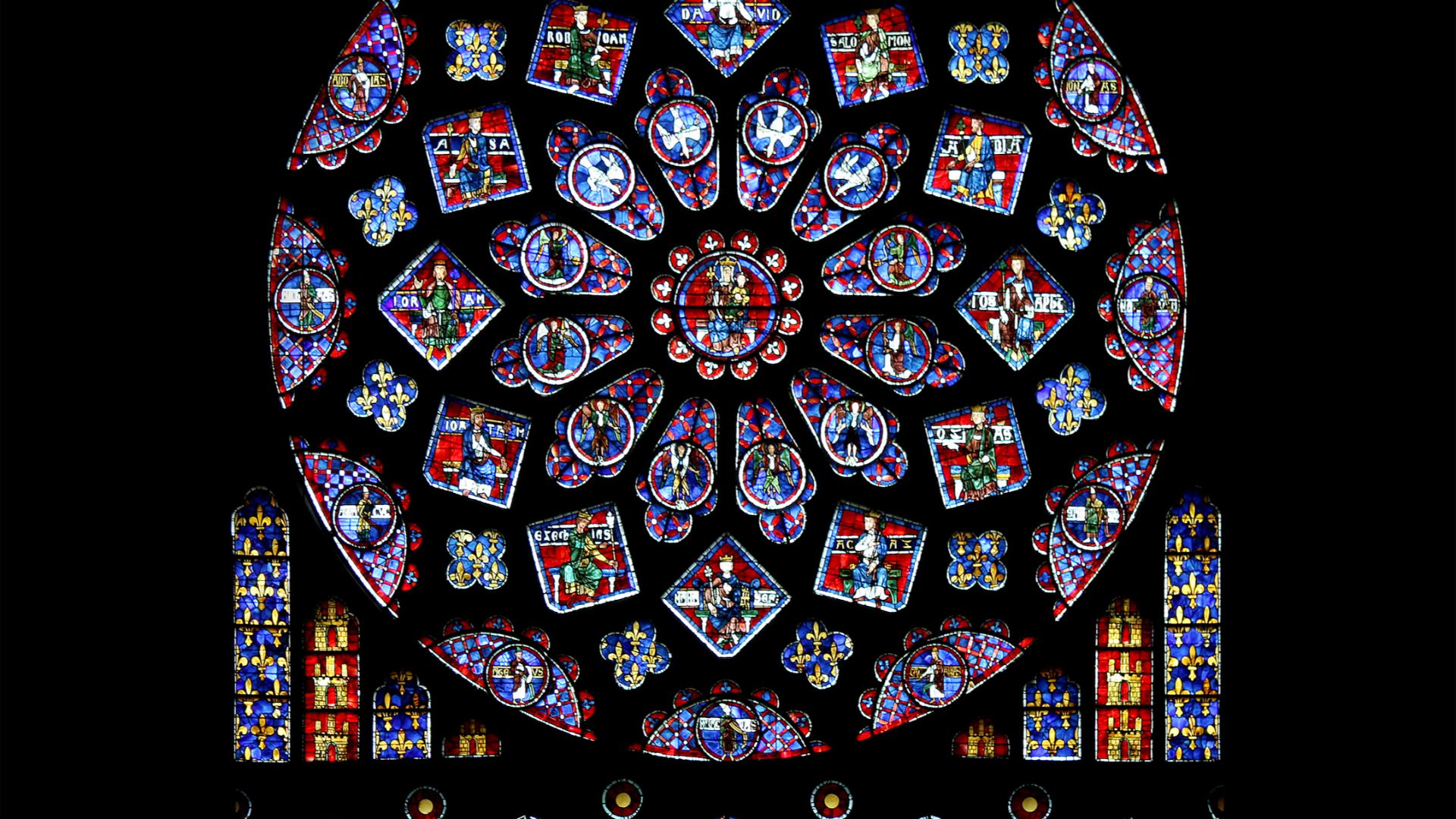
18. Chartres Cathedral Stained Glass
You might not think of windows as something that can be "rescued," but the Monuments Men helped coordinate the removal and storage of the world-famous blue glass before the bombing started. They carefully crated the medieval panels and hid them in crypts and rural cellars to keep them safe from the vibrations of nearby explosions. It’s why visitors can still stand in the cathedral today and see the light filtering through the same colors that people saw in the twelfth century.
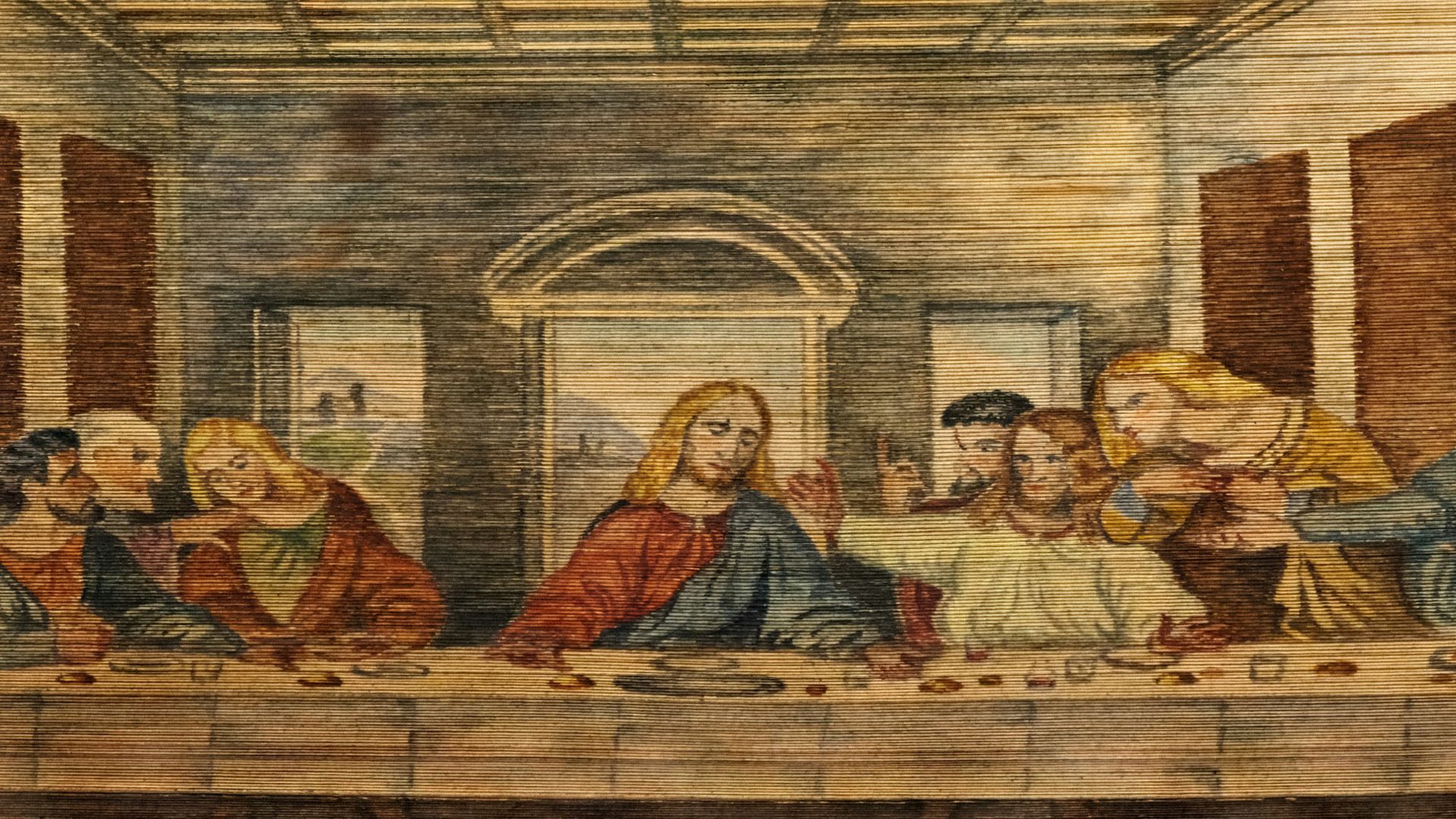
19. The Last Supper by Leonardo da Vinci
Technically, a wall cannot be moved, but the Monuments Men saved this masterpiece by building a massive protective cage of sandbags and steel scaffolding around it. When a bomb hit the building and leveled most of the room, the wall holding the painting was the only thing left standing. It’s perhaps the most dramatic example of how their engineering skills were just as important as their knowledge of art history.
 Boston Public Library on Unsplash
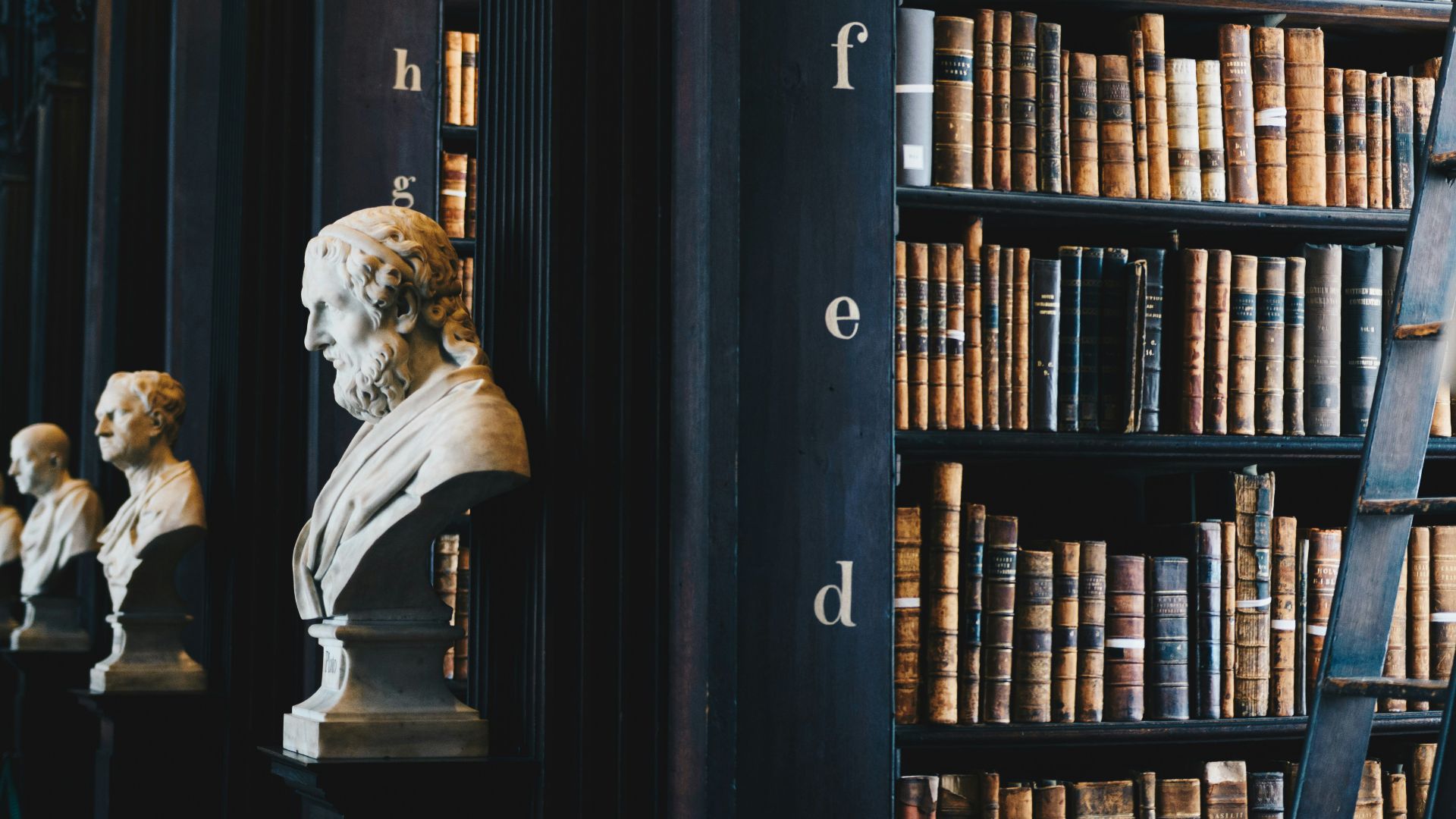
20. The Rothschild Library Books
While paintings get most of the glory, the Monuments Men also rescued millions of rare books and manuscripts that had been stolen from Jewish families and libraries. These crates were found stacked in damp basements and dusty warehouses, often in terrible condition and needing immediate care. By saving these texts, the intellectual history and personal stories of thousands were preserved.