When most people think of gladiators, they picture dramatic battles in massive arenas filled with cheering crowds. While those spectacles were very real, they only represented a small part of a gladiator’s life. The reality behind the scenes was far more structured, controlled, and often harsh. Gladiators were part of a system that treated them as both valuable assets and expendable entertainers. Their daily lives reflected this contradiction in striking ways.
Outside the arena, gladiators lived under strict supervision and followed routines designed to maximize their performance. They weren’t free individuals, and many were enslaved, prisoners of war, or condemned criminals. However, some were volunteers known as auctorati, who chose this life despite its risks. Regardless of how they entered, they were bound by contracts or ownership. Their lives were shaped by discipline, training, and constant oversight.
Controlled Lives Under Constant Authority
Gladiators were typically housed in training schools called ludi, which were run by a manager known as a lanista. These schools functioned almost like military barracks, with strict schedules and limited freedom. Gladiators couldn’t leave without permission, and their movements were closely monitored. This level of control ensured they remained focused and physically prepared. It also reinforced their status as property or contracted performers.
The lanista held significant power over every aspect of a gladiator’s life. He decided their training routines, diet, and even when they would fight. Since gladiators represented a financial investment, owners aimed to protect them from unnecessary harm outside the arena. At the same time, discipline was strict, and punishments could be severe. Maintaining order within the ludus was considered essential. This structure kept the entire system functioning efficiently.
Despite these restrictions, some gladiators formed strong social bonds within the school. Living and training together created a sense of camaraderie among them. They shared the same risks and understood the pressures of their profession. These relationships could provide emotional support in an otherwise controlled environment. However, friendships were often complicated by the reality that they might one day face each other in combat.
Training, Diet, and Physical Demands
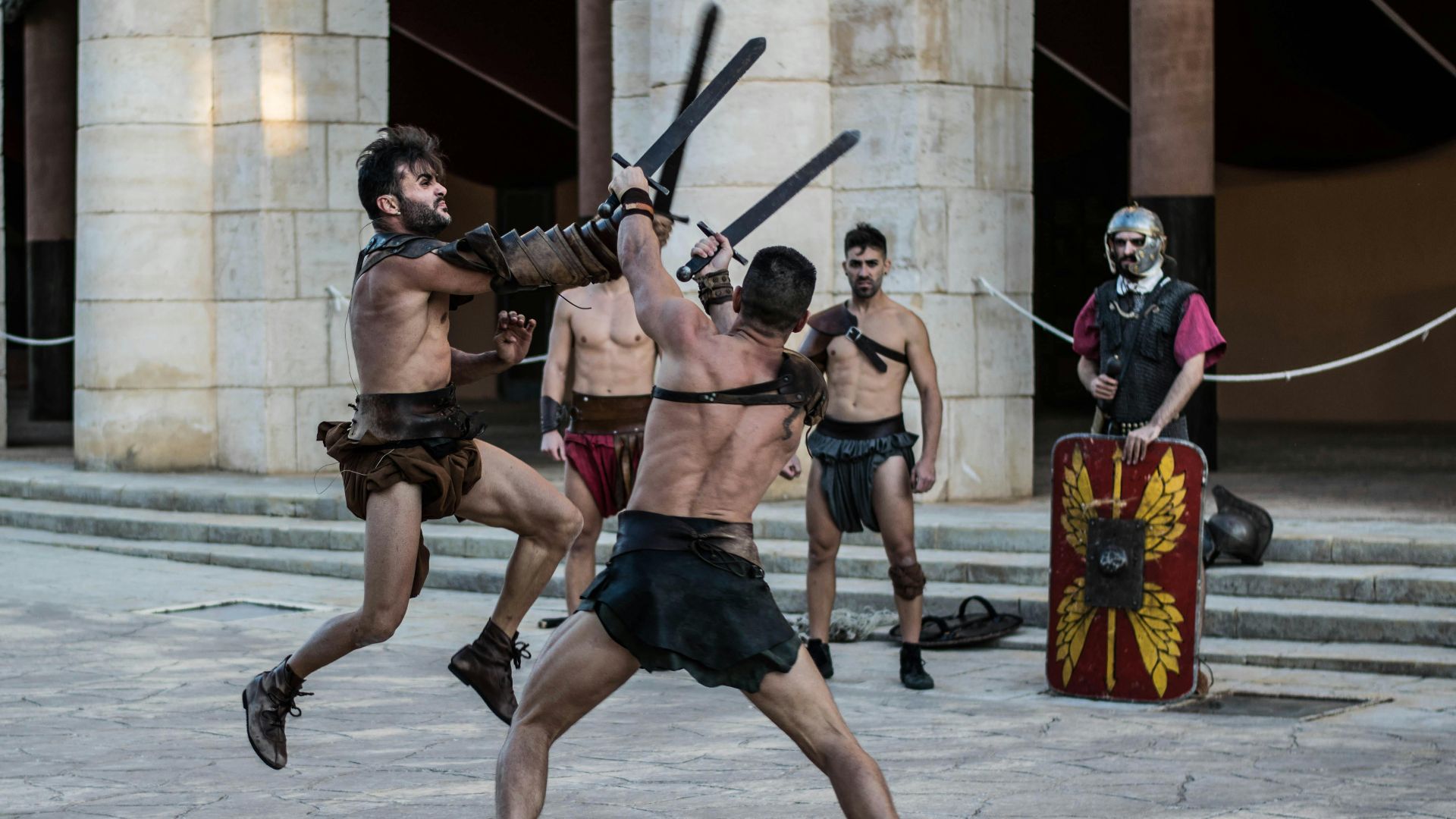
Gladiators followed intense training regimens designed to prepare them for specific fighting styles. Each type of gladiator, such as the murmillo or retiarius, had specialized weapons and techniques. Training involved repetitive drills, sparring, and conditioning exercises. Wooden weapons were often used during practice to reduce injury risk. This preparation helped ensure that fights were both skillful and entertaining.
Their diet was carefully managed to support strength and endurance. Historical sources, including Pliny the Elder, describe gladiators as eating a diet rich in grains and legumes. This led to the nickname “barley men,” reflecting their reliance on foods like barley and beans. The diet helped maintain body mass, which could offer some protection during combat. It also provided the energy needed for rigorous training routines.
Medical care was another important aspect of their lives, more advanced than many might expect. Gladiator schools often employed physicians who specialized in treating injuries. Archaeological evidence suggests that wounds were treated with care to allow fighters to recover and return to the arena. This attention wasn’t purely compassionate; it was also practical. Healthy gladiators were more valuable and could continue generating income for their owners.
The Psychological Toll and Social Status
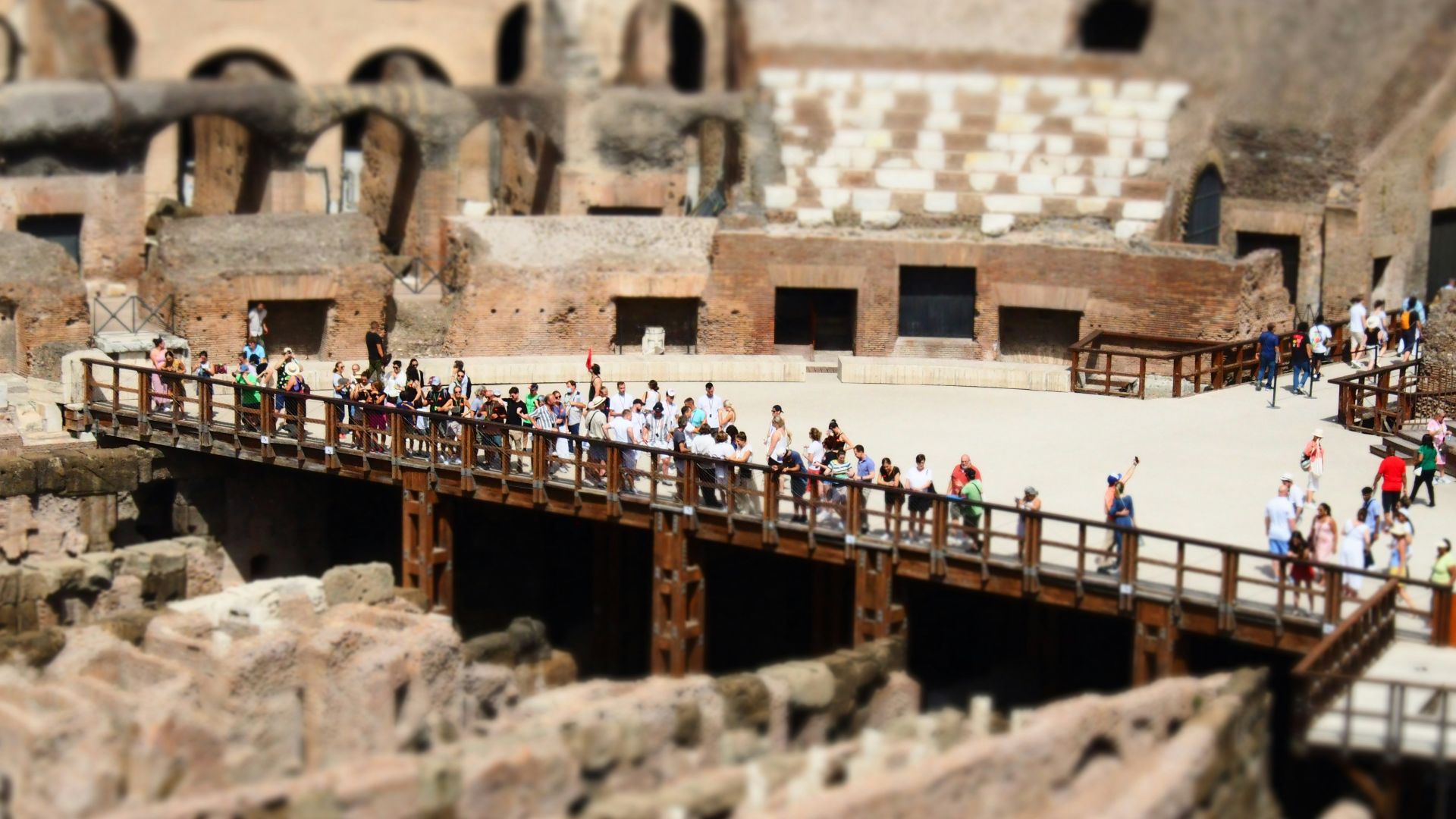
Life as a gladiator came with a heavy psychological burden. Constant training and the knowledge of potential death created ongoing stress. Even though not every fight ended in fatality, the risk was always present. Gladiators had to maintain focus and composure under extreme pressure, and this mental strain was an unavoidable part of their existence.
Socially, gladiators occupied a complex and often contradictory position in Roman society. They were admired for their skill and bravery, yet they were also considered infamous, meaning they had low legal and social status. This classification limited their rights and excluded them from many aspects of civic life. Despite this, successful gladiators could gain fame and even a degree of celebrity. Crowds often celebrated popular fighters, creating a unique dynamic.
Some gladiators were eventually granted freedom through a symbol known as the rudis, a wooden sword. This award recognized their service and skill, allowing them to retire from combat. Even after gaining freedom, many remained connected to the gladiatorial world as trainers or guards. Their experiences shaped their identities long after their fighting careers ended. Freedom didn’t always mean a complete escape from that life.
Gladiator life was far more than the dramatic clashes seen in Roman arenas. It involved strict control, demanding physical preparation, and significant psychological challenges. While some individuals found fame or even freedom, many lived under harsh conditions with limited autonomy. Understanding these realities provides a more complete picture of what it meant to be a gladiator. It also highlights the complexity of a system that combines entertainment with human struggle.
KEEP ON READING