


Old Tools, Real Places
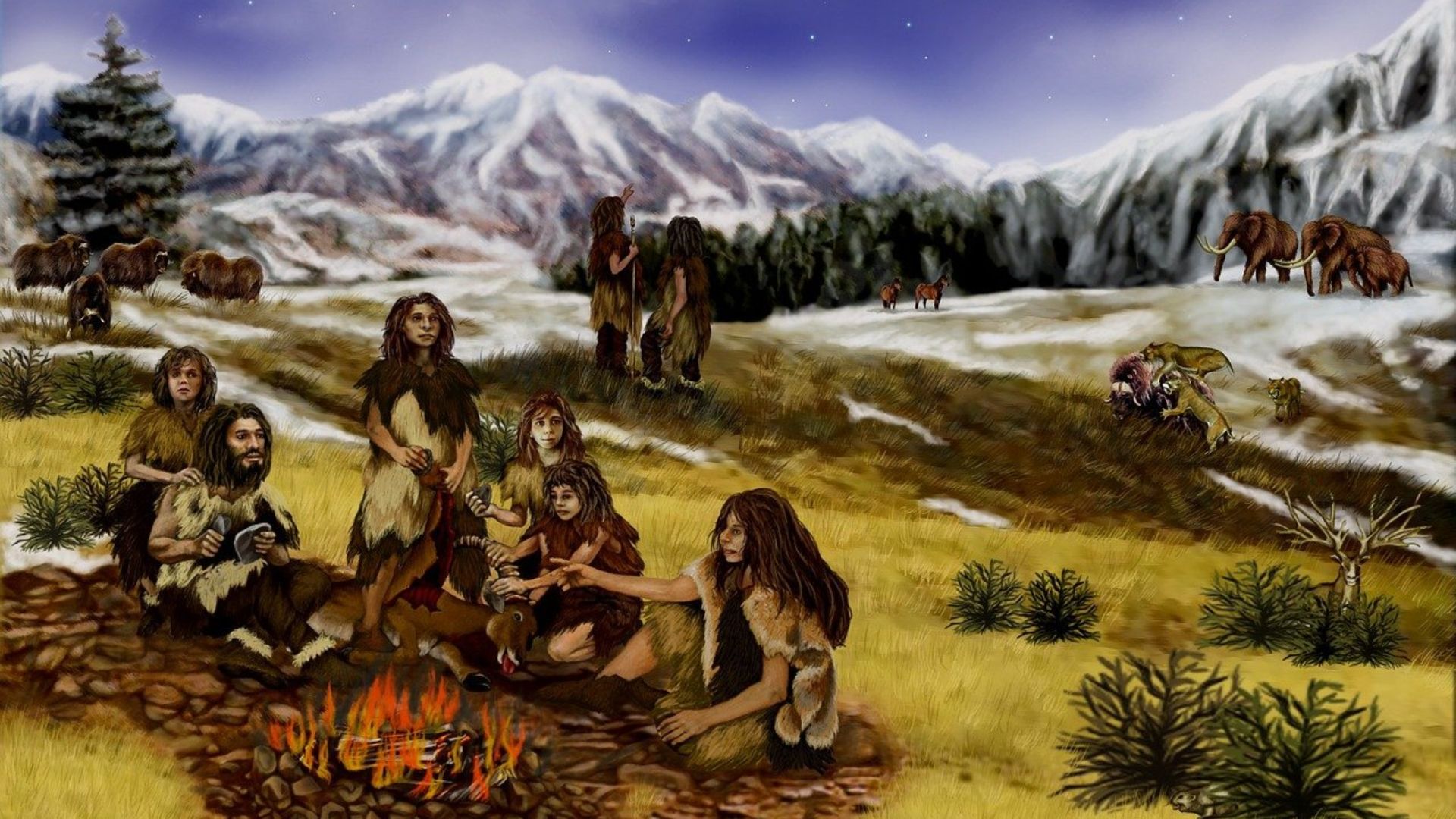
We don't talk about the Stone Age enough. People hear the phrase and picture one vague prehistoric landscape, a few rocks, and not much else. The real story takes place along South Africa’s southern coast to the Sea of Galilee, from northern Germany to Siberia’s Altai Mountains. Different groups in different climates were solving different problems, which we rarely give our early human ancestors enough credit for. Things like axes, spears, and fish hooks came from people paying close attention to materials, weather, animals, water, and the sheer difficulty of staying alive. These 20 technologies show just how much thought was already sitting in Stone Age hands.
1. Acheulean Hand Axes
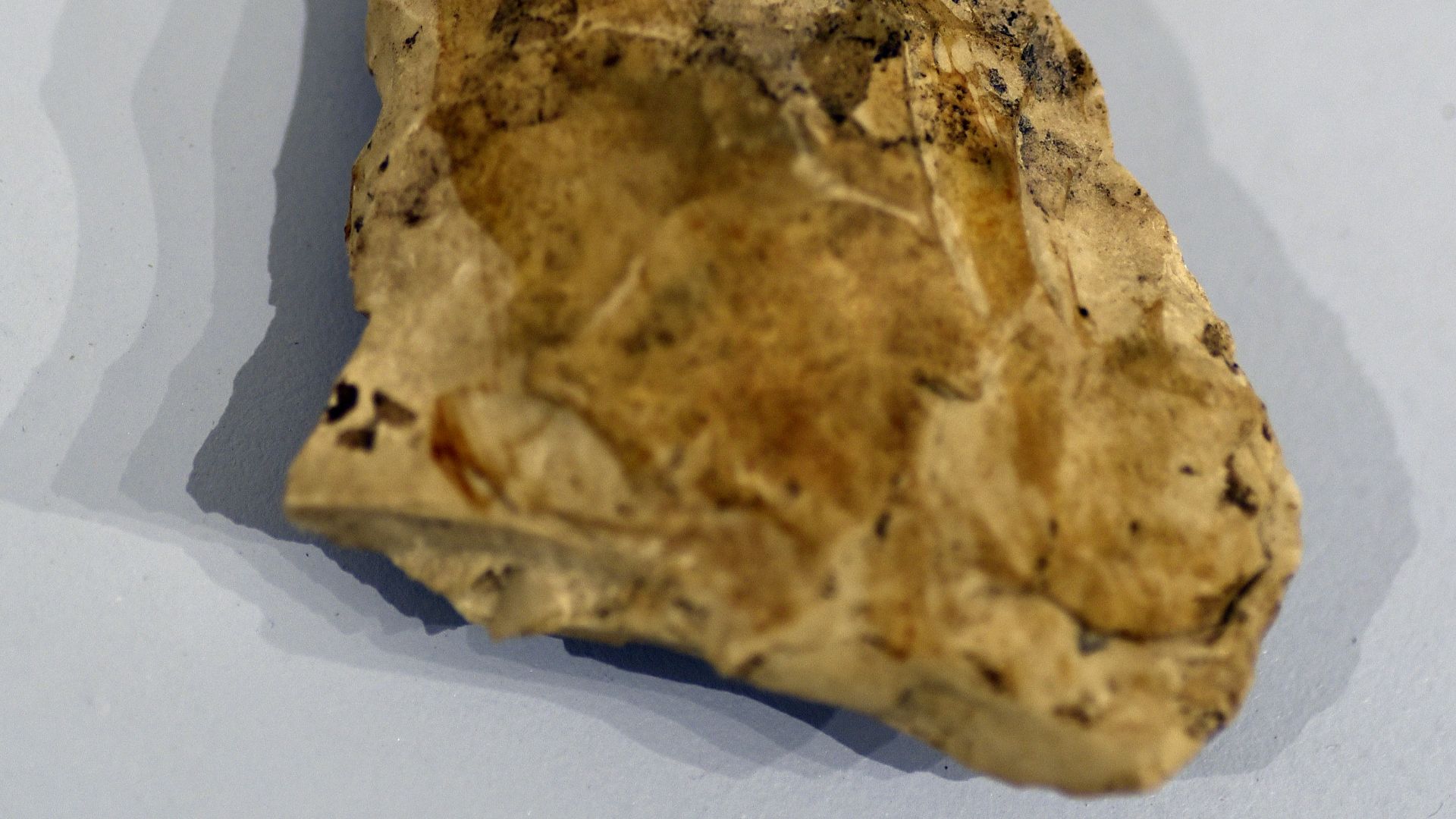
Acheulean hand axes turned up across huge stretches of Africa, then later in parts of Europe and western Asia, and they stayed in use for more than a million years. They were carefully shaped, often symmetrical tools that people trusted enough to keep refining over an astonishing stretch of time.
 Osama Shukir Muhammed Amin FRCP(Glasg) on Wikimedia
2. The Schöningen Spears
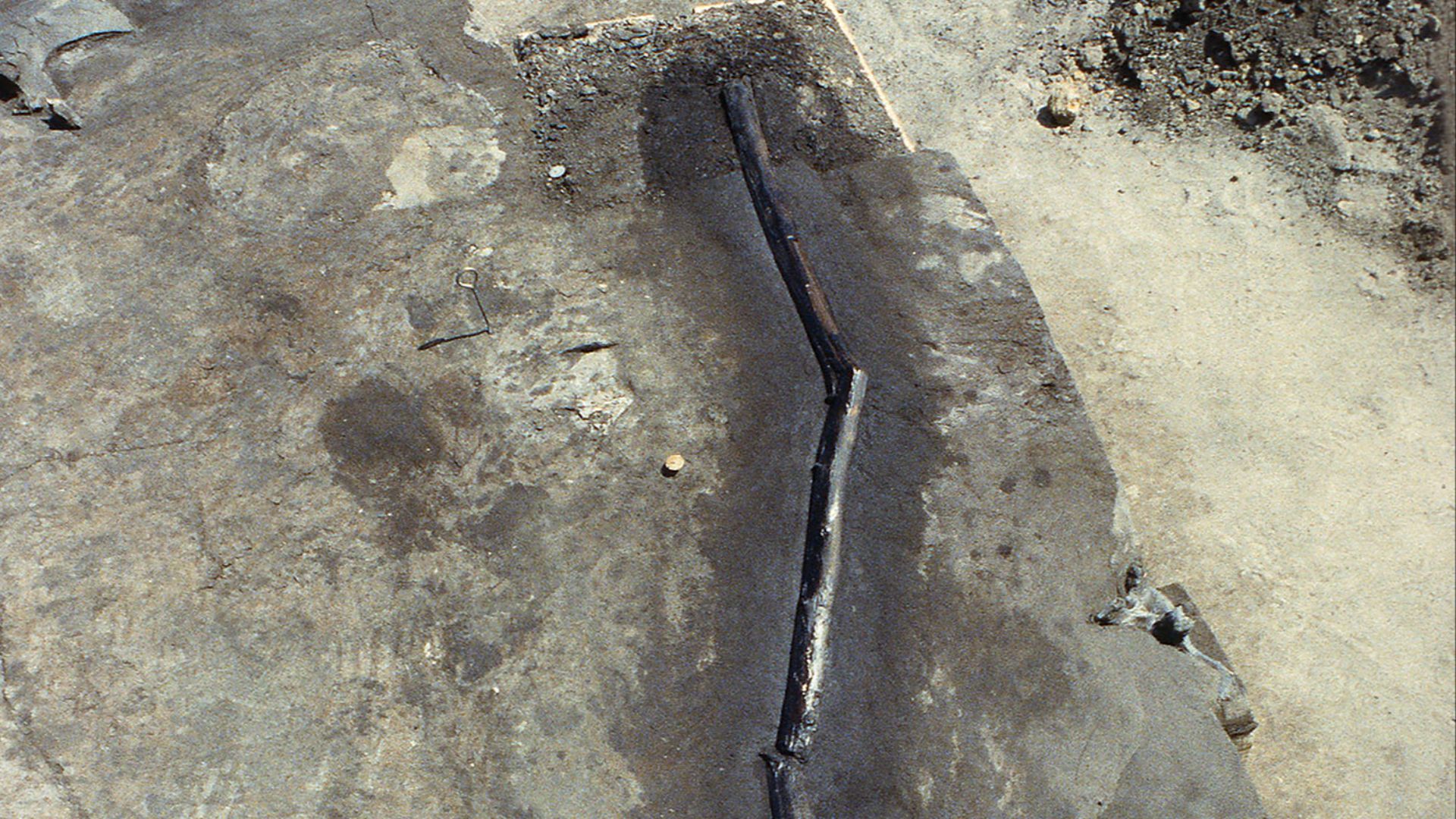
Archaeologists working in northern Germany found wooden spears dating to roughly 300,000 to 400,000 years ago near an ancient lakeshore. This discovery proved to modern scholars that early humans did, in fact, create complex tools for hunting.
3. Throwing Sticks From The Same German Site
Schöningen discoveries also produced a throwing stick, also around 300,000 years old, which tells us those hunters were carrying more than one kind of weapon. That matters more than it might seem at first. It points to planning, versatility, and the kind of practical judgment that comes from not only knowing prey, but understanding it as well.

4. Levallois Cores
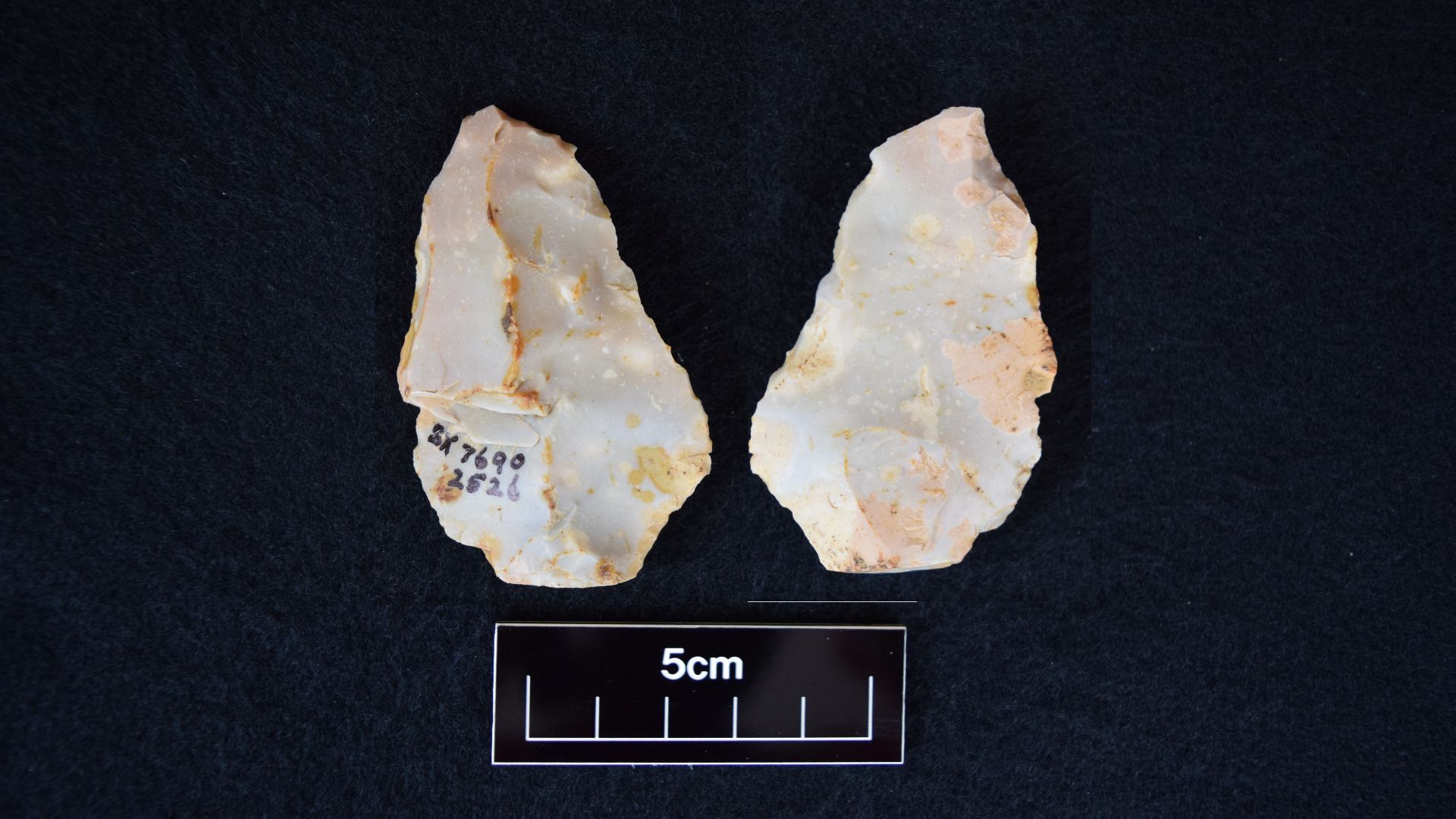
Levallois technology shows up across Africa, Europe, and western Asia, including famous examples from North Africa and the Levant. The method involved shaping a stone core, so one strike could sharpen other wood or stone tools.
 The Portable Antiquities Scheme, Jane Southgate, 2019-09-06 16:27:01 on Wikimedia
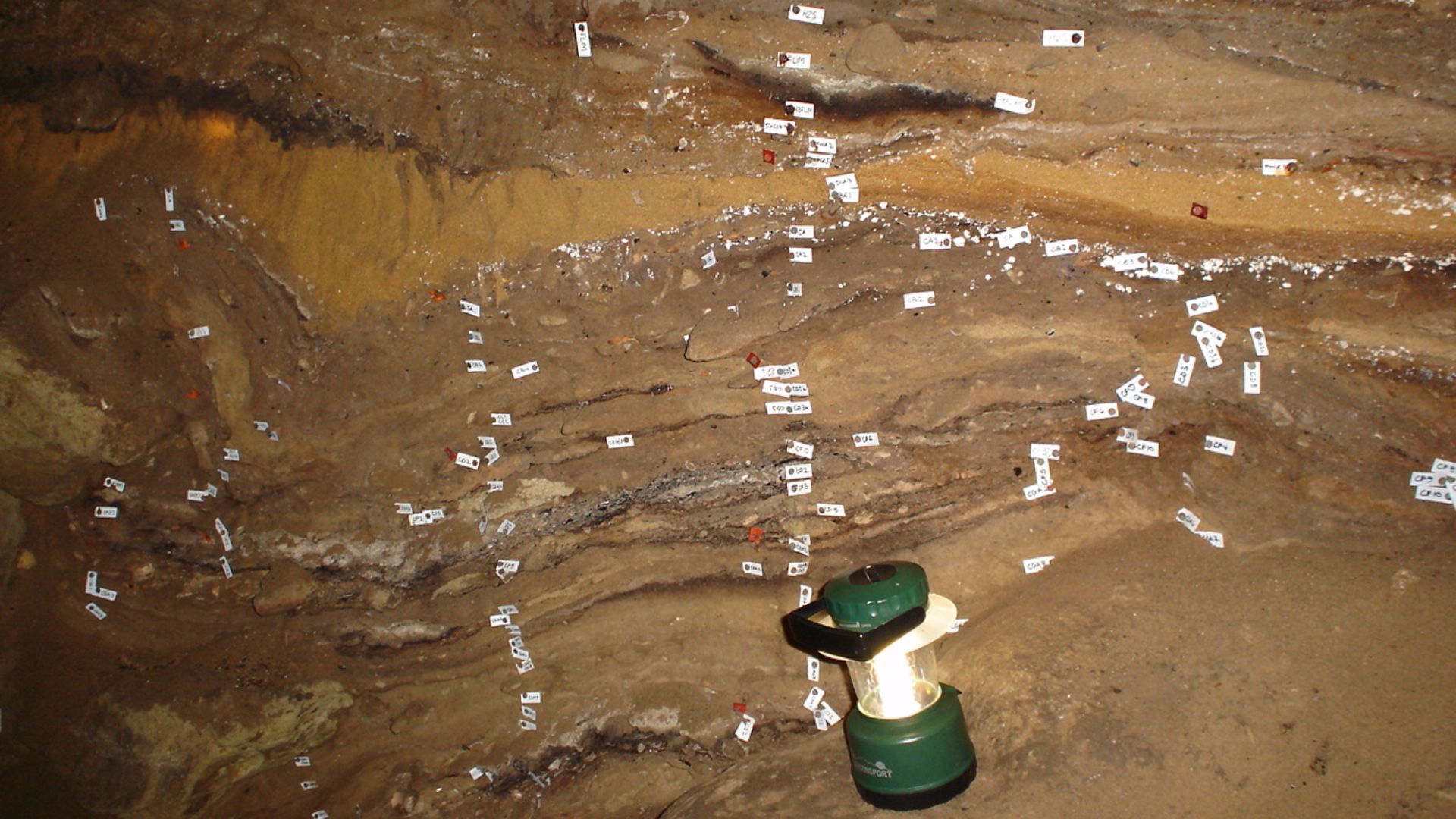
5. Pressure Flaking At Blombos Cave
At Blombos Cave on South Africa’s southern coast, people used pressure flaking around 75,000 years ago to finish Still Bay points with much tighter control. Instead of just striking the stone harder and hoping the edge improved, they were adjusting it in smaller, more careful steps.
 Kari Janne Stenersen on Wikimedia
6. Heat-Treated Stone At Pinnacle Point
Pinnacle Point, near Mossel Bay on South Africa’s southern coast, gave us early evidence that people were heating silcrete before working it. Once heated, the stone fractured more predictably and became easier to shape. Fire was already doing much more than keeping people warm. It became part of manufacturing.

7. Bladelets From Pinnacle Point
That same coastal region also produced bladelet technology dating to about 71,000 years ago. One prepared core could yield a series of small, useful blades, which made the most of valuable raw material.

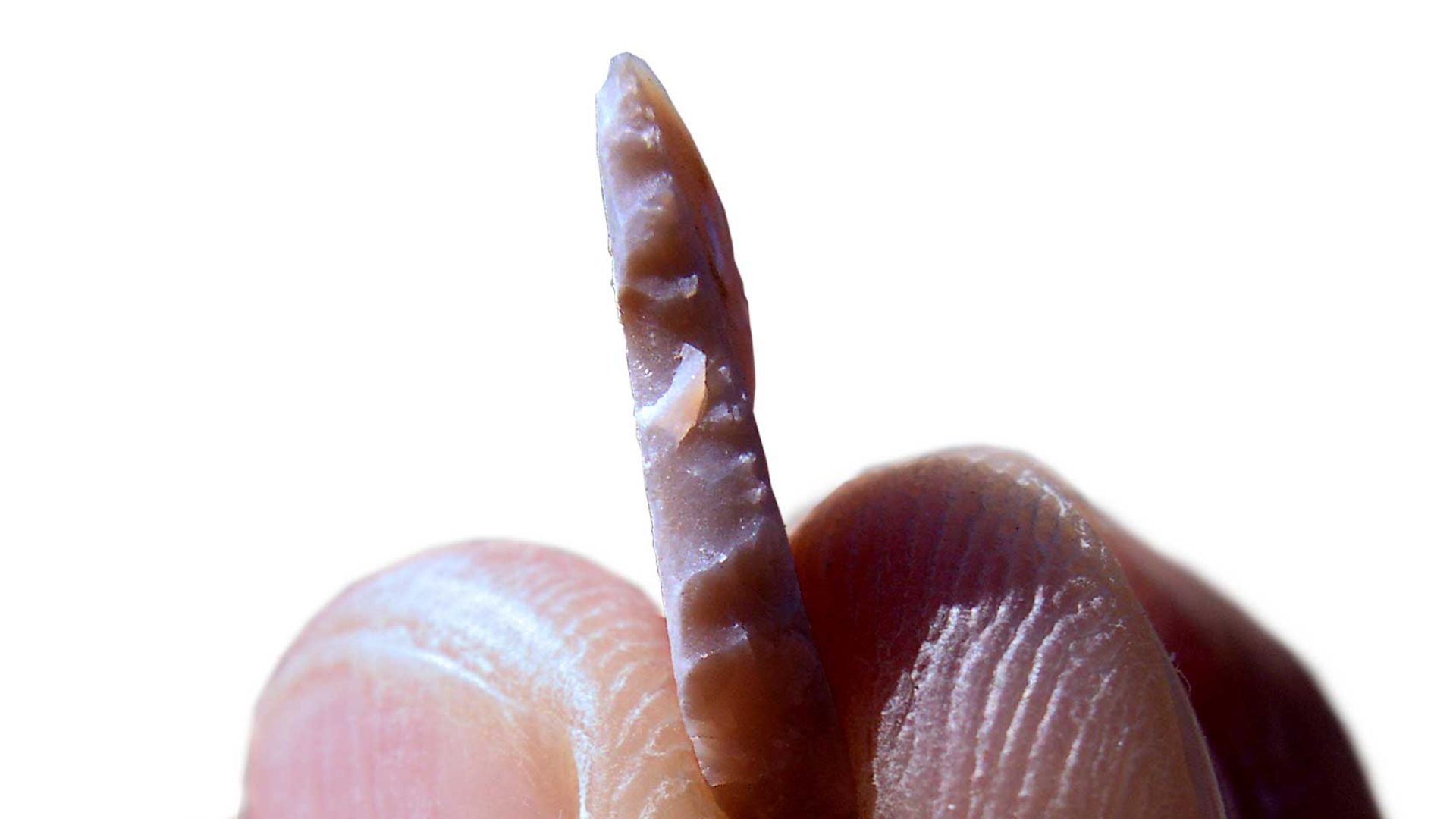
8. Microlith Composite Tools
Microliths were tiny stone pieces, fitted into wood or bone handles with resin or bindings. These tools showed up in places like South Africa and later in Australia, Europe, and Asia, and they helped create tools with replaceable cutting parts.
 José-Manuel Benito on Wikimedia
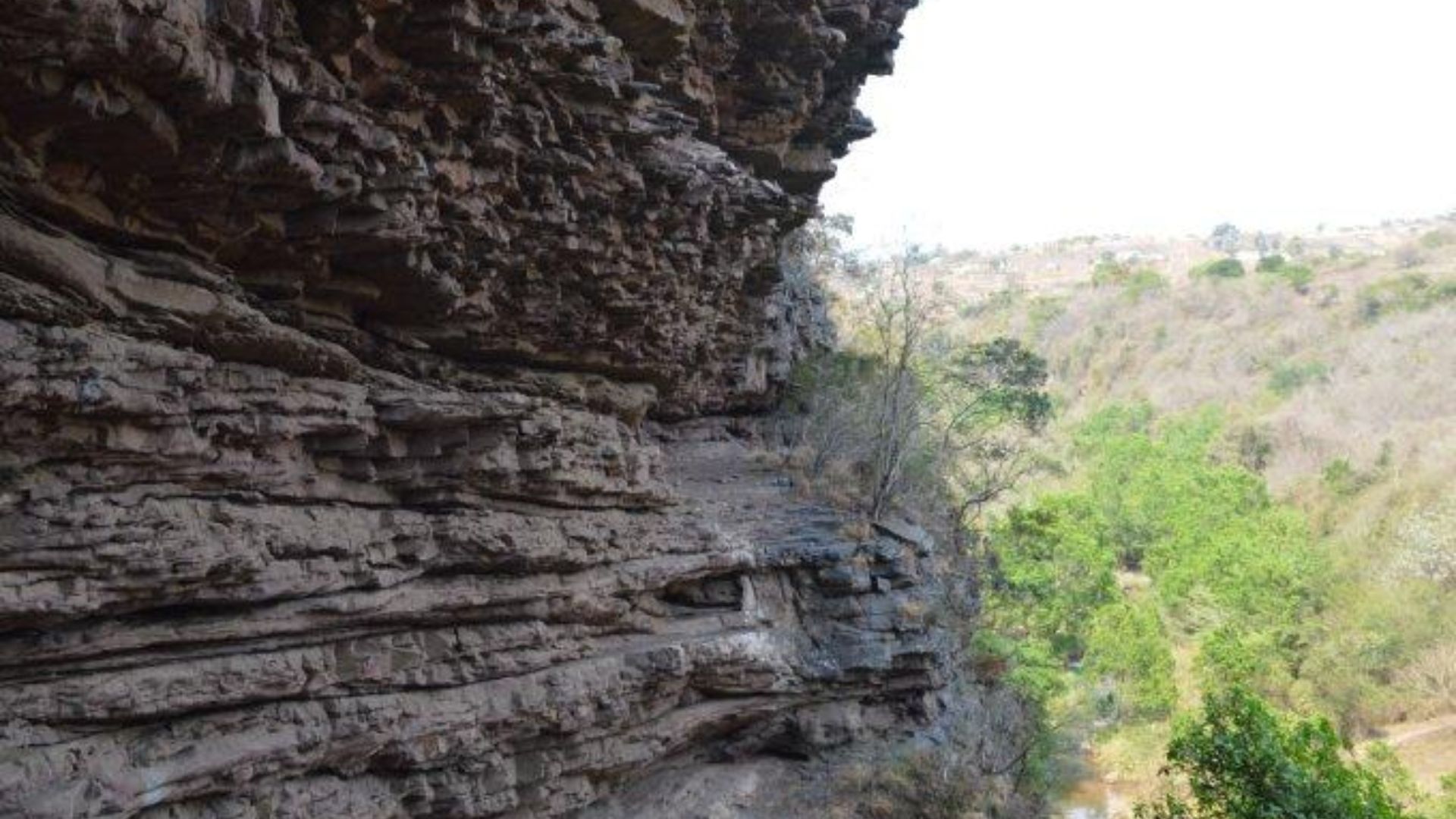
9. Hafting Adhesives At Sibudu Cave
Sibudu Cave in KwaZulu-Natal produced evidence of compound adhesives used for hafting tools. Early humans were mixing substances like plant resin and ochre into workable glue. This proves to us that they understood the complexity of ingredients, timing, and heat well enough to make the mixture hold. Basically, we were doing chemistry well before the written word.
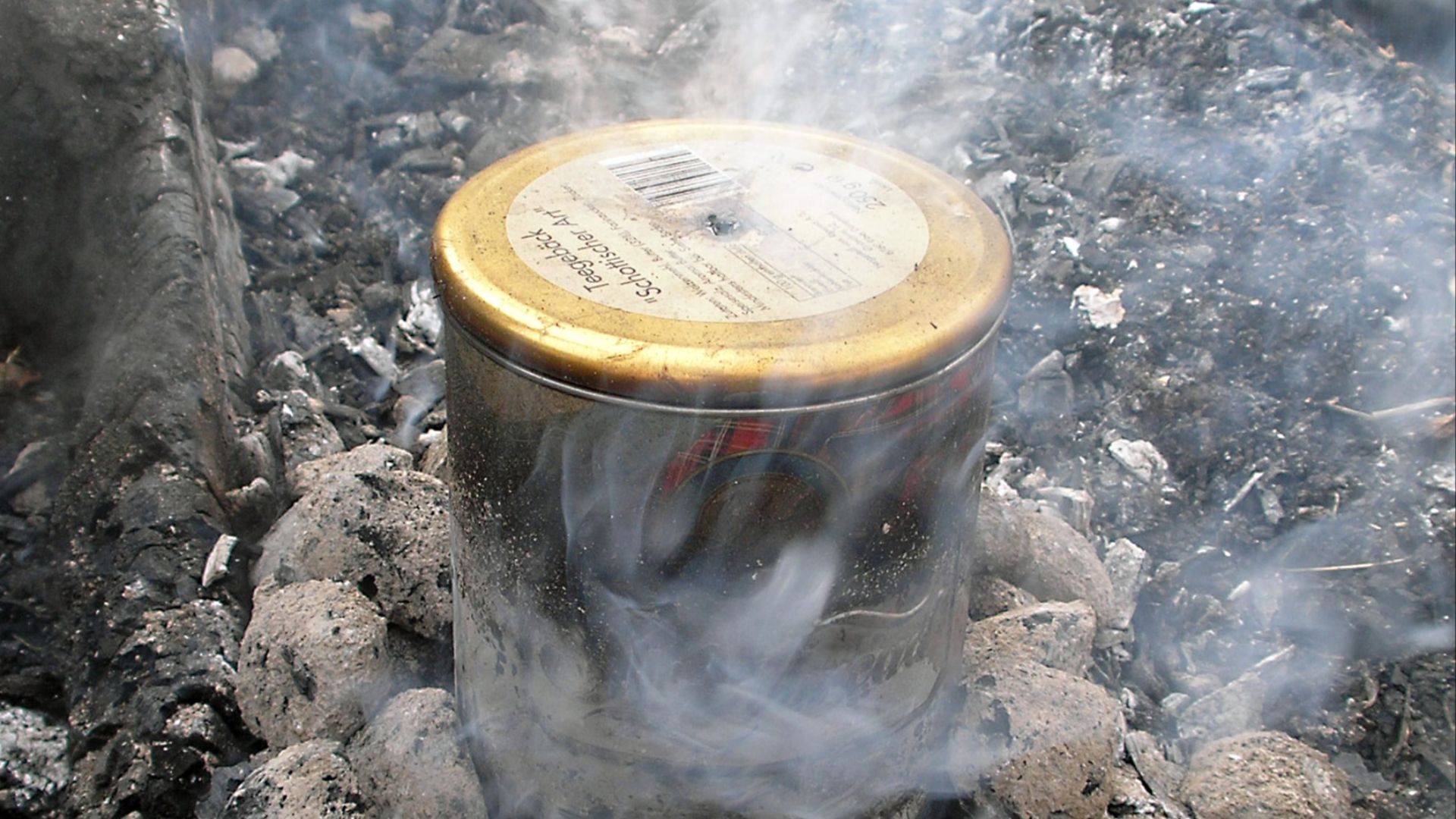
10. Birch Tar In Neanderthal Europe
Evidence from Europe, including sites in Italy, shows Neanderthals were making birch tar by around 200,000 years ago. Birch tar is an adhesive, and making it means controlling fire and handling a material that doesn’t just appear ready-made.
11. Bone Harpoons From Katanda
At Katanda, in the Upper Semliki Valley of what is now the Democratic Republic of the Congo, people made barbed bone harpoons around 90,000 years ago. Those tools were built for river fishing, especially for large fish in the Semliki River system.

12. Fishhooks From Jerimalai Cave
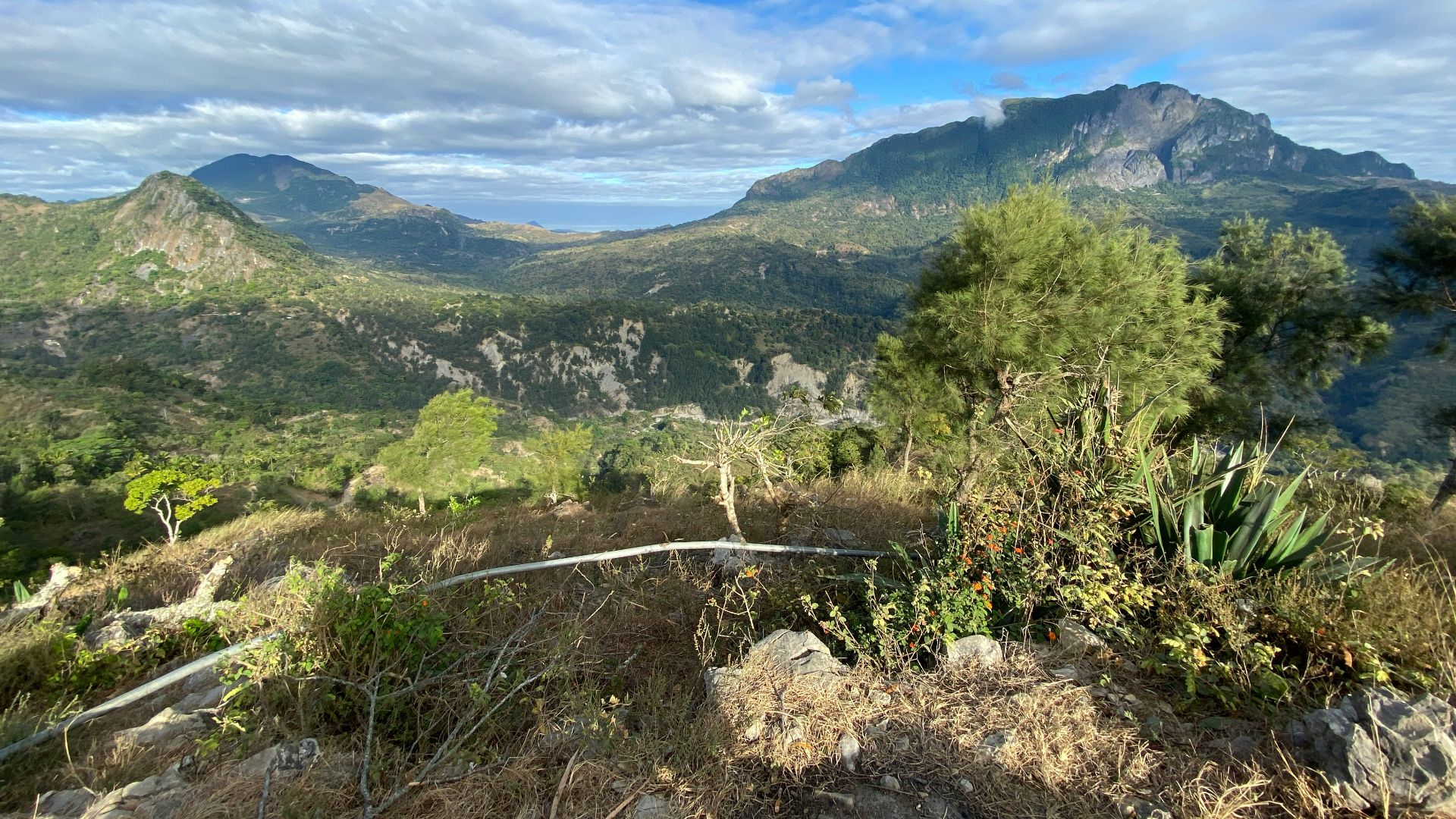
Jerimalai Cave sits near Tutuala on the eastern tip of Timor-Leste, and the finds there show people using shell fishhooks and catching open-ocean fish tens of thousands of years ago.
13. Spearthrowers In Upper Paleolithic Europe
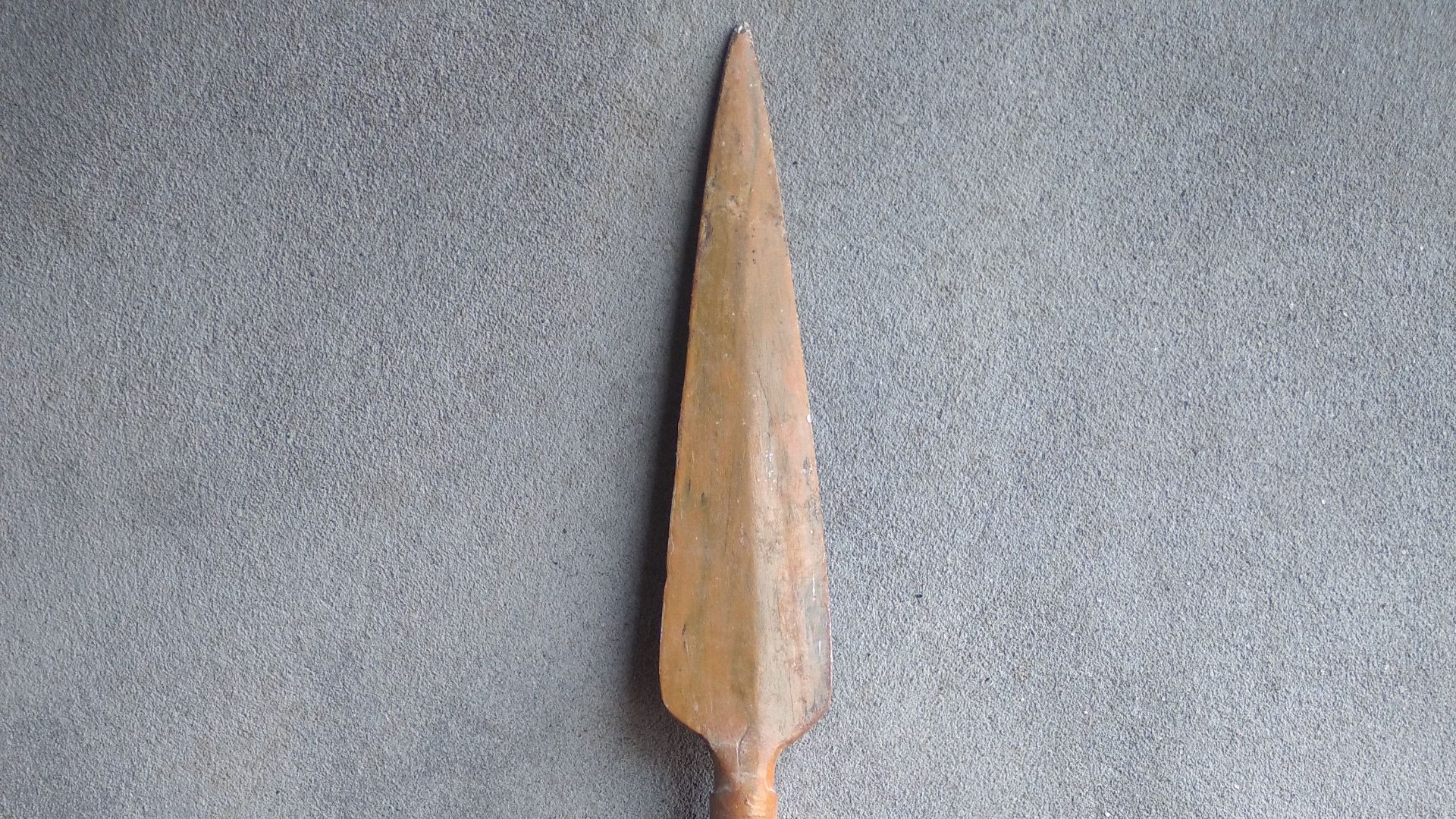
Early spearthrowers, or atlatls, survive mostly from Upper Paleolithic sites in France and Spain, especially from Magdalenian contexts. By extending the arm, they increased the force and range of a thrown dart. It’s a simple device today, but it changed hunting tactics for our ancestors.
14. Burins For Fine Carving
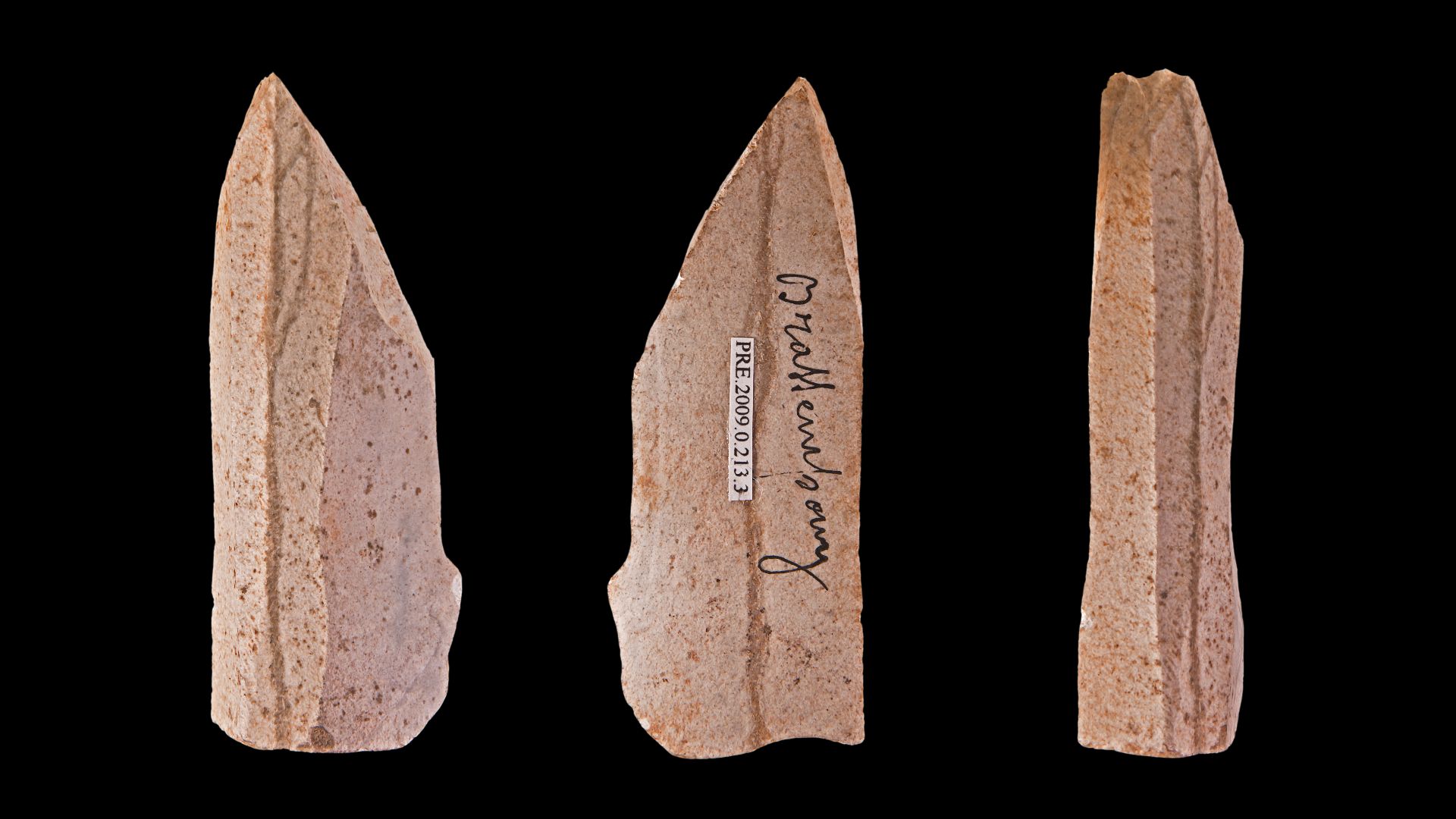
Burins show up in Aurignacian Europe. These small, chisel-like tools let people carve bone, antler, and ivory with much more precision. These fine carving tools opened the door to beads, decorative work, and fine-tuning hunting tools. When burins arrived, we saw the elevation in early human craftsmanship.
15. Bone Needles From Denisova Cave
The famous early-eyed needle from Denisova Cave came out of the Altai Mountains in southern Siberia, in present-day Russia. In a cold environment like that, a bone needle with an eye points to stitched clothing, a better fit, and overall, a more manageable winter.
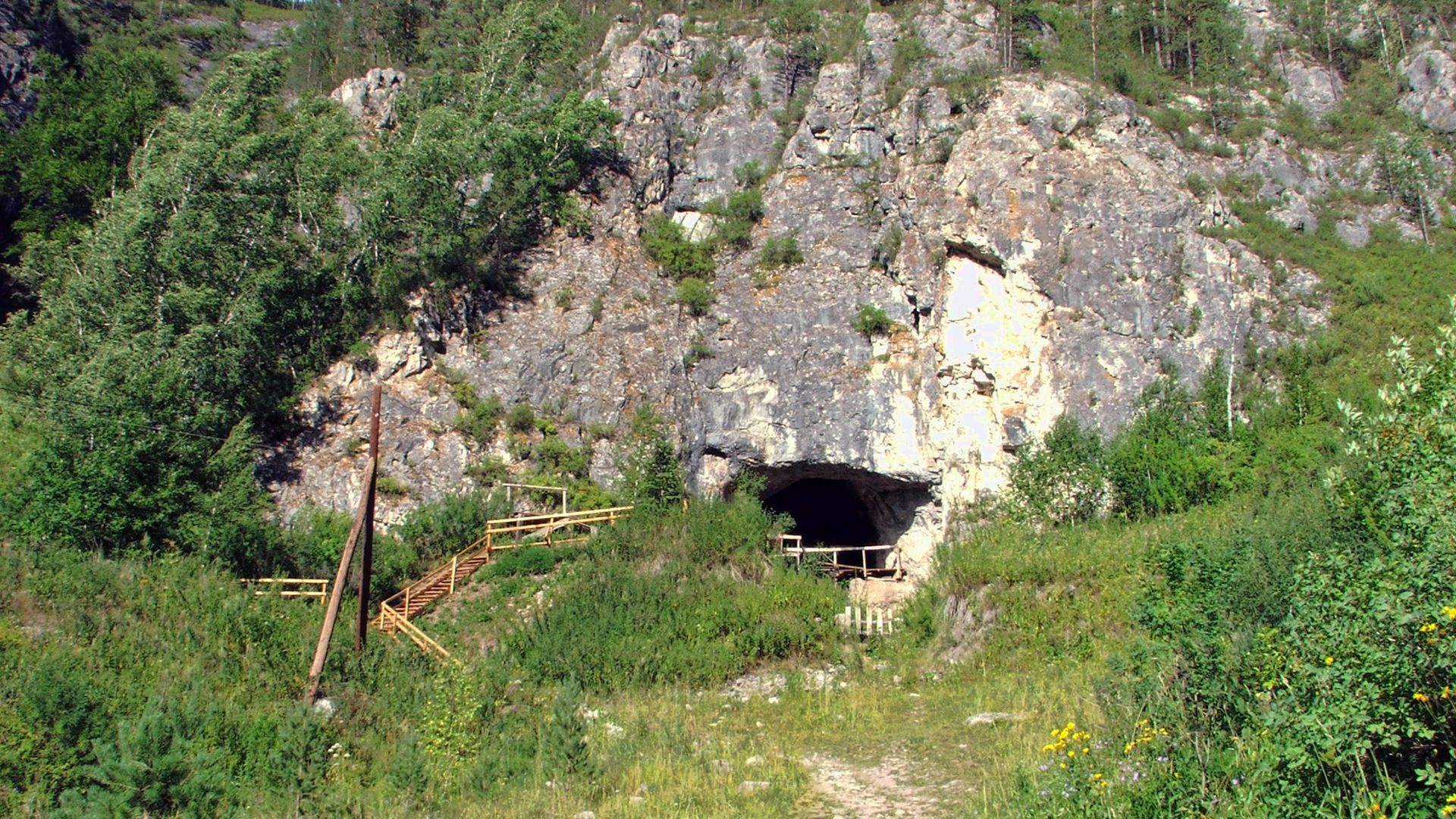 Демин Алексей Барнаул on Wikimedia
16. Cordage At Dzudzuana Cave
Dzudzuana Cave in western Georgia, in the foothills of the Caucasus, produced flax fibers dating back to 30,000 years ago. People there were twisting plant fibers into cordage, and once you think through what rope or string does, the technology opens up quickly. Nets, bags, bindings, clothing, hauling. A lot starts with this simple creation.
17. Fish Weirs In Southern Denmark
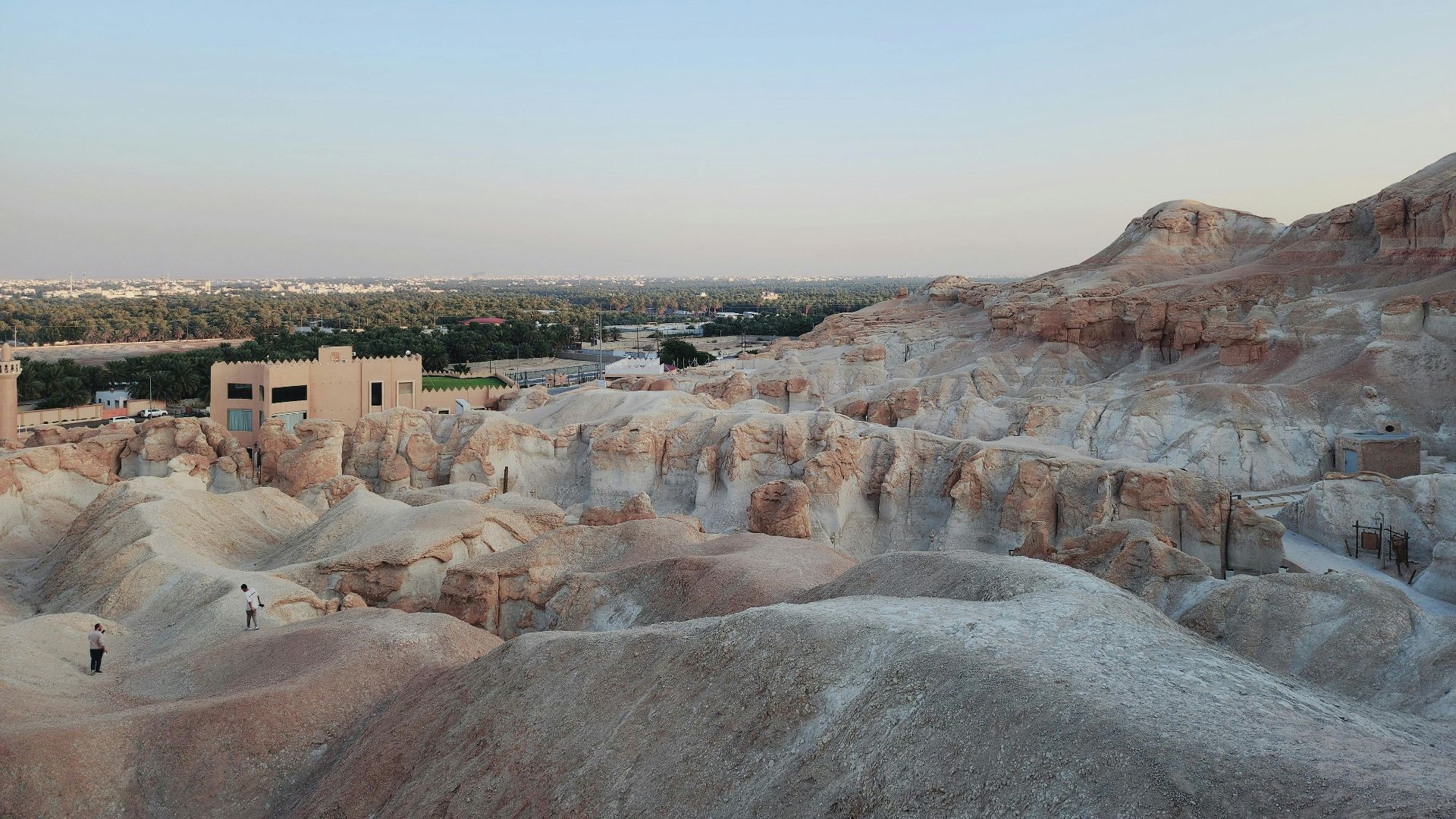
At Syltholm Fjord on the island of Lolland, evidence of Stone Age fish weirs shows how carefully people read tidal landscapes. Stakes and woven barriers guided fish into traps with relatively little effort once the structure was built.

18. The Pesse Canoe In The Netherlands
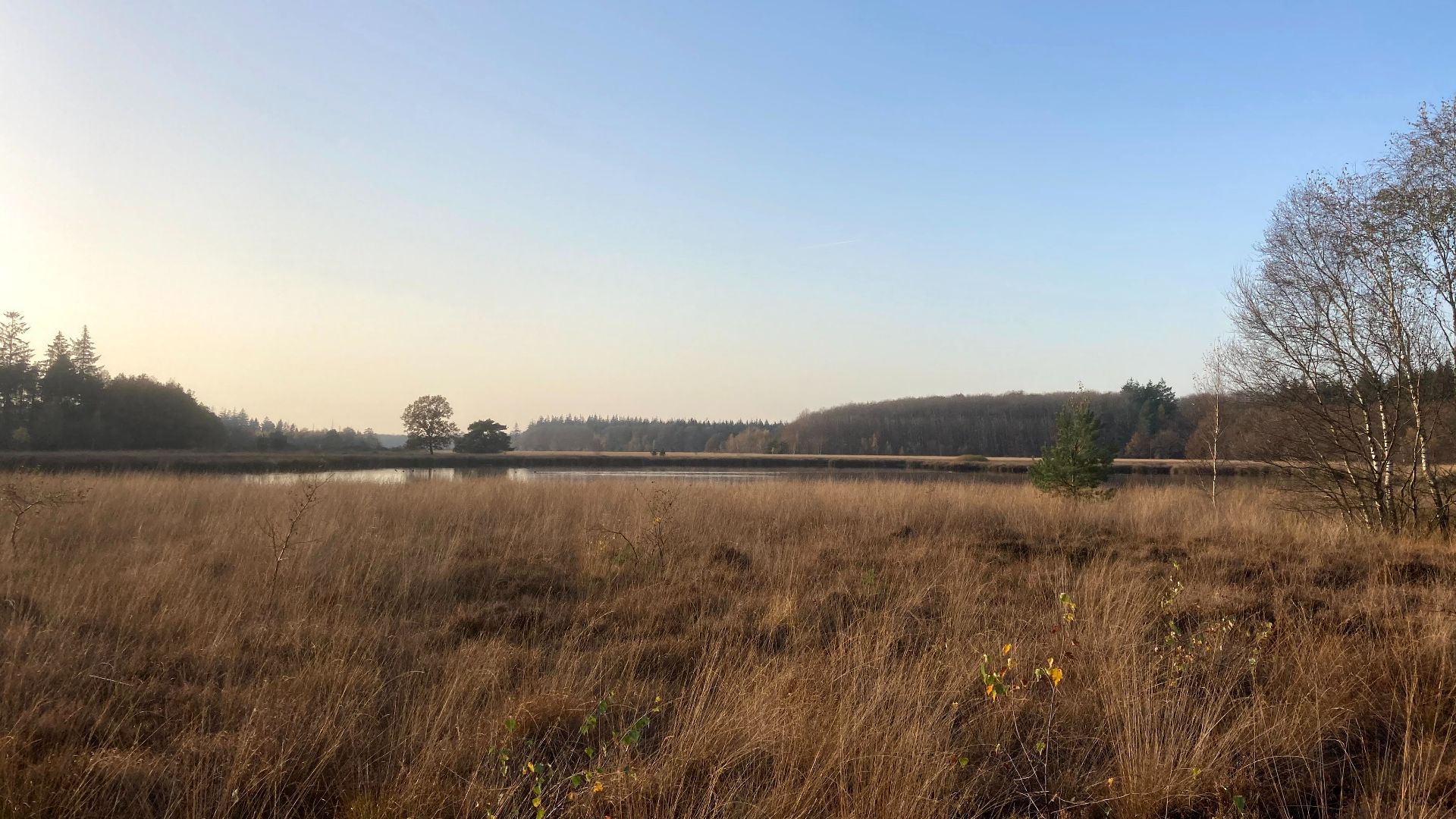
The Pesse canoe, found in Drenthe in the northeastern Netherlands, dates to the early Mesolithic, roughly between 8040 and 7510 BCE. It was made from a hollowed tree trunk, which means people had the woodworking tools and patience to shape transport for wetlands, channels, and shallow water.
19. Grinding Stones At Ohalo II
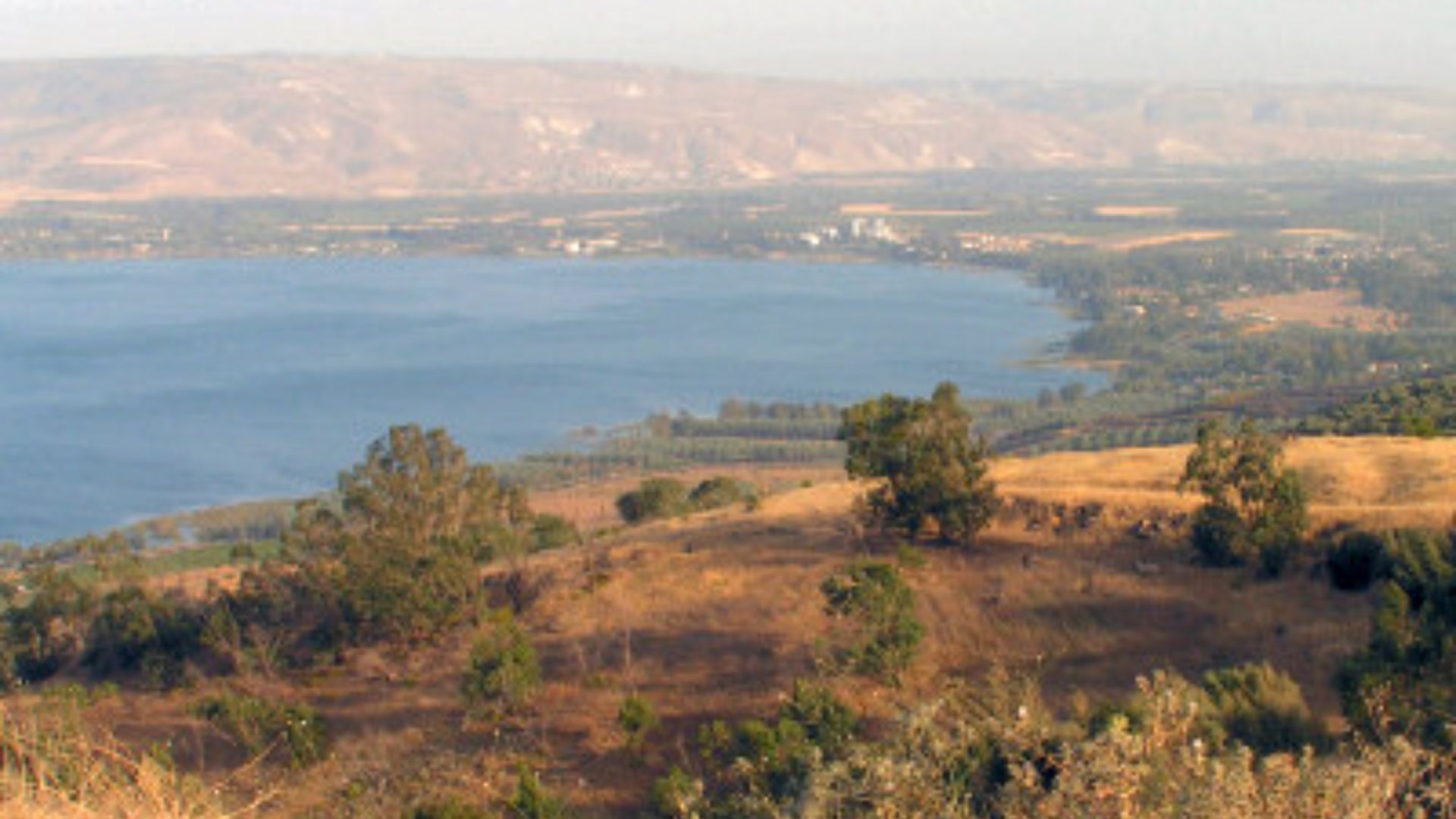
Ohalo II, on the southwest shore of the Sea of Galilee, produced grinding stones and starch evidence showing people processed wild cereals around 23,000 years ago. That puts food preparation technology well before farming. People were already investing time and labor to make tough plant foods more useful, and probably more edible too.
 de:Benutzer:Datafox on Wikimedia
20. Ochre Kits At Blombos Cave
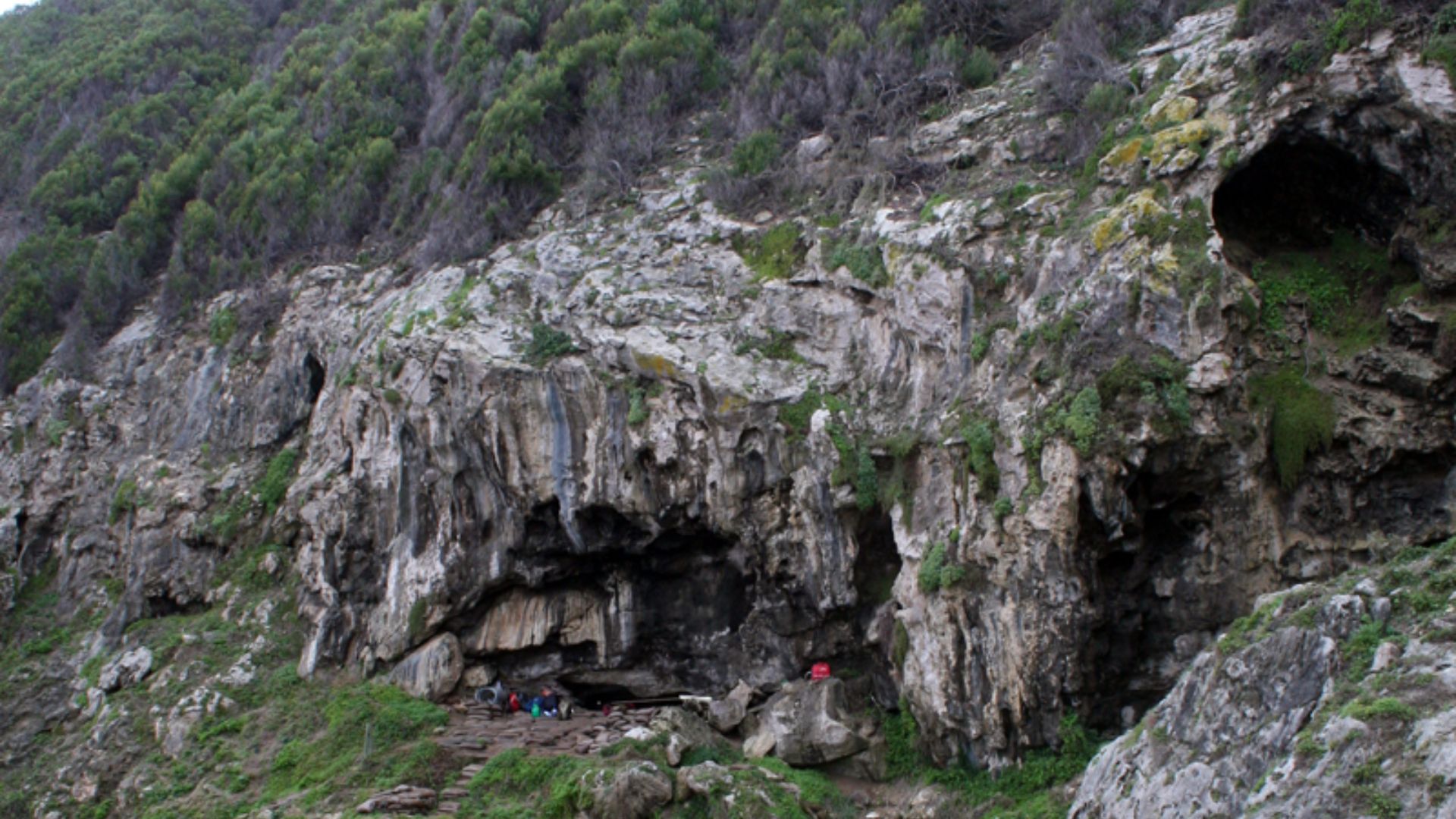
Blombos Cave also produced one of the most striking Stone Age toolkits anywhere: ochre-processing materials stored in abalone shells around 100,000 years ago. Along South Africa’s southern coast, people were grinding pigment, mixing it with other ingredients, and saving it for later use.
KEEP ON READING

20 Ordinary Workers Who Altered History
Everyday People Who Ended Up Changing the World. History usually…
By Rob Shapiro May 15, 2026
Gloomy Sunday: The Infamous Hungarian Song That Drove People to…
Internet Archive Book Images on WikimediaCan a song kill you?…
By Christy Chan May 14, 2026
The History That the AI Job Apocalypse Attitude Ignores
Museums Victoria on UnsplashEvery few years, a new technology arrives…
By Emilie Richardson-Dupuis May 14, 2026
20 Animal Species From History That Disappeared Because of Humans
The Creatures We Didn’t Leave Enough Room For. Extinction can…
By Emilie Richardson-Dupuis May 7, 2026
This Greek Myth Is Still Inspiring Media Today
Anne Nygård on UnsplashThe story of Orpheus and Eurydice is…
By Sara Springsteen May 14, 2026
What Prehistoric Footprints Reveal That Bones Never Could
Jeremy Bishop on UnsplashBones are powerful evidence, but they usually…
By Elizabeth Graham May 14, 2026