

When Nature Took Command at Sea
Naval warfare often depends on strategy, technology, and leadership, but weather has repeatedly altered outcomes in ways no commander could fully control. Storms, winds, fog, and tides have shaped decisive moments throughout history, sometimes turning victories into disasters or saving fleets from destruction. These 20 examples show how natural forces have influenced naval battles and, in some cases, changed the course of history.

1. Spanish Armada (1588)
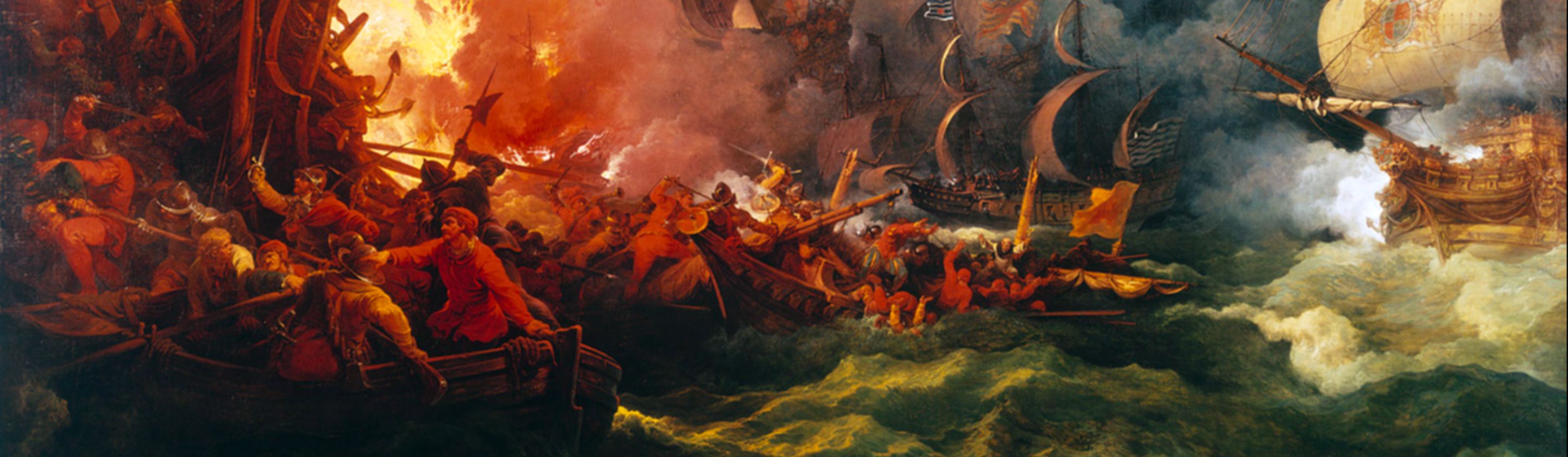
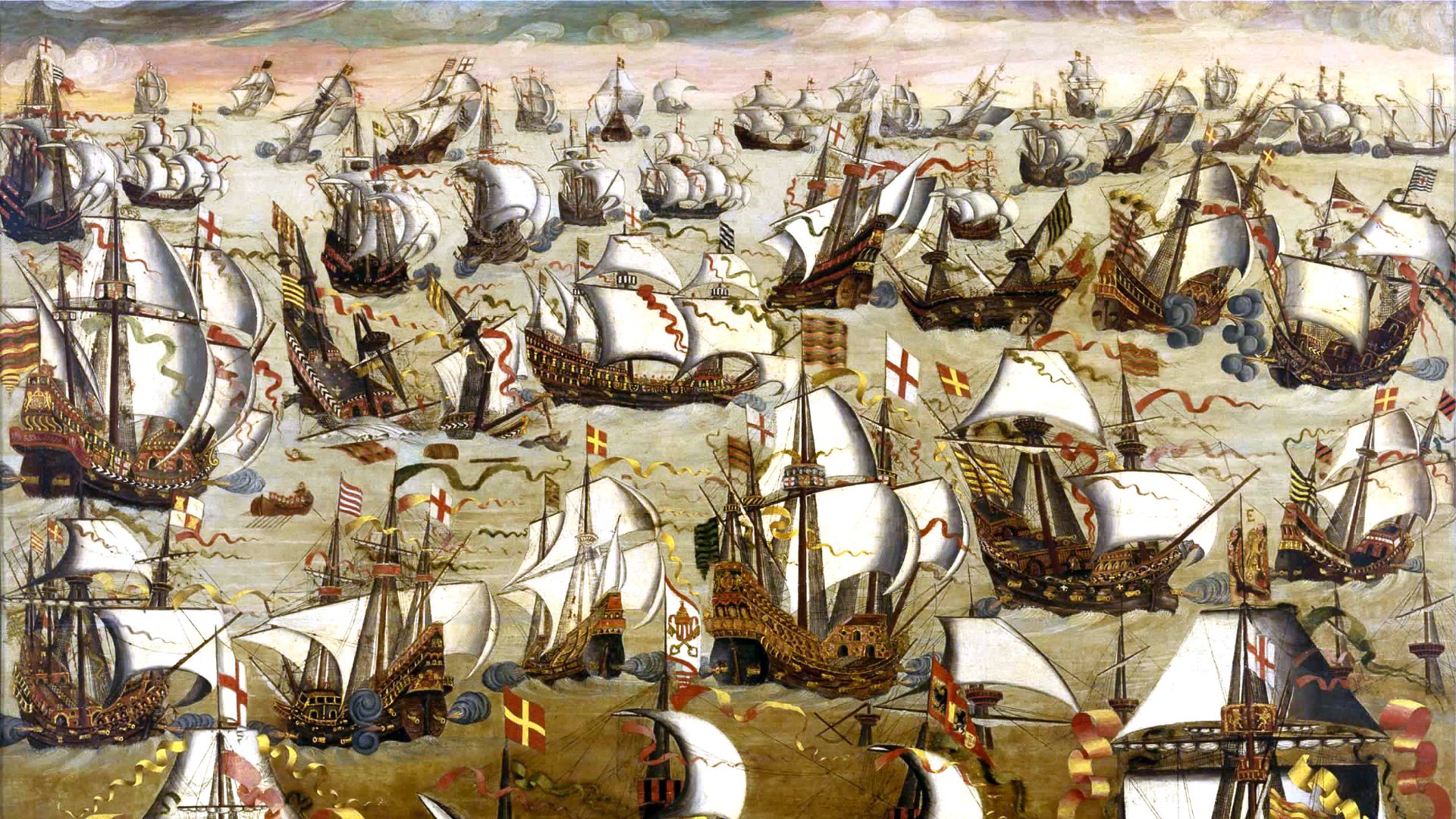
Weather conditions heavily influenced England’s defense against the Spanish Armada in the English Channel. Strong winds scattered Spanish ships after engagements with the English fleet. As the Armada attempted to retreat around Scotland and Ireland, severe storms wrecked many vessels. The weather played a critical role in preventing Spain from successfully invading England.
2. Battle of Gravelines (1588)
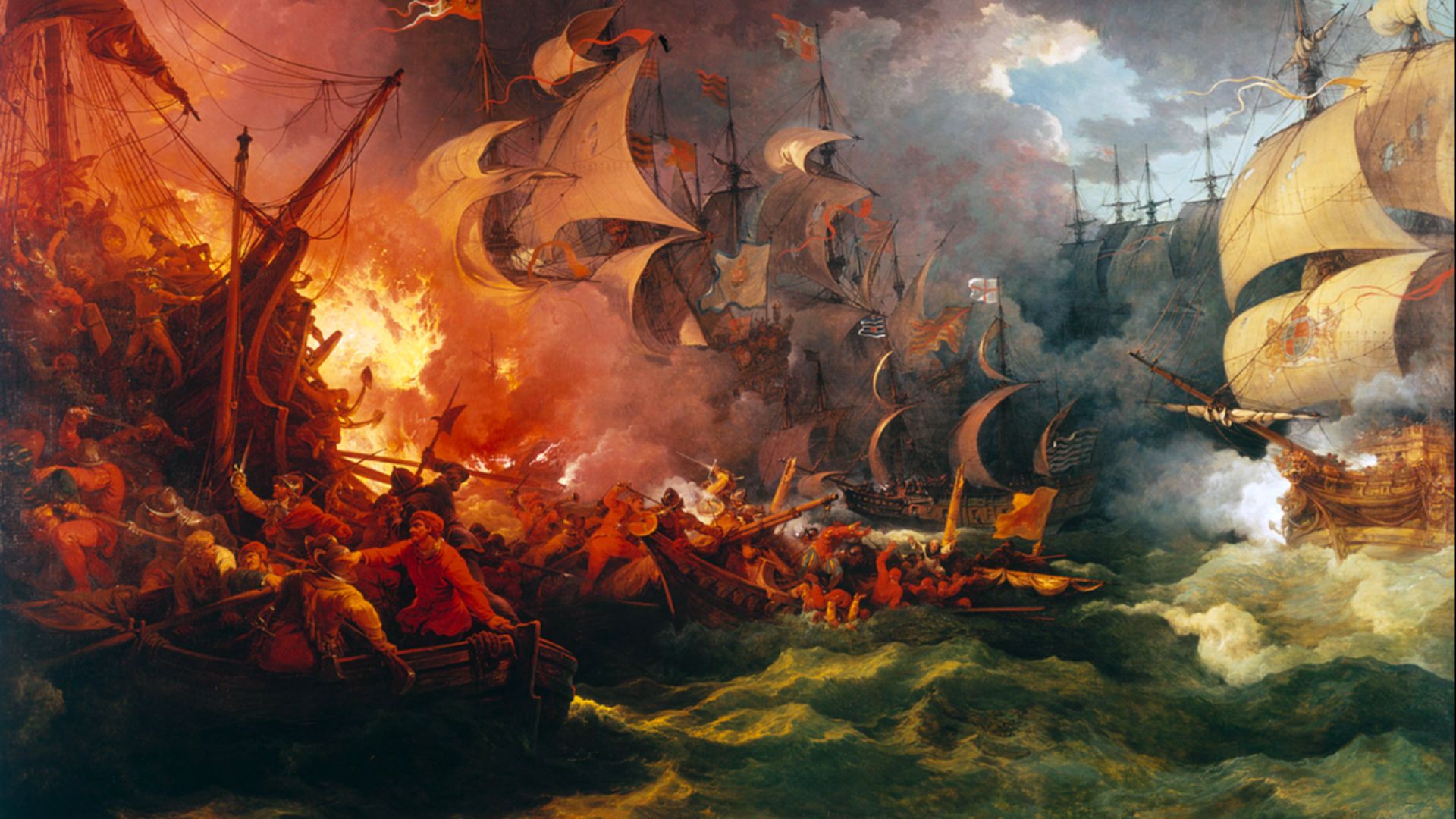
During the same campaign, shifting winds allowed English fire ships to disrupt the Spanish formation. The Armada was forced into open waters, where it became vulnerable. Favorable wind direction gave the English a tactical advantage in maneuvering. This environmental factor contributed to Spain’s weakened position.
 Philip James de Loutherbourg on Wikimedia
3. Mongol Invasions of Japan (1274 & 1281)
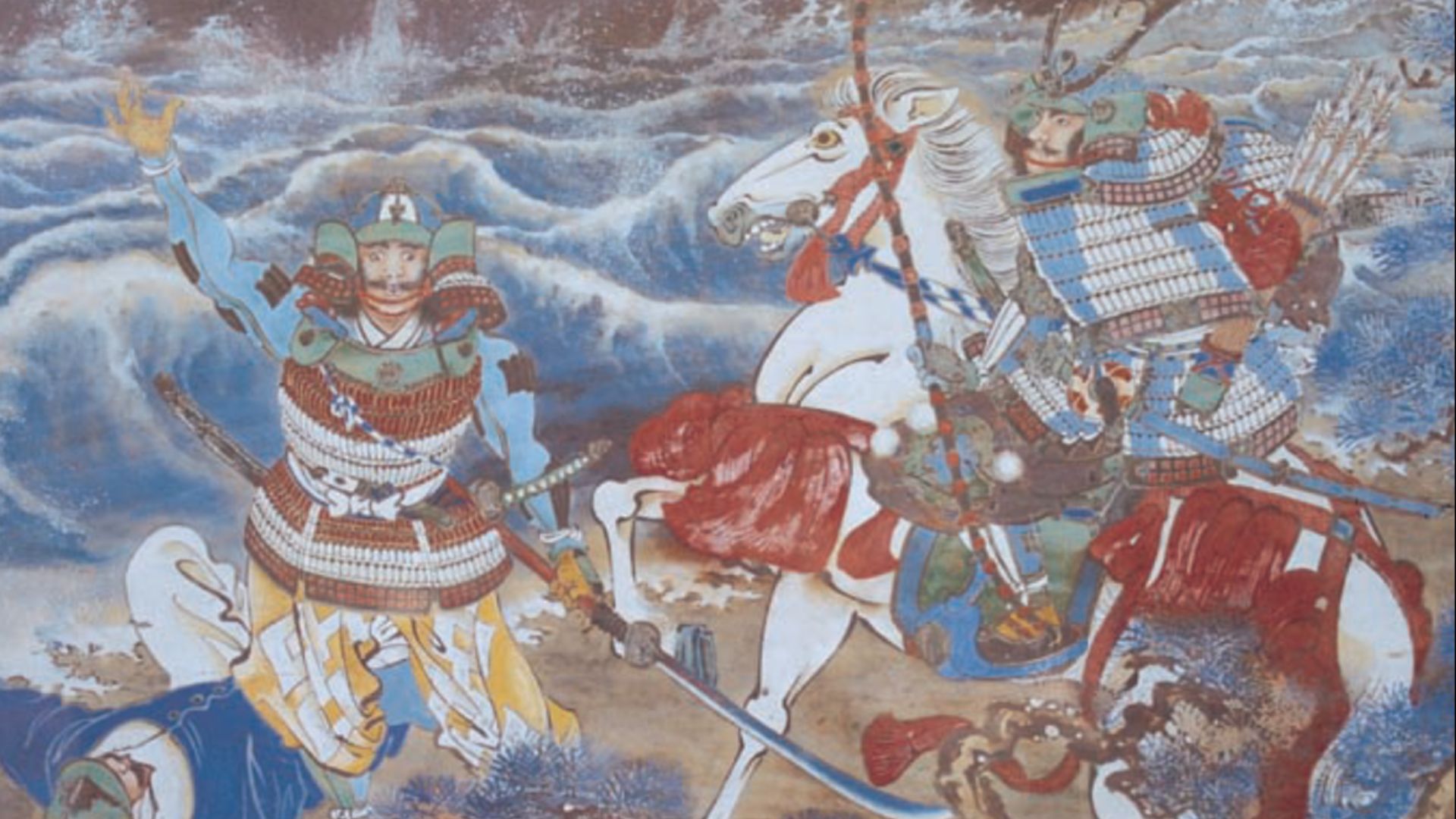
Kublai Khan’s fleets were destroyed by powerful typhoons known as “kamikaze,” or divine winds. These storms devastated Mongol ships anchored near Japan. Thousands of troops were lost without a major naval engagement. Weather effectively prevented two large-scale invasions.
 Unknown authorUnknown author on Wikimedia
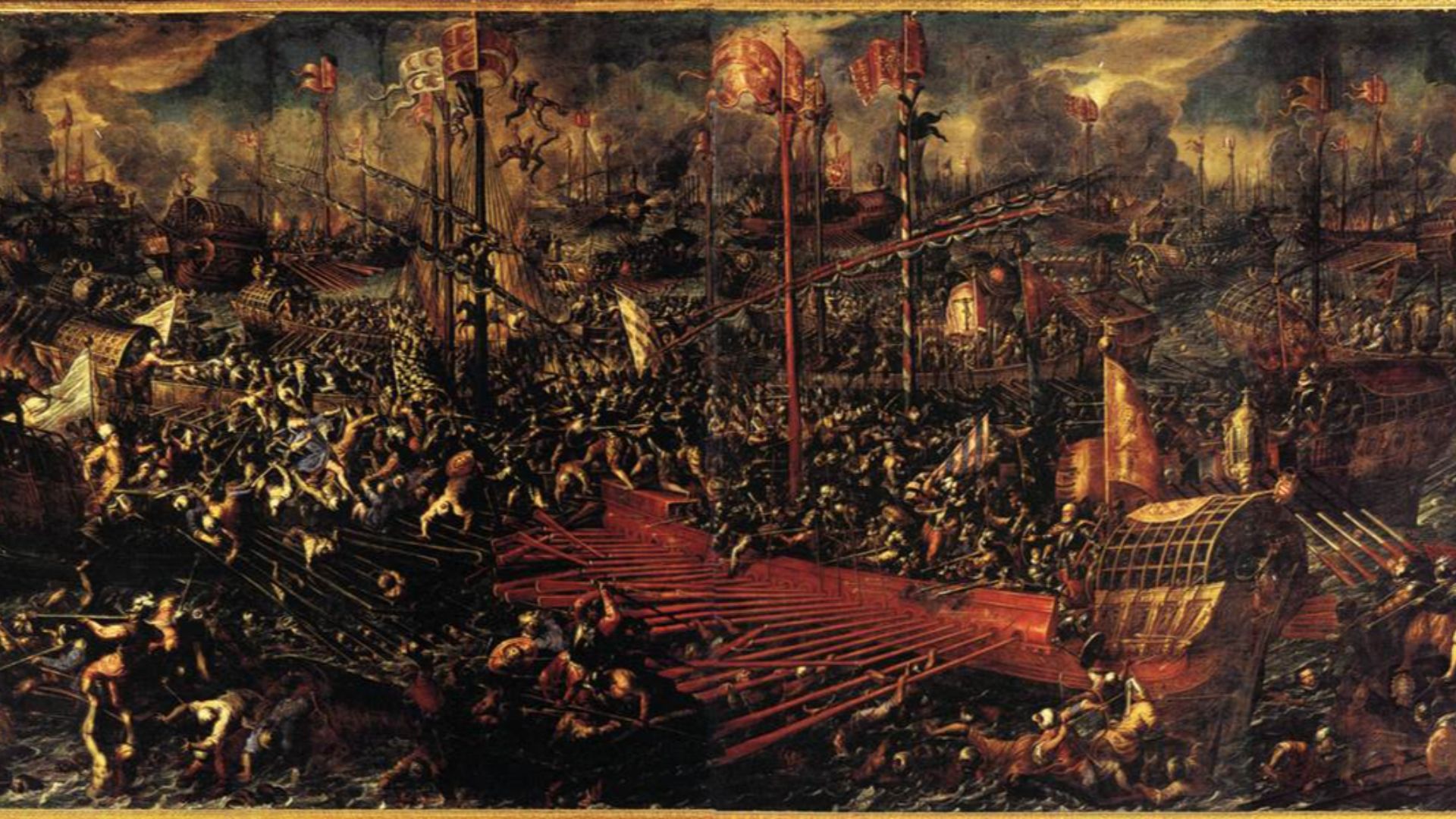
4. Battle of Lepanto (1571)
Wind conditions influenced the deployment of fleets in this major Mediterranean battle. The Holy League benefited from calmer conditions that suited their formation. Ottoman forces struggled to position themselves as wind shifts disrupted coordination. While tactics mattered, weather contributed to the outcome.
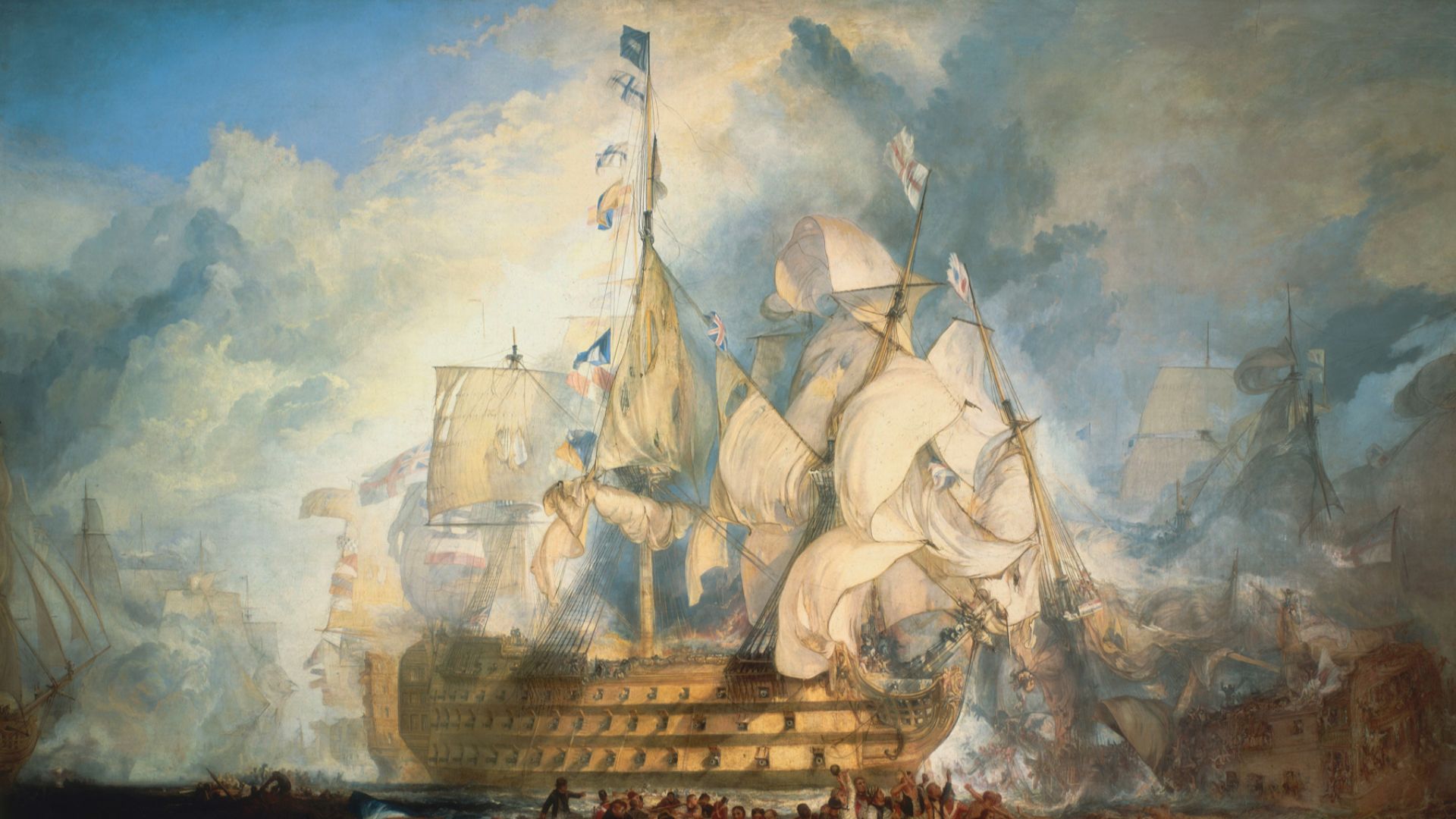
5. Battle of Trafalgar (1805)
Light winds played a significant role in Admiral Nelson’s strategy. The slow conditions allowed the British fleet to approach in controlled columns. This limited the ability of the Franco-Spanish fleet to maneuver effectively. Weather conditions helped shape one of Britain’s most famous naval victories.
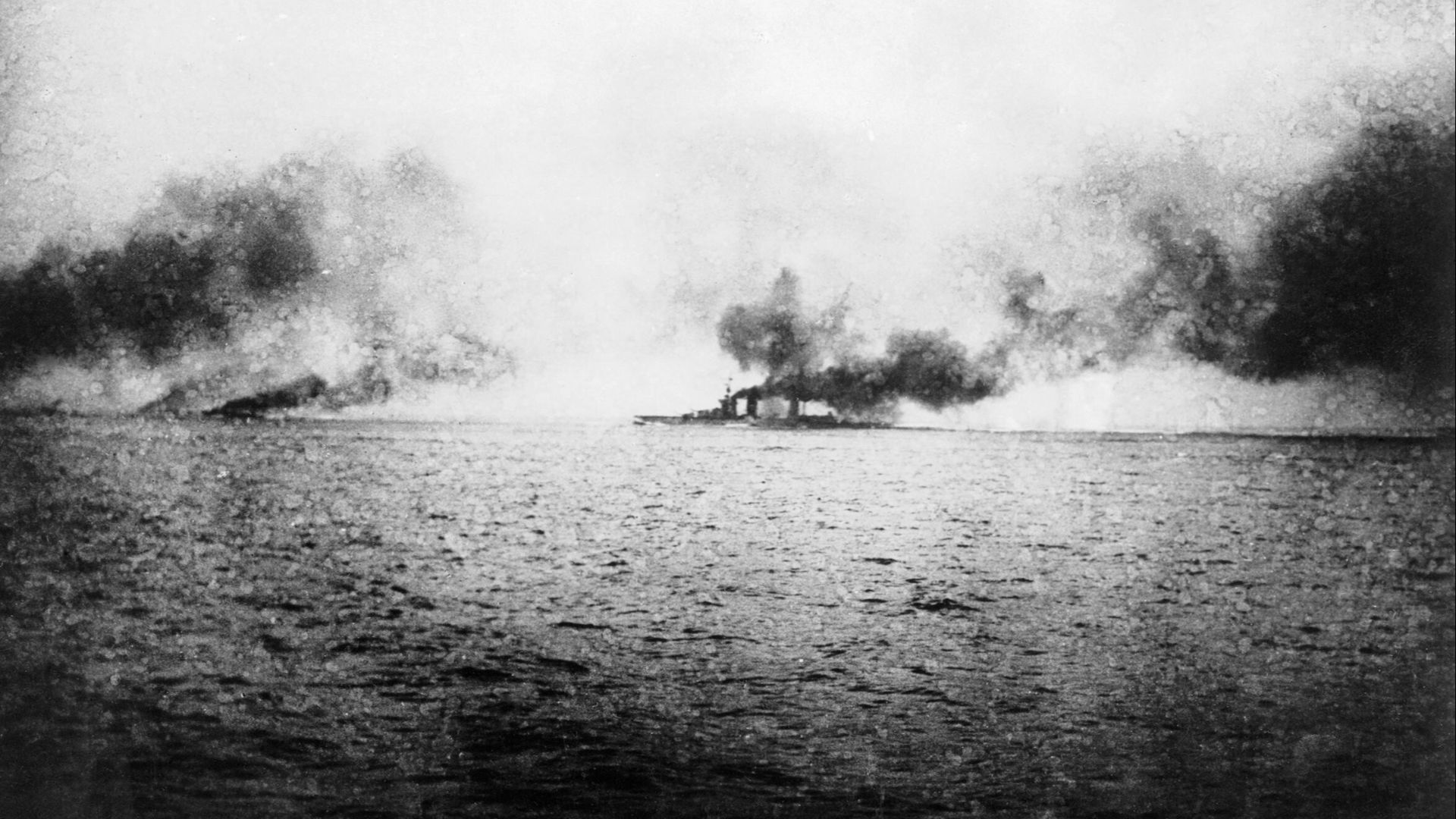
6. Battle of Jutland (1916)
Fog and poor visibility heavily impacted this World War I naval engagement. Both British and German fleets lost sight of each other at key moments. Confusion caused missed opportunities and miscommunication. Weather conditions contributed to the battle’s inconclusive result.
 Unknown authorUnknown author on Wikimedia
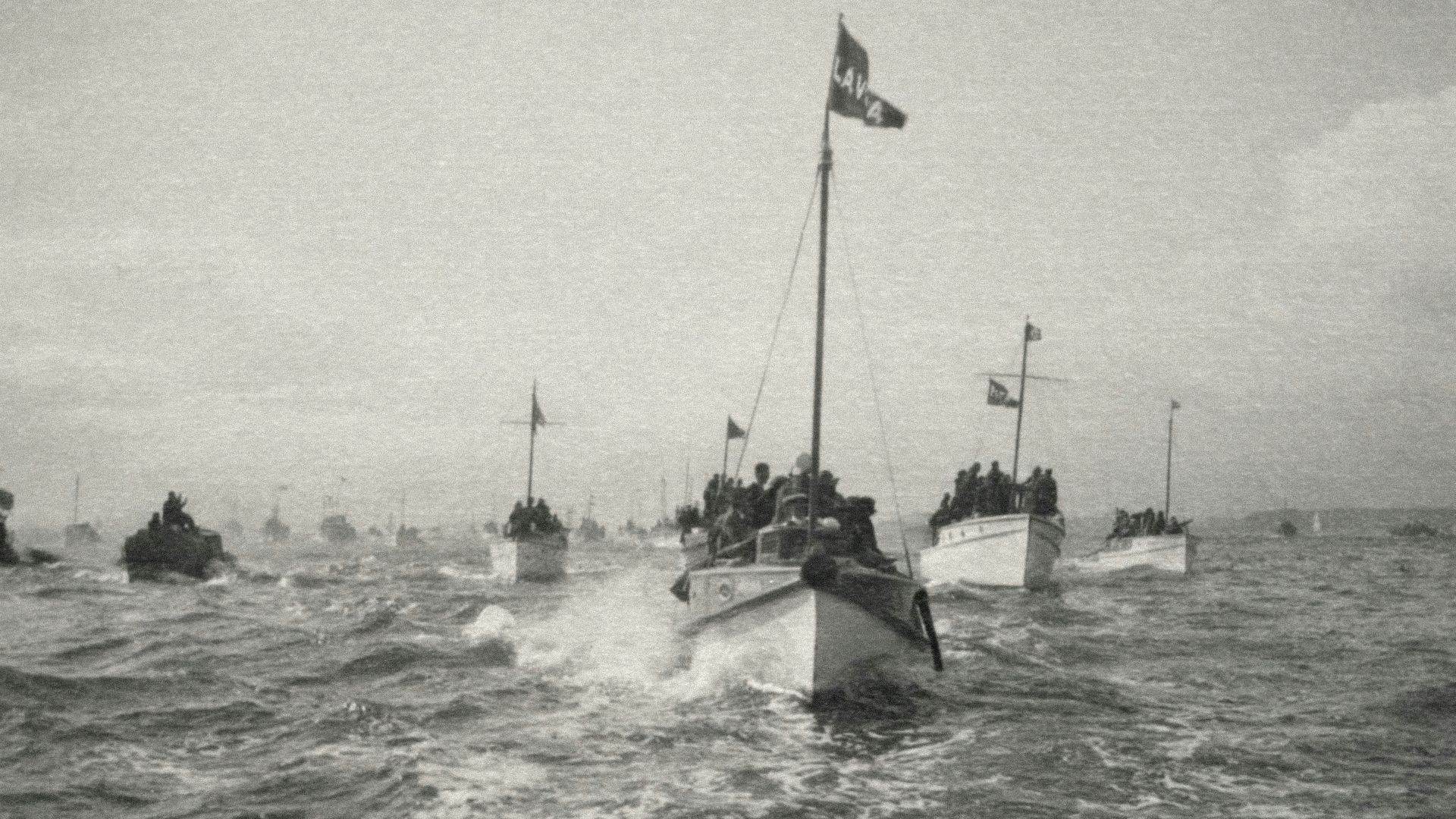
7. D-Day Naval Operations (1944)
The Allied invasion of Normandy depended on a narrow window of acceptable weather. Rough seas initially delayed the operation by one day. A brief improvement allowed the invasion to proceed despite continued risk. Without that temporary break, the timing of the invasion could have been very different.
 Museum of New Zealand Te Papa Tongarewa on Unsplash
8. Battle of Midway (1942)
Weather influenced reconnaissance efforts during this decisive Pacific battle. Cloud cover helped conceal American carriers at critical moments. Japanese scouting planes missed key sightings due to limited visibility. These factors contributed to a major turning point in the war.
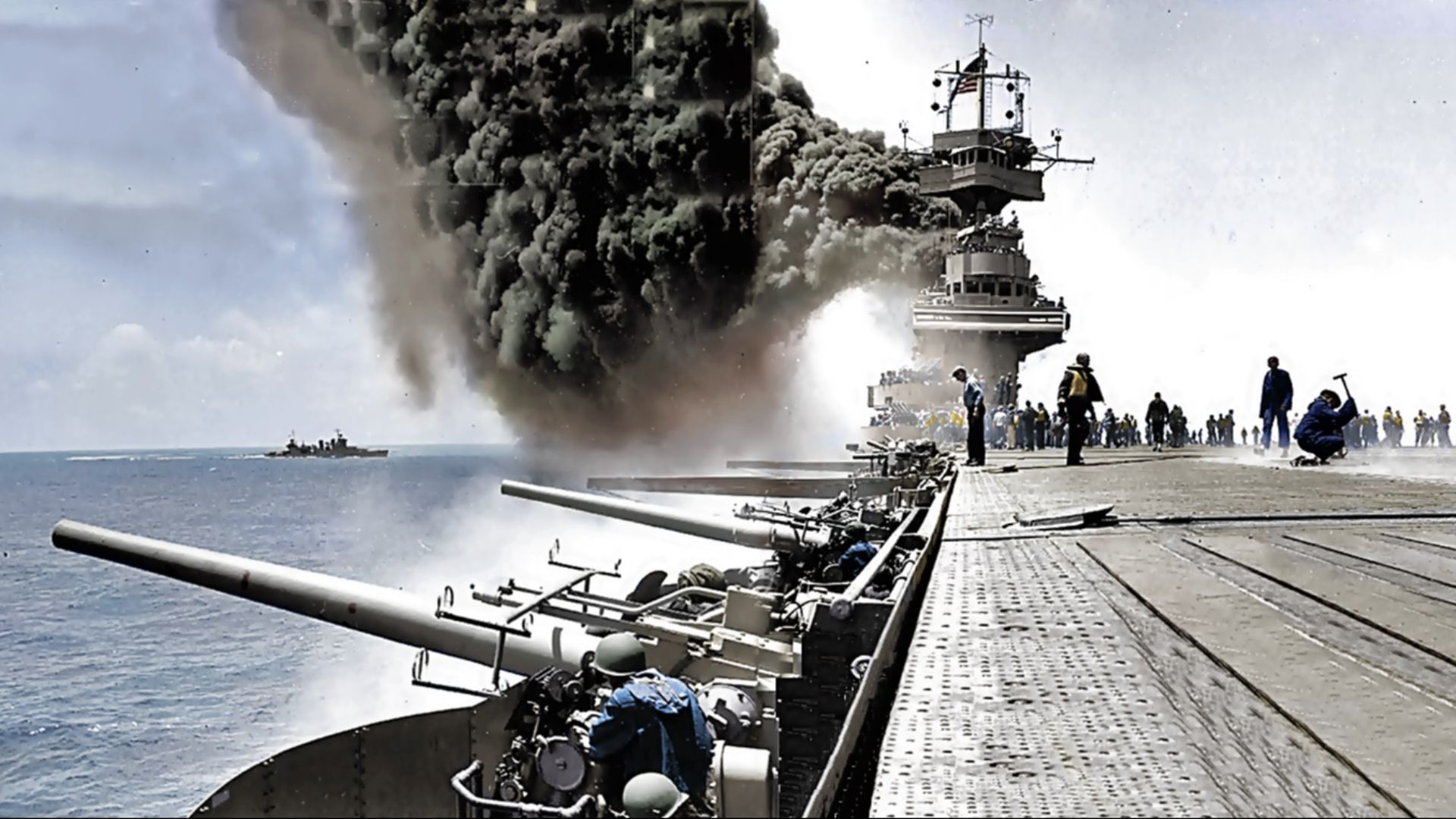 Cassowary Colorizations on Wikimedia
9. Battle of the Atlantic Convoys (1939–1945)
Storms and rough seas often disrupted German U-boat operations. Allied convoys sometimes benefited from poor weather that reduced submarine effectiveness. High waves made torpedo targeting more difficult. Weather conditions frequently shifted the balance between hunter and target.
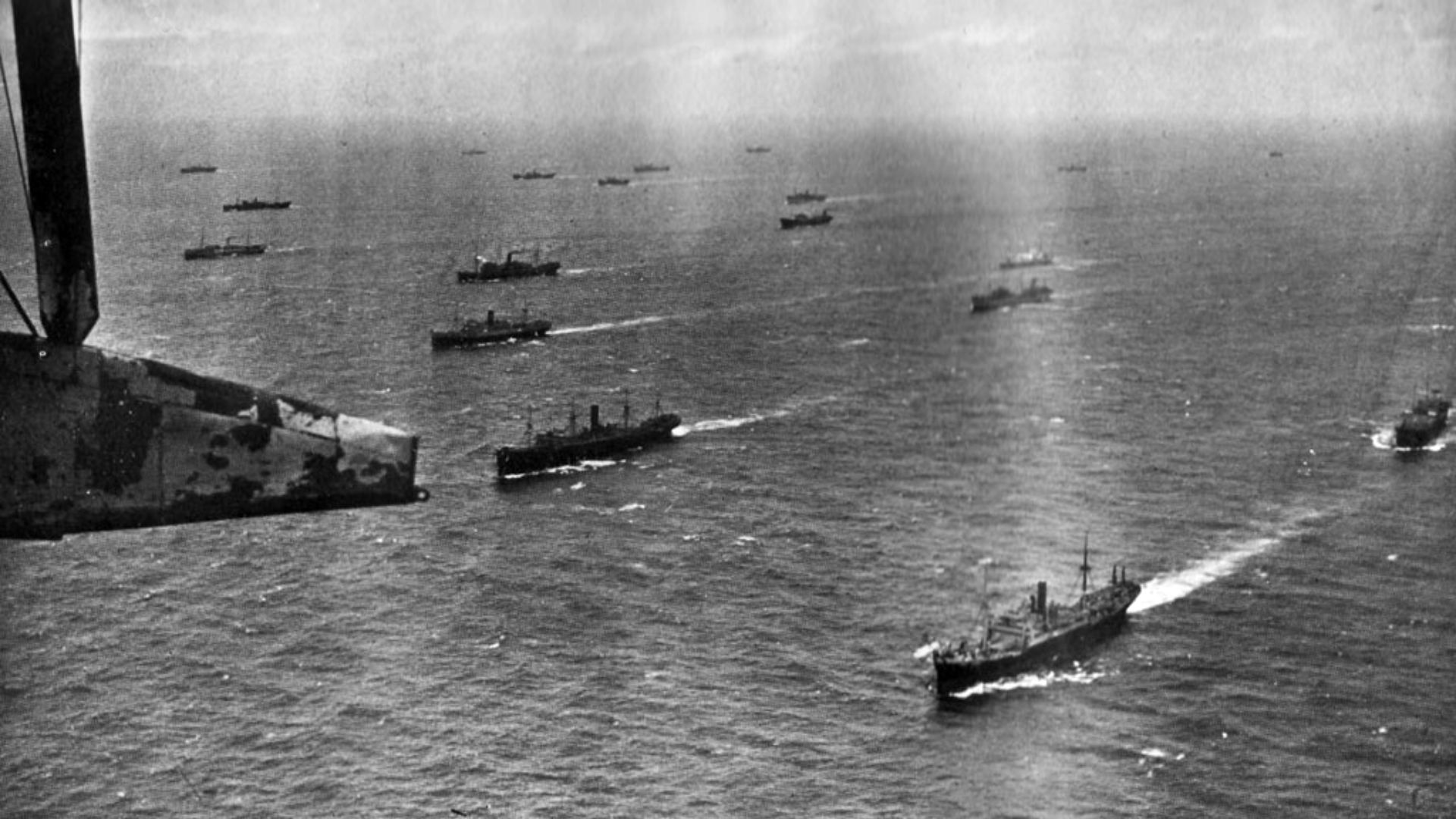 Unknown authorUnknown author on Wikimedia
10. Battle of Cape St. Vincent (1797)
Wind direction affected fleet positioning during this British victory over Spain. Admiral Jervis used favorable winds to isolate parts of the Spanish fleet. This allowed smaller British forces to engage more effectively. Environmental conditions supported tactical success.
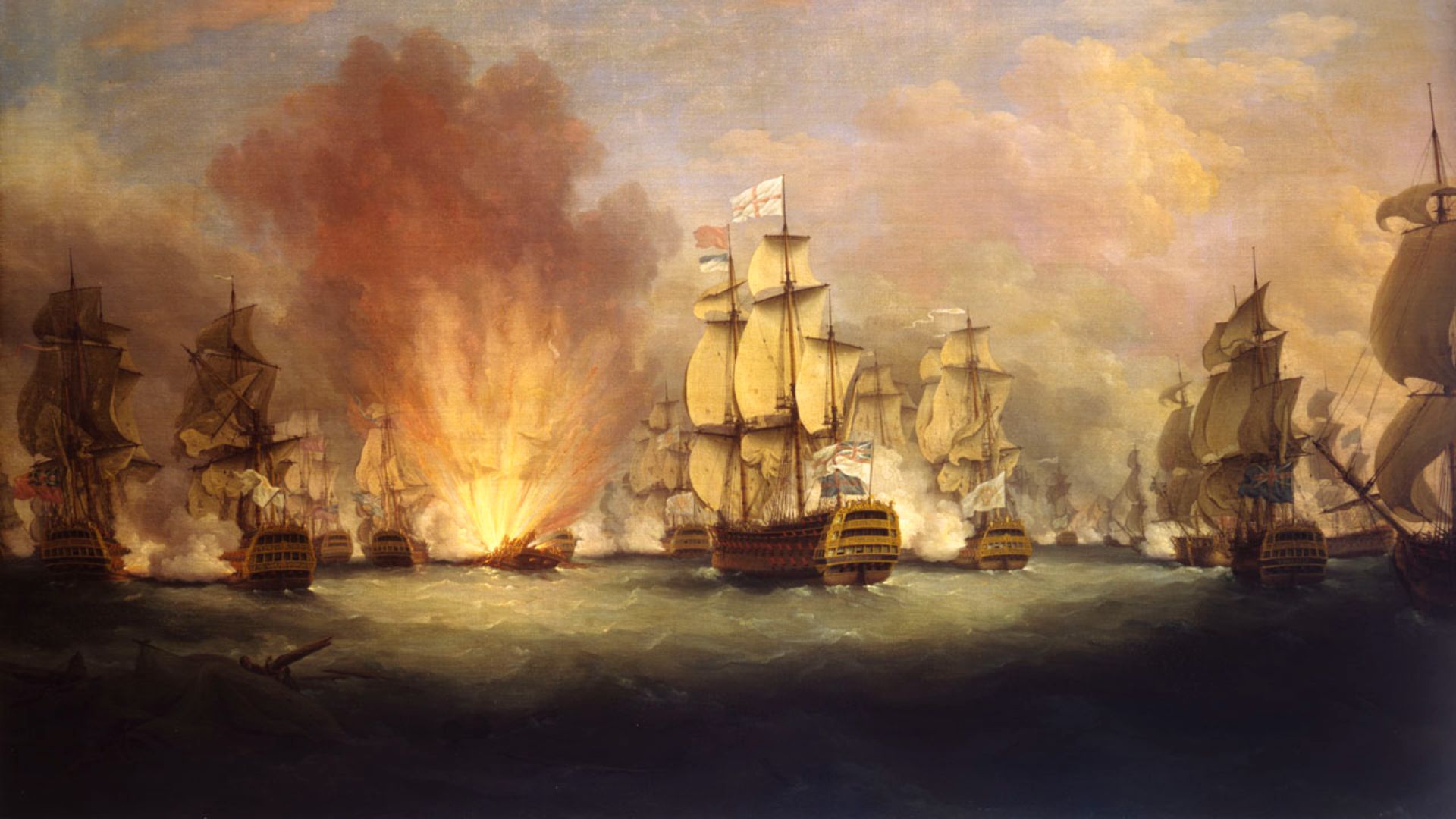
11. Battle of Tsushima (1905)
Fog played a role in limiting the Russian fleet's awareness before engagement. Japanese forces maintained better coordination despite changing conditions. Visibility shifts influenced the timing of contact, and the weather contributed to Japan’s decisive naval victory.
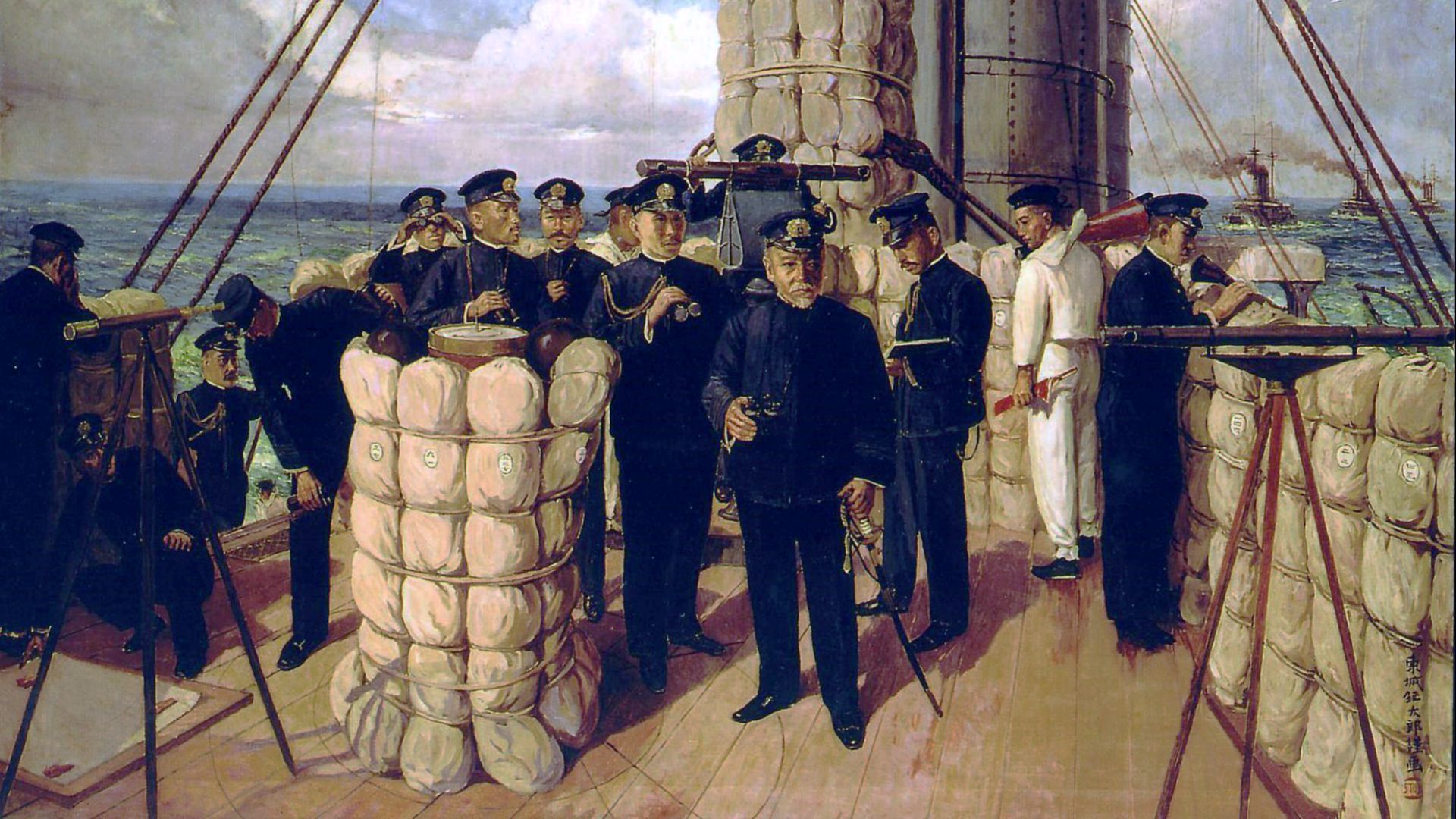
12. Battle of the Nile (1798)
Changing winds allowed British ships to attack the anchored French fleet from unexpected angles. The French had assumed their position was secure due to shallow waters. Wind conditions enabled British maneuverability in restricted space, contributing to a major French defeat.
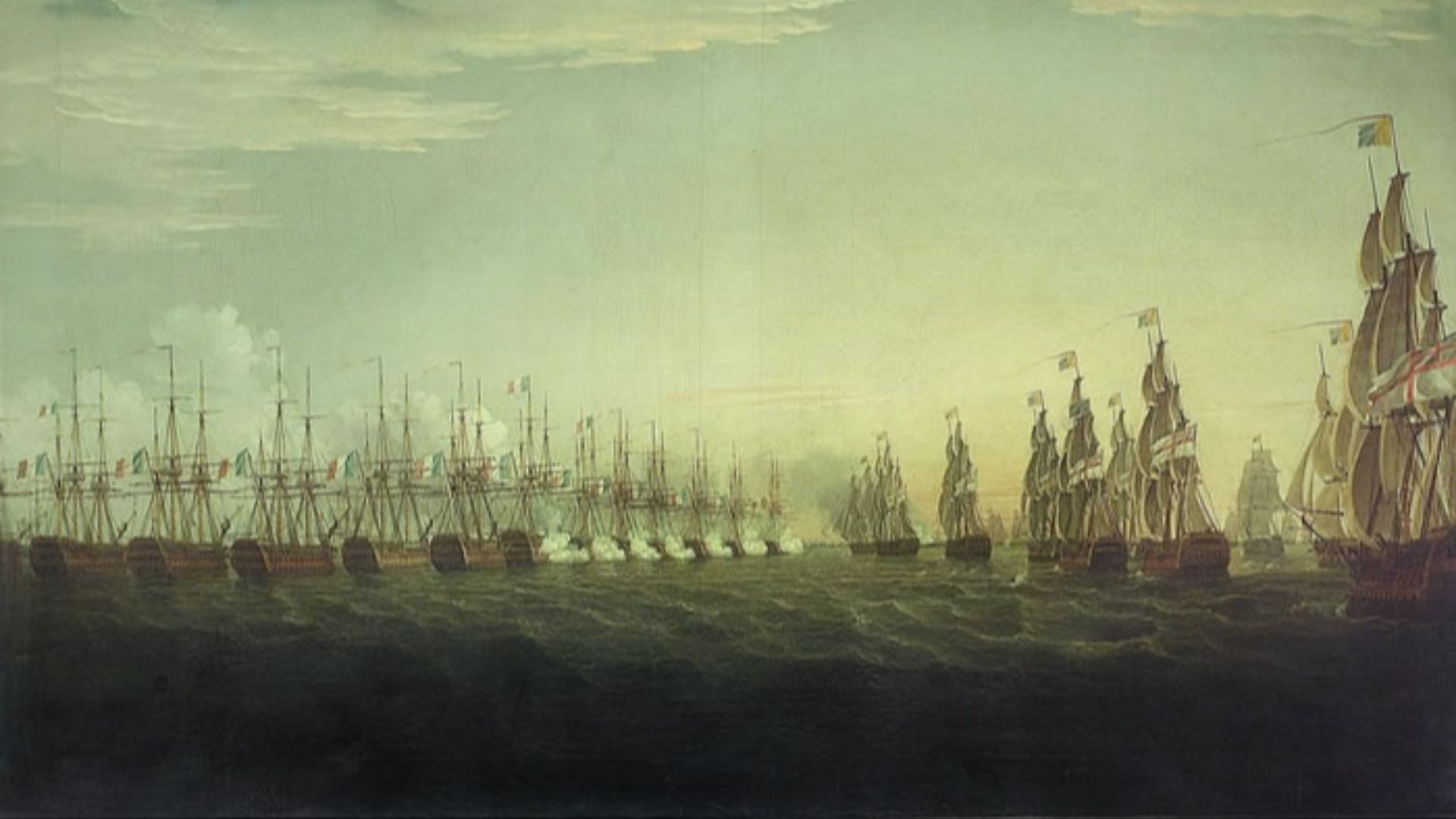
13. Operation Ten-Go (1945)
Rough seas affected Japanese naval movement during this final sortie. The battleship Yamato faced limited air cover and difficult navigation conditions. The weather did not prevent detection but added strain to operations. Combined factors led to the destruction of the fleet.
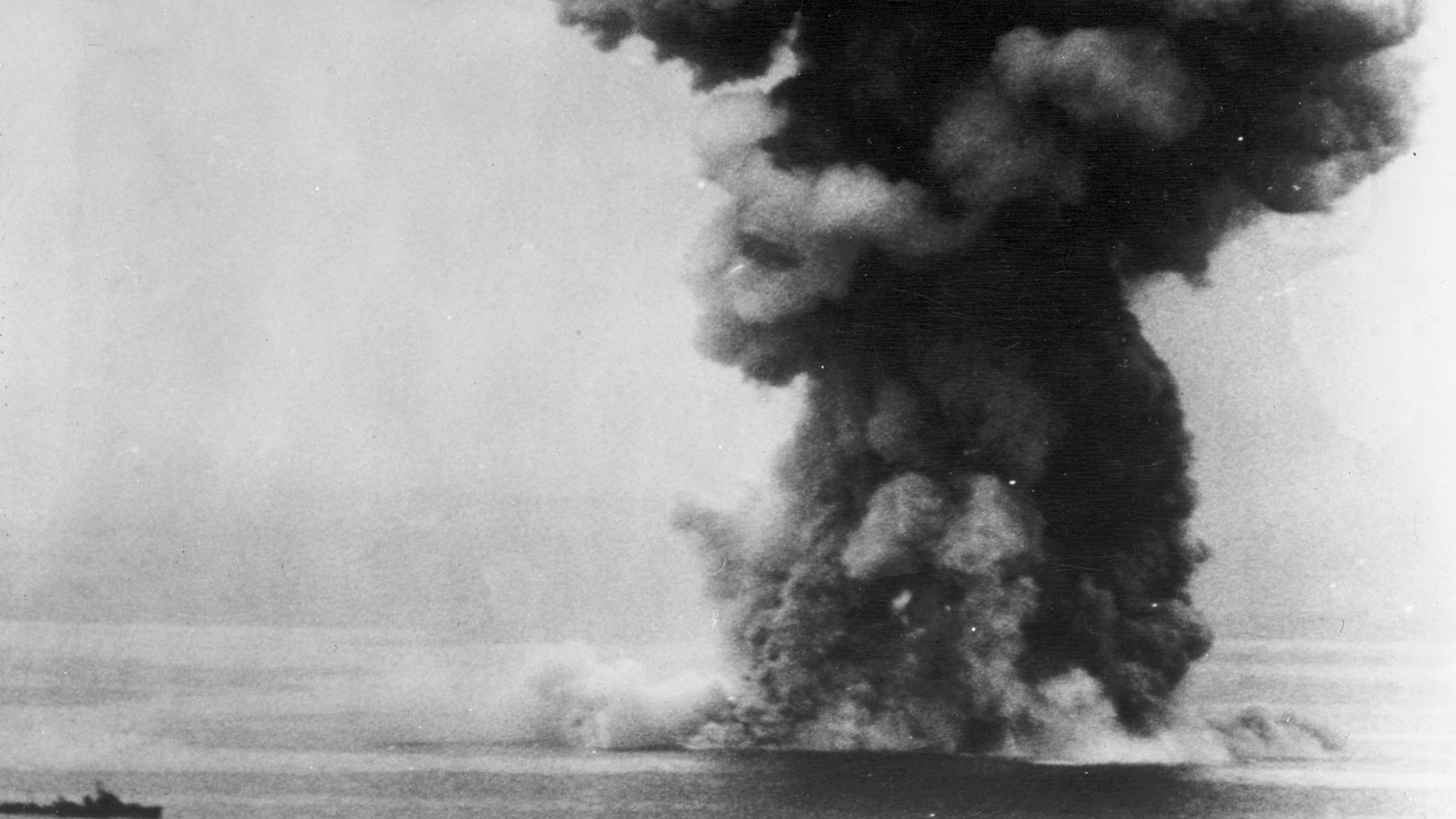
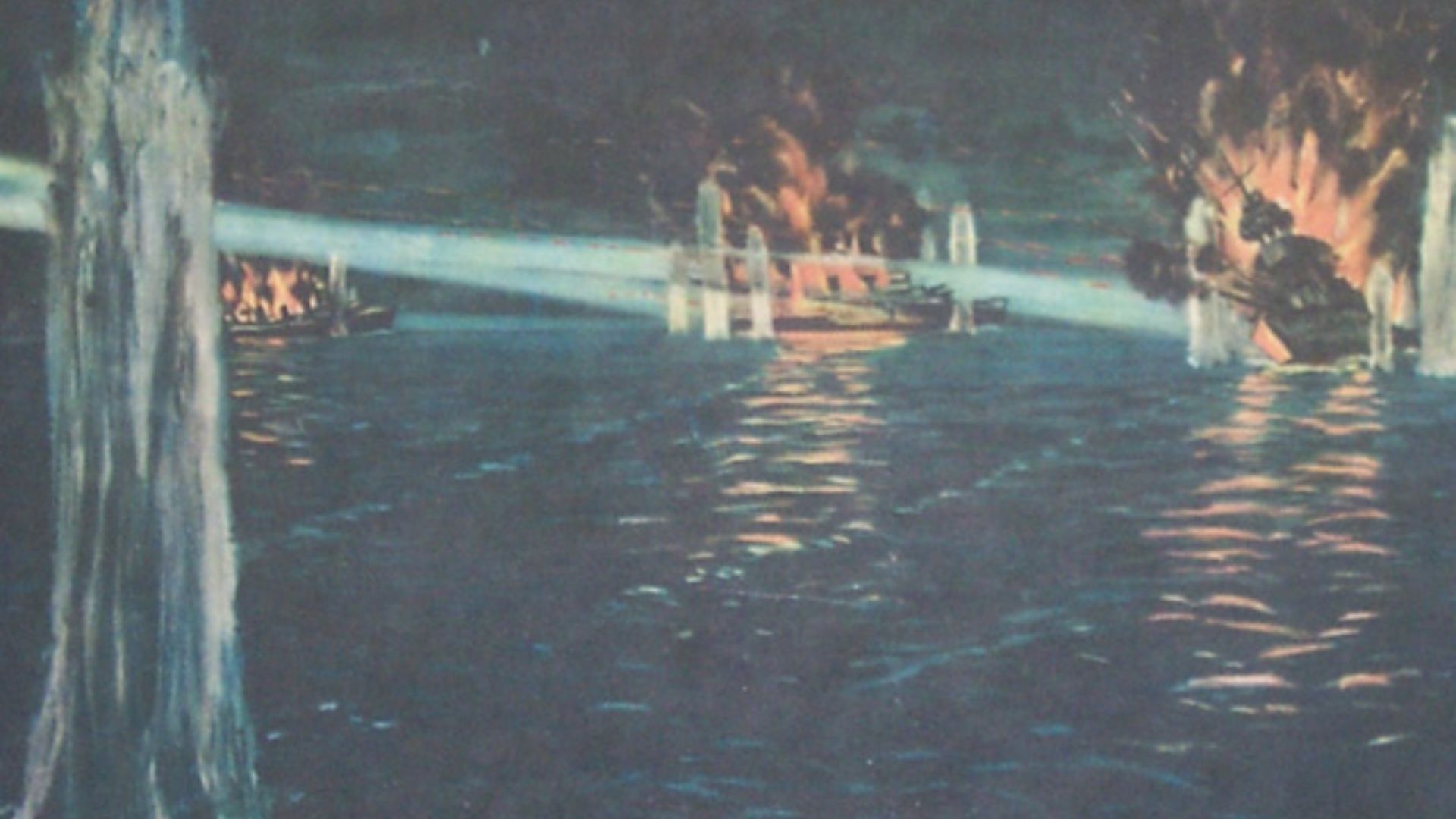
14. Battle of Savo Island (1942)
Night conditions and limited visibility played a major role in this Pacific engagement. Allied forces were caught off guard, partly due to poor detection in darkness and haze. Japanese ships used the conditions to their advantage, and weather and visibility contributed to a surprise defeat.
 Unknown authorUnknown author on Wikimedia
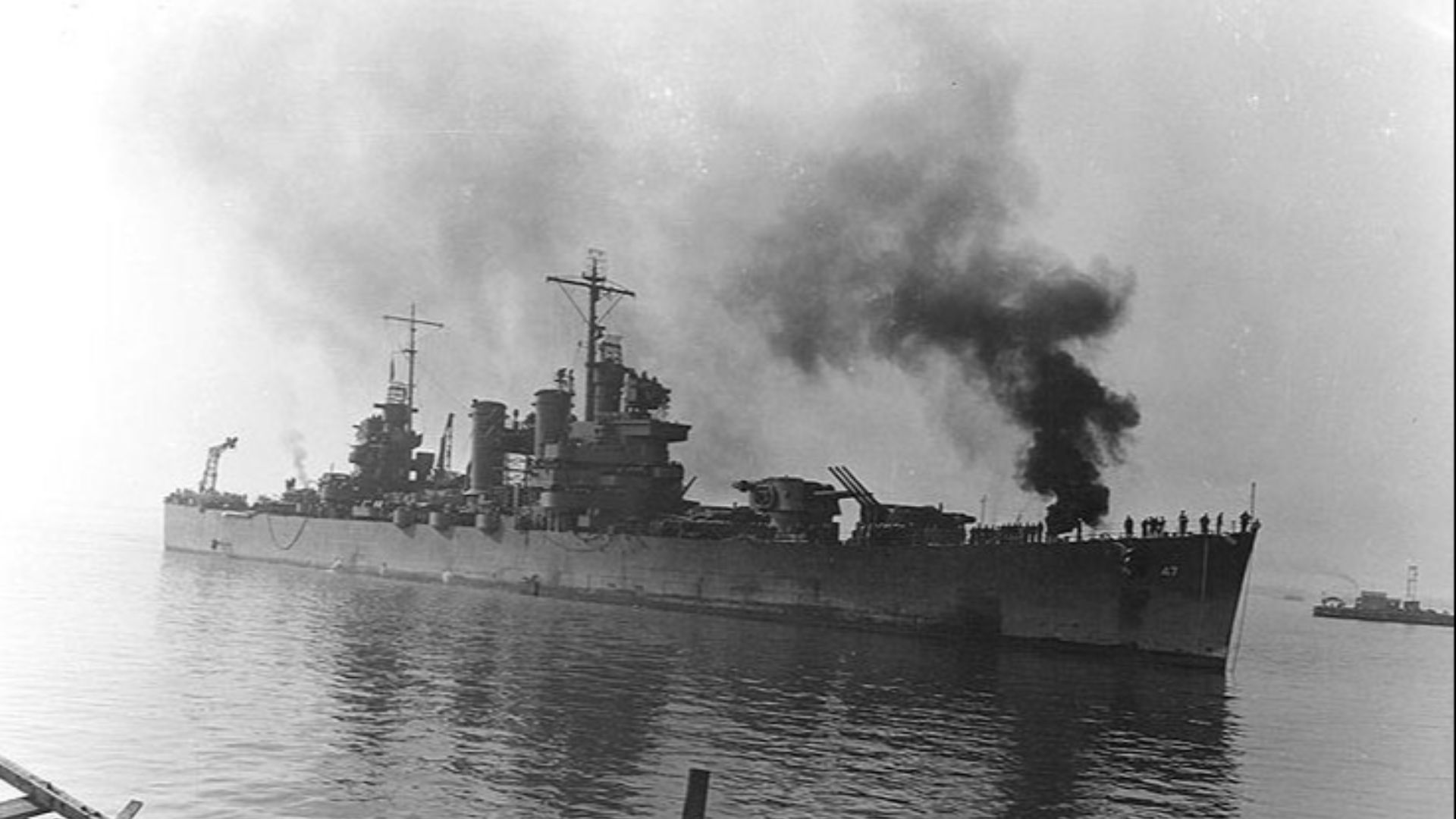
15. Battle of Cape Esperance (1942)
Radar helped offset poor visibility caused by night and weather conditions. American forces used this advantage to locate Japanese ships.
 Unknown authorUnknown author on Wikimedia
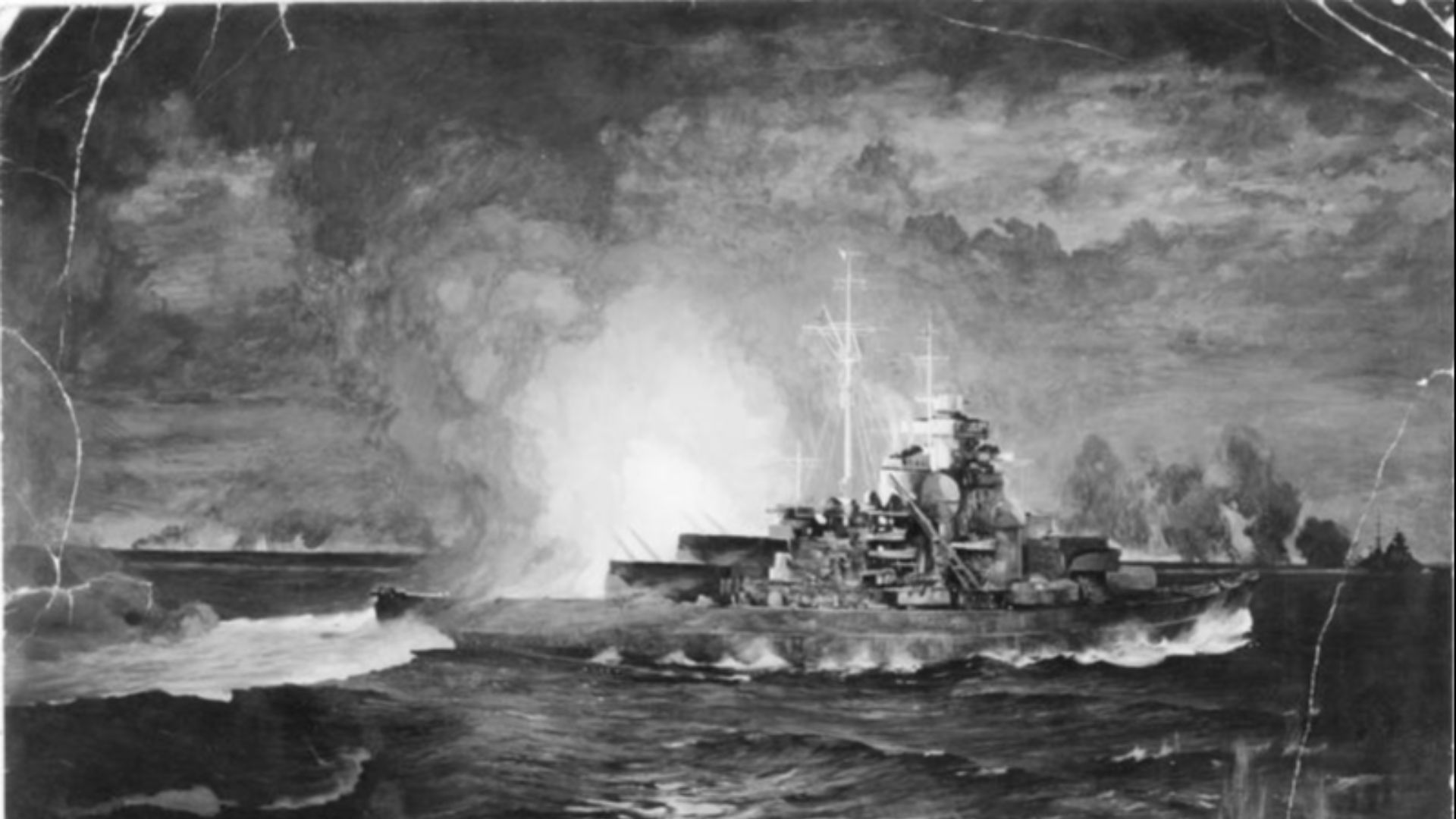
16. Battle of the Denmark Strait (1941)
Weather conditions, including limited visibility, affected the engagement between British and German ships. The German battleship Bismarck used these conditions to its advantage.
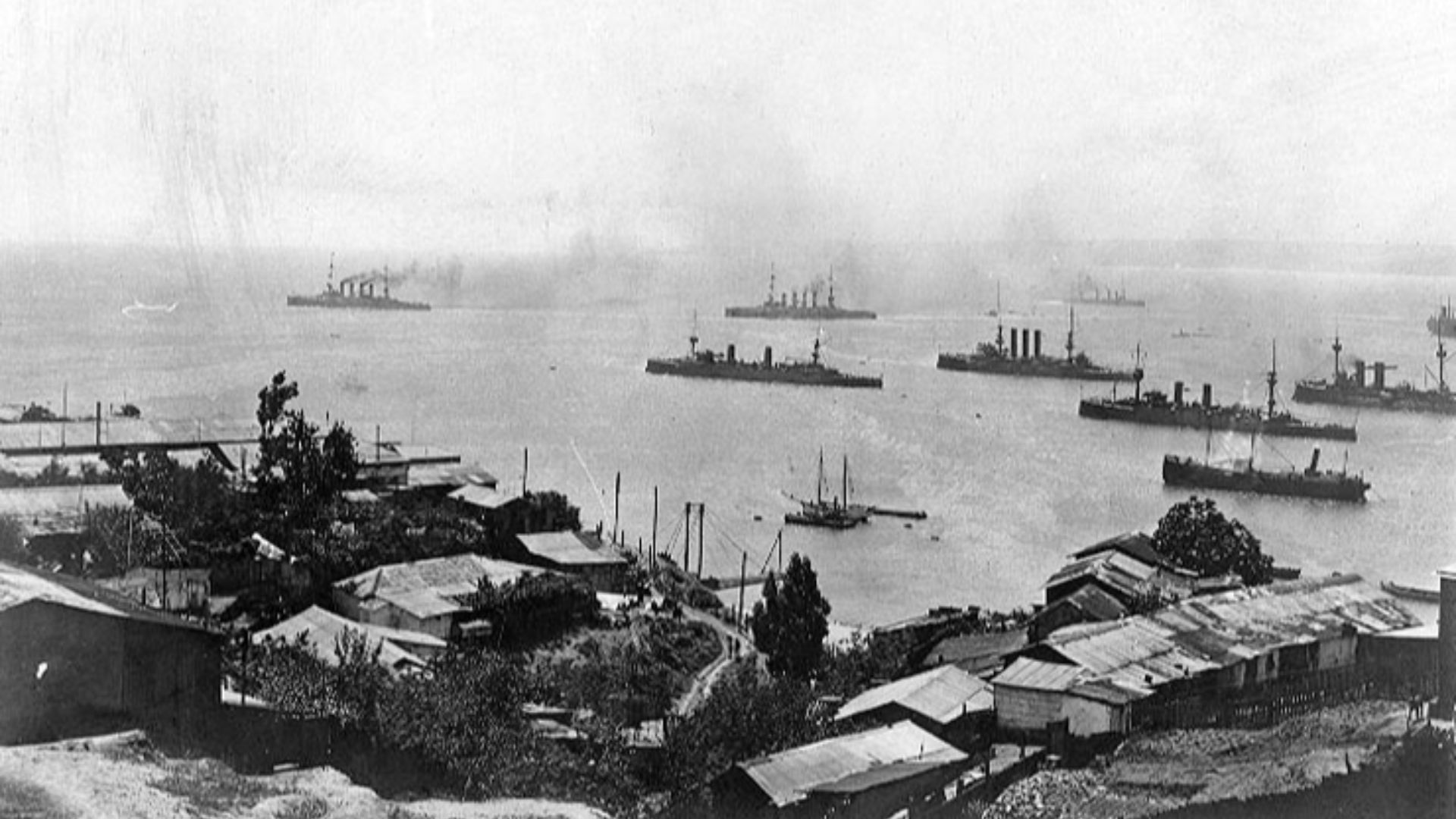
17. Battle of Coronel (1914)
Heavy seas and poor light conditions favored the German squadron. British ships were silhouetted against the setting sun, making them easier targets. Rough waters affected British gunnery accuracy, and weather conditions contributed directly to Germany’s victory.
 U.S. Naval Historical Center Photograph on Wikimedia
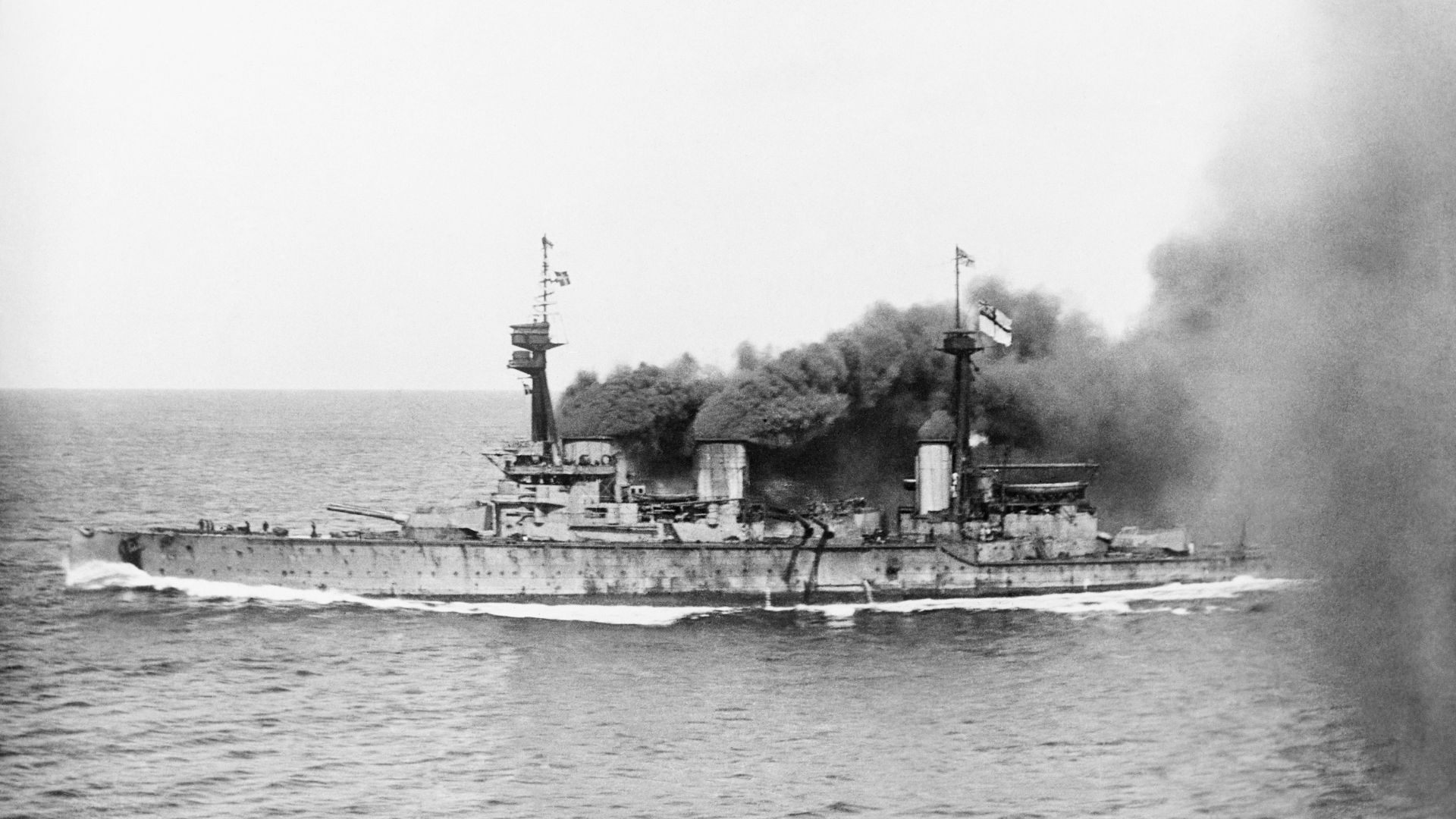
18. Battle of Falkland Islands (1914)
In contrast to Coronel, improved weather conditions allowed British forces to perform better. Clear visibility enabled more accurate long-range fire.
 Andy Dingley (scanner) on Wikimedia
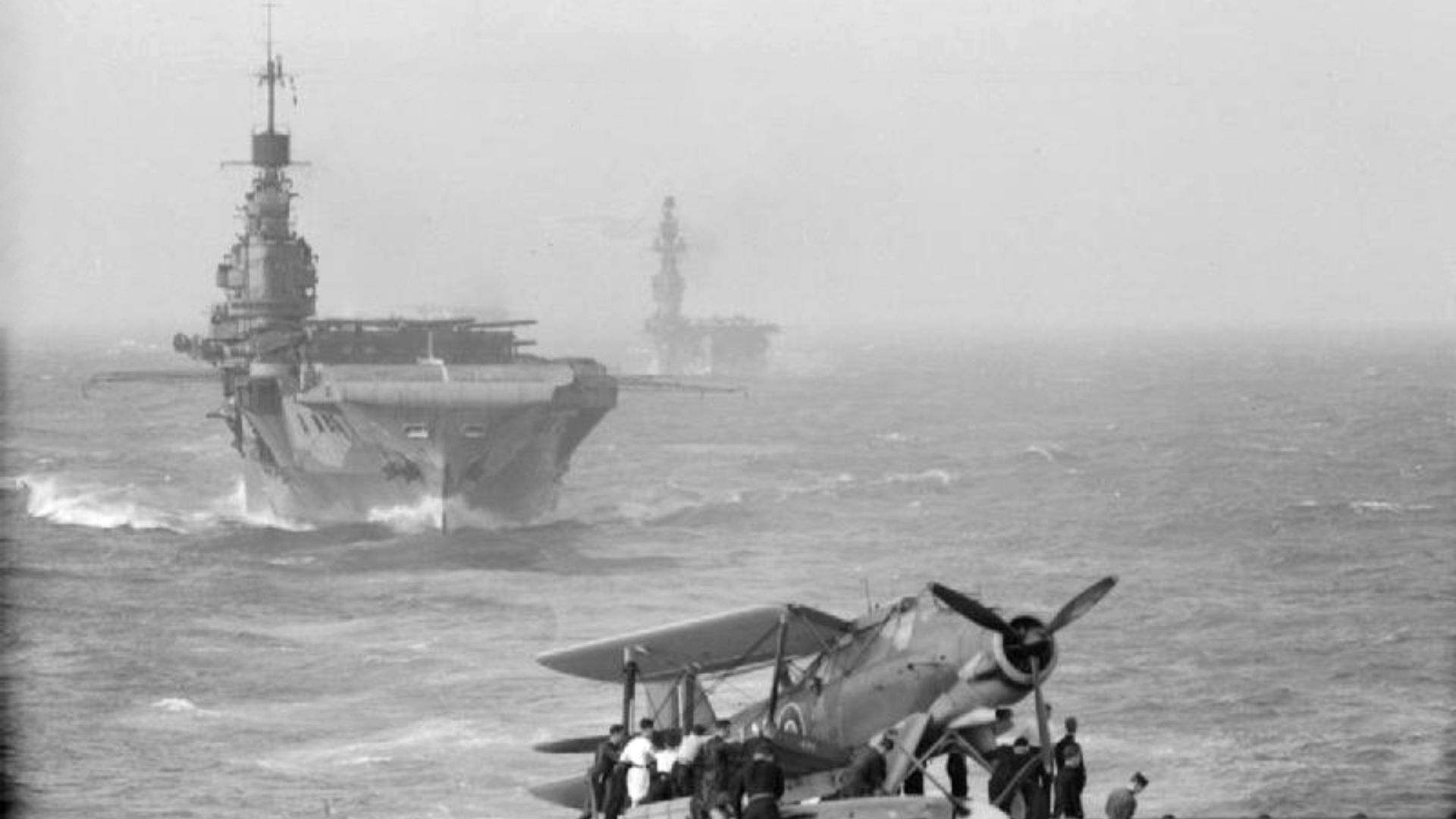
19. Operation Pedestal (1942)
This convoy mission to Malta faced intense storms along with enemy attacks. Rough seas complicated escort coordination and supply protection.
 Priest L C (Lt)Royal Navy official photographer on Wikimedia
20. Battle of Samar (1944)
Rain squalls and smoke screens reduced visibility during this engagement in the Philippines. American escort carriers used weather conditions to conceal their movements.
KEEP ON READING
The 20 Most Recognized Historical Figures Of All Time
The Biggest Names In History. Although the Earth has been…
By Cathy Liu Oct 4, 2024
10 of the Shortest Wars in History & 10 of…
Wars: Longest and Shortest. Throughout history, wars have varied dramatically…
By Emilie Richardson-Dupuis Oct 7, 2024
10 Fascinating Facts About Ancient Greece You Can Appreciate &…
Once Upon A Time Lived Some Ancient Weirdos.... Greece is…
By Megan Wickens Oct 7, 2024
20 Lesser-Known Facts About Christopher Columbus You Don't Learn In…
In 1492, He Sailed The Ocean Blue. Christopher Columbus is…
By Emilie Richardson-Dupuis Oct 9, 2024
20 Historical Landmarks That Have The Craziest Conspiracy Theories
Unsolved Mysteries Of Ancient Places . When there's not enough evidence…
By Megan Wickens Oct 9, 2024
The 20 Craziest Inventions & Discoveries Made During Ancient Times
Crazy Ancient Inventions . While we're busy making big advancements in…
By Cathy Liu Oct 9, 2024