The Forgotten Women Who Funded Wars, Causes, and Power Struggles
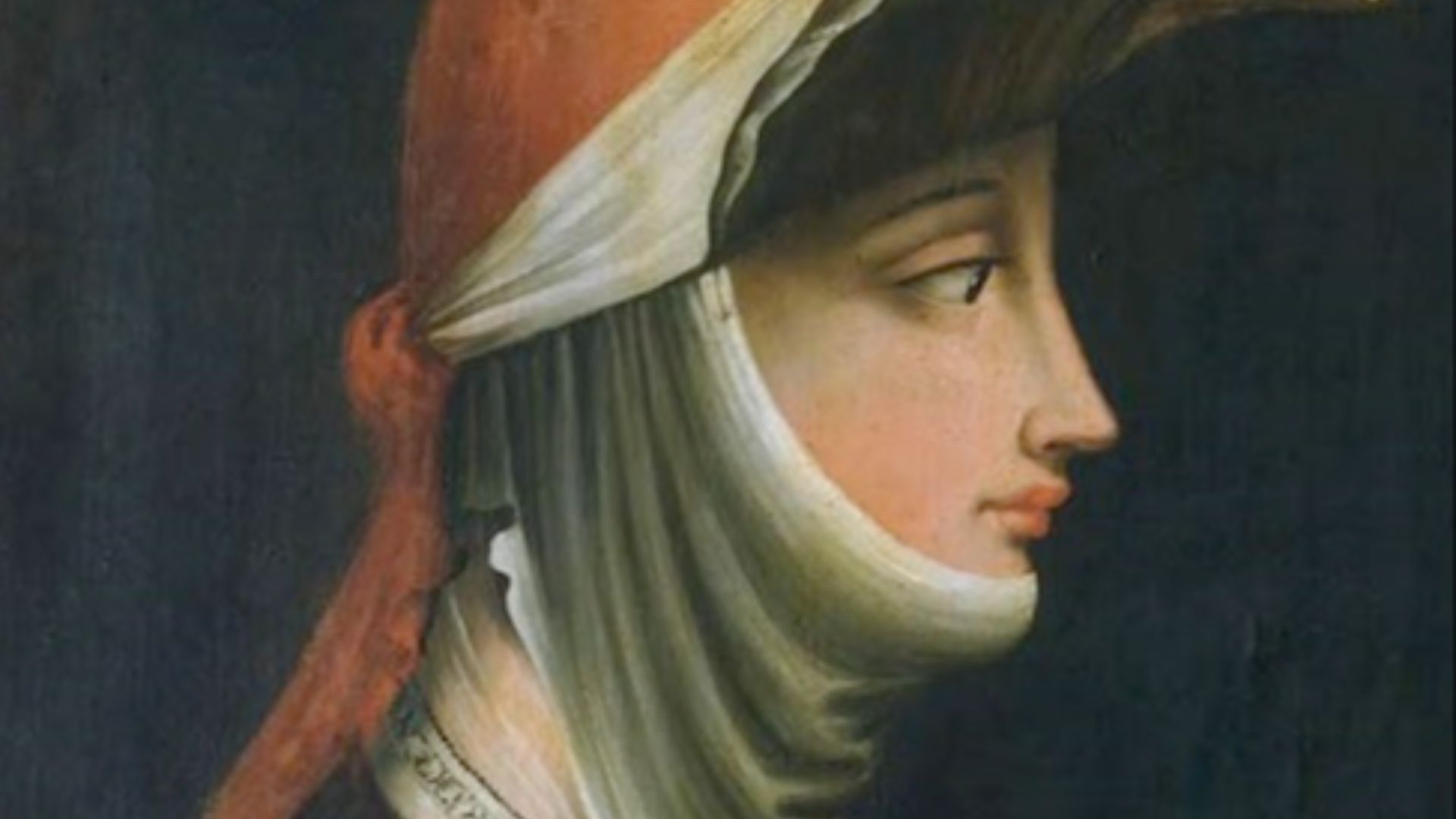
History tends to cling to the person with the speech, the crown, or the battlefield pose. It has a much harder time holding onto the person who opened the treasury, paid for the supplies, or turned private wealth into public action. That gap matters because major political fights do not run on ideals alone. They need ships, clothing, cash, and someone willing to let those resources go where they’re needed most.
That’s the thread tying these women together. Artemisia of Halicarnassus helped finance an imperial war effort in the fifth century BCE. Matilda of Canossa poured her resources into the papal side of one of medieval Europe’s biggest power struggles. Esther DeBerdt Reed helped turn women’s fundraising into real support for the Continental Army during the American Revolution. Different centuries, different stakes, same rough truth: causes last a lot longer when somebody can pay for them.
Artemisia And The Price Of Naval Power
 Kaulbach, Wilhelm von, 19th century on Wikimedia
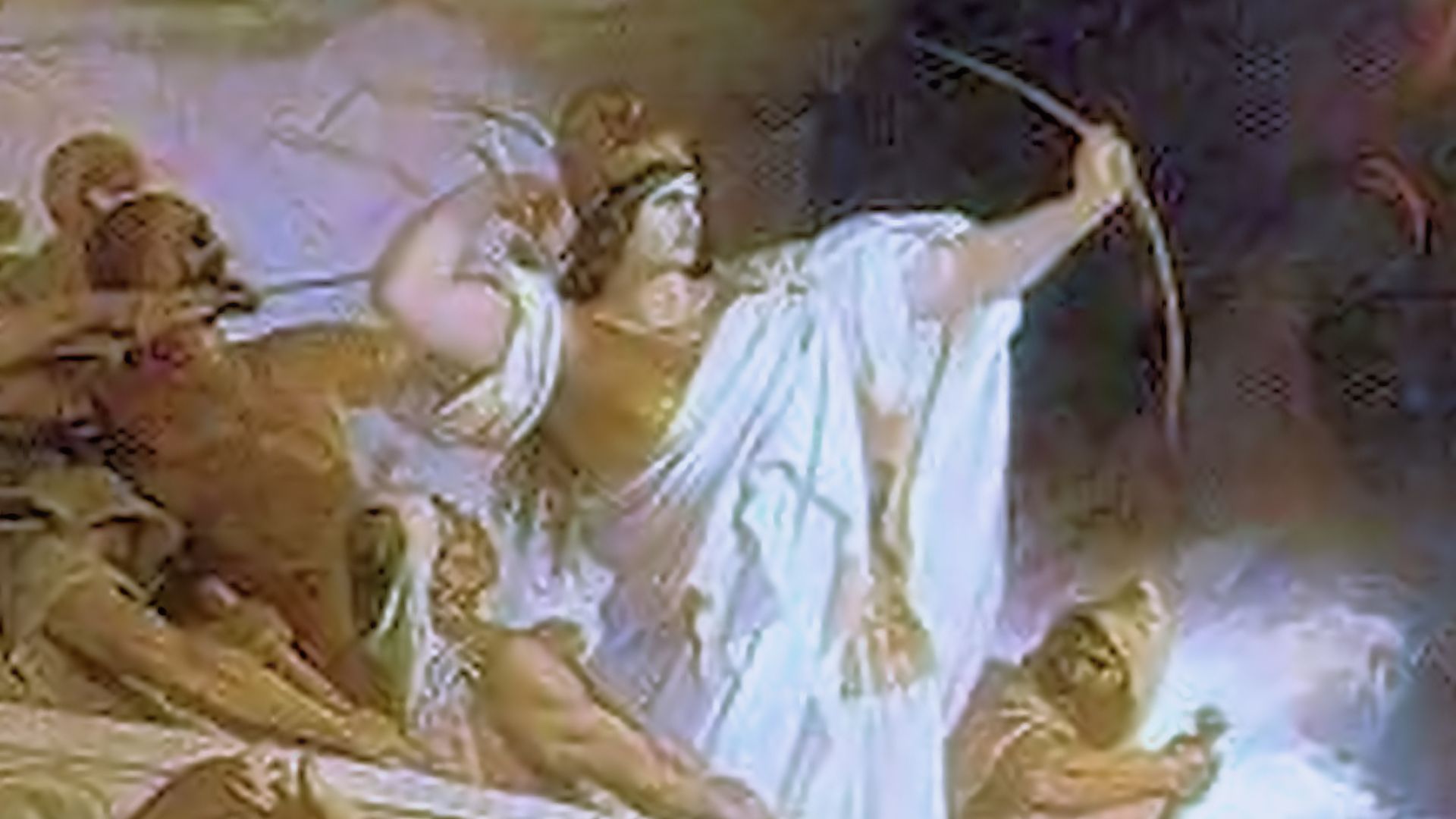
Artemisia usually gets introduced as the famous woman commander in Xerxes’ invasion of Greece, which is fair as far as it goes. Herodotus says she ruled Halicarnassus, Cos, Nisyrus, and Calydna after her husband’s death, and that she furnished five triremes to the Persian side. He also says that, after the Sidonians, hers were considered the best ships in the fleet, and that she gave Xerxes better advice than any of his other allies. That is already a much larger role than the usual “interesting exception” treatment she gets.
Five warships were not some symbolic contribution. They meant timber, crews, equipment, food, and a ruler with enough money and authority to make the whole operation happen. Herodotus also says Artemisia joined the expedition of her own choice, not because she had been dragged into it. So her role was not decorative, and it was not passive. She was committing real resources to a king’s campaign, and those resources mattered.
Her value did not stop at the ships. Before Salamis, Herodotus has Artemisia advising Xerxes not to risk a naval battle against the Greeks, and after the defeat, he says the king praised her and sent her to conduct his sons to Ephesus. That kind of trust does not usually land on someone who merely turned up. Artemisia mattered because she brought both material support and sharp judgment, which, frankly, is a pretty formidable mix in any century.
Matilda And The Money Behind A Medieval Cause
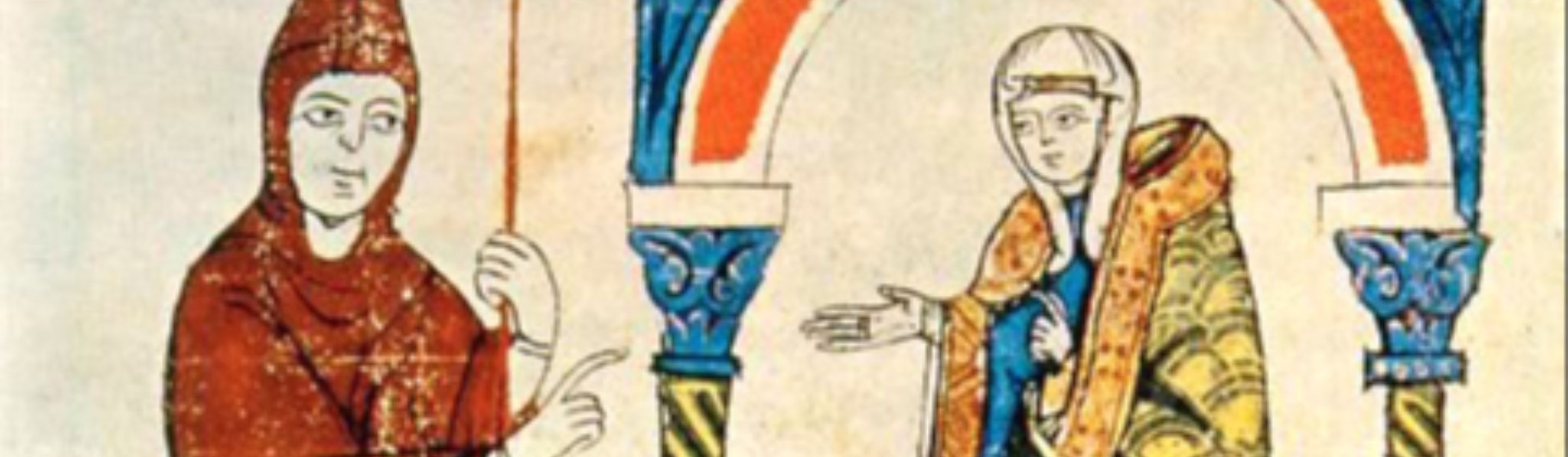
Matilda of Canossa was working in a very different world, though the pattern feels familiar once you spot it. Britannica describes her as Countess of Tuscany and heir to the extensive holdings of the House of Attoni, which gave her enormous land, wealth, and political weight. The same source says she became a close friend and major supporter of Pope Gregory VII in his struggle with Emperor Henry IV. In simpler terms, Matilda had resources, and she made a very clear decision about where they would go.
That decision had real consequences. Britannica says that in 1082, she sent part of the famous treasure of Canossa to Rome to finance the pope’s military operations. It also says she was intermittently at war with Henry IV and sometimes led troops in person. That places her well beyond the familiar noblewoman-in-the-background version of events. She was backing a political and religious cause with money and military support, which is a very direct way to shape history.
The cause she was helping sustain was the Investiture Controversy, a long struggle between rulers and the papacy over control of church offices. Britannica’s entry on the Concordat of Worms says the first phase of that conflict ended in 1122, after Matilda’s death, and that the settlement marked a major moment in the wider fight between imperial and papal power. That means she did not single-handedly settle the contest, and saying otherwise would be sloppy. What can be said, safely and clearly, is that she spent decades helping keep one side funded, protected, and politically alive.
Esther Reed And The Cost Of Revolution
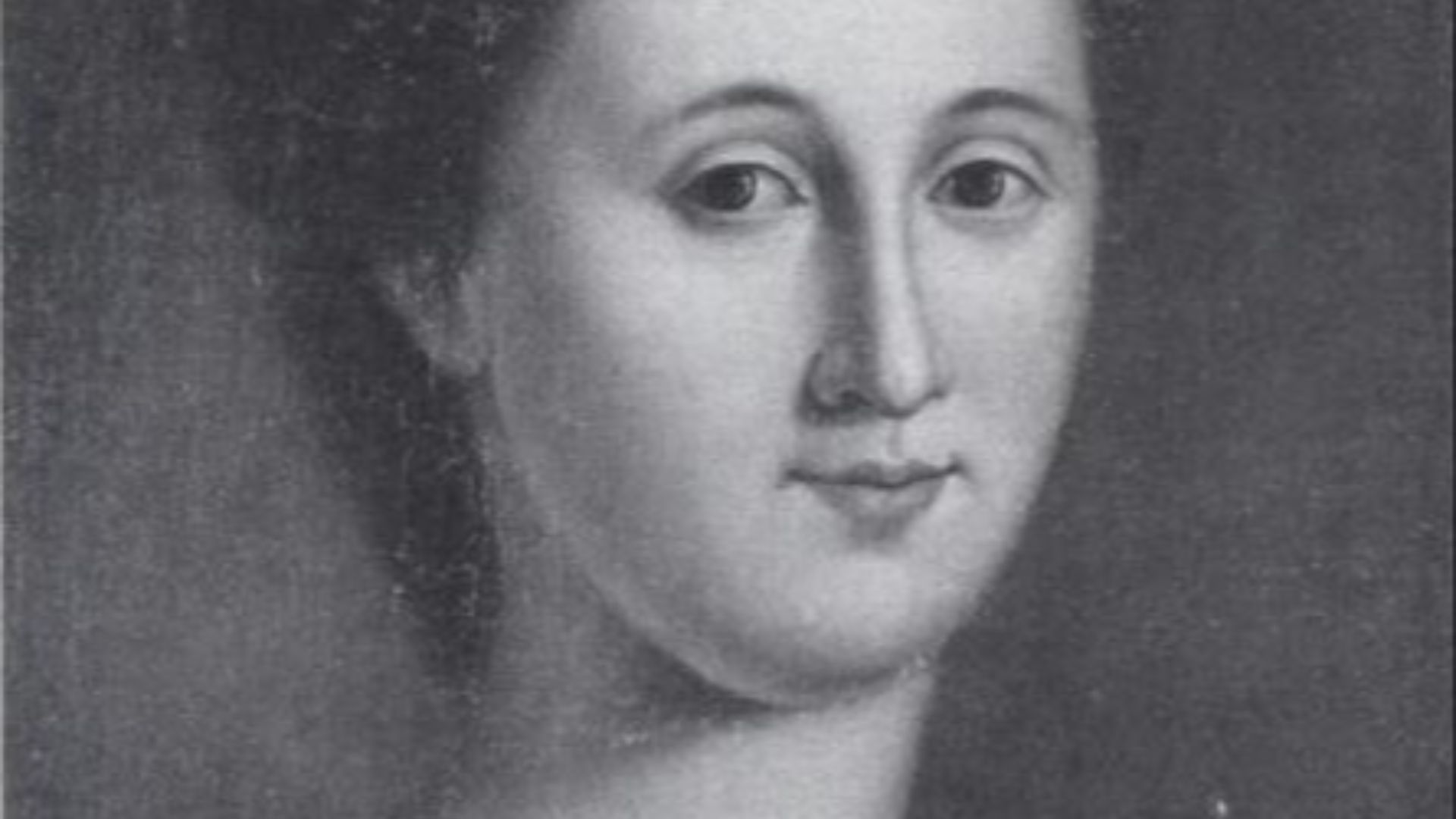
Esther DeBerdt Reed’s story fits the word revolution in the most familiar way here, though even this one comes with a small money footnote. In 1780, she published “The Sentiments of an American Woman,” a broadside calling on women to raise money for the Continental Army. The appeal was practical from the start. In the text, available through Teaching American History, Reed wrote that “All women and girls will be received without exception,” and laid out a system of local treasuries and organized collection rather than just asking for vague patriotic feeling.
The campaign worked. The Library of Congress says Reed reported to George Washington on July 4, 1780, that the Philadelphia women had raised more than $300,000 in paper currency. That label matters. Reed’s own broadside gives an exchange of 40 paper dollars to one dollar in specie, so the figure should not be read as hard cash. Even so, it was a serious fundraising effort, and when Washington preferred shirts to cash bounties, the women shifted course and put their work into clothing for the army.
The effort did not stop with one city. Encyclopedia Virginia says women in Virginia raised more than $100,000 to support the campaign, and the broader movement went on to produce more than 2,000 shirts for soldiers. Reed died in 1780, so she did not personally oversee every later stage of the work. Still, the organization she helped launch turned women’s patriotism into funding, logistics, and visible political action. That is a lot more substantial than the soft-focus version of Revolutionary-era womanhood people usually get handed.
That is probably the clearest way to read these women together. Artemisia funded warships, Matilda bankrolled a church-state struggle, and Reed helped turn women’s donations into material support for an army. None of them fit neatly into the old version of history where men act, and women simply inspire. They moved money, redirected resources, and made larger conflicts more possible than they would have been otherwise. For figures history has often shoved to the edges, that is a very real kind of power.
KEEP ON READING