Almost Every Ancient Statue Has a Missing Nose, And It's Never an Accident
Almost Every Ancient Statue Has a Missing Nose, And It's Never an Accident
 Gary Todd from Xinzheng, China on Wikimedia
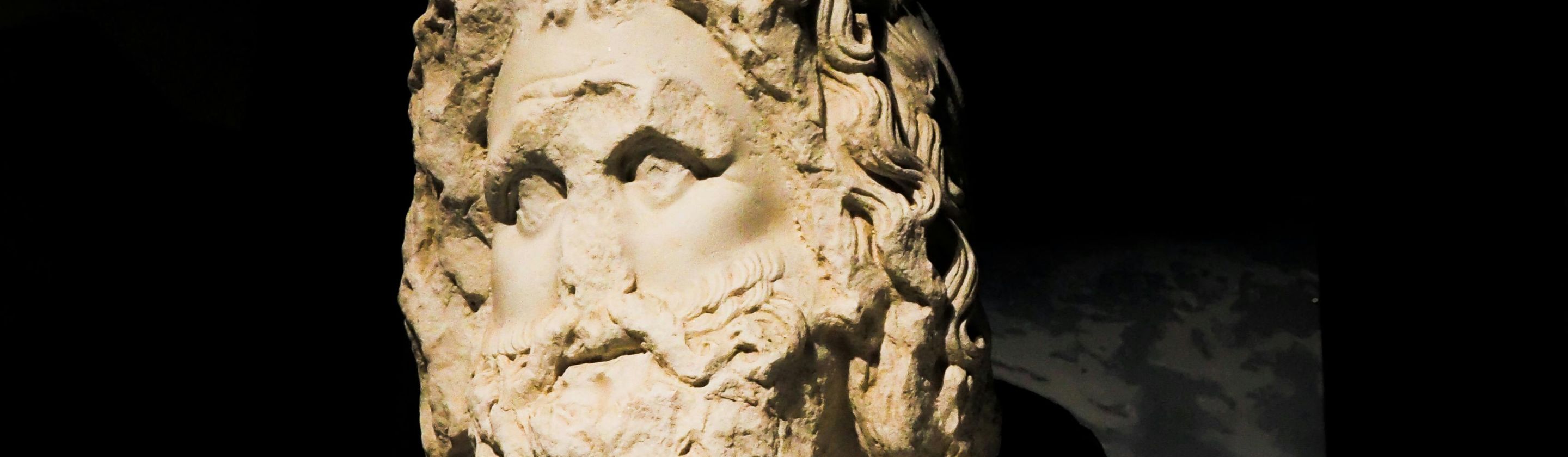
Walk through the classical or Egyptian wing of a major museum and, after a while, you start noticing the same thing everywhere. Marble emperors, stone gods, historical figures carved from stone, all with that same damage right in the center of the face. The missing nose stops feeling like a coincidence and starts feeling like a pattern. A lot of the time, that's exactly what it is.
Most people assume this kind of damage comes down to age, weather, or a few rough centuries of bad luck. Fair enough, because noses do stick out, and stone is still stone. Even so, the pattern is often too consistent to brush off as random breakage. Once you understand what ancient people believed statues could actually do, those damaged faces start to make a lot more sense.
Cutting The Spiritual Cord
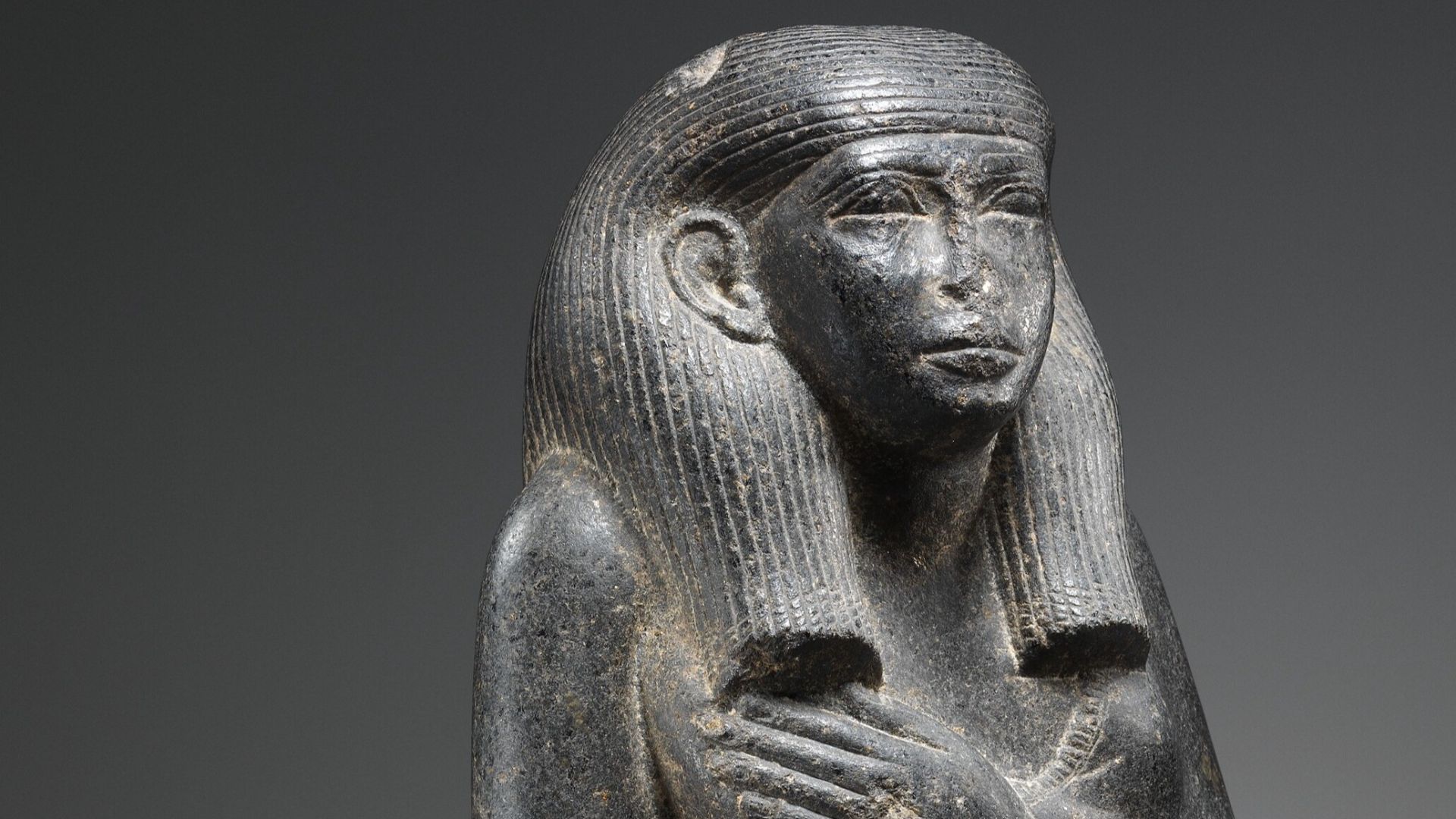
There's a simple physical reason noses disappear so often. They jut out from the face more than almost anything else, which makes them easy to chip, snap, or knock clean off when a statue falls or takes a hit. The Brooklyn Museum says as much, and you don't need to overthink it. Some broken noses really were accidents.
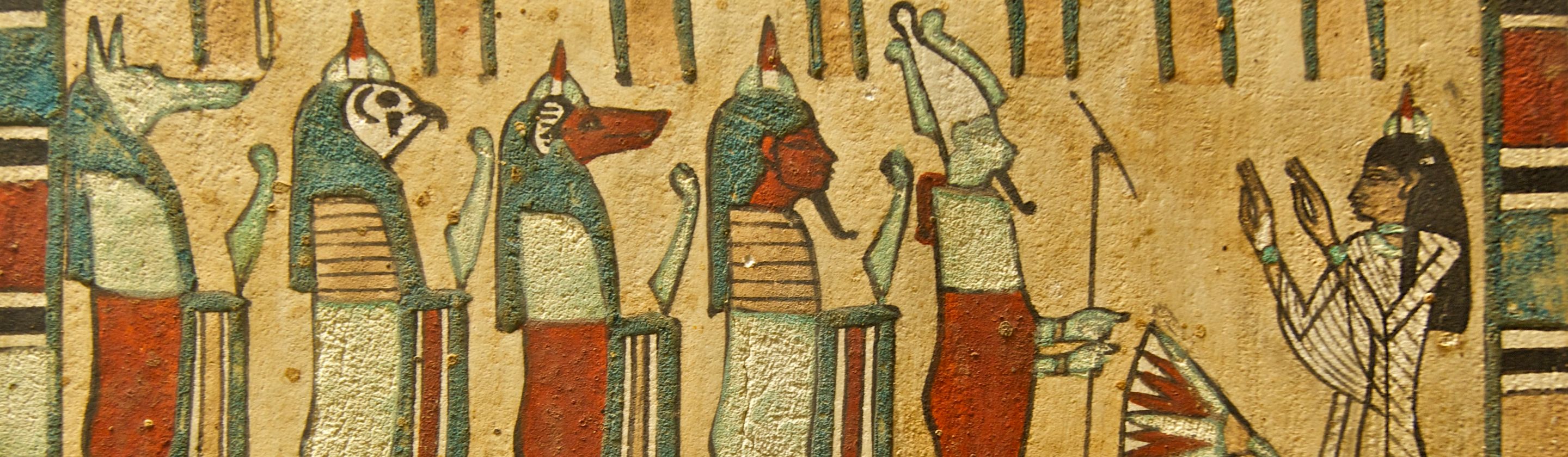
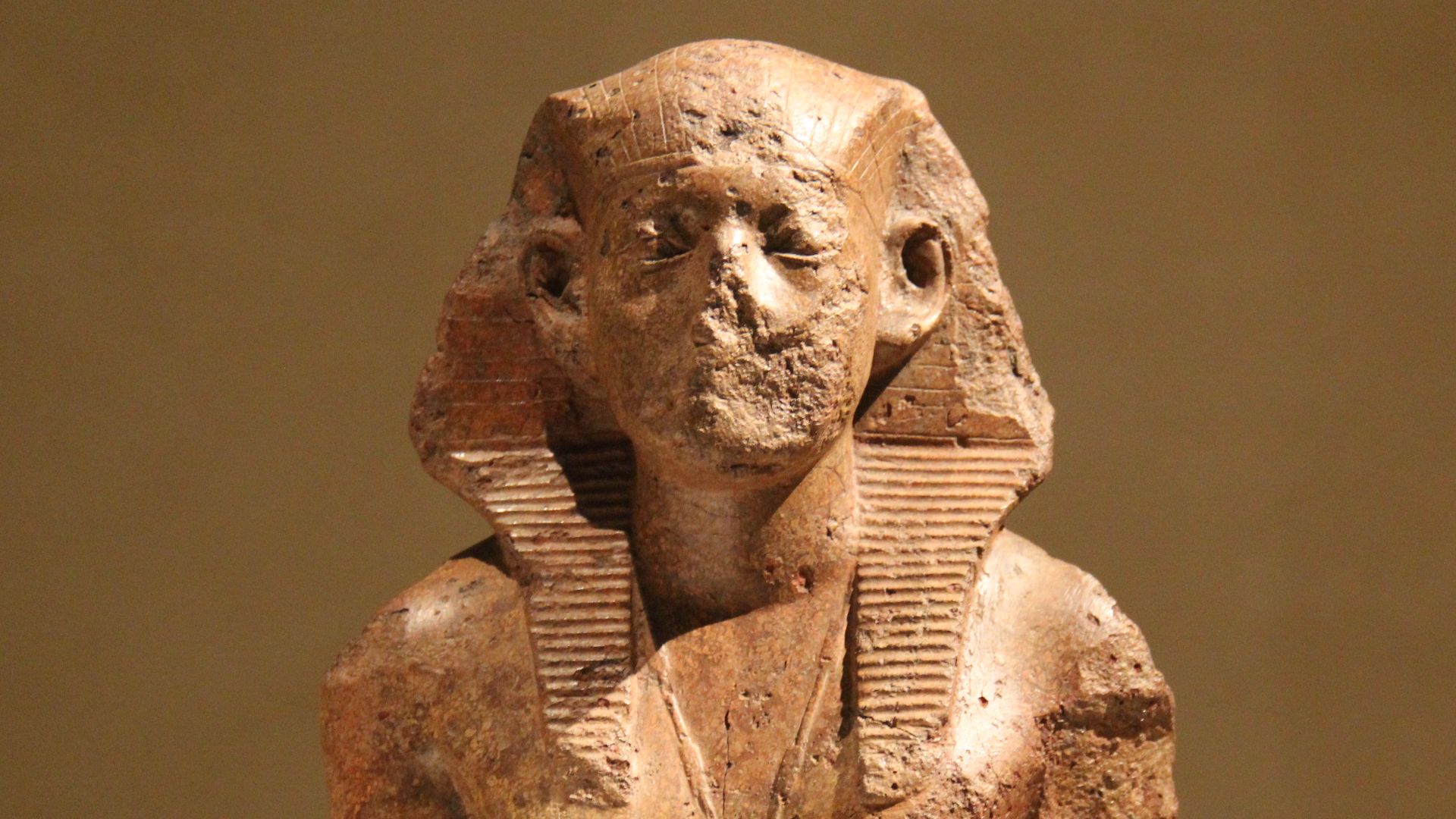
That practical explanation only gets you so far, though. It doesn't fully account for why noses are so often missing on statues that are otherwise intact, or why other facial features were targeted, too. In ancient Egypt, especially, the damage was frequently tied to belief. The Brooklyn Museum explains that Egyptians believed a statue could serve as a link to a spirit, a dead person, or a deity, which meant an image had a job to do.
Start from that idea, and the damage looks very different. Harming the face wasn't just about making a statue ugly. It was a way to interfere with the image's power and cut off what it was meant to do. A statue that couldn't function as a living stand-in had been, in a sense, switched off.
That also helps explain why certain features were targeted so consistently. Ancient tomb robbers often went after the eyes and noses of statues because they feared the dead owner's spirit might retaliate. If a figure couldn't see and couldn't breathe, it was no longer much use as a vessel.
Breaking The Face Broke The Message
Statues were never just decoration. A ruler's image could carry memory, legitimacy, authority, and presence long after the actual person was gone. Damage the image, and you damage the message attached to it. The Brooklyn Museum's exhibition on iconoclasm in ancient Egypt frames this kind of destruction as part of organized campaigns driven by political, religious, and criminal motives.
Hatshepsut is one of the clearest examples, though even that story comes with some nuance. The Metropolitan Museum of Art has long held that after her death, Thutmose III destroyed her statues to obliterate her memory, although it's also been suggested that much of the damage may reflect ritual "deactivation" and reuse as raw material rather than pure revenge. Either way, the central point holds.
Athens offers a different version of the same basic idea. In Book 6 of Thucydides, the historian records that in a single night, most of the stone herms across the city had their faces mutilated, and he describes the panic that followed. Britannica adds that the mutilation of the herms on the eve of the Sicilian Expedition led to the indictment of Alcibiades and fed a much larger political crisis. These weren't random street ornaments. They carried religious and civic meaning, so damaging them felt like a threat to the whole city.
Religion Left Its Own Marks
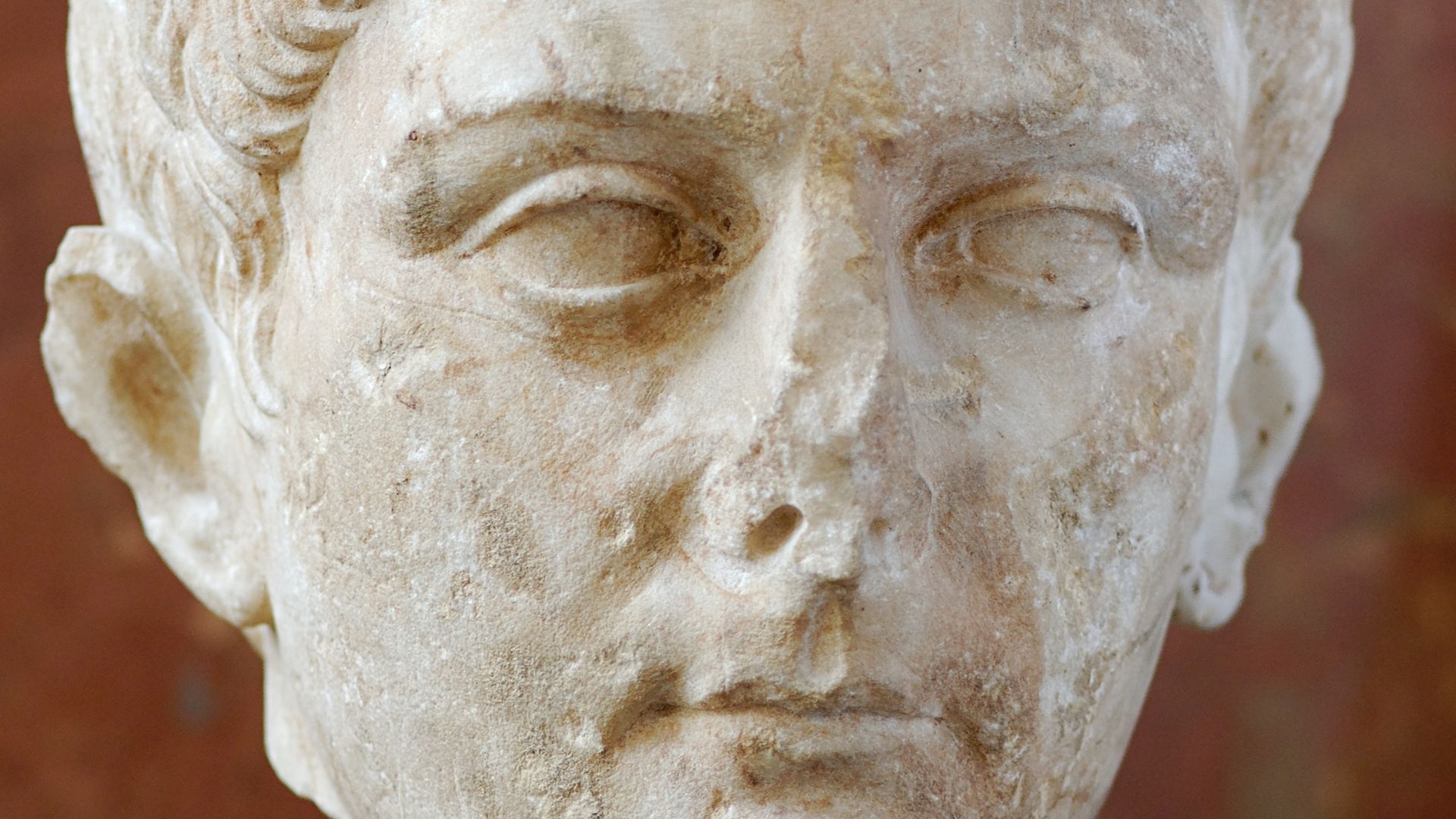
The story shifted again in late antiquity, when religious change gave old statues a new kind of danger. A scholarly study on the Christianization of statuary notes that some pagan statues were altered by carving crosses into the forehead or body, connecting those changes to ideas about exorcising demons, baptismal symbolism, or protective marking. It was a way of neutralizing an old image and folding it into a new religious order.
One of the clearest examples is a bust of Germanicus in the British Museum. The museum's image record notes that the nose was mutilated, probably in late antiquity, by Christians who also cut a cross into the forehead. That combination is hard to miss. Someone didn't just scratch up an old portrait and move on. The image was deliberately marked, reshaped, and stripped of its old meaning.
That's why these damaged statues still feel oddly personal when you see them up close. You're often looking at the remains of an argument about power, fear, religion, or memory, carved straight into stone. Some noses really did break by accident, because gravity never takes a day off. Even so, many of these missing noses survive because someone wanted an image to stop seeing, stop breathing, or stop carrying its old power quite so effectively.
KEEP ON READING