Long Sieges and Sudden Defeats
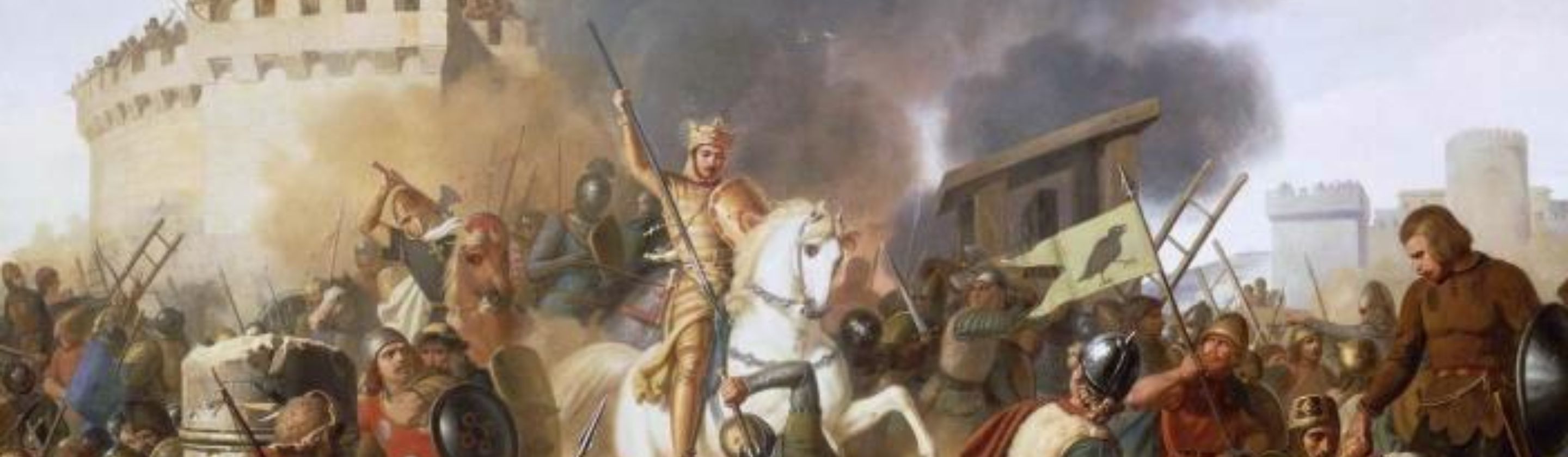
Throughout history, warfare has unfolded in dramatically different ways depending on leadership, resources, and strategy. Some cities held out for years under relentless pressure, while others collapsed within days or even hours. By looking at both extremes, you can better understand how preparation, morale, and timing shaped the outcomes of these conflicts.
1. Siege of Troy (c. 12th century BCE)
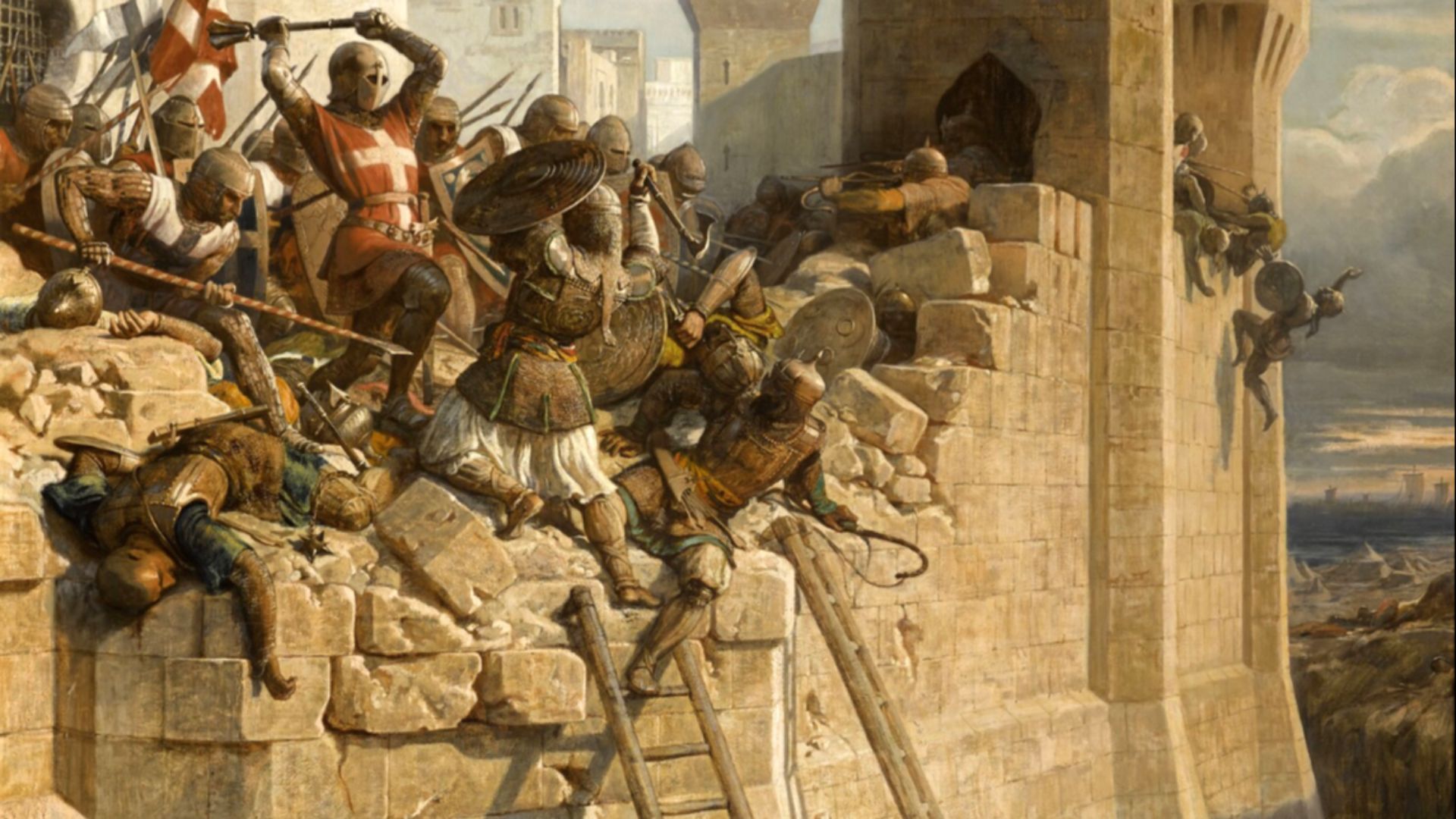
The legendary siege of Troy, described in Greek mythology, is said to have lasted around ten years. While the exact historical details remain debated, archaeological evidence supports the existence of a prolonged conflict in the region. The story emphasizes endurance and strategy, especially the famous Trojan Horse deception.
2. Siege of Candia (1648–1669)
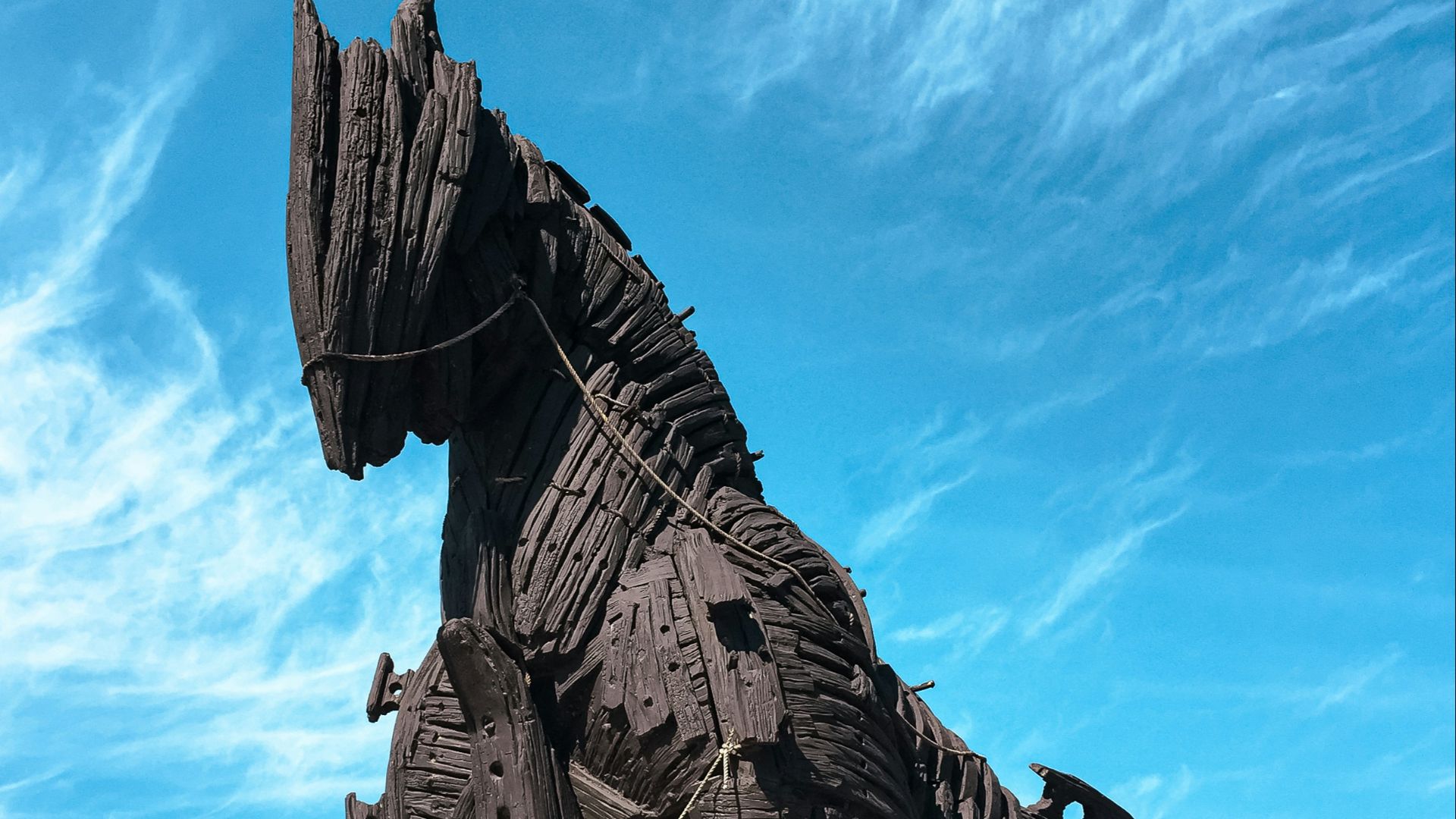
This conflict between the Ottoman Empire and Venice lasted 21 years, making it one of the longest recorded sieges. The city of Candia, on the island of Crete, held out despite constant assaults and blockades. It finally fell in 1669 after prolonged attrition and dwindling resources.
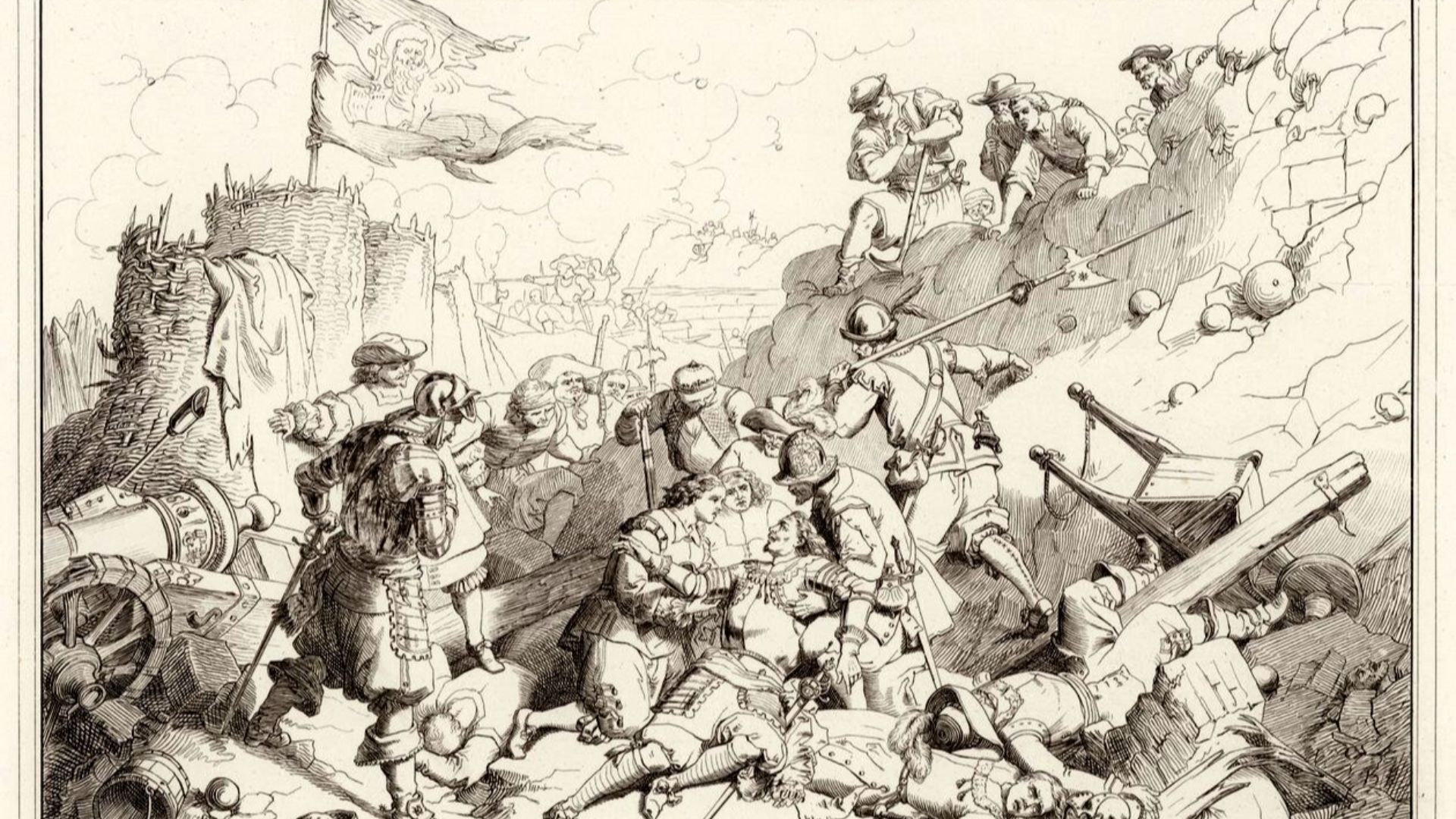 Giuseppe Lorenzo Gatteri and Francesco Zanotto on Wikimedia
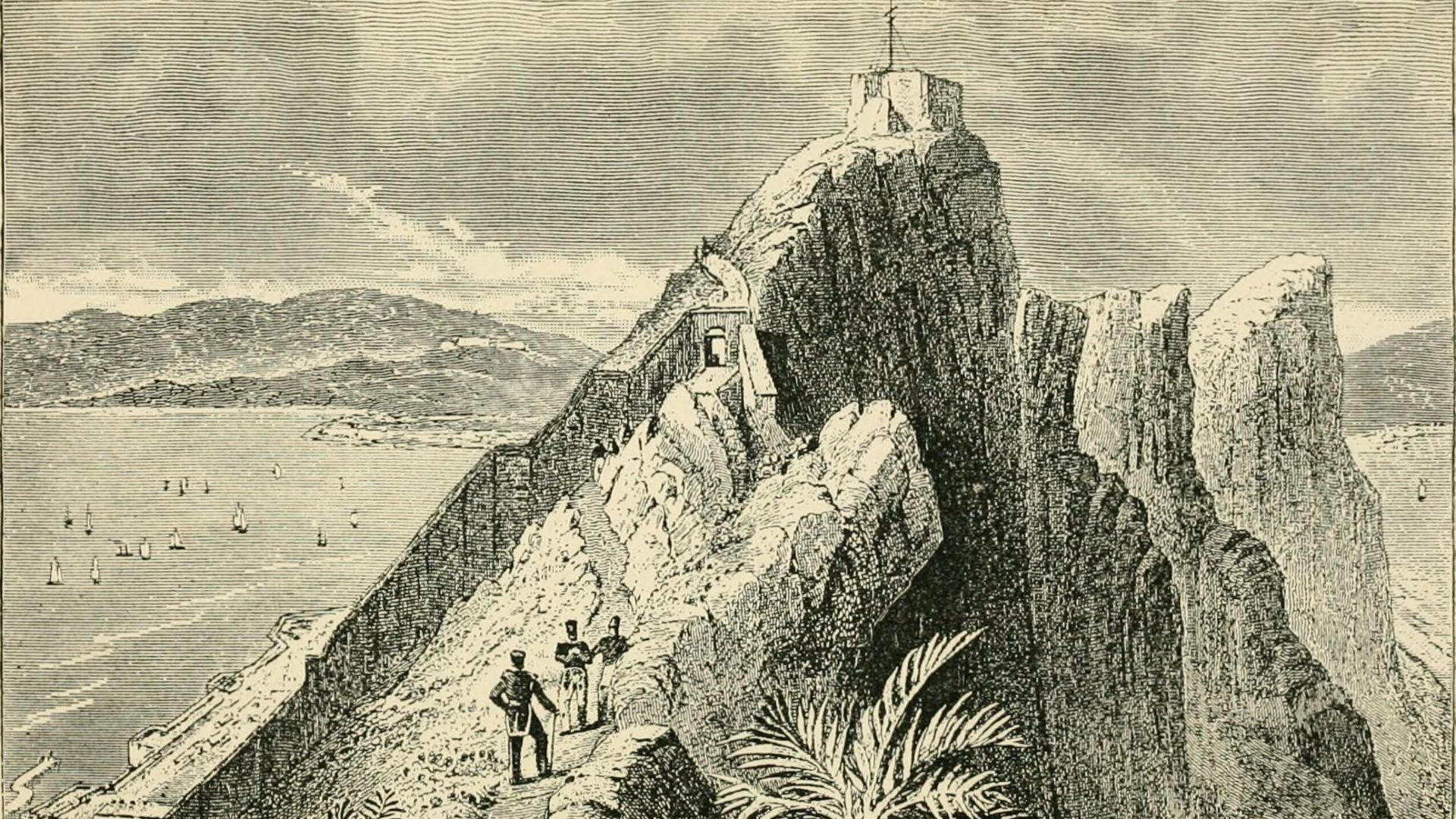
3. Siege of Ceuta (1694–1727)
The Spanish-held city of Ceuta in North Africa endured a siege by Moroccan forces for over three decades. Although fighting intensity varied, the pressure remained constant for 33 years. Spain ultimately retained control of the city, demonstrating the resilience of its defenses.
 Internet Archive Book Images on Wikimedia
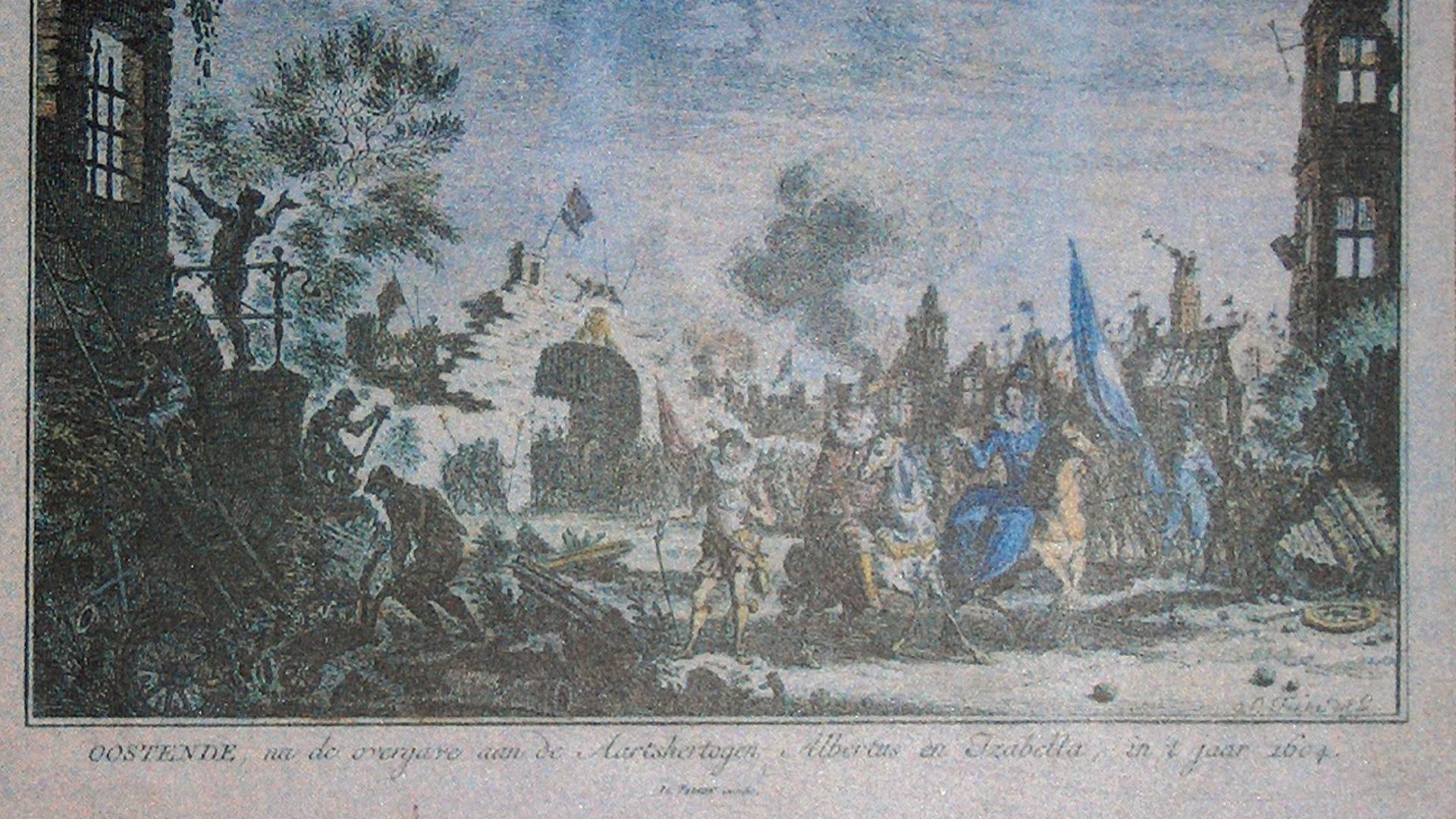
4. Siege of Ostend (1601–1604)
Part of the Eighty Years’ War, this siege lasted about three years between Spanish forces and Dutch rebels. Both sides suffered heavy casualties in repeated assaults and counterattacks. The Spanish eventually captured the city, but at enormous cost.
 Georges Jansoon,e (JoJan) - artwork by anonymous artist on Wikimedia
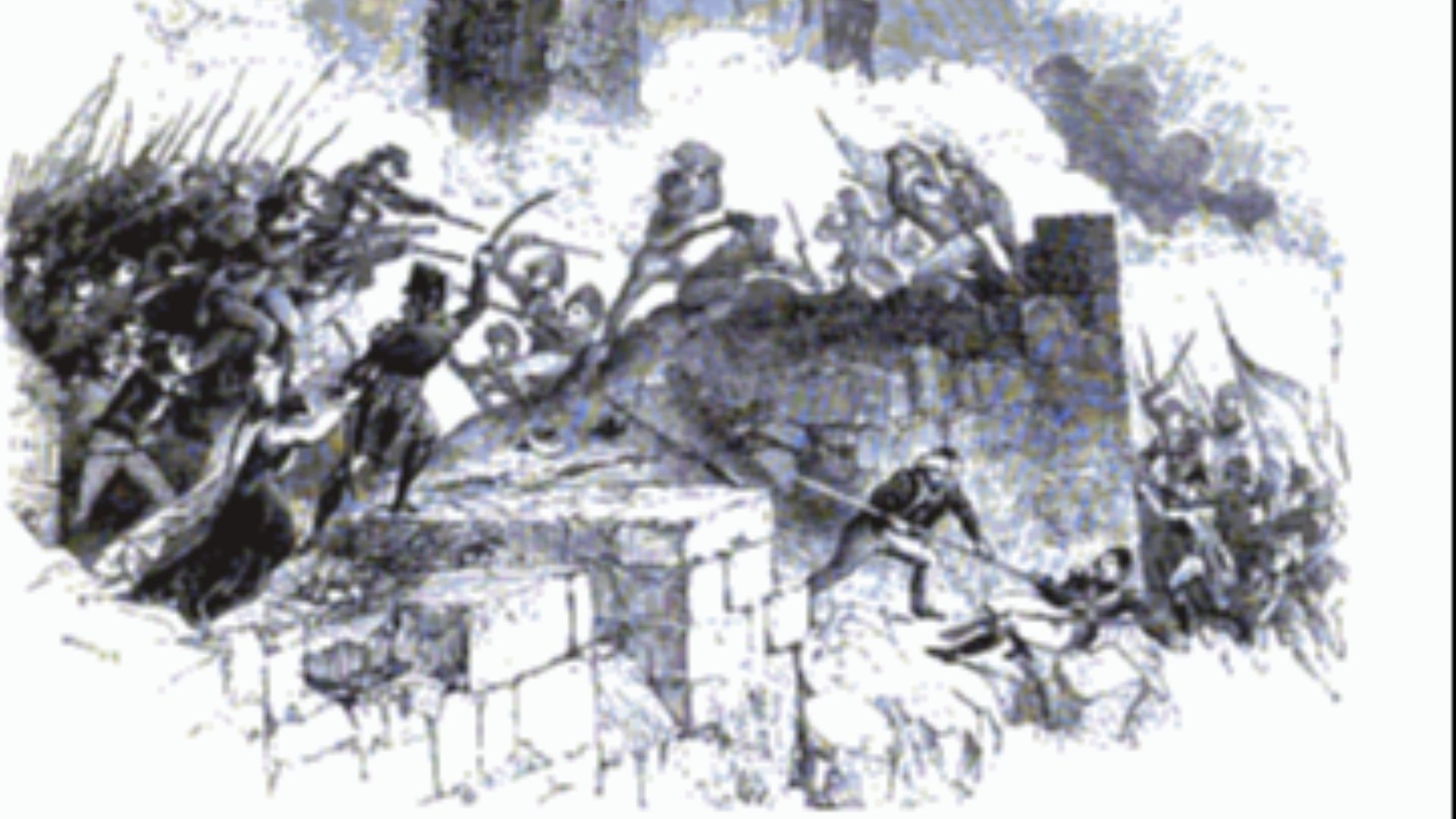
5. Siege of Acre (1189–1191)
During the Third Crusade, Acre became the focal point of a prolonged struggle between Crusader and Muslim forces. The siege lasted nearly two years and involved multiple armies and reinforcements. It ended with the Crusaders taking the city after sustained pressure.
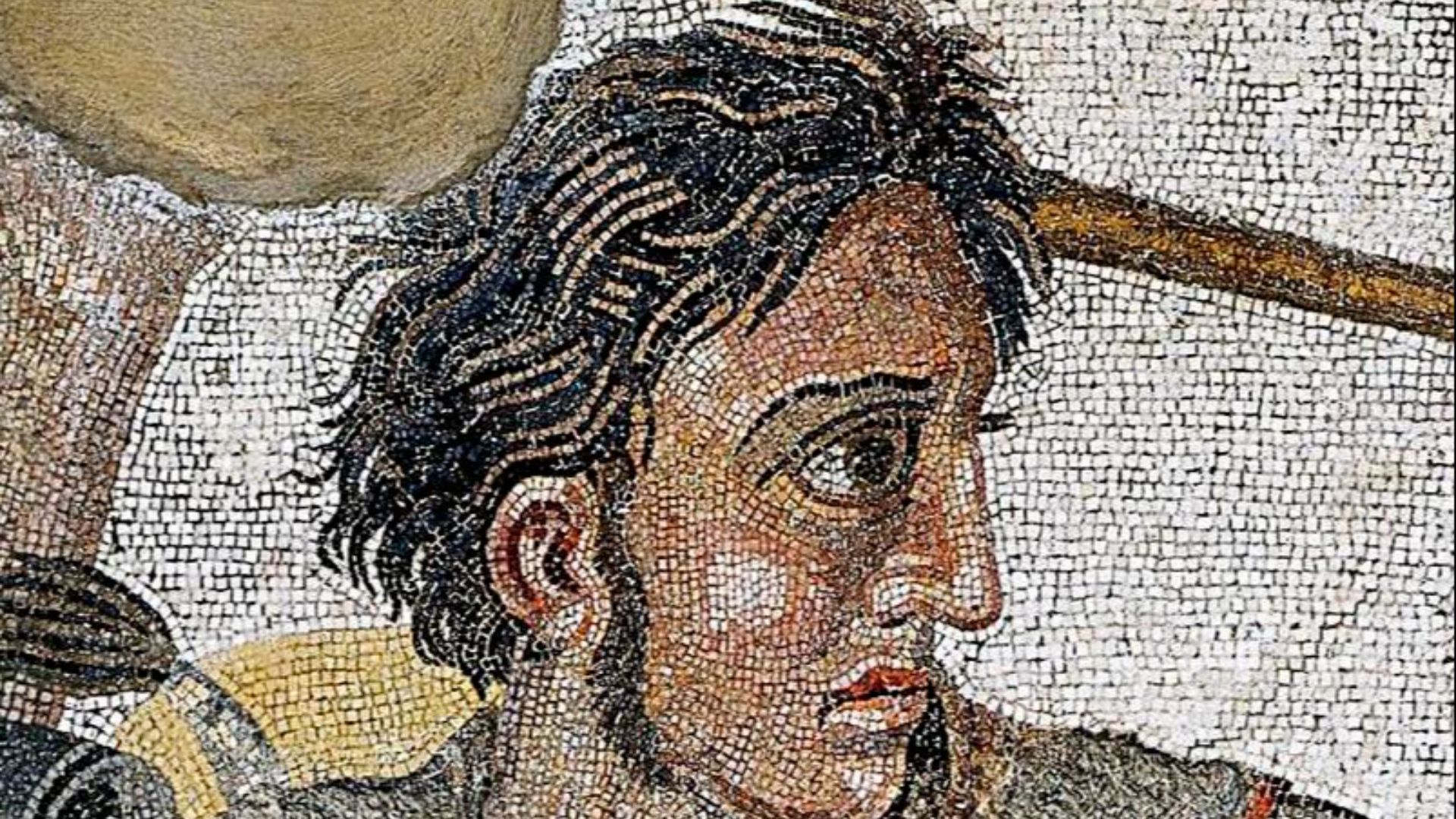
6. Siege of Tyre (332 BCE)
Alexander the Great’s siege of Tyre lasted about seven months, which was unusually long for his campaigns. The island city’s strong defenses forced him to build a causeway to reach it. Eventually, his persistence paid off, and the city was captured.
 Unknown authorUnknown author on Wikimedia
7. Siege of Leningrad (1941–1944)
One of the longest and deadliest sieges in modern history, Leningrad endured nearly 900 days during World War II. German and Finnish forces surrounded the city, causing severe starvation and hardship. Despite immense suffering, the Soviet Union managed to hold the city until the siege was lifted.
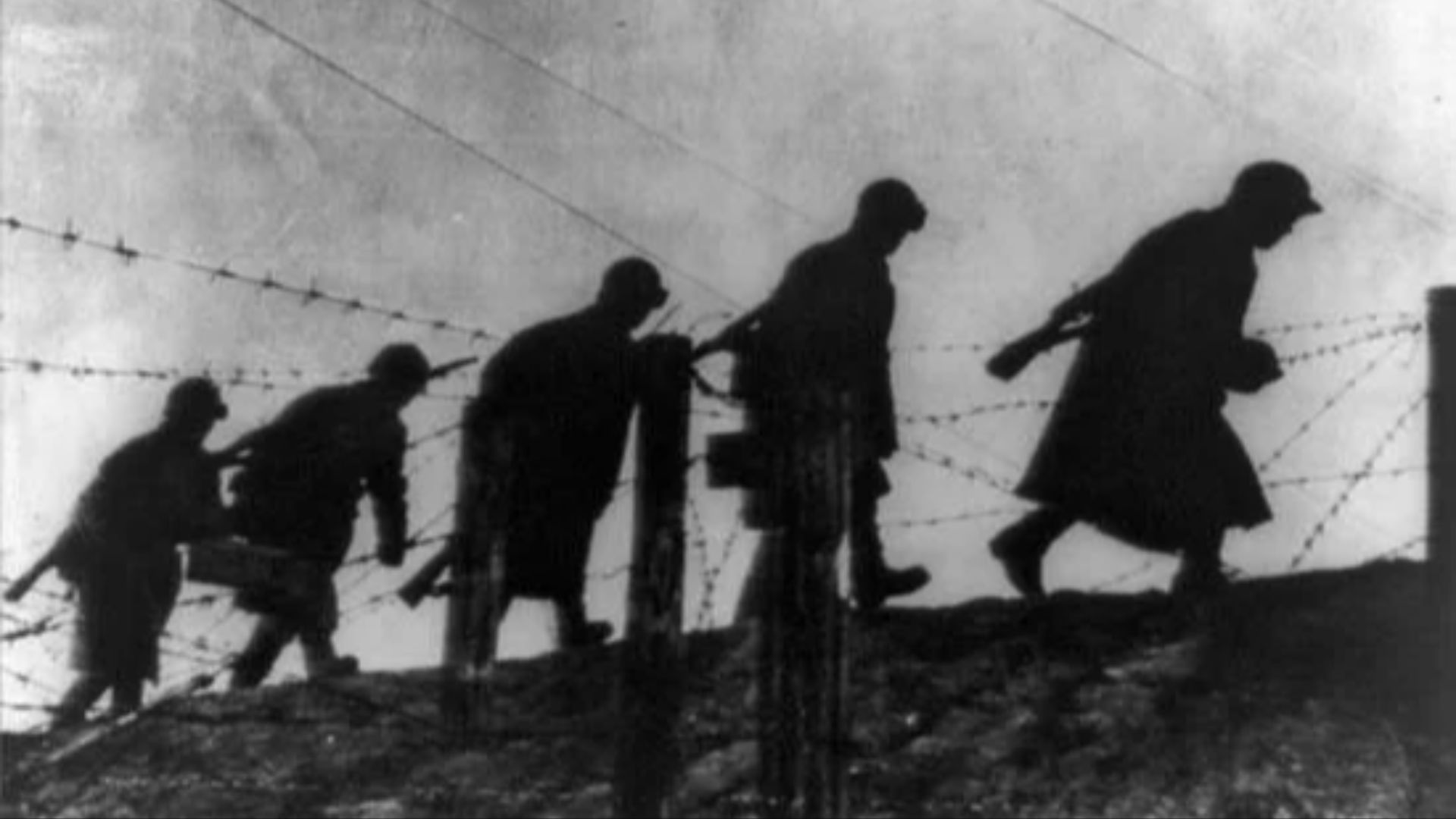 Unknown authorUnknown author on Wikimedia
8. Siege of Malta (1565)
The Great Siege of Malta lasted about four months, but its intensity and significance made it notable. Ottoman forces attempted to capture the island from the Knights Hospitaller. The defenders held out against overwhelming odds, and the Ottomans eventually withdrew.
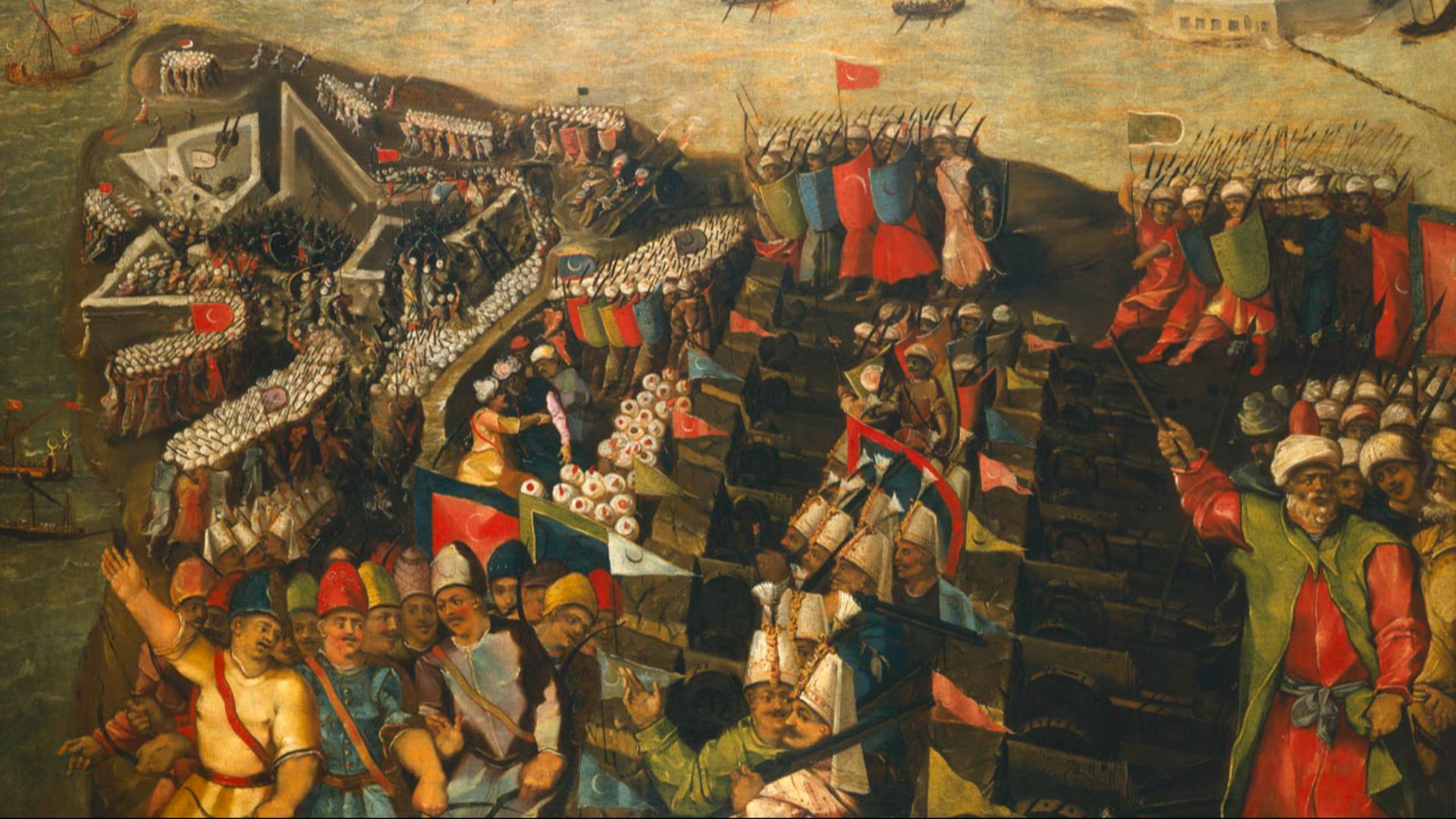 Matteo Perez d'Aleccio on Wikimedia
9. Siege of Paris (1870–1871)
During the Franco-Prussian War, Paris was surrounded for over four months. The city faced food shortages and declining morale as the siege dragged on. It ultimately surrendered after continued bombardment and lack of relief.
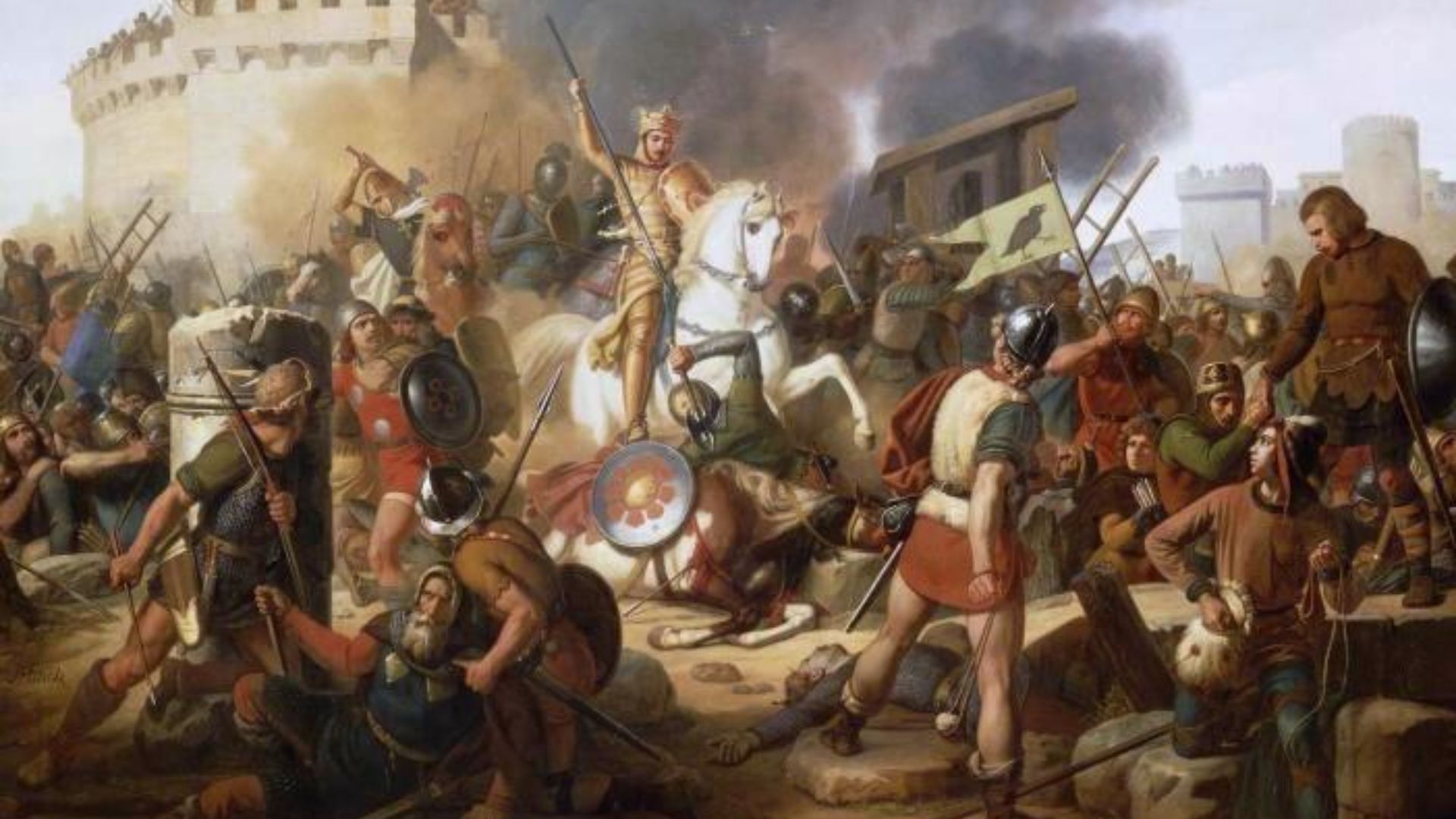 Jean Victor Schnetz on Wikimedia
10. Siege of Sarajevo (1992–1996)
This modern siege lasted nearly four years during the Bosnian War. Sarajevo was encircled by Bosnian Serb forces, leading to constant shelling and sniper fire. It became the longest siege of a capital city in modern warfare.
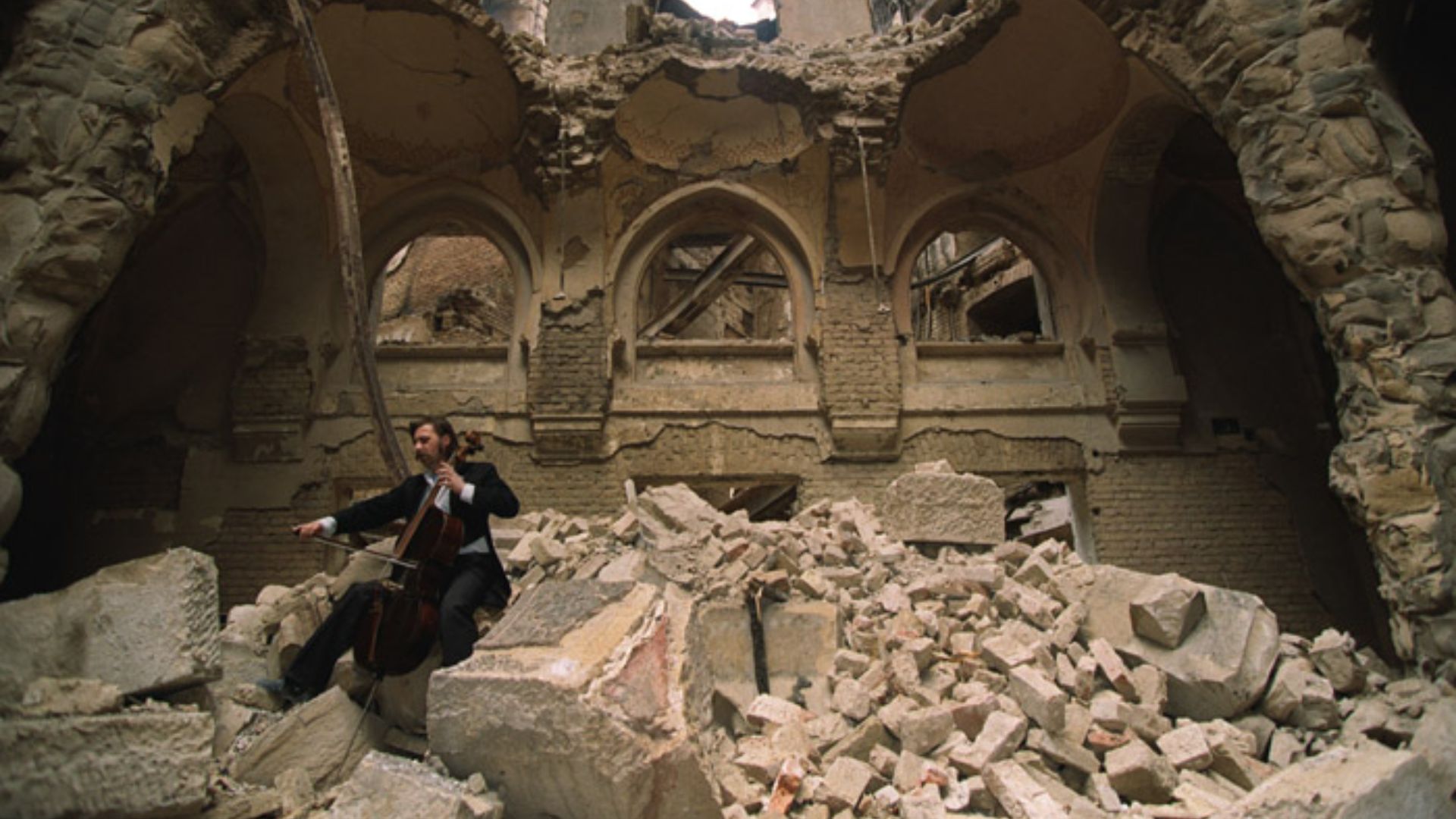 Mikhail Evstafiev on Wikimedia
1. Fall of Singapore (1942)
British forces in Singapore surrendered to Japan after just about a week of fighting. Despite strong defenses, poor coordination, and rapid Japanese advances led to the collapse. It remains one of Britain’s most significant military defeats.
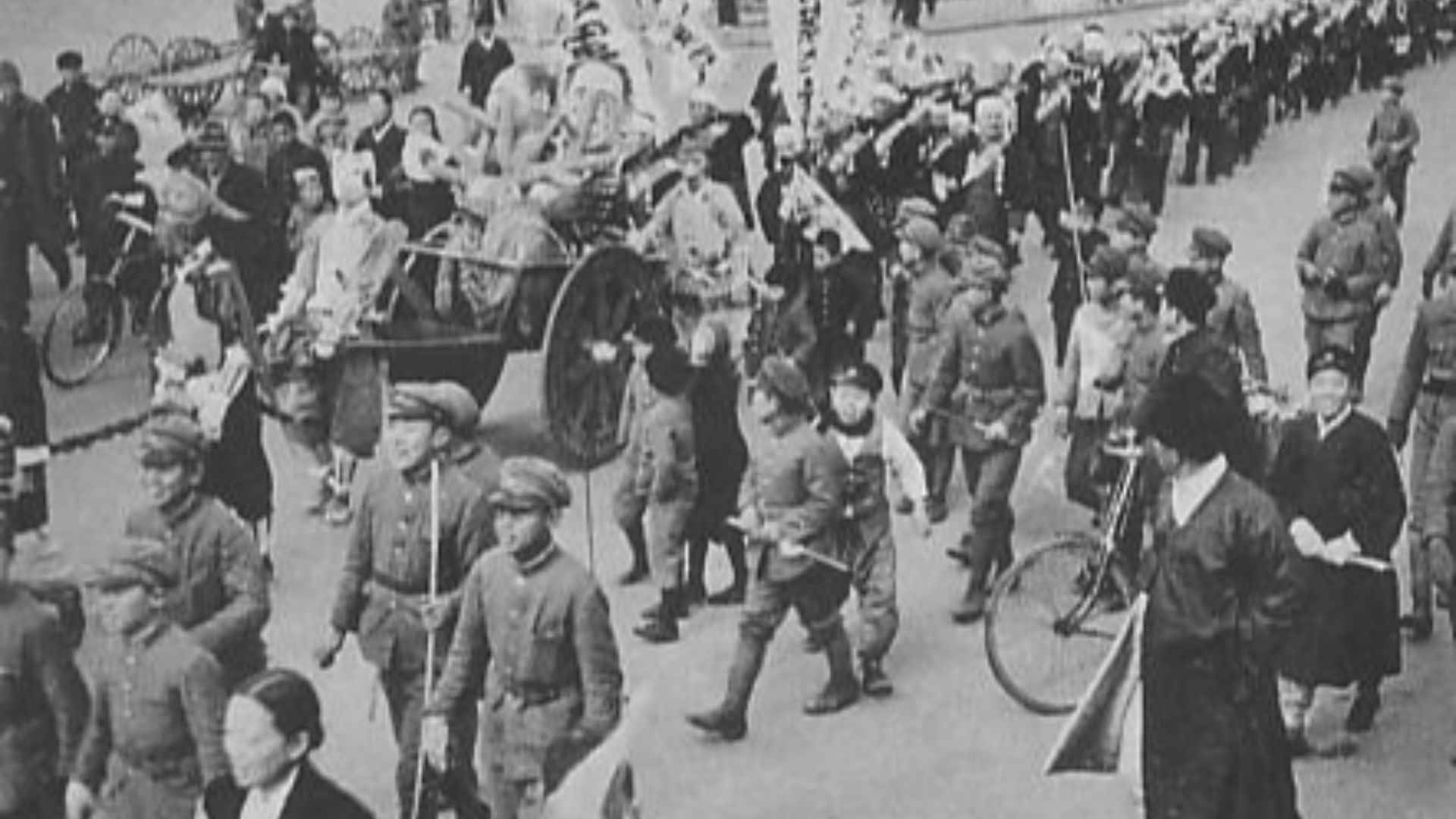 Unknown authorUnknown author on Wikimedia
2. Battle of France (1940)
France surrendered to Nazi Germany in roughly six weeks during World War II. German forces used blitzkrieg tactics to bypass defenses and advance. The rapid collapse shocked much of the world.
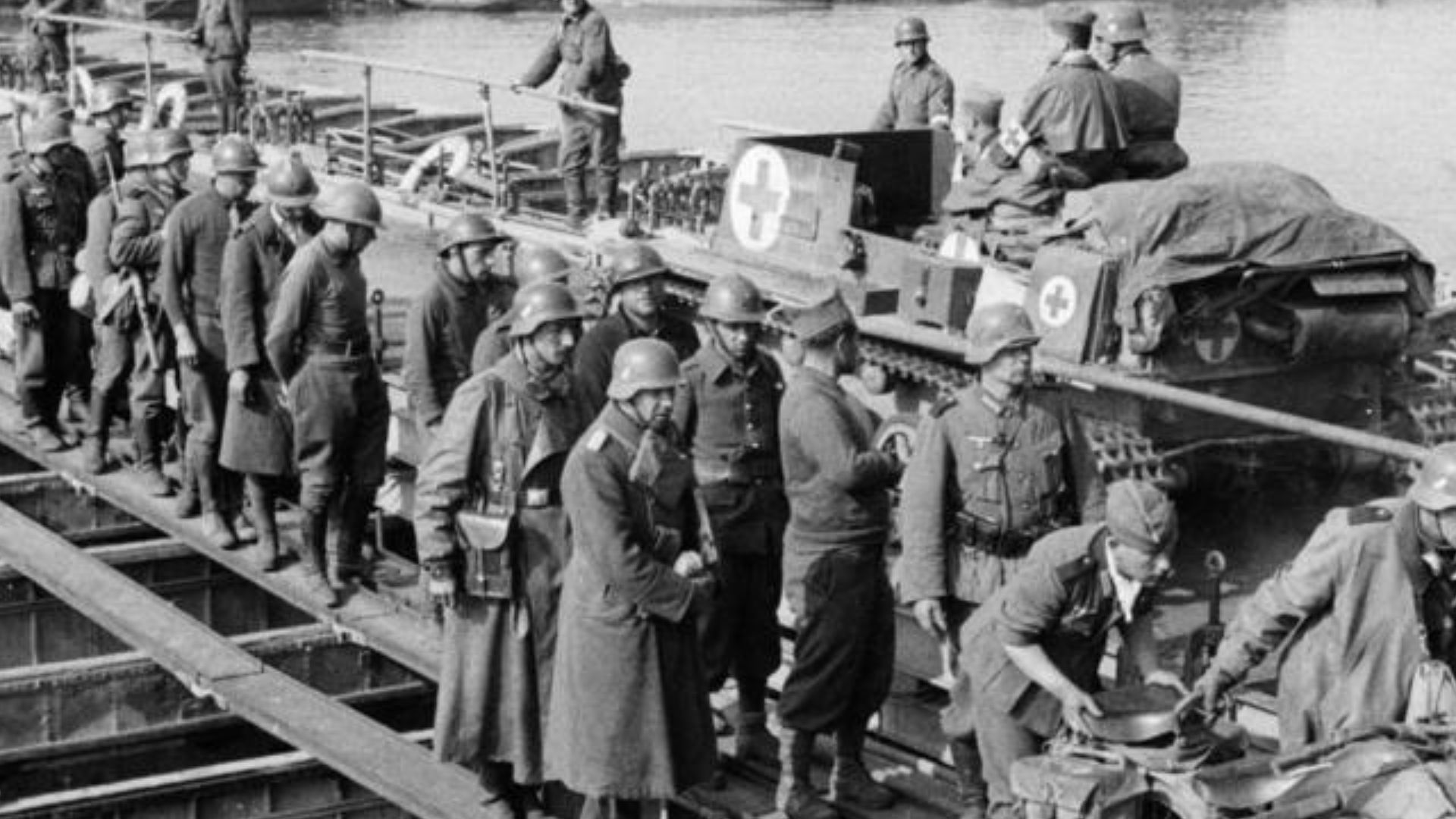 Unknown authorUnknown author on Wikimedia
3. Annexation of Austria (1938)
Known as the Anschluss, Austria was absorbed into Nazi Germany without military resistance. The process occurred quickly, with political pressure and internal support playing key roles. It demonstrated how surrender doesn’t always require combat.
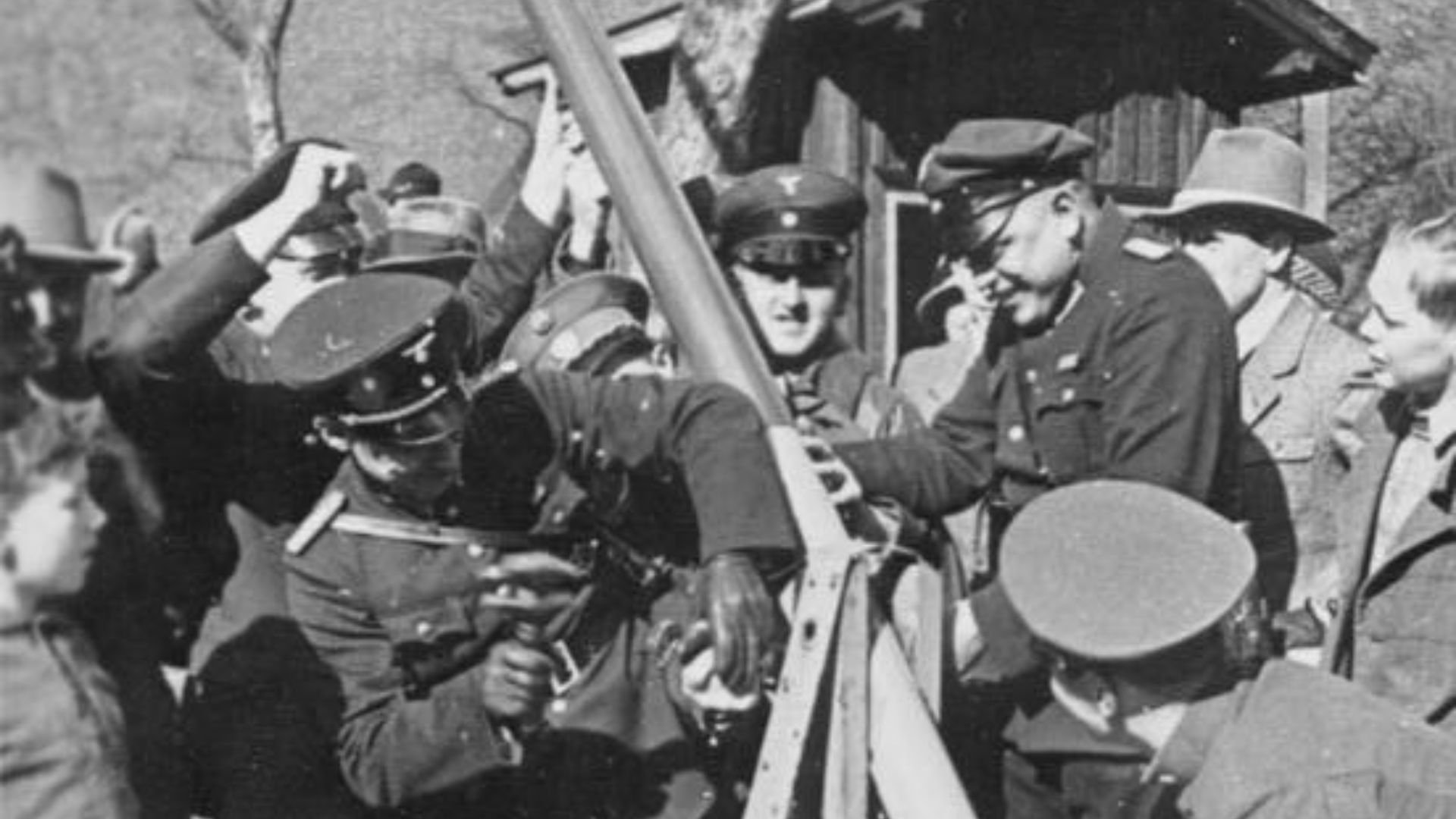
4. Fall of Kabul (2021)
The Afghan government collapsed in a matter of days as Taliban forces advanced. Many regions surrendered without prolonged fighting, including the capital. The speed of the takeover surprised international observers.

5. Surrender of Denmark (1940)
Denmark capitulated to German forces within hours of invasion during World War II. The Danish government chose to surrender to avoid civilian casualties. This made it one of the shortest military campaigns in modern history.
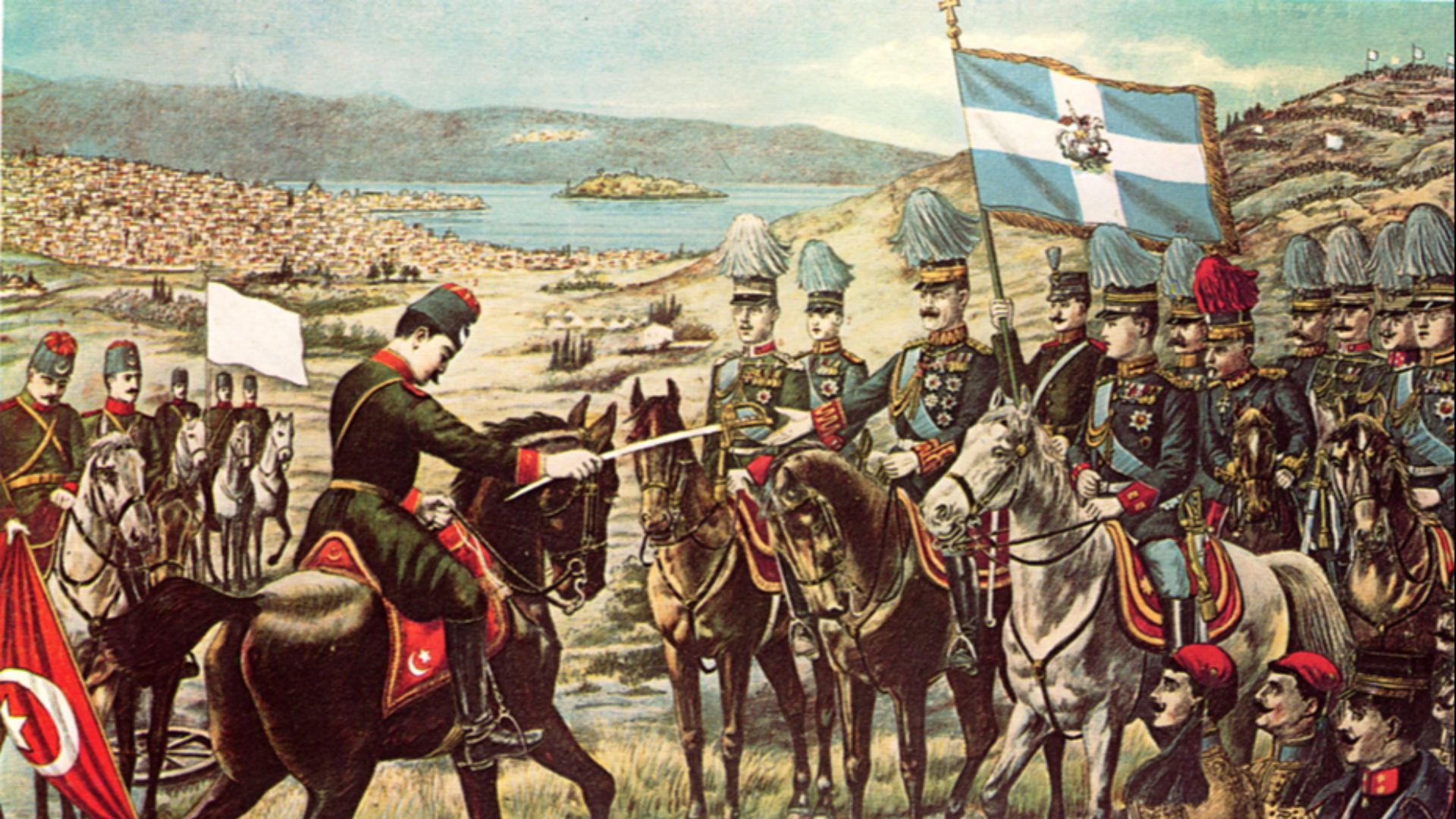 Sotiris Christidis on Wikimedia
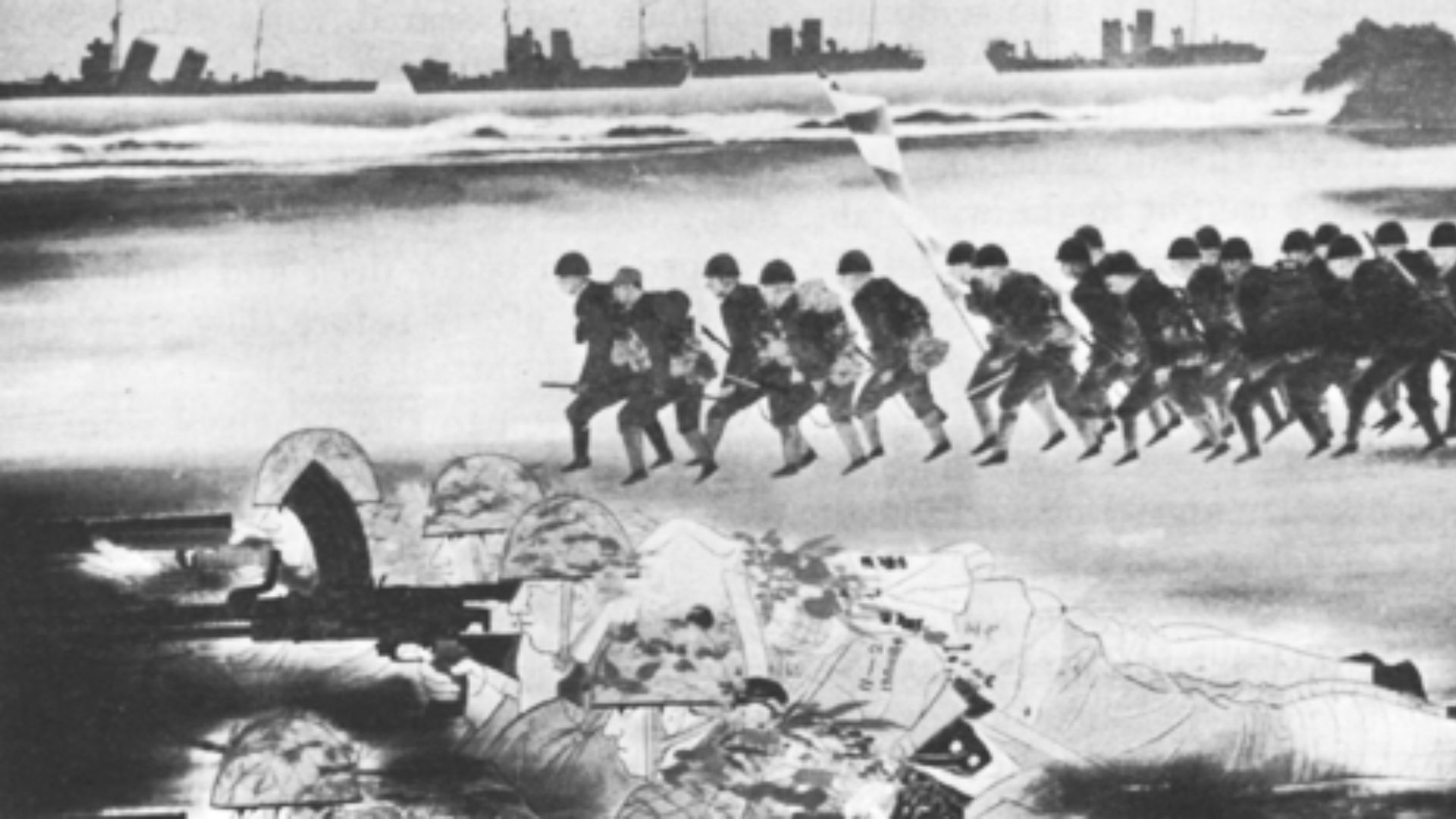
6. Battle of Guam (1941)
During World War II, U.S. forces on Guam surrendered to Japan after two days of fighting. The island had limited defenses and reinforcements. Its quick fall reflected strategic vulnerabilities in the Pacific.
 File Upload Bot (Magnus Manske) on Wikimedia
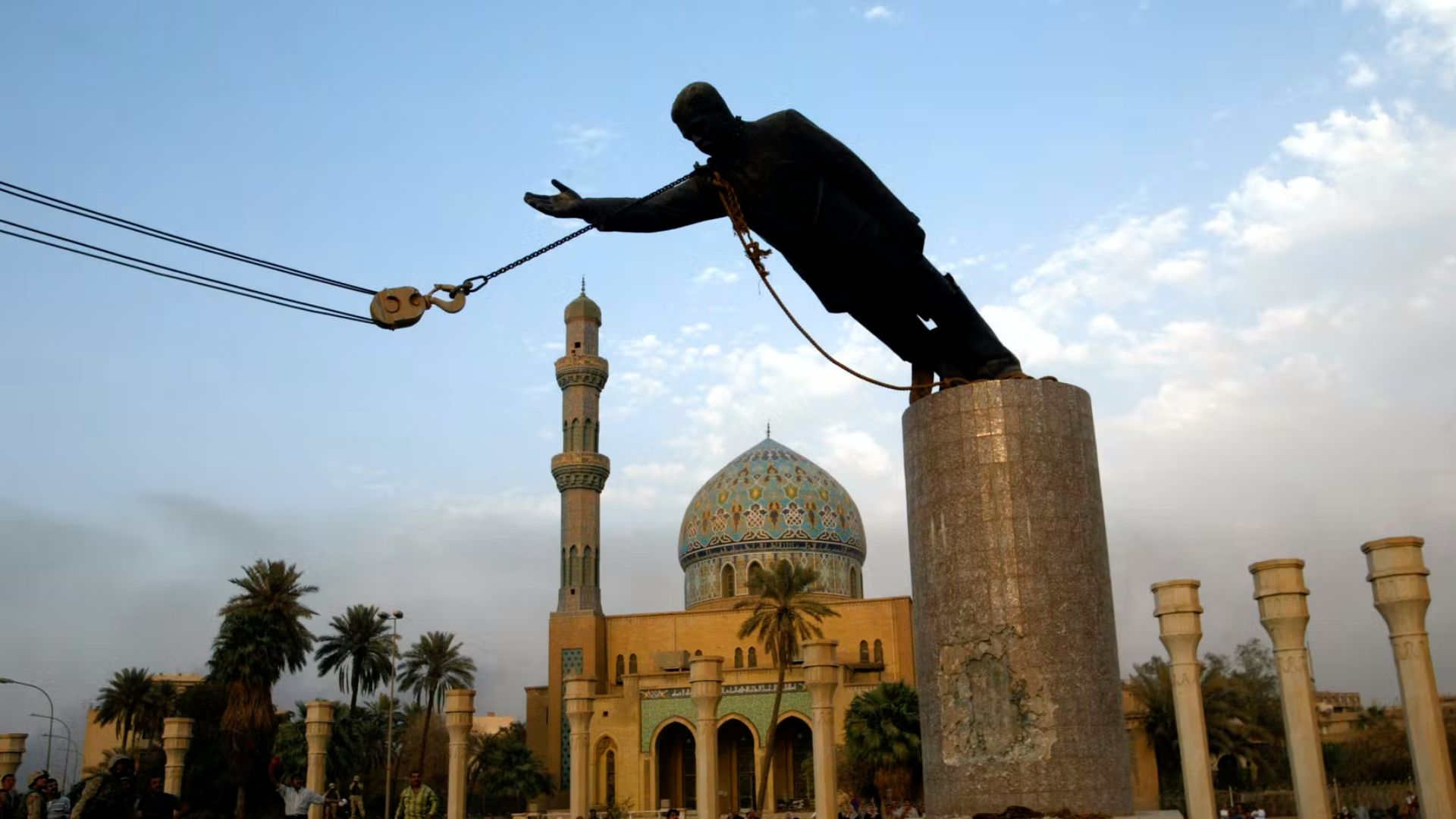
7. Fall of Baghdad (2003)
Coalition forces captured Baghdad in about three weeks during the Iraq War. Iraqi resistance collapsed quickly in the capital once key positions were taken. The rapid fall marked the end of Saddam Hussein’s government.
 Unknown U.S. military or Department of Defense employee on Wikimedia
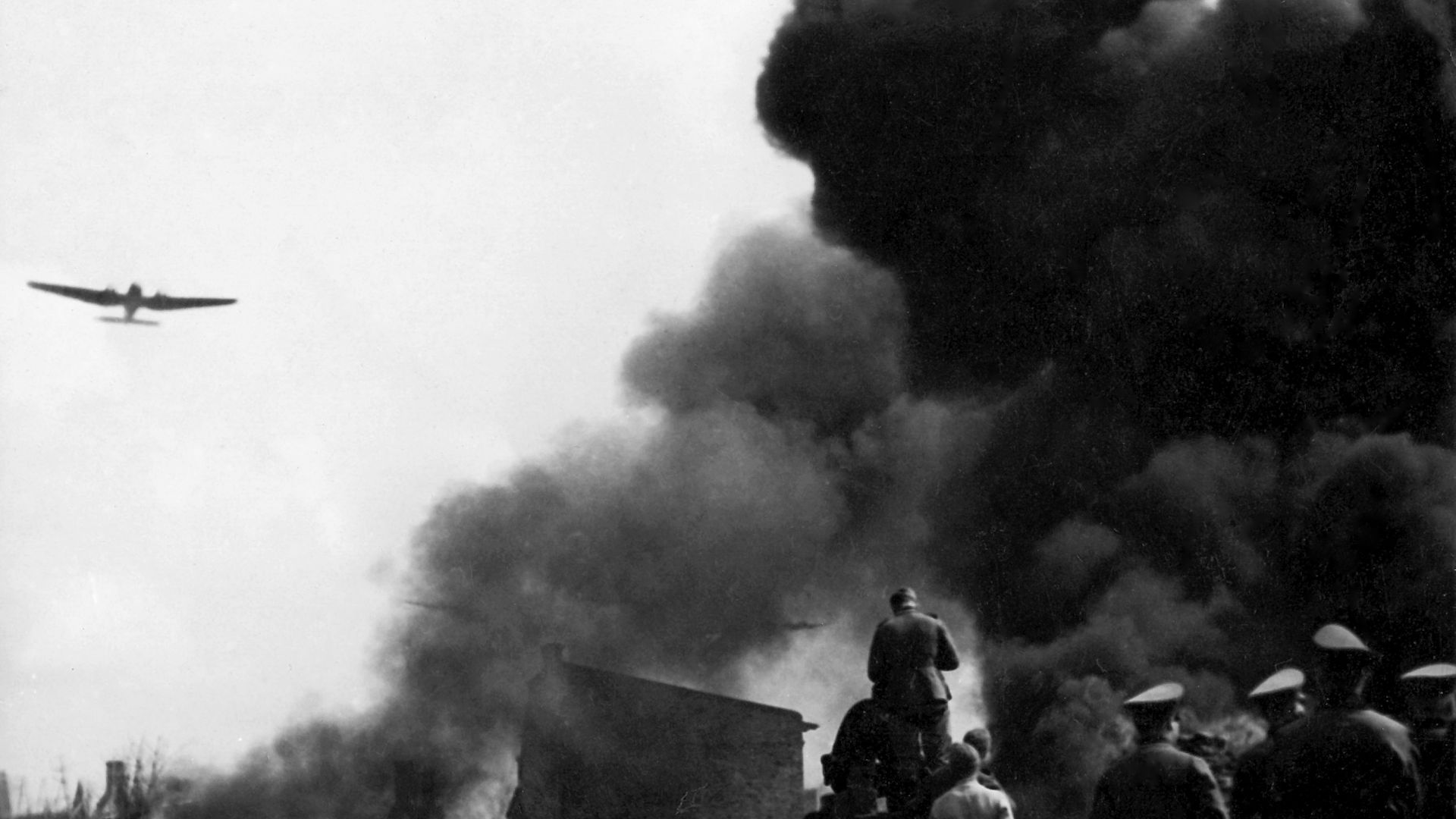
8. Fall of Warsaw (1939)
While Poland resisted strongly overall, Warsaw surrendered after less than a month of siege and bombardment. German forces used air and artillery attacks to weaken defenses.
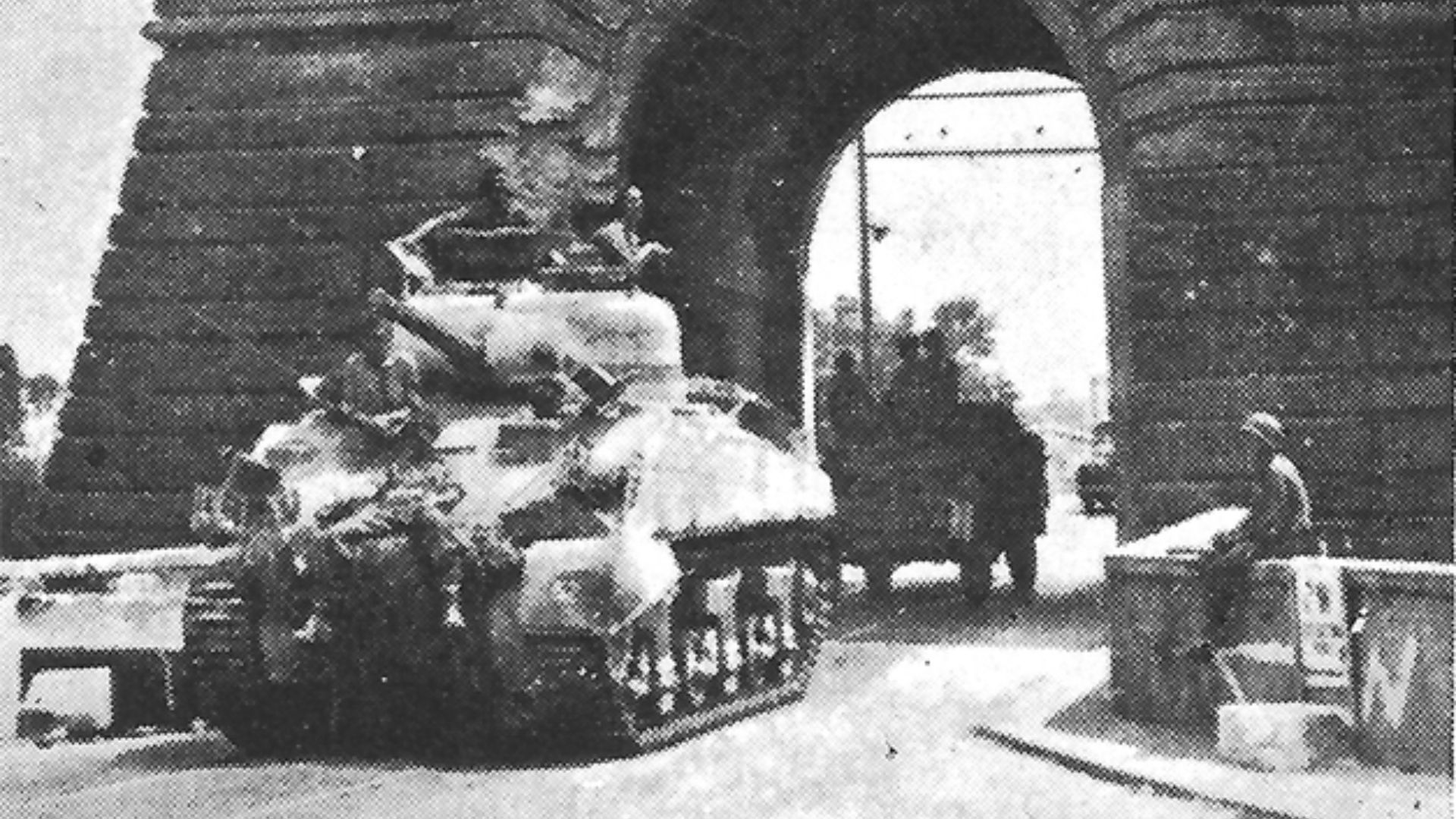
9. Capture of Rome (1944)
Rome was declared an open city and taken by Allied forces with limited resistance. German troops withdrew rather than defend it fully. This led to a relatively quick transition of control.
 Photographer not recorded; credited to South African Bureau of Information on Wikimedia
10. Fall of Phnom Penh (1975)
Cambodian government forces surrendered to the Khmer Rouge after years of civil war. The final takeover occurred quickly once the capital was surrounded. It marked a sudden and dramatic shift in power.
 United States Air Force photo 110346 on Wikimedia
KEEP ON READING