Not Myth at All
When people hear the phrase ancient superweapon, they tend to picture something half-mythical. But the ancient world had real weapons that must have felt almost unbelievable to the people facing them, because they combined force, ingenuity, and terror in ways that could change a battle fast. Some were frightening because of their size, some because of chemistry, and some because they gave one side an advantage the other could not answer in time. Ancient armies did not have missiles or drones, obviously, but they still built weapons that made enemies feel as though the rules of war had suddenly changed. Here are twenty ancient superweapons that were very real, very destructive, and stranger than most people realize.
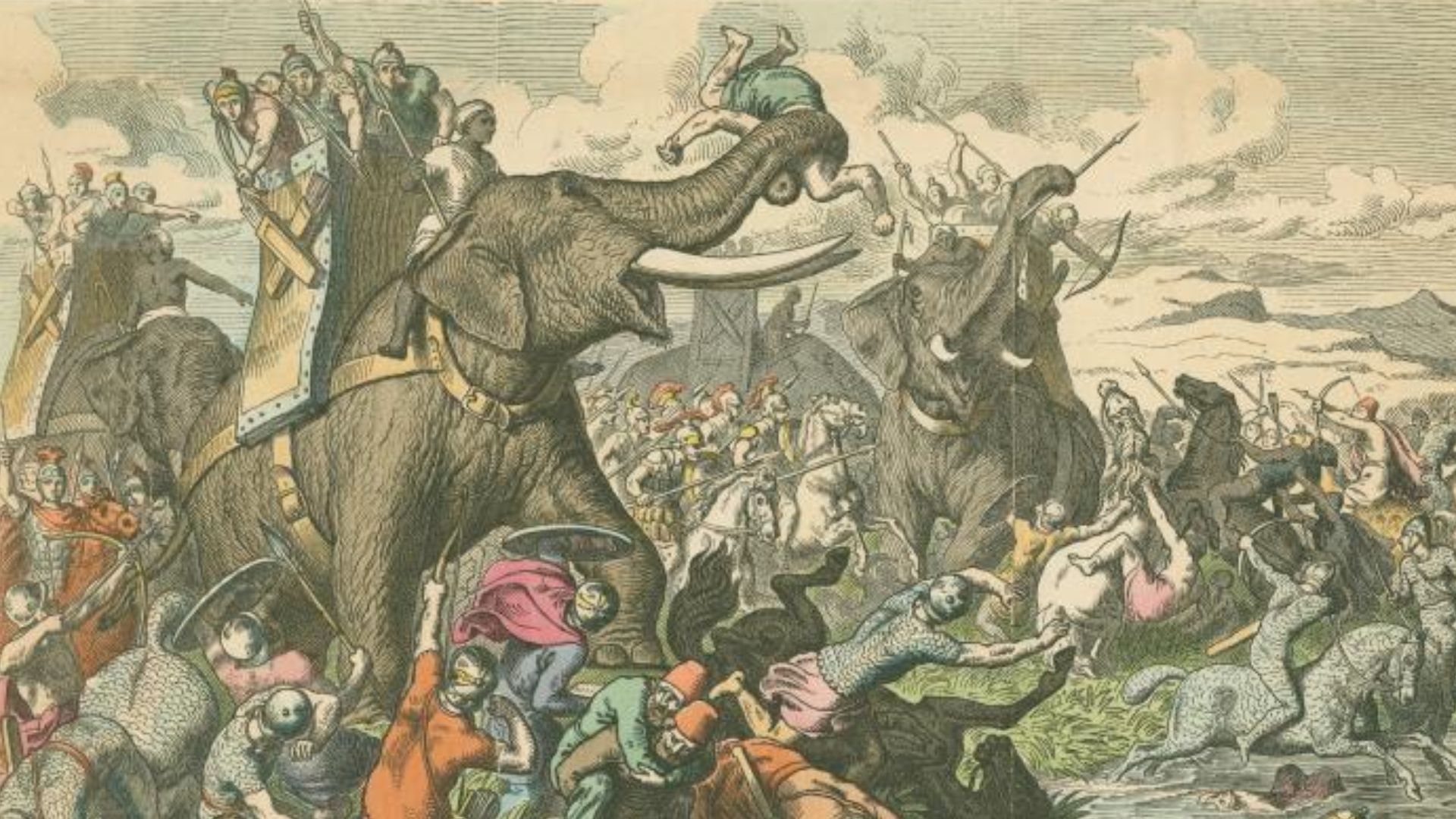 Leutemann, H. (Heinrich), 1824-1905 -- Artist on Wikimedia
1. Greek Fire
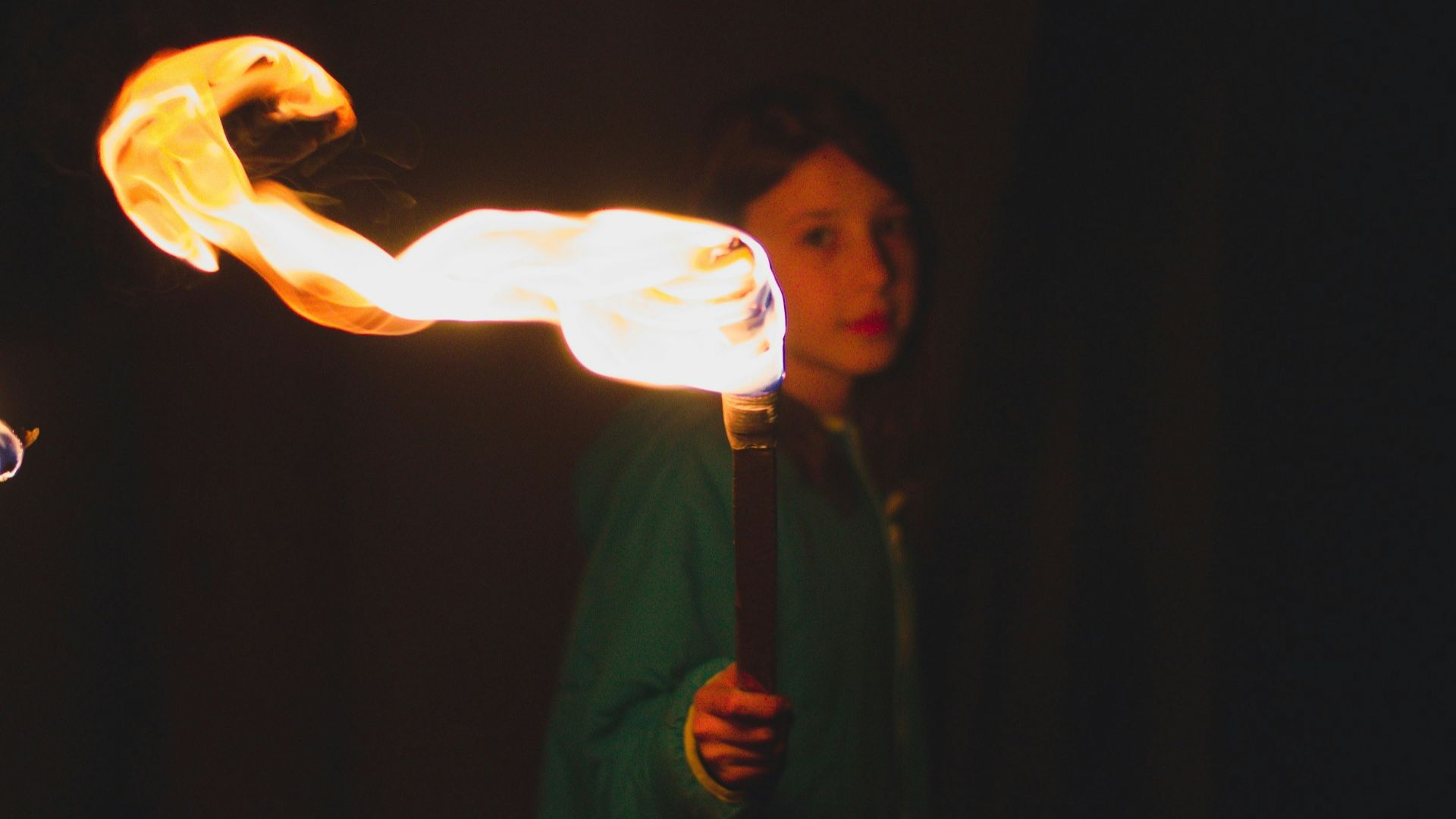
Greek fire had the kind of reputation that makes a weapon sound invented after the fact, but the Byzantine Empire used it to devastating effect, especially at sea. It could keep burning on water, which meant an enemy ship was not just under attack, but suddenly trapped inside a floating nightmare where the usual instincts, like jumping overboard, did not solve the problem.
2. Assyrian Siege Towers
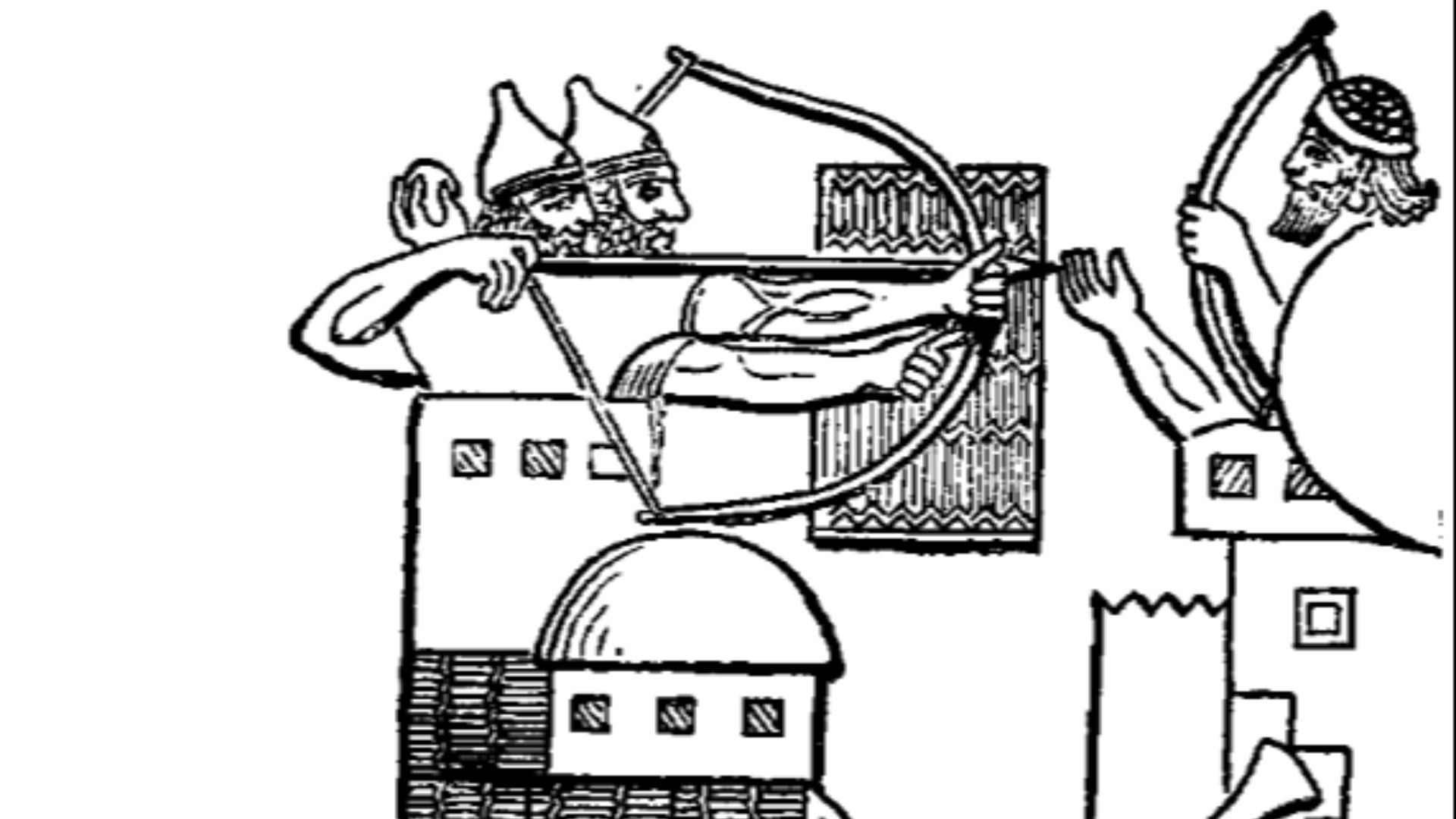
The Assyrians did not just batter walls and hope for the best; they rolled entire towers toward enemy cities like moving chunks of architecture. These machines let archers fire from height while troops pressed directly against fortifications, and for defenders watching them approach, they must have felt less like equipment and more like the future arriving early.
 no idea - see source on Wikimedia
3. The Scythed Chariot
A chariot is one thing, but a chariot fitted with blades jutting from the wheels is a different psychological category altogether. Even when scythed chariots were not always tactically decisive, they were designed to tear open infantry formations, and the sight of one coming at speed was enough to make discipline wobble before contact was even made.
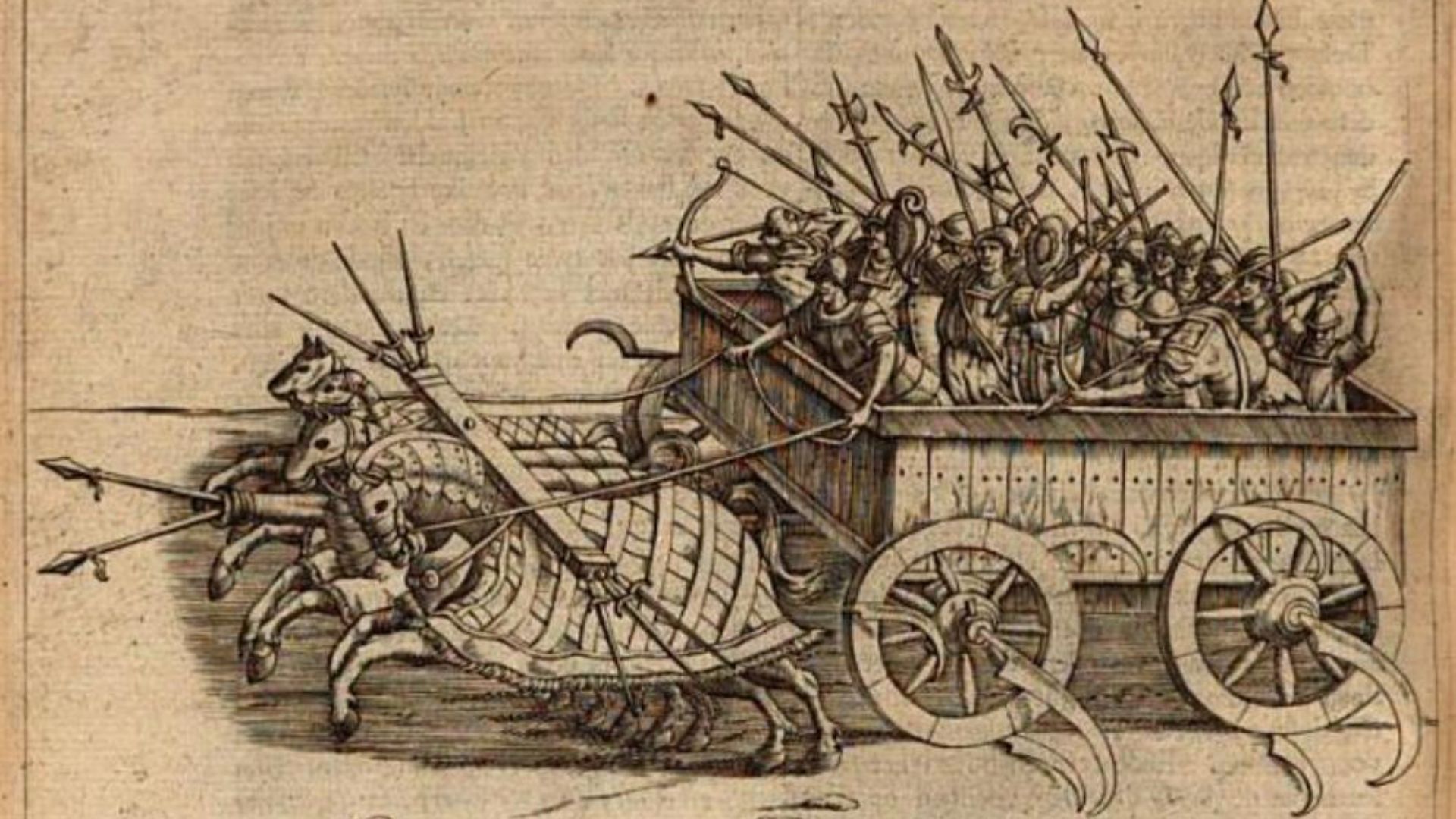 Johan van Paffenrode (1618-1673) on Wikimedia
4. The Helepolis
The Helepolis, one of the largest siege towers ever built, was basically a moving fortress stuffed with artillery. It was huge, heavily protected, and designed to dominate walls with sheer height and firepower, which is the ancient equivalent of showing up to a knife fight with a building that shoots back.
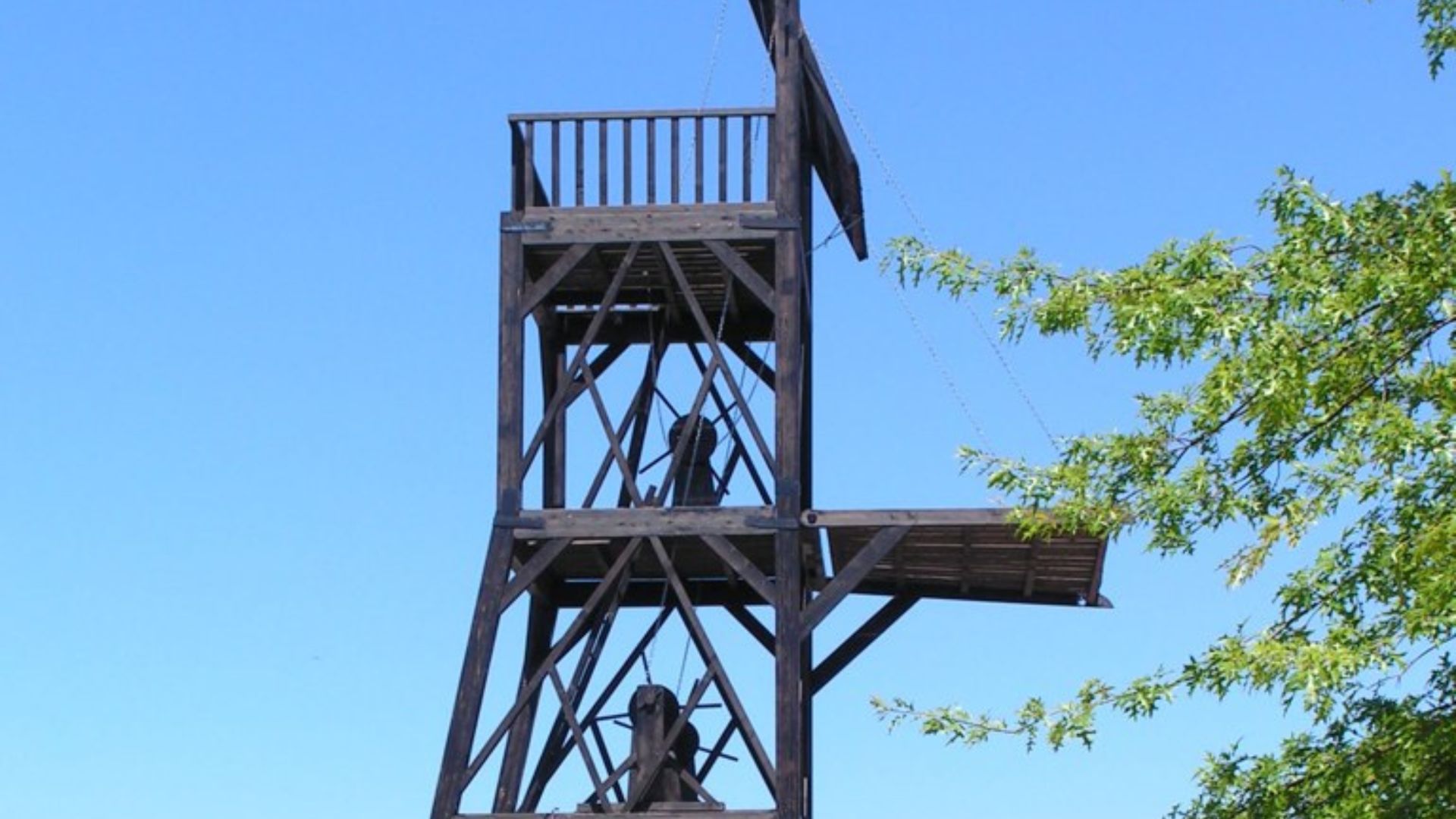 Luís Sequeira from Estoril, Portugal on Wikimedia
5. Roman Corvus
The Roman corvus turned naval combat into something Rome actually wanted: a land battle with waves underneath it. By dropping a spiked boarding bridge onto enemy ships, the Romans neutralized superior seamanship and let their infantry fight in the close, brutal style they trusted, which was a strategic cheat code disguised as a plank.
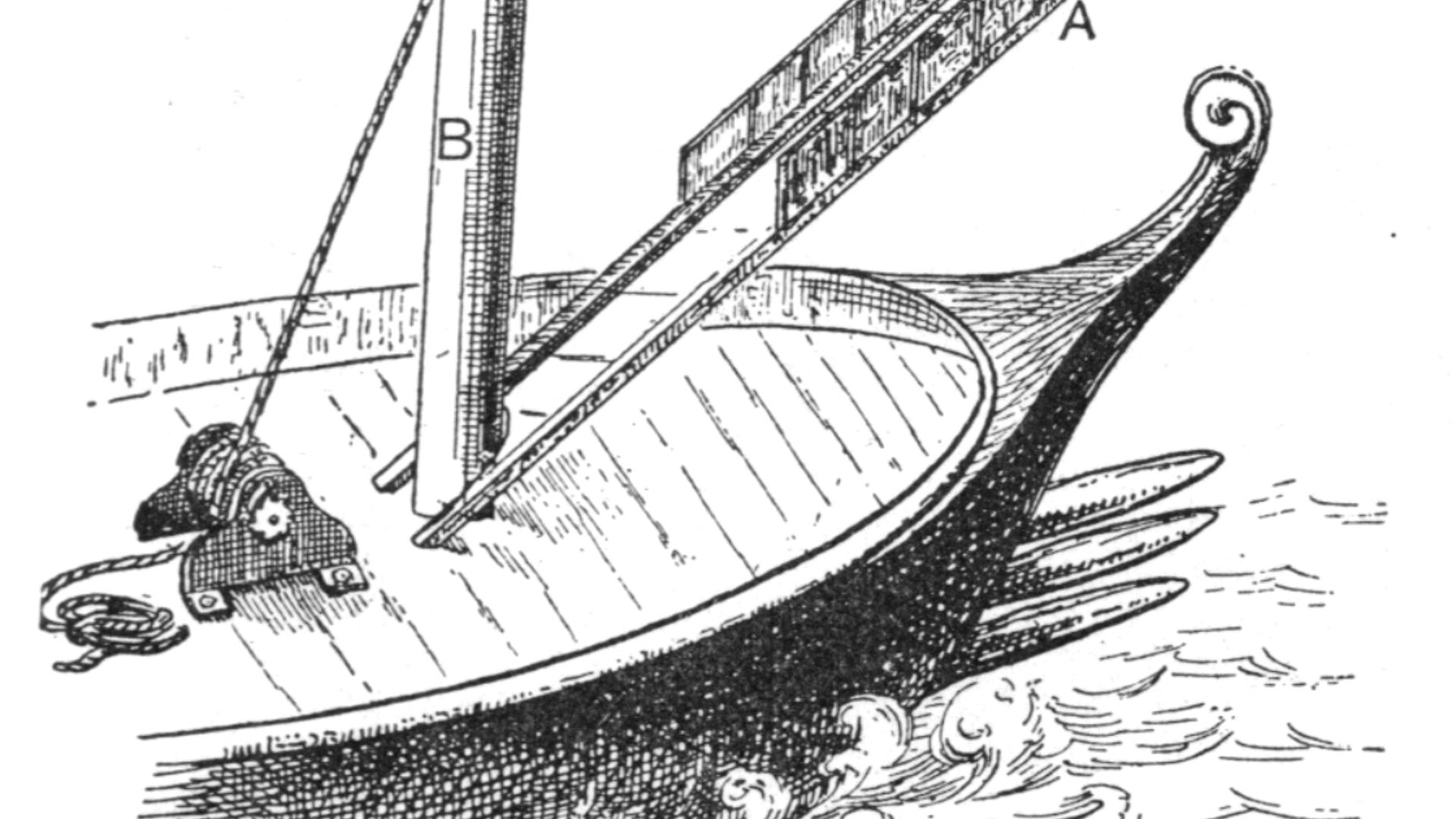 Unknown authorUnknown author on Wikimedia
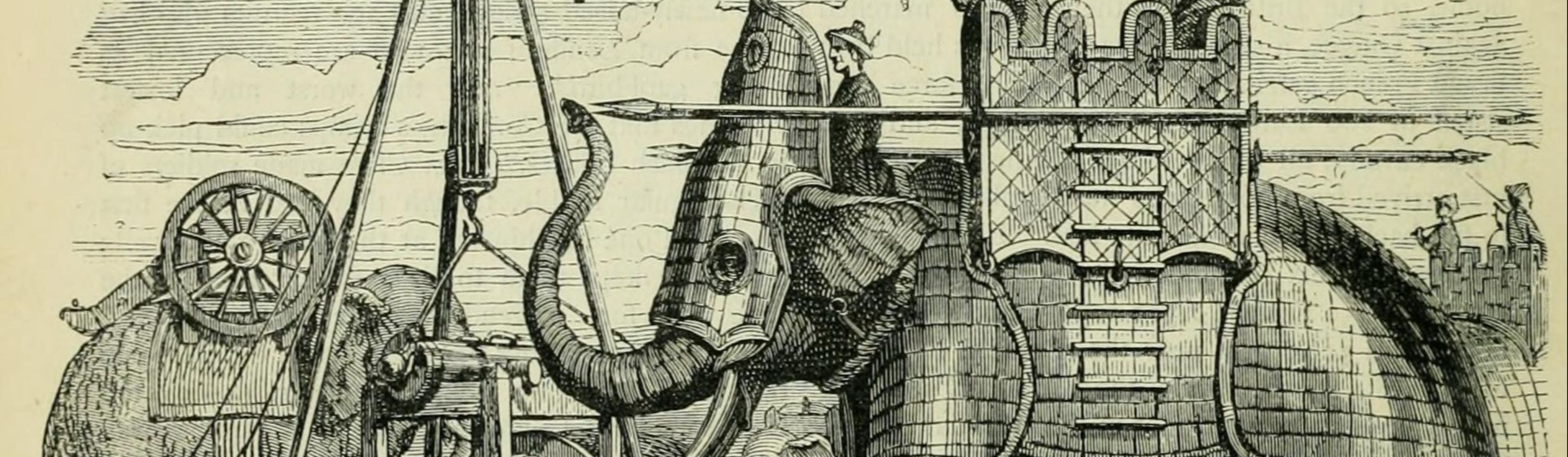
6. War Elephants
War elephants were not just big animals in armor, though that would have been enough. They were shock weapons, noise weapons, and panic weapons all at once, capable of breaking formations simply by forcing soldiers to stand their ground while several tons of muscle, tusk, and confusion crashed toward them.
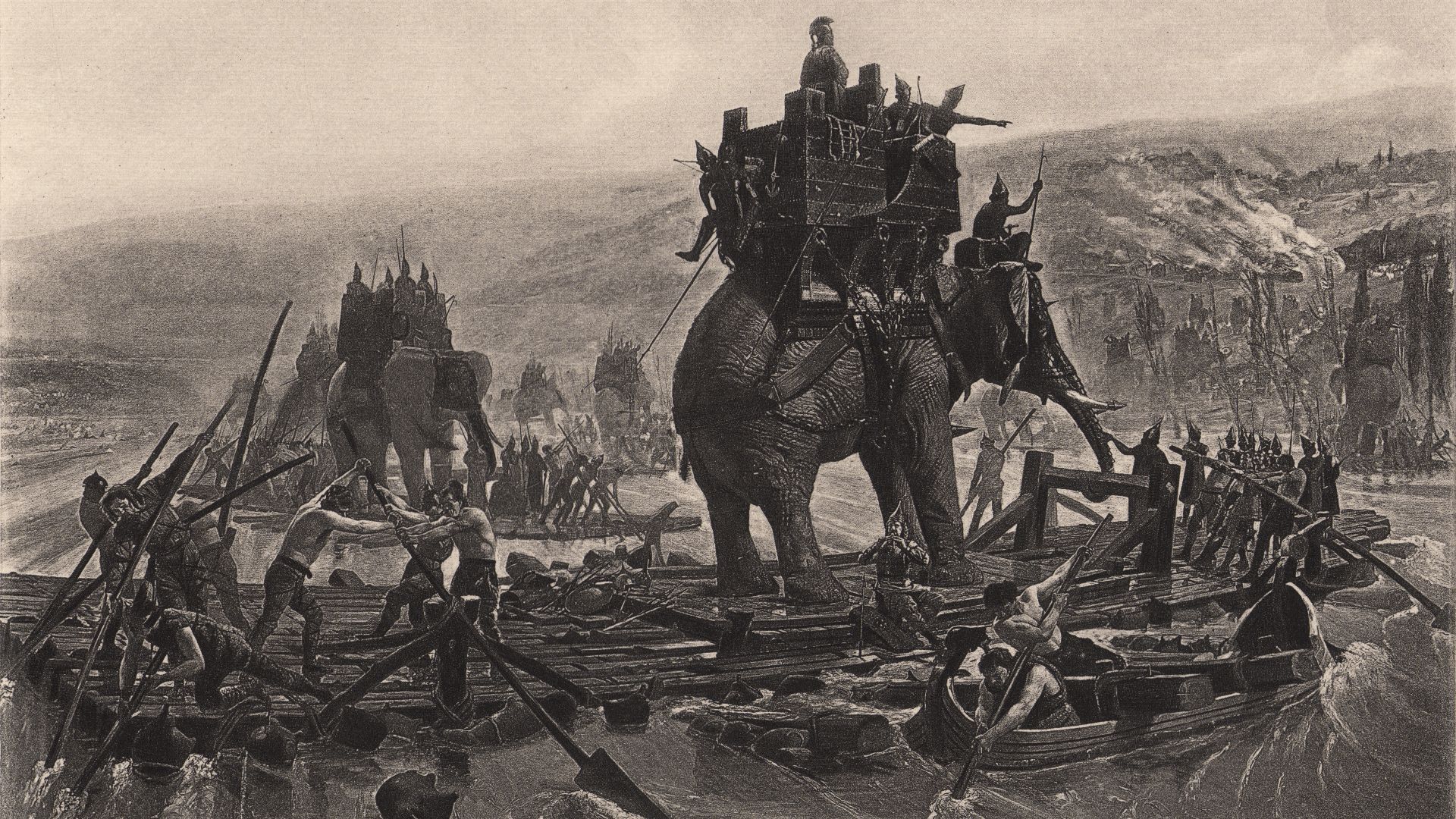
7. Repeating Crossbows
The repeating crossbow did not hit with the power of heavier siege weapons, but it made up for that with speed and rhythm. In an era when many projectile weapons still required deliberate, muscle-heavy loading, being able to fire bolt after bolt in quick succession changed the tempo of a fight in a way that opponents would have felt immediately.
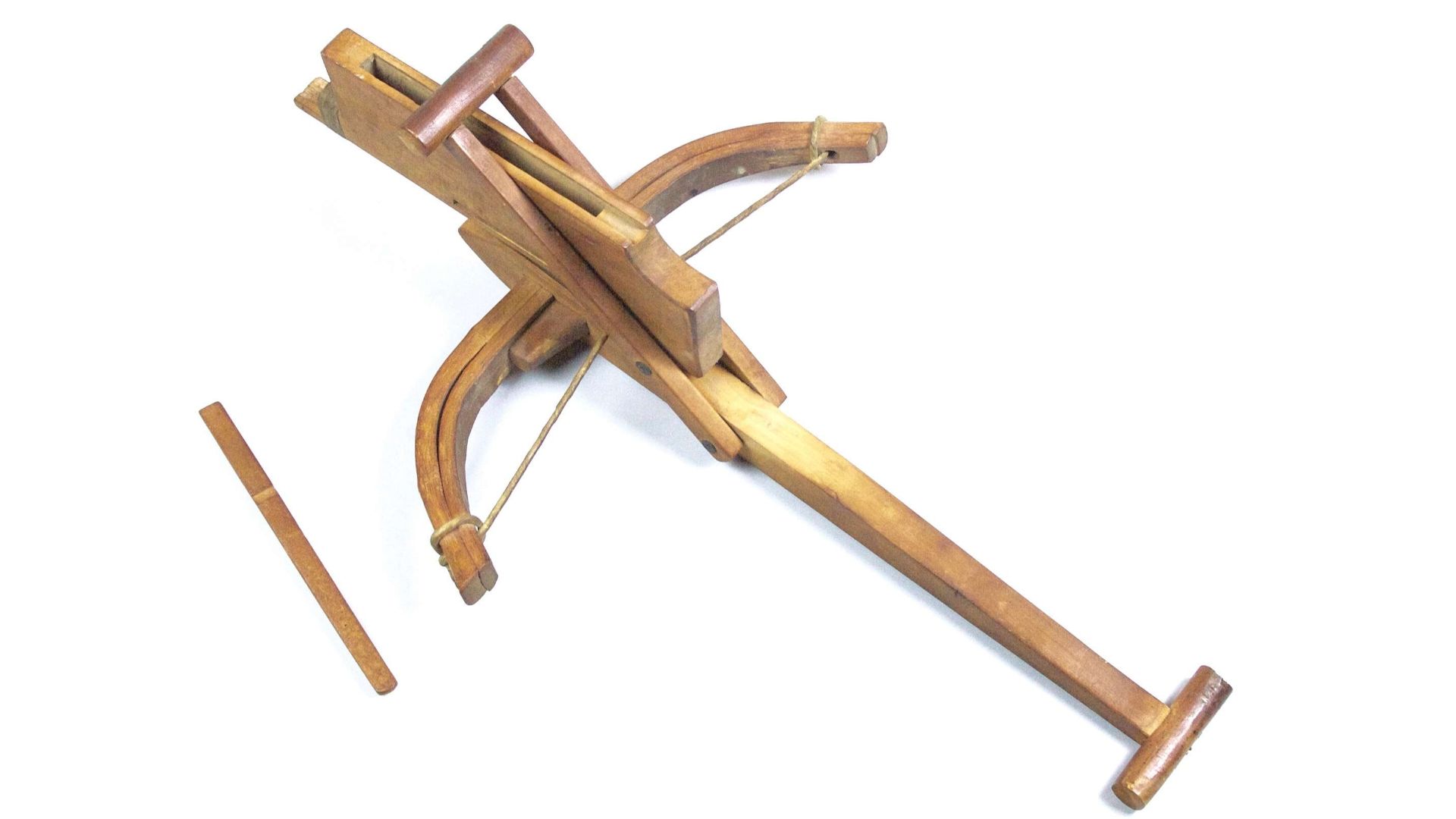
8. The Gastraphetes
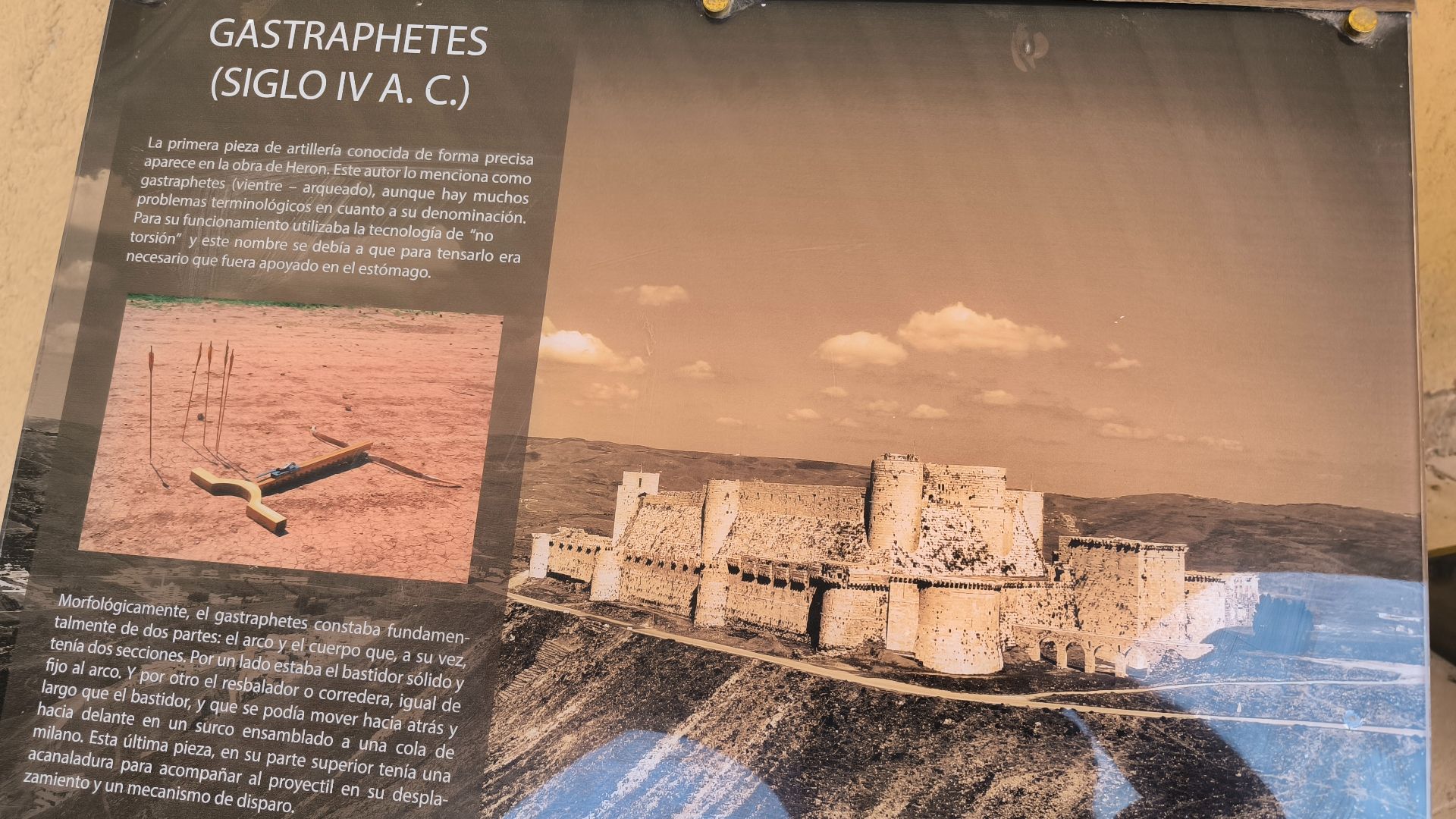
The gastraphetes, or belly-bow, looked like a cross between a giant crossbow and a machine from a lost workshop. It let users generate more force than a hand-drawn bow could manage, which made it one of those important in-between inventions that quietly moved warfare toward true mechanical artillery.
9. Archimedes’ Claw
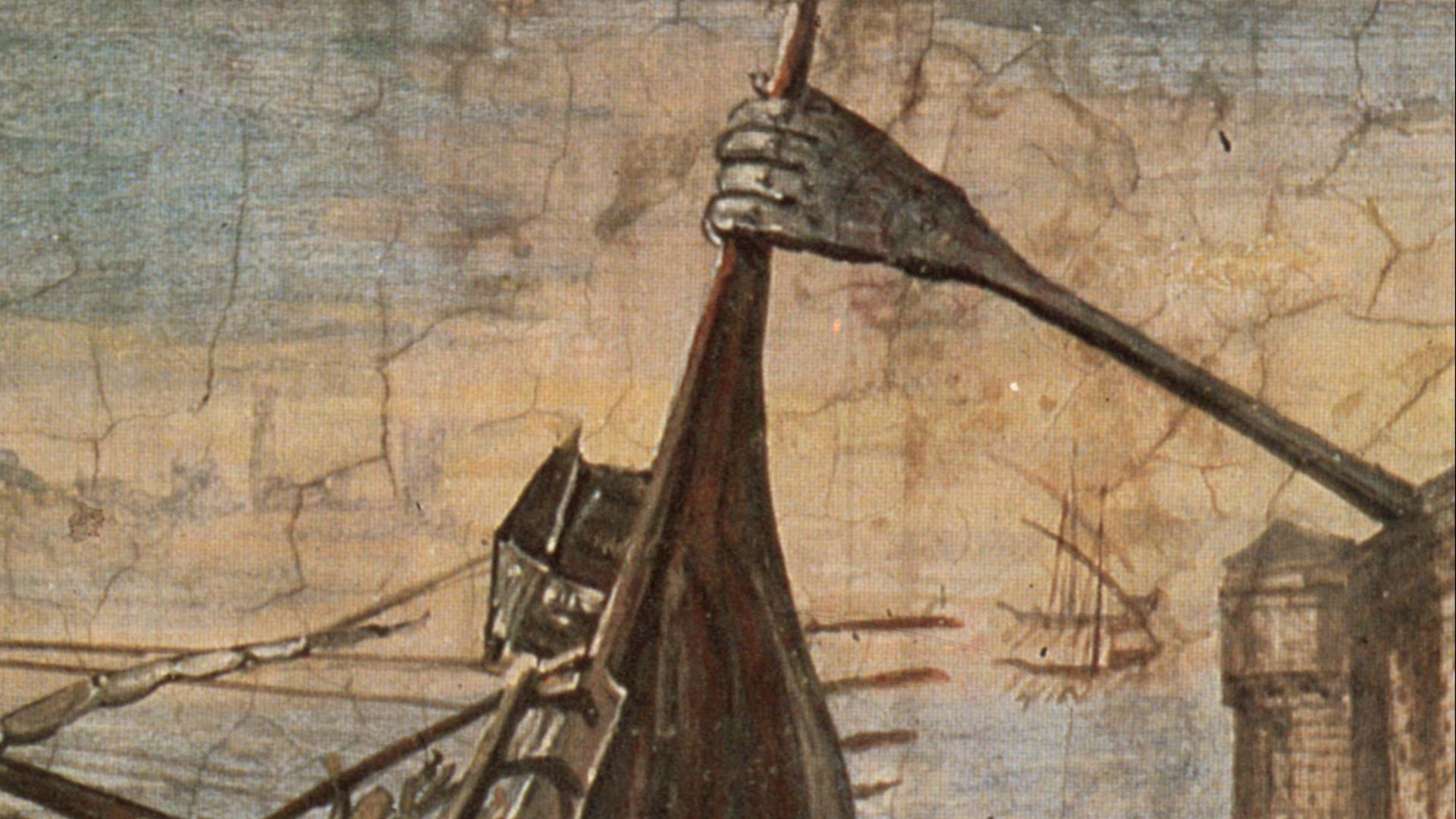
Whether every later story about it is perfectly accurate or not, the device attributed to Archimedes was meant to grapple attacking ships and throw them into chaos near the walls of Syracuse. Even the possibility of a hidden machine that could suddenly lift, tip, or wreck a vessel would have made a harbor assault feel cursed in exactly the way great defensive weapons are supposed to.
10. Incendiary Pots
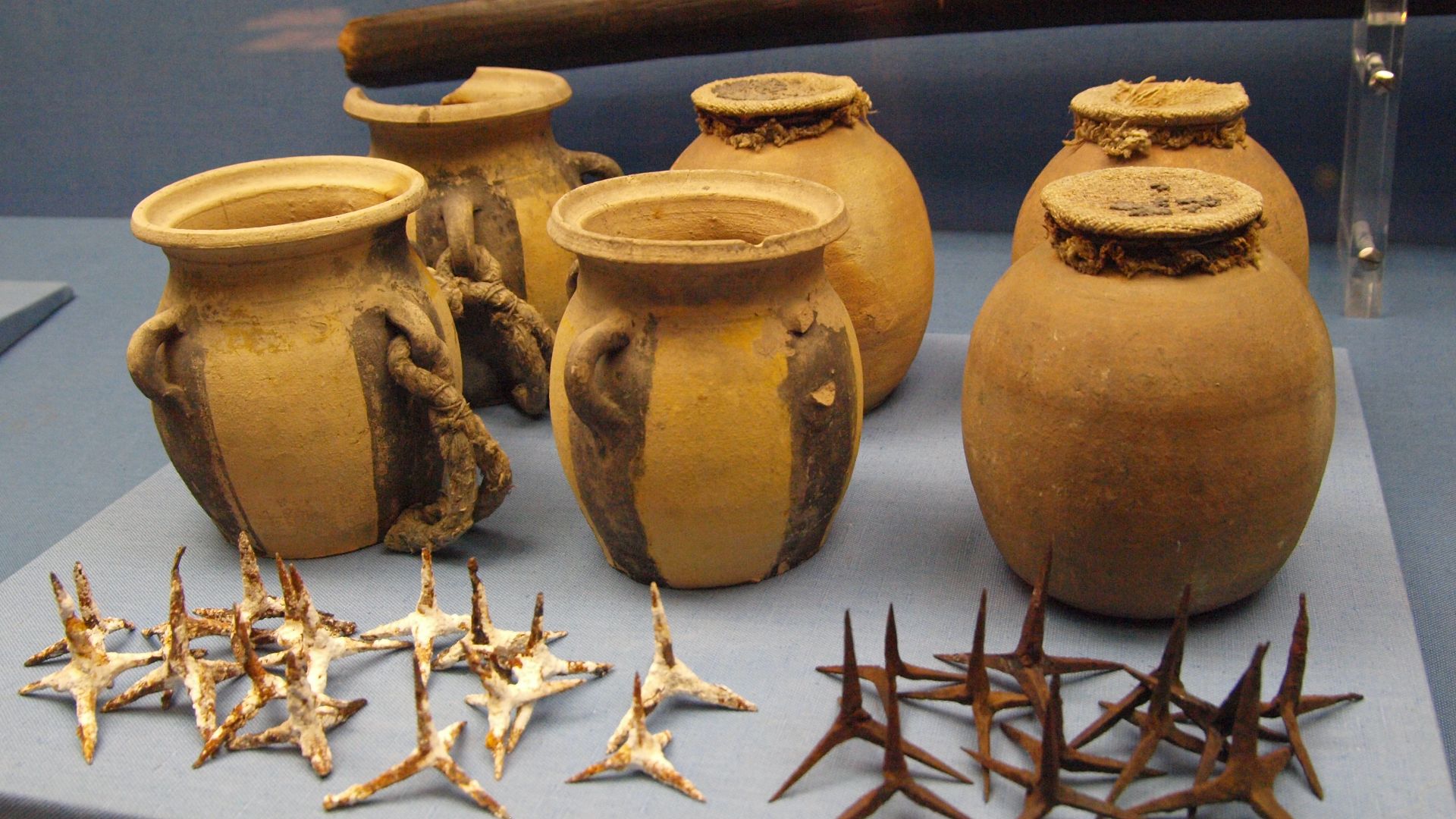
Clay pots filled with flammable mixtures do not sound impressive until you picture them smashing across wooden defenses, packed troops, or rooftops inside a city under siege. Ancient incendiaries were terrifying because fire moved faster than command could, and once panic and flame started feeding each other, a whole defense could unravel.
 Photographed by User:Bullenwächter on Wikimedia
11. Ballistae
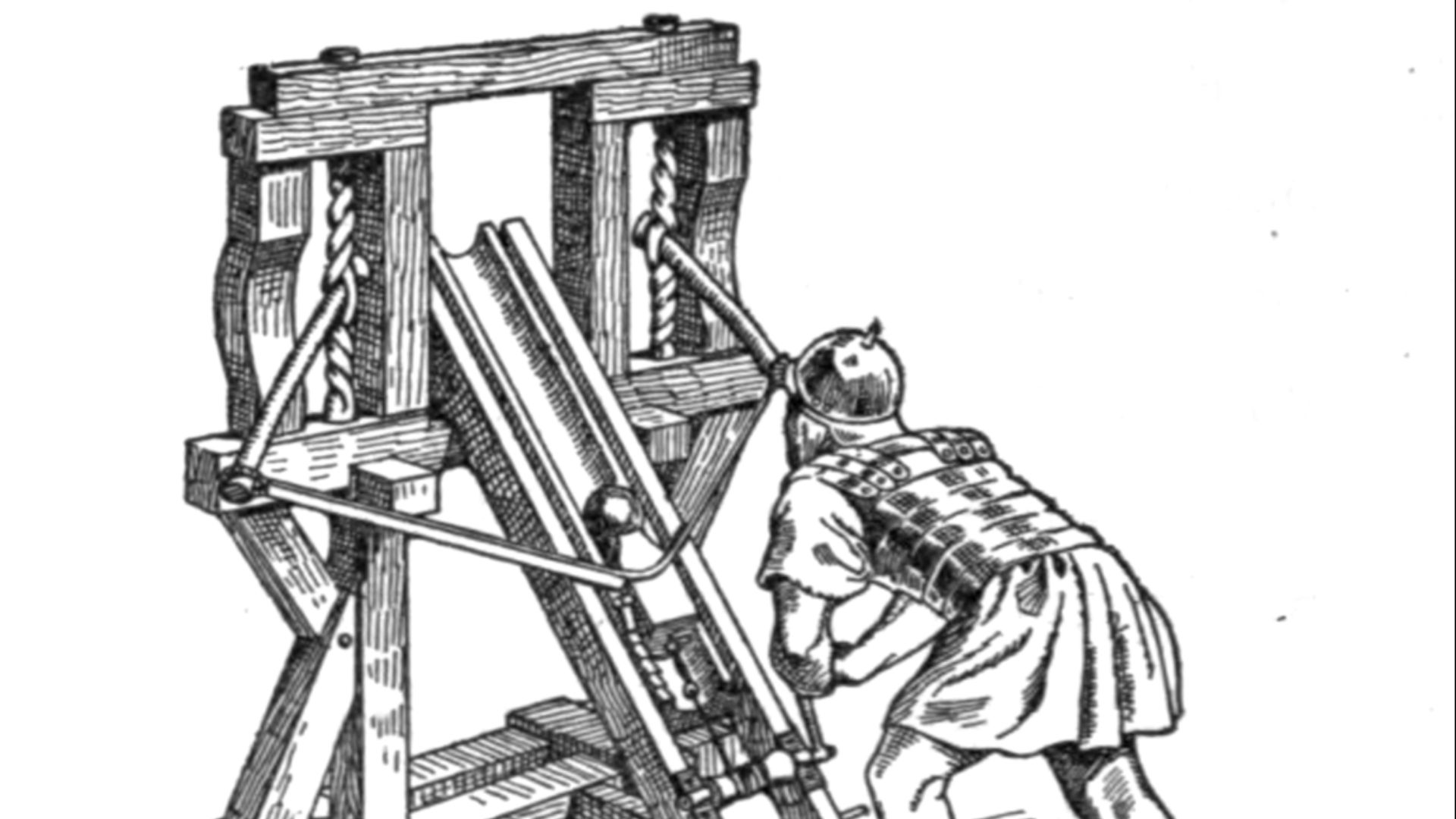
Ballistae were precision engines by ancient standards, launching heavy bolts with enough force to skewer men or punch into defensive works. They gave armies a way to kill at distance with an accuracy that felt personal, which is part of what made them so feared: you were not just under bombardment, you were being singled out by machinery.
 Unknown authorUnknown author on Wikimedia
12. The Polybolos
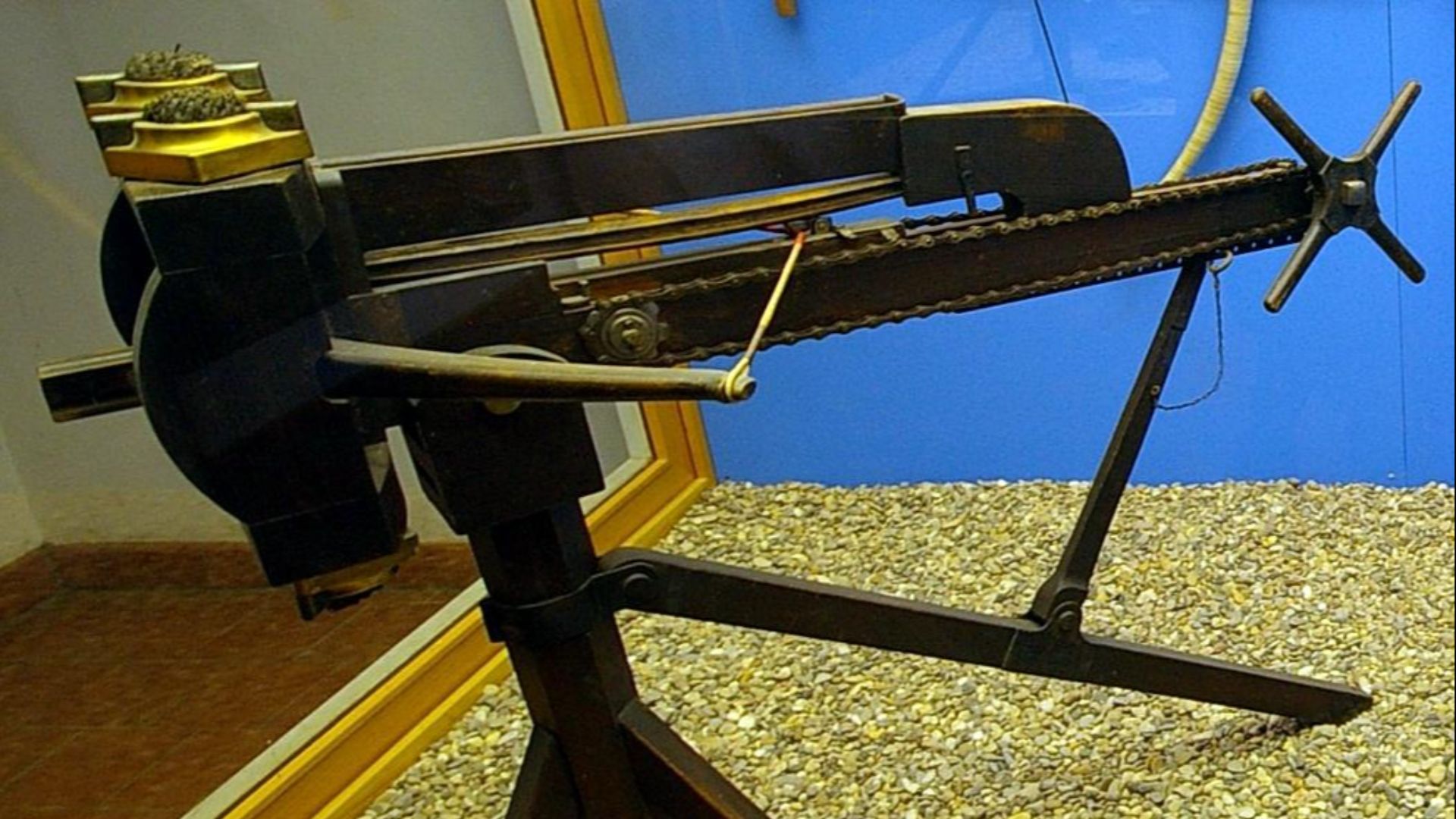
The polybolos was a repeating artillery weapon, which sounds suspiciously modern because, in concept, it was. It used a chain-drive mechanism to automate part of the firing cycle, and while ancient machines could be temperamental, the idea that one engine could keep feeding and launching bolts in sequence would have seemed almost unfair.
13. Siege Rams With Covered Sheds
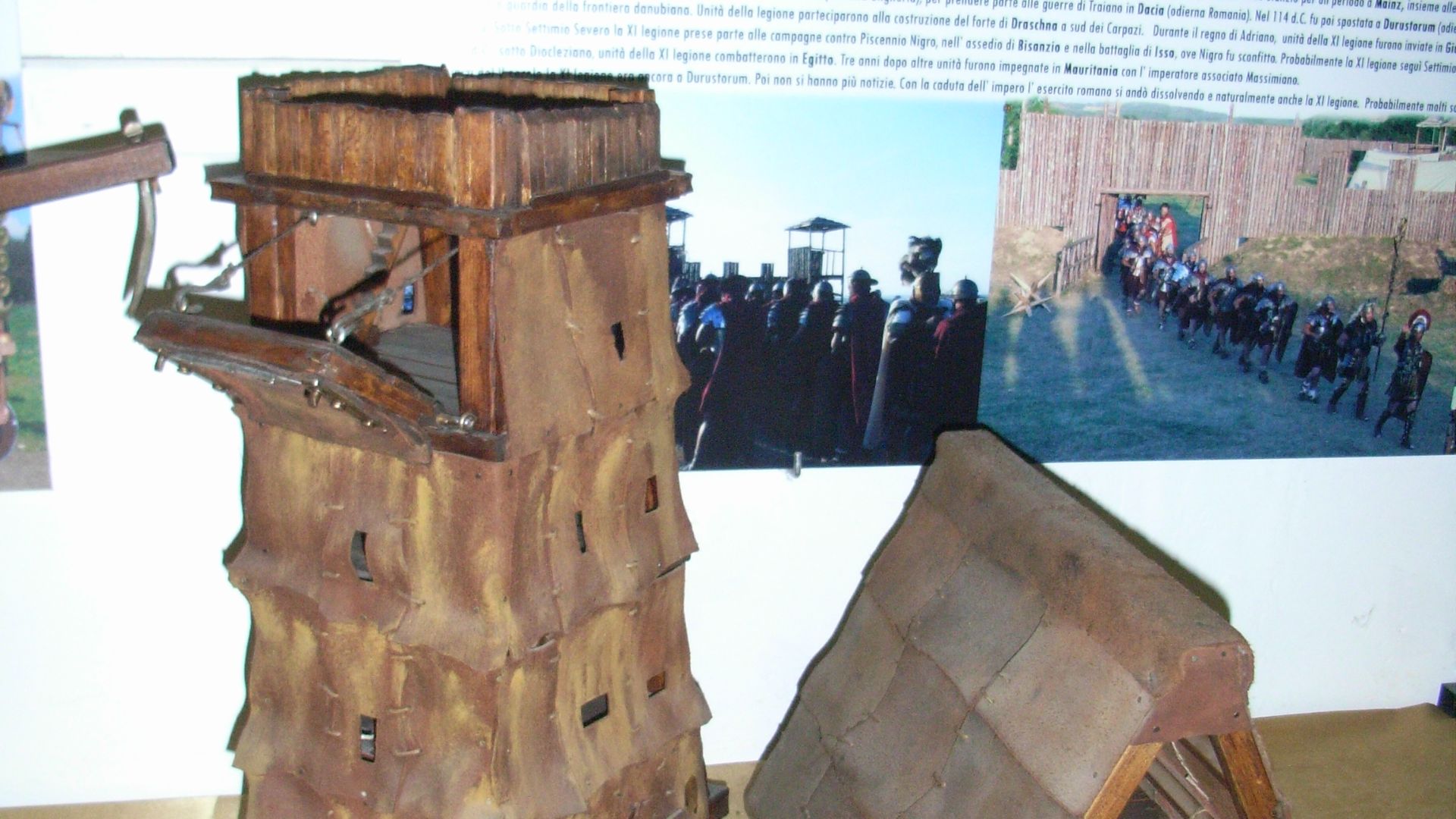
A battering ram by itself is dangerous; a battering ram protected inside a covered shed is a system. These mobile shelters let attackers hammer at gates and walls while shielding the crew from arrows, stones, and fire, turning what could have been a desperate rush into a sustained, miserable grinding process for everyone inside the city.
14. Caltrops
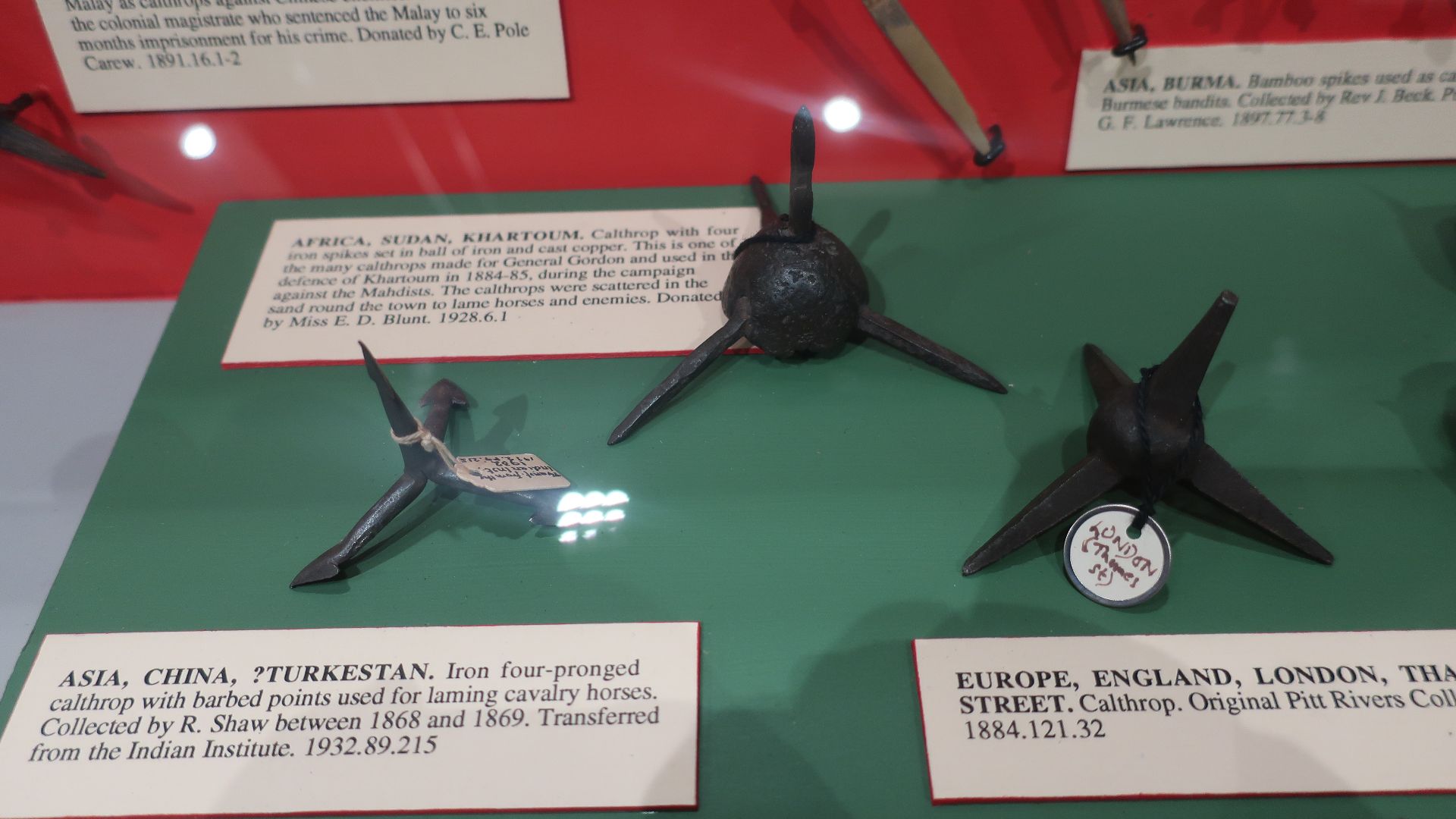
Caltrops were brutally simple, which is often the mark of a great weapon. Scattered across roads, fields, or likely charge routes, these little spiked devices could lame horses, break momentum, and force an enemy to slow down at exactly the wrong moment, which made them disproportionately effective for something that fit in a hand.
15. Fire Arrows
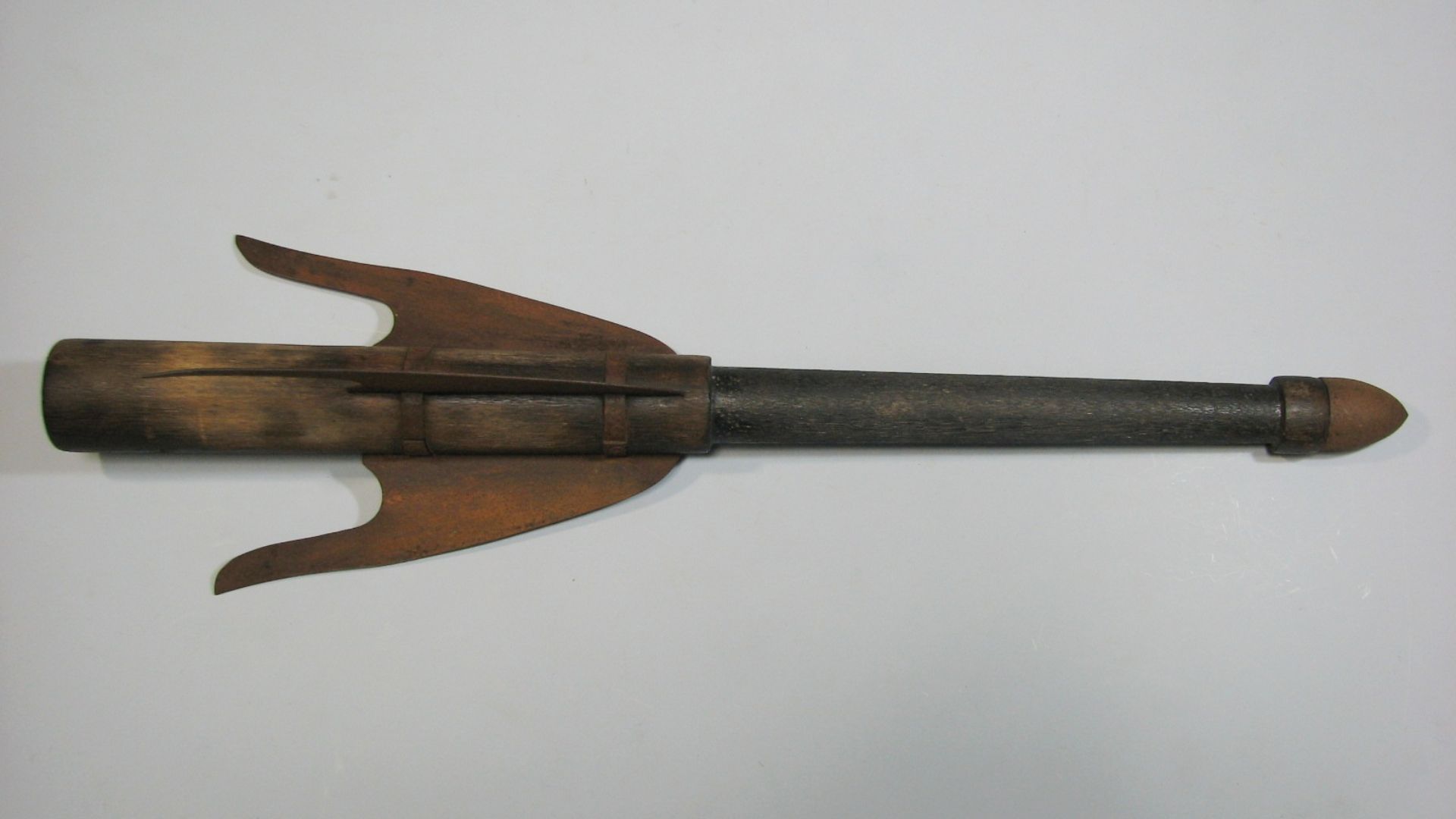
Fire arrows were not just regular arrows with a little drama added. Used in the right conditions against ships, siege works, rooftops, or supply points, they could spread panic out of all proportion to their size, because once flames appeared in several places at once, defense became confusion management.
 Samuraiantiqueworld on Wikimedia
16. Poison Arrows
A projectile is bad enough when the wound is clean, but ancient armies and hunters sometimes made that wound much worse by adding toxins. Poison arrows turned even a minor hit into a lingering threat, and there is a special kind of dread in knowing a scratch can keep working against you long after the arrow itself is gone.
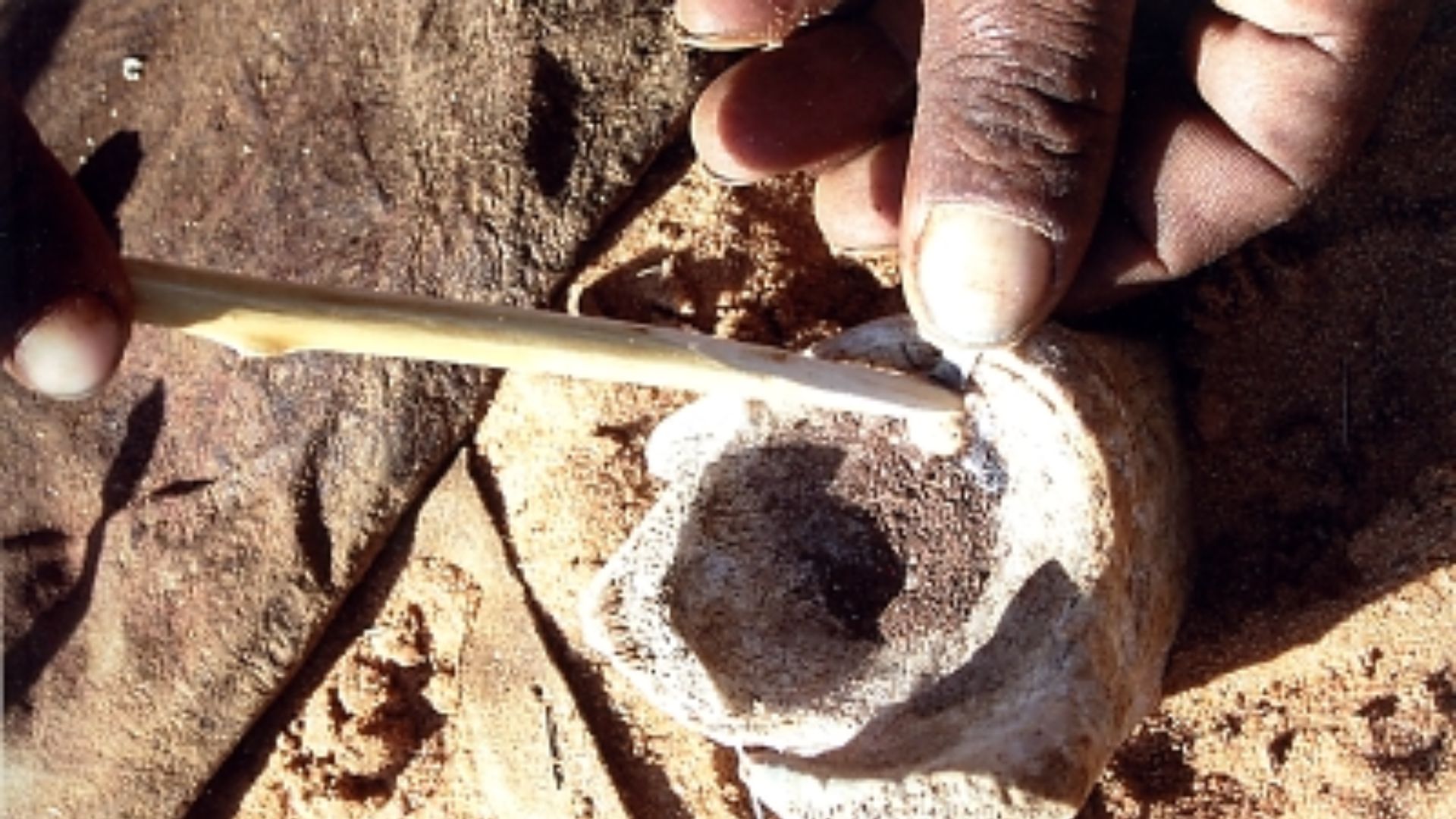
17. The Siege Hook
The siege hook was designed to catch, pull, and tear at sections of wall or defensive structure until they gave way. It sounds almost crude, but there is something unnerving about a weapon built for the patient destruction of whatever you are hiding behind, especially when the whole point of a wall is to feel solid.
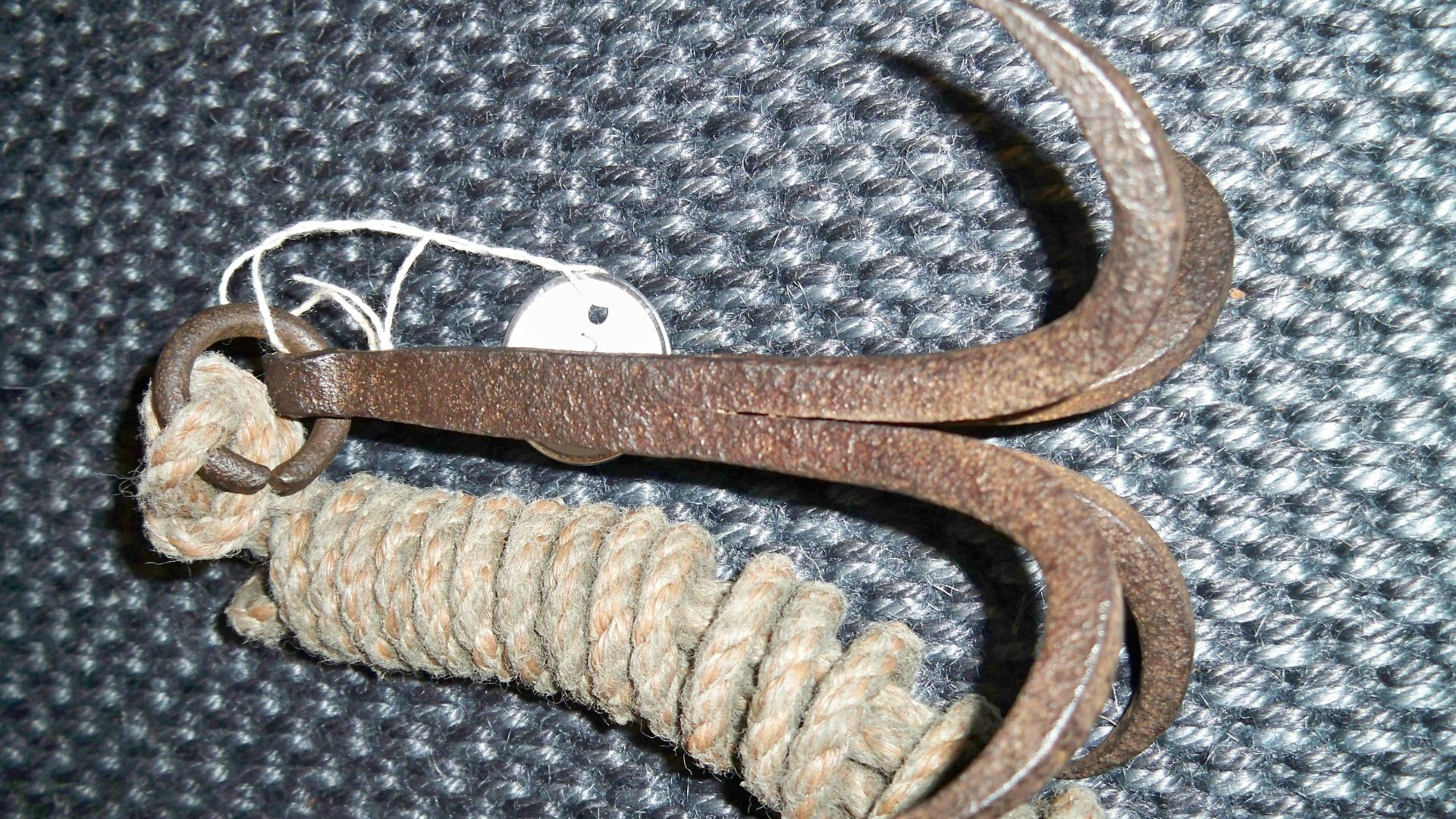 Samuraiantiqueworld on Wikimedia
18. Naphtha Bombs
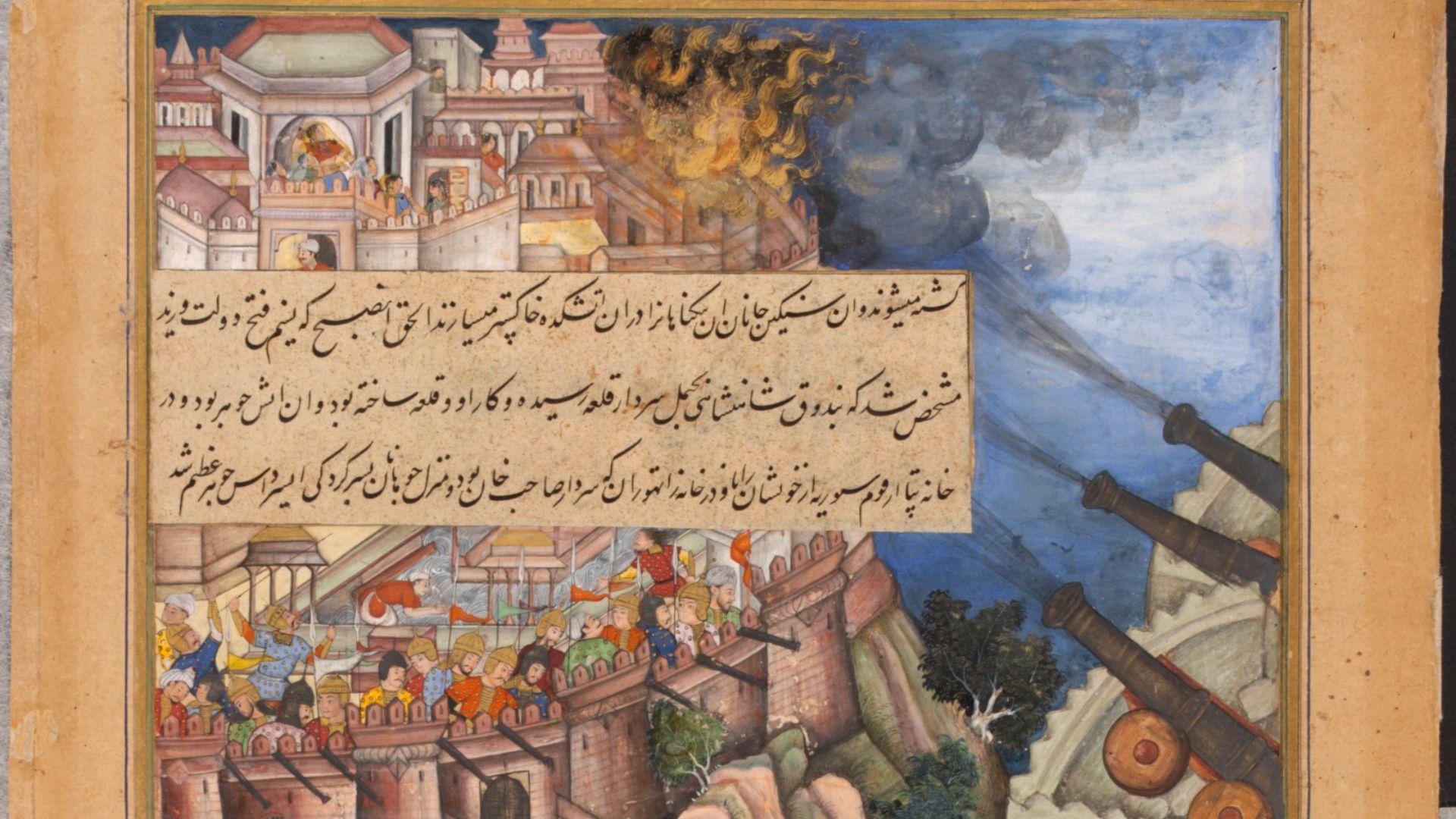
In parts of the ancient and medieval world, armies used containers of naphtha and similar substances as explosive or incendiary weapons. These attacks combined fire, noise, and unpredictability in a way that could make defenders feel as though the battlefield itself had become unstable.
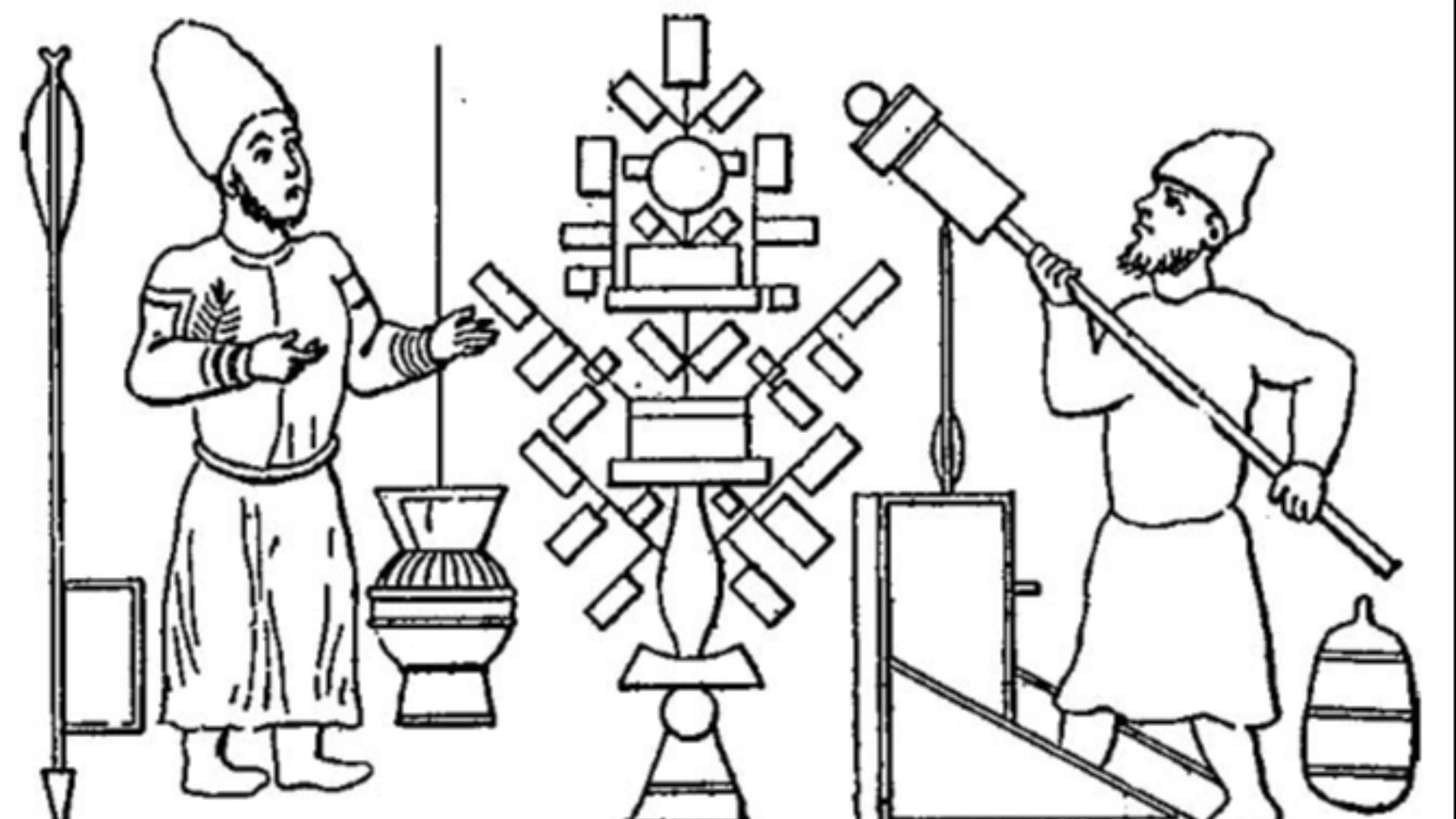 Shams al-din Muhammad (according to Reinaud and Fave), unknown (according to Romocki) on Wikimedia
19. Torsion Catapults
Torsion catapults used tightly twisted bundles of fiber or sinew to store enormous energy, which is a strangely elegant idea for such a violent machine. They could hurl stones hard enough to smash fortifications or bodies, and there is no gentle way to experience being on the receiving end of a weapon that throws part of a hillside at you.
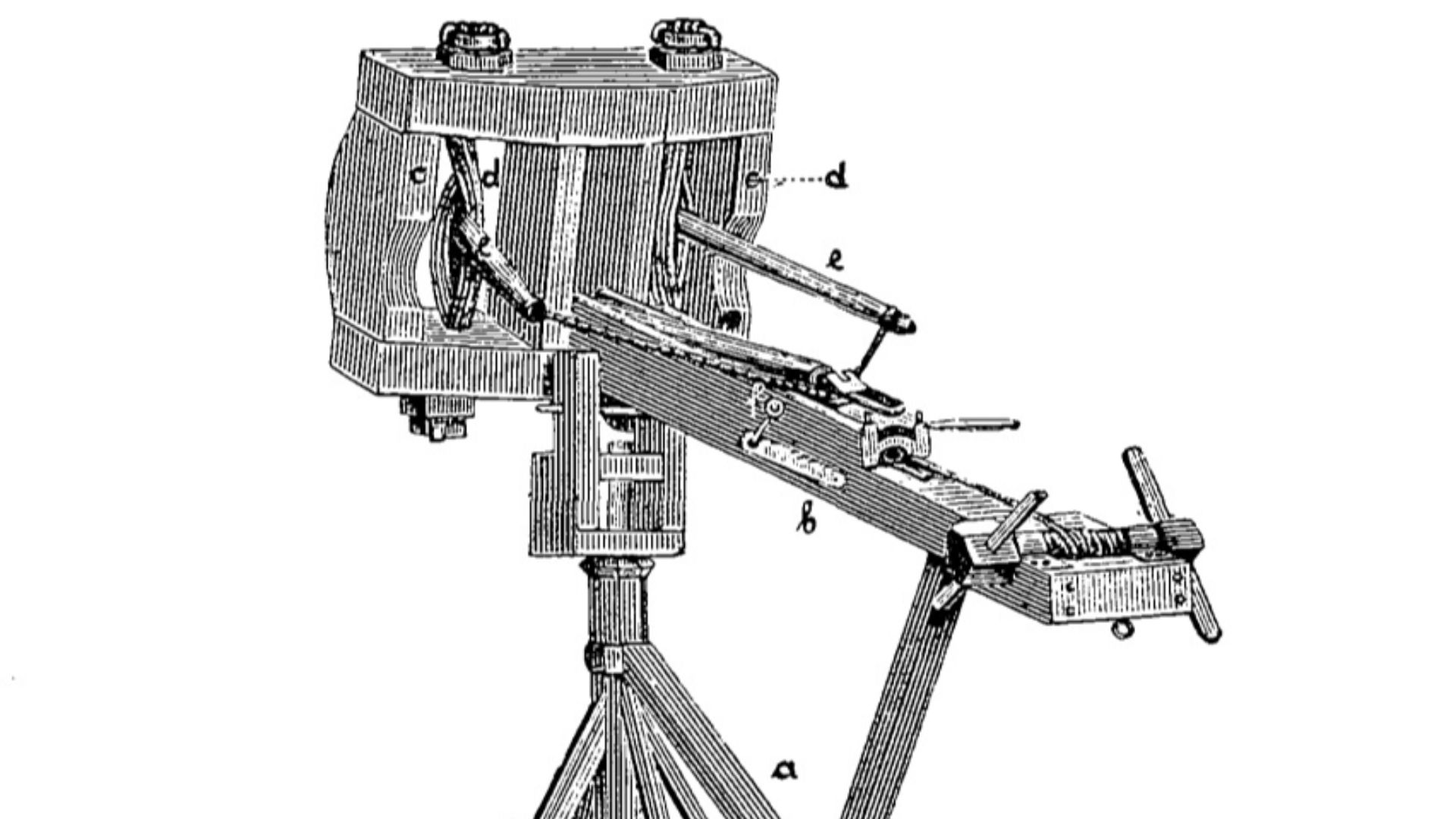 Martin Fickelscherer on Wikimedia
20. Siege Mines
Sometimes the ancient superweapon was not what came over the wall, but what disappeared under it. Siege miners tunneled beneath fortifications to collapse foundations and bring sections of wall down from below, which meant defenders had to worry not only about what they could see, but also about the ground quietly betraying them.