


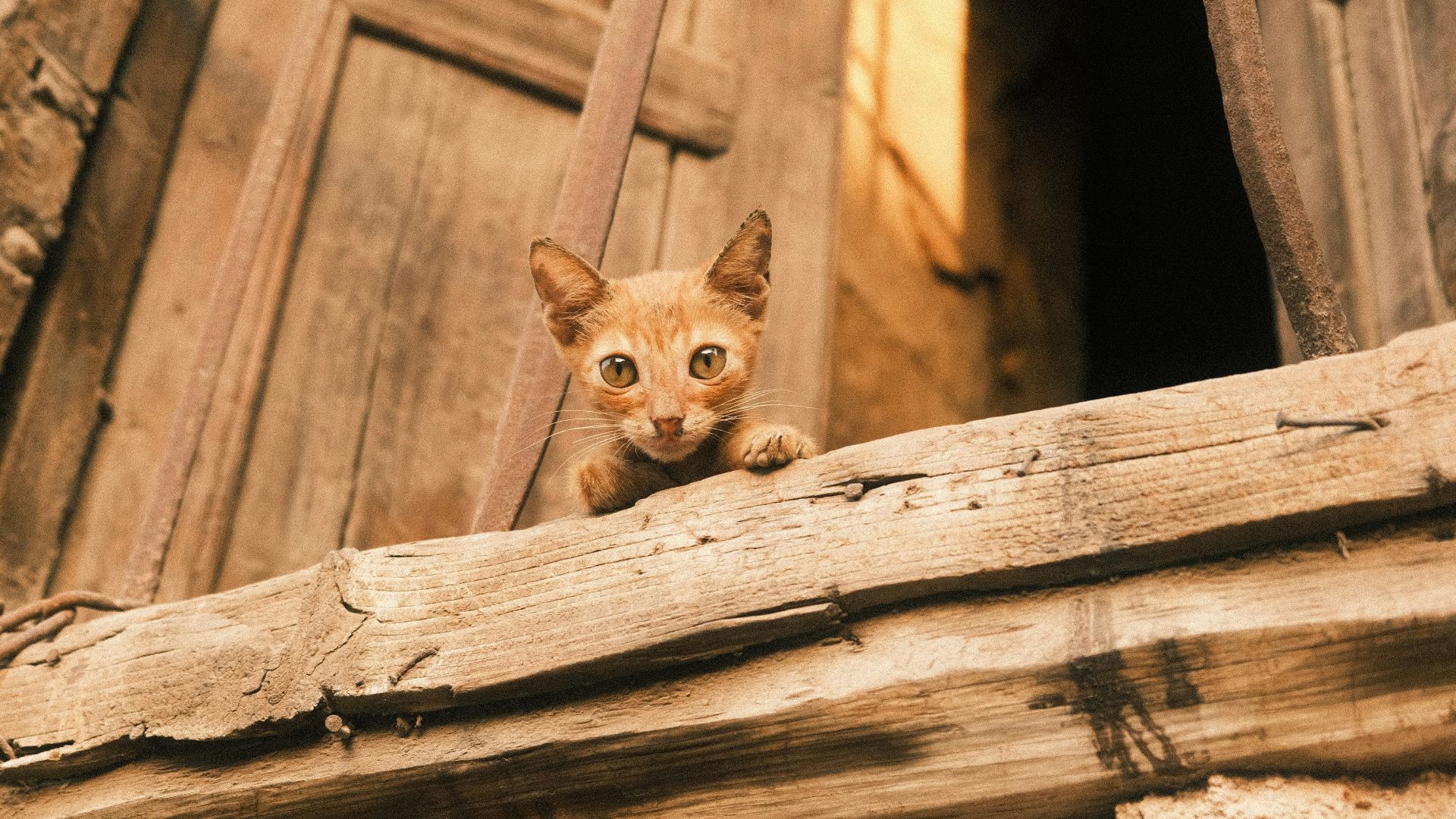
If you’ve ever scrolled through social media, you’ve likely seen the endless devotion modern humans have for their feline companions. It’s a common belief that this obsession started with the Ancient Egyptians, who famously deified cats and filled their tombs with golden feline statues. However, if you look closely at the archaeological record, you’ll find a baffling silence that lasts for centuries.
During the earliest eras of Egyptian civilization, specifically between the Predynastic period and the start of the Old Kingdom, cats are strangely absent from the visual narrative. While other animals like lions and dogs appear in ivory carvings or pottery designs, the domestic cat remains a ghost in the machine. You might expect a culture so intertwined with nature to feature these creatures immediately, yet for about 300 years, the historical record stays perfectly quiet.
The Evolution of the Wild Predator into a Household Companion

The primary reason you don't see domestic cats in early records is that they simply hadn't moved into the house yet. During these early centuries, the ancestors of our modern pets were still fierce African wildcats roaming the tall grasses near the Nile. These creatures were respected as symbols of untamed power and lethal precision, but they weren't exactly sleeping on anyone’s velvet cushions. It took a long time for the transition from a helpful hunter to a cherished family member to actually manifest in their artwork.
As the Egyptians transitioned into a more settled, agricultural society, they began to store vast amounts of grain in communal warehouses. This surplus of food naturally attracted an army of rodents, which in turn drew the local wildcats closer to human settlements for an easy meal. You can imagine the early farmers watching these sleek predators from a distance, realizing that having them around was a massive benefit to the community’s food security. Despite this emerging partnership, the feline wasn't yet considered a distinct "character" worthy of being carved into stone monuments.
By the time the artistic conventions of Egypt were being established, the cat was still viewed as a functional tool of the ecosystem rather than a spiritual icon. Artists prioritized depicting the king’s power or the majesty of the gods through larger, more intimidating beasts like the bull or the falcon. The small, quiet cat was likely seen as too mundane or perhaps too wild to fit into the rigid formal style of early dynastic art. You won't find them in the records because they were still earning their stripes in the eyes of a society focused on monumental grandeur.
The Rigid Constraints of Early Artistic Traditions
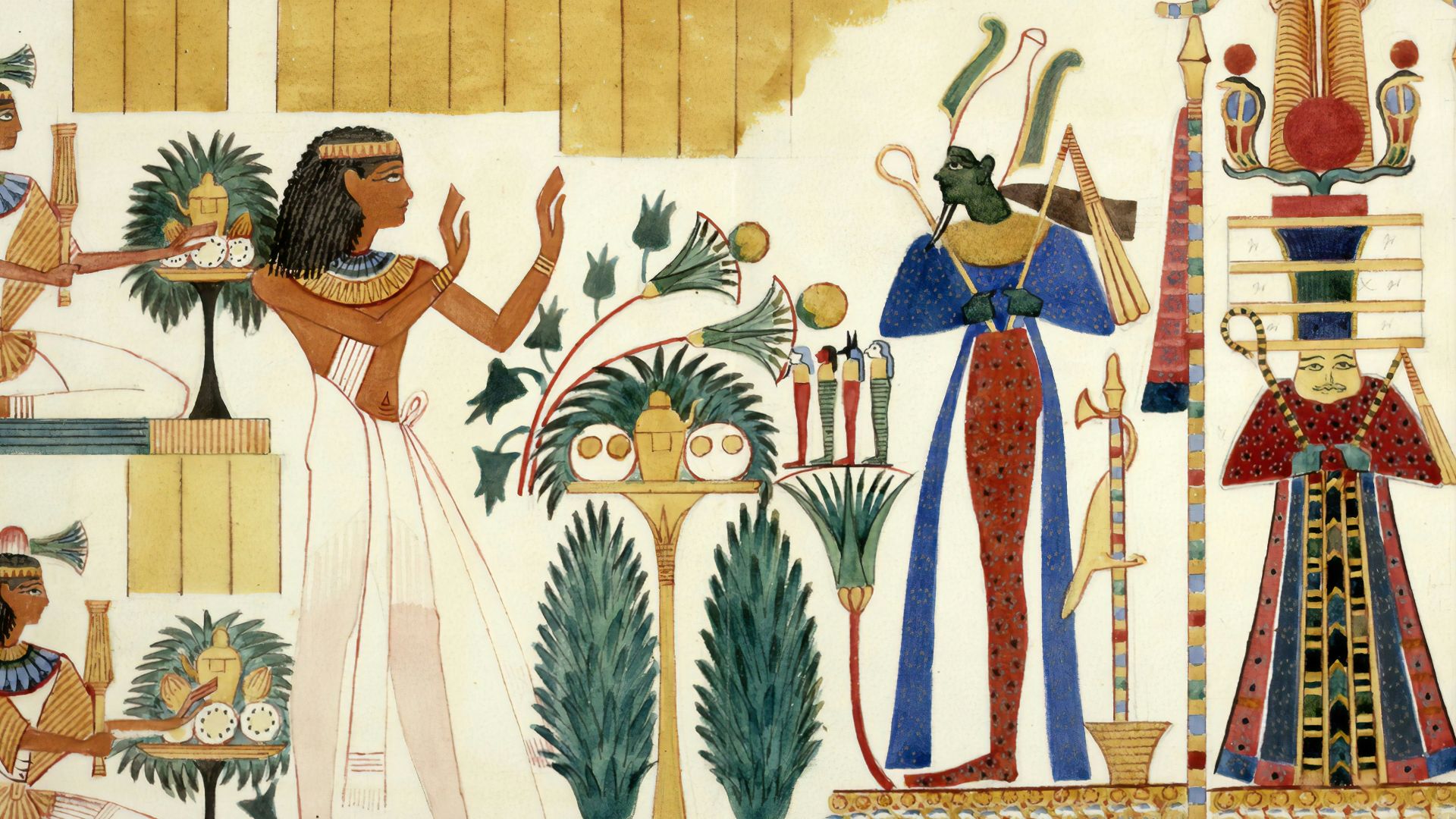
Early Egyptian art wasn't about capturing snapshots of daily life; instead, it was a highly regulated system designed to maintain cosmic order. Because the feline hadn't yet been assigned a specific religious role, there was no symbolic "slot" for them to occupy in the sacred carvings of the time. You have to understand that every image in a tomb or temple served a specific magical purpose, and for 300 years, the cat didn't have a job in the afterlife. If an animal didn't represent a specific deity or a vital sacrificial offering, it didn't make the cut for the final draft.
Furthermore, the early craftsmen were strictly focused on the "Canon of Proportions," which dictated exactly how living things should be rendered on a flat surface. This system favored animals with clear, distinctive profiles that could be scaled up to match the size of a pharaoh’s ego. The subtle, fluid movements of a cat are notoriously difficult to capture in the stiff, two-dimensional style of the early dynasties. It’s possible that the artists of the era simply didn't feel the need to master the anatomy of a creature that wasn't yet central to their mythology.
Once the Middle Kingdom arrived, the cultural perspective shifted, and the domestic cat finally stepped into the spotlight as a symbol of protection and grace. Before that turning point, however, the artistic focus remained squarely on the elite and their immediate surroundings. Since cats weren't yet "indoor pets" in the modern sense, they weren't part of the intimate household scenes that eventually became popular in later centuries. You're seeing a 300-year gap because the culture hadn't yet decided that a tiny mouse-catcher was worthy of eternal preservation.
Archaeological Gaps and the Fragility of the Physical Record
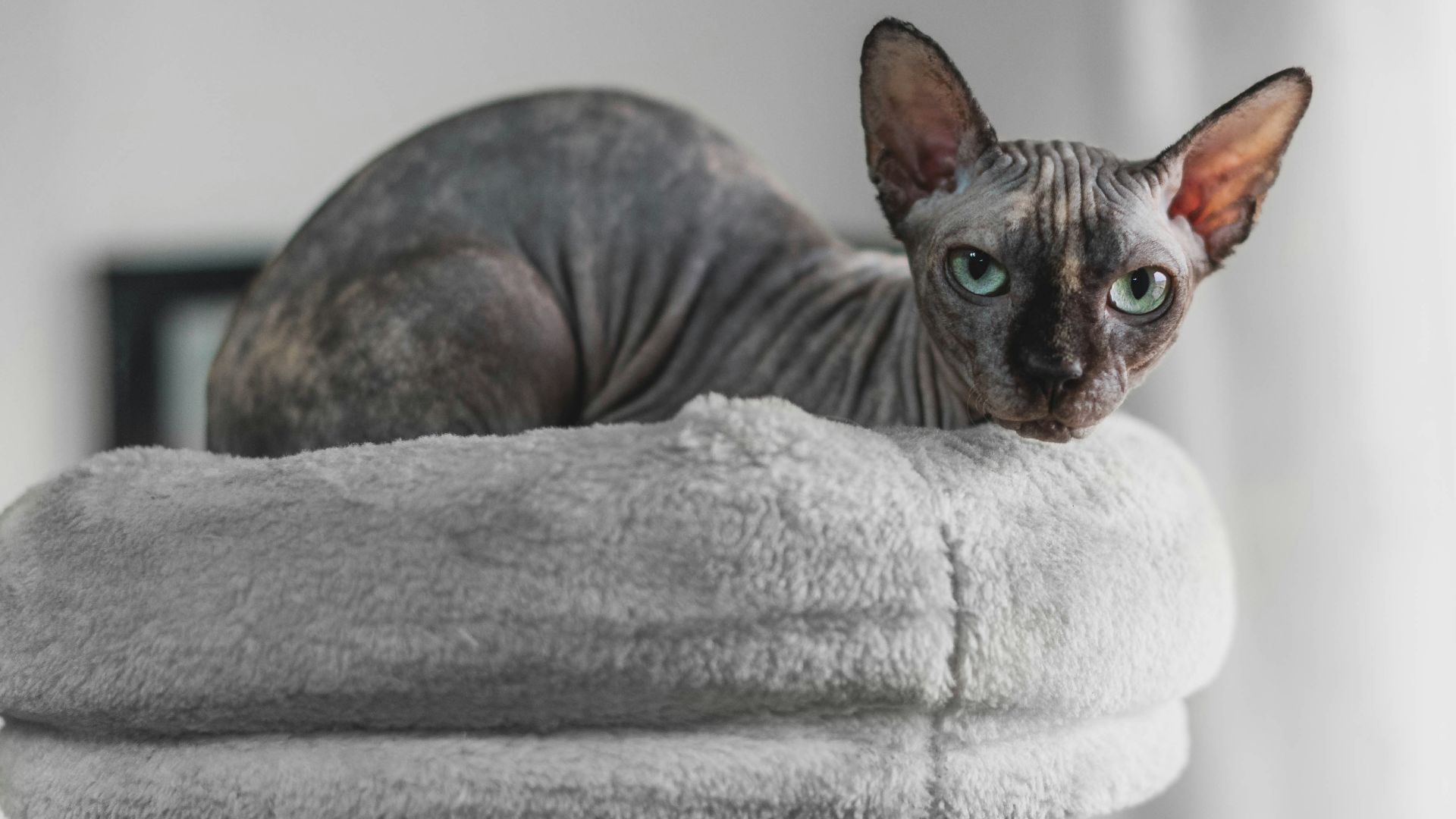 Juan Manuel Sanchez on Unsplash
We also have to consider the possibility that early records did exist but simply haven't survived the harsh passage of time. The Nile’s annual flooding was a double-edged sword that provided life to the fields while simultaneously eroding the mud-brick structures where daily life was recorded. If an early artisan painted a simple mural of a cat on a commoner's wall, it likely crumbled away long before a modern archaeologist could find it. You’re only seeing the tip of the iceberg when you look at the stone monuments that remain standing today.
Many of the earliest settlements from the first few dynasties are buried deep beneath layers of silt or modern Egyptian cities, making them nearly impossible to excavate. Our understanding of this era is heavily skewed toward the grand tombs of the wealthy, which were often built in the dry desert sands. If cats were primarily hanging out in the humid, swampy areas near the river, any evidence of their presence would have decayed centuries ago. This lack of data doesn't necessarily mean cats weren't there; it just means the environment wasn't interested in helping us keep track of them.
Finally, you should remember that early writing systems like hieroglyphs were still in their infancy during this mysterious 300-year window. The vocabulary of the time was limited to essential concepts like kingship, taxes, and the most prominent gods of the state pantheon. As the language expanded and became more descriptive, it eventually found the words to describe the unique bond between humans and felines. Until that linguistic and cultural maturity was reached, the cat remained a silent observer of history, waiting for its chance to become the most famous animal in the world.
KEEP ON READING

The story of Ching Shih, the Woman Who Became the…
Unknown author on WikimediaFew figures in history are as feared…
By Emilie Richardson-Dupuis Dec 29, 2025
Einstein's Violin Just Sold At An Auction—And It Earned More…
A Visionary's Violin. Wanda von Debschitz-Kunowski on WikimediaWhen you hear…
By Ashley Bast Nov 3, 2025
This Infamous Ancient Greek Burned Down An Ancient Wonder Just…
History remembers kings and conquerors, but sometimes, it also remembers…
By David Davidovic Nov 12, 2025
The Mysterious "Sea People" Who Collapsed Civilization
3,200 years ago, Bronze Age civilization in the Mediterranean suddenly…
By Robbie Woods Mar 18, 2025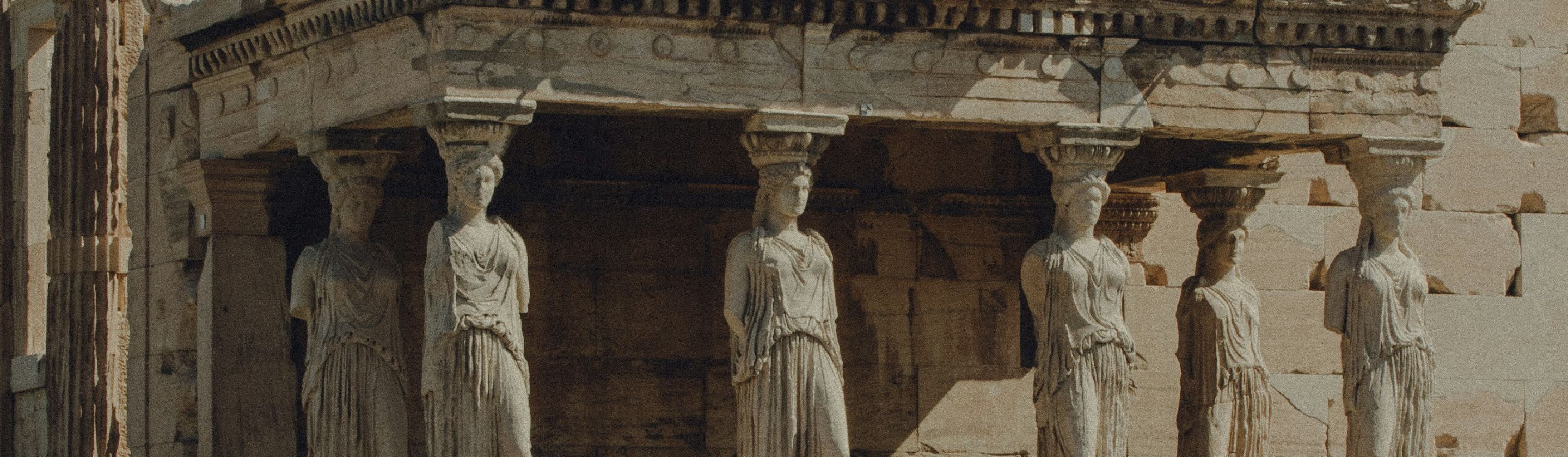
20 Greatest Ancient Athletes In History
Ancient Olympics. Long before modern stadiums and multimillion-dollar endorsements, athletes…
By Sara Springsteen May 1, 2026
20 Soldiers Who Defied Expectations
Changing the Rules of the Battlefield. You’ve probably heard plenty…
By Annie Byrd Feb 10, 2026