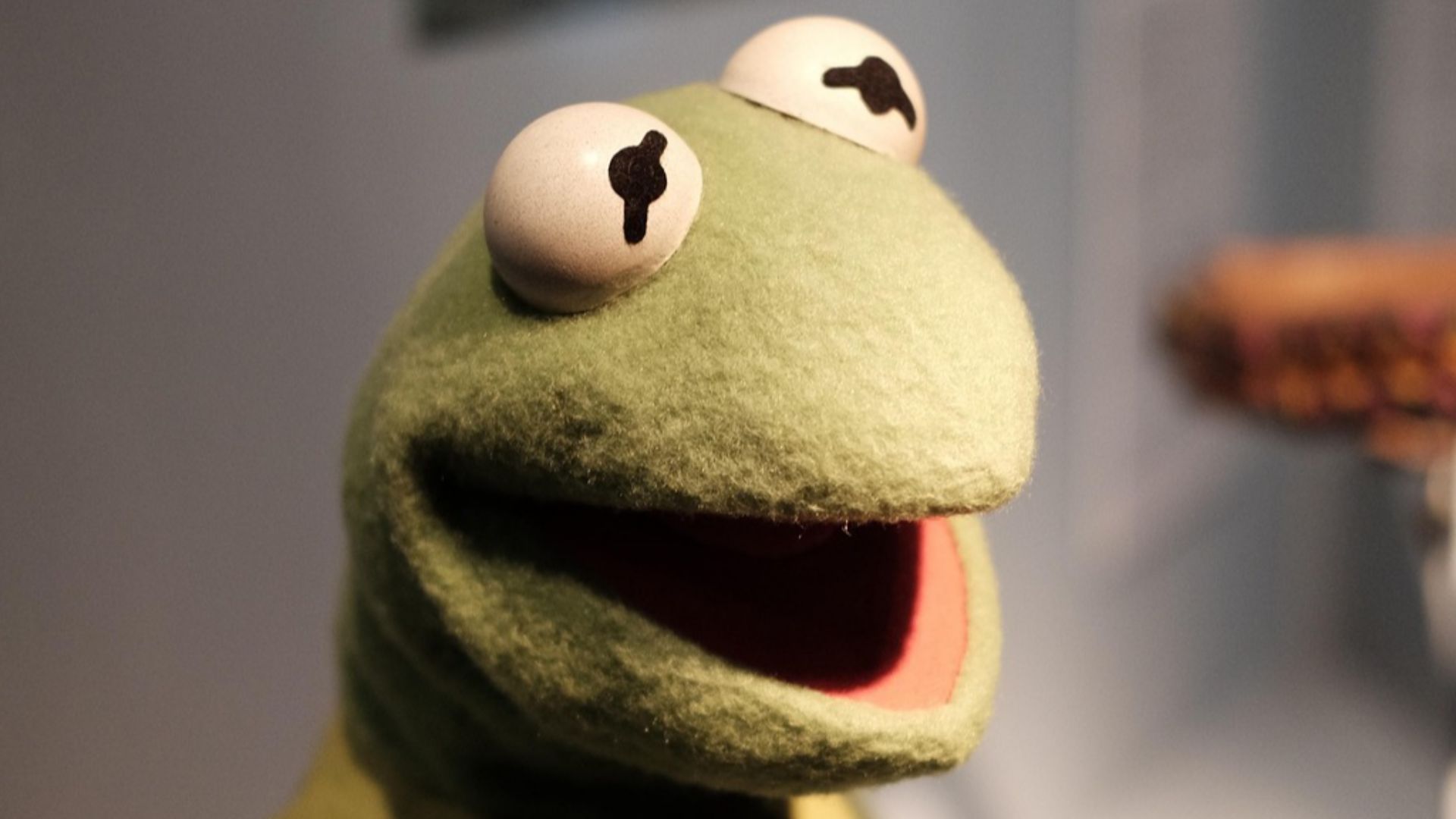
There are only two more sleeps until Christmas and, if you're anything like us, you plan on spending at least one of those nights watching the best holiday film of all time: The Muppet Christmas Carol. Not only is this 1996 Christmas classic one of the best Muppet films period (aided by a Shakespearean performance by Michael Caine), but it may just be the most accurate depiction of A Christmas Carol, period.
A Christmas Carol In Context
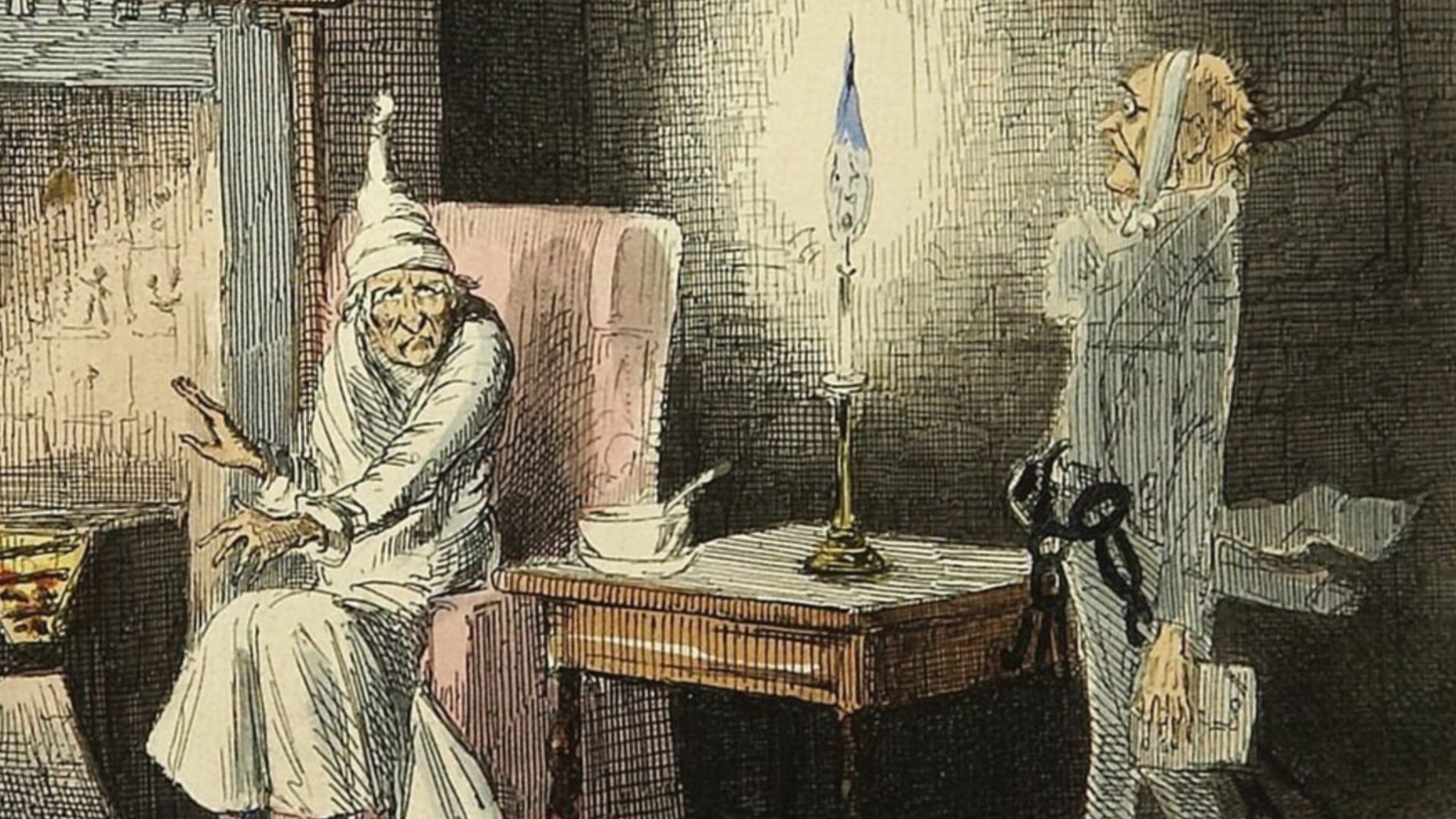
We know, we know, there are a few glaring differences between the film and the original novella. For starters, there were no felt critters singing a diss track while Scrooge walks to work (although we think Dickens may have included that if he could have, the man had a sense of humor), Old Fezziwig didn't run a rubber chicken factory—that we know of! his business is left unclear in the text—and Jacob Marley's role is split into two Marley brothers to give Statler and Waldorf roles. Beyond that, however, lies an adaptation deeply familiar both with its source material and the context in which it was produced.
A Christmas Carol was first published in 1843, just after the Industrial Revolution brought the British Empire into the modern age. Growing up as an impoverished child laborer, Dickens was intimately concerned with questions of industry, specifically how industry widened the gap between rich and poor. He was also concerned with Christmas traditions, which were undergoing a shift in the Early Victorian Era.
By virtue of its' flashbacks, A Christmas Carol covers a range of decades and social classes. The story starts with Scrooge's boyhood, some 60 years prior, and explores how a variety of Londoners, rich and poor, spent the holiday season.
Costuming & Set Dressing
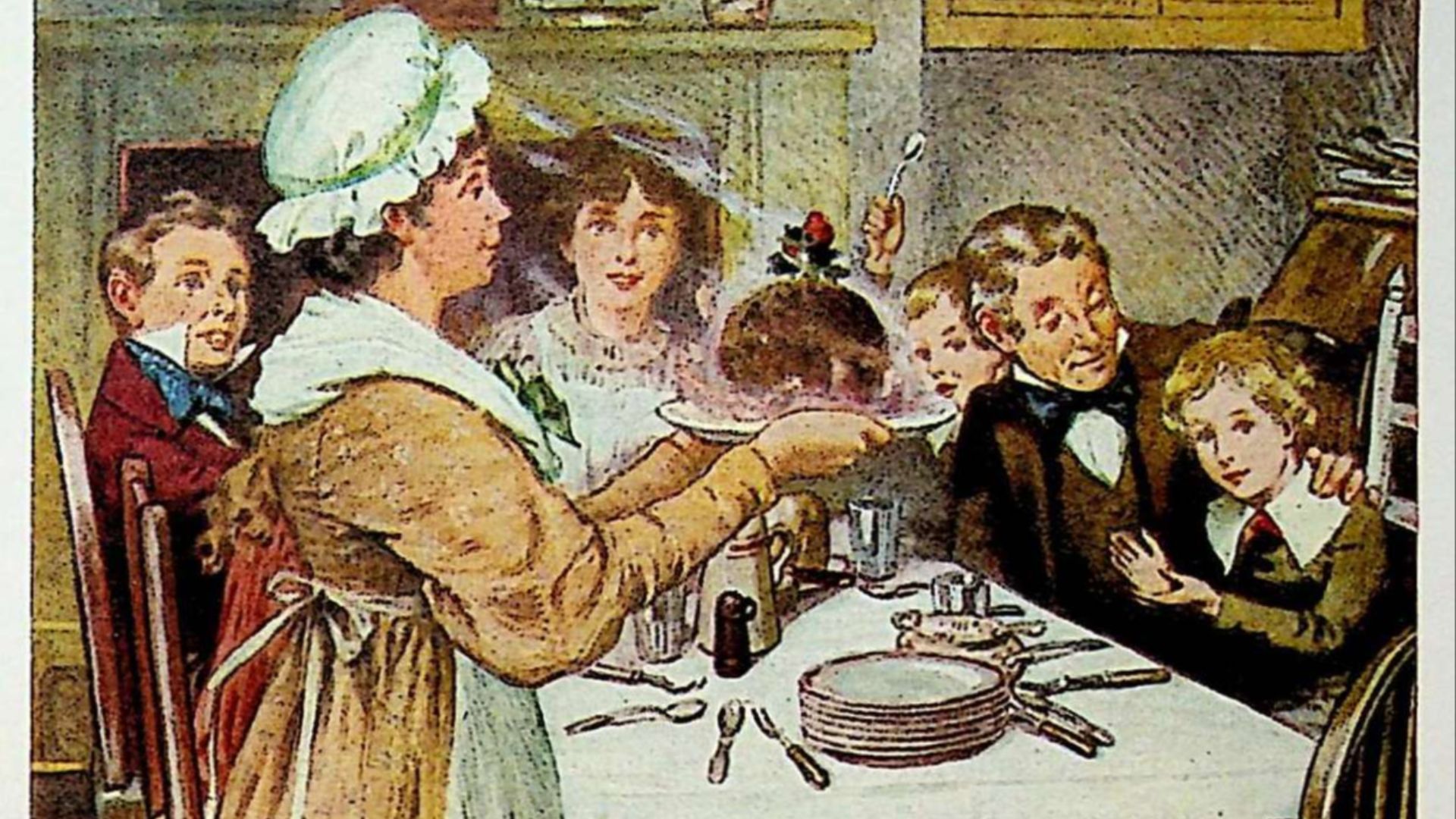 Gilbert Scott Wright (24 July 1880 – 1958) on Wikimedia
Throughout the film, regardless of decade, the characters are decked out in what fashion historians call some of the most accurate 1840s costumes put to screen. Pause the film at any point where there are multiple characters on screen and you should be able to match their outfits to fashion plates of the era. Most impressive of all is that the costume designers spared no expense, adorning even the smallest Muppet extras in early Victorian chic.
Naturally, people of different social classes are going to dress according to their means. The wealthy Muppets (and Caine) wear smart, well-cut outfits with rich textures and fabrics, the poor dress more practically. While Miss Piggy could never be unfashionable, her wardrobe as Mrs. Crachit is firmly rooted in the 1830s, showing that she has neither the money nor need for the latest fashions.
Of all the characters, Gonzo as Charles Dickens himself is the snappiest dresser, favoring lots of colors and pattern mixing. In reality, Dickens had a loud fashion sense, bordering on tacky, possibly owing to his childhood financial insecurity. We know this from correspondence from his friends and family.
Including Gonzo as Dickens is the smartest decision the film made. Not only does it seamlessly incorporate Gonzo (and Rizzo) into a story with a rather small cast, but it allows them to incorporate much of the original text into his narration. In fact, several scenes take the majority of their dialogue almost word-for-word from the novella.
A British Christmas Tradition
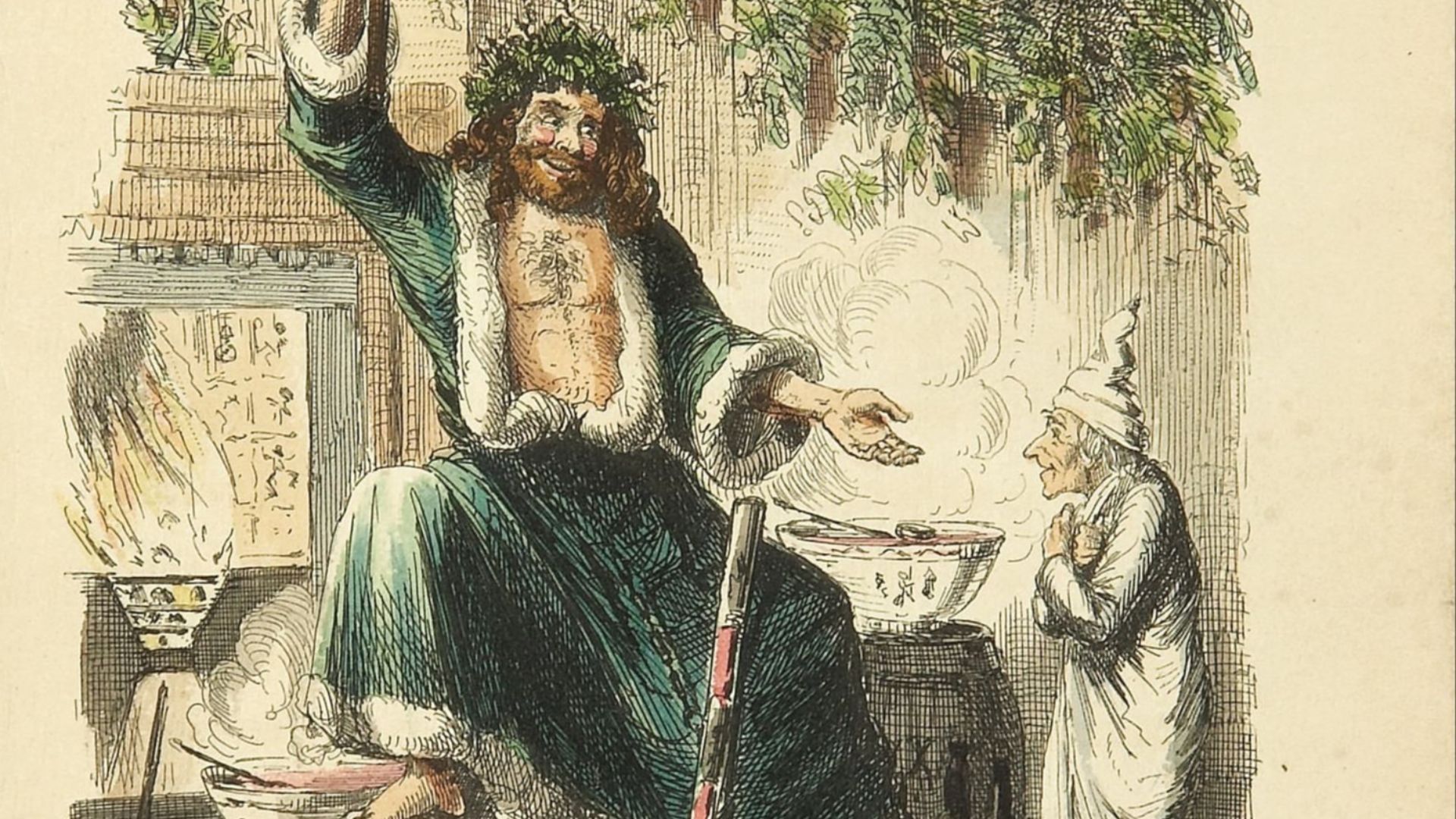
Lastly (and perhaps most impressively given that the Muppets are American), the characters are shown celebrating a British Christmas as it would have been celebrated in 1843, rather than an American one that would have been more recognizeable to modern audiences.
In the opening song, a Punch and Judy show is performed on the street, giving the audience a little bit of puppet-ception. The Crachits dine on a Christmas goose rather than an American ham or turkey. The Christmas traditions people celebrate are rooted in Medieval ones which Dickens felt nostalgia for.
In essence, the 1840s invented the modern Christmas. We aren't just talking about the popularization of Christmas crackers and bejeweled evergreens. Rail lines allowed workers to go home for Christmas; postage stamps and chromolithography encouraged the spread of Christmas cards; the 1840s even experienced a legendary cold snap which solidified the idea of a "white Christmas".
The Muppet Christmas Carol was the first film made in the wake of Jim Henson's passing. The team put everything they had into making this project the best it could possibly be. And their hard work paid off! Few adaptations have reached such a level of textual and historical accuracy as The Muppet Christmas Carol.