Treaties That Kept The Fuse Lit
A peace treaty can stop the shooting and still leave the war alive in people’s heads. Sometimes the document is built around punishment, sometimes around convenience, and sometimes around the fantasy that a few signatures can settle problems that took generations to build. Borders get drawn that ignore who lives where. Minorities wake up in a new country overnight. Losers are told to pay, disarm, and accept blame, while winners congratulate themselves for being practical. The result is a quiet pattern: the fighting ends, resentment gets organized, and the next conflict starts forming around whatever the last one left unresolved. Here are twenty peace settlements and political agreements that closed one chapter while making the next chapter hard to avoid.
1. Treaty Of Versailles (1919)
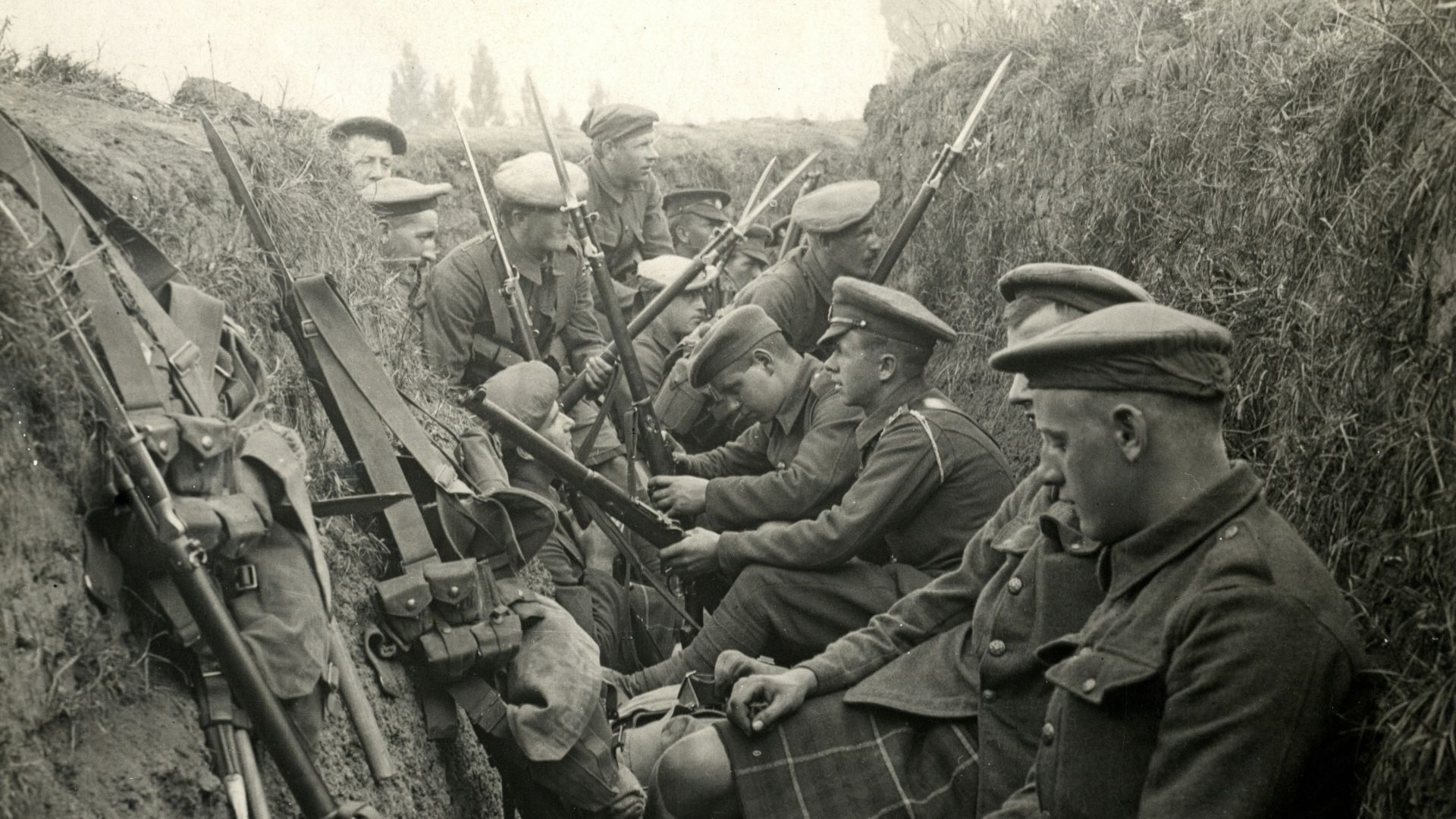
It ended World War I and pinned harsh terms on Germany, including reparations, military restrictions, and the symbolic sting of being singled out as responsible. The financial strain and humiliation became political fuel, and Germany’s fragile democracy struggled under the pressure. When a settlement makes a whole society feel punished rather than rebuilt, it creates a market for revenge.
2. Treaty Of Trianon (1920)
Hungary lost a massive amount of territory and population after World War I, and millions of ethnic Hungarians ended up outside Hungary’s new borders. That did not feel like a simple redraw of a map; it felt like a national amputation that people talked about for decades. The grievance became a steady undertow in regional politics and wartime alignment later on.
3. Treaty Of Saint-Germain (1919)
This treaty dissolved Austria’s imperial structure and left Austria as a small state with limited room to maneuver. It also restricted the possibility of Austria uniting with Germany, which many saw as a lifeline rather than a threat. When identity and survival feel constrained by outsiders, political pressure looks for a way to break the frame.

4. Treaty Of Neuilly (1919)
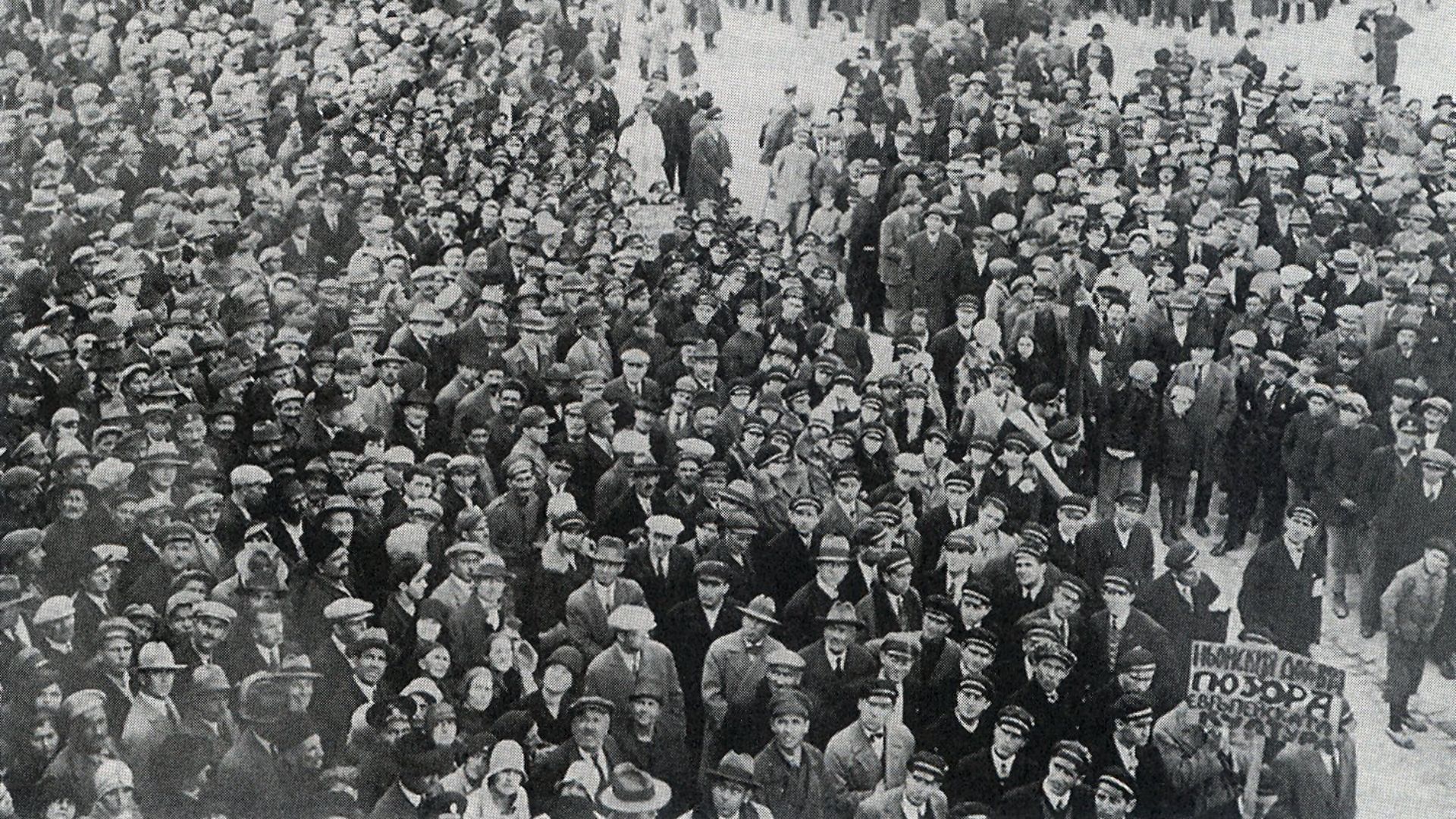
Bulgaria lost territory and faced reparations after World War I, adding fresh bitterness to an already combustible Balkan mix. The settlement did not erase rival claims in the region; it rearranged them and deepened the sense that outcomes were decided by power, not fairness. That is the kind of peace that teaches everyone to prepare for the next round.
 Unknown authorUnknown author on Wikimedia
5. Treaty Of Sèvres (1920)
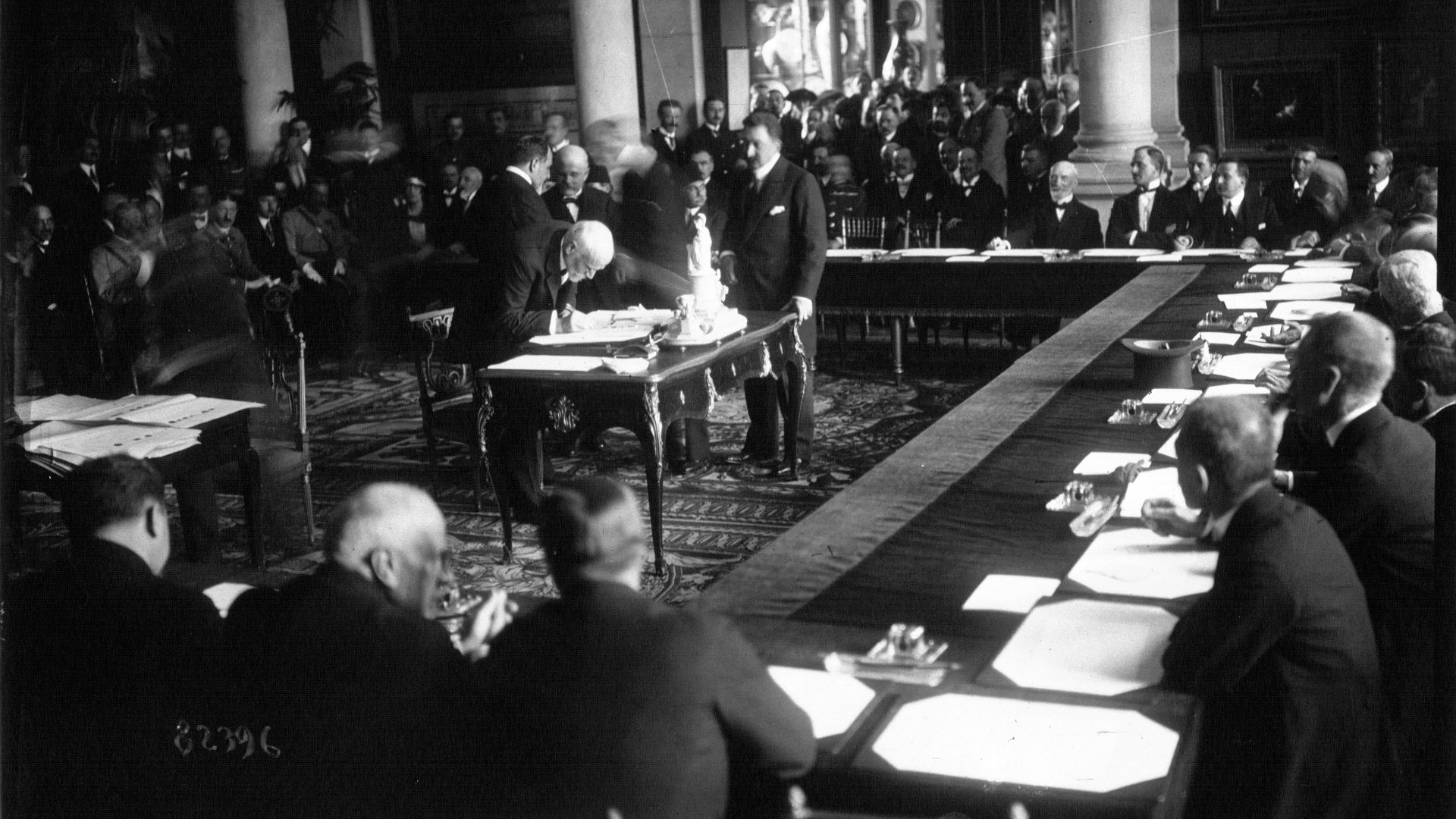
Sèvres tried to partition the defeated Ottoman Empire and impose far-reaching controls that were impossible to accept domestically. Turkish nationalists treated it as a threat to survival, not a negotiated end, and launched a war to overturn it. A treaty that cannot be lived under does not end a conflict; it just changes its shape.
 Agence de presse Meurisse on Wikimedia
6. Treaty Of Lausanne (1923)
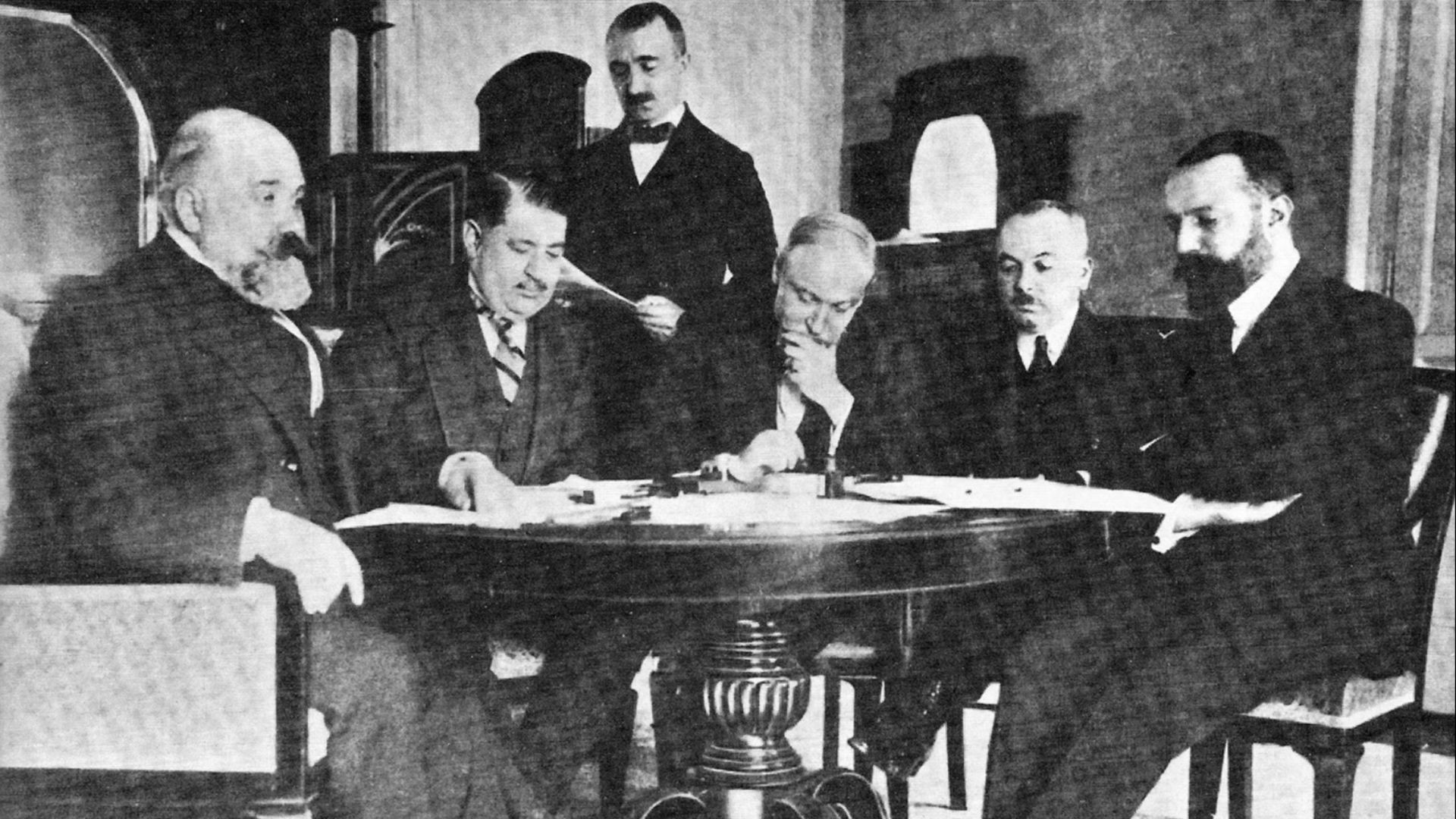
Lausanne replaced Sèvres and recognized the borders of modern Turkey, bringing a more workable settlement to the table. But the broader resolution of Greek-Turkish conflict relied heavily on forced population exchanges that uprooted communities at a huge scale. Stability bought through mass displacement tends to leave long memories and hardened identities behind it.
 Unknown authorUnknown author on Wikimedia
7. Treaty Of Brest-Litovsk (1918)
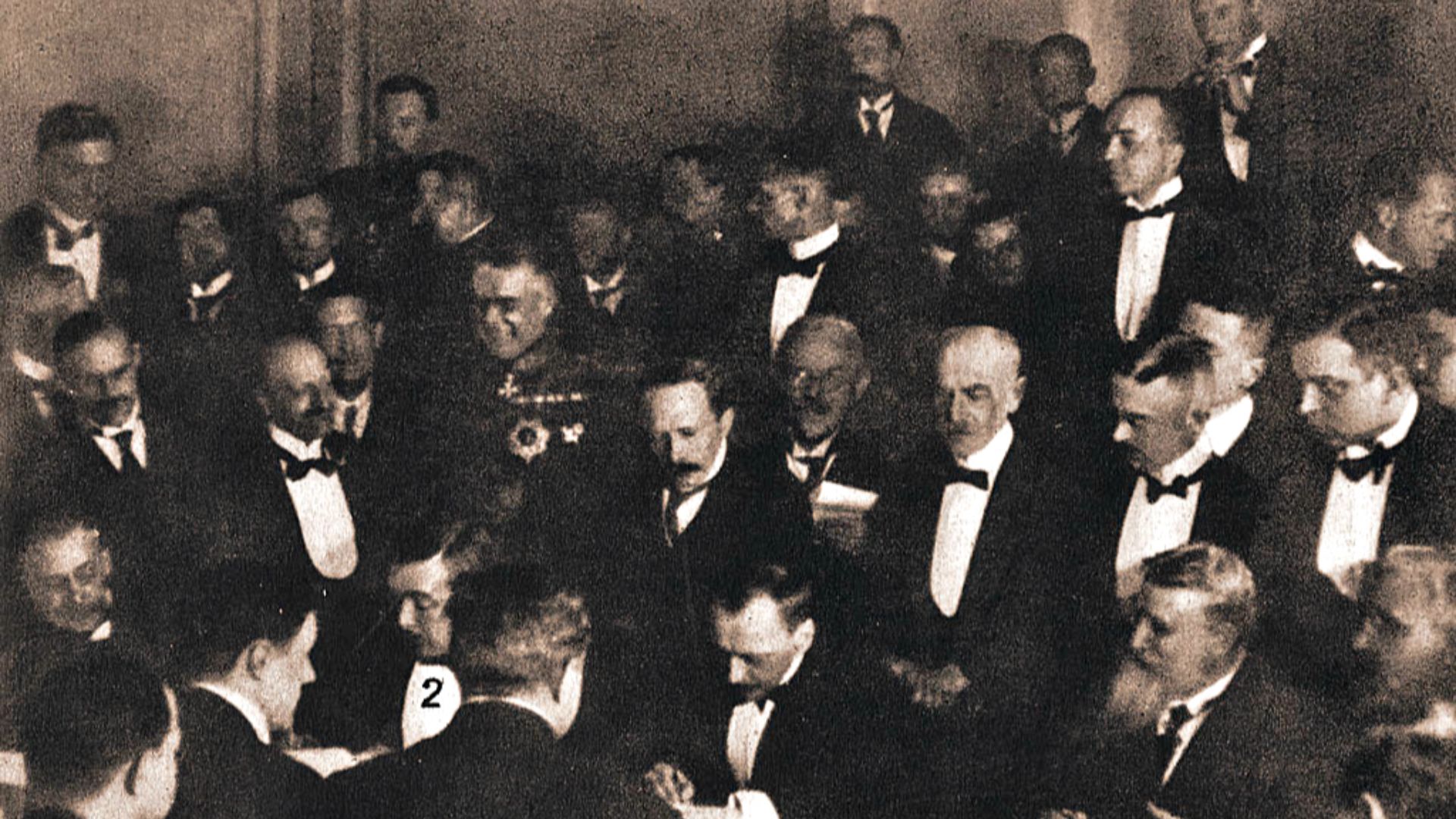
Russia exited World War I by ceding enormous territory and resources to Germany and its allies, a deal driven by desperation rather than mutual acceptance. Even though the treaty did not last after Germany’s defeat, its terms showed just how punitive leverage could get when one side was collapsing. That lesson sticks, and it shapes how future leaders calculate both fear and opportunity.
 Unknown authorUnknown author on Wikimedia
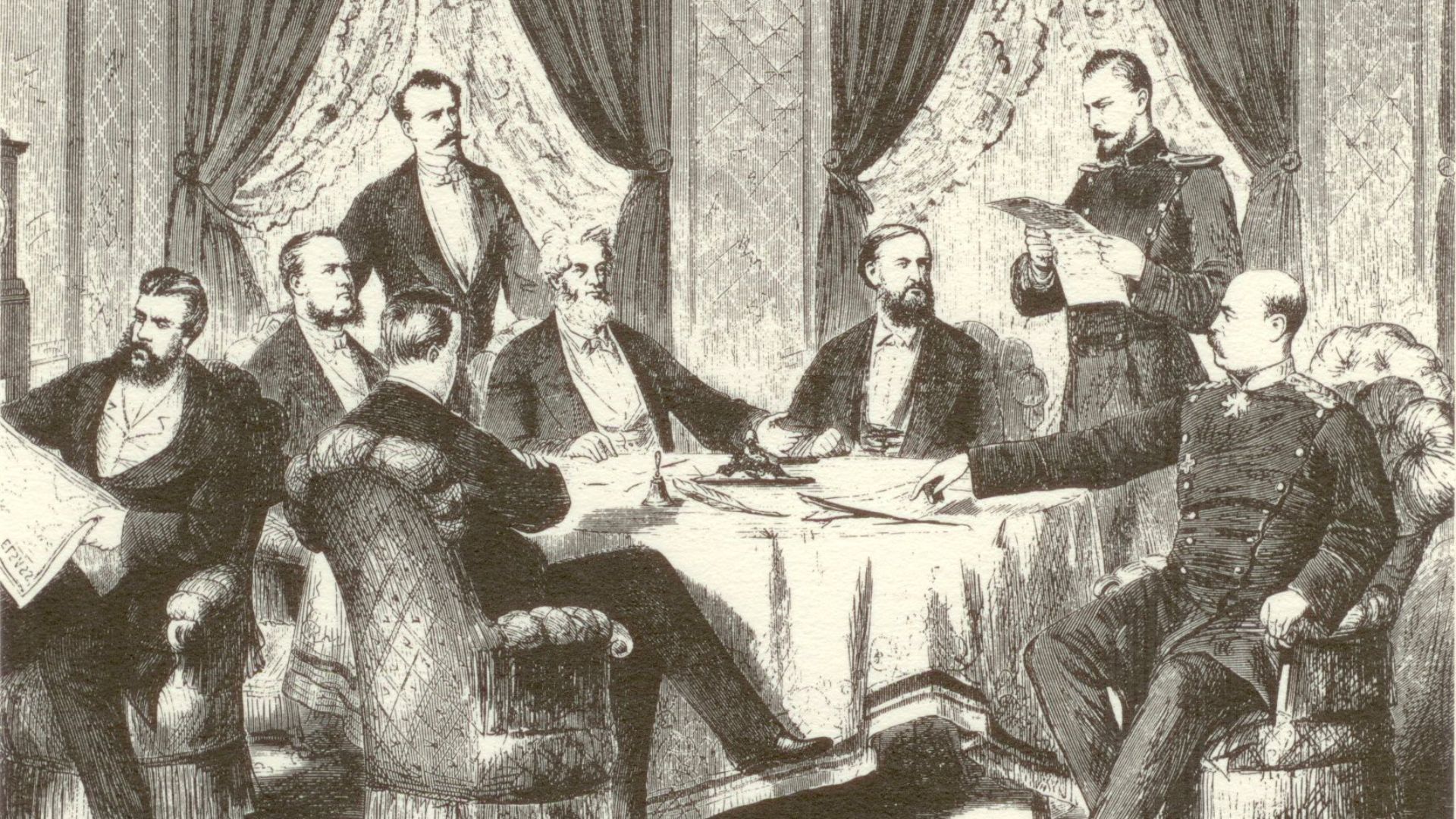
8. Treaty Of Frankfurt (1871)
After the Franco-Prussian War, France ceded Alsace-Lorraine to Germany and paid a large indemnity, which landed as a national humiliation. The loss became a rallying point in French politics, a symbol of unfinished business rather than a settled border. When land becomes an emotional debt, peace becomes a waiting room.
9. Congress Of Vienna Settlement (1815)
Vienna aimed to stabilize Europe after Napoleon by restoring monarchies and balancing great powers, which worked better for governments than for people. Nationalist and liberal movements were constrained rather than addressed, pushing energy underground. That kind of order can look calm for a while, then suddenly crack when pressure finally finds a seam.
 St. Benedict's College and Academy on Wikimedia
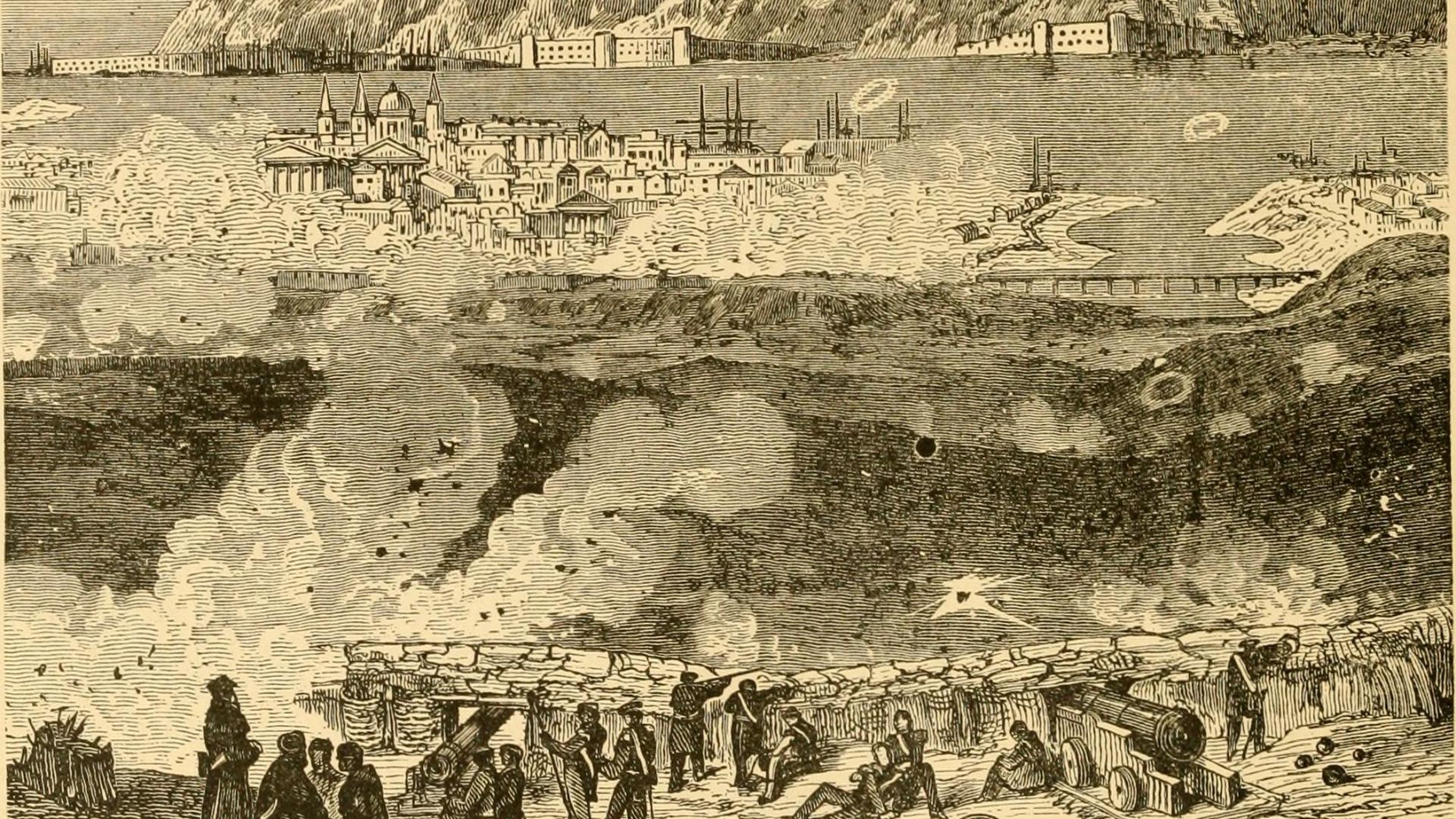
10. Treaty Of Paris After The Crimean War (1856)
The Crimean War ended with terms designed to limit Russian power, including constraints tied to the Black Sea. For a great power, being fenced in tends to become a long-term project to escape the fence, not a permanent acceptance of limits. The settlement became something Russia sought to revise, which kept tensions alive in the background.
 Internet Archive Book Images on Wikimedia
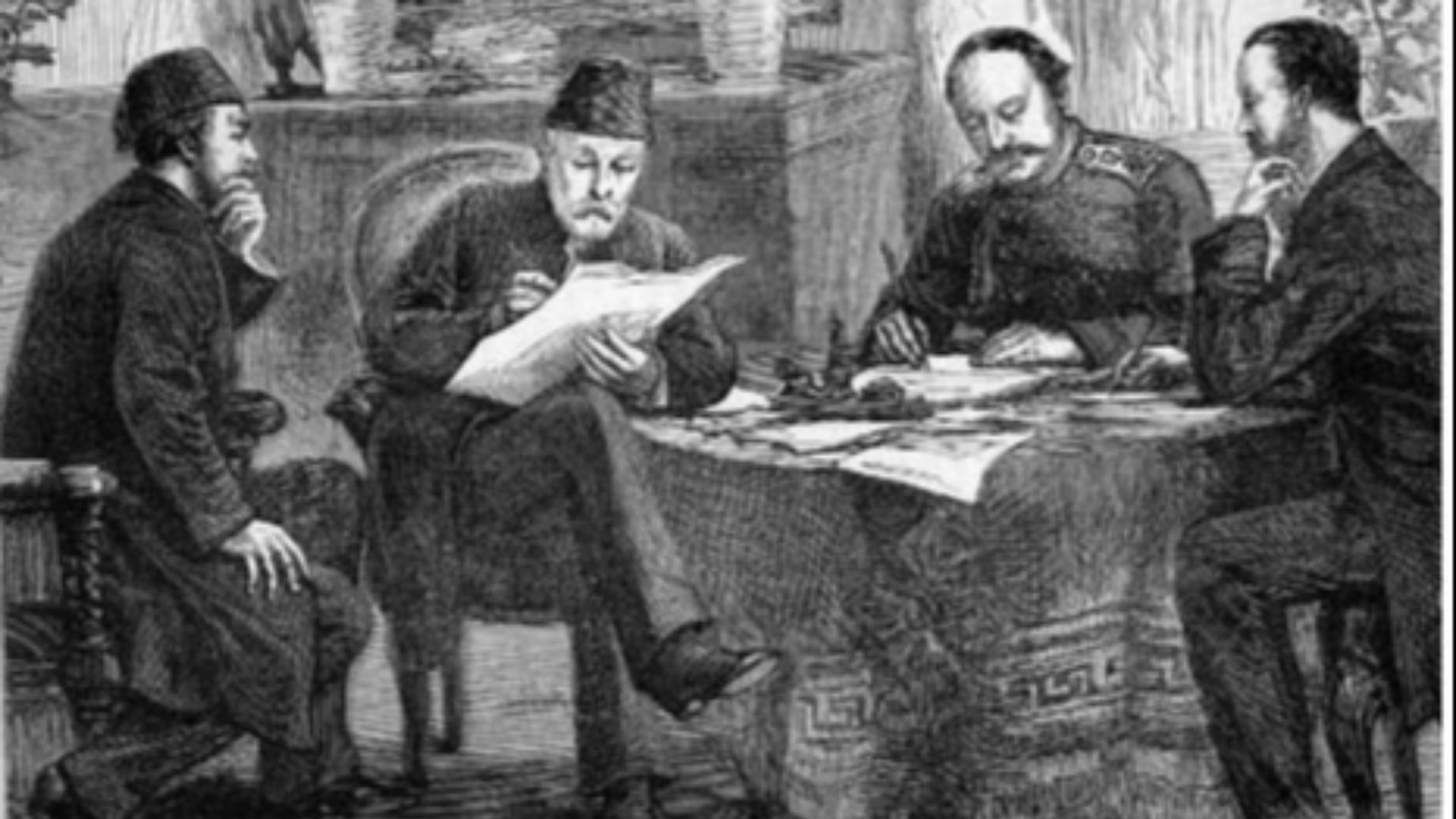
11. Treaty Of San Stefano (1878)
This treaty, following the Russo-Turkish War, created a large Bulgaria under strong Russian influence, which alarmed other European powers immediately. It looked less like a balanced peace and more like a reshaping of the region in Russia’s favor. When a settlement makes multiple neighbors feel threatened, revision becomes inevitable.
 ЧерноризецХрабър~commonswiki on Wikimedia
12. Congress Of Berlin Settlement (1878)
Berlin rewrote San Stefano to satisfy competing great-power interests, slicing promises down and rearranging control in the Balkans. It reduced one immediate fear while spreading a wider resentment, because many local groups felt traded like bargaining chips. A peace built for external balance can still leave the ground-level politics unstable and angry.
13. Treaty Of Bucharest (1913)
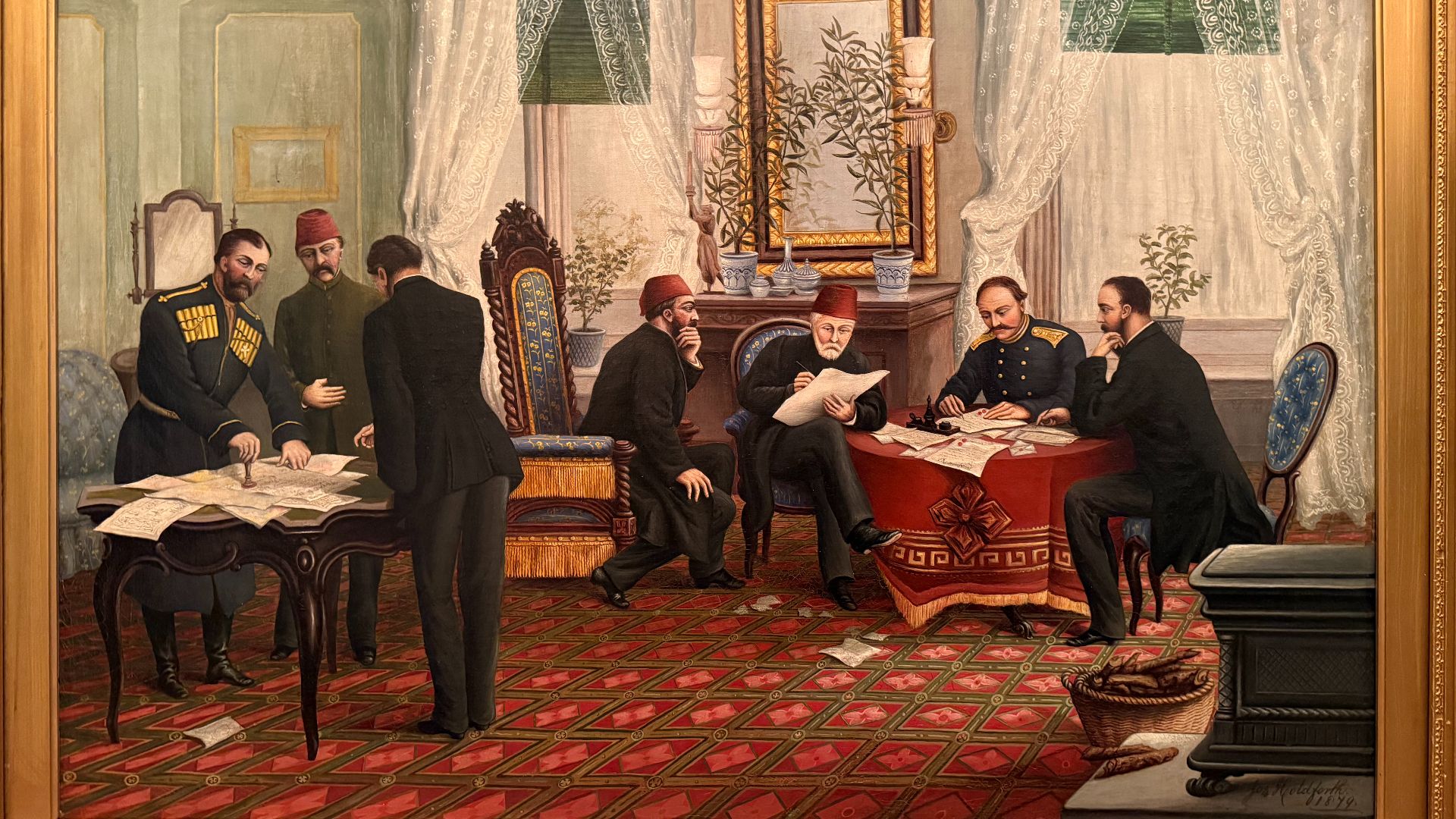
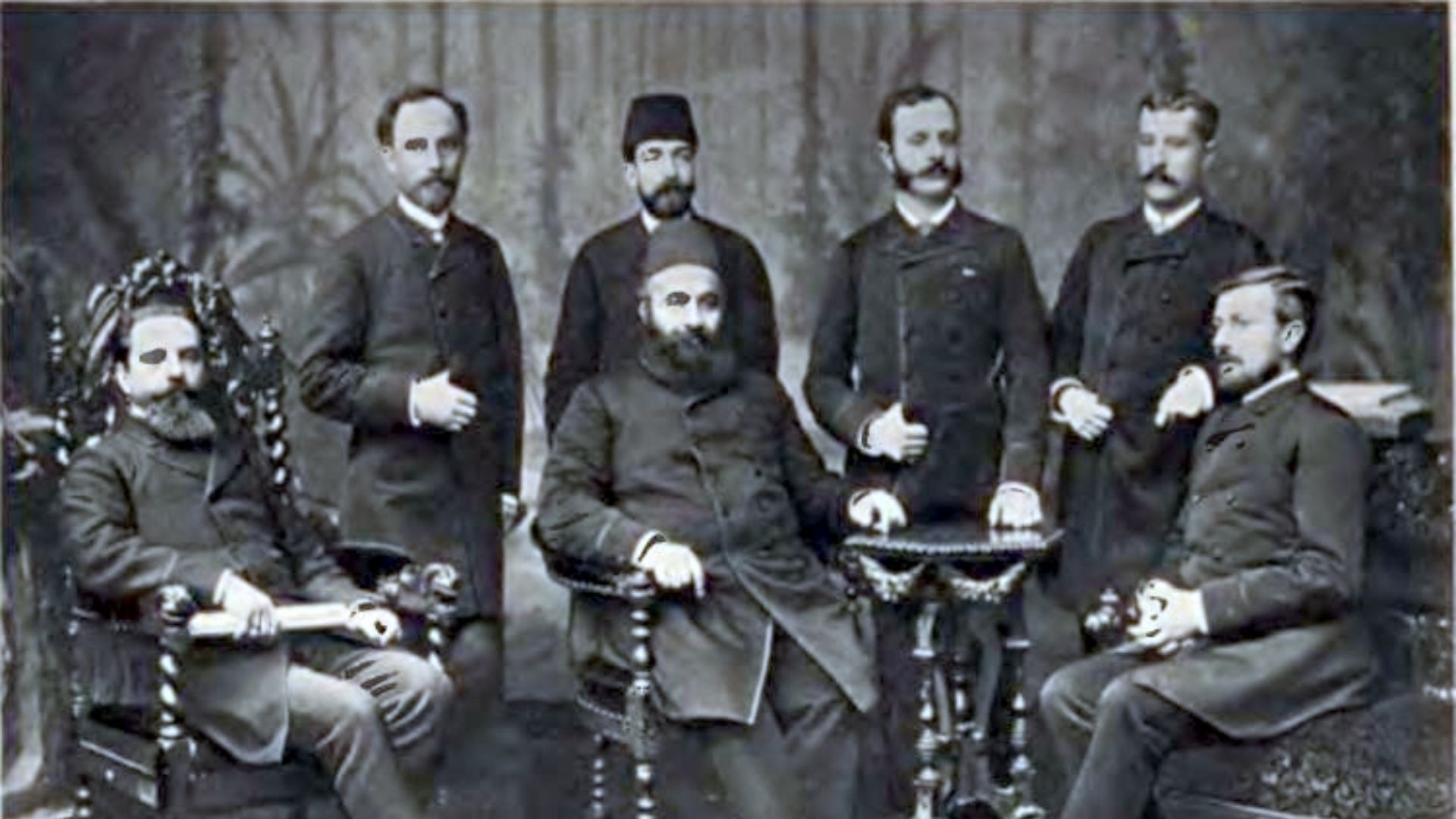
This ended the Second Balkan War by redistributing territory in ways that left Bulgaria especially bitter and its rivals anxious about the next shift. It did not resolve the region’s competing national projects; it just decided who got what for now. The Balkans stayed tense, and the larger European war that followed found plenty of dry tinder there.
 Mijatovic, Cedomilj, 1842-1932 on Wikimedia
14. Treaty Of London (1915)
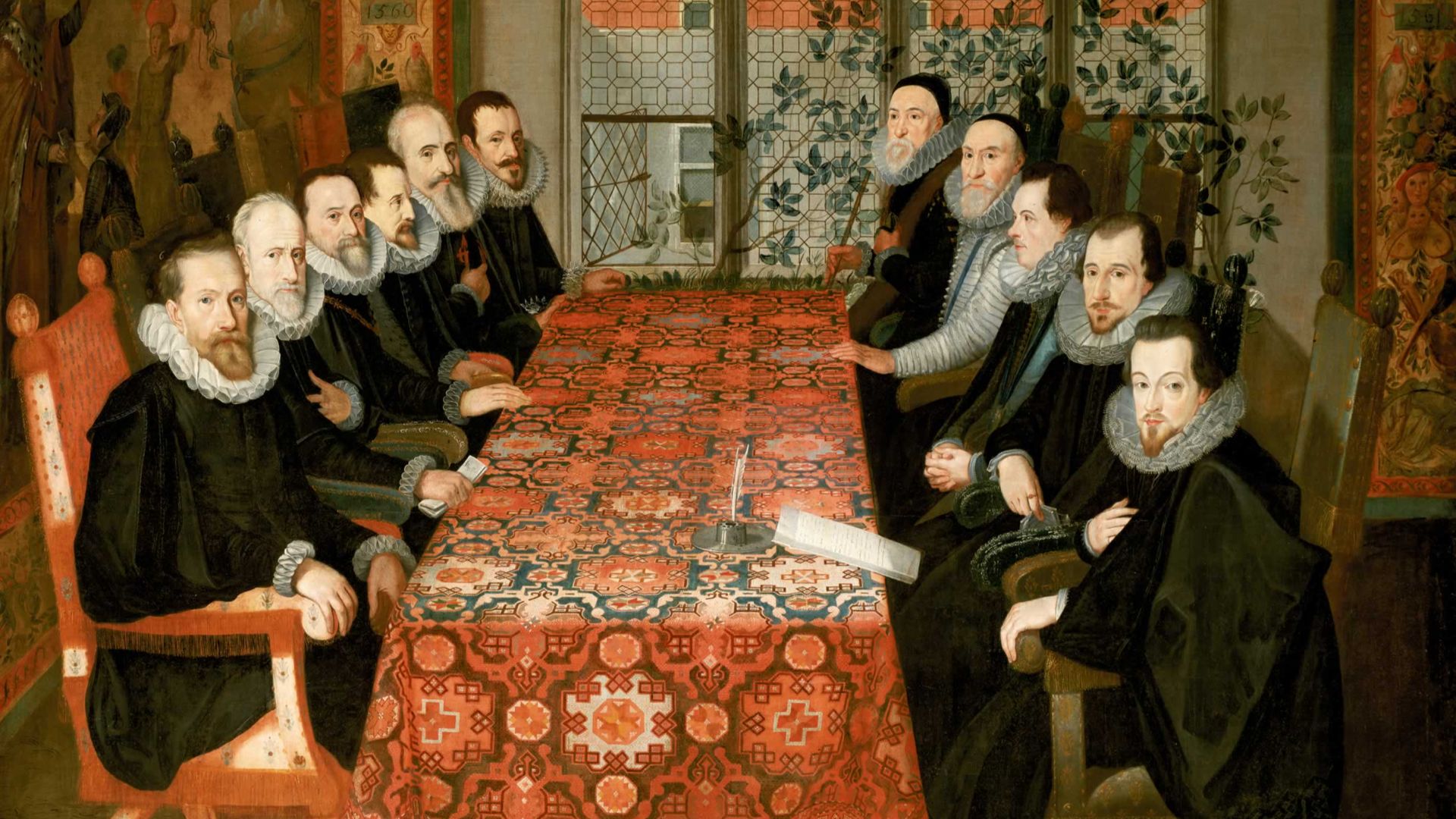
This was a secret wartime agreement promising Italy territorial gains for joining the Allied side in World War I. Turning war aims into promised land creates expectations that are almost impossible to fulfill cleanly later. After the war, arguments over what Italy deserved fed a narrative of betrayal that extremist politics could easily exploit.
 Juan Pantoja de la Cruz on Wikimedia
15. Sykes–Picot Agreement (1916)
Not a peace treaty, but it shaped the postwar order by outlining how Britain and France intended to divide influence in former Ottoman lands. The logic was imperial convenience, not local cohesion, and that mismatch did not go away when the fighting stopped. Borders drawn to manage empires often become borders fought over once empires retreat.
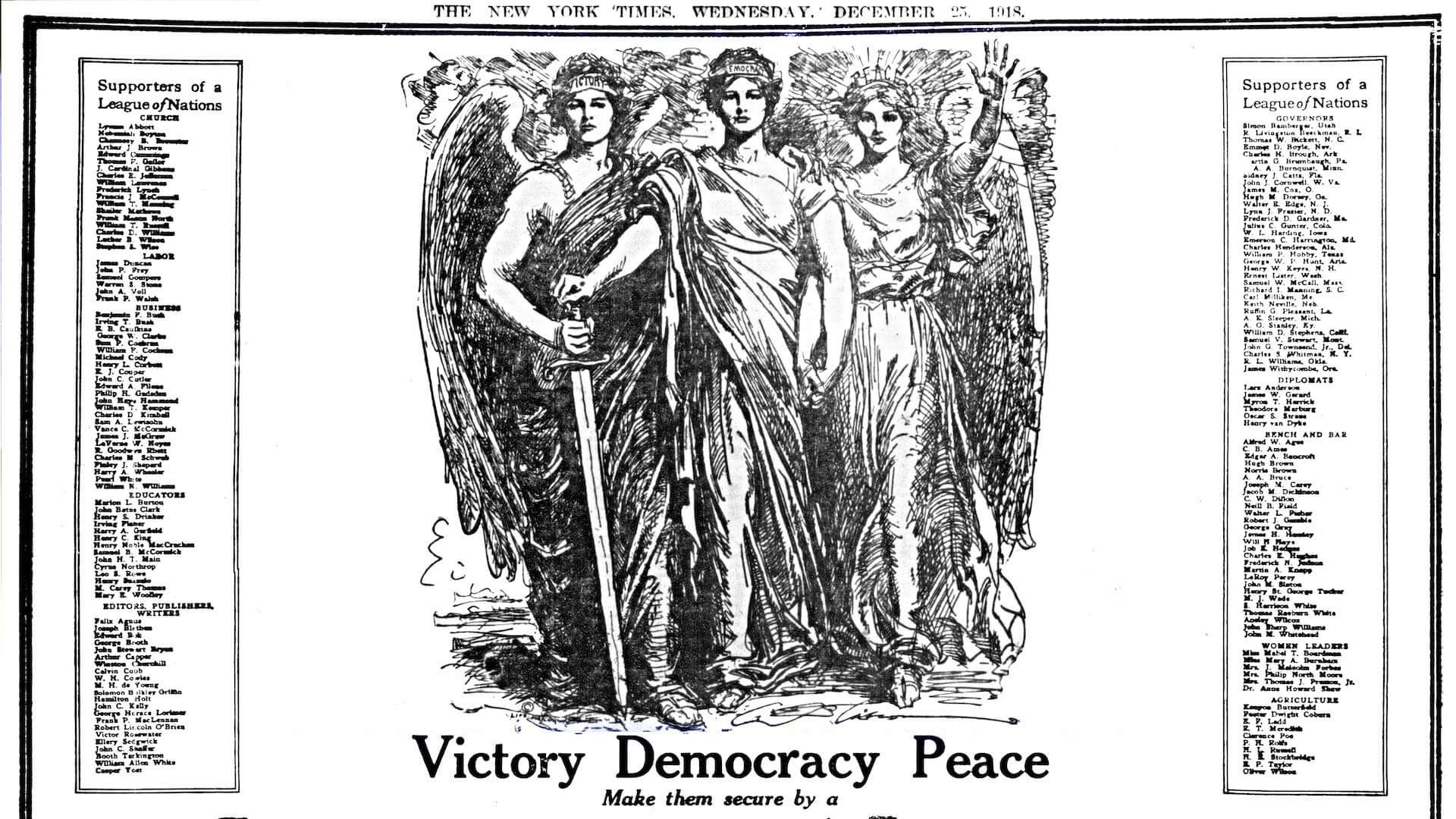
16. League Of Nations Mandates In The Middle East (1920s)
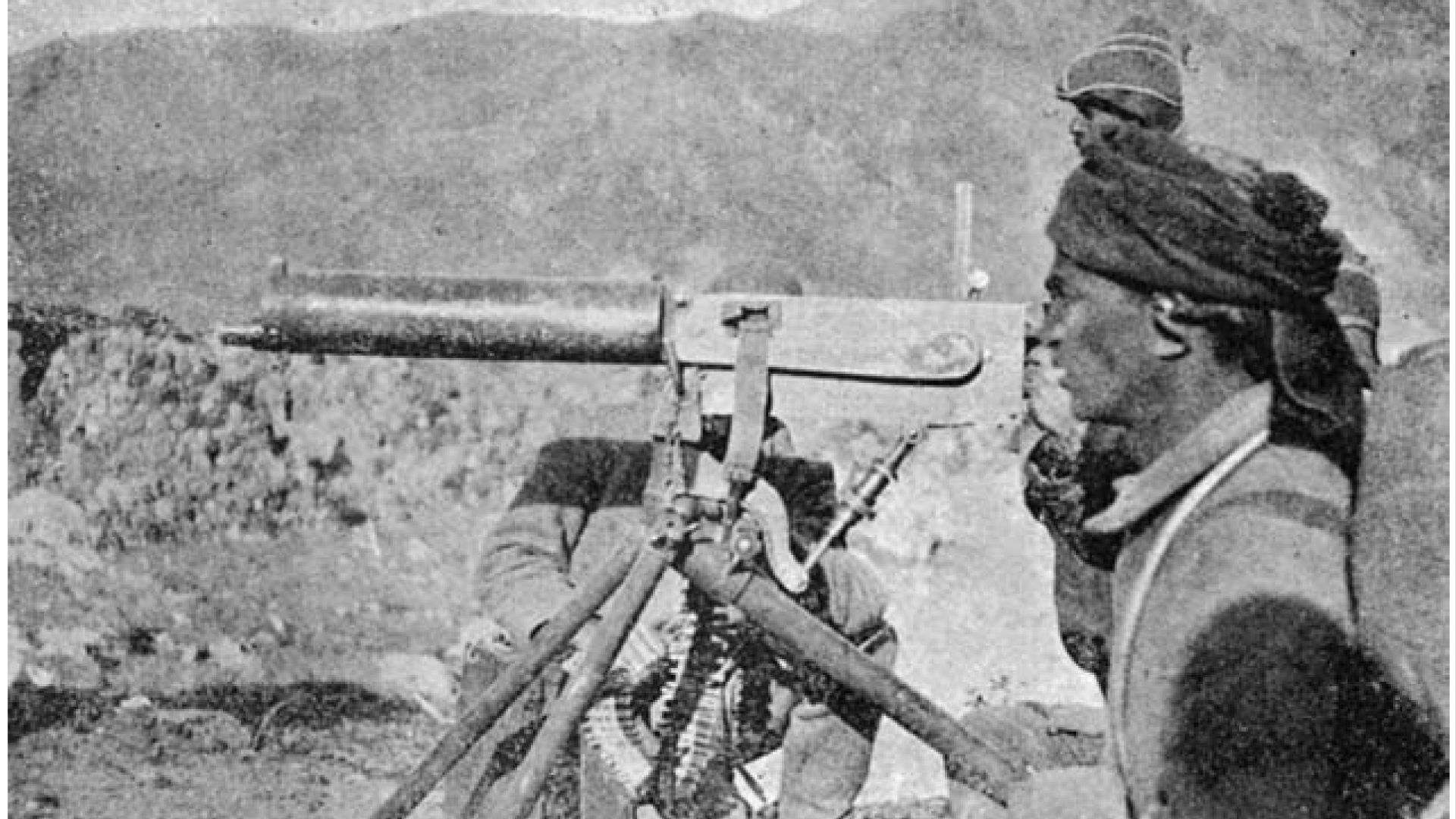
The mandate system placed territories under British and French administration with the promise of eventual self-rule, but many communities experienced it as foreign control with nicer branding. Political legitimacy matters, and mandates often struggled to build it while also serving outside interests. When a temporary arrangement feels permanent on the ground, resistance becomes part of the political landscape.
 Advertiser/promoter in The New York Times (1918-12-25) on Wikimedia
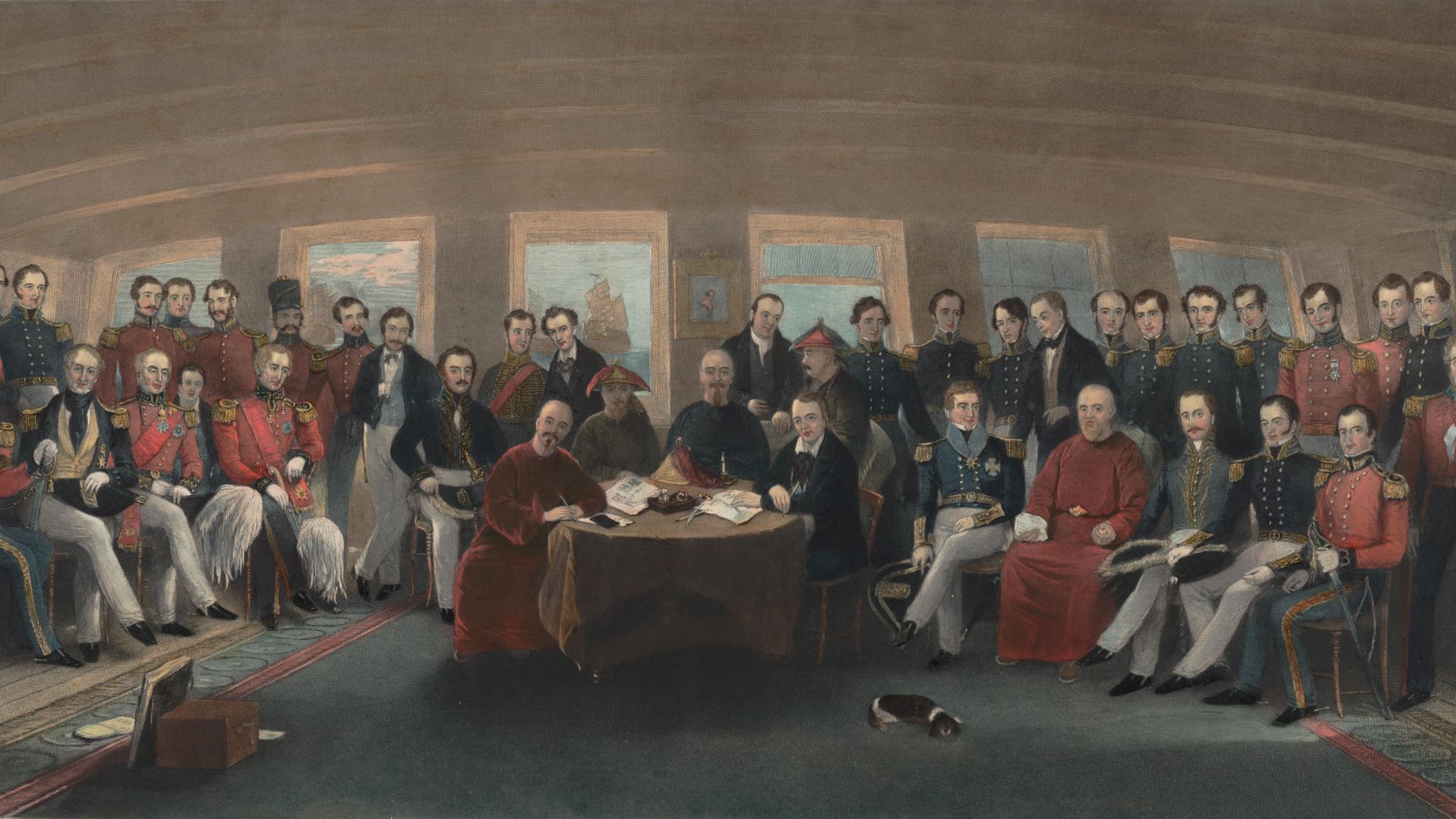
17. Treaty Of Nanking (1842)
China ended the First Opium War by opening ports, paying indemnities, and ceding Hong Kong, creating a settlement widely viewed as coerced and unequal. The agreement helped launch a broader era of foreign concessions that weakened the state and inflamed public anger. That kind of imposed peace does not settle a society; it unsettles it for generations.
 Painted by Captain John Platt, Bengal Volunteers. Engraved by John Burnet. on Wikimedia
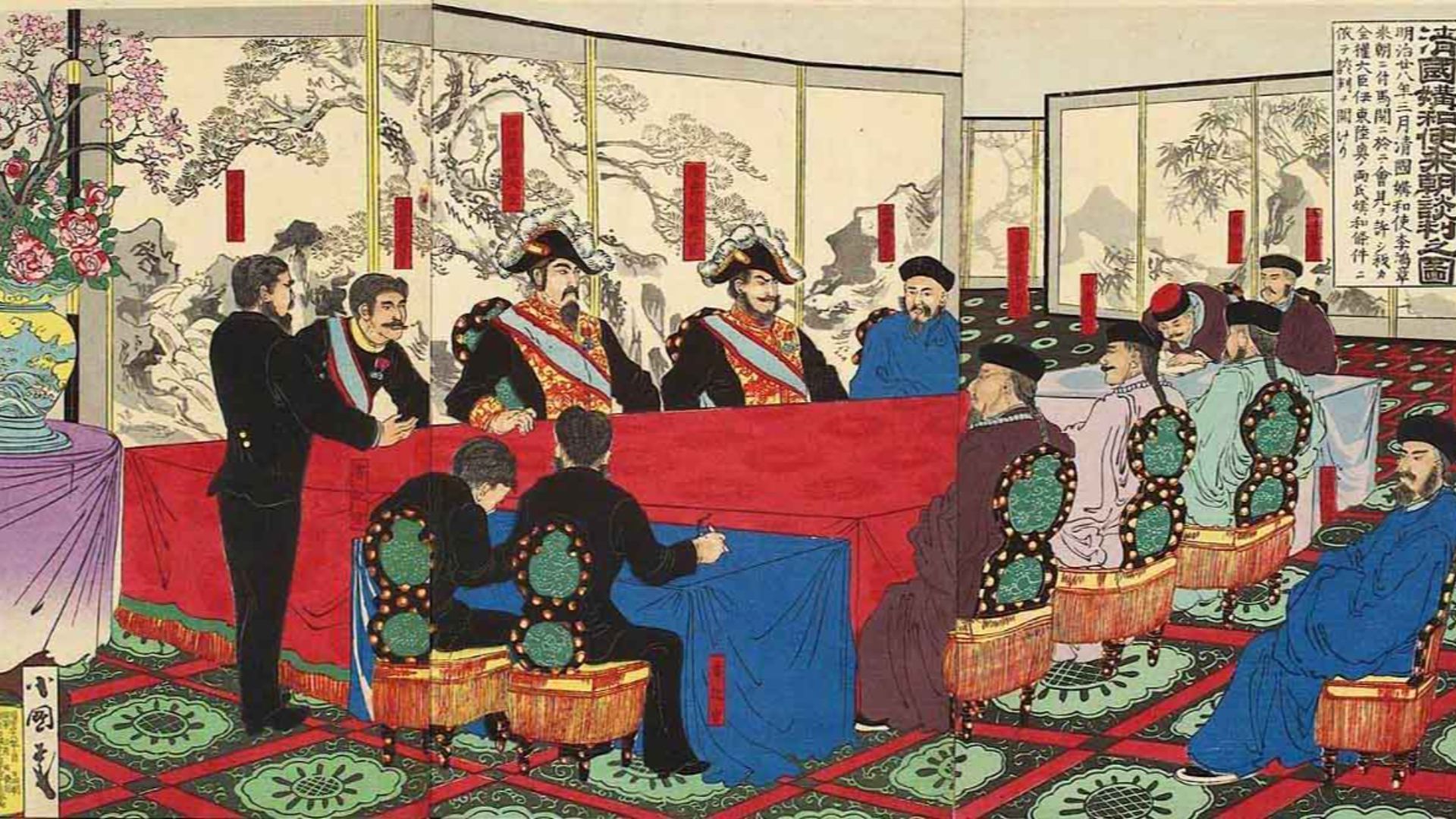
18. Treaty Of Shimonoseki (1895)
After the First Sino-Japanese War, China made major concessions, including ceding Taiwan and recognizing Korea’s independence, which expanded Japan’s regional reach. The settlement accelerated competition in East Asia, because it signaled a shift in power that other empires and states did not ignore. A peace that dramatically changes status can quietly schedule the next struggle for dominance.
 as shown on picture on Wikimedia
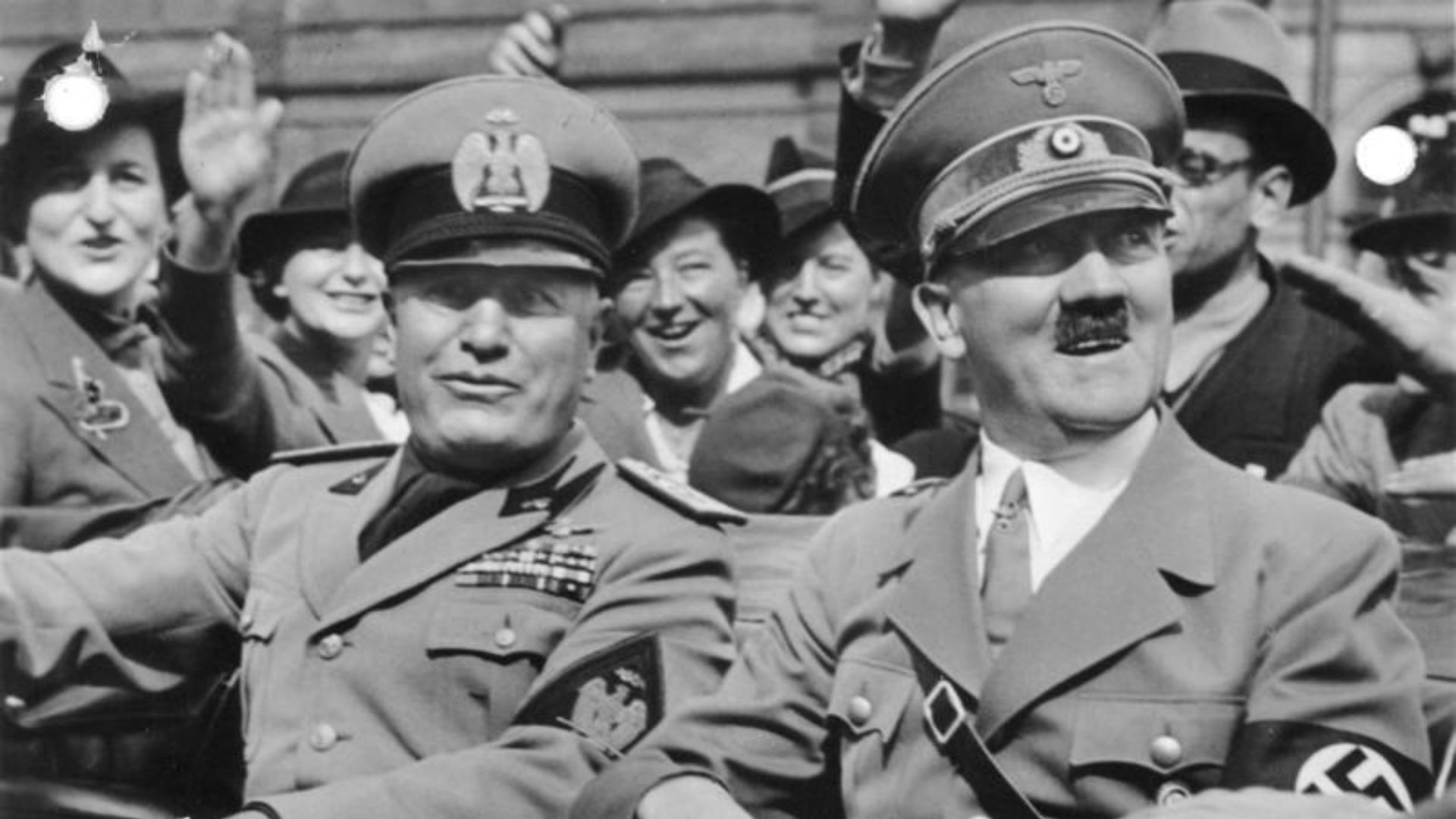
19. Munich Agreement (1938)
Britain and France accepted the transfer of the Sudetenland from Czechoslovakia to Nazi Germany without meaningful Czechoslovak consent. It was meant to prevent war, but it rewarded aggression and weakened a state that had been sacrificed for short-term calm. When a settlement teaches that threats work, it invites more threats.
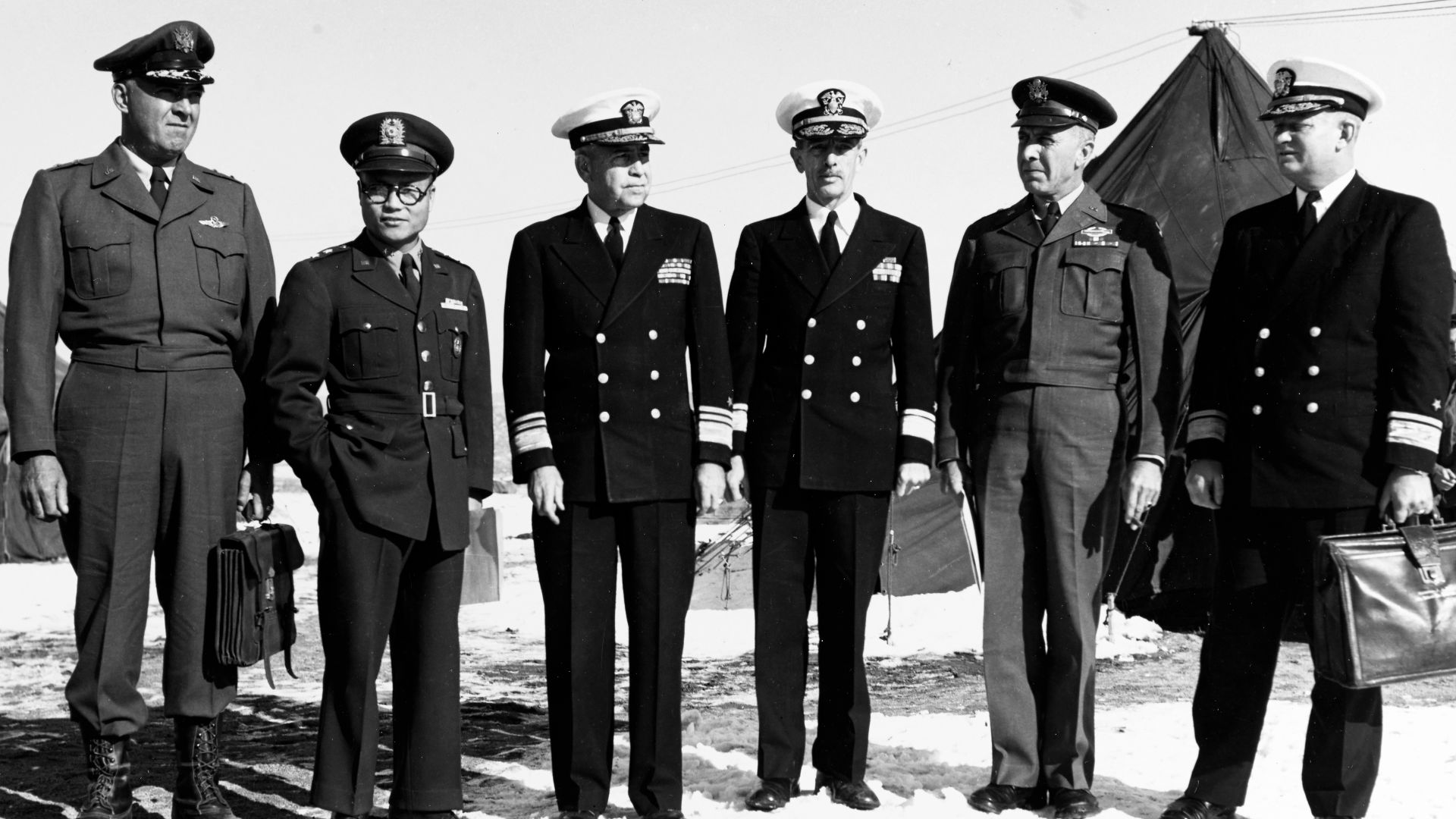
20. Korean Armistice Agreement (1953)
The armistice stopped active fighting in the Korean War but did not produce a formal peace treaty, leaving the conflict technically unresolved. The peninsula became a permanent high-tension standoff, with militarization and periodic crises built into the structure of the end. A ceasefire can pause a war, but it can also turn a war into a long-term condition.
KEEP ON READING