

One Word, Whole New Timeline
History is shaped by big speeches and major decisions, but it is also shaped by wording. One badly chosen word, one phrase softened or sharpened in translation, and people end up responding to a message that was never actually sent. Translation gets especially risky when two sides already want different things, because any ambiguity gets pulled in the direction that benefits someone. Sometimes the fallout is immediate and obvious, and sometimes it settles in slowly, influencing laws, religious teachings, borders, or the story a country tells about itself. Here are 20 moments when a translation mistake, or a meaning choice that landed wrong, helped push events onto a different path.
1. Mokusatsu
In 1945, Japan’s response to the Potsdam Declaration included the word mokusatsu, which can carry meanings ranging from withholding comment to treating something with contempt. The way it was received and framed internationally became a lasting cautionary tale about how one word can harden into a verdict. Even now, it gets cited whenever people talk about high-stakes ambiguity.

2. Treaty of Wuchale
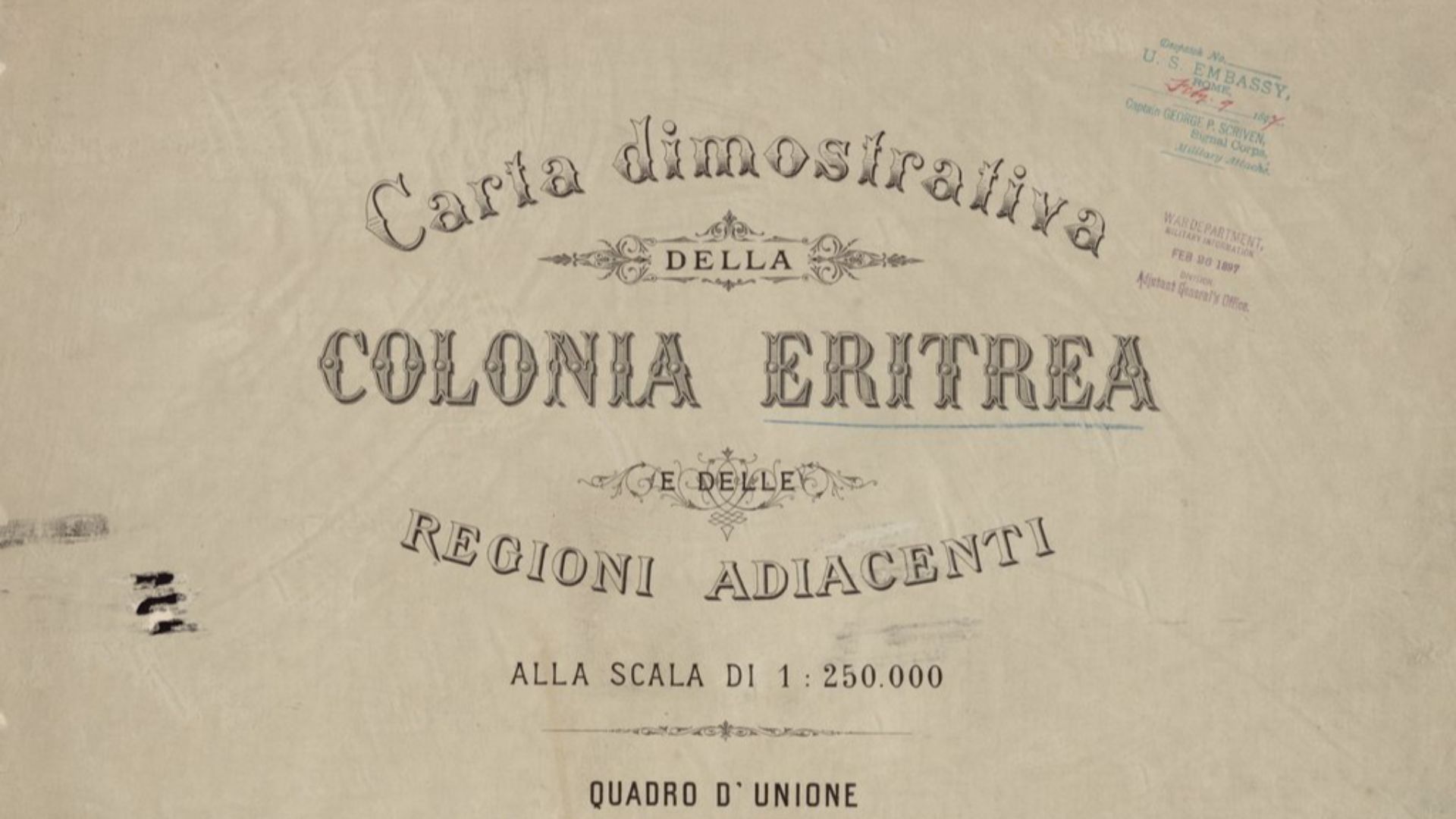
Italy and Ethiopia signed the Treaty of Wuchale in both Italian and Amharic, and the two versions did not say the same thing. One read as optional cooperation on foreign affairs, while the other implied a requirement that effectively made Ethiopia a protectorate. That mismatch helped drive the relationship toward open conflict.
3. Treaty of Waitangi
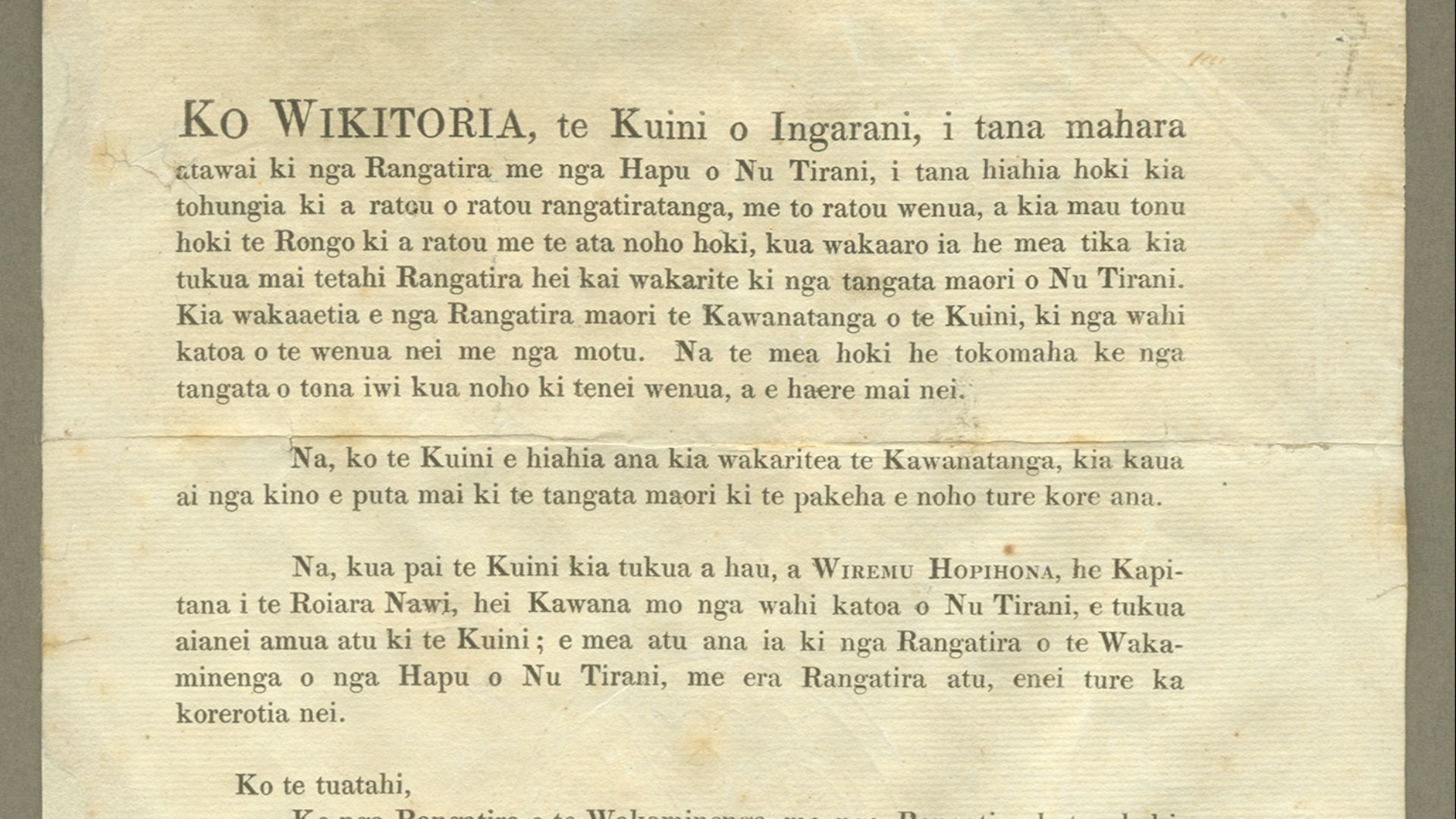
The English and Māori versions of the Treaty of Waitangi differ in ways that changed how sovereignty and governance were understood. Key terms do not map cleanly between languages and worldviews, so the documents created two competing expectations from day one. The result is a national argument that never really ends, because it is built into the text.
 Archives New Zealand on Wikimedia
4. UN Resolution 242
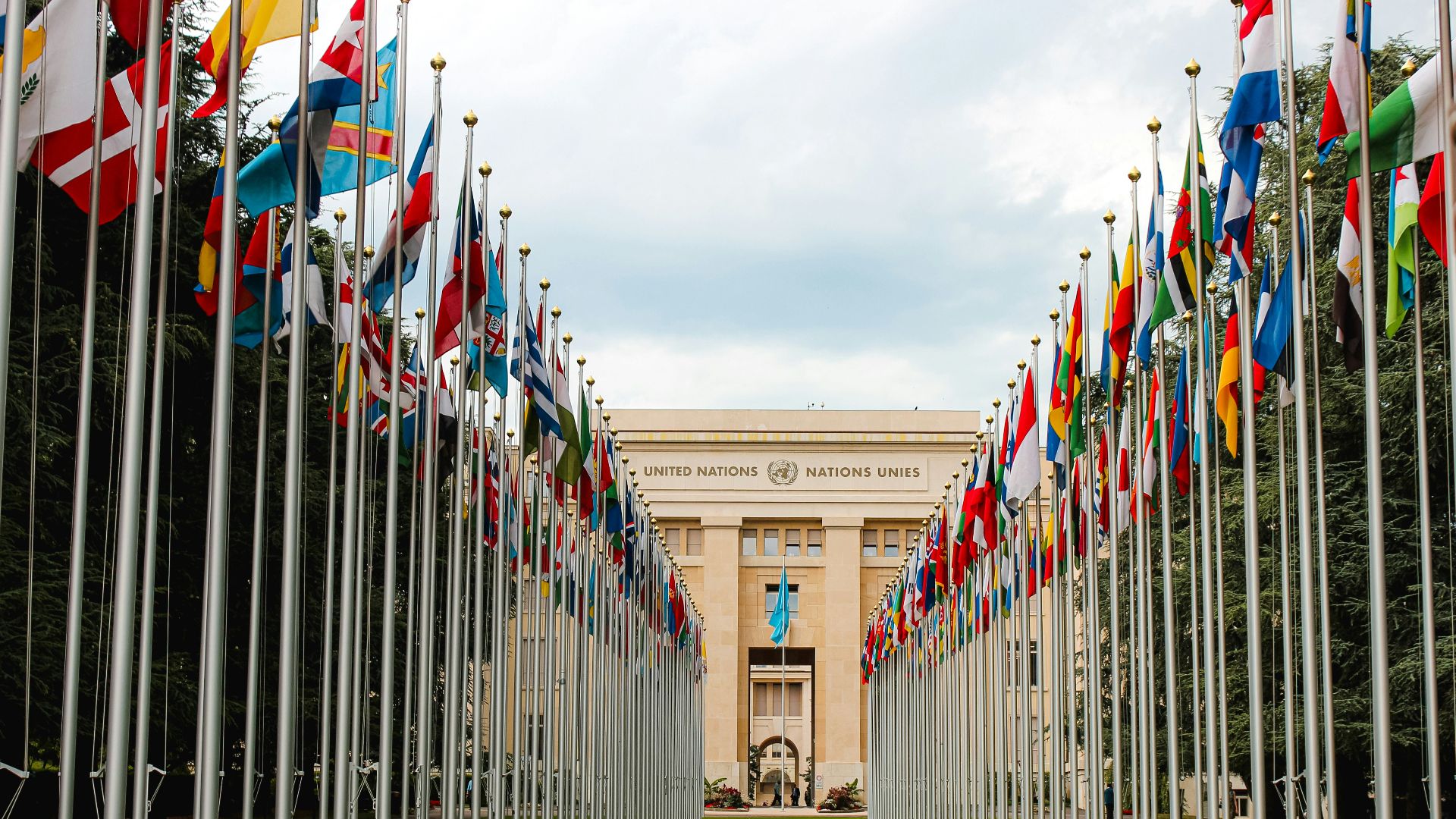
After the 1967 war, UN Security Council Resolution 242 became famous for how tiny wording differences can carry huge diplomatic weight. The English and French versions have been read differently on the question of how complete withdrawal should be. When a peace framework rests on grammar, every article starts to feel like a landmine.
5. Canali on Mars
When astronomers described linear features on Mars using the Italian word canali, it could mean channels, not necessarily man-made canals. Rendered as canals in English, the word practically invited the idea of engineering and intelligent builders. That translation helped launch a whole era of certainty about Martians that the science did not actually support.

6. We Will Bury You
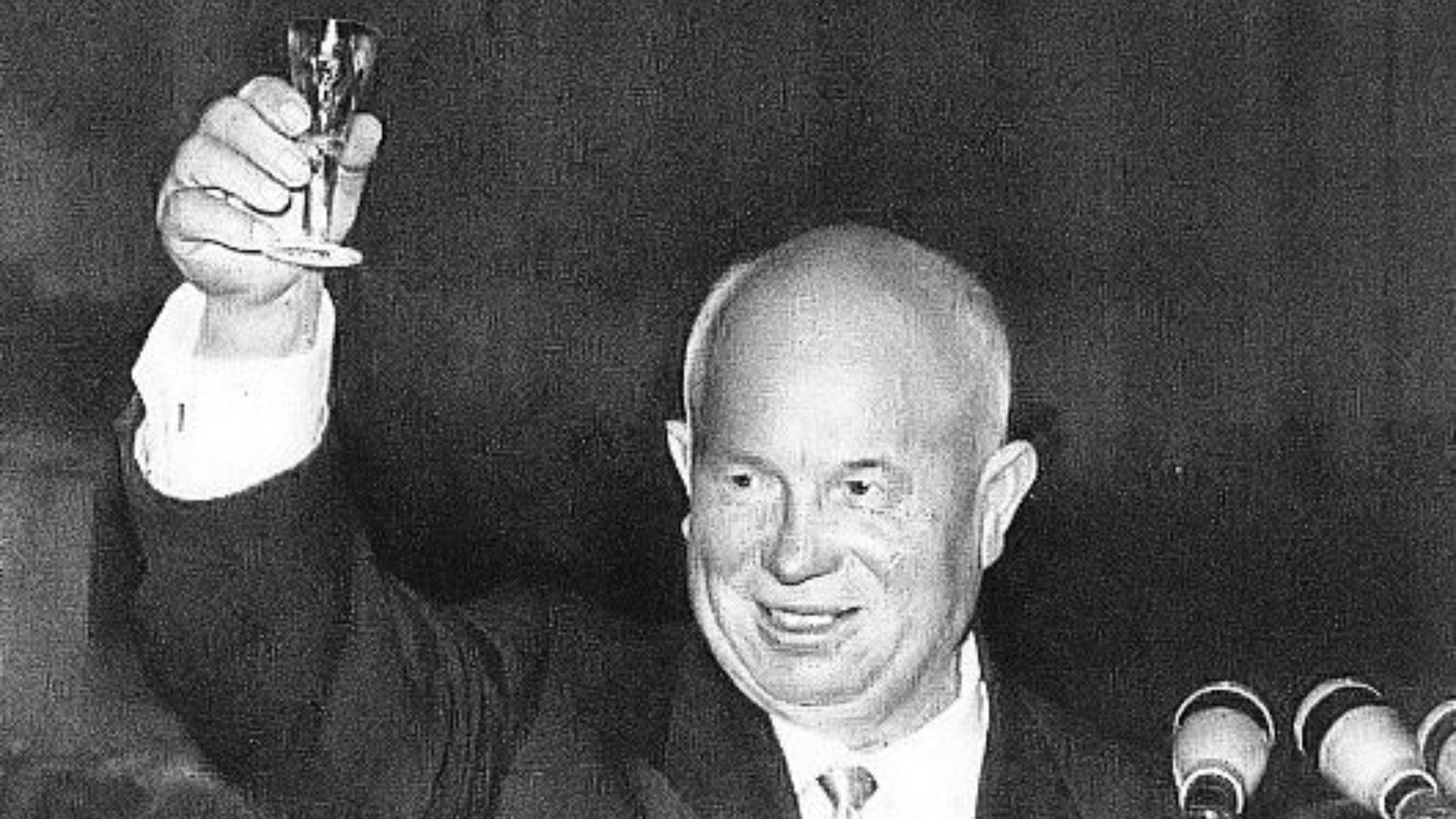
A Cold War phrase attributed to Nikita Khrushchev was translated in a way that sounded like a direct threat of violence. Many later interpretations argue the intended meaning leaned more toward historical inevitability and outlasting an opponent. The sharper translation traveled farther, because headlines love a punch.
 commons.wikimedia.org on Google
7. Carter in Poland
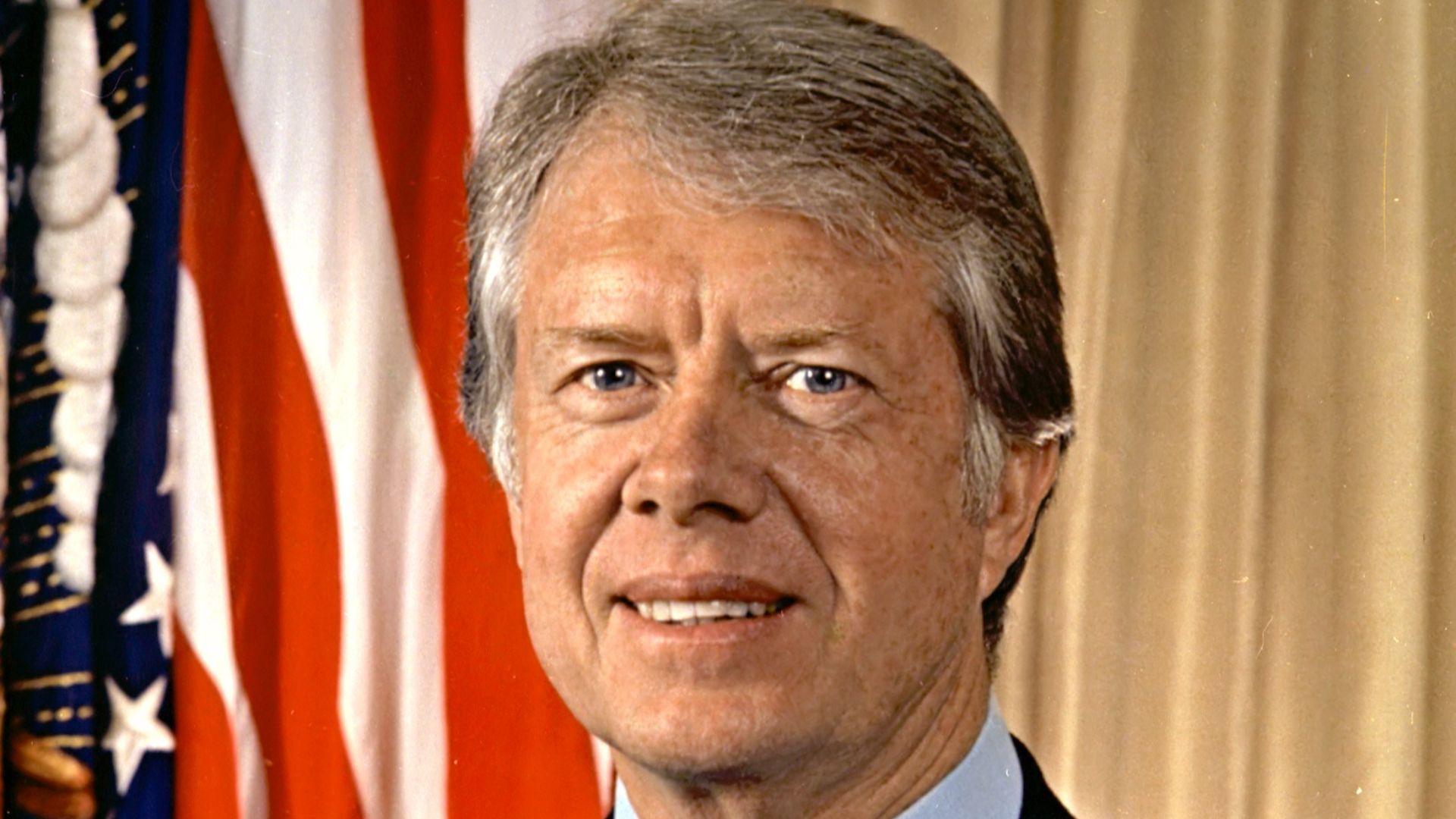
During a 1977 visit to Poland, an interpreter’s mistakes turned Jimmy Carter’s remarks into something bizarre and humiliating. Carter’s line about wanting to learn about the Polish people was rendered in a way that suggested he desired them sexually. The message came across with unintended meanings that made ordinary diplomatic statements sound strange and inappropriate.
 Department of Defense. Department of the Navy. Naval Photographic Center on Wikimedia
8. Moses With Horns
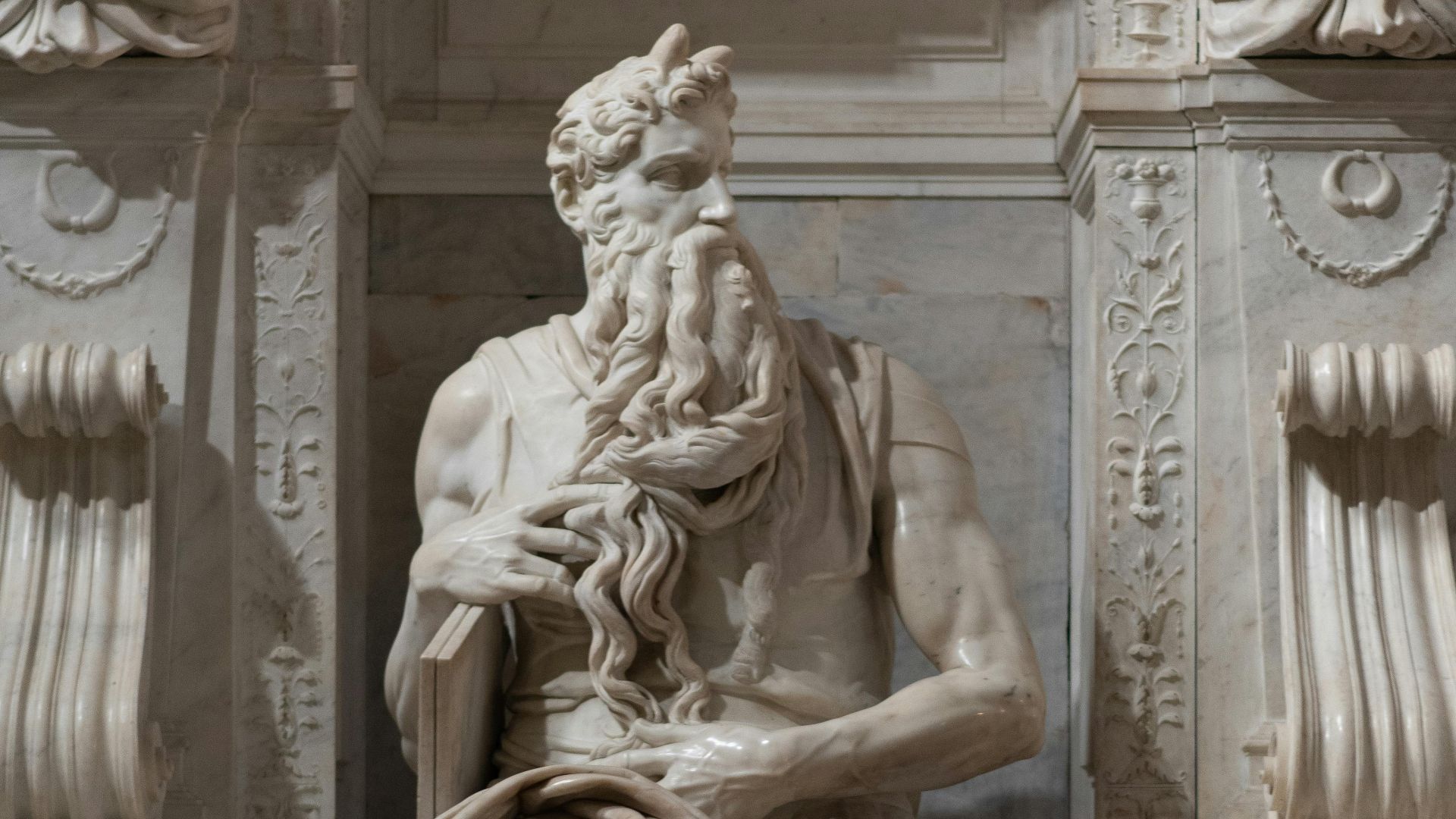
A translation choice in the Latin tradition contributed to centuries of art depicting Moses with horns. The underlying Hebrew describes radiance or shining, but a Latin rendering supported horn imagery, and artists ran with it. Once a mistake becomes visual, it can live longer than the text.
 Maria Laura Catalogna on Pexels
9. Zimmermann Telegram
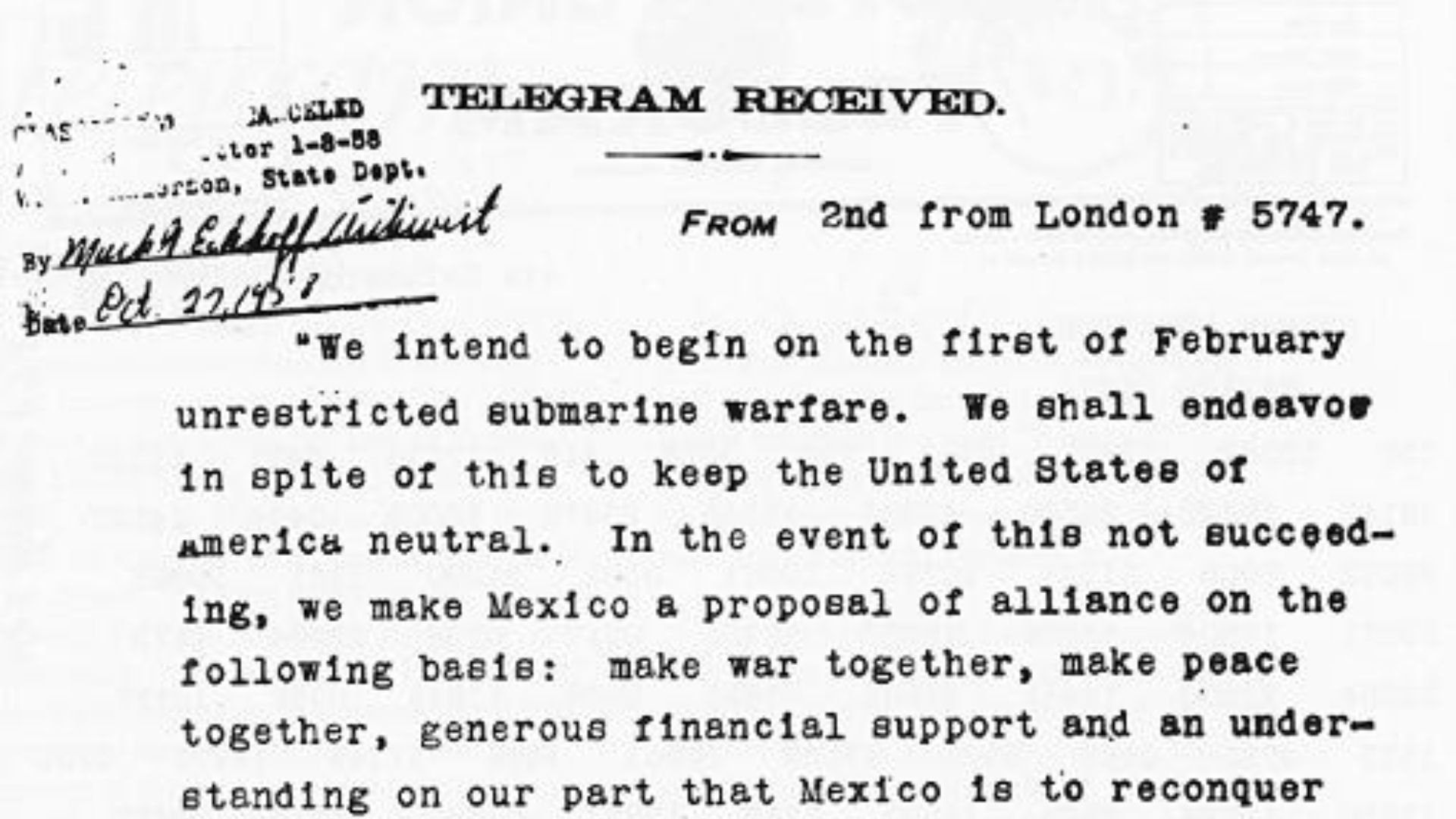
In 1917, British intelligence intercepted a coded German message and translated it into English for U.S. officials, revealing a proposed alliance with Mexico if the United States entered the war. Once the translated text became public, it hit Americans as a direct threat to U.S. territory, and outrage spiked fast. That one translated document helped shove public opinion toward war and made neutrality harder to defend.
 National Archives on Wikimedia
10. Metanoia and Penance
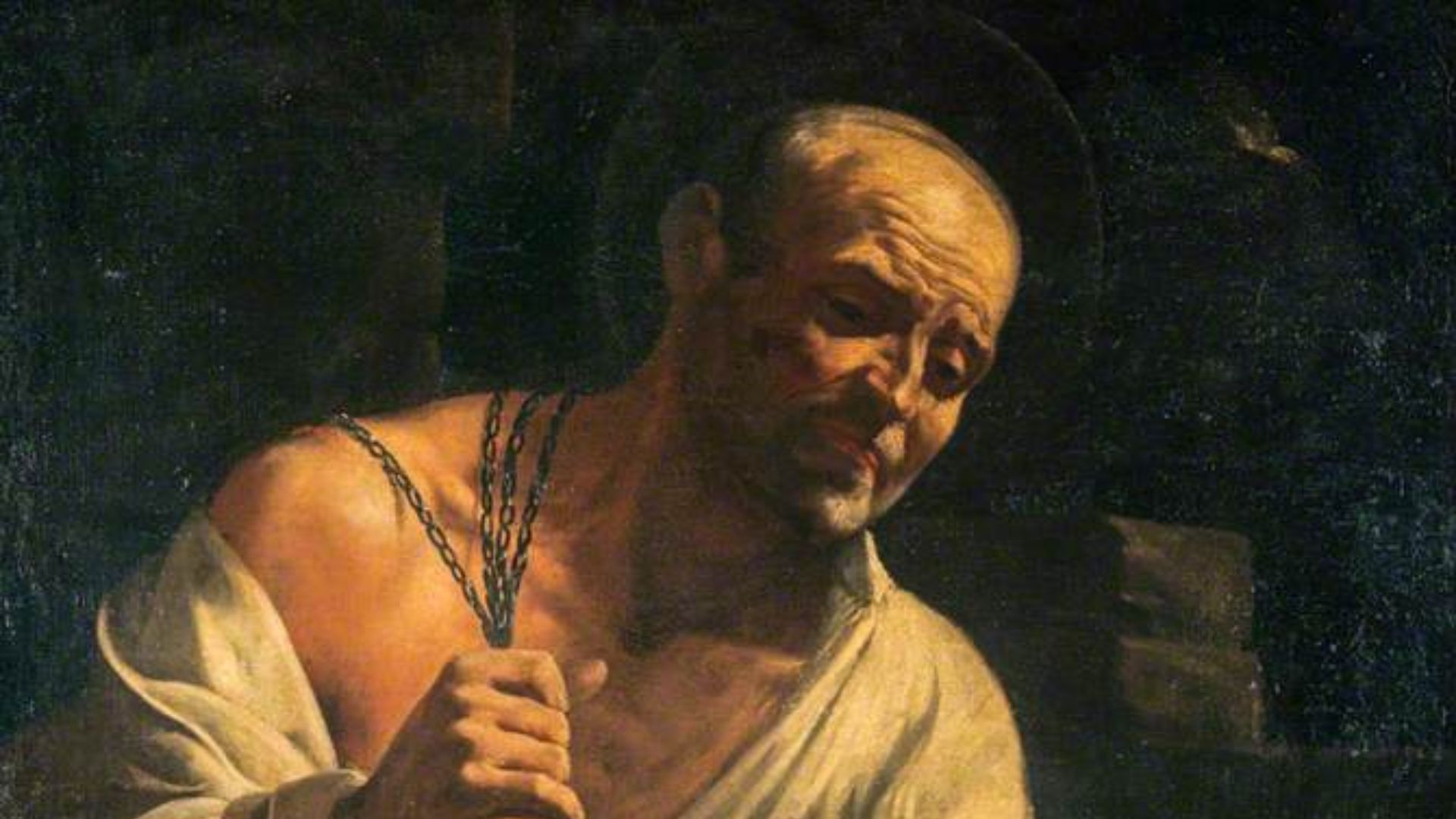
In Greek, metanoia points toward a change of mind or turning, but Latin renderings helped push it toward doing penance in many contexts. That difference matters because it affects what people think repentance looks like in practice. Translation did not just change meaning here; it changed behavior.
 commons.wikimedia.org on Google
11. Unicorns in Scripture
A Hebrew term likely referring to a powerful wild animal was rendered as unicorn in influential translation traditions. Once unicorn entered the text, it brought mythical imagery along with it and stuck in popular memory. It is a small lexical choice with a very loud cultural afterlife.

12. Camel or Rope
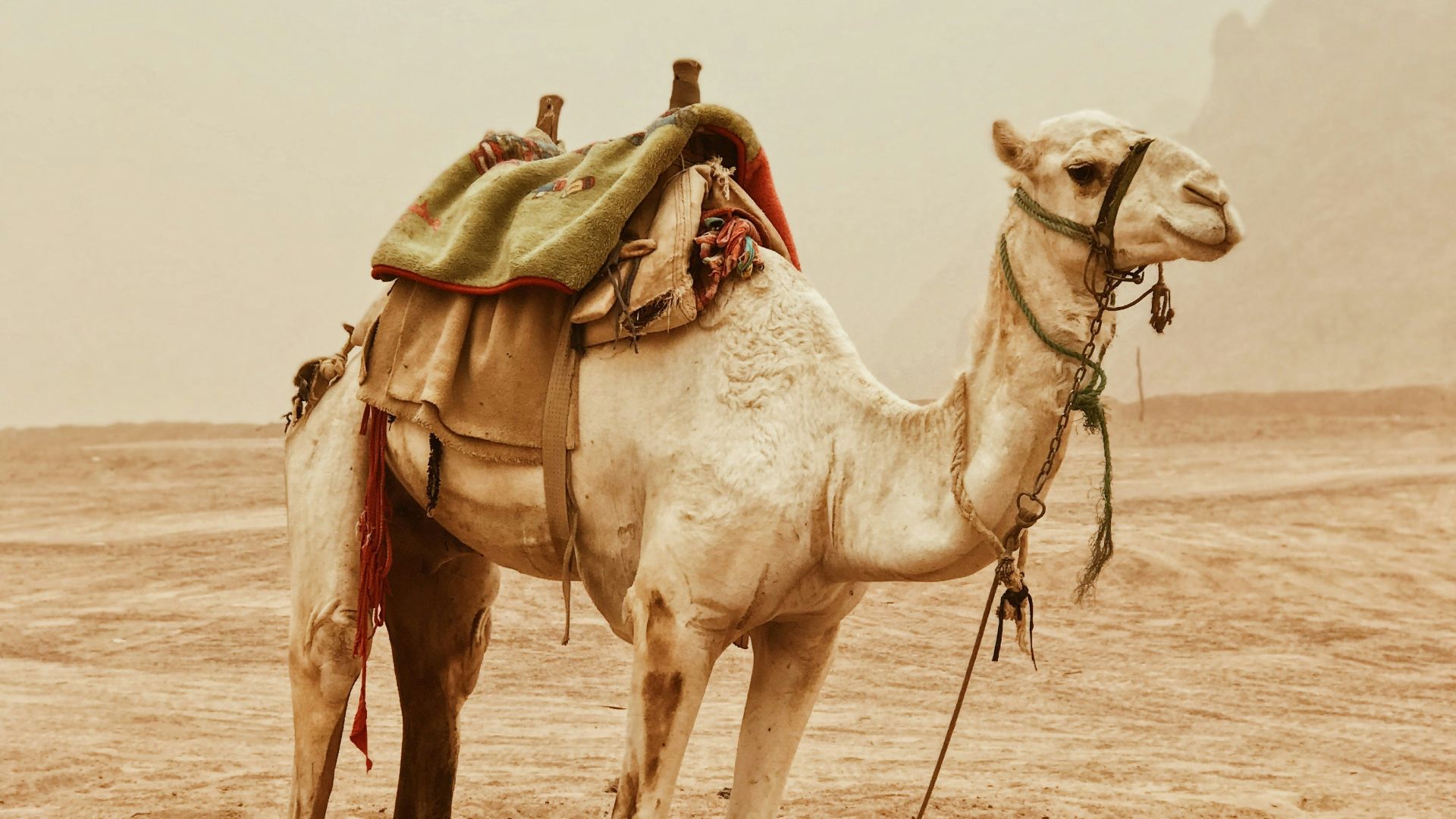
A long-running debate argues that a famous saying about a camel and the eye of a needle may have been influenced by confusion with a similar word that could mean rope. Even if the phrase is ultimately preserved as camel in many traditions, the discussion shows how fragile a metaphor can be when languages sit close together. One letter can change the whole picture in your head.
13. The Donation of Constantine
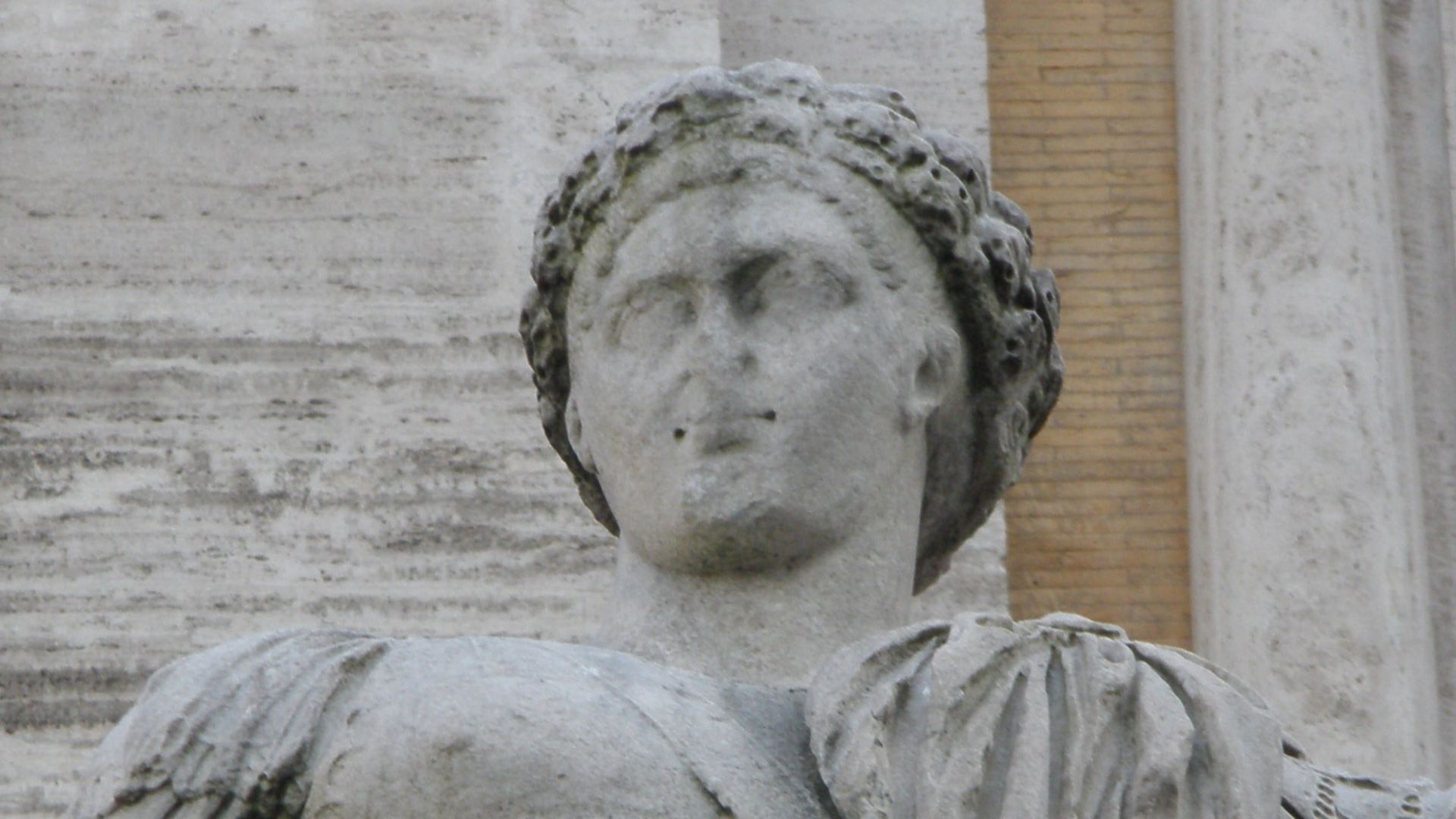
A forged document used to support papal authority relied on Latin phrasing that later readers treated as legal and historical proof. The issue is not just that it was fake, but that interpretation and translation choices helped it function as real power for a long time. Words created legitimacy first, and correction came much later.
14. The Hainan “Very Sorry” Letter
After the 2001 EP-3 incident near Hainan, China demanded an apology, and the U.S. tried to thread the needle with carefully chosen language in English. In Chinese, the phrasing was widely presented as an apology, while U.S. officials insisted it was regret, and that gap gave both governments political cover at home. The crew was released, but the episode became a case study in how one disputed rendering can decide whether a crisis escalates or ends.

15. The “Barbarian” Label
Words used for foreign peoples in classical texts often got translated into terms that meant uncivilized rather than simply non-local. That shift helped turn “not us” into “less than us,” which is a powerful seed for policy and prejudice. Translation can smuggle contempt into history without announcing itself.

16. “Wipe Israel Off the Map”
In 2005, Mahmoud Ahmadinejad was widely reported in English as saying Israel should be wiped off the map, a phrasing that lit up global politics immediately. Critics argued the Persian line was closer to a call for the Israeli regime to vanish from the page of time, which is still inflammatory but meaningfully different from a literal geographic threat. Either way, the translated headline version became the one that traveled, shaped reactions, and hardened talking points.

17. The Balfour “Declaration” vs “Promise” Fight
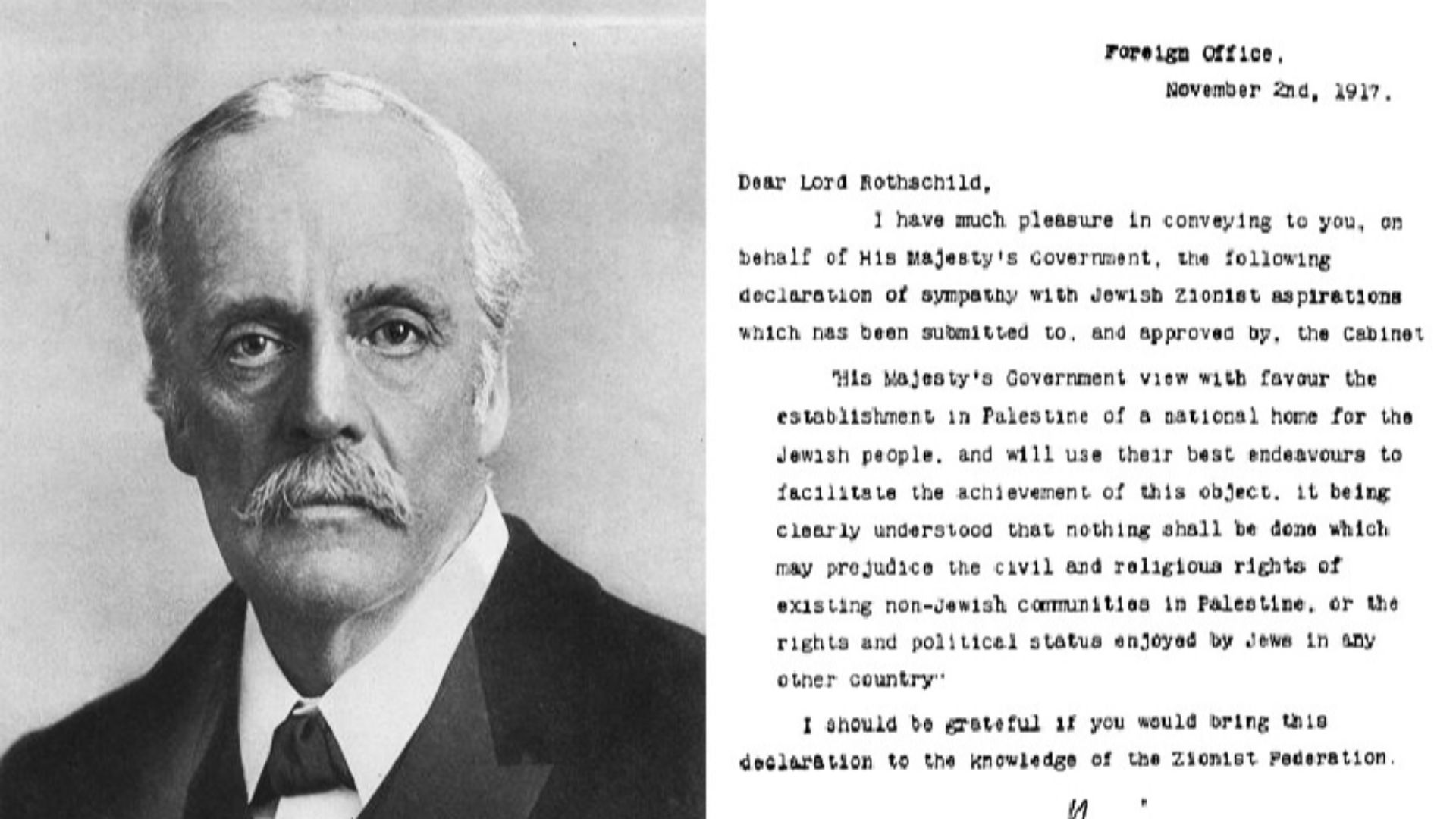
In Arabic, the Balfour Declaration is often referred to as a “promise” rather than a “declaration,” and that translation choice is not neutral. “Promise” implies a binding commitment Britain made on behalf of someone else, which feeds a very different political framing of legitimacy and betrayal. The word choice has become part of the argument itself, not just a label for it.
 see original image descriptions on Wikimedia
18. The “Kamikaze” Problem
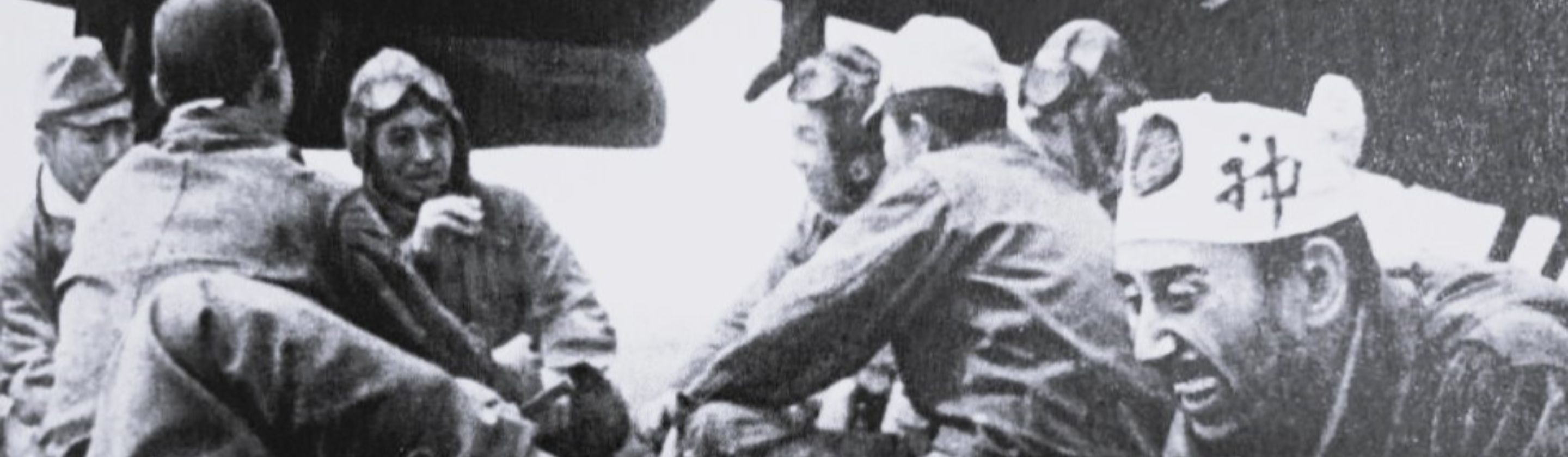
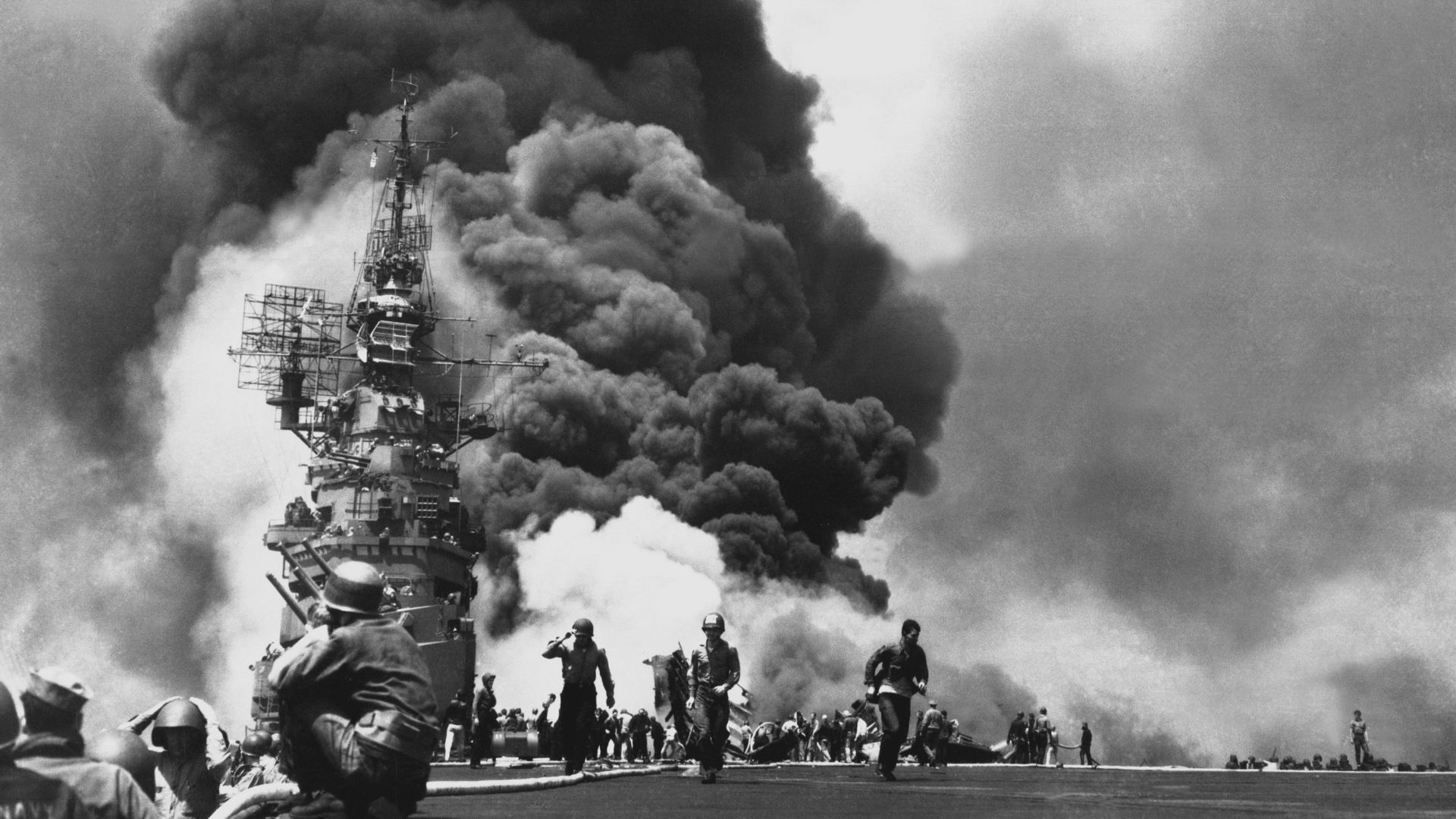
Kamikaze can be translated literally as divine wind, but it became globally fixed as a label for suicide pilots, flattening centuries of context into a single wartime meaning. That shortcut shaped how audiences understood Japan, warfare, and sacrifice long after the war ended. A translated term became a permanent frame.
 U.S. Navy; The original uploader was Quercusrobur at English Wikipedia.. on Wikimedia
19. The “Jihad” Shortcut
Jihad has a wide range of meanings in Islamic contexts, but popular translation often reduced it to holy war as the default. That narrowing shaped policy debates, media narratives, and public fear, because a complex term got turned into a single alarming headline. Translation here did not merely clarify; it distorted.

20. The Medicine Creek Treaty and Chinook Jargon
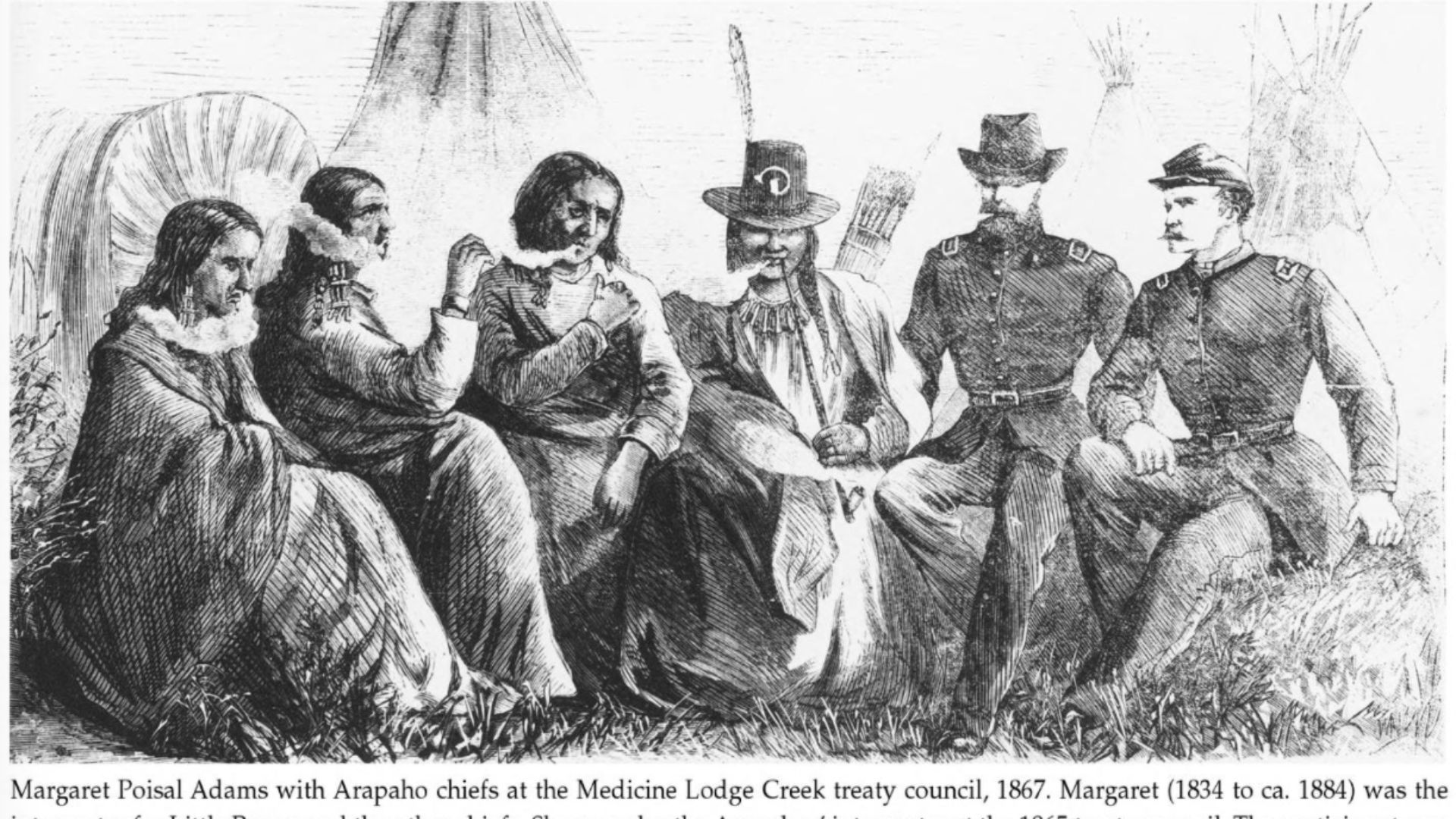
At the 1854 Medicine Creek council in Washington Territory, the treaty was read to tribal leaders through Chinook trade jargon, a limited pidgin that was not built for translating US legal ideas about land title, reserved rights, and jurisdiction. The result was an agreement signed under conditions where key concepts were easy to misunderstand and hard to challenge in the moment.


KEEP ON READING
Fact Or Fiction? 20 Facts About King Arthur
Separating Legend From History. King Arthur stands at the crossroads…
By Annie Byrd May 6, 2026
20 Common Sayings With Bizarre Historical Origins
Words Have Backstories. The strangest thing about everyday language is…
By Cameron Dick May 6, 2026
What It Was Like To Travel The Silk Road As…
Andrea Cappiello on UnsplashTraveling the Silk Road as a merchant…
By Rob Shapiro May 5, 2026
20 Famous Jane Does Who Were Finally Identified By Modern…
Destroyed Families Finally Get Their Answers. For decades, Jane Doe…
By Sara Springsteen May 5, 2026
The Conman Who Tried to Sell the Eiffel Tower Twice
inconnu on WikimediaVictor Lustig was born in 1890 in Hostinné,…
By Cameron Dick May 5, 2026
20 Major Inventions People Credit to the Wrong Person
The Credit Doesn’t Always Land Where It Should. History often…
By Emilie Richardson-Dupuis May 5, 2026