Chunyun: The World's Biggest Homecoming And The Rules Nobody Escapes
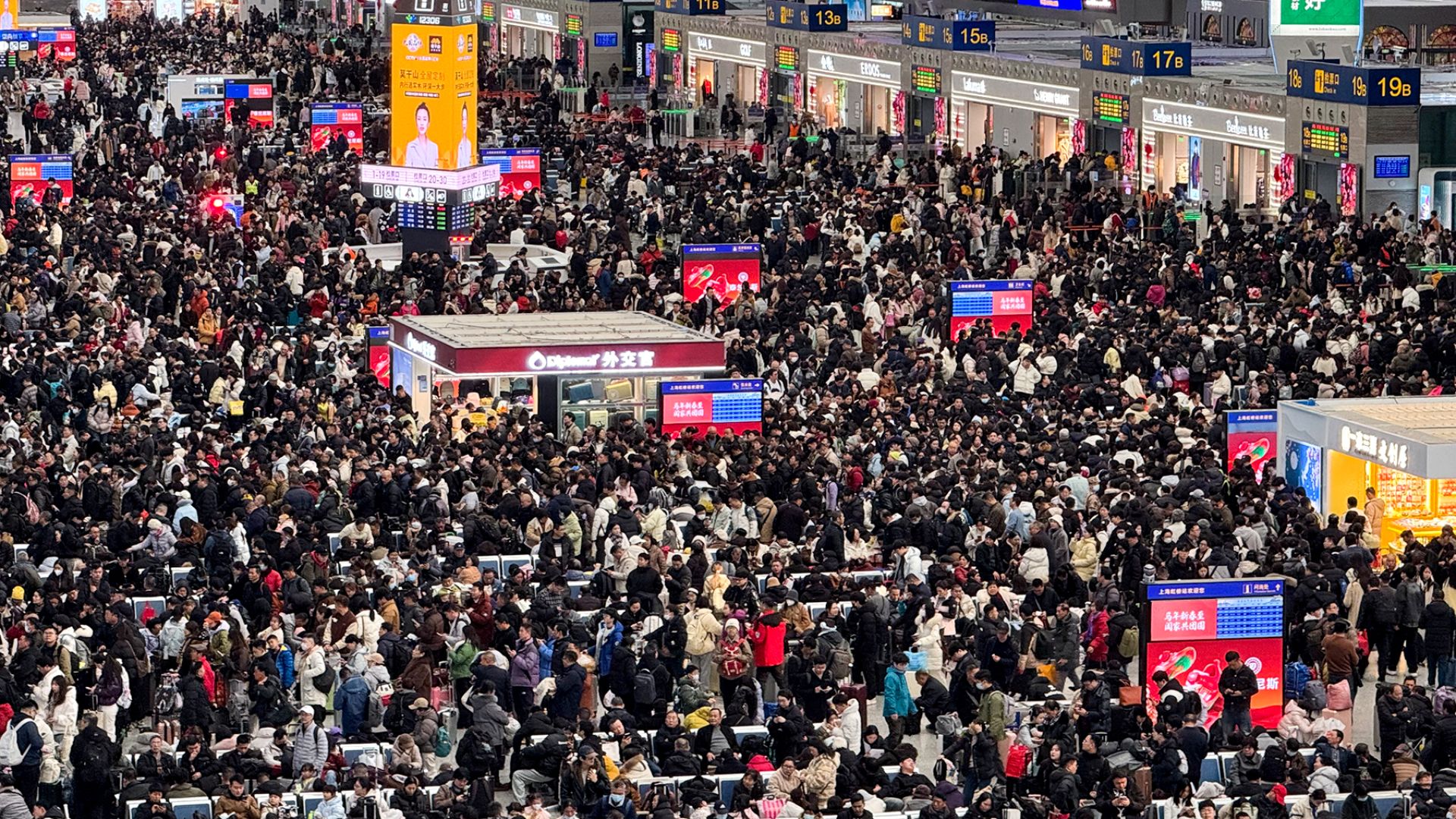
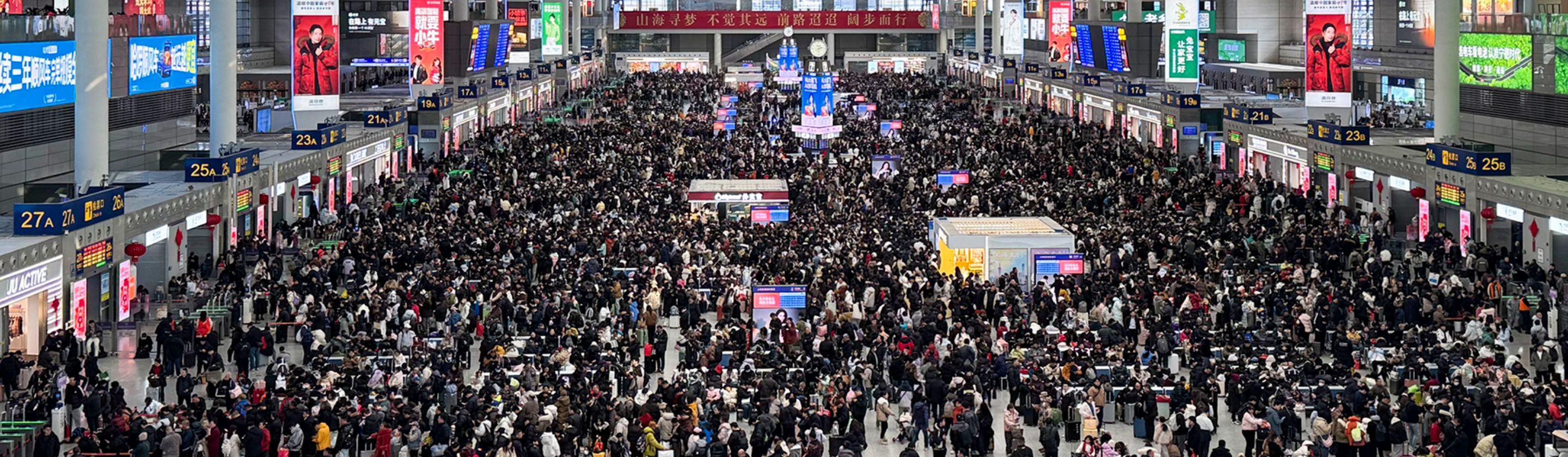
Every year, roughly 40 days before and after the Lunar New Year, China completely transforms. Trains fill, highways slow to a crawl, and airports push their limits as hundreds of millions of people move simultaneously toward home. The event has a name: Chunyun, or the Spring Festival travel rush, and it holds the title of the largest annual human migration on the planet.
Urban centers like Beijing and Shanghai shed enormous portions of their populations almost overnight, while rural hometowns absorb the returning flood of workers, students, and families. The 40-day window is not purely about homecoming, either; it also triggers a surge in domestic tourism as people use China's extended Lunar New Year holiday to visit destinations like Yunnan province or Harbin. No matter your age, profession, or income level, Chunyun finds a way to pull you into its current state.
The Cultural Heart
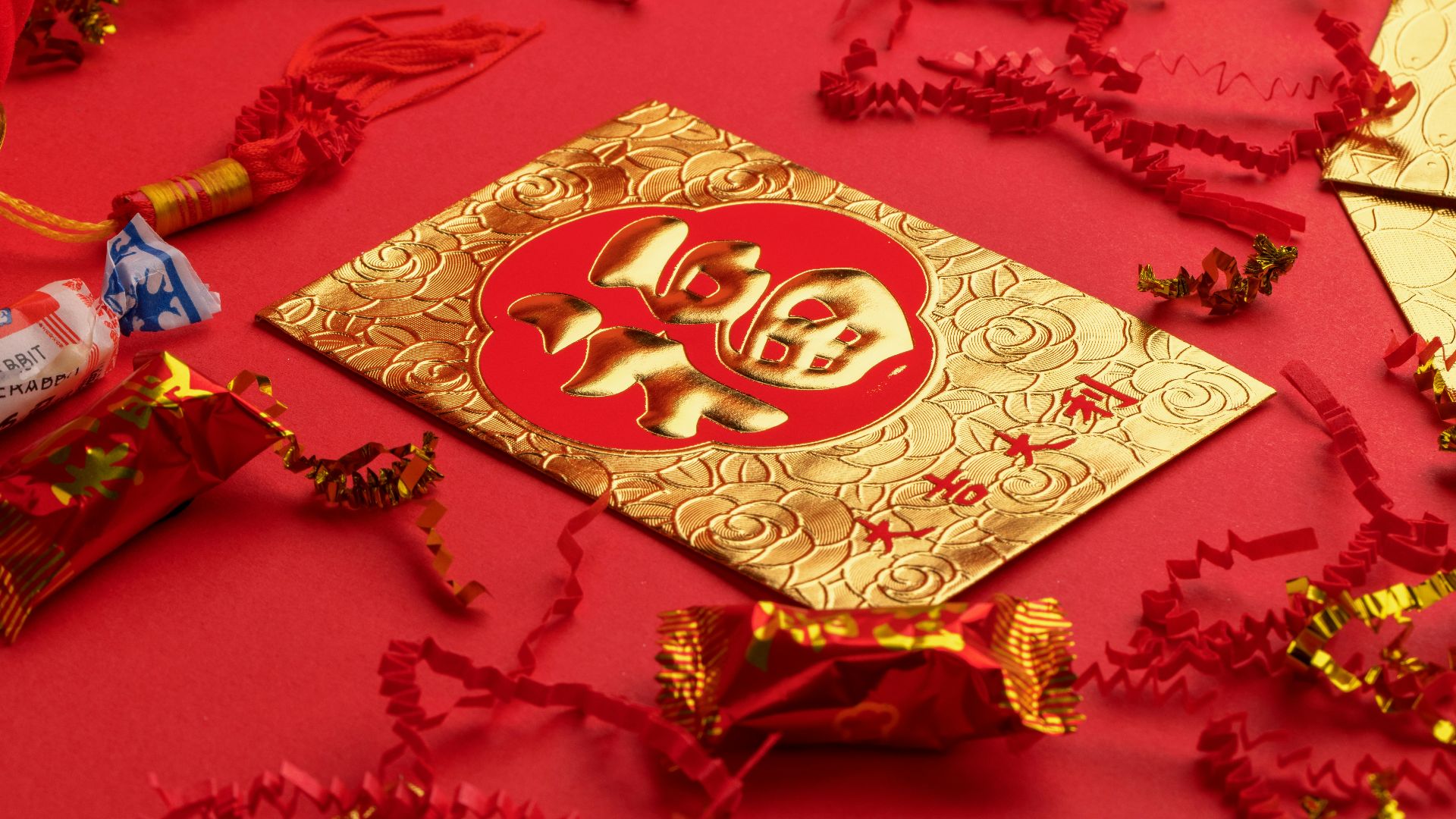
At the center of Chunyun sits the reunion dinner on Lunar New Year's Eve, a tradition stretching back thousands of years, rooted in ancestor veneration and the welcome of prosperity for the year ahead. For China's roughly 300 million rural migrant workers, people who spend months in factories, construction sites, and restaurants far from their families, this dinner represents the one reliable opportunity all year to sit at the same table as their parents and children.
Once the holiday ends, the entire process reverses. Coastal cities that looked like ghost towns the week prior suddenly became congested as workers flooded back to meet factory schedules and office deadlines. Highways, rail stations, and airports flip from outbound-heavy to inbound-heavy within the span of a few days, and the infrastructure absorbs another round of punishment. The reunion dinner is not optional in any social sense; skipping it without an exceptional reason carries heavy consequences.
Tourism layers on top of the homecoming traffic, with popular destinations recording booking surges roughly 25 percent above average levels during the break, according to reporting from the China-Britain Business Council. Destinations like Harbin, which is famous for its international ice and snow festival, and the warmer landscapes of Yunnan draw travelers who treat the holiday as vacation time rather than, or in addition to, family obligation.
Scale That Defies Imagination
According to China's National Development and Reform Commission, the 2025 Chunyun rush generated approximately 9.02 billion passenger trips over 40 days, with railways alone accounting for around 514 million of those journeys. Projections for 2026, which runs from February 2 to March 13 with Spring Festival on February 17, point toward roughly 9.5 billion total trips. No religious pilgrimage, no sporting event, and no other seasonal migration comes remotely close to that figure.
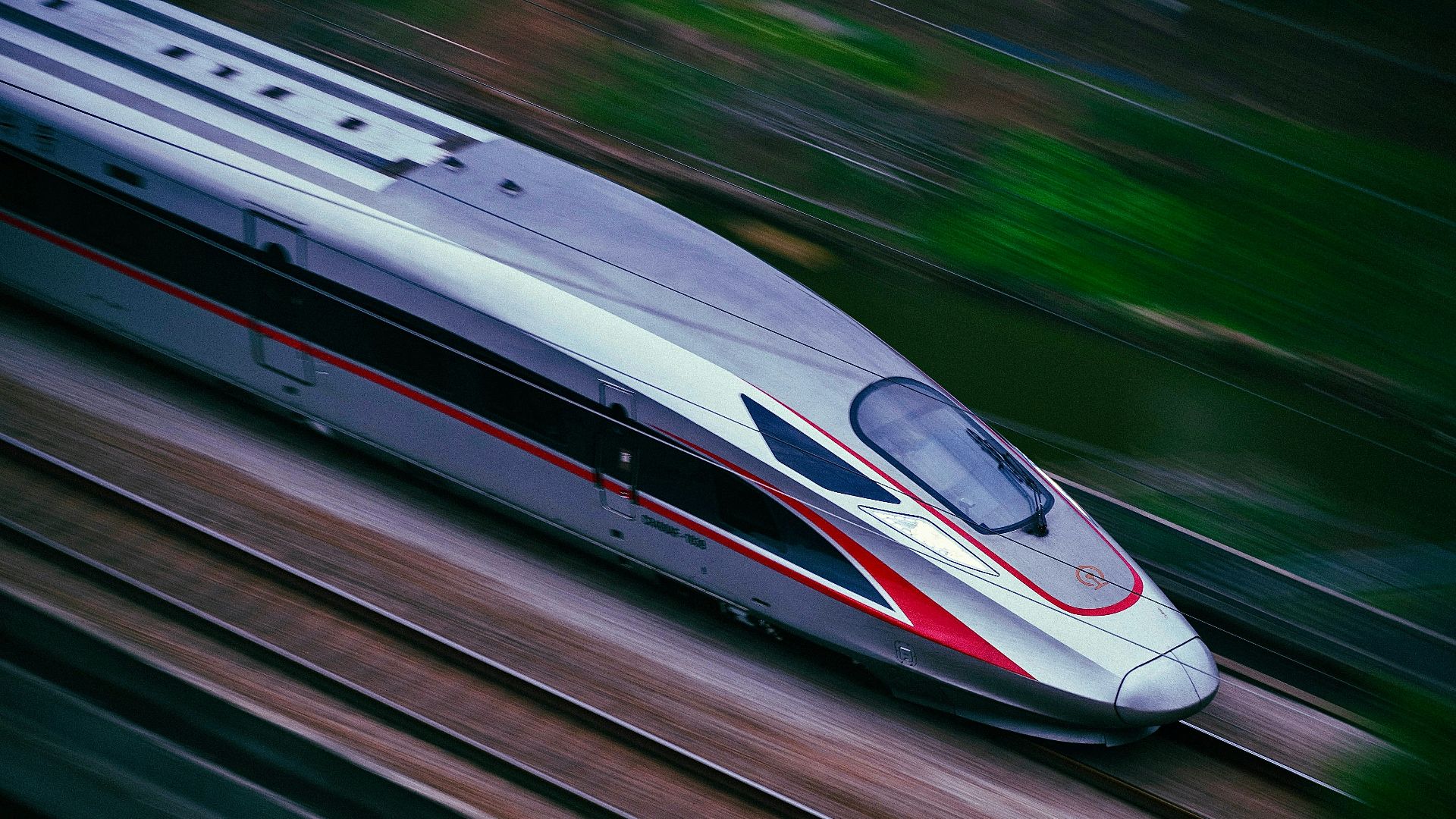
High-speed rail has reshaped the geography of the rush considerably. A route from Beijing to Inner Mongolia that once took ten hours now runs in approximately two, according to China's State Council information office. Authorities add hundreds of temporary trains — called chunyun trains — to handle overflow demand, while the booking platform 12306 absorbs so much simultaneous traffic during ticket release windows that crashes are practically routine. Students and senior citizens even receive priority booking windows to reduce the competitive disadvantage they would otherwise face.
Self-driving adoption and expanded expressways have also shifted a meaningful share of the load from rails to roads, though the trade-off is highway gridlock on a massive scale. Electric vehicles are increasingly common in the highway surge, modestly reducing emissions during what is otherwise an extraordinarily fuel-intensive period. The Chinese government's deployment of AI-powered crowd monitoring at major stations has added a layer of safety management that older infrastructure alone could not provide.
Unwritten Rules
Booking tickets weeks in advance is non-negotiable; waiting until the last few days means accepting whatever scraps remain or paying inflated prices to scalpers. Packing light and preparing for standby conditions separates people who handle Chunyun smoothly from those who struggle. Arriving at major stations well before departure, ideally around dawn during peak travel days, avoids the worst of the security bottlenecks and queue sprawl.
Social expectations inside the home carry their own structure. Greet elders first upon arrival, bring a considered gift (fruit and nuts are standard choices), and participate in post-meal cleanup without being asked. Skipping the reunion dinner without a serious justification, such as genuine illness or unavoidable work emergency, tends to generate family friction that can outlast the holiday season.
Flexibility in travel dates is one of the most practical tools available for navigating the rush. Rigid departure plans tied to a single train or flight create unnecessary risk when delays, weather, or platform overcrowding intervene. Local buses and regional coaches fill gaps when rail tickets are unavailable, offering slower but accessible alternatives for shorter legs of the journey. Chunyun rewards adaptability and punishes rigidity, regardless of how carefully anyone plans.
Each year, the logistics improve in some measurable way: a new rail line, a faster booking interface, better crowd flow at a major hub. Yet, the fundamental character of Chunyun remains constant. Hundreds of millions of people, bound by tradition and family obligation, move across China in a coordinated surge that the country's infrastructure absorbs and releases over 40 days. The scale is purely part of the spectacle.
KEEP ON READING