The Slave Trader Who Became Britain’s Greatest Humanitarian
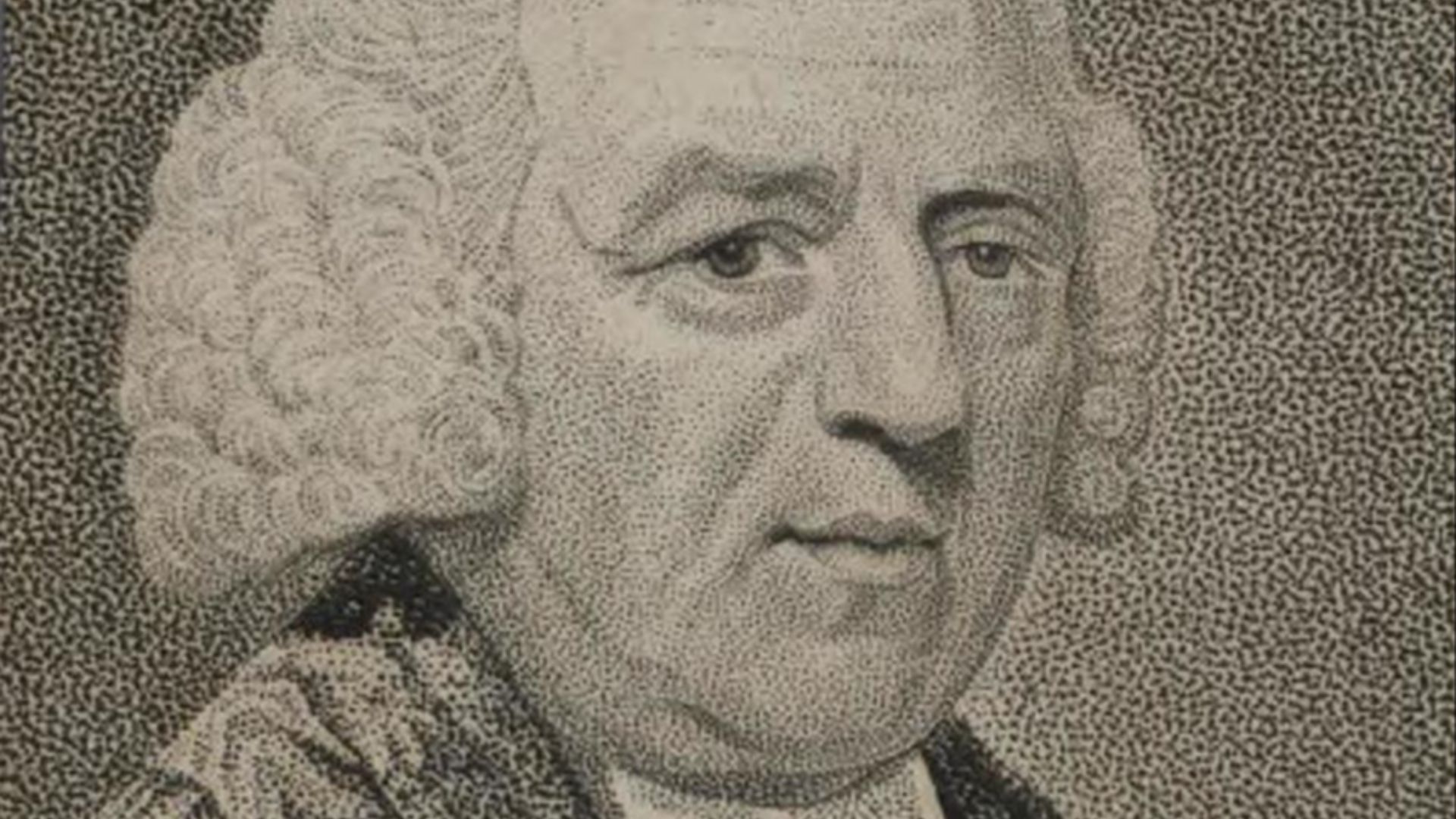
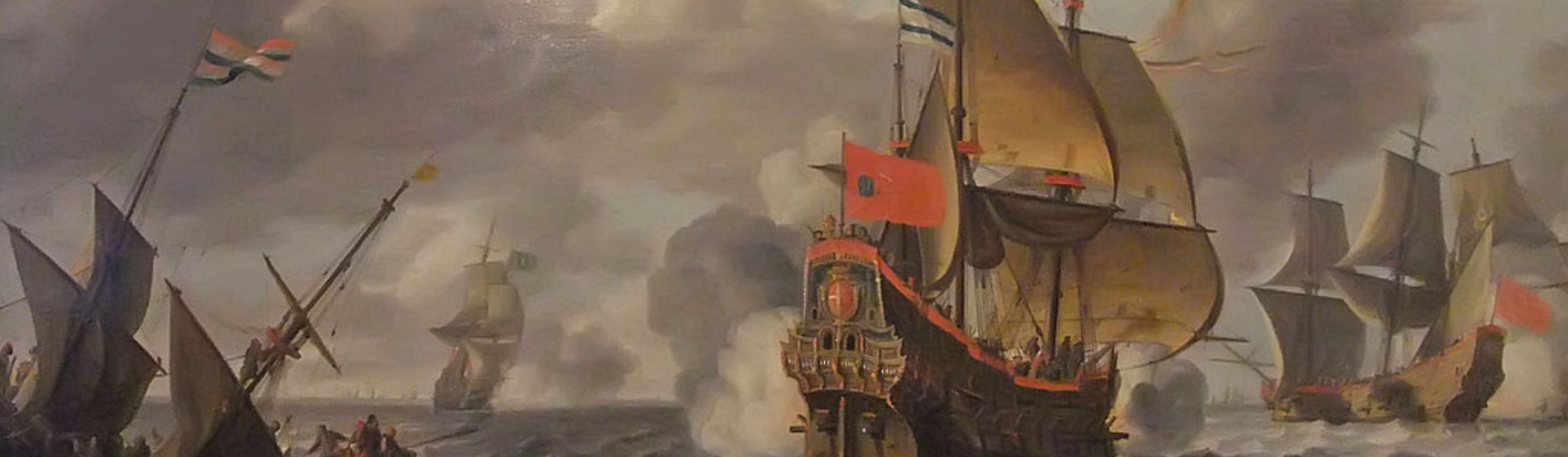
Few lives in British history stretch as far morally as John Newton’s. Born in London in 1725, he grew up to captain slave ships across the Atlantic, transporting human beings in conditions so brutal he later compared them to books stacked tightly on shelves, the living and the dead found chained together each morning. He would eventually become an ordained minister, write one of the most recognizable hymns in the English language, and spend his later years supporting the campaign to abolish the slave trade. The arc is dramatic enough to feel almost constructed. The reality is more complicated.
Newton’s transformation was neither sudden nor clean. In 1748, during a violent storm off the coast of Ireland, he believed he was about to die and cried out to God for mercy. He later marked that date as the turning point of his life. But conversion did not pull him out of the slave trade. He continued working aboard slave ships for years. The man who would later write Amazing Grace did not leave the trade because of moral clarity. He left because a seizure forced him off the sea. That timeline matters. It prevents the story from becoming a neat before-and-after narrative.
From the Worst Possible Start
Newton’s early life was unstable long before the storm. His mother died before he turned seven. His father, a sea captain, took him to sea at eleven. By his late teens he had been press-ganged into the Royal Navy, flogged for desertion, and eventually transferred to a slave ship to be rid of him. In West Africa, while working under the slave trader Amos Clow, Newton himself fell into a position of near servitude under Clow’s wife, Princess Peye of the Sherbro people in what is now Sierra Leone. His father ultimately sent a ship to retrieve him, and Newton returned to the same maritime world that had nearly destroyed him.
The storm of March 10, 1748 became the spiritual hinge of his life. The ship was so badly battered that Newton believed it would sink. He prayed, survived, and began reading religious texts more seriously. Even so, he later admitted that he could not call himself a true believer immediately after that moment. His faith deepened gradually. His moral reckoning with slavery took even longer.
After the storm, Newton served as first mate on the slave ship Brownlow, bound for Charleston. He later captained several slave voyages in the early 1750s. During these years he encouraged prayer among his crew while continuing to transport enslaved Africans across the Atlantic. The tension between those two realities defines his story. Conversion did not erase complicity.
The Long Road to Speaking Out
Newton left the sea in the mid-1750s after suffering a serious health episode. Nearly a decade later, in 1764, he was ordained as a curate in Olney, Buckinghamshire. There he began his long career as a parish minister. In collaboration with the poet William Cowper, he published the Olney Hymns in 1779. Among them was Amazing Grace, written for a New Year’s Day service in 1773. The hymn’s language of lostness and redemption reflects Newton’s own life, though it did not explicitly name slavery. The confession was personal, not yet political.
For years Newton remained largely silent in public about his past in the slave trade. Privately, his diary reveals a growing unease. That delay is significant. His later stance against the trade did not come from immediate moral awakening but from a long, uneasy confrontation with what he had done.
In 1785 he met William Wilberforce, a young Member of Parliament considering leaving politics for religious life. Newton urged him to stay, believing he could serve God more effectively in public office. Newton became a spiritual mentor to Wilberforce, encouraging him during the long, frustrating campaign to abolish the British slave trade. Newton did not lead legislation, but he strengthened the man who would.
His own public reckoning came in 1788 with the publication of Thoughts Upon the Slave Trade. In it, Newton described the horrors of the Middle Passage and expressed deep regret for his role in the industry. He wrote that it would always be a source of humiliating reflection that he had once been an active instrument in a business at which his heart now shuddered. He sent copies to every Member of Parliament. The pamphlet sold widely and added first-hand testimony to the abolitionist cause.
The Legacy That Outlasted Him
Newton lived to see the passage of the Slave Trade Act in 1807, the year of his death. By then he was eighty-one and nearly blind, preaching from memory. The act banned British ships from participating in the slave trade, though it did not free those already enslaved. Full emancipation across the British Empire would not come until 1833.
Newton wrote his own epitaph. It described him as once an infidel and libertine, a servant of slaves in Africa, who was preserved, restored, and pardoned. He did not hide his past. He chose to name it directly.
His life resists simple moral framing. It is neither a clean redemption story nor an easy condemnation. It is the story of a man who profited from immense human suffering, then later used his experience to oppose the system he once served. Amazing Grace has been sung at civil rights marches, funerals, and moments of national grief for more than two centuries. That a former slave trader wrote it is not a contradiction to smooth over. It is the unresolved tension at the center of his legacy.
KEEP ON READING