

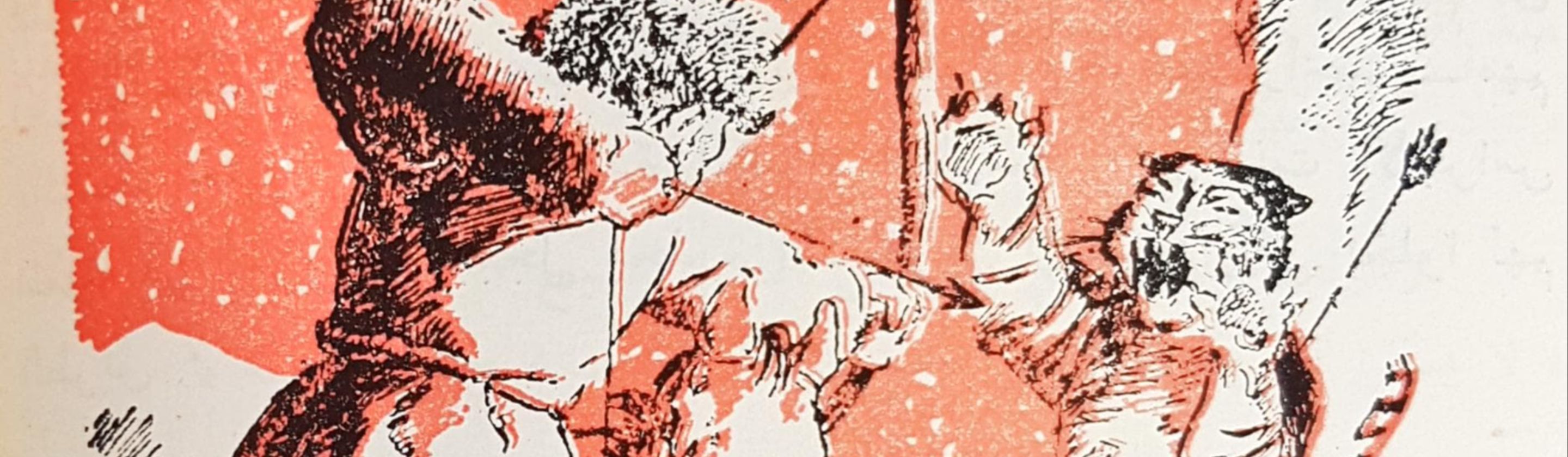
Historians Thought These Ruthless Warriors’ Cruelty Was Propaganda—Until They Discovered What Ashurnasirpal II Wrapped His Pillars With
Historians Thought These Ruthless Warriors’ Cruelty Was Propaganda—Until They Discovered What Ashurnasirpal II Wrapped His Pillars With
Names That Still Spark Fear
If you study war long enough, you’ll notice a pattern: it wasn’t enough for some figures to win. Those who remain a testament to violence broke enemies through speed, terror, discipline—or sheer persistence. These warriors span continents and centuries, but each earned a reputation for relentless warfare and hard choices in pursuit of power. Let's dive into some of the most frightening figures from history and why they still make people tremble.
 Unknown authorUnknown author on Wikimedia
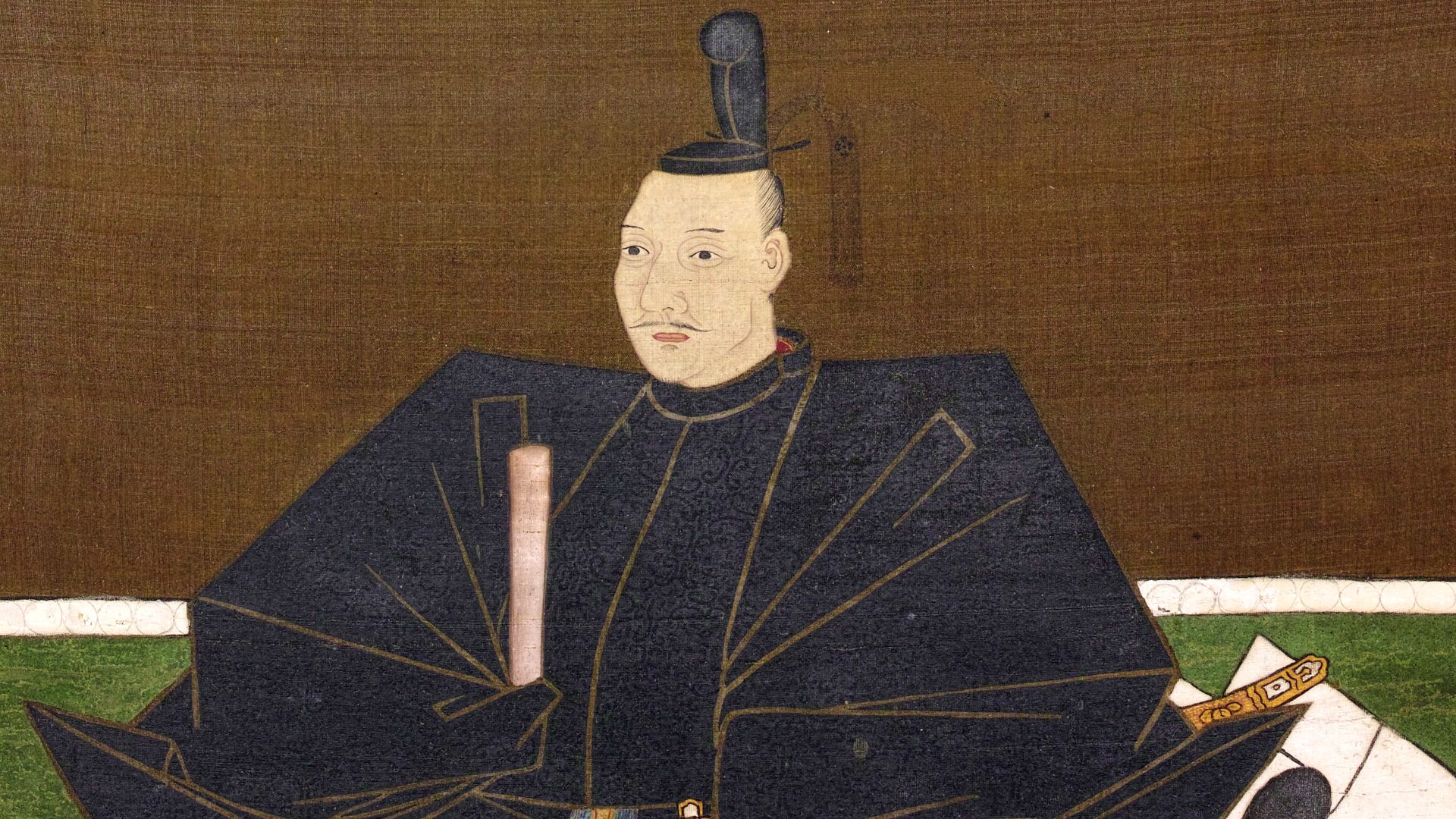
1. Genghis Khan (Temüjin)
Not only did he build a unified Mongol state, but he also drove conquests across Asia that stunned contemporaries with their destruction. His armies’ discipline turned local victories into empire-wide collapse for opponents who couldn’t adapt. That reputation was only amplified by campaigns that devastated entire regions when cities resisted.
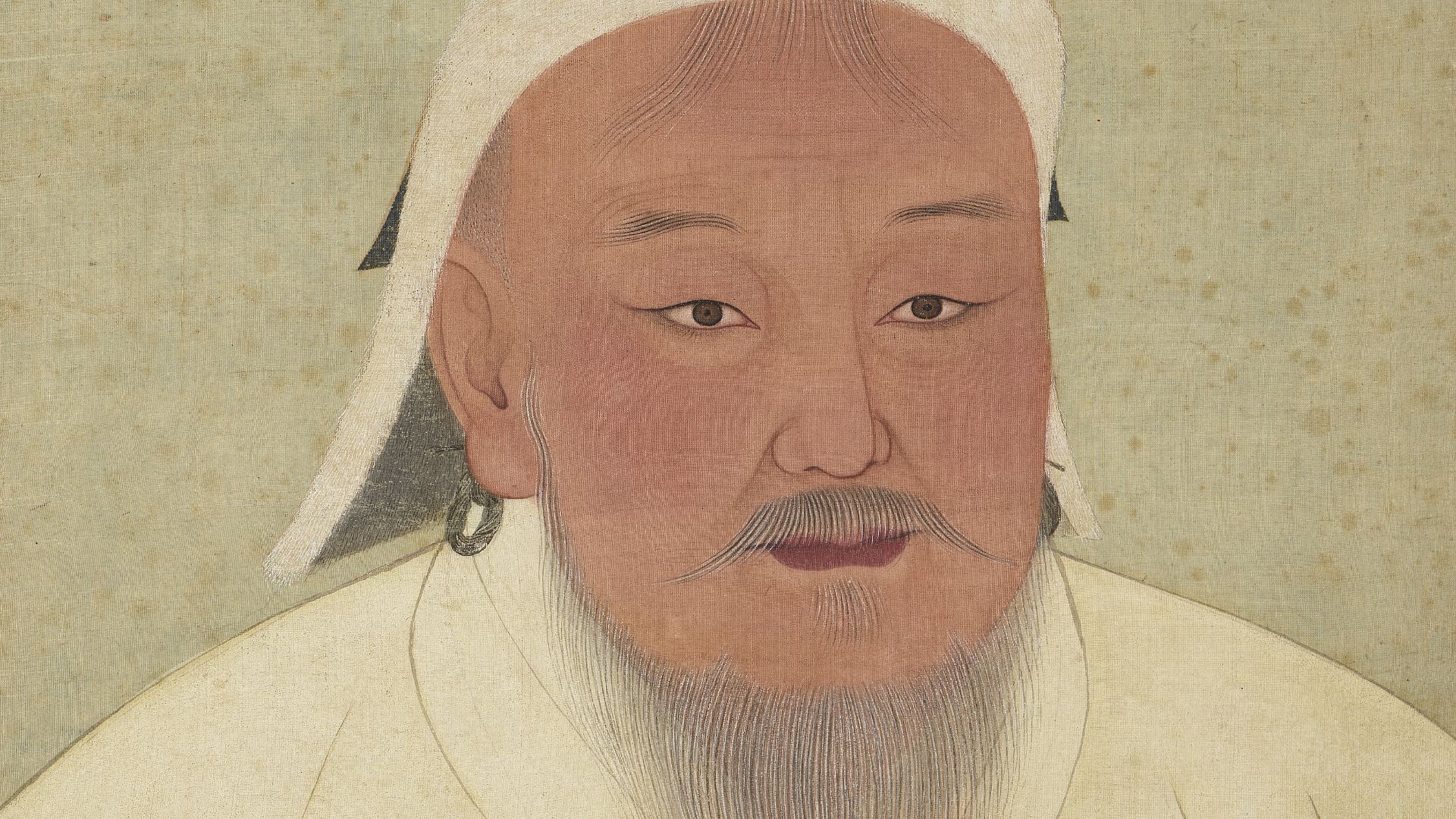
2. Subutai
As a senior Mongol commander, he helped carry Mongol operations into Eastern and Central Europe. Even today, his coordinated campaigns are remembered for covering huge distances and for trapping enemies. The point wasn’t just victory; it was to prove that distance and winter wouldn’t protect you.
 неизвестен/unknown on Wikimedia
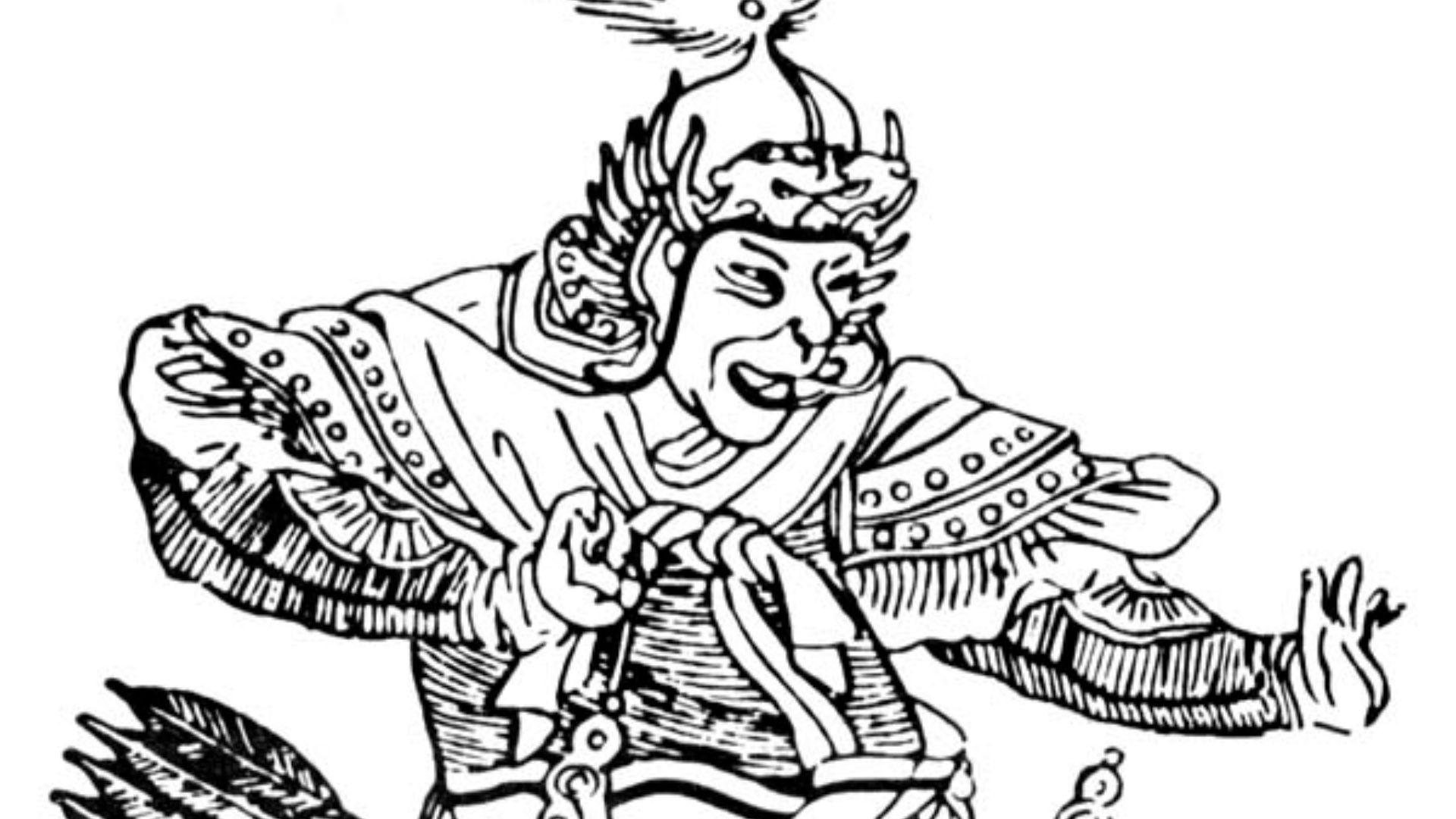
3. Timur (Tamerlane)
Despite his dynasty’s cultural legacy, Timur’s most remembered as a conqueror whose campaigns spread from Central Asia toward India and the Middle East. Terror was baked right into his method of rule, with an estimated 17 million lives lost by his conquests.
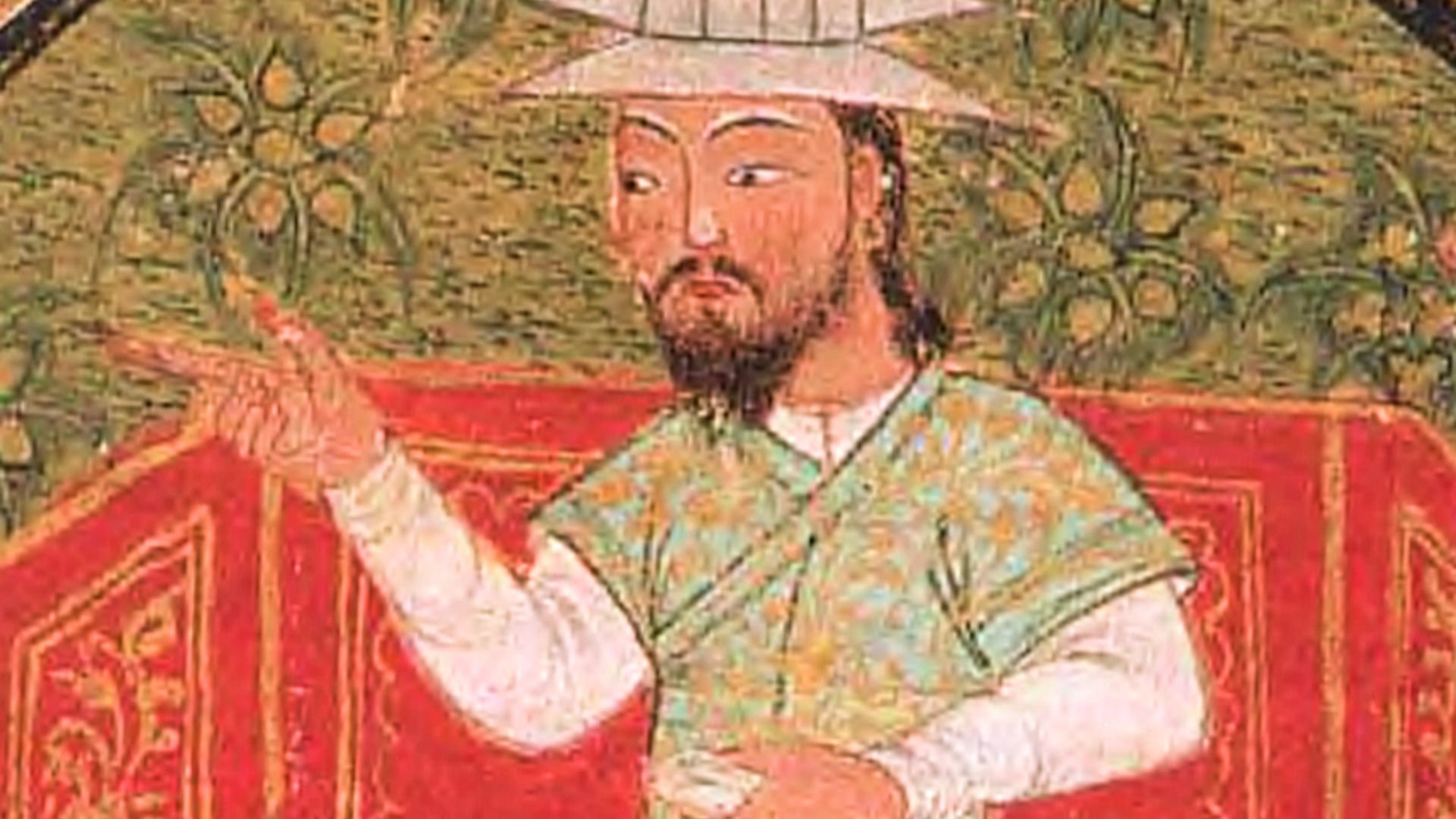
4. Attila the Hun
When you end your own brother’s life and earn the nickname “Scourge of God,” you know the violence is pretty serious. His reign shows how a mobile confederation could destabilize empires without permanently occupying every battlefield. The fear he caused wasn’t rooted in one moment, either, but in the devastation by his men.
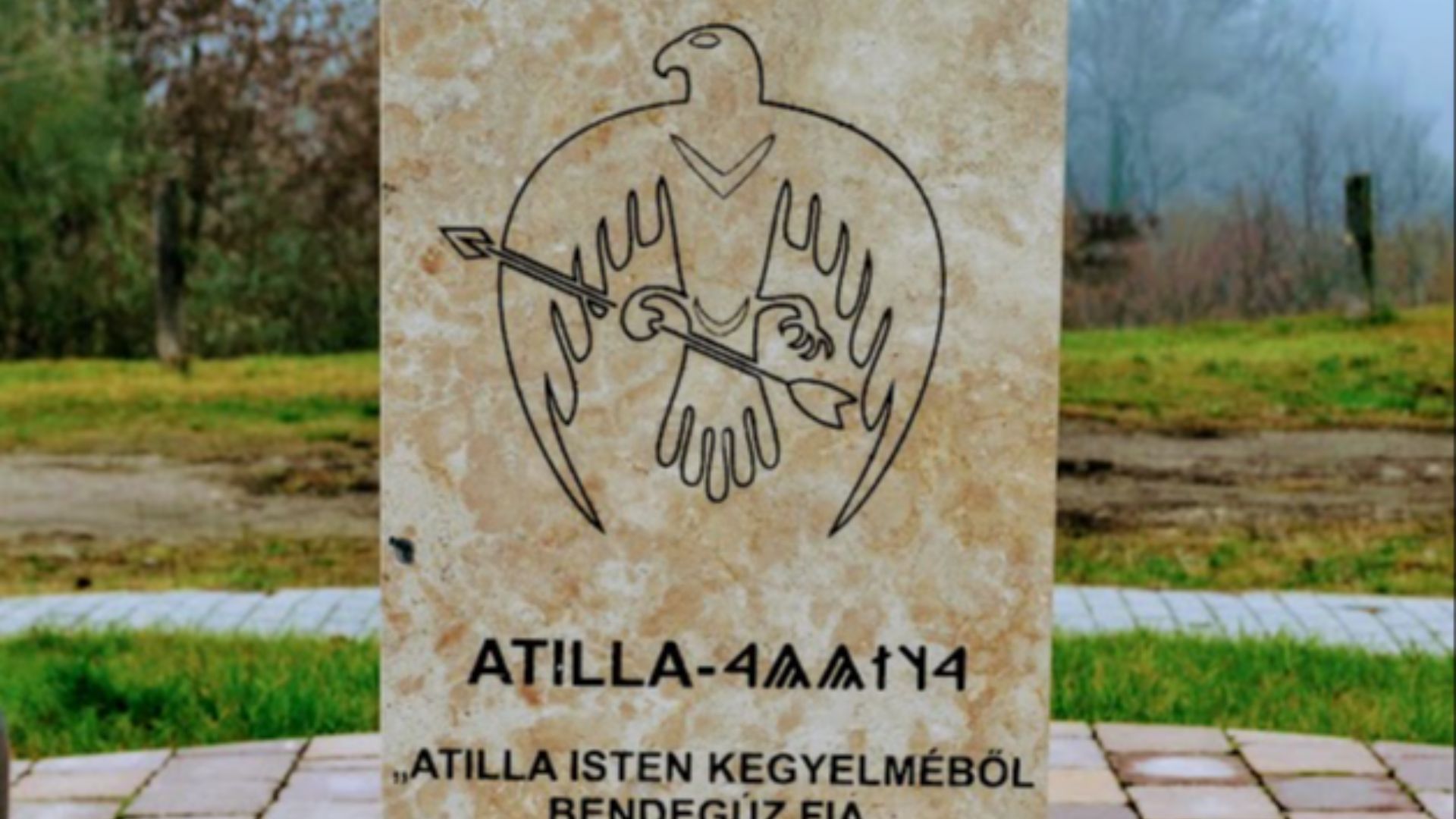
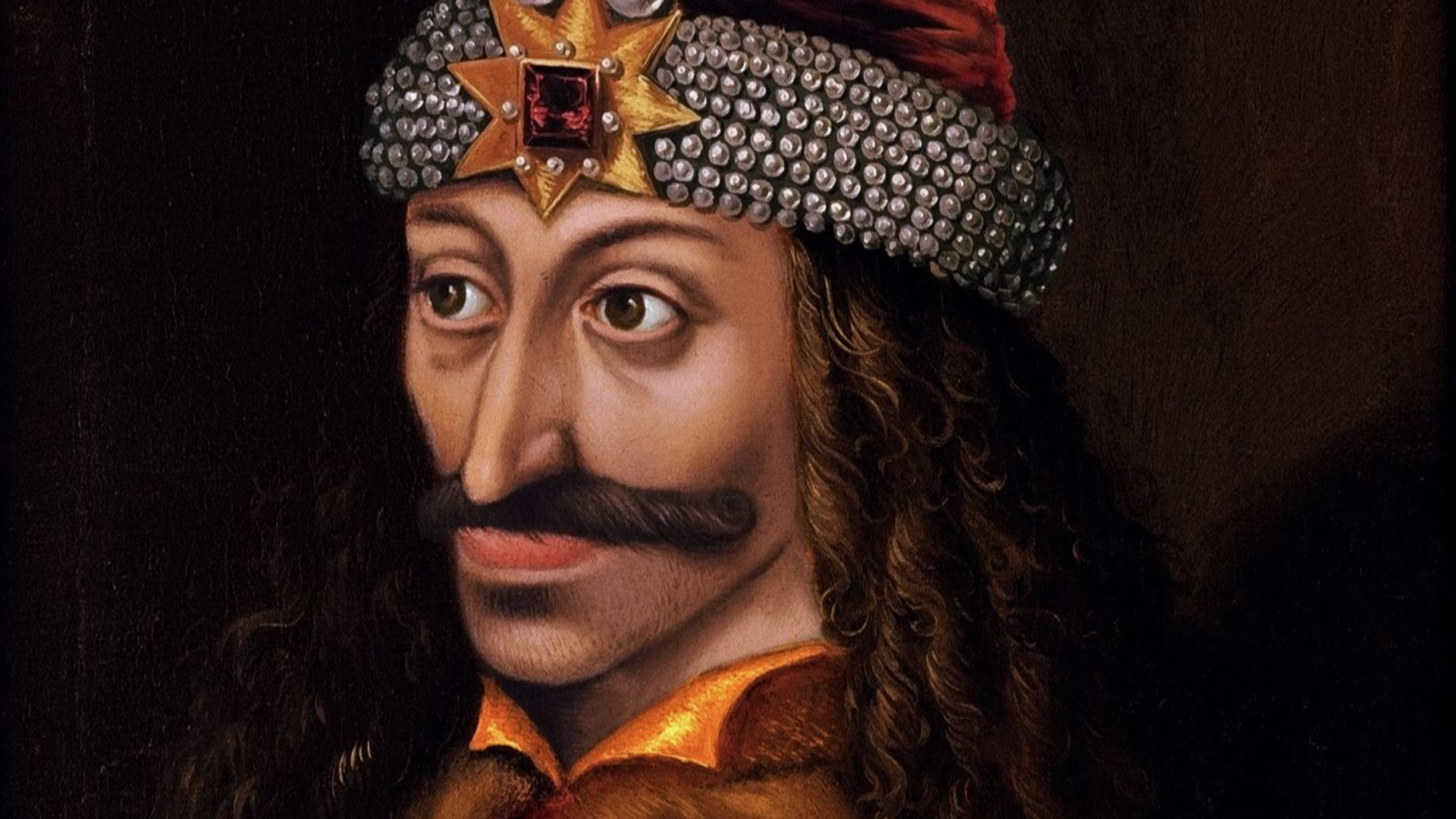
5. Vlad III (Vlad the Impaler)
His legacy is already rooted in Dracula, but the liberties taken barely scratched the surface of his true horror. Vlad used extreme cruelty to intimidate enemies and punish dissent. His nickname comes—surprise, surprise—from the method of impalement, which was used as a public warning or on suspected traitors.
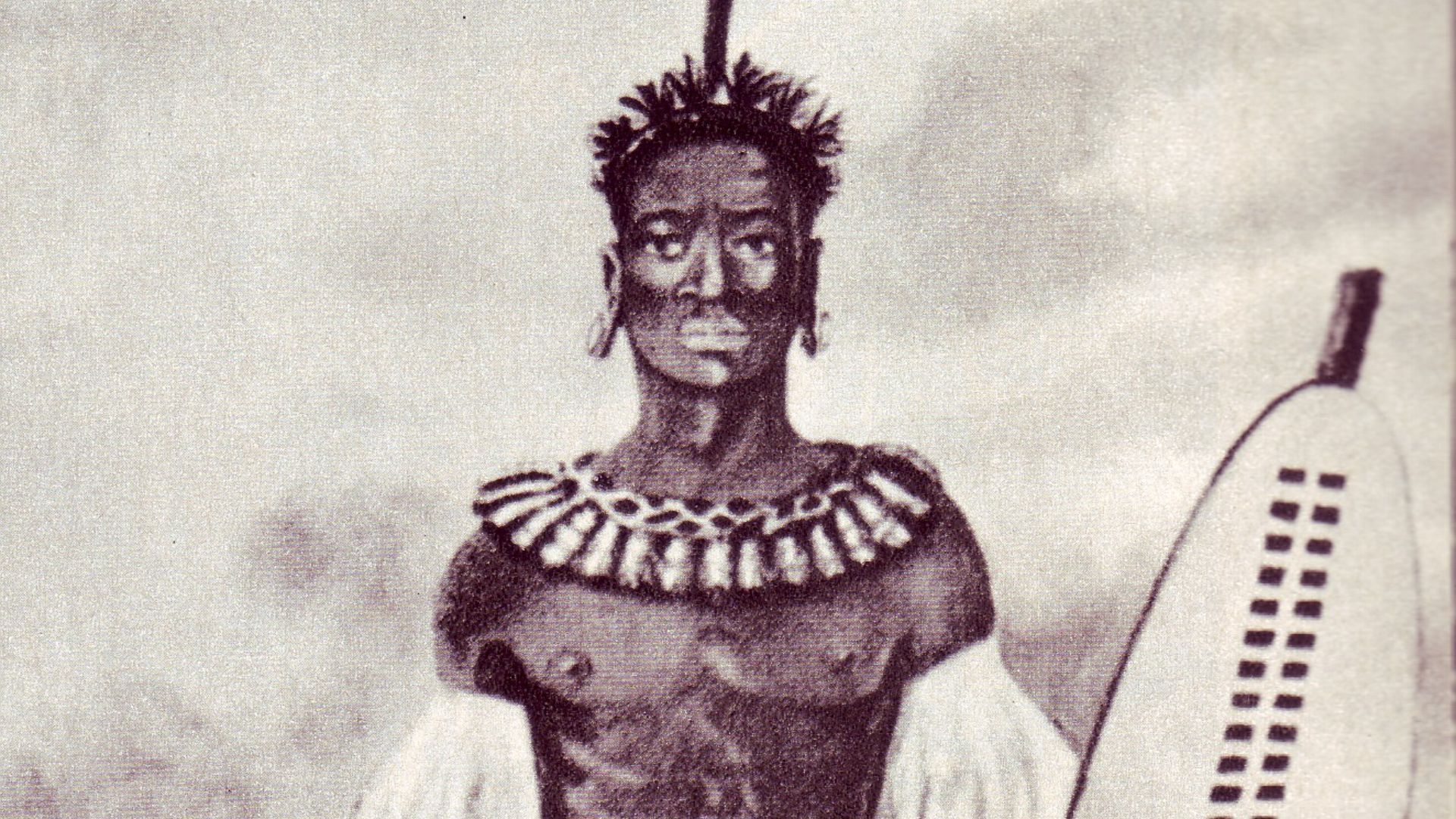
6. Shaka Zulu
Zulu’s tied to the campaigns that devastated parts of southern Africa, even as historians continue to debate details. He not only built a military system that helped create the Zulu kingdom’s power, but he was also known for his brutal rituals and intense paranoia that often led to thousands of deaths.
7. Oda Nobunaga
Many recognize him as having toppled the Ashikaga shogunate’s authority, but Nobunaga built a real reputation against religious opponents. In 1571, he razed Enryaku-ji on Mount Hiei, burning temples and killing thousands, including civilians trying to flee. Then, in 1574, he sealed the Nagashima Ikkō-ikki forts and torched the complex, snuffing out roughly 20,000 trapped inside.
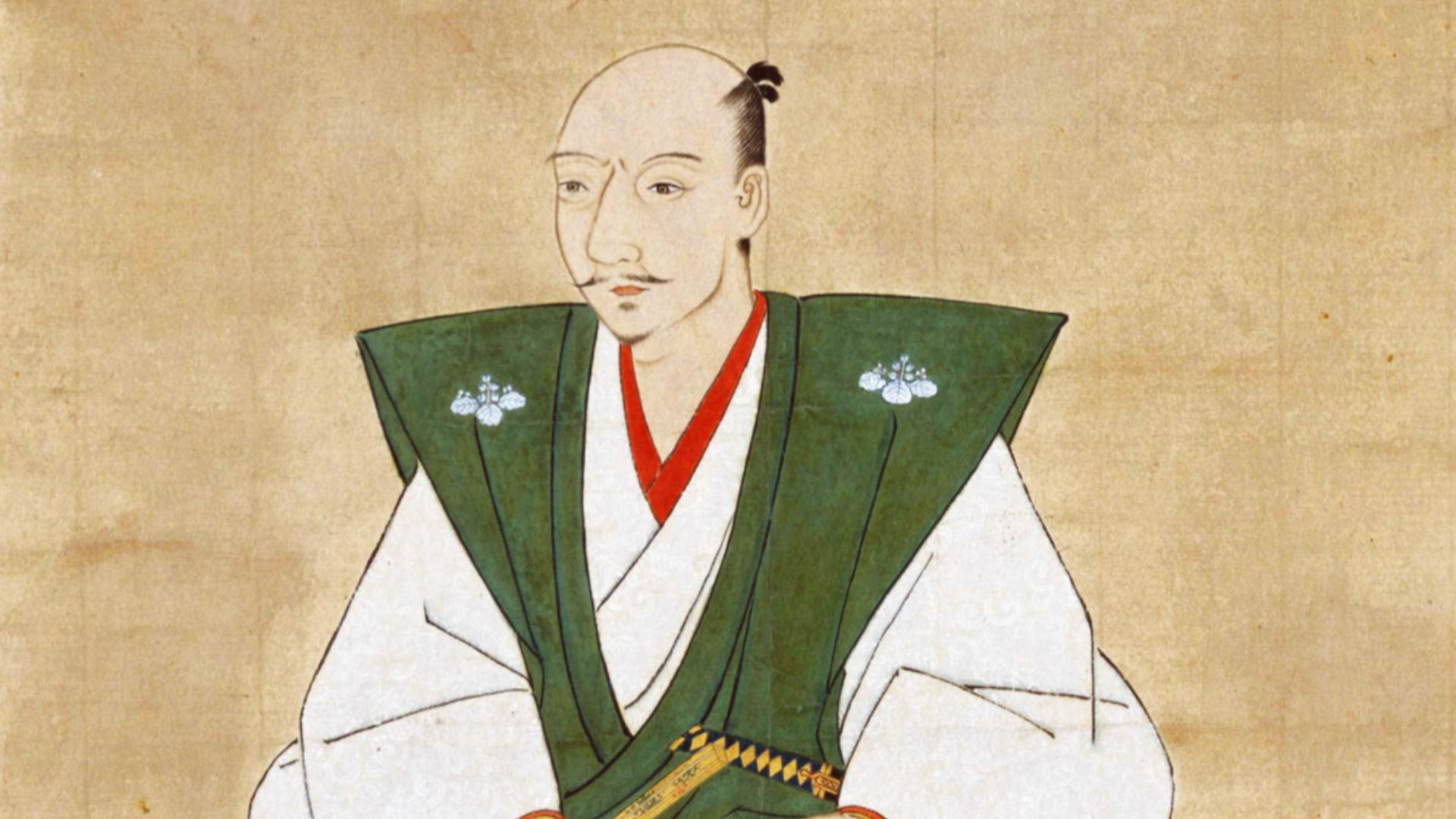 狩野宗秀 (Kanō Sōshū, 1551 - 1601) on Wikimedia
8. Toyotomi Hideyoshi
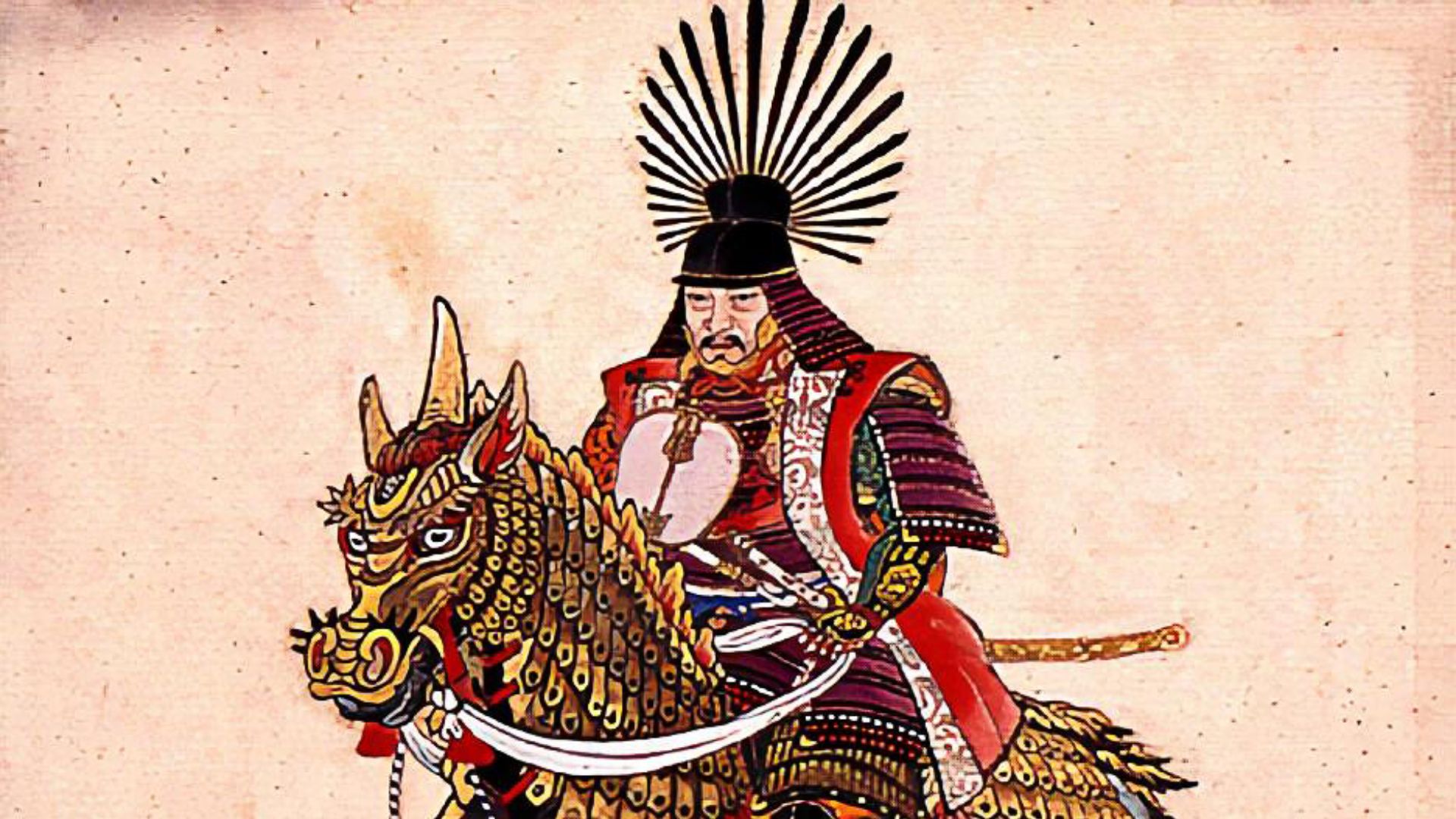
Hideyoshi’s drive for empire unleashed the 1592–1598 invasions of Korea, a war marked by massacres and pillage. The most egregious was that certain…trophies were taken by commander ships, which were later entombed at Kyoto’s Mimizuka. He also ordered the 1597 crucifixion of 26 Christians after a forced march to Nagasaki.
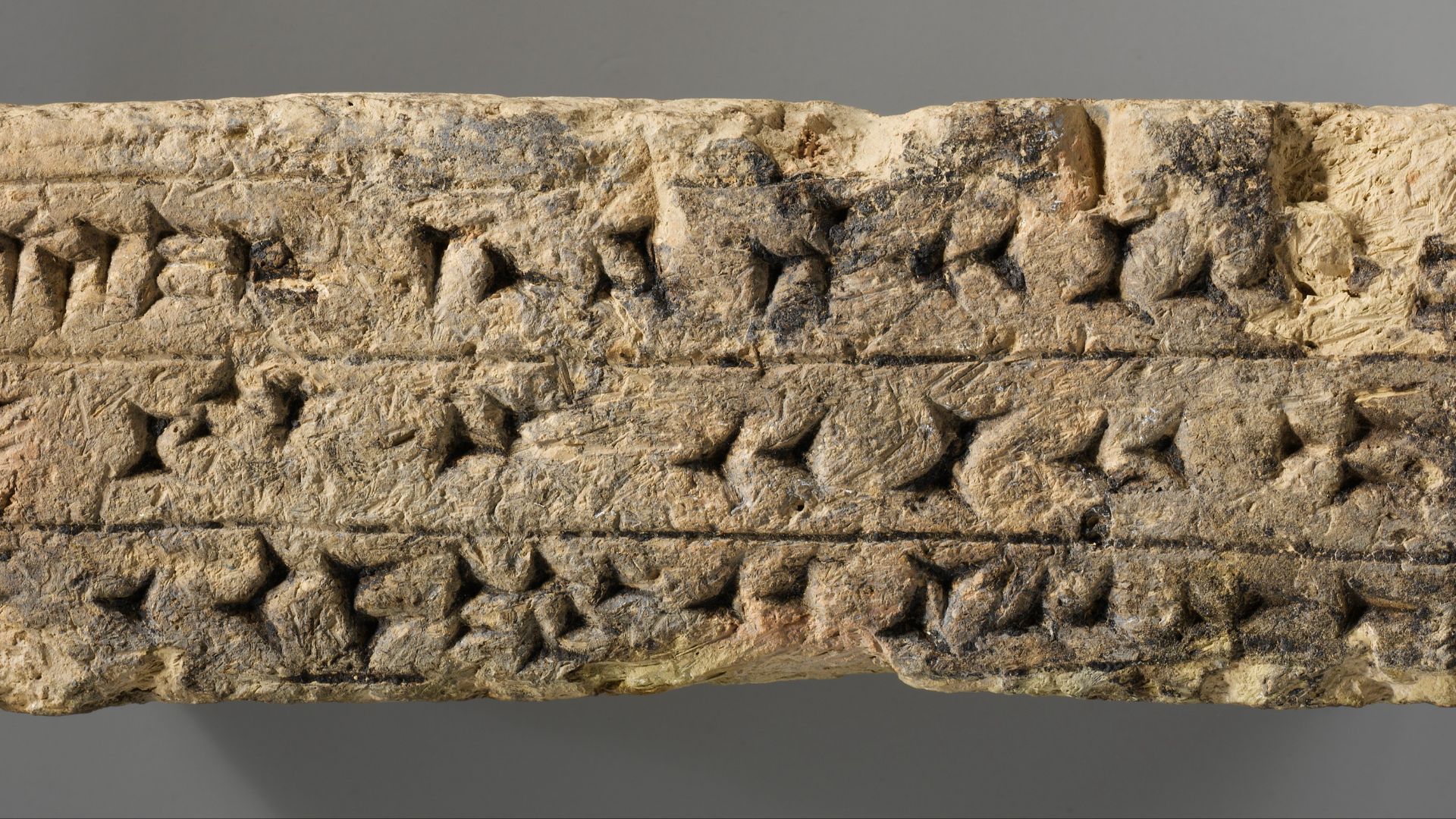
9. Ashurnasirpal II
He expanded and consolidated Assyrian power. He presented himself as a formidable commander. But what makes him stand out is how bluntly he described atrocities in his own records. He took noses, bound pillars in enemy skin, and didn’t even leave children alone.
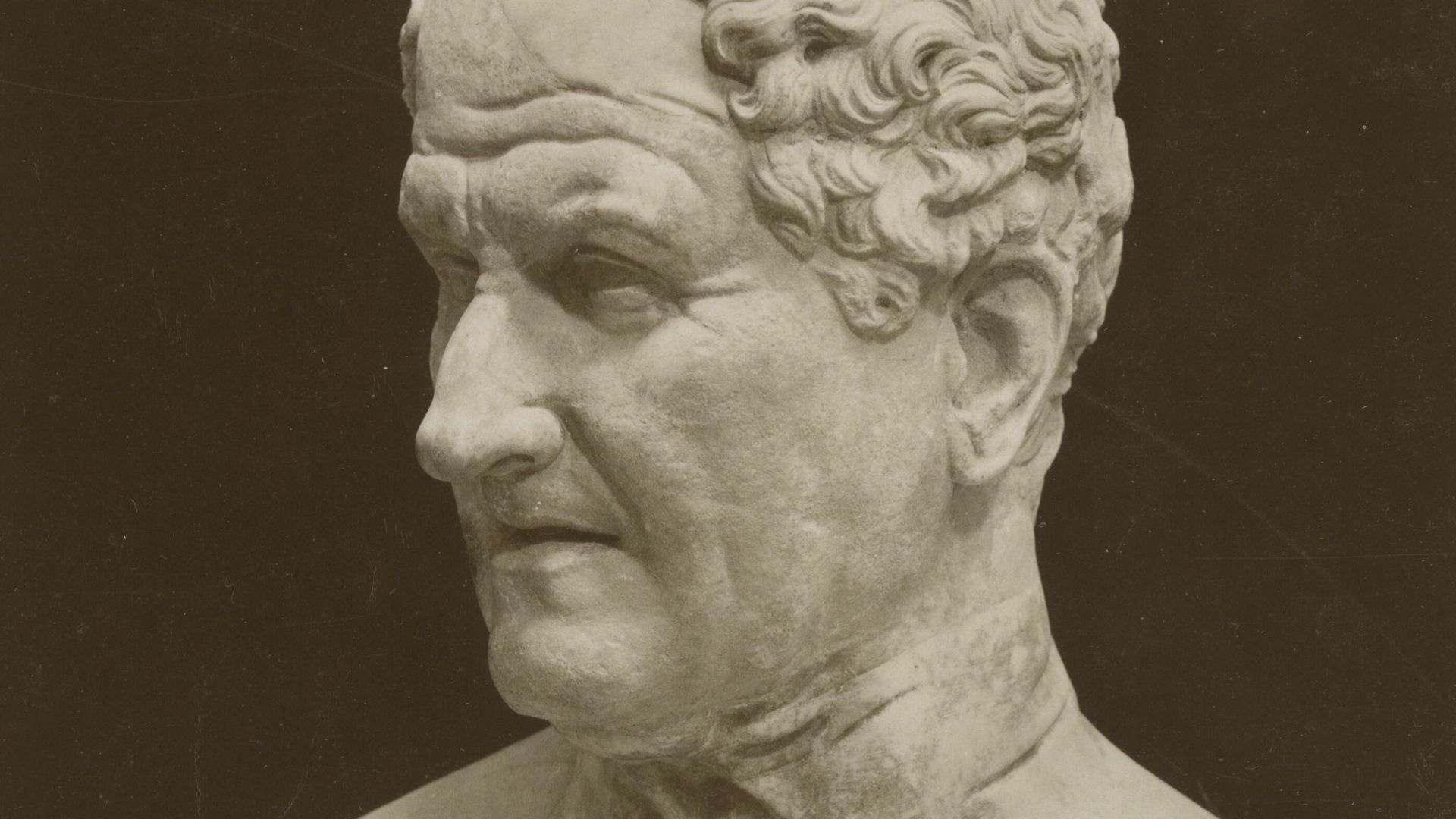
10. Lucius Cornelius Sulla
Sulla won a brutal Roman civil war and then ruled as dictator while reshaping the republic’s political order. His legacy is tied to harsh reprisals against enemies and the normalization of violence as a tool of internal control. Families suffered too, since descendants of his enemies were barred from the Senate long after he stepped down.
11. Julius Caesar
You don’t need to be a history buff to know the name, but how much do you know about his reign? Most notably, he conquered Gaul and became one of Rome’s most formidable generals. However, after taking Avaricum, his troops wiped out almost the entire population, a massacre he reported as retribution.
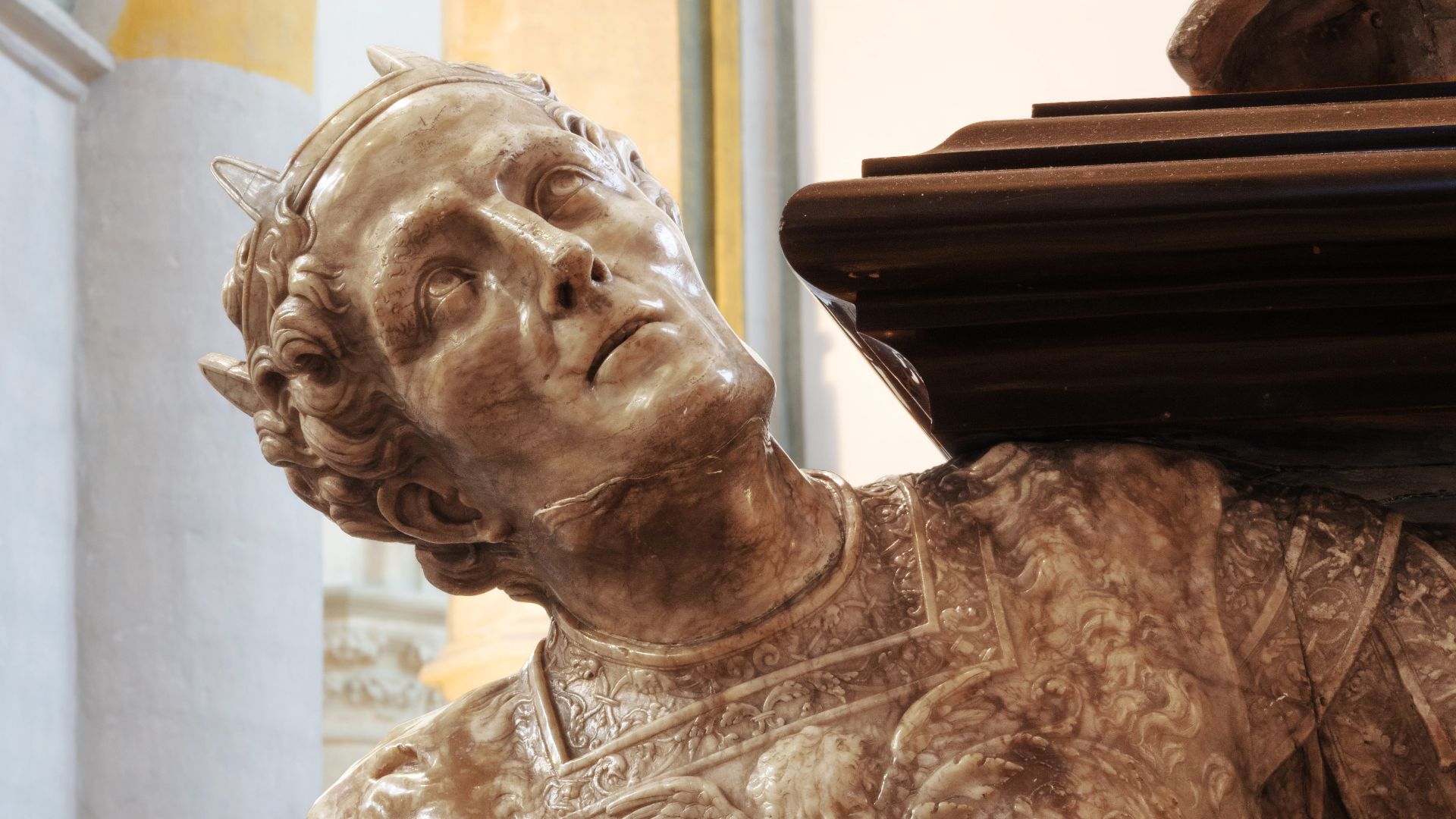
12. Alexander the Great
Don’t let his moniker fool you—there’s plenty of carnage under his belt. Alexander’s record includes hard sieges and uncompromising punishment, which is part of why his name still invokes such strong responses. He’s not only remembered for ending thousands of lives, but also for selling tens of thousands more into slavery after the siege at Tyre.
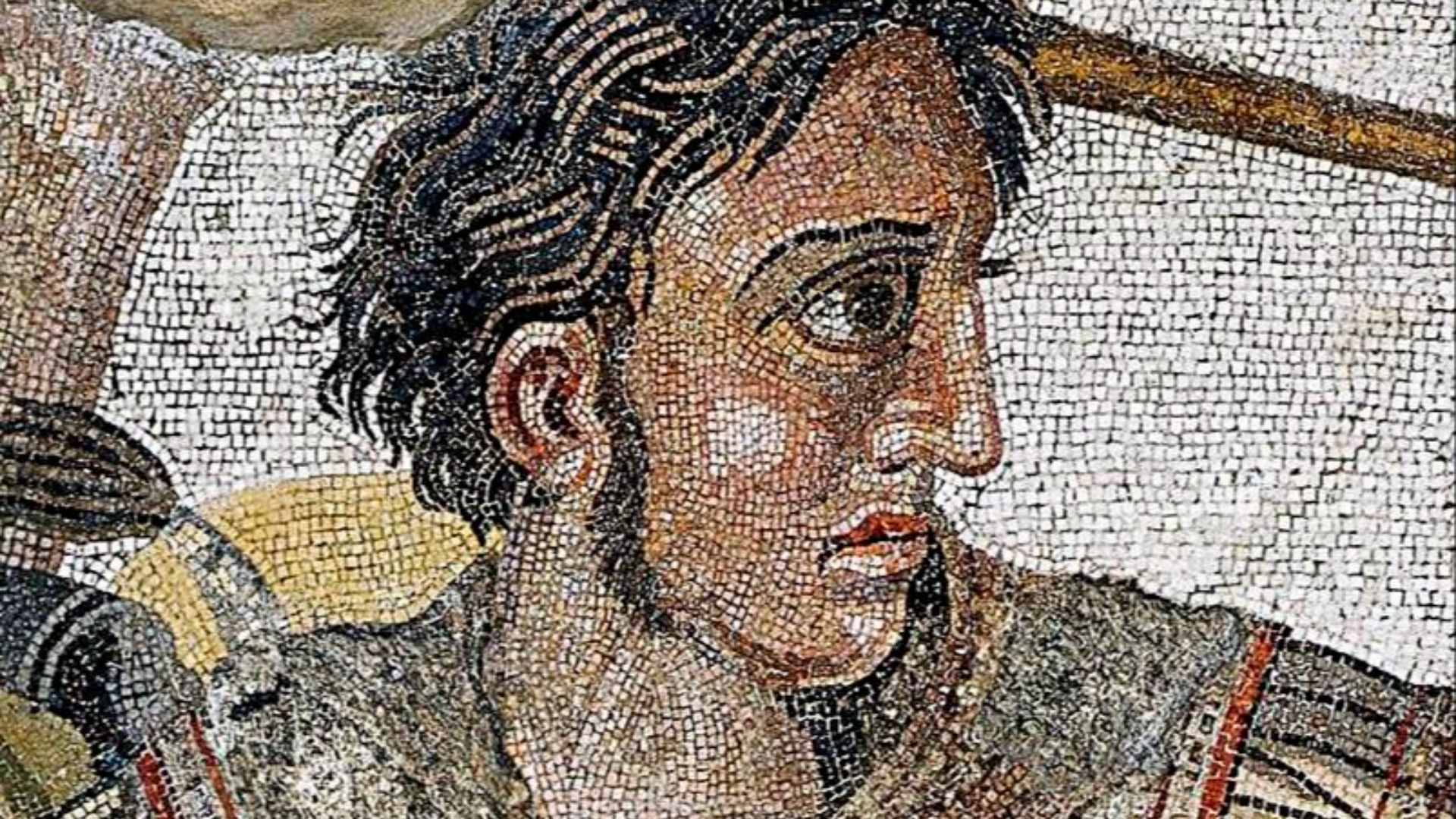
13. Hannibal Barca
Barca led Carthage’s war against Rome, keeping it off balance with crushing battlefield wins. Ancient historians treated him as a top-tier commander, but his darkest mark wasn’t a single massacre. He captured towns and destroyed supplies to break the Roman will—and the civilians’ suffering was part of his strategy.
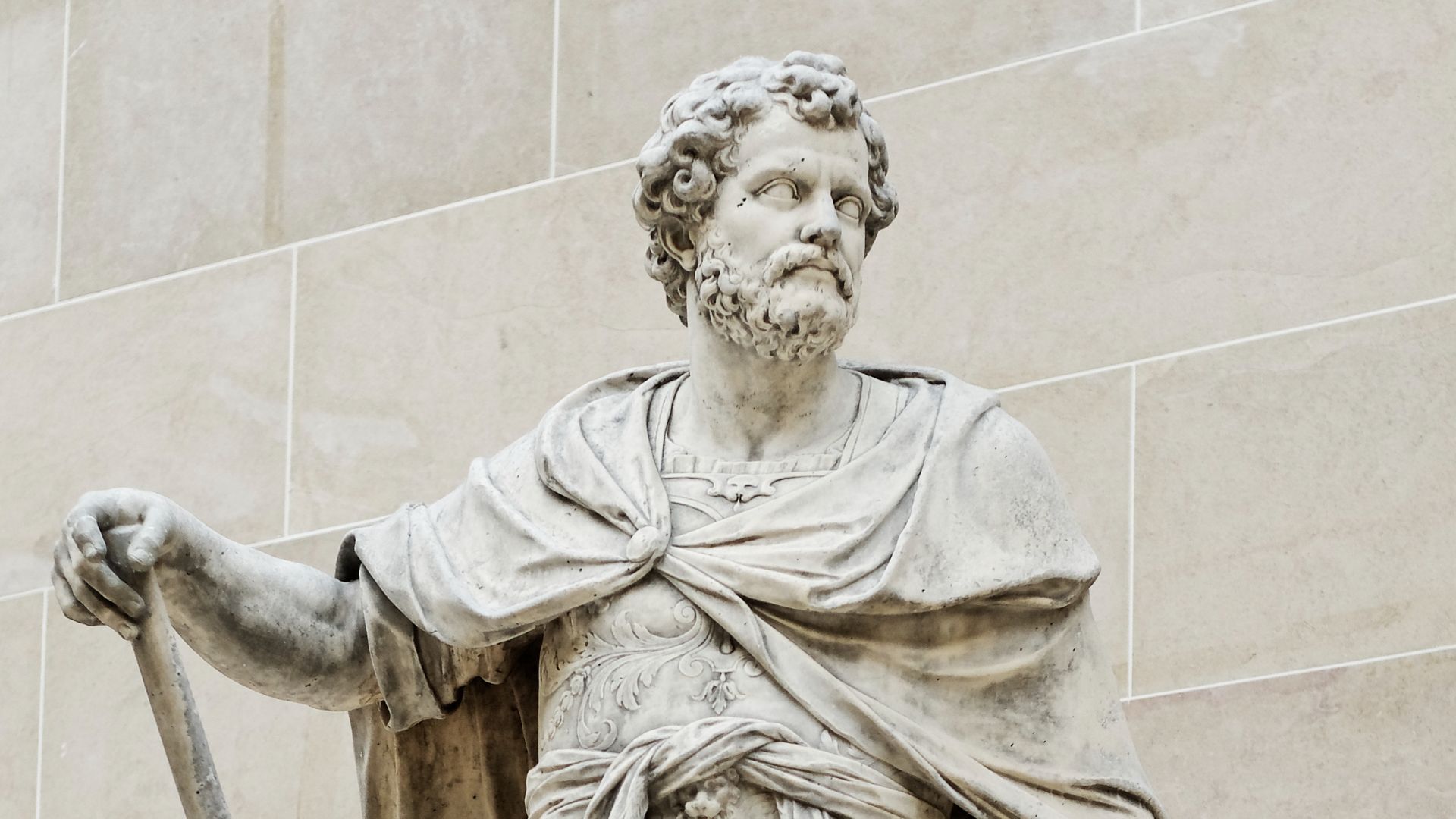 Sébastien Slodtz (French, 1655–1726) on Wikimedia
14. Hernán Cortés
When Cortés overthrew the Aztec Empire and secured Mexico, he didn’t do it cleanly. At Cholula in October 1519, his forces and allies triggered a massacre that scholars treat as a genocidal turning point against unarmed civilians. That wasn’t the end, either; he ordered the hanging of Cuauhtémoc, the last Aztec ruler, as well.
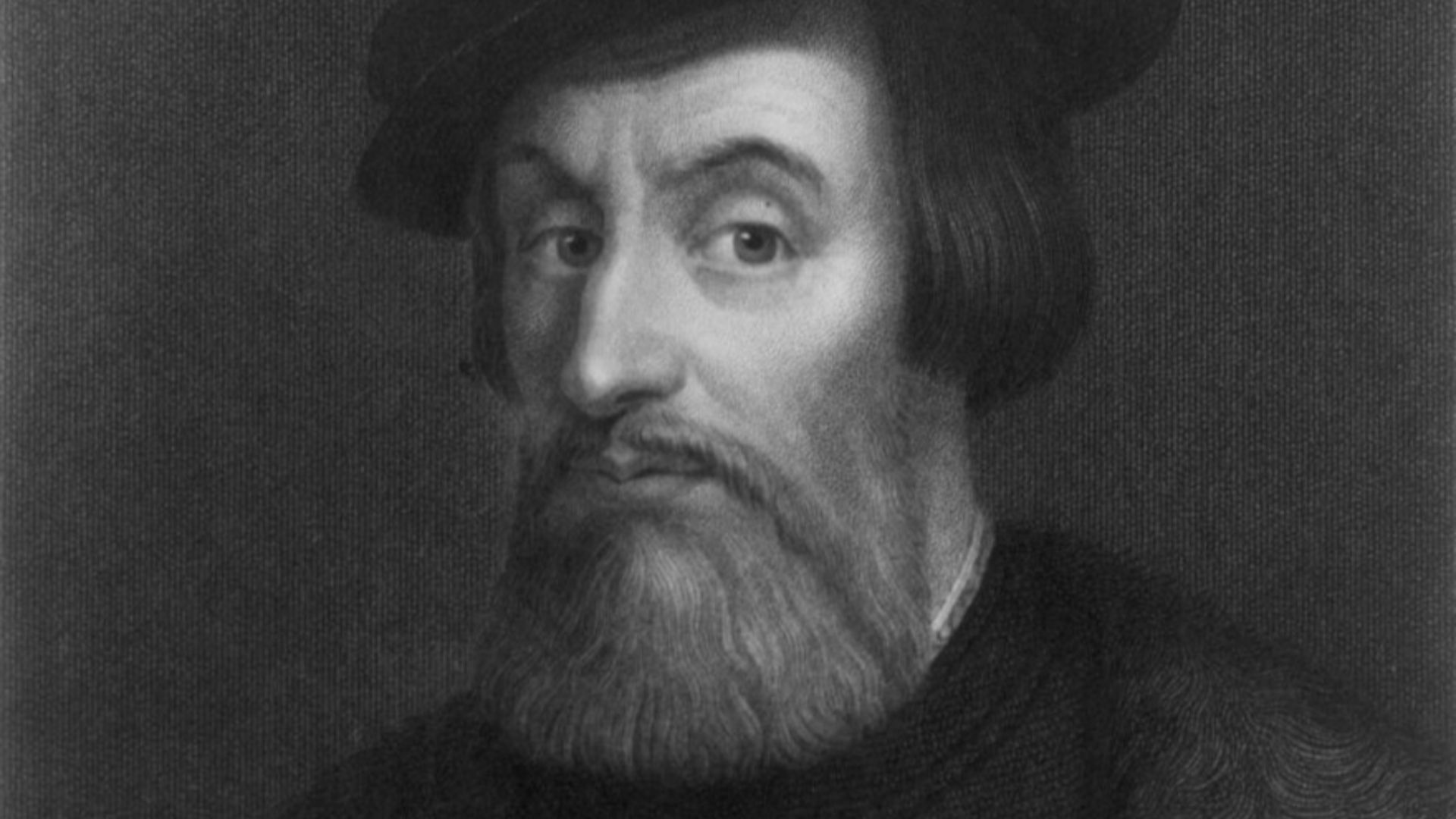 Alonso de Mendoza on Wikimedia
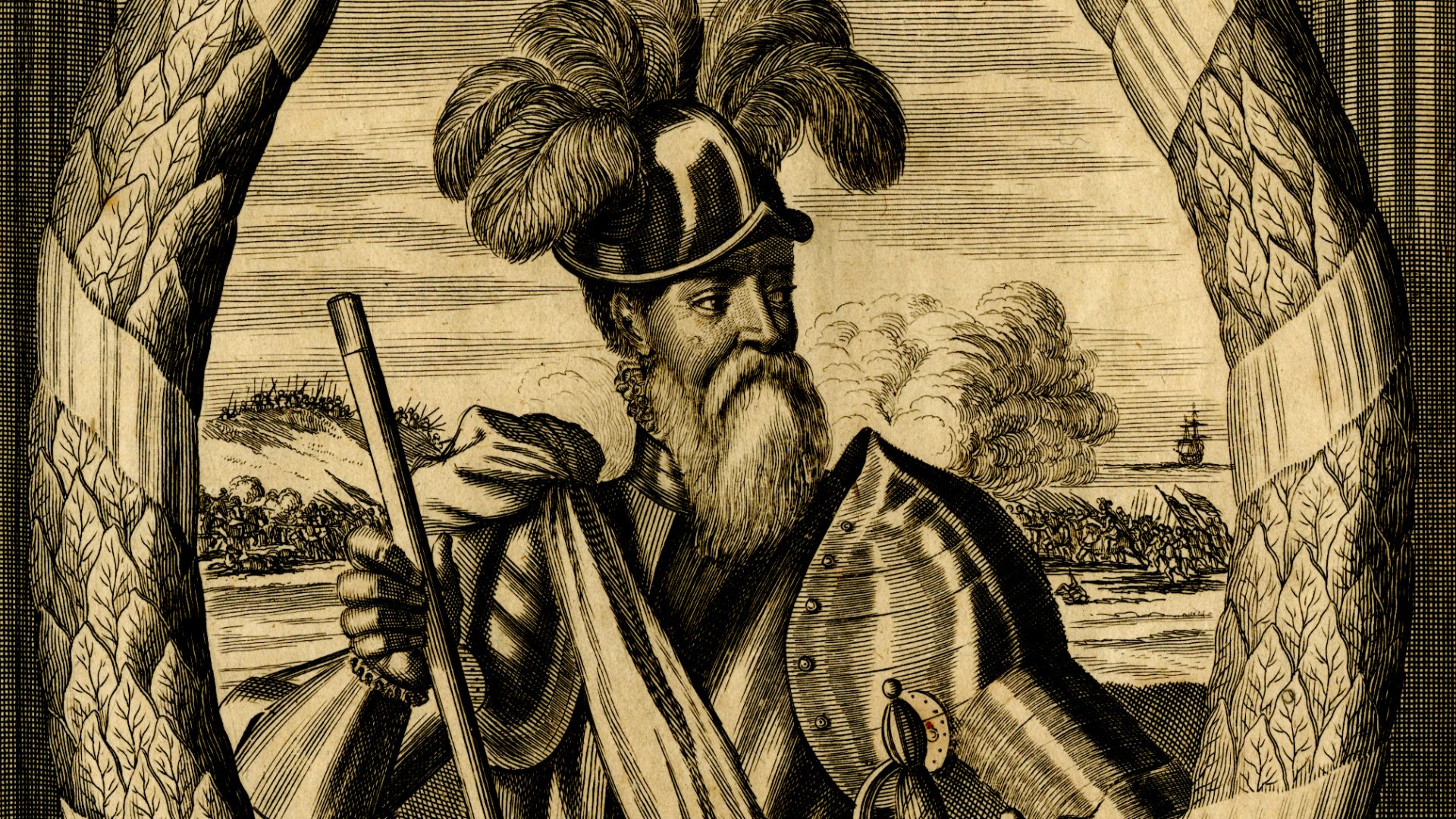
15. Francisco Pizarro
Pizarro sprang an ambush at Cajamarca in 1532, where Spaniards wiped out thousands of Incas and seized Emperor Atahualpa. Sure, he accepted gold and silver in ransom, but he still executed Atahualpa in 1533. Do a little digging, and you’ll see that his strategy was nothing but a ruthless target.
16. Baybars I
This is the kind of career that shows how often raw force and political targeting were intertwined in medieval times. Baybars I built his legend when his Mamluk army captured Antioch in May 1268. The scene was nothing short of chaotic: slaughter and the enslavement of inhabitants.
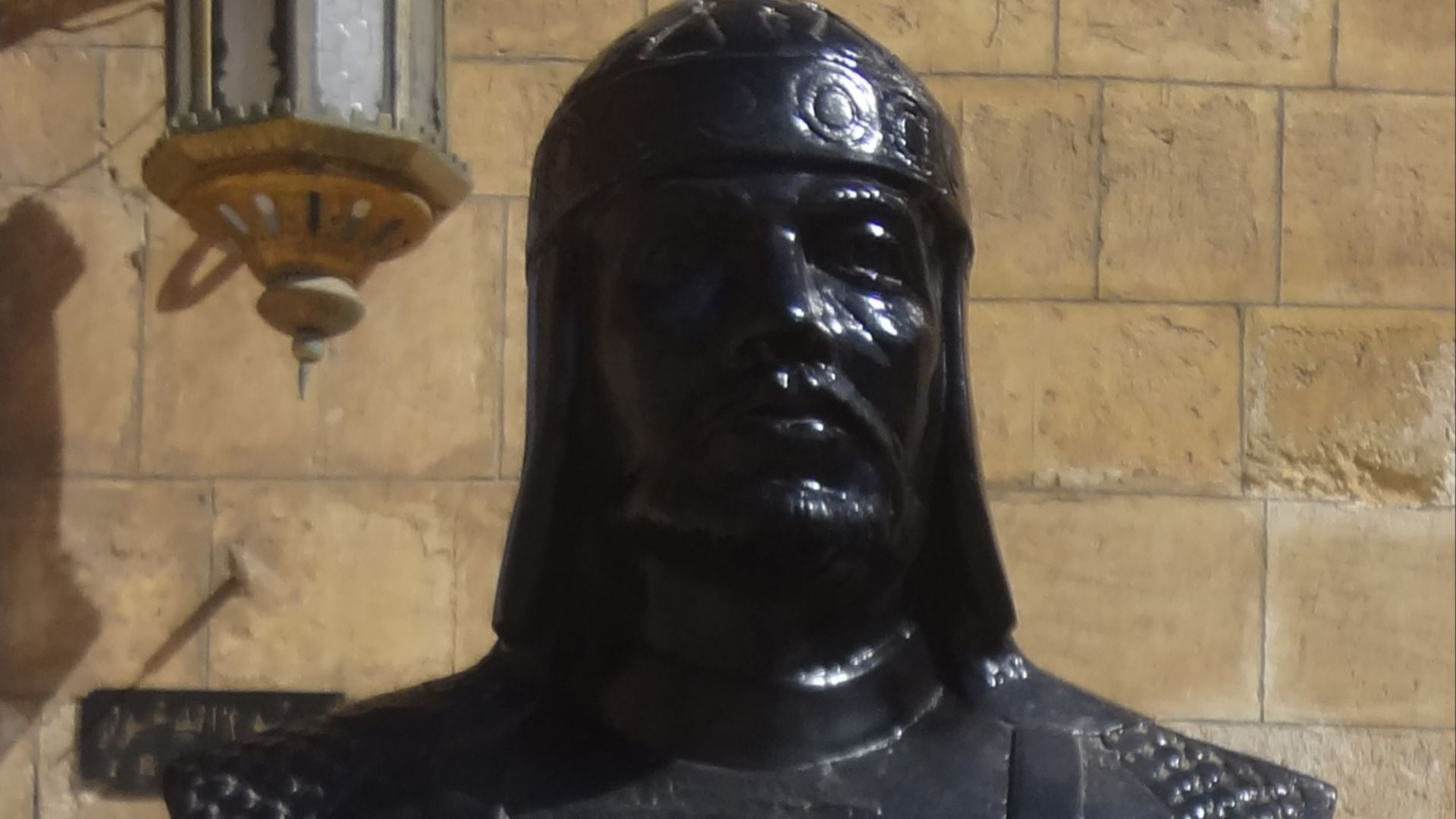 Ahmed yousri elmamlouk on Wikimedia
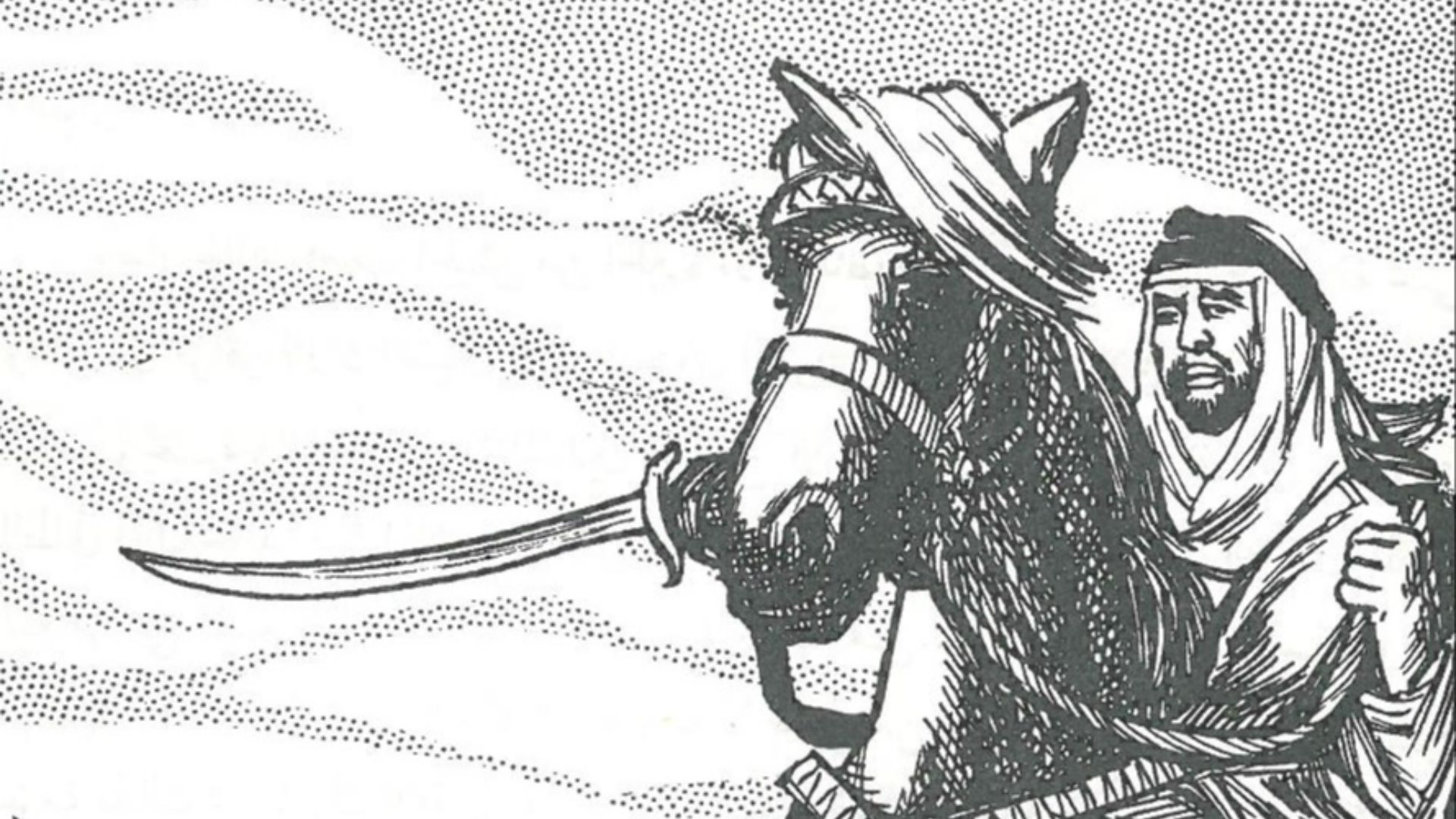
17. Khālid ibn al-Walīd
It wasn’t enough for al-Walīd to slay people during the Ridda wars—he also ended Malik ibn Nuwayra’s life after his capture, then married his widow. Reports also noted that he ordered many of his captives slain.
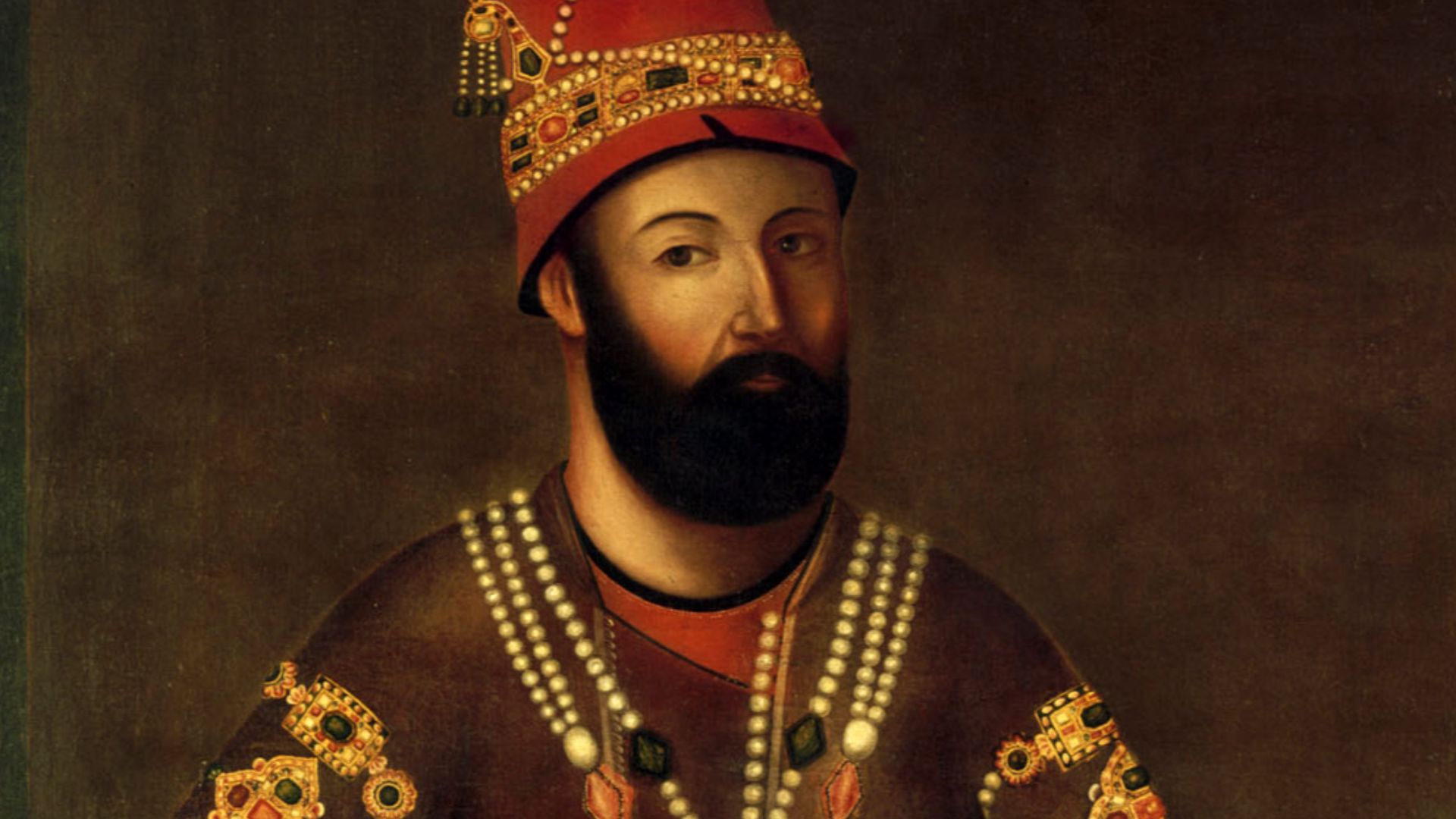
18. Nādir Shāh
Shāh rebuilt Iran’s military, securing his role as a ruler and conqueror. His 1739 invasion ended with Delhi occupied and looted, along with many lives lost. That didn’t deter him from taking what he wanted, though. He also made off with treasures like the Peacock Throne, leaving the capital traumatized for generations to come.
19. Tomyris
Ancient tradition credits her with leading the Massagetae against Cyrus the Great and claiming his life—but it wasn’t just that she took his life. She performed pretty grisly acts with the head as well. Now, keep in mind that modern works note uncertainty around the details, so they’re best taken with a grain of salt.
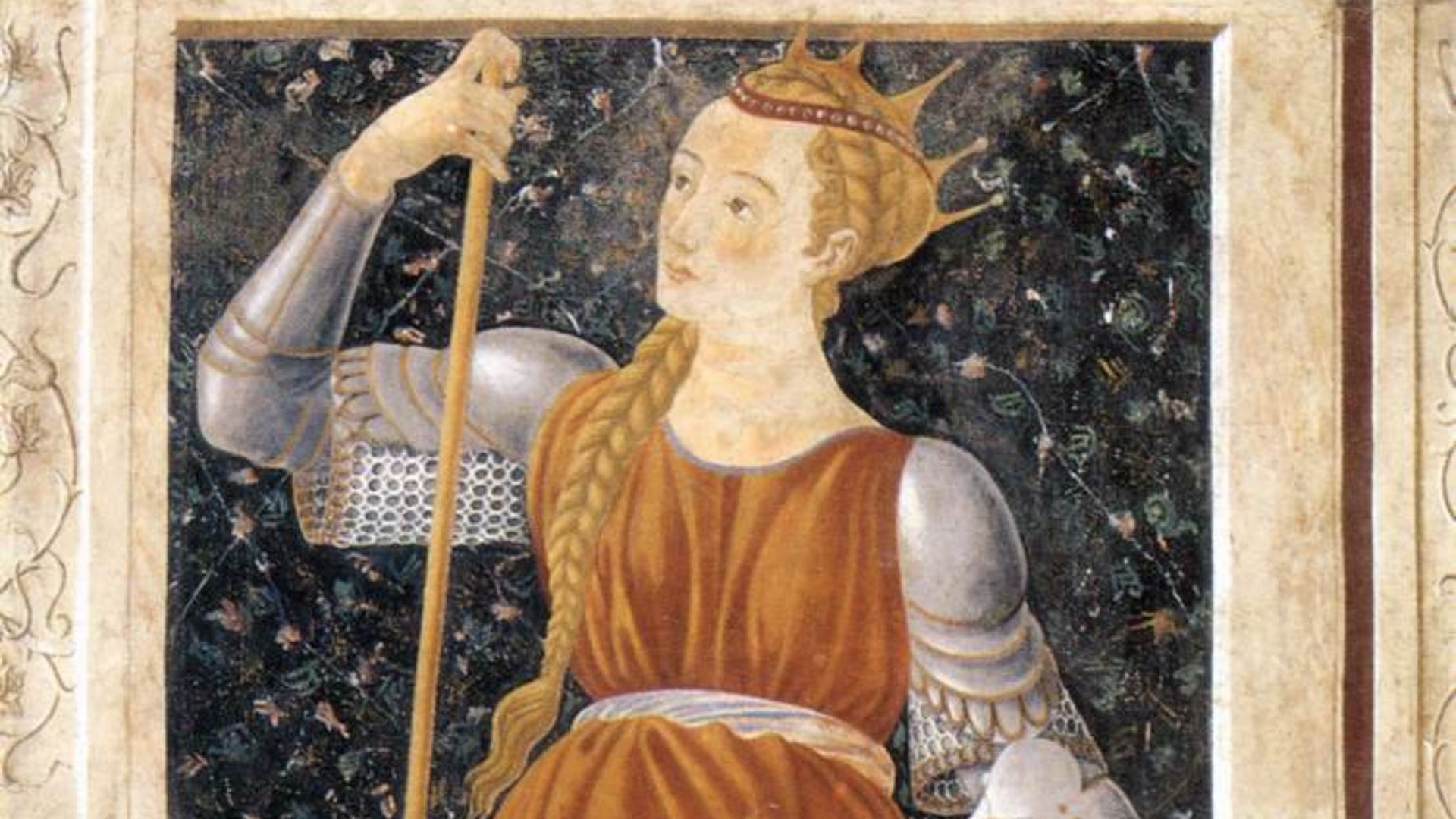 Andrea del Castagno on Wikimedia
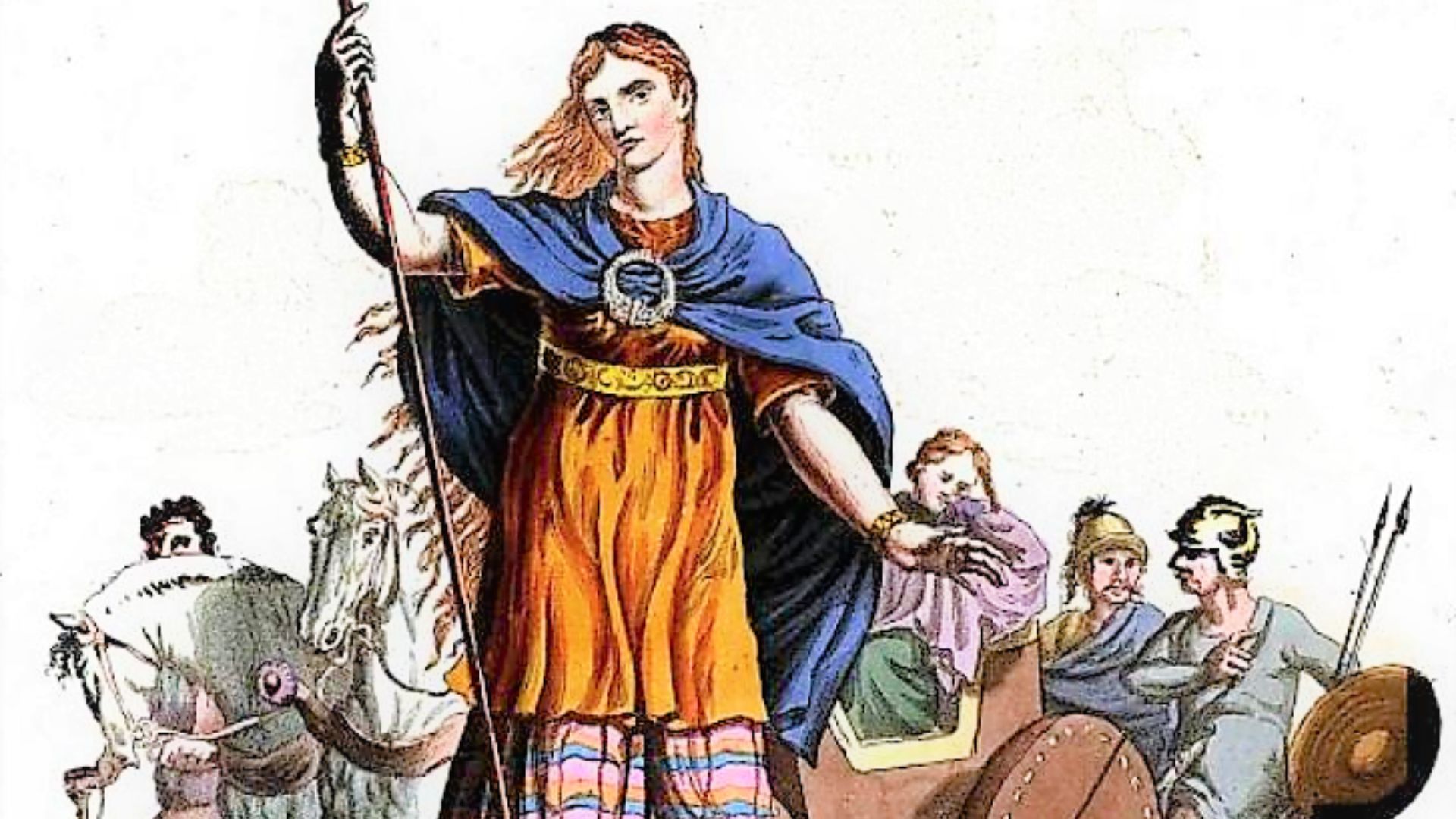
20. Boudicca
Boudicca’s revolt wasn’t gentle; her forces burned Camulodunum, Londinium, and Verulamium. As you can imagine, that didn’t come lightly, and it’s estimated that she massacred about 70,000 in the destruction.
KEEP ON READING

From Heroes To Zeroes 20 Historical Figures Whose Heroism Was…
History is full of legends, but not every hero lived…
By Noone Feb 25, 2026
The Clueless Crush: How I Accidentally Invited a Hacker Into…
Fluorescent Lights and First Impressions. My name is Tessa, I'm…
By Ali Hassan Nov 4, 2025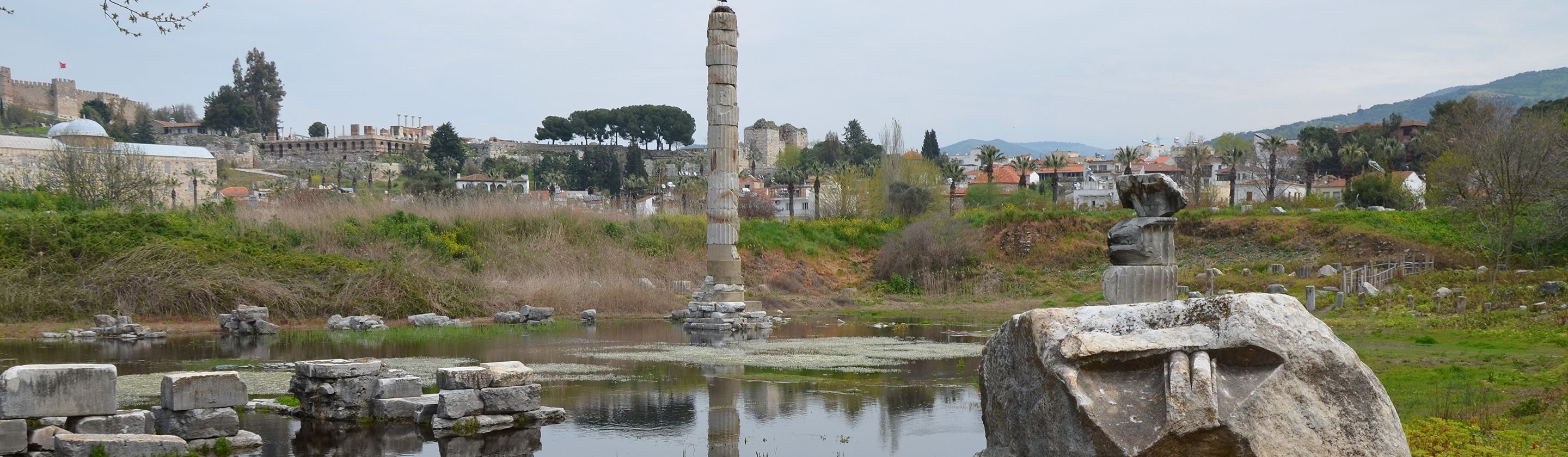
This Infamous Ancient Greek Burned Down An Ancient Wonder Just…
History remembers kings and conquerors, but sometimes, it also remembers…
By David Davidovic Nov 12, 2025
Einstein's Violin Just Sold At An Auction—And It Earned More…
A Visionary's Violin. Wanda von Debschitz-Kunowski on WikimediaWhen you hear…
By Ashley Bast Nov 3, 2025
The Mysterious "Sea People" Who Collapsed Civilization
3,200 years ago, Bronze Age civilization in the Mediterranean suddenly…
By Robbie Woods Mar 18, 2025
The Origins Of 3 Common Sayings You Still Use Today
Etienne Boulanger on UnsplashMany of the phrases you use every…
By Rob Shapiro Apr 28, 2026