

The Weird, the Wild, and the Effective
Humans have attempted some extremely bizarre tactics to force confessions out of people. Some techniques were pulled straight from nightmares, but others were actually based on realistic psychological tactics that are still used today. You'll learn that humans have resorted to tactics such as only feeding prisoners dry bread or simply acting weirdly nice to suspects. With that in mind here are 20 fascinating interrogation methods from history.

1. The Ordeal of the Bitter Water
If your wife was cheating on you in ancient Hebrew society, Hebrew law stated she must drink holy water and dirt from the tabernacle floor while a priest chanted curses. If she was innocent she would be unaffected, but if she cheated on you, these "bitter waters" would poison her and cause severe pain. However, this method definitely depends on the accused having strong faith in yourself.

2. The Trial by Cake
English courts during the medieval period would employ something called “corsned” or “trial by consecrated bread” to figure out who was lying. Essentially, you would be forced to swallow a huge hunk of dry bread and cheese as a priest chants prayers telling God to make you suffocate on the food if you are guilty. Because dry mouth is a natural reaction to severe stress, someone who was guilty could actually end up passing the test by choking down the disgusting snack.

3. Licking the Red-Hot Spoon
Similar to the above technique, some cultures required suspects to place their tongue on a red-hot piece of metal. If you were telling the truth your mouth would produce enough saliva to ward off any burning, but if you were lying your mouth would be as dry as the desert due to nervousness. As you can imagine, this method didn’t exactly work out too well for most people.

4. The Donkey’s Tail Trick
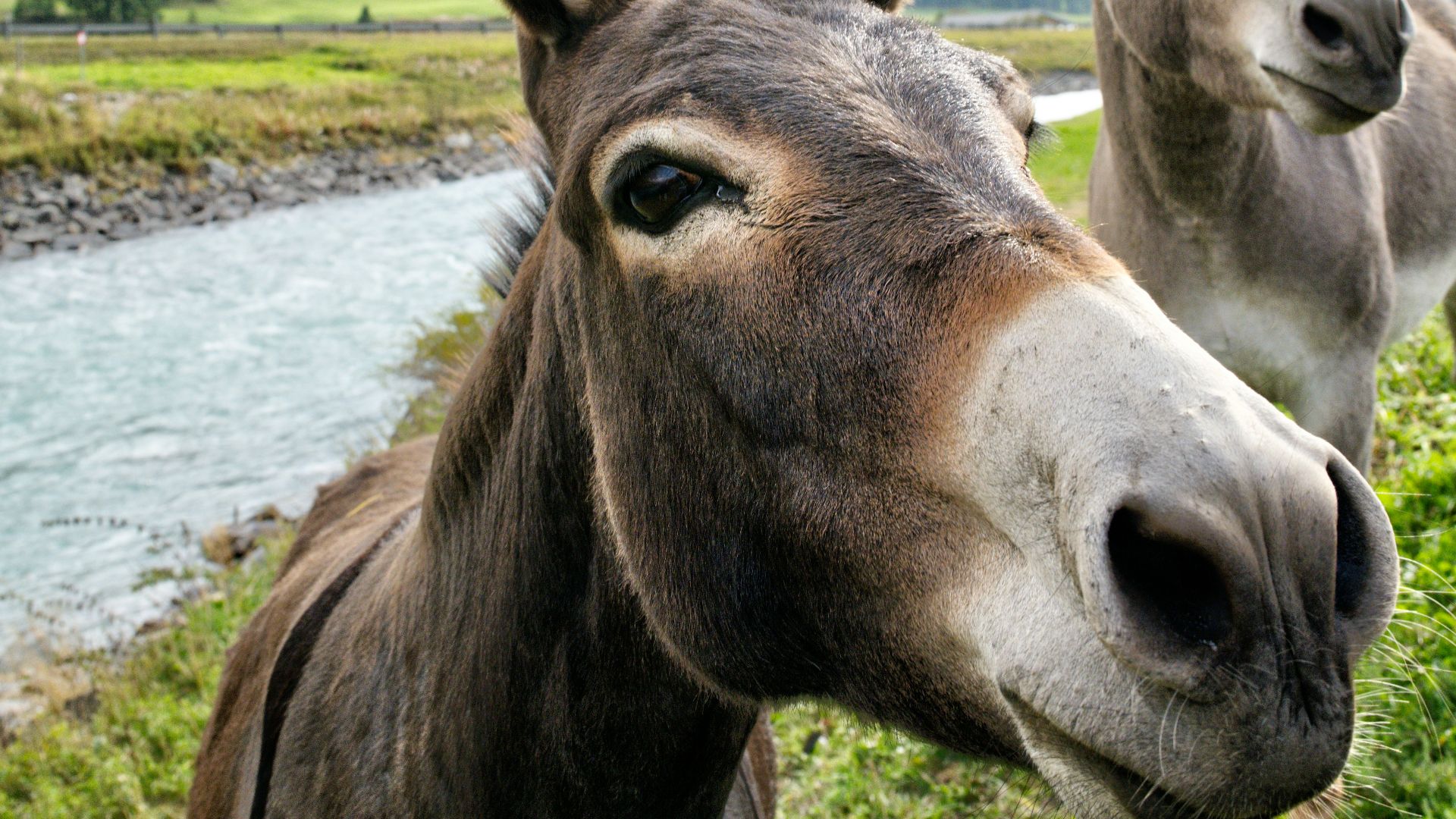
Sort of a reverse-psychology stunt, interrogators would bring a donkey into a dark tent and tell suspects they had to enter and grab its tail. Authorities would cover the donkey’s tail in soot beforehand, then tell onlookers that the donkey would only bray when the guilty man grabbed its tail. When suspects exited the tent, men with soot-free hands were arrested due to being “too afraid” to grab the donkey.
5. Walking on Hot Plowshares
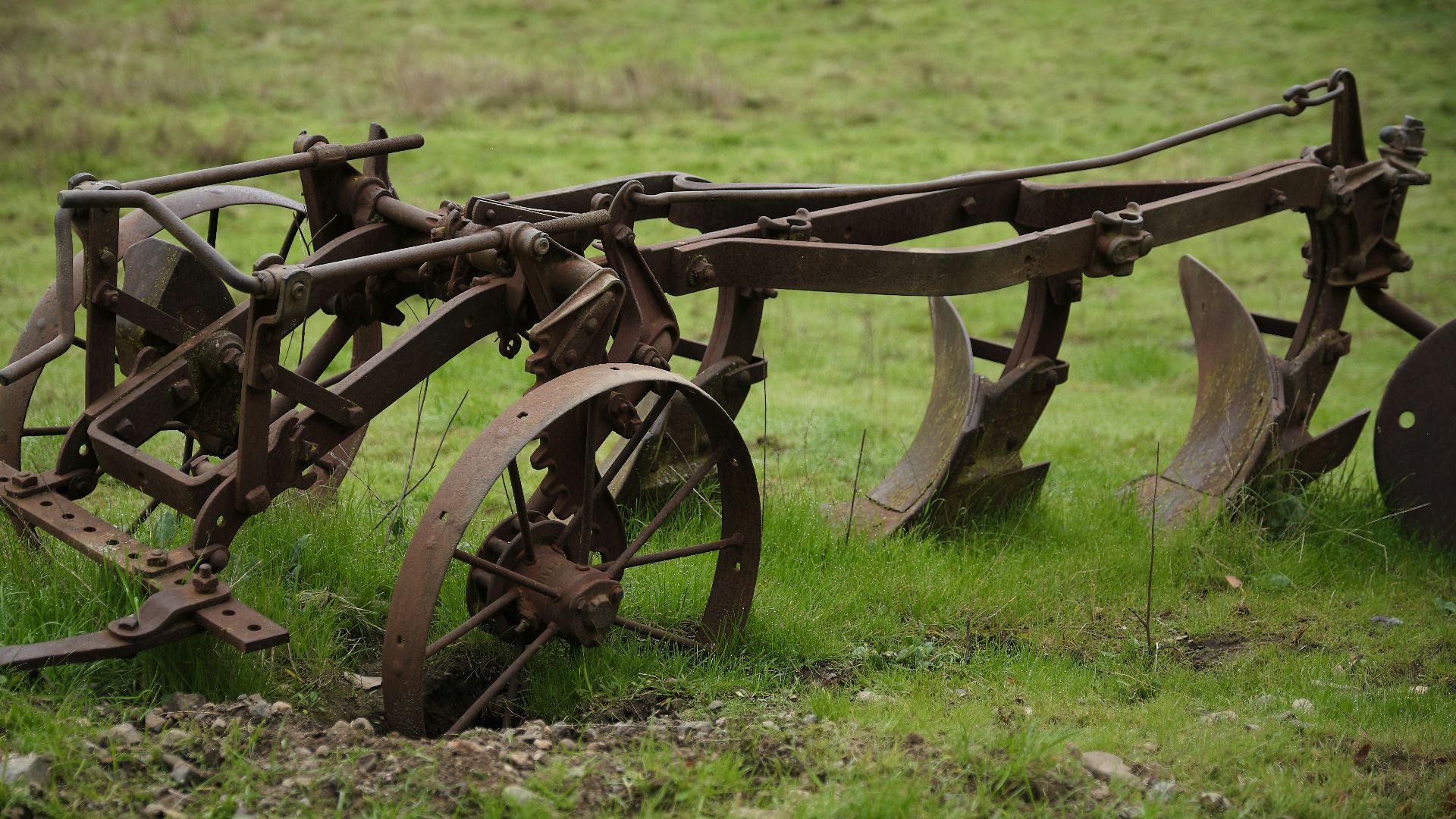
Need to prove you’re telling the truth? Easy! Just walk over 9 red hot glowing plowshares. Anglo-Saxon law sometimes used this technique to test innocence, and if you managed to heal in three days without infection, you were free to go. Seems like you either need beastly calluses or you’re just flat-out lucky with this test.
6. The Weighted Balance
Originating from ancient India, if a suspect were suspected of lying, they would be weighed on a scale against a designated weight. Officials would then read a list of accusations to the suspect before weighing them once more. If they came up heavier the second time around, they were declared innocent, but if lighter…you guessed it, liar. Scientifically this makes about as much sense as can be mustered but at least it kept everyone on their toes during trial. It’s just odd to think that the gravity of a lie could actually alter your mass.

7. Swallowing Rice
In ancient China, investigators made suspects chew on a mouthful of dry rice then spit it back out. If the rice was still dry, they were guilty because fear had caused their salivary glands to shut down. Fun fact: there’s actually a little bit of science behind this ancient technique. Granted it’s not very scientific or classy to force someone to dribble rice all over your floor while conducting an investigation, but it’s there. Hope you weren’t thirsty that day.

8. The Ordeal of the Cross
The ordeal of the cross was basically a battle of wills and strength. Each side, the accuser and accused, would stretch their arms out to create a cross shape with their bodies. Whoever’s arms gave out first was considered the liar, because God would strengthen the body of the person telling the truth. Seriously guys, next time you workout skip the shrugs and just head to court. I promise you’ll build better posture that way.

9. Boiled Water and the Ring
Suspects were sometimes told to prove their innocence by pulling a ring from boiling water as proof they weren’t hiding anything down the sleeves. Apparently if you didn’t come out with burnt hands a few days later you were considered honest in the eyes of the law. It’s hard to imagine someone walking away from that situation injury-free, no matter what they’ve done. Seems like a great way to test the power of “God’s will.”
10. Floating in the Pond
The “test” everyone knows about for a plethora of crimes: if you floated, you were guilty because holy water was rejecting your sinful soul. But if you sank, you were innocent! Of course, drowning was probably a better alternative than being declared guilty, so you better hope someone helped you up out of that pond quickly.
Now that we talked about 10 strange methods, here are 10 from history that still work to this day.

1. The Good Cop/Bad Cop Routine
Look, we’ve all seen this technique because it was used in every cop interrogation scene known to mankind. But it works. Having one interviewer be a hostile person while the other one calmly intervenes as your “friend” who is only looking out for you creates a dynamic that psychologists call…something. Basically, you’ll hate one person and start to trust the other, making you want to cooperate with them by revealing your darkest secrets so you can avoid the harshness of the “bad cop.”

2. Establishing a Baseline
These days cops ask you about your day or what your favorite movies are before they dive into the deep end. Why? So they can establish how you behave when telling the truth so they can identify tells when you start lying. Maybe you start bouncing your knee or your words per minute increase…they’ll notice. After they’ve established a baseline of how you lie, they’ll only ask questions that require short answers. Anything you say after that point they can analyze to catch you in a lie.

3. Strategic Use of Evidence
Rather than throwing all their evidence at you at once and immediately proving you’re a liar, some interrogators wait until you say something that’s untrue to confront you with evidence that disproves that specific statement. Doing this over and over makes a suspect feel like the cop knows everything which often breaks them, causing them to confess to their crimes. Once a suspect believes that their story’s been shattered, they’ll almost impulsively confess to their crime.

4. The Reid Technique
Most people have heard of this technique, whether you know it as “The Reid Technique” or the “Good Cop/Bad Cop Routine.” One of the most effective ways to get someone to confess to a crime is through a 9-step process that pushes you psychologically until you submit to pressure. Step 5 is where the good cop starts laying down some fake “themes.” Themes are prepackaged excuses for the crime that your investigator delivers as if they were your own thoughts.

5. Active Listening
Who’s better at lying than a liar? Liars. One of the easiest ways to catch someone in a lie is to let them do all the talking. Tell your interrogator everything. The longer they listen to you talk, the more chances you have to slip up and say something that incriminates yourself or your partner. If you can make your investigator ask at least 5 questions, you’re probably guilty.

6. Building Rapport
Okay, maybe don’t befriend the perp, but some of the best investigators let suspects know that they’re human too. By making a suspect feel at ease, you’re more likely to let your guard down and reveal information. Most criminals won’t turn on their partners if they feel like the person asking them questions respects them as a fellow human being. If the person grilling you buys you a coffee and talks to you politely, you’re likely to respond in kind.

7. Hanns Scharff’s Kindness
Hanns Scharff was a German investigator during WWII who extracted information from thousands of POWs without ever raising his voice. He’d take prisoners on walks, share his home-made cookies with them, and talk about everything but the war. One pilot even said he “was allowed to visit Sharkff’s office any time he wanted to…play on his piano and talk about anything except the war.” This made Scharff upper echelon-info gathering machine. Pilots would walk into the German’s home all smiles before their guard dropped and they’d slip up without even realizing it.
8. Cognitive Load Manipulation
Memory and attention are two things your brain can only do so much of at once. If you force a suspect to multitask while they recite their “story,” they’ll likely falter when keeping their details consistent if they are in fact making it up. You can have the suspect recount their version of events in reverse order, tell their story while doing puzzles, or just ask them overly complicated questions that they can’t answer without thinking. If they’re lying, they’ll struggle.

9. The Peace Model
This method works off of the theory that traditional interrogation techniques often lead to false confessions. By remaining unbiased throughout the questioning process, you ensure that you don’t miss vital clues. Stick to “PEACE”: an acronym that stands for Preparation, Engage, Account, Closure, and Evaluation.
 LOGAN WEAVER | @LGNWVR on Unsplash
10. Silence
Ask any teacher. Leave too much of a silence during a conversation and people will speak just to fill the void. Most investigators stay frustratingly quiet after you answer a question in hopes that you’ll continue talking. Whether it’s explaining your answer further or just speaking impulsively, you’ll reveal more than you intend to if you don’t watch yourself.

KEEP ON READING

20 Historical Figures Who Were Punished For Being Right Too…
History Has Always Hated a Know-It-All. There's a particular kind…
By Cameron Dick Jun 1, 2026
20 Times History Was Decided By A Petty Personal Grudge
It Was Never Really About the Politics. History likes to…
By Cameron Dick Jun 1, 2026
20 Of History's Most Violent Women
Power Wasn’t Polite. History has never had a shortage of…
By Annie Byrd Jun 1, 2026
10 Explorers Who Found What They Sought & 10 Who…
The Journey Doesn't Always End Where You Expect. Throughout history,…
By Rob Shapiro Jun 1, 2026
The 20 Oldest Garments Ever Found
From Desert Caves To Alpine Ice, Ancient Clothing Survived Against…
By Elizabeth Graham May 29, 2026
20 Coolest Nicknames In History
The Best Nicknames EverLet's face it, your given name can…
By Sara Springsteen May 29, 2026