

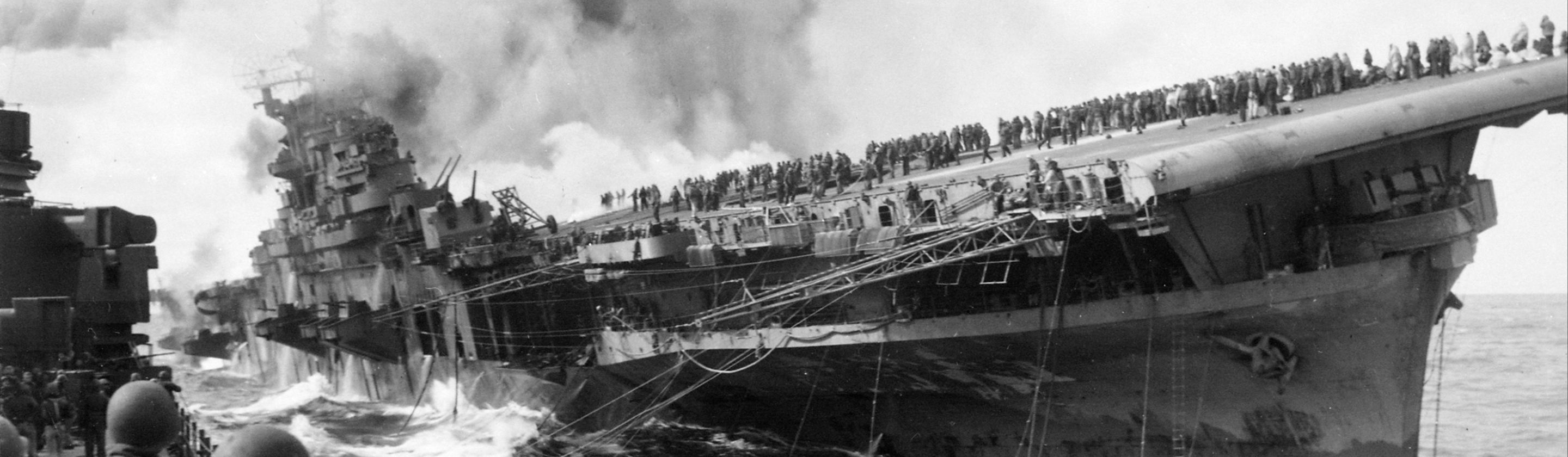
A Wider Lens on a Familiar War
World War II is often summarized through its biggest battles and most famous leaders, but many consequential details sit outside the usual narratives. Some information stayed secret for decades, while other details were overshadowed by larger events happening at the same time. Today, we’re here to break down some things you may have never heard of before—and which facts you should already be familiar with.
 Army Signal Corps photographer LT. Stephen E. Korpanty on Wikimedia
1. Poland Gave the Allies a Head Start on Enigma
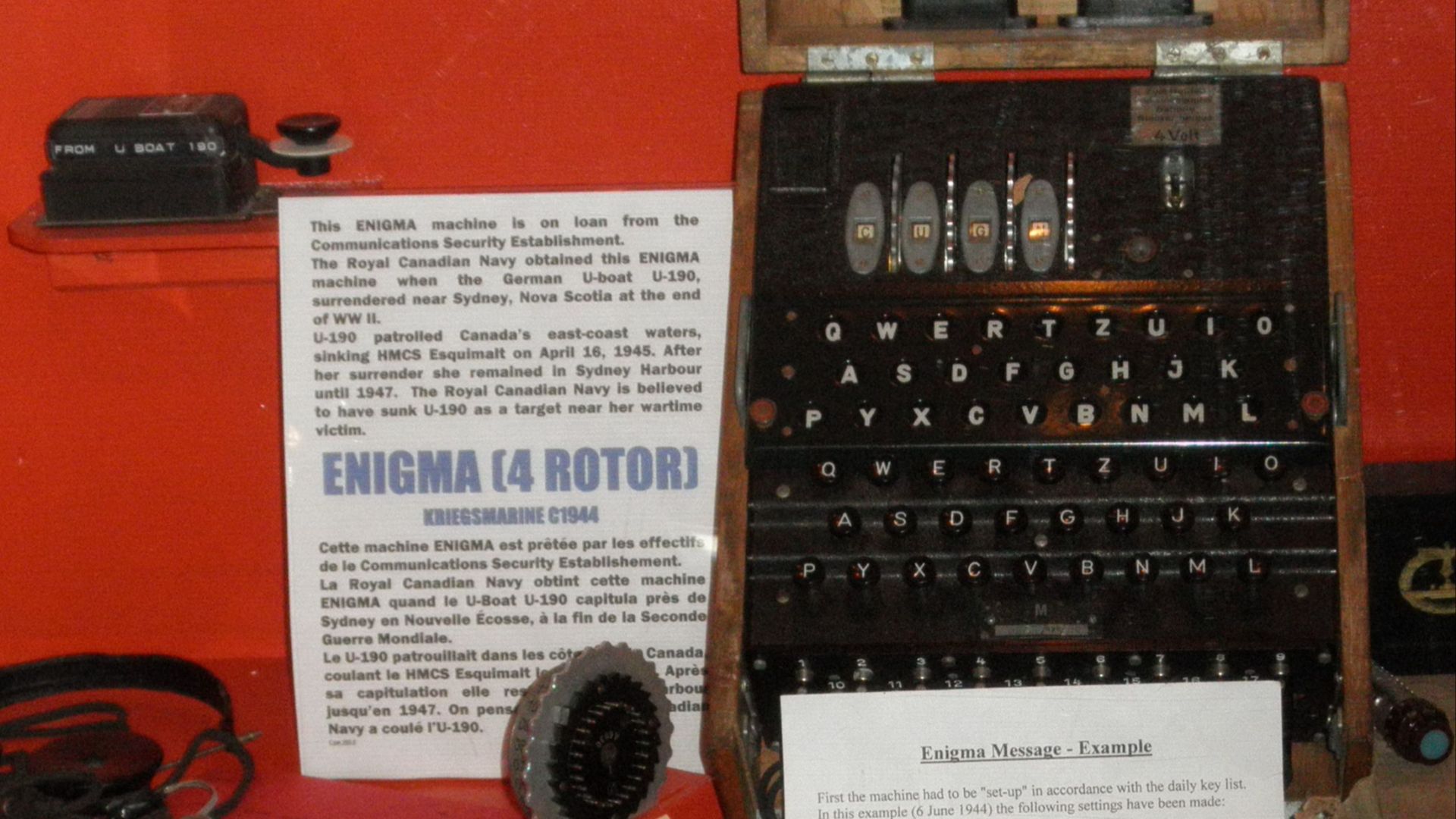
In late July 1939, Polish cryptologists revealed that they’d broken Enigma and shared methods and materials with British and French intelligence. The transfer occurred only weeks before the war began, which means Allied codebreaking didn’t start from scratch in 1939.
 https://www.flickr.com/people/78648534@N05 on Wikimedia
2. Colossus Targeted a Different German Cipher
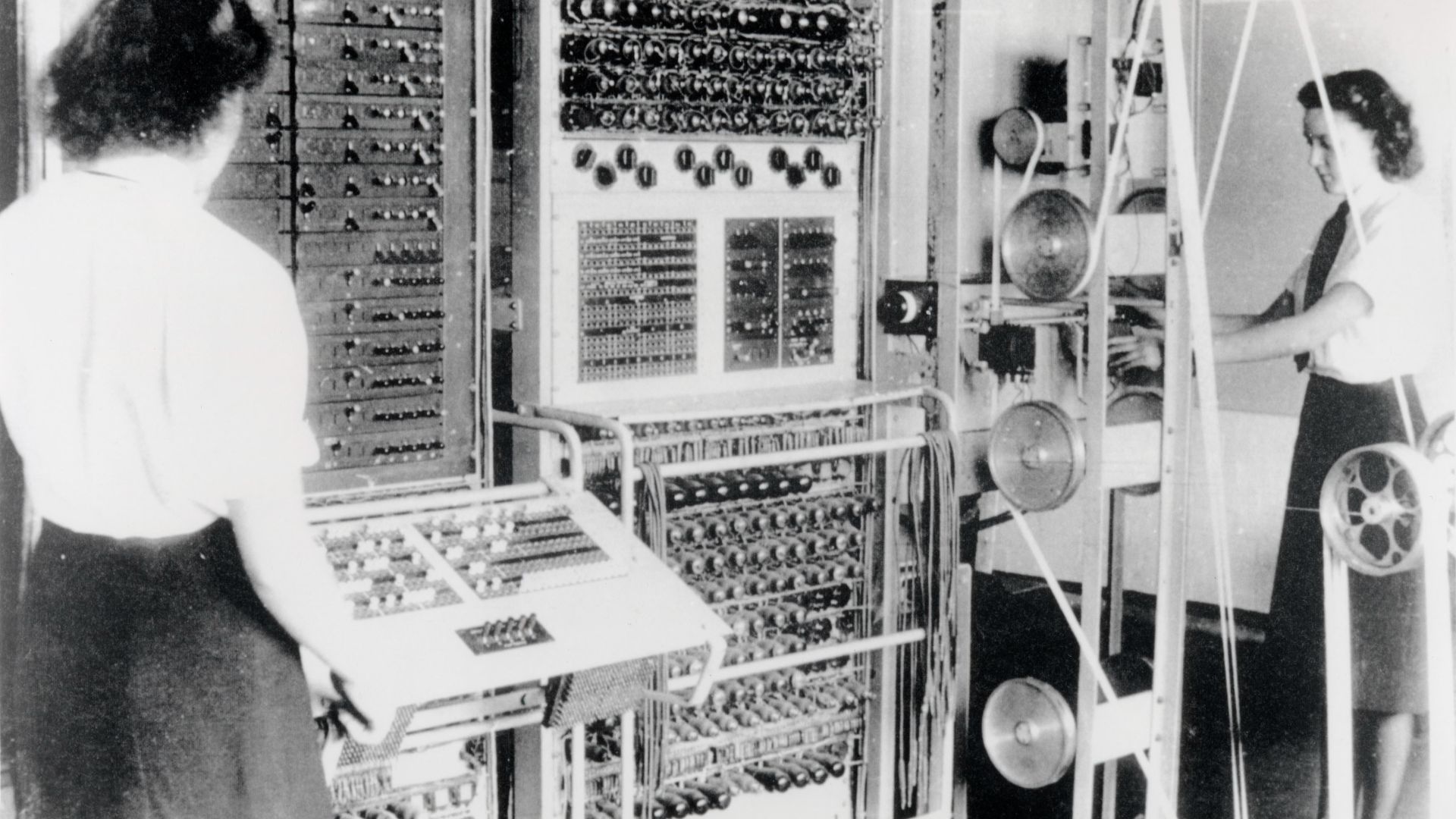
Colossus machines were built to help break the Lorenz “Tunny” system used for high-level German communications, not Enigma traffic. In 1944, Colossus went into operation and is widely described as the first large-scale electronic computer used in wartime codebreaking. That said, the secrecy around it was so tight that its role wasn’t even appreciated until long after the war.
 Unknown authorUnknown author on Wikimedia
3. A Plan to Seal Six Men in a Cave
In 1942, Operation Tracer had a plan if the territory fell—a stay-behind team that was to be bricked into a concealed cave complex in Gibraltar. Their mission was to observe enemy shipping and transmit reports from the sealed site.
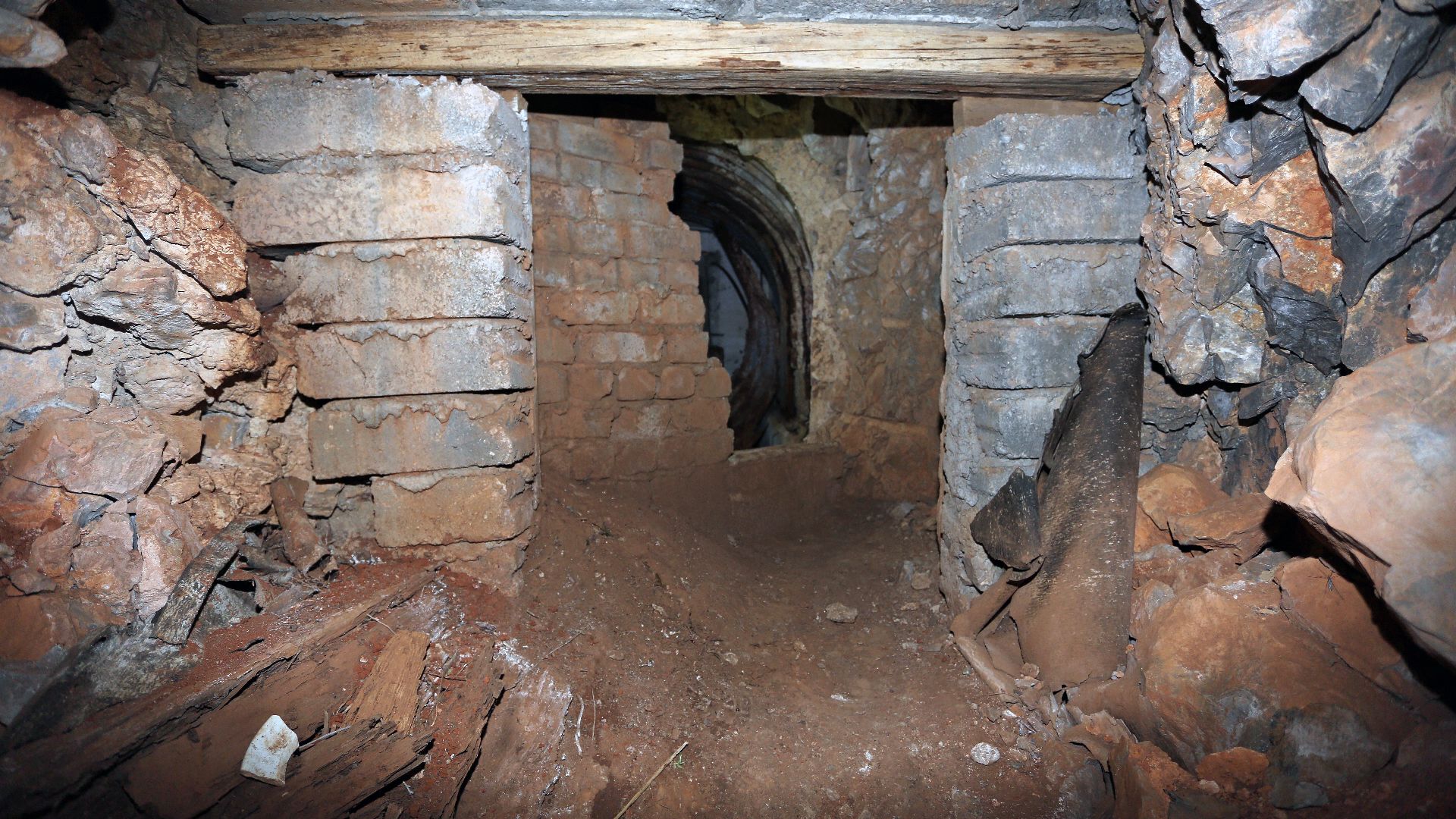
4. Britain Built a Homegrown Guerrilla Force in 1940
After Dunkirk, Britain formed an ultra-secret Auxiliary Units meant to operate from hidden underground bases if a German invasion succeeded. Much of their story remained classified for decades, but teams were trained for sabotage and disruption over traditional defense.
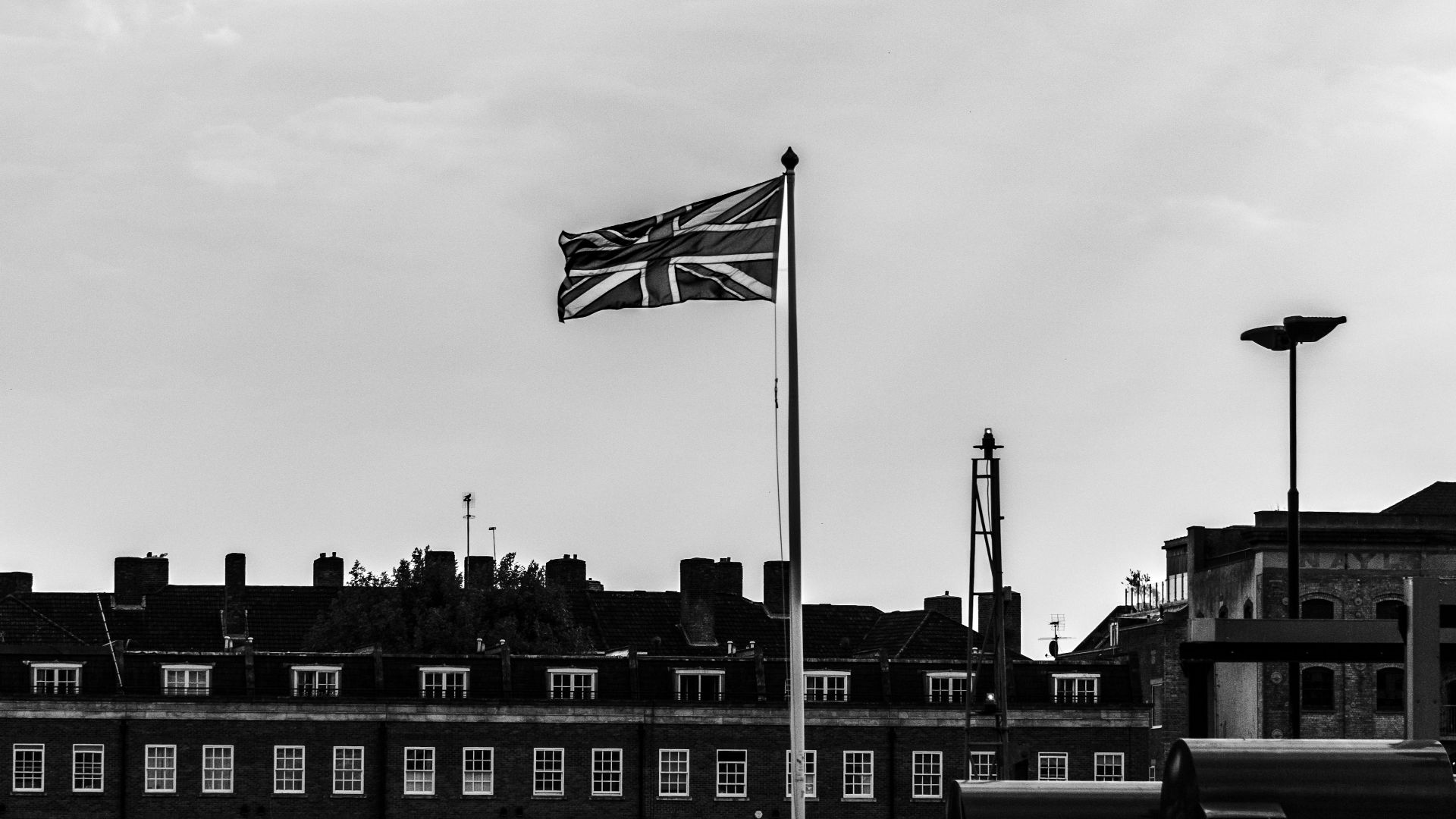
5. A British Plan Considered Using Anthrax
Mainly developed from 1942 to 1944, Operation Vegetarian was developed by British planners to produce German cattle with feed cakes that were contaminated with anthrax spores. The hope was for a potential dispersal over German grazing areas, but it was later abandoned due to Operation Overlord (the codename for the Battle of Normandy).

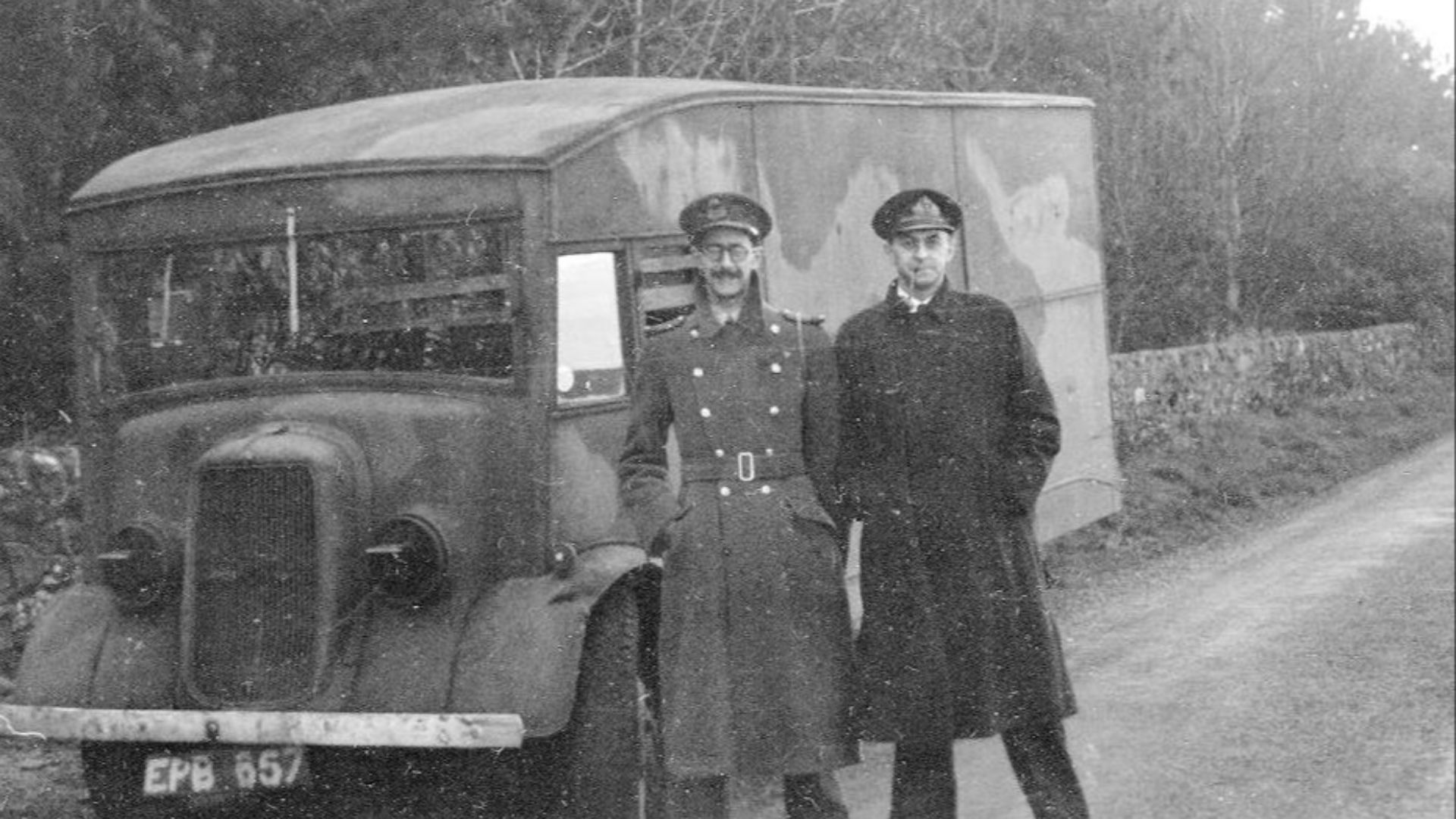
6. A Corpse Misled German Command
In 1943, Operation Mincemeat successfully planted phony invasion documents on a dead body, which was meant to be found and passed to German intelligence. The goal was to convince Germany that the Allies would strike somewhere other than Sicily, which worked—German forces were instead driven to the Balkans.
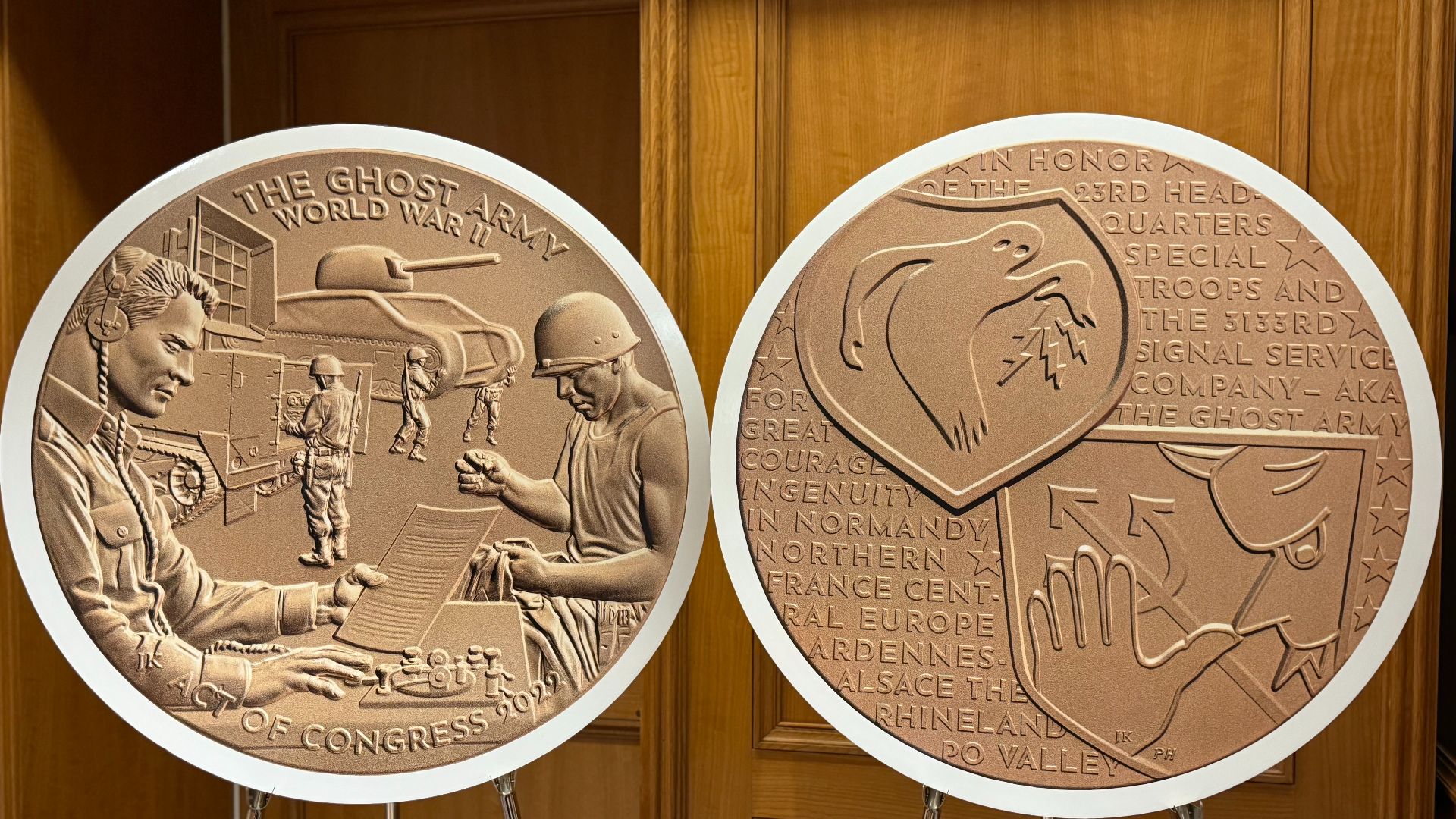
7. The U.S. Army “Built” Fake Armies
Its official name is the 23rd Headquarters Special Troops. Its apt moniker, however, is the “Ghost Army.” The unit used inflatable equipment, visual misdirection, and other tricks to suggest forces that weren’t actually present. Their work stayed classified for many years, which is why the average person may not have encountered it.
8. Japan Launched Bomb Balloons
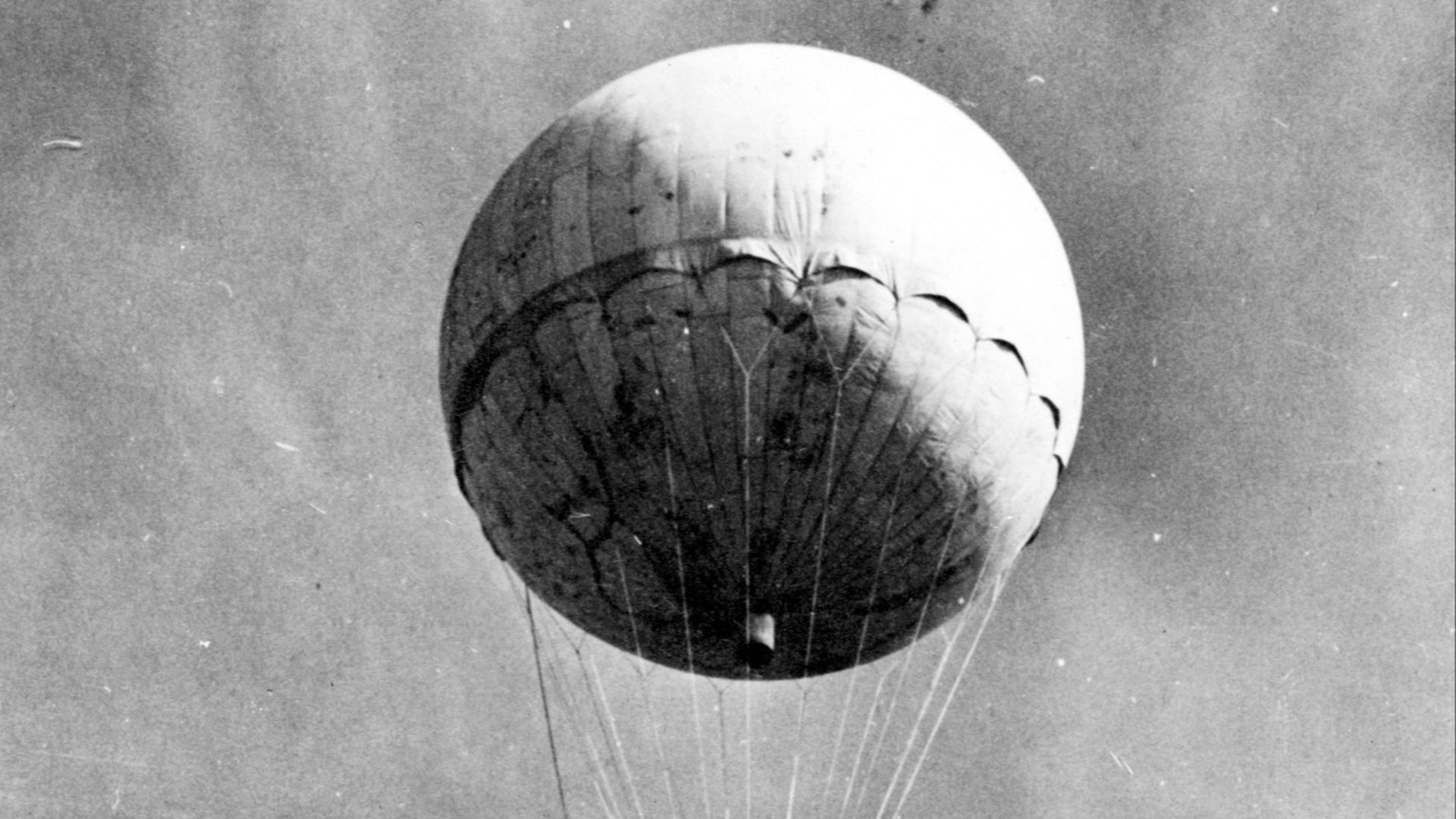
Japan launched thousands of Fu-Go balloon bombs, which used high-altitude winds to cross the Pacific. They delivered explosive or incendiary payloads to North America, and while the overall effect was limited, the program displayed an early form of intercontinental attack that caused widespread panic.
9. One German Saboteur Turned Himself In
In June 1942, German submarines put two four-man sabotage teams on the American Atlantic coast. What seemed like a decent idea unraveled pretty quickly after one participant, George John Dasch, contacted the FBI and exposed the plan.
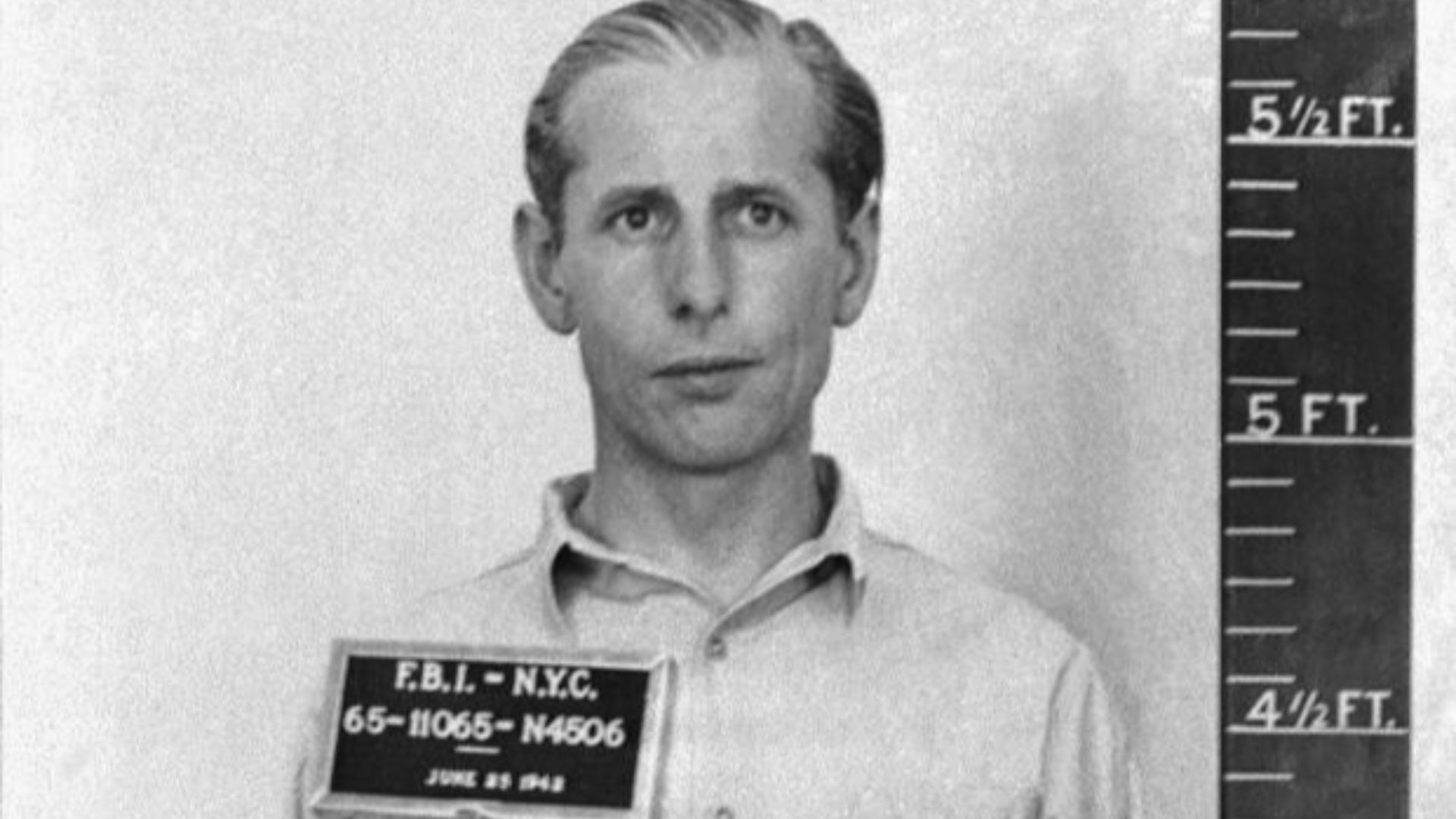 Federal Bureau of Investigation, Büro New York City on Wikimedia
10. B-29s Laid Mines That Strangled Japanese Shipping
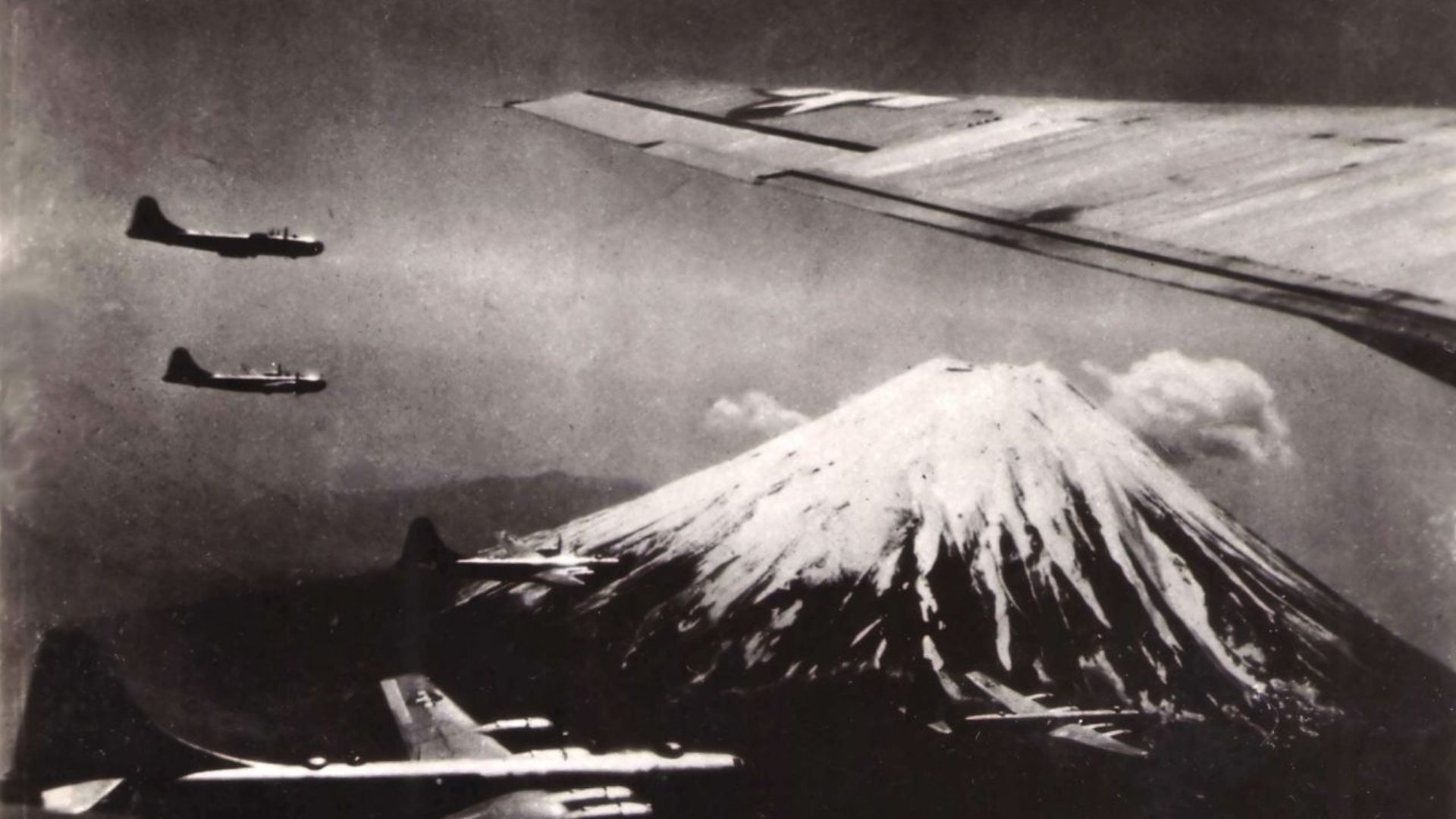
Operation Starvation was an aerial mining campaign in 1945 that targeted ports and sea lanes used by Japan. The plan was widely successful; studies credit it with not only damaging large amounts of shipping but also forcing major route disruptions. It couldn’t have come at a worse time, either, because Japan’s transport system was already under heavy stress.
Even if you don’t consider yourself a history buff, World War II has a basic set of widely accepted information. With some lesser-known intel out of the way, let’s dive into a few well-known facts everyone should already know.
1. The War Began with Germany’s Invasion of Poland
World War II in Europe is generally dated to September 1, 1939, when Germany invaded Poland. Britain and France then declared war on Germany on September 3, 1939, which immediately escalated the crisis.
2. The Axis vs. The Allies
The Axis powers were led primarily by Germany, Italy, and Japan. Opposing them were the Allied powers, with the United Kingdom, the Soviet Union, the United States, and China often identified as principal members. Others, such as France, are also often included in the Allies.

3. Pearl Harbor Brought the States into the War
On December 7, 1941, Japan attacked the U.S. naval base at Pearl Harbor in Hawaii. The attack ended the lives of more than 2,000 people and shocked the country, directly driving the United States into World War II.
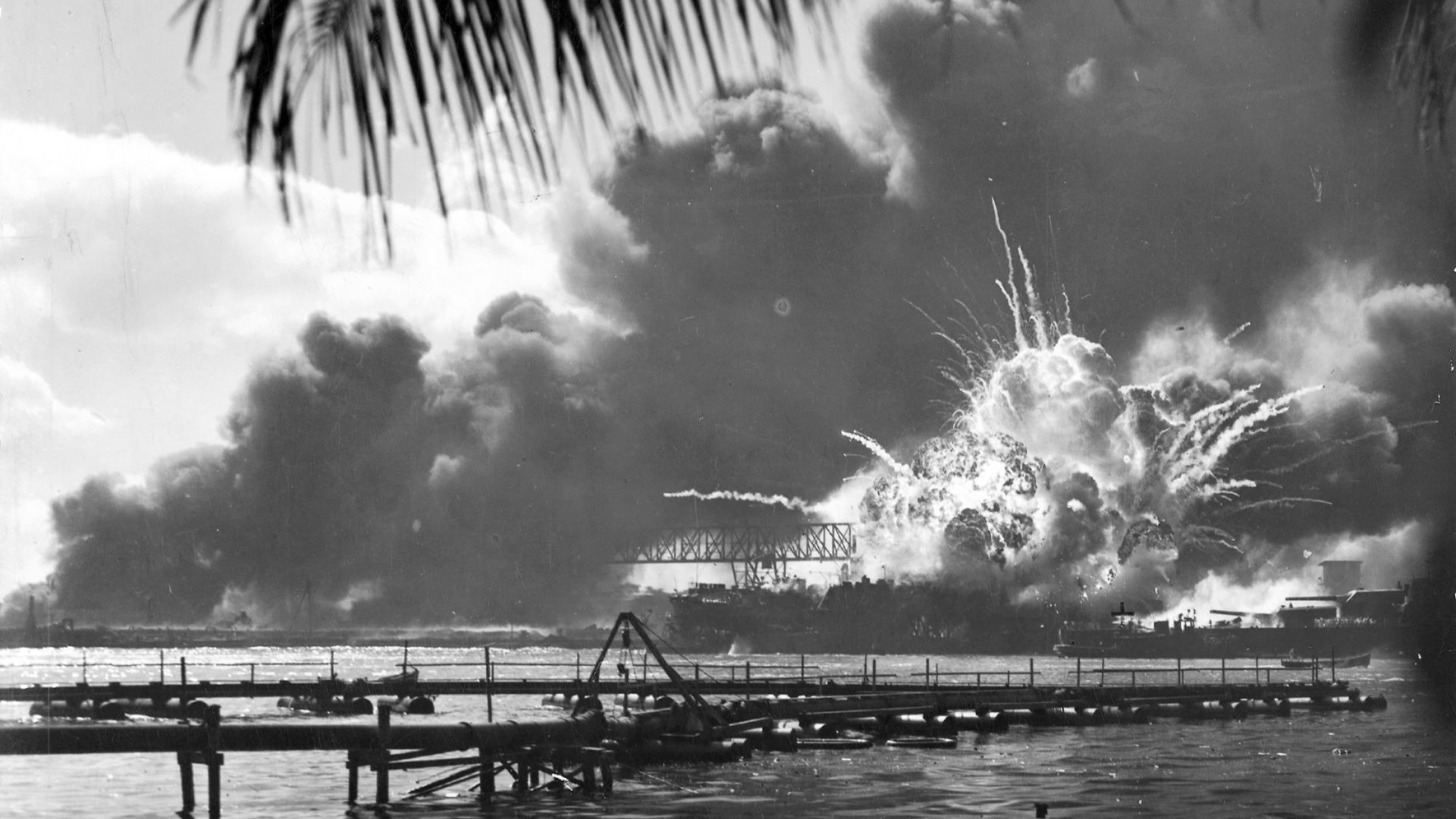 Unknown navy photographer on Wikimedia
4. Germany Invaded the Soviet Union in June 1941
You can’t really understand WWII’s military toll without this tidbit. Germany launched Operation Barbarossa on June 22, 1941, with plans to invade the Soviet Union. The scale of the fighting was enormous and became decisive for the course of the war.
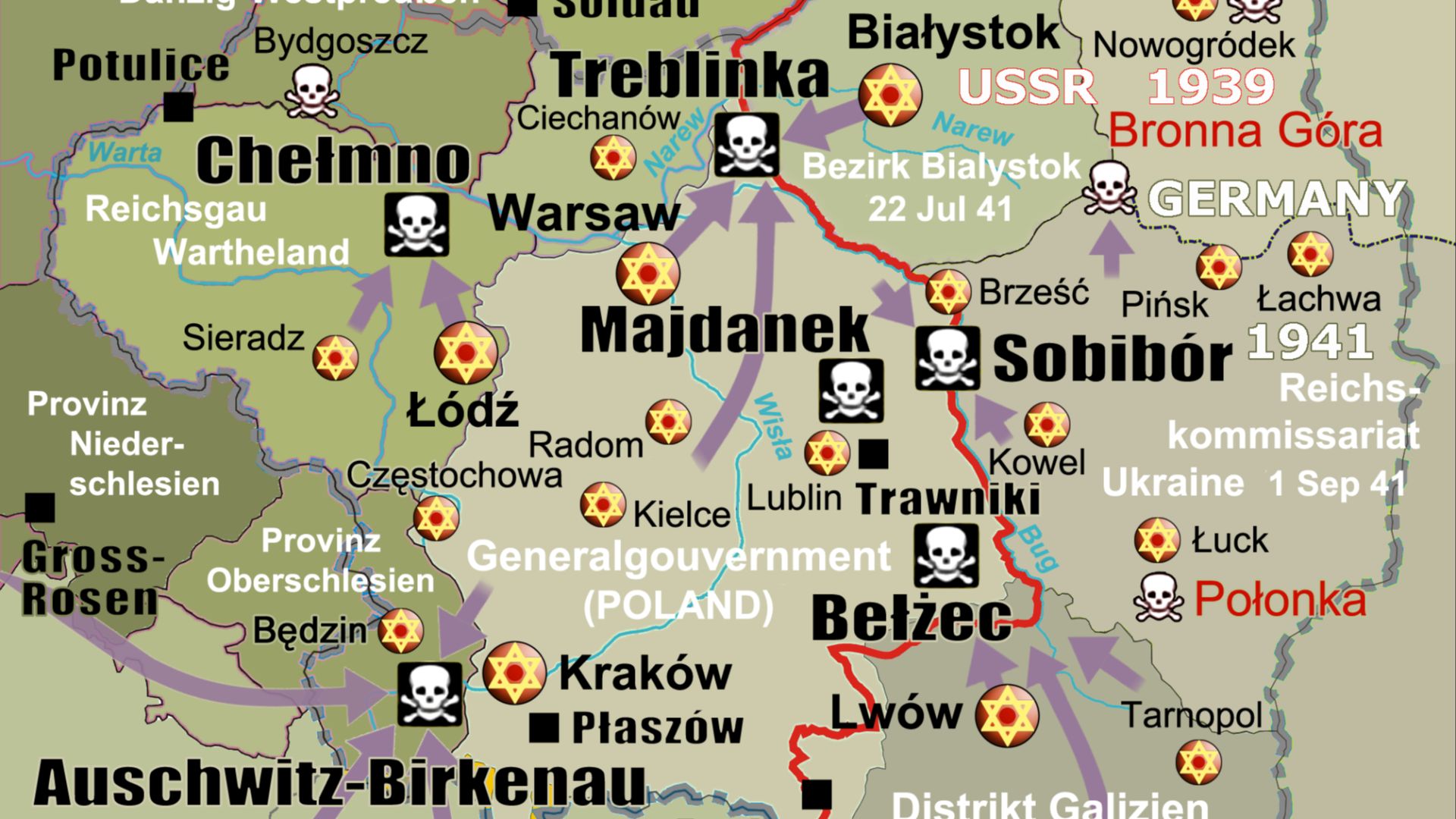
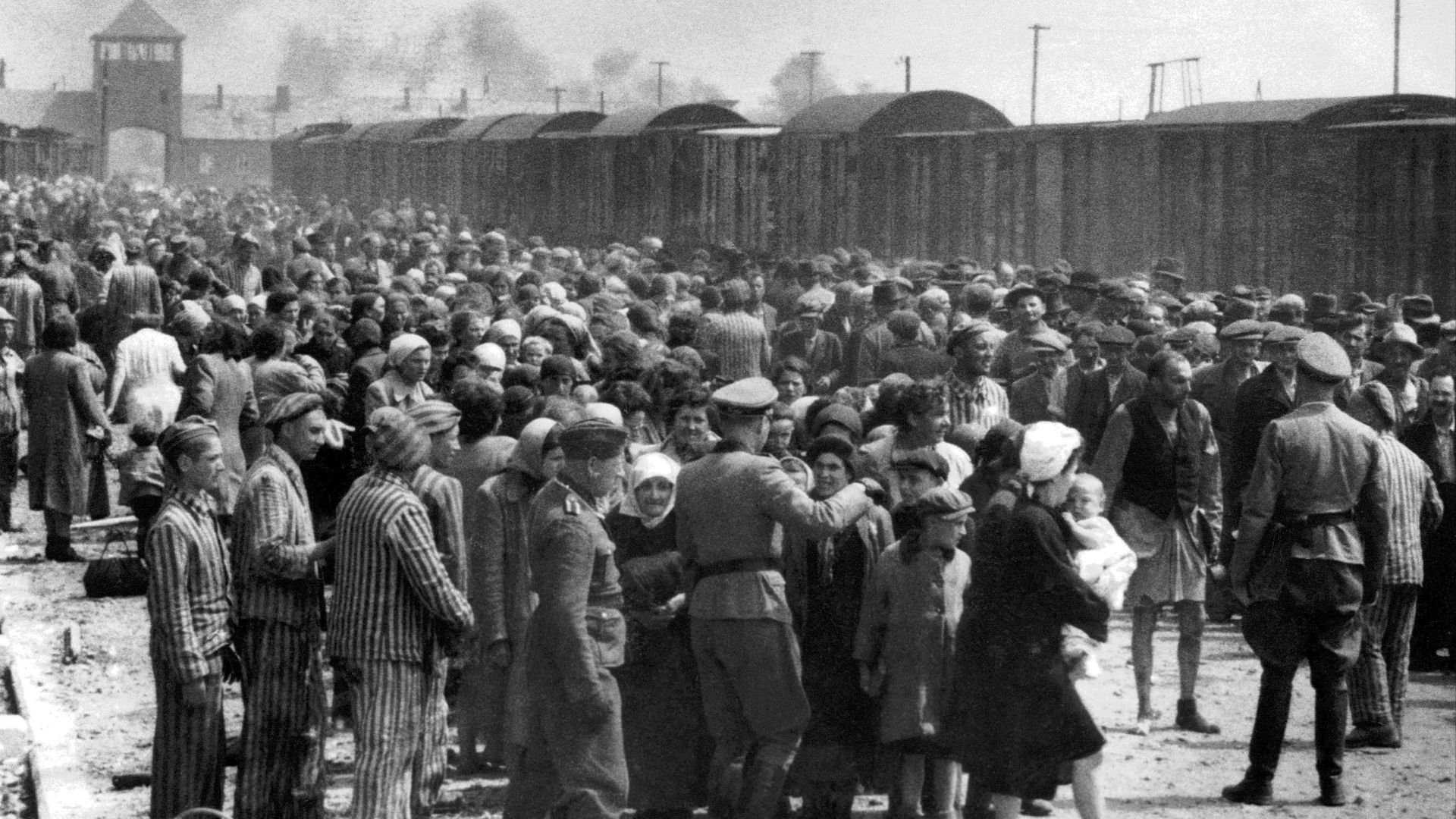
5. The Holocaust Was a Systematic, State-Sponsored Reality
Nazi Germany and its collaborators carried out the Holocaust as a systematic, state-sponsored persecution of Jews. The United States Holocaust Memorial Museum states that six million Jews lost their lives, and even today, it’s essential to treat this as a core historical reality of the war.
6. D-Day Marked the Allied Return to Western Europe
On June 6, 1944, Allied forces landed in Normandy, kick-starting the long-anticipated invasion of Western Europe. Troops from the United States, the United Kingdom, Canada, and other Allied nations also took part in the operation.
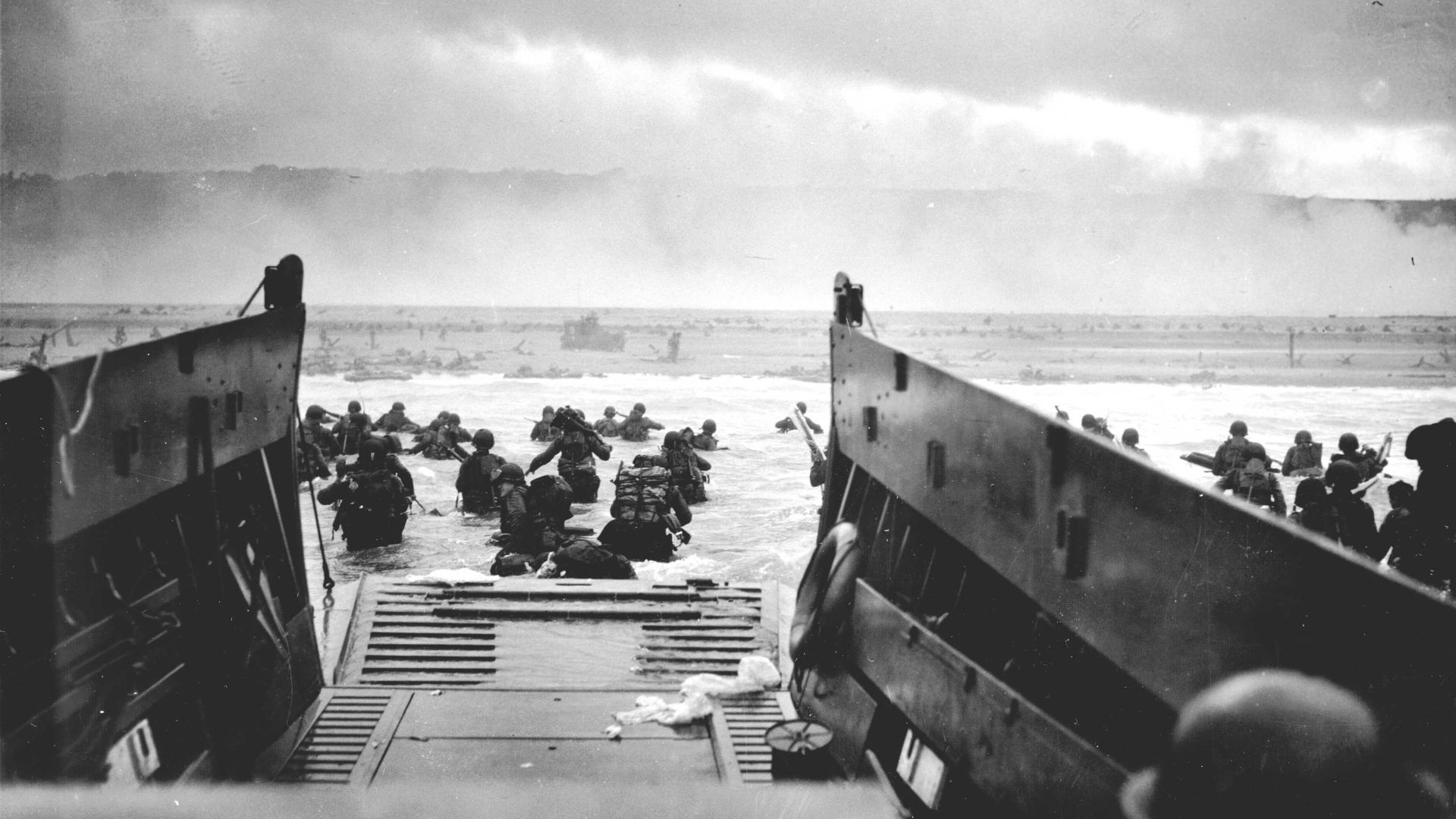 Chief Photographer's Mate (CPHOM) Robert F. Sargent, U.S. Coast Guard on Wikimedia
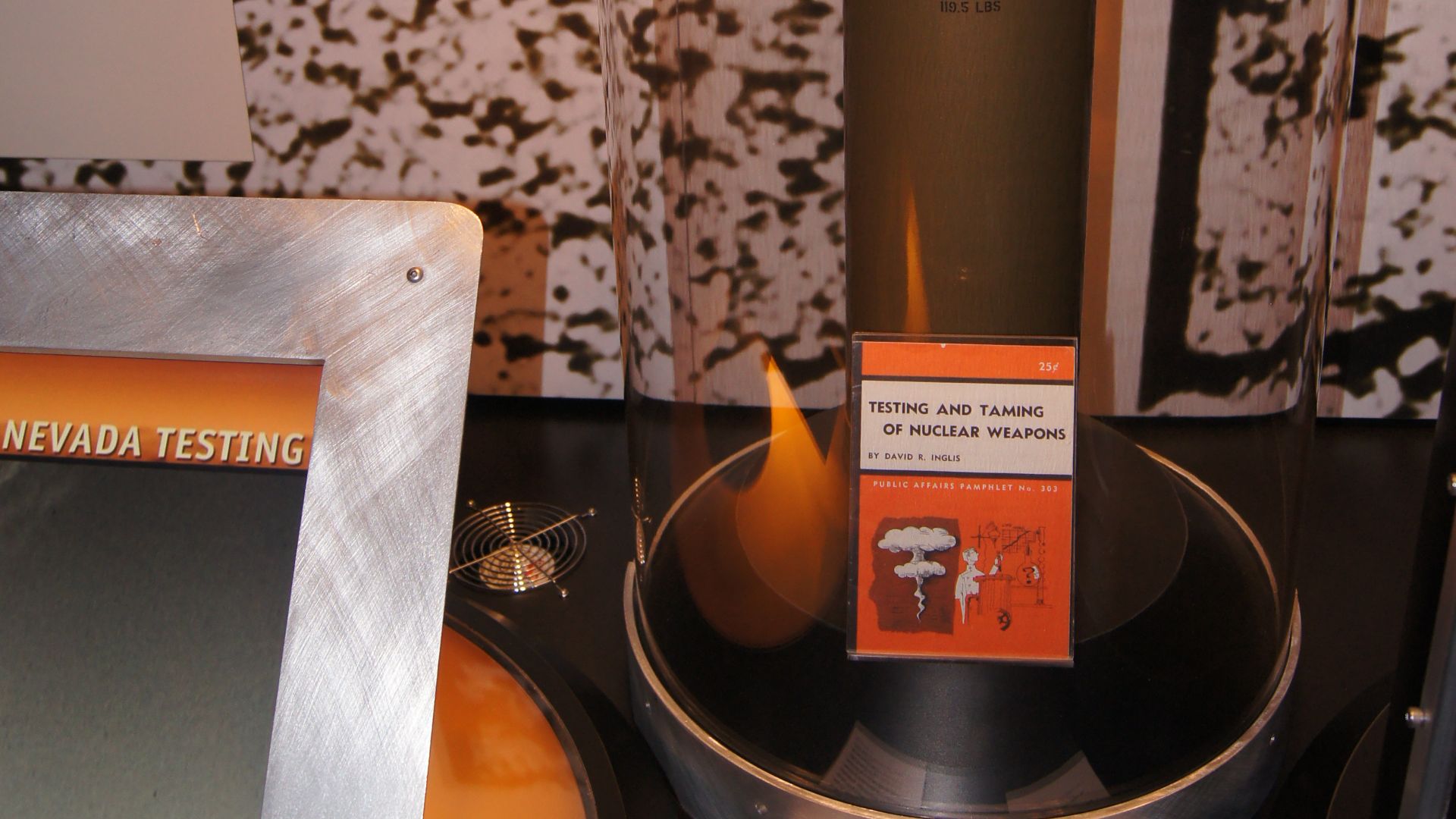
7. Atomic Weapons Were Used for the First Time
On August 6, 1945, the United States dropped an atomic bomb on Hiroshima. A second one was then dropped on Nagasaki on August 9, 1945. They marked the first use of atomic weapons in war and caused major casualties.
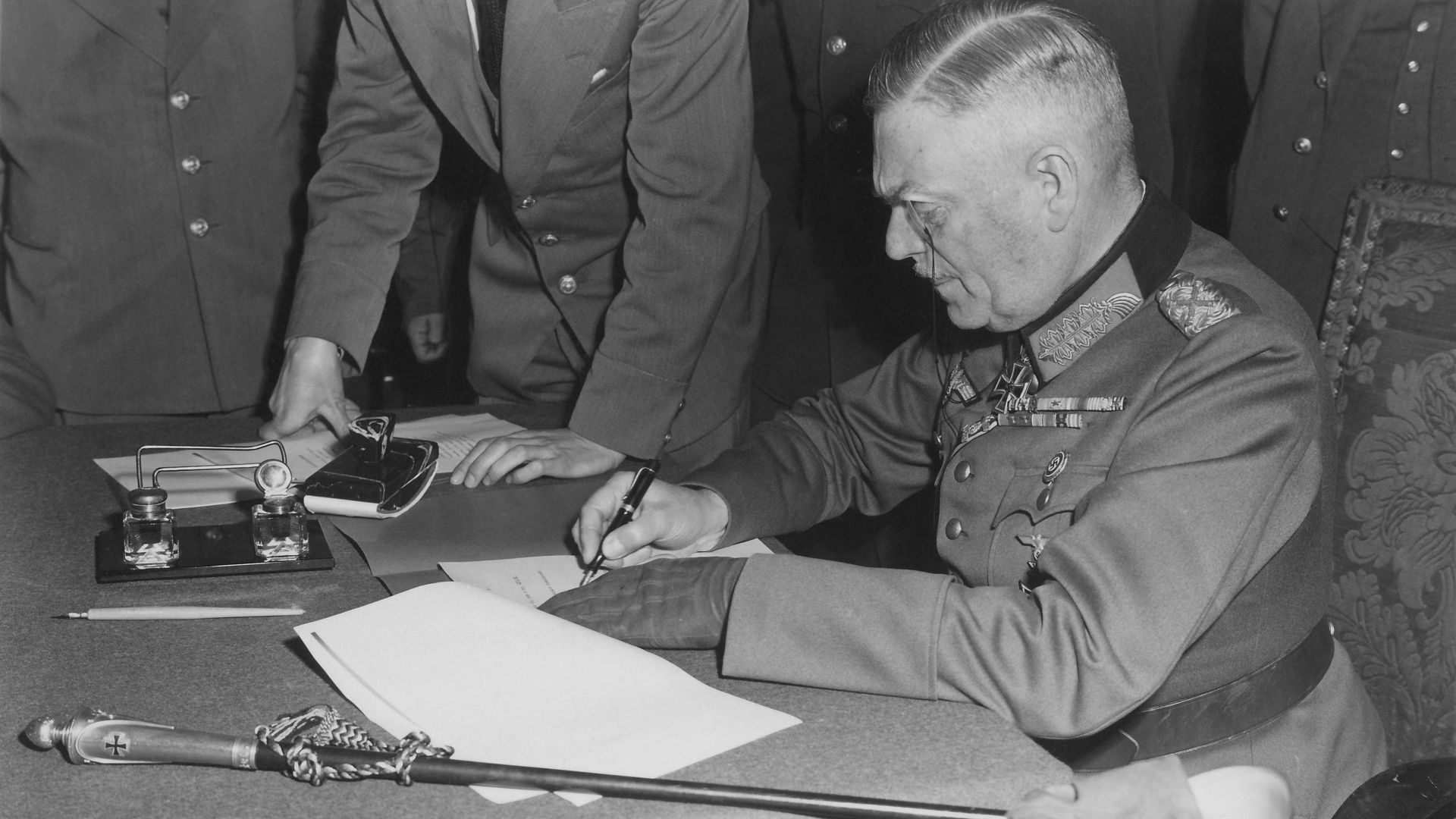
8. Germany Surrendered in May 1945, Ending the War in Europe
Germany’s unconditional surrender is associated with Victory in Europe Day on May 8, 1945. It was the surrender that ended World War II in Europe, even though fighting continued in the Pacific.
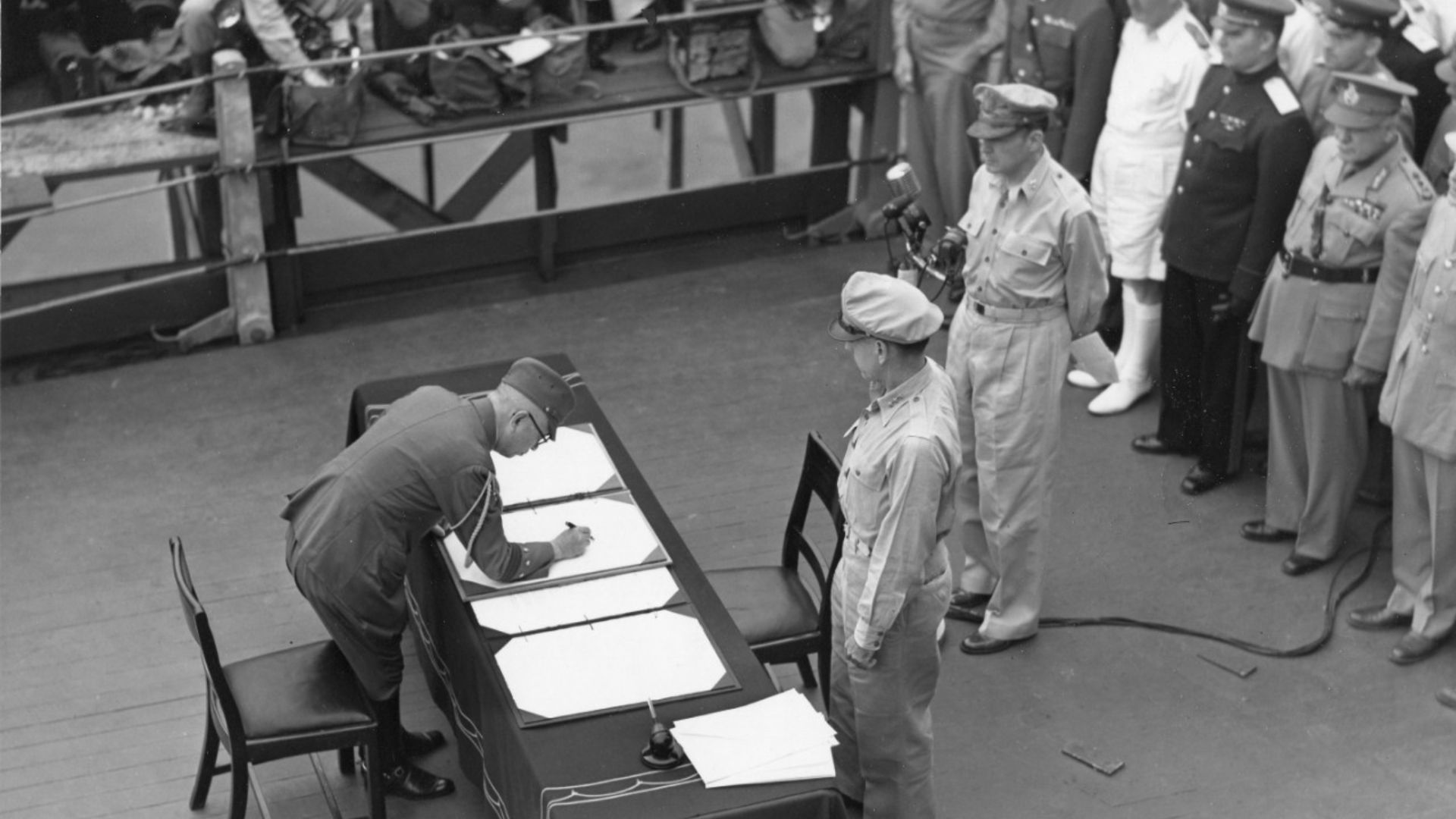
9. Japan Formally Surrendered in September 1945
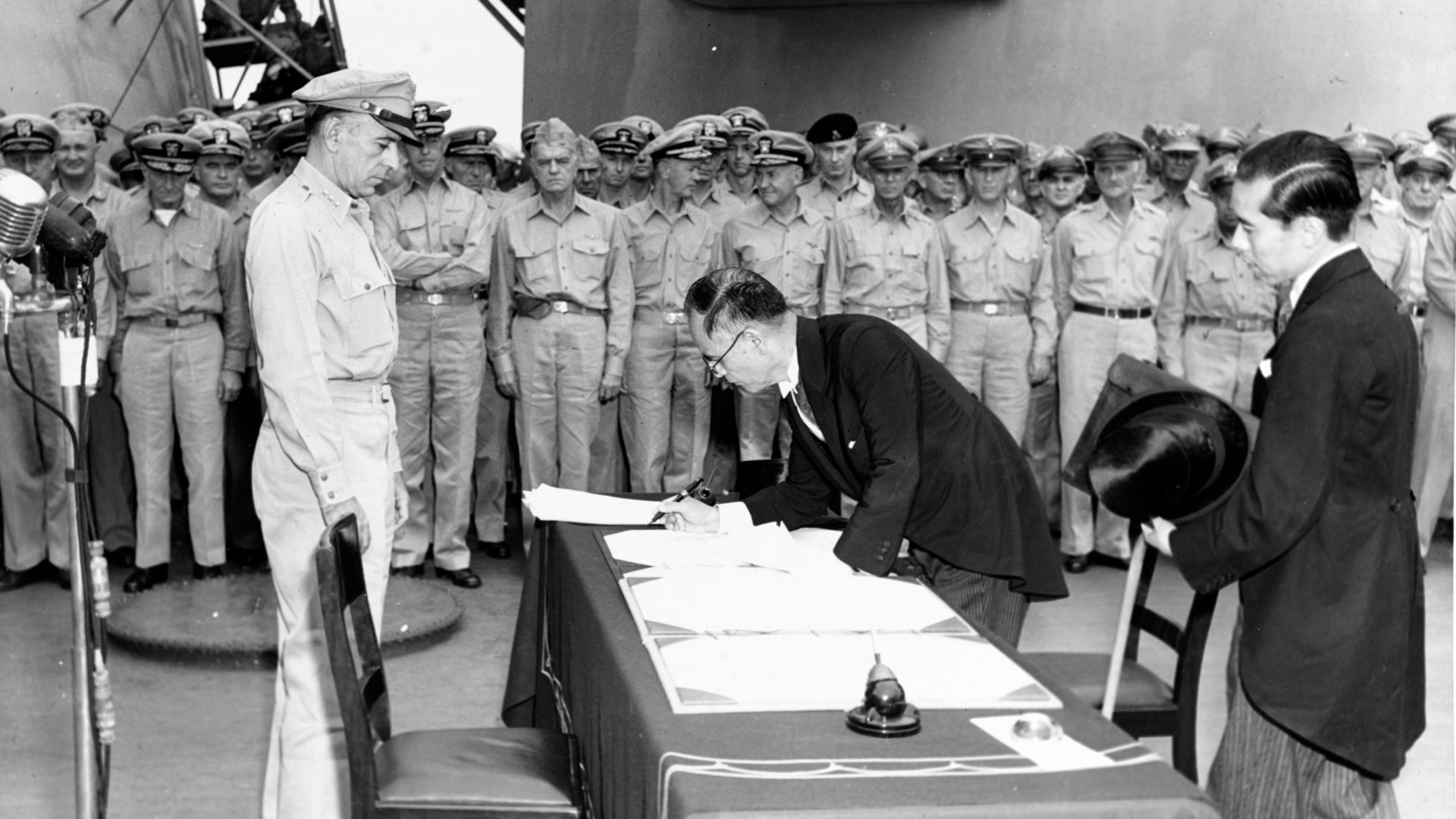
Japan’s formal surrender took place not long after. Emperor Hirohito announced acceptance of the Potsdam terms on August 15, 1945, and though combat largely stopped, it wasn’t until September 2 that representatives signed the Instrument of Surrender aboard USS Missouri, marking the end of World War II.
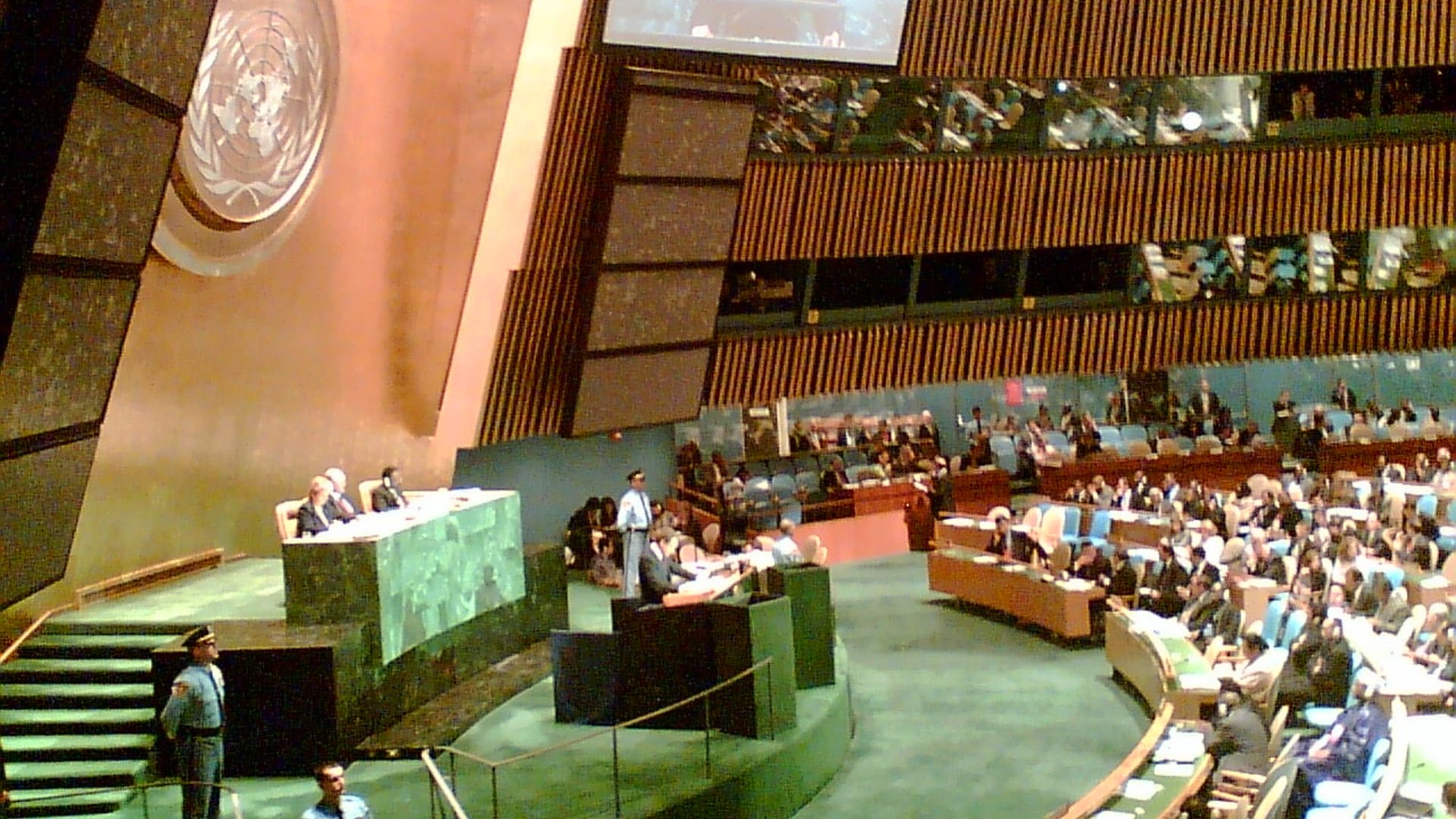
10. Postwar Justice and Institutions Followed the Fighting
After the war, major war crimes proceedings were conducted at Nuremberg, and the records are preserved and described by archival institutions. It was also the birth of the UN; on June 26, 1945, representatives of 50 countries signed the United Nations Charter in San Francisco.
KEEP ON READING

10 Greatest Quarterbacks Of All Time & 10 That Are…
Do You Disagree?. Few topics in sports generate as much…
By Farva Ivkovic Dec 2, 2025
The story of Ching Shih, the Woman Who Became the…
Unknown author on WikimediaFew figures in history are as feared…
By Emilie Richardson-Dupuis Dec 29, 2025
20 Shakespearean Words, Translated For A Modern Audience
What’s In A Word?. Shakespeare was a wordsmith of the…
By Breanna Schnurr Dec 17, 2025
20 Inspiring Stories From Native American History
Incredible Stories Of Resilience And Endurance. Many of us didn't…
By Ashley Bast Dec 17, 2025
You Think You Have Problems? These Royal Families Were Cursed
Boasson and Eggler St. Petersburg Nevsky 24. on WikimediaHeavy is…
By Ashley Bast Dec 5, 2025
MH370: The Plane That Can't Be Found
Anna Zvereva from Tallinn, Estonia on WikimediaEleven years after Malaysia…
By Christy Chan Dec 10, 2025