
 The Cleveland Museum of Art on Unsplash
Winter today usually means turning up the thermostat, grabbing a blanket, and waiting for the house to warm up. But before central heating became common, surviving freezing temperatures required considerably more effort. Homes could be drafty, bedrooms were often bitterly cold, and keeping a fire burning meant constantly gathering wood or purchasing fuel. For many families, staying warm was something they had to think about throughout the entire day.
Despite these challenges, people developed surprisingly effective ways to protect themselves from the cold. From clever building designs to heavy clothing and unusual sleeping arrangements, earlier generations relied on practical solutions that made harsh winters more manageable. Some of these techniques might even sound familiar today, although others would probably make you appreciate your furnace a little more.
Keeping Heat Inside the Home
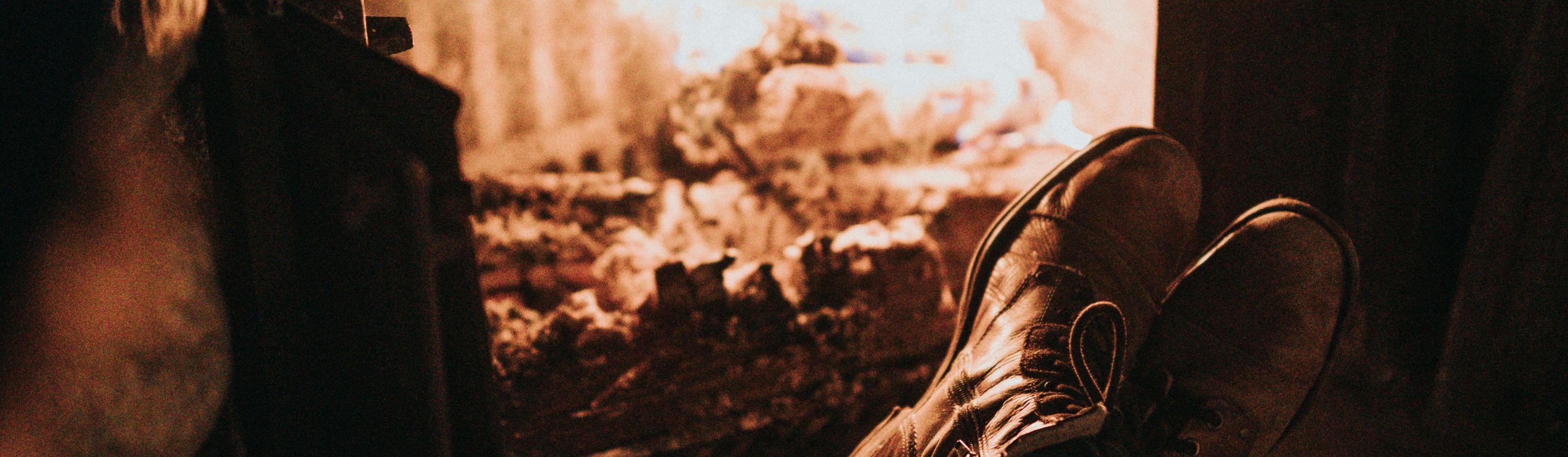
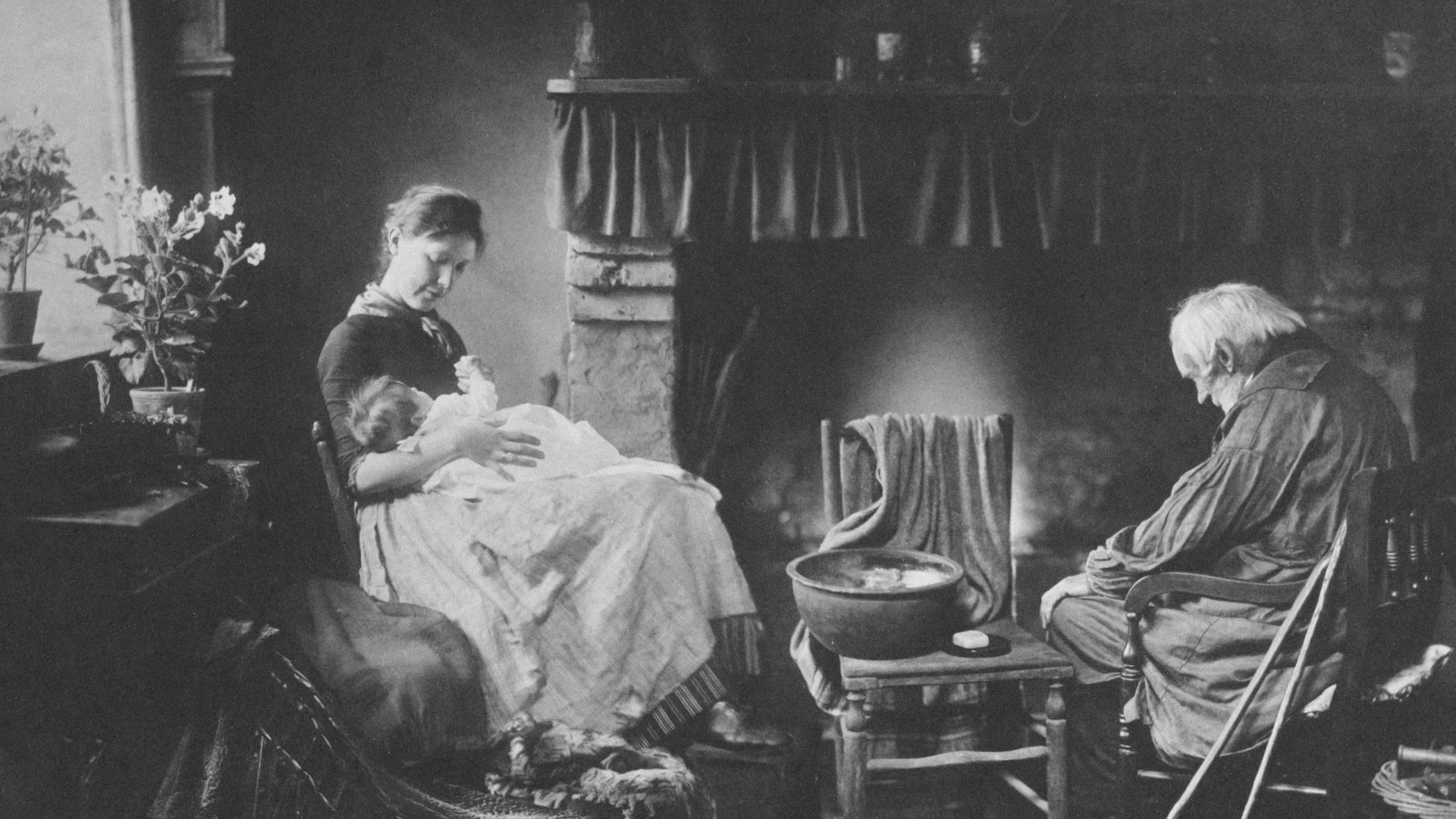
Before modern heating systems, fireplaces were among the most important features of European and colonial American homes. Families gathered around the hearth to cook meals, dry clothing, and escape the cold, often spending much of their time in the same room. However, traditional fireplaces weren't especially efficient because much of their warmth escaped through the chimney, so anyone sitting too far from the flames could still find themselves shivering.
As heating technology improved, enclosed wood-burning stoves became increasingly popular in many regions. Unlike open fireplaces, these stoves could radiate heat from their metal surfaces and generally made better use of fuel. Cast-iron models also helped warm rooms more evenly, although maintaining a comfortable temperature still required regular attention. Families needed enough firewood to last through winter, making fuel preparation an important seasonal responsibility.
The way houses were constructed also made a considerable difference. In colder climates, builders sometimes favored thick timber walls, compact floor plans, and smaller windows to reduce heat loss. Families might hang heavy curtains or cover gaps around doors to limit drafts, although ventilation remained necessary when burning fuel indoors. Rather than heating an entire large house, many households concentrated their activities in the warmest available rooms.
Dressing for Warmth, Even Indoors
Clothing was another essential defense against winter temperatures, particularly when indoor rooms weren't much warmer than the outdoors. People regularly wore several layers, including linen undergarments, wool stockings, heavy dresses, and thick coats or shawls. Wool was especially useful because its fibers trapped insulating air and could retain some warmth even when damp. Removing your coat after coming inside wasn't necessarily the first thing on your mind.
At bedtime, staying warm presented another challenge because fires were often allowed to burn down overnight. People wore long nightshirts, nightgowns, and sometimes nightcaps to protect themselves from chilly bedroom temperatures. Thick wool blankets, quilts, and feather-filled bedding provided additional insulation, while enclosed beds or curtains helped reduce drafts. For wealthier households, elaborate bed hangings offered both privacy and a noticeably more comfortable sleeping environment.
Some families also used warming pans to make freezing beds a little more inviting. These metal containers were filled with hot embers and carefully moved between the sheets before someone climbed underneath the covers. The process warmed the bedding temporarily, although accidentally spilling hot coals could cause serious burns or fires. Historical examples show just how much effort people were willing to make for a comfortable night's sleep.
Sharing beds was another practical way to conserve body heat, especially in crowded households. Siblings commonly slept together, and domestic servants or travelers sometimes shared sleeping spaces as well. Sleeping near other people made cold nights more bearable, particularly when blankets were limited or bedrooms lacked fireplaces. Personal space wasn't always a priority when temperatures dropped below freezing.
Daily Habits That Made Winter Bearable
Preparing for winter usually began months before the first snowfall. Rural families spent considerable time chopping firewood, gathering supplies, repairing buildings, and preserving food for the colder months. Without reliable transportation or convenient grocery stores, running out of necessities during a storm could become a serious problem. A well-stocked household had a much better chance of making it comfortably through an especially difficult winter.
Food also helped people cope with the physical demands of cold weather. Hearty soups, stews, porridge, and other filling dishes were common because they could be prepared using stored ingredients and cooked over a hearth. Warm meals provided comfort, while adequate calories helped support the body's normal temperature regulation. Many households also took advantage of the cooking fire to heat water, which could then be used for washing and other everyday tasks.
Daily routines often changed significantly once winter arrived. Families spent more time indoors completing tasks such as sewing, spinning, repairing tools, and maintaining household equipment. Whenever possible, several people worked together in a heated room rather than spreading throughout a cold building. This arrangement conserved fuel while making the long evenings a little more sociable.
Of course, these methods didn't eliminate the dangers of winter. Poorly insulated housing, inadequate clothing, food shortages, and exposure to extreme temperatures could still lead to illness, frostbite, or death, particularly among vulnerable populations. Survival often depended on wealth, location, community support, and access to fuel, meaning winters were considerably harder for some people than others. Modern heating has removed much of that daily struggle, making something as simple as a consistently warm bedroom an achievement previous generations would've killed for.