
Real Rome Was Far Cooler
Movies about ancient Rome have given us dramatic gladiator battles, lavish imperial feasts, and emperors who seem to spend every waking moment plotting someone's downfall. While these productions can capture the grandeur of the Roman world, they often sacrifice historical accuracy to make the story more exciting or visually appealing. From what ordinary citizens wore to how gladiators actually fought, the real Roman Empire was far more complicated.
 Giovanni Paolo Panini on Wikimedia
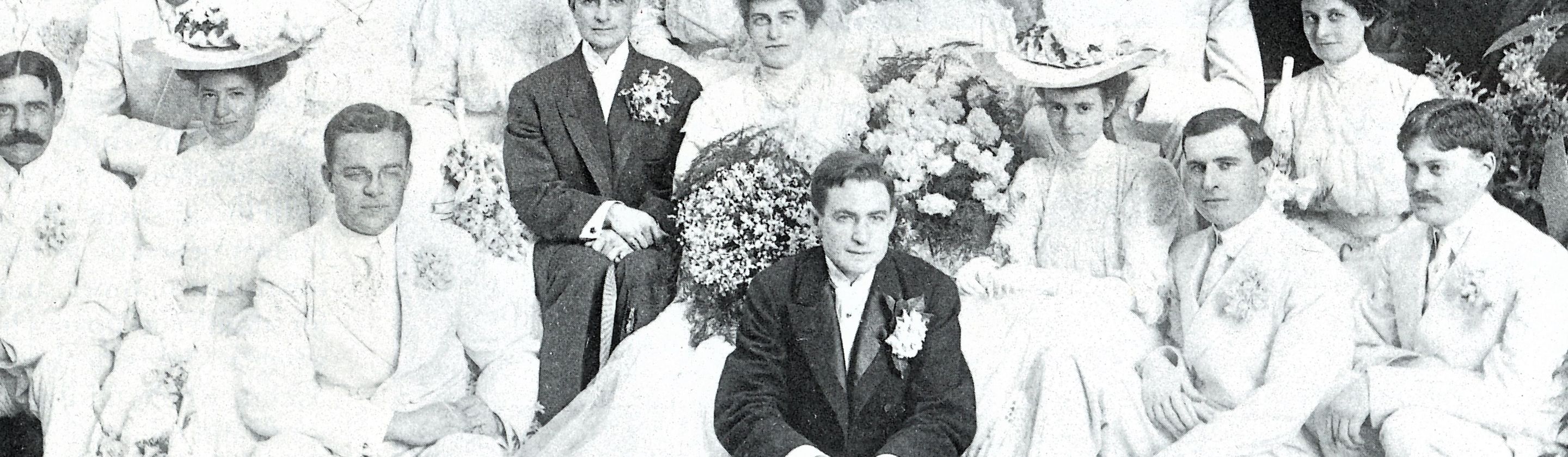
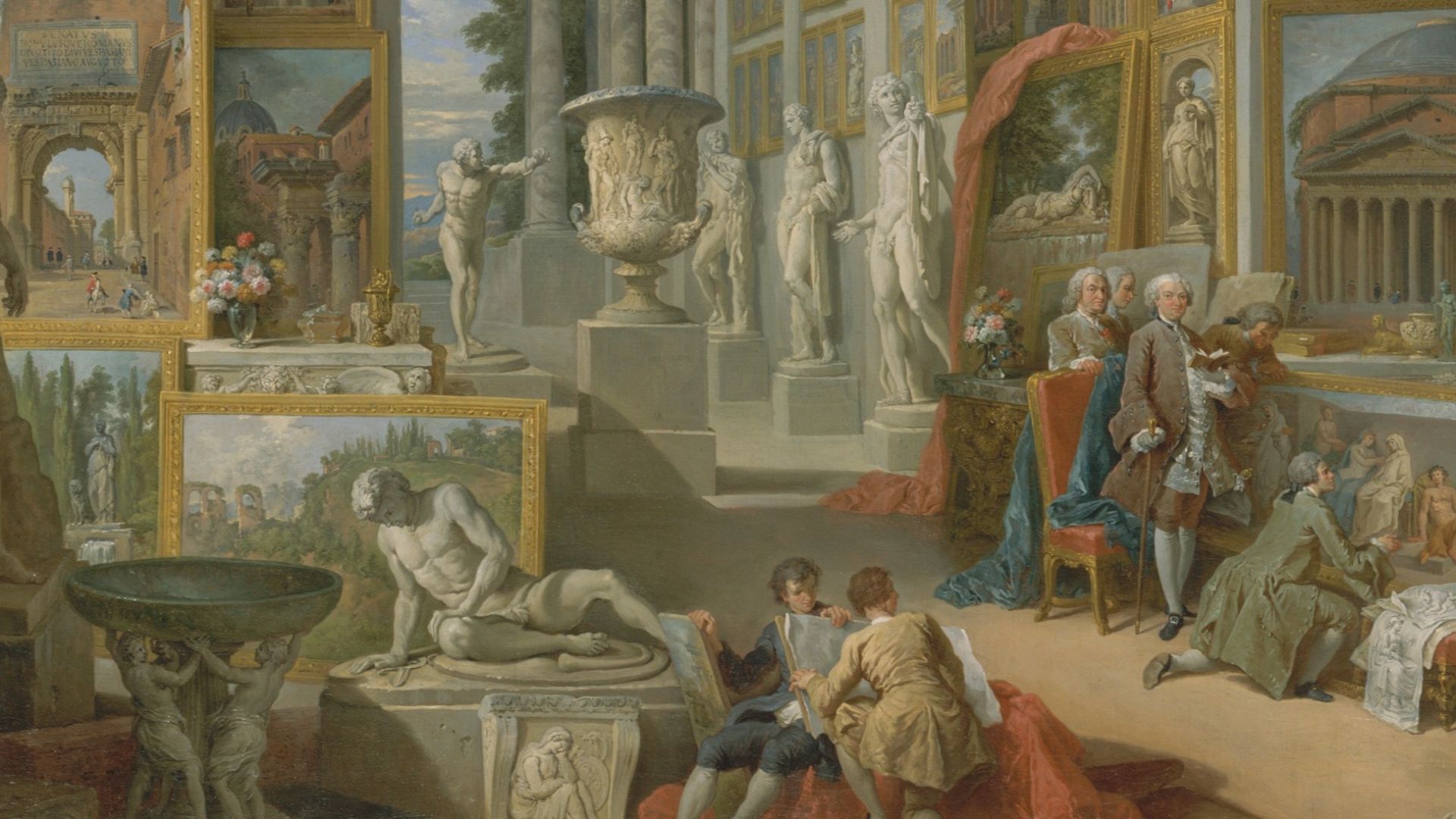
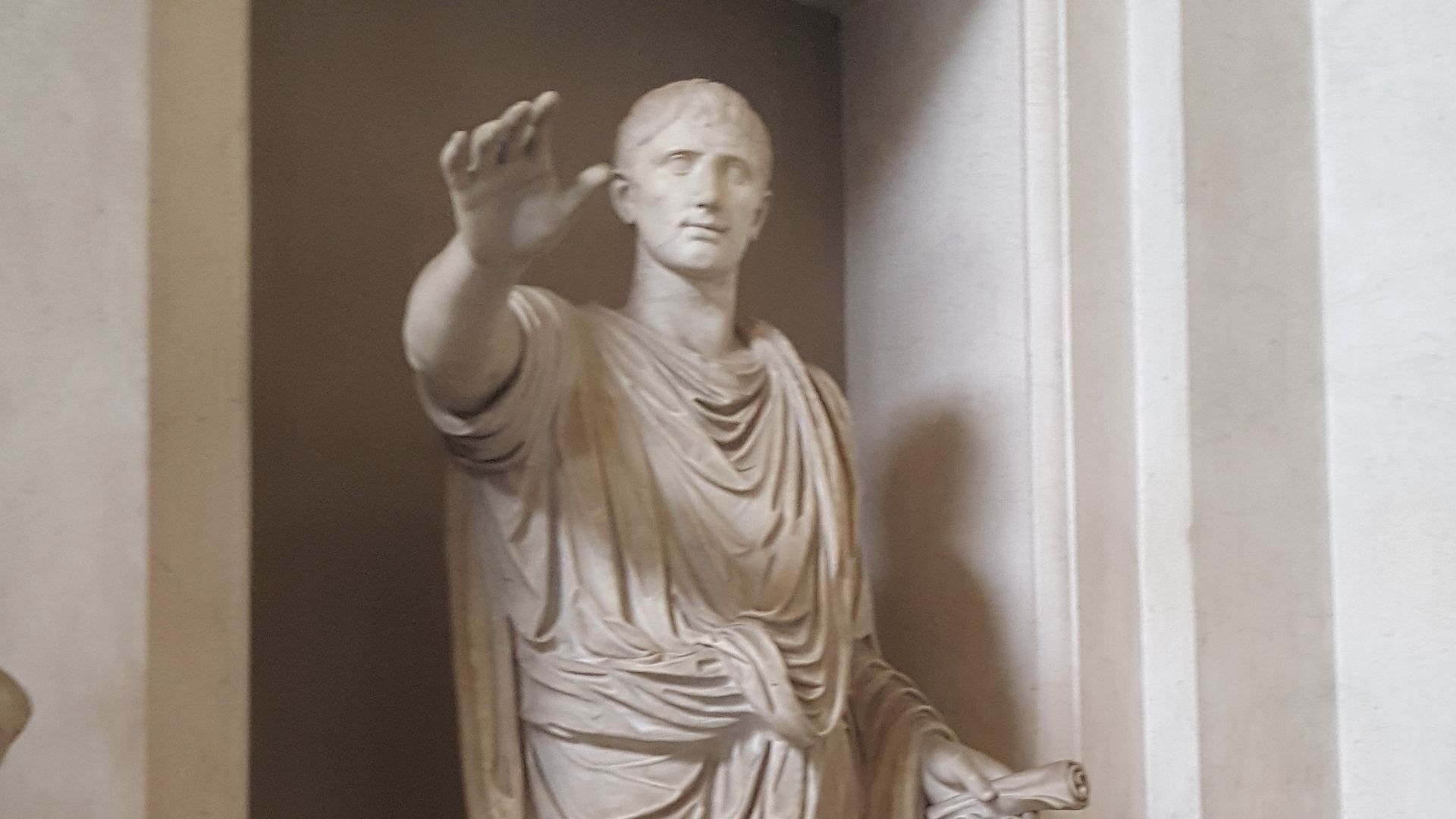
1. Everyone Didn't Wear White Togas
Romans never all wore pristine white togas in real life. Roman males commonly wore tunics for most of their day-to-day lives. Even then, togas weren't always white, and some were decorated or colored to reflect the wearer's status and the event.
 Jamie Heath from United Kingdom on Wikimedia
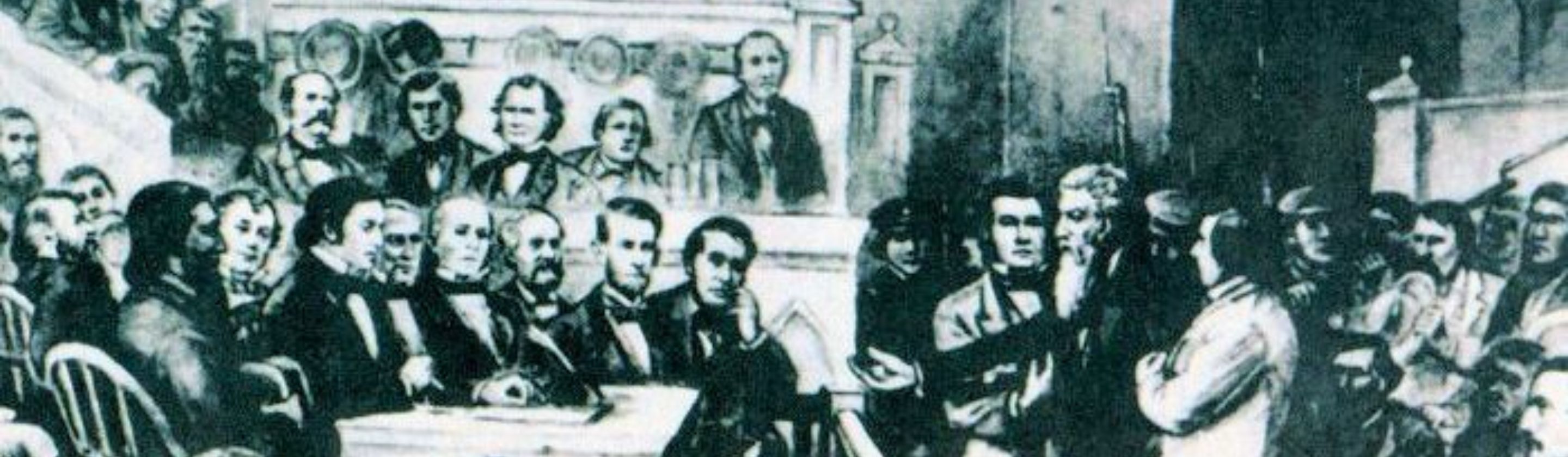
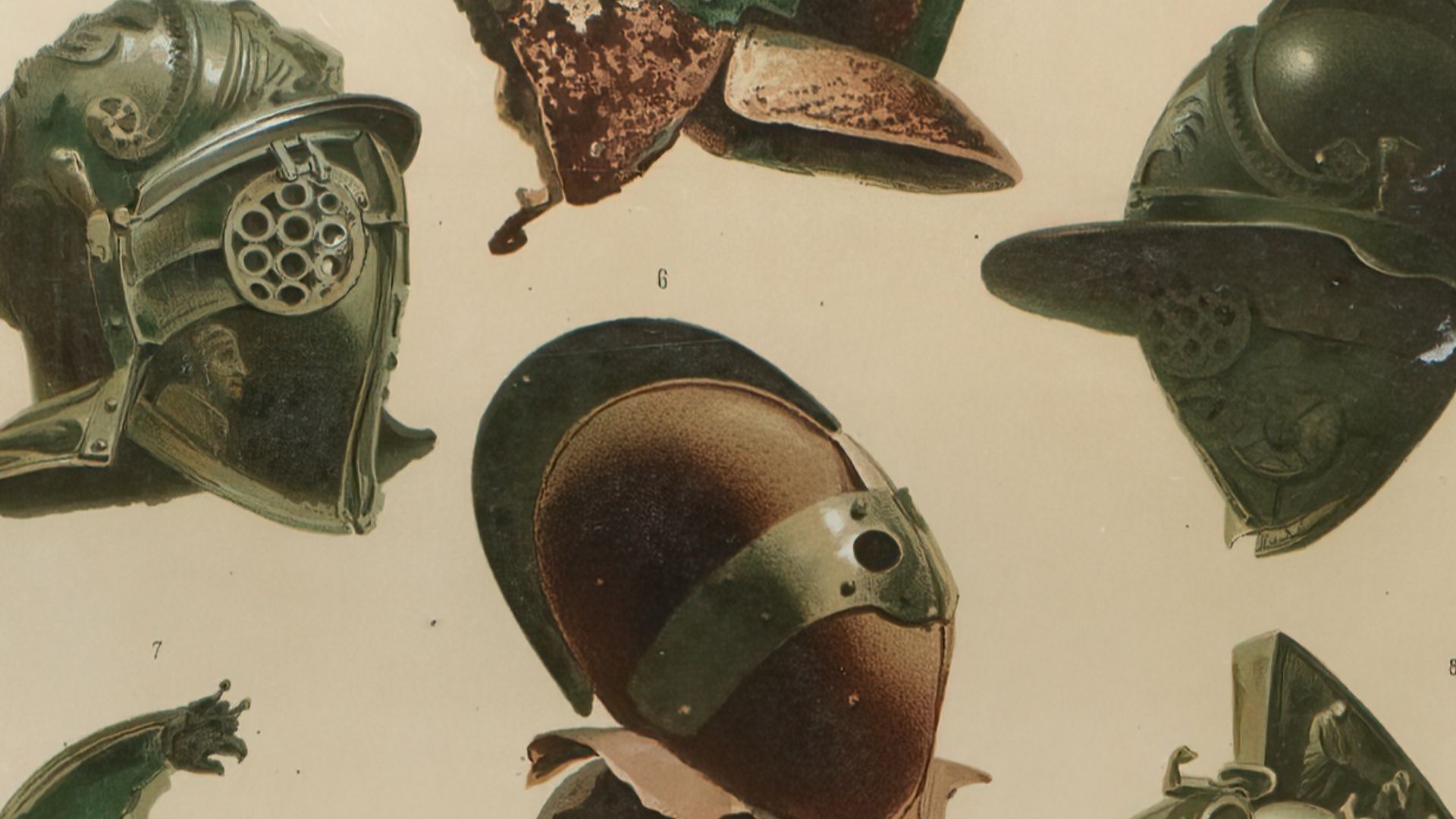
2. Gladiators Didn't Always Fight to the Death
In films, they are usually fighting to the death. They are left in the Colosseum to fight until only one remains alive. Some contests ended in death, but others concluded when a fighter surrendered, and the outcome could depend on the event's rules and the decision of the presiding official.
 F. Mattej artist, Fausto and Felix Niccolini editors; on Wikimedia
3. Romans Didn't Speak With Modern Italian Accents
When watching films about Rome and hearing the characters speak Latin, they always seem to have an Italian accent or try to pronounce everything with a dramatic voice. Romans had their own pronunciation of Latin. The language also changed over time, so the Latin spoken during Julius Caesar's lifetime wasn't identical to the forms used centuries later.
 Federico Di Dio photography on Unsplash
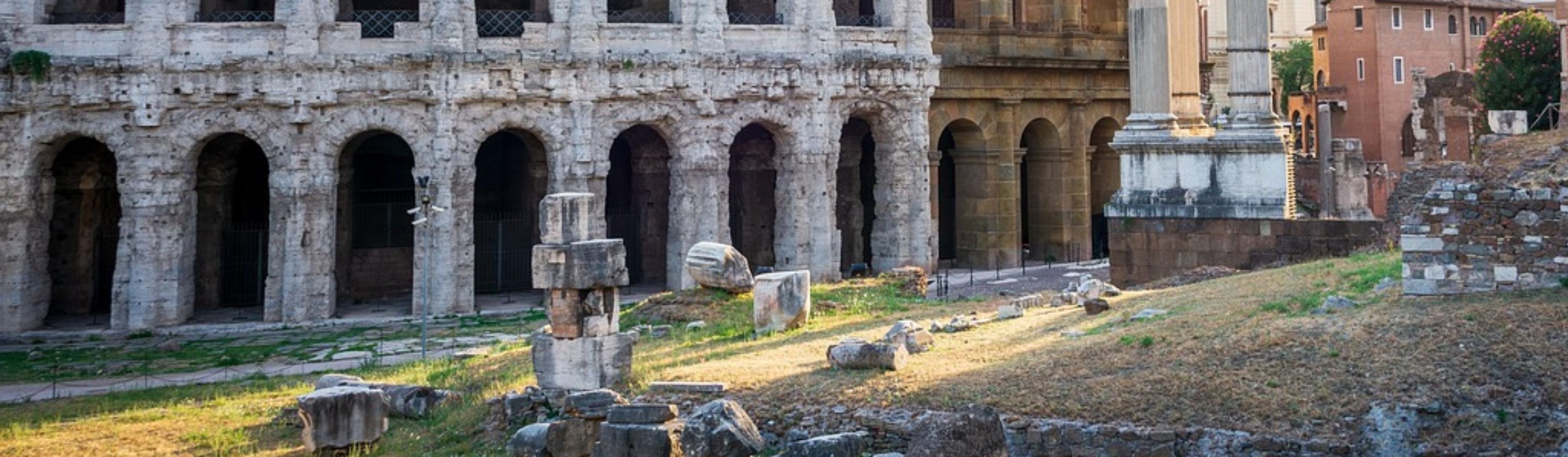
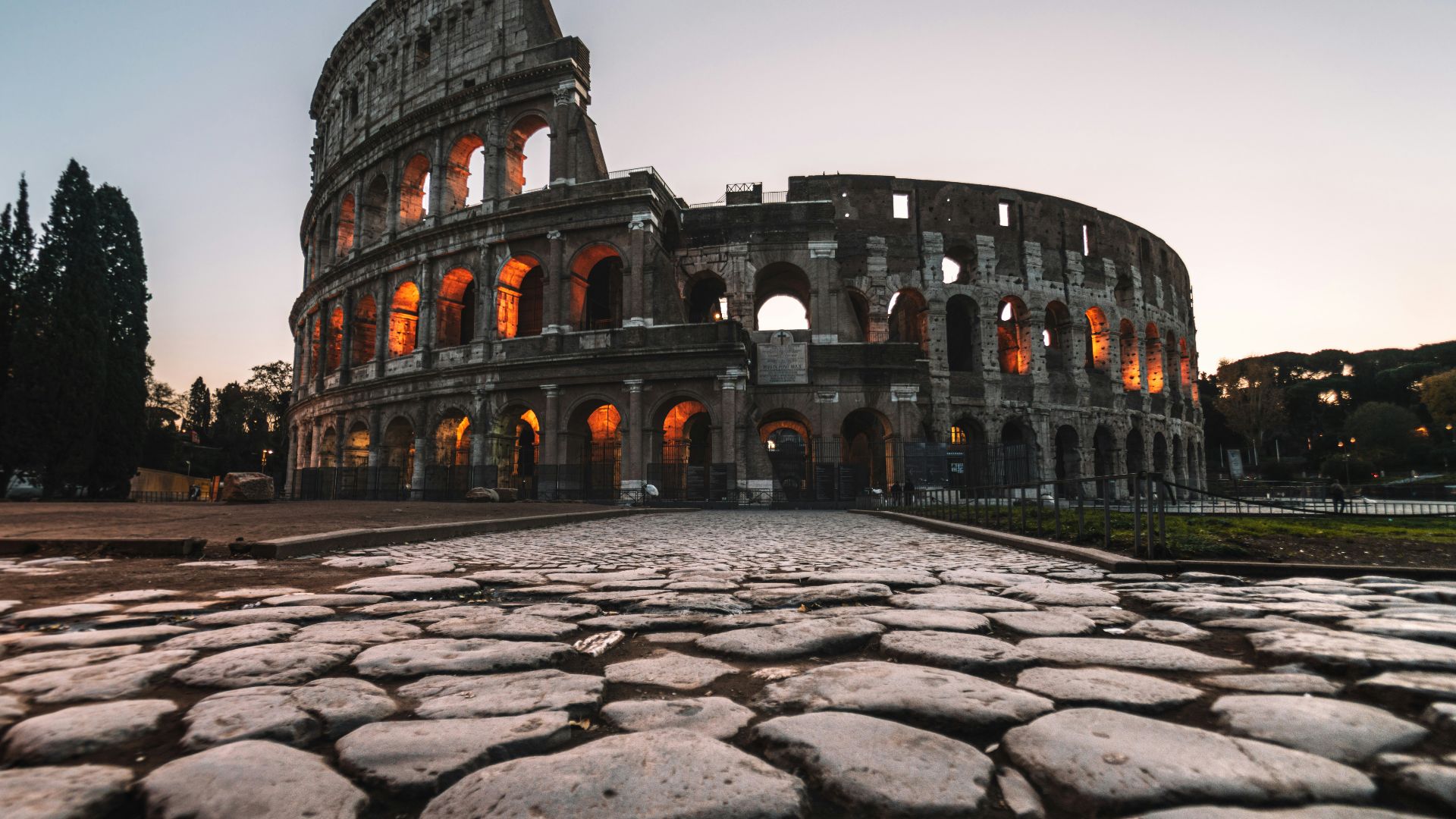
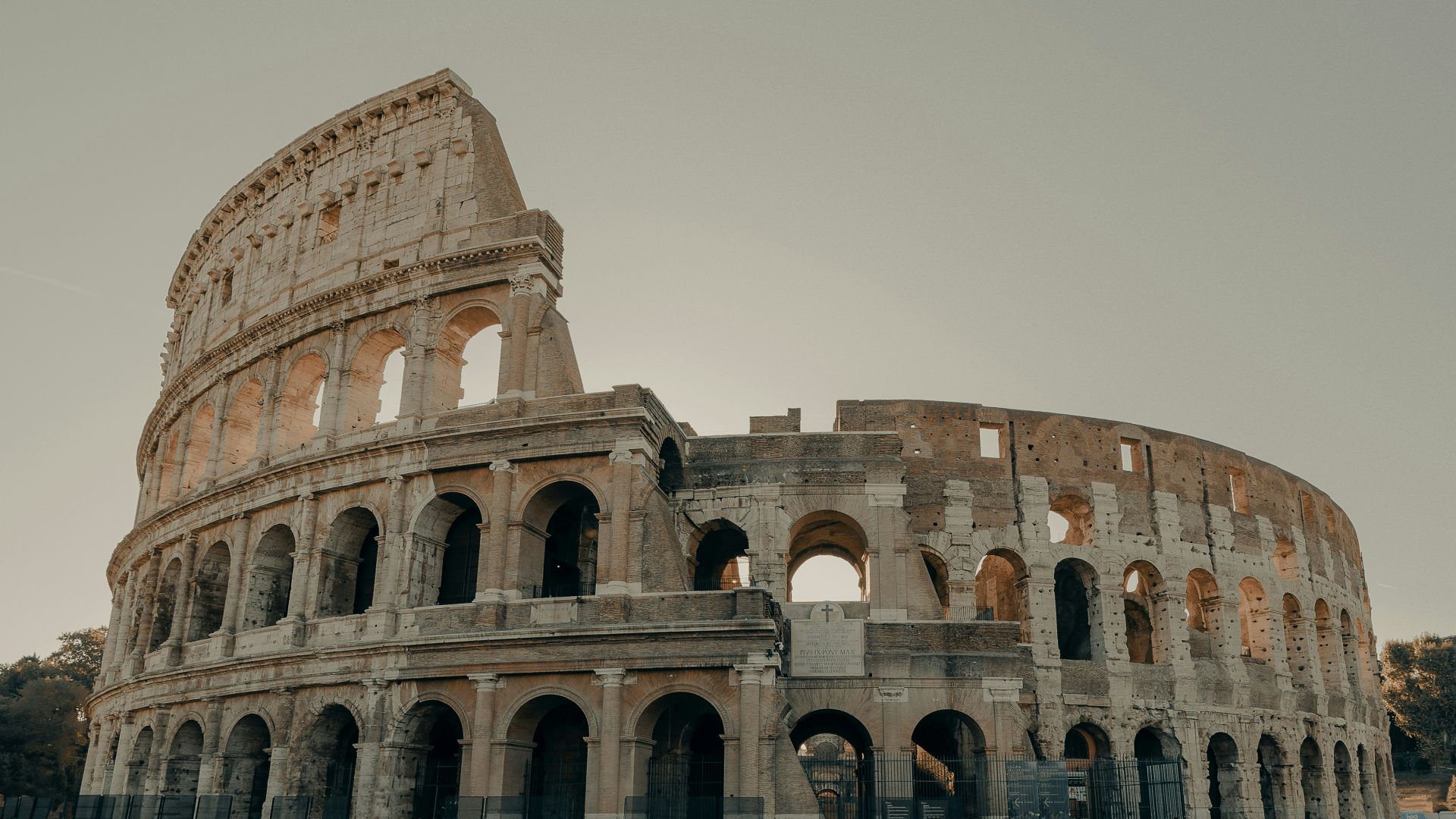
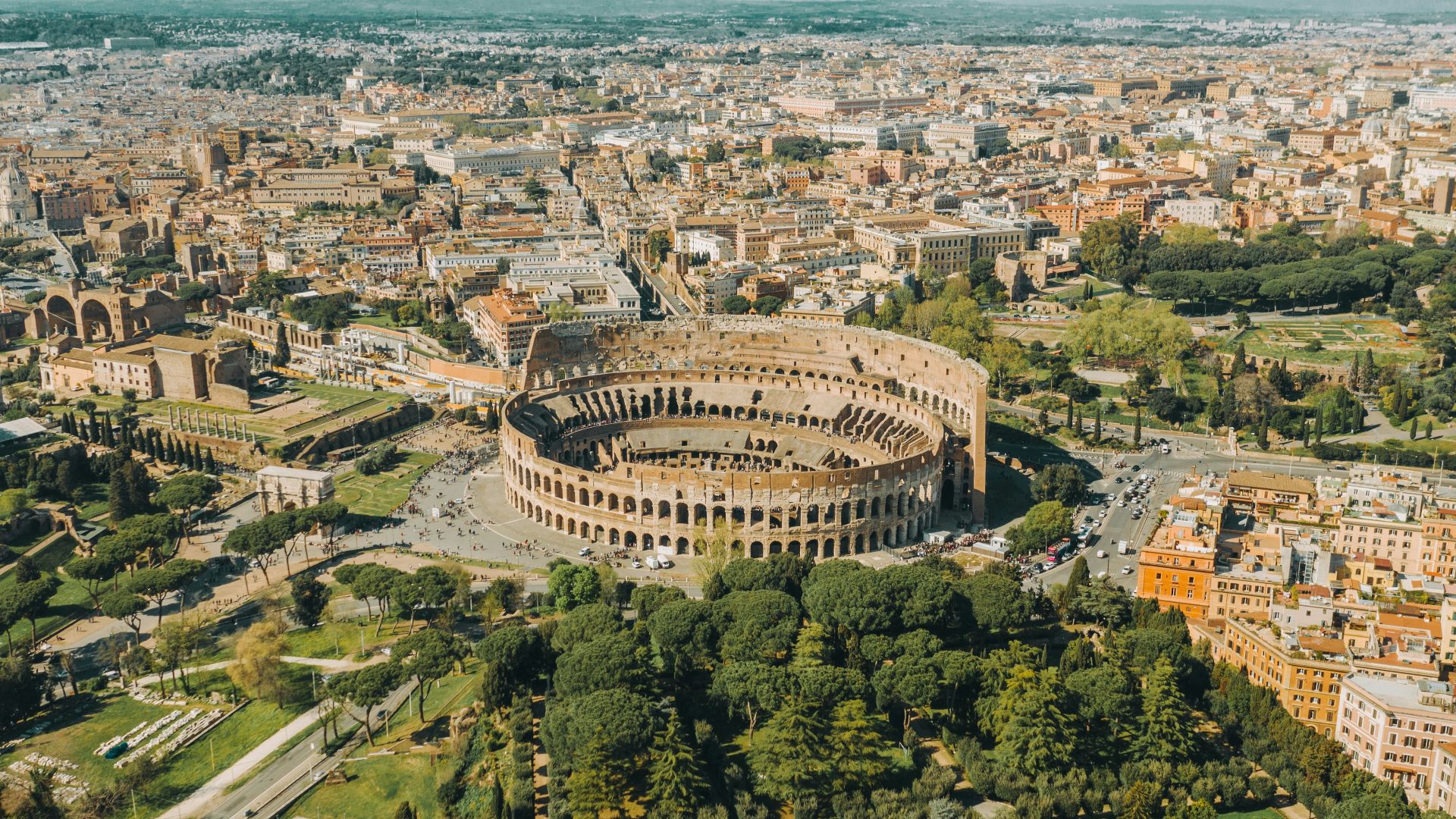
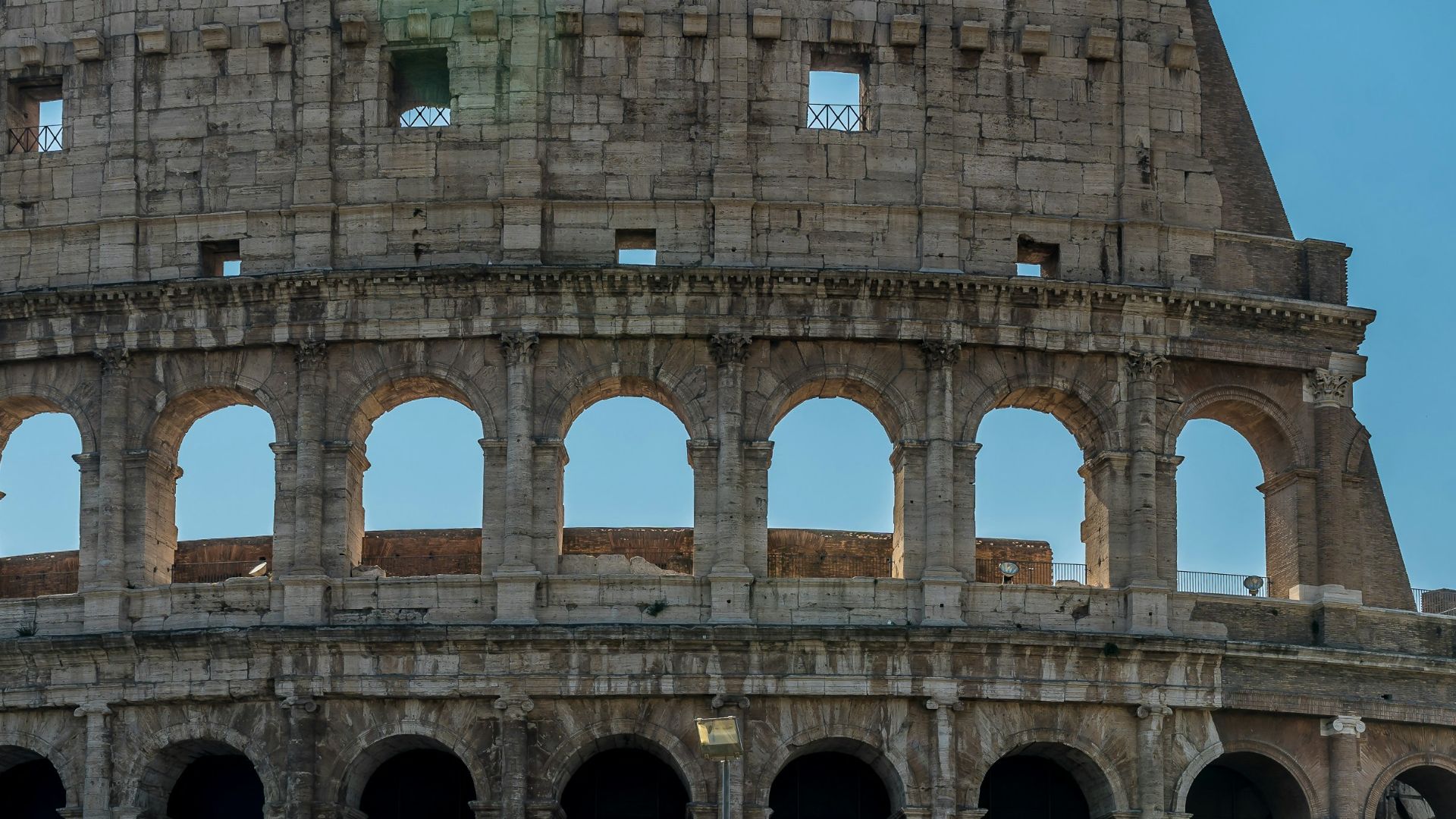
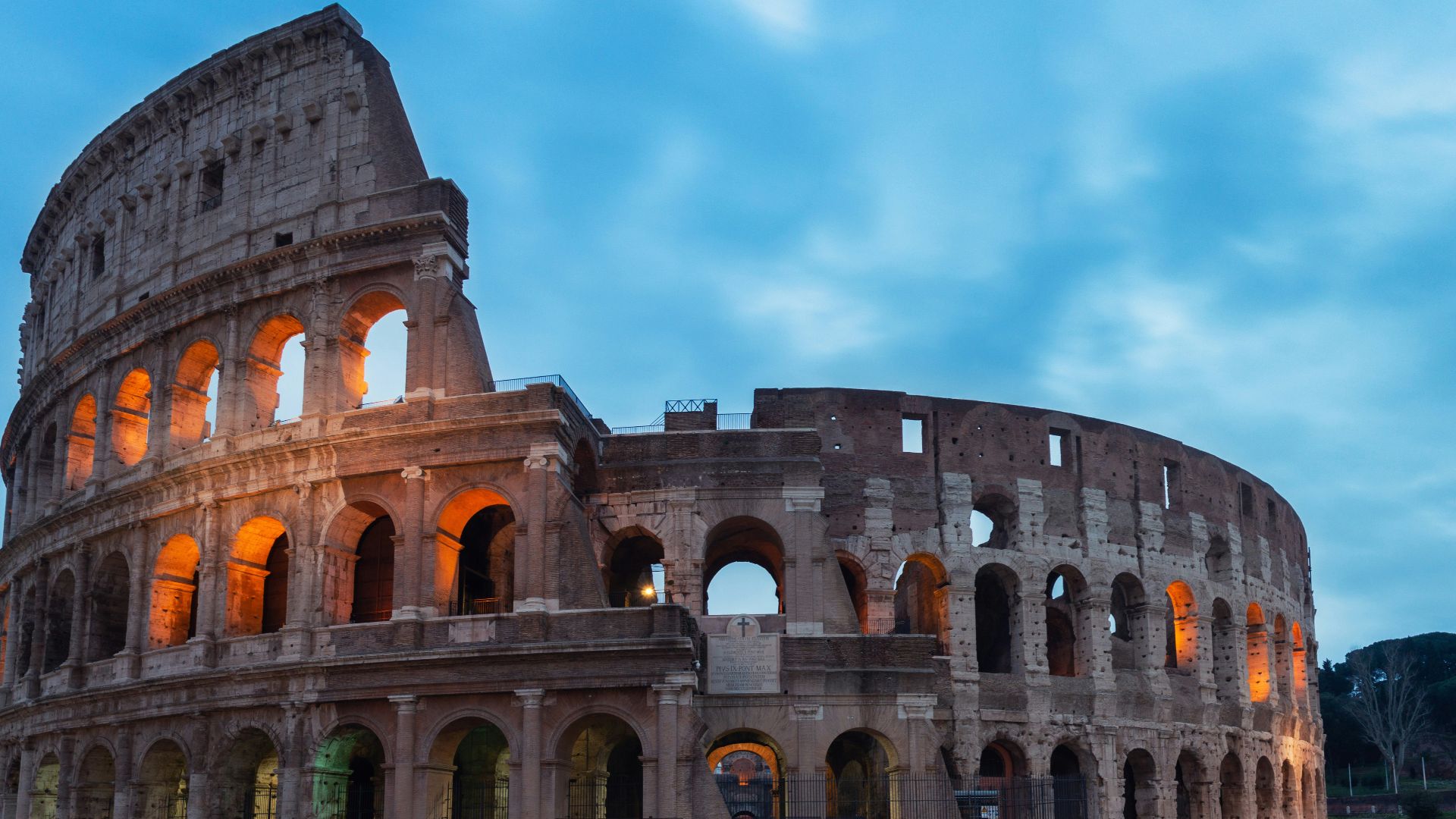
4. The Colosseum Wasn't Always a Ruin
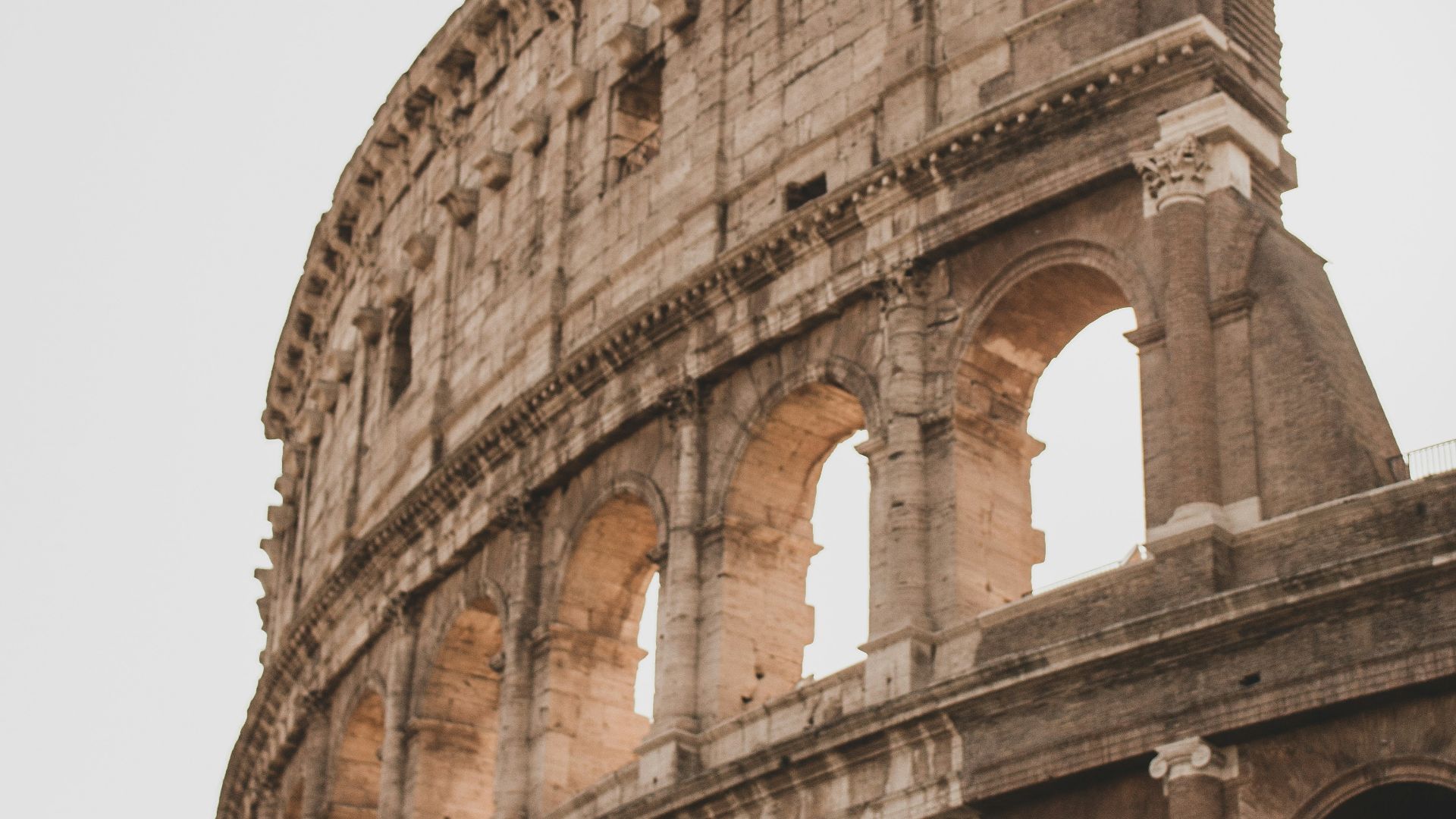
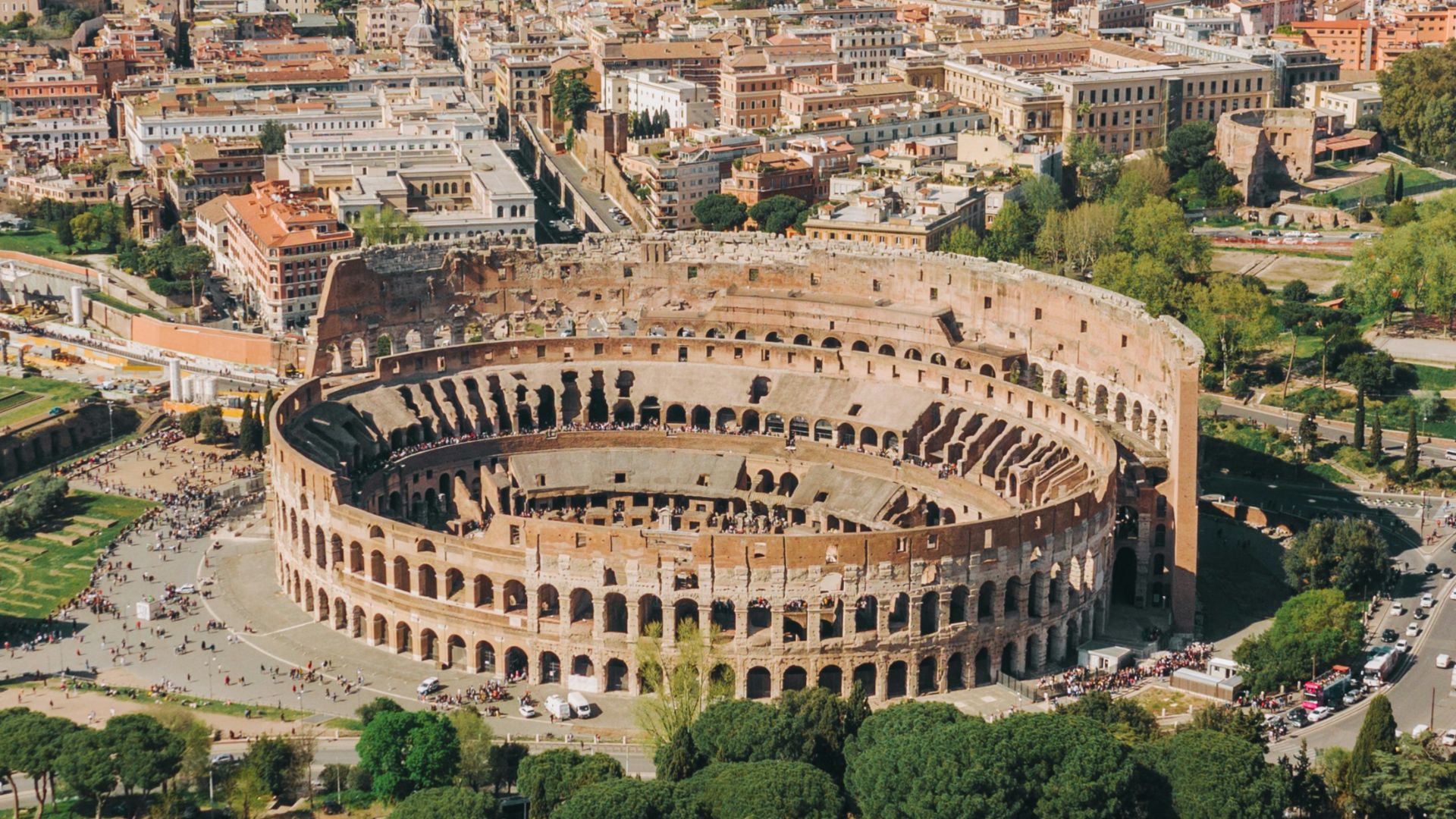
When people think of the Colosseum today, they imagine broken-down rocks with pieces missing from the structure. Romans lived in a fully functional Colosseum back in the day. Movies set in ancient Rome should show the monument as a functioning arena rather than the partially ruined landmark visitors recognize today.
5. Roman Citizens Didn't All Live Like Emperors
There are plenty of movies that show wealthy senators and emperors having parties. The majority of the population didn't live this lavishly. Wealth and living conditions varied enormously throughout the empire, with a person's experience depending on their income, occupation, location, and legal status.
6. Gladiators Weren't All Muscular, Bare-Chested Fighters
Most gladiator movies portray them as muscular men with their chests and bodies showing. Some wore helmets, shields, and protective arm guards, and their training emphasized technique and conditioning rather than simply building impressive muscles.
7. Roman Feasts Weren't Just Endless Grape-Eating Parties
Parties in the movies are usually filled with food, with emperors reclining and eating grapes. This is a true representation of Romans having feasts, but ordinary people wouldn't eat all these things. Most people just ate bread and other common foods.
8. Emperors Didn't Give Thumbs-Up or Thumbs-Down Signals Exactly as Shown
It is commonly known that whether a gladiator loses their life is decided by the emperor. Showing their thumb upward means life, and a thumbs-down means death. Although this could be true, there isn't any evidence to prove that Romans actually showed their thumbs in exactly this way.
9. Roman Women Had More Varied Lives Than Movies Suggest
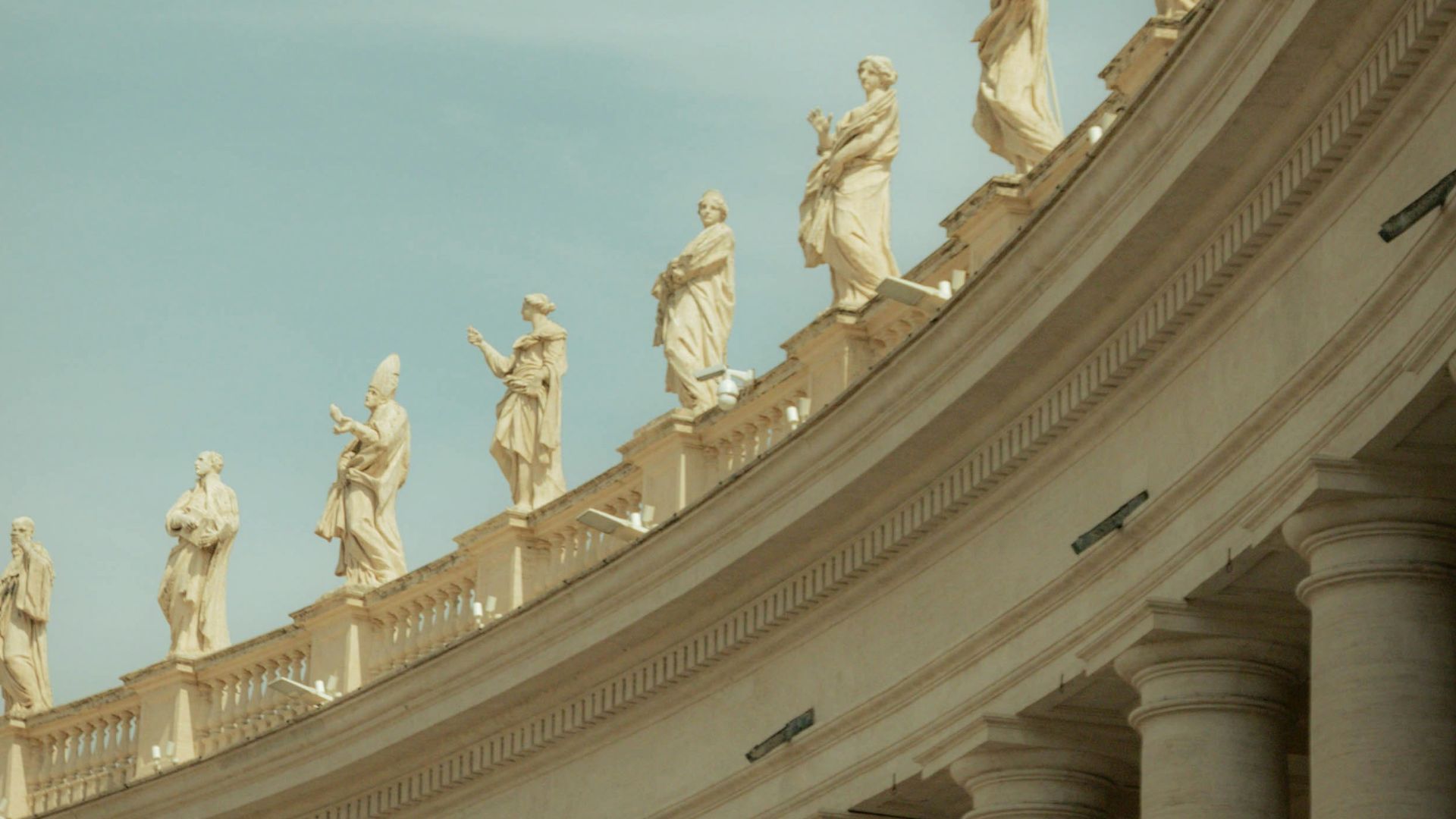
Movies always depict Roman women as pretty and usually waiting on some man to save them. Roman women did not have as many privileges as men. Some may have run businesses or owned property.
10. Roman Roads Weren't Built Entirely by Slaves
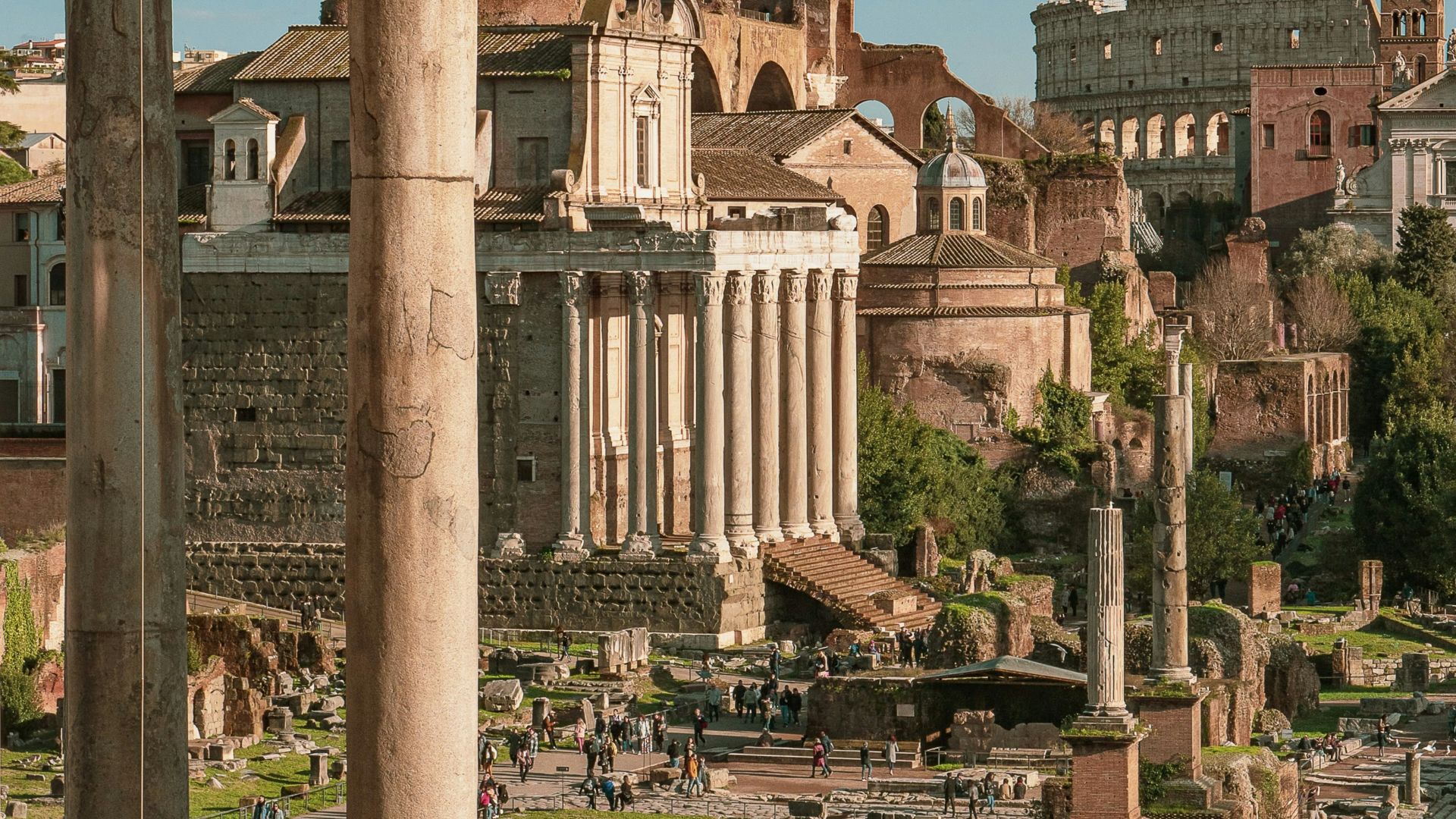
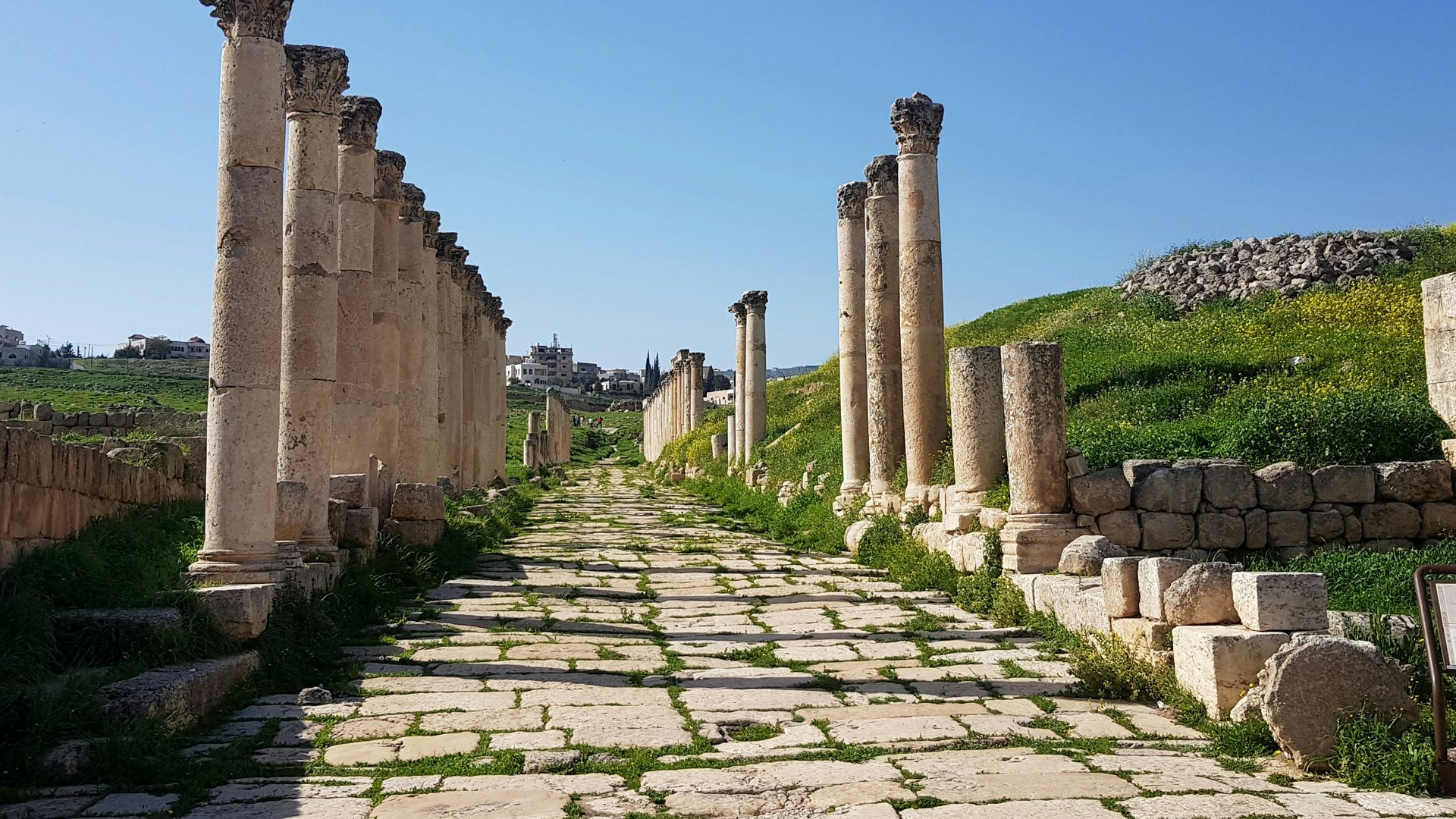
Roman roads were remarkable engineering achievements, and movies sometimes suggest that vast groups of enslaved people built every mile through sheer brute force. Enslaved labor did contribute to Roman construction projects, but road building also involved soldiers, paid workers, specialized craftsmen, and other laborers, depending on the location and circumstances.
11. Roman Soldiers Weren't Constantly Fighting Battles
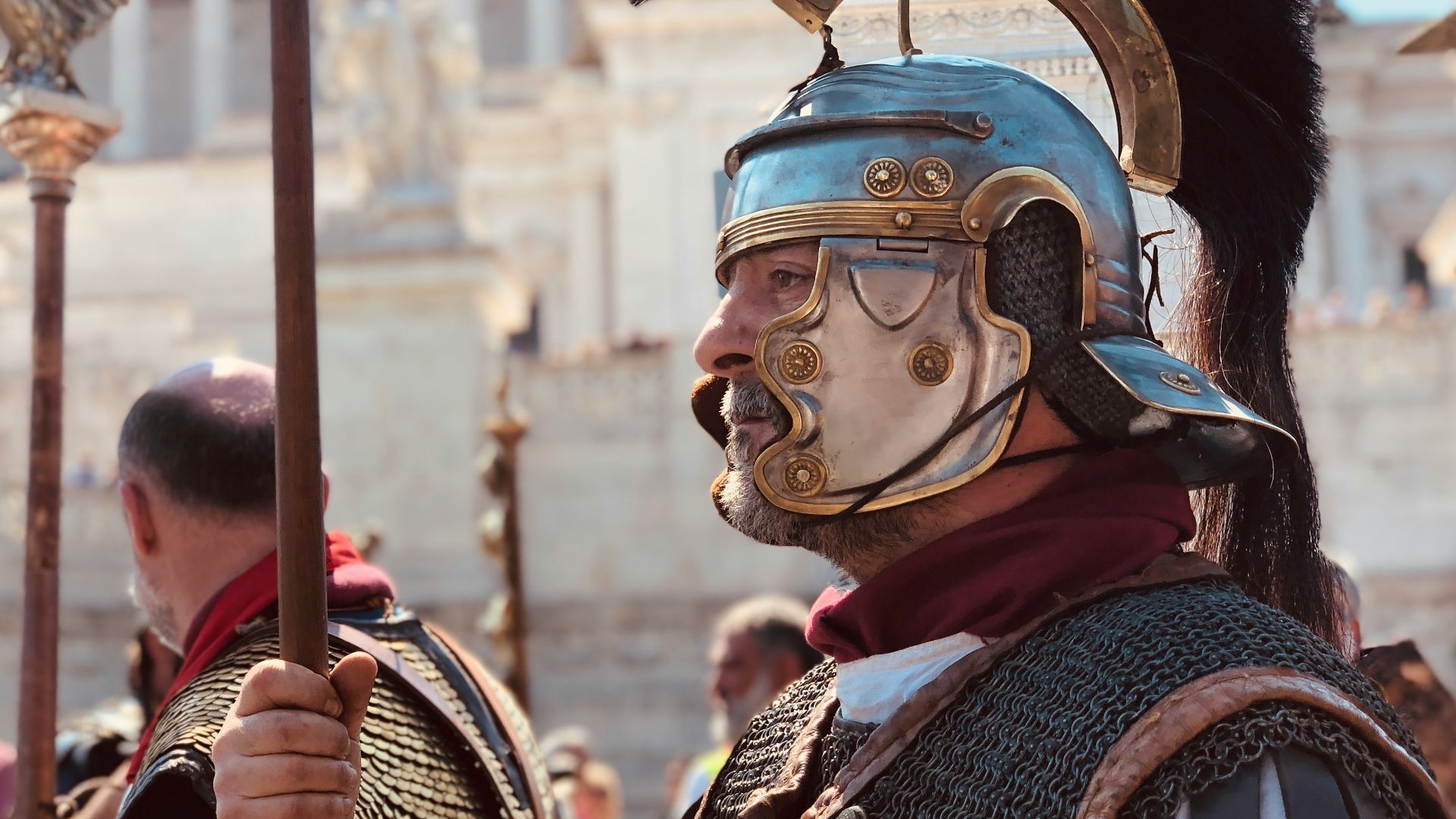
A Roman soldier in a movie is usually marching toward battle, defending a fortress, or preparing to conquer another territory. Military life also involved routine duties such as training, maintaining equipment, guarding installations, building roads and fortifications, and managing supplies. For many soldiers, long stretches of service were spent performing these less glamorous tasks.
 Maria Dolores Vazquez on Unsplash
12. The Roman Empire Didn't Fall in a Single Day
Many times, when depicting Rome falling, movies show the emperor getting killed and everything instantly falling apart. There were many things that contributed to the Roman Empire's fall. The conventional date for the fall of the Western Roman Empire is AD 476, but the Eastern Roman Empire continued for nearly another thousand years.
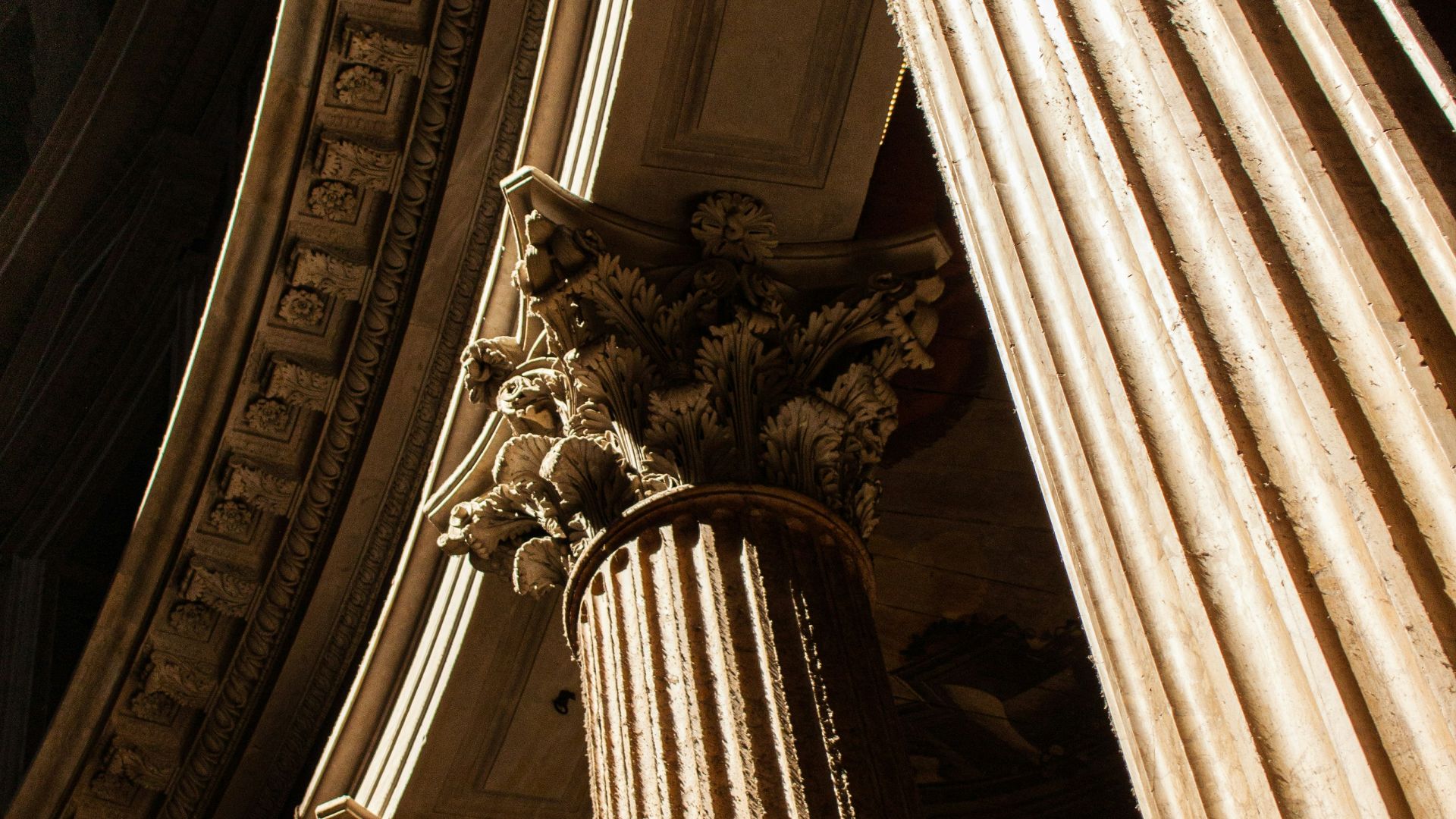
13. Roman Public Baths Weren't Just Places to Get Clean
Bathhouses appear in some historical films as little more than luxurious swimming pools where wealthy Romans relax and discuss political schemes. Public baths were important social institutions where people could exercise, bathe, meet acquaintances, and spend time in communal spaces, although facilities and access varied. Many complexes included heated rooms, cold pools, and exercise areas.
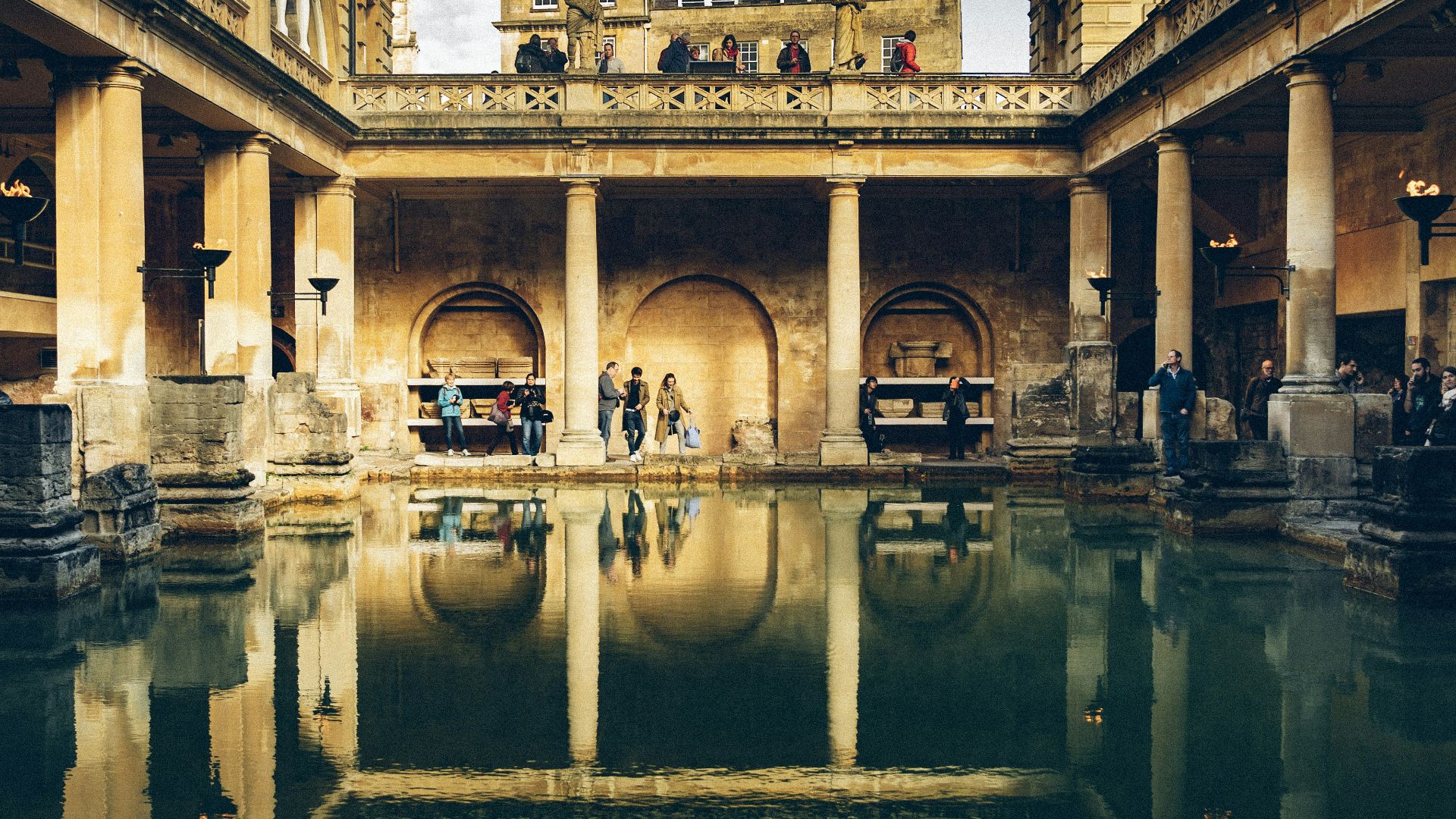
14. Romans Didn't Have Modern Plumbing Everywhere
Some parts of Rome did have plumbing, but it was not available to everyone. Access to running water and private sanitation wasn't universal, and many residents relied on public fountains, shared facilities, or other arrangements. Rome's engineering was extraordinary for its time, but it didn't mean every apartment had a private bathroom with running water.
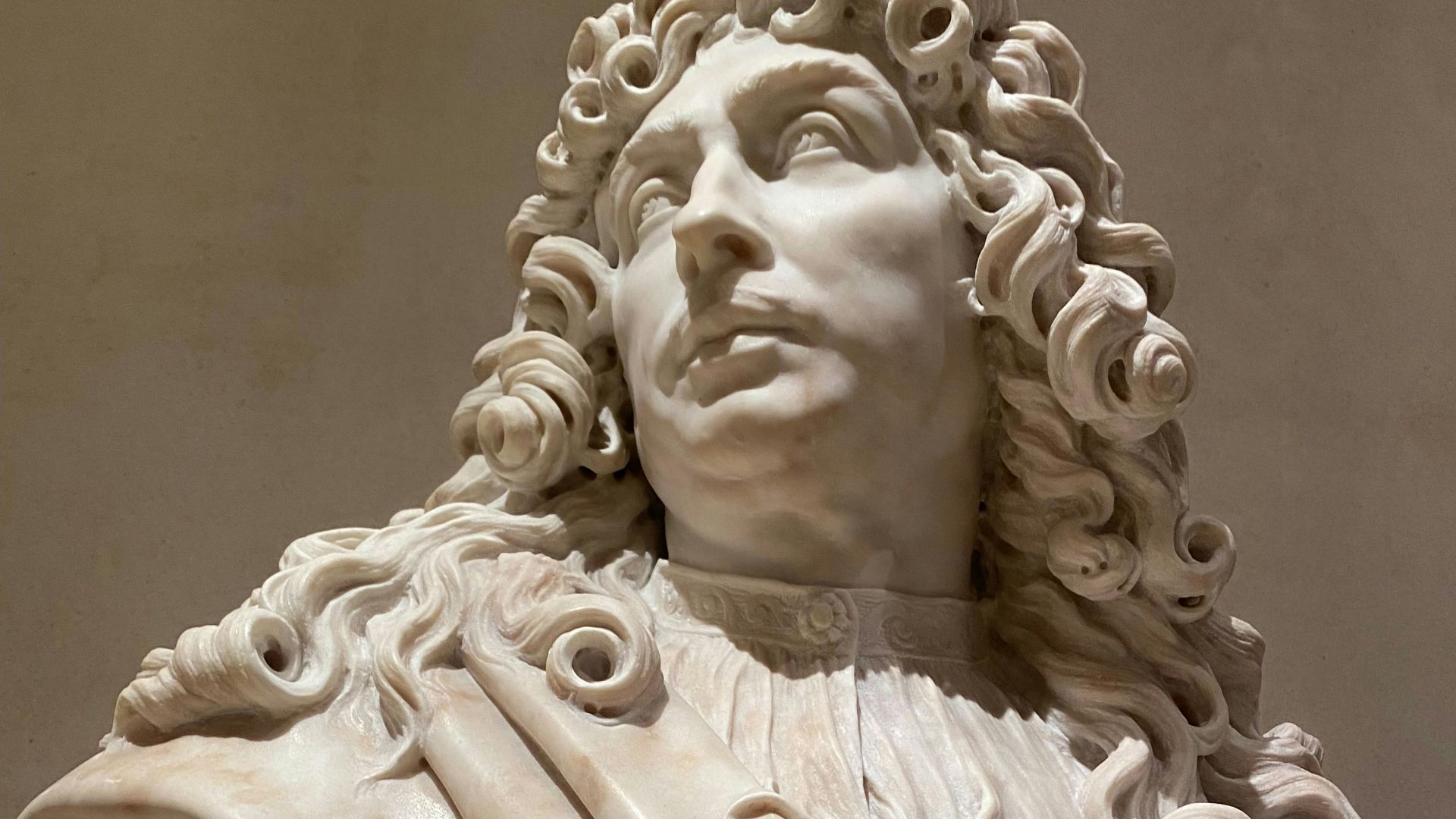
15. Purple Clothing Wasn't Just a Fashion Choice
Purple is usually associated with emperors in movies. This is true to a certain extent. There were certain types of purple dye that were very expensive to make. However, Roman clothing regulations and social conventions changed over time, and not every purple garment automatically meant its wearer belonged to the imperial family.
 Simonetta Sambiase on Unsplash
16. Roman Entertainment Included More Than Gladiator Fights
There were many other fun events in Rome that people went to see. Some events included horse races and plays. Chariot racing was especially popular, and the rivalries between racing factions could inspire intense loyalty among spectators.
17. Roman Emperors Didn't All Behave Like Caligula or Nero
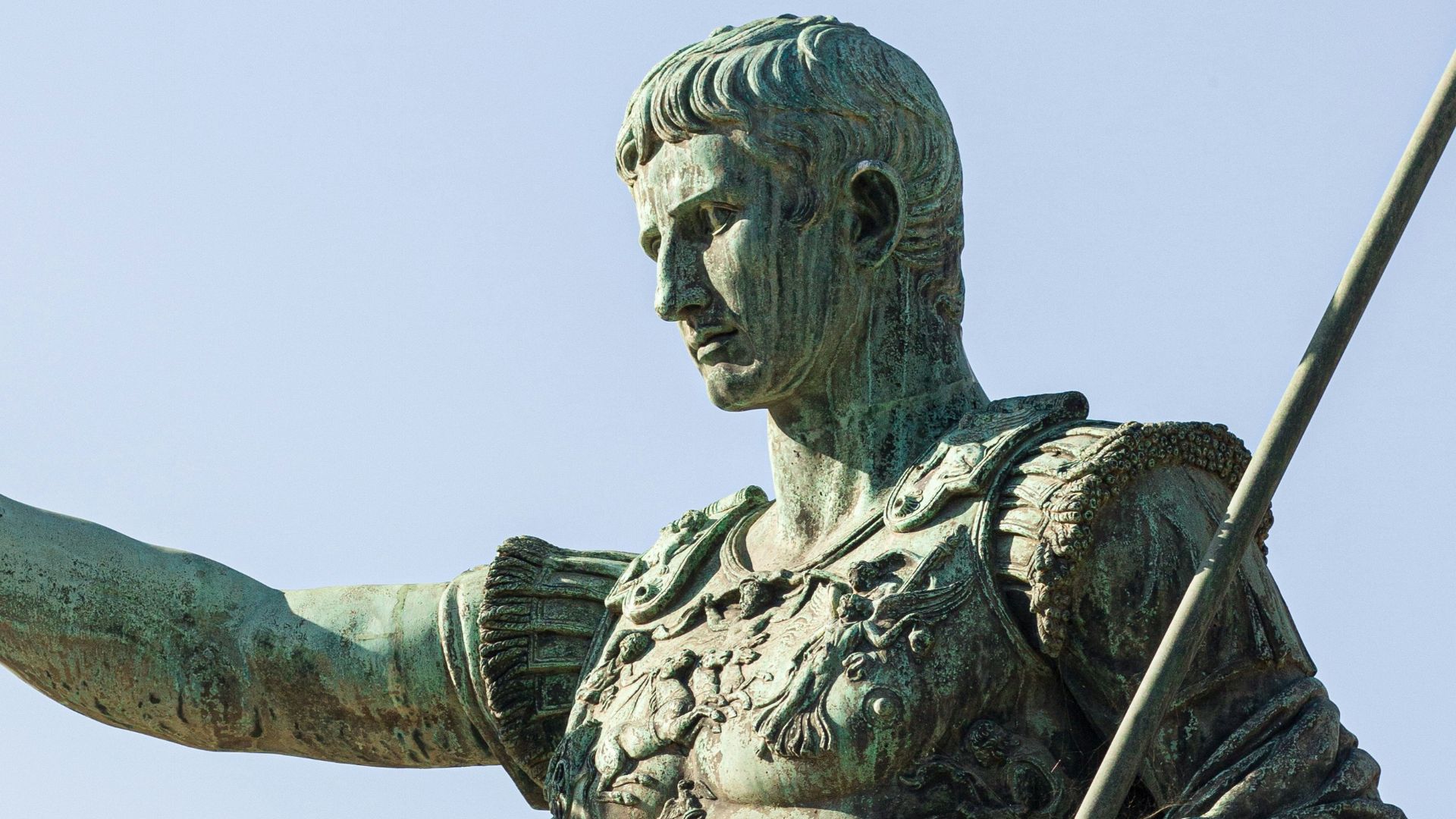
Popular films often portray Roman emperors as unstable tyrants who spend their days ordering executions and indulging every possible excess. Some rulers certainly developed reputations for cruelty, extravagance, or political violence, but imperial behavior and governing styles varied widely across the centuries. Our knowledge also comes from ancient writers who had their own political interests and biases.
18. Latin Wasn't the Only Language Spoken in the Empire
Movies set in Rome often make it seem as though everyone from Britain to Egypt spoke Latin at home. Latin was central to Roman administration and public life in many western regions, while Greek remained widely used in the eastern Mediterranean, including major cities and centers of learning. The empire also contained numerous other languages, reflecting the enormous variety of peoples and cultures under Roman rule.
19. Roman Concrete Wasn't Just Ordinary Cement
Concrete was used to build Roman buildings, although it may look similar to what we use today. The Romans mixed different materials into their concrete to help it last. Its composition varied by project and location, and researchers continue to study how certain ancient mixtures developed their remarkable long-term properties.
20. Ancient Rome Wasn't One Unchanging World
Movies set hundreds of years apart sometimes use nearly identical clothing, weapons, architecture, and political customs, even though Roman society changed substantially over time. The Rome of the early Republic differed from the city under Augustus, and both were different from the empire during its later centuries. If a movie gets its historical period right, you'll often notice changes in military equipment, public architecture, and political institutions.
KEEP ON READING