20 Samurai Facts That Have Almost Nothing to Do With Fighting
What Daily Life Looked Like During the Peace
Most people picture a samurai mid-battle. Movies and games tend to show them swinging swords at enemies. The Edo period, which began in 1603, gave Japan roughly 250 years of peace instead. With fewer battles to fight, many samurai took on administrative jobs and settled into routines far removed from the battlefield. Their daily lives looked much quieter than their reputation suggests. Here are 20 facts about samurai that have almost nothing to do with fighting.
1. Samurai Were a Small Slice of the Population
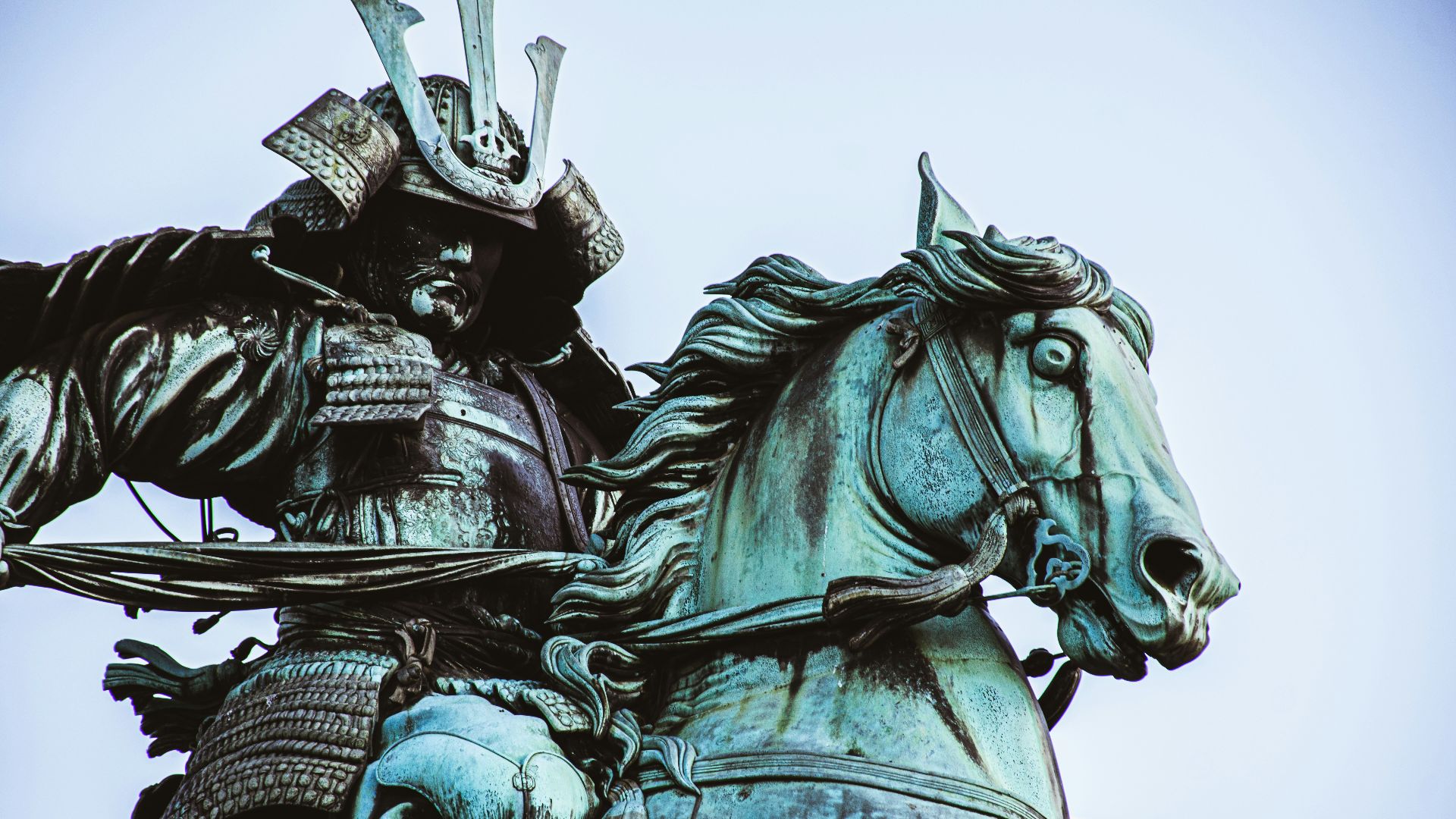
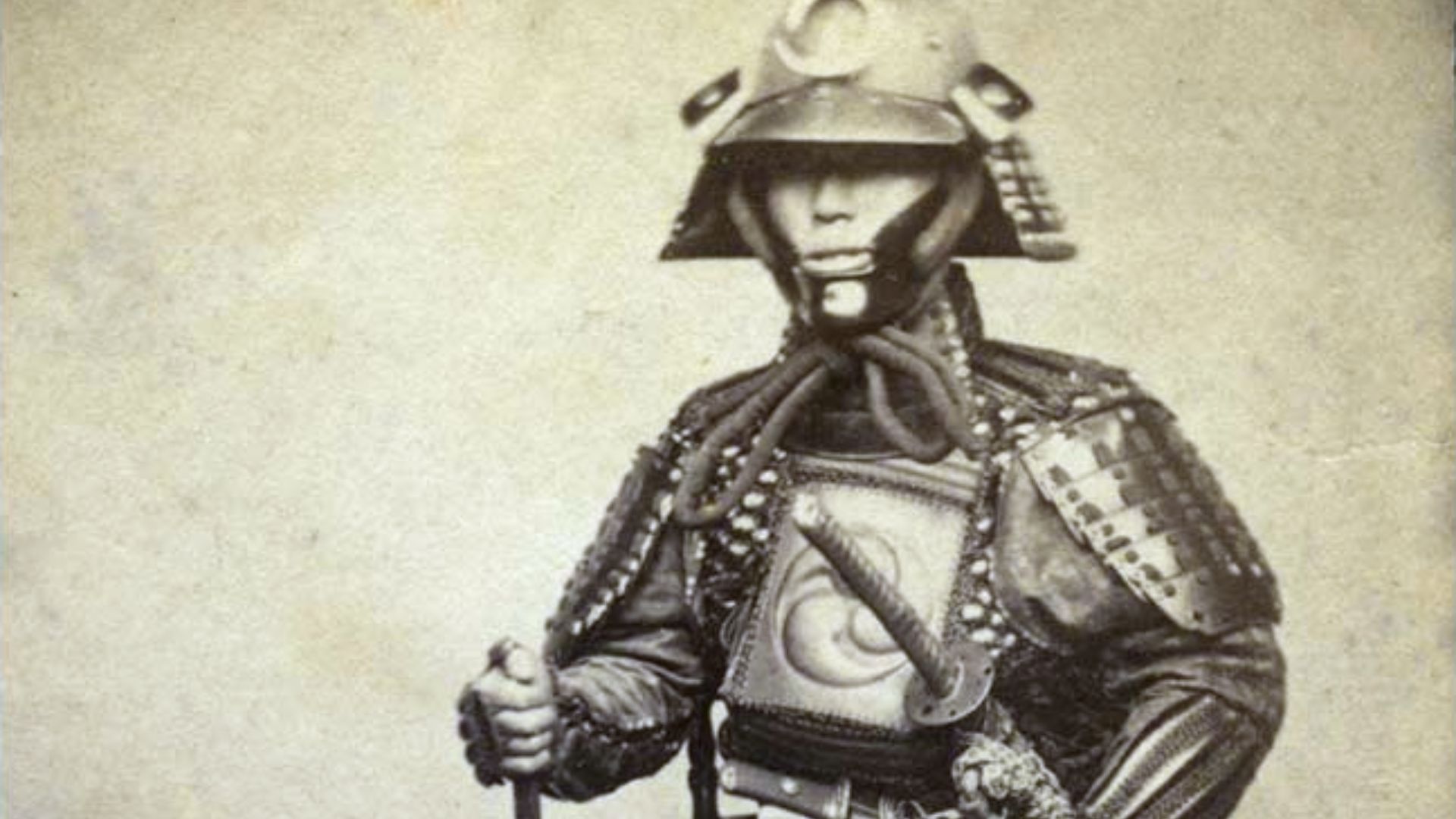
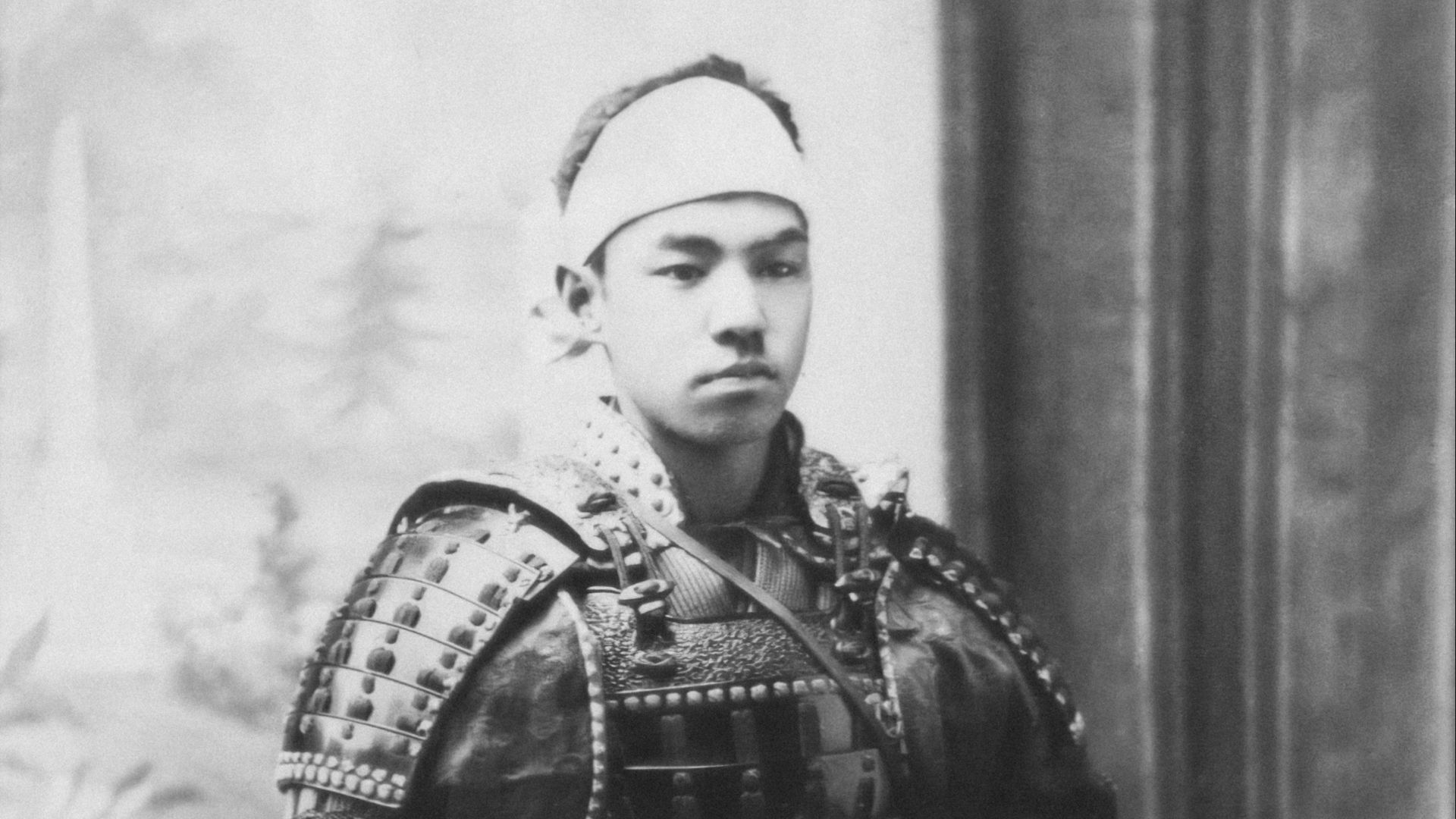
Roughly 5 to 6 percent of Japan's people were samurai, out of about 18 million around 1600. That figure dates to just before the long peace began. None of them were women.
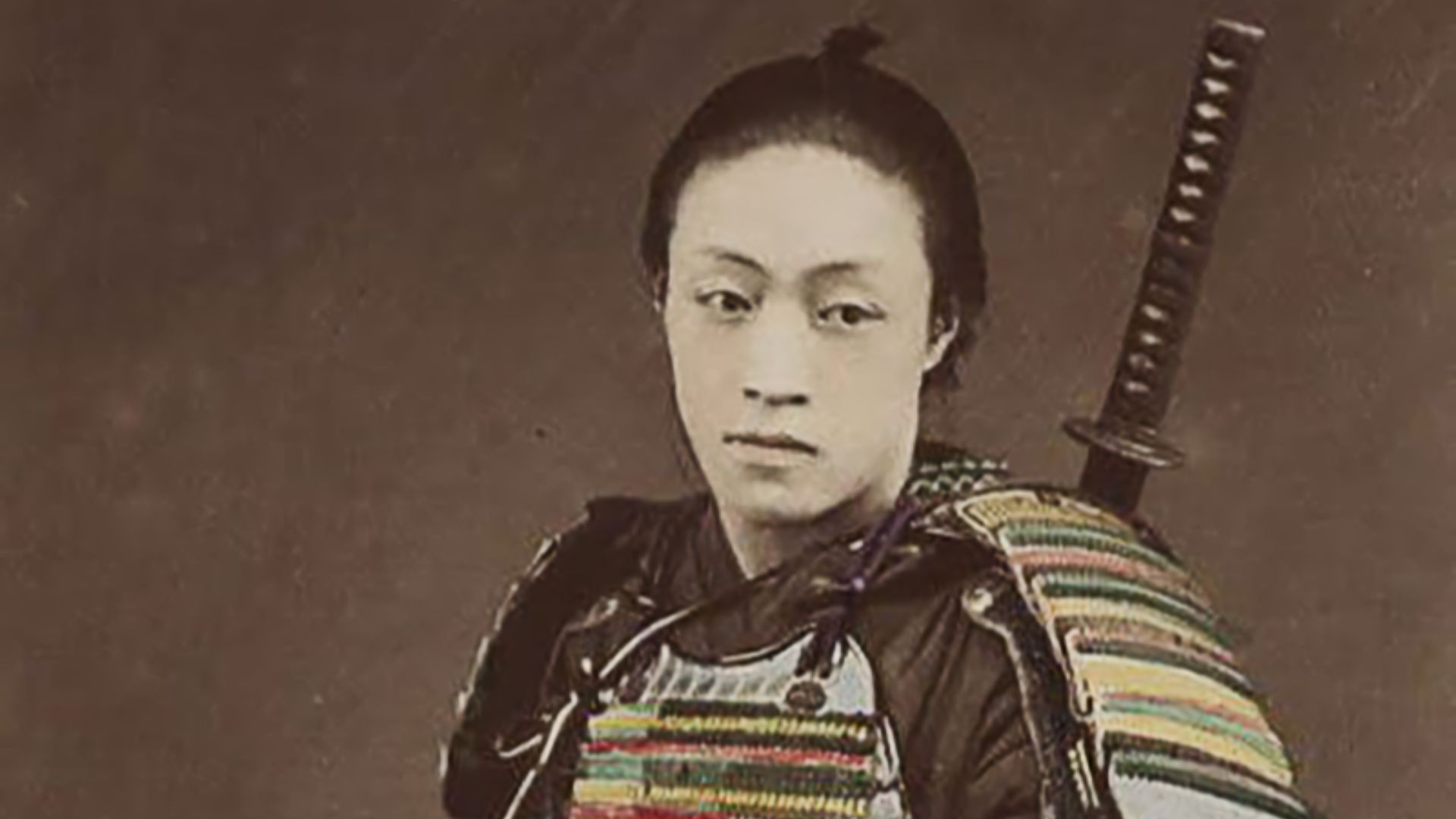 Suzuki Shin'ichi (鈴木 真一, 1835–1918) on Wikimedia
2. Their Pay Came in Rice
Samurai drew their salaries from their lords, and Britannica says a domain's wealth was measured in koku of rice. One koku is roughly what a single person eats in a year. Under Hideyoshi, the number also set how much military service a domain owed.
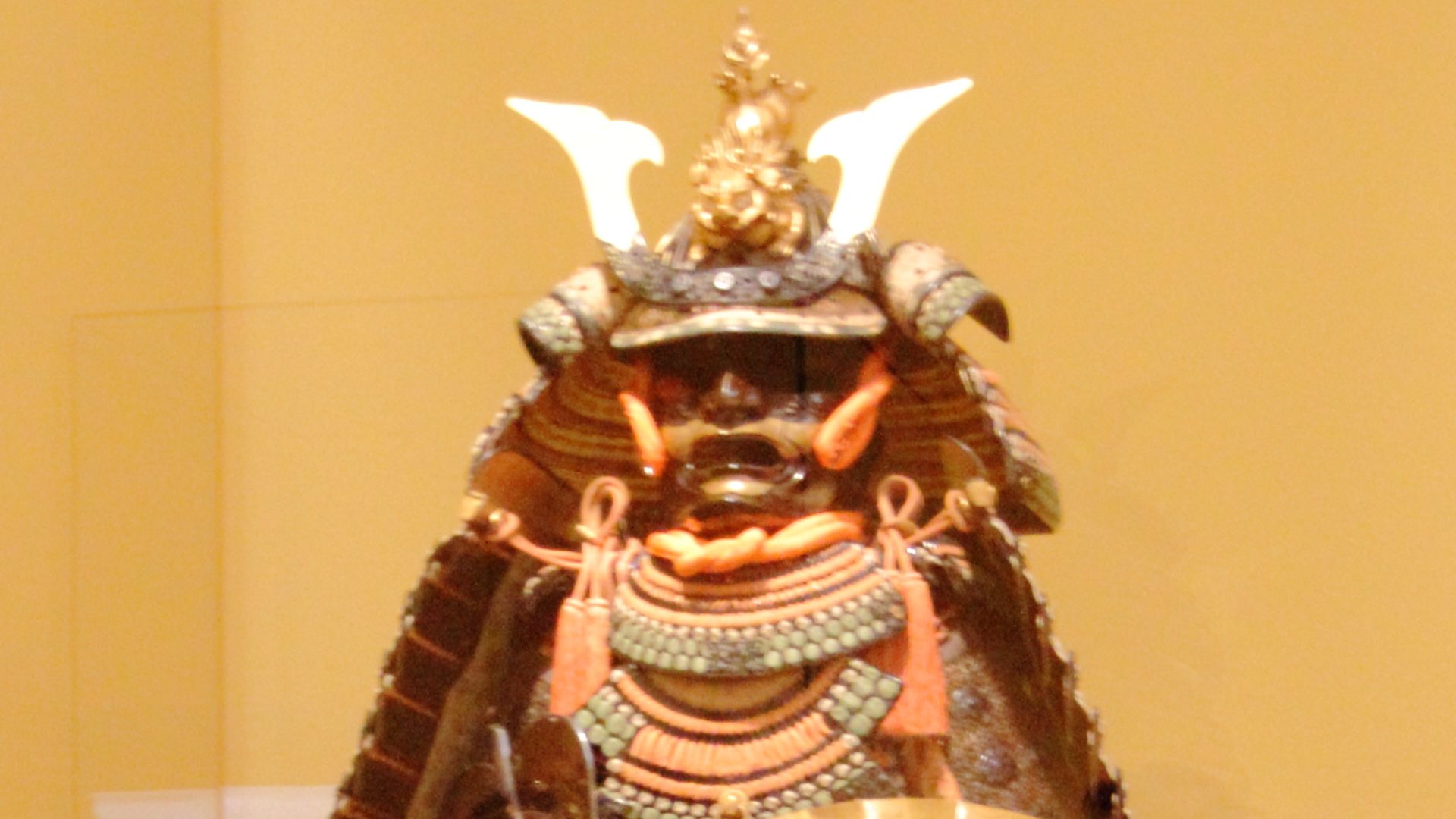
3. Peace Turned Many Into Administrators
Many samurai became teachers or administrators once the fighting stopped, and finance was a common specialty. Some also served as moral guides for the rest of society.
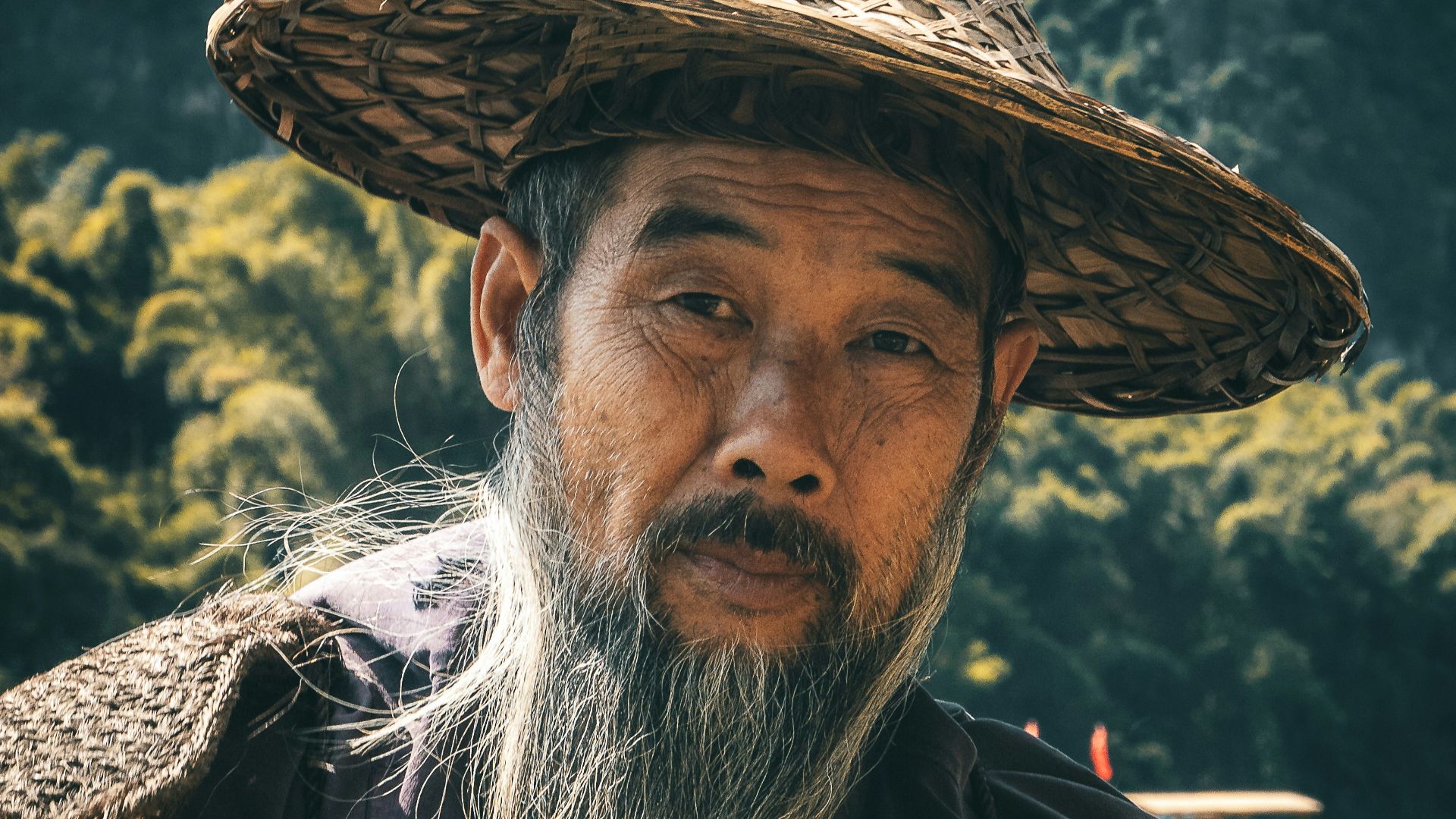 Willian Justen de Vasconcellos on Unsplash
4. Some Samurai Were Allowed to Farm
The goshi, sometimes translated as rustic warriors, were one of the Edo-era ranks, and they could work a farm. They weren't permitted to wear the two swords that marked the rest of the class. The lowest rank was the gokenin, or housemen, and the highest was the hatamoto, or bannermen.
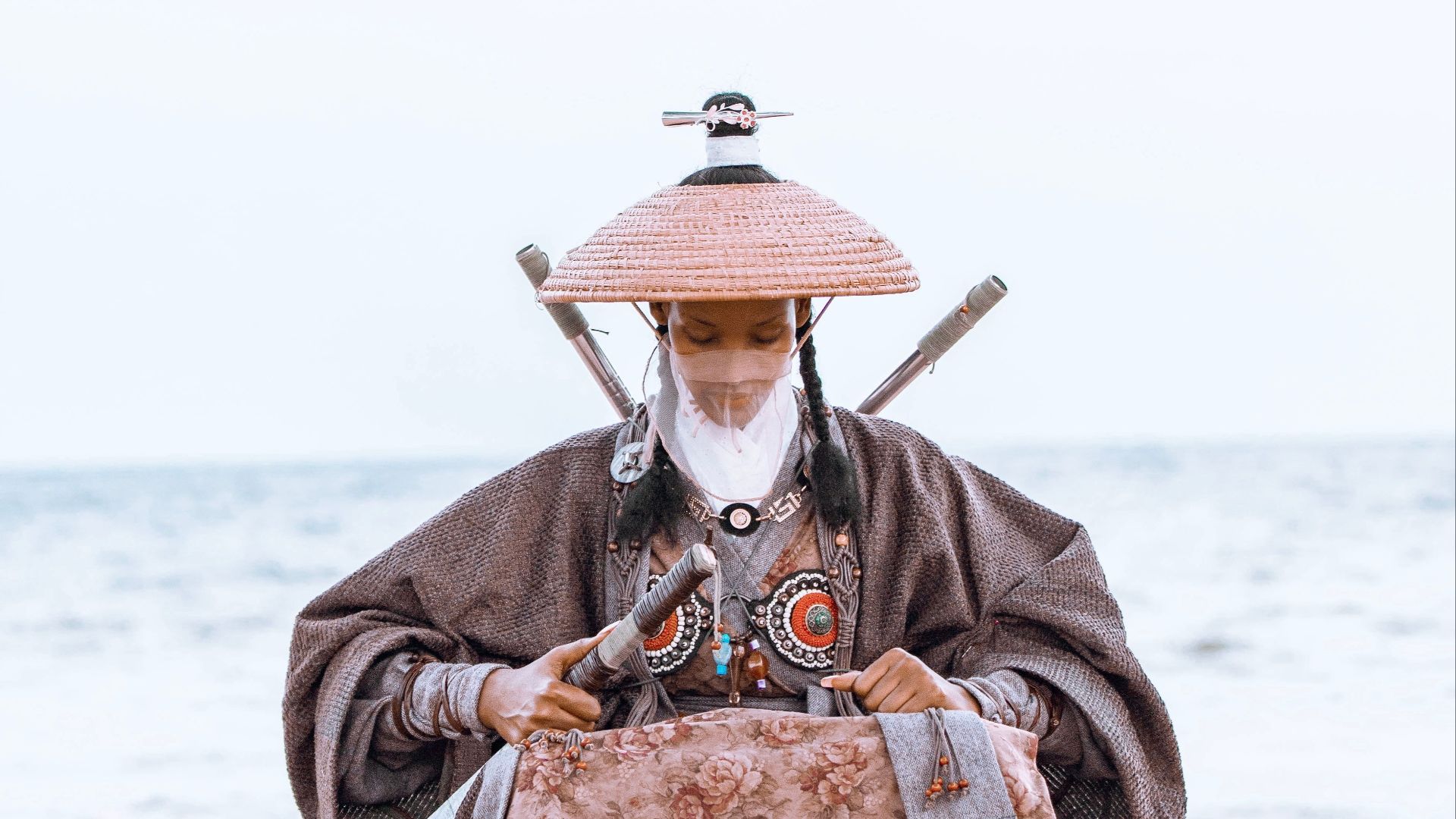
5. Hideyoshi Collected Swords From Farmers
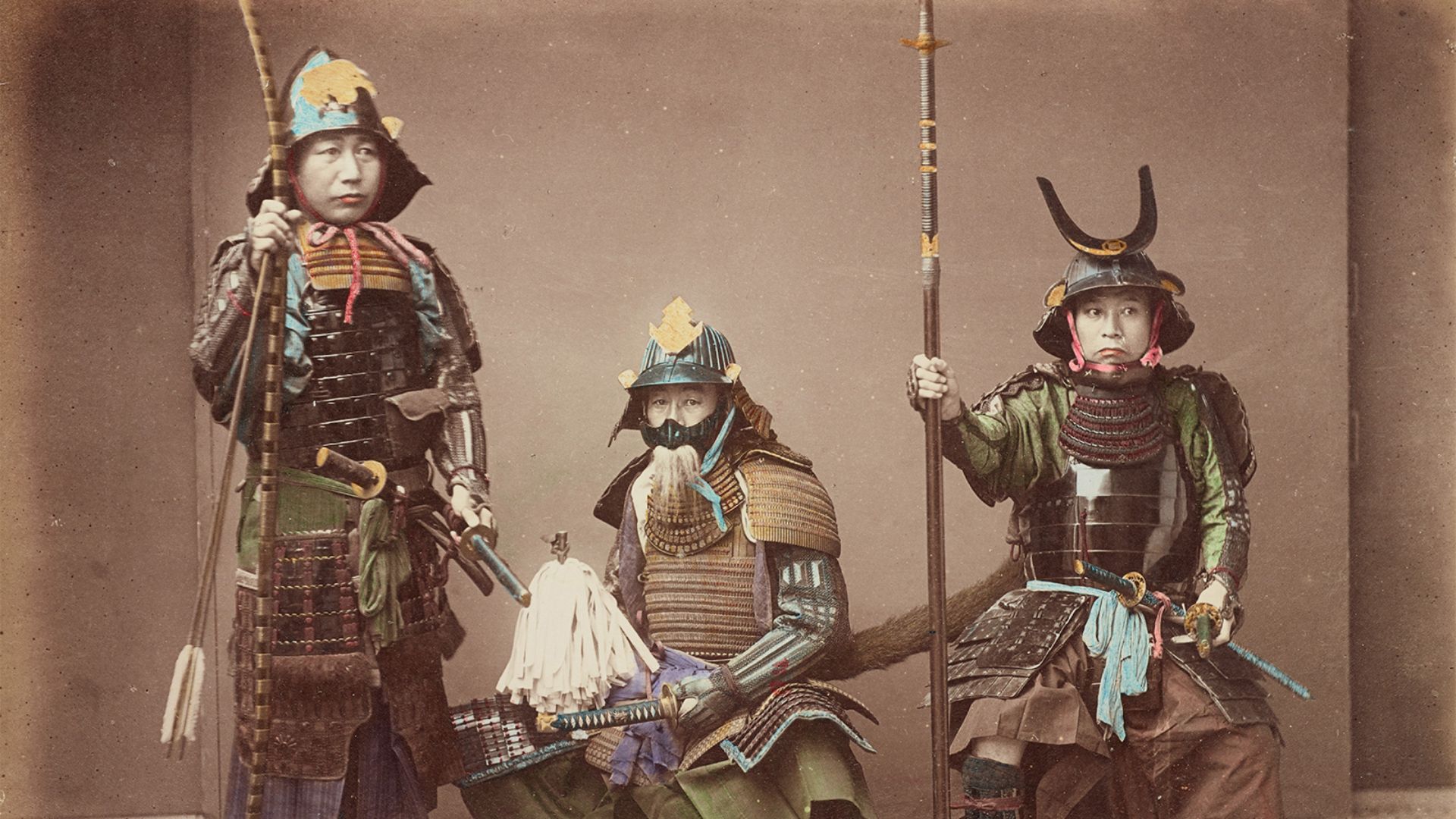
In 1588, Toyotomi Hideyoshi ordered a sword hunt meant to disarm the peasants. One district alone handed over nearly 1,100 long swords and about 500 guns. The goal was to leave the samurai as the only class allowed to carry swords.
6. Castle Towns Grew Around Their Shopping Needs
Hideyoshi's edict also required samurai to live in their lord's castle. Because they relied on merchants and artisans for goods and services, towns grew up around the castles. The edict widened the separation between samurai and farmers as well.
 commons.wikimedia.org on Google
7. A Law Told Them to Master Peace and War Together
The Buke shohatto, a seventeenth-century code for military houses, told samurai to pursue the arts of peace and war. A museum's teaching page notes that it placed peace on the left hand and war on the right. A samurai scholar of the 1700s quoted there compared culture and arms to the two wings of a bird.
 Museum of New Zealand Te Papa Tongarewa on Unsplash
8. Lords Had to Spend Part of Every Year in Edo
The shogun Iemitsu established sankin-kotai in 1635 to keep the great lords subservient, and it required them to live in Edo for several months each year. They left their wives and families behind when they went home, and their debts piled up. Merchants gathered in the capitals to supply the lords, which helped build a commercial economy.

9. Merchants Held the Money
Merchants ranked lowest in the social order, yet that same museum page says they often held more wealth than samurai. Both daimyo and samurai grew poorer over time, and many borrowed from merchants. Masterless samurai, whose lords had lost favor, were the least fortunate of all.
10. Even the Lowest Ranks Handled Domain Paperwork
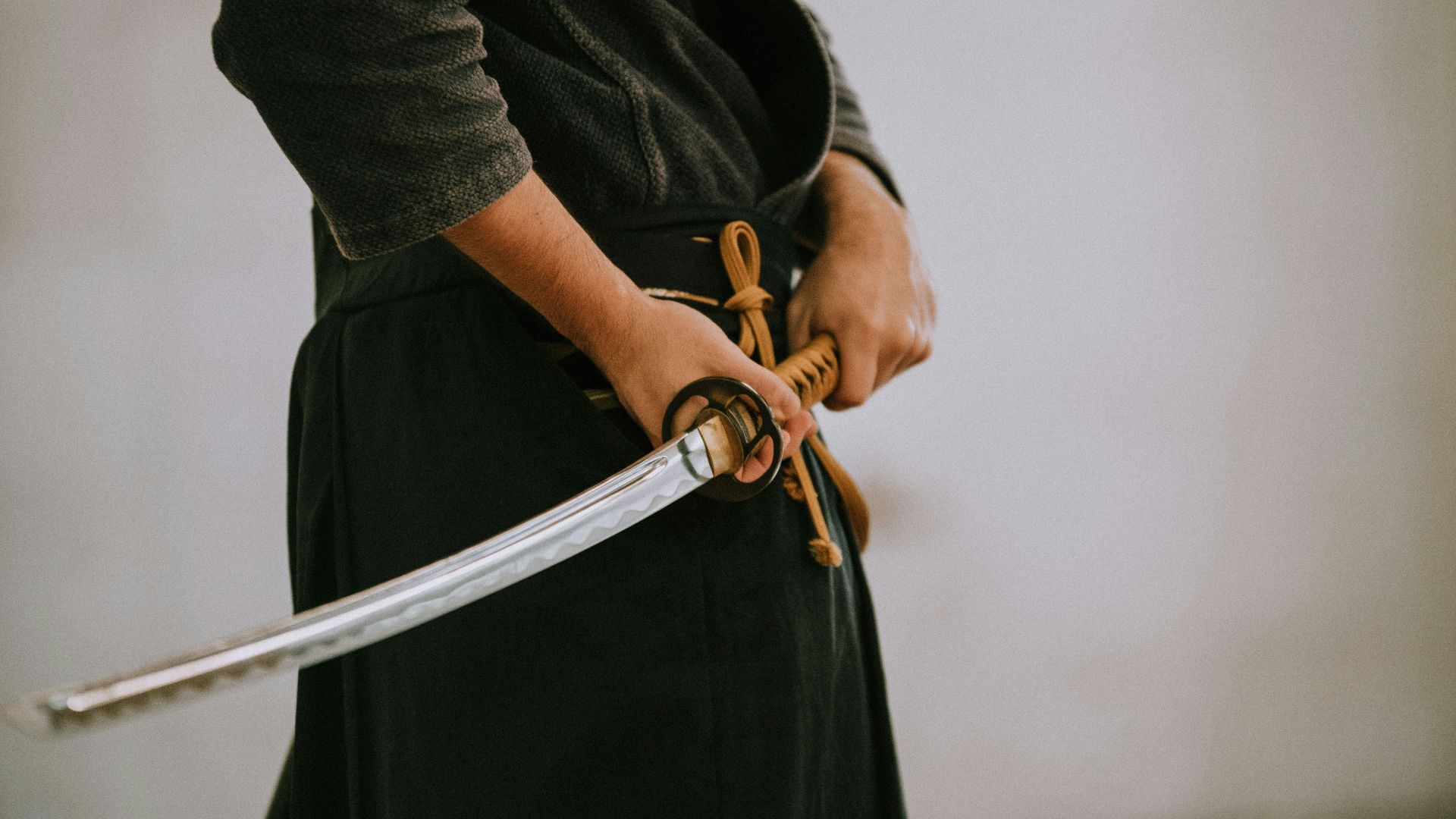
A Japanese government database on ashigaru training says the lowest-ranking samurai handled important documents and financial calculations for their domains. It also mentions busy civil duties and side jobs. Because the era was largely peaceful, their martial training had become a discipline for body and mind.
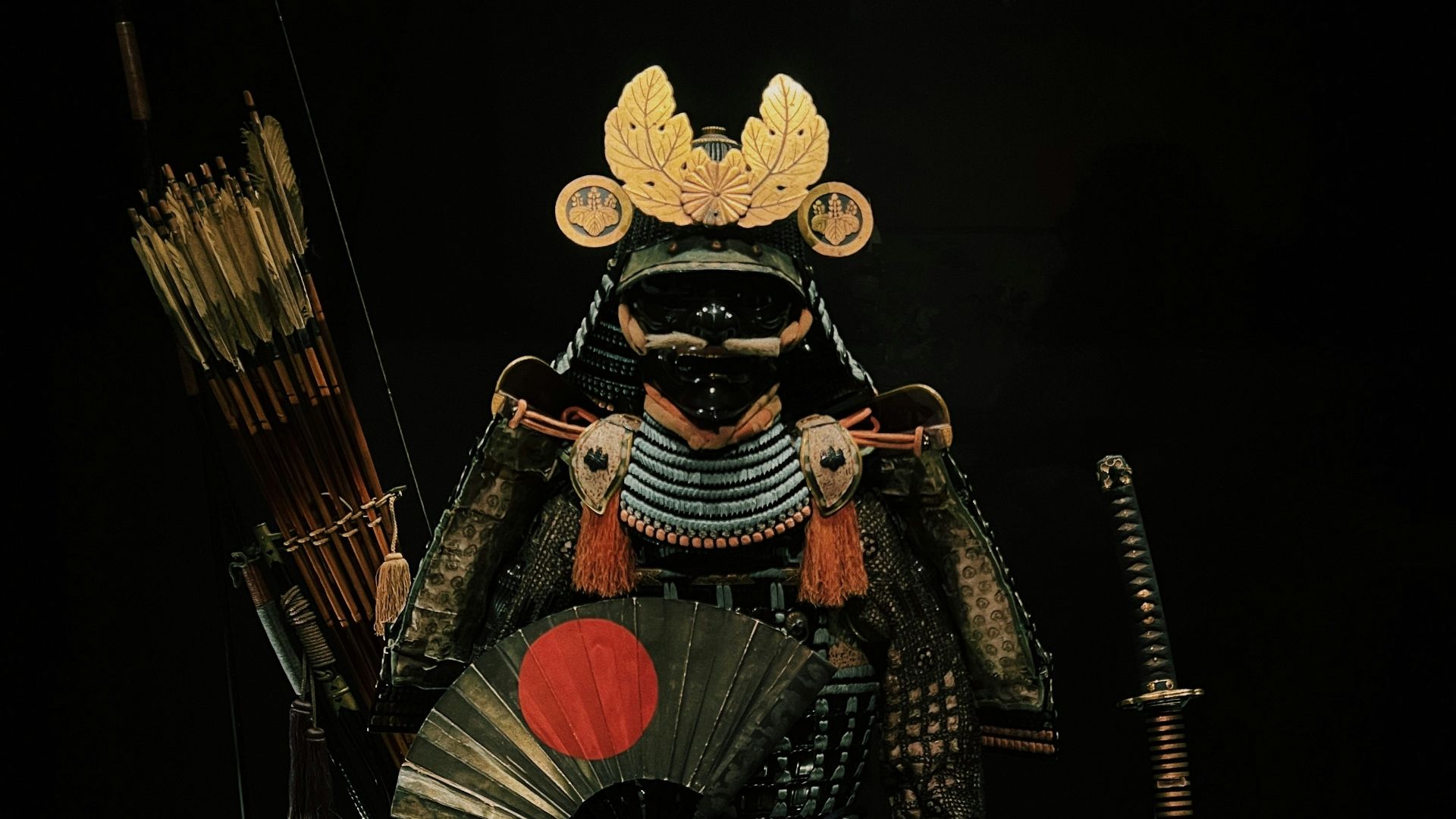
11. A Memoir Warned Against Being Illiterate
An early eighteenth-century samurai memoir, quoted in that database, said a wartime samurai might get away with being illiterate. In a peaceful world that excuse was no longer acceptable.
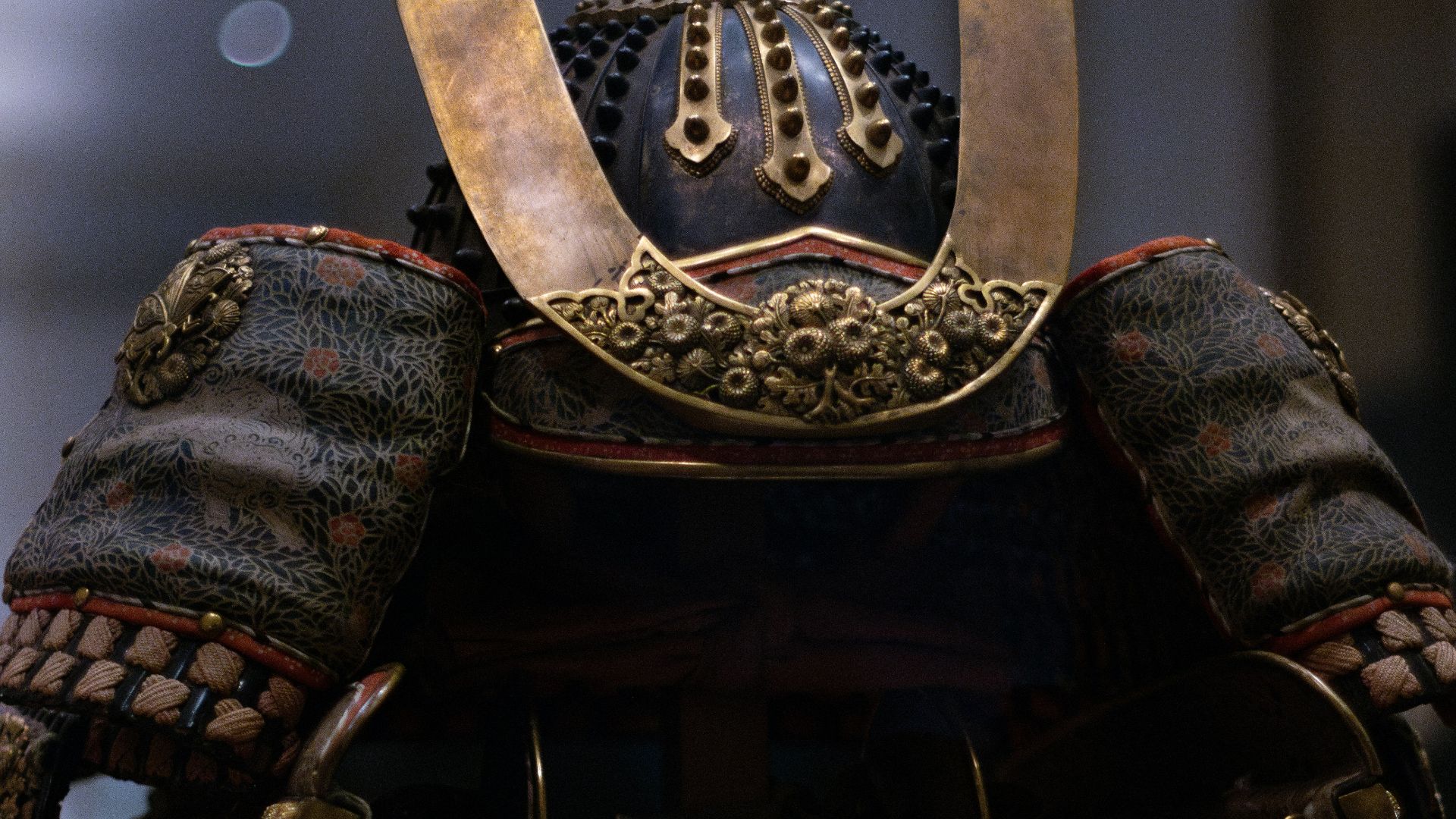
12. A Domain School Opened Its Doors to Ashigaru Children
The Kebukan school in the Kaga domain first admitted only the children of higher-ranking samurai families, and ashigaru children were allowed in later. The database says ashigaru who found time for study read literature and history and wrote haiku and waka.
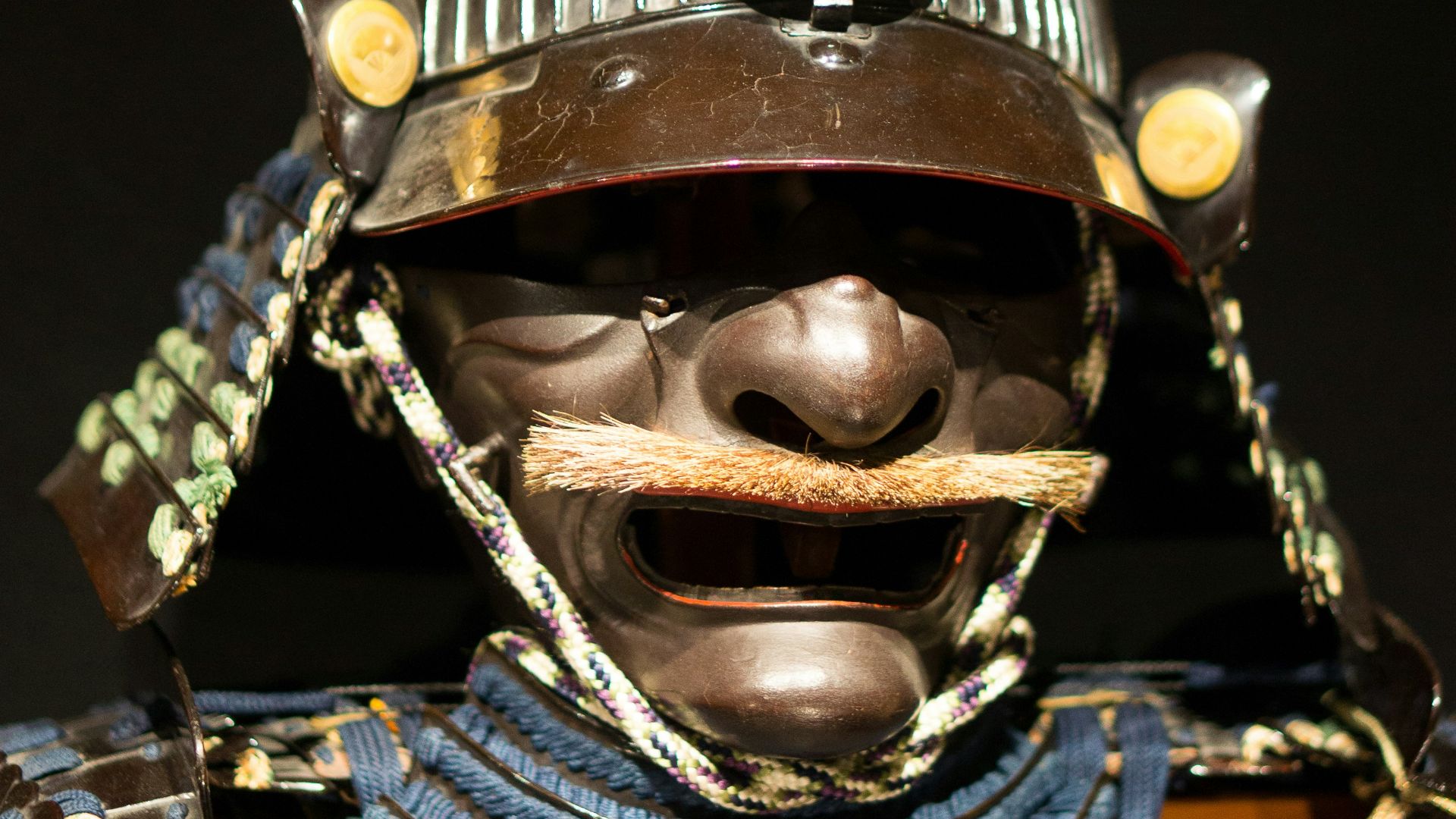
13. Warlords Competed Over Teaware
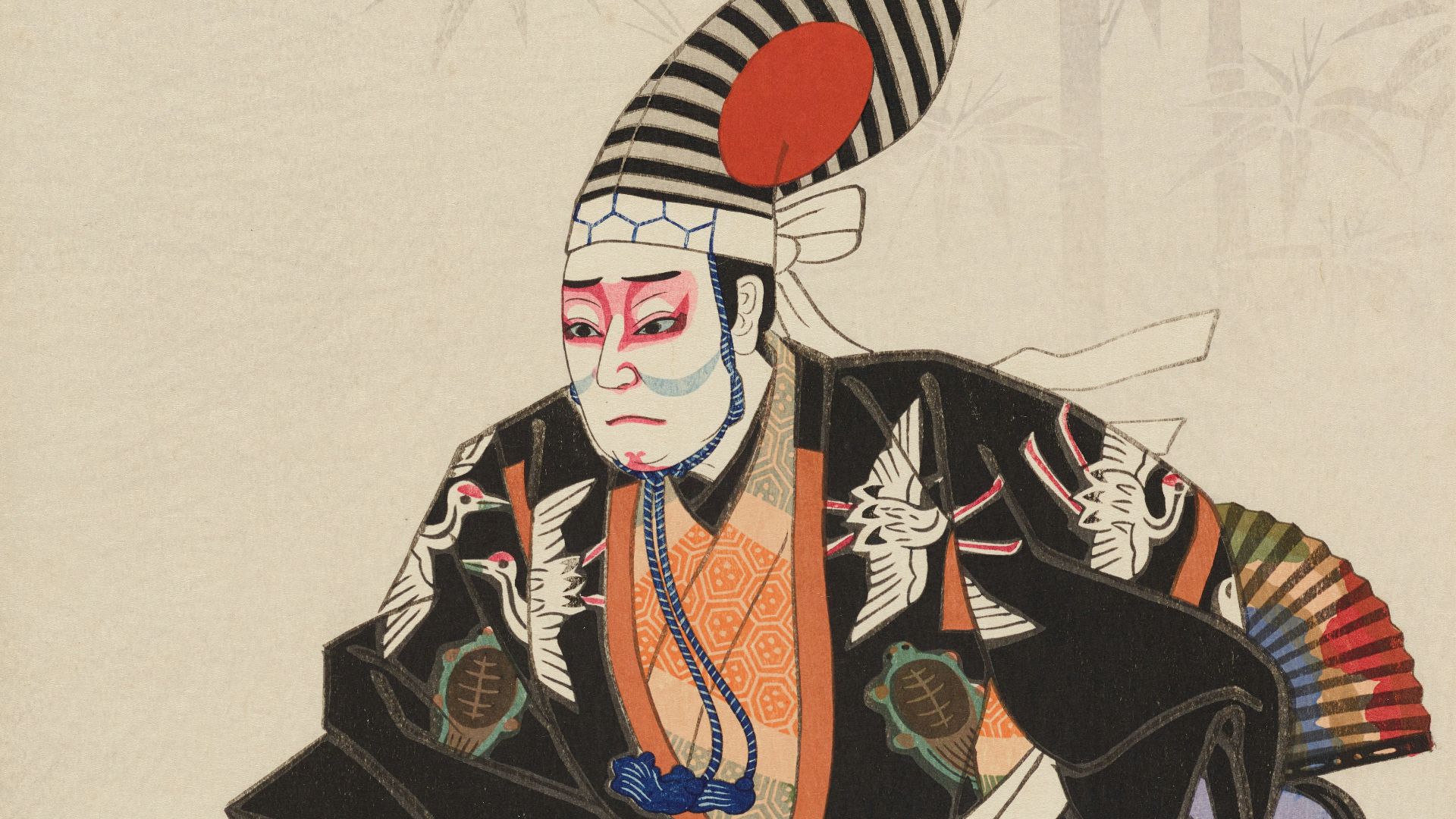
During the Muromachi period, warriors and merchants adopted tea and held lavish banquets where guests showed off expensive Chinese ceramics and scrolls, according to a history magazine. Warrior leaders sent envoys to China to collect the objects. The article describes those collections as displays of status and competition.
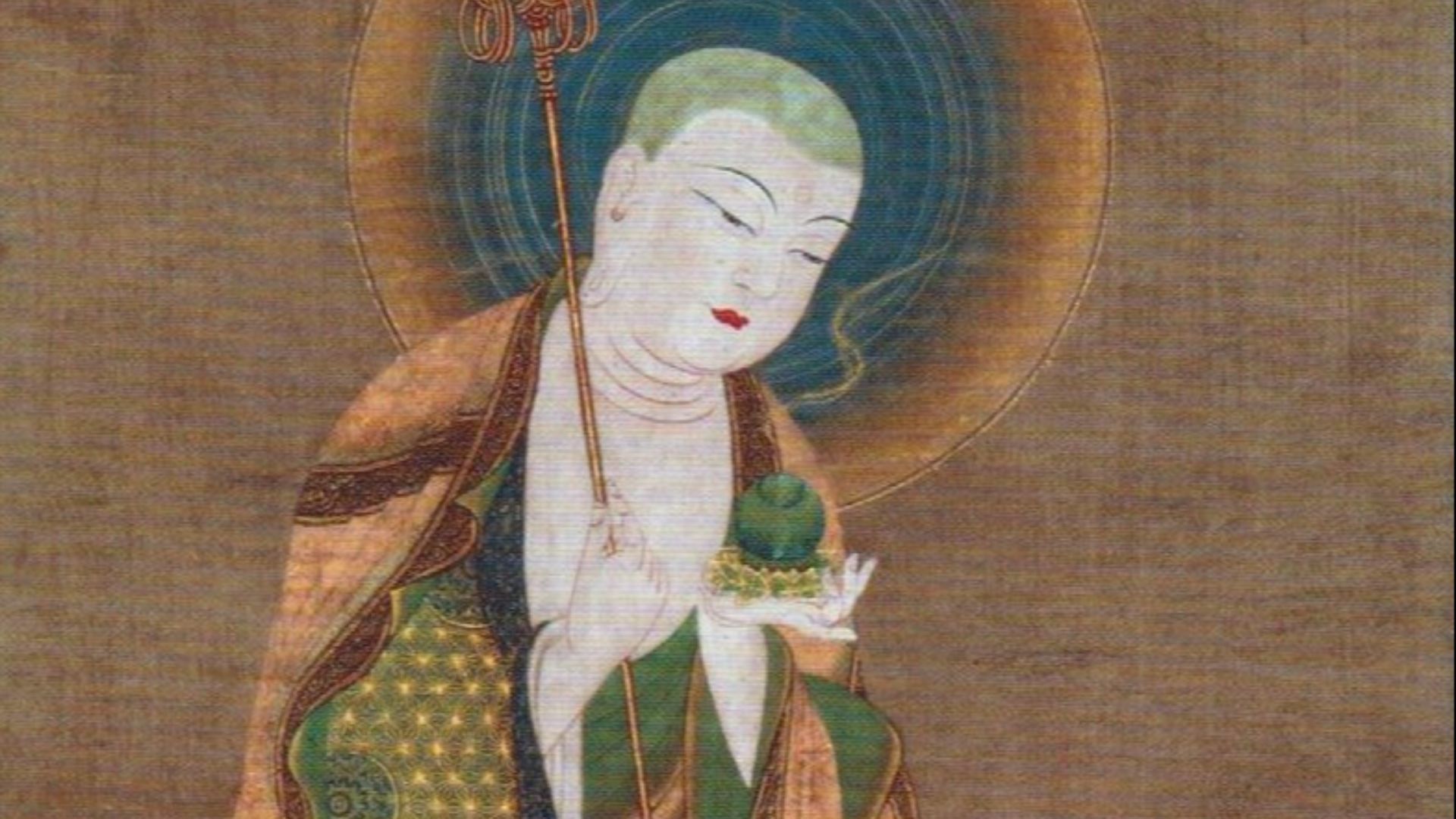 AnonymousUnknown author on Wikimedia
14. The Hagakure Came Out of Peacetime
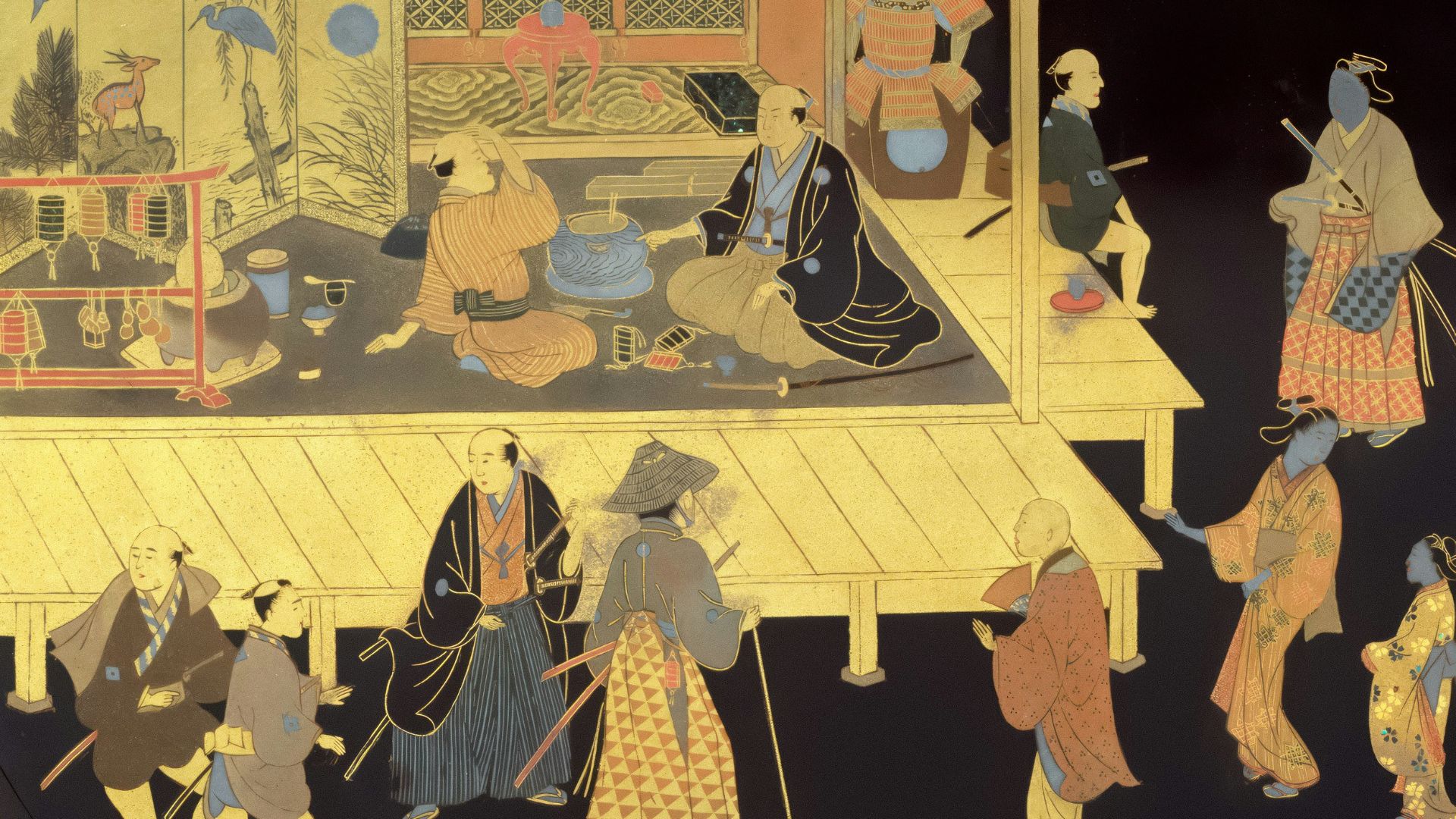
The Hagakure, completed in 1716, grew out of conversations between retired samurai Yamamoto Tsunetomo and a younger retainer who recorded his advice. Its roughly 1,300 anecdotes and reflections covered loyalty to one's lord, proper grooming, and even the importance of not yawning in public. Despite its reputation as a warrior's guide, it was compiled more than a century into the Tokugawa peace.
 The Walters Art Museum on Unsplash
15. A Tea Room Door Made Samurai Leave Their Swords Outside
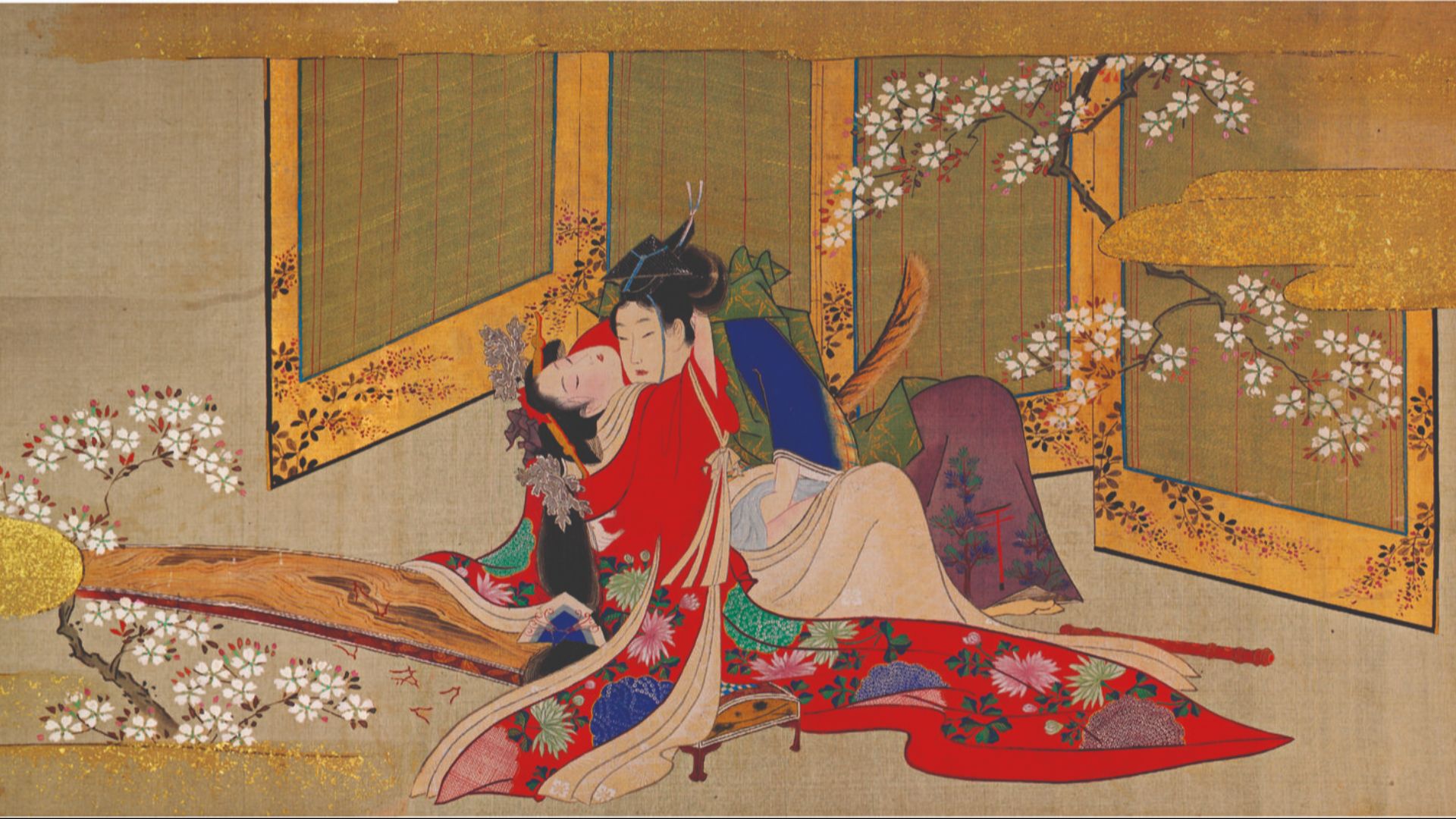
Sen no Rikyu designed teahouses with a low entrance that forced samurai to leave their swords outside. The magazine says he believed everyone was equal inside, which it calls revolutionary for such a rigidly ranked society. His Taian tea room, built in 1582, still stands near Kyoto.
16. The Word Bushido Is Younger Than the Ideas
The term bushido, meaning "way of the warrior," appeared in the sixteenth century, though its principles had developed during the Kamakura period centuries earlier. Under the Tokugawa shogunate, the code absorbed Confucian teachings about loyalty, duty, and self-discipline. Samurai were expected to be educated and conduct themselves with dignity.
 National Museum of Denmark on Unsplash
17. A Samurai Became a Professional Mathematician
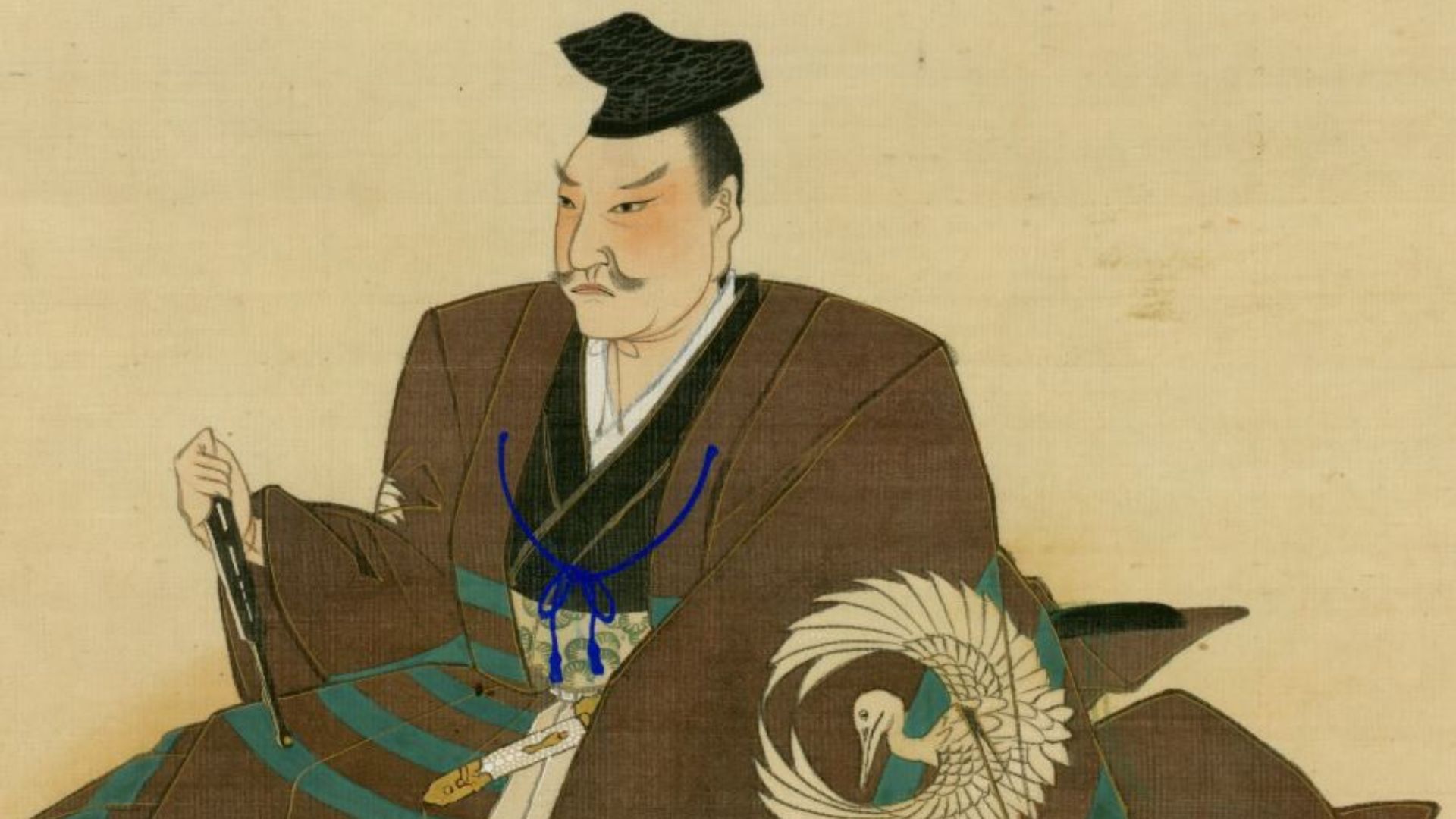
Born into the samurai class around 1640, Seki Takakazu became one of Japan's leading mathematicians. He worked as a treasury official for the Kofu domain, where his duties involved managing finances rather than fighting. He published only one mathematics book during his lifetime, but his students preserved his work and published more of his findings after his death in 1708.
 upload by AMorozov on Wikimedia
18. Samurai Helped Bring Western Medicine to Japan
Maeno Ryotaku was born into a samurai family and became a physician for the Nakatsu Domain. He helped translate a Dutch anatomy book alongside Sugita Genpaku, a physician serving the Obama Domain. Published in 1774 as Kaitai Shinsho, their work helped introduce Western anatomy to Japanese medicine.
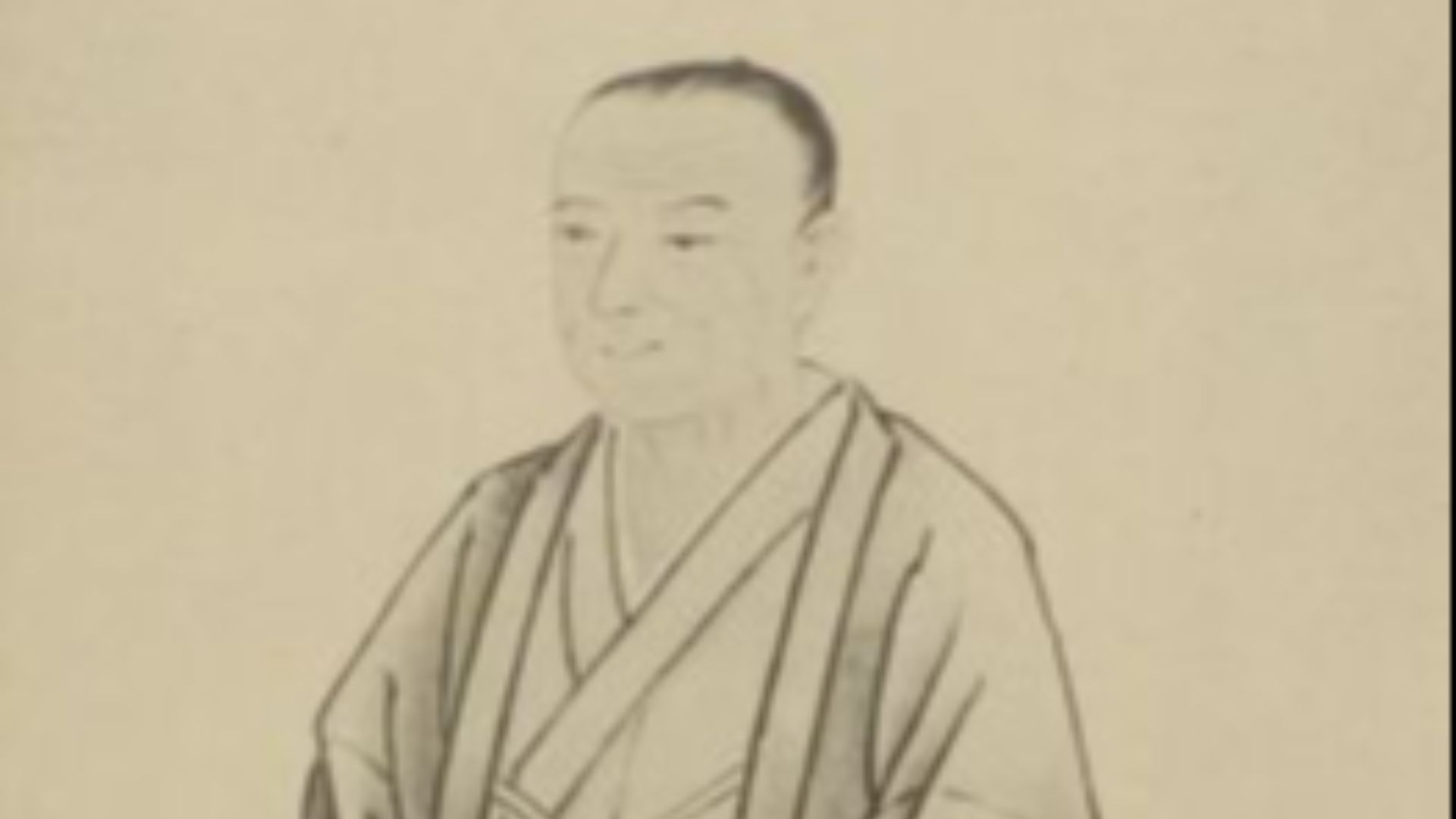
19. Some Samurai Became Masters of the Tea Ceremony
Furuta Oribe was a samurai who became one of Japan's leading tea masters in the early Edo period. He taught the second Tokugawa shogun, Hidetada, how to perform the tea ceremony and developed his own style, favoring unusual pottery and deliberately uneven tea bowls. His influence helped make the tea ceremony an important part of samurai culture, showing that a warrior's education could extend well beyond swordsmanship.
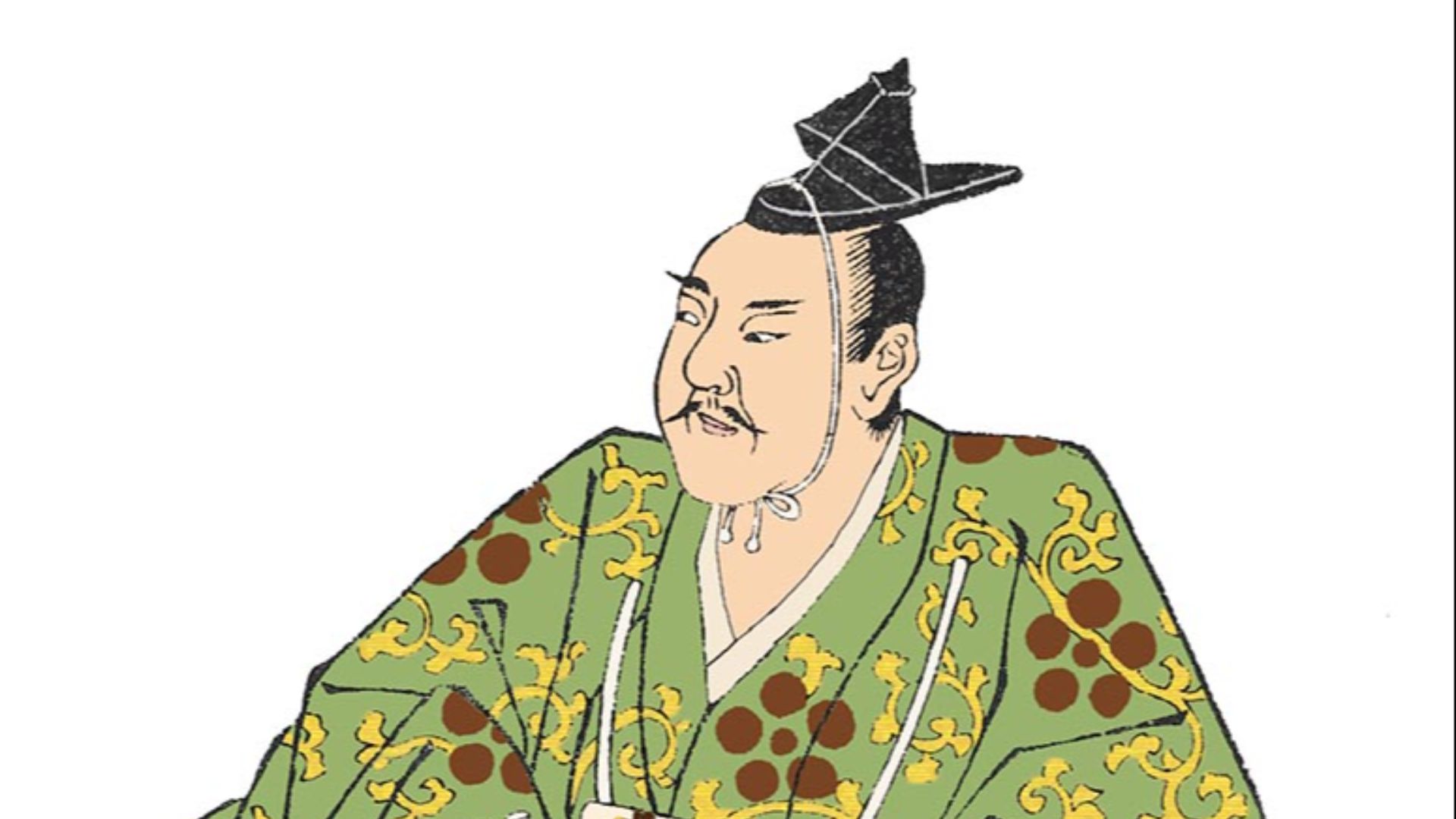
20. The Stipends Ended in 1873
The new government took over samurai stipends in 1871 and abolished them in 1873. A conscription law that same year ended the samurai's exclusive role in military service. Carrying swords in public was banned in 1876, with narrow exceptions.