Apex Predators Before Us
Some of the most formidable predators ever to live looked nothing like the animals we know today. Enormous fish hunted in ancient seas, giant reptiles brought down prey on land, and powerful birds could make a meal of animals much larger than themselves. Fossil teeth, bite marks, and preserved stomach contents have helped scientists piece together how these creatures hunted. Here are 20 animals that once occupied the top of their food chains, long before humans came along.
 Jeff Kubina from Columbia, Maryland on Wikimedia
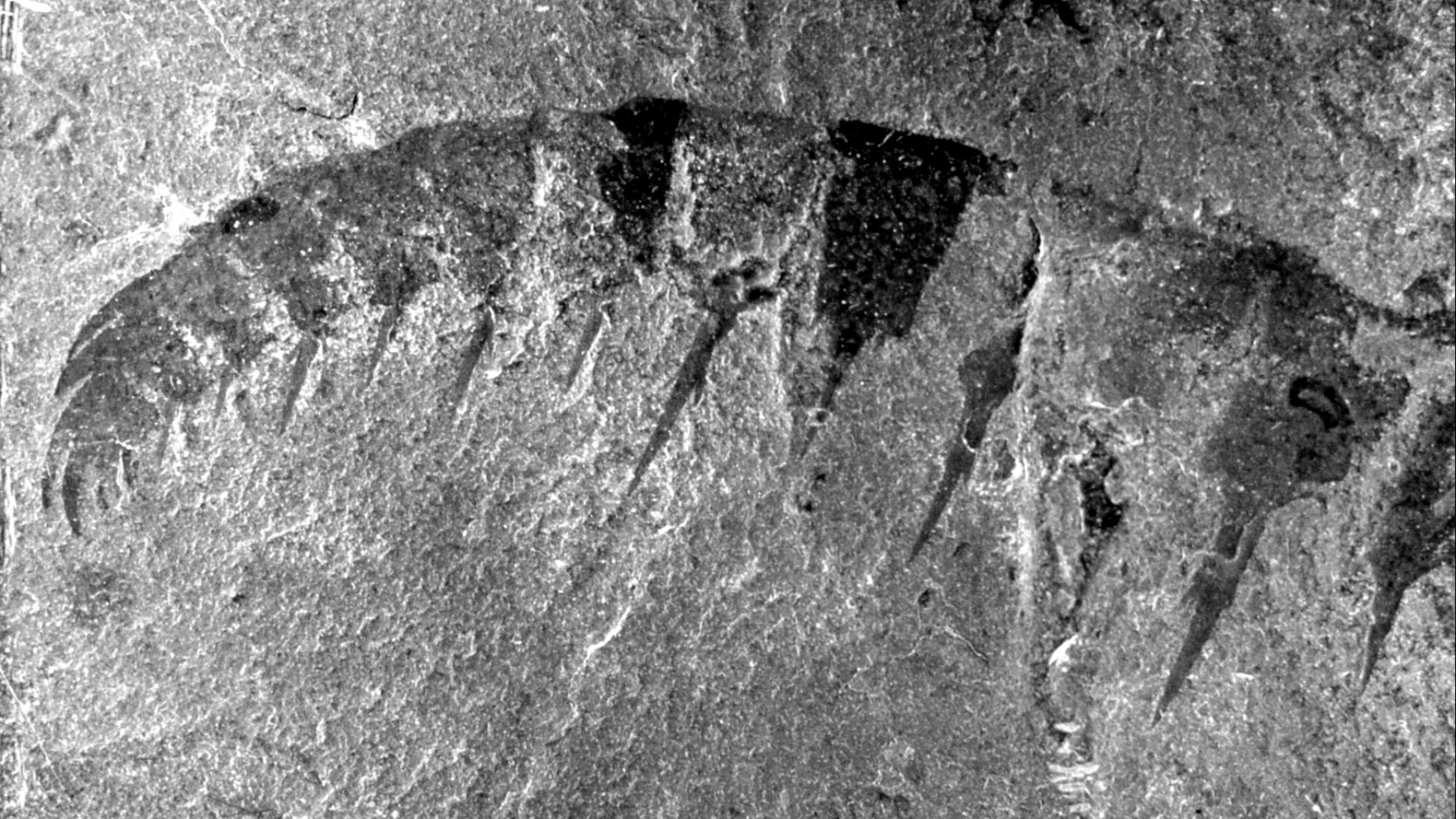
1. Anomalocaris Hunted Soft Prey in Cambrian Seas
About 500 million years ago, Anomalocaris cruised the oceans at roughly two feet long. For years it was assumed to crush trilobites, but a 2023 3D model of its arms found fragile spines on the underside. That suggests it went after soft, shrimp-like animals swimming just above the seafloor.
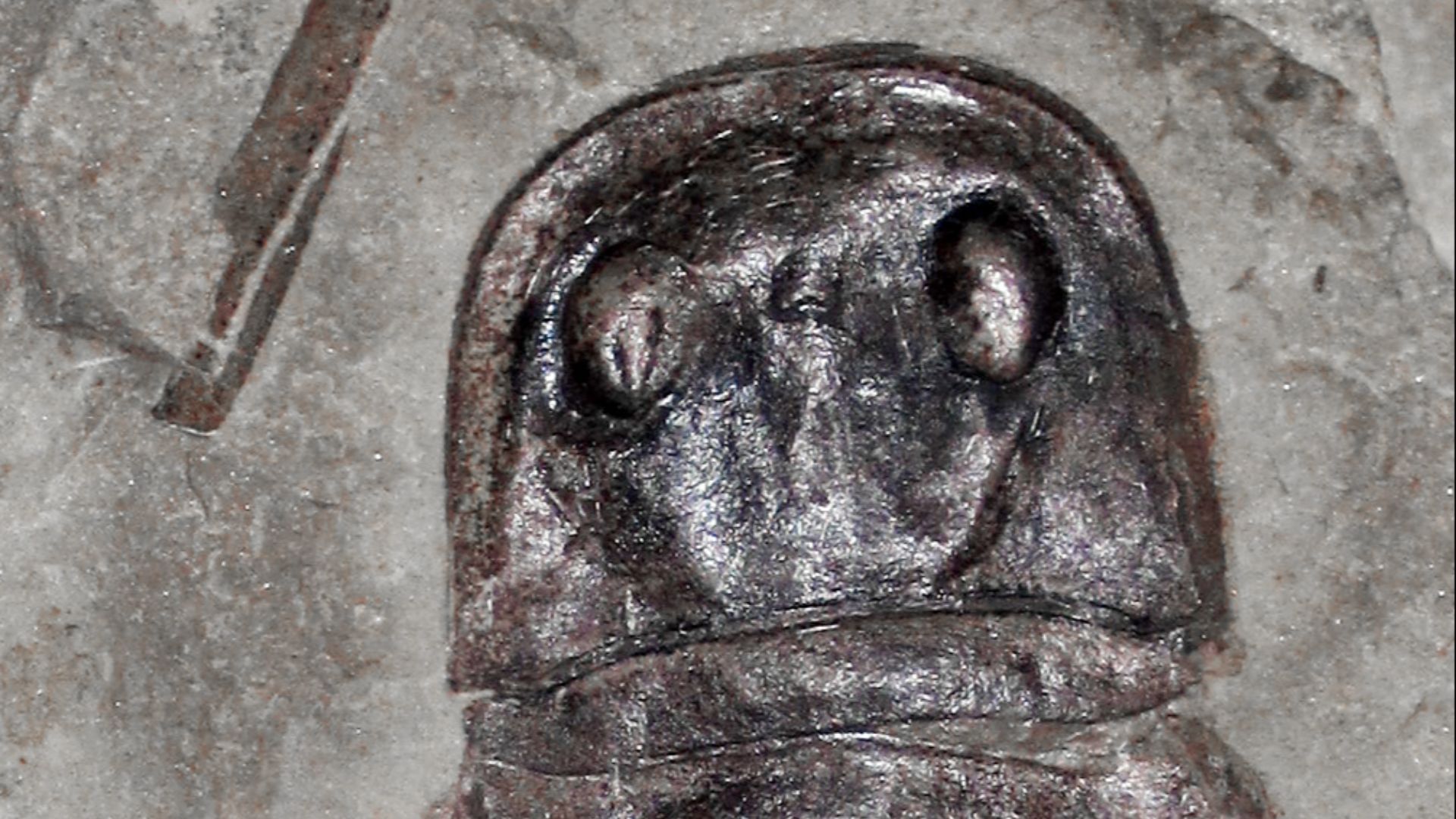
2. A Sea Scorpion Claw Measured About 18 Inches
A fossil claw from Germany measures about 18 inches, and scaling it up to the whole body gives an estimated length near eight feet for the Jaekelopterus that owned it. It lived in the Early Devonian. Its likely menu was early vertebrates and smaller arthropods, including its own kind.
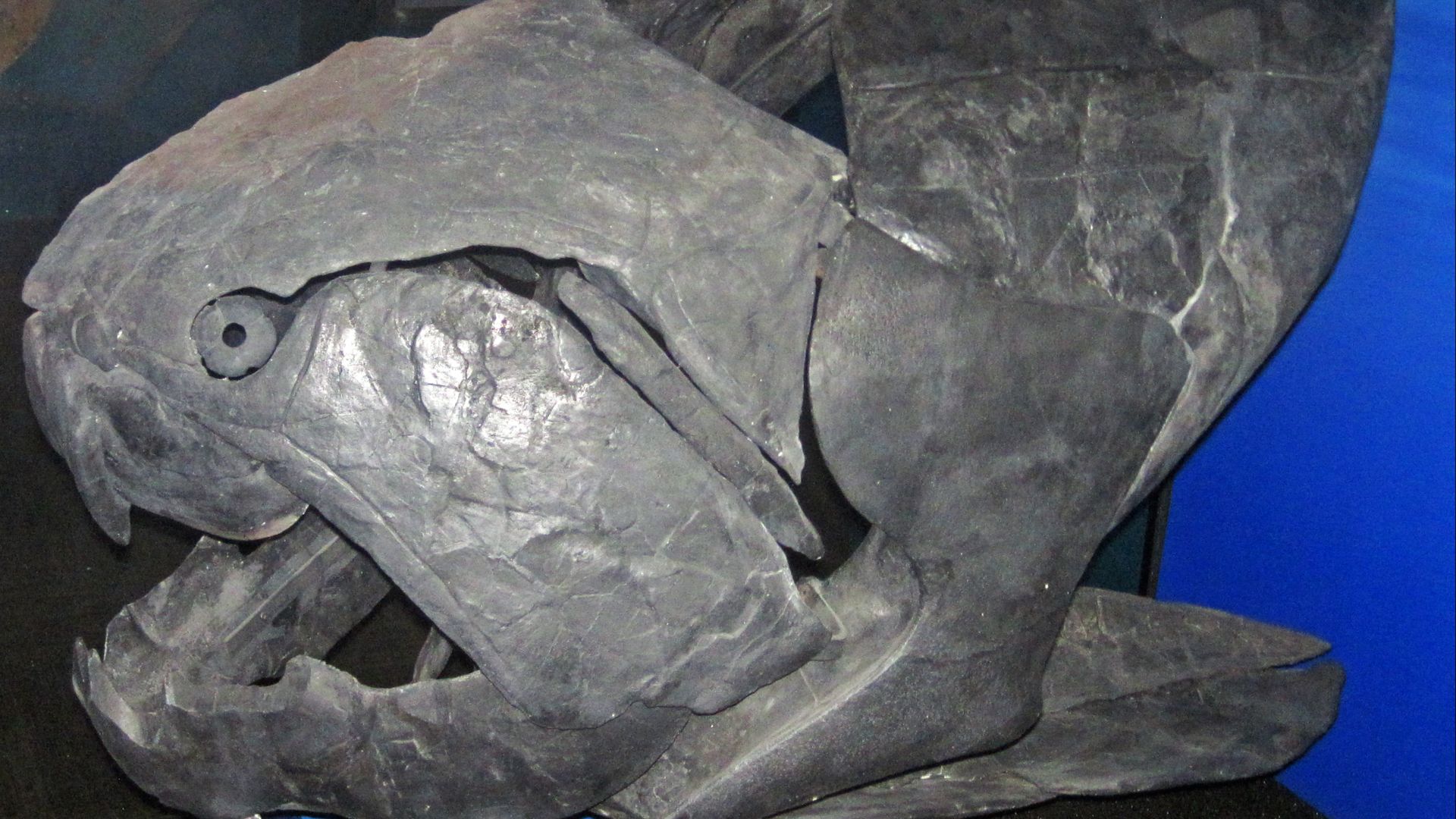
3. Dunkleosteus Opened Its Mouth in 20 Milliseconds
Dunkleosteus had no teeth at all, only sharpened edges of exposed bone along its jaws. Joints between its skull and body armor let it lift its head while dropping its lower jaw, and the mouth could open in as little as 20 milliseconds, which may have pulled prey in with suction. Estimates put it at 13 to 30 feet long and about 360 million years old.
4. Dimetrodon Was Closer to Humans Than to Dinosaurs
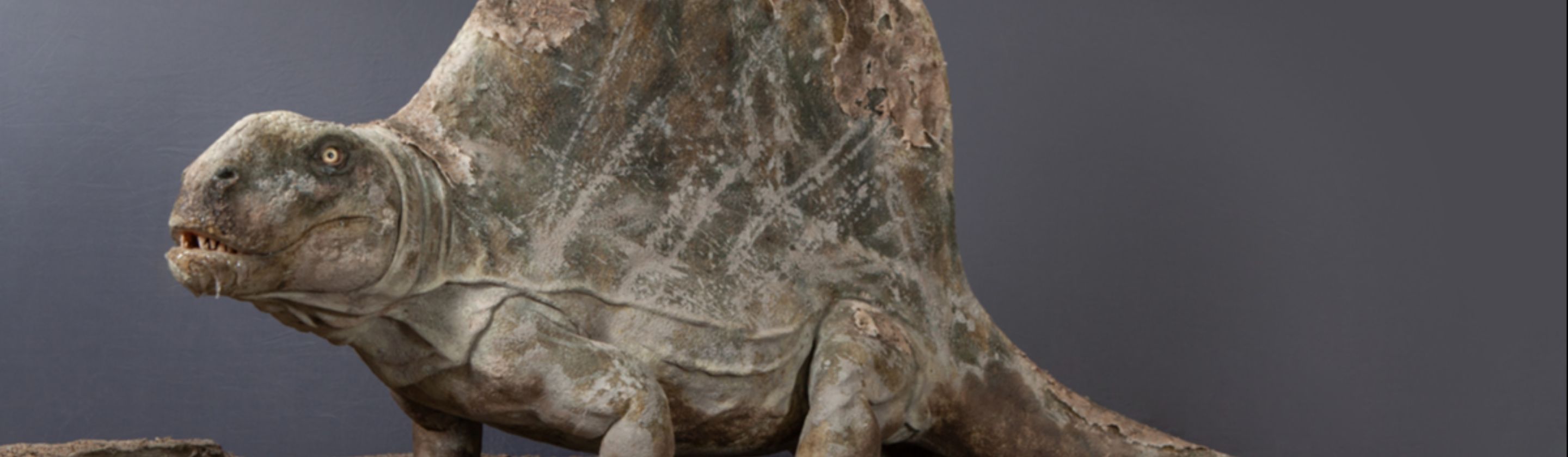
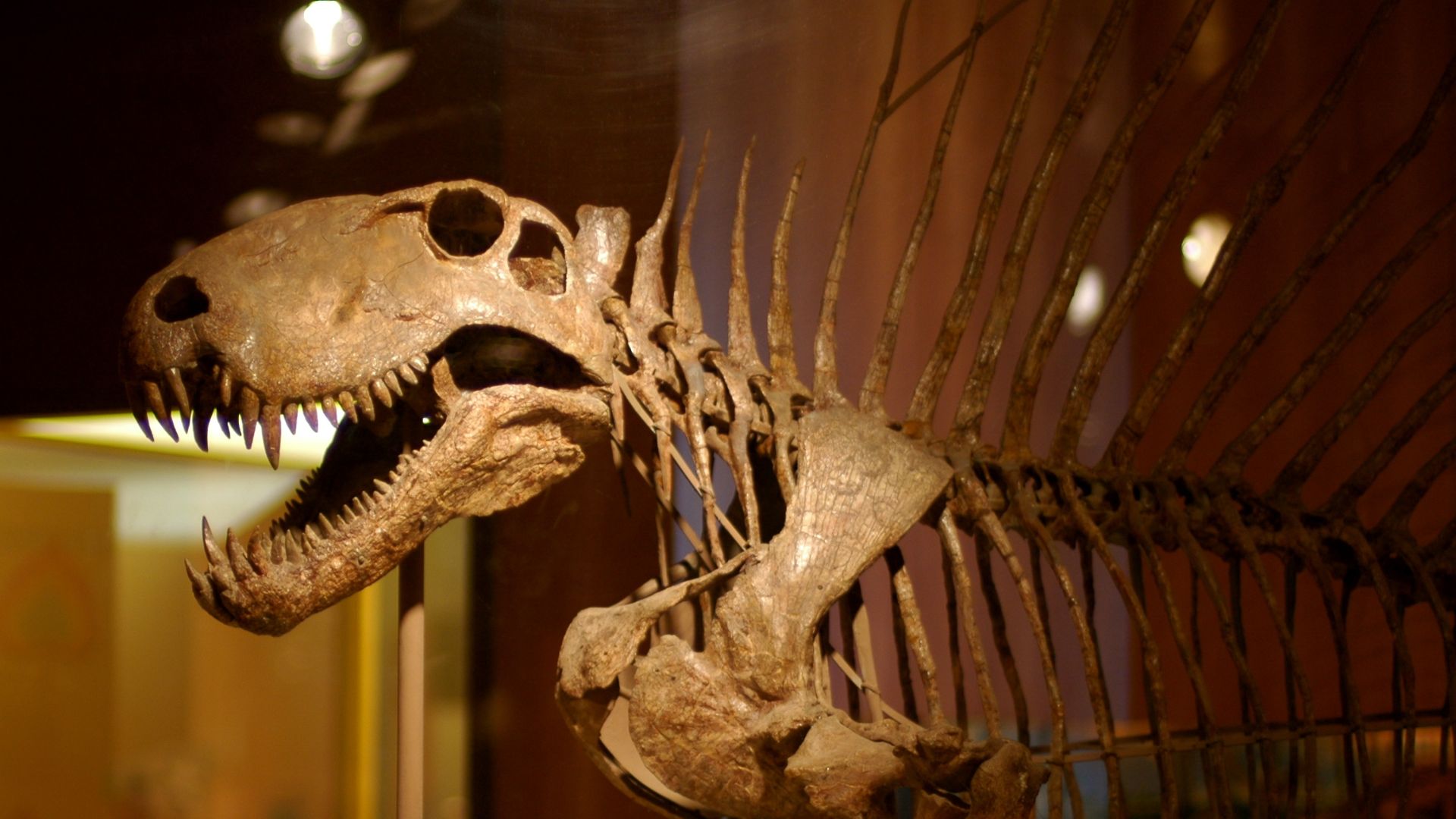
Dimetrodon looks like a dinosaur but isn't one, since it lived nearly 300 million years ago, about 60 million years before the first dinosaurs. It belongs to the synapsids, the group that includes mammals, so it's more closely related to us than to any dinosaur. Large and small conical teeth suited it to tearing big amphibians, and its sail was probably for temperature control.
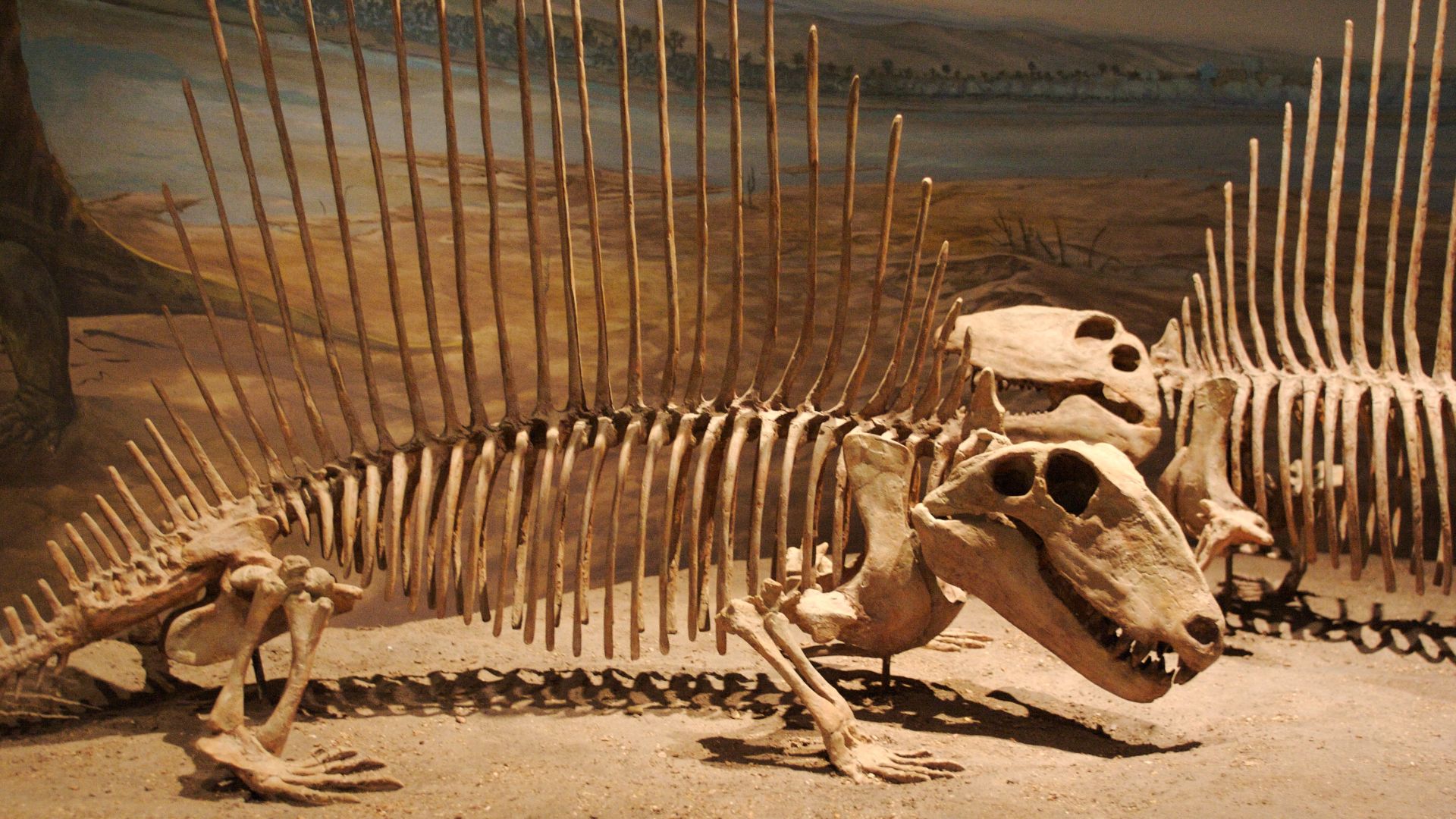 D'Arcy Norman from Calgary, Canada on Wikimedia
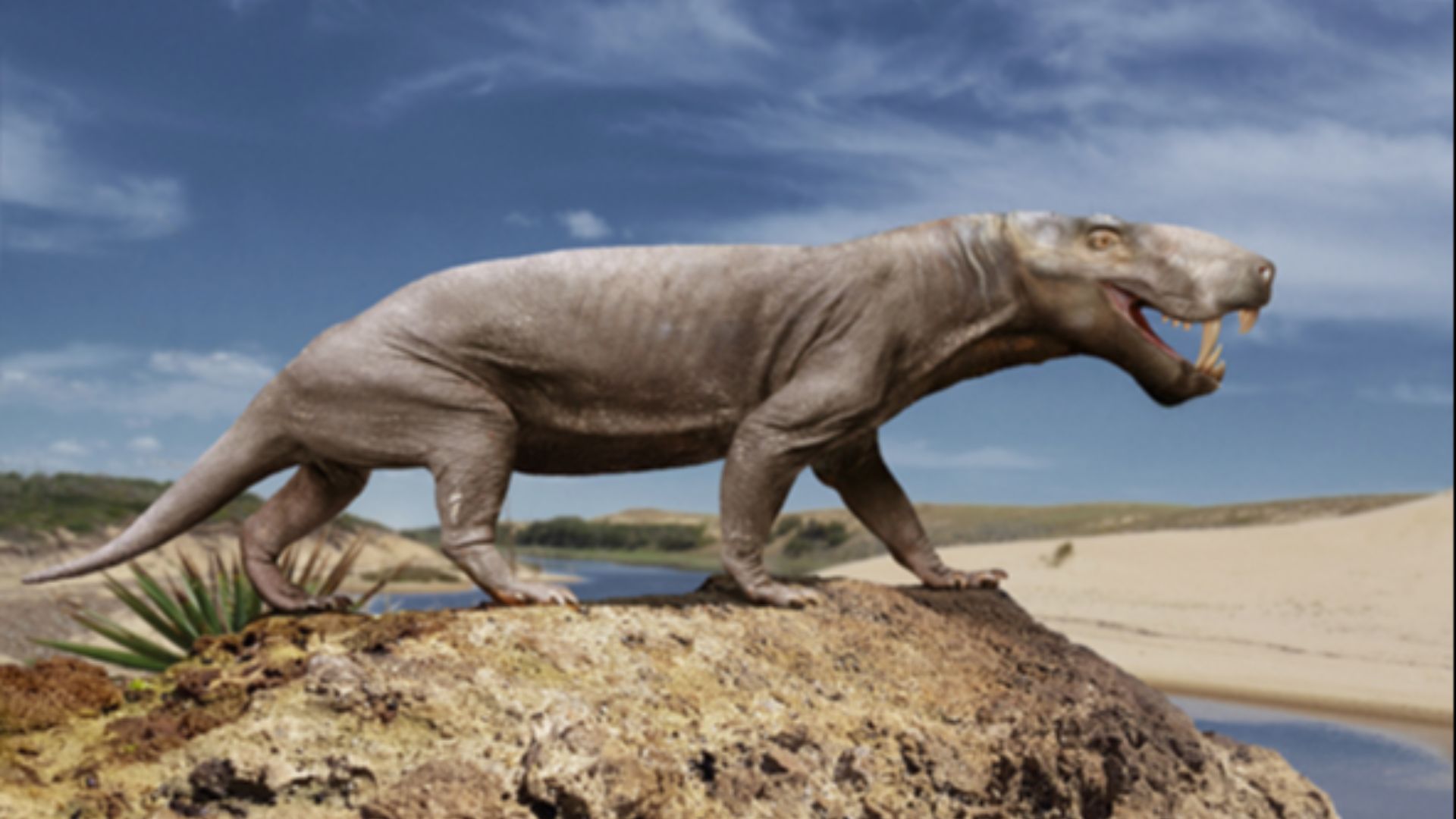
5. Inostrancevia Crossed Pangaea to Take the Top Spot
Tiger-sized Inostrancevia had long saber teeth and belonged to an early group of mammal relatives. Once known only from Russia, it has since turned up in South African fossils, suggesting it spread some 7,000 miles across Pangaea. Around 252 million years ago, it appears to have replaced local top predators after they died out, shortly before the end-Permian mass extinction.
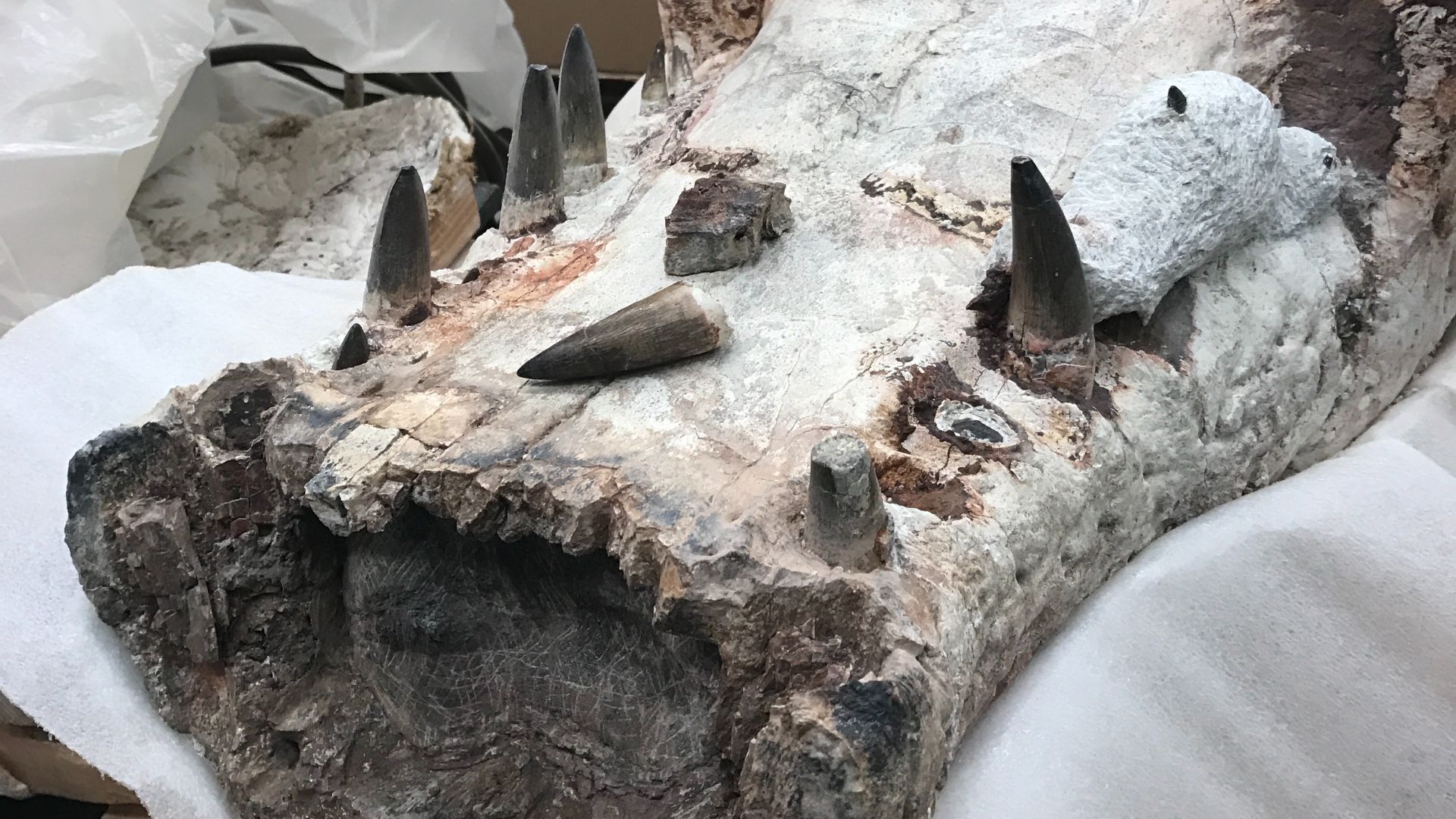
6. Sarcosuchus Reached 40 Feet and Eight Tons
At about 40 feet and eight tons, Sarcosuchus weighed roughly twice as much as an elephant. Its six-foot skull held more than 100 teeth, and it kept growing for most of a life that lasted 50 to 60 years. Fossils from Niger's Ténéré Desert led researchers to say it could probably pull down nearly any dinosaur.
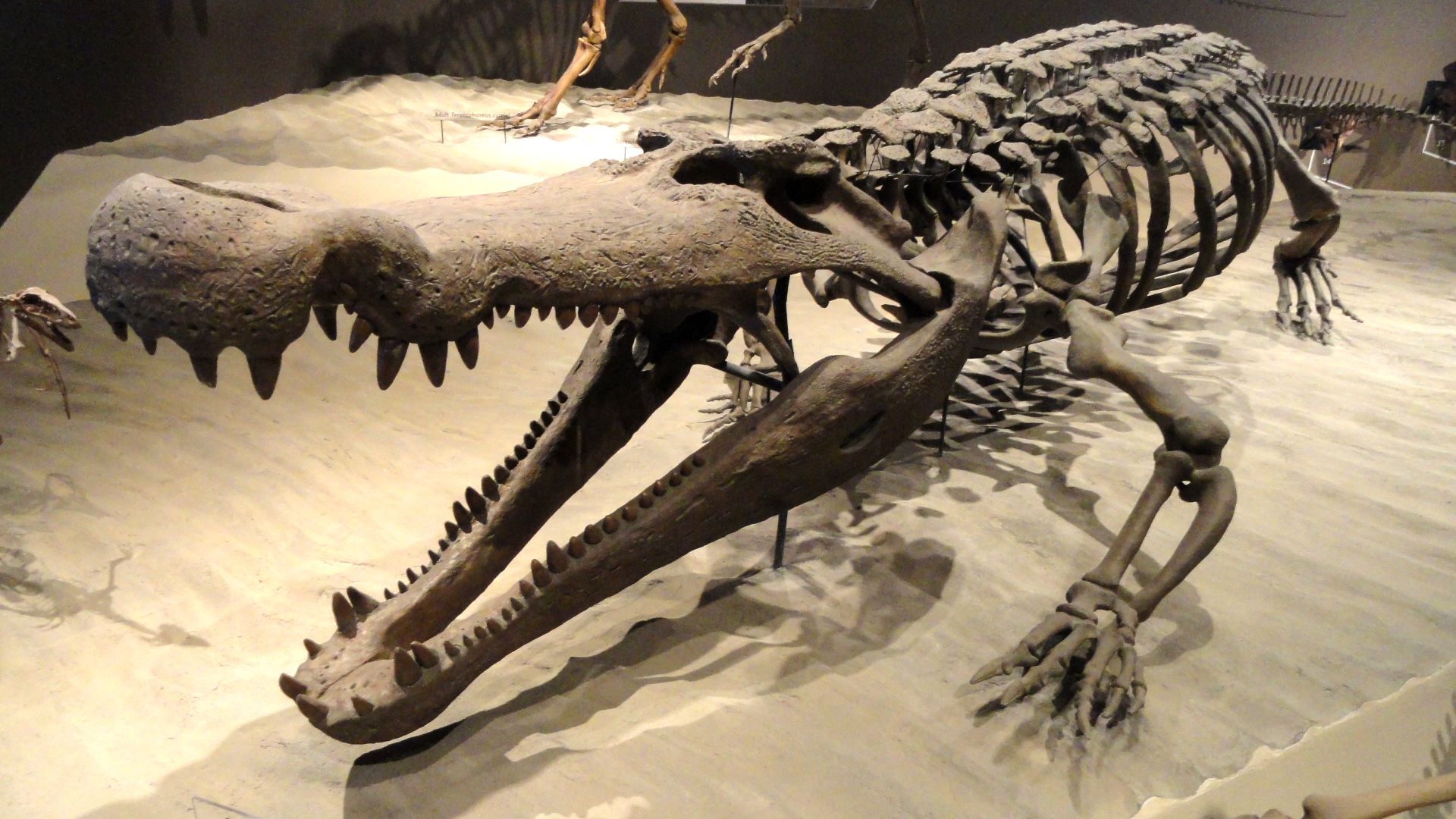
7. Deinosuchus Left Bite Marks in Dinosaur Bones
Up to 29 feet long and about 79 million years old, Deinosuchus was a crocodilian closer to alligators than to true crocodiles. A duck-billed dinosaur tailbone from Texas carries 10 circular bite marks that match its jaws, and a leg bone from a small carnivorous dinosaur is so chewed it's out of shape. Sea turtle shells show similar damage.
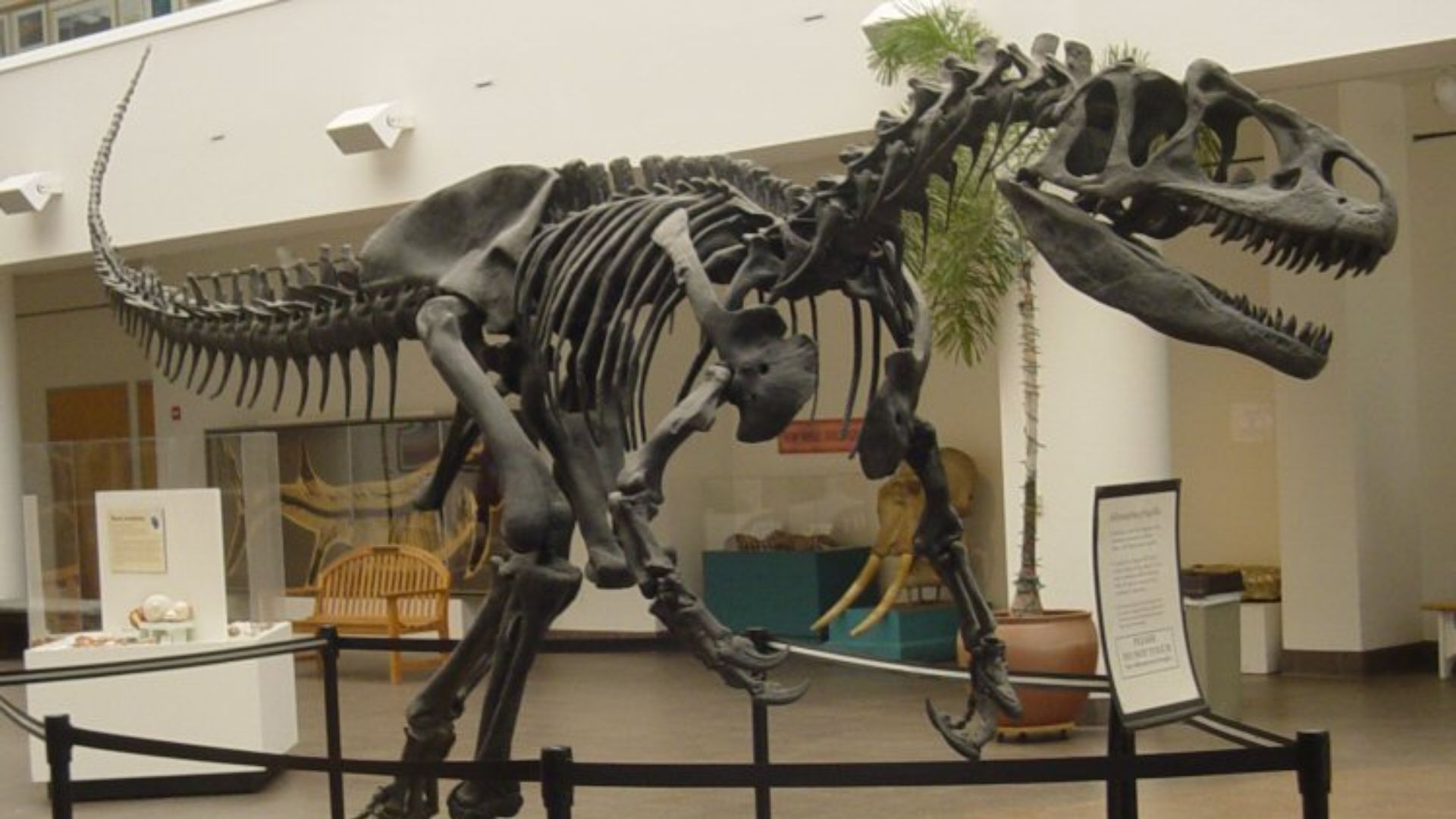
8. Allosaurus Ruled Late Jurassic Flood Plains
Allosaurus walked on two legs with long forelimbs and sharp, curved claws that were probably used to grasp prey. The oldest known species lived 157 to 152 million years ago on the flood plains of what's now western North America.
9. Spinosaurus Swam After Fish With an Oar-Like Tail
A Spinosaurus tail found in Morocco in 2018 looked like a thick, bony oar, with long spines fanning into a fin shape. Researchers argue it pushed the animal through river water. Long, narrow jaws with cone-shaped teeth fit a fish diet, and the tail is about 95 million years old.
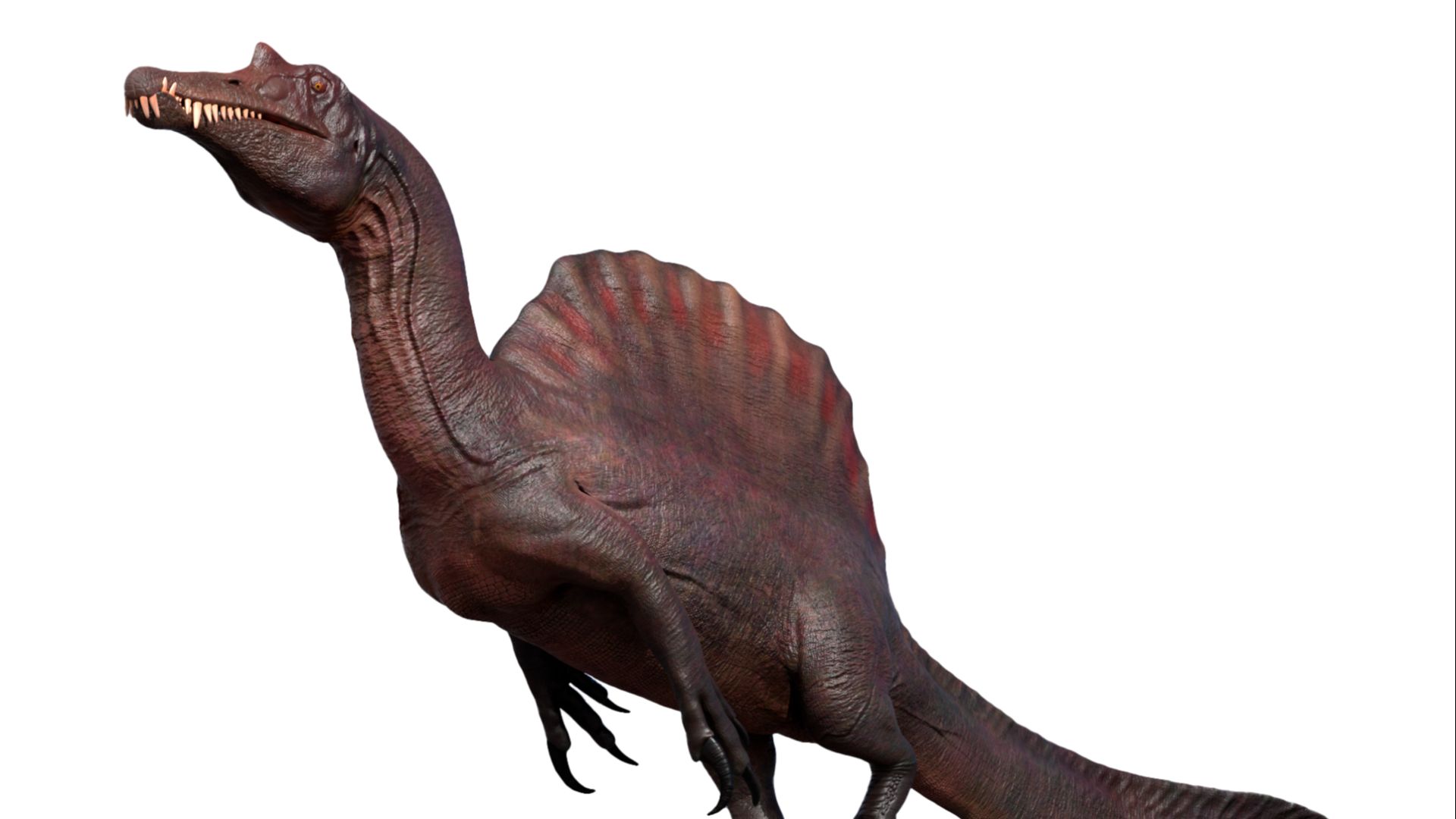 Petr Menshikov (https://twitter.com/Petr75113553; https://vk.com/prehistoricproduction) on Wikimedia
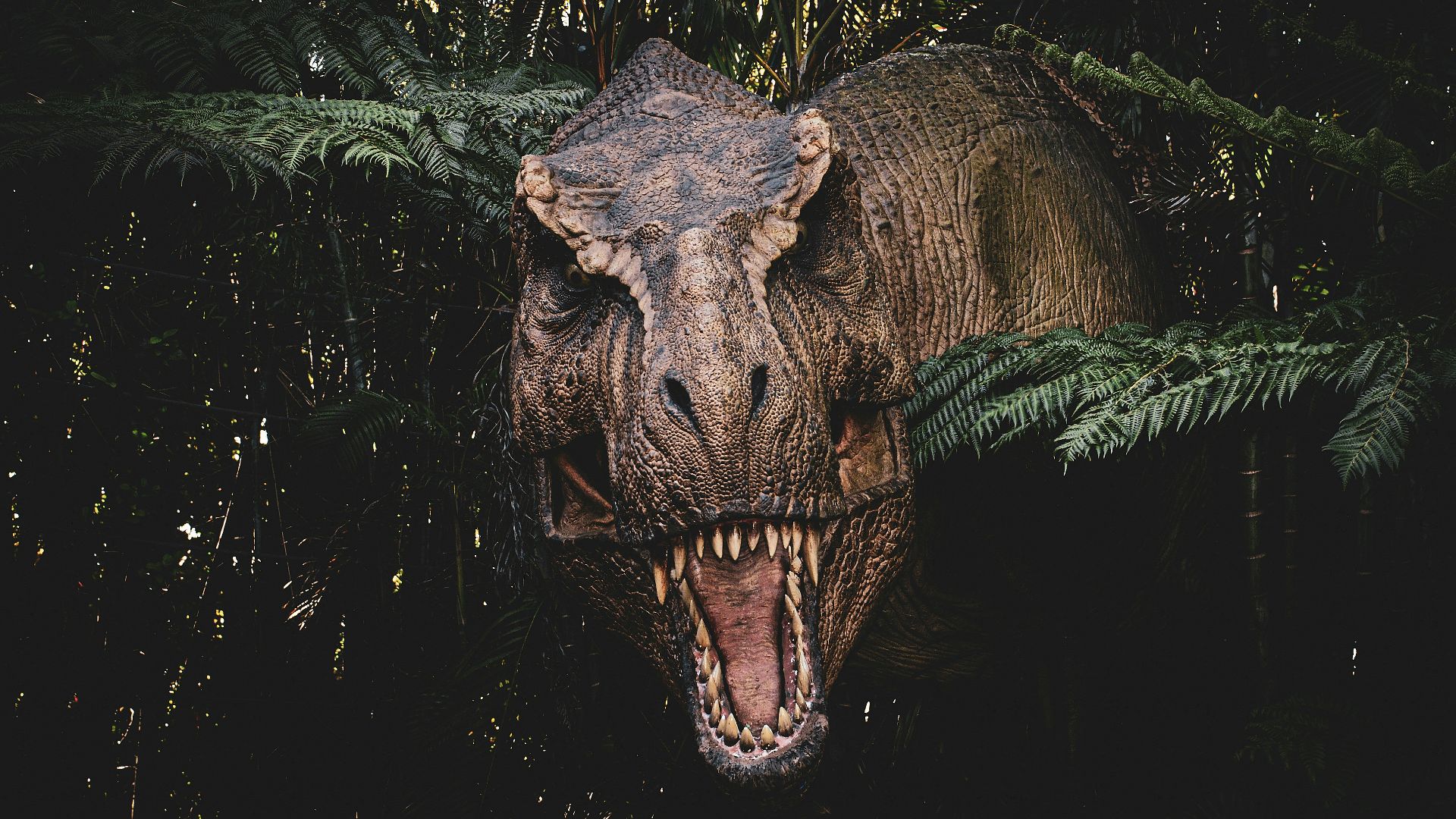
10. Tyrannosaurus Rex Bit With About 8,000 Pounds of Force
Tyrannosaurus rex bit with about 8,000 pounds of force, compared with about 3,700 pounds for the largest living crocodiles. The number came from computer models calibrated against living crocodiles. A Triceratops pelvis with nearly 80 bite marks shows the animal repeatedly chewing away bone to reach the marrow.
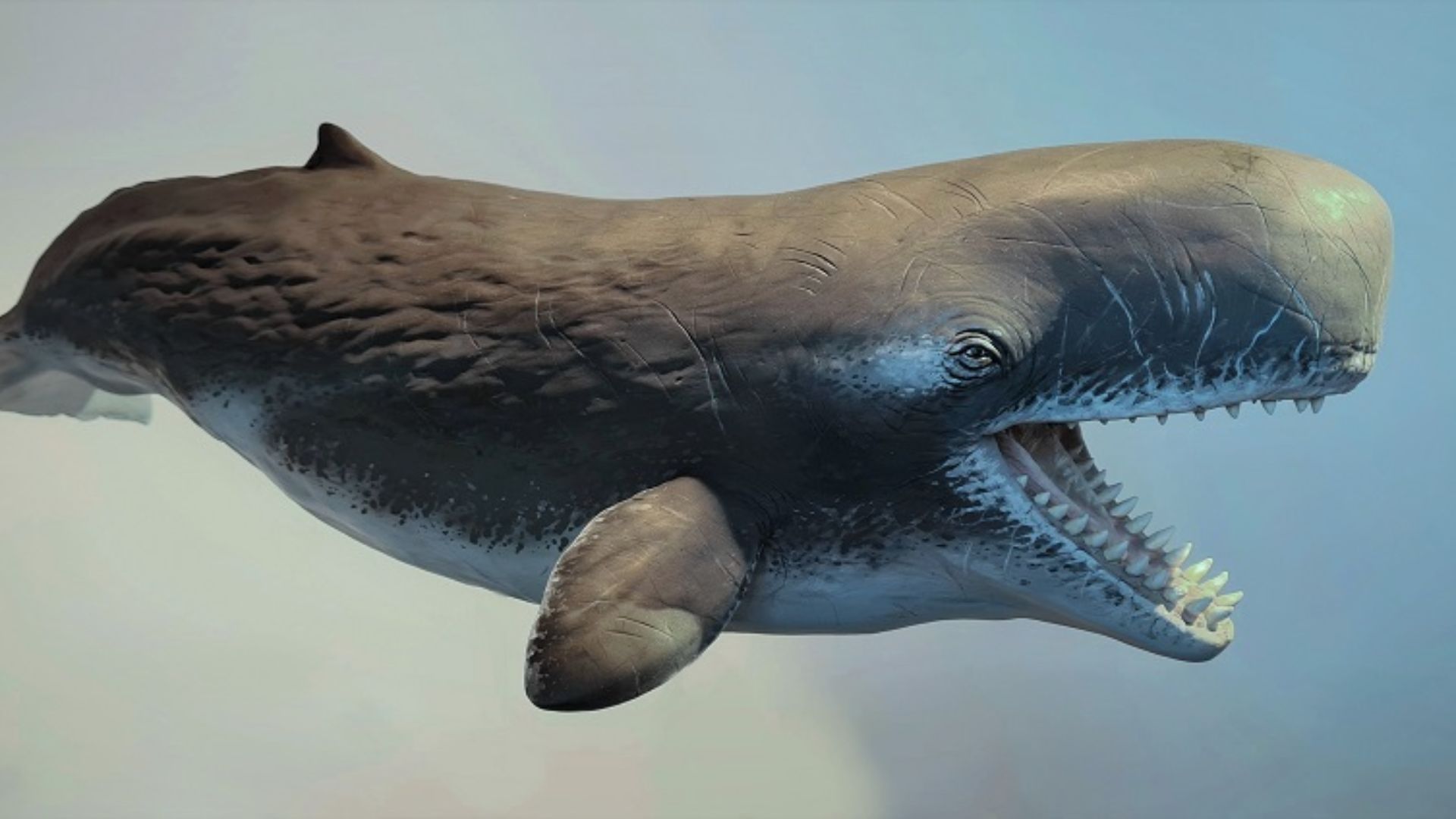
11. Livyatan Had Teeth Up to 14 Inches Long
The sperm whale Livyatan carried teeth up to 14 inches long and nearly five inches wide, and its skull alone was about 10 feet long. Its fossils, found in Peru, date to roughly 12 to 13 million years ago. It most likely preyed on large animals, possibly baleen whales.
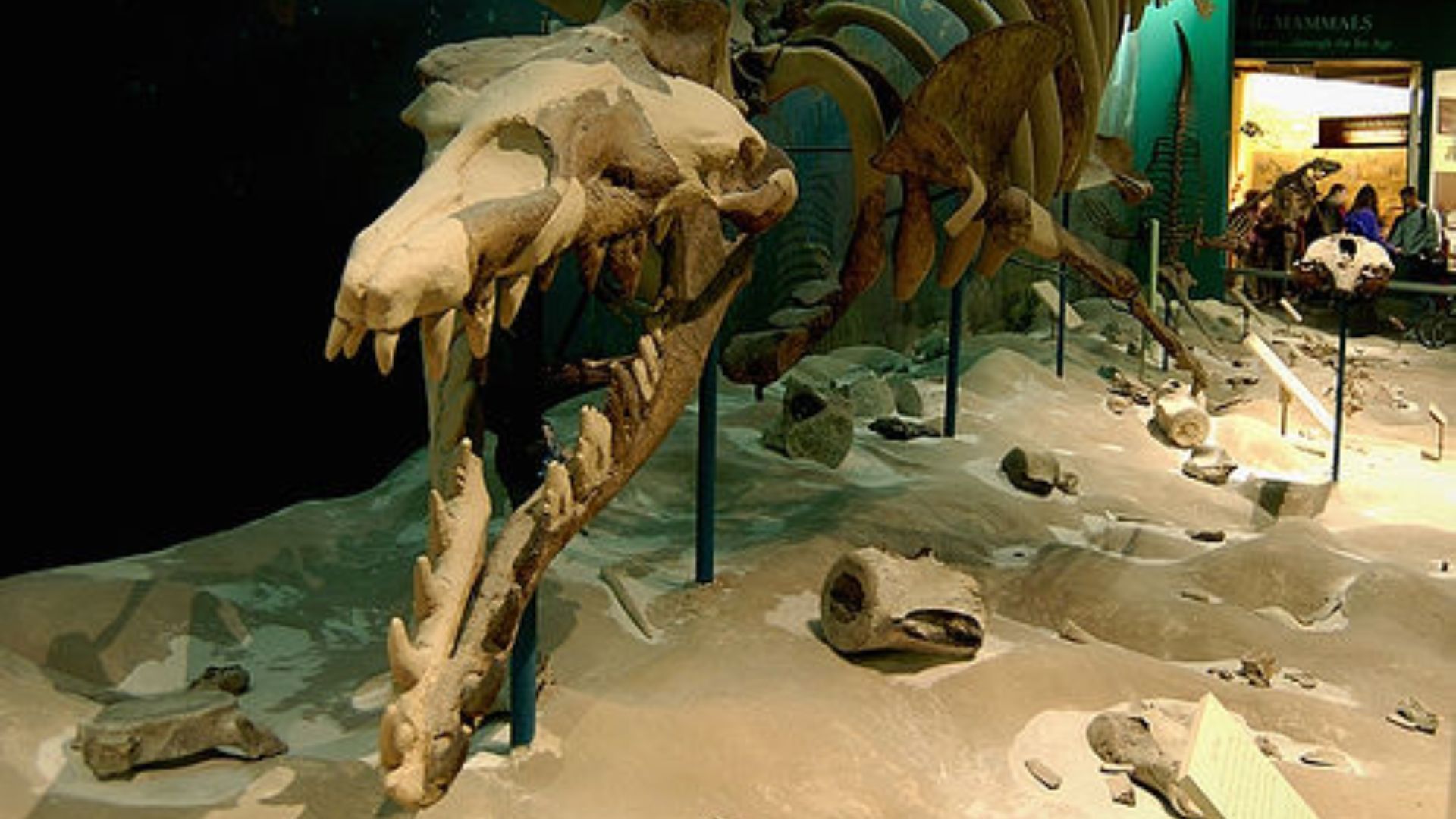
12. Basilosaurus Ate Young Whales
Stomach contents inside a Basilosaurus skeleton from Egypt's Wadi Al Hitan hold the remains of young Dorudon, a smaller whale about 16 feet long. The predator itself ran about 50 to 60 feet and lived around 35 million years ago. A 2019 study called it an apex predator and not a scavenger, partly because bite marks on a Dorudon specimen matched its teeth.
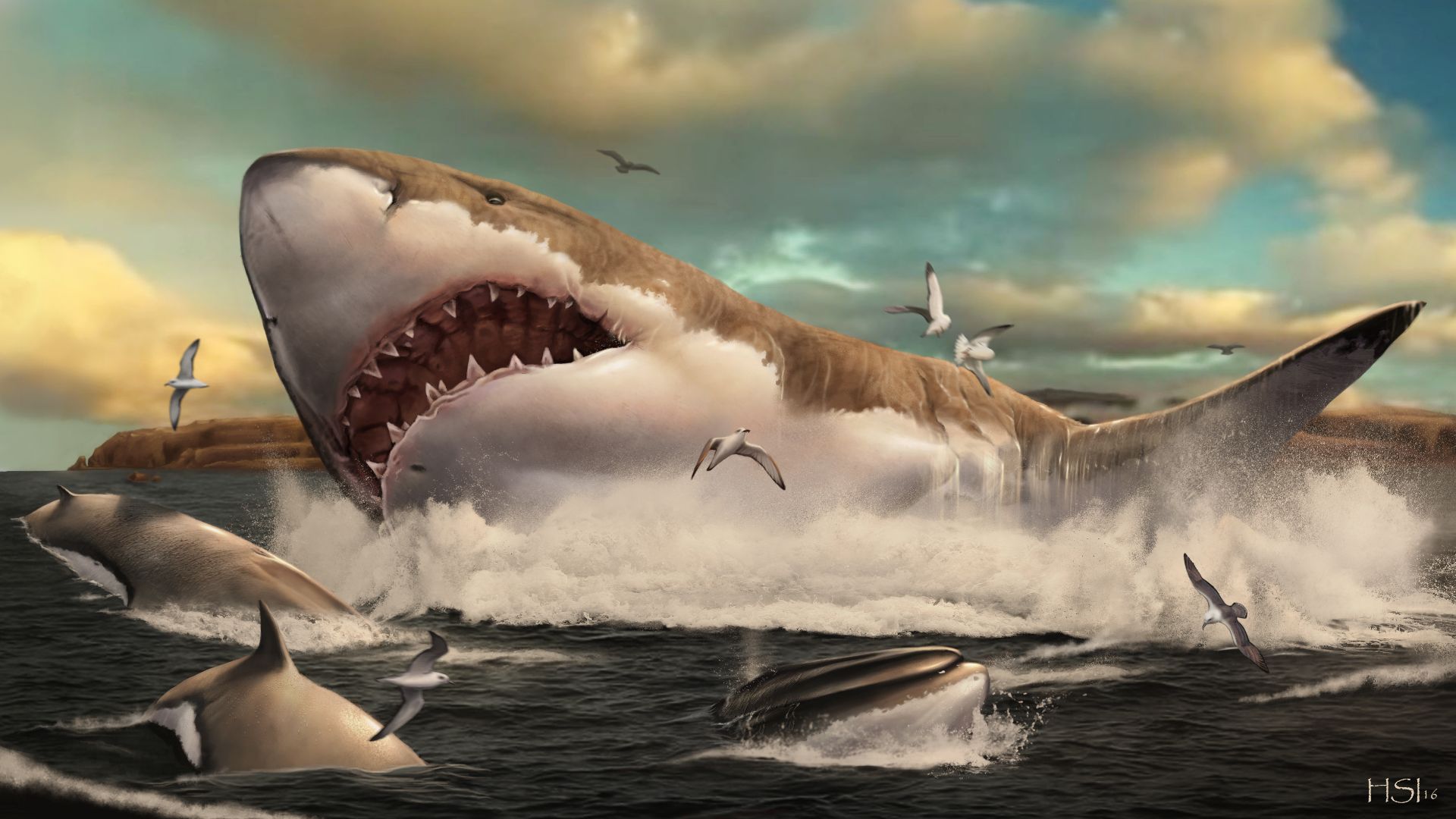
13. Megalodon Left Tooth Marks on Whale Bones
Fossil whale bones carry large, serrated bite marks that match Megalodon teeth. One whale vertebra from Maryland shows a major fracture with partial healing, so the animal probably survived for weeks before the injury proved fatal. Size estimates of about 60 feet are still being revised, and newer work describes a slender, slow cruiser.
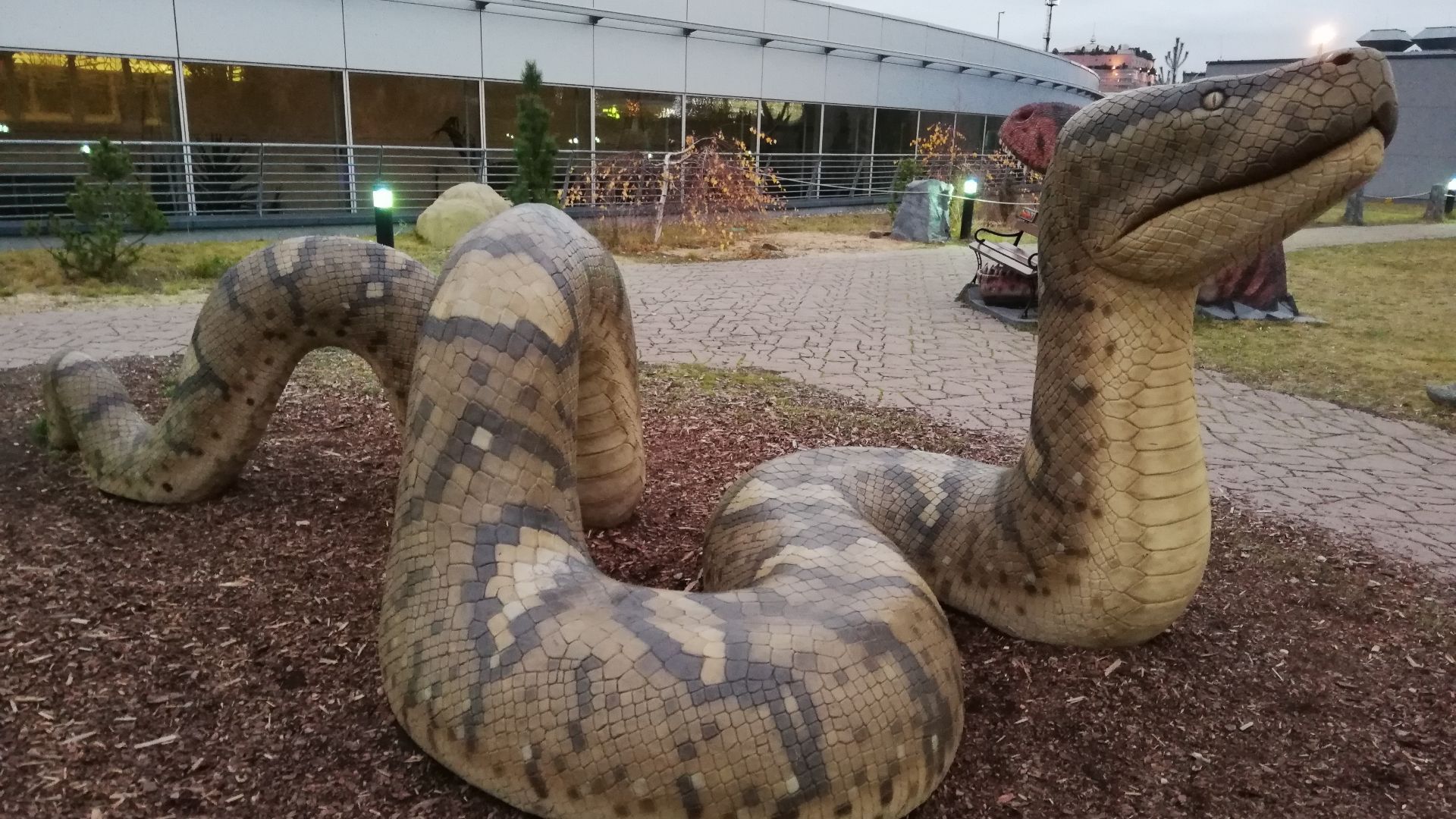
14. Titanoboa Reached 42 Feet in Colombia
Titanoboa grew about 42 feet long and weighed more than a ton, based on how big its vertebrae are compared with those of living snakes. Its fossils come from Colombia's Cerrejón Formation, about 58 to 60 million years old, alongside the remains of crocodiles and turtles.
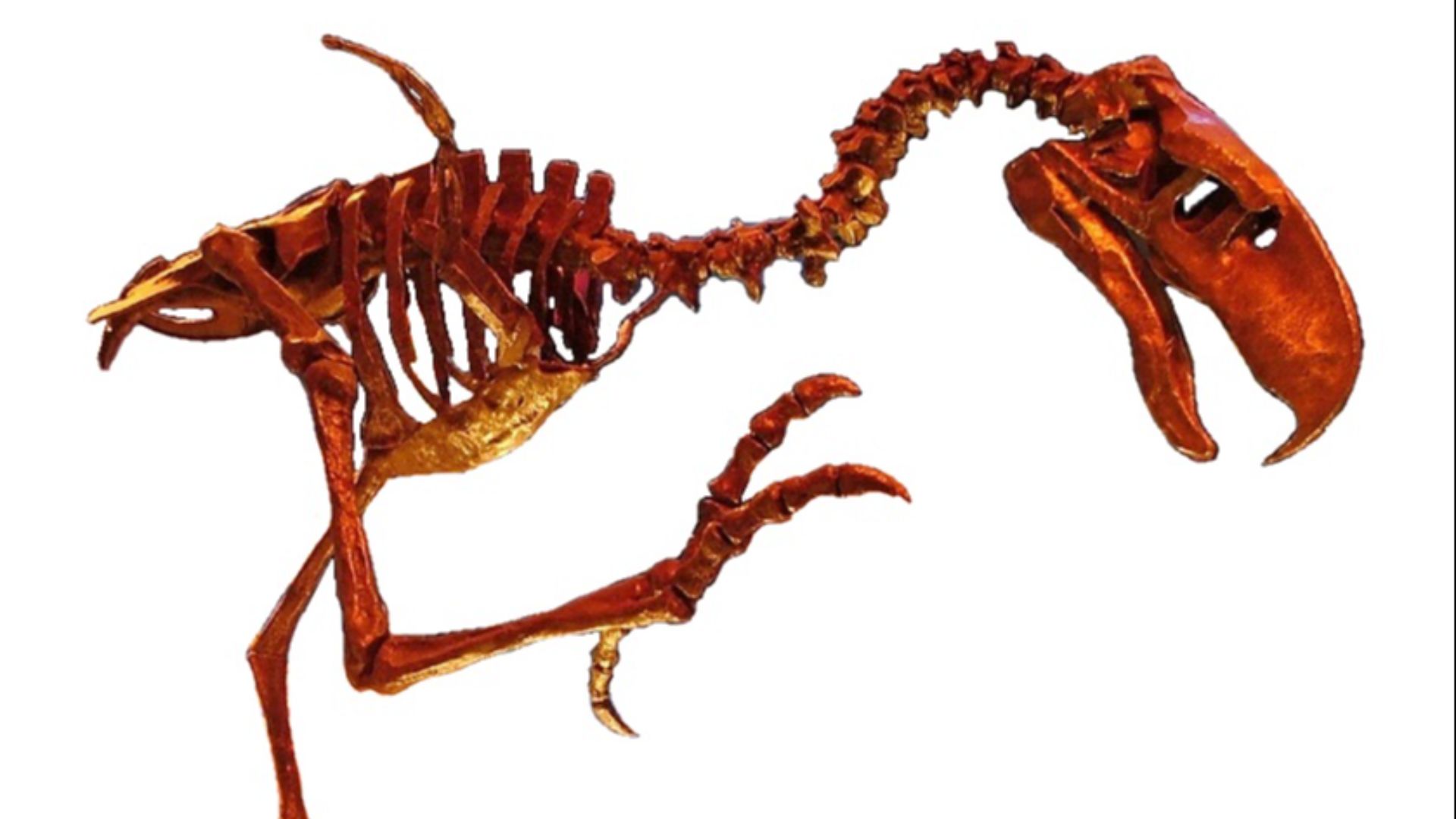
15. Terror Birds Struck With a Hooked Beak
Terror birds appeared in South America about 60 million years ago, and the largest, Kelenken, stood about seven feet tall. A smaller relative, Andalgalornis, was about 4.6 feet tall with a 15-inch skull that was mostly beak. Its bite was weak for its size, so researchers think it used hooked, pulling bites on smaller prey and may have swung its skull like an axe.
 Amanda from Chicago, USA on Wikimedia
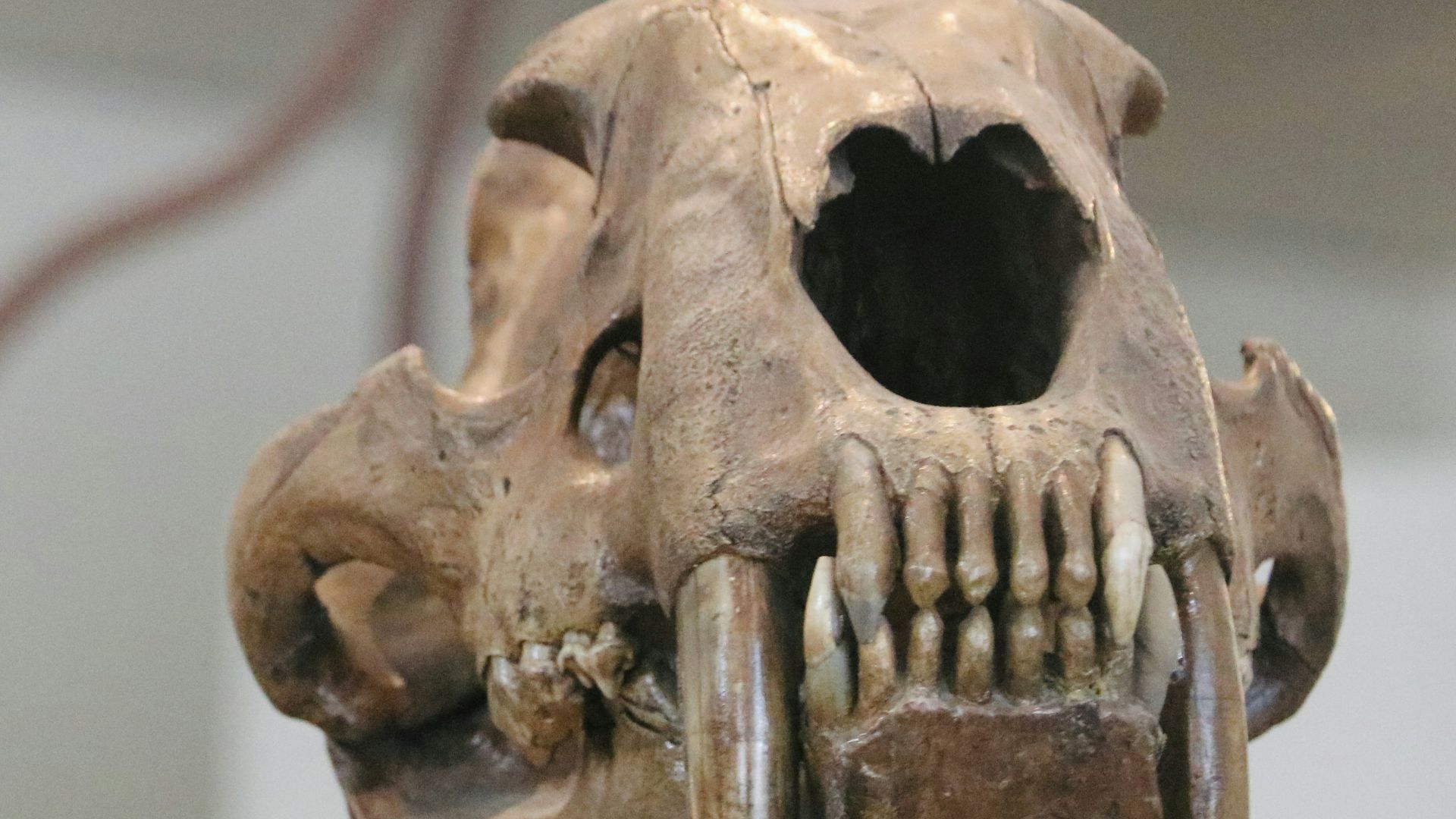
16. Smilodon Needed a 95-Degree Gape to Use Its Sabers
To stab with its canines, Smilodon had to open its lower jaw to a 95-degree gape, according to the American Museum of Natural History. Numerous remains turn up at the La Brea Tar Pits in Los Angeles, and some scientists suggest these cats may have scavenged more than they hunted.
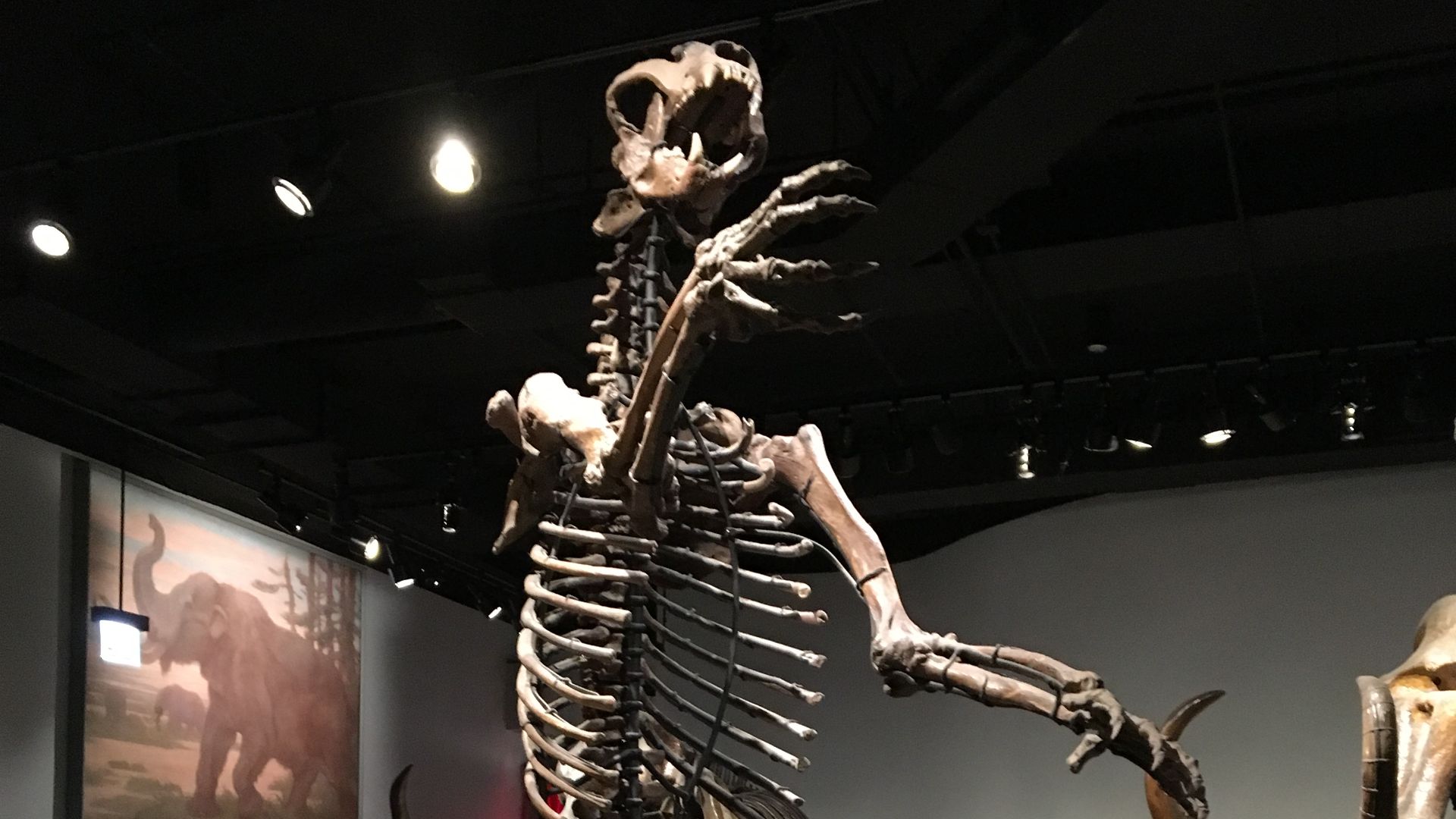
17. Short-Faced Bears Stood 11 Feet Tall on Their Hind Legs
Standing on its hind legs, a giant short-faced bear reached about 11 feet. An average adult weighed 1,540 to 1,760 pounds. It's often called the largest land carnivore of Ice Age North America, though newer studies say it may have been an omnivore.
 Zissoudisctrucker on Wikimedia
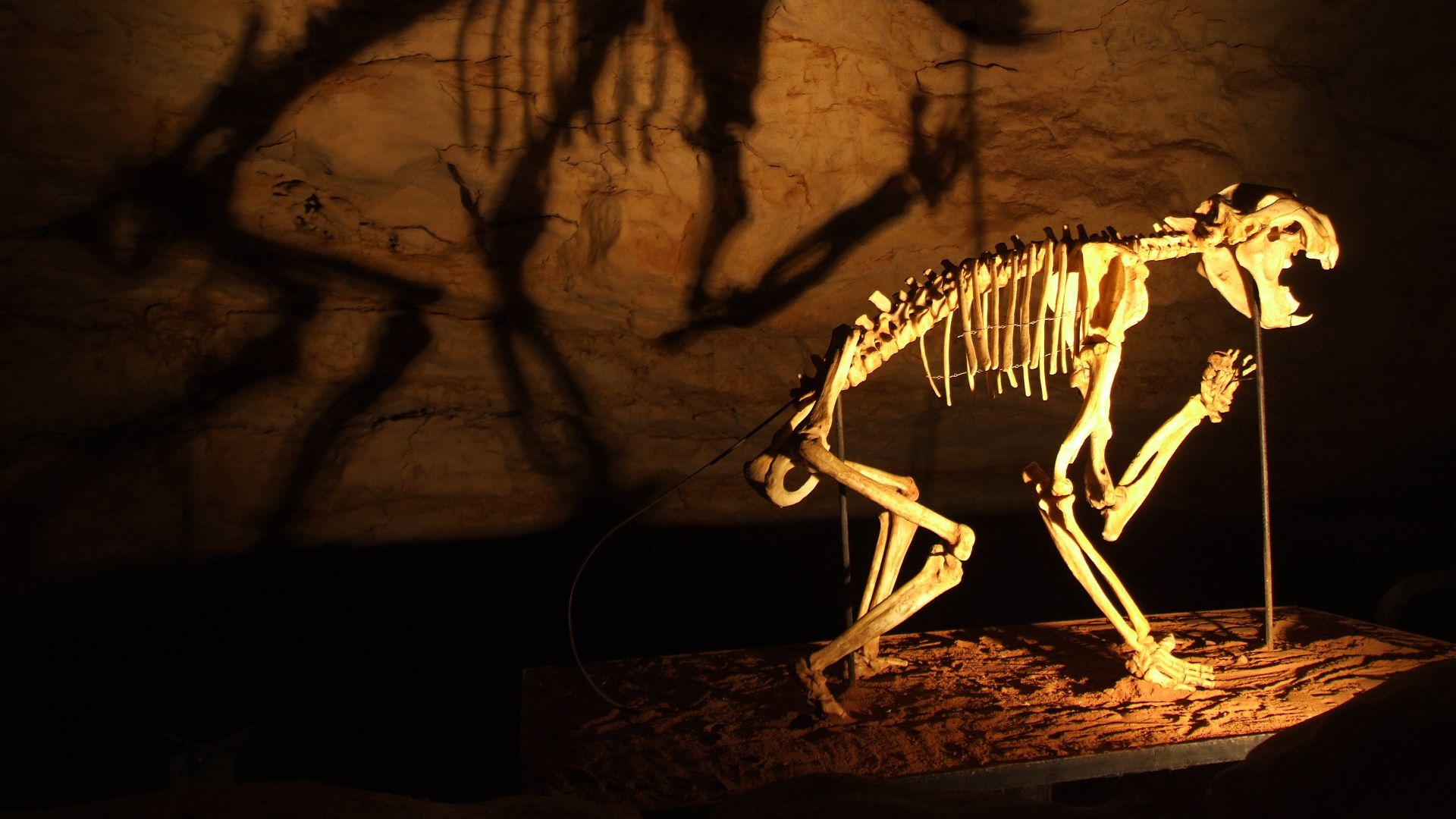
18. The Marsupial Lion Had Shearing Blades for Teeth
Thylacoleo of Australia weighed an estimated 200 to 350 pounds. Its enlarged third premolars formed long shearing blades, and large stabbing incisors took the place of canines. The Australian Museum says studies found the most powerful bite of any mammalian predator, living or extinct, and a big thumb claw may have been used to disembowel prey as large as a young Diprotodon.
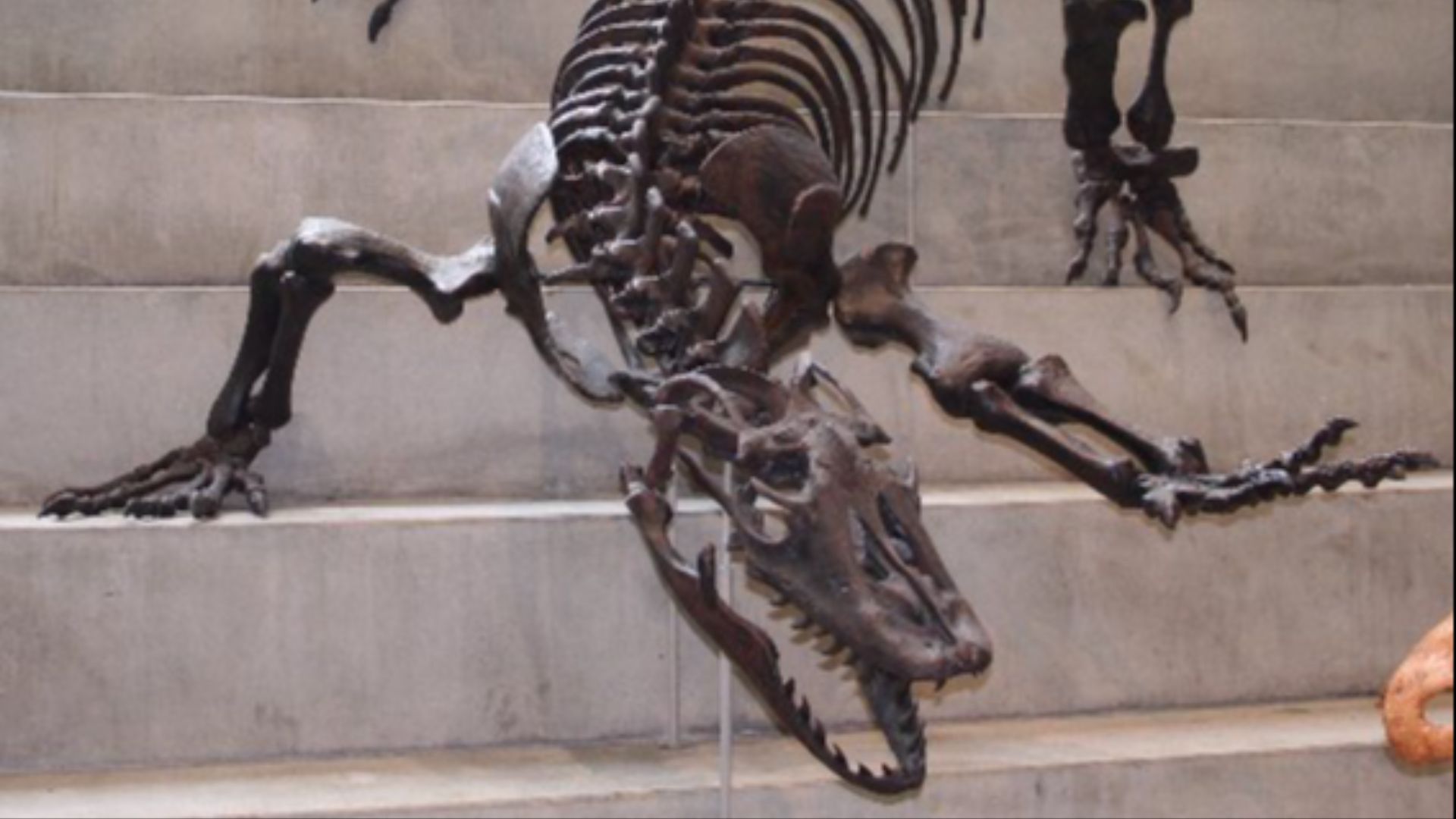
19. Megalania Was Probably Shorter Than Its Legend
Megalania means giant ripper, and this monitor lizard roamed Australia in the late Pleistocene. Early guesses put it near 10 feet, later ones climbed past 30 feet, and the Queensland Museum now says measurements of fossils suggest 16 to 20 feet. That still makes it the largest lizard known to have lived.
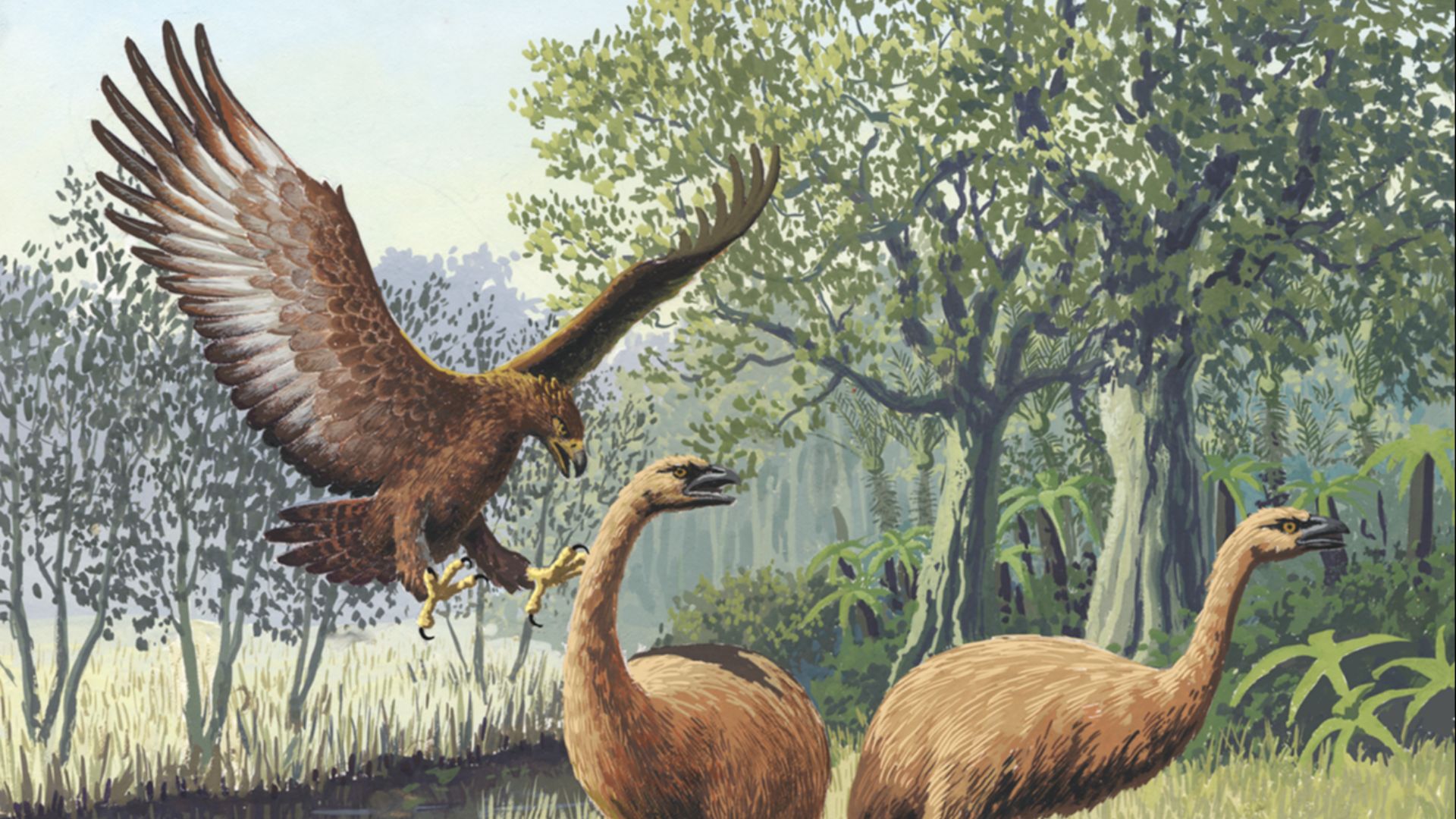
20. Haast's Eagle Killed Moa Far Larger Than Itself
Haast's eagle weighed about 33 pounds with a wingspan up to 10 feet, yet it hunted moa that could top 500 pounds. It toppled them with its talons and killed with a blow to the back of the neck, then ate the organs at the kill site because it couldn't carry the carcass. It lived in New Zealand until around 700 years ago, and its decline followed the arrival of humans.
KEEP ON READING