20 Things Ancient Greeks Believed About Death That Shaped Everyday Life
Death Wasn't Always the End
The ancient Greeks had some fascinating ideas about what happened after death, and these beliefs influenced far more than just their funeral traditions. From leaving coins with the deceased to worrying about angry spirits, everyday life involved plenty of precautions surrounding the afterlife. Although beliefs varied across different cities and periods, many Greeks took their responsibilities toward the dead very seriously. Here are 20 beliefs about death that influenced how people lived, worshipped, and treated one another thousands of years ago.
 Hagesandros, Athenedoros, and Polydoros on Wikimedia
1. The Soul Left the Body at Death
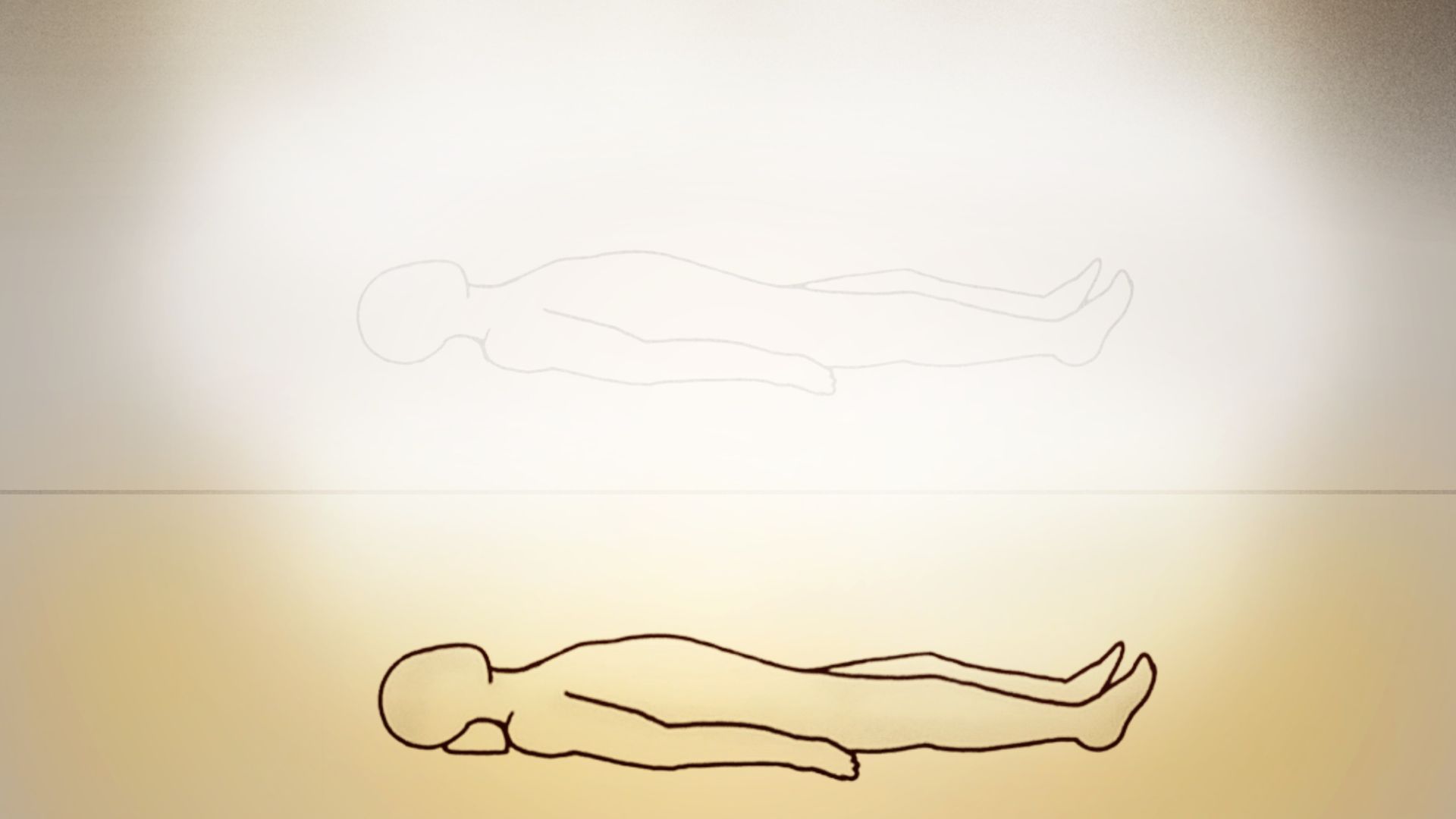
Ancient Greeks generally believed that a person's soul, known as the psyche, separated from their body when they died. Some descriptions imagined this departure as a final breath, while artistic representations occasionally showed the soul as a tiny winged figure. This understanding made death a transition into another form of existence rather than the complete disappearance of a person. Consequently, families paid close attention to what happened immediately after someone passed away.
2. Everyone Needed a Proper Burial
Leaving someone unburied was considered a serious violation of religious and social obligations in ancient Greece. People believed that proper funeral rites helped the deceased enter the underworld, while neglecting them could leave a spirit restless. This expectation was so important that recovering fallen soldiers for burial became a major concern during warfare.
3. The Dead Had to Pay for Their Journey
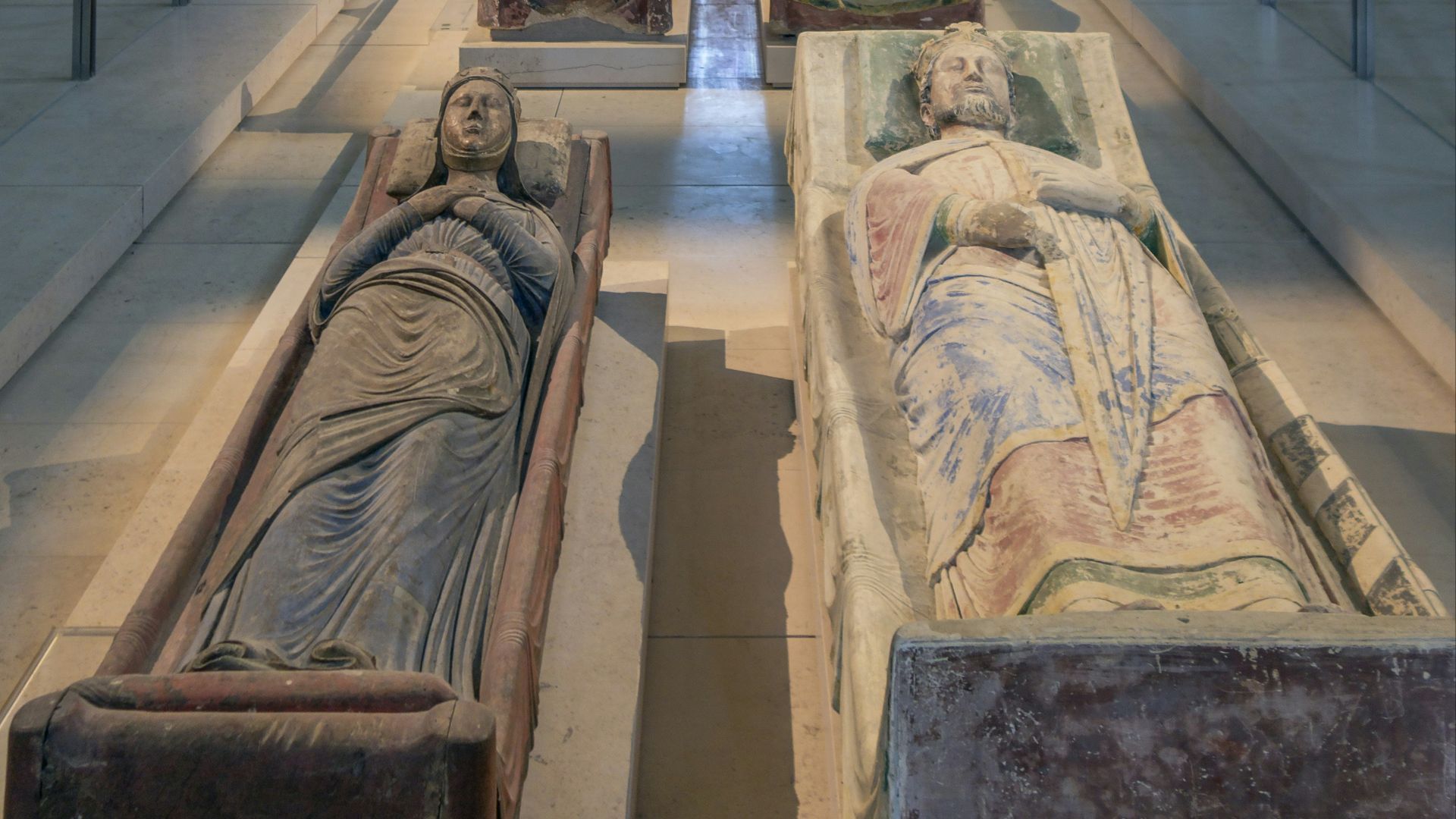
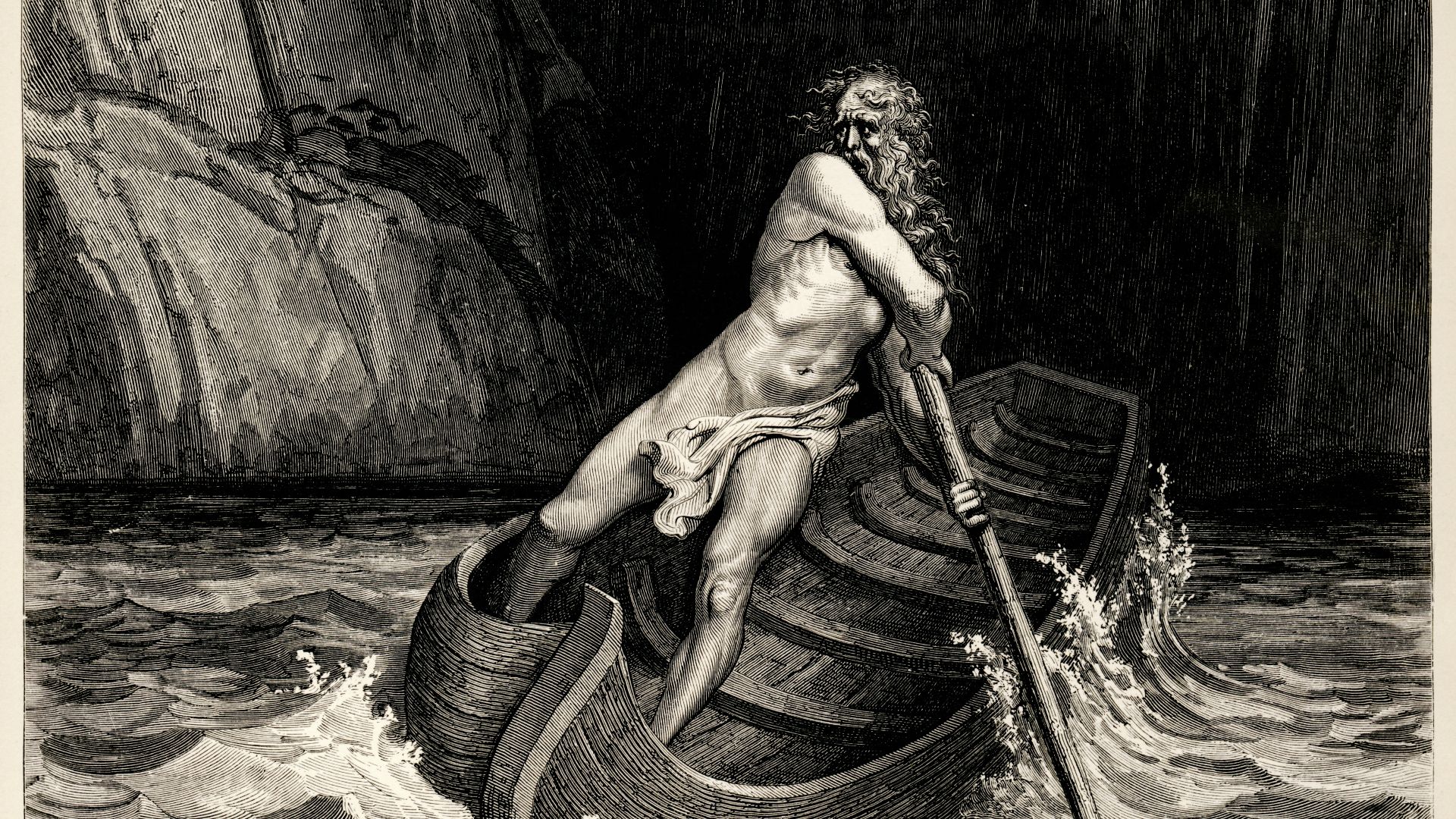
According to a familiar Greek tradition, a ferryman named Charon transported souls across the waters separating the living world from the underworld. Some families placed a small coin in the deceased's mouth or near their body to cover the mythical fare. The practice wasn't universal, but archaeological discoveries show that certain Greeks took the idea seriously enough to include actual money in burials. Imagine having to worry about transportation expenses even after dying.
4. Death Could Make a Household Impure
The Greeks associated death with a form of religious pollution called miasma, which could affect people who came into contact with a corpse. Households observing mourning rituals sometimes needed purification before their members could participate in certain religious activities again. After a funeral, families could purify their homes by sprinkling seawater throughout the rooms, washing with clean water, and sometimes using plants such as hyssop.
 Robert Flogaus-Faust on Wikimedia
5. The Underworld Wasn't Particularly Pleasant
Unlike religious traditions promising everyone a wonderful existence after death, many ancient Greek accounts described the underworld as a gloomy destination. In Homer's Odyssey, the dead appear as shadowy figures who retain their memories but can no longer enjoy the pleasures of life. Even the celebrated warrior Achilles admits how much he misses being alive. For Greeks familiar with these stories, making the most of their time on Earth was especially important.
6. Women Had Important Responsibilities Toward the Dead
In many Greek communities, especially Athens, women played leading roles in preparing bodies and mourning deceased relatives. They washed the dead, dressed them, and participated in traditional lamentations before burial. Women also regularly visited family graves to leave offerings and maintain connections with departed loved ones. These responsibilities gave them a particularly significant role in religious customs surrounding death.
7. The Gods Determined How Long People Lived
Greek mythology described three goddesses called the Fates, or Moirai, who controlled the course of human lives. Clotho spun the thread of life, Lachesis measured its length, and Atropos cut it when a person's time had ended. Their influence represented the unsettling idea that nobody could completely escape their appointed destiny. Stories involving the Fates encouraged Greeks to consider the limits of human control, regardless of wealth or social standing.
8. The Dead Could Become Dangerous Spirits
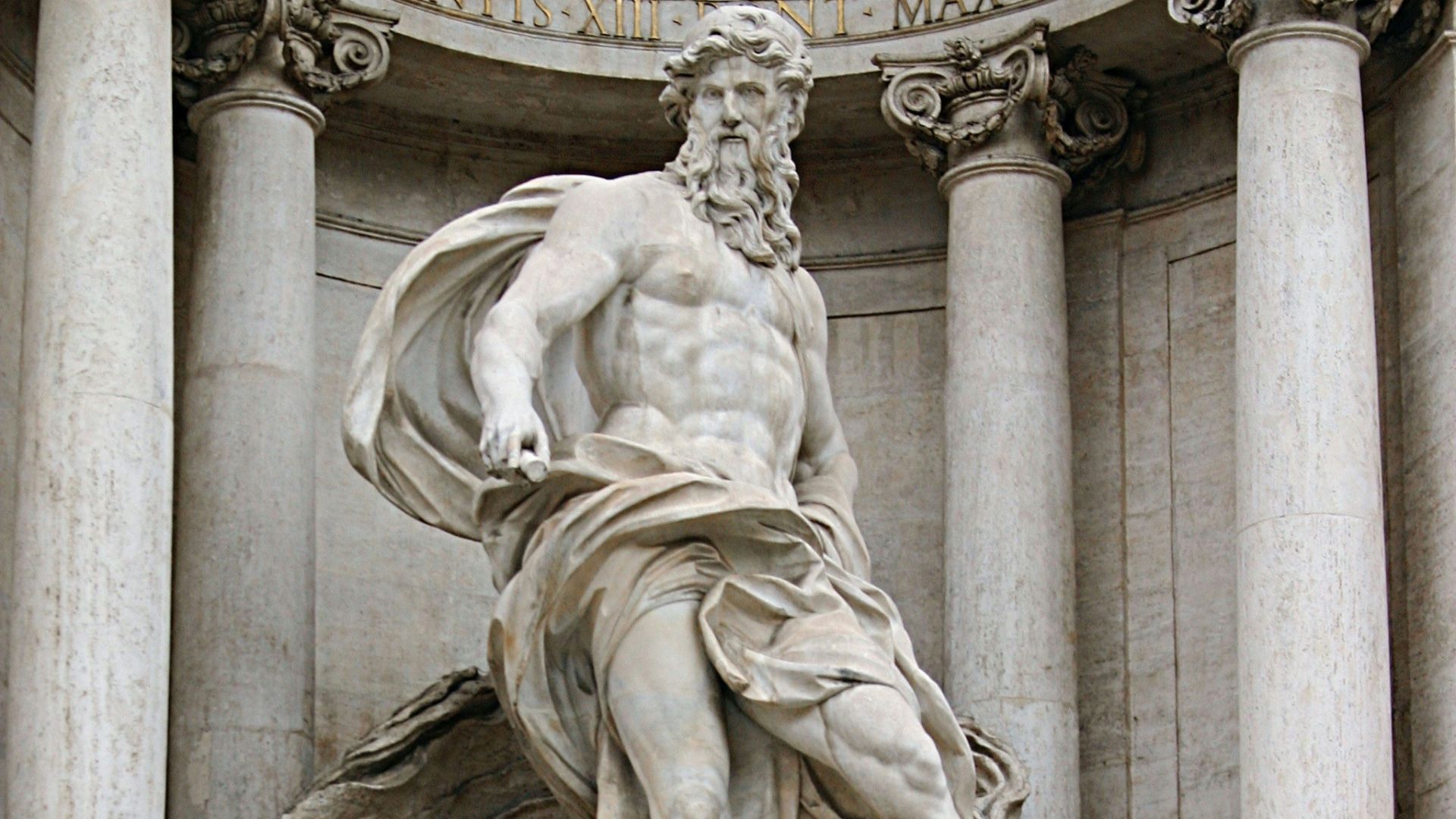
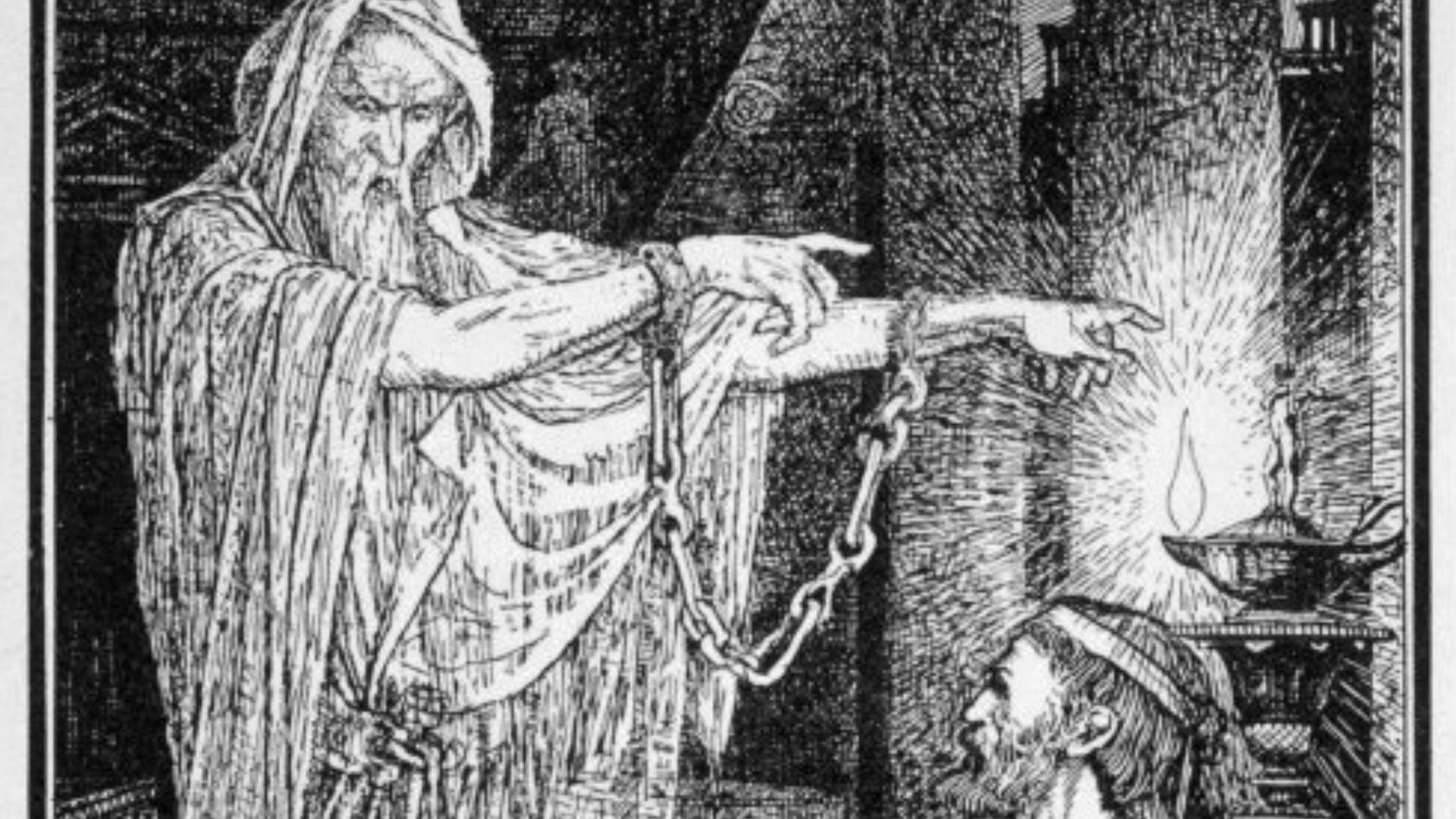
Not every deceased person was believed to remain peacefully in the underworld. Certain Greek traditions warned that people who died violently, prematurely, or without proper burial could return as troublesome spirits. These fears encouraged families and communities to perform appropriate rituals rather than risk angering the dead. Ghost stories weren't simply entertainment, since they reflected genuine religious concerns about unsettled souls.
 Henry Justice Ford on Wikimedia
9. Grave Offerings Helped Maintain Family Connections
Visiting a deceased relative's grave could involve bringing food, flowers, ribbons, or liquid offerings called libations. These gestures expressed continued respect and helped families fulfill their obligations toward departed loved ones. Ancient Athenian artwork frequently depicts women approaching tombs carrying baskets and special vessels. Even after a funeral ended, remembering the dead remained part of ordinary family life.
10. Some People Could Enjoy a Better Afterlife
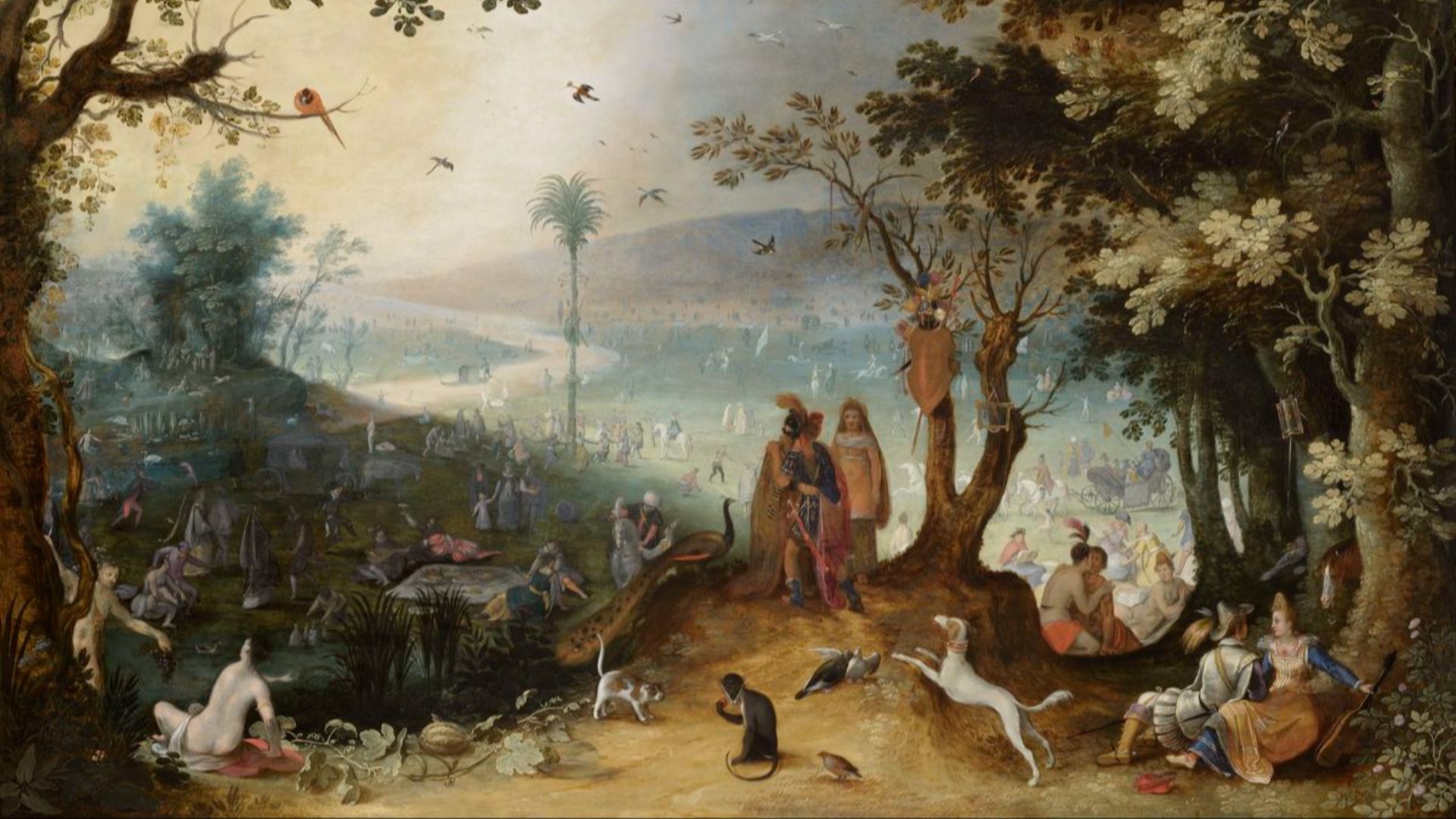
Although the underworld had an unpleasant reputation, Greek mythology also described more desirable destinations for certain souls. Elysium, sometimes called the Elysian Fields, was associated with a blessed existence reserved for particular heroes or people favored by the gods. Later philosophical and religious traditions developed additional ideas about rewards after death. These possibilities made the afterlife considerably more complicated than a single gloomy destination.
 Sebastiaen Vrancx on Wikimedia
11. The Dead Needed Someone to Remember Them
For many ancient Greeks, being forgotten after death was a particularly troubling prospect. Families erected grave markers, commissioned inscriptions, and performed commemorative rituals to preserve the identities of deceased relatives. Wealthier households sometimes invested considerable resources in elaborate monuments that displayed their family's status. Having descendants who would remember and honor you was therefore an important consideration during life.
12. Hermes Helped Guide Souls to the Underworld
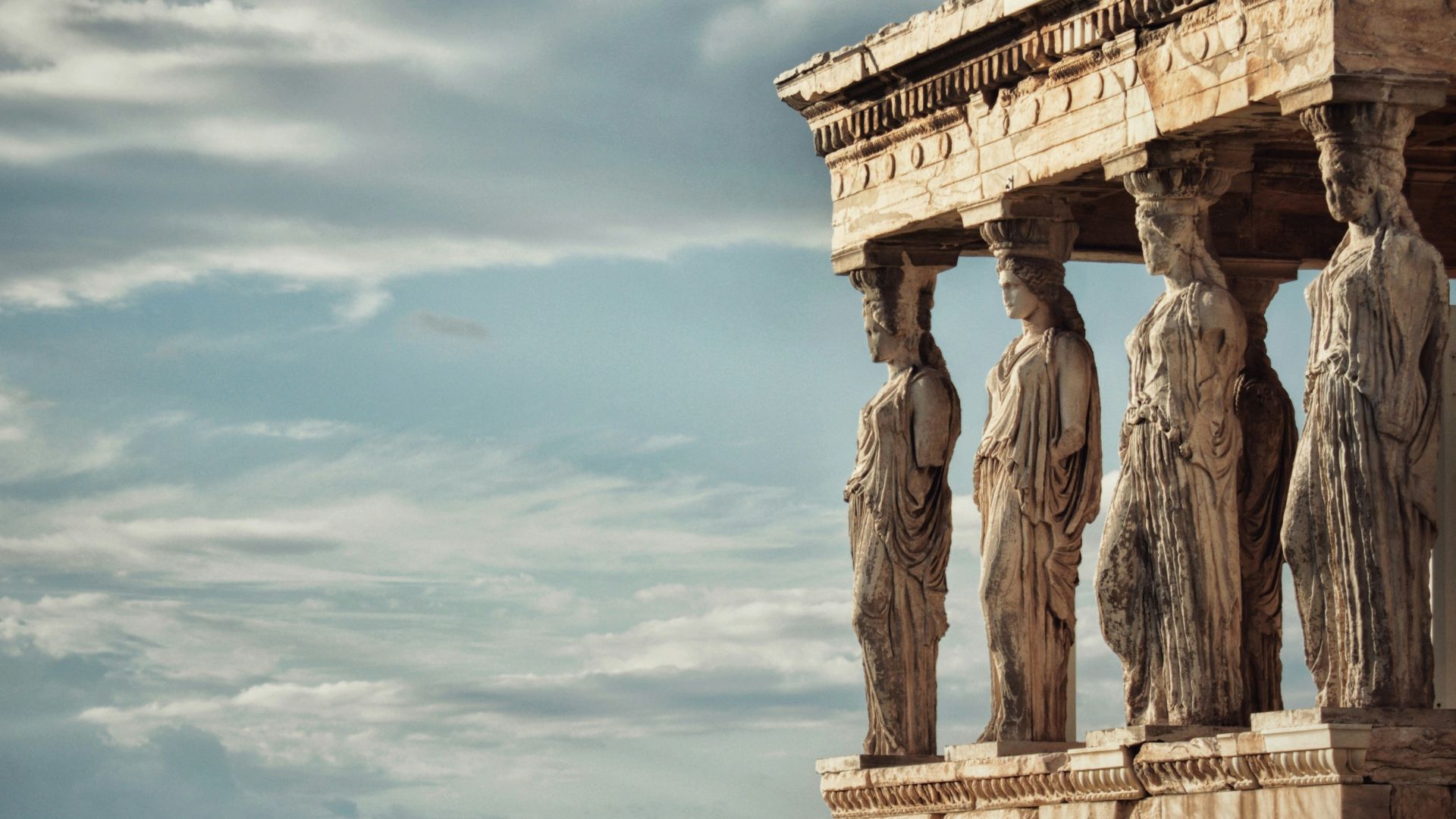
Most people recognize Hermes as the messenger of the gods, but he had another responsibility involving deceased humans. In his role as Psychopompos, he guided souls toward their destination in the underworld. This belief offered an explanation for how spirits traveled between the worlds of the living and the dead. His association with boundaries and movement also made him a particularly appropriate divine escort.
13. Joining Certain Cults Could Provide a Better Afterlife
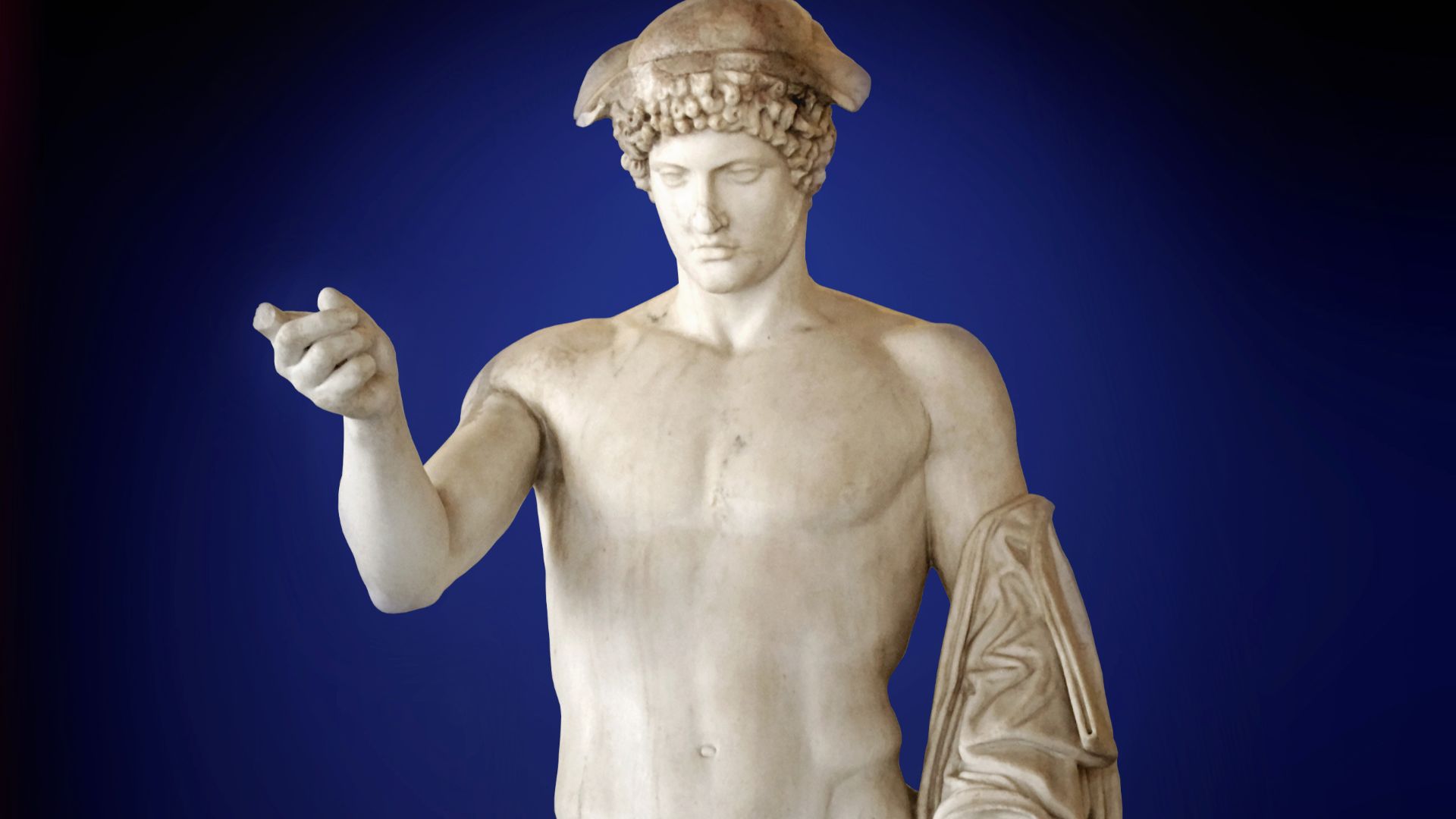
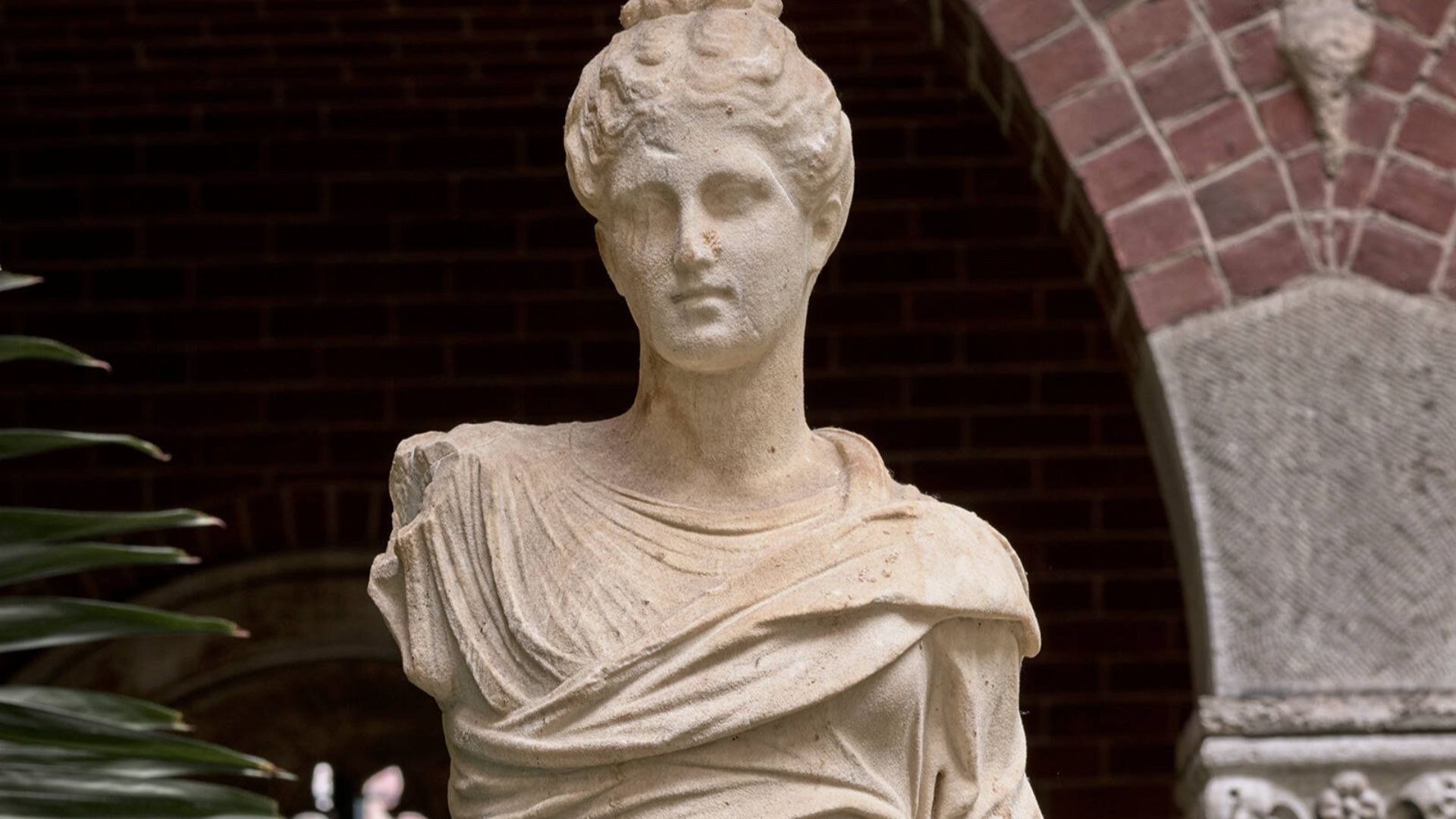
Some Greeks joined mystery cults that offered initiates special religious experiences and more hopeful expectations for life after death. The Eleusinian Mysteries, associated with Demeter and Persephone, became especially influential in ancient Greek religion. Participants underwent secret initiation ceremonies, although the precise details remain uncertain because members were expected to maintain secrecy. For those concerned about their eventual fate, these religious traditions offered possibilities beyond the conventional descriptions of the underworld.
 Isabella Stewart Gardner Museum on Wikimedia
14. Death Required Several Stages of Mourning
In Classical Athens, funerals commonly involved three main stages: preparing and displaying the body, transporting it to the burial site, and burying or cremating the remains. Relatives gathered during the prothesis, when the deceased was laid out inside the home so loved ones could mourn. The funeral procession, known as the ekphora, generally took place before dawn. These established customs gave families clear responsibilities to follow during an otherwise difficult and emotional experience.
15. The Dead Could Return During Certain Festivals
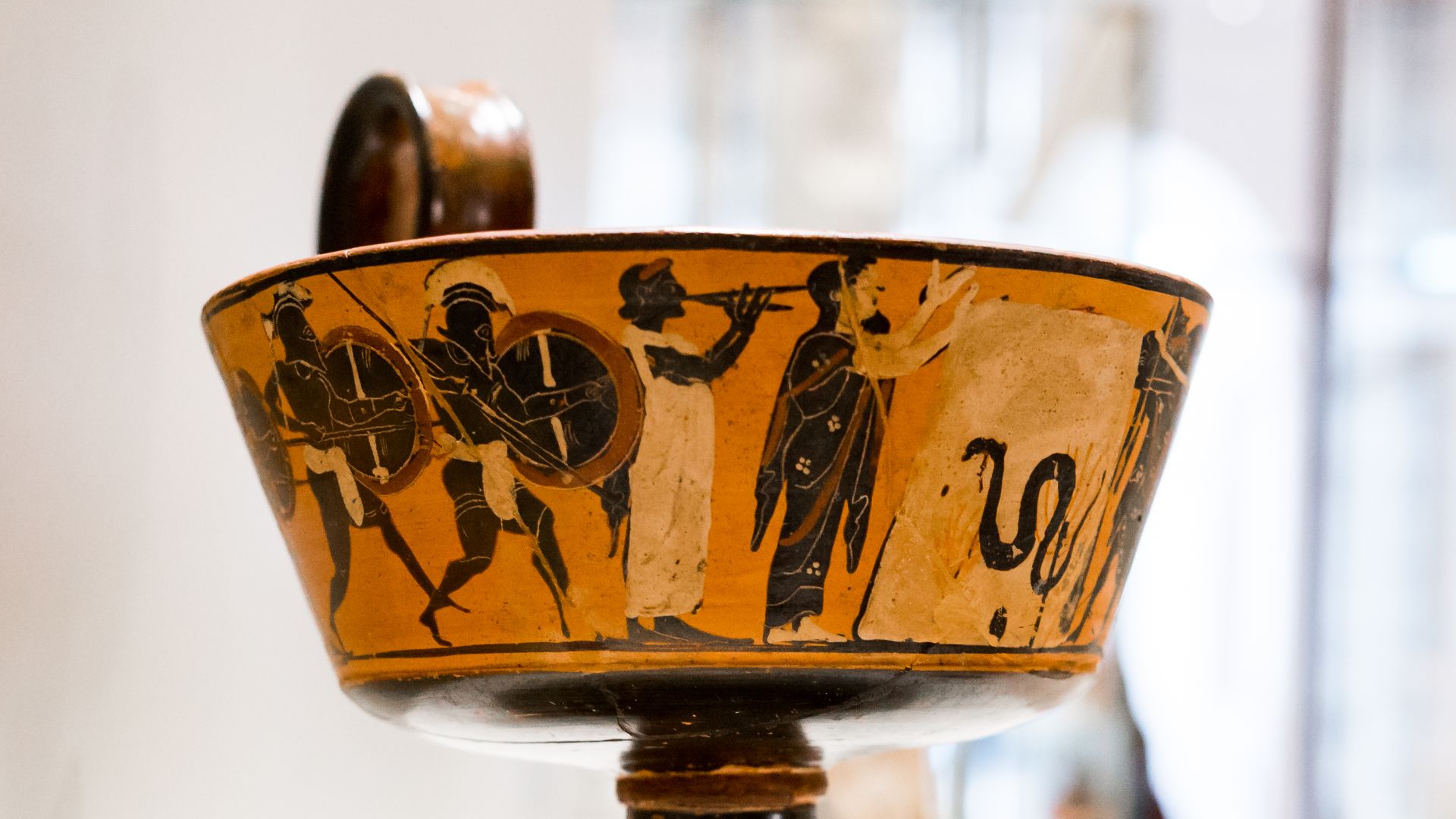
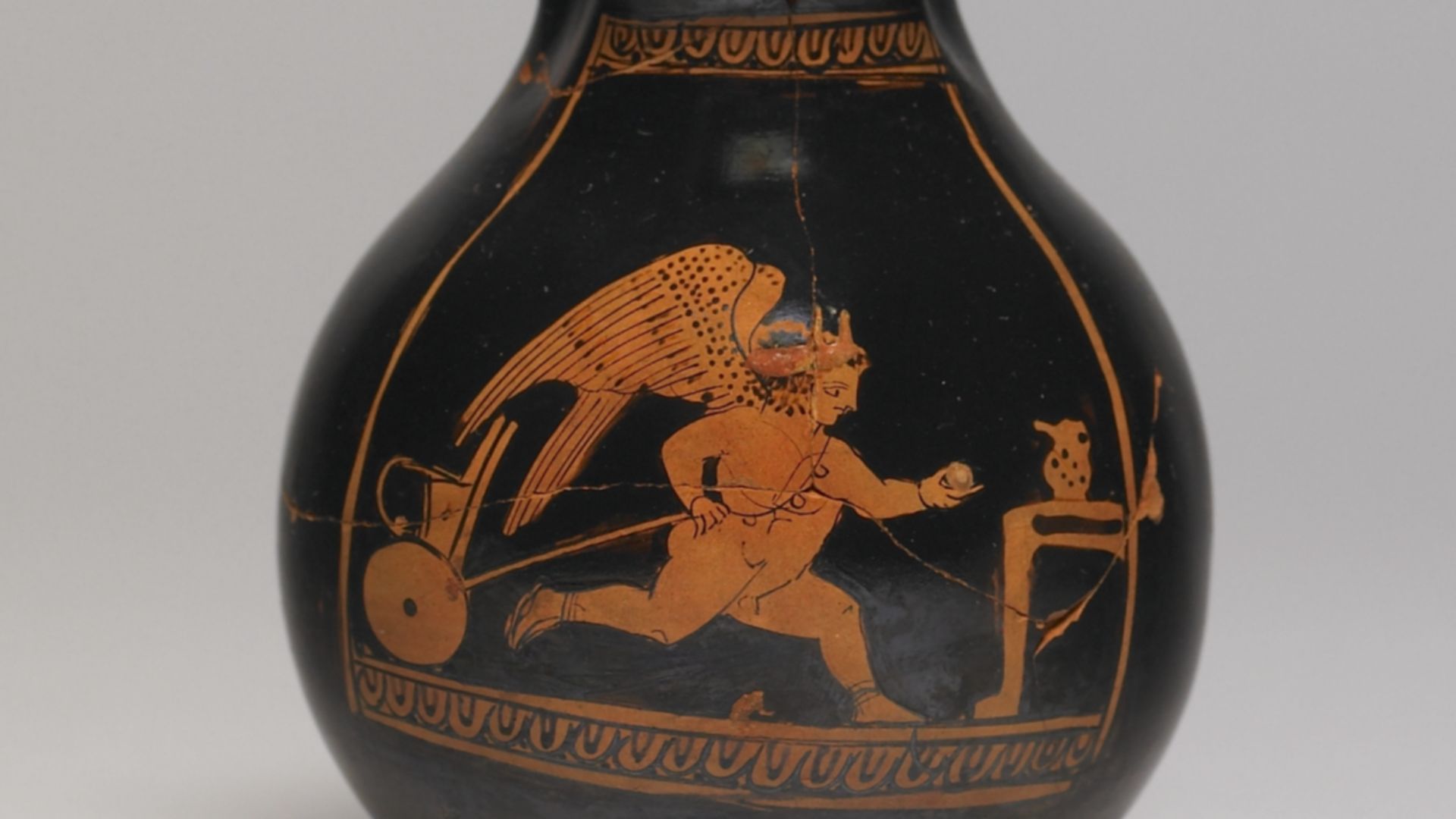
Some ancient Greek festivals included rituals involving the temporary presence or commemoration of departed spirits. The Anthesteria, an Athenian celebration associated with Dionysus, also had connections to the dead, especially during its final day. Traditions surrounding these occasions reflected the belief that the boundary between the living and deceased wasn't always completely secure. Religious observances helped communities acknowledge these encounters while maintaining respectful relationships with the spirits.
 Anonymous (Greece) on Wikimedia
16. Murder Could Bring Religious Pollution
Ancient Greeks didn't necessarily consider murder a crime that affected only the victim and their surviving relatives. Homicide could also create religious pollution that threatened the killer's relationship with the gods and, in some circumstances, the wider community. Purification rituals and legal proceedings were used to address the consequences of unlawful bloodshed. This connection between religion and justice shaped how communities understood responsibility for violent deaths.
17. The Afterlife Could Involve Judgment
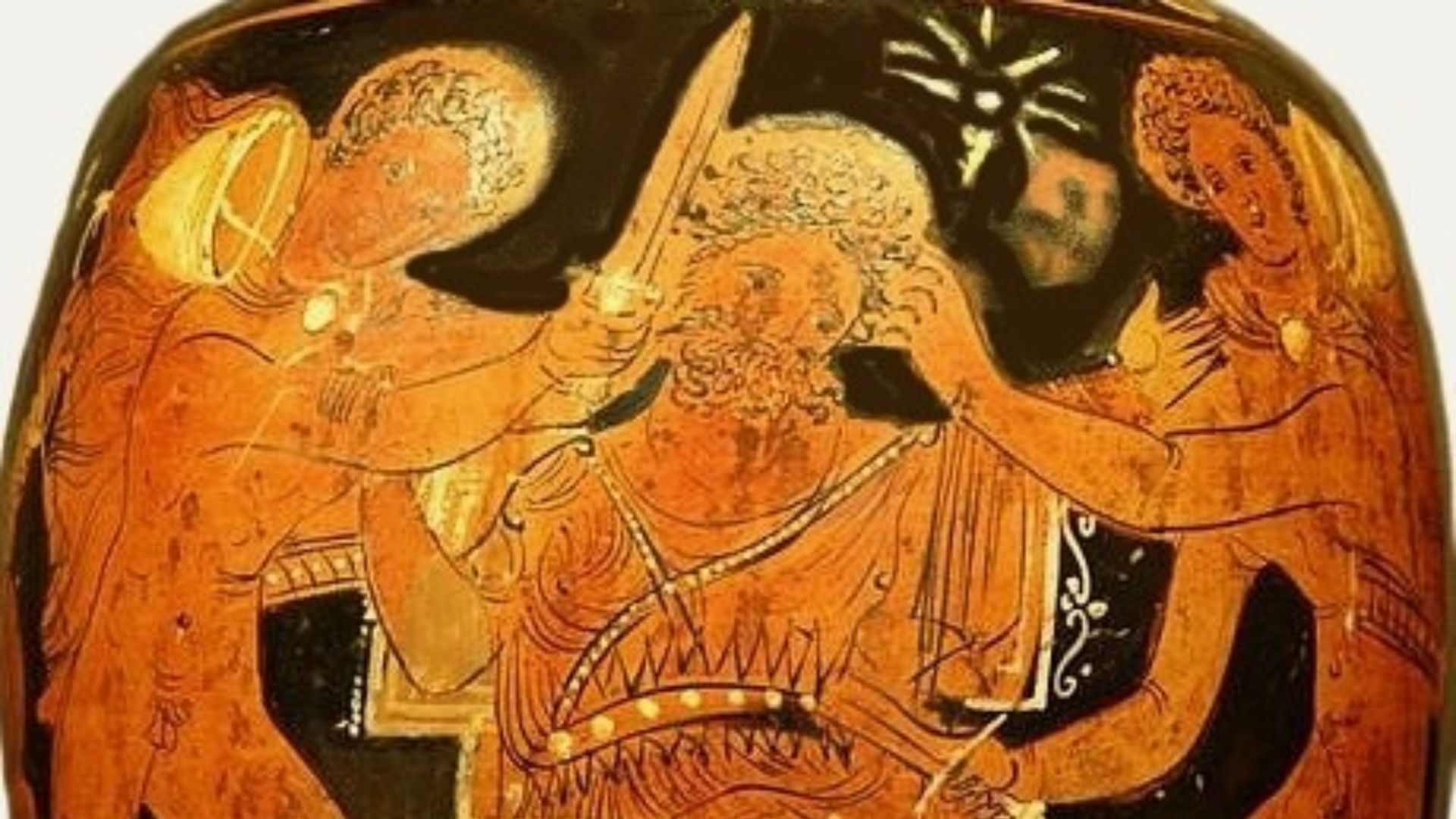
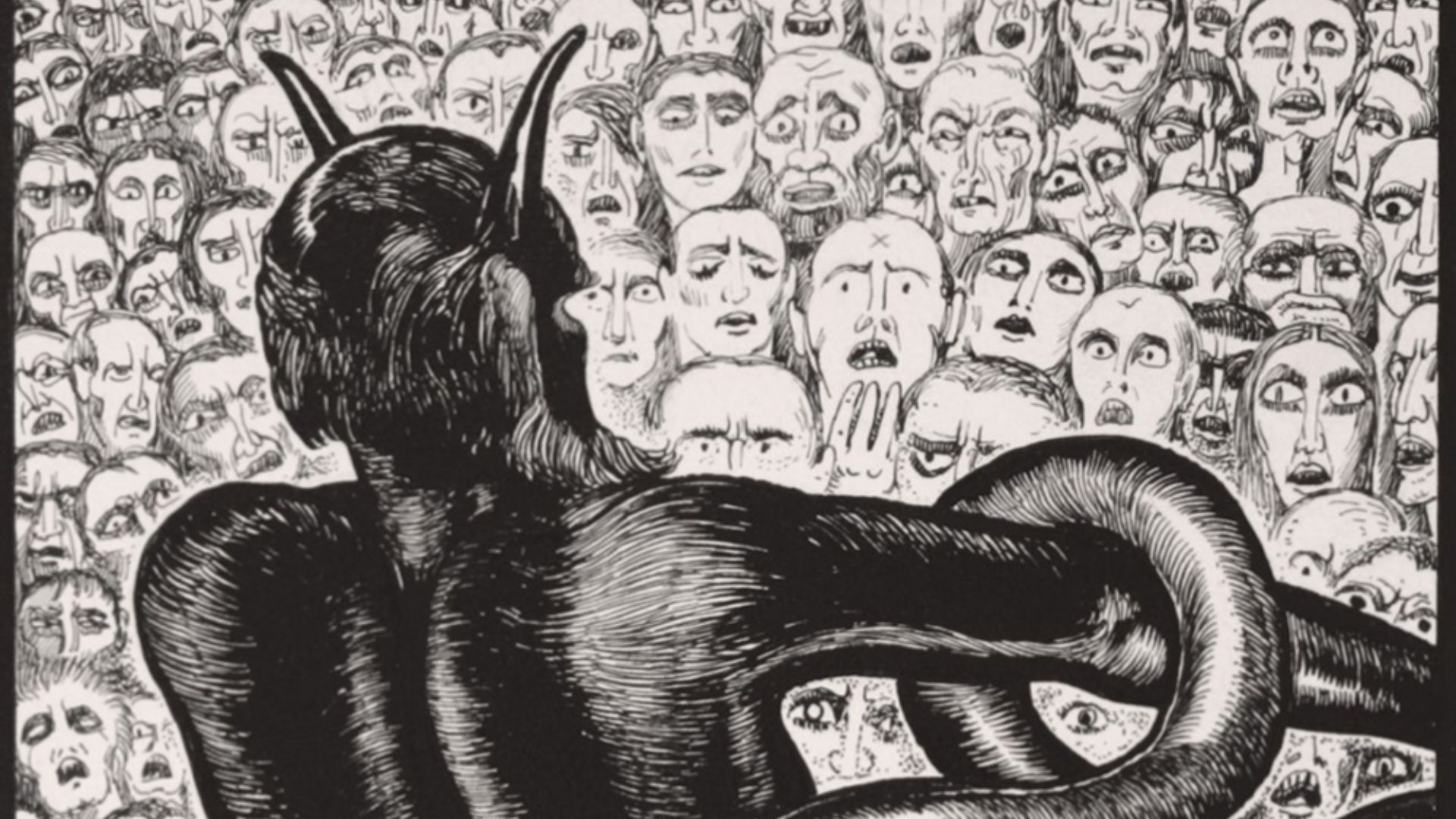
Some Greek religious and philosophical traditions described judges who evaluated souls after death. Figures such as Minos, Rhadamanthus, and Aeacus appeared in accounts of the underworld, although their exact responsibilities differed depending on the source. These stories introduced the possibility that someone's actions during life could influence where they ended up after dying. They also raised interesting questions about justice, morality, and whether powerful individuals would eventually face consequences for their behavior.
18. Death Could Influence Where People Were Buried
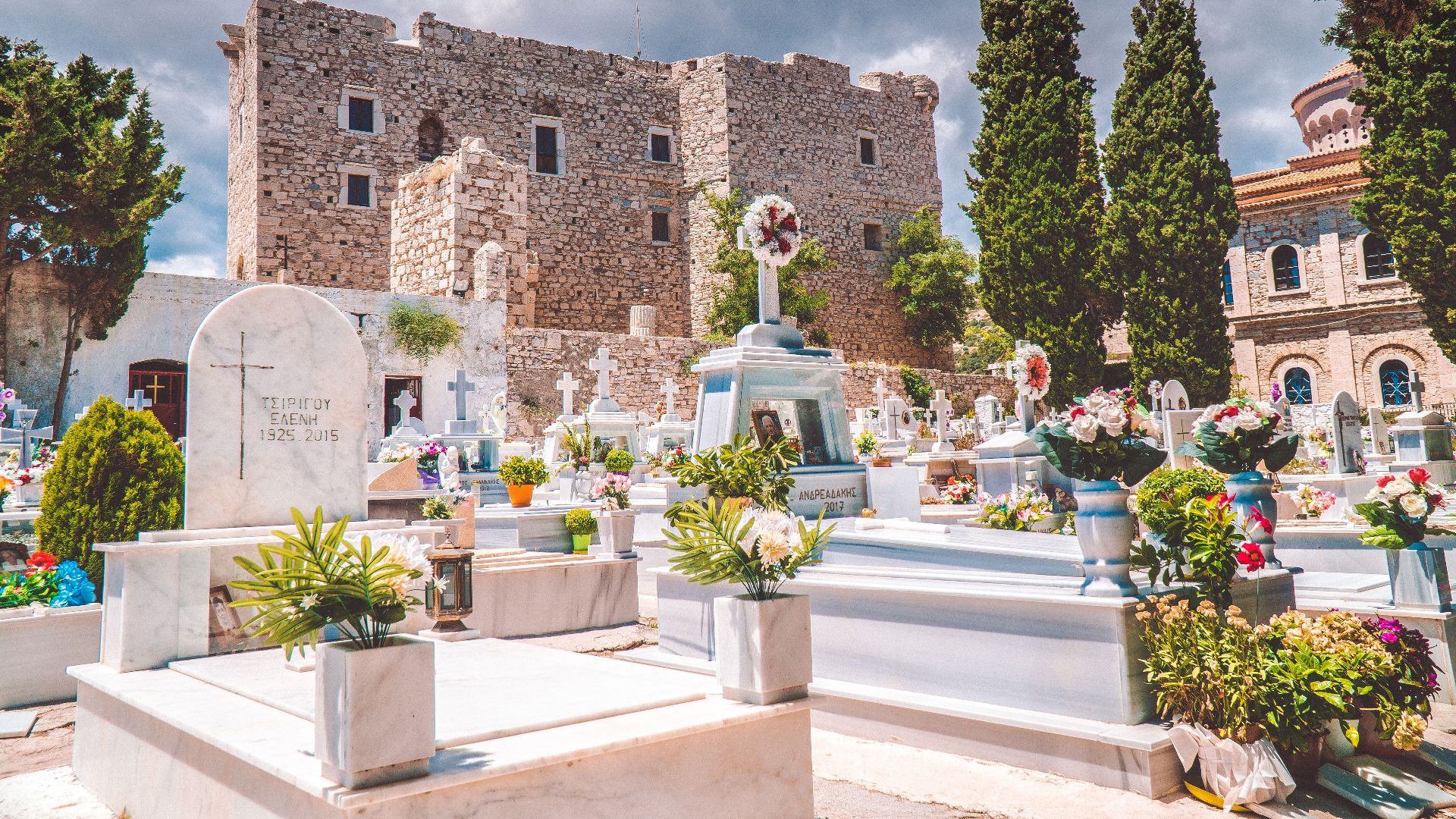
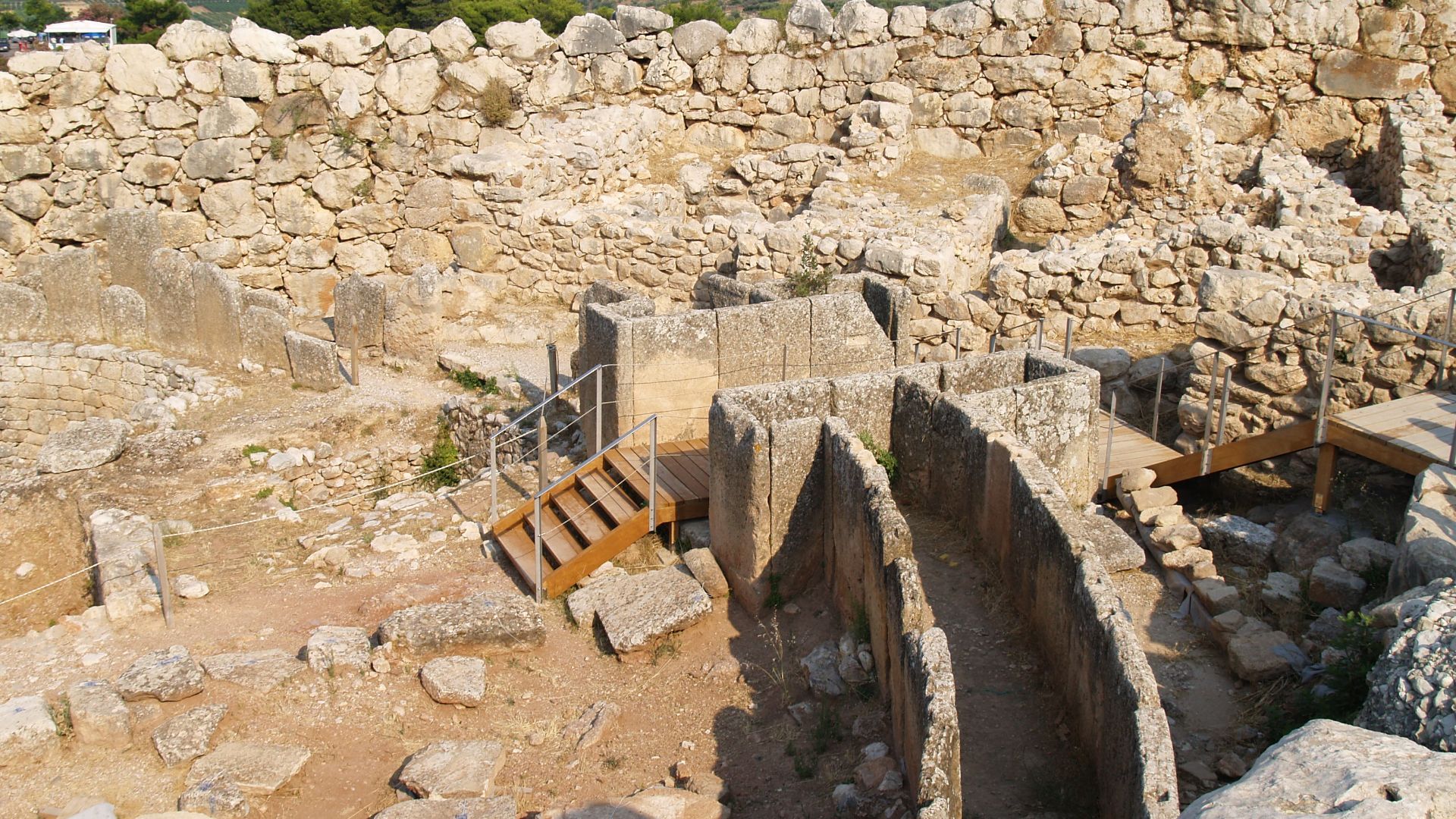
Ancient Greek burial grounds were often located outside settlements, with graves lining the roads leading into cities. This arrangement reflected established community customs and helped separate residential areas from places associated with death. Prominent families sometimes commissioned impressive monuments in highly visible locations so passing travelers would notice and remember their deceased relatives. In this way, beliefs about honoring the dead even influenced how Greek communities were physically organized.
 Ken Russell Salvador on Wikimedia
19. Some People Believed Souls Could Be Reborn
Not every ancient Greek accepted the idea that souls remained permanently in the underworld. Philosophers and religious movements associated with Pythagorean and Orphic traditions explored the possibility of reincarnation, with souls passing through multiple lives. Certain followers also adopted dietary restrictions and purification practices based on their understanding of the soul. These beliefs show that questions about death could influence surprisingly ordinary decisions, including what someone chose to eat.
20. A Good Death Was Something Worth Remembering
Ancient Greek culture placed considerable importance on how a person died, particularly in stories about heroic warriors. Dying courageously could bring lasting honor, while abandoning important responsibilities might damage someone's reputation long after they were gone. Funeral speeches and commemorative monuments reinforced the connection between people's actions and how future generations remembered them. For many Greeks, the desire to leave behind a respected name influenced the decisions they made throughout their lives.
KEEP ON READING