10 Planned Invasions That Never Happened & 10 Real Invasions That Failed Spectacularly
10 Planned Invasions That Never Happened & 10 Real Invasions That Failed Spectacularly
Some Plans Are Better Left on Paper
Military leaders have drawn up countless invasion plans that never made it beyond the planning stage. Some were abandoned because the risks were too great, while others fell apart over bad weather, political disagreements, or a lack of resources. Then there were the invasions that went ahead despite serious doubts, sometimes ending in disaster. History has plenty of examples of both, from ancient Athens to the Cold War. Here are 10 invasions that were planned but never launched, followed by 10 that went ahead and failed badly.
1. Germany Planned to Land on England's South Coast
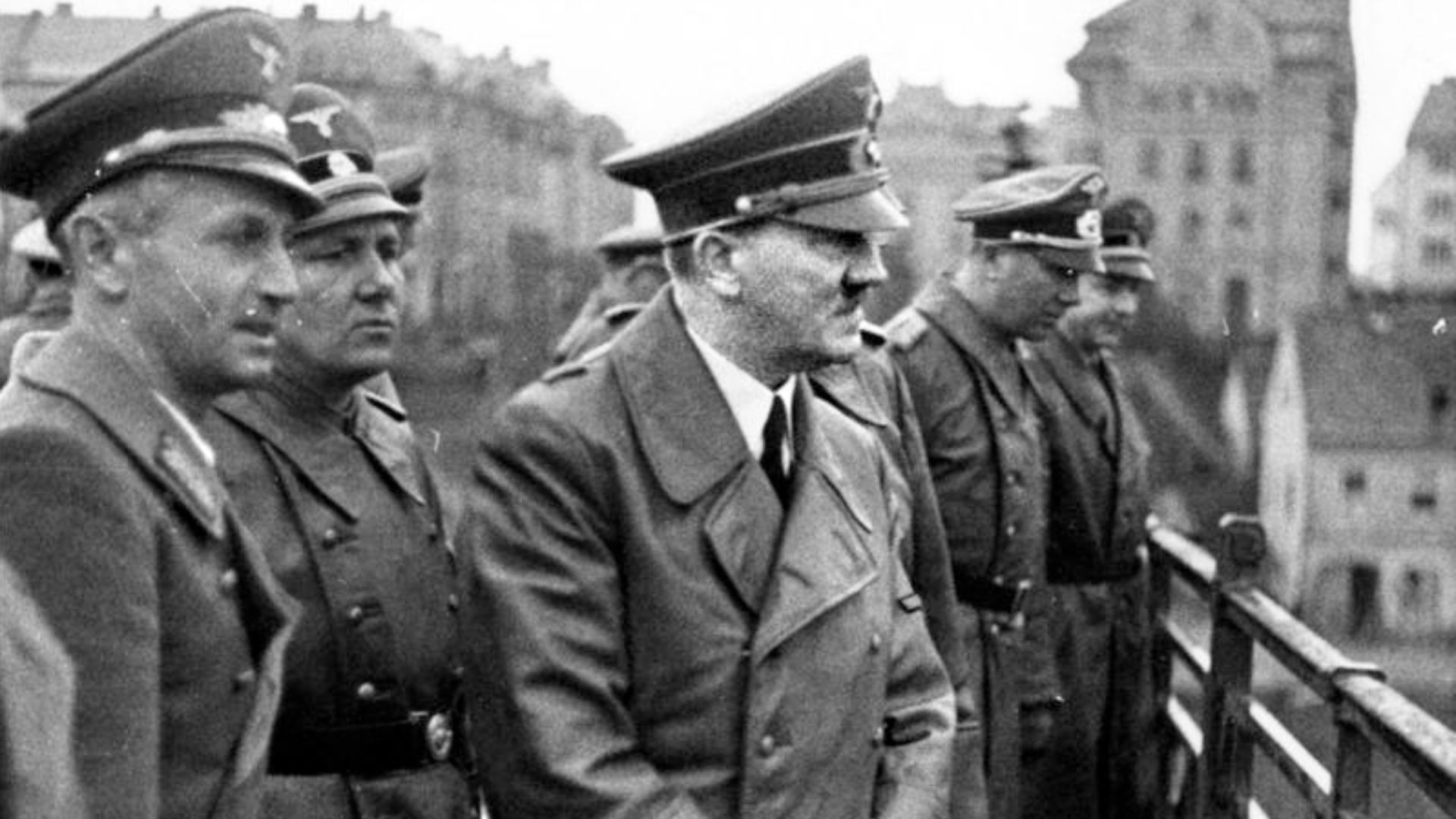
Hitler issued Directive 16 on July 16, 1940, calling for a cross-Channel landing from Ramsgate to the Isle of Wight. The plan depended on crippling the RAF first, and the Luftwaffe never managed it in the Battle of Britain. Hitler postponed the invasion that autumn and then withdrew the plans.
2. Napoleon Built a Camp and a Fleet for Britain
From 1803 to 1805, Napoleon gathered more than 150,000 men along the Channel coast and built about 1,000 flat-bottomed boats and 750 barges to carry them. The crossing needed calm weather and 48 hours of French naval control over the strait, which never arrived. The French fleet was destroyed at Trafalgar in October 1805, and the army had already marched east to fight Austria.
 Jacques-Louis David on Wikimedia
3. Canada Planned a Surprise Strike on the United States
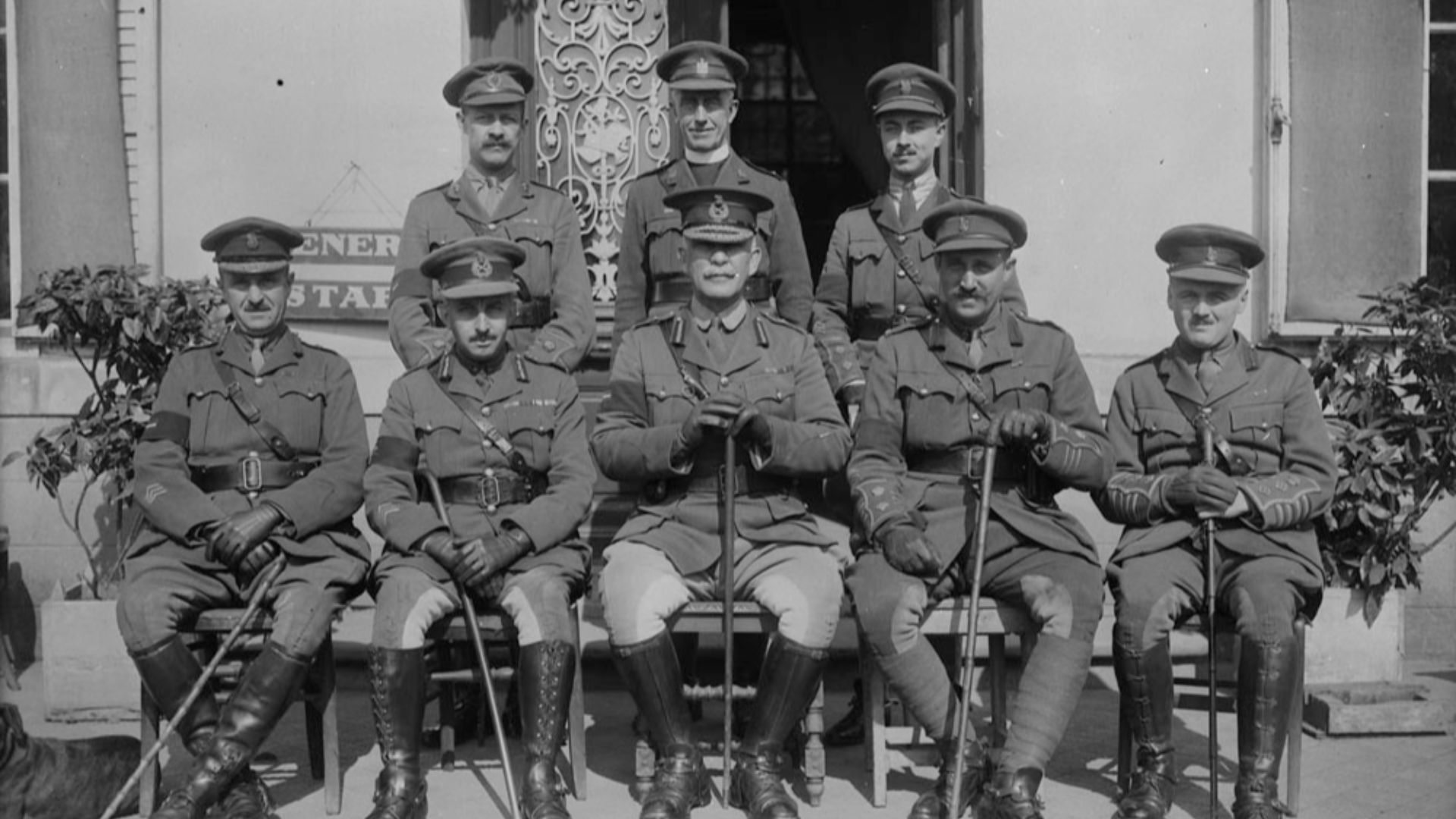
In April 1921, Lieutenant-Colonel James Sutherland Brown drafted Defence Scheme No. 1, which sent five flying columns to seize American cities and wreck bridges and rail lines before falling back. The aim was to delay the Americans until Britain could arrive. His successor reportedly disliked the plan enough to order every copy burned.
 Unknown authorUnknown author on Wikimedia
4. Hitler Planned to Invade Switzerland
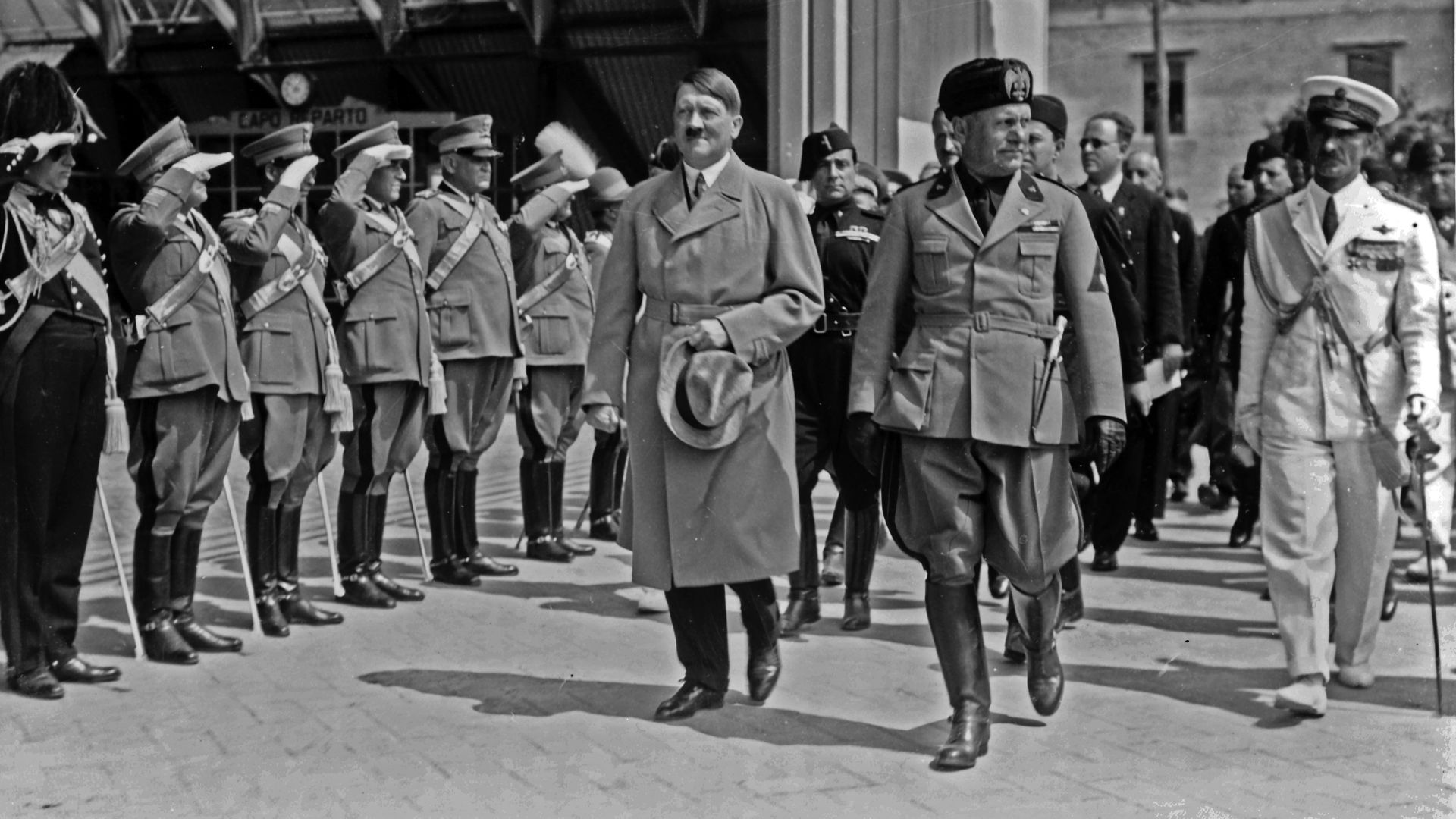
Hitler ordered planning for Operation Tannenbaum days before the June 22, 1940, ceasefire with France, and the plans were approved that October for an attack at the start of 1941. Switzerland mobilized about 450,000 troops in response. One historian argues the ceasefire was a main reason the invasion never came.
5. Germany Planned to Seize Gibraltar
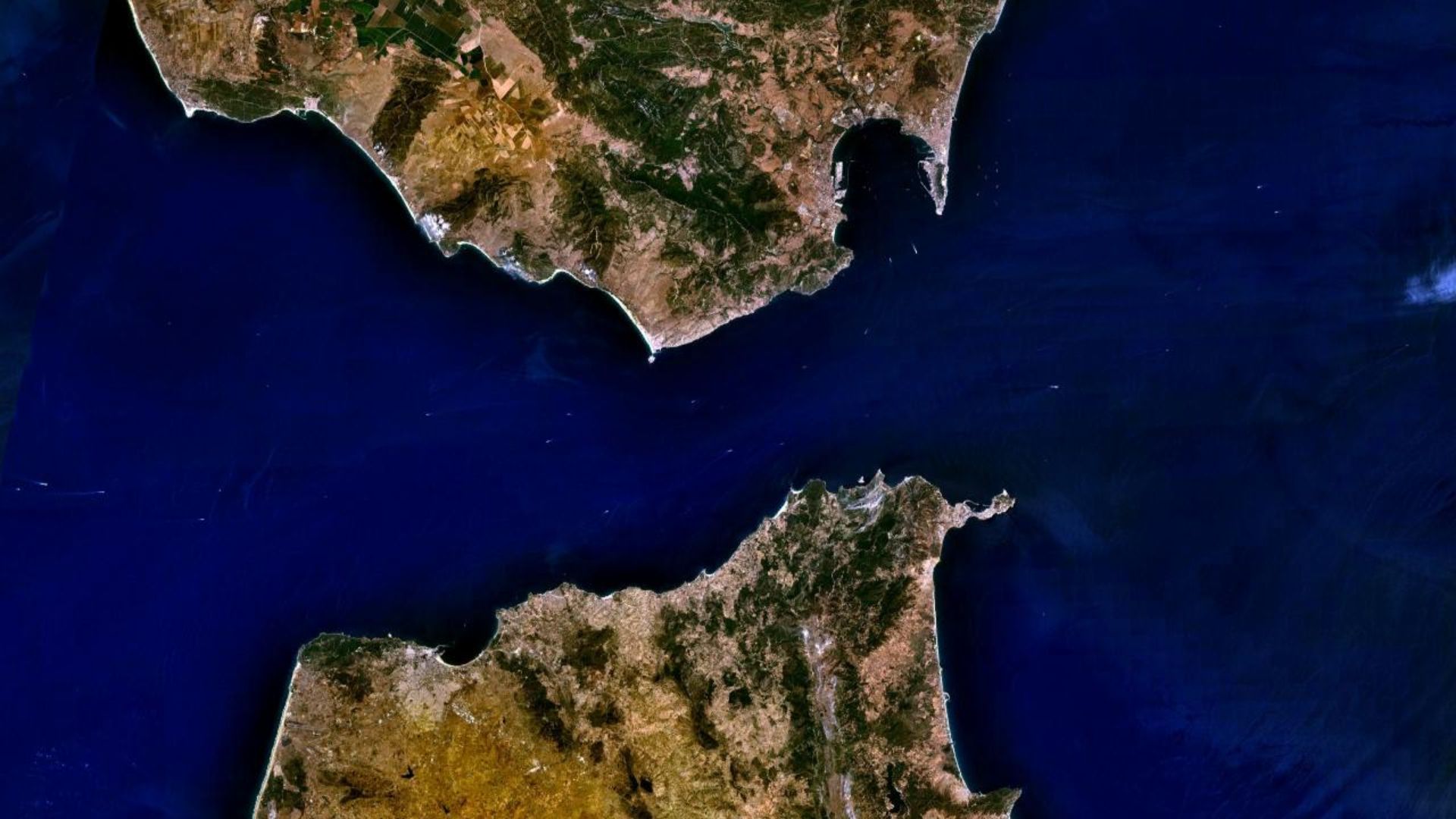
Directive No. 18, issued on November 12, 1940, called for two German corps to enter Spain in mid-January 1941 and take Gibraltar. Franco rebuffed Hitler on December 7, and by February 26, 1941, he was calling their earlier understanding outmoded. Hitler put the plan on hold.
6. Japan Considered Invading Australia
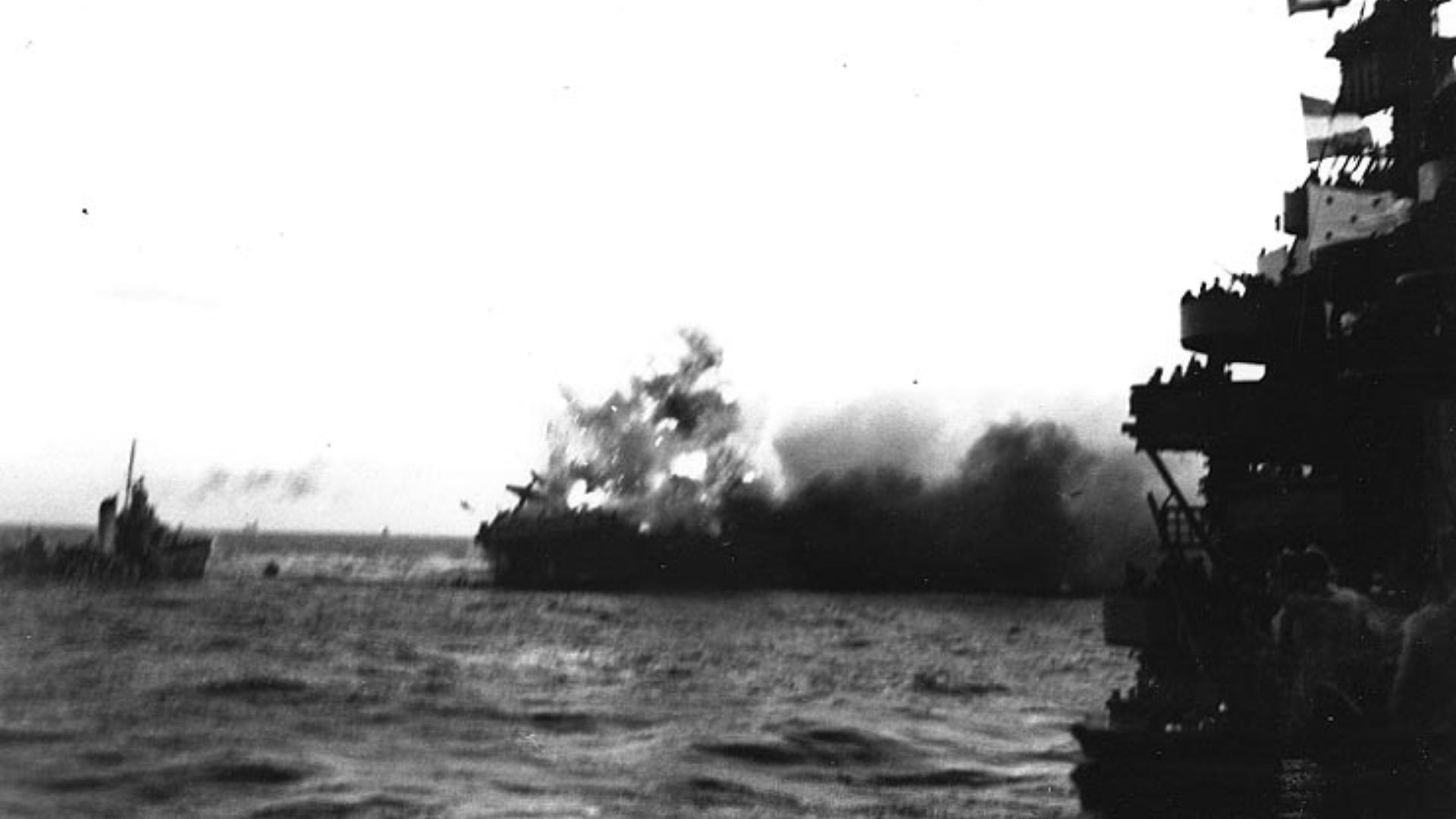
In February and March 1942, middle-ranking naval staff officers in Tokyo proposed invading Australia. The Army dismissed the idea as gibberish, and the Navy General Staff opposed it too, partly because it would have needed roughly one million tons of shipping. Japan turned instead to isolating Australia by taking New Caledonia, Samoa, and Fiji, a plan the battles of Coral Sea and Midway ended.
 Unknown authorUnknown author on Wikimedia
7. Churchill Ordered a Plan to Attack the Soviet Union
Churchill ordered Operation Unthinkable with a start date of July 1, 1945, and kept it secret from everyone but his Chiefs of Staff and the planners. On June 8, the Chiefs concluded it would not succeed, since the Allies could muster 47 divisions against 170 Soviet ones. The plan stayed buried until it surfaced in the Public Records Office in 1998.

8. The Allies Planned Two Invasions of Japan
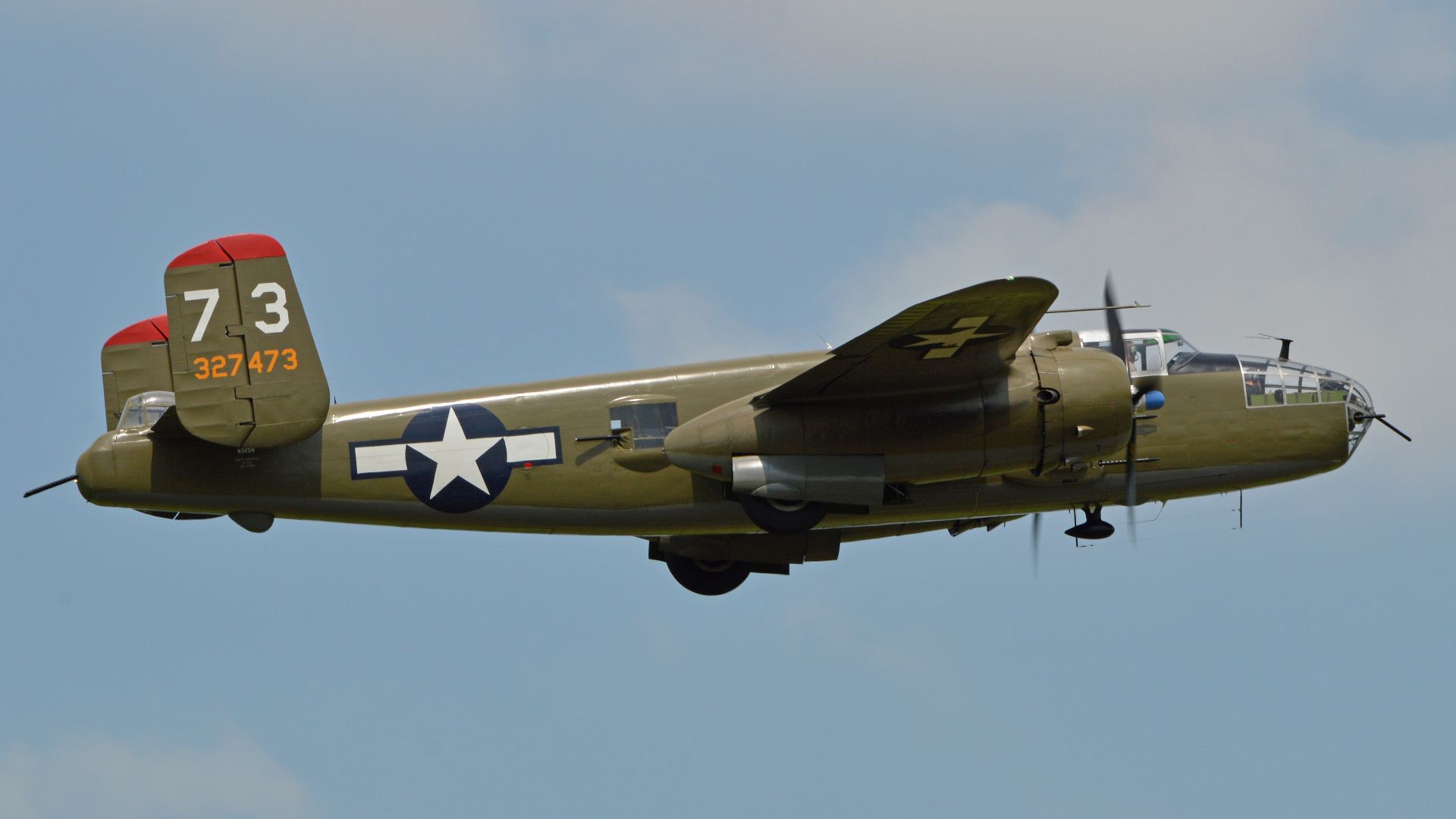
Operation Olympic would have landed 14 army divisions on southern Kyushu in November 1945, and Operation Coronet would have put 25 onto Honshu in March 1946. The United States ordered half a million Purple Hearts in anticipation, and nearly 100,000 are still in storage. Japan surrendered in August 1945, before the first landing.
 Alan Wilson from Peterborough, Cambs, UK on Wikimedia
9. The US Kept an Invasion of Cuba on Standby
A Joint Chiefs memo dated November 16, 1962, lists two plans held ready against Cuba, OPLAN 312-62 for an air attack and OPLAN 316-62 for an invasion. The air attack called for about 500 aircraft, and the invasion force included an infantry division of about 20,000 men and a Marine brigade of about 9,000. Neither plan was ever carried out.

10. Germany Planned to Invade Ireland
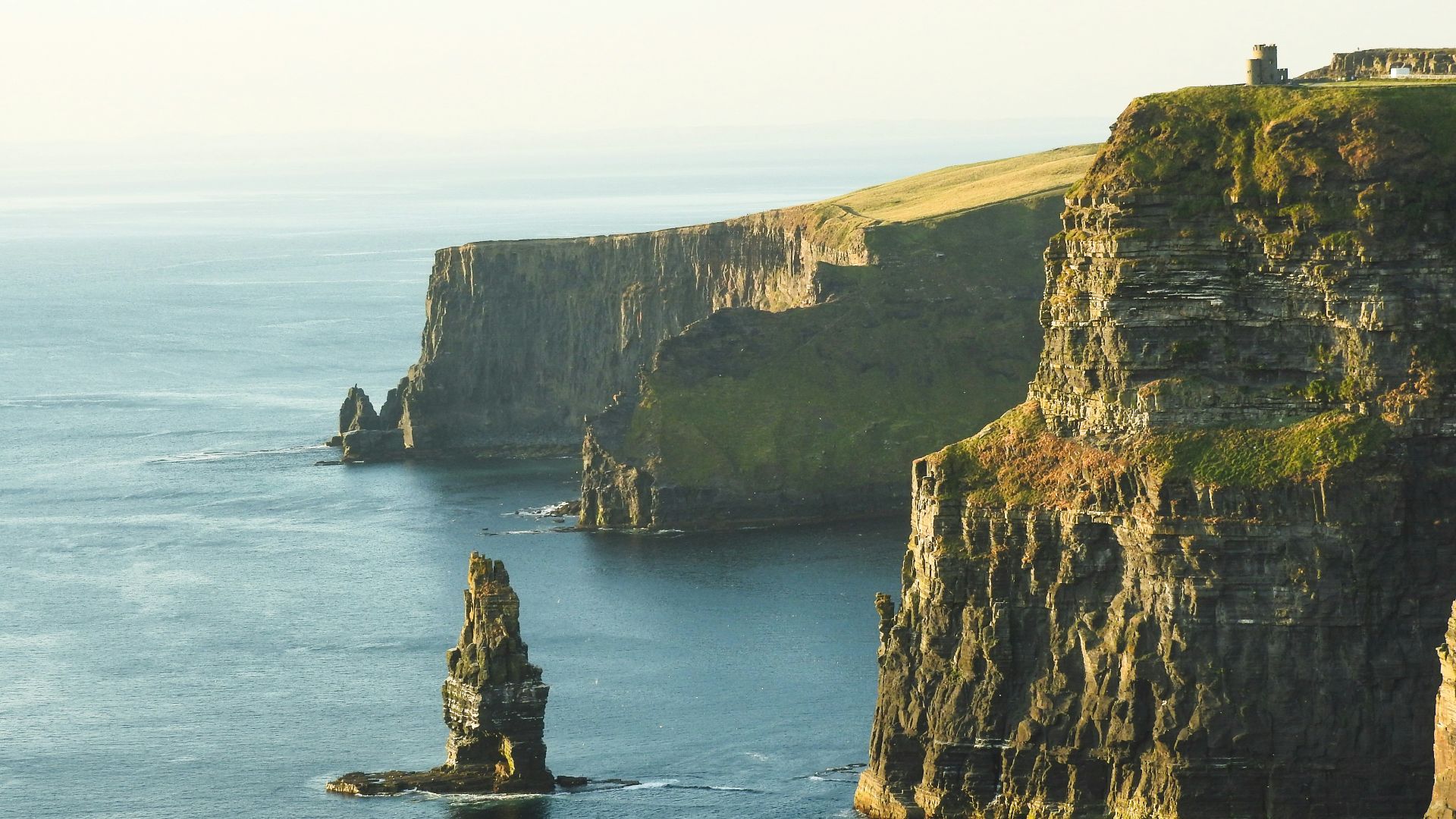
German planners drew up Plan Grün in the summer of 1940 for landings in Ireland, assigning the job to the 4th and 7th army corps. Some historians think it was meant partly as a feint to pull British resources away from southern England. It died with Sea Lion, since the Luftwaffe failed to win air superiority and Hitler postponed both invasions that autumn.
Now, here's 10 invasions that did go ahead and failed spectacularly.
1. Athens Lost Its Entire Army in Sicily
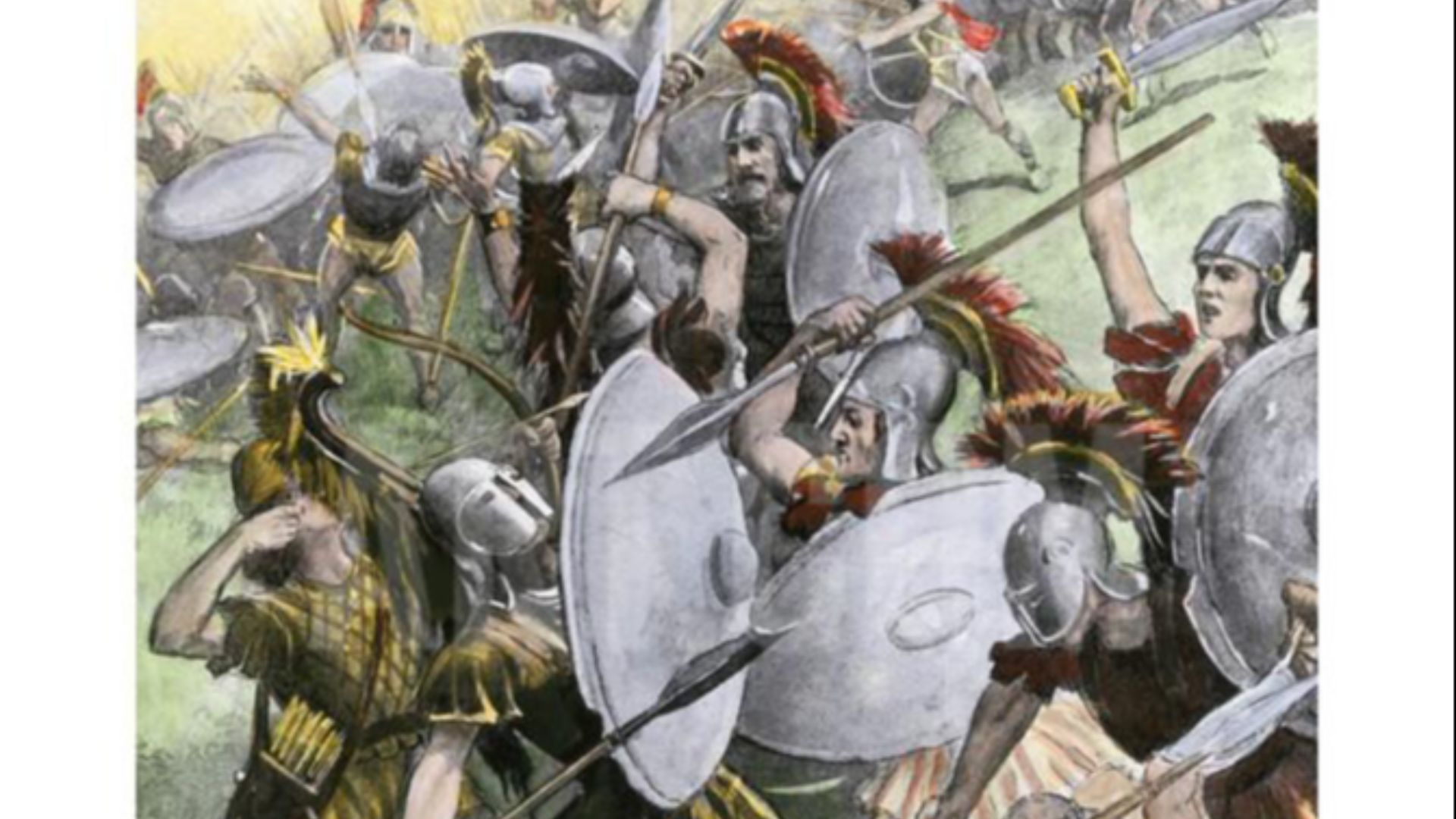
The Sicilian Expedition sailed in 415 BC under Nicias, Alcibiades, and Lamachus to take Syracuse. A Spartan commander named Gylippus turned the siege around, and by 413 BC the Athenian force was completely destroyed. Prisoners were put to work in stone quarries until they died, and Athens lasted only nine more years before surrendering to Sparta.
 AnonymousUnknown author on Wikimedia
2. Crassus Marched Into Parthia and Lost an Army
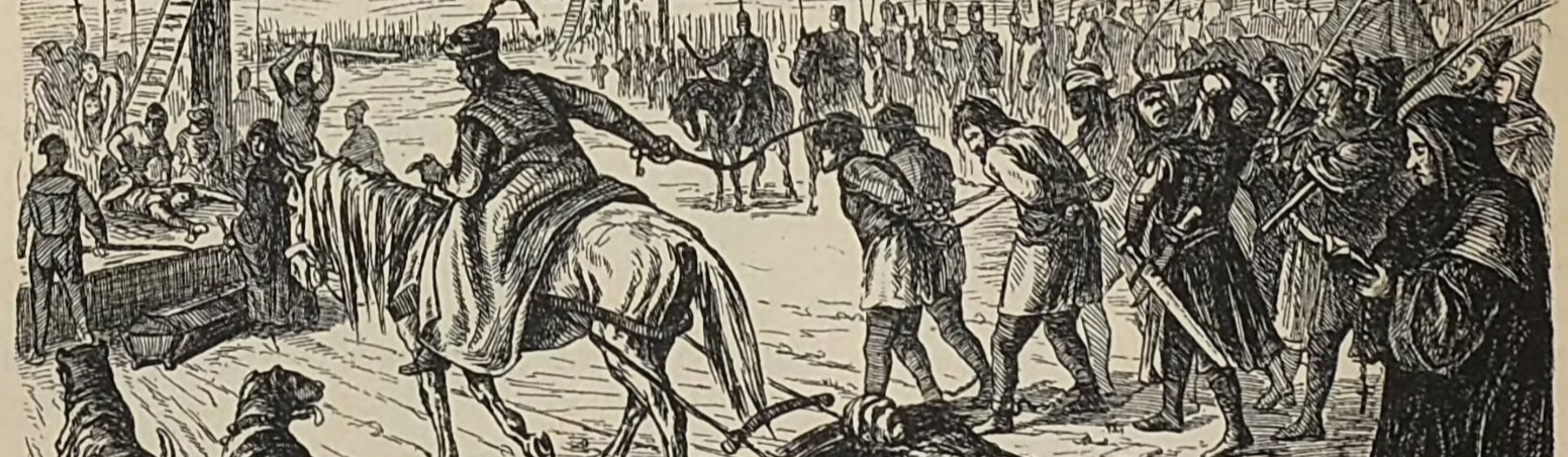
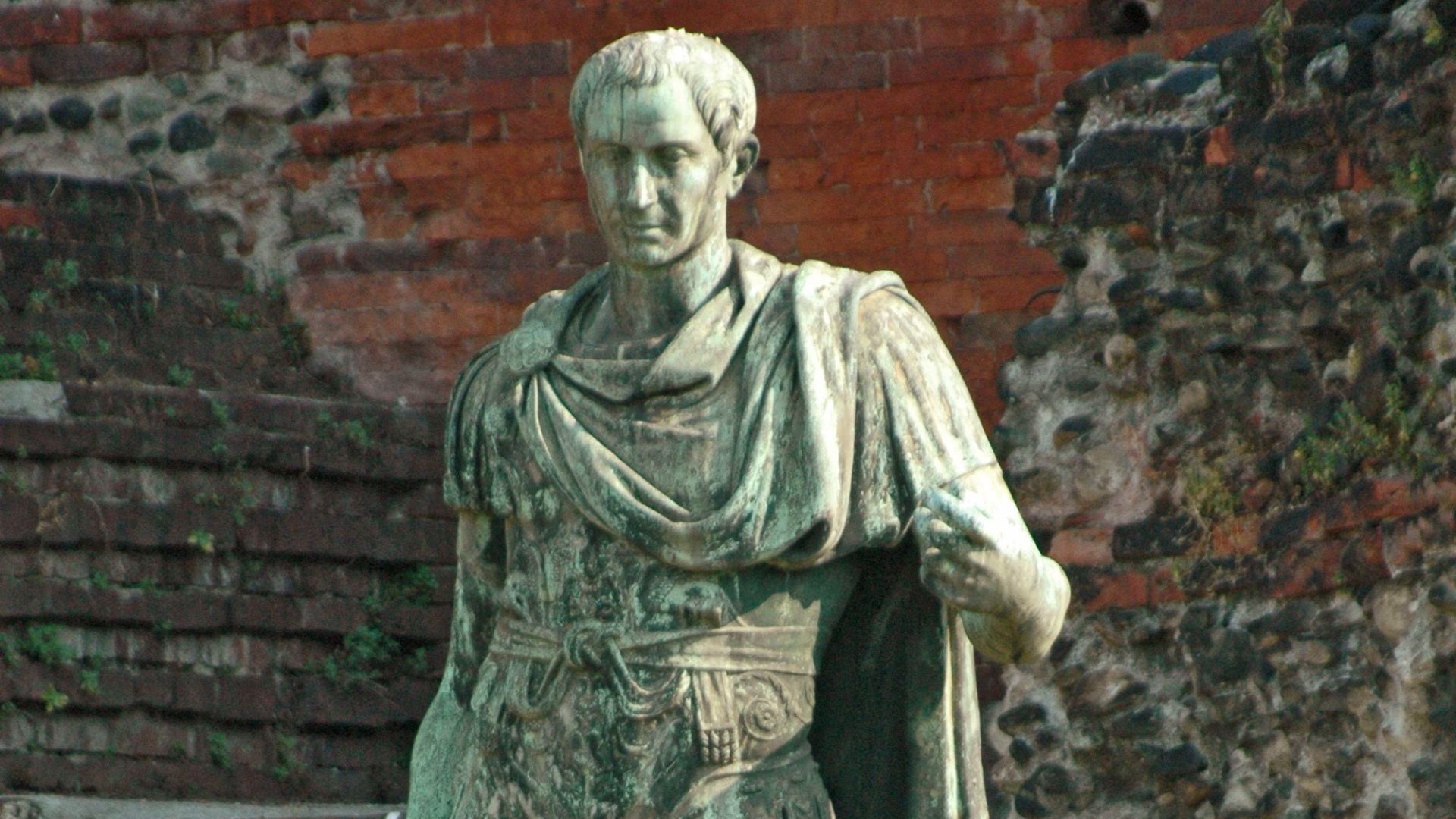
In 53 BC, Crassus led more than 30,000 Roman troops into Mesopotamia and met about 1,000 armored cavalry and 10,000 mounted archers at Carrhae. About 20,000 Romans were killed and 10,000 captured, and Crassus himself died in the fighting. His head was later used as a prop in a performance of Euripides' play The Bacchae.
 CARLOSCRUZ ARTEGRAFIA on Pexels
3. A Typhoon Destroyed Kublai Khan's Fleet
In 1281, a Mongol invasion force of about 100,000 men sailed for Japan in roughly 4,400 ships. A typhoon on August 14 destroyed most of the fleet, which had been chained together as protection against Japanese raiders and was smashed against the coast. The samurai had already faced a smaller Mongol landing in 1274 and built a wall about 12 miles long around Hakata Bay in 1275.

4. The Spanish Armada Lost as Many as 60 Ships
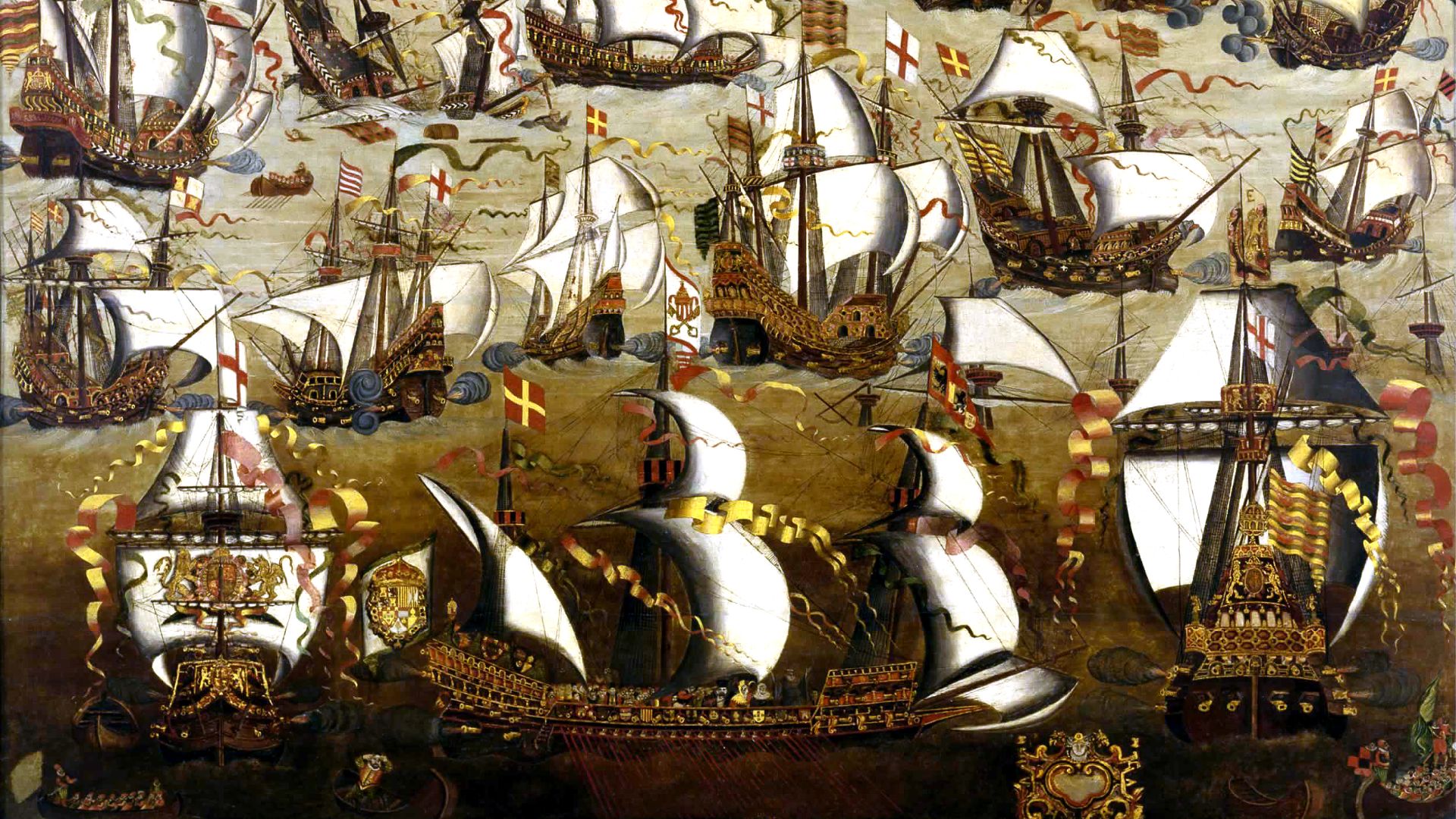
The Armada left Lisbon in May 1588 with about 130 ships and roughly 26,000 men. After a nine-hour fight at Gravelines on August 8, the wind pushed the fleet into the North Sea, and it returned home around Scotland and Ireland. About 15,000 men died, mostly from disease and weather rather than combat.
5. Napoleon's Army Collapsed in Russia
Napoleon invaded Russia with at least 450,000 troops in June 1812. After the bloody Battle of Borodino, French forces entered Moscow on September 14, but Russia refused to surrender. Napoleon began his retreat on October 19 with roughly 100,000 men. Hunger, disease, and freezing temperatures devastated what remained of his army on the journey home.
 Jan Hoynck van Papendrecht on Wikimedia
6. The US Surrendered Detroit After Invading Canada
American troops crossed into Canada in the summer of 1812, and then General William Hull ordered them back to Fort Detroit. British Major General Isaac Brock paraded his Native allies around the fort and called on Hull to surrender. Hull gave up Detroit and his 2,500 men on August 16 without a major battle.
 Internet Archive Book Images on Wikimedia
7. Gallipoli Ended in a Retreat
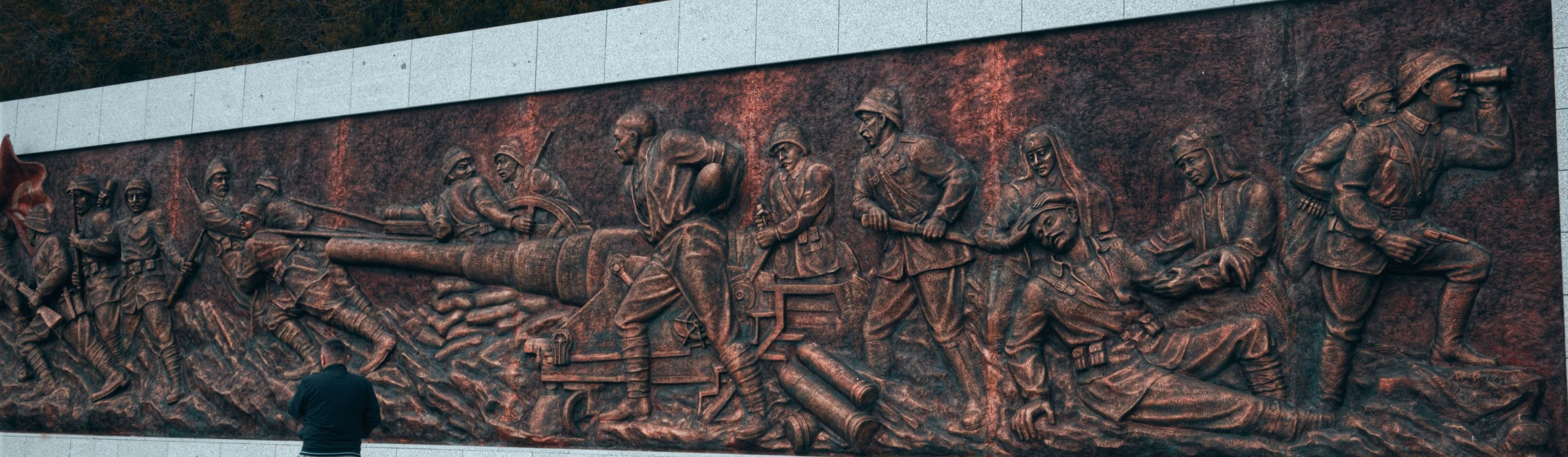
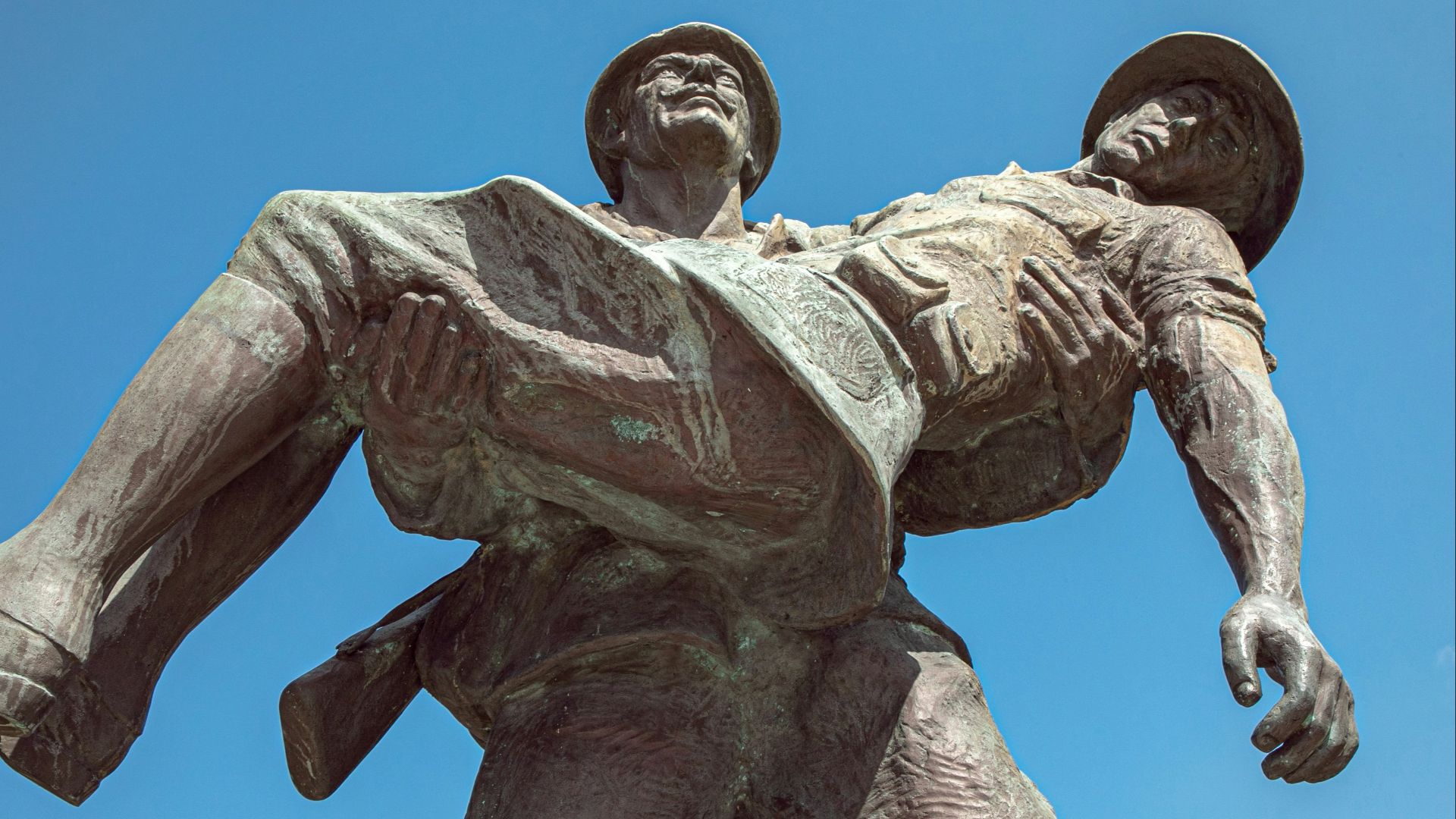
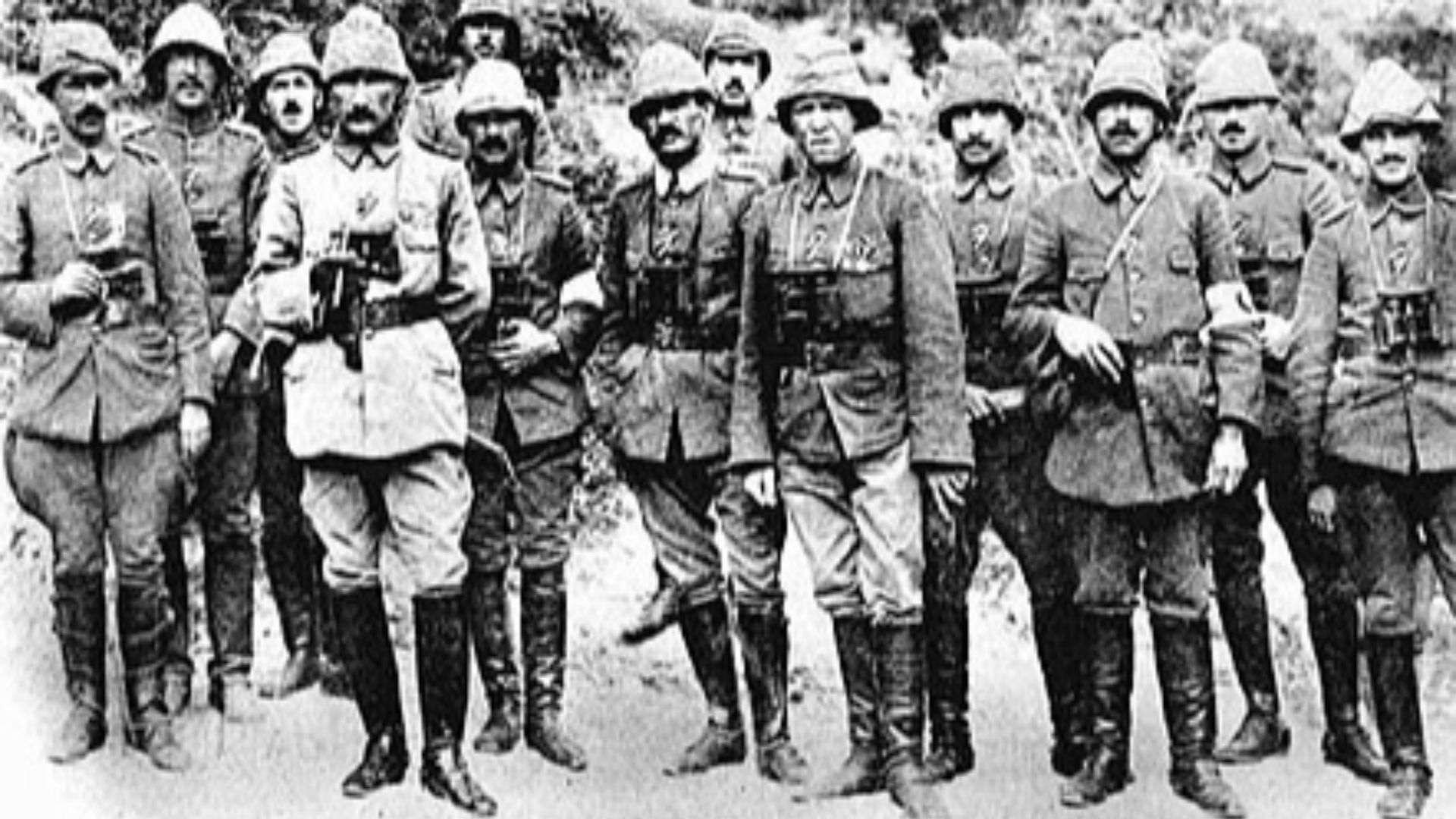
The landings of April 25, 1915, were meant to open the Dardanelles so the Royal Navy could reach Constantinople. The campaign never broke out of its beachheads, and troops were withdrawn on December 19 and 20 using deception to keep casualties very low. Australia alone counted 26,111 casualties, including 8,141 deaths.
8. Italy Invaded Greece and Was Pushed Back
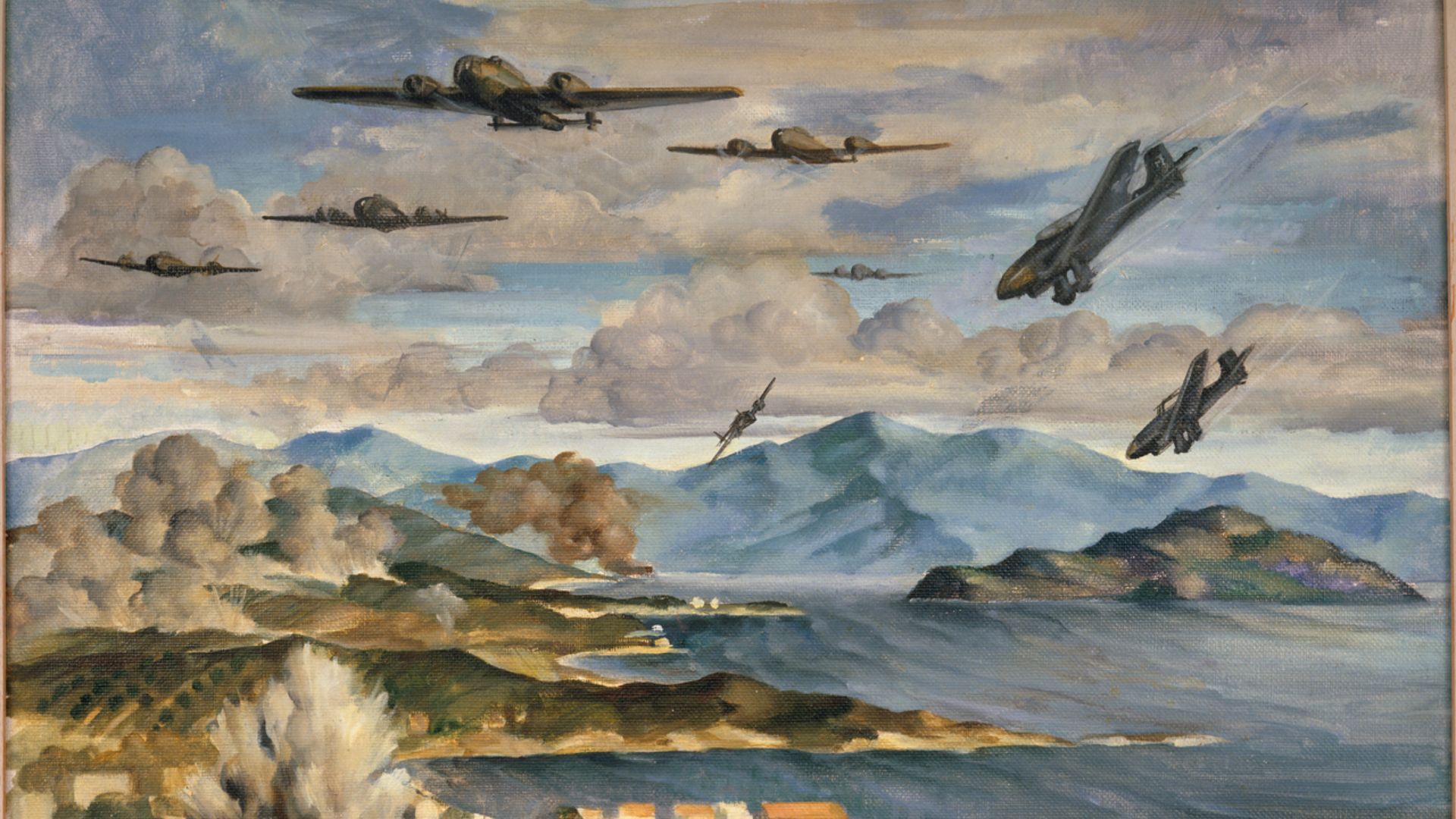
Italy began its invasion of Greece on October 28, 1940, with about 87,000 men against roughly 50,000 Greek soldiers. Only 107 of 1,750 planned supply trucks arrived in time, and Greek units began pushing the Italians back into Albania on November 14. Germany stepped in with Operation Marita in April 1941, and Greece surrendered on April 20.
 Archives New Zealand from New Zealand on Wikimedia
9. Dieppe Lasted Less Than 10 Hours
Nearly 5,000 Canadians took part in the raid on Dieppe in August 1942. More than 3,350 of the Canadians became casualties, and about 1,950 were taken prisoner. The battle ended in less than 10 hours.
 Battle of Britain Monument Archives on Wikimedia
10. The Bay of Pigs Ended in Three Days
About 1,400 armed Cuban exiles approached the Bay of Pigs on the night of April 16 and 17, 1961. Within three days, more than three quarters of the brigade had been captured and more than 100 had been killed.
KEEP ON READING