20 Geisha Rules That Sound Almost Impossible to Follow Today
Inside Kyoto's Geisha Houses
In Kyoto, apprentice geisha known as maiko still train under the care of traditional houses called okiya. Their daily lives follow strict routines, with rules governing everything from phone use to how they wear their hair. Guests have their own customs to follow, including how introductions are arranged and bills are settled. Practices vary between houses, but many have survived for generations. Here are 20 rules that would be difficult to follow today.
 National Museum of Denmark on Unsplash
1. Training Starts After Junior High
Many trainees enter an okiya at 15 or 16, right after junior high, according to a Kyoto maiko-experience company. The first stage, shikomi, lasts from about 3 months to a year and is mostly cleaning and cooking for the house, with basic lessons in dance and music on the side. Passing a teachers' exam sets the date of the debut.
 Willian Justen de Vasconcellos on Unsplash
2. Debut Day Means Greeting Local Businesses
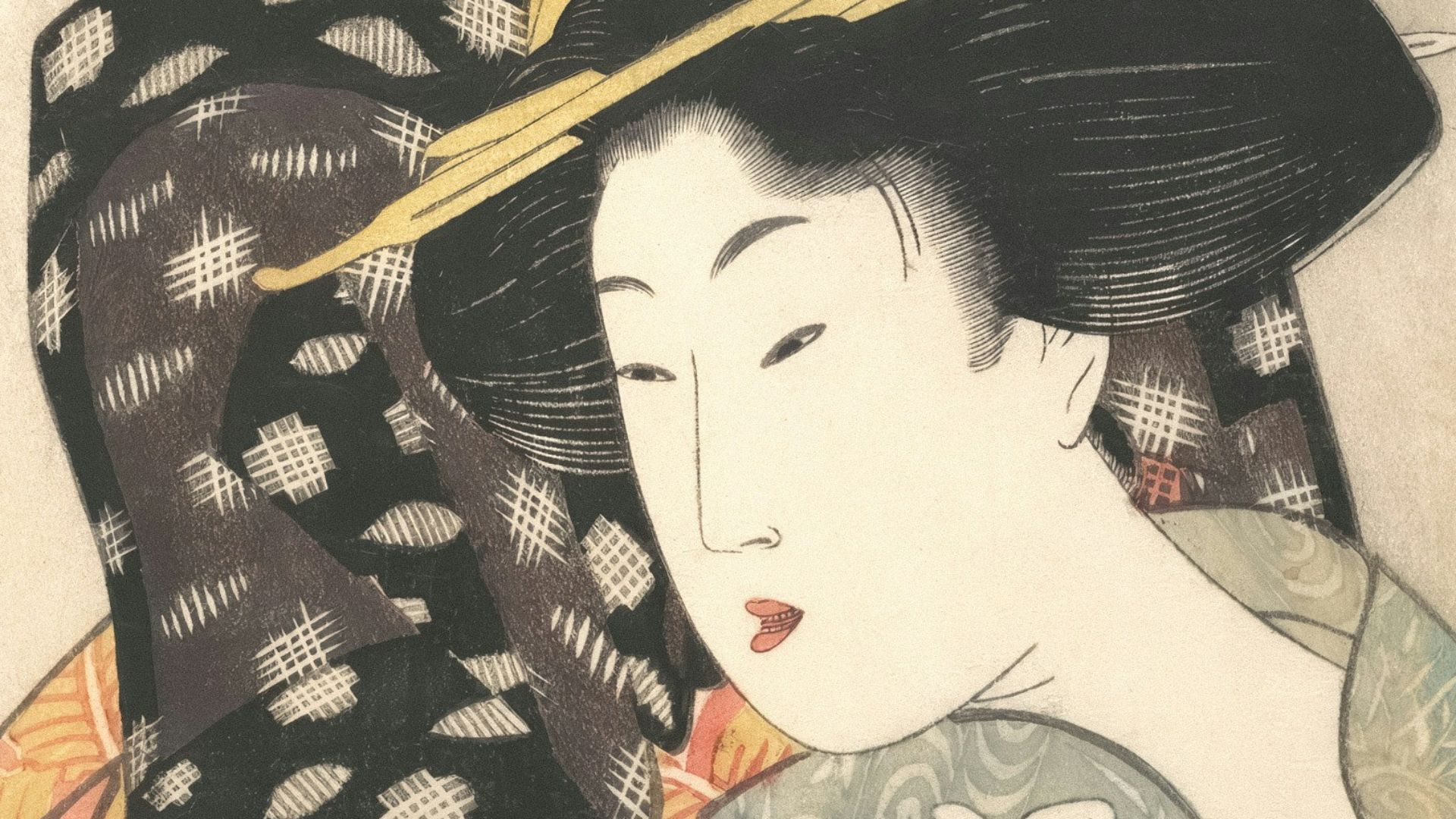
Before the debut, trainees spend roughly two weeks to a month in minarai, attending banquets mainly to watch senior women. At the debut itself, the new maiko wears a black five-crested kimono and a gold obi. She then greets local businesses, guided by an older sister.
 The Metropolitan Museum of Art on Unsplash
3. Apprentices Live in the Okiya
Trainees share quarters with the house mother and older sisters, whose manners they are expected to copy. A maiko interviewed for a published profile said each new maiko is assigned an older sister who teaches her the house's rules. The okiya provides room and board during training.
 Willian Justen de Vasconcellos on Unsplash
4. Training Costs Were Once Repaid as Debt
In the past, girls sometimes entered geisha houses at a young age because their families needed money. The house paid their parents and covered years of training, then recovered those costs from the geisha's earnings. This system was a form of indentured labor, with women working to repay their debts before they could begin earning money for themselves.
 The Metropolitan Museum of Art on Unsplash
5. Phones and Family Contact Stay Limited
Maiko are not allowed smartphones, and the same company says they can see their families only once or twice a year. That maiko added that laptops and the internet were off limits too. A former maiko who trained in 2015 wrote that outside contact came through letters and public phones.
 Willian Justen de Vasconcellos on Unsplash
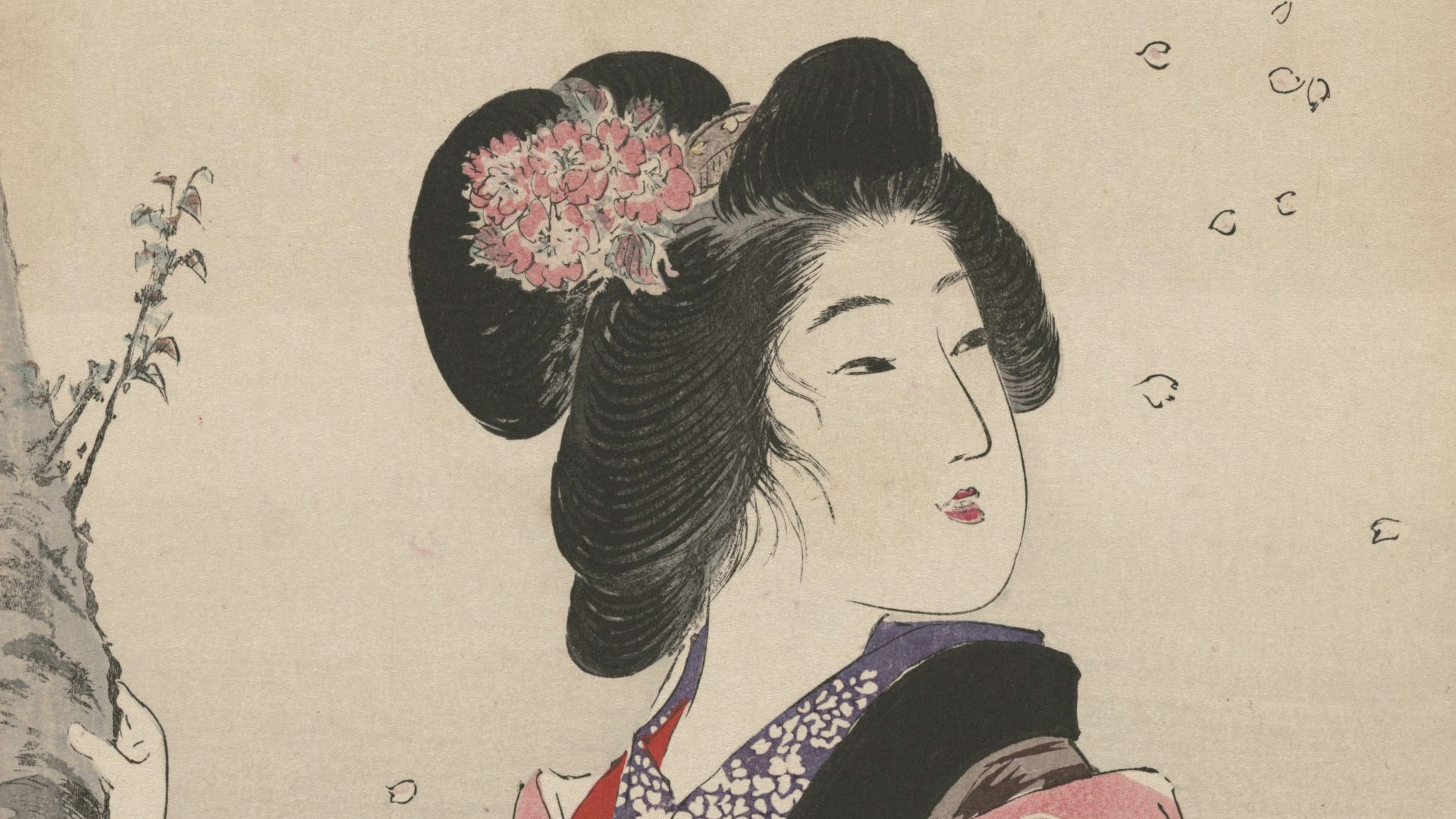
6. Boyfriends Are Not Allowed
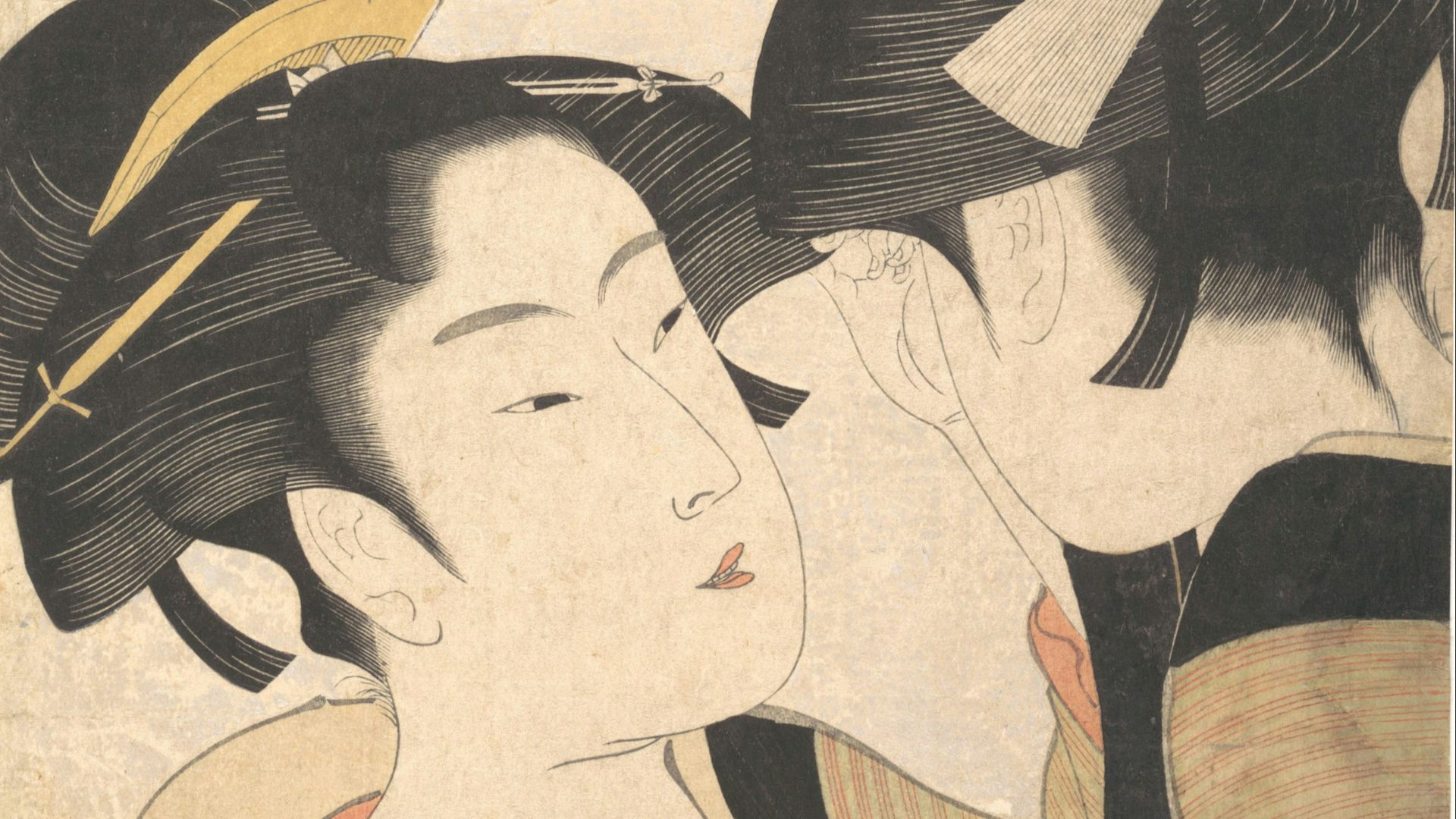
Maiko are traditionally forbidden from having boyfriends, with their training taking priority over romantic relationships. Geiko are also generally expected to remain unmarried, and those who marry typically retire from the profession. Some former geisha go on to run restaurants or teach the traditional arts they spent years mastering.
 National Library of Australia on Unsplash
7. One Day Off Every Three Months, With No Salary
Training as a maiko can mean very little time off and almost no money of your own. One apprentice described getting just one day off every three months, with tips going to the house mother and all purchases requiring a request for money. A former maiko recalled spending six years in an okiya without a salary, receiving only a small allowance for personal expenses.
 Willian Justen de Vasconcellos on Unsplash
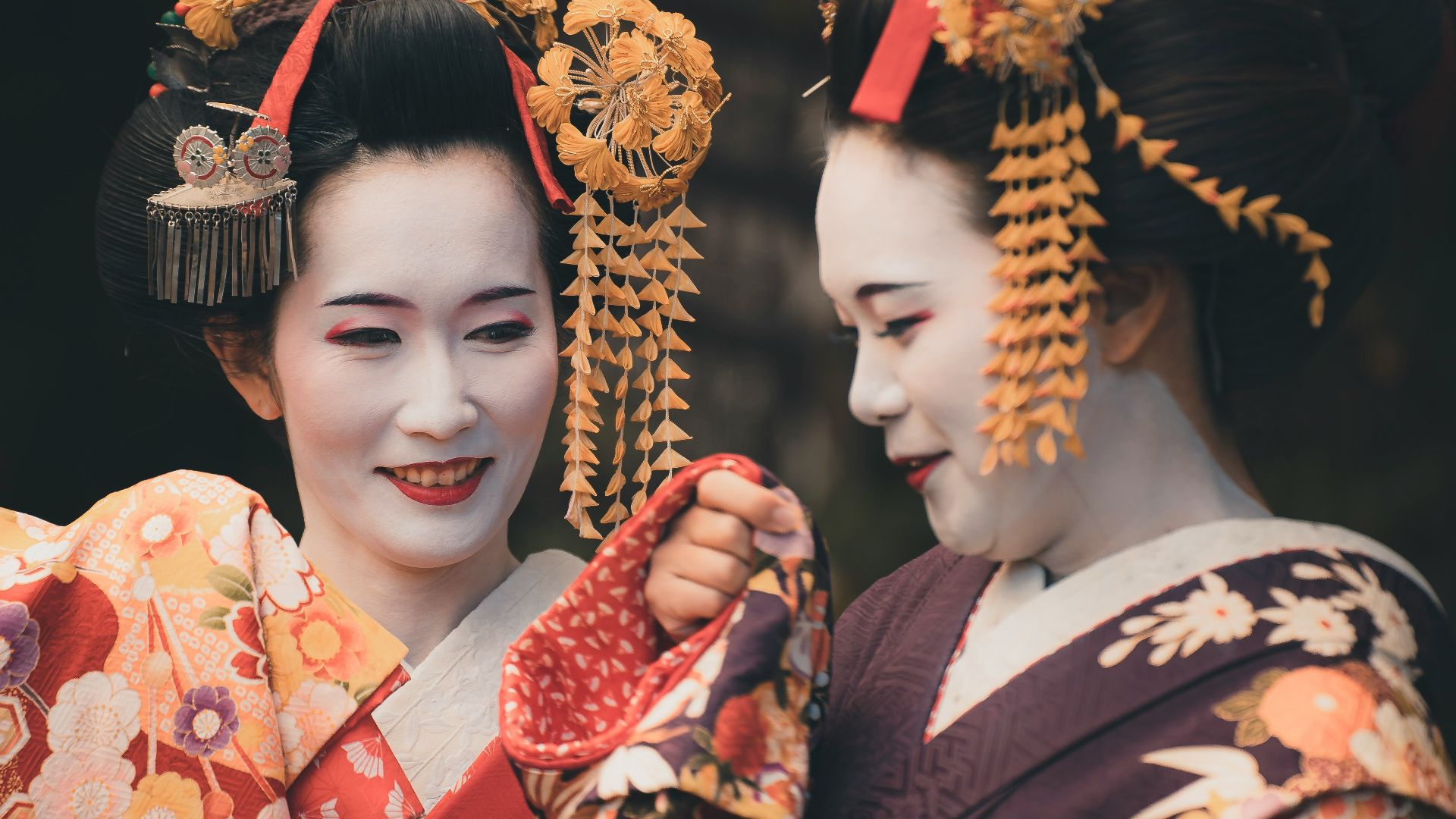
8. Maiko Speak Kyoto Dialect
Maiko and geiko learn a traditional form of Kyoto speech known as kyo-kotoba as part of their training. They use expressions like ookini for "thank you" and okoshiyasu to welcome guests. The way they speak is part of the hospitality, with some geiko even slowing down their English to help foreign visitors feel more comfortable.
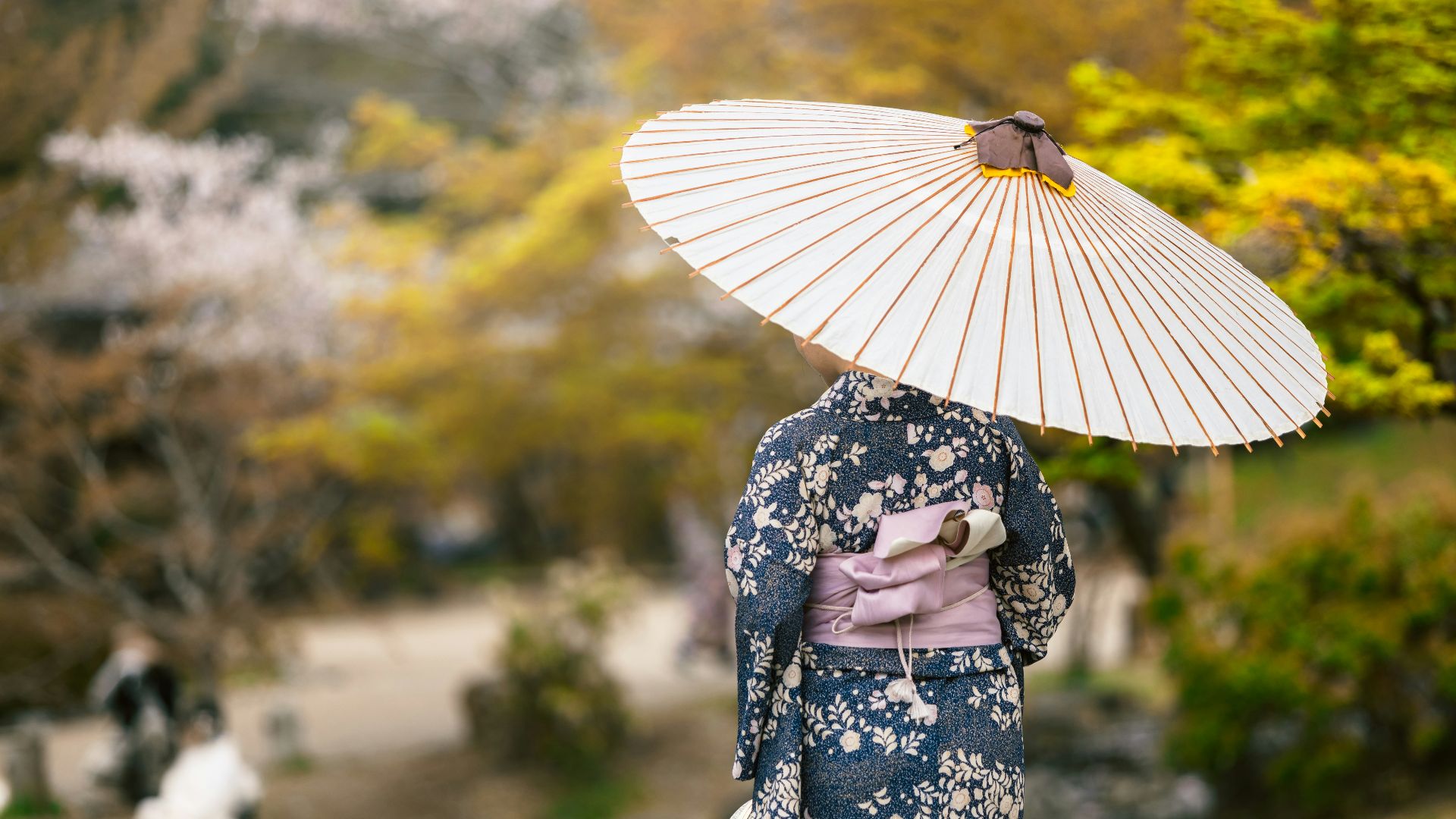
9. Mornings Are for Lessons and Evenings for Dinners
Practice at 10am lasted between 30 minutes and 3 hours for the interviewed maiko, and she dressed at 4pm to meet her first client. She usually had two dinner appointments each night. Lessons covered dance and tea ceremony as well as calligraphy and the tsuzumi drum.
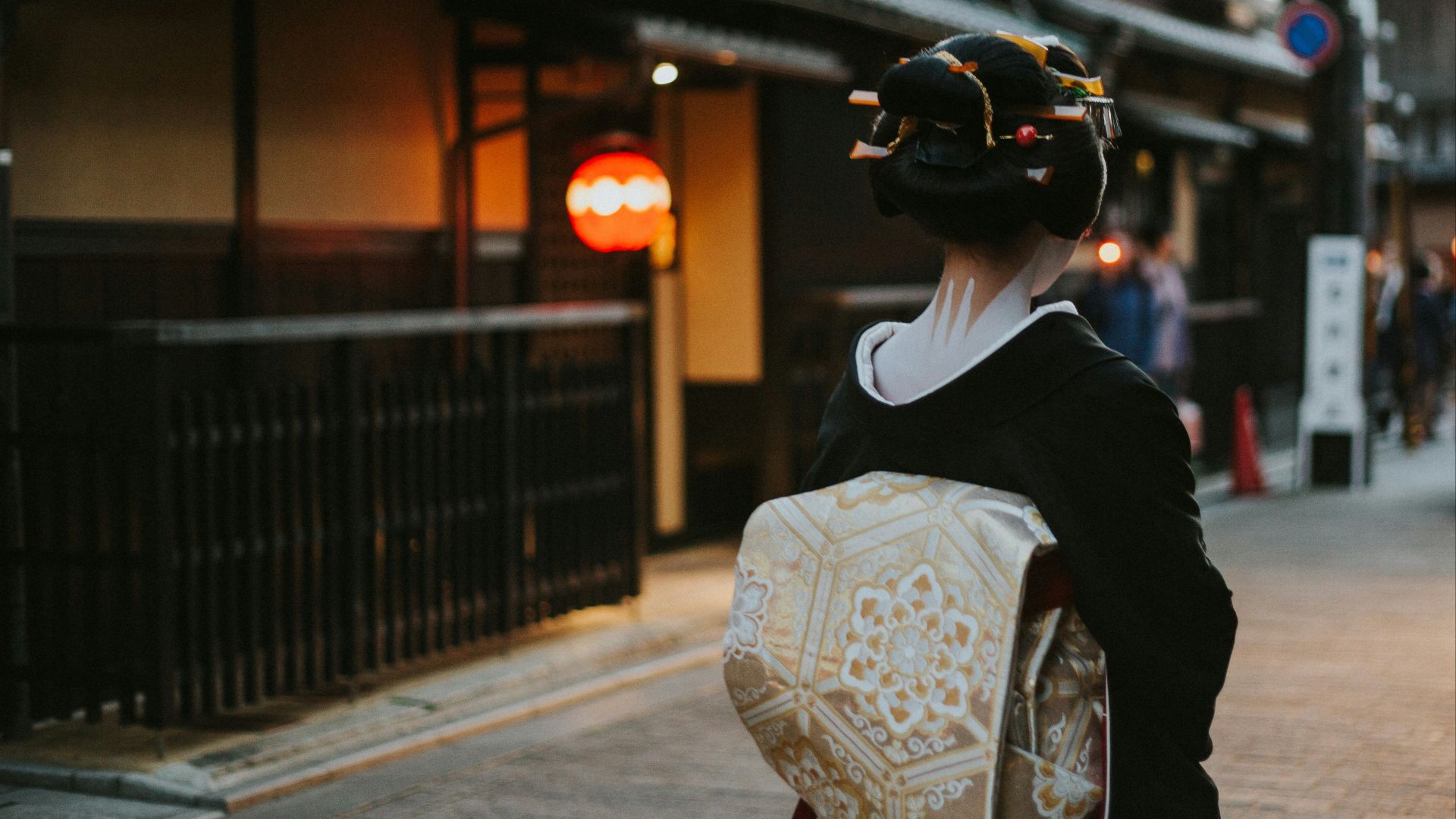
10. Hair Gets Set Once a Week
A maiko's elaborate hairstyle is set by a specialist once a week and must stay in place until the next appointment. That means going seven days without washing her hair. Geiko have it easier, wearing wigs that are restyled by a specialist about once a month. The switch to wigs became common after World War II, when skilled hairstylists were in short supply.
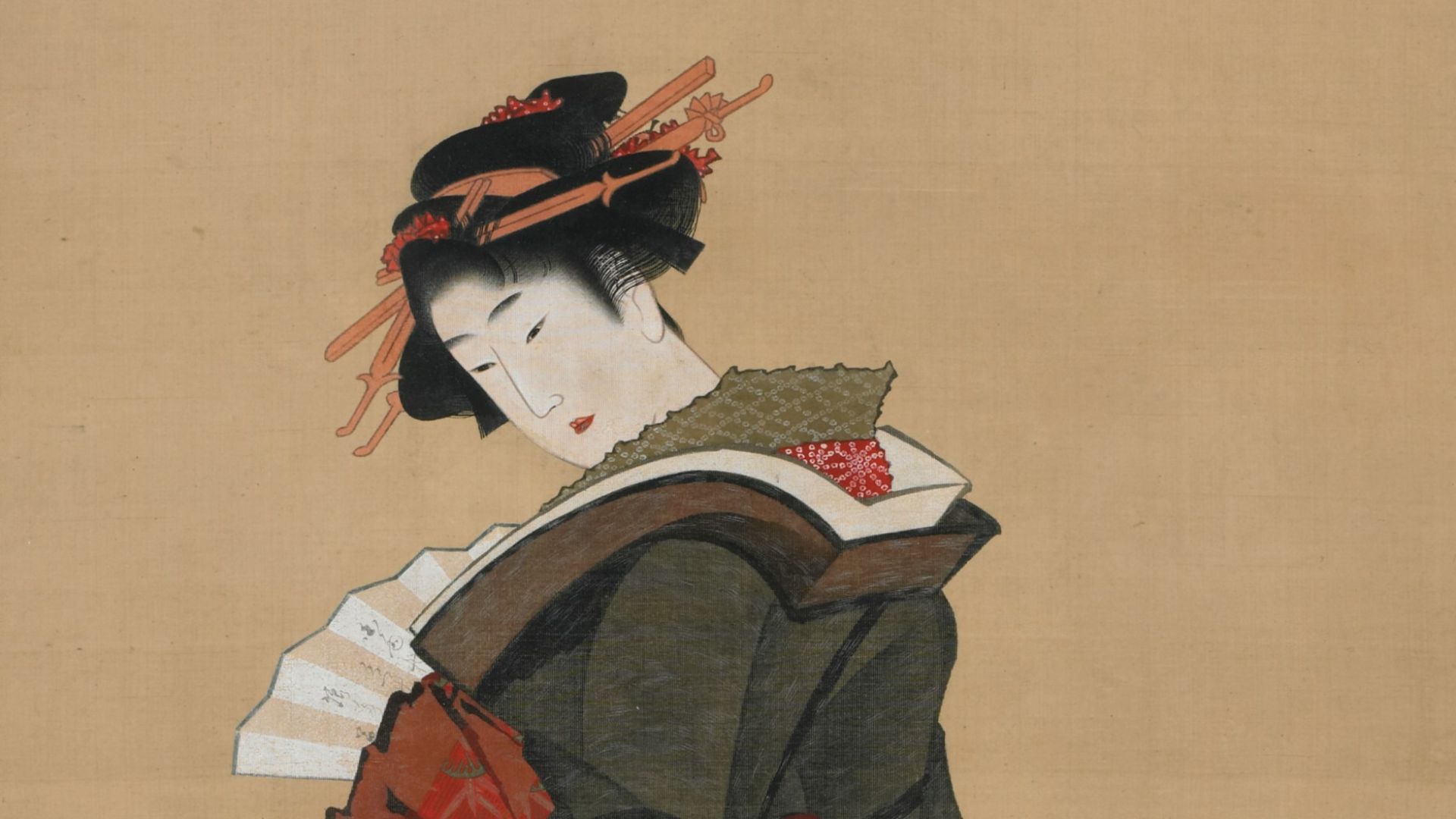
11. A High Pillow Protects the Hairstyle
Maiko sleep on a takamakura, a high pillow that keeps the hair from falling apart. Traditionally, the okiya's mother sprinkled rice or bran around a new maiko's pillow. If she rolled off, grains would get into her hair and she would need to have it restyled.
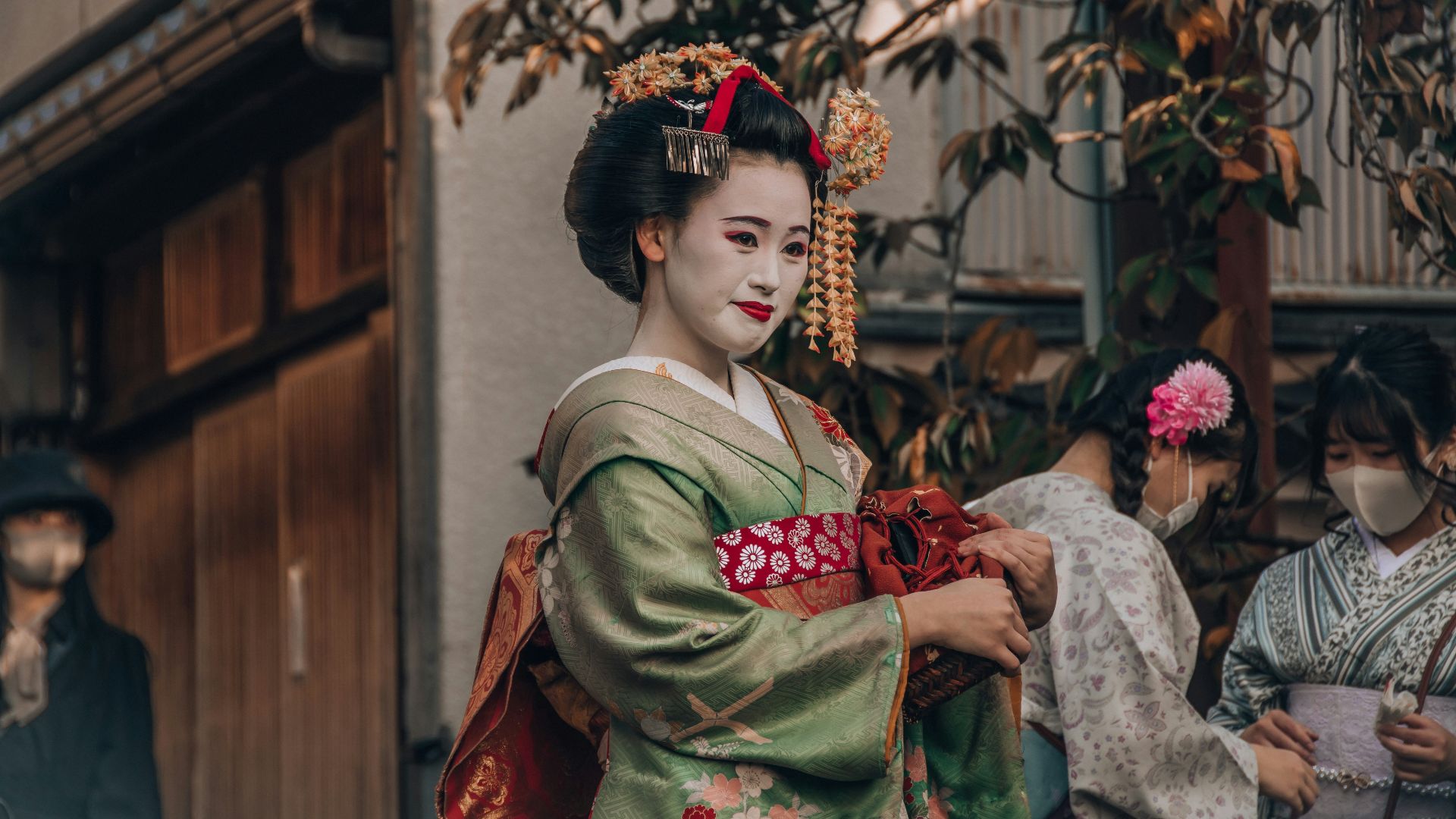
12. An Unpainted Nape Shows the Hair Is Real
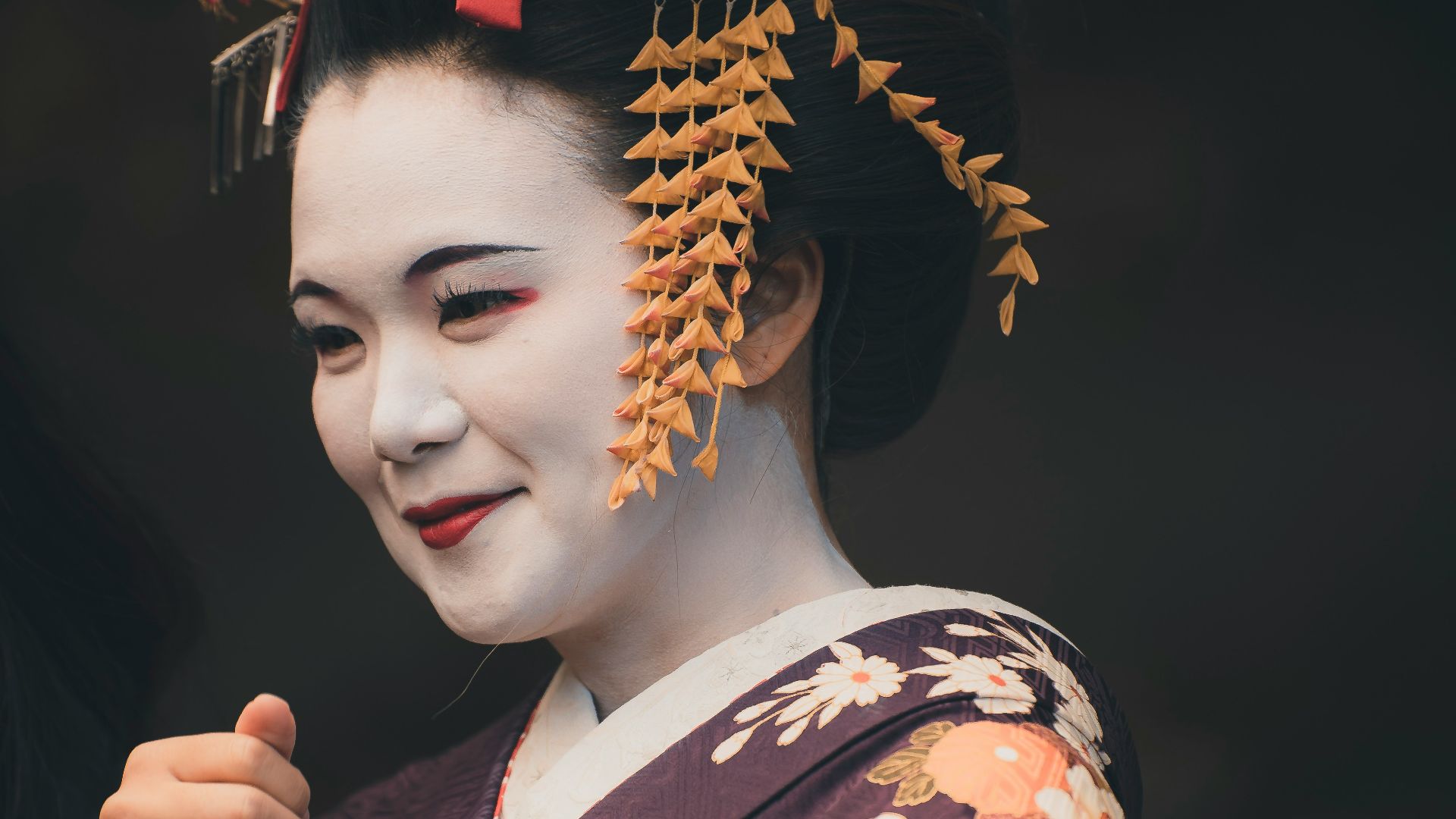
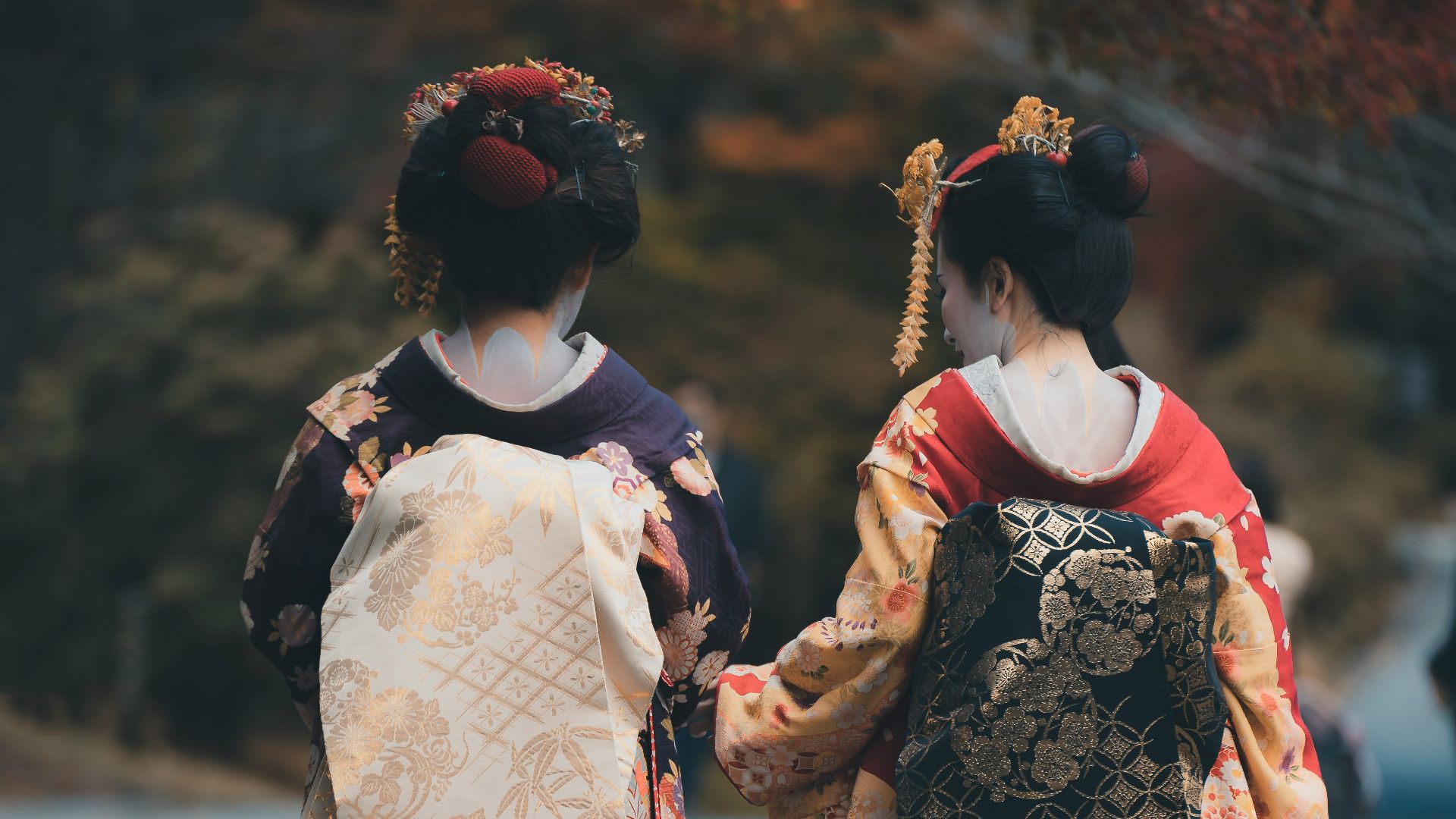
A band of natural skin at the hairline stays unpainted to show that a maiko's hair is her own. A V-shaped patch of bare skin at the nape, known as komata, stays unpainted too. On special occasions, such as the day a maiko first becomes a geiko, a W shape replaces it.
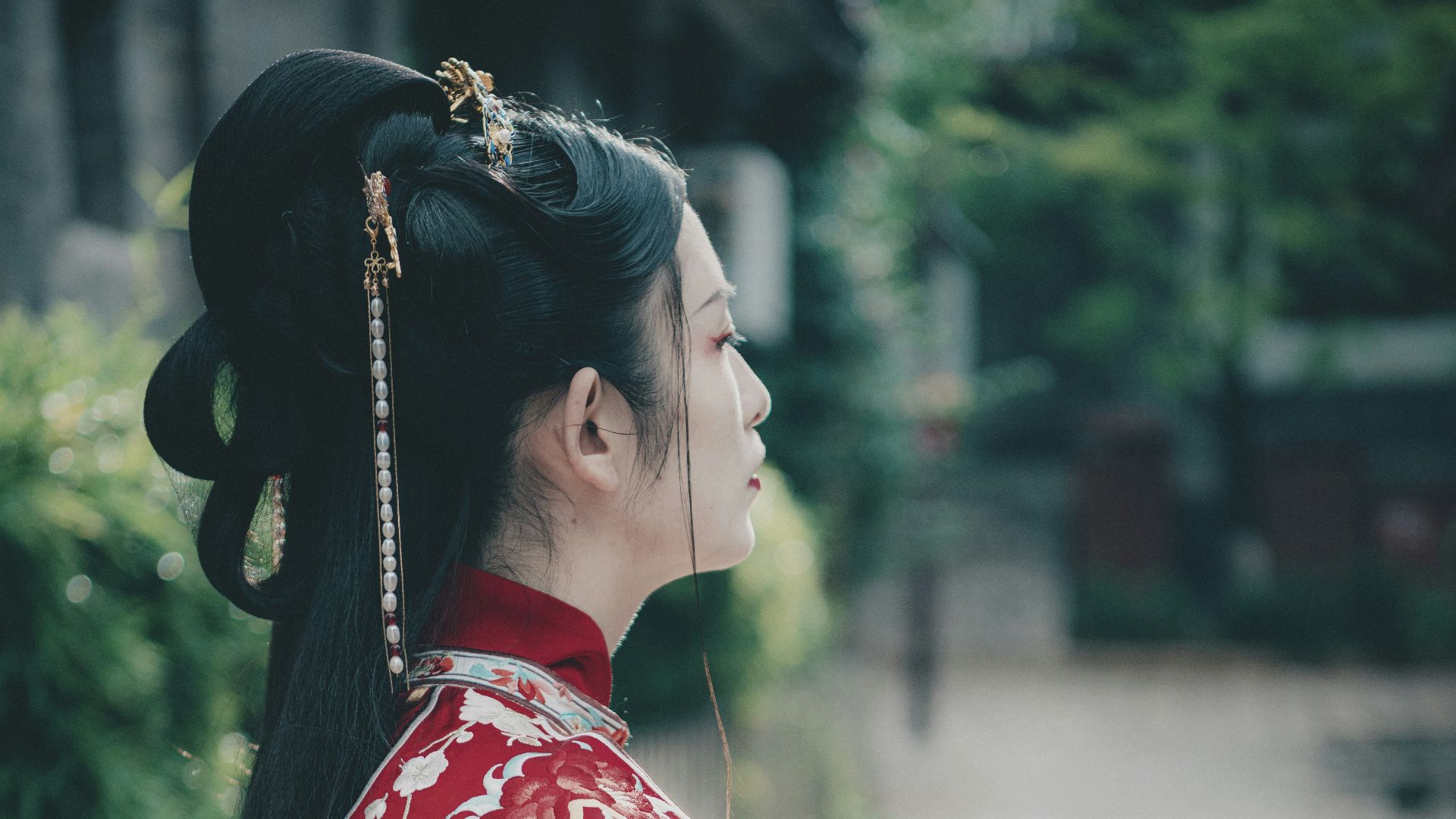
13. First-Year Maiko Paint Only the Lower Lip
Apprentices in their first year put lipstick on a small part of the lower lip. After they master the technique, they may wear it on both lips. Even then, the red goes on with a small brush and covers just part of the lips, which creates a smaller, pouty look.
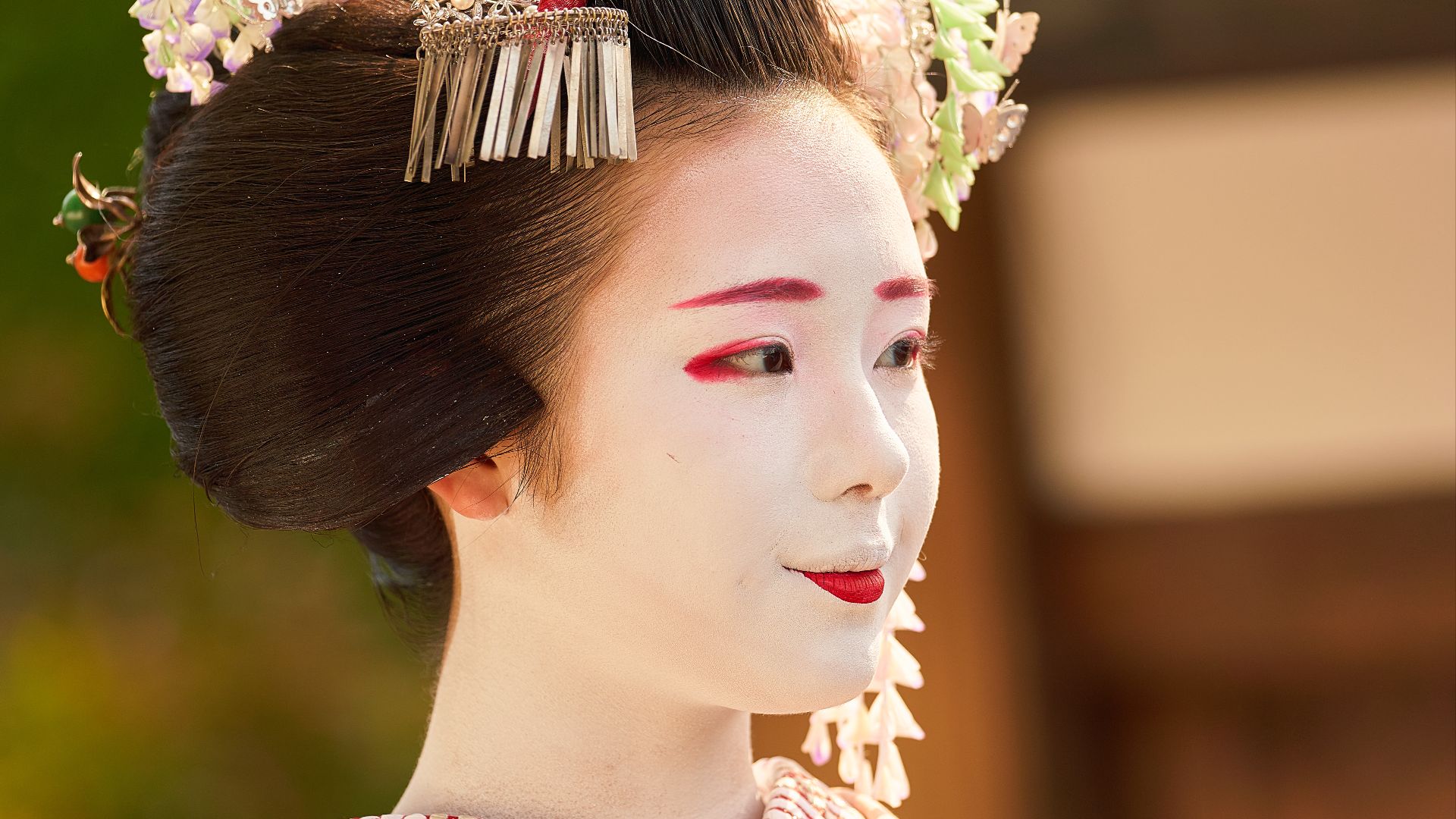
14. Maiko Do Their Own Makeup
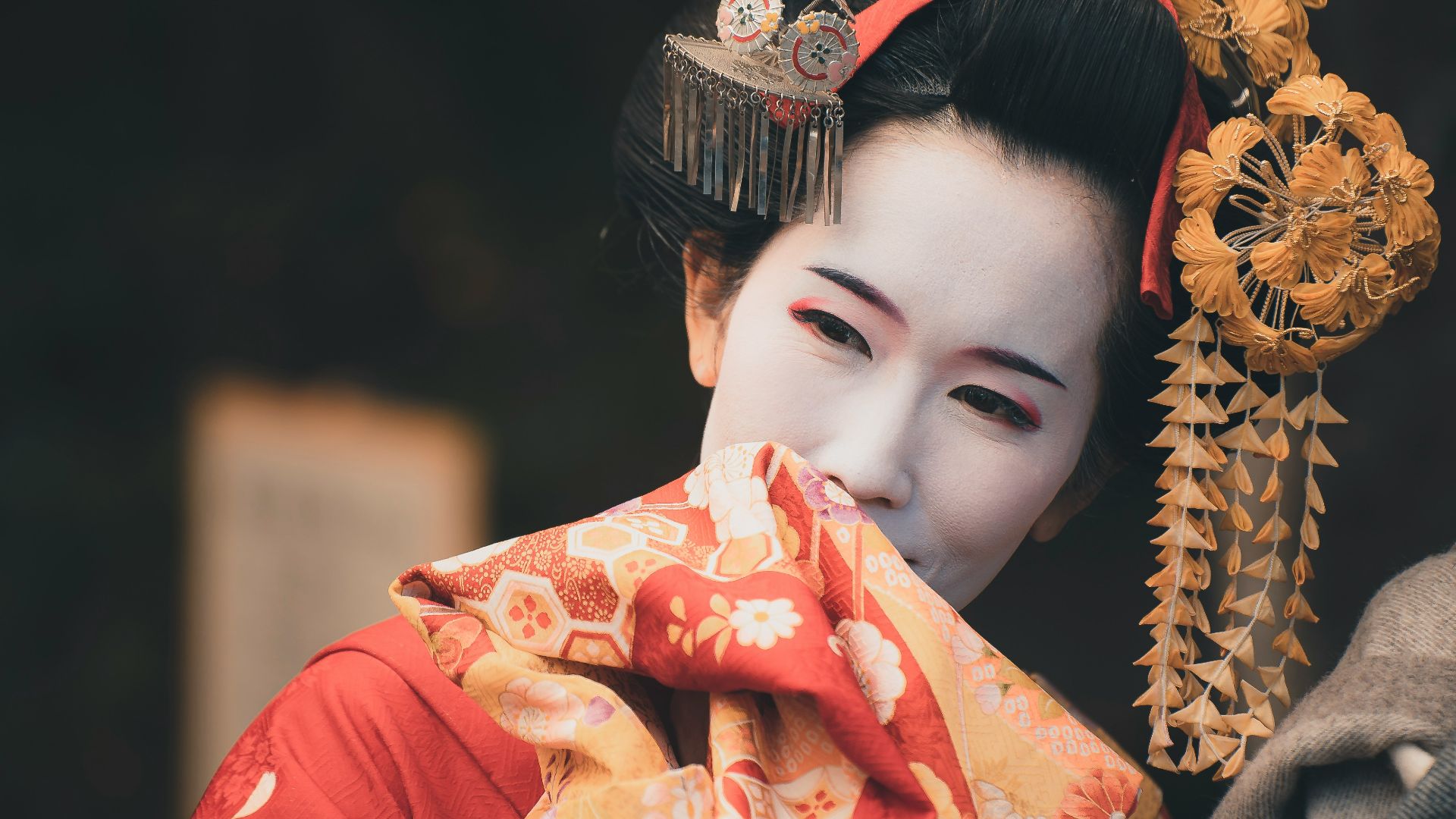
Maiko are expected to apply all of their makeup themselves before graduating. The white base, once made with lead and now made with cosmetic or rice powder, extends from the face down the neck to the upper chest and back. Skilled maiko can finish the whole look in about thirty minutes or less.
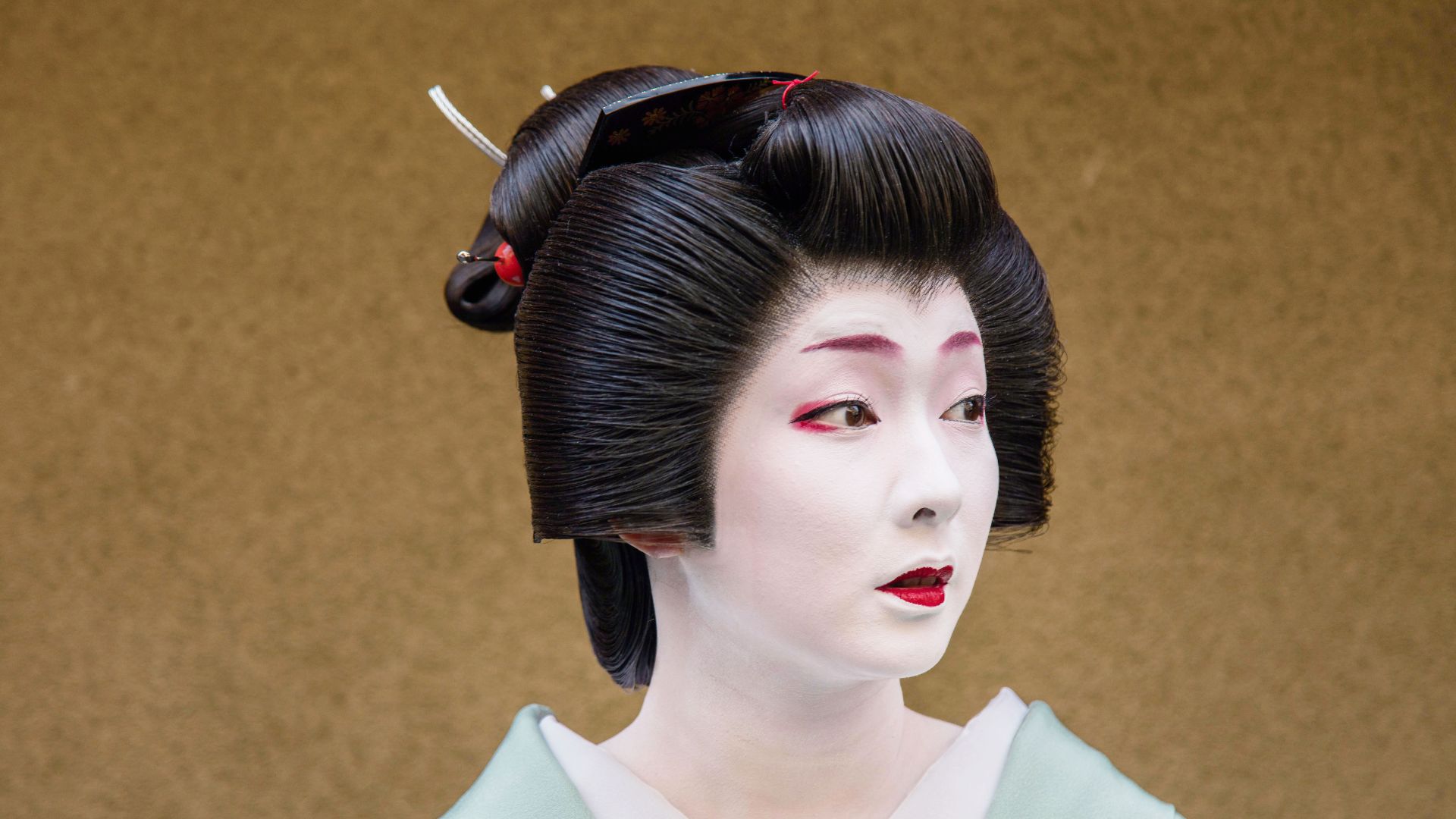
15. The Full Outfit Can Weigh Up to 15 Kilos
The company puts a maiko's full outfit at up to 15 kilos in winter, counting the long obi and the layers underneath. The obi alone is a silk sash 5 to 7 meters long. Geiko wear a short, simple belt and low sandals, while maiko wear tall okobo with a bell that sounds as they walk.
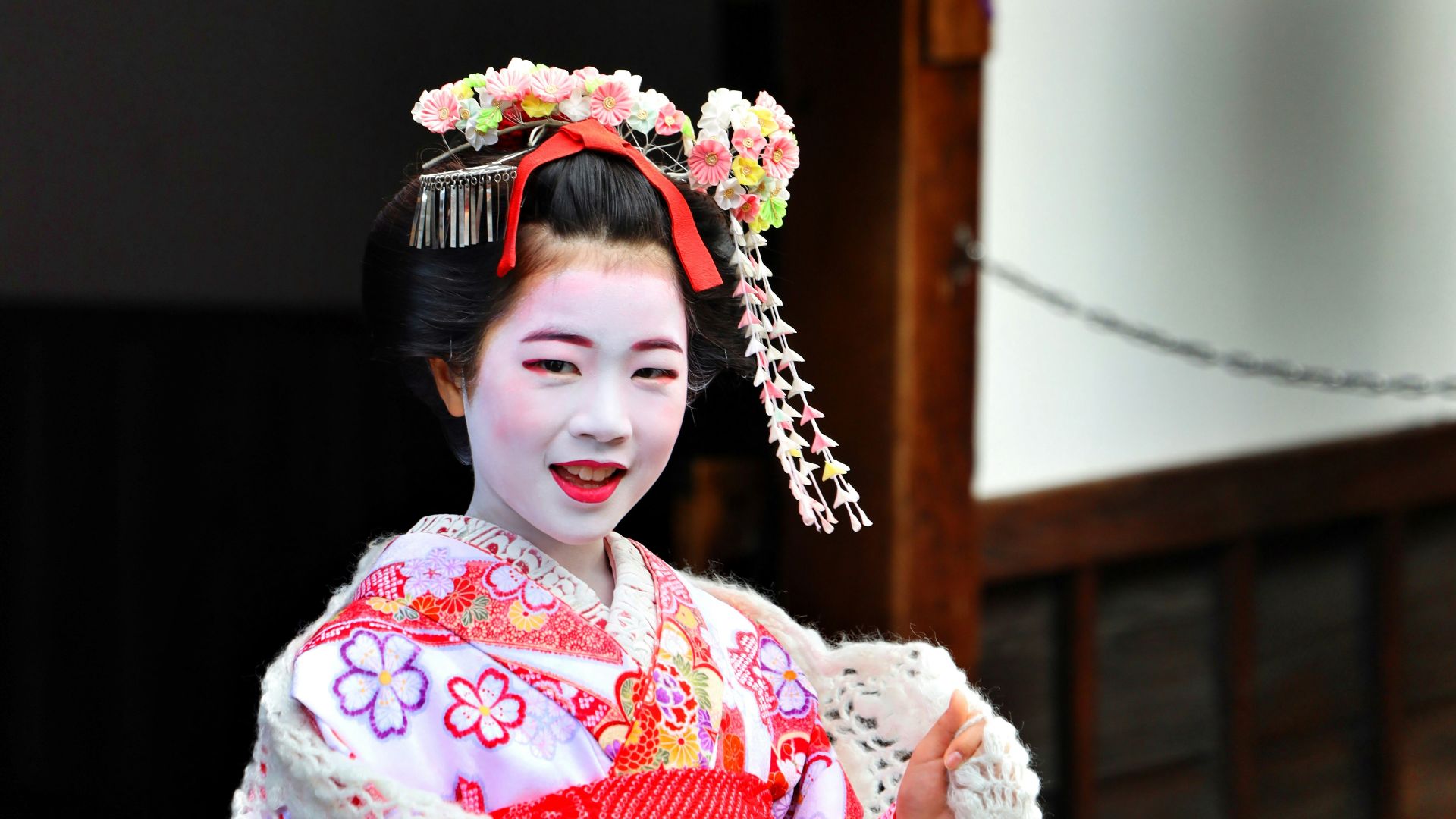
16. Hair Ornaments Follow the Calendar
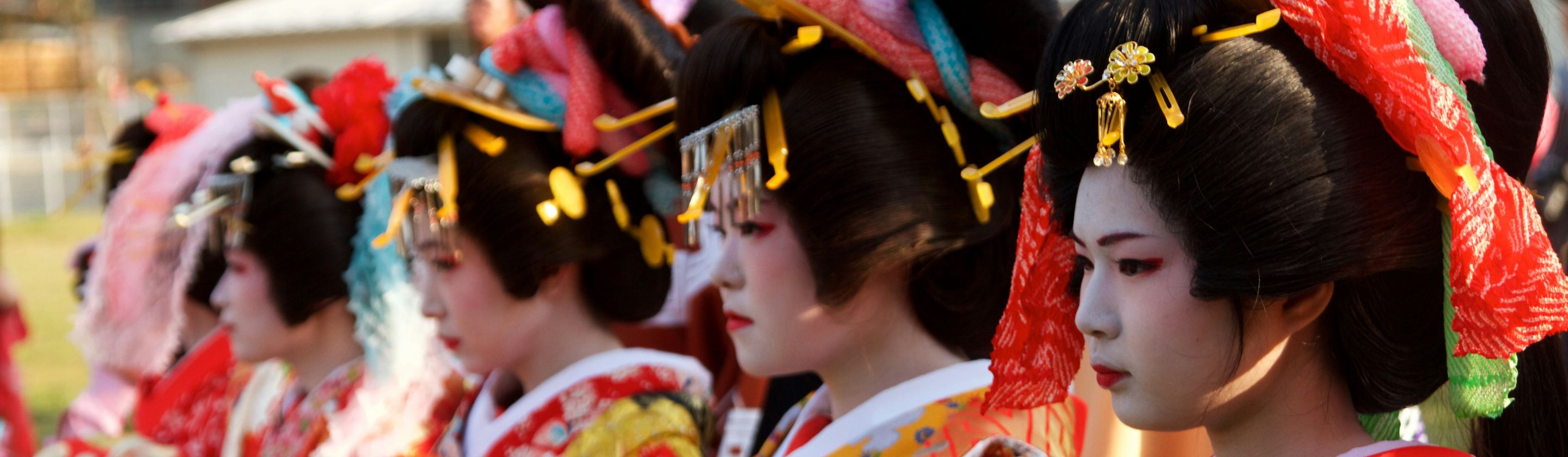
Maiko wear flower hair ornaments that change every month, along with dangling silver bira pins. Senior maiko switch to special styles for New Year visits in January and the Gion Festival in July. Every maiko style also includes a red cloth at the front that represents childhood and immaturity.
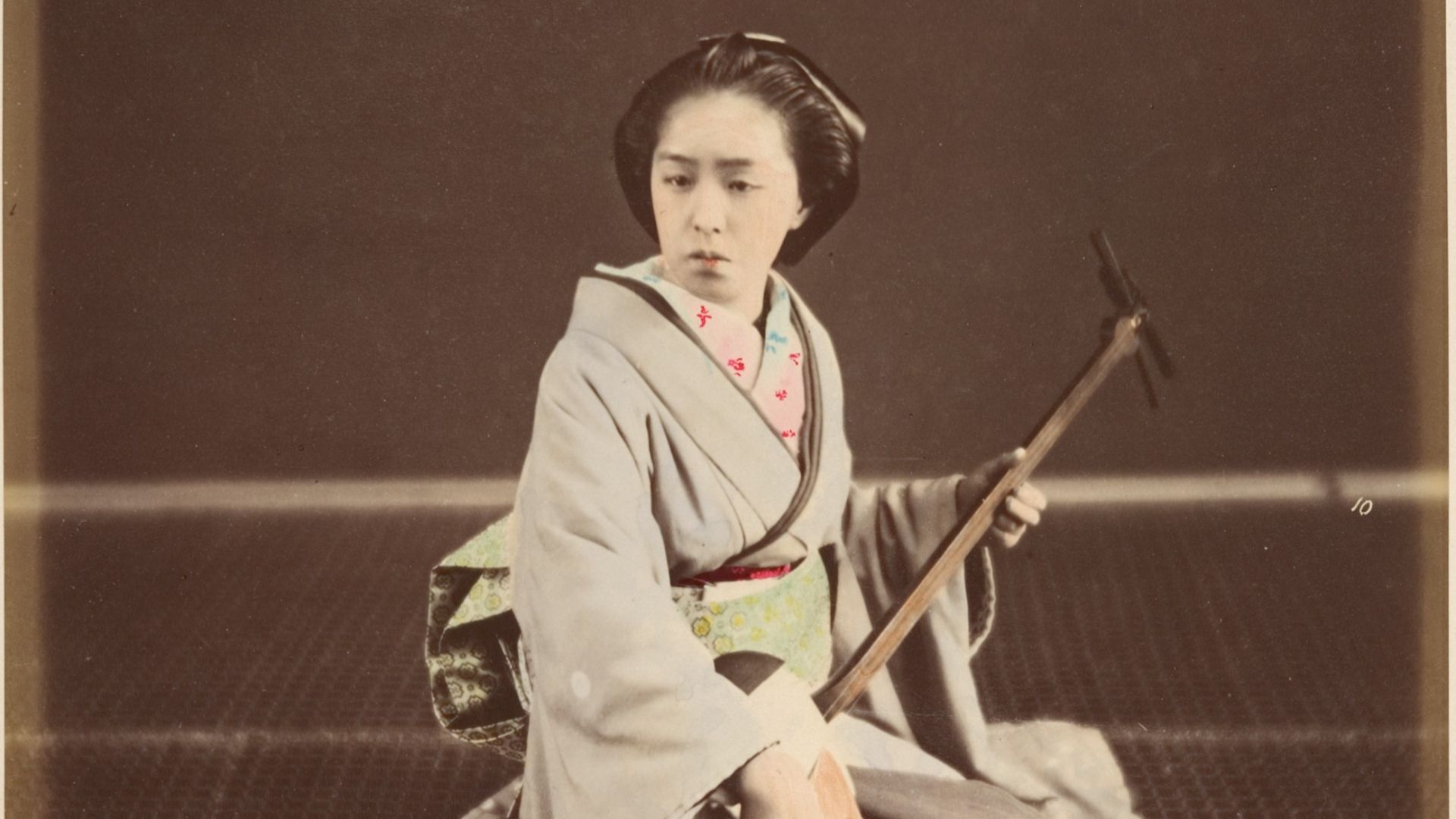 Unknown Artist, Unknown School on Wikimedia
17. Only Introduced Guests Are Accepted
A Japan travel guide says teahouses in Gion generally won't serve a first-time customer unless a current client introduces them. The interviewed maiko named it the ichigen okotowari policy. The introducer vouches for the newcomer, and the guide ties that trust to the close relationship between the district and its customers.
18. Guests Don't Pay on the Night
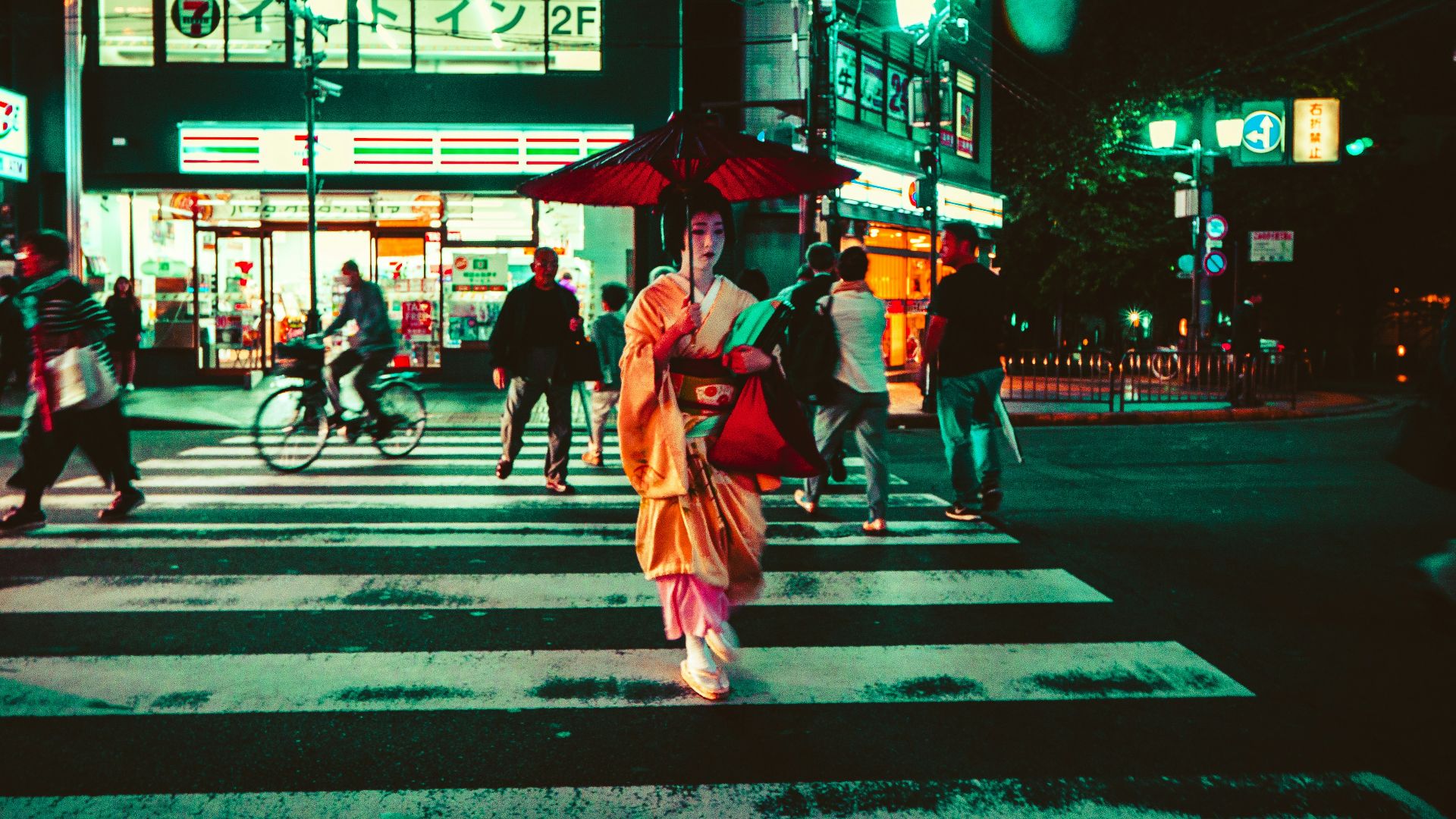
Customers leave without paying. The teahouse covers the food and the fee for the geisha or maiko, then bills the customer later. The same guide says an evening starts at about 50,000 yen, and food alone often costs 10,000 to 20,000 yen.
 Gianni Scognamiglio on Unsplash
19. Teeth Get Blackened Before Graduation
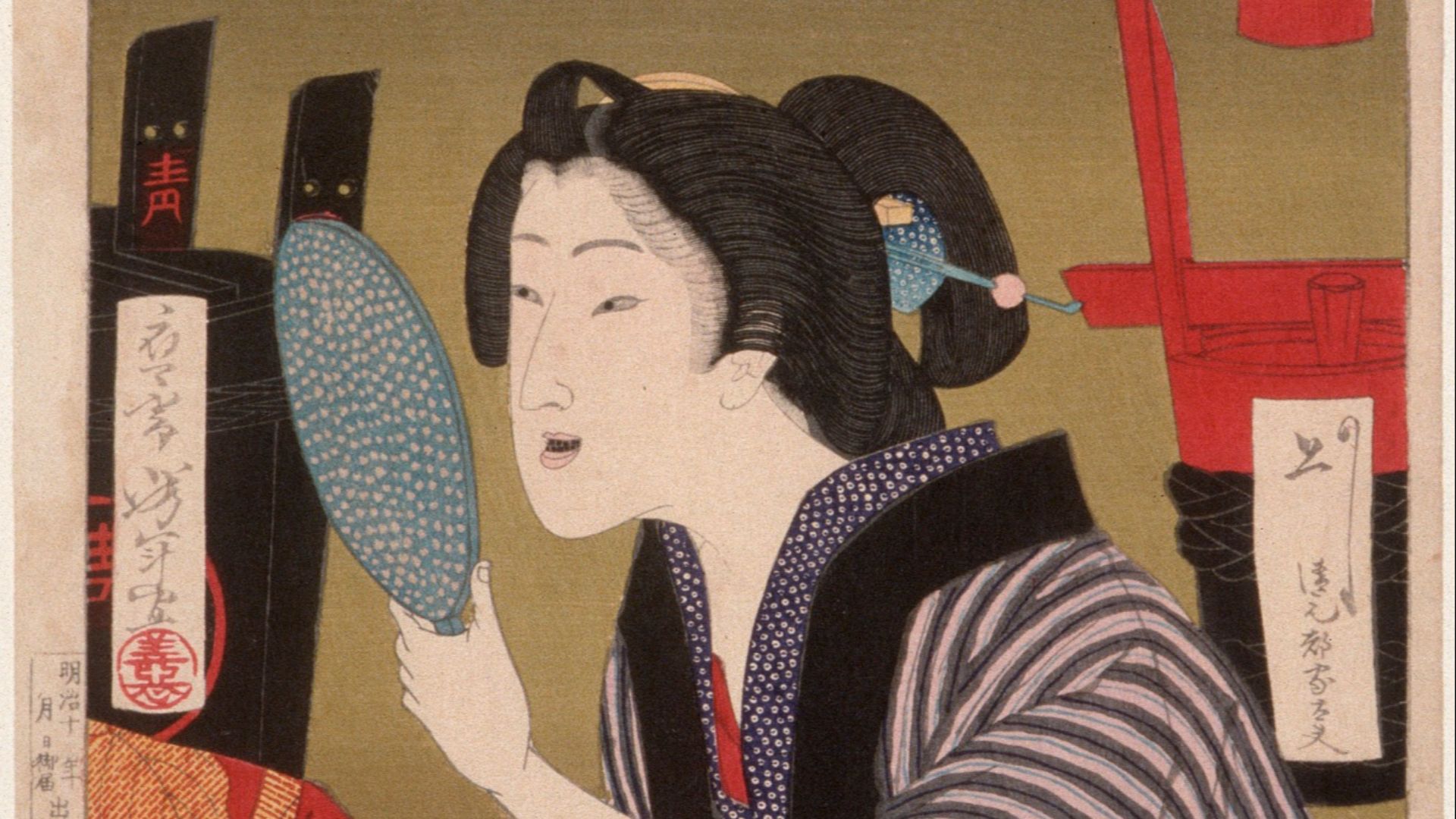
In the final two to four weeks before becoming a geiko, maiko wear the sakko hairstyle and practice ohaguro, blackening their teeth. They cannot drink hot drinks or alcohol during this stage, the company adds. It ends with a ceremony in which guests and senior women clip the hair ornaments free.
 Tsukioka Yoshitoshi (Japan, 1839-1892) on Wikimedia
20. The House Head Decides When a Maiko Graduates
No test decides when a maiko becomes a geiko. The head of the okiya makes the call, usually when a maiko is around 21. The change shows in the collar, which goes from red with embroidery to plain white at the erikae ceremony.
KEEP ON READING