
Both Sides Made Things Up
During the Cold War, the United States and the Soviet Union worked hard to influence what people believed about each other through newspapers, forged documents, and carefully planted rumors. Some claims started as honest mistakes, while others were deliberately invented to mislead the public. Many were repeated for years before declassified records or firsthand accounts revealed the truth. Here are 20 false Cold War stories from both sides that people once believed.
 Federal Government of the Unites States on Wikimedia
1. AIDS Was a US Bioweapon
A letter in the Indian newspaper Patriot said on July 17, 1983, that AIDS came from Pentagon experiments at Fort Detrick. The paper had ties to the KGB, which kept the story moving with help from East Germany's Stasi. Russia's intelligence service acknowledged the KGB's role in 1992.

2. The US Dropped Germs on Korea
A May 1953 message from the Soviet Central Committee told Mao that the accusations of American germ warfare in Korea were fictitious. China and North Korea had made the charges since 1952, and Soviet media repeated them until Stalin died. Both still maintain them, though a Chinese army health official's 2013 memoir called them false.
3. American Planes Dropped Beetles on East Germany
East German officials said in 1950 that American planes had dropped Colorado potato beetles, which they called Yankee beetles, to wreck the potato harvest. The country did have a serious infestation that year, but the beetles had long been present in Europe.

4. The Soviets Led in Missiles
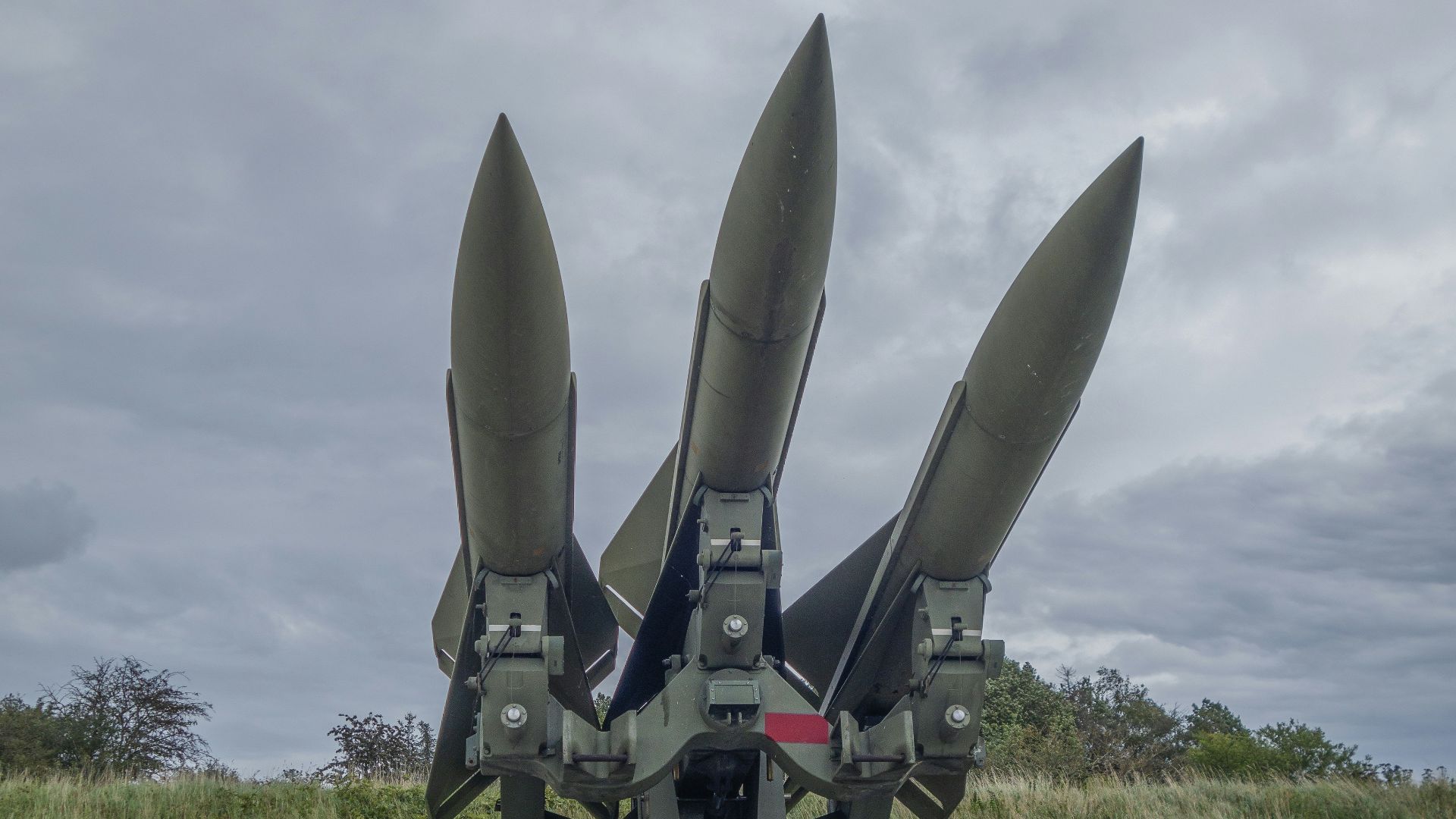
The Soviet Union had deployed only two ICBMs by the end of 1960, even though Senator John F. Kennedy had warned that February of a growing Soviet lead. The first American ICBM went on duty in September 1959, and Defense Secretary Robert McNamara said in February 1961 that the United States was not behind.
5. The Soviets Led in Bombers
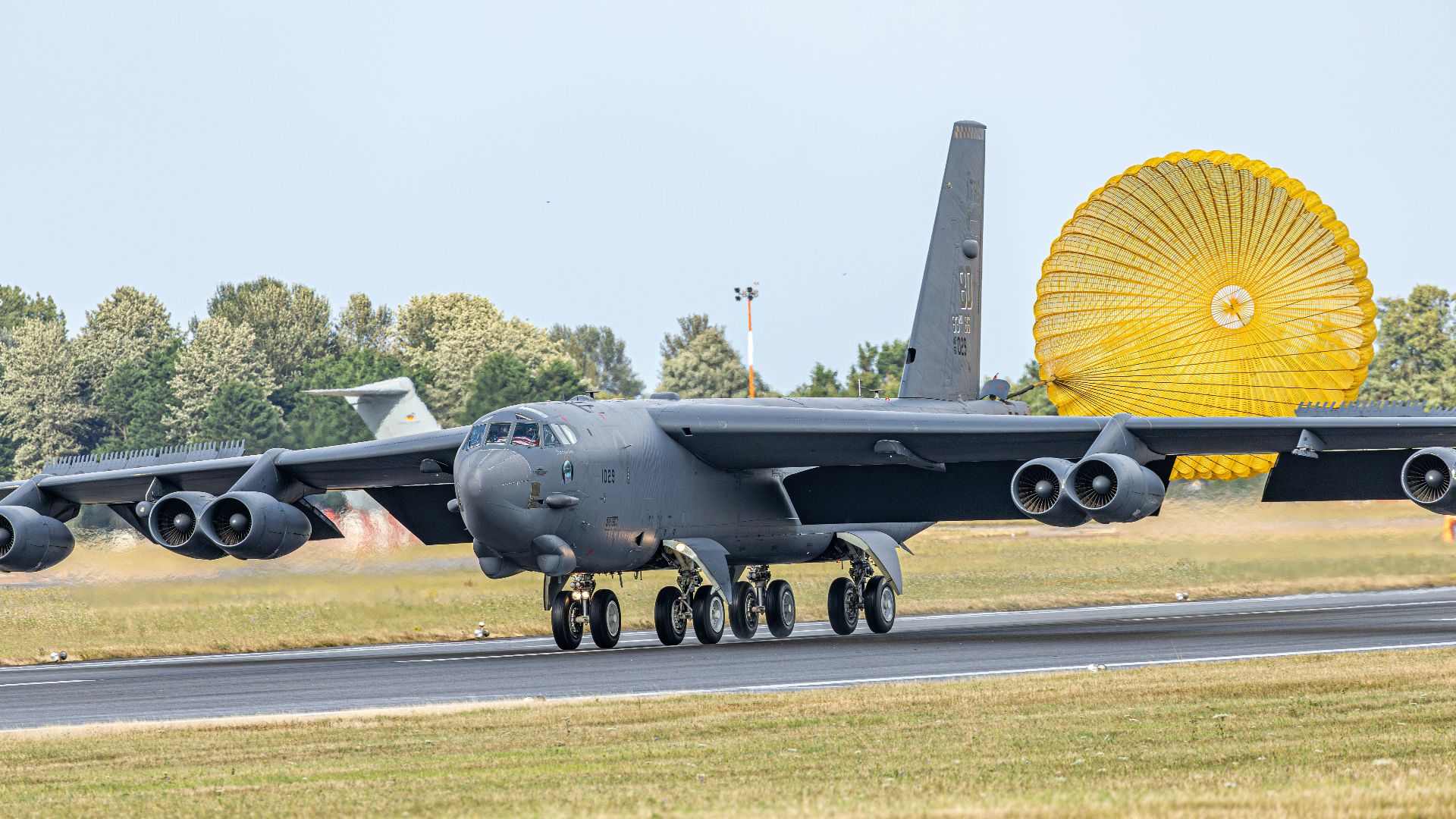
At a 1955 air show near Moscow, Western observers counted what looked like dozens of new Bison bombers, and the CIA projected hundreds more. Many accounts say the planes circled out of sight and flew past a second time, though historians disagree on whether the Soviets staged it. U-2 flights that began in 1956 found no such fleet.
6. North Vietnam Attacked Twice in the Gulf of Tonkin
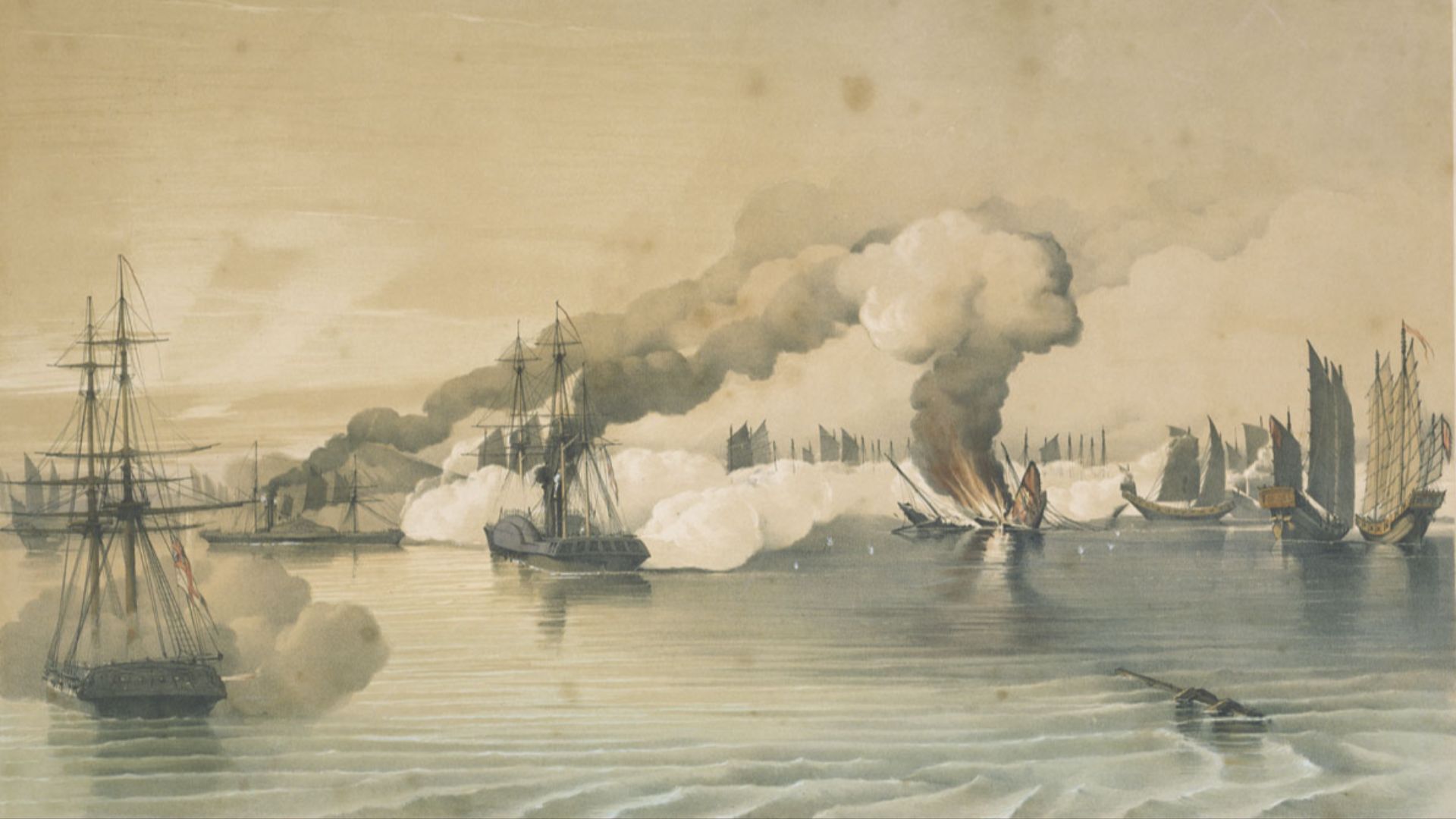
The Johnson administration said North Vietnamese boats attacked two US destroyers on August 2 and again on August 4, 1964. A declassified NSA study released in 2005 concluded the second attack never happened and that intelligence pointing the other way was mishandled. By then, the claim had helped win a congressional resolution widening US action in Vietnam.
7. The U-2 Was a Weather Plane
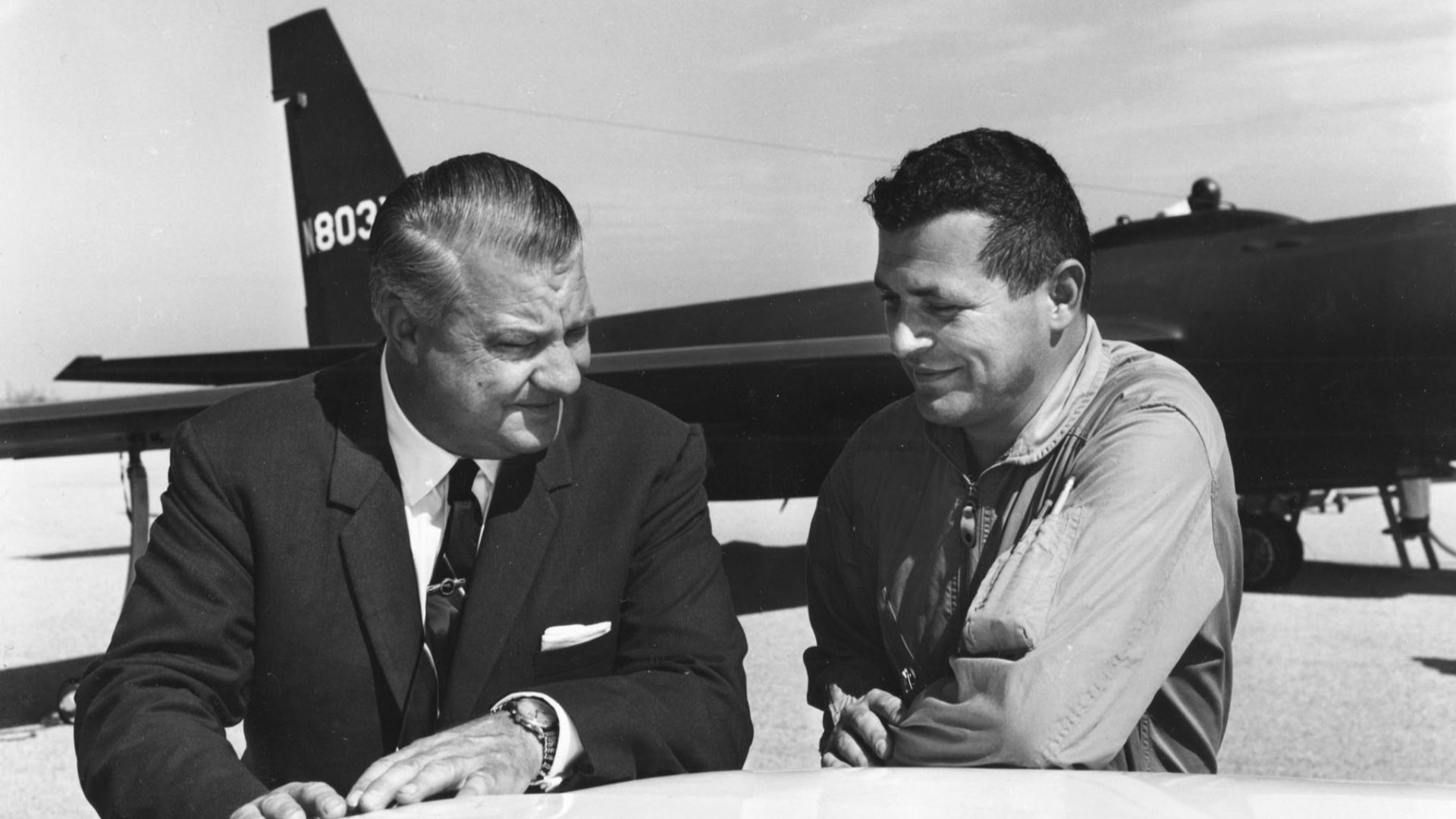
After a Soviet missile brought down a U-2 on May 1, 1960, US officials said it was a routine weather flight whose pilot had blacked out from an oxygen problem. Khrushchev announced on May 7 that the pilot, Francis Gary Powers, was alive and the camera equipment had survived, and Eisenhower admitted the spy program four days later.
 U.S. Air Force photo on Wikimedia
8. Cuban Pilots Defected and Bombed Their Own Airfields
On April 15, 1961, US-backed bombers hit Cuban air bases, and two of the planes landed in Miami and Key West with pilots who said they were Cuban air force defectors. Reporters soon noticed that the planes' guns looked unfired and that the aircraft type was not one Cuba usually flew.
 Pasqualino Capobianco on Unsplash
9. The KKK Threatened African Olympic Athletes
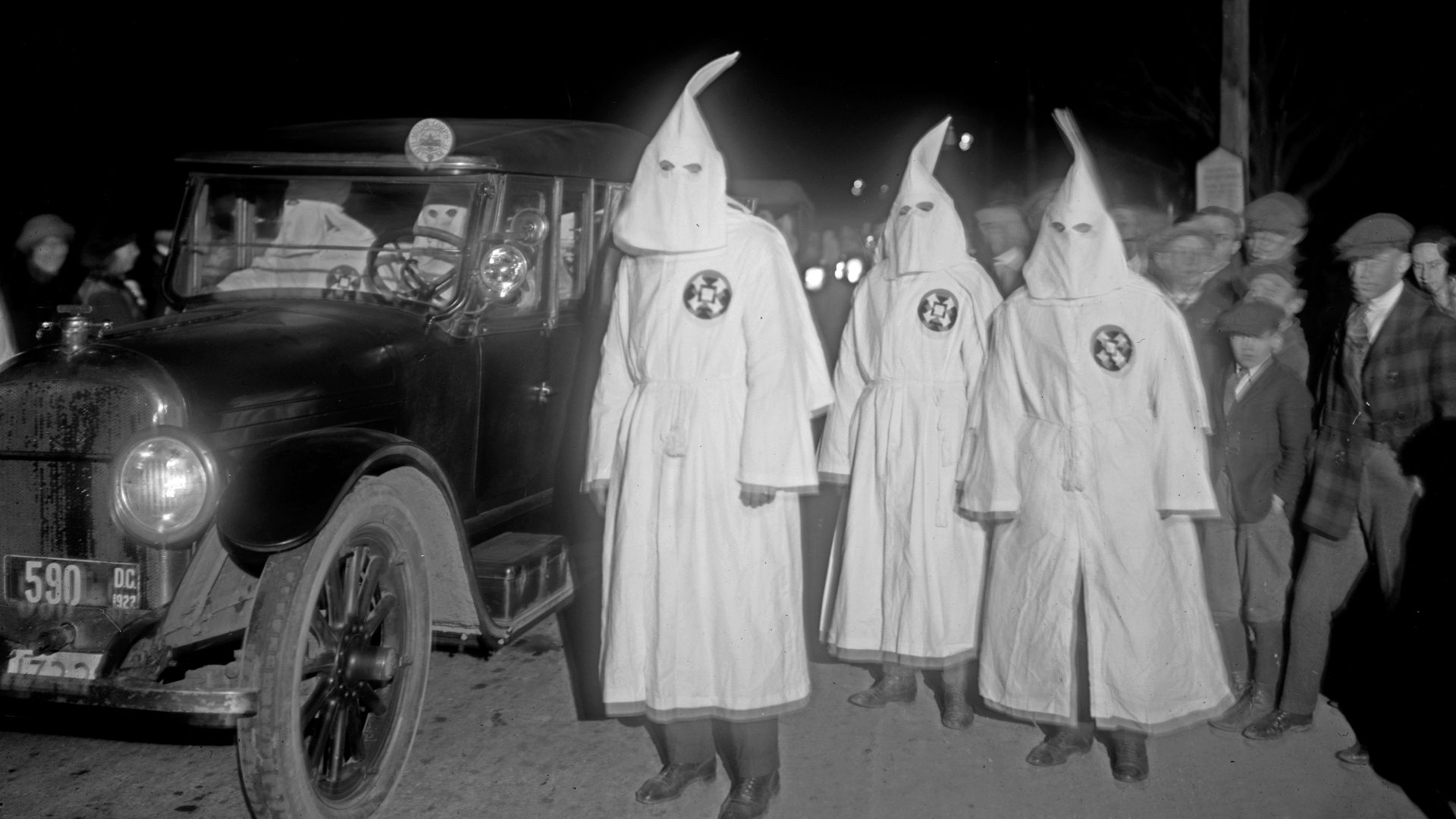
Ahead of the 1984 Los Angeles Olympics, several national Olympic committees received leaflets supposedly from the Ku Klux Klan threatening Black athletes. The U.S. State Department suspected Soviet involvement, citing awkward English and Washington-area postmarks. The threats reinforced Moscow's claim that athletes would be unsafe, its stated reason for boycotting the Games.
 National Photo Company Collection on Wikimedia
10. Nazi Documents Sat at the Bottom of a Bohemian Lake
In 1964, Czechoslovak intelligence planted four chests in Black Lake near the West German border, then staged their discovery for a film crew. The chests contained forged Nazi documents mixed with genuine records, which officials presented at a September press conference. Even the man behind the operation later admitted its impact was difficult to measure.
11. The Nazis Killed the Katyn Prisoners
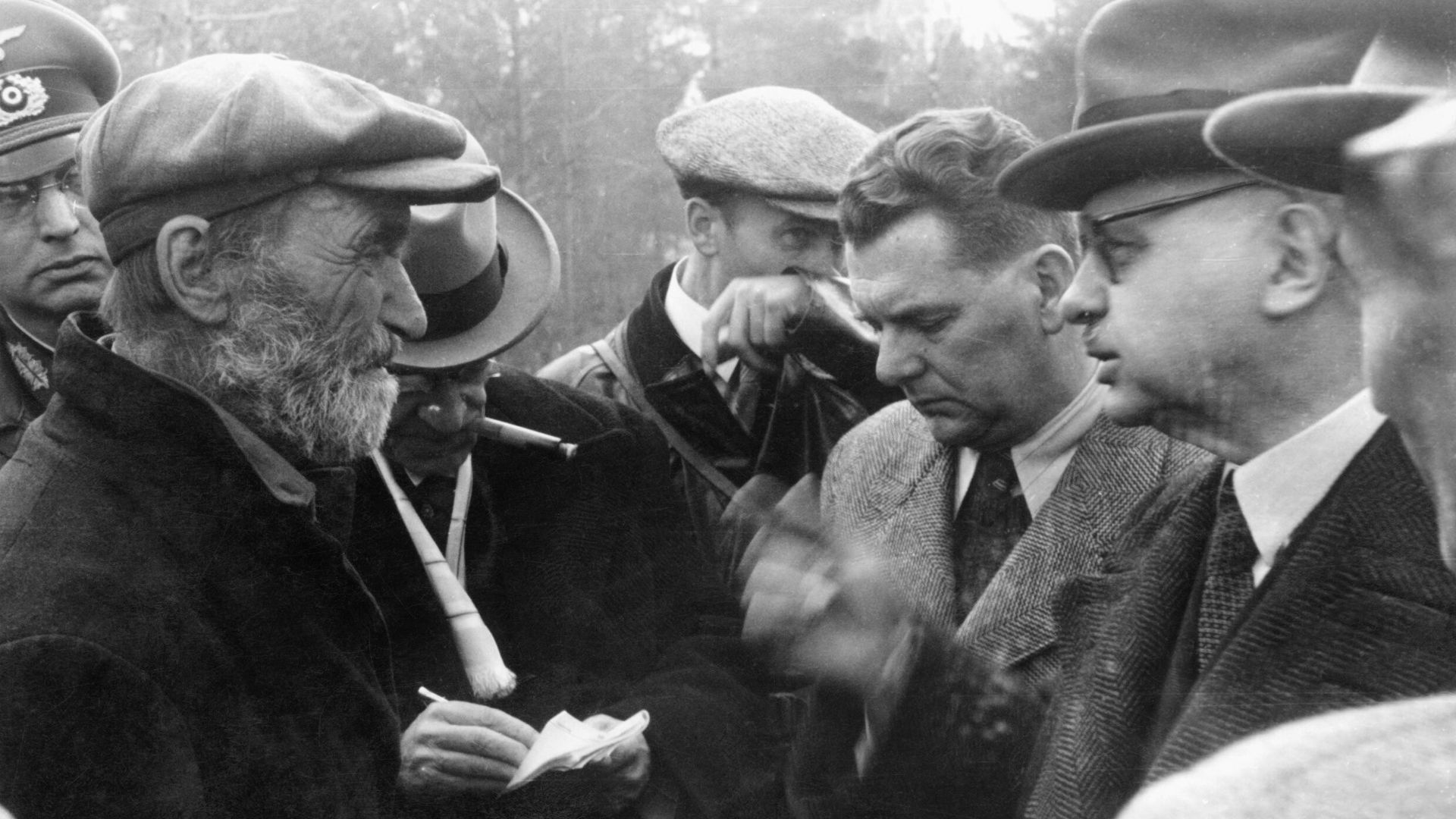
In 1940, Stalin's secret police murdered nearly 22,000 Polish prisoners and civilians at Katyn and other sites. When Germany exposed the graves in 1943, Moscow blamed the Nazis, and Roosevelt reportedly dismissed the accusations as German propaganda. The Soviet Union maintained its false account until April 1990, when it finally admitted responsibility.
 German official photographer on Wikimedia
12. The Berlin Wall Kept Fascists Out
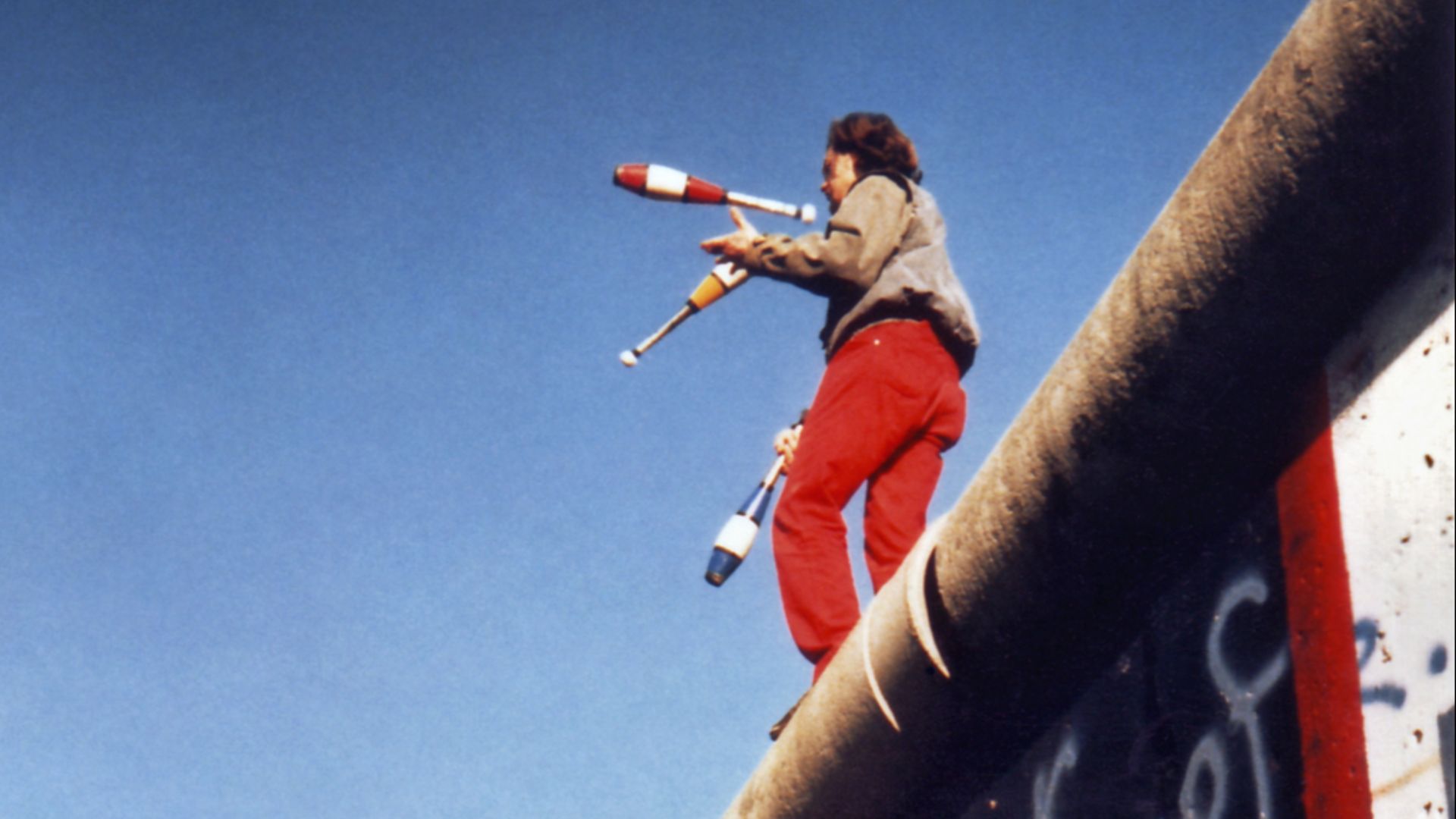
East Germany officially called the barrier that went up on August 13, 1961, an anti-fascist protective wall against Western aggression. About 3.5 million people had already left the country by then, and from 1961 to 1989 the Wall ended almost all of that emigration.
 Juggling_on_the_Berlin_Wall_1.jpg: Yann Forget
derivative work: Durova (talk) on Wikimedia
13. Ryazan Tripled Its Meat Output
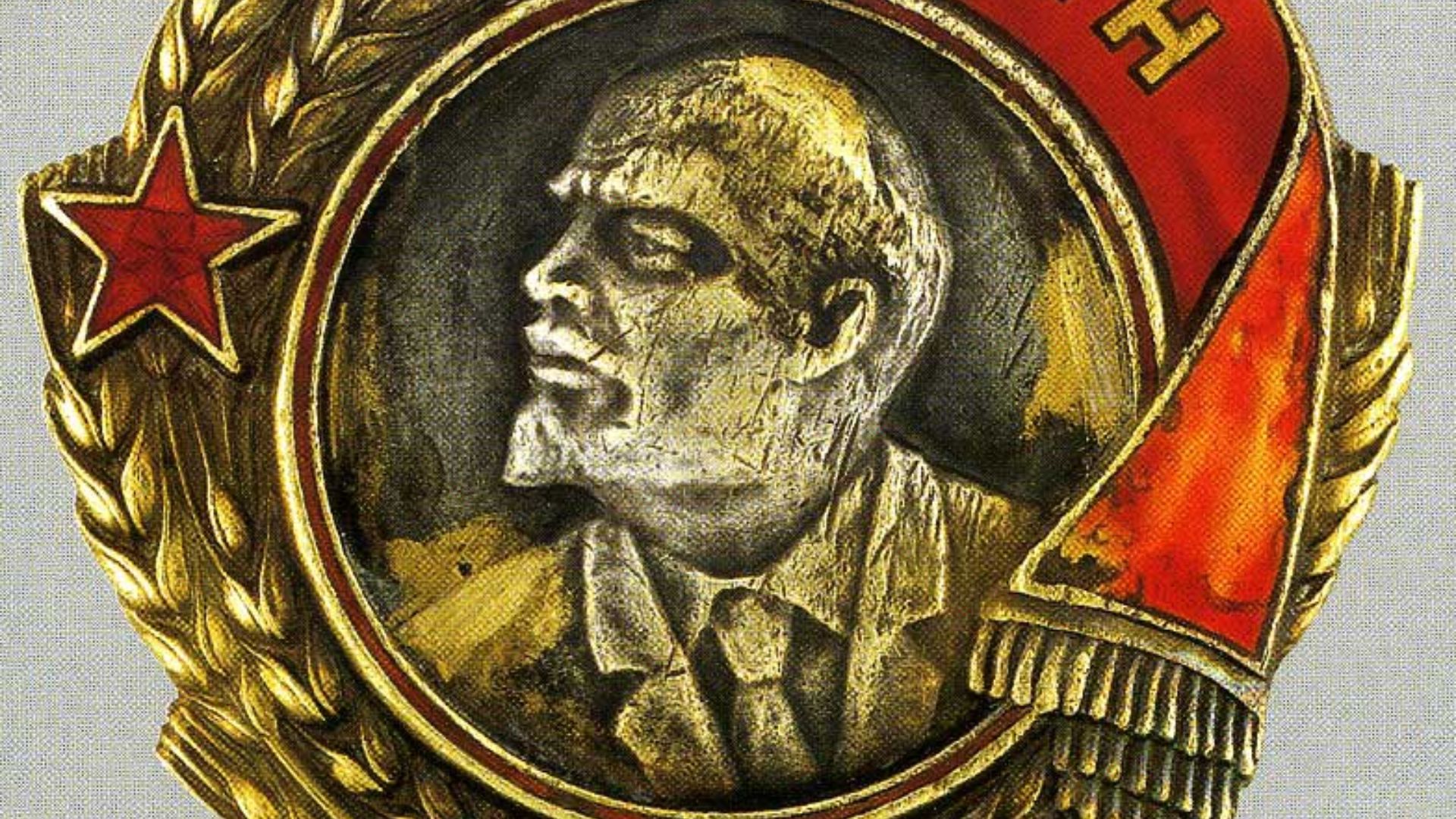
In January 1959, Ryazan party chief Alexei Larionov promised to triple the region's meat deliveries in one year. Farms slaughtered breeding and dairy cattle, then used equipment funds to buy meat from neighboring regions. Ryazan received the Order of Lenin before reporting 150,000 tons, but deliveries collapsed to 30,000 tons in 1960.
14. Chinese Fields Produced Record Harvests
During the Great Leap Forward in 1958, local officials across China reported huge grain yields from fields they called high-yield satellites. Big numbers signaled loyalty to superiors, so the practice spread from county to county. The inflated figures fed the 1959–61 famine.
 Fajruddin Mudzakkir on Unsplash
15. Mao Swam 15 Kilometers in 65 Minutes
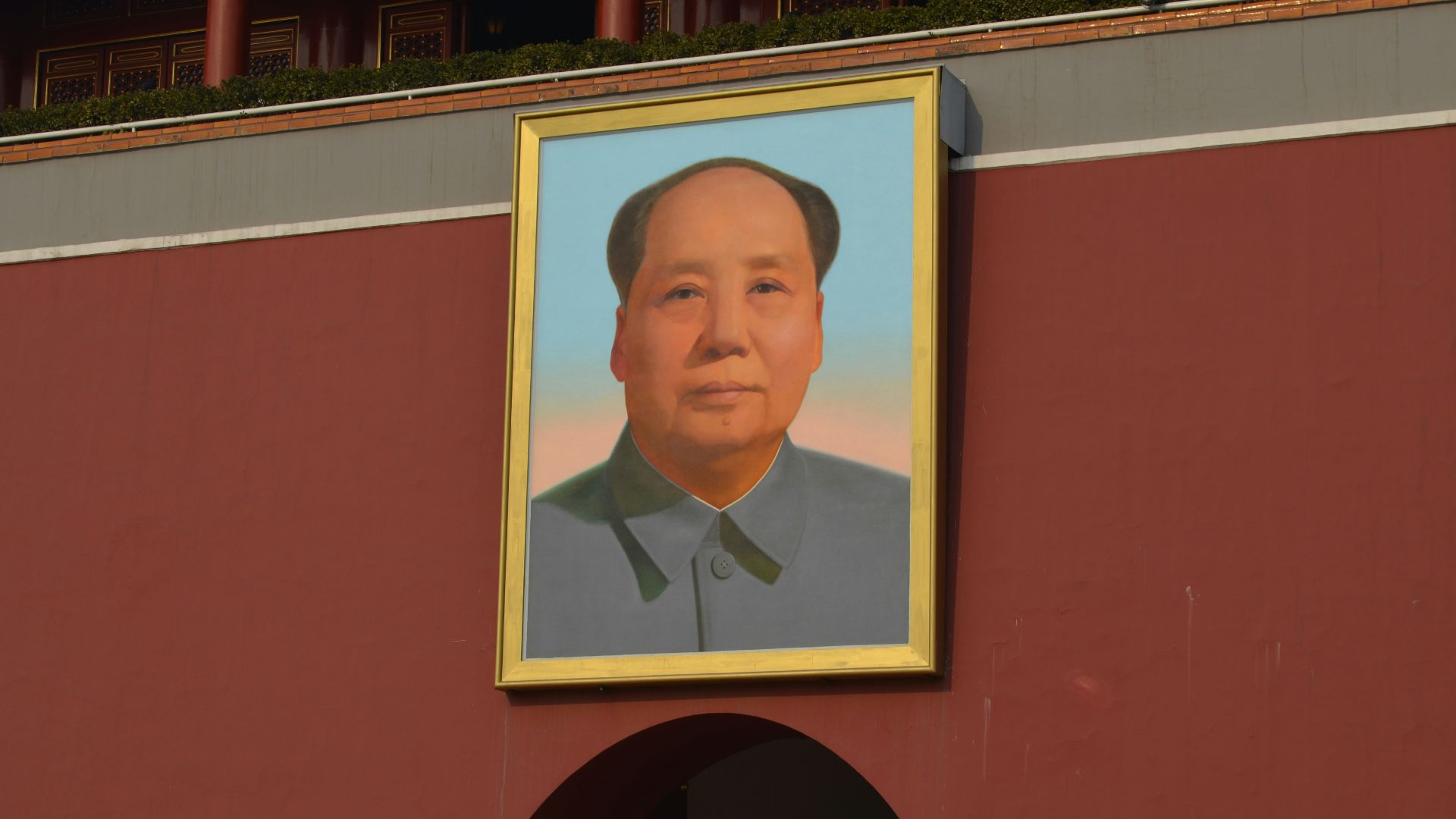
State newspapers reported on July 25, 1966, that the 73-year-old Chairman had swum 15 kilometers of the Yangtze in 65 minutes. A Taiwanese sports expert said at the time that even a world-record pace would take about 72 minutes with the current helping. Mao did swim the river often, so the story rested on a real habit with an impossible number.
16. Doctors Were Poisoning Soviet Leaders
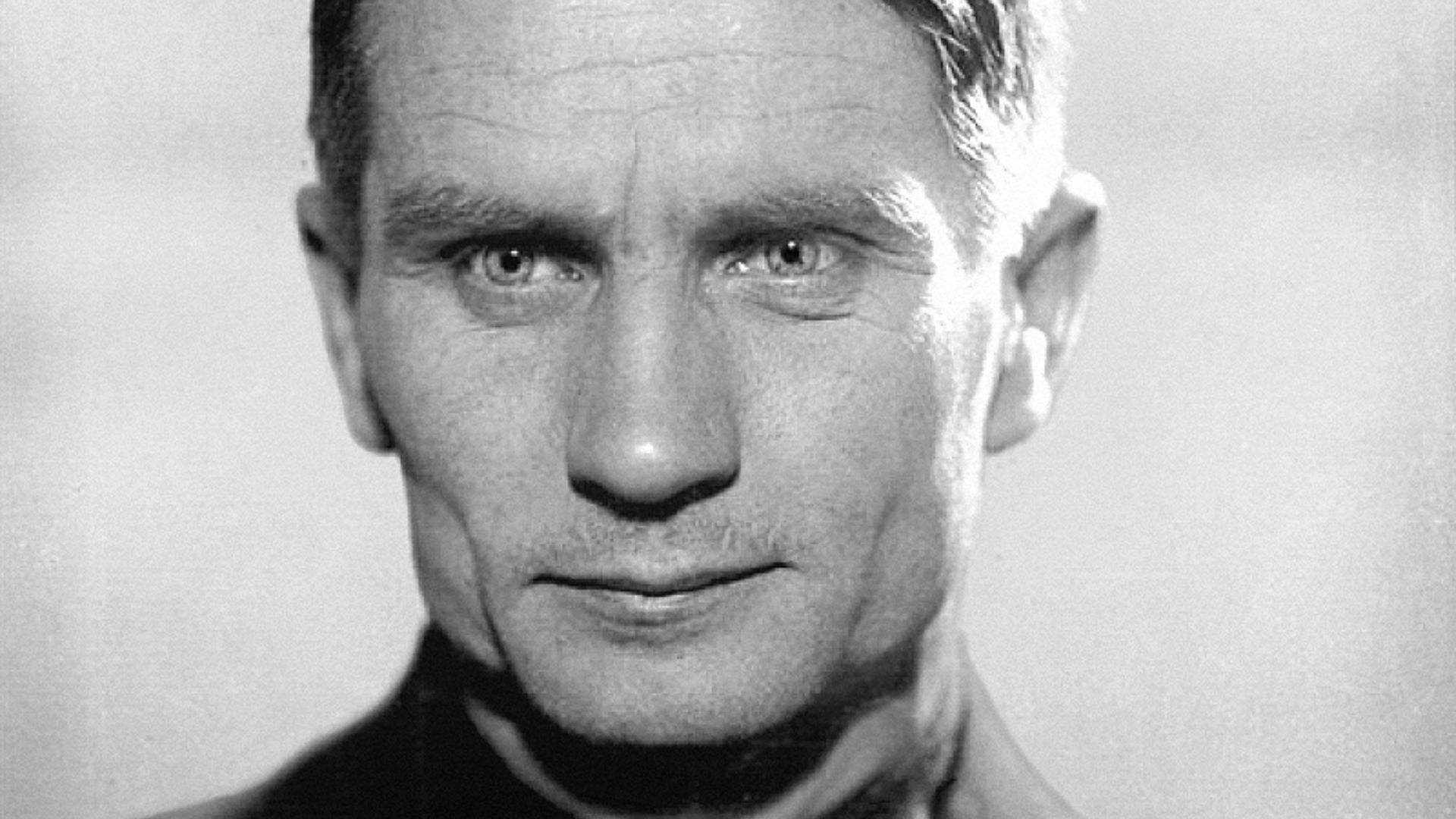
In January 1953, Pravda and Izvestiya announced the arrest of nine doctors, most of them Jewish, accused of poisoning officials and spying for the United States and Britain. Stalin died in March and the planned trial stopped, and in April Pravda said the charges were false and the confessions had come from torture.

17. Lysenko's Methods Raised Crop Yields
Trofim Lysenko said treating seeds with cold and moisture could dramatically raise crop yields, and state propaganda cited experiments that were faked. In 1948, his ideas were declared the only correct theory in biology, and genetics was labeled a bourgeois pseudoscience. More than 3,000 biologists were fired or imprisoned, and some were executed, while yields declined.
 Unknown authorUnknown author on Wikimedia
18. Nevada Nuclear Tests Were Safe for Nearby Residents
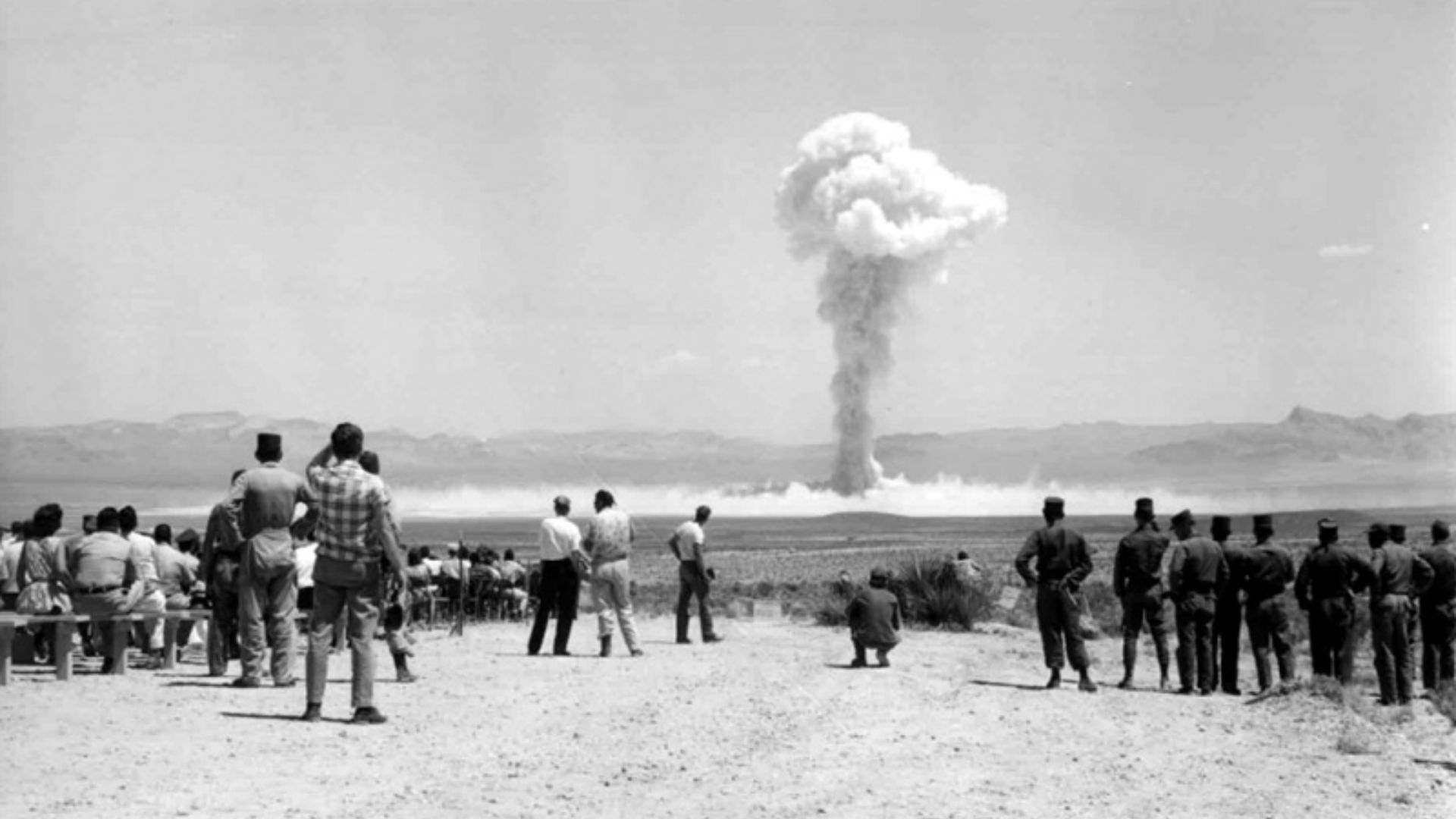
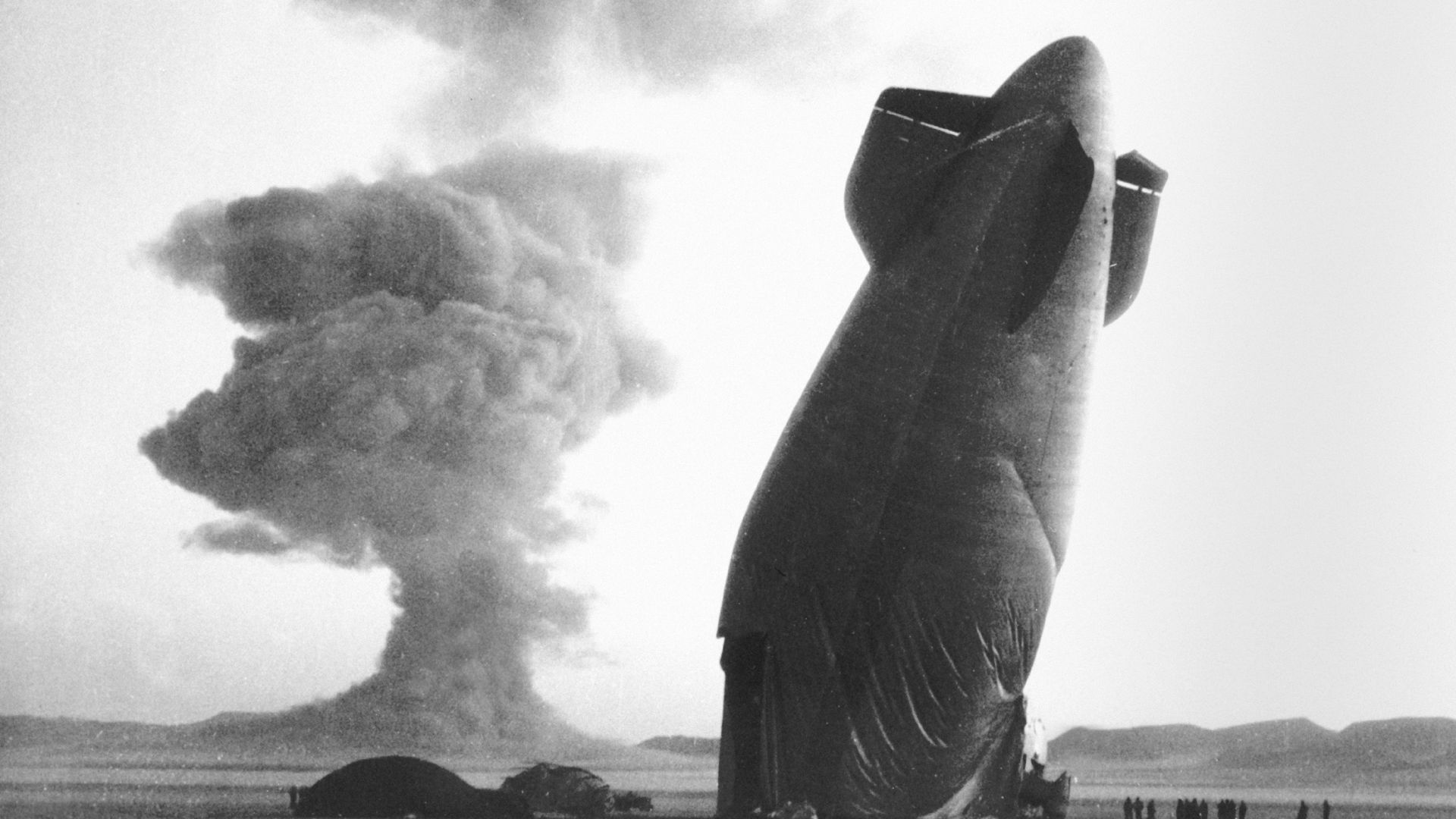
The Atomic Energy Commission told the public that its Nevada tests, which began in January 1951, were run with adequate safety precautions. In 1953, fallout reached roughly 18,000–20,000 sheep grazing downwind, and the commission reportedly told field staff to drop references to radiation damage. Hearings in 1979 uncovered evidence of deception, and Congress created a compensation fund in 1990.
19. A Soviet Combat Brigade Had Just Arrived in Cuba
In the summer of 1979, a leak about a Soviet combat brigade in Cuba set off a scare, and one network reported that as many as 6,000 men had just arrived. Senator Frank Church demanded its removal and said the SALT II arms treaty would stall until it left. The brigade had been there since the early 1960s, and McGeorge Bundy confirmed that the Kennedy administration had agreed in 1963 that it could stay.
 The Huron County Museum & Historic Gaol on Unsplash
20. Laika Died Peacefully in Orbit
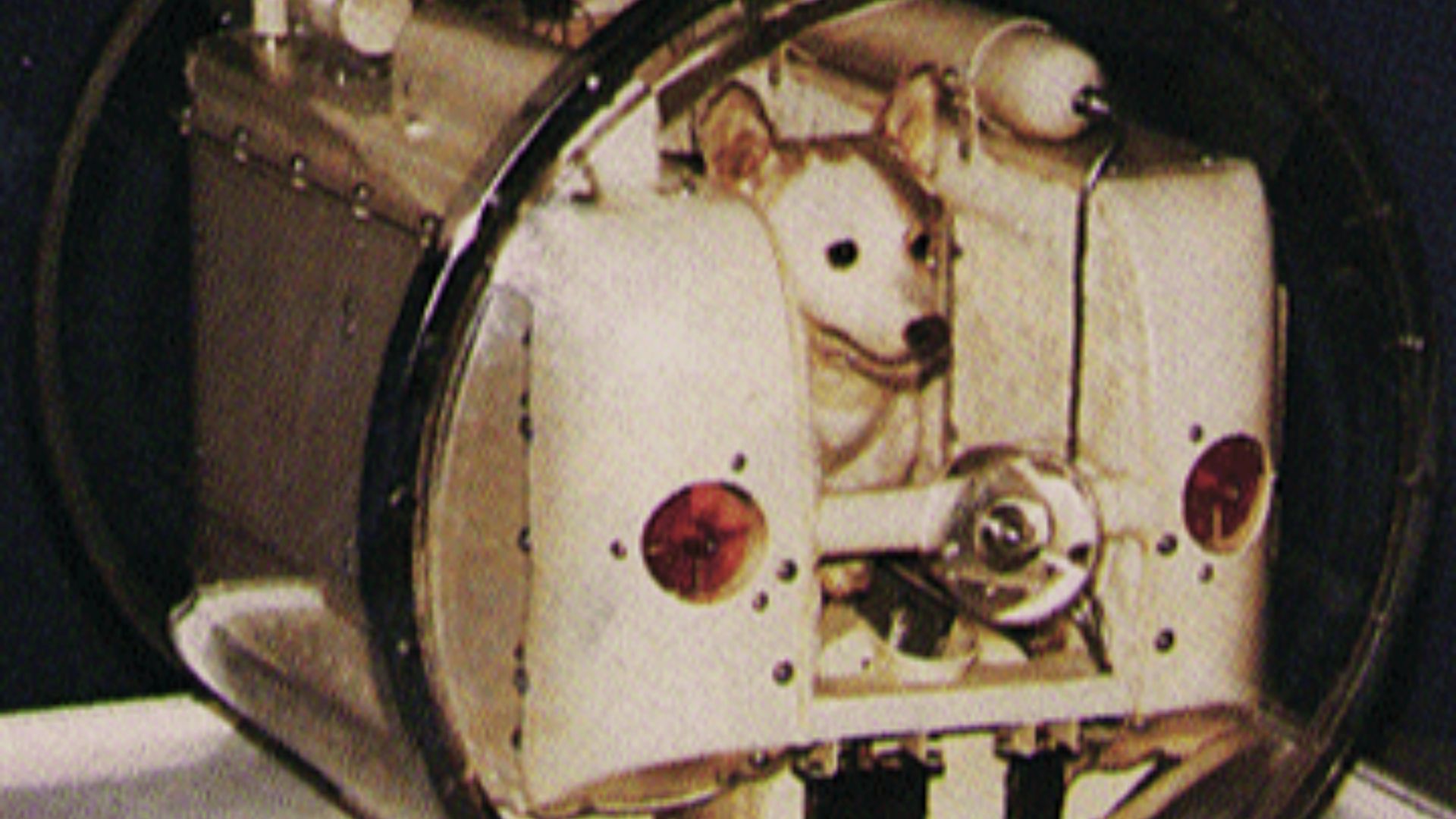
For decades, Soviet accounts said the dog Laika lived for days in orbit after Sputnik 2 launched in 1957 and then died peacefully. In 2002, a Russian space medicine researcher said she probably died of overheating within hours. Her heartbeat and oxygen levels looked normal at first, but cabin temperature rose until the data stopped about five hours after liftoff.