Authority Took Things Personally
Despite what the textbooks would have you believe, historical punishments weren’t always reserved for violence or rebellion. Governments, military officers, and irritated rulers alike disciplined people for some of the craziest reasons—like wearing the wrong hat or becoming too well-liked. If you thought today’s laws were kooky, you have no idea what people of the past were dealing with, and these 20 examples might open your eyes a little.
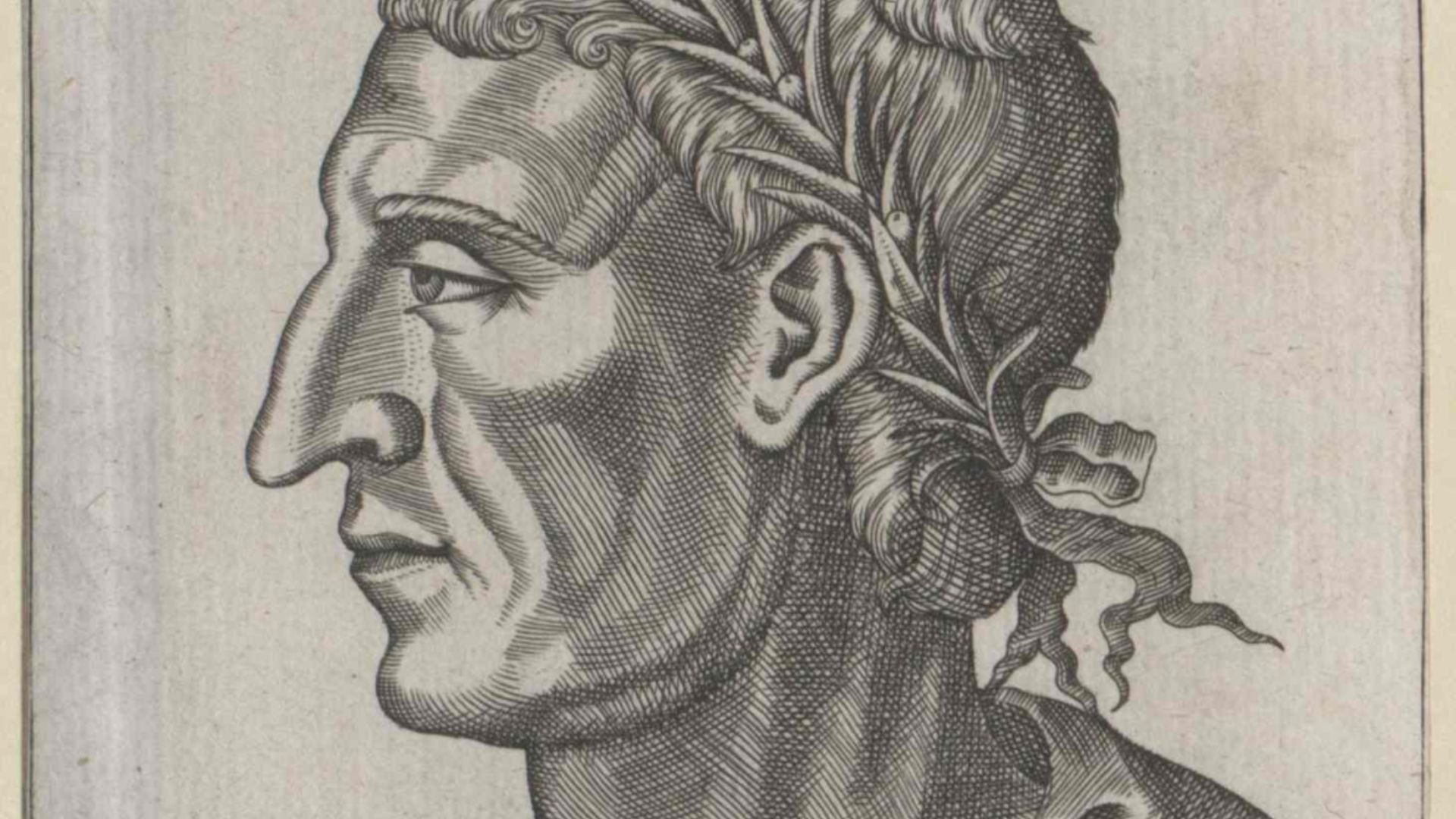
1. A Roman Senator Was Punished For Kissing His Wife
Yes, you read that correctly. While serving as censor in 184 B.C., Cato the Elder removed senator Manilius from the Roman Senate. The crime? Manilius had kissed his wife during the daytime while their daughter was watching.
2. A Spartan King Was Fined For His Wife’s Height
Spartan officials once fined King Archidamus II after he married a woman named Eupolia. Was she from another family or some sort of succubus? No—her short stature was considered unsuitable for a queen. They complained that the marriage would produce “kinglets” rather than properly imposing kings.
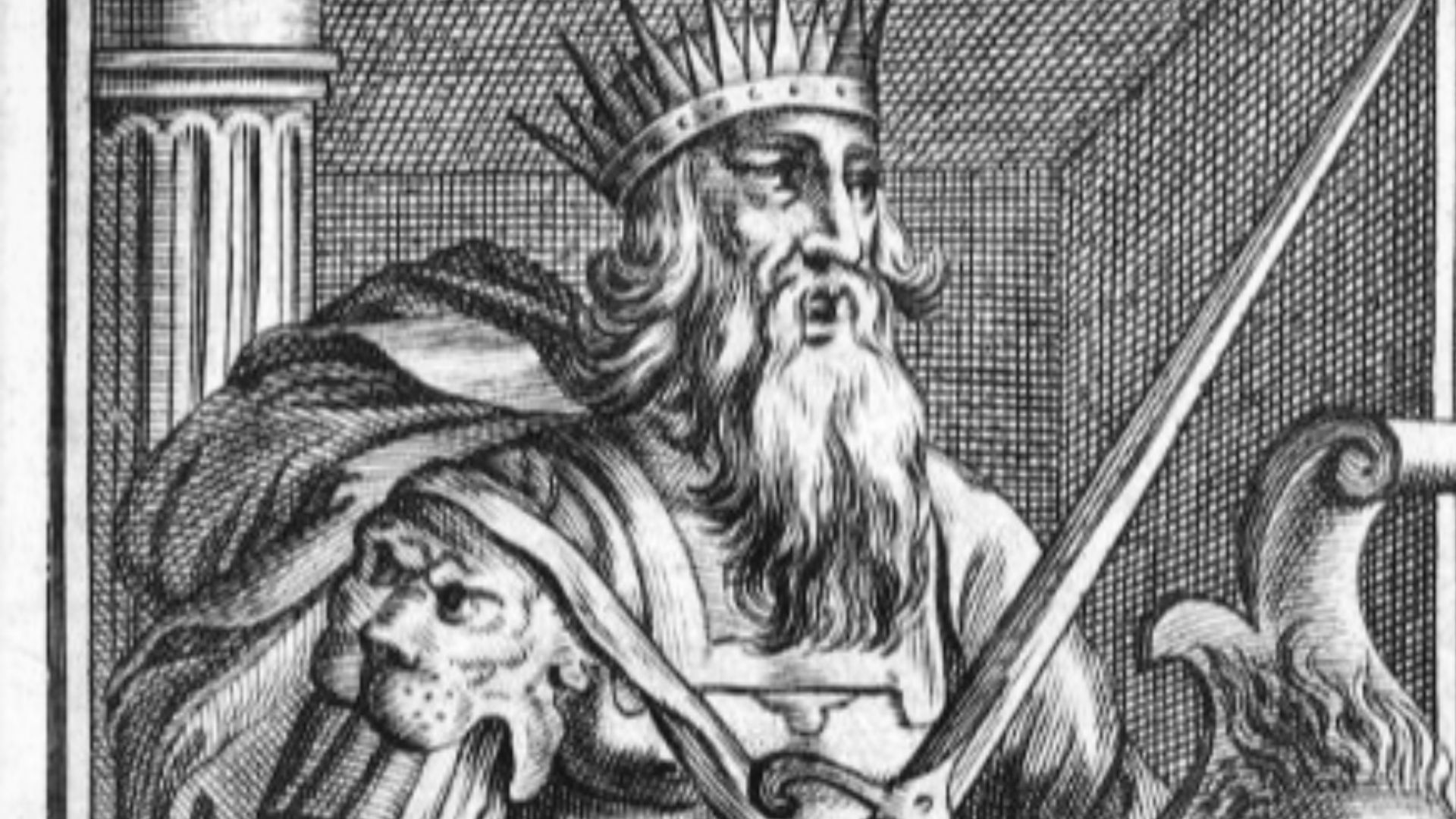 Thucydides (author), 17th century engraver on Wikimedia
3. Rufinus Owned Too Much Silver
Around 275 B.C., Roman censor Gaius Fabricius removed Publius Cornelius Rufinus from the Senate for excessive luxury. Granted, that could mean anything, but Rufinus had already served twice as consul and was found to possess roughly 10 pounds of silver tableware…which is probably more than anyone needs.

4. Roman Soldiers Lost Wheat
Roman commanders sometimes punished disgraced soldiers by replacing their usual wheat ration with barley. That might not sound like a big deal to us now, but it was a huge one back then. The substitution still provided food, but barley carried a lower social status and made the soldier’s shame visible whenever meals were made.

5. Dishonest Bakers Wore Bad Bread
Medieval English laws regulated the weight of a loaf as grain prices changed. So, if you were a baker caught selling underweight bread, you could be dragged through the streets with the faulty loaf tied around your neck. Sure, officials could’ve slapped you with a fine, but they wanted the whole neighborhood to see your misdeeds.

6. Englishmen Were Fined For Skipping Sunday Hats
Forget about white after Labor Day—a 1571 law ordered most English men over the age of six to wear domestically produced wool caps on Sundays and holidays. Of course, nobles were exempt, but everyday people could be fined if they didn’t wear government-approved headwear.

7. Families Were Fined For Using the Wrong Fabric
England’s Burying in Woollen Acts required most deceased bodies to be buried in shrouds made entirely from English wool. It wasn’t just enough to say you did it, either. Relatives had to provide an affidavit confirming the correct fabric had been used, and noncompliance could bring a £5 fine.
8. Jonas Fairbanks Got in Trouble For His Boots
Massachusetts Bay’s 1651 sumptuary law warned that you couldn’t parade around in expensive clothing if your estate was valued below £200. Well, in 1652, Jonas Fairbanks was summoned for wearing oversized “great boots” that authorities believed were above his social position. The whole case was eventually dismissed.

9. Robert Coles Had to Wear A Red “D”
After several drunkenness offenses, settler Robert Coles got a punishment that turned his clothing into a public record. In 1634, the court ordered him to wear a red letter “D” on a white background whenever he was around others. The sentence was meant to last for one year, and Coles was even temporarily denied voting rights.

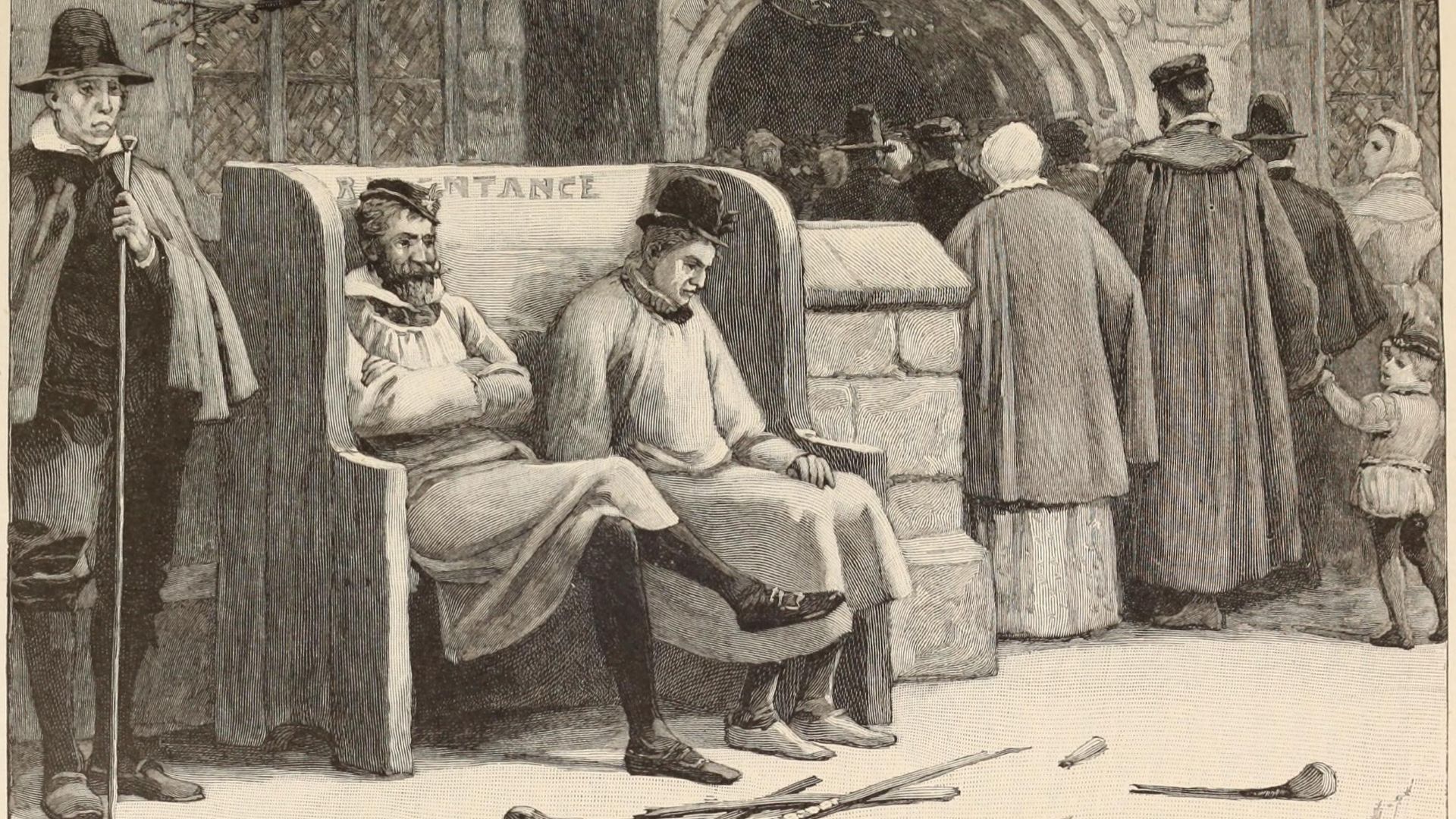
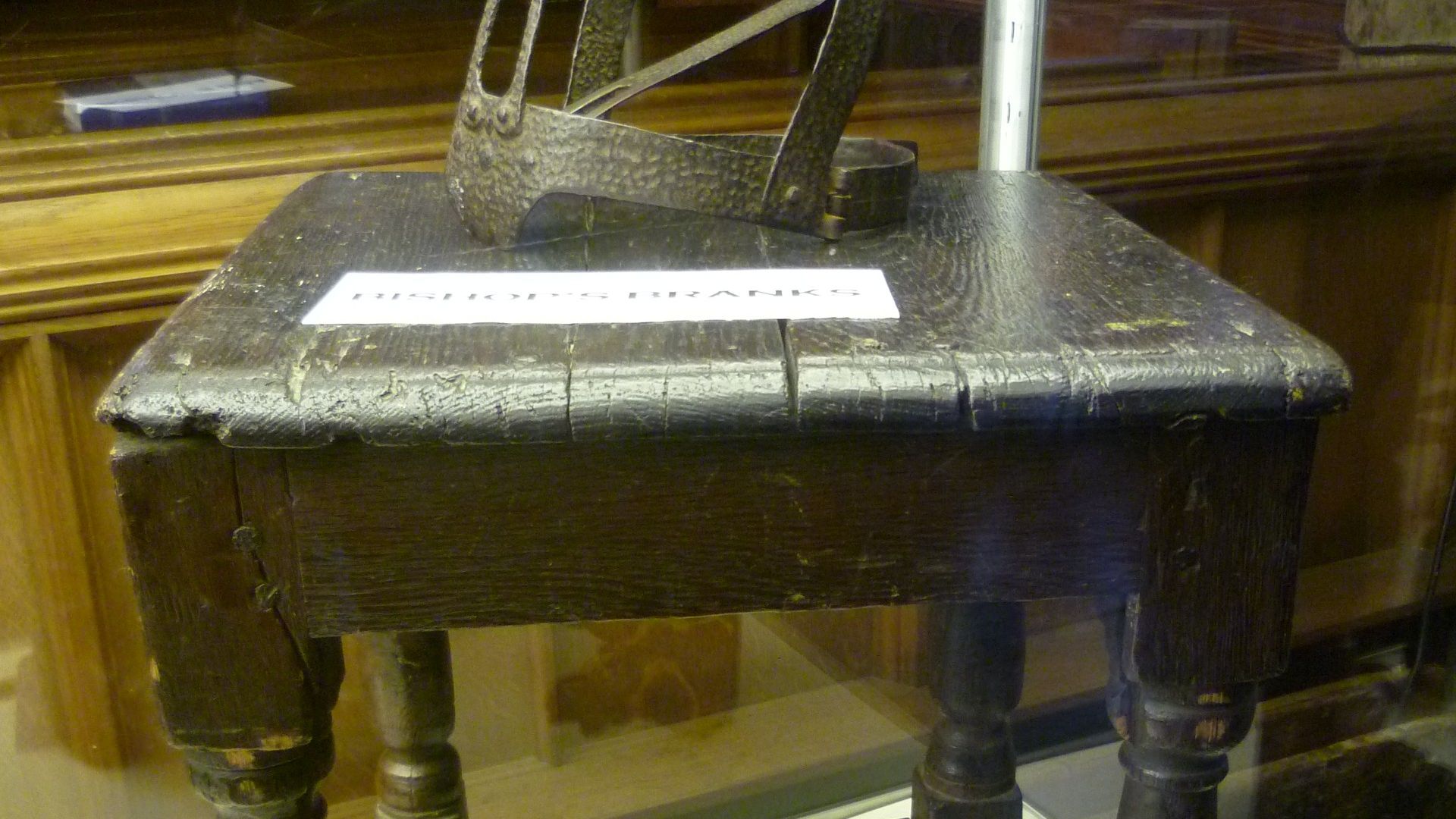
10. Scottish Churchgoers Sat on the Repentance Stool
Scottish kirk sessions ordered people accused of moral or religious offenses to sit on a very special repentance stool before the congregation. It was used for anything from adultery and missing church to working on Sunday.
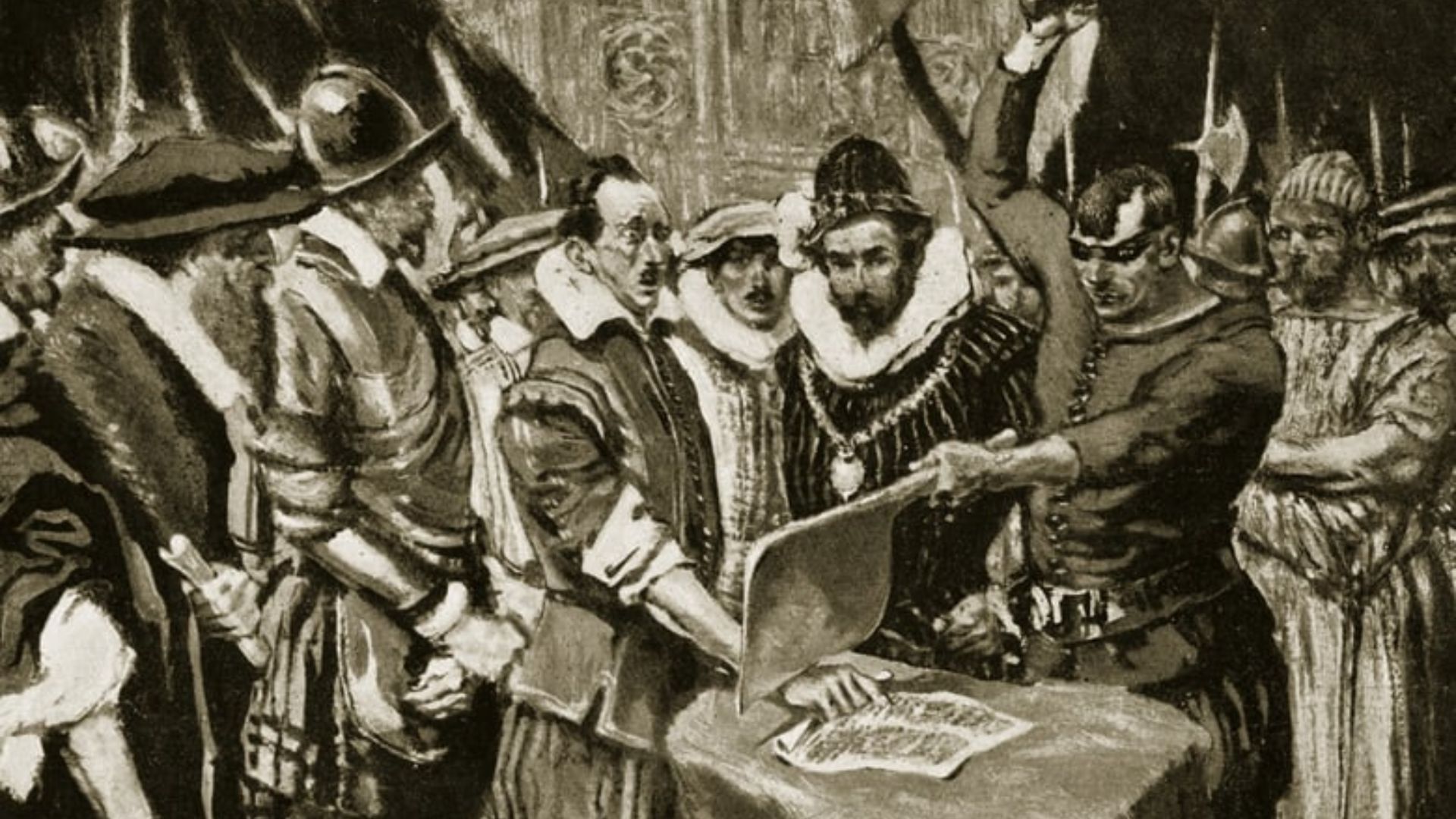
11. John Stubbs Lost His Hand
In 1579, John Stubbs published a pamphlet criticizing Queen Elizabeth I’s proposed marriage to Francis, Duke of Anjou. It didn’t take long for that to backfire, and Stubbs was convicted of seditious writing. He then had his right hand cut off in public before being imprisoned.
 Edward Frank Gillett on Wikimedia
12. Peter the Great Taxed Facial Hair
Peter the Great introduced a beard tax as part of his effort to make Russian appearance look more Western European. Men who paid had a special beard token, but if you didn’t (or simply refused), you’d just have your facial hair forcibly removed.
 Attributed to Jean-Marc Nattier on Wikimedia
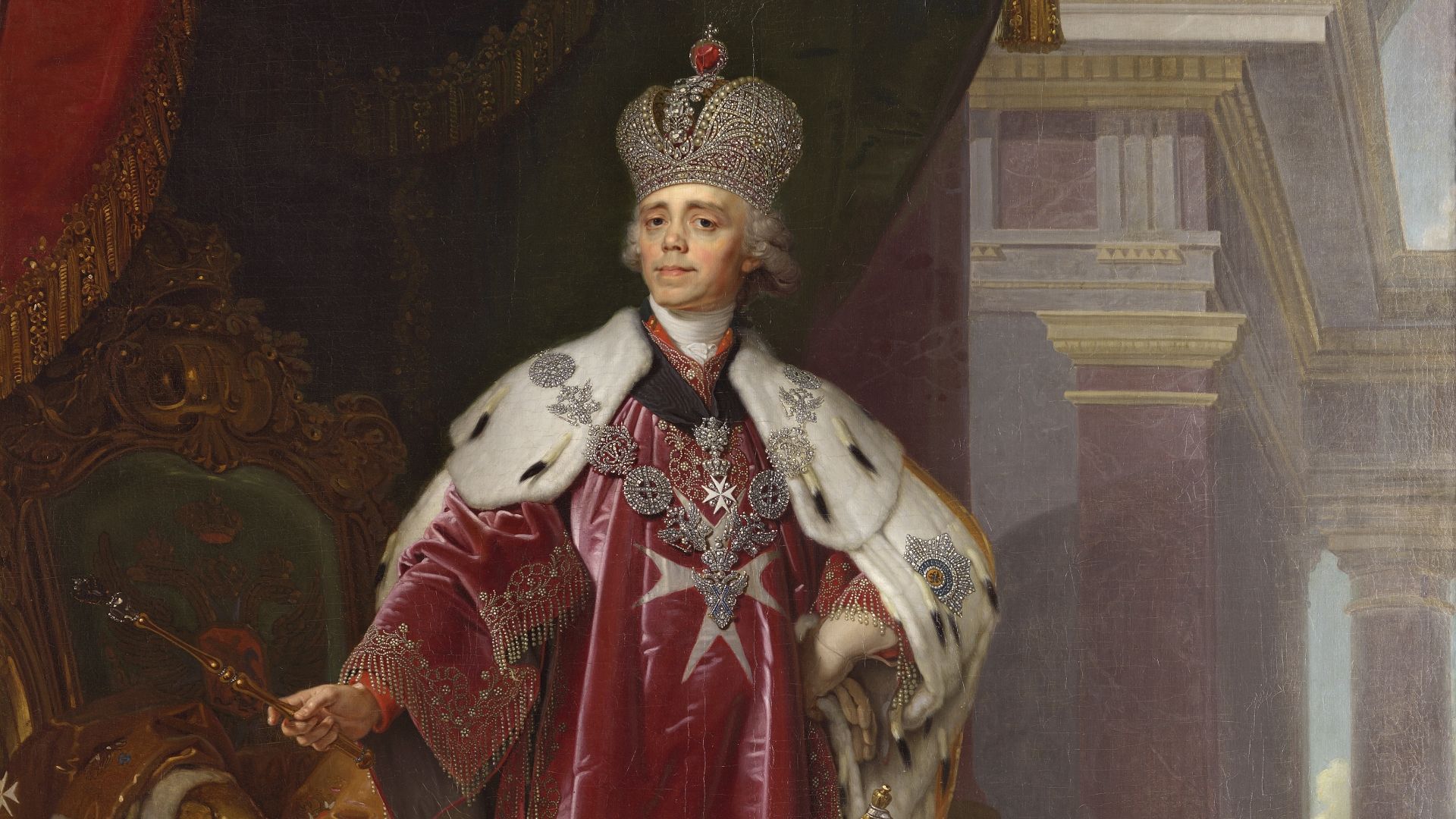
13. Paul I Sent Police After Round Hats
Emperor Paul I had one belief: round hats represented revolutionary France. So, he banned them in Russia. That meant police could stop people wearing the wrong style, remove their hats, and even cut details from their clothes. After Paul was assassinated in 1801, many Russians started wearing the forbidden fashions again.
 Vladimir Borovikovsky on Wikimedia
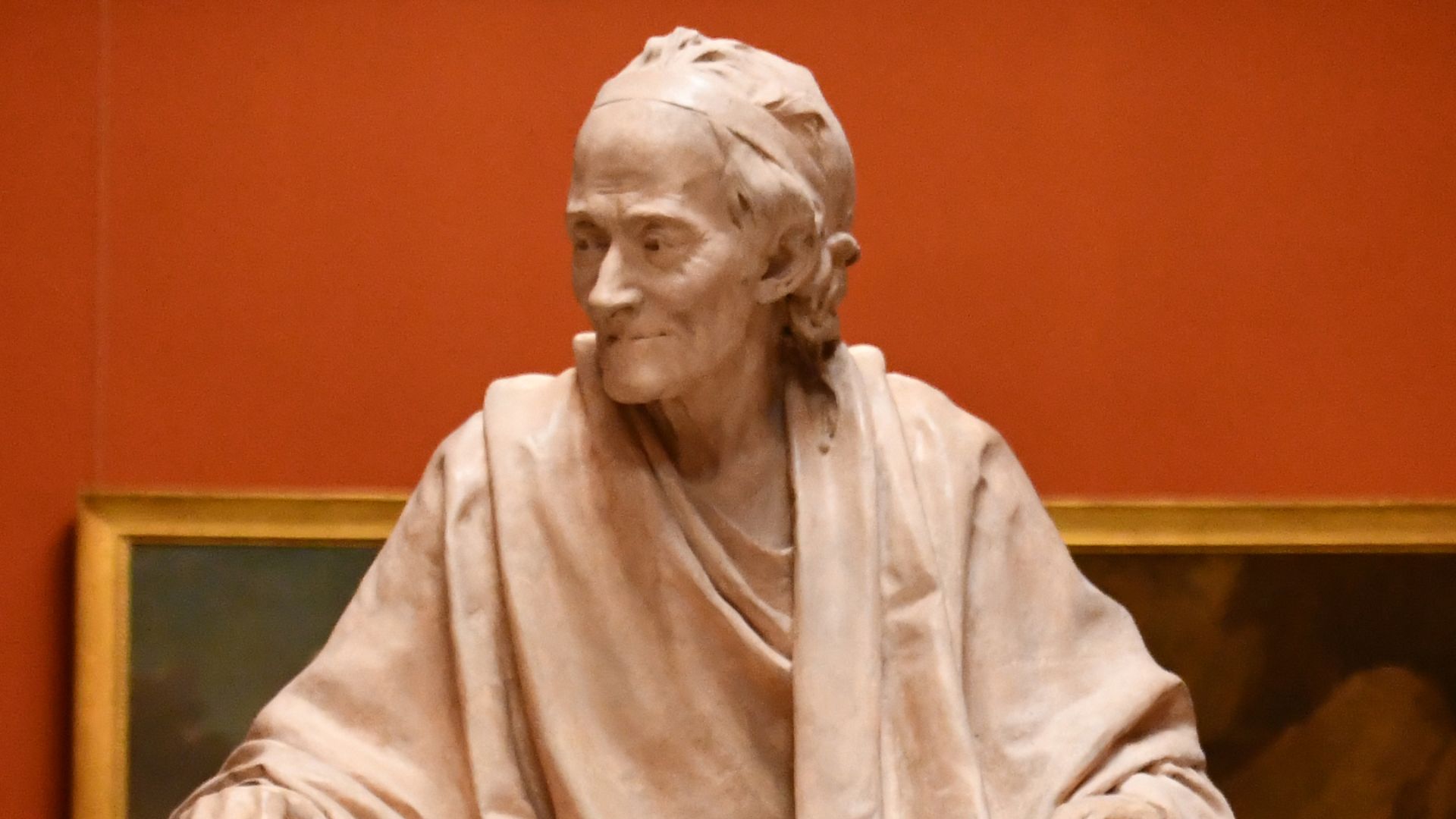
14. Voltaire Spent a Year in the Bastille
Satire can land you in hot water now, but it was especially dangerous back in the day. Just ask Voltaire, whose early writing caught the attention of the French government long before he became Europe’s defender of free expression. In 1717, he was thrown in the Bastille for 11 months after verses mocking the regent.
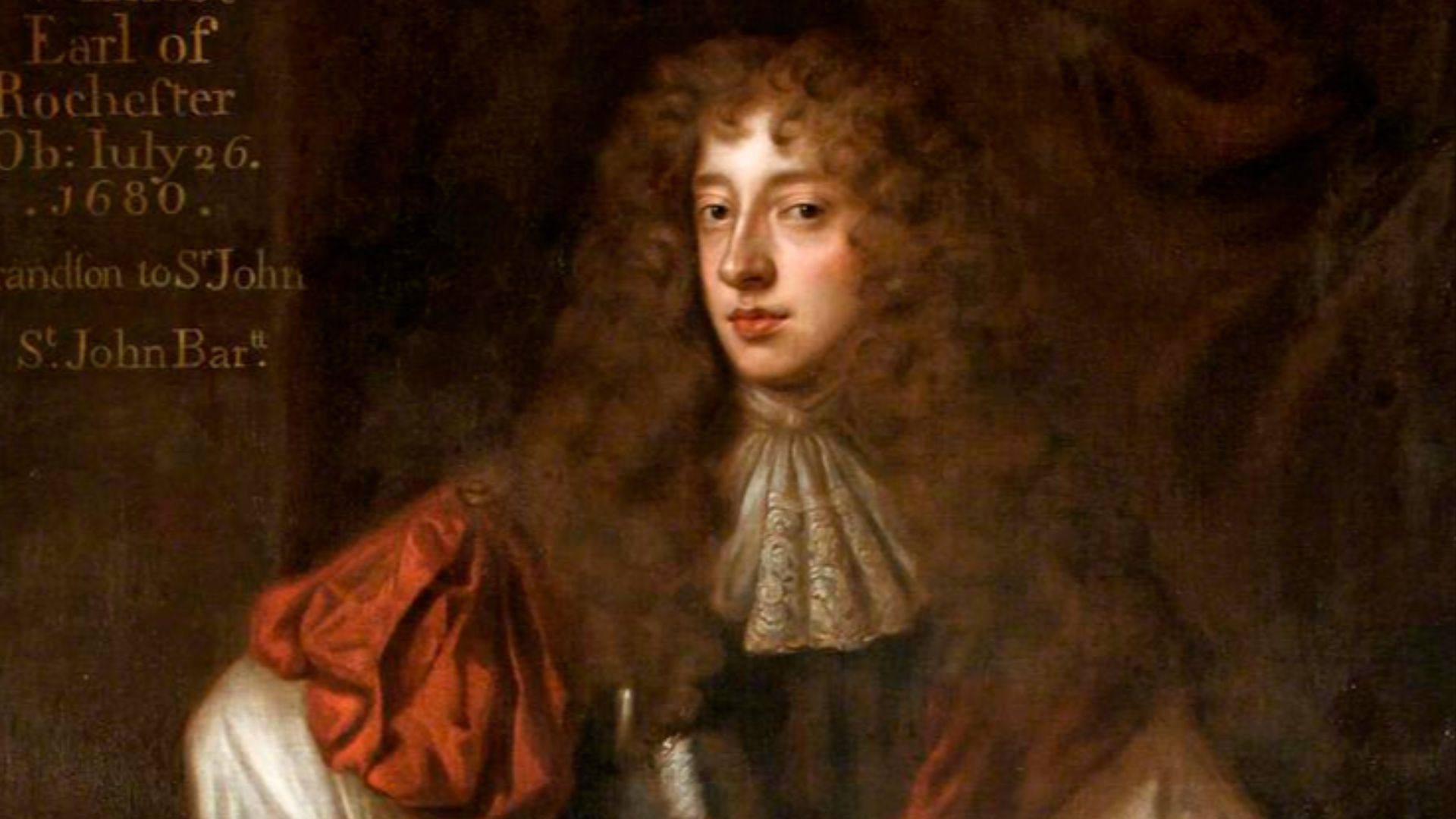
15. Rochester Handed the King the Wrong Poem
Speaking of satire, John Wilmot, Earl of Rochester, wrote a vicious satire about Charles II. At first, it was no harm, no foul; he intended to keep it away from the wrong people…until 1674, when he accidentally handed the poem to the king instead of a safer piece Charles had asked for. Rochester fled court and hid for months.
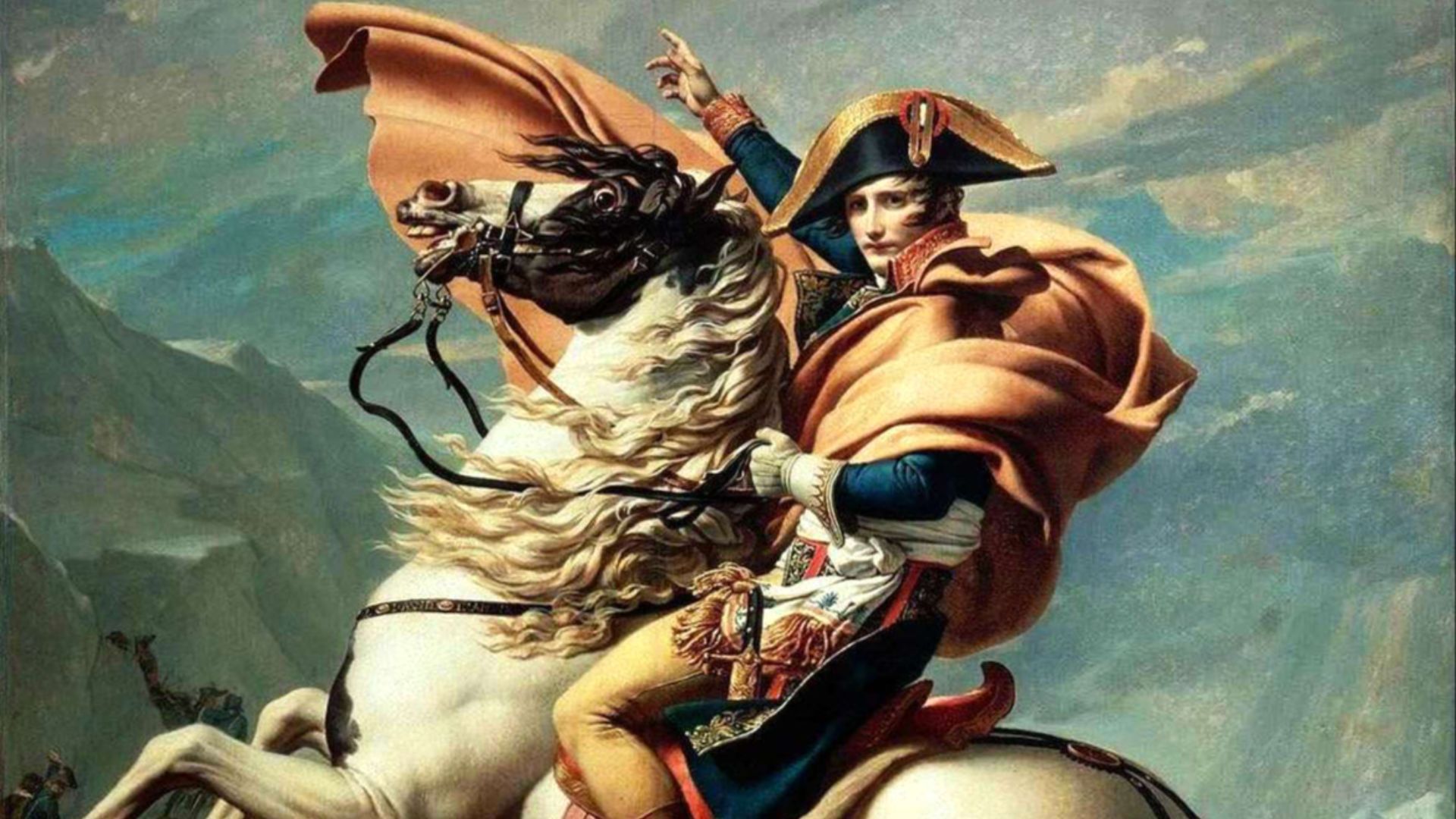
16. Napoleon Banned Madame De Staël From Paris
Germaine de Staël really rubbed Napoleon the wrong way by criticizing his government and maintaining an influential circle of intellectuals. You know what they say about Napoleon’s ego, and he eventually prohibited her from coming within 40 leagues (125 miles) of Paris.
 Jacques-Louis David on Wikimedia
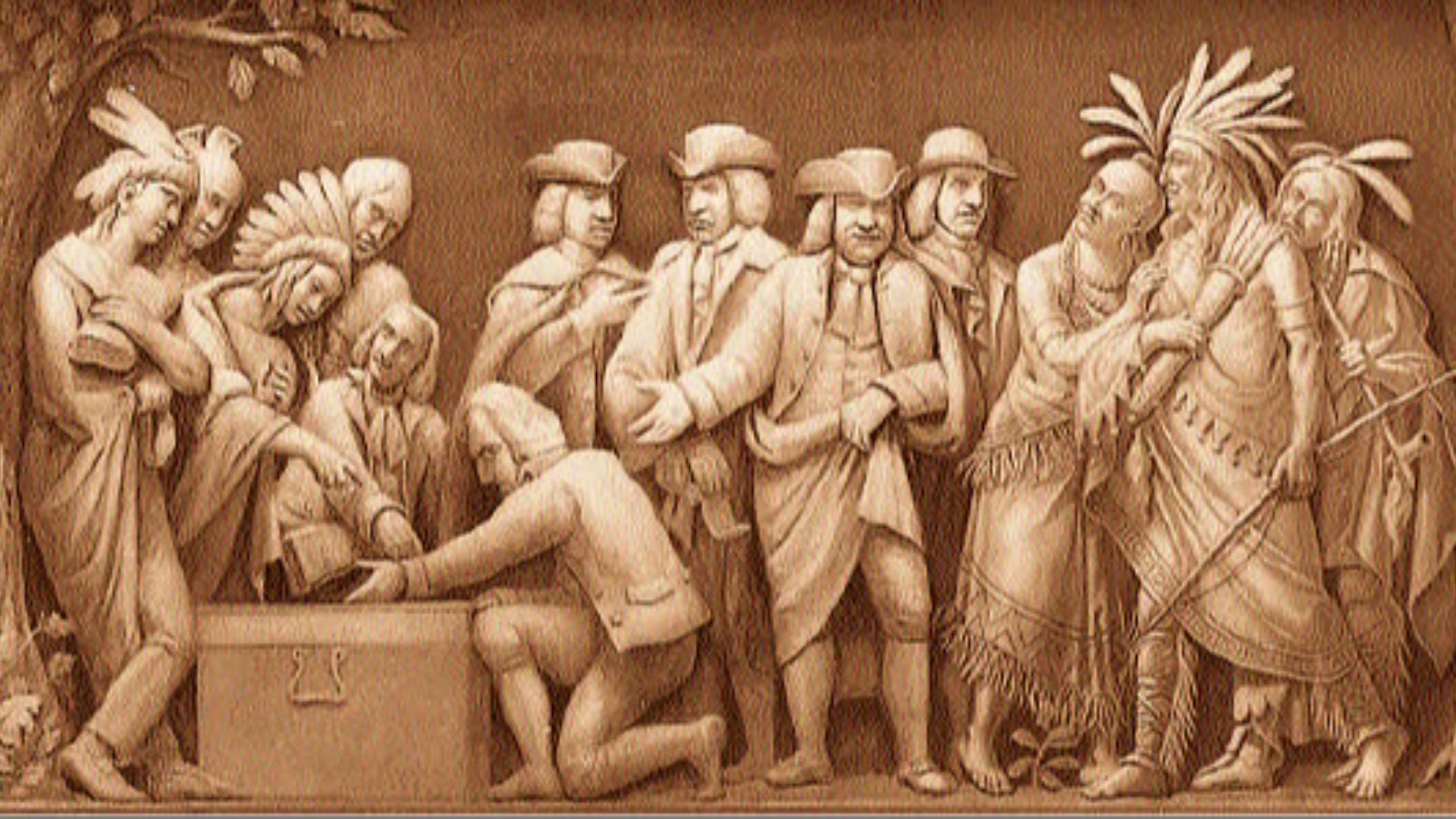
17. Jurors Were Jailed For Reaching The Wrong Verdict
During the 1670 trial of Quakers William Penn and William Mead, the jury refused to deliver the guilty verdict demanded by the court. The judge took that personally, withholding food and water from them. He then finished their punishment by fining and imprisoning them.
 Architect of the Capitol on Wikimedia
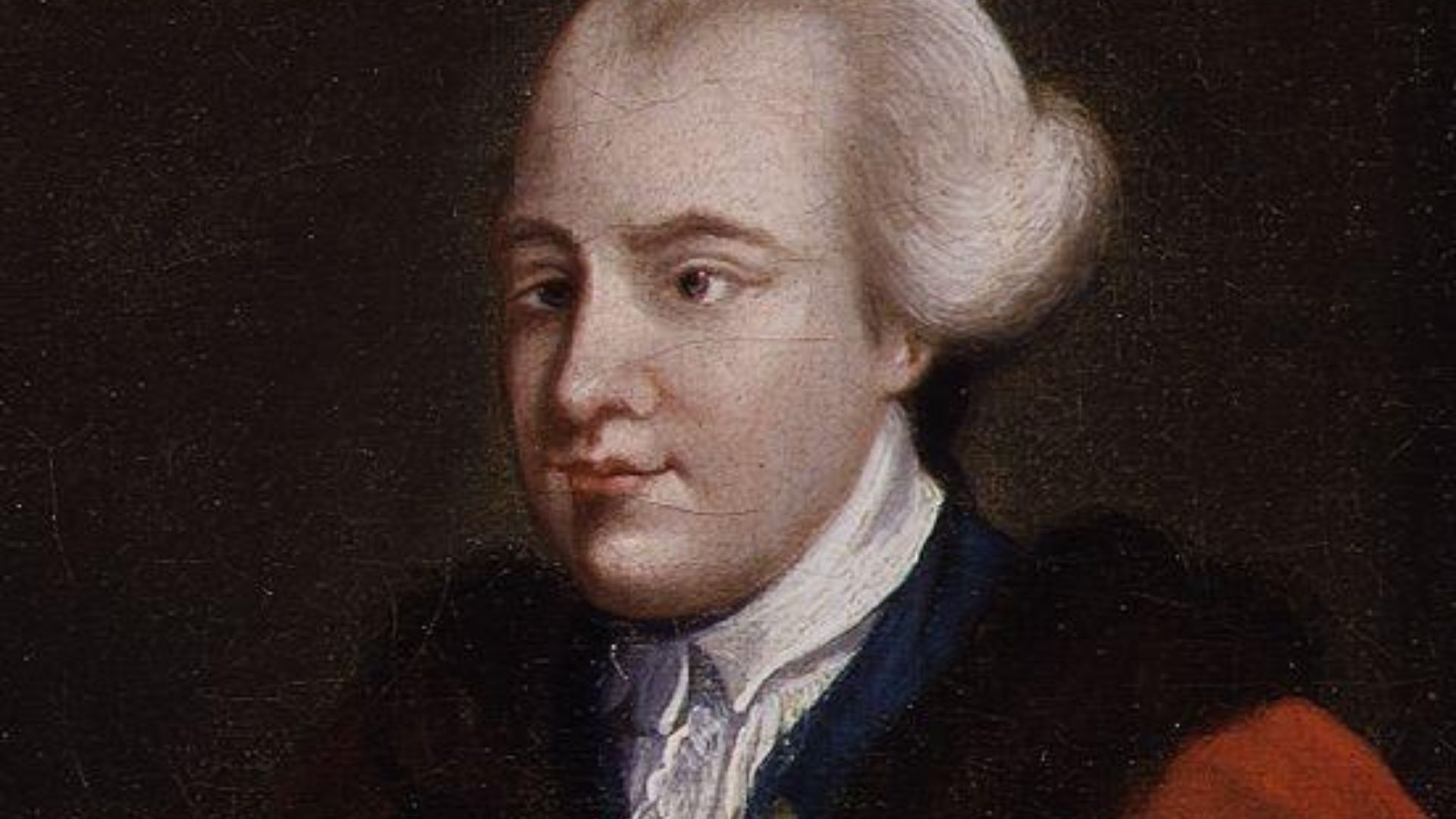
18. Parliament Kept Rejecting the Voters’ Choice
John Wilkes was expelled from the House of Commons for publishing material judged obscene. Middlesex voters elected him again in 1769, but after the fourth election, officials gave the seat to his defeated opponent instead.
 After Richard Houston on Wikimedia
19. Midshipmen Were Sent to the Masthead
Around 1791, Royal Navy officers used something called mastheading for midshipmen accused of minor offenses. You were kept at the masthead, exposed to the wind and the attention of everyone below. Naval testimony later confirmed that the practice was accepted as a customary and even legally defensible part of service discipline.

20. William Pattin Had to Ride the Wooden Horse
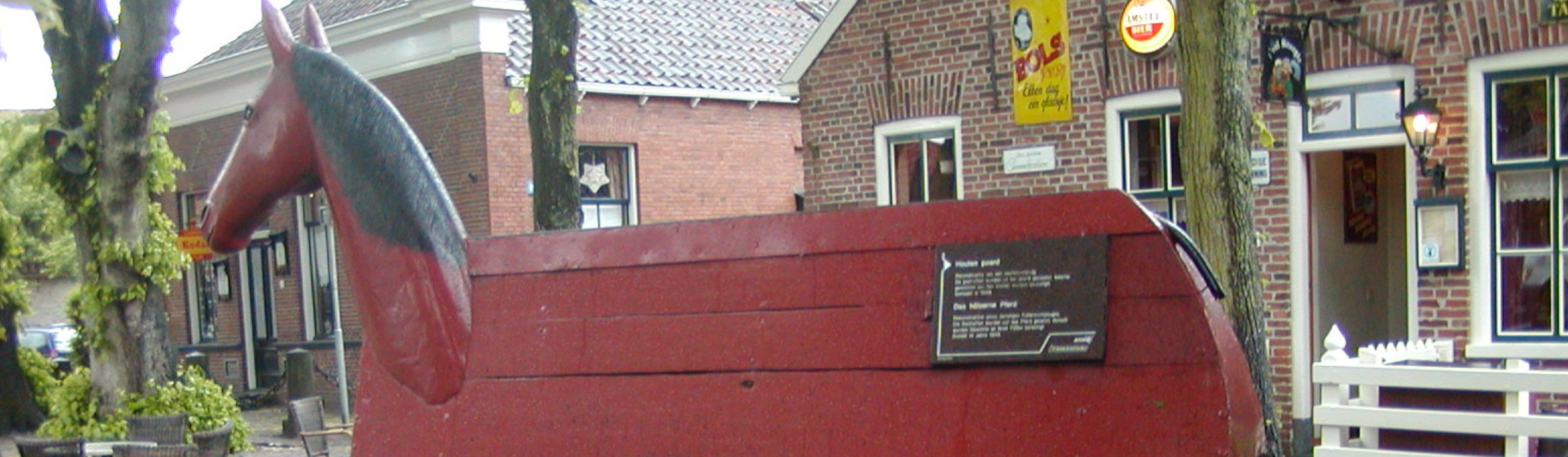
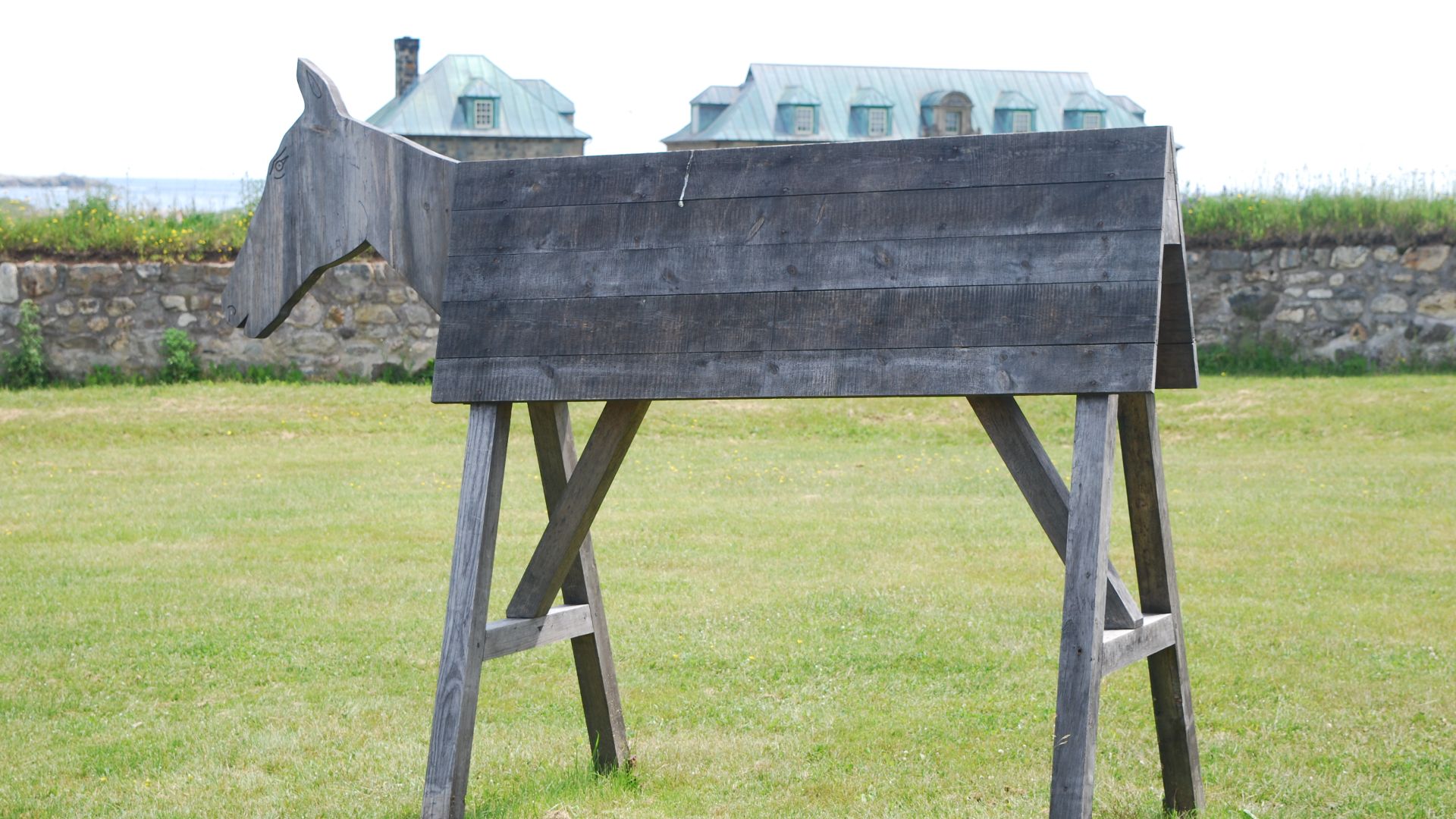
In 1775, a Continental Army court-martial convicted William Pattin of abusing several people while he was being held in the quarter guard. George Washington was the one who approved the gnarly sentence: Pattin had to sit for 15 minutes on the sharp-backed wooden horse at the head of his regiment. It was brief, painful, and public, which gave officers everything they wanted.
KEEP ON READING