

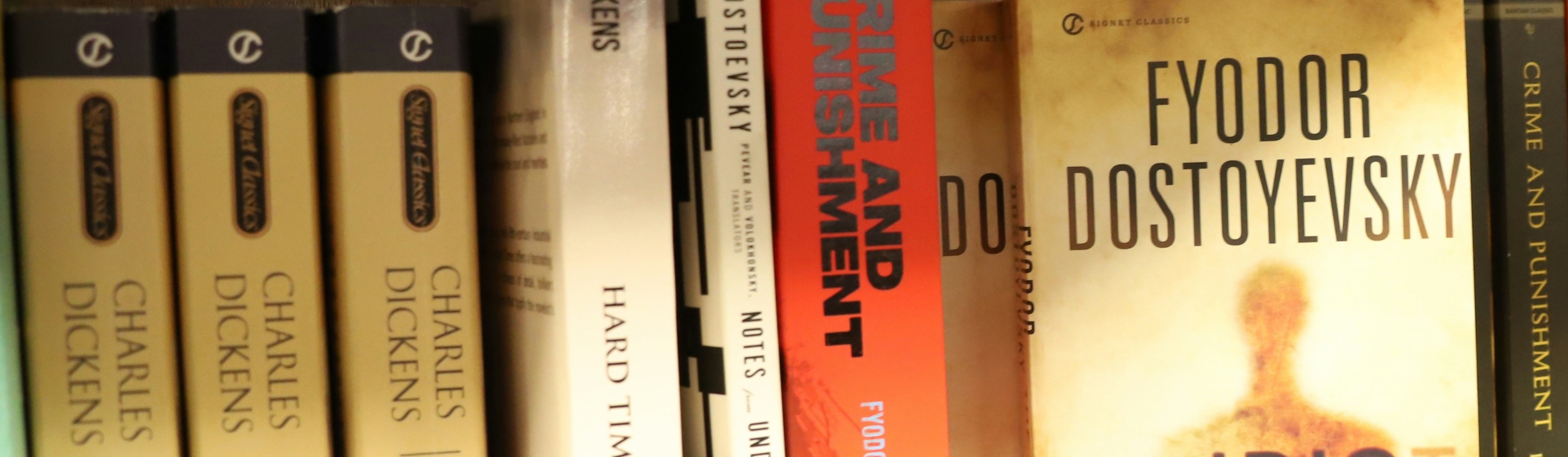
From Little Women to The Great Gatsby: 20 Classics You Must Read
Must-Read Classics
Even if you're not a big reader, there are plenty of classics that are absolute must-reads. The Great Gatsby is one; Pride and Prejudice is another. The stories and characters in these novels are those that will stay with you long after you've flipped to the last page. If you want books that are worth the time because they leave a lasting impression, here are 20 must-read classics that are guaranteed to keep you hooked.

1. Little Women by Louisa May Alcott
Little Women is a warm novel about sisters growing up during the Civil War era, trying to figure out who they are and what they want from life. You get ambition, sibling friction, financial strain, and the daily negotiations of love and responsibility, all grounded in a household that feels lived-in. The real pull is watching how each sister’s personality shapes her choices and costs her something.
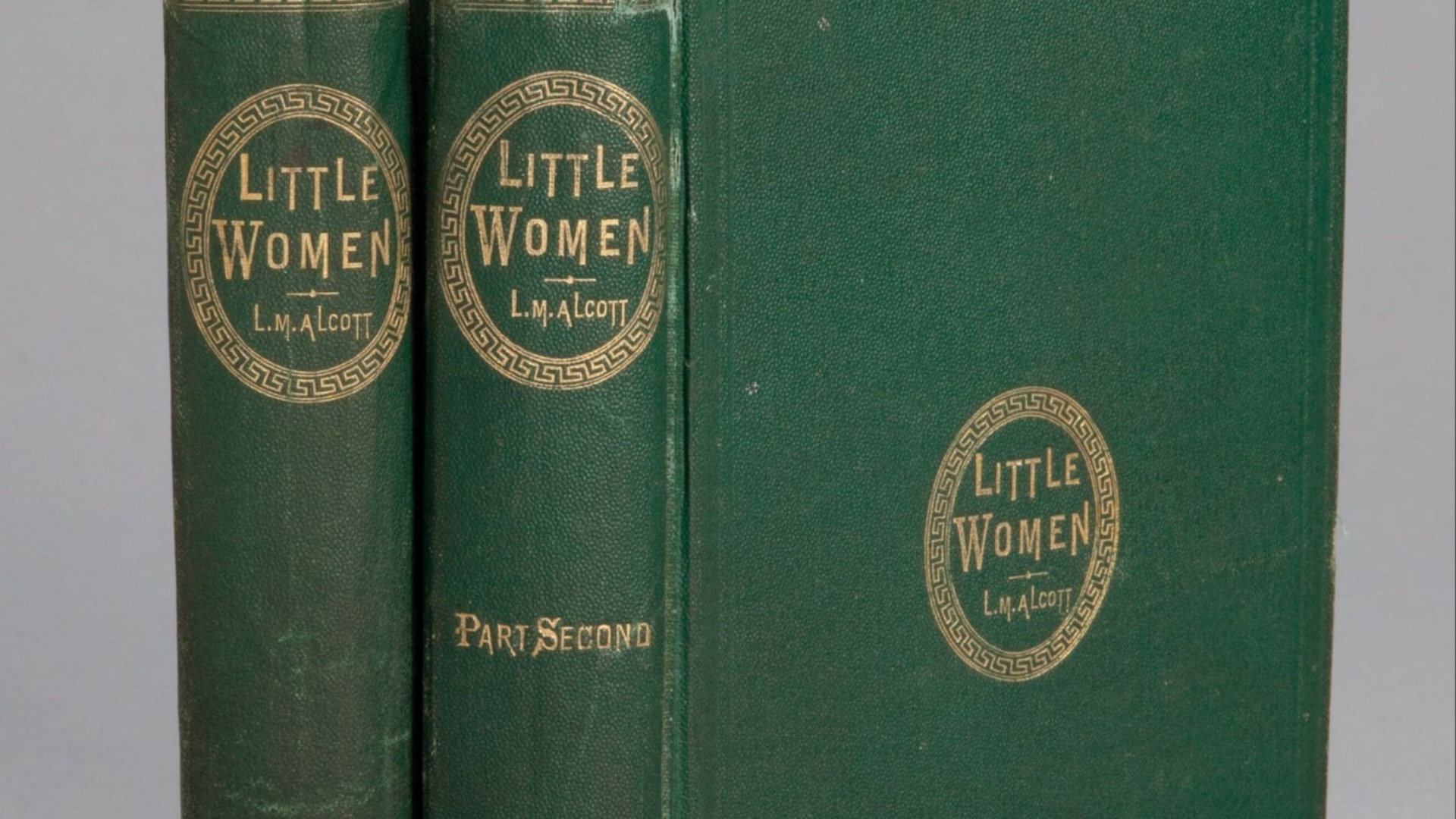 Louisa May Alcott (author), May Alcott (illustrator) on Wikimedia
2. The Great Gatsby by F. Scott Fitzgerald
Nick Carraway drifts into the glittering Long Island world of Jay Gatsby, a man who has built his entire life around a single romantic fixation and the status he thinks it requires. The parties are loud and money is everywhere, but the loneliness underneath it all is hard to ignore. What makes this book hit is how quickly charm turns into discomfort, and how the story keeps asking you whether desire is ever honest when it is fueled by image.

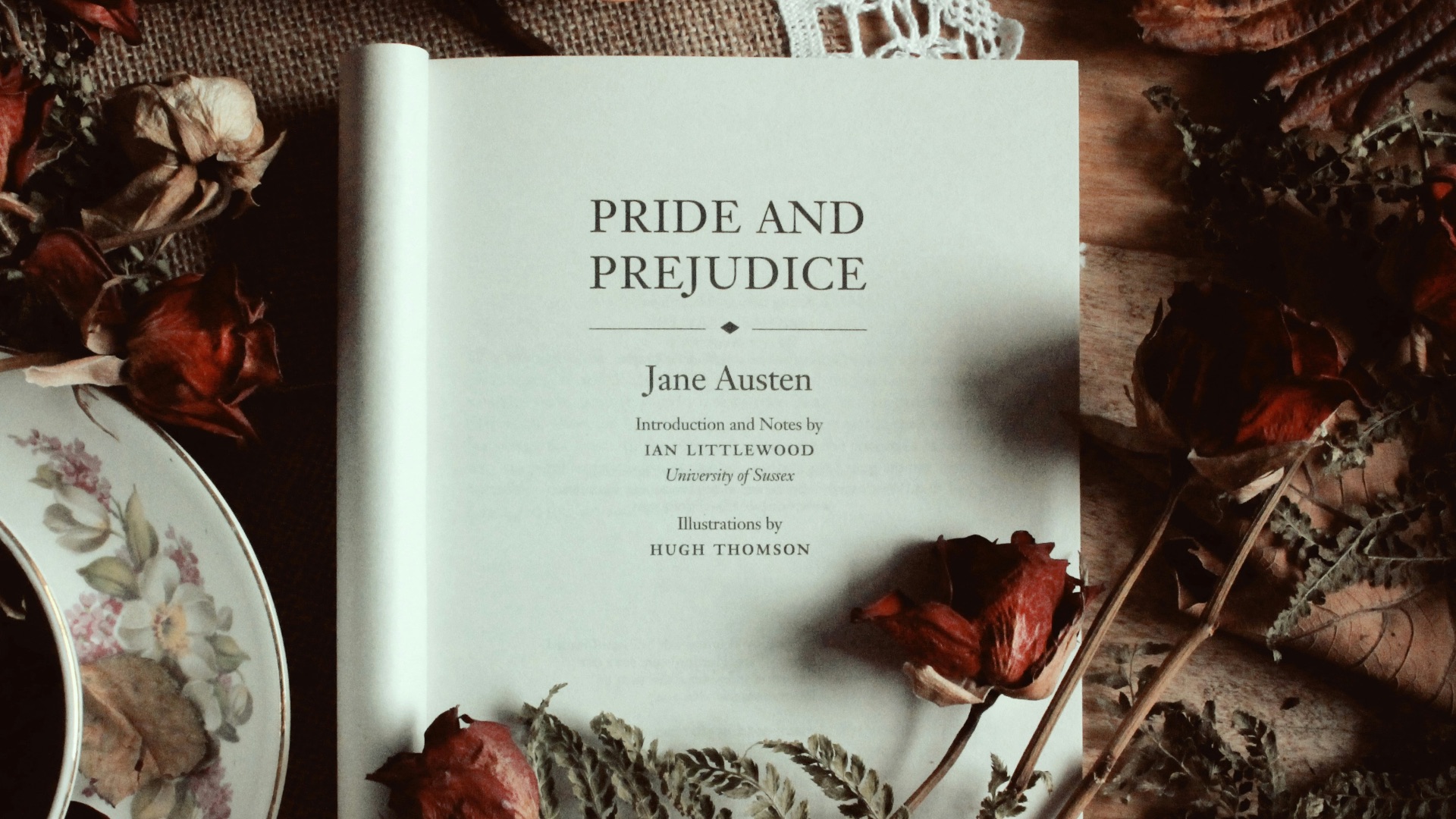
3. Pride and Prejudice by Jane Austen
Elizabeth Bennet is smart, opinionated, and not in the mood to flatter anyone, which makes her clashes with the guarded and wealthy Mr. Darcy both funny and surprisingly tense. The plot is basically a series of social visits, misunderstandings, and reputational land mines, but Austen makes every interaction feel electric.
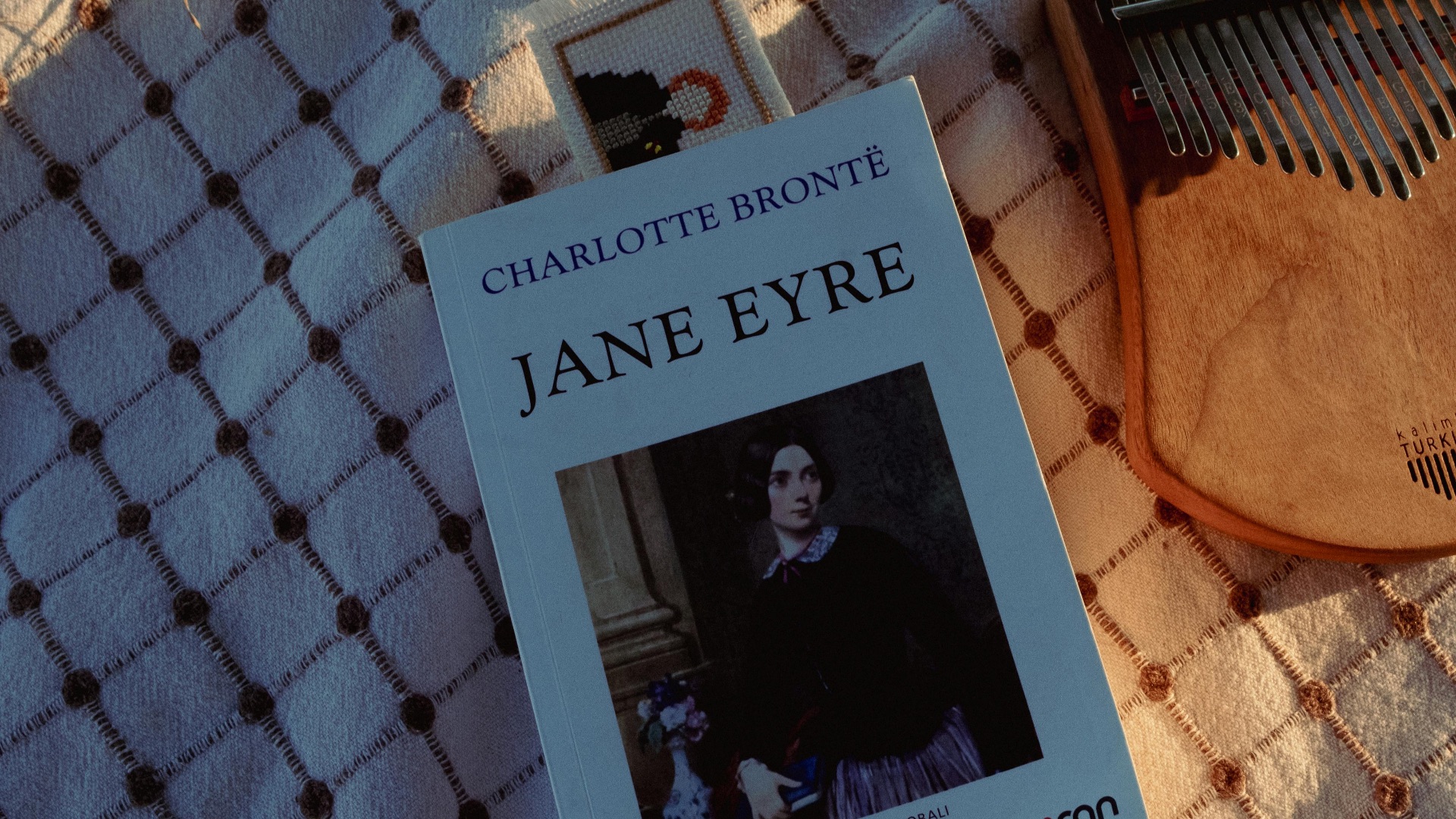
4. Jane Eyre by Charlotte Brontë
Jane begins as an unwanted orphan and grows into a woman who refuses to trade her self-respect for comfort, even when temptation is right in front of her. When she becomes a governess at Thornfield Hall, the job brings her into an emotionally complicated bond with Mr. Rochester and the unsettling secrets of his home. It is romantic, yes, but it is also a stubborn argument for personal integrity when the world is offering you every reason to compromise.
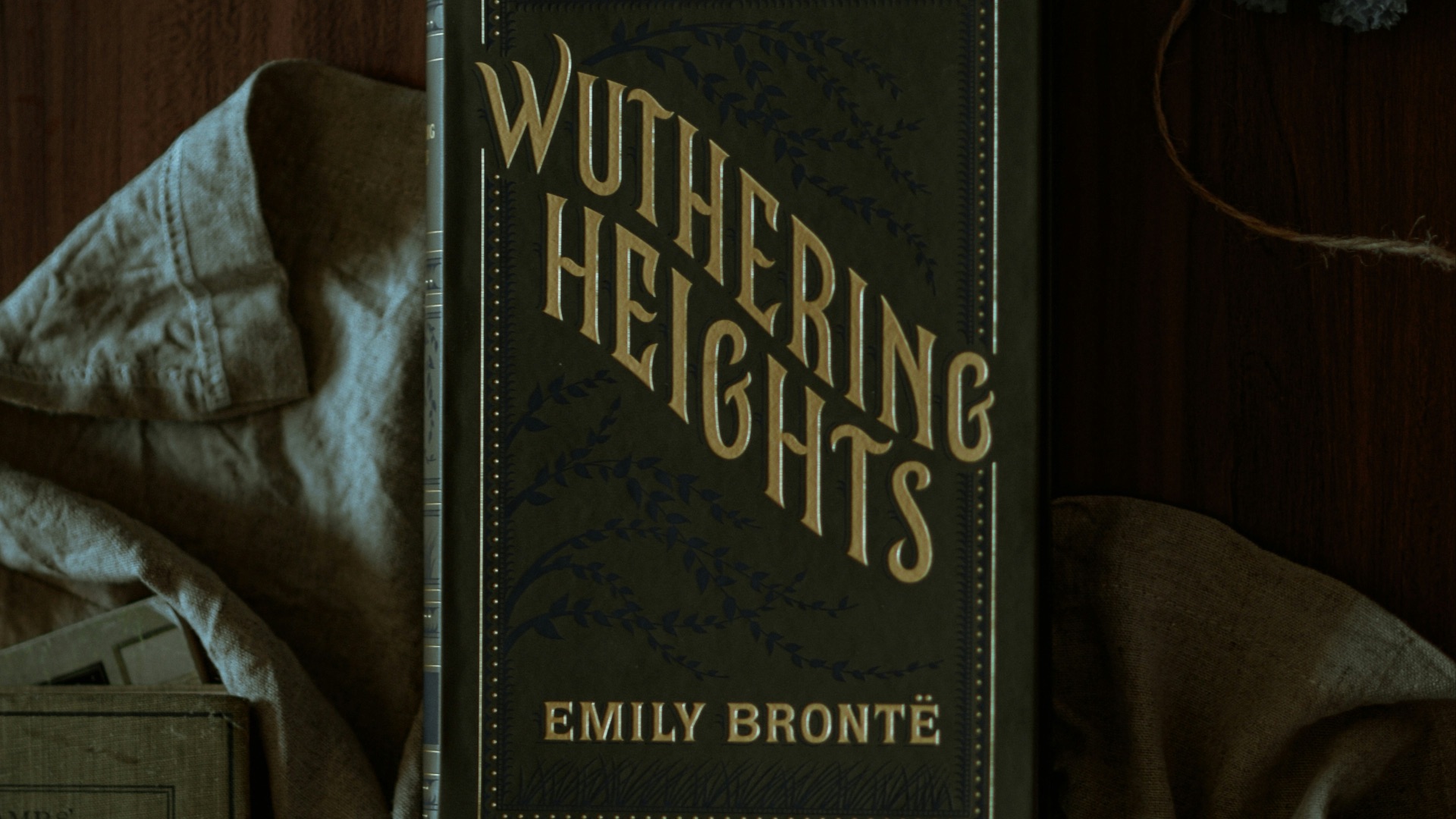
5. Wuthering Heights by Emily Brontë
At its center is a destructive relationship between Catherine Earnshaw and Heathcliff, an orphan adopted into the family, built from obsession, resentment, and the feeling that love can justify anything. The story is told through layers of narration, so you are constantly weighing what happened against how people choose to remember it.
6. Macbeth by William Shakespeare
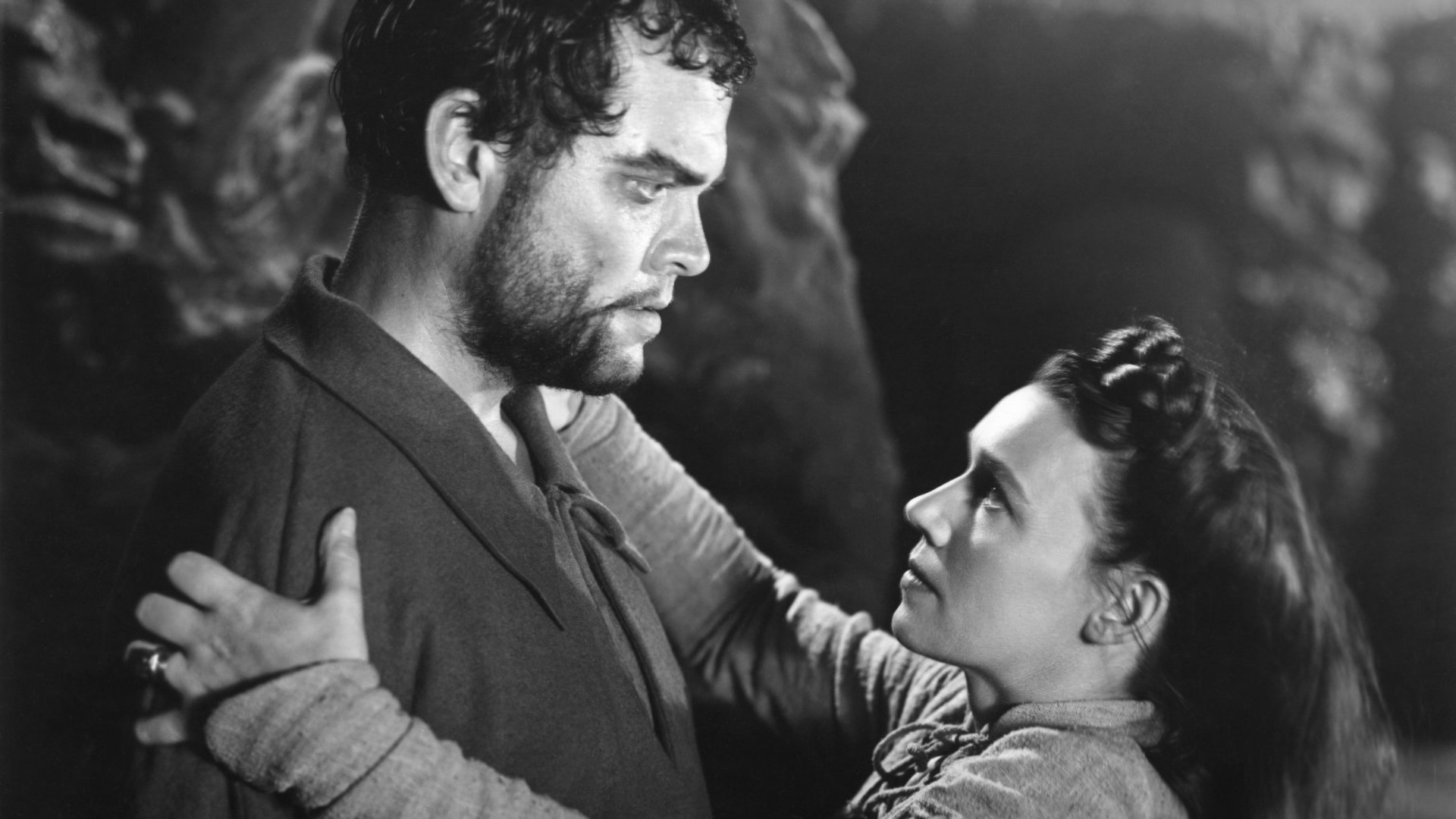
Macbeth begins as a celebrated soldier with a solid standing, then a prophecy and a hungry sense of possibility start rearranging his priorities. Once he chooses ambition over restraint, the play becomes a fast, tense study of how violence escalates when you are trying to protect a story you have told yourself. There's a reason why this work, along with many titles from Shakespeare, is considered required reading.
7. Moby-Dick by Herman Melville
Ishmael signs onto a whaling ship and quickly realizes Captain Ahab is not hunting a whale so much as trying to settle a personal score with the universe. The book swings between wild sea adventure and detailed digressions about whales, labor, and the machinery of the industry, which can feel odd until you see how intentional it is.

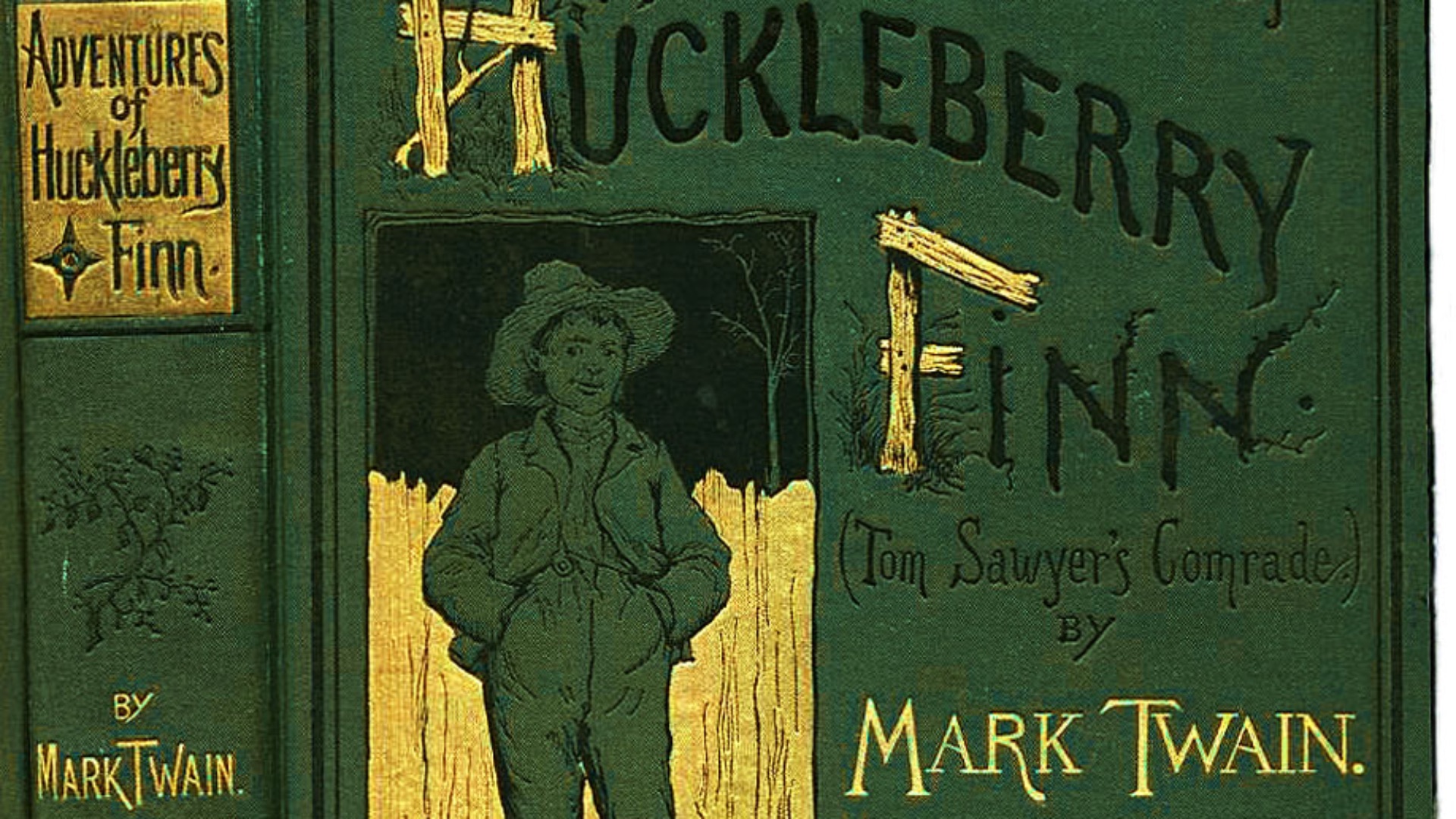
8. The Adventures of Huckleberry Finn by Mark Twain
Huck runs away down the Mississippi River with Jim, an enslaved man seeking freedom, and the journey becomes a messy education in conscience and hypocrisy. Twain gives you comic episodes and sharp satire, but the book is also asking what happens when a kid’s sense of right and wrong collides with what his society calls normal.
9. The Scarlet Letter by Nathaniel Hawthorne
Hester Prynne is publicly punished for adultery and forced to live as a symbol of scandal, while the man involved hides behind respectability. The plot is simple, but Hawthorne is focused on the psychological fallout: guilt, moral theater, and the strange comfort some people take in judging others. You are basically watching a community turn shame into a public project, and watching what that pressure does to everyone involved.
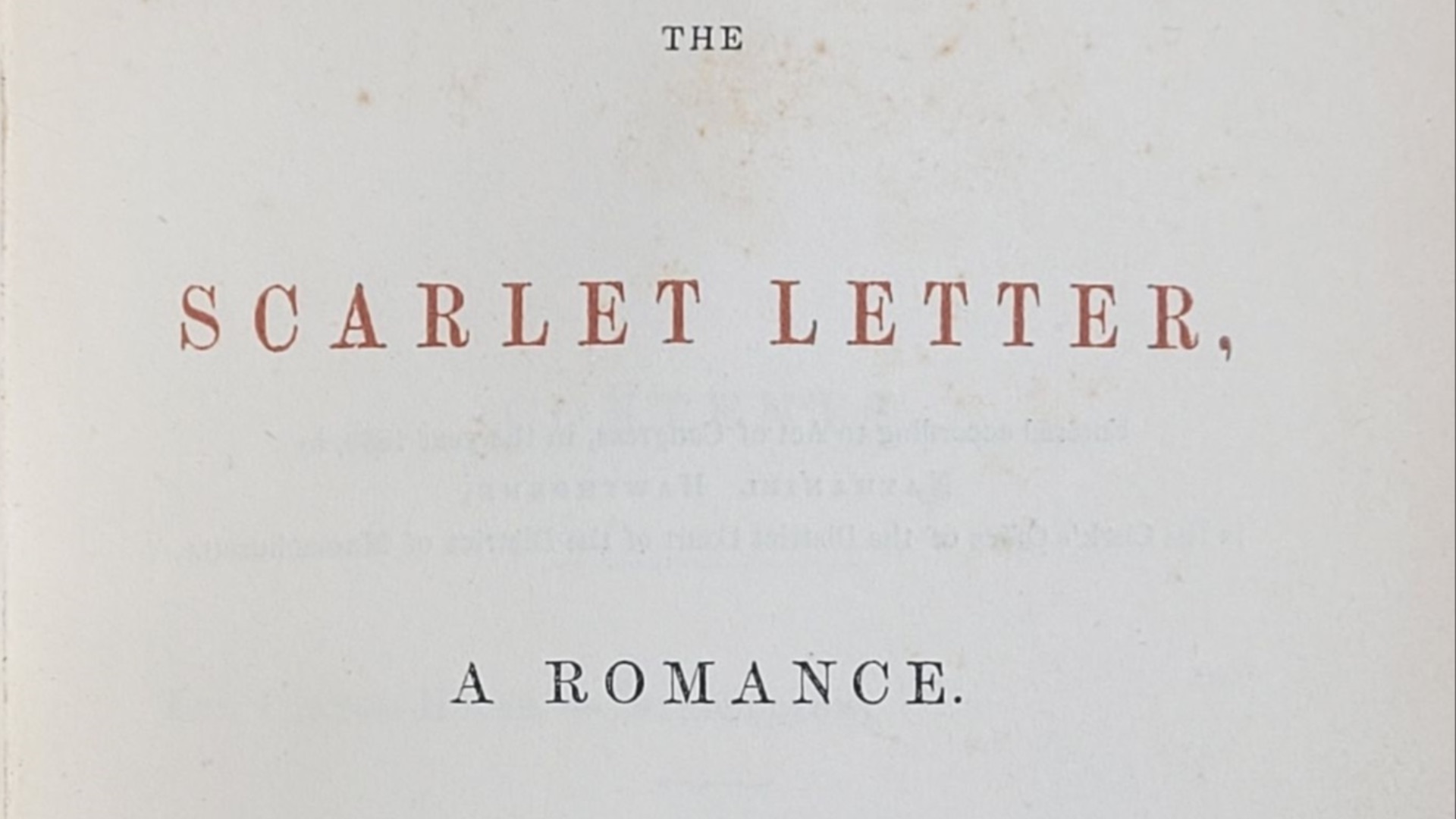 Nathaniel Hawthorne on Wikimedia
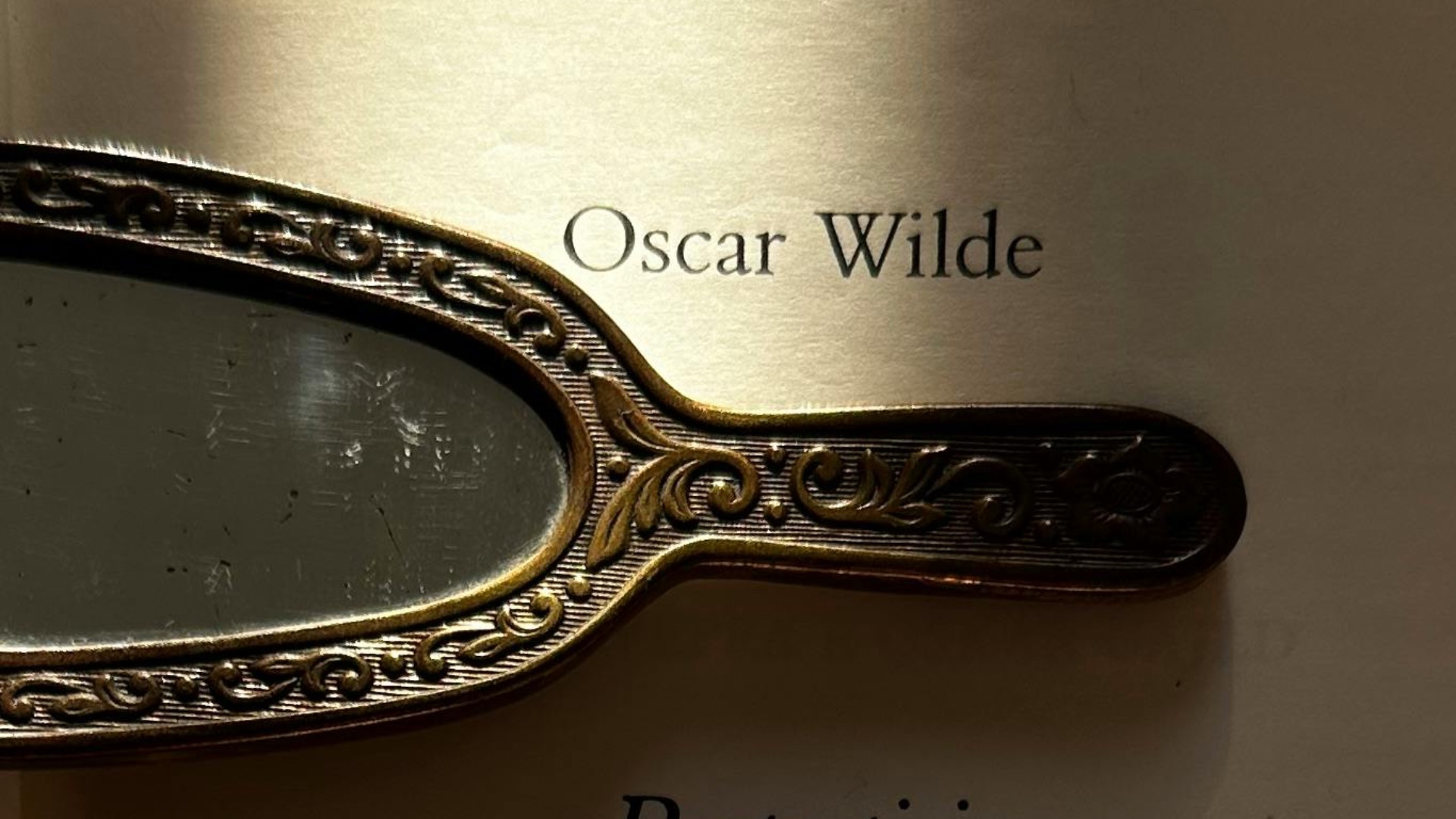
10. The Picture of Dorian Gray by Oscar Wilde
Dorian is a beautiful young man who becomes obsessed with staying untouched by time and consequence, and he gets exactly what he wishes for in the most unsettling way. The story follows his social rise and moral decay as he chases pleasure while insisting he remains innocent. Wilde makes it entertaining and sharp, but he also makes you feel the cost of treating other people like props in your private pursuit of perfection.
11. Never Let Me Go by Kazuo Ishiguro
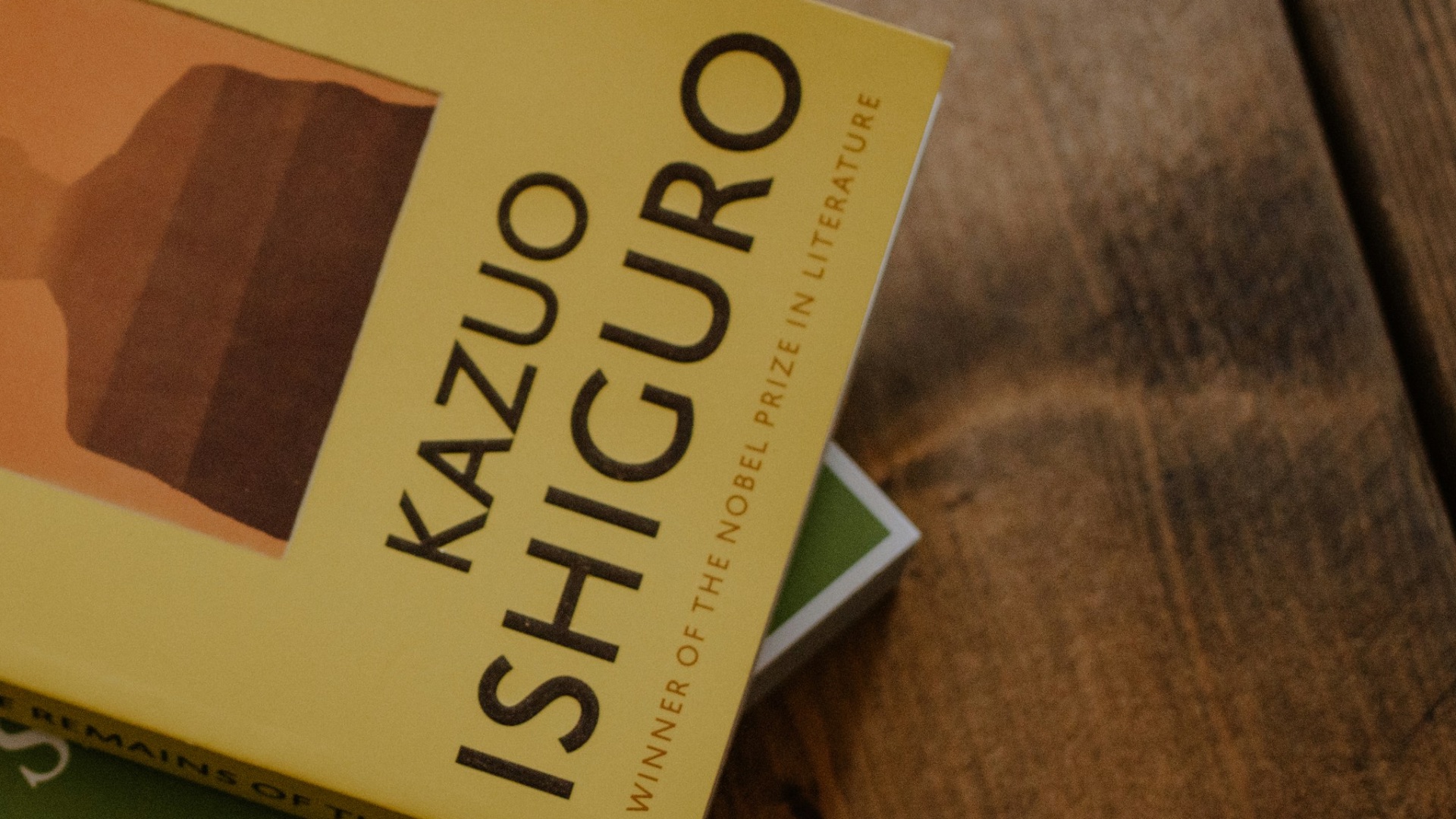
This novel follows Kathy, Ruth, and Tommy from their seemingly sheltered schooldays into adulthood, slowly revealing that their entire lives have been planned around a purpose they did not choose. Ishiguro keeps the tone quiet and conversational, which makes the underlying system feel even more chilling as details emerge through memory rather than exposition. By the end, you are left with a story about friendship, longing, and the limits of resistance when the rules were written long before you arrived.
12. The Count of Monte Cristo by Alexandre Dumas
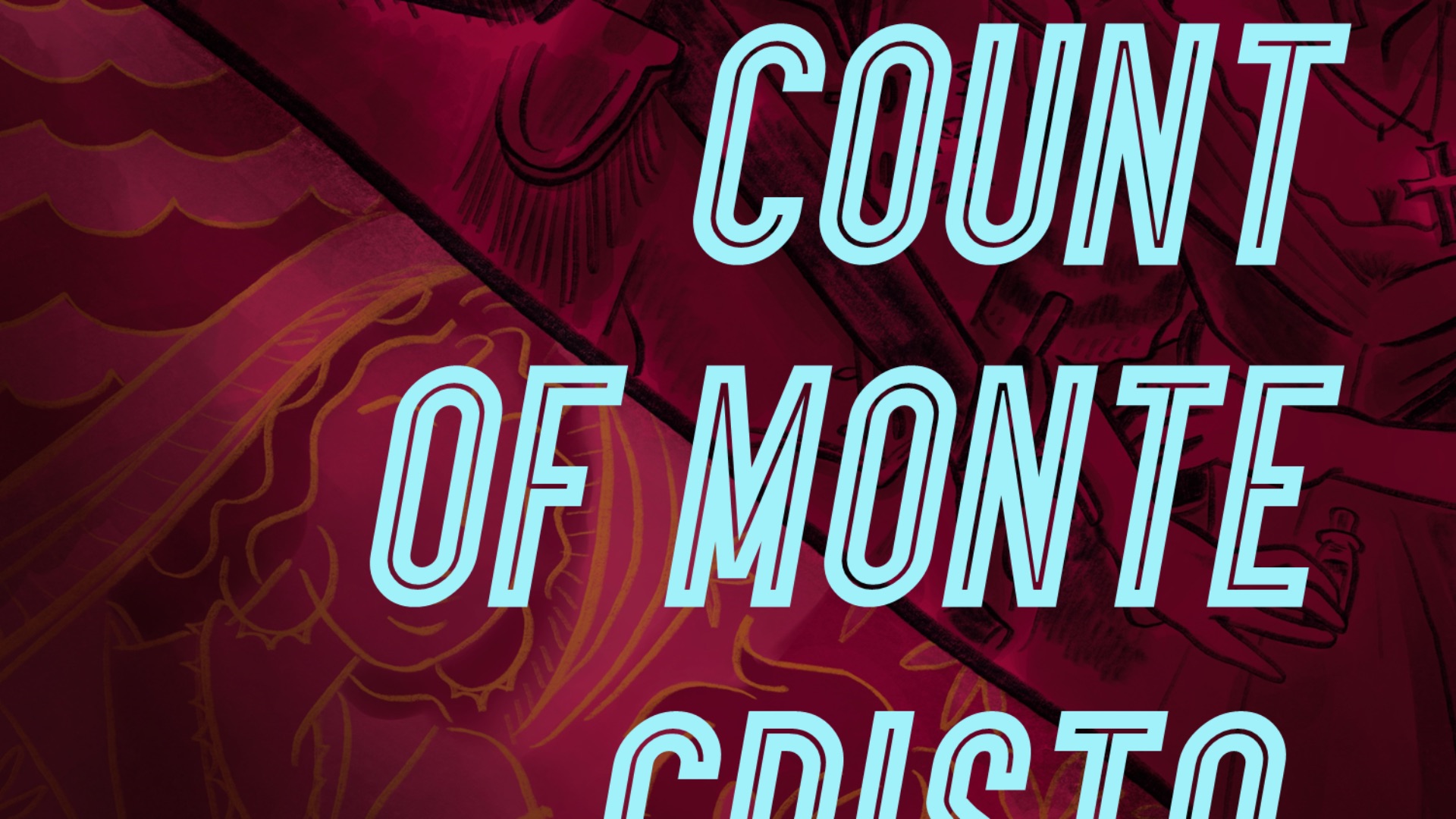
Edmond Dantès is falsely imprisoned, loses years of his life, and emerges with a new identity, enormous wealth, and a carefully engineered plan to destroy the people who ruined him. The plot is sprawling and addictive, full of disguises, secrets, and long payoffs that make you appreciate how patiently Dumas sets things up.
 WillOncheso887987 on Wikimedia
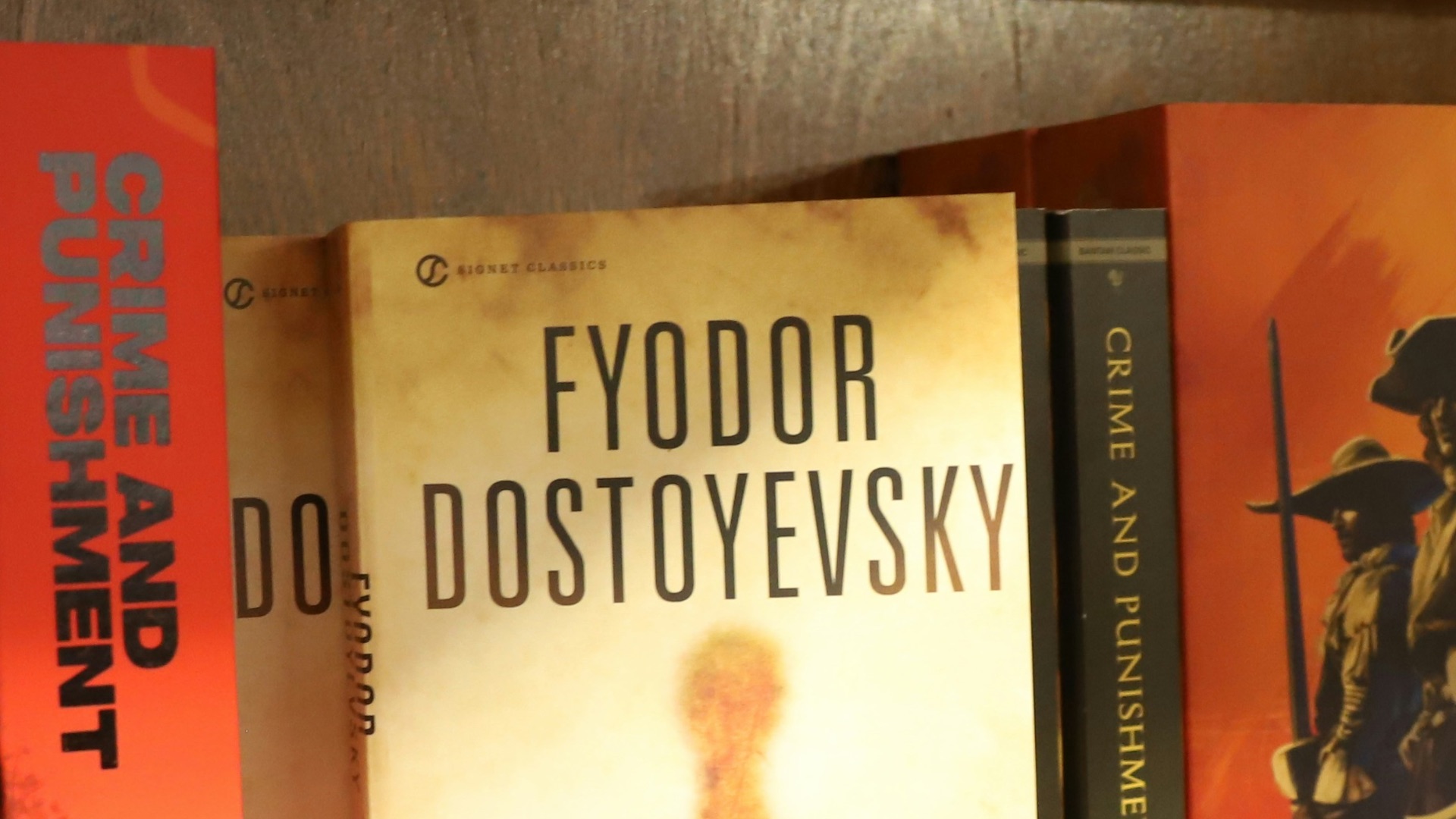
13. Crime and Punishment by Fyodor Dostoevsky
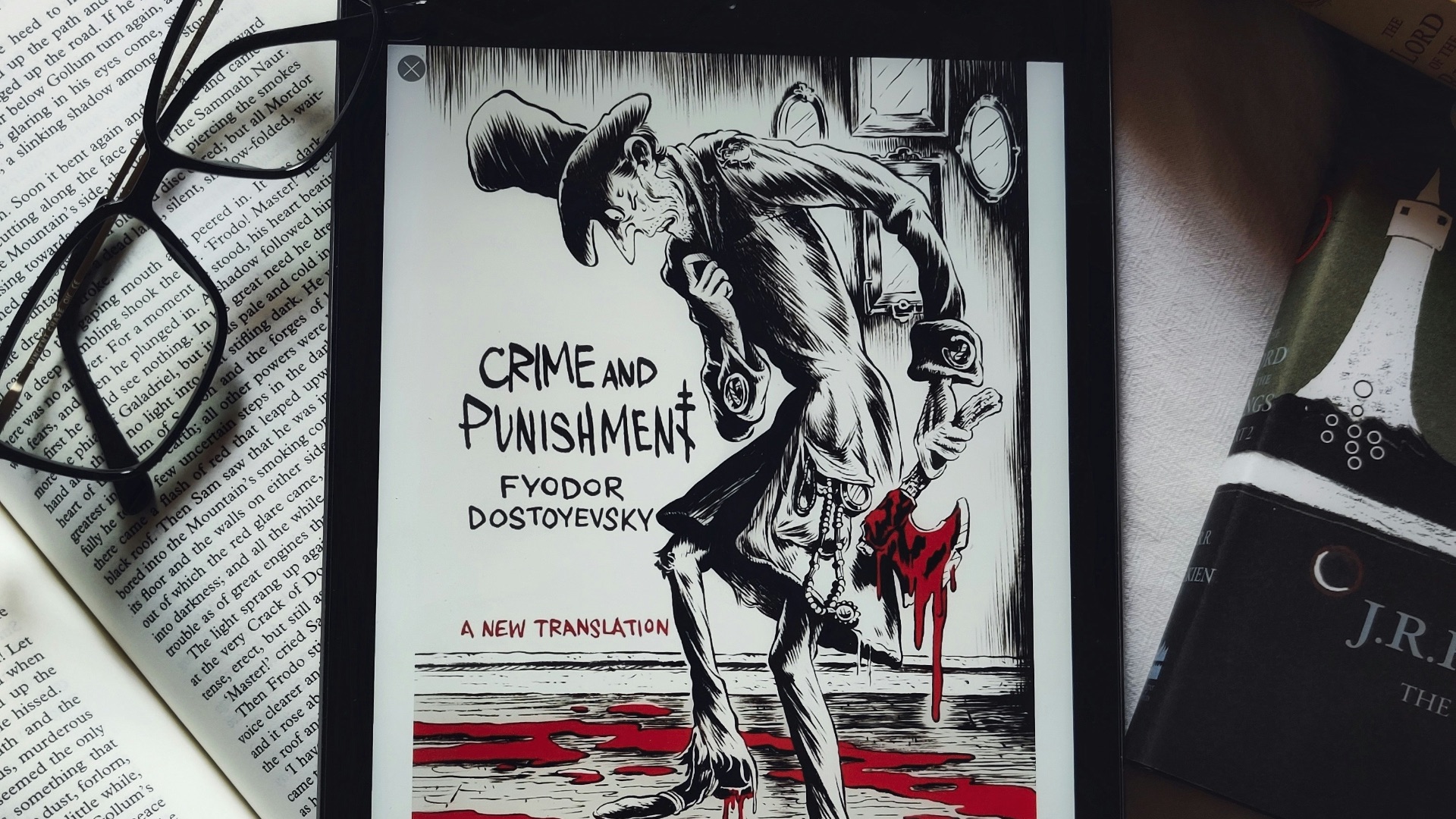
Raskolnikov commits a murder and tells himself it was justified, but his mind immediately starts cracking under the weight of what he has done. Much of the novel is the tense, claustrophobic experience of living inside his rationalizations as he tries to outthink guilt and suspicion. It becomes less about whether he will be caught and more about whether he can keep pretending his theories matter more than another person’s life.
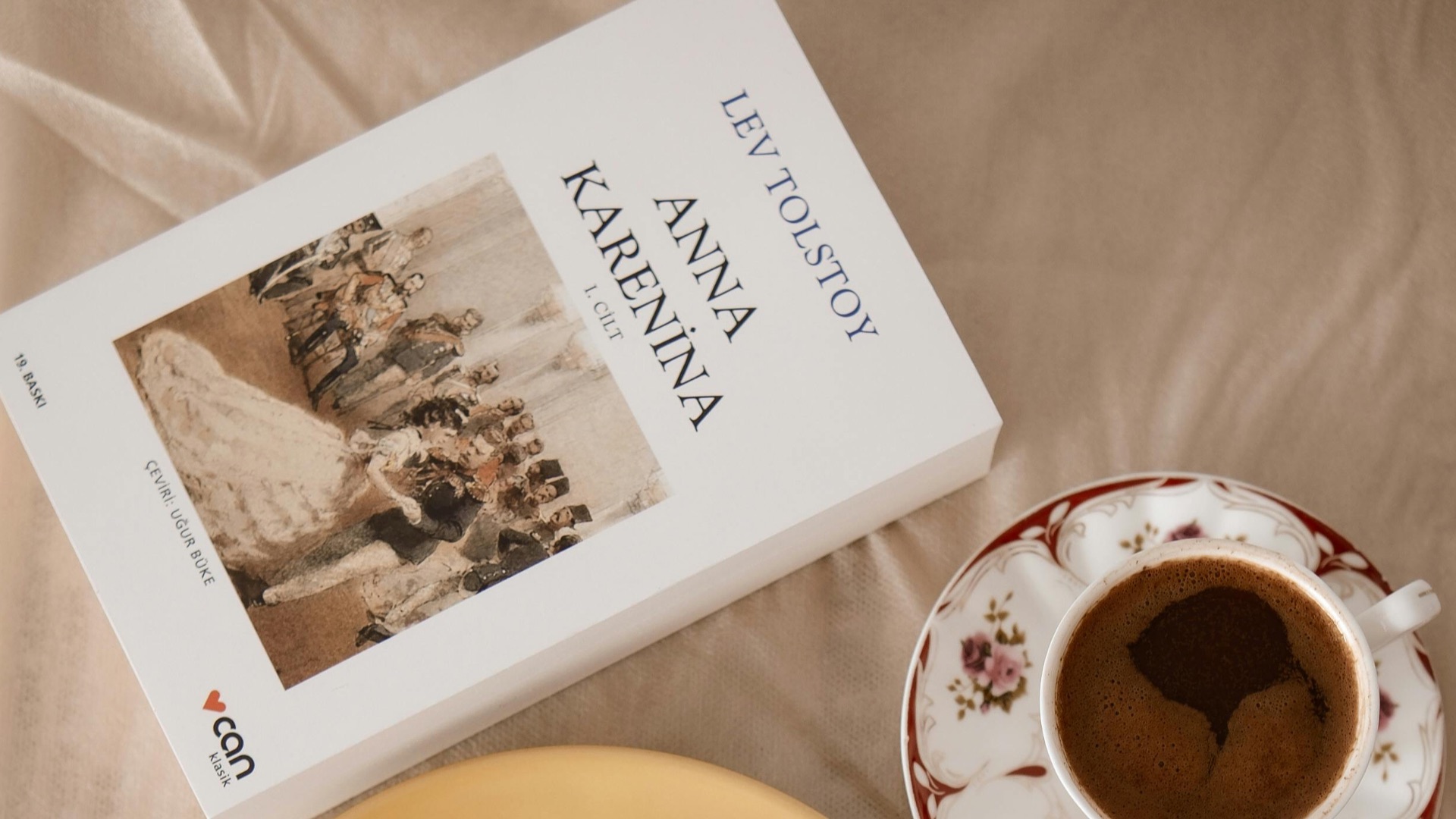
14. Anna Karenina by Leo Tolstoy
Anna enters an affair that offers emotional intensity but collides violently with social expectations, motherhood, and the realities of reputation. In parallel, Tolstoy follows other characters navigating marriage, work, faith, and the question of what a meaningful life actually looks like. The brilliance is how the book refuses to flatten anyone into a villain or a saint, so you end up seeing how desire and consequence can coexist in the same person.
15. The Brothers Karamazov by Fyodor Dostoevsky
This is a family tragedy that becomes a spiritual and ethical courtroom, with three brothers representing different ways of living and believing. Their father is cruel and chaotic, and when he is murdered, the aftermath forces everyone to confront what they have wanted, feared, and tolerated. The plot keeps moving, but the book’s real intensity comes from its arguments about guilt, responsibility, and whether morality holds up when life gets ugly.
16. Middlemarch by George Eliot
Dorothea Brooke wants a life of purpose, but she keeps getting offered narrow roles disguised as noble opportunities, and the novel tracks how that mismatch plays out. Around her, Eliot builds a whole town of ambitions, compromises, jealousies, and quiet kindnesses, making the social web feel realistic rather than decorative. It is long because it is attentive, and the reward is seeing how big dreams get reshaped by daily pressures instead of sudden dramatic twists.
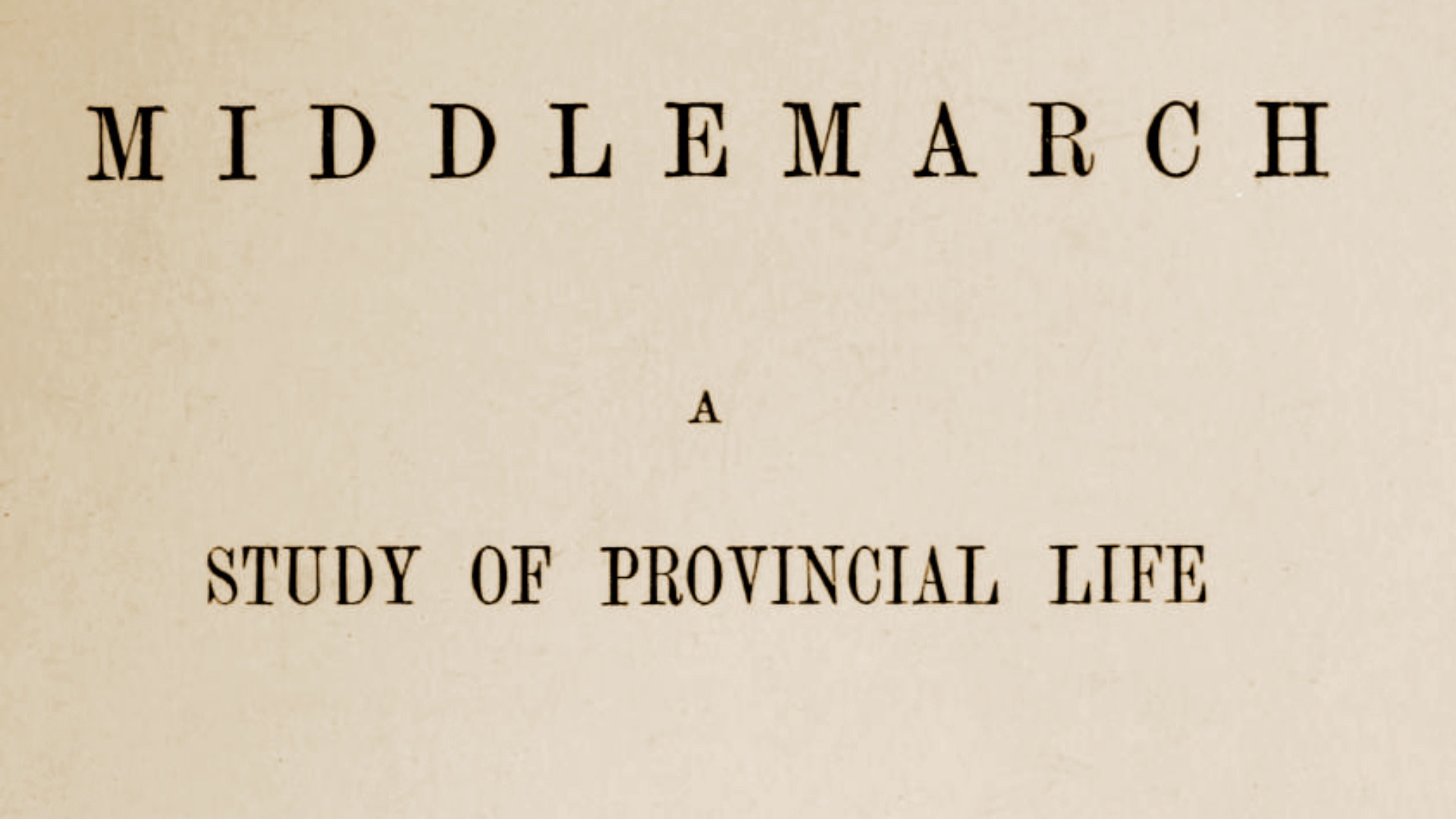 George Eliot/William Blackwood and Sons on Wikimedia
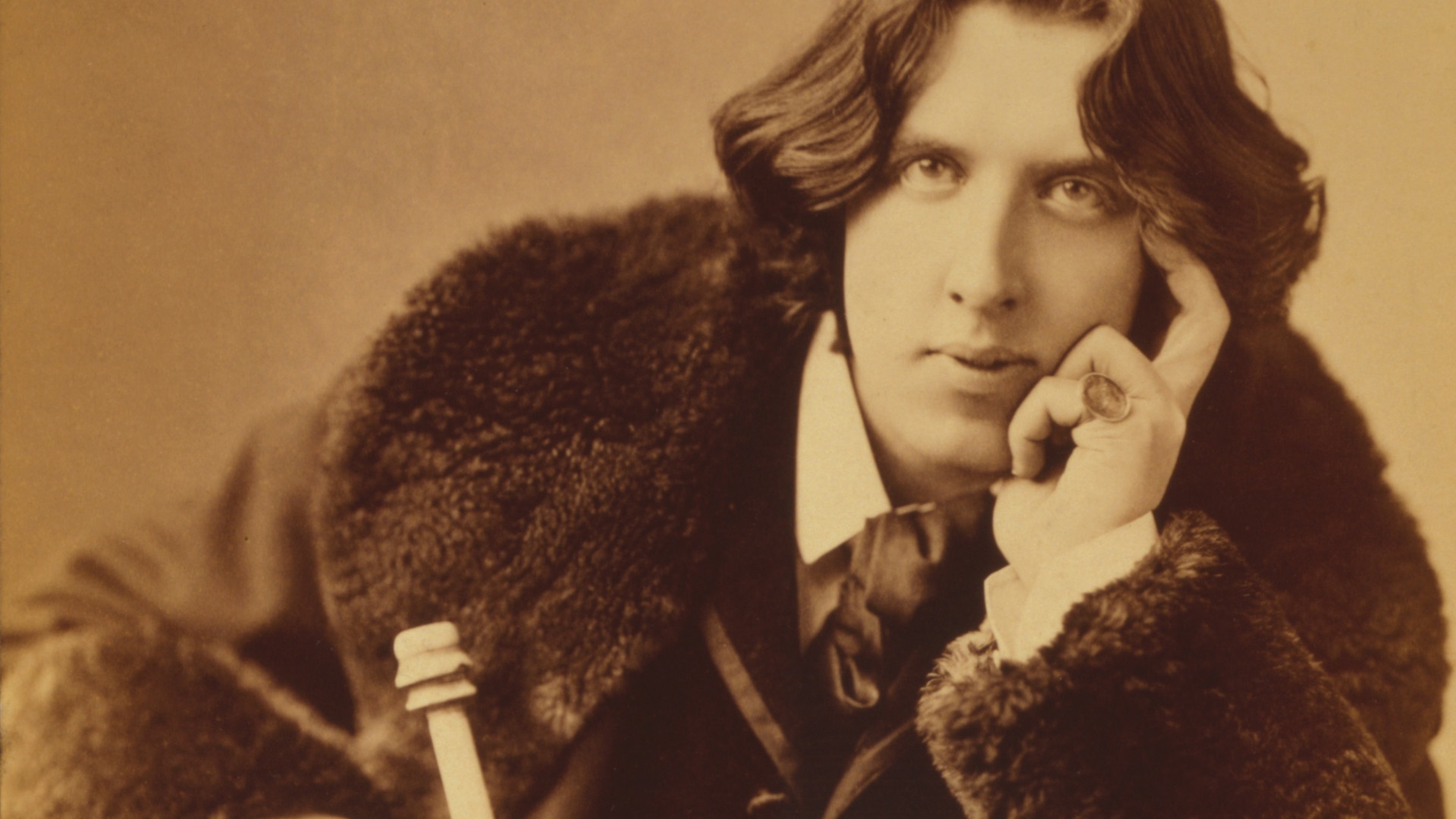
17. The Importance of Being Earnest by Oscar Wilde
In The Importance of Being Earnest, two friends lie for convenience, and their small deceptions snowball into engagement chaos, social embarrassment, and a parade of polite absurdity. The plot is deliberately ridiculous, but the dialogue is sharp enough that every scene feels like a hit.
18. Their Eyes Were Watching God by Zora Neale Hurston
Janie Crawford tells the story of her life through relationships that alternately restrict her and push her toward a fuller sense of self. The novel follows her through marriages, community life, love, and loss, with a focus on what it means to have a voice that is truly your own. Hurston’s writing gives the world texture and warmth, and the emotional arc feels earned because Janie’s growth is not neat or automatic.
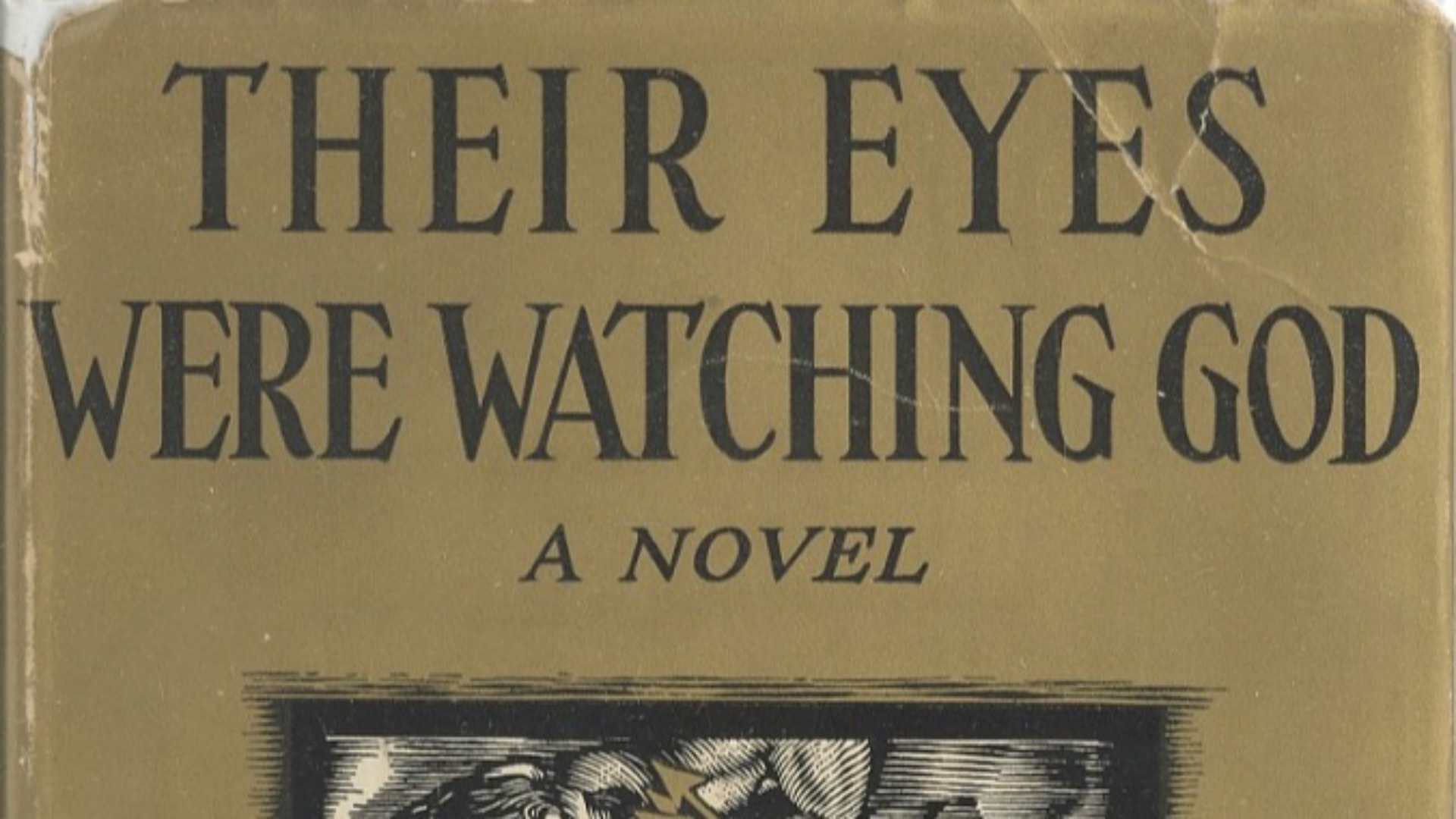 Unknown; published by J.B. Lippincott Company on Wikimedia
19. The Grapes of Wrath by John Steinbeck
The Joad family is forced off their land during the Dust Bowl era and heads to California hoping for work, only to find exploitation and hostility waiting for them. Steinbeck alternates the family’s story with wider chapters about economics and displacement, so you feel both the personal and the systemic pressure. It is heartbreaking without being sentimental, and it is blunt about what happens when survival becomes a bargaining chip.
 Unknown authorUnknown author on Wikimedia
20. Beloved by Toni Morrison
Set after slavery, the novel follows Sethe, a mother whose past refuses to stay buried, even in a home that is supposed to be safe. When a mysterious young woman appears, the story tightens into an exploration of memory, trauma, and the desperate choices people make under unbearable conditions.
 Jacket design by R. D. Scudellari. Published by Alfred A. Knopf. on Wikimedia
KEEP ON READING
The 20 Most Recognized Historical Figures Of All Time
The Biggest Names In History. Although the Earth has been…
By Cathy Liu Oct 4, 2024
10 of the Shortest Wars in History & 10 of…
Wars: Longest and Shortest. Throughout history, wars have varied dramatically…
By Emilie Richardson-Dupuis Oct 7, 2024
10 Fascinating Facts About Ancient Greece You Can Appreciate &…
Once Upon A Time Lived Some Ancient Weirdos.... Greece is…
By Megan Wickens Oct 7, 2024
20 Lesser-Known Facts About Christopher Columbus You Don't Learn In…
In 1492, He Sailed The Ocean Blue. Christopher Columbus is…
By Emilie Richardson-Dupuis Oct 9, 2024
20 Historical Landmarks That Have The Craziest Conspiracy Theories
Unsolved Mysteries Of Ancient Places . When there's not enough evidence…
By Megan Wickens Oct 9, 2024
The 20 Craziest Inventions & Discoveries Made During Ancient Times
Crazy Ancient Inventions . While we're busy making big advancements in…
By Cathy Liu Oct 9, 2024